Key Takeaways
Non-cash incentives beat cash in 65% of comparable studies for discretionary effort, per the IRF
Global engagement hit a post-pandemic low of 21% in 2024, costing $438 billion in lost productivity
72% of Gen Z and Millennials rank work-life balance first; 62% call learning critical, per Deloitte
A senior employee just renegotiated her offer letter. She didn't ask for more cash. She asked for a four-day week, a learning budget tied to a certification she named, and a charity match for a cause she chose. Her manager said yes to all three. The pay band didn't move.
That conversation is happening more often, in more roles, in more markets. And most HR teams are still building reward programs for a workforce that no longer exists.
The forces reshaping non-monetary rewards aren't soft trends. They're structural. Four of them, in fact. This post lays out each one, what they mean for HR by 2030, and what an HR Manager should plan for in the next twelve months.
What are non-monetary rewards in 2026, and how is the definition changing?
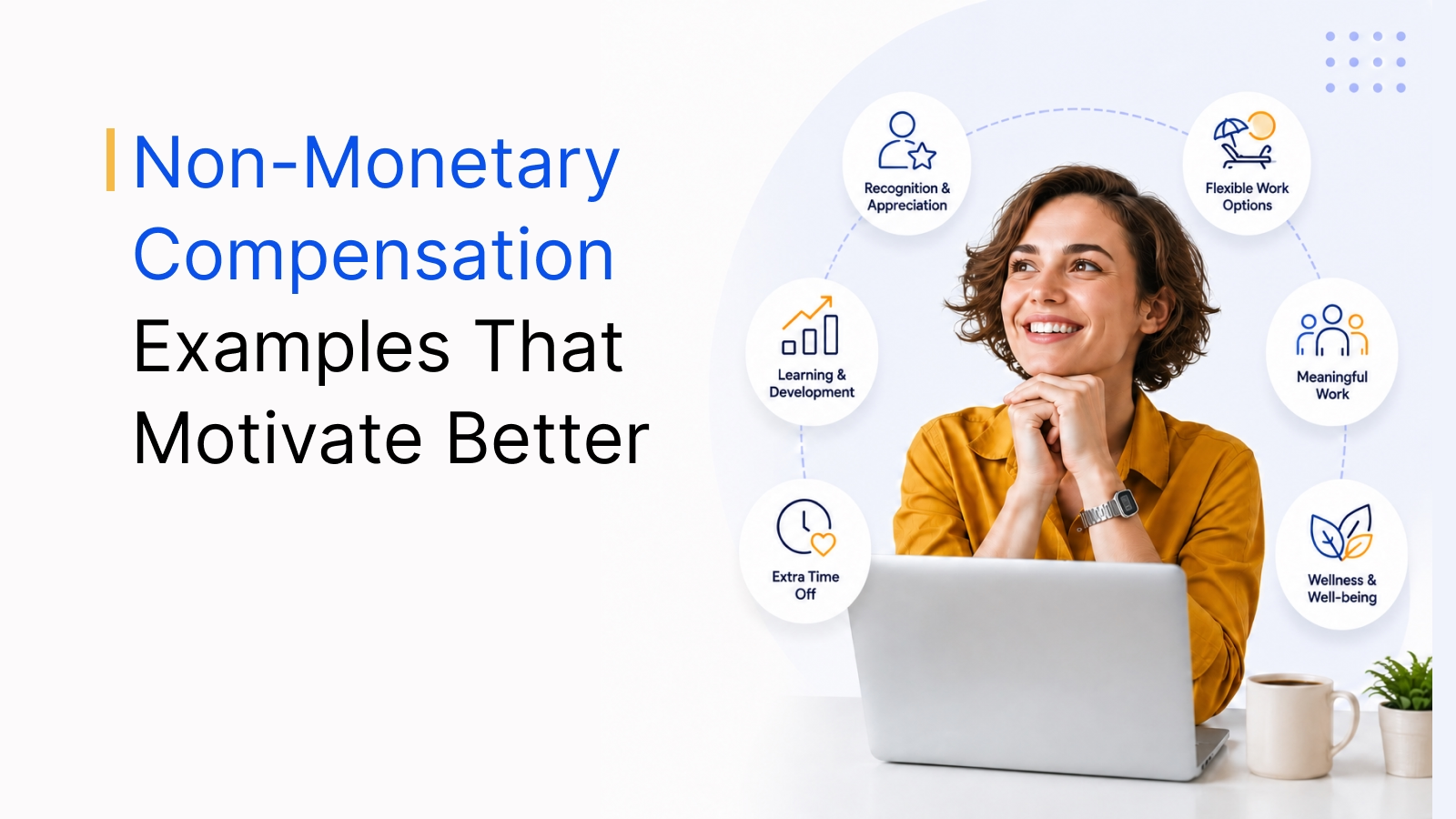
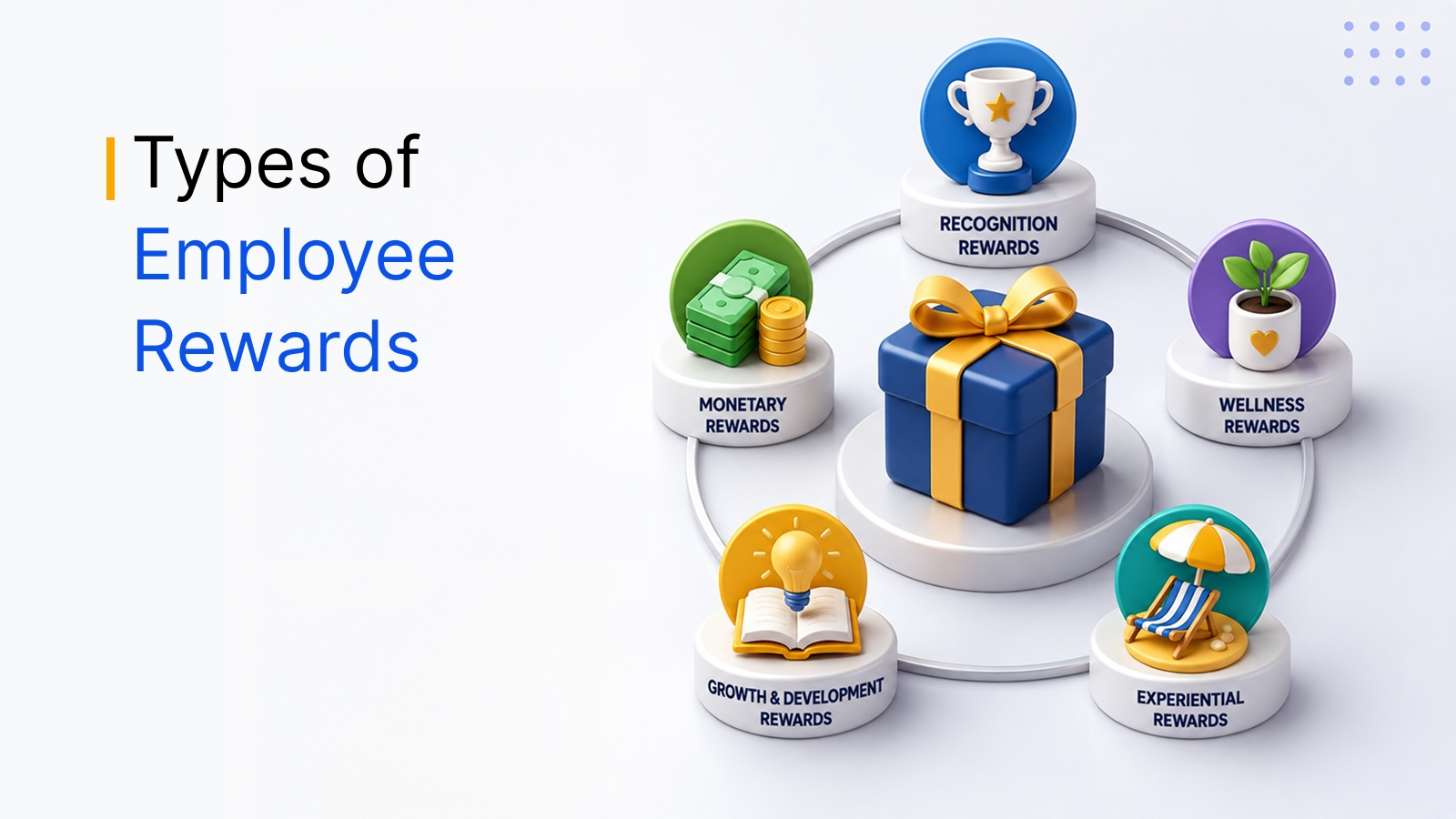
The working definition is simple. Non-monetary rewards are anything an employer offers an employee that doesn't have a direct cash value: recognition, flexible hours, time off, learning opportunities, experiences. The list is well-rehearsed.
That definition is now too narrow. The reward today isn't the absence of cash. It's the presence of choice.
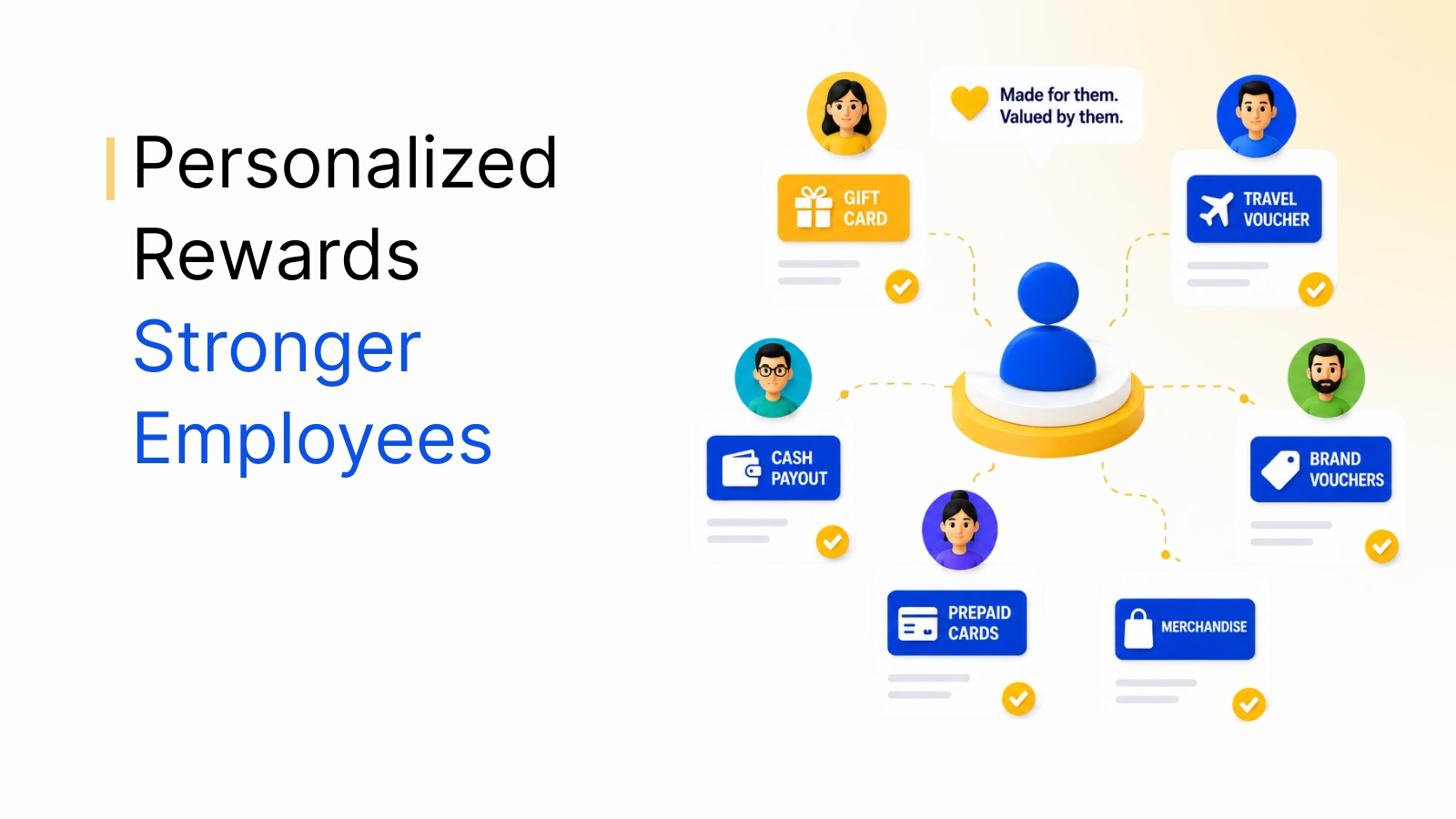
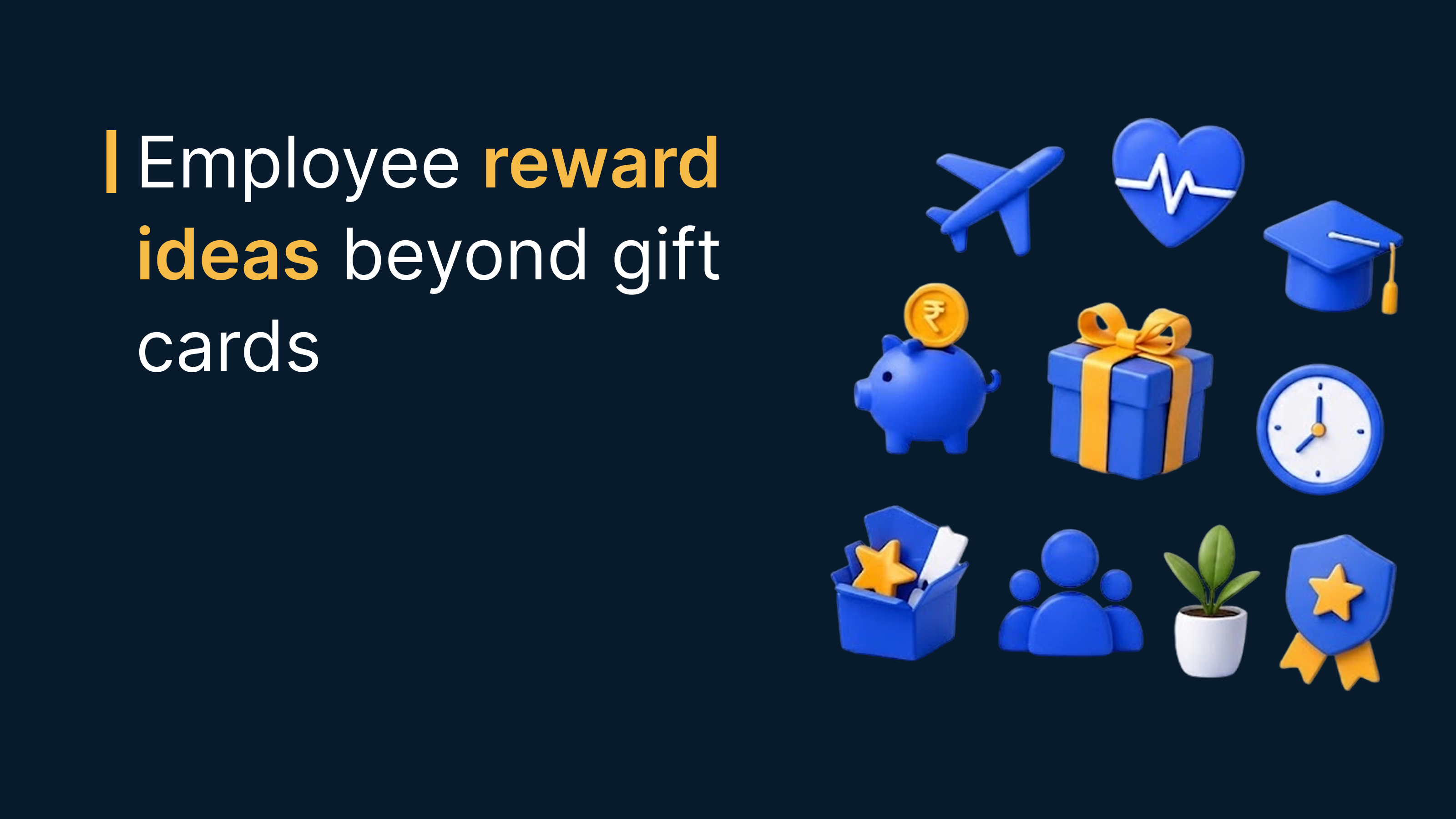
A learning credit the employee picks. A charity match for a cause they name. An experience from a global catalog. The category has shifted from "non-cash perks" to "rewards designed for the moment, not the payslip."
This widening matters for HR because the budget conversation changes with it. A flat perk stack belongs to procurement. A choice-led reward system belongs to people. The shift maps to a broader move in employee benefits trends toward personalization at the individual level.
Why do non-monetary rewards outperform cash for sustained engagement?
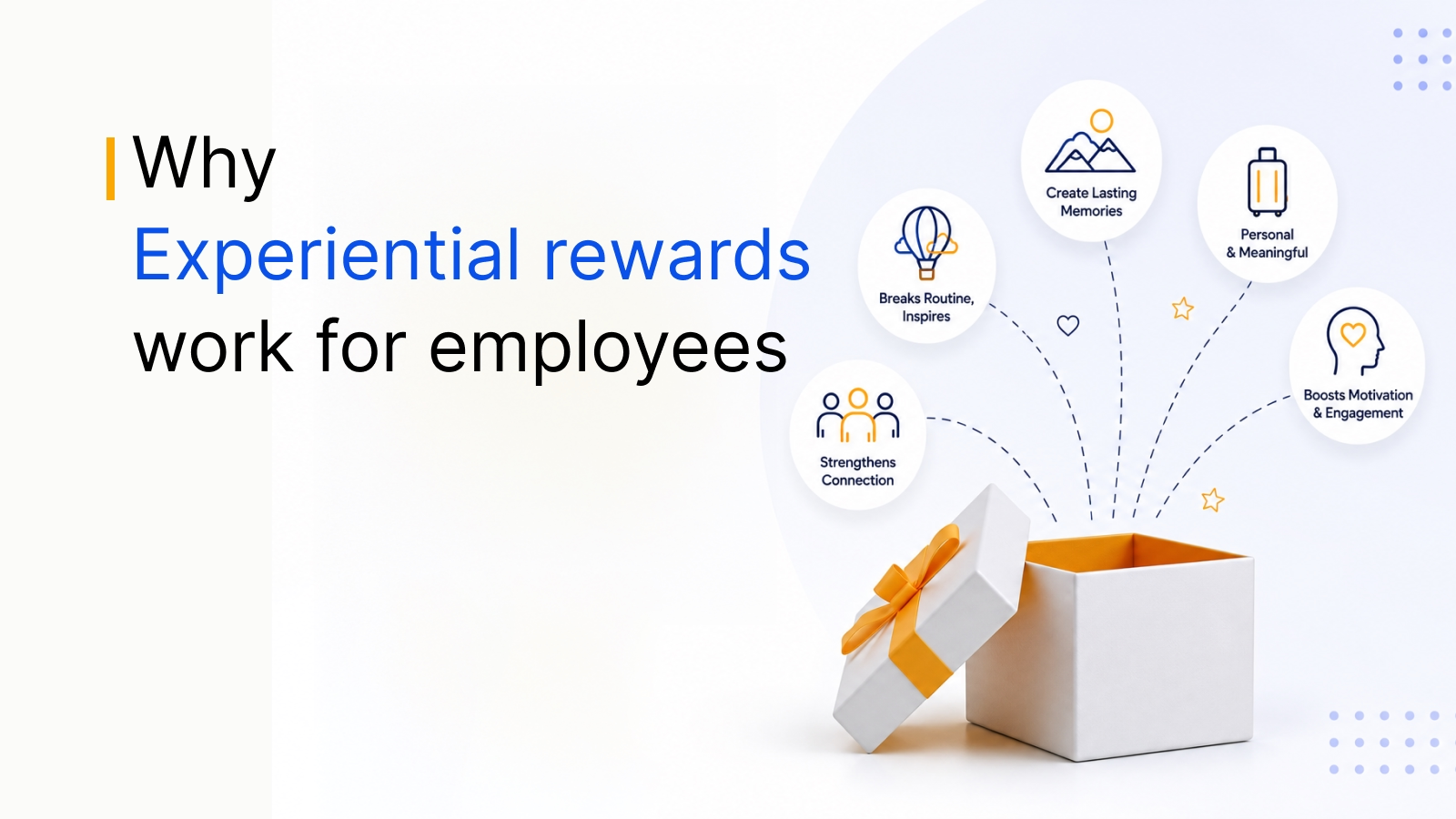
The case isn't sentimental. It's empirical. According to a meta-analysis by the Incentive Research Foundation, non-cash incentives outperformed cash for driving discretionary effort and long-term performance in 65% of comparable studies, particularly when the behavior involved creativity, relationship-building, or sustained commitment.
The mechanism is what behavioral economists call mental accounting. Cash gets absorbed into salary, into the mortgage, into groceries. It loses its identity as a reward within days. A non-monetary reward, especially an experience or a development opportunity, stays separate. It creates a distinct memory tied to the recognition moment.
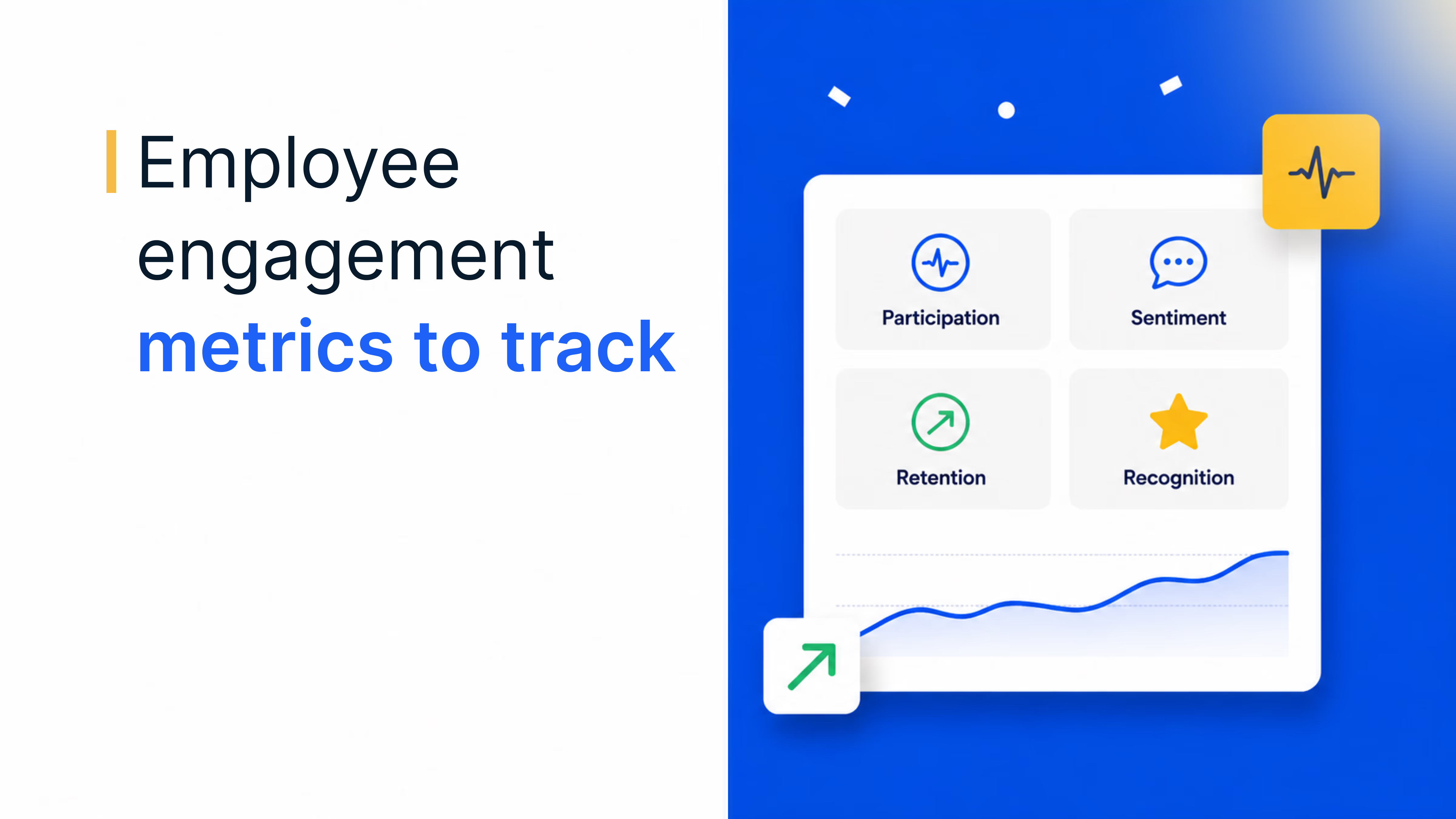
Gallup's State of the Global Workplace 2025 found that only 22% of employees say they receive the right amount of recognition for their work, a figure essentially unchanged since 2022. Global engagement fell to 21% in 2024, the lowest level since the pandemic, with an estimated $438 billion in lost productivity attached to that decline. Cash hasn't closed the gap, because the gap isn't financial.
The four forces reshaping non-monetary rewards through 2030
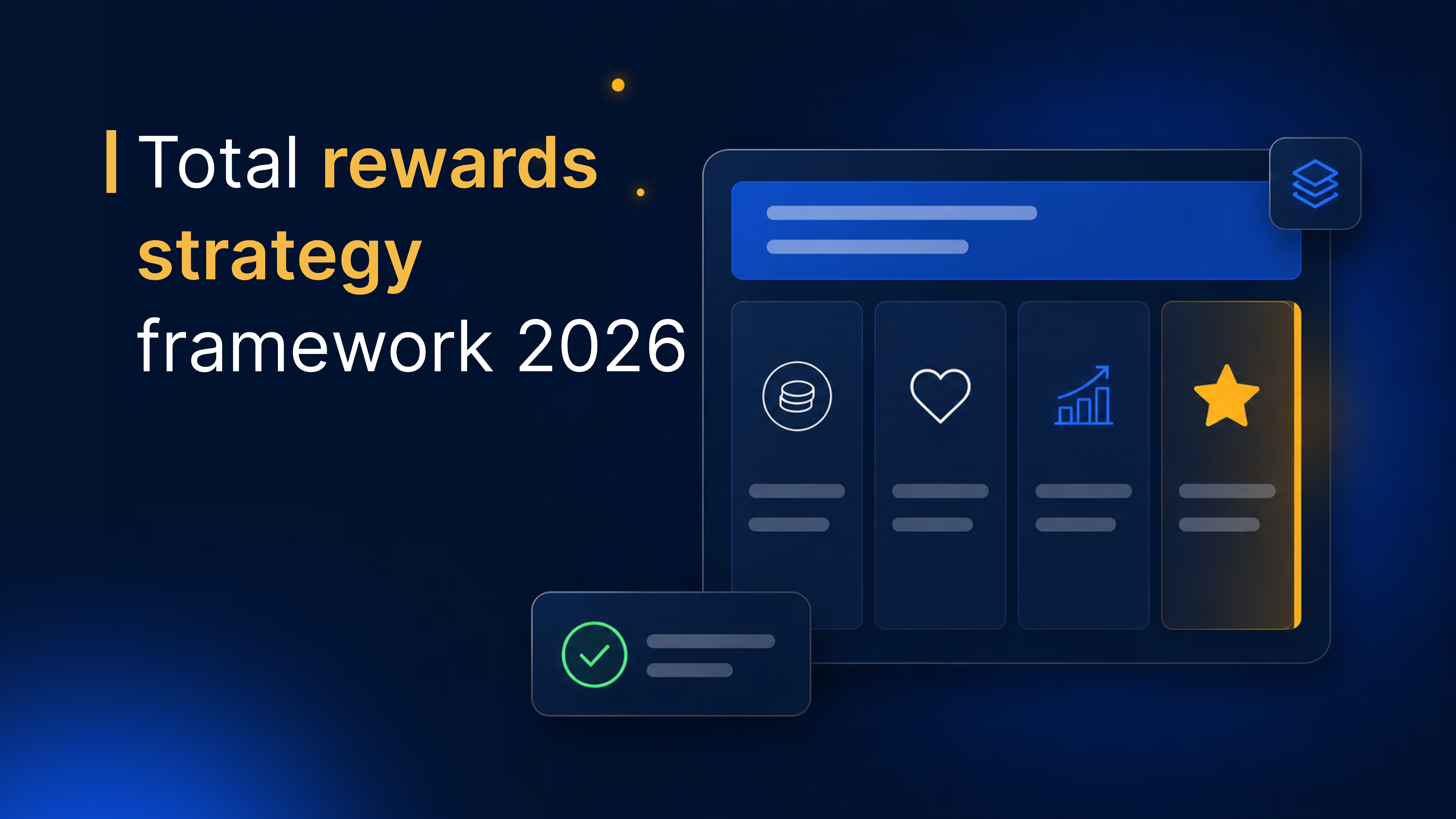
Four structural forces are remaking what non-monetary rewards look like, who designs them, and how they're delivered. Each one is already visible in 2026. None are equally weighted, but all are accelerating.
- Force 1: AI personalization. AI now makes it cheap to match a reward to an individual's stated preferences, career goals, and recognition history. The "one-size catalog" era is ending. By 2030, expect AI-suggested rewards at the moment of recognition to be table stakes.
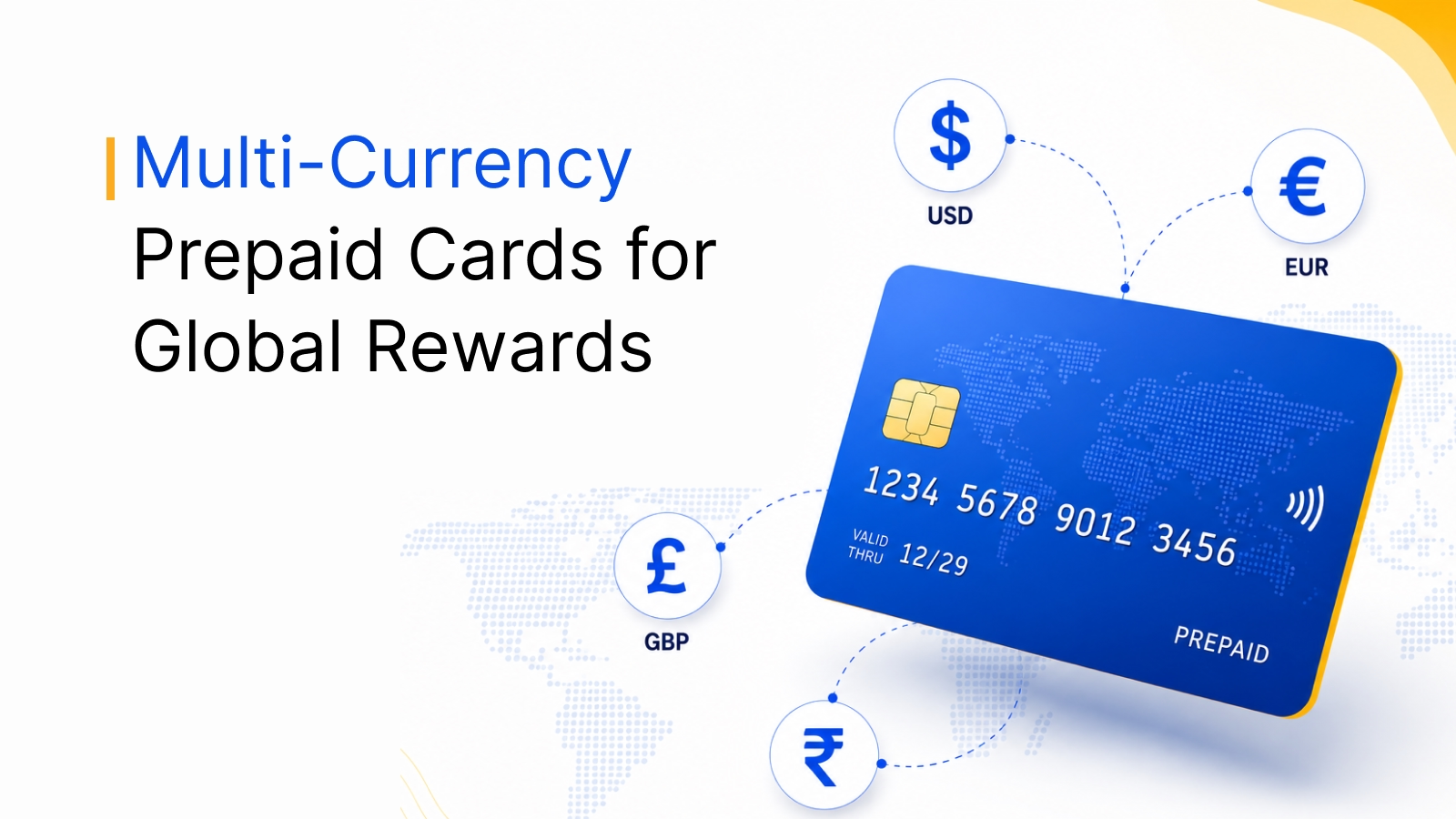
- Force 2: Hybrid and globally distributed teams. A reward program that only works in the home office is no longer a reward program. Per Gallup, hybrid workers report the highest engagement at 38%, and global teams need rewards that deliver instantly across borders, currencies, and languages.
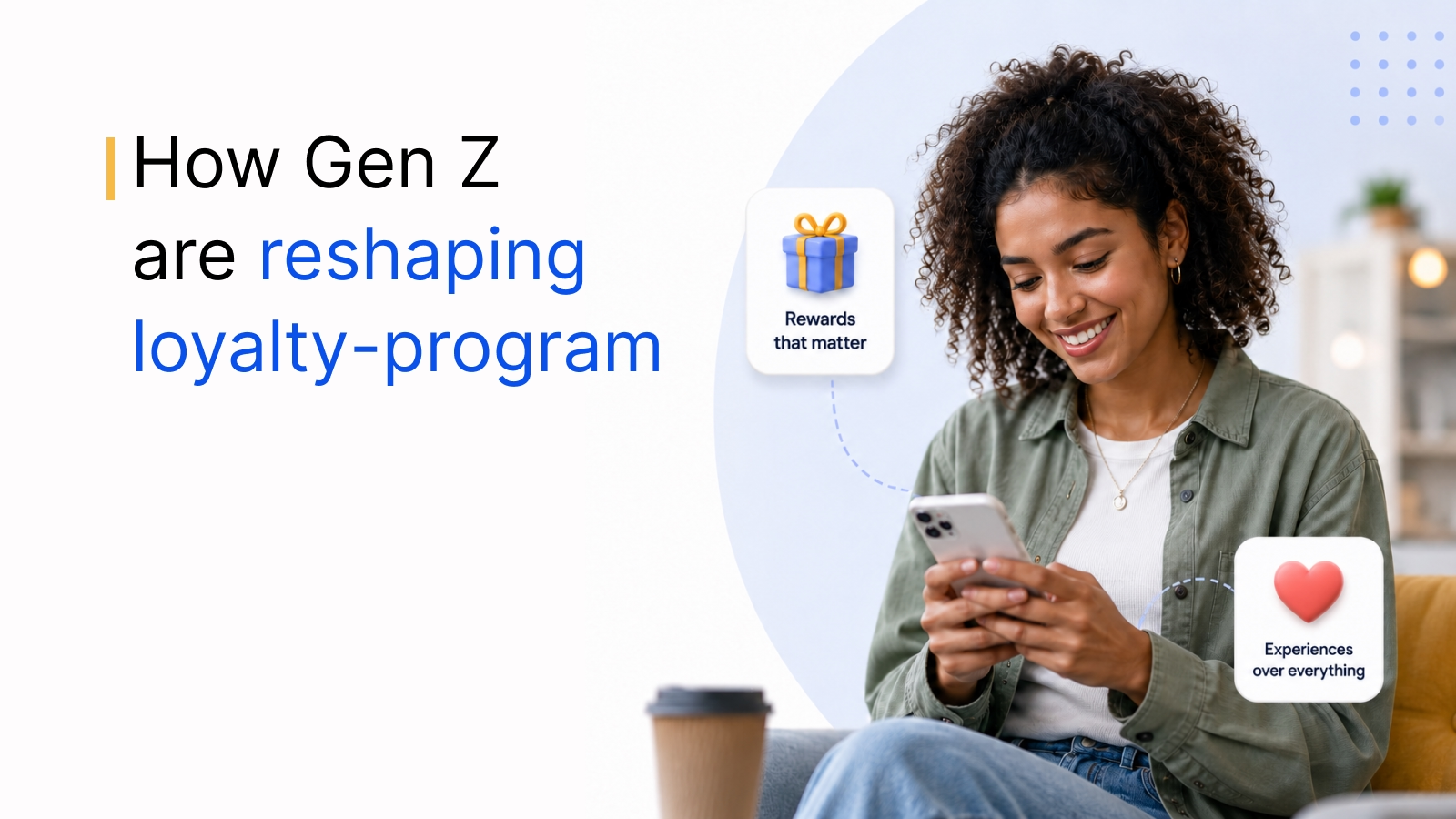
- Force 3: A multi-generational workforce with a values shift. Deloitte's 2025 Gen Z and Millennial Survey found 72% rank work-life balance as a top job-choice priority, and 62% rank learning and development as critical. These cohorts now make up most of the working-age population, and they value time, growth, and meaning over a marginal cash bump.
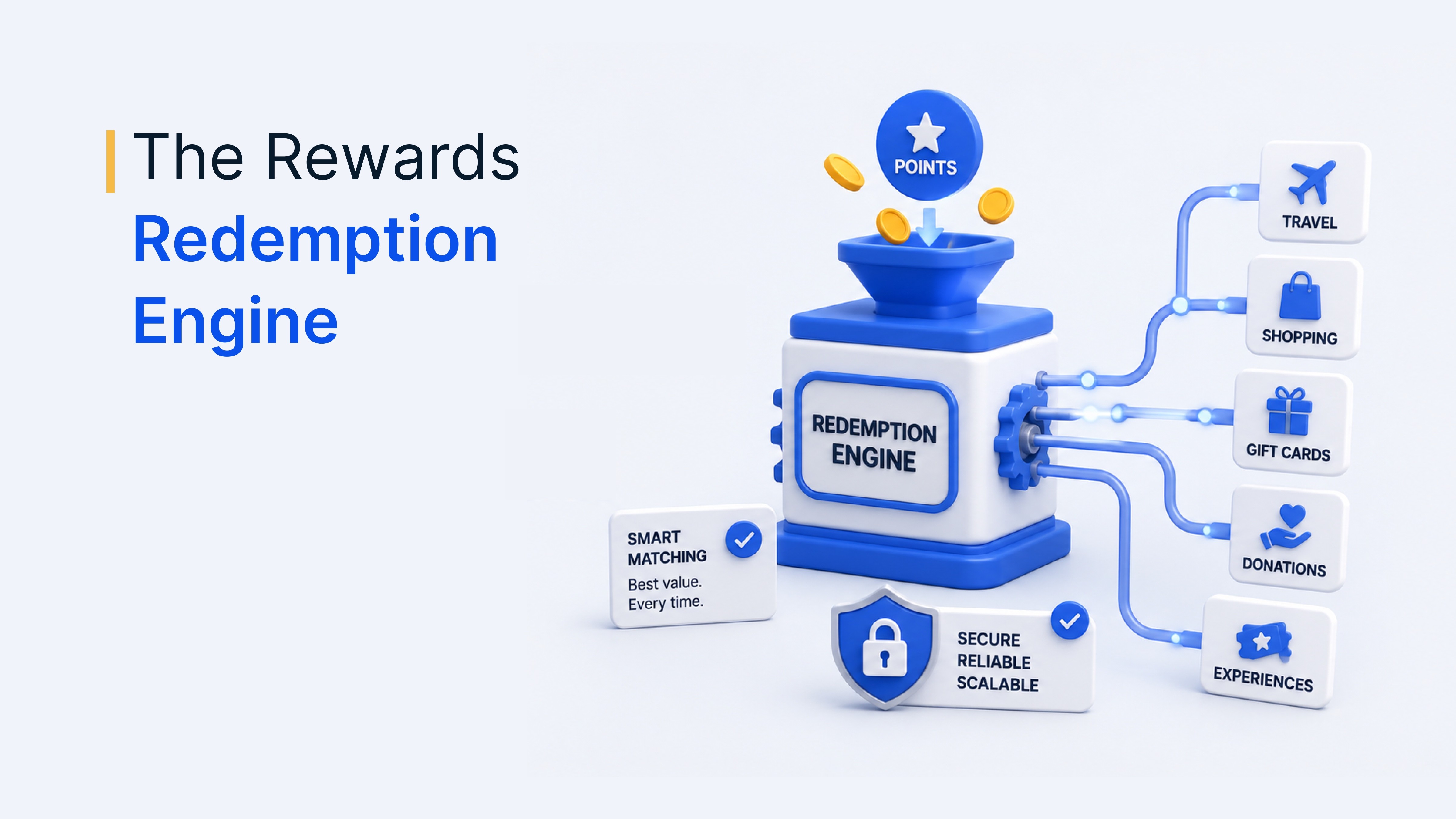
- Force 4: The experience economy and choice-led culture. Employees increasingly prefer rewards they can choose, talk about, and remember. Gift cards with redemption choice, experiences, charitable giving, and learning credits all sit in this category.
| Force | What's changing | What HR needs to plan |
|---|---|---|
| AI personalization | Reward catalogs shift from static menus to AI-matched suggestions | Move from fixed perk stacks to choice-based platforms with redemption data |
| Hybrid and global teams | Borderless workforce; rewards must deliver instantly anywhere | Choose a global catalog with multi-currency and digital delivery |
| Generational values shift | Time, learning, meaning rank above marginal cash | Add time, learning, and giving categories to the reward mix |
| Experience economy | Choice-led, memorable, talkable rewards | Replace generic gifts with experiential and curated options |
Try Plum
Build a future-ready rewards program with choice-led catalogs, AI personalization, and instant global delivery.
Talk to our ExpertTrusted by 5,000+ companies
Which non-monetary reward categories will gain ground, and which will fade?
Not every non-monetary reward will survive the next five years. Some categories are already losing impact, and others are quietly compounding theirs.
Categories gaining ground by 2030:
- AI-personalized experiences. Rewards matched to the recipient's stated interests, redeemed from a global catalog. These produce the strongest emotional response per dollar spent because they feel chosen, not allocated.
- Learning credits and certifications. Tied to a goal the employee has named. The compounding value, capability gained plus loyalty to the employer who funded it, makes this one of the highest-leverage categories.
- Time-sovereignty rewards. Four-day weeks, additional leave, sabbaticals. These map directly to what Gen Z and Millennials say they want.
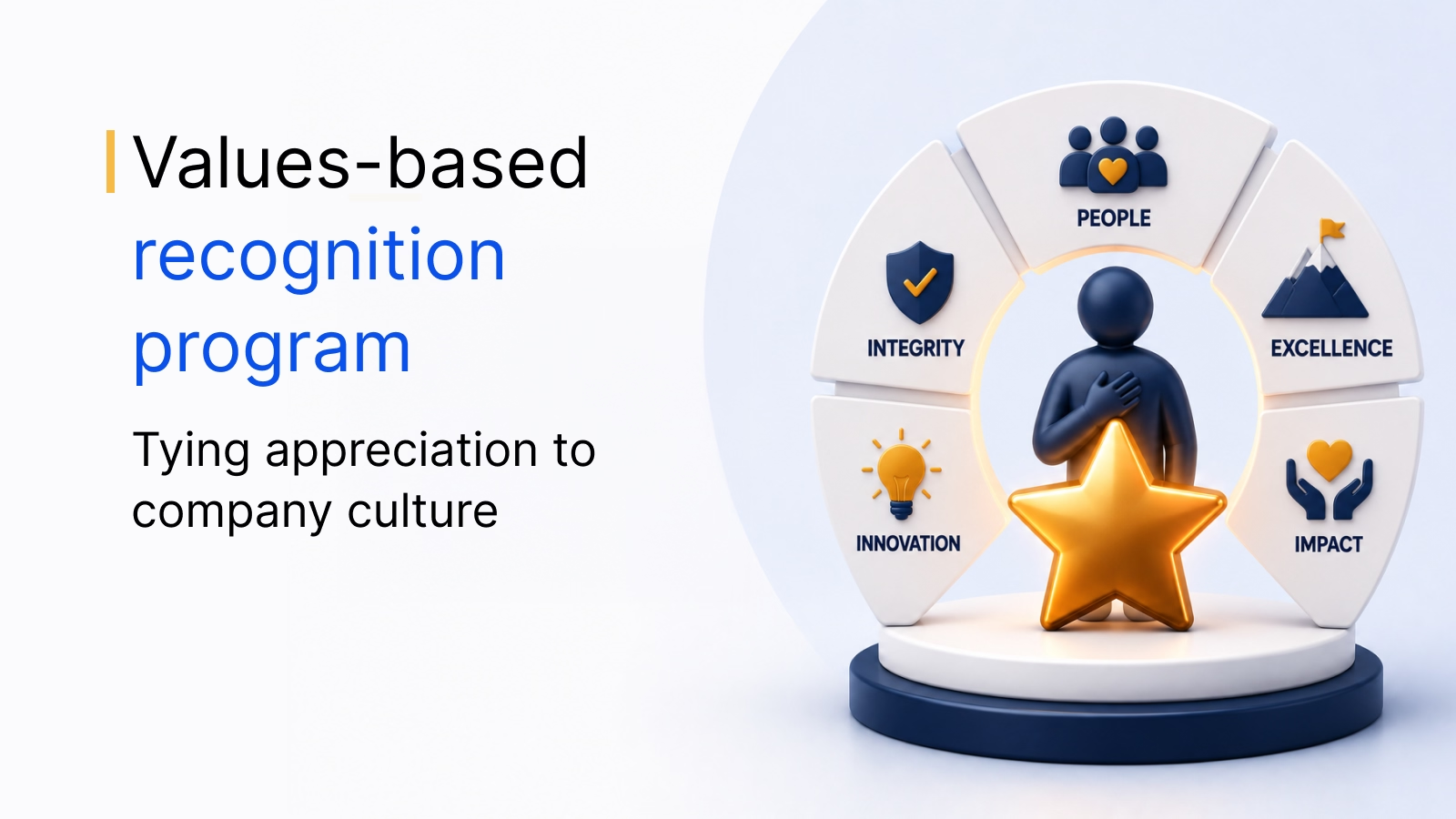
- Charitable matching and purpose-led rewards. Per Gallup recognition research, employees who experience recognition aligned with their personal values are up to four times more likely to be engaged at work.
Categories fading by 2030:
- Generic anniversary gifts. A pen set after five years is now read as administrative rather than appreciative.
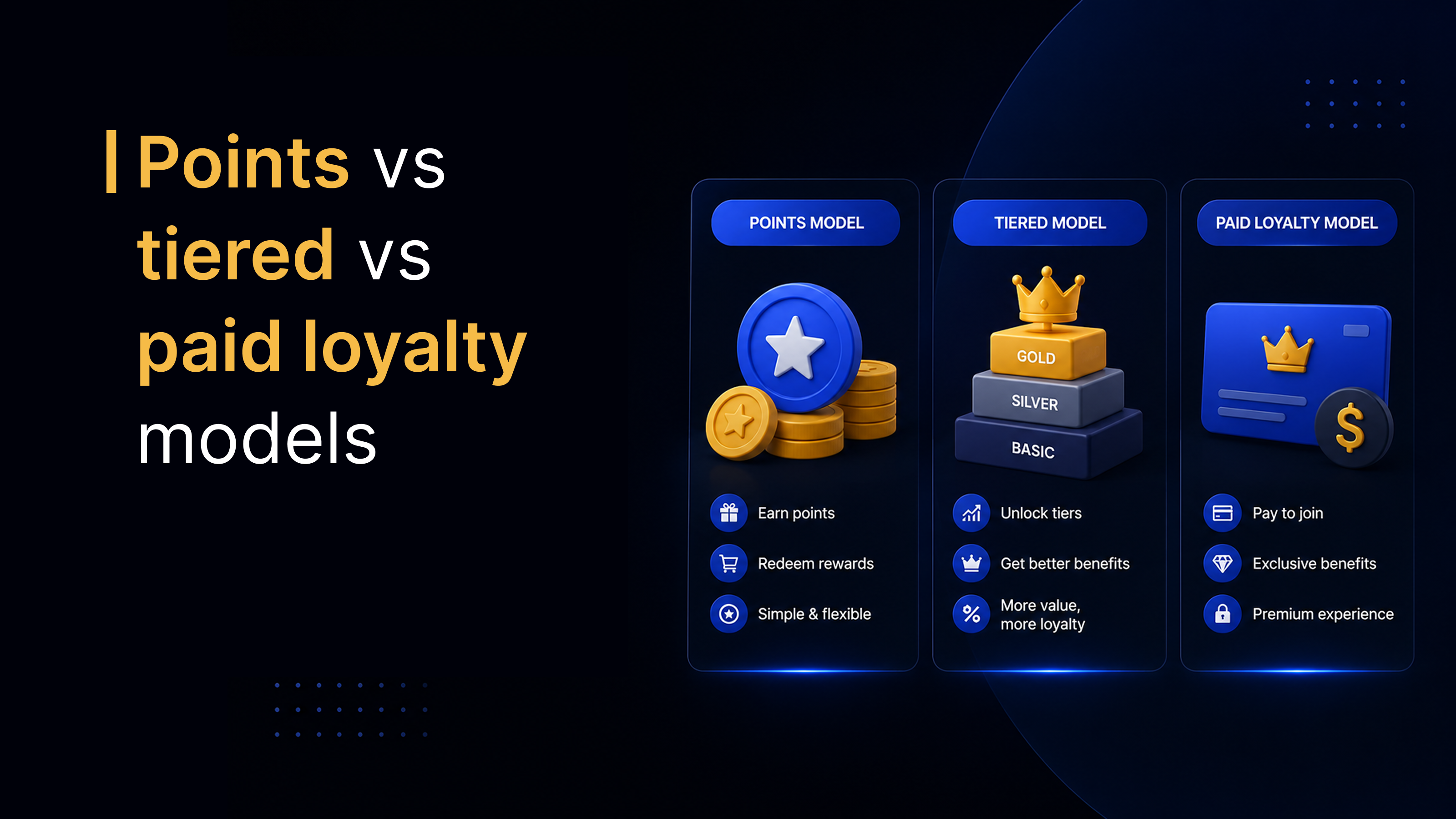
- Points programs without redemption choice. Points that lock the employee into a narrow catalog will keep losing to platforms that offer global choice. Experiential rewards programs increasingly anchor the category that replaces them.
- Blanket perk stacks. "Everyone gets the same Friday lunch" reads as a benefits checkbox, not a reward.
The pattern is consistent. What fades is what feels allocated. What grows is what feels chosen.
How does this change look across global teams in GCC, Africa, and SEA?
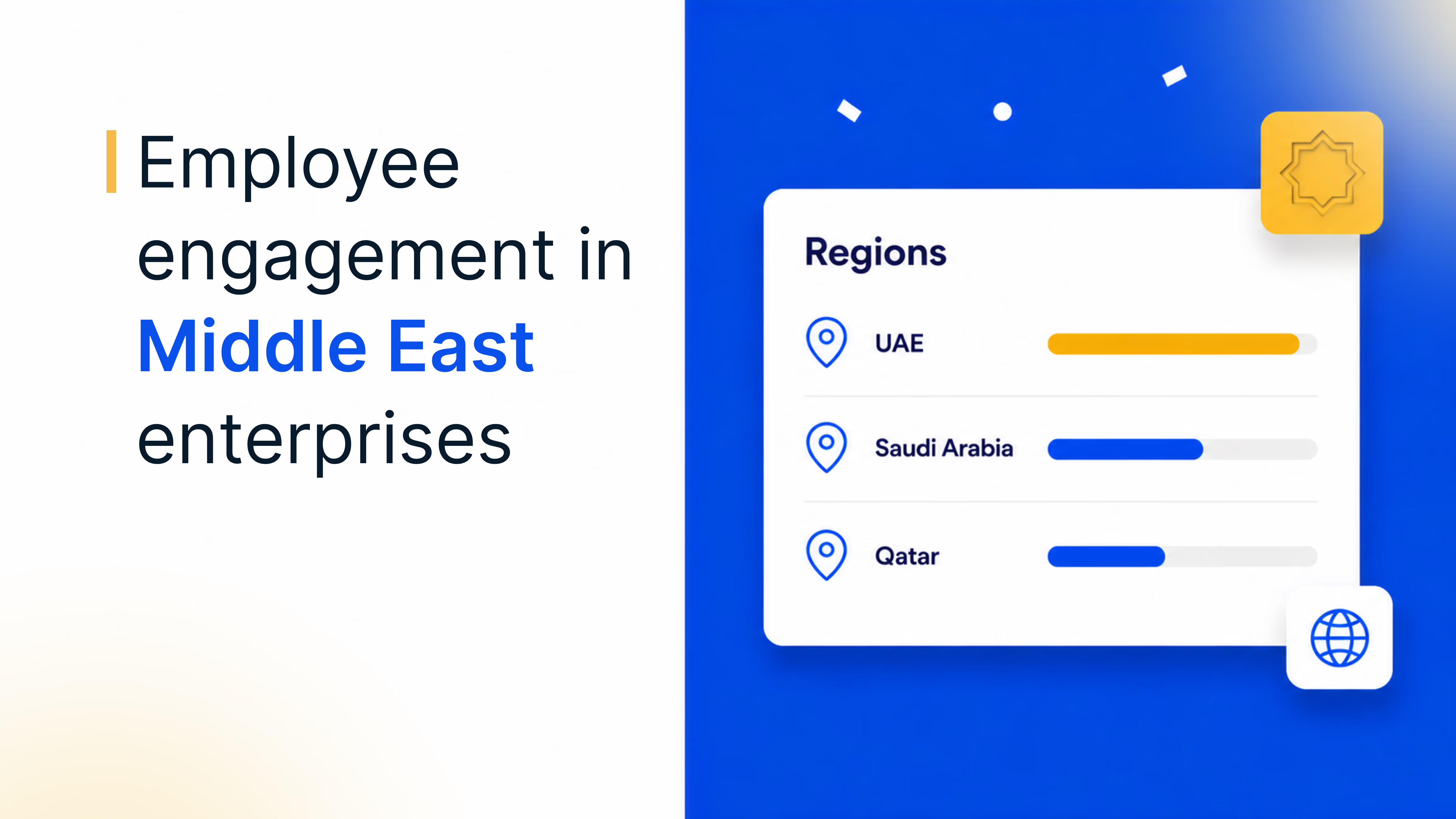
HR Managers running global or multi-market programs see the same forces playing out differently by region. The forces are global. The fastest-rising categories are not.
| Region | Top non-monetary priority in 2026 | Signal to act on |
|---|---|---|
| GCC and KSA | Vision 2030 workforce transformation; aviation and BFSI attrition | Tie learning and recognition to nationalization and skill-building goals |
| Africa (BFSI, BPO) | WhatsApp-native delivery; global catalog reach for distributed workforces | Choose a rewards platform with WhatsApp delivery and multi-currency redemption |
| Philippines (BPO, BFSI) | Post-redemption billing models; large-scale recognition at low admin cost | Move from pre-funded wallets to billing on actual redemption |
| Indonesia | Category education; loyalty and rewards still seen as nice-to-have | Lead with ROI framing and pilot programs before scaling |
The HR Manager who treats "global rewards program" as a single design loses to the one who lets the delivery flex by region while keeping the design framework consistent.
How Xoxoday Plum approaches the future of non-monetary rewards
01 · Choice
10mn+ reward options
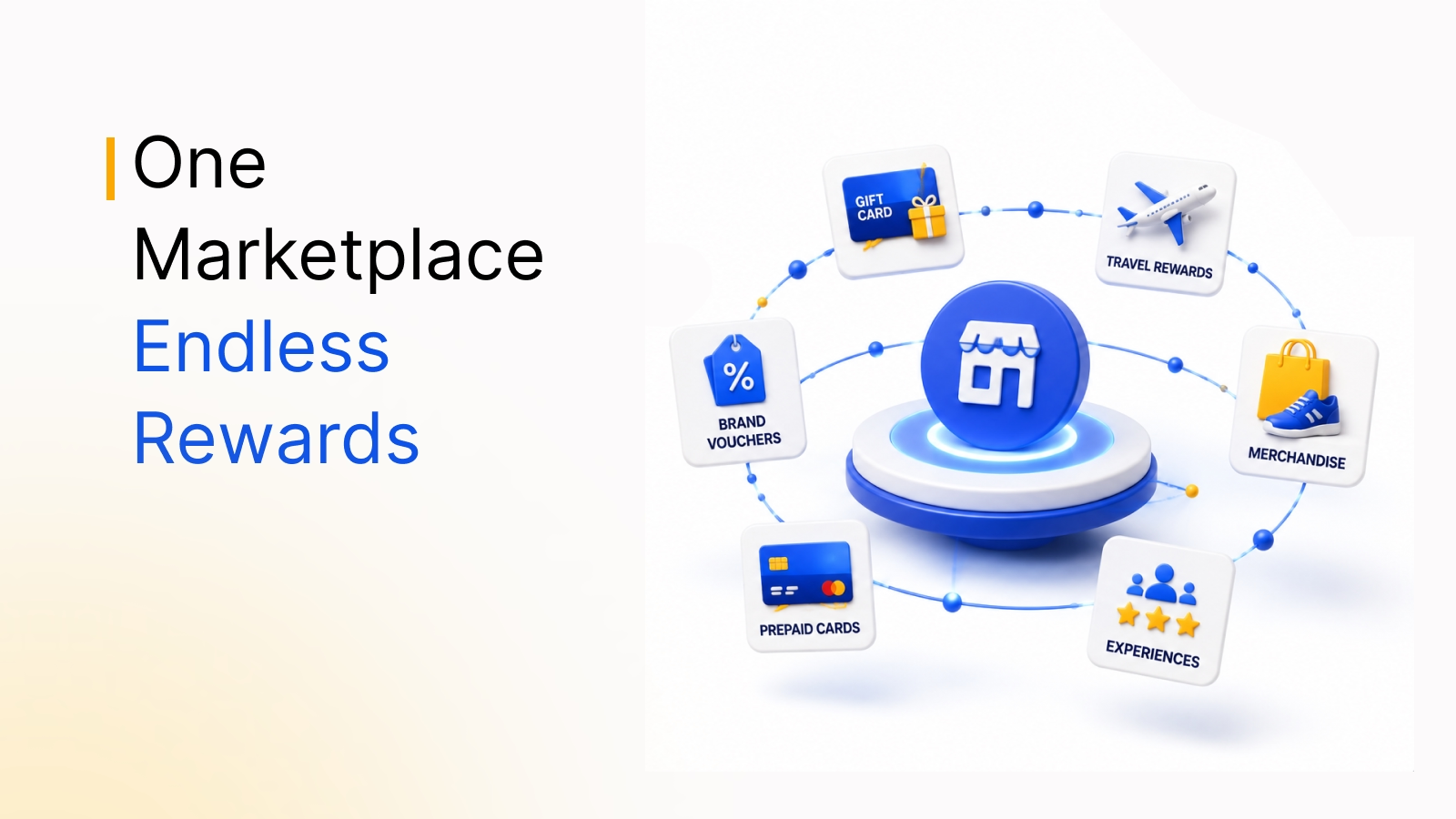
Gift cards, experiences, charitable donations, and learning credits in one catalog across 150+ countries. The recipient picks what matters to them.
02 · Delivery
Instant global dispatch
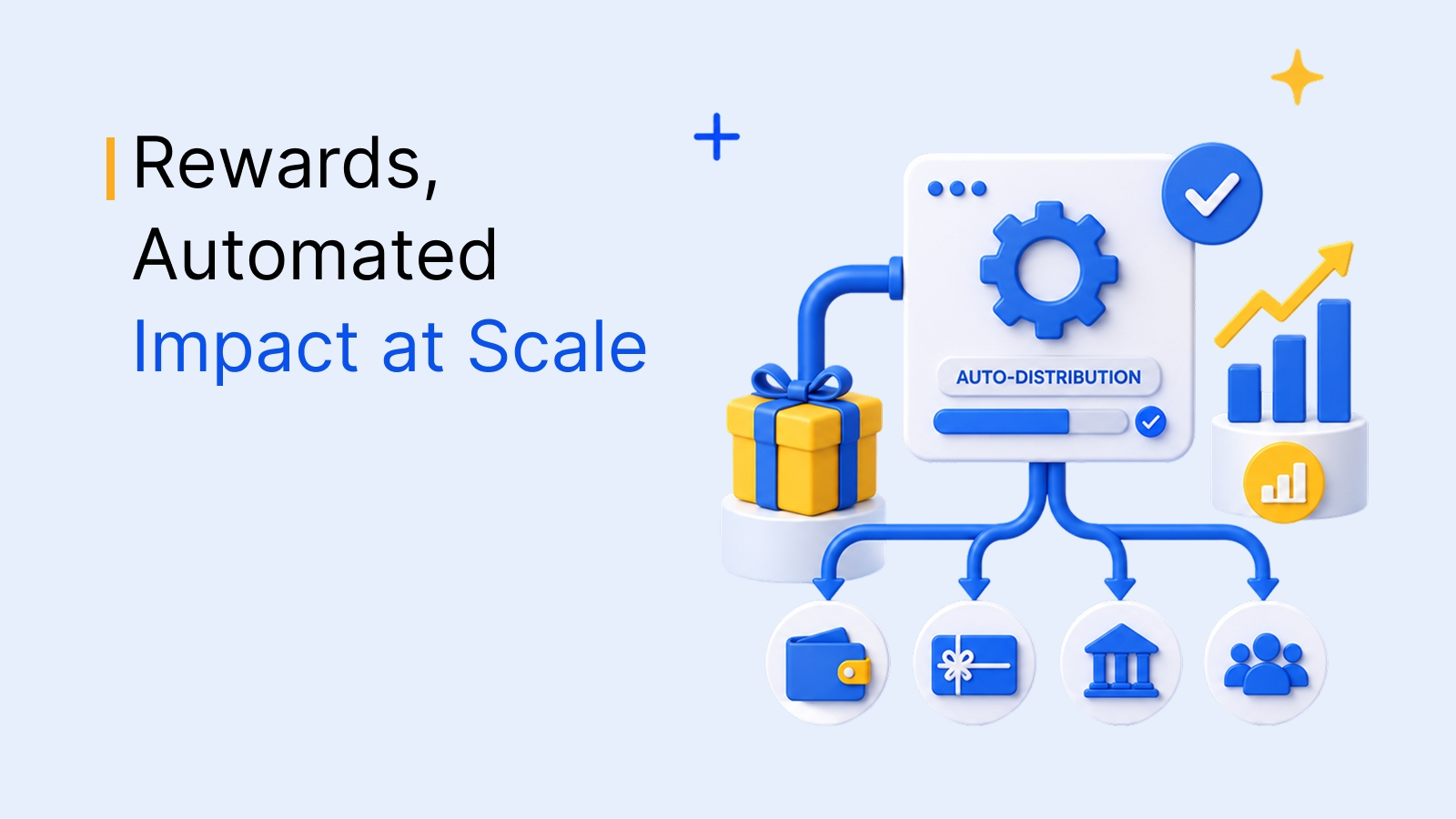
Multi-currency rewards reach the right person, in the right currency, at the moment of recognition. No manual distribution needed.
03 · Integration
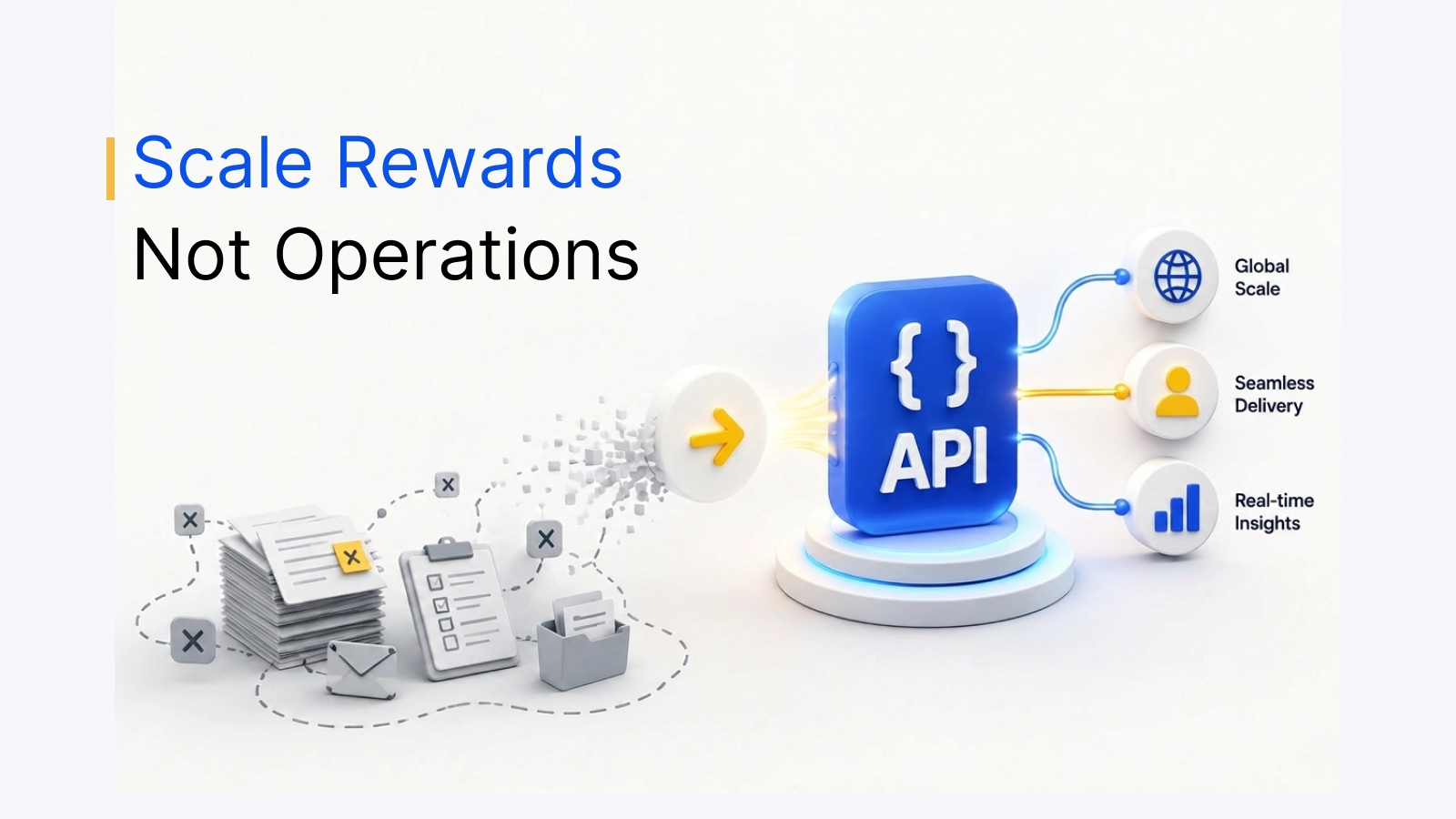
API-first architecture
Embeds in your HRIS and engagement stack. Rewards trigger from the tools HR Managers already use, with no new workflow to maintain.
04 · Insights
Real-time analytics
Redemption data your HR team can act on. Real-time visibility into who redeemed what, when, and where makes programs tunable, not just visible.
150+
Countries
with localised rewards
1mn+
Reward options
across catalogues
65M+
Users
across global teams
What HR Managers should plan for now: a near-term readiness checklist
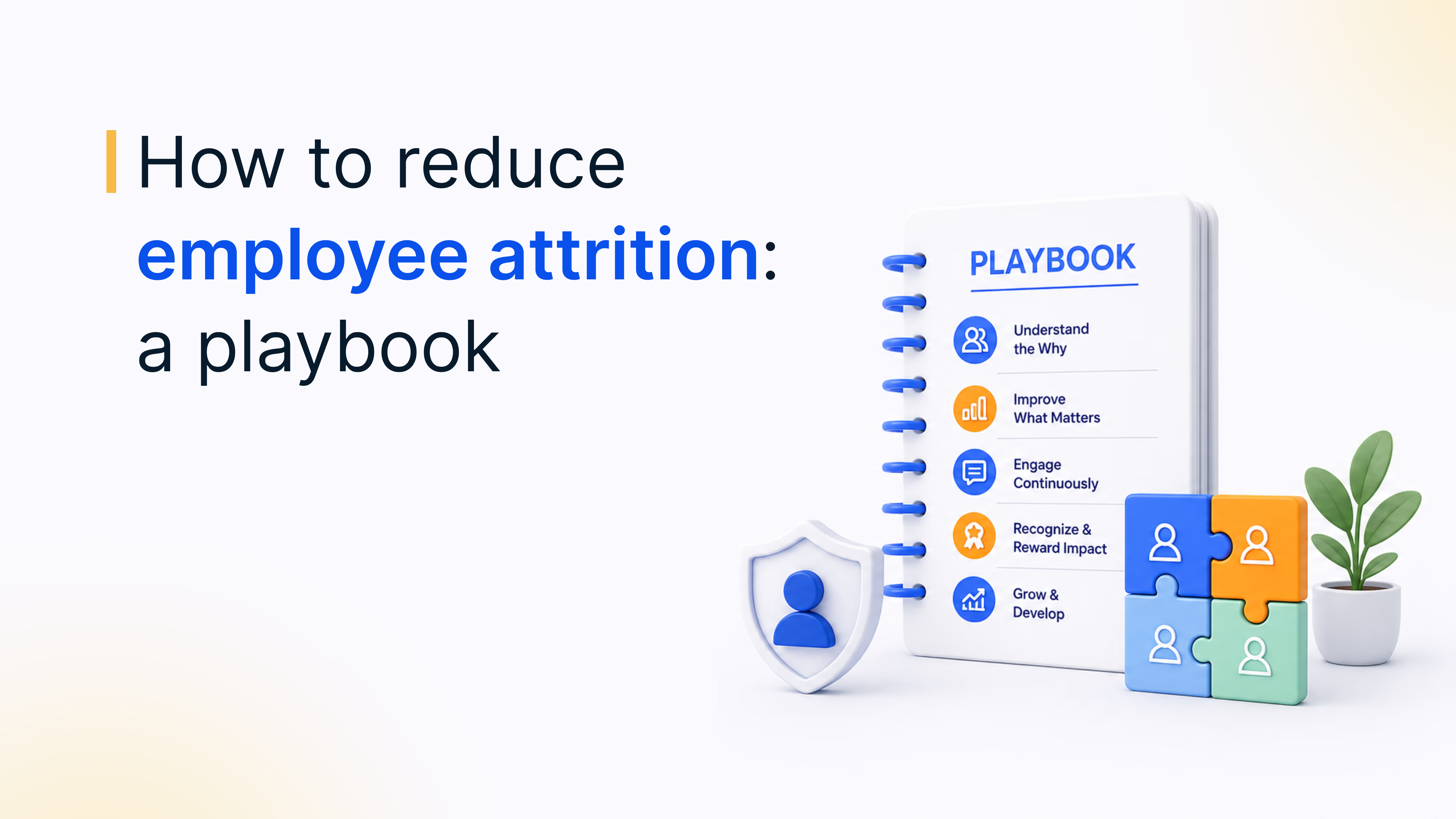
Six moves to make in the next twelve months, in priority order:
- Audit your current rewards mix against the four forces. If your catalog is regional, fixed, and points-based without choice, you're already behind.
- Add a learning-credit category tied to employee-named goals. Pull the data on which certifications your top performers actually want.
- Add a time-sovereignty category. Extra leave, four-day weeks for milestones, sabbatical eligibility after tenure. Don't wait for a policy overhaul.
- Move to a choice-led catalog with global delivery. A reward the employee picks beats a reward the employer assigns, every time.
- Wire recognition data into your HRIS. If you can't see who's been recognized in the last 30 days, you can't manage what's broken.
- Pilot AI-matched reward suggestions. Start small: one team, three months, measure redemption rate and time-to-redeem.
Most HR Managers will not get all six done in twelve months. The ones who get the first three done will be ahead of the market by 2027. Start with one.
Your next move on non-monetary rewards
The shift from cash to choice isn't a debate anymore. It's a design problem with a delivery deadline.
The HR teams that move first will recruit, retain, and engage the workforce that's already showing up. The ones that wait will spend the next five years explaining why their reward program is still built around 2019 assumptions.