Key Takeaways
Reloadable prepaid cards for business simplify payouts, rewards, and expense management
Businesses use prepaid cards to distribute funds quickly and securely
Reloadable prepaid cards improve control, flexibility, and payment efficiency
Your finance team is drowning in receipts. Your employees are fronting costs from personal accounts and waiting 30 days to be made whole. Your procurement manager has no idea what the marketing team spent last quarter until the credit card statement arrives.
This is not a people problem. It is a payment infrastructure problem. And reloadable prepaid cards are the structural fix.
This guide covers how reloadable prepaid cards work for businesses, where they outperform traditional spending tools, and how to distribute them at scale without adding headcount.
What are reloadable prepaid cards for business?
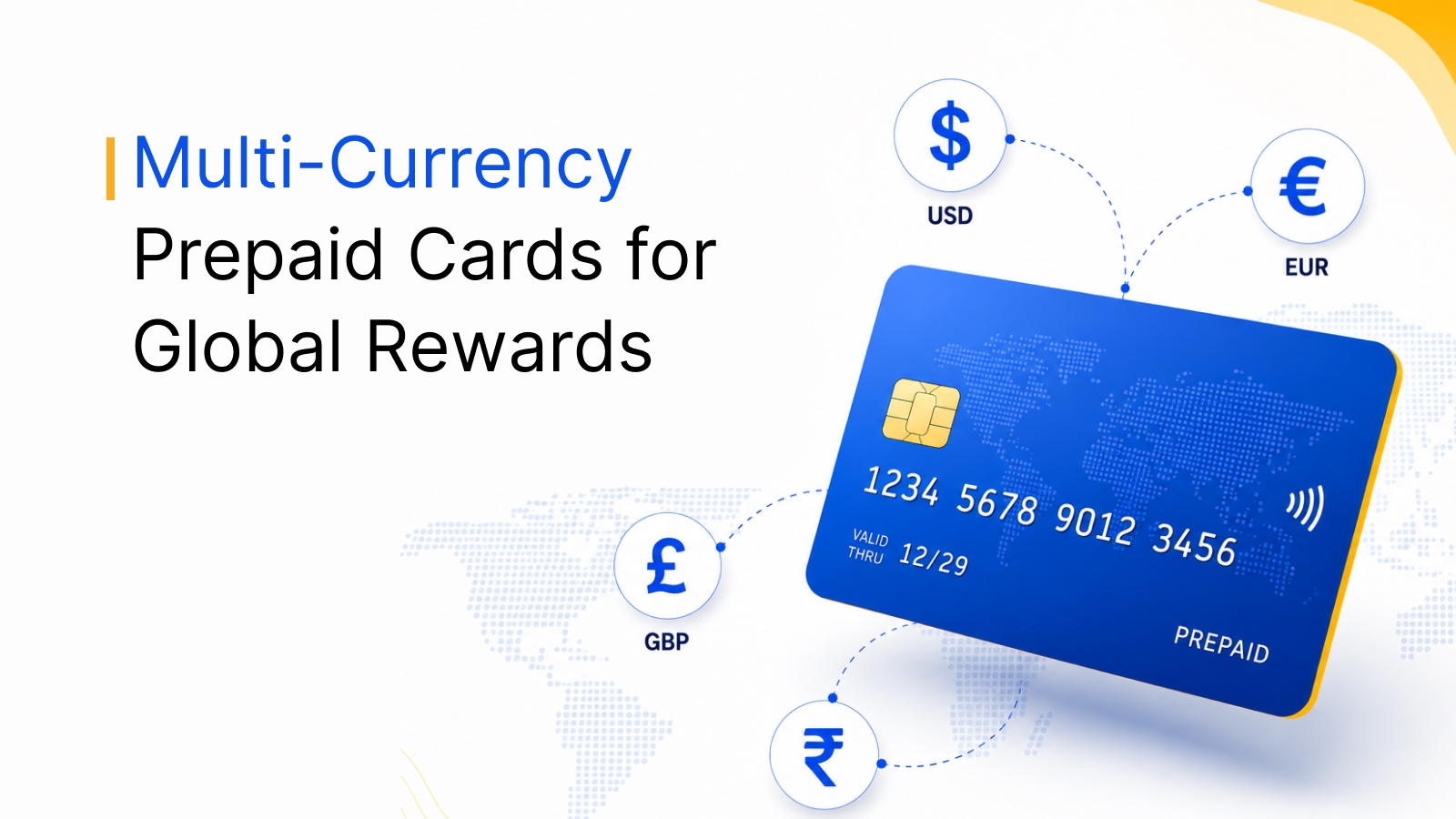
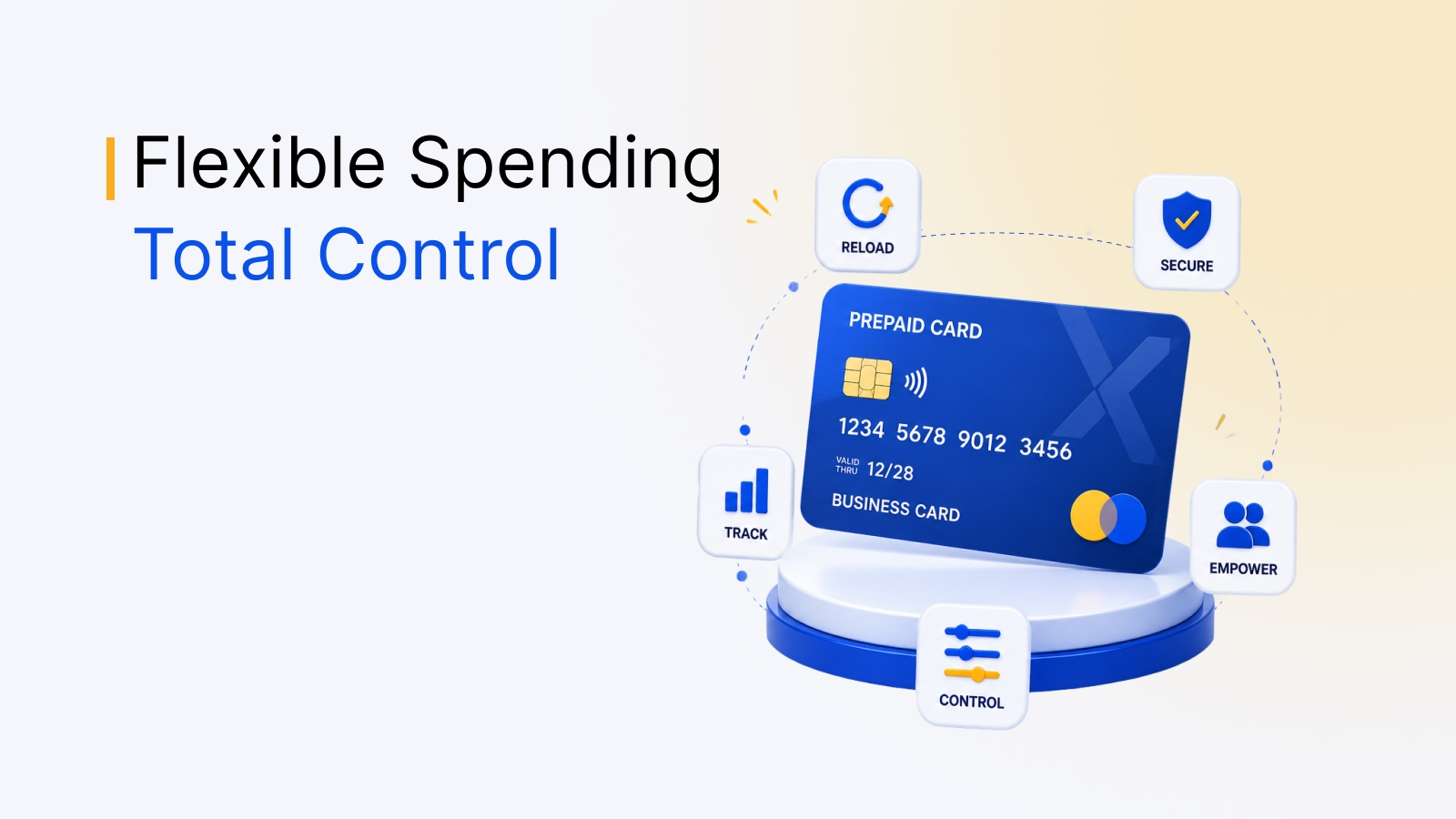
A reloadable prepaid card for business is a payment card preloaded with company funds that can be topped up and reused. It carries no line of credit. It is not linked to a central business bank account. That separation is the point: it lets companies distribute controlled spending budgets to employees, partners, or reward recipients without exposing core financial infrastructure.
Two formats exist in practice:
- Physical cards. Issued via card networks, used at point of sale or ATM, best for employees who spend regularly at physical locations.
- Virtual cards. Digital card numbers delivered by email, SMS, or API, used for online purchases, remote workforces, and high-volume reward distribution.
The global prepaid card market was valued at $3.4 trillion in 2025 and is projected to reach $7.1 trillion by 2035, according to Allied Market Research. Corporate adoption is the primary growth driver.
Why does business spending get so chaotic without prepaid cards?
The standard model, where employees spend on personal cards, submit claims, and wait for reimbursement, was built for an era when most employees worked in one office, in one country, on a predictable budget. That era is over.
Manual expense reimbursement costs businesses up to 35% more in processing overhead than automated prepaid card programs, according to the Expense Management Trends Report 2025. That overhead shows up in three places: the time employees spend filing claims, the time finance spends approving them, and the errors that accumulate when both sides are working from different data.
The deeper problem is visibility. By the time a reimbursement claim lands in finance, the spending decision has already been made, and there was no control over it.
Prepaid cards flip the order. The budget is set before the spend. Every transaction is visible in real time. Every card can be capped, restricted by merchant category, or frozen instantly.
What are the key benefits of reloadable prepaid cards for businesses?
The shift from reimbursement to prepaid cards delivers four structural improvements:
- Real-time spend visibility. Every transaction is logged the moment it happens, not 30 days later when the claim is filed.
- Controlled budgets by person, team, or project. Cards can be loaded with specific amounts and restricted to specific merchant categories, preventing off-policy spending before it occurs.
- No out-of-pocket friction. Employees stop fronting personal funds, which is particularly important for distributed or remote teams where reimbursement delays create genuine financial stress.
- Instant issuance at scale. Virtual cards can be issued to hundreds or thousands of recipients simultaneously, via API or bulk upload, with no physical distribution required.
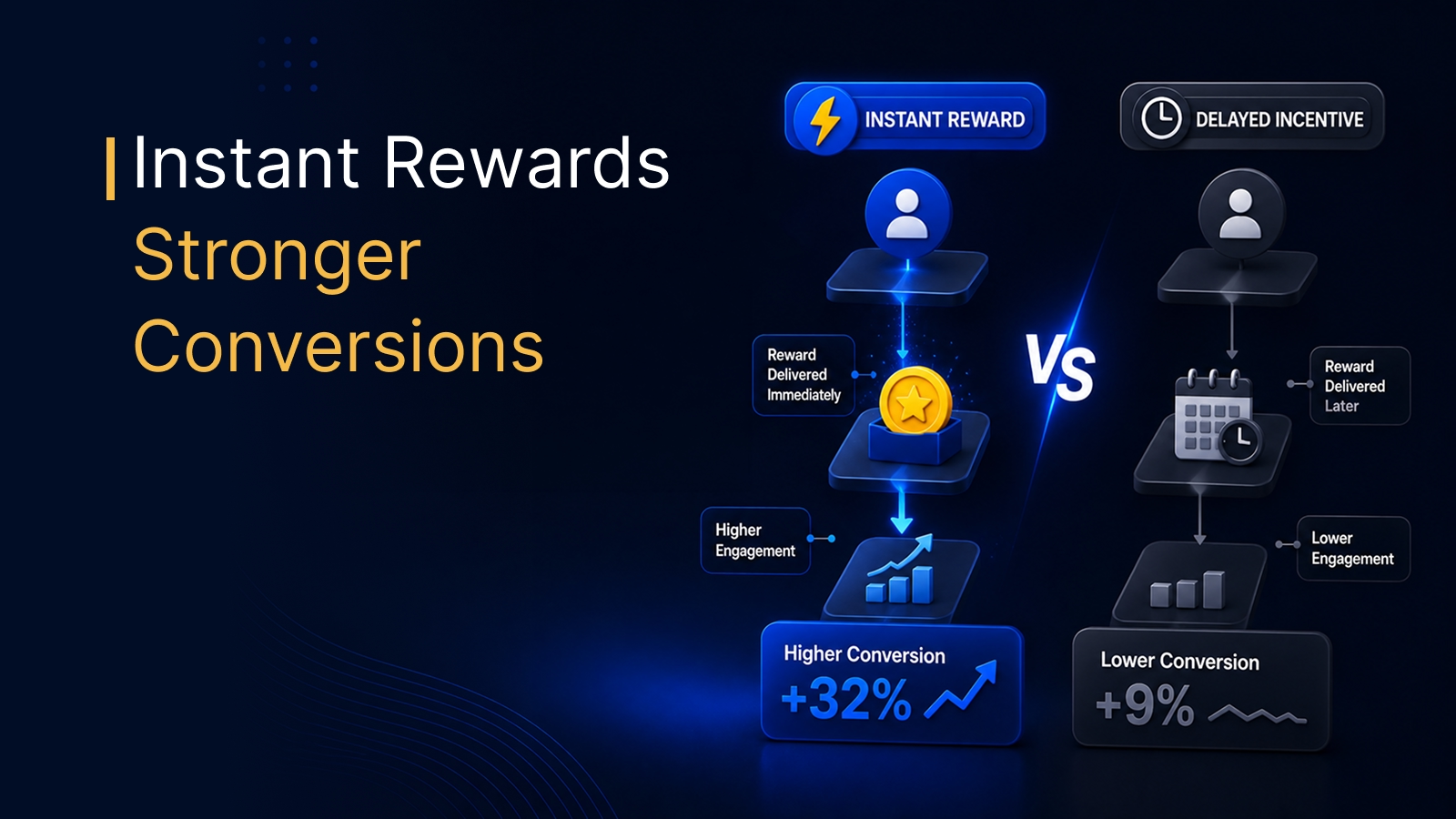
For reward and incentive programs, prepaid cards add a fifth benefit: the recipient gets something they can spend immediately, on what they actually want, anywhere. That immediacy is what separates a prepaid card from a gift certificate or a points balance that takes days to process.
Try Plum
Distribute reloadable prepaid cards globally with instant delivery, multi-currency support, and real-time spend visibility.
Talk to our ExpertTrusted by 5,000+ companies
Virtual vs physical prepaid cards: which does your business actually need?
| Dimension | Virtual prepaid card | Physical prepaid card |
|---|---|---|
| Delivery | Instant via email, SMS, or API | 3 to 10 business days |
| Best for | Remote workforce, online spend, rewards at scale | Frequent in-store spend, travel, field teams |
| Spend control | Online merchants only | Online and in-store |
| Reload speed | Instant | Instant (balance, not card) |
| Cost | Lower; no manufacturing or shipping | Higher; production and logistics |
| Global distribution | Possible at scale from a single platform | Requires regional logistics partners |
Most businesses running reward or incentive programs at scale use virtual cards. The instant delivery matches the timing of the recognition: rewarding someone for a completed milestone means delivering the reward the same day, not a week later.
Physical cards make sense for employees who regularly spend at physical locations: field sales teams, facilities staff, or roles that involve regular travel.
How do reloadable prepaid cards work for employee rewards and incentives?
The rewards use case is where reloadable prepaid cards deliver the clearest ROI uplift over alternatives.
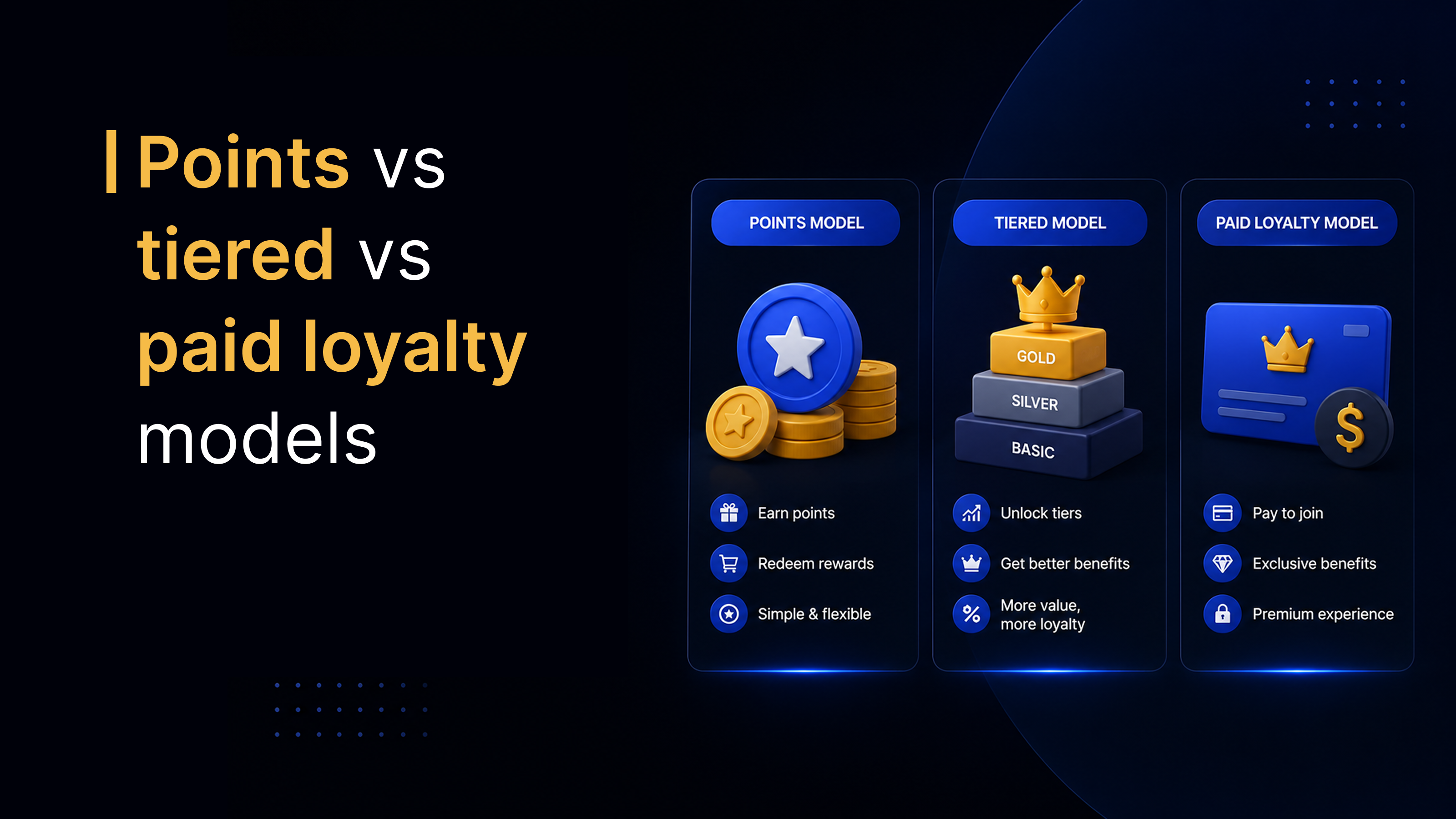
A points program requires the recipient to accumulate enough points to redeem. An Amazon voucher limits what they can buy. A bank transfer requires collecting and verifying payment details for every recipient. A physical gift requires choosing something on their behalf.
A prepaid card solves all four problems at once. The recipient gets spending power, immediately, redeemable wherever they choose.
According to the Incentive Research Foundation's 2025 Industry Outlook, gift cards remain the top non-cash incentive across all business categories, with prepaid open-loop cards gaining share at the expense of single-brand gift cards. The driver is choice: recipients prefer to decide how to spend their reward.
For businesses running reward programs at scale (quarterly sales incentives, channel partner bonuses, new hire welcome gifts, customer referral rewards), the operational question is not whether to use prepaid cards. It is how to distribute them without building a logistics operation.
How to distribute bulk prepaid cards globally without the operational overhead
Distributing 50 prepaid cards is a spreadsheet problem. Distributing 5,000, across 12 countries, in four currencies, to recipients who expect delivery within the hour, is an infrastructure problem.
The mechanics of bulk global distribution break down at three points:
- Currency and compliance. A card issued in USD does not work as-is in Indonesia or the GCC. Multi-currency issuance requires either local banking partnerships or a platform that abstracts this away.
- Recipient data management. Collecting card delivery details (email, mobile, name) for thousands of recipients, across regions with different data privacy requirements, creates compliance exposure if handled manually.
- Reconciliation. Knowing which cards were redeemed, by whom, and when is essential for program ROI measurement. Most manual distribution workflows have no visibility after delivery.
How Xoxoday Plum helps you distribute reloadable prepaid cards at scale
01 · Bulk distribution
CSV upload & API
Issue thousands of cards simultaneously via dashboard or API integration with no manual processing required.
02 · Multi-currency
150+ countries supported
Issuance in local currencies eliminates FX friction and ensures recipients can spend immediately in their home market.
03 · Instant delivery
Email, SMS, or API
Recipients receive virtual cards instantly, with no waiting for physical fulfillment or logistics partners.
04 · Full visibility
Real-time tracking
See which cards were activated, redeemed, and what balance remains from a single dashboard.
175+
Countries
with localised rewards
1mn+
Reward options
across catalogues
65M+
Users
across global teams
What to look for in a reloadable prepaid card program for your business
Five criteria matter most when evaluating a business prepaid card program:
- Geographic coverage. Does it support the countries where your recipients and employees actually are? Platforms with 100+ country coverage are the minimum bar for global businesses.
- Multi-currency issuance. Can you issue cards in local currency, or does the recipient have to absorb FX conversion costs?
- API access. For high-volume or automated programs, API-first issuance is non-negotiable. Manual workflows break at scale.
- Spend controls and governance. Can you set card limits, restrict merchant categories, and manage maker-checker approval workflows?
- Redemption visibility. Can you see, in real time, which cards have been activated, which have been spent, and what balance remains?
SOC 2 certification and GDPR compliance are table stakes for any platform handling recipient personal data. Verify both before contracting.
The prepaid card opportunity by region: how adoption and priorities differ
| Region | Adoption signal | Priority for businesses |
|---|---|---|
| GCC and KSA | Digital payment infrastructure growing fast; fintech and FMCD corporates leading adoption | Multi-currency, in-country data hosting for government accounts |
| India | High prepaid card penetration for employee benefits and channel incentives | Integration with HRMS and CRM systems; local catalogue depth |
| Philippines | BPO sector drives bulk incentive payout demand; peso redemption critical | Speed of issuance, global catalogue with local brand access |
| Indonesia | FMCG and BFSI using prepaid cards for dealer and channel loyalty | Local language support, WhatsApp delivery, gamification layer |
| Africa | Mobile-first infrastructure; bank and wallet partnerships enabling card reach | Multi-tenant cloud, compliance, WhatsApp-native delivery |
| USA | Virtual prepaid cards growing fastest for rewards, research, and referral programs | Instant digital delivery, Salesforce and HubSpot integrations |
The common thread across all markets: recipients want choice, speed, and local relevance. A global prepaid card program needs all three to drive redemption rates above 80%.
Your next step to smarter business spending
The shift from manual reimbursement to reloadable prepaid cards is not a finance project. It is an operational upgrade that saves time, improves visibility, and removes friction for the people doing the spending.
Start with a single use case. If your biggest pain point is employee expense management, start there. If it is reward distribution at scale, start there. The infrastructure is the same, the workflow just points in a different direction.