Key Takeaways
A partner incentive program motivates partners to drive revenue and growth
Effective partner incentive programs align rewards with strategic business goals
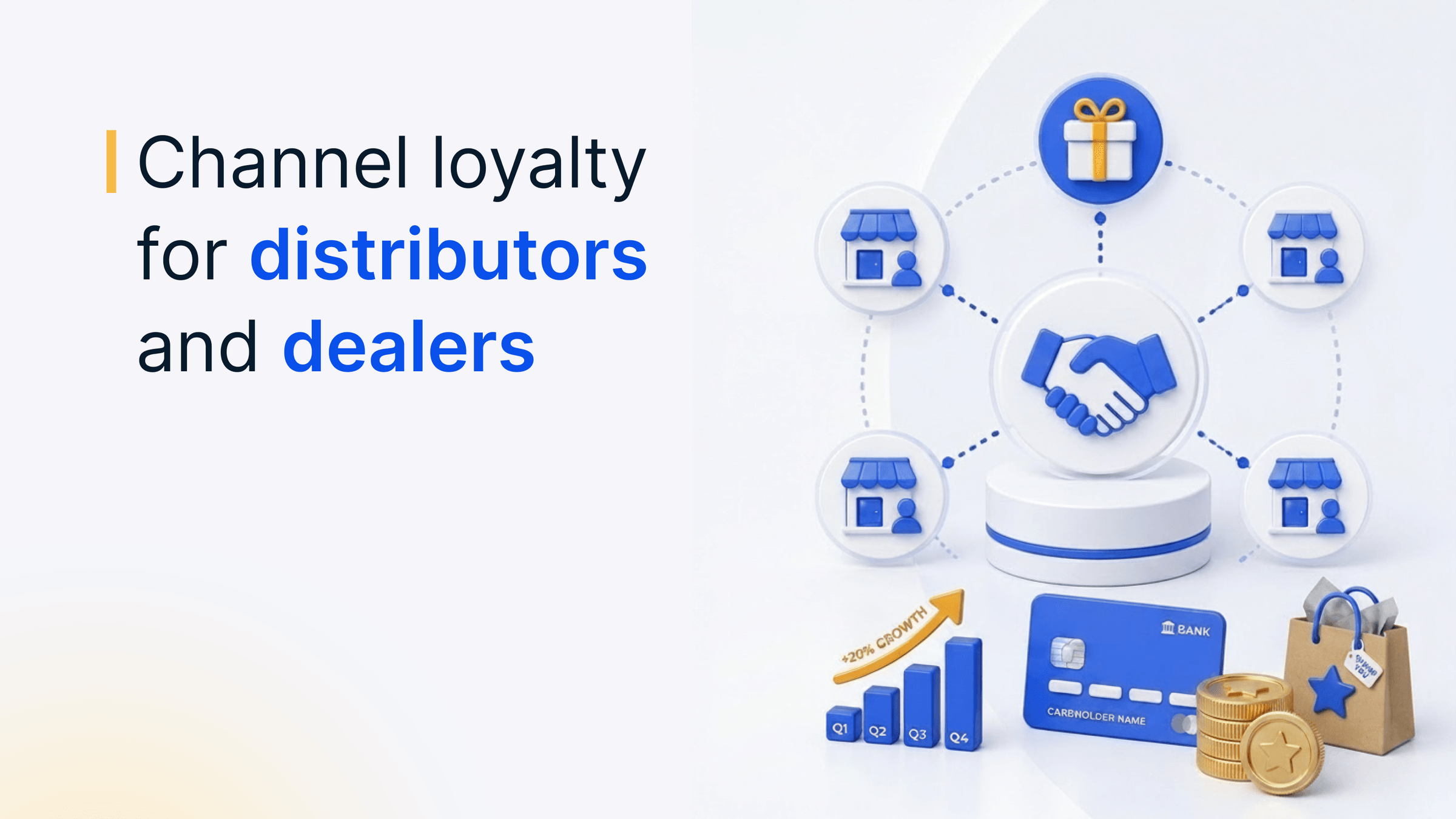
Partner incentives improve engagement, performance, and channel loyalty
According to Forrester, 67% of B2B partner ecosystem decision-makers plan for their indirect revenue to grow above last year, with growth expected to exceed 30%. Yet for most companies, a partner incentive program is the line item that decides whether that growth becomes real or stalls inside a spreadsheet.
Growth Marketers and Marketing Ops teams know the pattern. The program pays out. Dashboards report numbers. But which incentives actually drove the partner-sourced pipeline stays largely invisible.
This guide walks through what separates a partner incentive program that compounds revenue from one that quietly drains budget: the types that work, examples by partner type, design principles, common mistakes, and the KPIs that prove ROI.
What is a partner incentive program?
A partner incentive program is a structured set of rewards designed to motivate behaviors from external sales partners that align with a vendor's revenue goals. Those partners include resellers, distributors, managed service providers, referral partners, and advocates, none of whom are direct employees of the vendor.
According to the Incentive Research Foundation (IRF), businesses use on average more than 6 different types of awards within a single channel incentive program. The mix matters more than any single reward type.
Why does a partner incentive program drive B2B growth?
According to Forrester's State of Partner Ecosystems 2025, 67% of B2B partner ecosystem decision-makers plan for their indirect revenue to grow above or significantly above last year, with growth expected to exceed 30%. That growth does not happen by accident. It happens when partners choose to push your product over the five or ten other vendors they also represent.
Forrester also notes that B2B firms attain 60% of revenue from existing customers, and a growing share of that flows through partners. A partner incentive program is the lever that decides whether your share of partner mindshare expands or shrinks. The question is no longer whether to run one. It is whether the one you run actually works.
What are the main types of partner incentive programs?
Most modern programs combine four or more of the structures below, calibrated to partner type and program goal.
| Program type | Behavior incentivized | Best for partner type |
|---|---|---|
| Tiered programs | Sustained annual revenue | Resellers, distributors |
| Rebates | Volume thresholds | Distributors |
| SPIFFs | Short-term product push | Frontline reseller reps |
| Market development funds | Co-marketing campaigns | Resellers, advocates |
| Deal registration | Pipeline transparency | Resellers, referral partners |
| Training and certification | Product proficiency | All partner types |
| Points-based programs | Multiple behaviors at once | All partner types |
| Non-monetary recognition | Long-term loyalty | Advocates, MSPs |
Modern programs increasingly mix monetary rewards with non-monetary recognition, since each addresses a different motivational driver.
What do partner incentive program examples look like by partner type?
The same program structure performs differently depending on who is on the receiving end.
- Resellers and value-added resellers respond best to tiered programs and SPIFFs.
- Distributors are driven by volume rebates and market development funds.
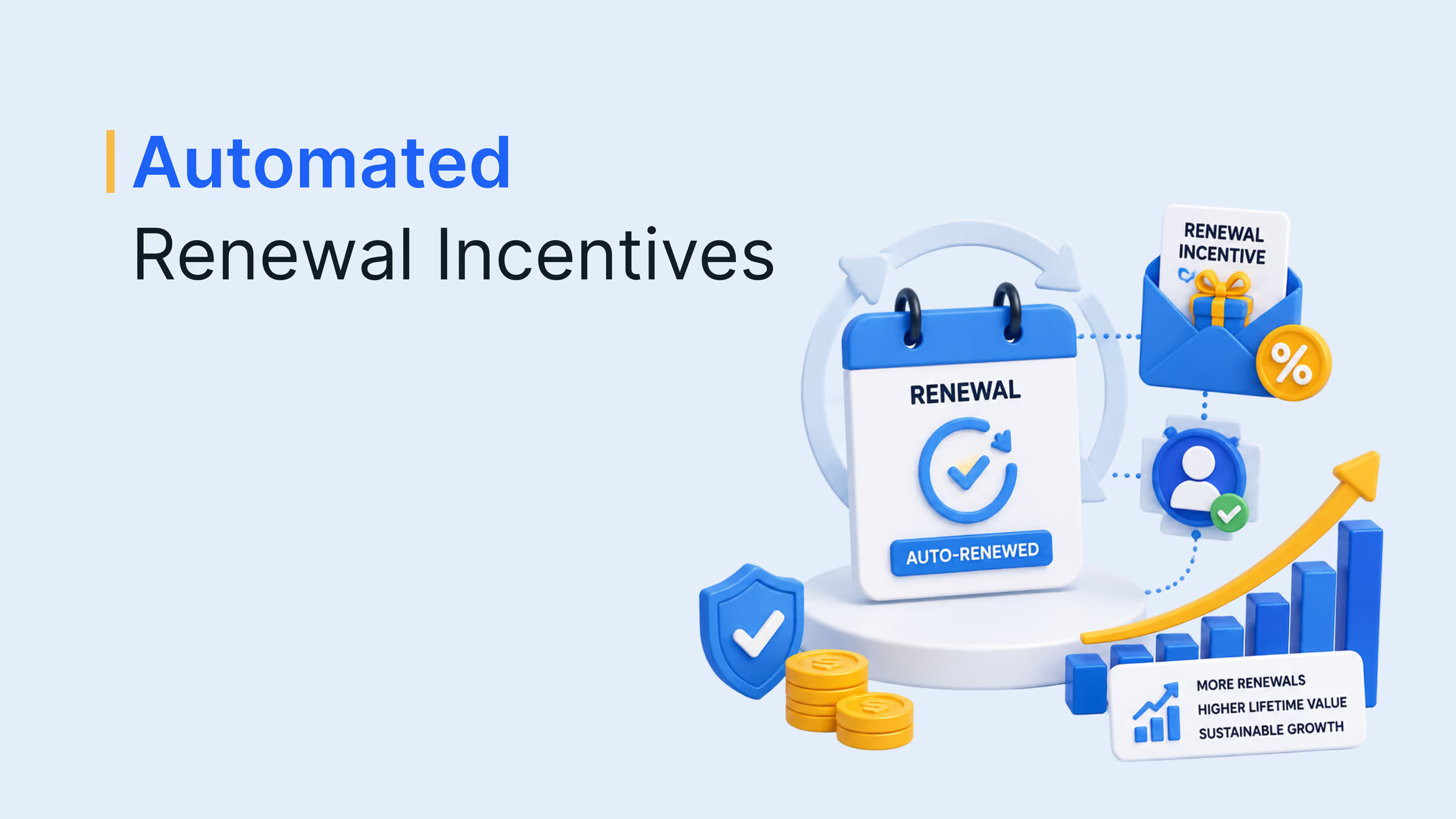
- Managed service providers are wired for renewals, so incentives tied to certification, customer satisfaction, and contract renewal stickiness work best.
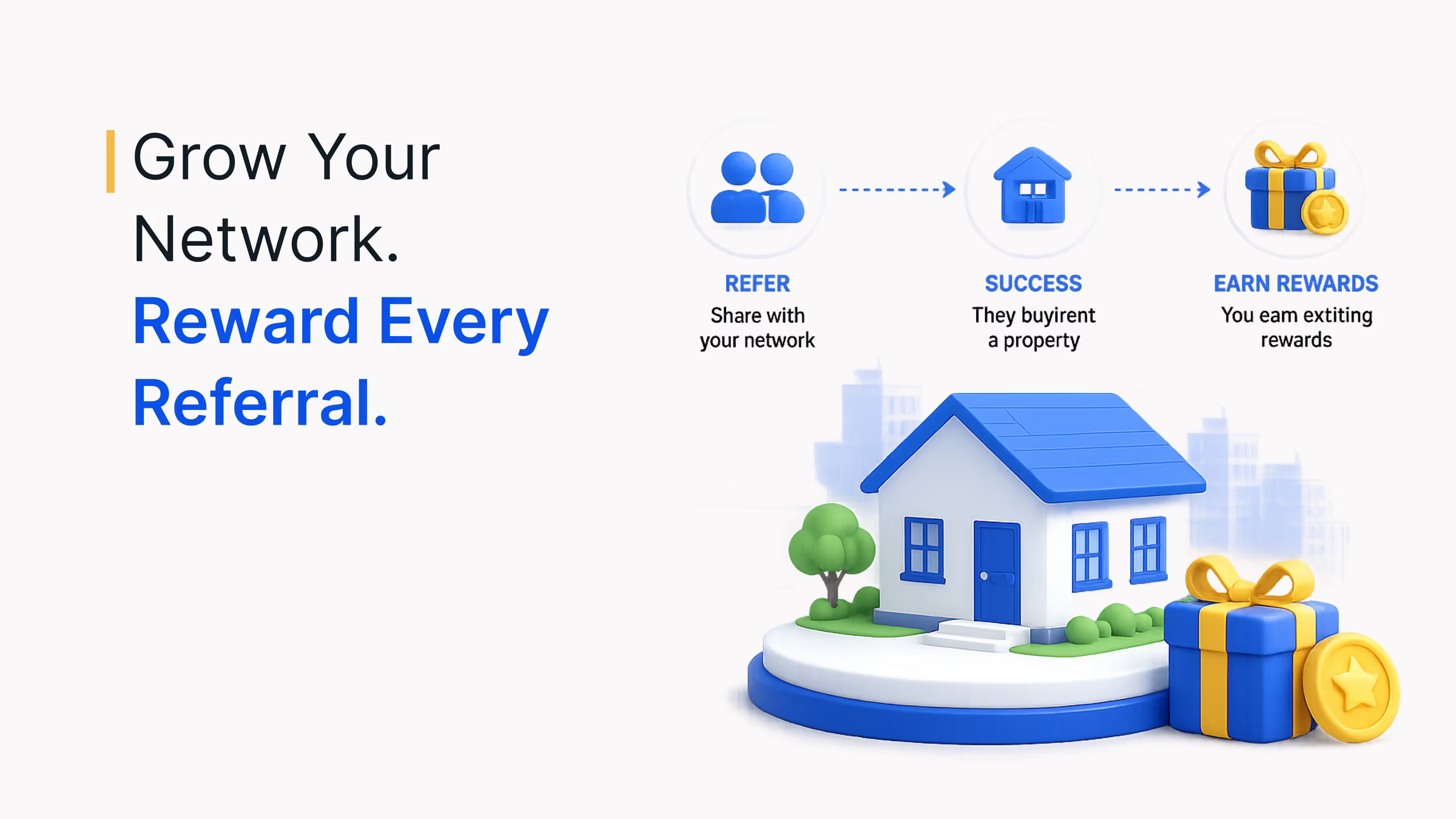
- Referral partners and advocates value points-based or experiential rewards plus recognition, since they do not transact directly.
In the GCC, tech distributors and fintech partners are heavy users of tiered and rebate programs. In Indonesia, where partner ecosystems are still maturing, structured enablement plus simple non-monetary recognition often outperforms cash for partner activation.
Try Plum
Build partner incentive programs that drive channel revenue with transparent payouts and real-time ROI tracking.
Talk to our ExpertTrusted by 5,000+ companies
What makes a partner incentive program "great"?
According to Aberdeen Group research, only 47% of B2B sales reps hit their annual quotas, but companies with well-designed channel incentive programs see 83% of partner-aligned reps reach or exceed their goals. The difference is design, not budget.
Six principles separate great programs from forgotten ones:
- Clear, specific behaviors. Reward five behaviors at most, each tied to a revenue or pipeline outcome.
- Fair multi-partner attribution. When a referral source, a reseller, and an MSP all touch a deal, all three should earn proportionally.
- Simple rules. If a partner needs a spreadsheet to calculate their reward, the program is too complex.
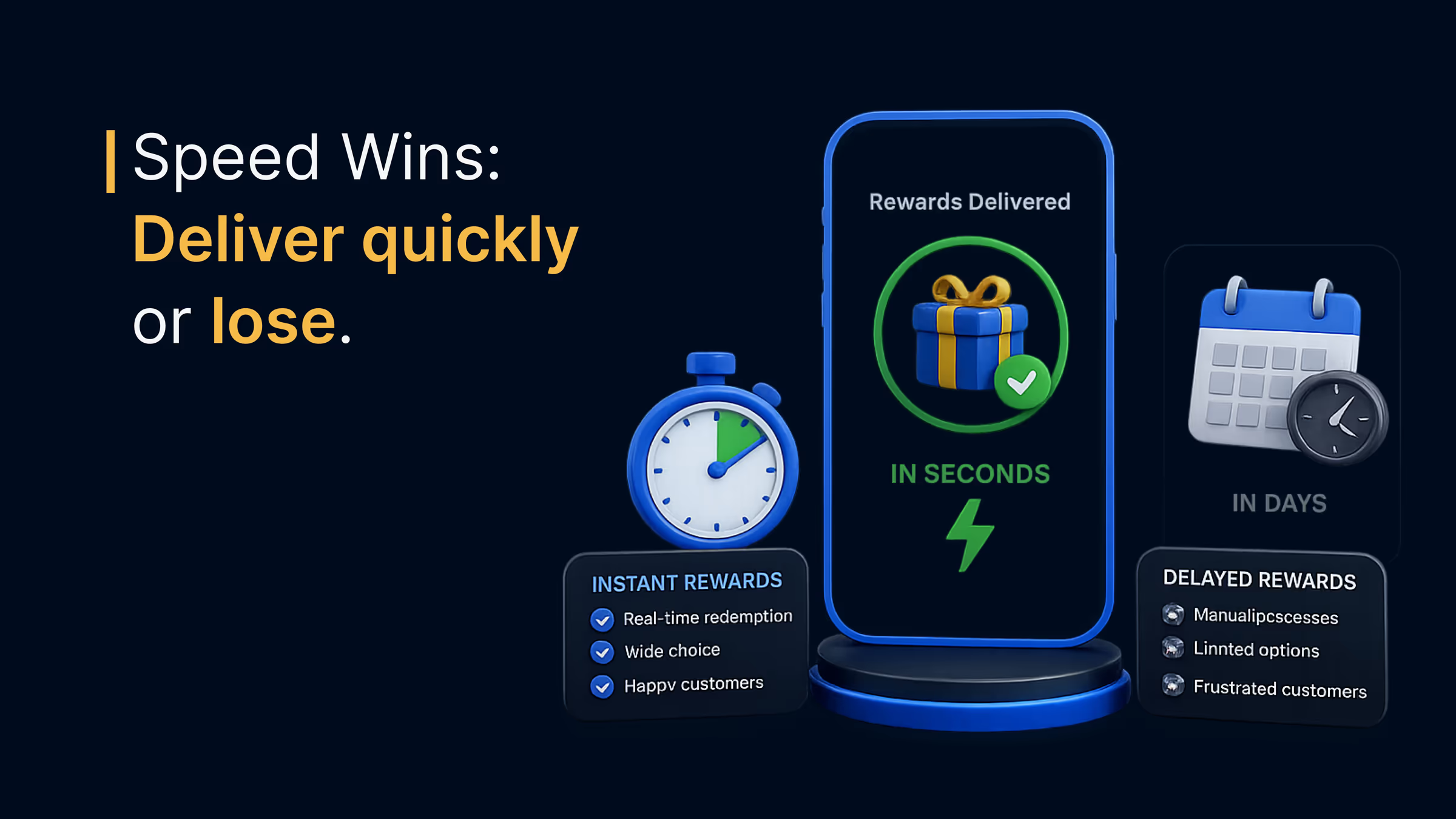
- Timely payouts. Speed of fulfillment is the trust signal. Delayed cash kills programs faster than low reward values.
- Transparent dashboards. Partners should see status, accruals, and payouts in real time, not on request.
- Scheduled refresh cycles. Programs decay. Rebuild them quarterly.
In KSA, where Vision 2030 is reshaping how local distributors engage, programs that bundle clear behaviors with fast, transparent payouts win against legacy channel structures.
What common mistakes derail partner incentive programs?
Accenture's research on indirect channel incentives finds that while high-tech companies invest 3 to 5% of revenue on channel incentives, as much as 10% of that spend is wasted on overcomplication, duplication, and poor measurement.
The patterns that kill partner programs:
- Treating every partner type identically with one rebate structure.
- Delaying payouts by weeks or months, eroding trust quarter by quarter.
- Hiding rules, tiers, or accruals behind manual processes.
- Rewarding only transacting partners, ignoring referrers and influencers.
- Letting programs run unchanged for years, with no refresh cycle.
Each of these is fixable. None of them are fixable inside a spreadsheet at scale.
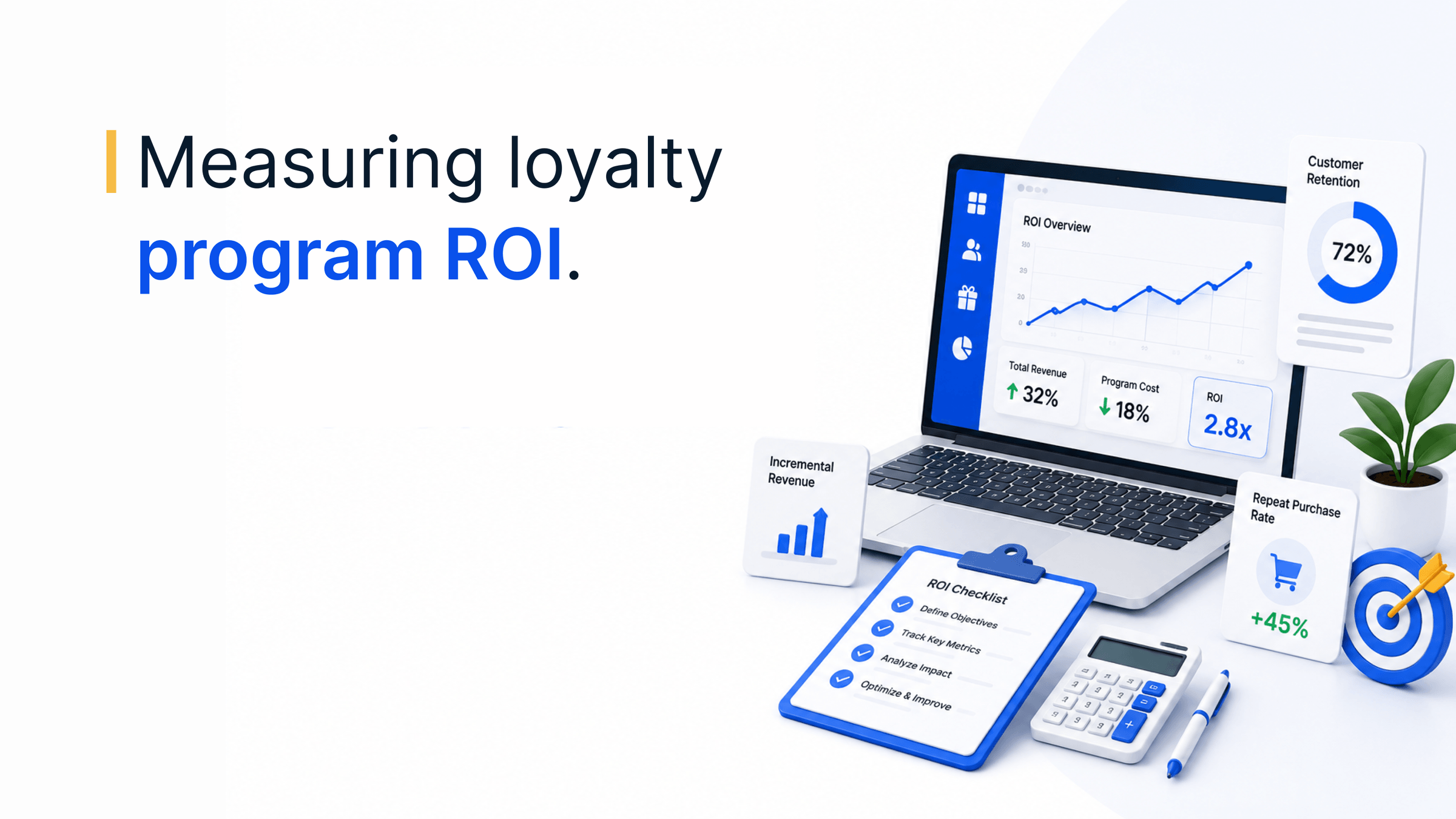
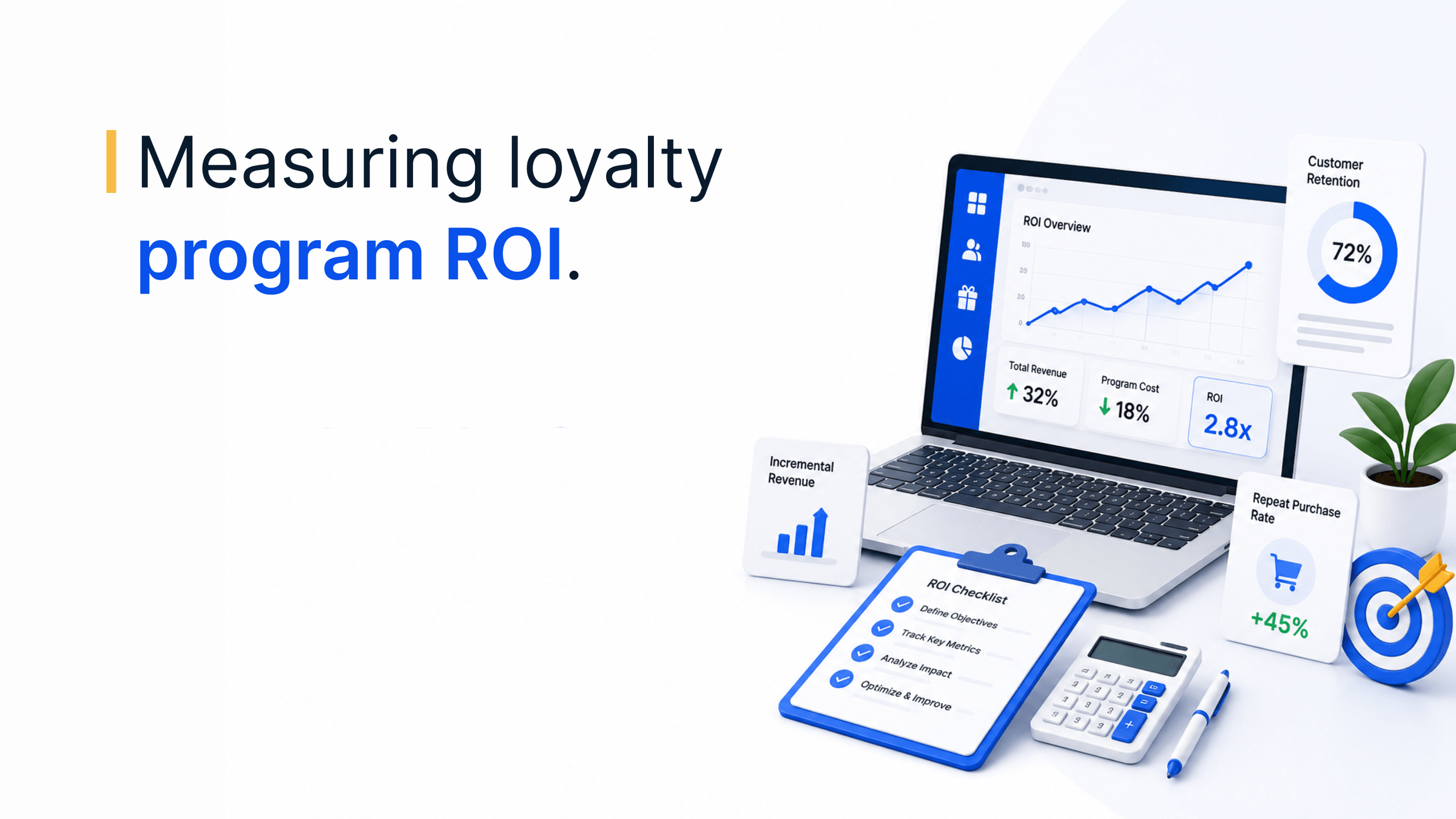
How do you measure partner incentive program ROI?
The Incentive Research Foundation (IRF) reports that the top primary objectives for channel rewards programs are improving productivity (97%), increasing sales of specific products (63%), increasing overall sales (62%), and gaining market share (59%).
Track these five KPIs:
| KPI | What it measures | Healthy benchmark |
|---|---|---|
| Participation rate | % of eligible partners actively engaged | Above 60% |
| Partner-sourced revenue | Revenue attributed to incentivized partners | YoY growth |
| Payout-to-revenue ratio | Cost of incentives vs incremental revenue | Below 5% |
| Activation rate | % of new partners earning first reward | Above 40% in 90 days |
| Time-to-payout | Days from earning to receiving reward | Under 7 days |
Real-time dashboards beat quarterly reviews. Programs that wait three months for ROI signals are running blind.
What technology scales modern partner incentive programs?
According to Forrester, 75% of partner ecosystem marketing decision-makers expect their technology investments to increase in 2026. That is because manual program operations no longer scale past a few dozen partners.
Modern partner incentive technology, built on a digital rewards platform, delivers four things spreadsheets cannot:
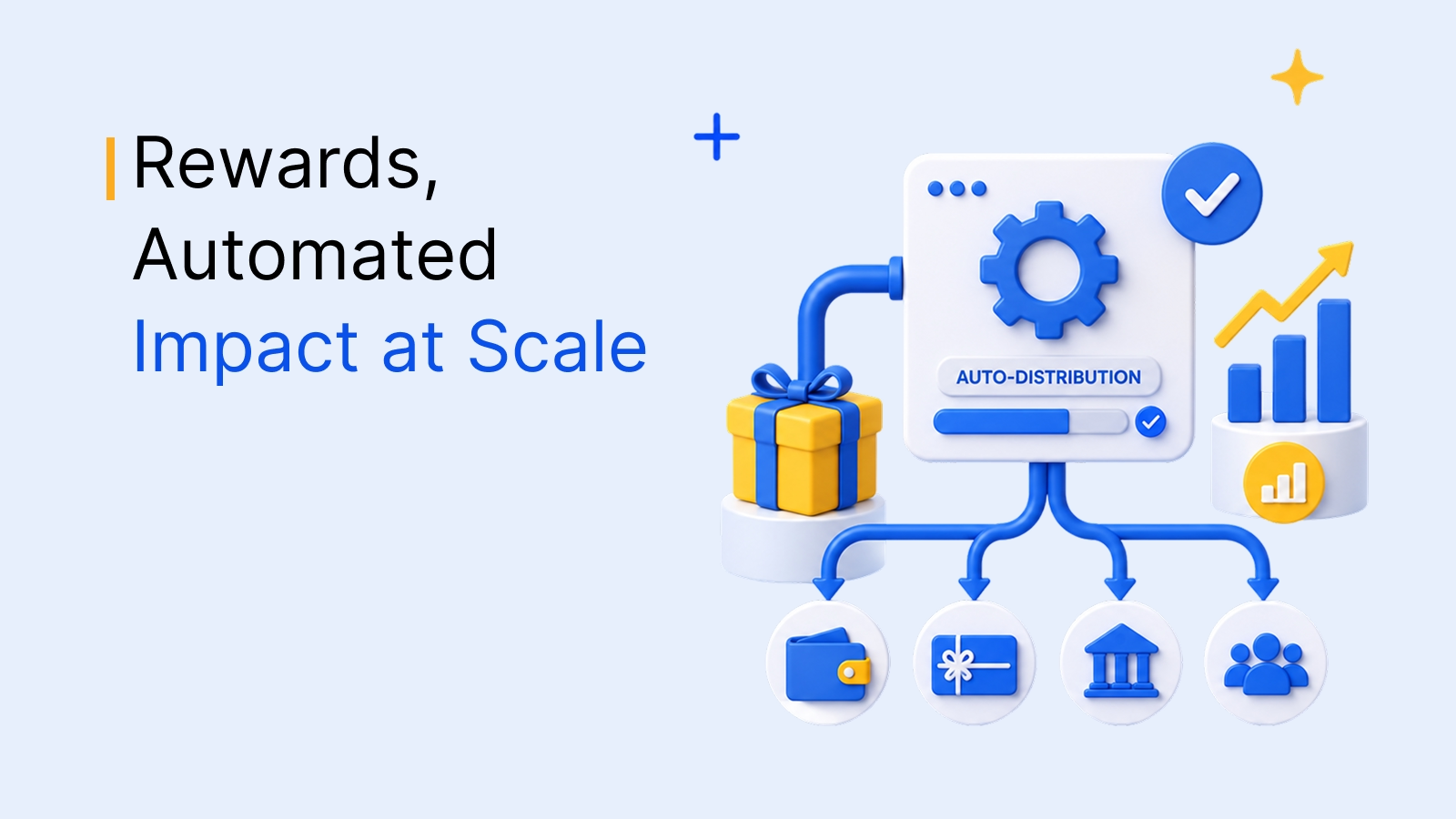
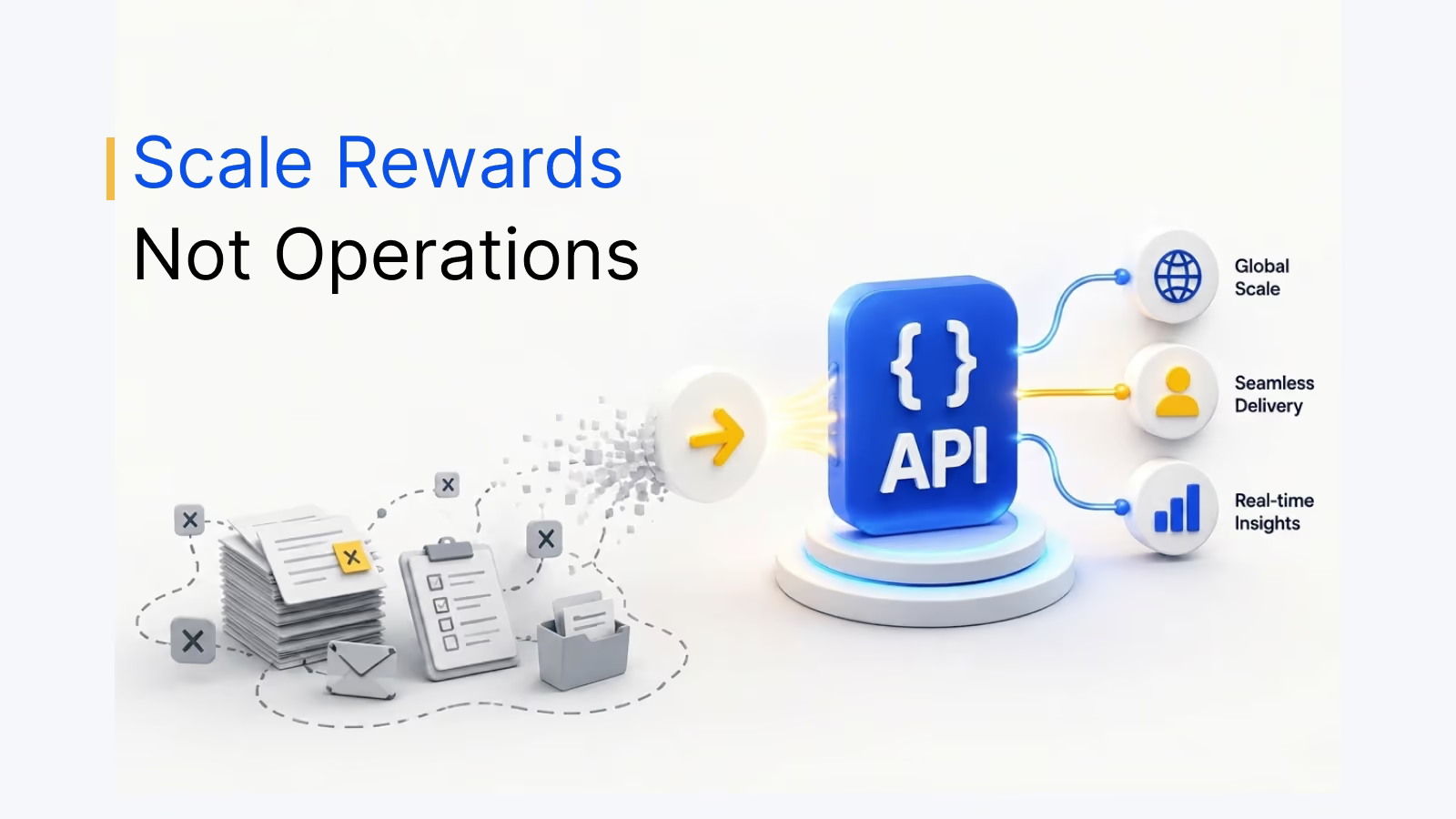
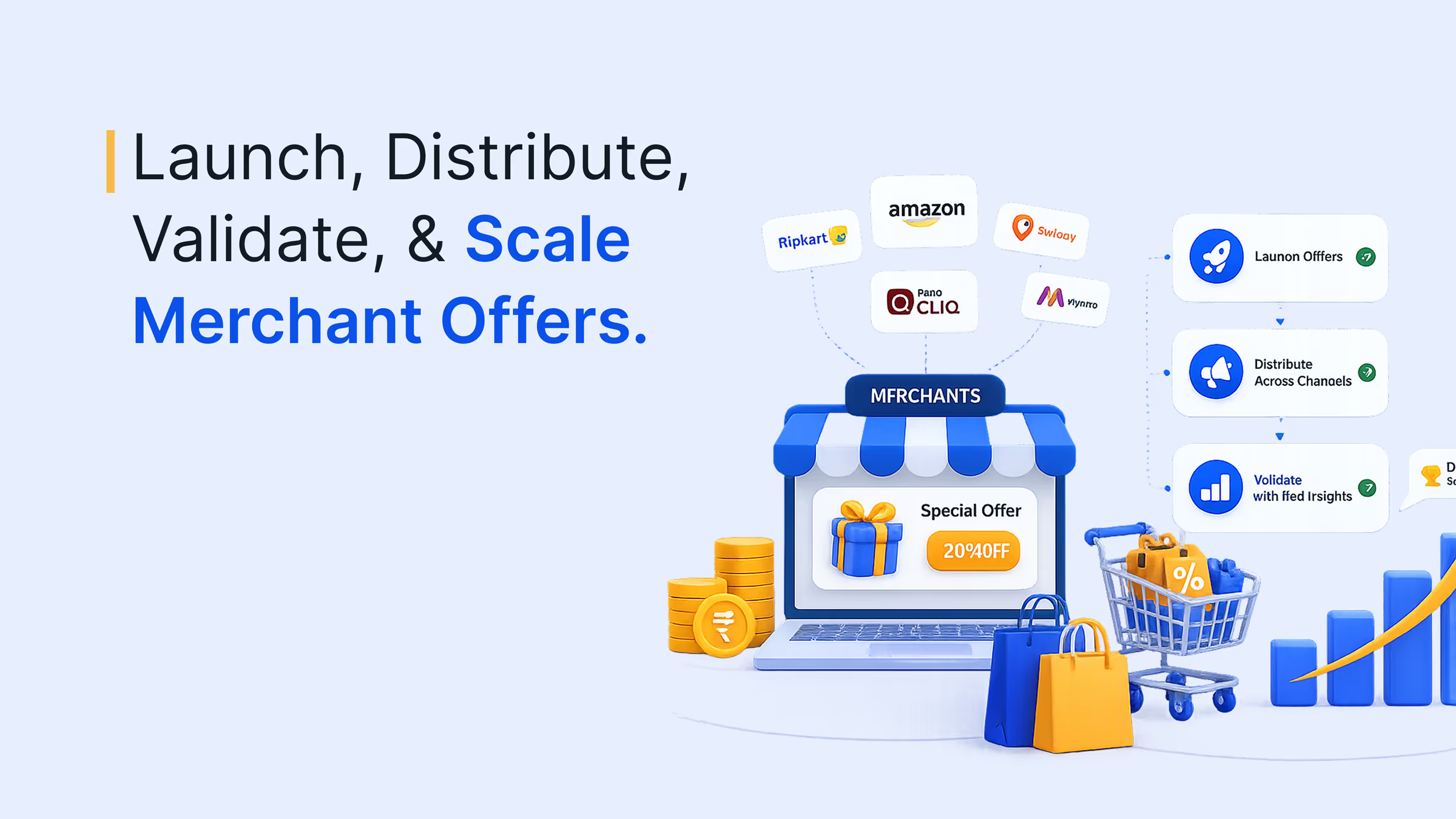
- API-first integration with CRM, PRM, and finance systems, so deal data triggers rewards automatically.
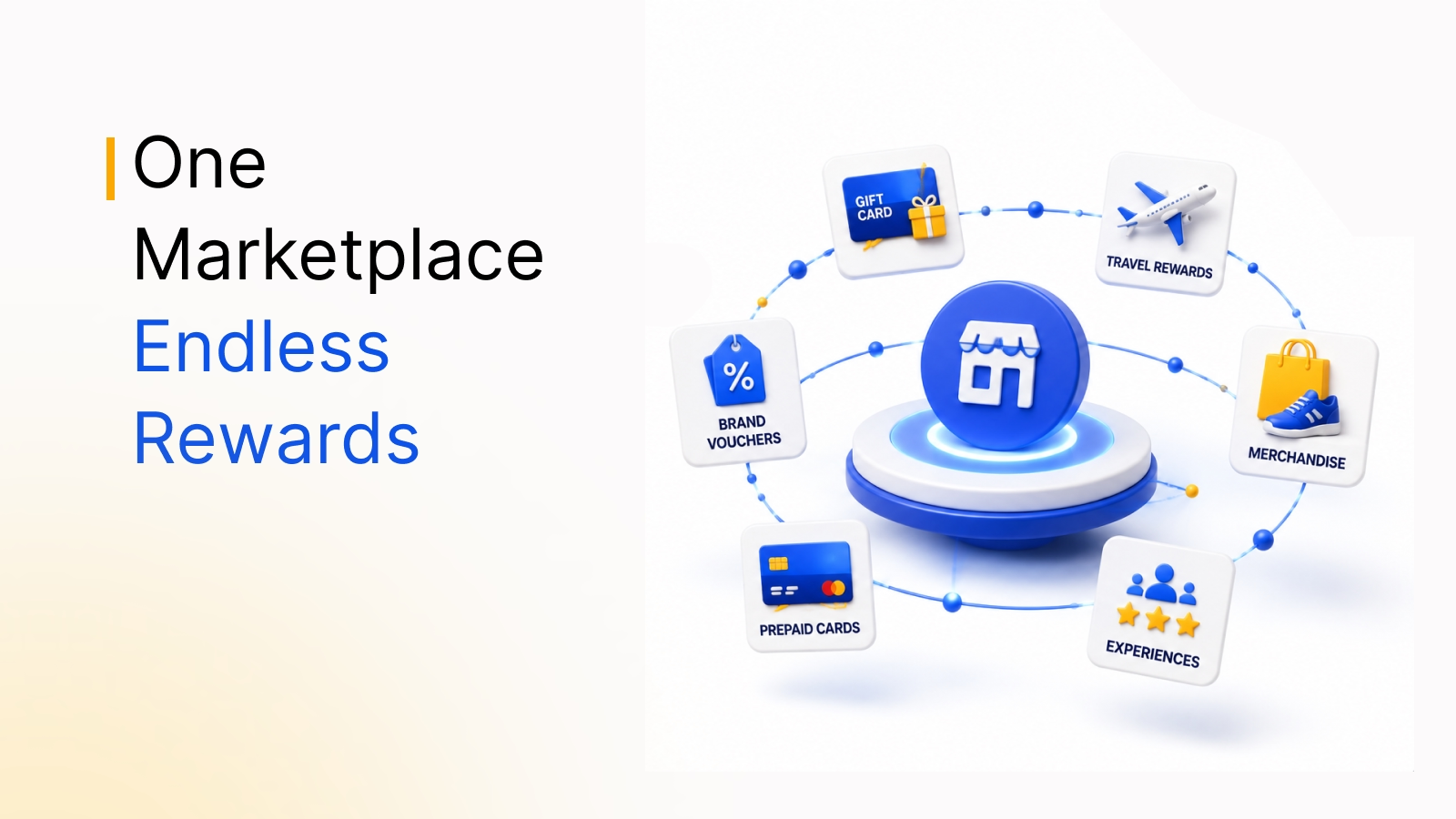
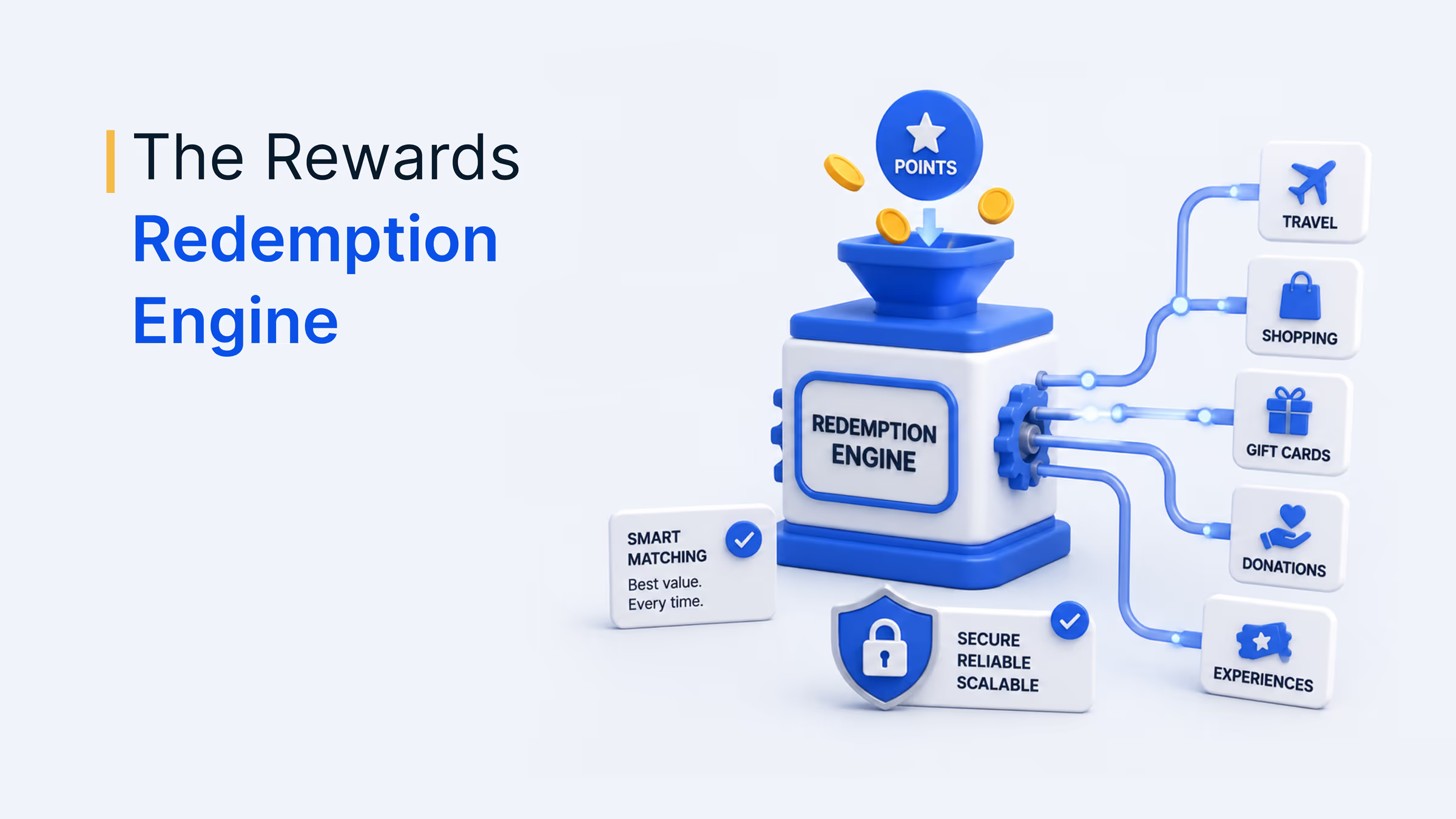
- Global reward catalogs spanning gift cards, prepaid cards, experiences, and direct payouts across many countries and currencies.
- Real-time visibility for both program owners and partners.
- Compliance and security at enterprise grade, including data hosting controls for cross-border programs.
In the USA, the highest-conversion incentive deployments are CRM-integrated, not standalone.
What to actually give channel partners
Program design decides whether partners engage. The reward itself decides whether they remember it. The two are separate problems and the second one gets far less thought than it deserves.
Rewards that attach to performance should be catalog-based, so each partner chooses rather than receiving what a program manager guessed. Rewards that mark a relationship rather than a number can be more deliberate. The split below reflects how most mature programs run.
| Moment | What fits | Why |
|---|---|---|
| Target and tier achievement | Points or catalog rewards against the tier | Scales to a large partner network and keeps spend auditable |
| Certification and training completion | Mid-value reward on completion, never on enrolment | Pays for the behaviour you actually want |
| First deal and partner activation | Instant reward, sent the same week | Activation stalls when the first reward is slow |
| Quarterly top performers | Experience vouchers, travel credit, premium hospitality | Memorable in a way a points balance is not |
| Relationship milestones | Executive gifts chosen individually | Partnership anniversaries and joint wins warrant a considered gift |
| Regional and festive moments | Local-currency catalog rewards | A gift that cannot be redeemed locally is worse than none |
The gift ideas that work for the relationship moments, rather than the performance ones:
- Professional gear: Leather portfolios, travel organizers, premium travel wallets and luggage tags, which suit partners who spend their week on the road.
- Premium tech: Customized Bluetooth headphones, wireless charging pads and quality speakers. Keep the branding small and the quality high.
- Experience vouchers: Spa retreats, cooking classes, wine tastings and adventure experiences, which create a shared story rather than an item.
- Gourmet hampers: Specialty coffee, tea and chocolate selections that a partner's whole office can share, which multiplies the gesture.
- Professional development: A course, certification or coaching sessions. The gift that says you are invested in their growth rather than just their quota.
- Exclusive access: Covering registration and travel for an industry conference or an invitation-only networking event, which is often worth more to a partner than its cost.
- Donations in their name: The right answer where a partner's own policy restricts what they can accept, and for partnerships built on shared values.
Two cautions. Be careful with alcohol, which many partner organizations prohibit and which does not travel well across markets. And check the partner's gift acceptance policy before sending anything of real value, because a gift that has to be returned is worse than no gift at all. Our guide to corporate gifting ideas covers the etiquette and compliance side in detail.
How Xoxoday Plum supports partner incentive programs at scale
01 · Integration
API-first connections to CRM and ERP systems
Reward triggers fire automatically from the tools your teams already use, no manual spreadsheets.
02 · Catalog
10M+ reward options with instant delivery
Gift cards, prepaid cards, experiences, and direct payouts across 100+ countries, with rewards in 50+ currencies and payouts in 25+.
03 · Visibility
Real-time redemption and ROI dashboards
Growth Marketers see exactly which incentives drove which deals, in real time.
04 · Enterprise
SOC 2, ISO 27001, GDPR, and regional data hosting
Built for BFSI, telecom, and tech distribution at global scale.
100+
Countries
with localised rewards
10M+
Reward options
across catalogues
65M+
Users
across global teams
Your next step to a partner incentive program that actually works
A great partner incentive program is not the one with the largest budget. It is the one designed around clear behaviors, fair attribution, instant payouts, and real-time measurement. Start there. The growth follows.
Design a partner incentive program that moves revenue. See how Plum powers global partner programs with 10M+ reward options, instant payouts, and real-time ROI visibility.
Book your Plum demo
Frequently asked questions
Common partner incentive programs include rebates, referral rewards, tiered incentives, SPIFFs, deal registration incentives, training rewards, and points-based partner loyalty programs.
Key partner incentive metrics include participation rate, partner-generated revenue, deal registrations, program engagement, payout-to-revenue ratio, and overall return on investment.
Partner incentives encourage desired behaviors by rewarding partners for achieving specific business objectives. Well-designed programs increase partner engagement, sales activity, product adoption, and long-term loyalty.