Key Takeaways
A global rewards marketplace enables reward redemption across countries and currencies.
Global rewards marketplaces improve recipient choice and reward accessibility.
Organizations use global rewards marketplaces to scale incentive programs worldwide.
Most companies running a rewards program are actually running three separate problems. There is the procurement team chasing bulk gift card orders. There is the HR manager fielding complaints from employees in Manila who cannot redeem the Amazon voucher meant for someone in Chicago. And there is the finance team trying to reconcile reward spend with no redemption data to show for it. A global rewards marketplace replaces all three with one system.
This post unpacks each of those pieces: what a global rewards marketplace actually is, what belongs inside one, how the redemption flow works, and why companies running programs across multiple countries are replacing manual distribution with marketplace infrastructure.
What is a global rewards marketplace, exactly?
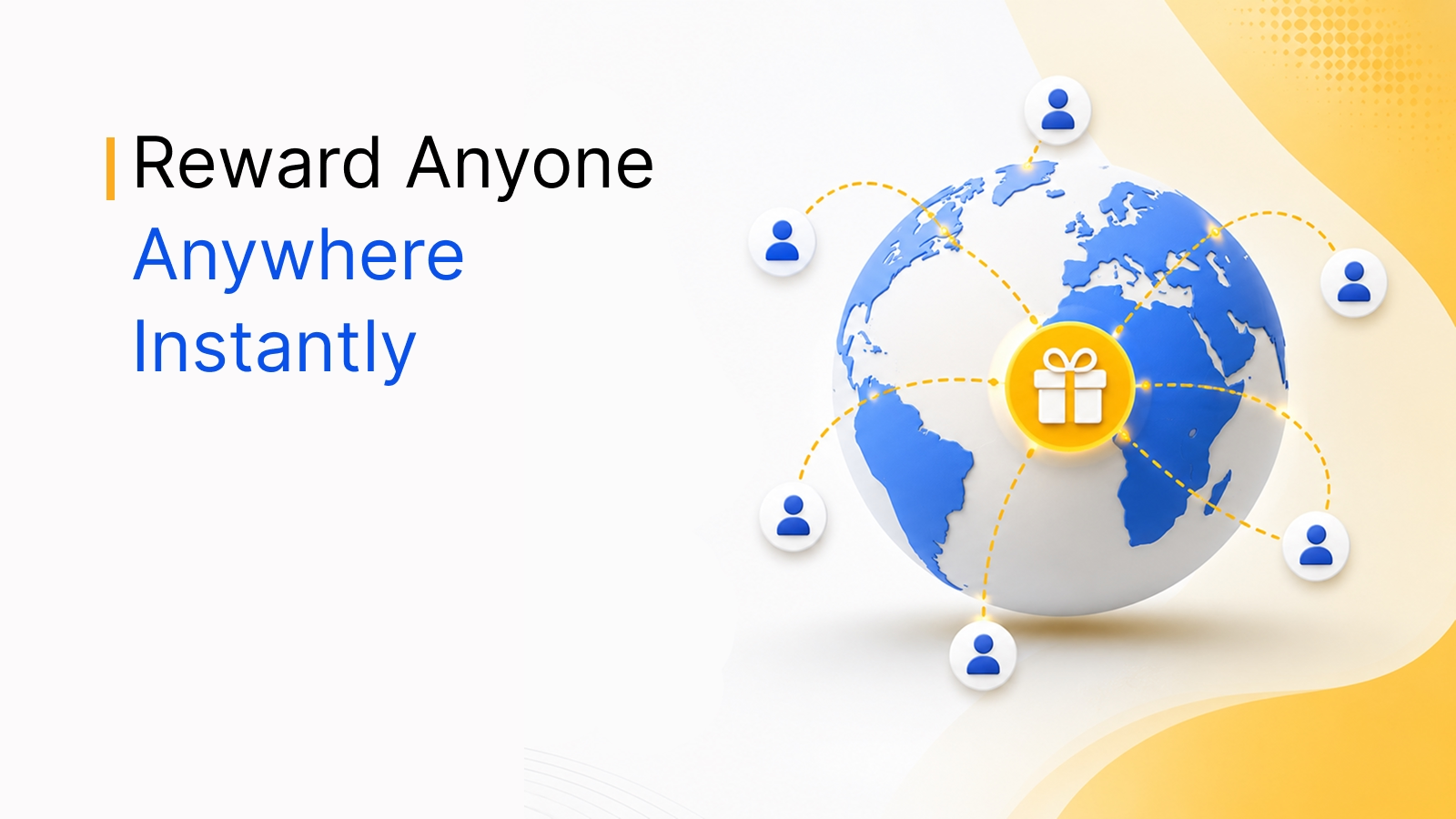
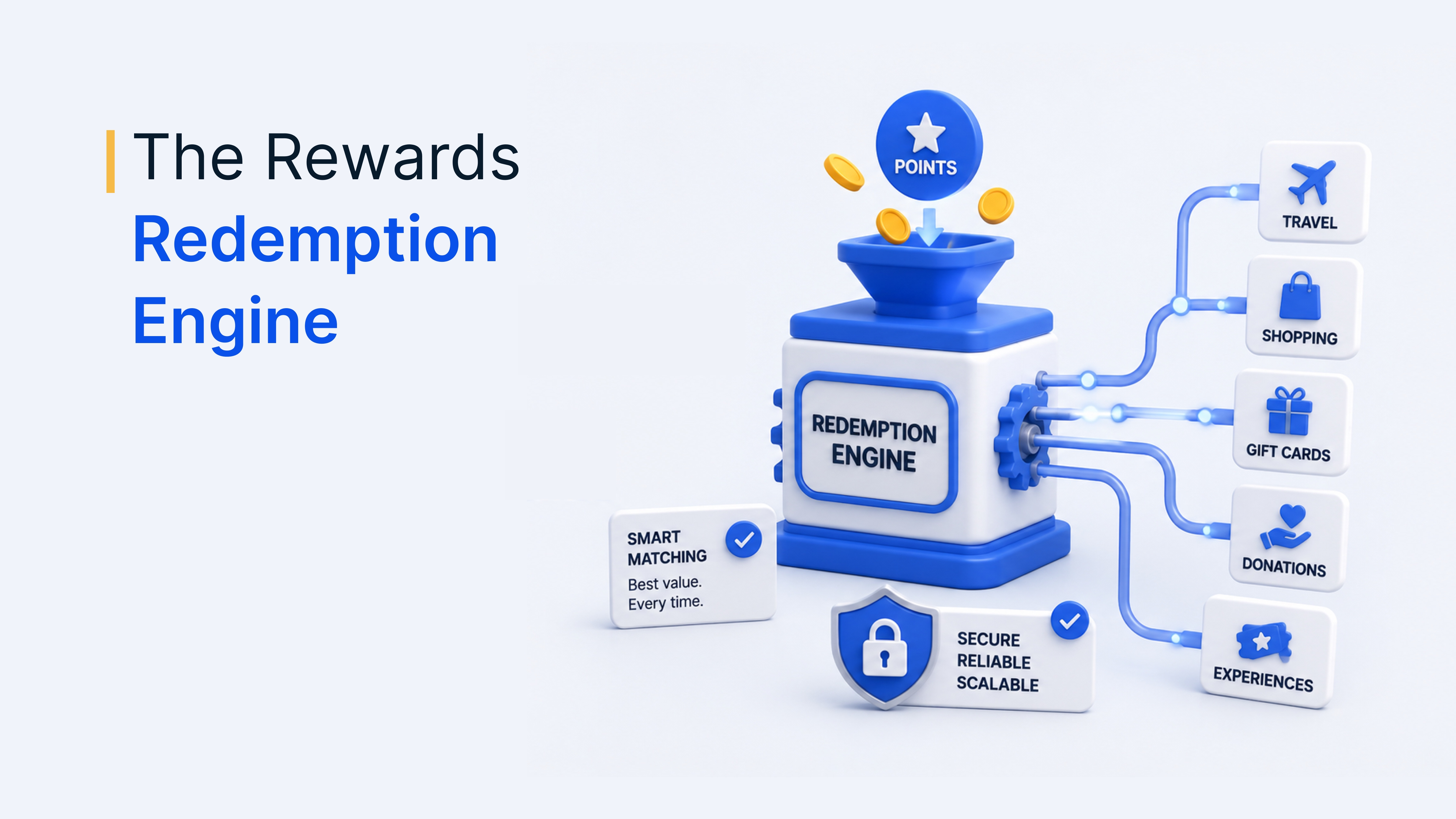
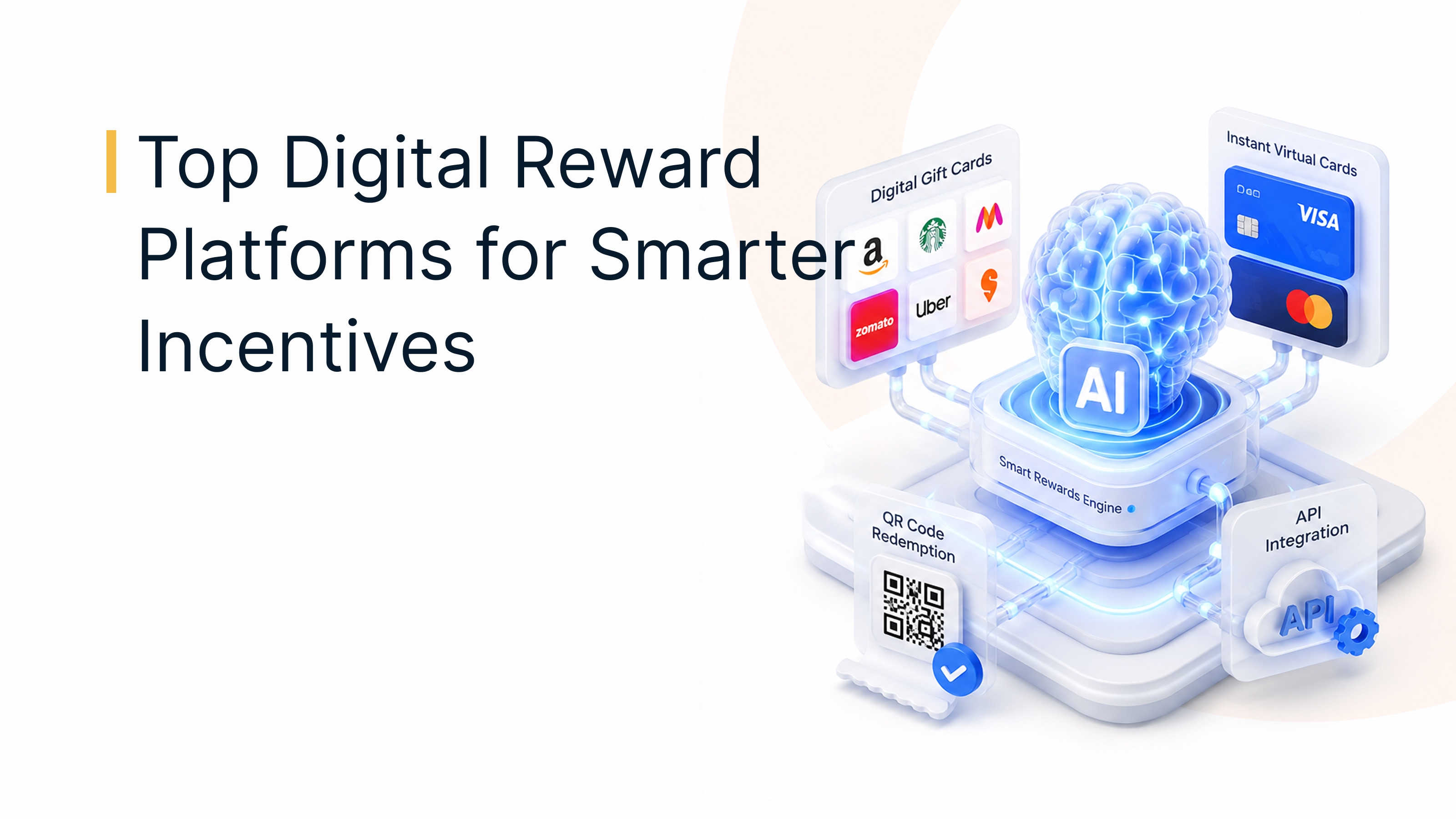
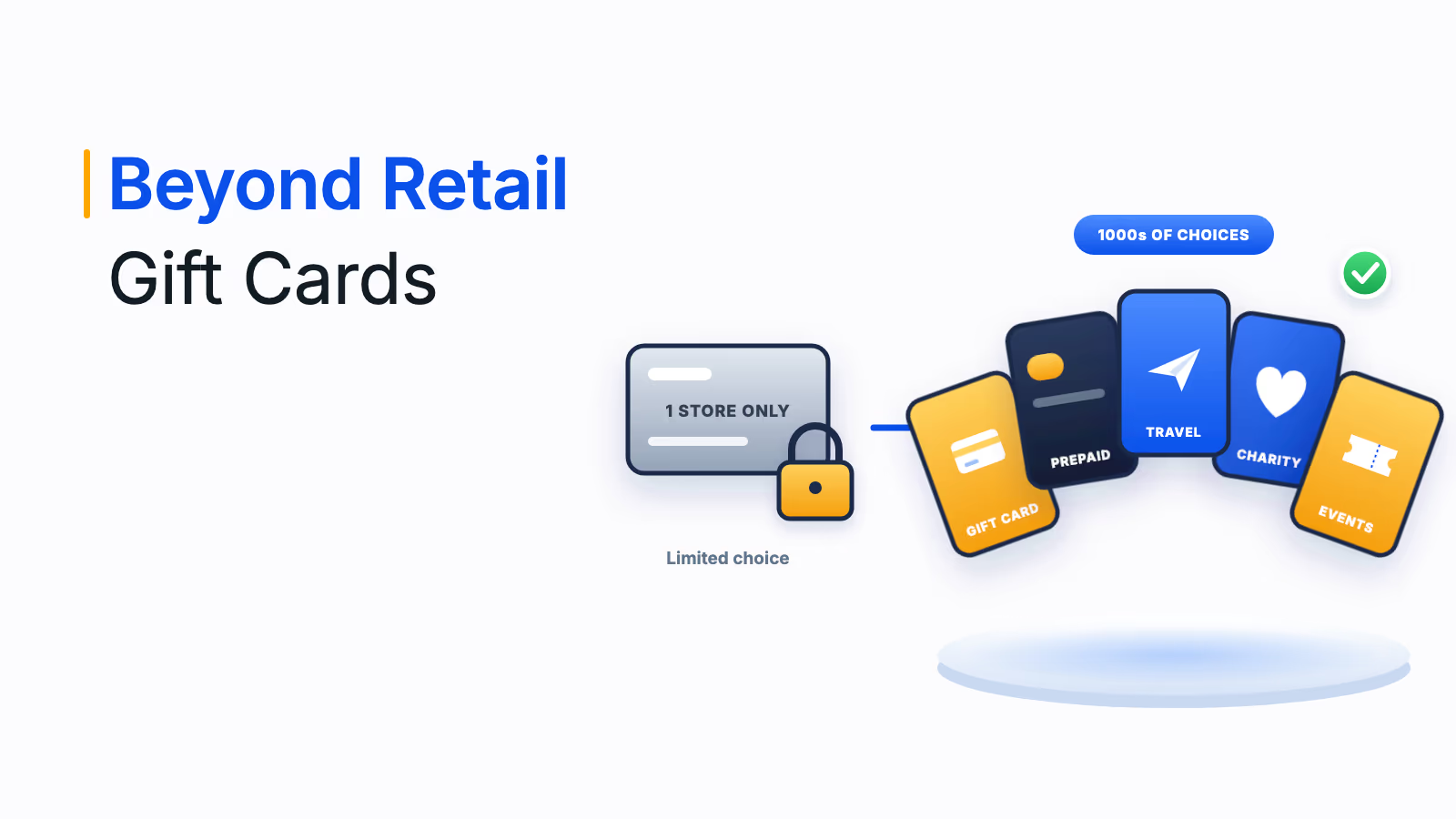
A global rewards marketplace is a centralized, digital platform where individuals can browse and redeem rewards across categories including gift cards, merchandise, experiences, travel, and charitable donations, in their local currency and language, from anywhere in the world.
It functions as the fulfillment layer of any reward or incentive program. The company or program operator funds the platform with points, credits, or a budget. Recipients log in, see a curated catalog relevant to their country, and redeem instantly. No vendor management, no bulk purchasing, no shipping coordination.
The key distinction from a basic rewards catalog is scope and infrastructure. A catalog is a list. A marketplace is a live, transactional system with real-time inventory, localization, currency conversion, and delivery, typically backed by an API that connects to existing HR, CRM, or marketing tools.
What types of rewards does a marketplace include?
The breadth of a marketplace is what makes it useful across regions. A recipient in Riyadh and a recipient in Chicago have different preferences. A well-built global marketplace accommodates both without requiring the program operator to manage separate vendor relationships for each country.
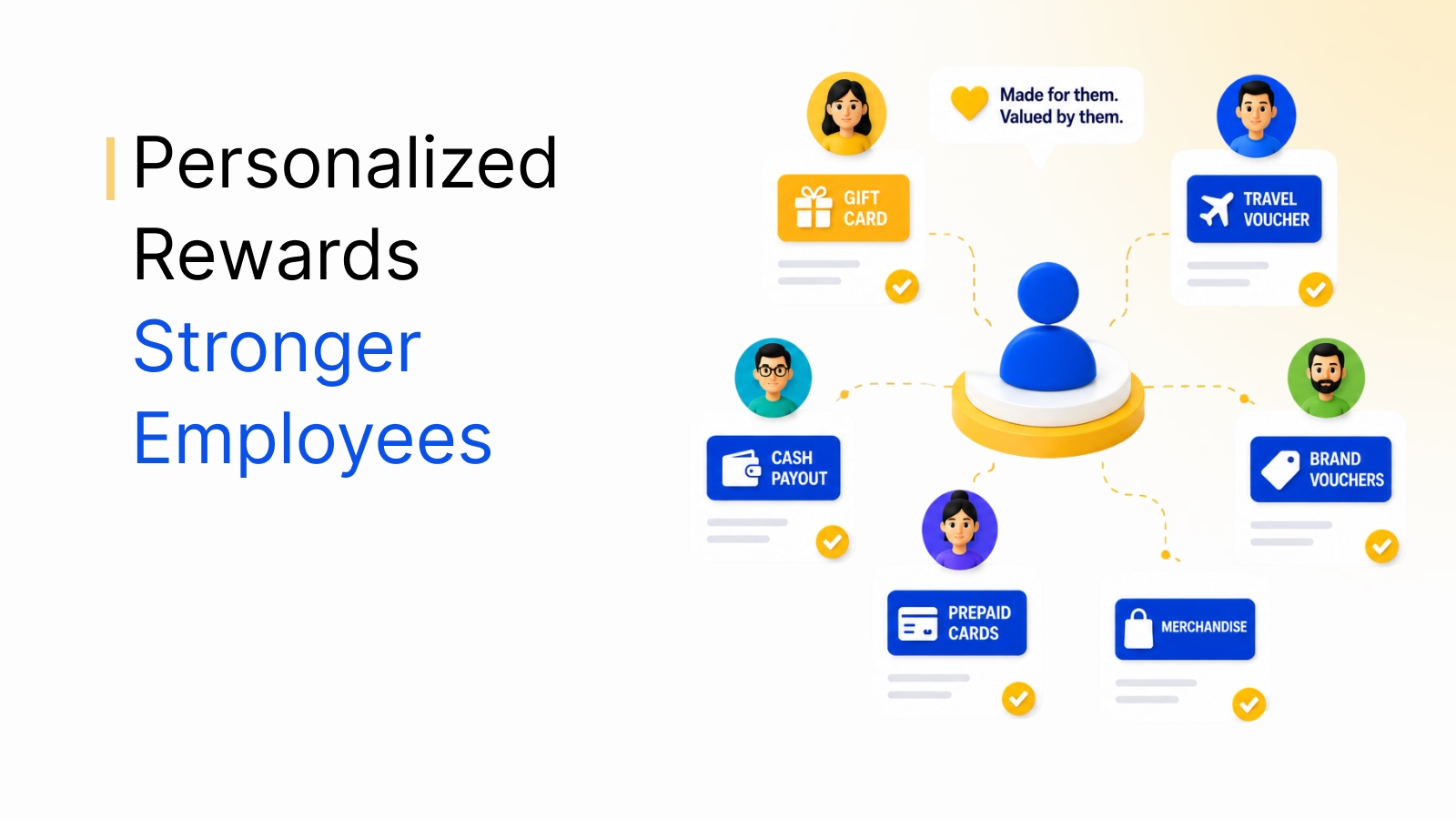
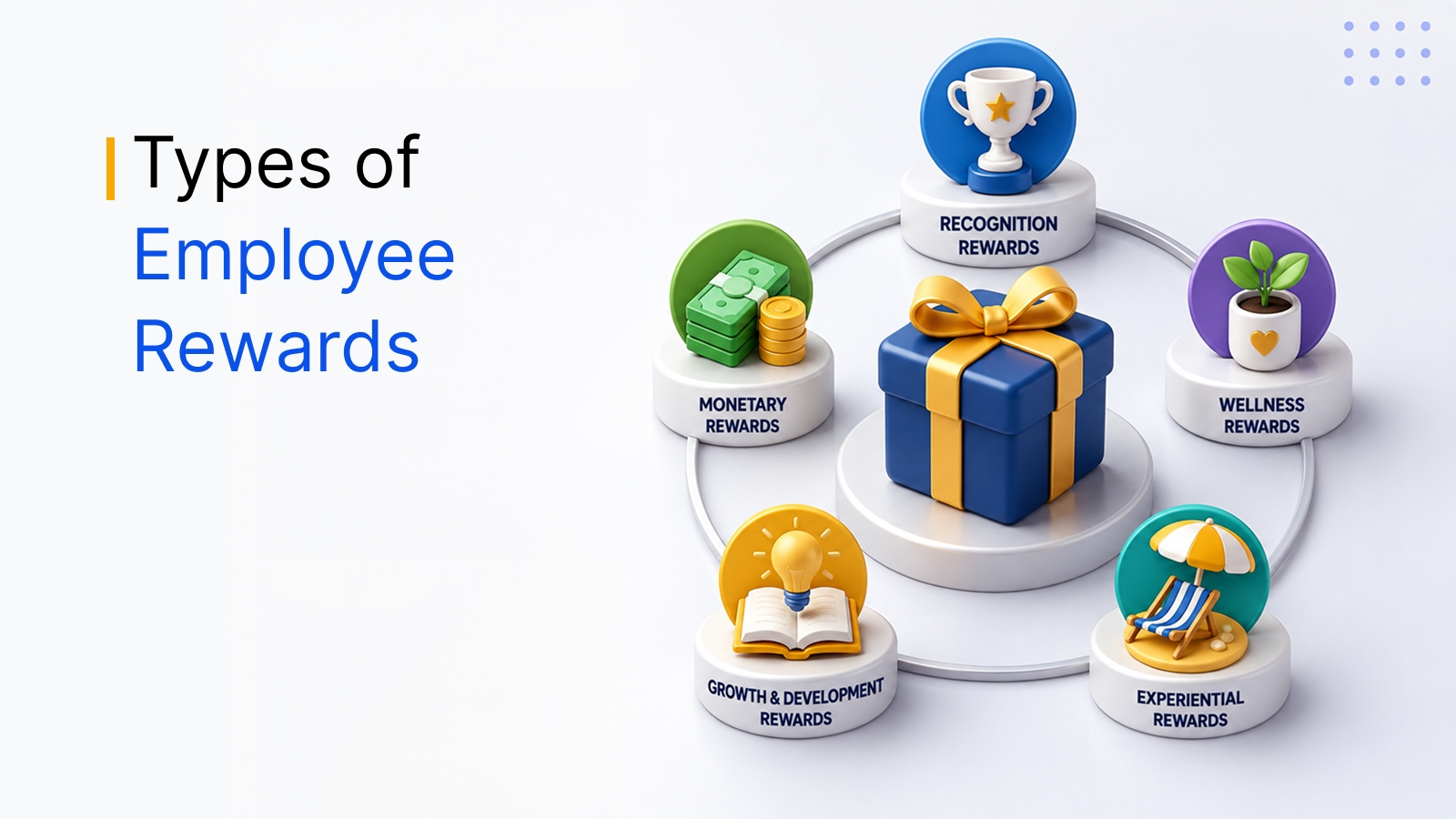
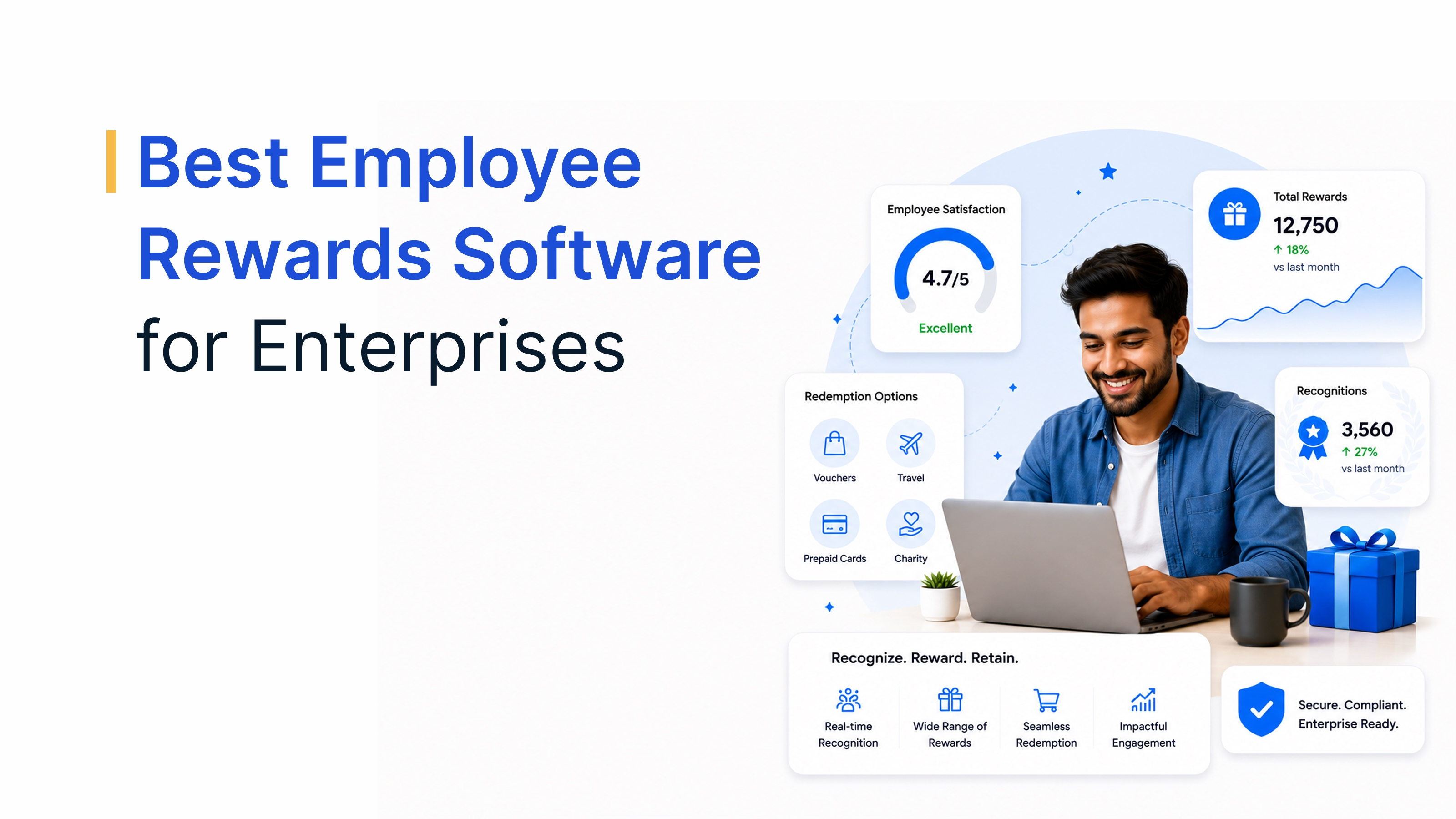
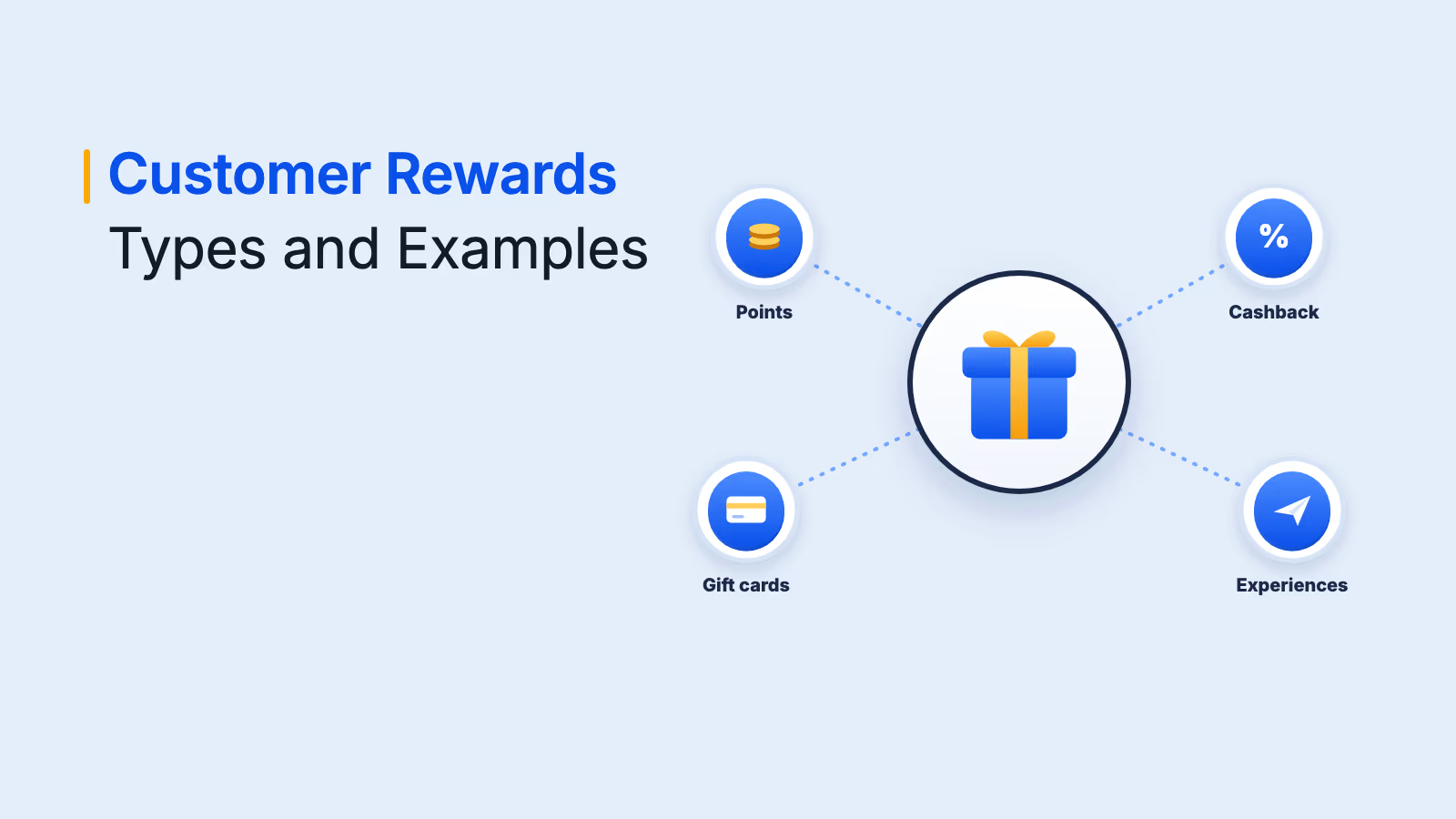
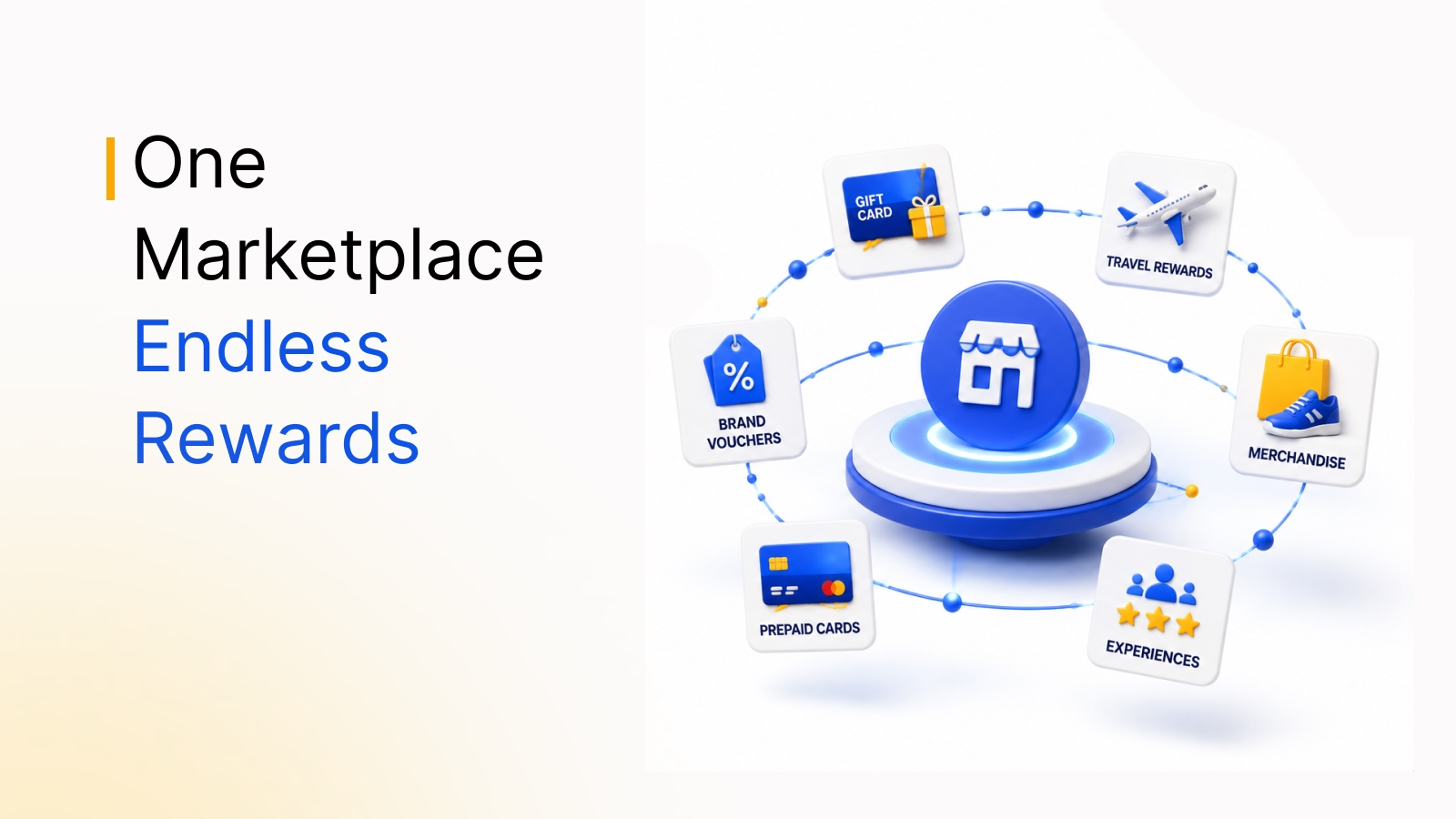
The most common reward categories are:
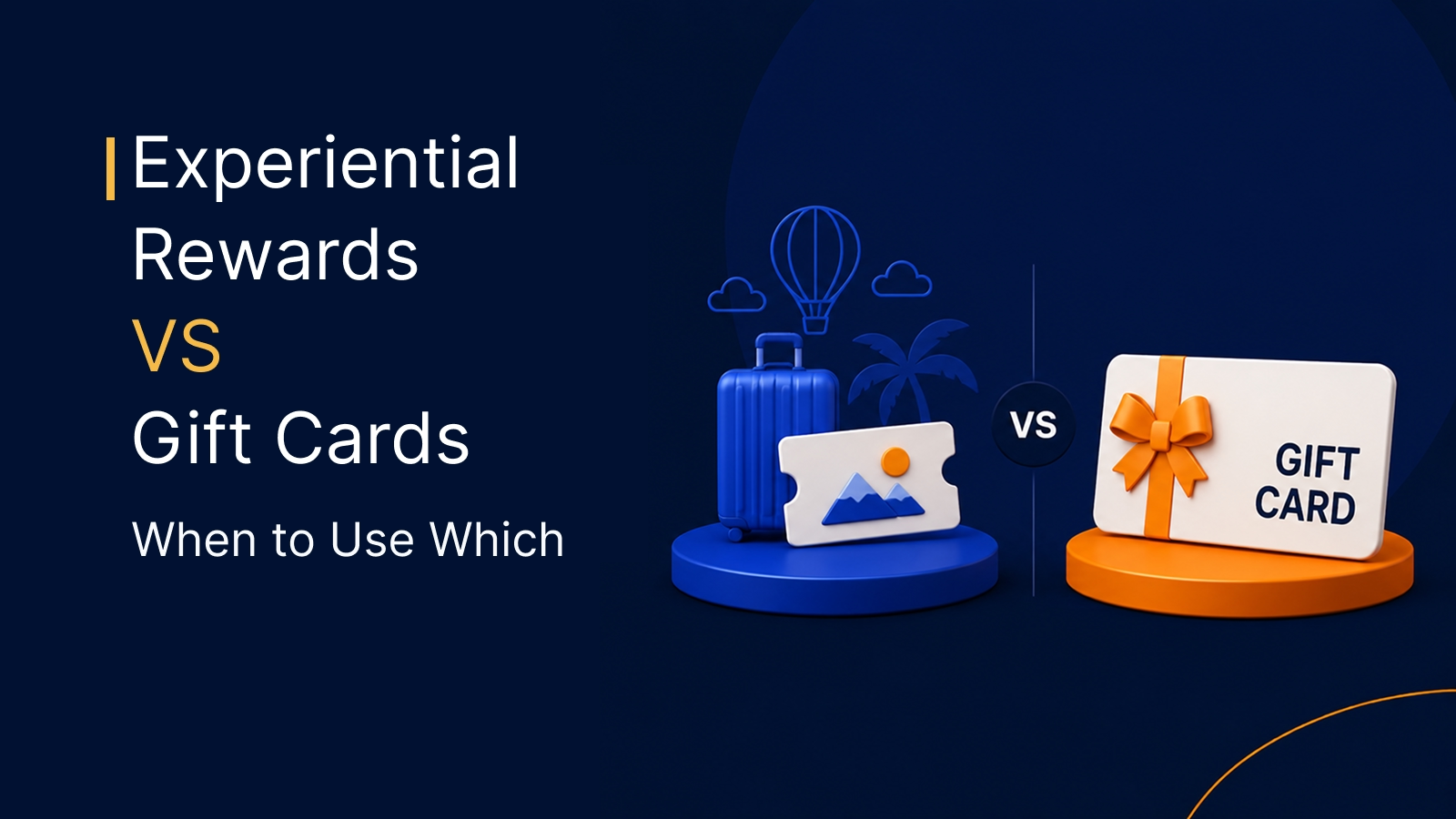
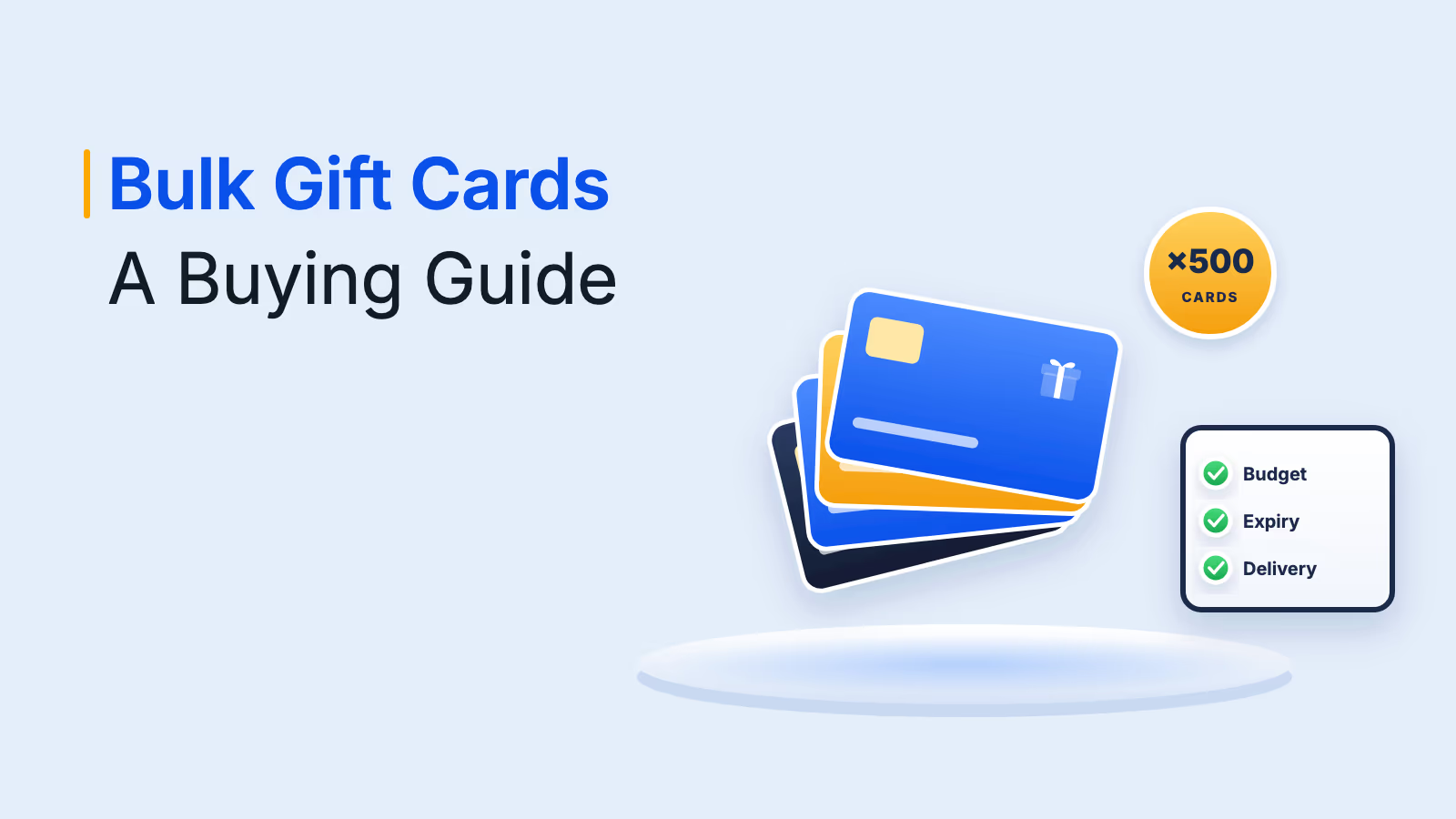
- Digital gift cards. Local and international brand gift cards, delivered instantly by email or SMS. This is the fastest-growing category. According to the Incentive Research Foundation (IRF), gift card spending in incentive programs grew by 42% in planned 2024 budgets, outpacing all other reward types.
- Merchandise. Physical goods including electronics, apparel, home goods, and branded items. Merchandise spending grew 31% in the same period.
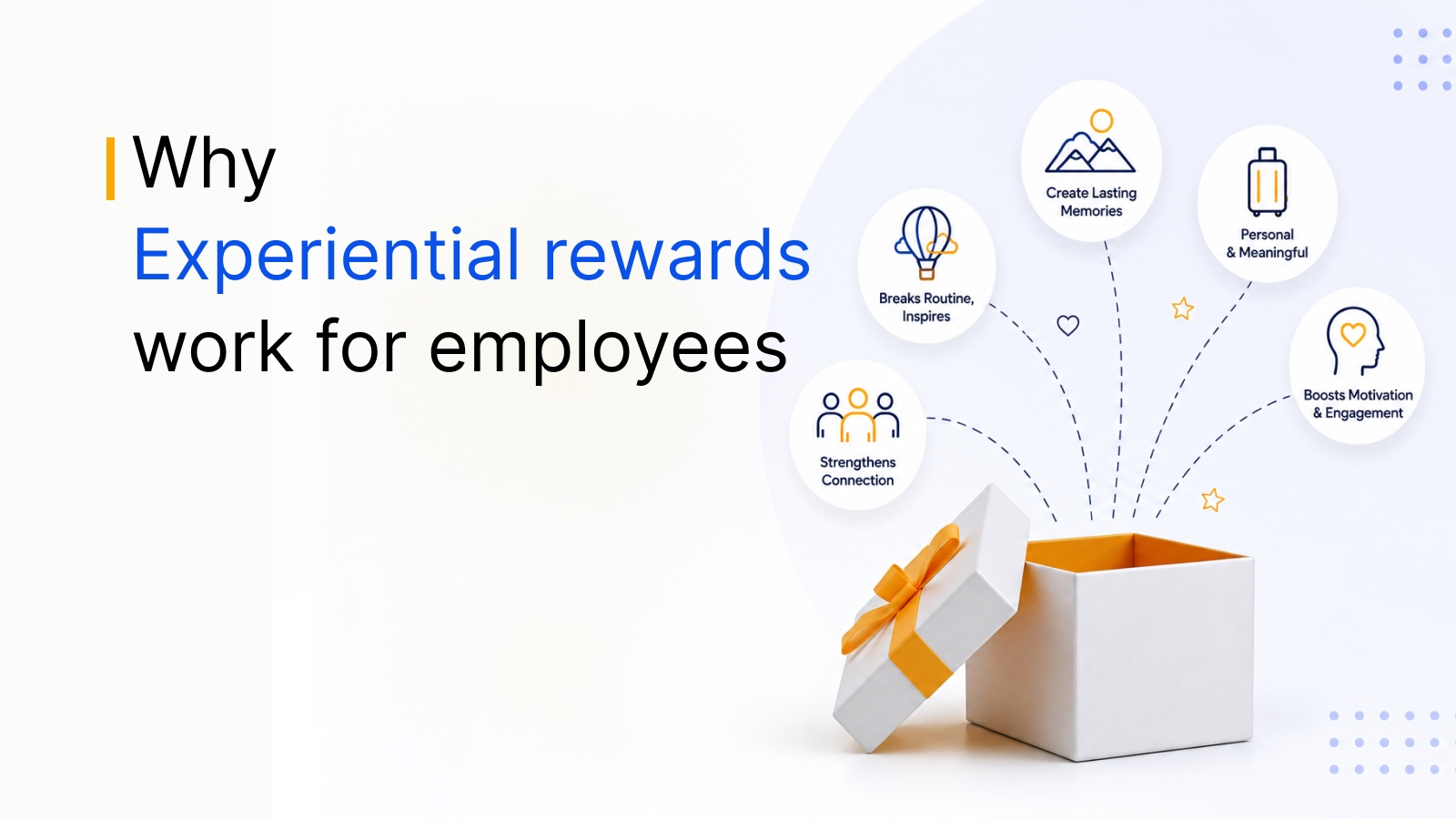
- Experiences. Concerts, adventure activities, dining, spa access, and once-in-a-lifetime events, typically curated by region.
- Travel. Hotel bookings, flight credits, airport lounge access, and curated travel packages.
- Charitable donations. Recipients direct their reward value to vetted nonprofits or causes.
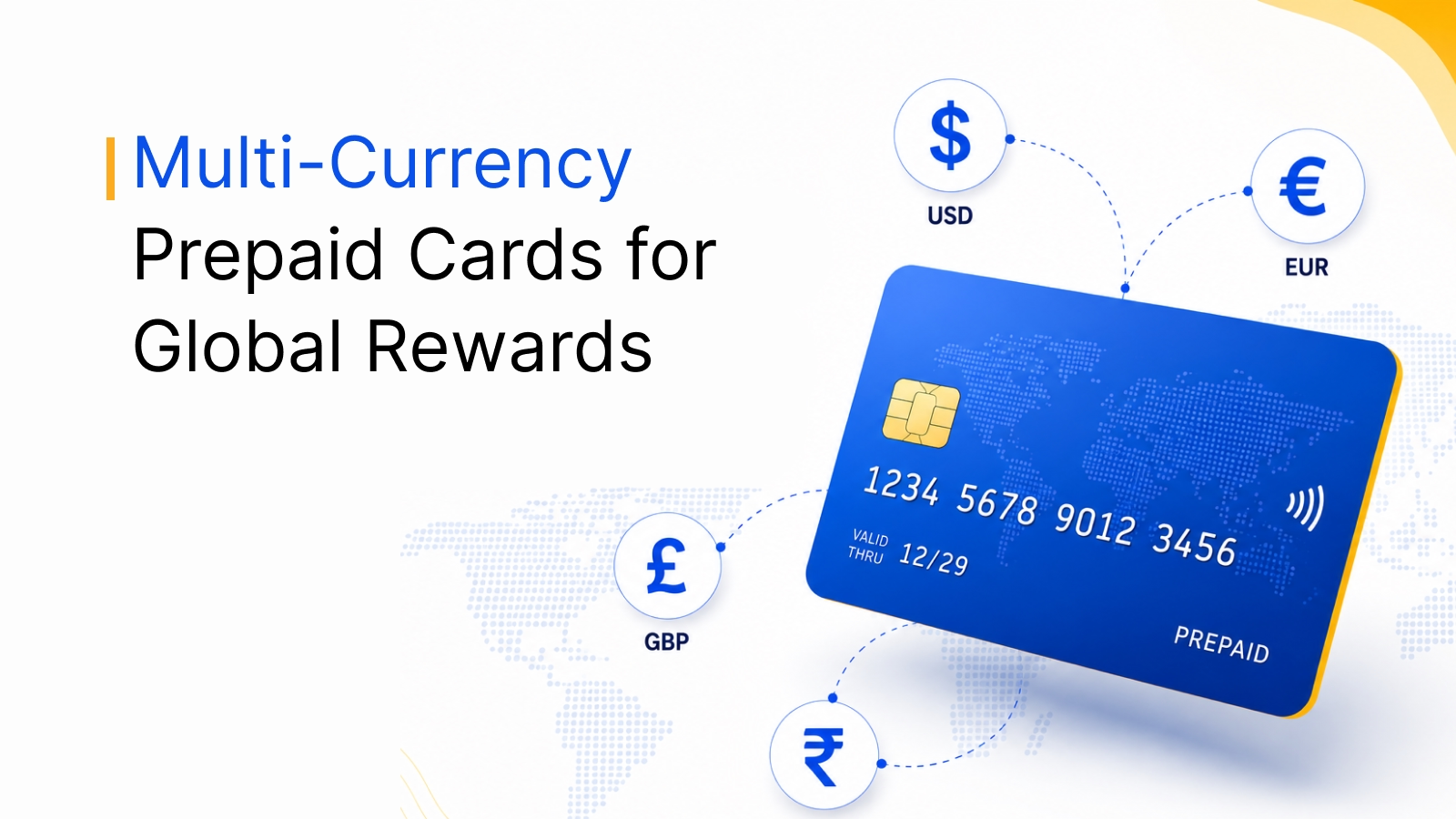
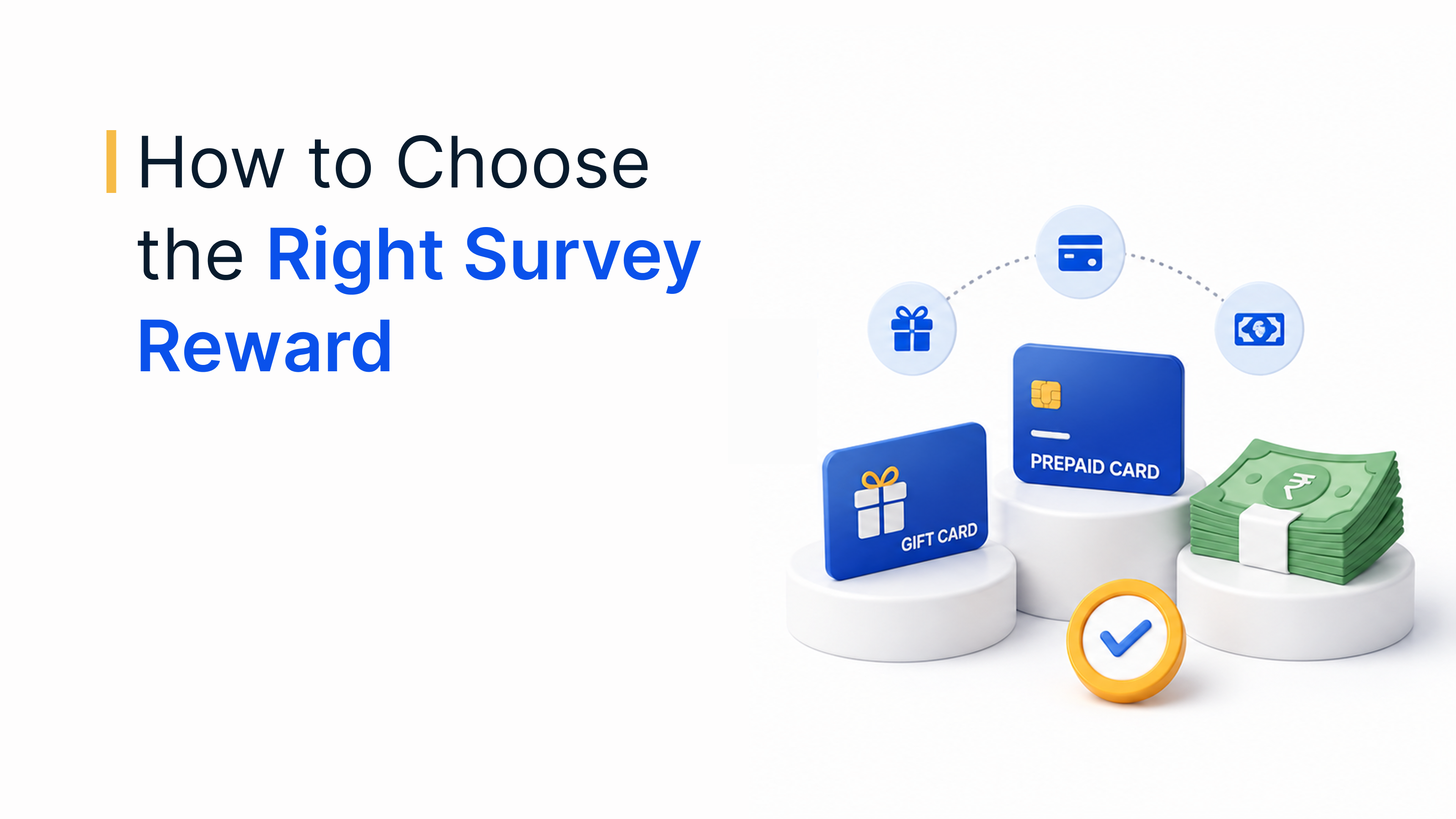
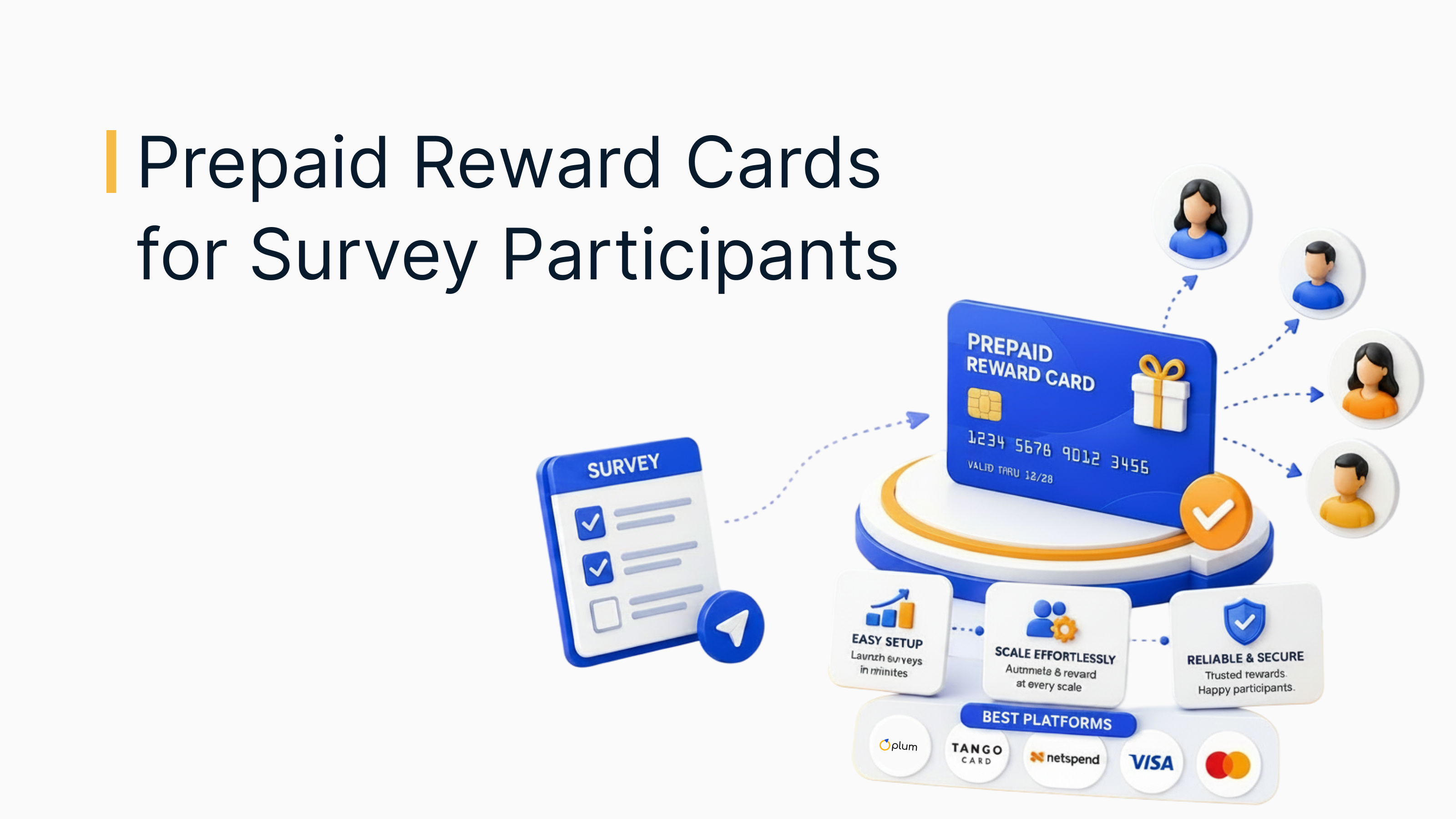
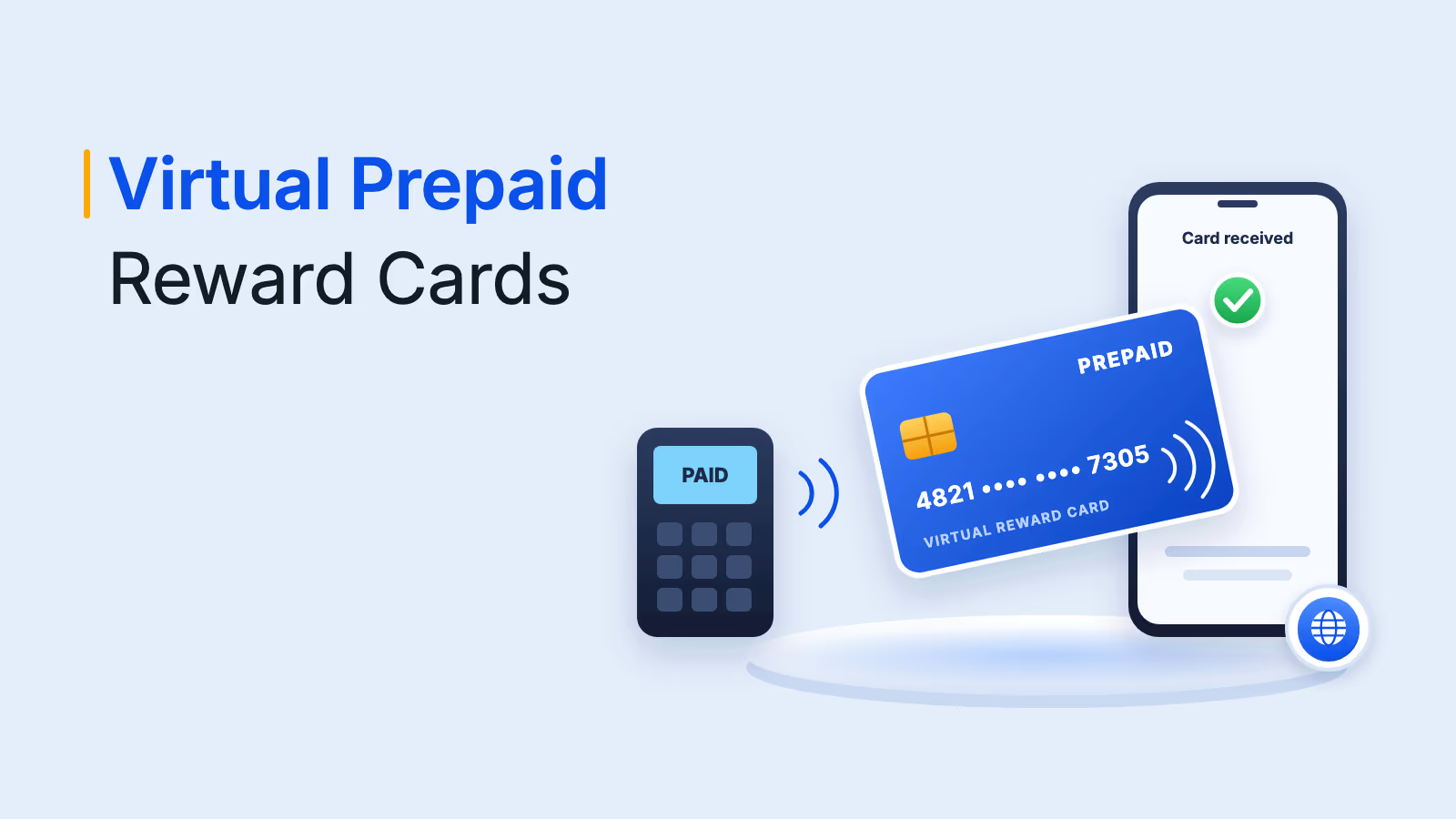
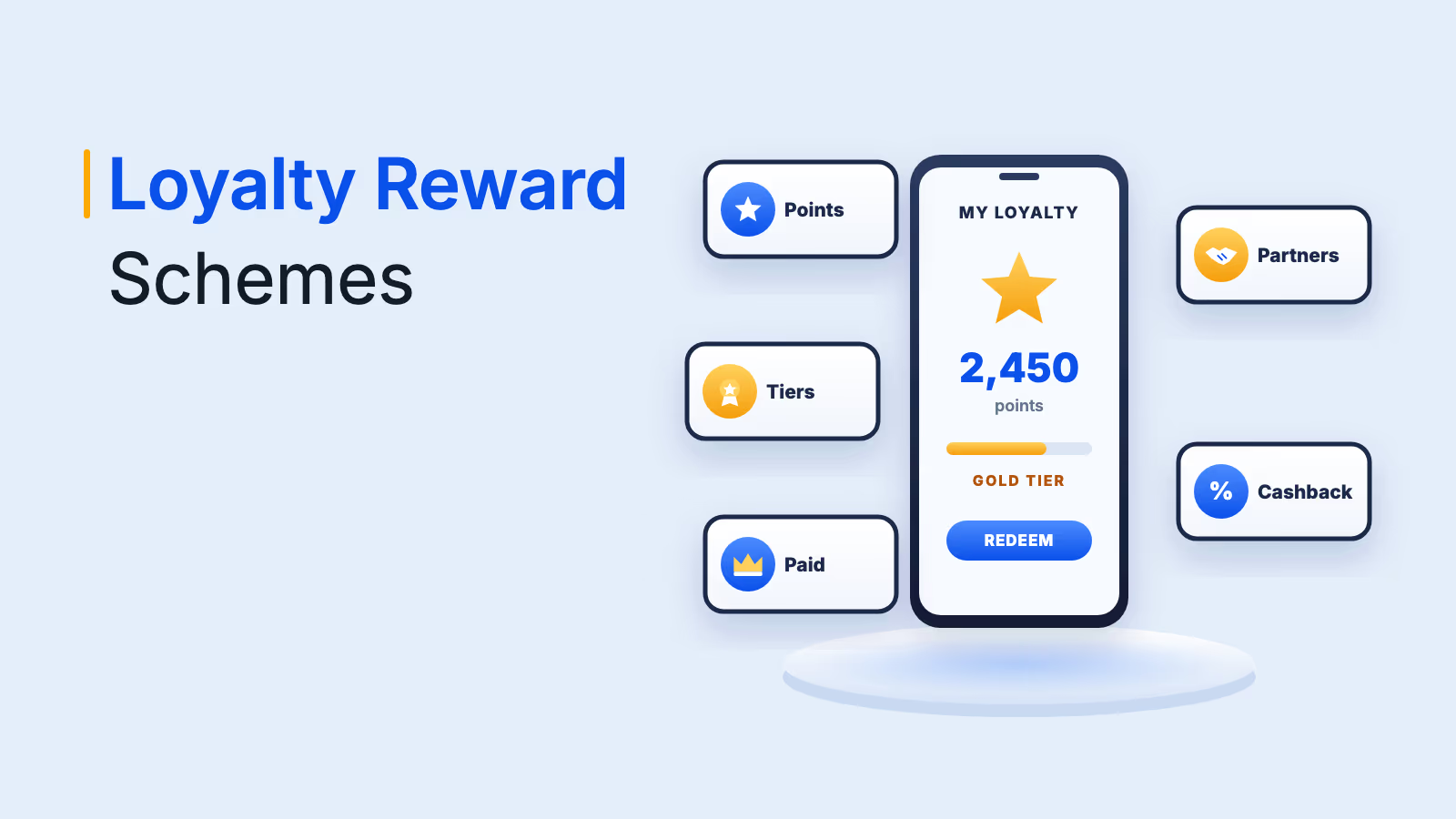
- Prepaid cards. Virtual prepaid cards, cashback options, and wallet credits for recipients who prefer maximum flexibility.
- Custom and branded rewards. Company swag, branded merchandise, and milestone gifts configured by the operator.
The range matters because reward preference is not uniform. An IRF (Incentive Research Foundation) survey of 939 North American workers found that gift cards, both hedonic and utilitarian, were preferred over cash rewards by a majority of respondents, despite most stating they would choose cash if asked directly.
Reach global audiences with relevant rewards
Scale reward programs across 150+ countries with a marketplace that handles localized catalogs, currencies, and compliance automatically.
Talk to our ExpertTrusted by 5,000+ companies
How does a global rewards marketplace work?
From the recipient's perspective, the experience mirrors online shopping. From the operator's perspective, it replaces the complexity that used to sit across procurement, HR, and three different vendor inboxes.
Here is the typical flow:
- The operator funds the program. Credits, points, or a budget are loaded into the platform, either manually or via API trigger tied to a business event (a sale closed, a milestone hit, a survey completed).
- The recipient receives a notification. By email, SMS, or WhatsApp, they get a link to their reward balance. No app download required in most cases.
- The recipient browses a localized catalog. The marketplace detects their country and surfaces relevant brands, categories, and price points in their local currency.
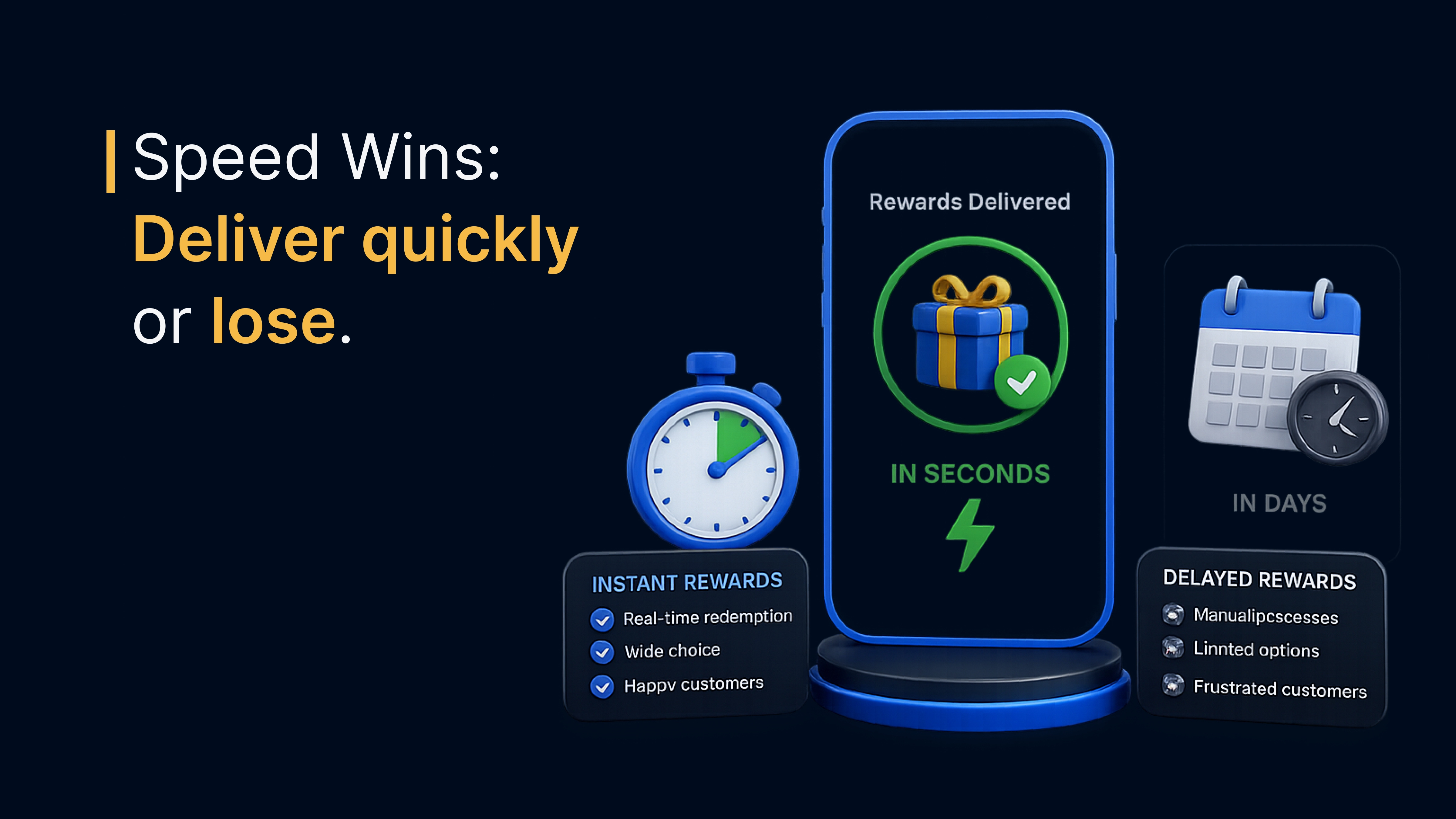
- The recipient redeems instantly. Digital rewards, primarily gift cards and prepaid options, are delivered within seconds. Merchandise ships from local fulfillment centers where available.
- The operator sees the data. Redemption rates, reward category preferences, unredeemed balances, and spend by region are visible in a dashboard.
That final step is where the operational value concentrates. Manual reward distribution produces no redemption data. A marketplace does. That data is what allows procurement and HR teams to optimize reward spend over time rather than renewing the same catalog every year without evidence of what worked.
Why non-cash rewards outperform cash incentives
Cash feels like the obvious choice, and employees say they prefer it. The behavioral data disagrees.
A landmark study by University of Waterloo / Scott Jeffrey found that employees incentivized with tangible non-cash rewards outperformed those receiving verbal praise by 38.6%, while cash incentives produced only a 14.6% improvement over the same baseline. Non-cash rewards drove more than twice the performance lift of cash. When Jeffrey asked participants which they would have preferred, two-thirds said cash. The group pursuing non-cash rewards still significantly outperformed.
The explanation is psychological. Cash gets absorbed into compensation. It pays a bill, disappears, and leaves no memory of the achievement it was meant to mark. A reward that is separate from compensation carries what behavioral economists call "trophy value." It remains associated with the moment of recognition long after it is redeemed.
According to the Incentive Research Foundation (IRF), 65% of employees prefer non-cash incentives over monetary rewards when the option is genuinely available. An Incentive Federation study found that 84% of businesses investing in non-cash incentives report them as more effective at generating excitement and motivating employees toward business objectives.
| Dimension | Cash reward | Non-cash marketplace reward |
|---|---|---|
| Motivation lift | 14.6% performance improvement (Jeffrey, Univ. of Waterloo) | 38.6% performance improvement |
| Memory durability | Absorbed into spending; low trophy value | Associated with achievement moment; lasting recall |
| Perceived value | Face value only | Often perceived as higher than cash equivalent |
| Admin overhead | High: payroll processing, tax treatment per region | Low: platform handles currency, tax, fulfillment |
What makes a rewards marketplace genuinely global
"Global" is the most overstated word in this category. A marketplace that lists 100,000 options but surfaces mostly US retailers to a team member in Jakarta is not global. It is a US catalog with a different logo.
Genuine global coverage requires five things to be true simultaneously:
- Local gift card availability. The recipient in Nairobi should see Safaricom and local dining brands, not just Amazon and Starbucks.
- Local currency processing. Reward values should display and transact in the recipient's currency without the recipient absorbing conversion risk or confusion.
- Regional compliance. Tax treatment of rewards varies by country. A platform operating at scale handles this automatically, not by passing the liability to the program operator.
- Local fulfillment for physical rewards. Merchandise shipped from a US warehouse to an employee in Cebu City takes weeks and costs more than the reward. Local fulfillment centers change the economics.
- Multi-language support. A platform that requires a recipient to navigate in a second language is a platform that will see low redemption rates.
According to Global Growth Insights, 62% of organizations report higher participation when incentives are integrated into digital platforms with localization built in. The participation lift is not from having more reward options; it is from having the right options, visible in the right language, at the right price point.
This is where the difference between a large catalog and a genuinely global marketplace becomes commercially significant. For a procurement manager running a program across GCC, the Philippines, and Indonesia simultaneously, catalog size is far less relevant than whether a supplier in Bahrain and a channel partner in Cebu both have a redemption experience that feels built for them.
How Xoxoday Plum's rewards marketplace works
Xoxoday Plum is built for that specific problem: running reward programs across multiple countries without building the catalog, fulfillment, and compliance infrastructure in-house.
Plum's marketplace covers 10mn+ reward options across 150+ countries, delivered instantly through email, SMS, or WhatsApp. Key capabilities:
01 · API-first
Trigger-based integration
Plum connects to existing CRM, HRMS, and marketing platforms via REST API, so reward triggers happen inside the tools the team already uses.
02 · Global
Localized by country
The platform detects the recipient's location and surfaces region-relevant brands, categories, and price points automatically.
03 · Flexible
Multi-currency, multi-language
Recipients transact in local currency with no conversion friction. The platform supports 16+ languages and regional compliance requirements.
04 · Branded
White-label storefronts
The marketplace carries the operator's branding, not Plum's. For channel partner programs and customer incentives, this means programs feel fully owned.
10mn+
Reward options
across catalogues
150+
Countries
with localised rewards
16+
Languages
supported globally
Companies including Nielsen, Freshworks, and Capgemini use Xoxoday Plum to automate incentive procurement and distribution across geographies.
Your next step to simplifying reward distribution
A global rewards marketplace solves a structural problem, not a goodwill one. The companies that struggle with reward program participation are not struggling because employees are ungrateful. They are struggling because the infrastructure underneath the program is fragmented, slow, and not built for a distributed workforce.
The right marketplace handles the catalog, the currency, the compliance, and the fulfillment. The program operator handles the strategy. That division of responsibility is what makes reward programs scale.
If your team is managing reward distribution manually today, the question is not whether to move to a marketplace. It is which one handles your markets well enough to be worth the switch.
Book your Plum demo
Frequently asked questions
A global rewards marketplace improves reward choice, simplifies international reward delivery, and increases redemption rates by providing locally relevant rewards for diverse audiences.
Global rewards marketplaces support international programs through multi-currency capabilities, localized reward catalogs, automated delivery, and compliance support across different regions.
Common reward options include gift cards, prepaid cards, cashback rewards, travel experiences, merchandise, charitable donations, and digital subscriptions.