Curated Awards
A gift each person can make their own
The Experience Box arrives complete in every way but one - the gift itself hasn't been picked yet. That decision belongs to the person receiving it.
Corporate gifting hasn't changed in years. The people receiving it have.
For a long time, gifting worked one way. The company picked one gift, ordered it in bulk, and sent the same thing to everyone. A bag. A bottle. A hamper. A pen set. It was simple to run and easy to budget, so nobody questioned it.
That model is losing its hold.
01
People value experiences over things
Given a choice, more people would rather have a meal out, a weekend trip or a spa morning than another object at home. A gift that ignores this feels dated.
02
Workforces are far more mixed
One office holds people in their twenties and their fifties, in different cities, with different diets, faiths, family situations and tastes. No single gift fits all of them.
03
Choice is the norm everywhere else
People choose their food, films, music and clothes online, all personalised. Then a work gift shows up that was picked for a crowd - the one thing nobody bothered to tailor.
04
Recognition is watched more closely
Companies care more than they used to about whether people feel seen. A gift that gets shoved in a drawer is a missed chance, not just a small waste of money.
The question used to be "what should we send everyone?" Now it's "how do we make each person feel this was for them?"
What the Experience Box is
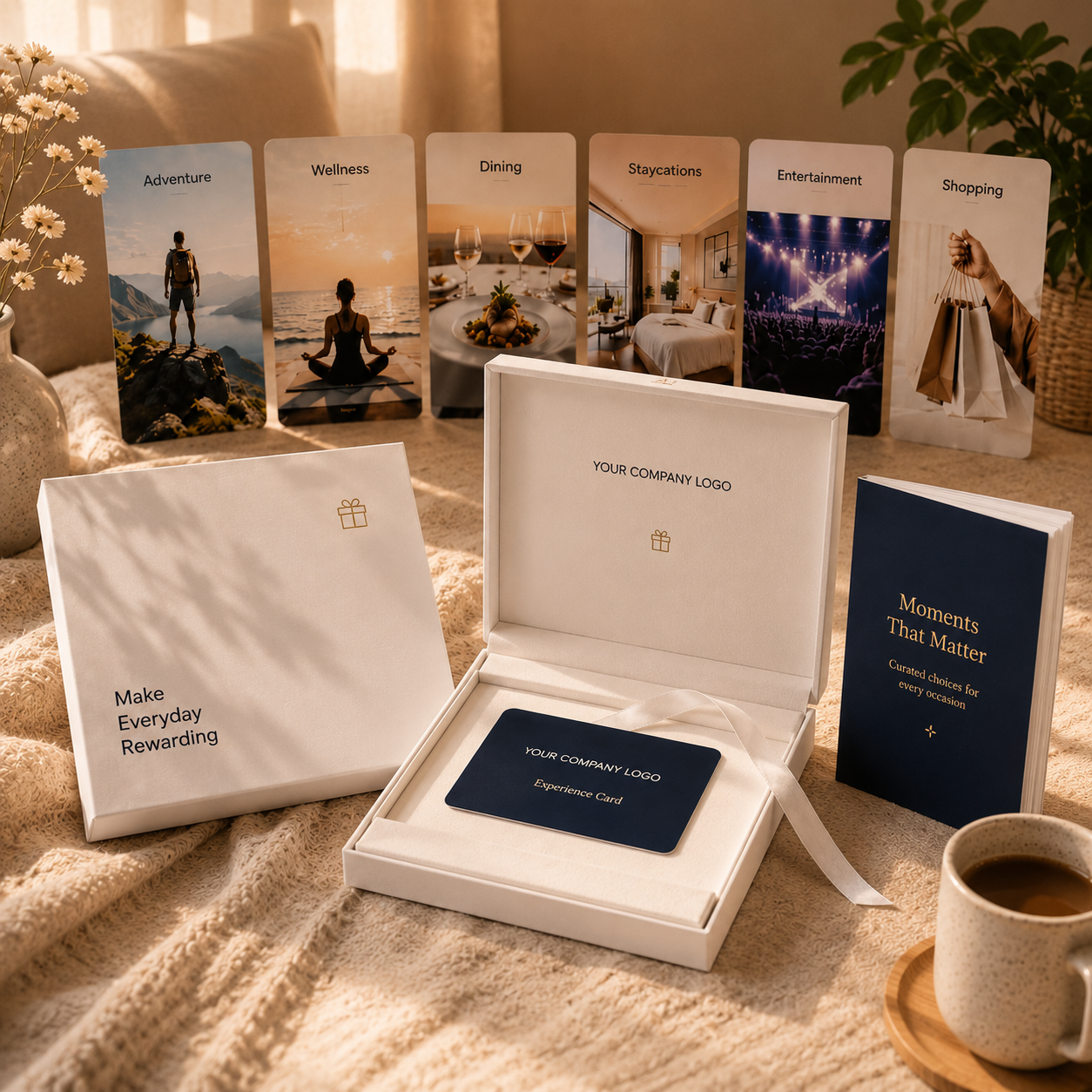
A premium gift box containing a branded box, a personalised card and a small occasion booklet. The card carries a QR code. The person scans it, a store opens, and they choose their own gift - dining, adventure, wellness, or products.
The box is the moment. The store is the gift. You need both. A code in an email has no moment. A fixed object has no choice.
What's in the box
Three components, each doing a different job.
The box itself
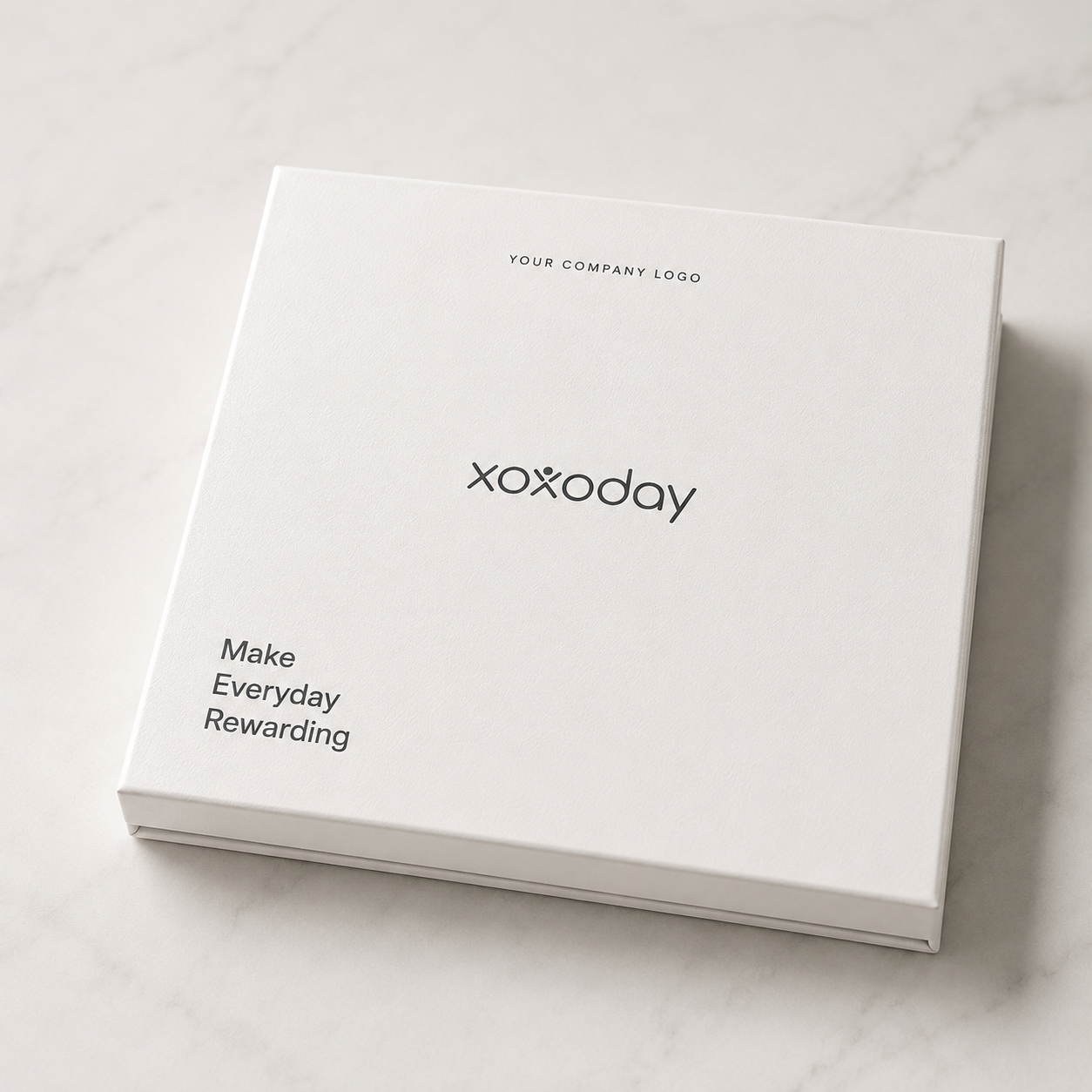
Sturdy, premium finish, with the company's branding on the lid.
This is the only impression made before the person knows anything about the gift, so the weight and the finish matter. A lid that lifts slowly and sits properly feels considered.
Everything at this stage is about the company - its logo, its finish, its taste.
The personalised card
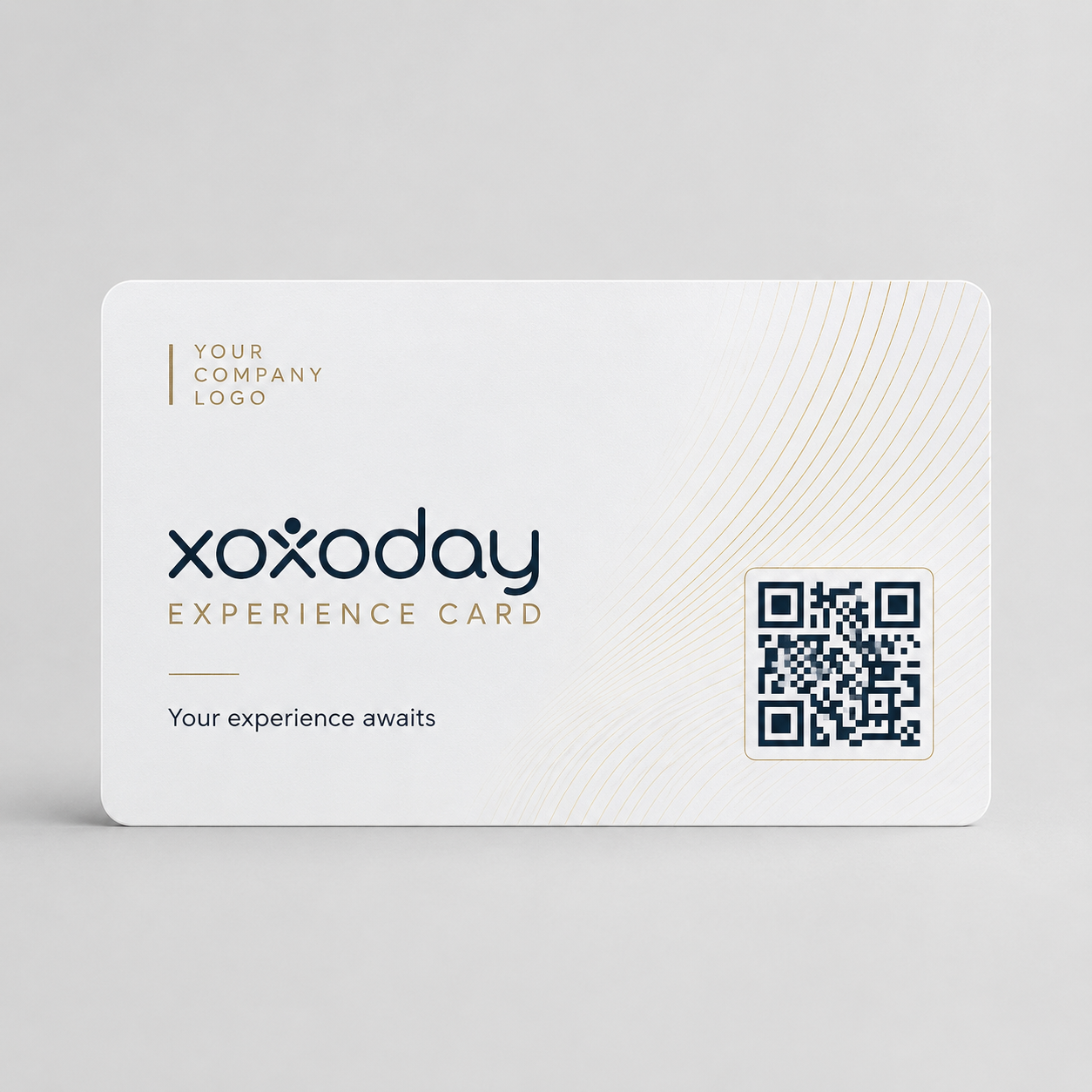
A branded card with a QR code that opens that person's own store, already set up and ready for them.
This is the turning point of the whole thing. It's a small piece of print, but scanning it is the moment the company hands the decision over to the person.
It gets held close and looked at directly, so the finish counts.
The occasion booklet
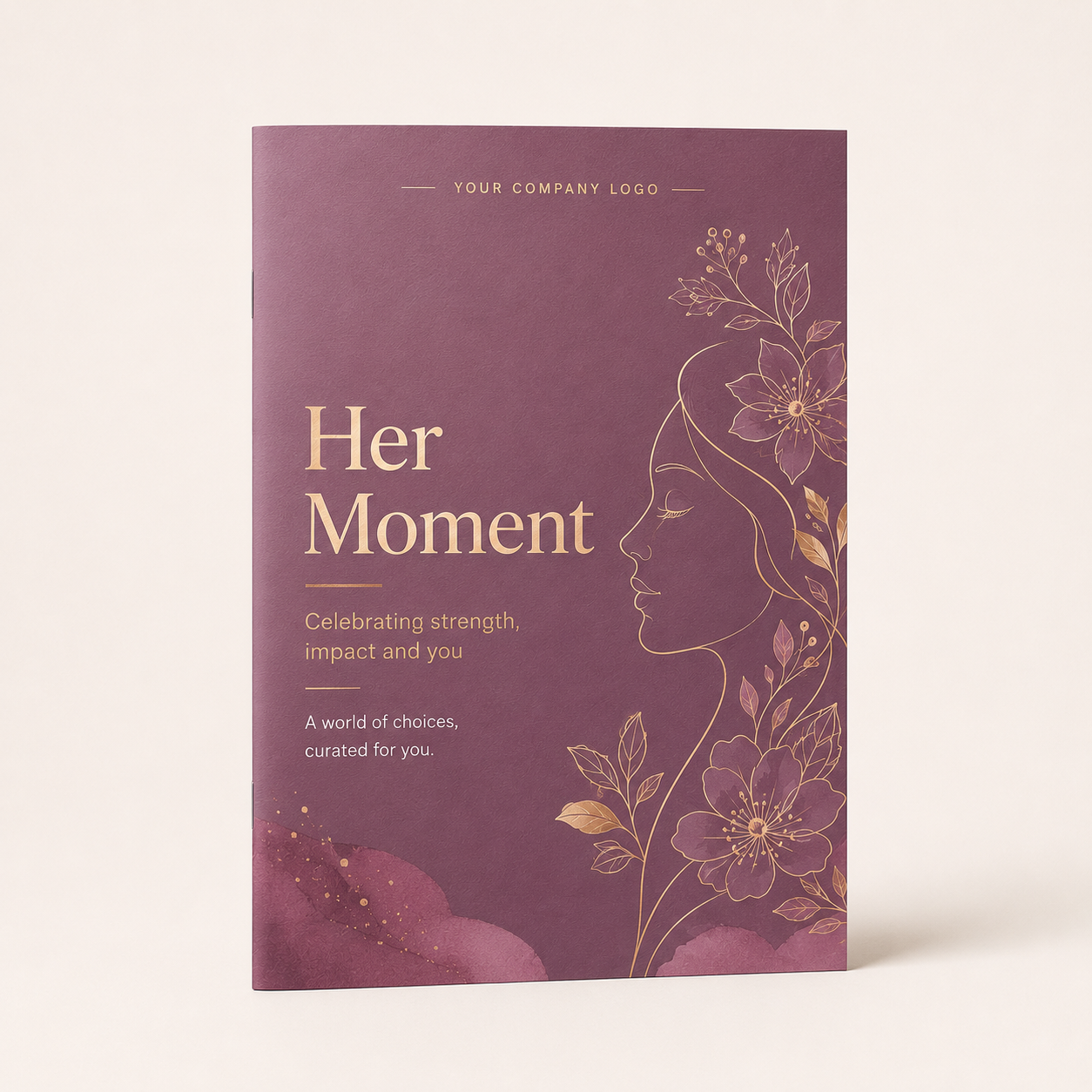
The one part that speaks in the company's voice. It carries:
- The company's logo and branding
- A message from the company or its leaders
- The person's name and the occasion
- A short, curated selection of experiences
Its job is to make the gift feel addressed, not distributed - the difference between getting a gift and getting your gift.
The experience, step by step
Four moments, not one.
01
They receive the box
It arrives with their name on it. Nothing gives away what the gift is, because it hasn't been decided.
This is new for a work gift. Usually people already know what's inside - the shape gives it away, or a colleague opened theirs first. Here the curiosity is real, and it doesn't end when the box opens.
02
They scan the card
They scan the QR code with their phone. The store opens on mobile or web. No account to create, no code to type, no voucher lost in an inbox.
That scan is the moment the gift stops being the company's choice and becomes theirs.
03
They choose what they love
The store opens onto a curated catalogue in four areas.
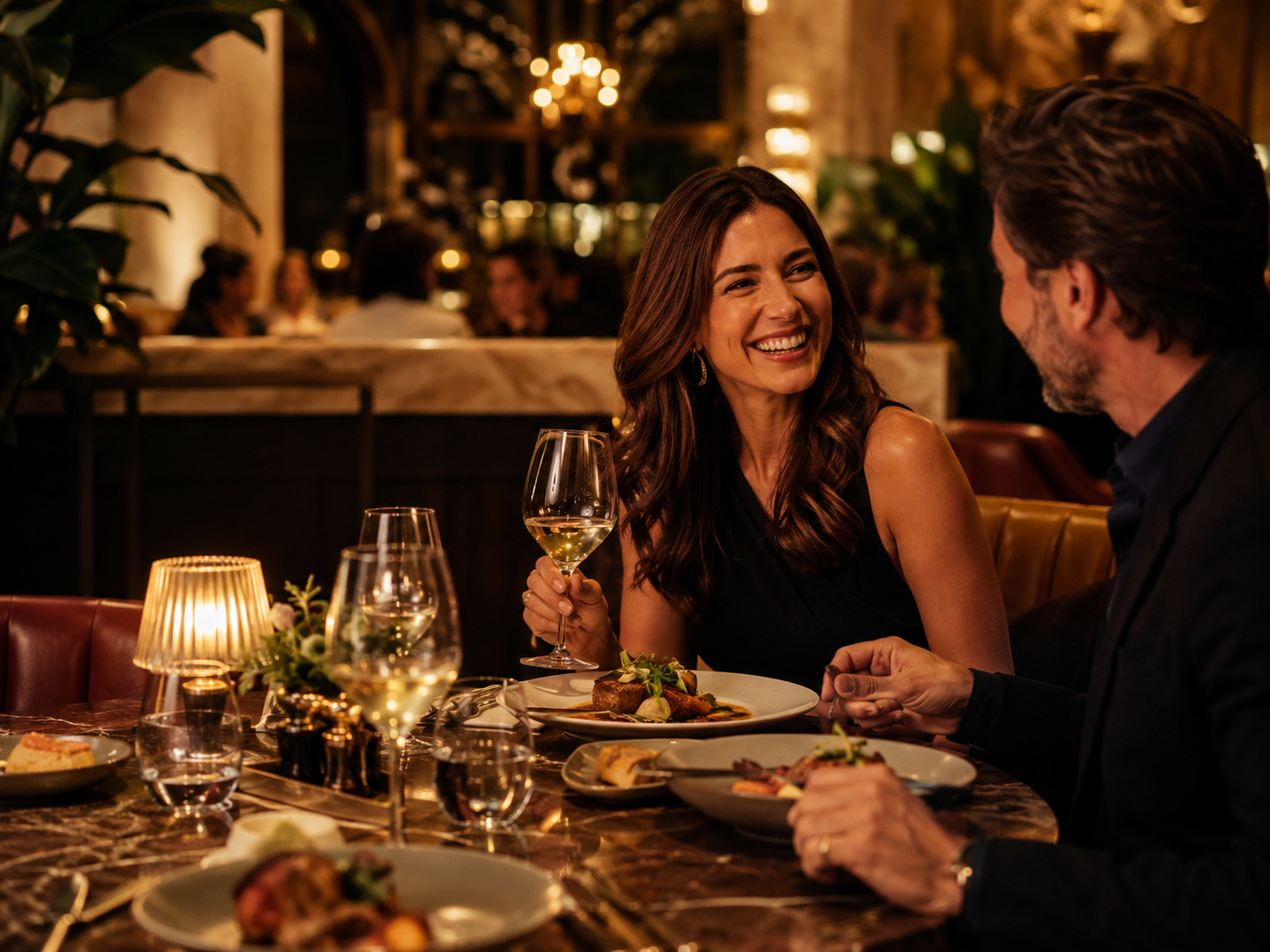
Dining
Restaurants and food experiences

Adventure
Activities and travel

Wellness
Spa, self-care, recovery
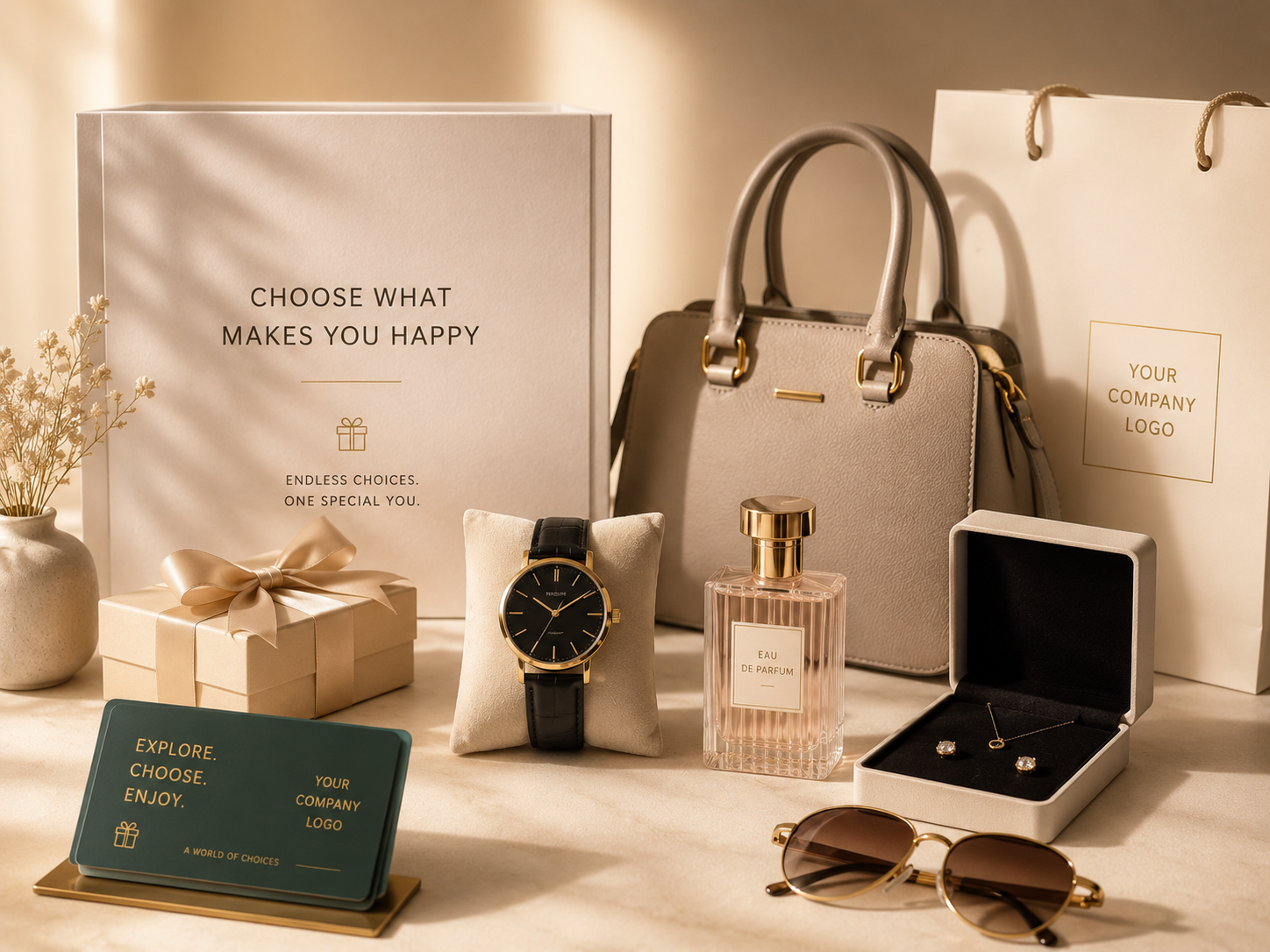
Products
Physical things, if they'd prefer
The browsing isn't admin. It's part of the gift. People shortlist. They open a few tabs. They ask their partner. They sleep on it. A fixed gift gets five seconds of attention. A choice gets days of it, and the company's name sits behind all of them.
The fourth option matters more than people think. Someone who genuinely wants a product, not an experience, can have one. Choice means choice - including the choice to be ordinary.
04
They enjoy it
They book it and go. A dinner. A first try at something. A massage after a hard few months. Or the thing they'd been meaning to buy.
What stays with them afterwards is the experience - and the company is attached to it. An object is remembered as an object. An evening they chose is remembered as an evening the company gave them.
Why this is different from a normal corporate gift
These aren't execution problems. They're properties of the two models.
A normal gift is a guess. This isn't.
Sending one gift to everyone means guessing what a large, varied group of people will want - and being right. Even a well-chosen gift lands perfectly for some and means nothing to others. Not because the choice was poor, but because the group isn't the same.
The Experience Box doesn't guess better. It stops guessing. The person decides, so a mismatch can't happen.
The same budget produces a different gift for every person
Normally, the money per head buys one item, repeated. Here, the same money per head produces a different result for each person, because each one spends it on what they actually want.
The company spends no more. It just doesn't spend any of it on things people don't want.
The usual problems go away
Bulk gifting always carries the same risks: wrong size, wrong for someone's diet or faith, a duplicate of something they own, wrong for their stage of life, and leftover stock nobody wanted. These come with sending one item to many people.
None of them exist when the person picks. Nothing to size, nothing to guess, nothing left over.
One good moment becomes four
A fixed gift has one moment: opening it. That's the peak, and it's over.
This has four - getting the box, realising they get to choose, deciding what to pick, and the experience itself. Four separate good associations, and the last one can be weeks later.
It's remembered for longer
An object is remembered while it's being used. An experience is remembered as a story, and stories get told to other people. The recognition lasts well past the delivery.
It says something different
A fixed gift says we thought of you.
A chosen gift says we thought of you, and we trust you to know what you'd enjoy. The second one is a compliment. People feel it even if they never put it into words.
Side by side
| Normal corporate gift | The Experience Box | |
|---|---|---|
| Who picks the gift | The company | The person |
| What one budget buys | One item, repeated | A different gift for each person |
| Relevance | Guessed upfront | Guaranteed by the person |
| Risk of getting it wrong | Size, taste, diet, duplicates | None |
| Leftover stock | Likely | None |
| Good moments | One | Four |
| Remembered as | A thing | An experience |
| How long it lasts | Ends with use | Lasts as a memory |
| Do they tell others? | Rarely | Often |
| Feels personal? | Same for everyone | Personal by design |
One box, every occasion
The box and card stay the same. The booklet's tone and the curated picks change to suit the moment - a welcome box shouldn't read like a farewell box, and the curation is what makes them feel different.
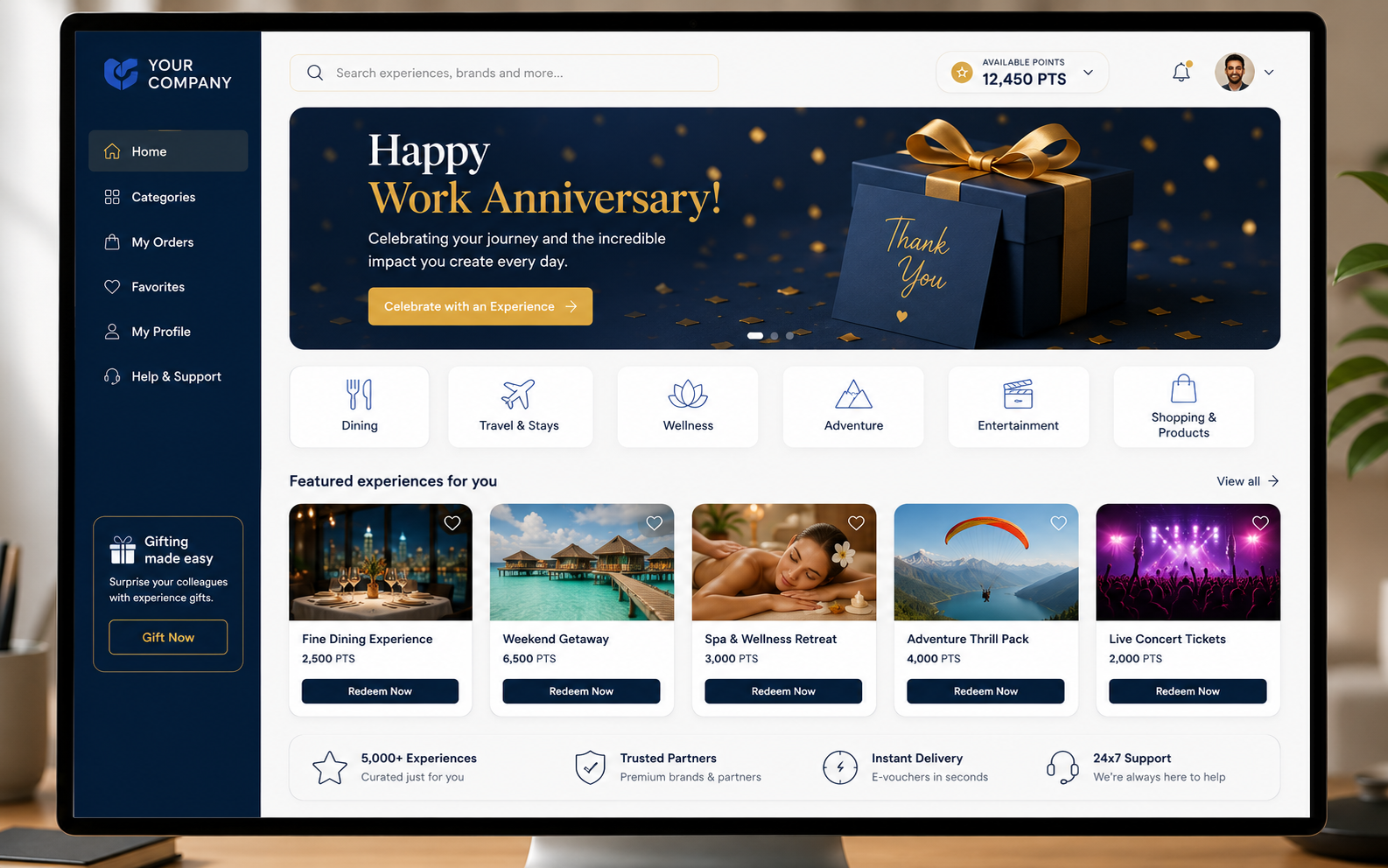
See the curated awards range
Browse the full catalogue of curated experiences and gifting options available inside the box.