Key Takeaways
62% of organizations run multiple HR tools but only 39% say they work together
Only 22% of employees receive the right amount of recognition, a figure unchanged since 2022
A total rewards strategy requires sequencing, alignment with business goals, and continuous measurement
Most organizations already have all five components of a total rewards strategy. What they do not have is a single place to manage them. Recognition sits in one tool. Benefits live in a separate vendor portal. Pulse surveys run through a third platform. And when the CHRO asks for a unified picture of how the organization rewards its people, there is no coherent answer.
That is the real problem this post addresses. Not the theory of total rewards - most rewards leaders understand the theory. The problem is execution at scale, and the fragmentation that makes it nearly impossible to see the full picture.
Here is a practical framework to build, communicate, and measure a total rewards strategy that holds together.
What is a total rewards strategy?
A total rewards strategy is a deliberate, integrated approach to everything an employee receives in exchange for their work. It goes beyond salary to include the full range of monetary and non-monetary value an organization provides.
The shift this framing demands is specific. Instead of asking "What are we paying?", a total rewards strategy asks "What value do we provide?" That changes which data you track, which leaders you involve, and how employees perceive the organization's investment in them.
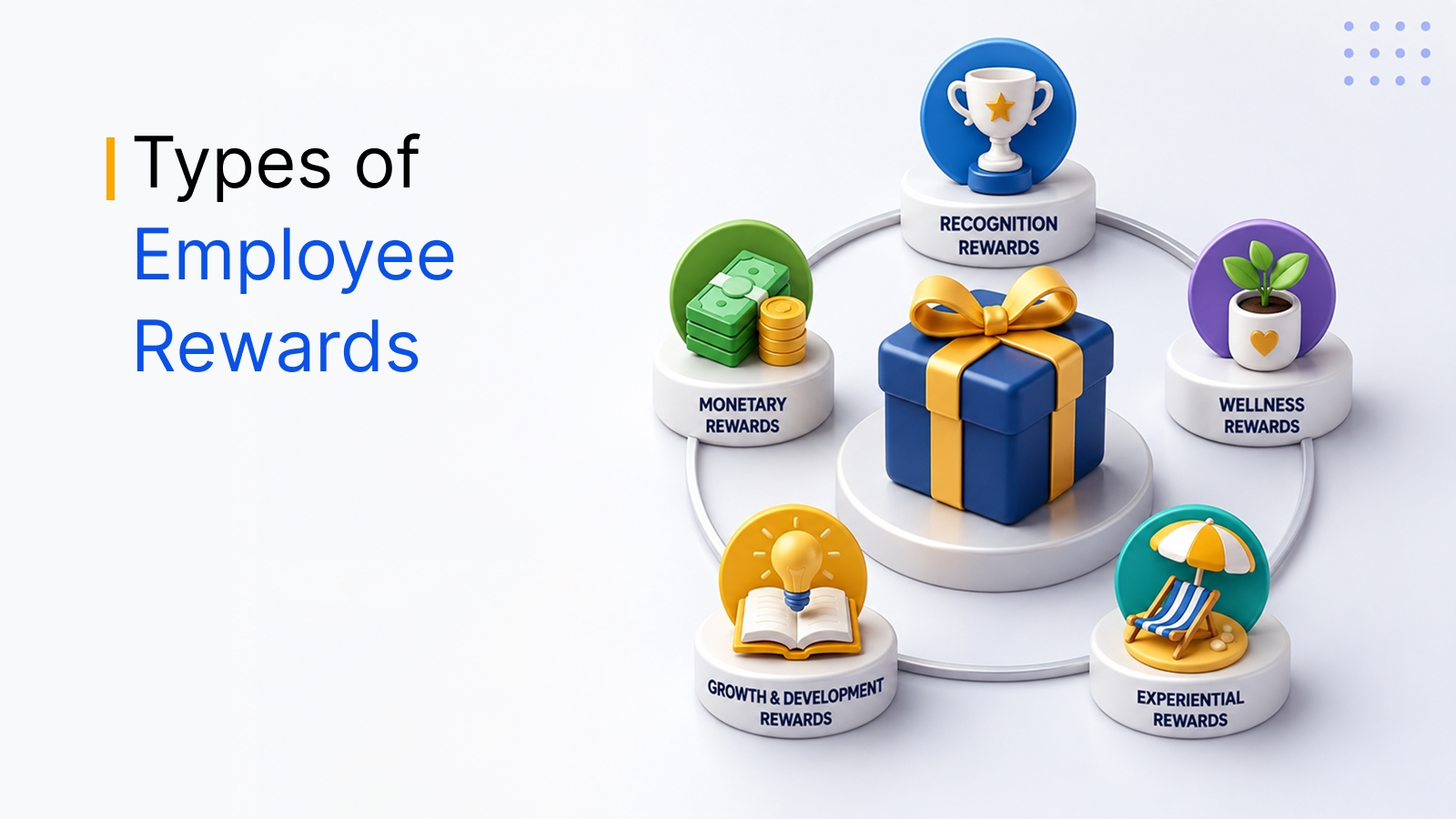
The WorldatWork Total Rewards Model defines five core pillars: compensation, benefits, well-being, recognition, and career development. Mercer and SHRM add work-life flexibility as a sixth, either as its own pillar or nested within well-being. Either structure works. What matters is that all five components are active, connected, and visible to the people responsible for managing them.
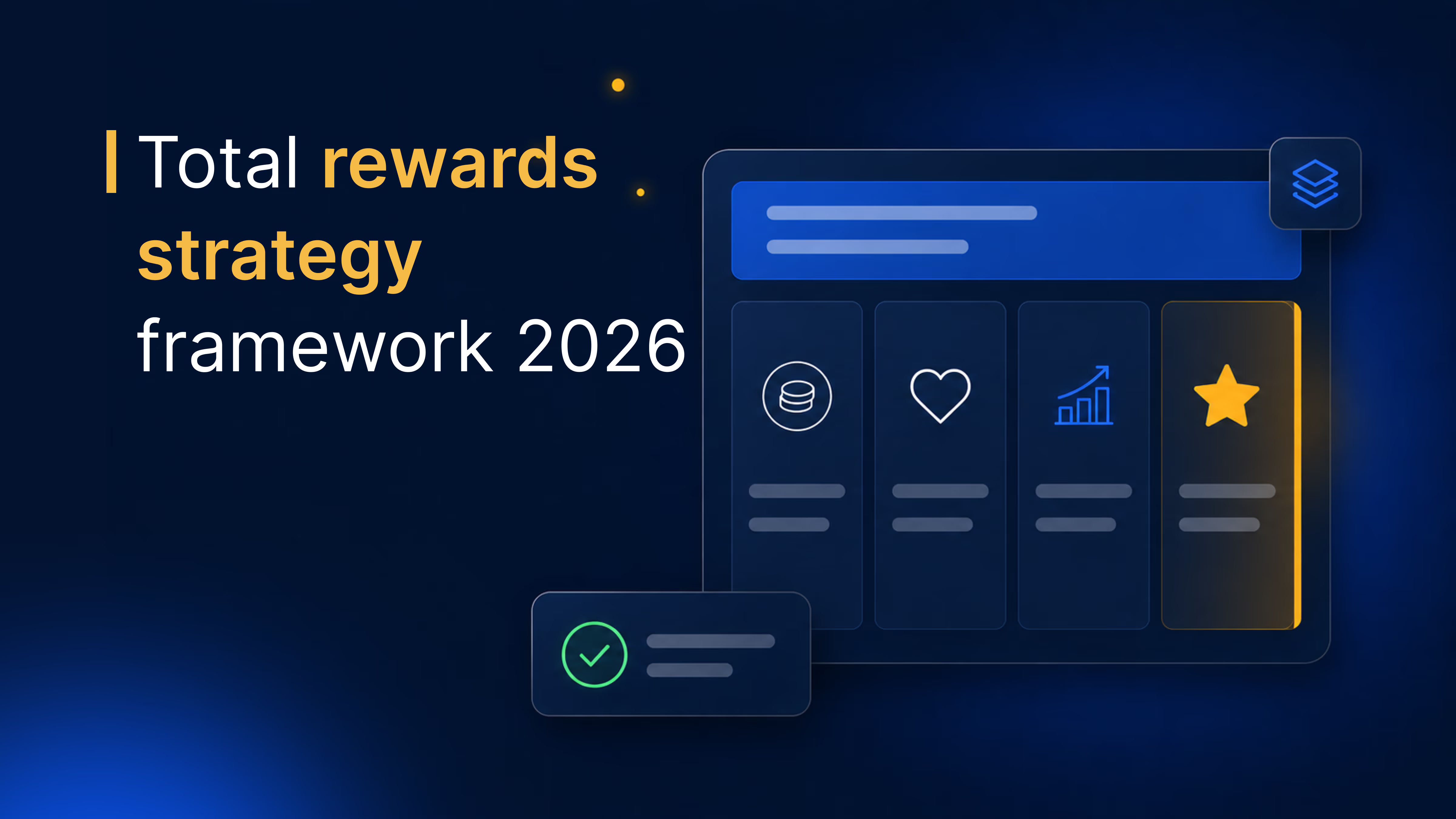
The 5 components of a total rewards framework
Each pillar addresses a distinct dimension of employee value. Together they create a complete employee value proposition - and a defensible case for every rewards investment you make.
| Pillar | What it covers | Business outcome |
|---|---|---|
| Compensation | Base salary, variable pay, bonuses, equity, commissions | Talent attraction; pay equity; performance alignment |
| Benefits | Health, retirement, parental leave, PTO, FSAs | Retention; financial security; employer brand |
| Well-being | Physical, mental, financial, and social wellness programs | Reduced absenteeism; productivity; sustainable performance |
| Recognition | Formal awards, peer recognition, milestone programs | 45% lower turnover among well-recognized employees |
| Career development | Growth paths, L&D, mentorship, leadership pipelines | Retention of high performers; skills pipeline |
Compensation
Base salary, variable pay, bonuses, equity, and commissions. Compensation anchors the employment relationship and signals how the organization values each role. Pay equity and transparency are now central to this pillar, with disclosure requirements expanding across US, UK, and EU markets.
Benefits
Health coverage, retirement plans, parental leave, paid time off, and flexible spending accounts. Benefits have shifted from a compliance exercise to a retention lever. According to Bank of America's 2025 research, 24% of employees have recently left or seriously considered leaving because their workplace benefits are lacking - a figure that jumped nine points in two years.
Well-being
Physical, mental, financial, and social wellness programs. This pillar now encompasses employee assistance programs, financial wellness tools, earned wage access, and stress management resources. Owl Labs' 9th Annual State of Hybrid Work report found that 83% of workers consider flexible working hours very important - which is why Mercer and SHRM treat work-life flexibility as a pillar of its own. See also: employee benefits trends shaping 2026.
Recognition
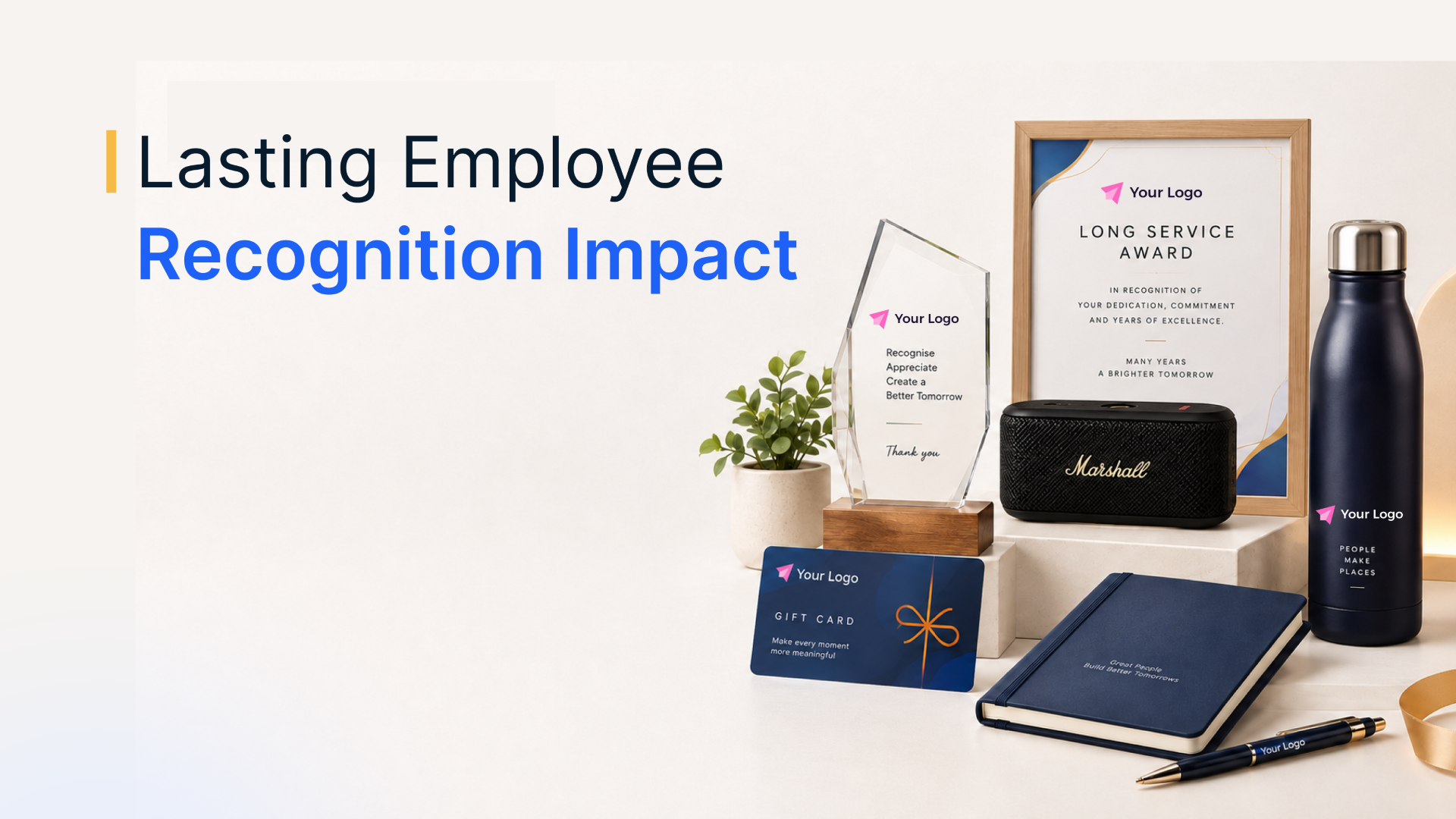
Formal and informal acknowledgment of employee contributions, from structured award programs to peer-to-peer recognition. Recognition has the clearest and most measurable link to retention of any pillar - yet it is consistently the most underfunded. More on this below.
Career development
Growth paths, skill-building programs, mentorship, and leadership pipelines. This is the top reason frontline employees cite for leaving, not salary. For a deeper look at structuring the benefits component, see a guide to employee benefits programs.
See how enterprises manage recognition, benefits, and surveys from one platform
Empuls consolidates your entire total rewards stack with full analytics visibility for your CHRO.
Explore EmpulsTrusted by 5,000+ companies
Why total rewards programs break down at scale
The five pillars above are well understood. When total rewards programs fail, the failure is almost never conceptual. It is operational.
62%
Run 2–4 separate HR tools
Organizations managing total rewards across multiple disconnected platforms
39%
Say those tools are usefully integrated
Most multi-tool stacks don't share data in any meaningful way
22%
Employees get adequate recognition
Unchanged since 2022 - recognition remains the most underfunded pillar
24%
Left or considered leaving over benefits
Up from 15% in 2023 - a nine-point jump in two years
The total rewards execution gap
Here is what fragmentation looks like in practice. A Head of Total Rewards needs to build a board-ready picture of the organization's investment in its people. Compensation data is in the HRIS. Recognition data is in a separate R&R tool. Benefits utilization is in a vendor portal with a three-day data lag. Pulse survey results are in a fourth system. There is no shared dashboard, no unified analytics view, and no way to show the CHRO what it all adds up to.
According to HR.com's 2025 State of HR Technology and Integrations survey, 62% of organizations run between two and four paid HR tools from different providers - and only 39% say those solutions are usefully integrated.
The recognition gap makes the stakes concrete. Gallup and Workhuman found that only 22% of employees say they get the right amount of recognition for the work they do. That figure has not moved since 2022. It has not moved because recognition is consistently treated as optional, underfunded, and disconnected from the broader total rewards system.
This pattern shows up in every market. In the US, HR leaders describe frustration with managing recognition on one platform, surveys on another, and rewards on a third. In GCC markets, enterprise HR operates under compliance pressure that makes data fragmentation a governance risk, not just an operational inconvenience. In the Philippines, BPO-sector teams face attrition dynamics that punish any gap between what the total rewards program promises and what employees actually experience. The consolidation question is not whether to simplify. It is how fast to move.
How to build a total rewards strategy in 6 steps
Building a total rewards strategy is less a design exercise than a sequencing exercise. Most of the components already exist. The challenge is ordering them correctly and installing the governance to keep them aligned.
- Run a rewards audit. Map every current program across all five pillars. Identify gaps, overlaps, and budget concentration. Most organizations discover they over-invest in base compensation and under-invest in recognition and career development.
- Survey your employees. Do not assume which pillars matter most to your workforce. Segment by role, generation, and location. A senior engineer in Manila will weight career growth and flexible work heavily. An operations manager in Dubai will prioritize financial planning tools and in-country benefits compliance.
- Benchmark against your market. Use published surveys from Mercer, WTW, and SHRM to understand where your compensation sits relative to market. Benchmark recognition program structure and career development investment, not just salary.
- Align with business goals. A total rewards strategy that does not connect to how the organization creates value is a benefits brochure. If growth is the priority, performance-linked compensation and career development belong at the center. If retention is the priority, recognition frequency and benefits personalization earn the investment.
- Communicate it clearly. Most employees significantly underestimate what their employer spends on them beyond salary. Total rewards statements close that gap. Multi-channel delivery through manager conversations, mobile apps, intranet portals, and enrollment communications ensures employees actually absorb what the organization provides.
- Measure, review, and adjust. Review the strategy at least annually. Significant events - an acquisition, a shift in talent market conditions, or a sudden spike in voluntary turnover - should trigger an off-cycle review. A strategy updated only once a year in a volatile market will consistently lag behind.
Total rewards trends reshaping 2026
In 2026, the pressures reshaping total rewards are not strategic abstractions. They are budget conversations happening right now.
01
Healthcare cost pressure
WTW's 2026 Global Medical Trends Survey projects healthcare costs will rise at double-digit rates. The traditional response - cutting coverage - is both operationally risky and sends a damaging signal to employees. The better path is cost-efficient benefit design: higher-value options, smarter vendor selection, and stronger preventive health programming.
02
AI in rewards decision-making
Adoption is still early, but the practical use cases emerging now are cost forecasting, pay equity analysis, and personalized reward recommendations. AI that can model the retention impact of different recognition investments before they are made is the near-term capability most rewards teams are watching.
03
Skills-based rewards
WTW's 2025 Skills Survey found that only 30% of organizations have any foundational skills infrastructure - a taxonomy or tracking process. As organizations move toward skills-based talent management, total rewards programs will need to reward skill acquisition, not just output.
04
Flexible benefits and lifestyle spending accounts
Employees increasingly want to direct their own benefits spend. Configurable benefit wallets and lifestyle spending accounts reflect the understanding that a package designed for an average employee serves no one particularly well.
05
Pay transparency
Legislation across the US, UK, and EU now requires salary range disclosure to varying degrees. This is forcing compensation teams to document and defend pay decisions with a level of rigor that was previously optional.
How to measure your total rewards strategy
The right KPIs depend on what the strategy is trying to achieve. These five give a complete operational picture.
Employee Net Promoter Score (eNPS). A direct read on whether employees would recommend working here. A low eNPS often signals that the gap between the rewards program's promise and its delivery is wider than leadership realizes.
Benefits utilization rate. What percentage of eligible employees are actively using each benefit? Low utilization is not neutral - it means the organization is spending on programs employees either do not know about or do not value.
Recognition frequency. How often are employees recognized each month, across which channels, and by which roles? Gallup-Workhuman data shows that employees who receive high-quality recognition are 45% less likely to have turned over after two years.
Voluntary turnover among high performers. Overall turnover masks what matters most. If top performers are leaving at a higher rate than average, the total rewards strategy is failing precisely where it is most expensive.
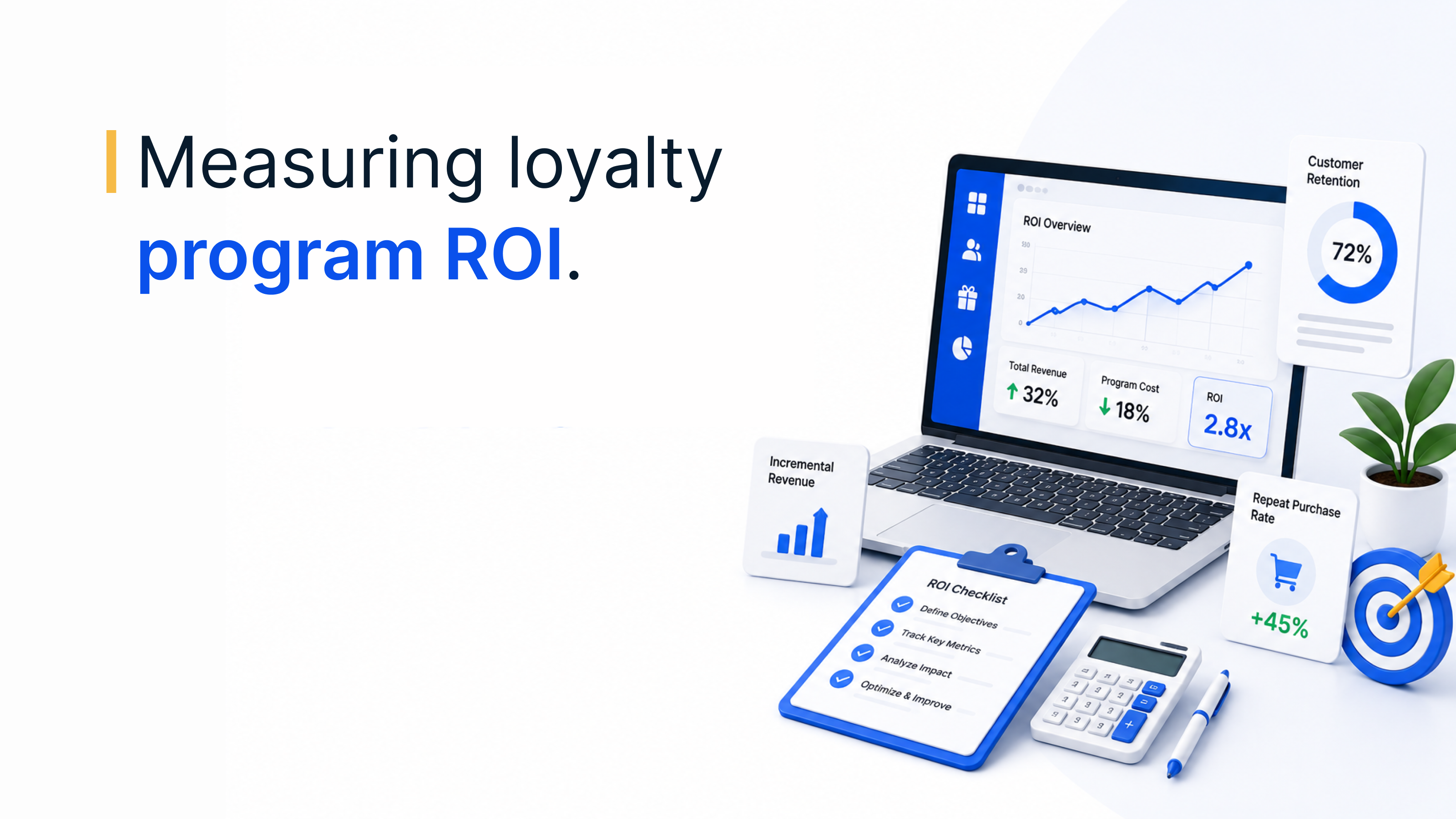
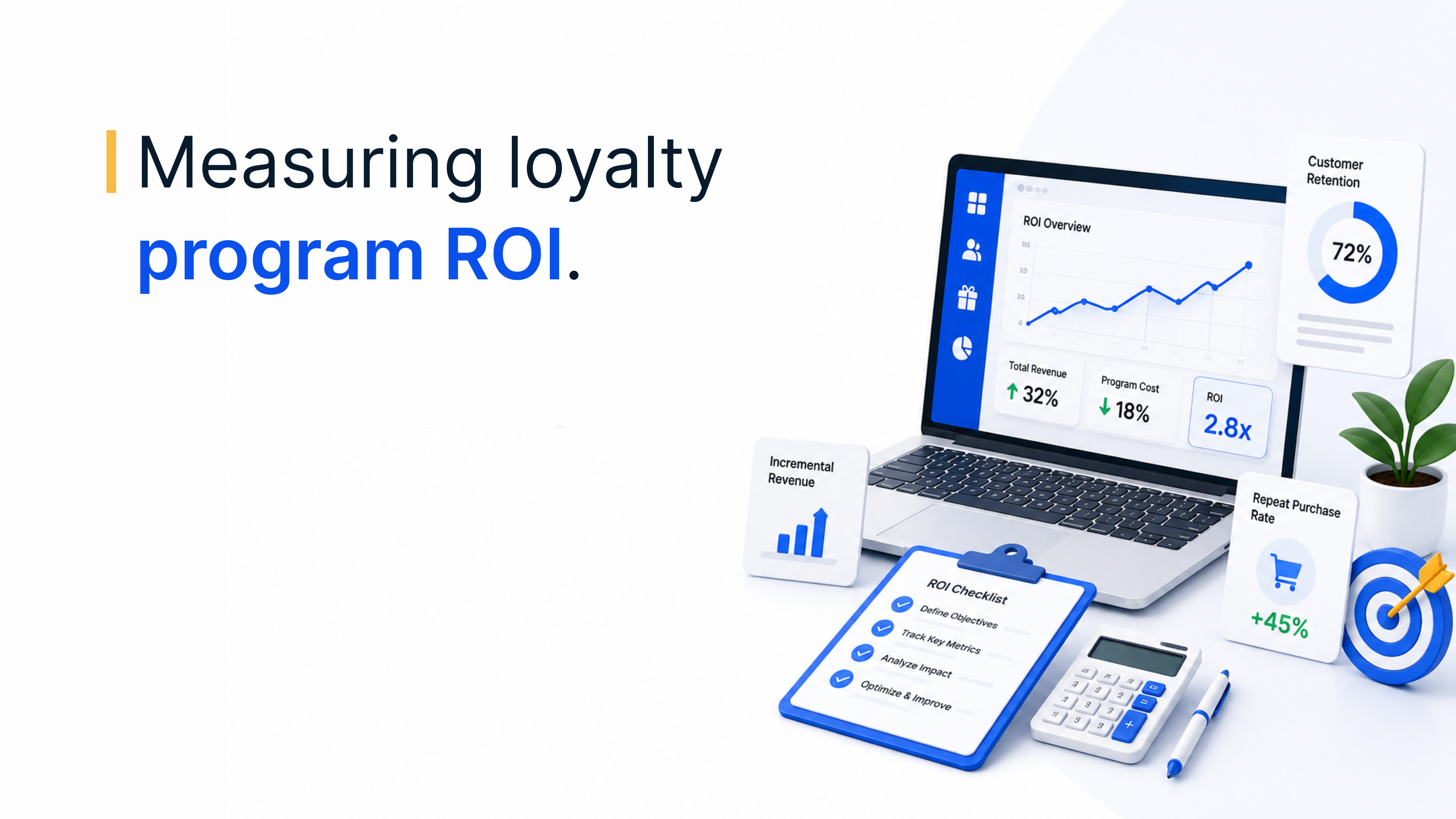
Total rewards ROI. Organizations with high employee engagement are 23% more profitable, per Gallup's State of the Global Workplace 2025 report. Connecting recognition investment, benefits spend, and engagement scores to business performance metrics gives total rewards a language that finance and the board understand.
How Empuls brings your total rewards stack together
The five pillars of total rewards are well defined. The barrier is execution: data fragmentation that comes from running each pillar on a different platform, with no shared view of what is working.
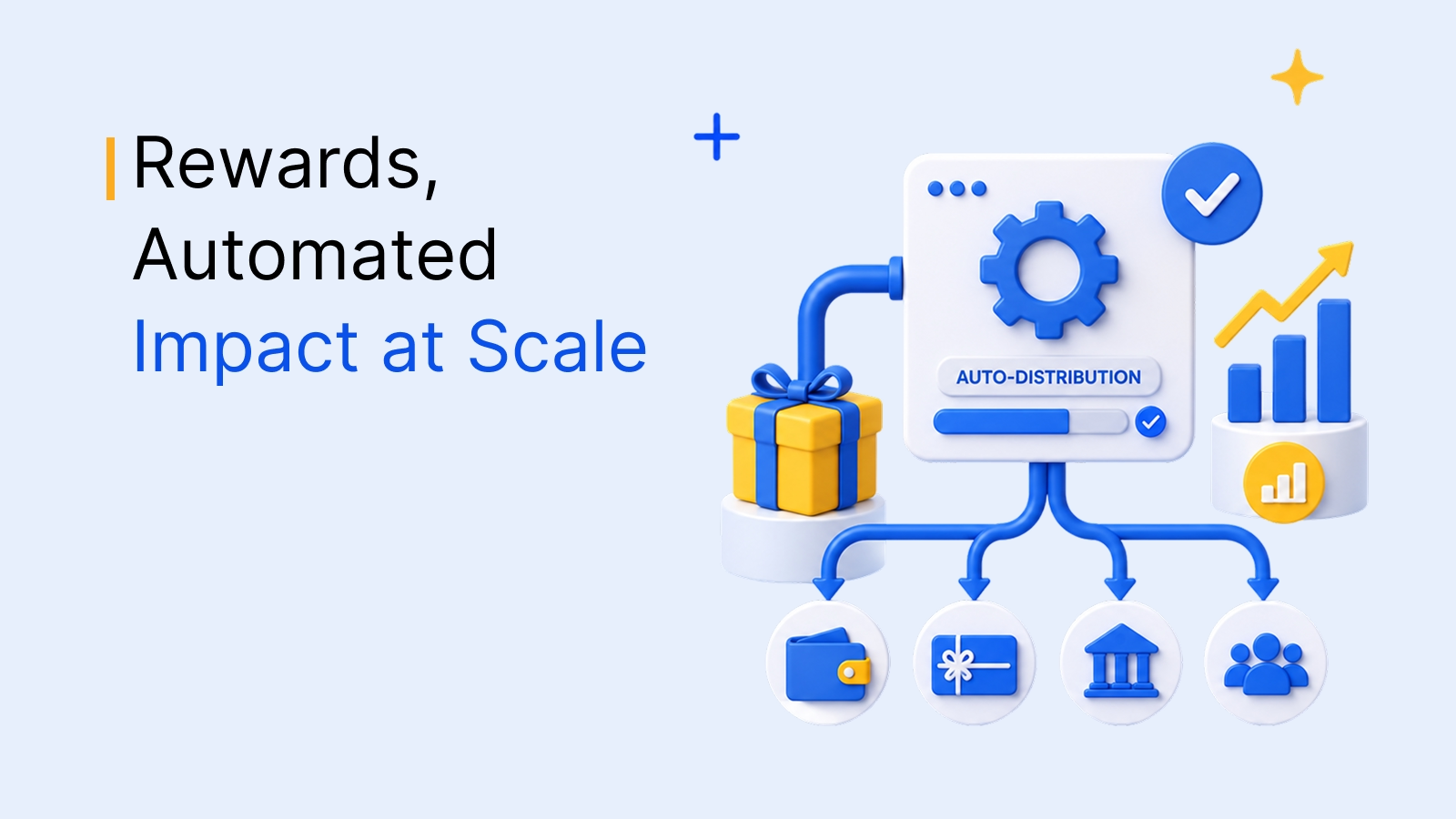
Xoxoday Empuls is built for this problem. It consolidates recognition and awards, pulse surveys and eNPS, employee benefits and perks, wellness challenges, and sales incentives into one platform. The Head of Total Rewards gets a single view of what the organization is investing in its people - and what that investment is producing.
The results from global enterprise deployments are consistent. One multinational technology company centralized its recognition program on Empuls and saw activation rise from 38% to 76%, manager participation jump from 21% to 59%, and rewards budget utilization increase from 52% to 88% - all within a single engagement cycle.
01 · Recognition
Peer, manager, and milestone awards
Spot awards, approval workflows, core value badges, anniversary programs, and DEI recognition - all in one interface.
02 · Surveys
eNPS and pulse surveys with AI insights
Continuous listening across the employee lifecycle, with attrition prediction and sentiment analysis built in.
03 · Benefits
Multi-wallet benefits and perks
Configurable benefit wallets, lifestyle spending accounts, tax-saving allowances, and a global perks marketplace.
04 · Analytics
Unified rewards intelligence
One dashboard across all modules - recognition frequency, benefits utilization, eNPS, and budget ROI - for the reporting your CHRO needs.
The platform integrates natively with SAP SuccessFactors, Workday, UKG, Salesforce, and Microsoft Teams. For a deeper look at how recognition fits into a broader employee reward program strategy, that post covers the mechanics in detail.