Key Takeaways
Any incentive outperforms none by a wide margin. Gallup found a 6 to 7 point response-rate jump just from adding a reward, regardless of format.
Format and timing barely move response rates on their own; where format matters is fit. Gift cards read as generous to consumer panels, cash reads as fair to professional and clinical ones.
Letting respondents choose their format beats defaulting everyone to the same one, especially on mixed or international panels.
Incentive format doesn't move response rates the way most research teams assume, but it moves something else that matters just as much: whether the right respondents feel the reward was worth their time.
A UX panel running global sessions, a clinical trial coordinator paying stipends, and a consumer insights team running a five-minute pulse survey do not have the same respondent. Give them the same reward, and you're not losing response volume so much as quietly losing trust with a slice of the panel who expected something different.
Add manual reward fulfillment, fraud risk from duplicate claims, and panels that reach outside the US and EU, and the format decision stops being a footnote. It becomes an operational one.
Why "any incentive" beats "no incentive," but format is a fit problem, not a lift problem
According to Gallup, a controlled test found response rates of 13% with no incentive, versus 19 to 20% with an incentive: a swing of roughly 7 points just from offering a reward at all. Notably, the gap between the two incentive formats tested (19% prepaid vs. 20% post-paid) was not statistically significant. In other words, whether you reward moves the number. Which format you use, in that study, didn't.
13%
Response rate
no incentive
19%
Response rate
prepaid incentive
20%
Response rate
post-paid incentive
Source: Gallup. The 19% vs. 20% gap is not statistically significant; presence of an incentive, not format, drove the lift.
That doesn't mean format is irrelevant. It means the wrong metric is response rate. The metric that actually shifts with format is perceived fairness and fit: a gift card that feels generous to a consumer panelist can feel dismissive to a clinical trial participant giving up an hour of their time. For a research team running the same incentive across a mixed panel, that mismatch compounds: a format that works for a US consumer panel underperforms with an international UX cohort recruited through a different channel entirely.
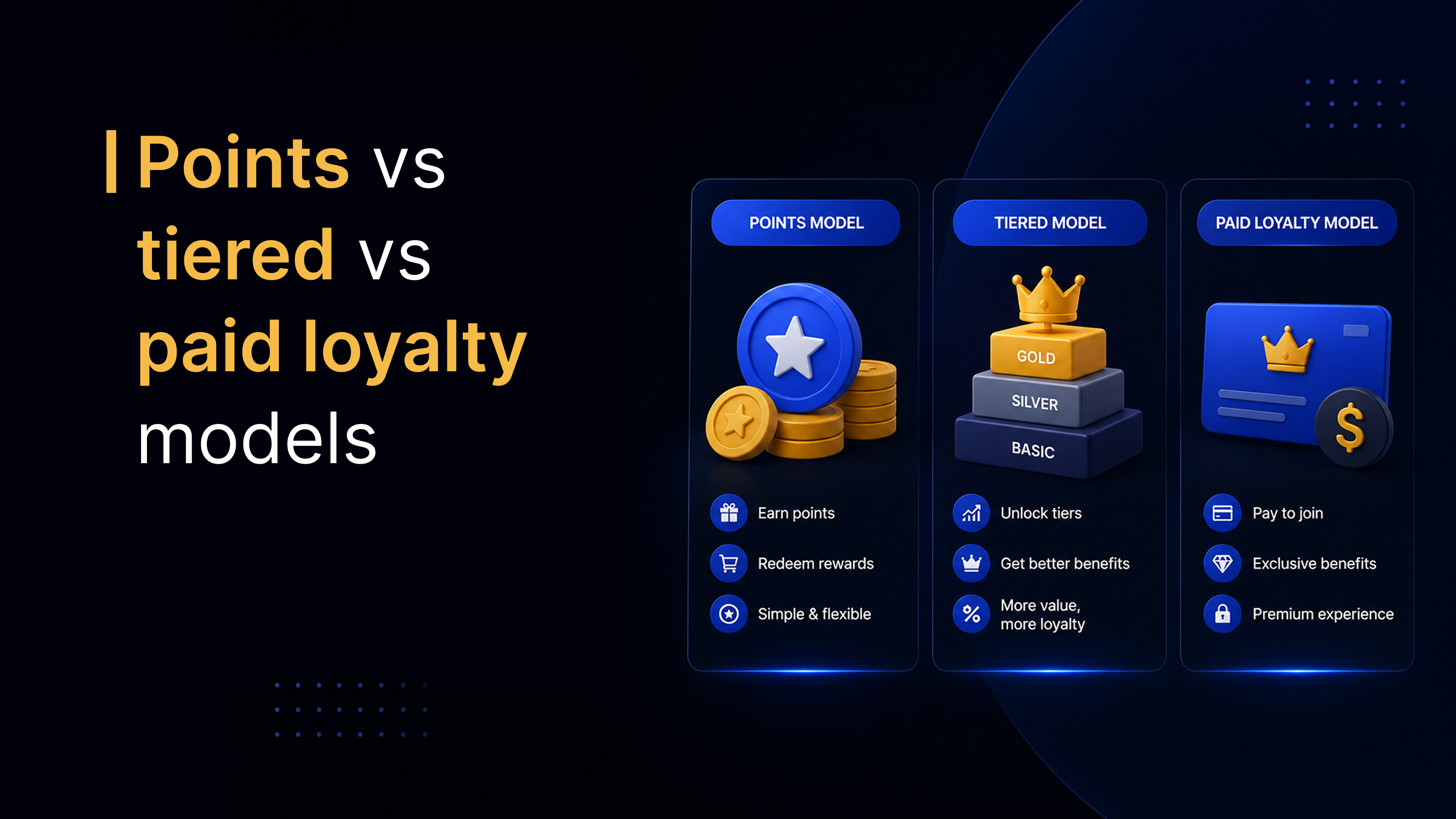
Gift cards: highest perceived value for consumer and high-volume panels
Gift cards carry the highest perceived value per dollar spent, largely on brand affinity: Amazon, Starbucks, and Walmart all read as generous even at a modest face value. That makes them the strongest fit for high-volume, low-value incentives, typically $5 to $25 consumer surveys where volume matters more than personalization.
The limitation shows up at the edges of that use case. Professional and B2B respondents tend to find a generic retail gift card less appropriate for their time, and a single-brand card can bias international panels toward whoever happens to shop at that retailer locally.
Digital gift cards also outperform physical ones for exactly this kind of volume: instant delivery removes the multi-day shipping lag that stalls a fast-moving panel.
Try Plum for your next panel or survey program
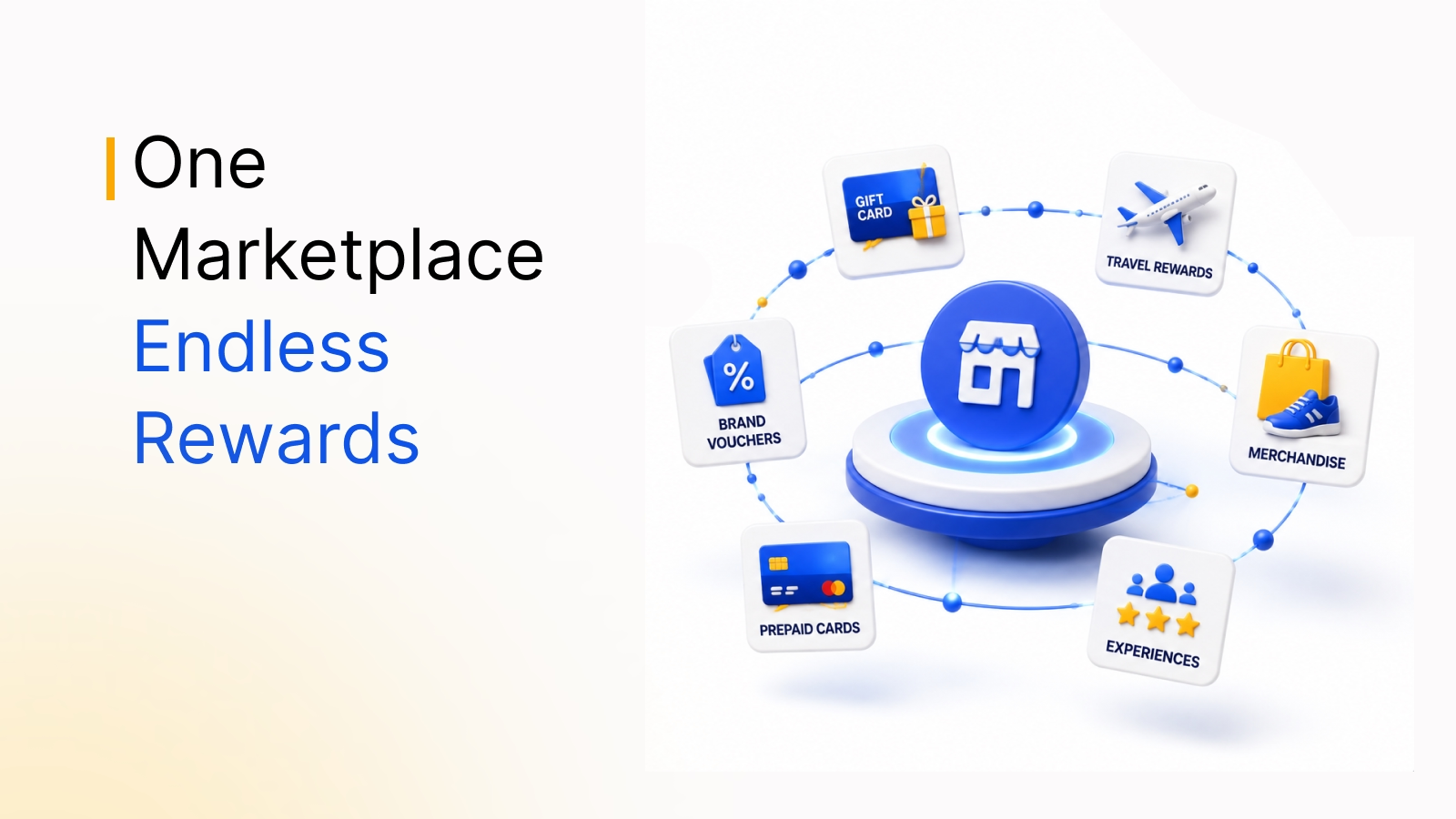
Gift cards, prepaid cards, and cash, delivered through one reward link, in 175+ countries.
See Plum in actionTrusted by 5,000+ companies
Prepaid cards: the middle ground for global and underbanked respondents
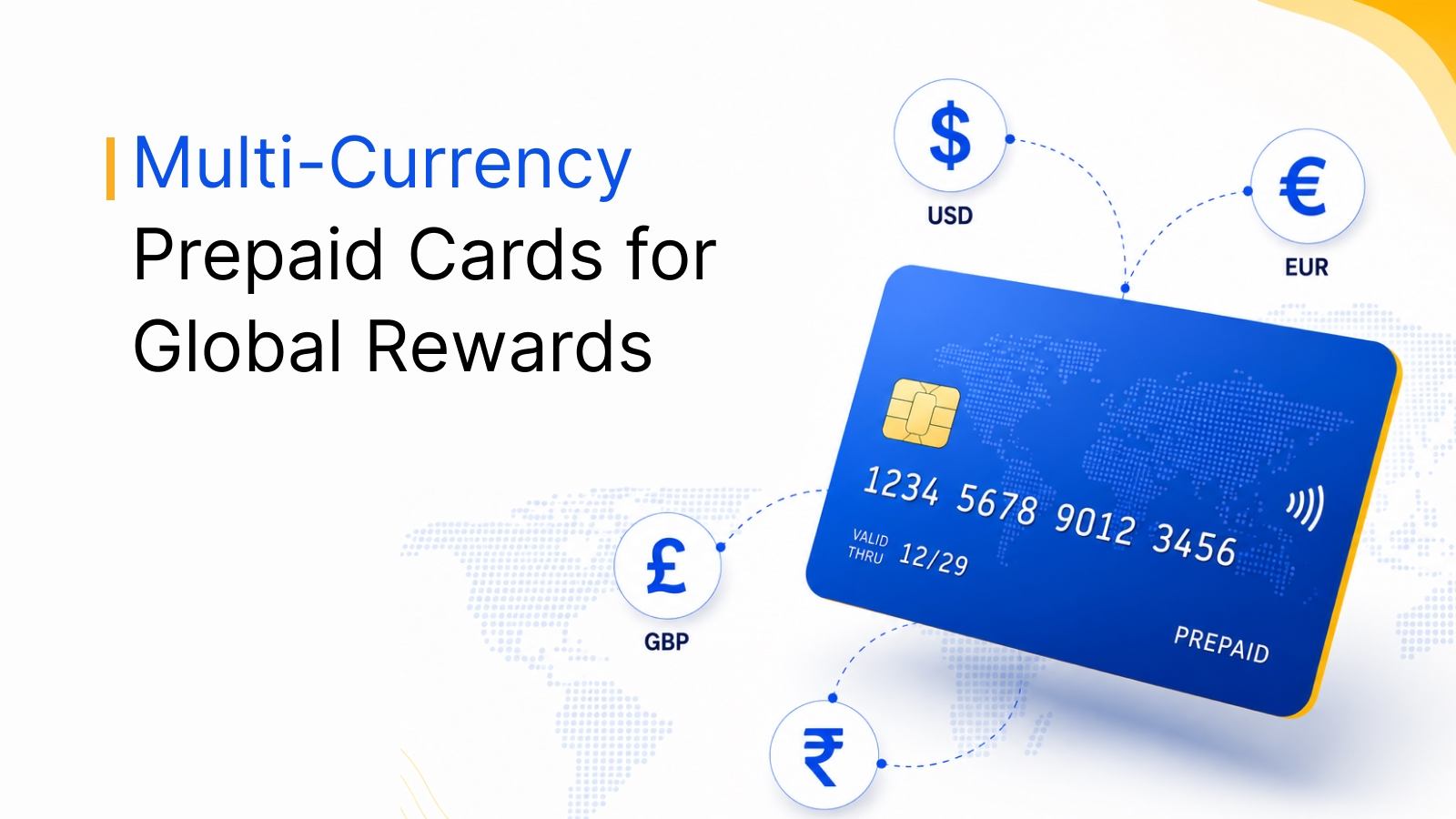
Open-loop prepaid cards (Visa, Mastercard) offer cash-like flexibility, spendable almost anywhere, without requiring a bank account. That makes them the practical middle ground for international panels and unbanked or underbanked respondents who cash payouts simply can't reach.
The nuance: prepaid cards still require KYC and compliance handling in some geographies, and they remain cash-equivalents for tax purposes. Per IRS rules, cumulative reward payments to one person become reportable once they cross the federal threshold, which rose from $600 to $2,000 starting in 2026.
Cash and cash-equivalents: the standard for professional and clinical panels
For professional panels, UX research, clinical and healthcare studies, and B2B respondents, cash and cash-equivalents (PayPal, Venmo, bank transfer, push-to-debit) carry the highest perceived fairness. It signals respect for a respondent's time in a way a retail gift card doesn't.
Cash makes the most sense for high-value incentives, recurring panelists, clinical trial stipends, and B2B research where the payout resembles a professional fee more than a thank-you.
The tradeoff is a heavier compliance lift: tax documentation (W-9/W-8), bank-linked settlement, and slower delivery on some rails compared to an instant e-gift.
A decision framework: matching format to value, respondent type, geography, and frequency
| Factor | Favors gift card | Favors prepaid card | Favors cash |
|---|---|---|---|
| Incentive value | Low ($5-$25) | Mid ($25-$100) | High ($100+) |
| Respondent type | Consumer, casual panel | Mixed or international panel | Professional, clinical, B2B |
| Geography | Domestic, single-brand-friendly market | International, unbanked/underbanked | Domestic or established banking rails |
| Frequency | One-off | One-off or recurring | Recurring panelist, stipend-based |
No single row is universally correct. A recurring international UX panel, for instance, sits between the prepaid and cash columns, which is exactly the kind of case a fixed, single-format program handles badly.
Why letting respondents choose often beats picking one for them
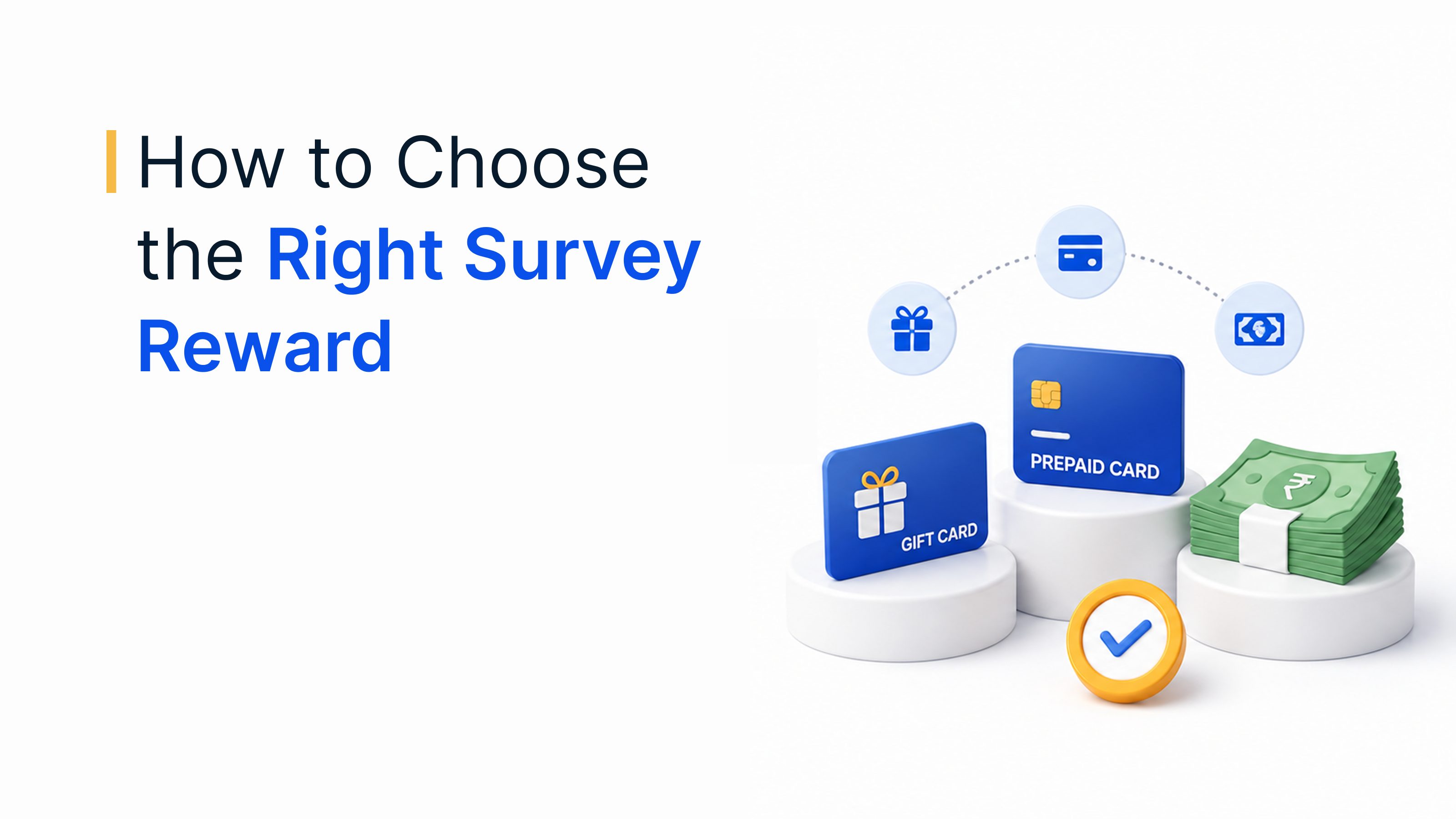
Every format above wins for some slice of a panel and loses for another. A research program that mixes consumer, professional, and international respondents in the same study doesn't have one "right" answer between gift cards, prepaid cards, and cash: it has three simultaneously correct answers depending on who's on the other end.
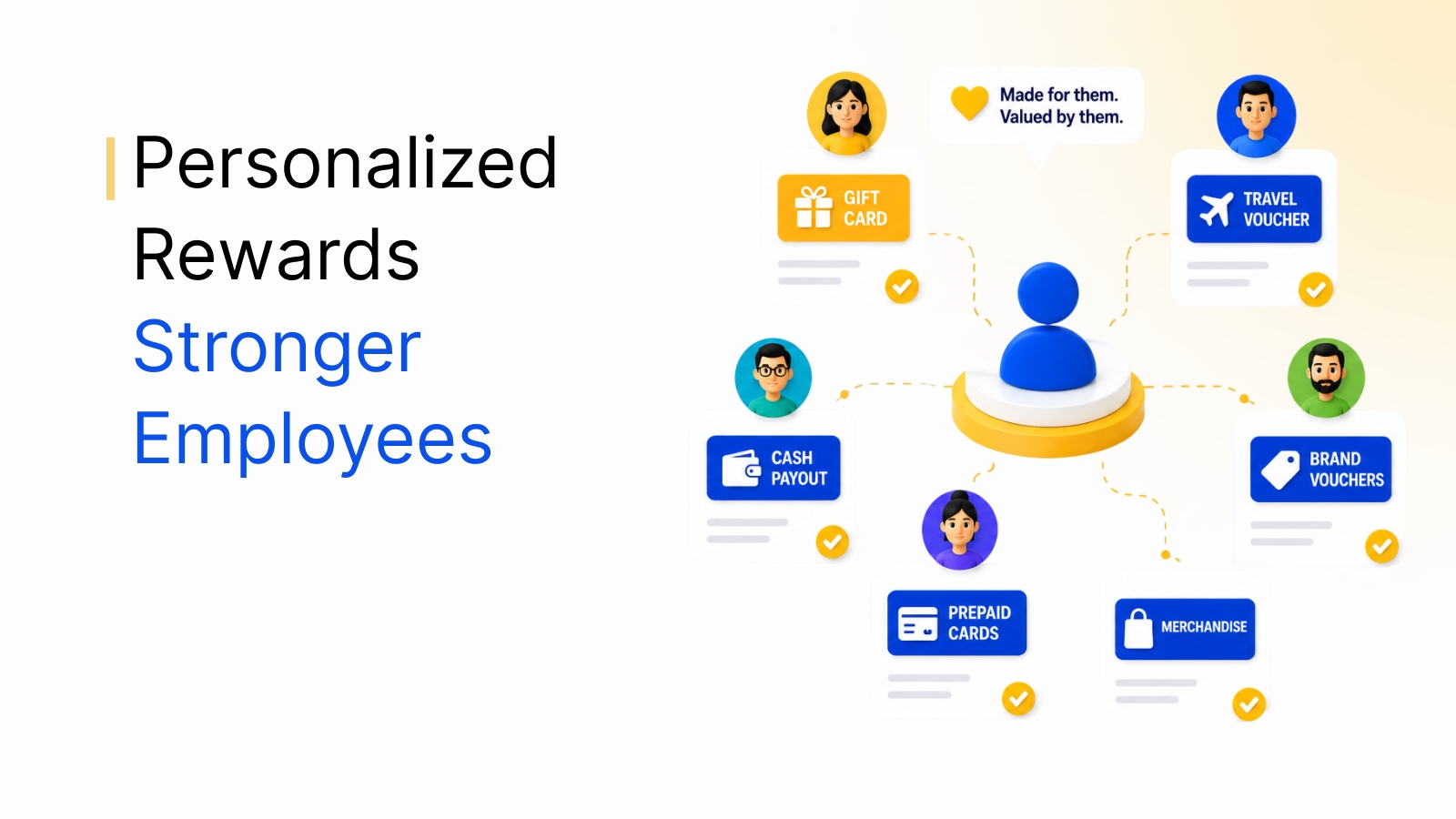
Reward links solve this by moving the choice to the respondent instead of the research team; one trigger sends a link, and the respondent picks a format from a pre-approved shortlist rather than receiving whatever the program defaulted to.
What to look for in a survey reward fulfillment partner
Once a program spans more than a handful of respondents, the format decision becomes a fulfillment problem: delivery speed, geographic reach, fraud prevention, and compliance all start to matter as much as the reward itself.
Global reach matters first. Xoxoday Plum delivers over 10 million reward options across 30+ categories in 175+ countries, with local-currency delivery in more than 100 of them, which is the difference between a panel that works in the US and EU and one that actually works everywhere a study runs.
Integration matters second. API-based automation removes the manual fulfillment step entirely, whether that's a one-click connection to Qualtrics, Typeform, SurveyMonkey, or SurveySparrow, or a custom trigger built against an in-house research tool.
Fraud and governance matter third, and they're easy to underweight until a program scales. Velocity controls, redemption thresholds, role-based access, and SSO all address the same operational risk: fake completions and duplicate claims draining an incentive budget without producing real data.
Compliance closes the loop. A platform that handles tax and KYC workflows for cash payouts removes the single biggest reason research ops teams avoid offering cash to professional or clinical panels in the first place.
One format was never going to fit every respondent
A consumer panel, a UX cohort, and a clinical stipend program all want something different from a reward. Picking one format for all three was always going to underperform for someone.
The fix isn't a better single format. It's a fulfillment layer that lets the respondent choose, wherever they are and whatever the study looks like.