Key Takeaways
More than 3 in 4 employees say gift cards feel less meaningful than actual gifts, and 9 in 10 have lost one or forgotten the balance
Up to 55% of employee engagement is driven by non-financial recognition, a figure no gift card program alone can move
Recognition that reduces attrition is a system, not a gesture
Most HR managers reach for gift cards by default. They are easy to distribute, straightforward to budget, and feel like a safe choice. The problem is that they have stopped feeling like a reward.
According to SHRM, more than 3 in 4 employees say a gift card is less meaningful than an actual gift. Nearly 9 in 10 admit they have either lost one or forgotten it had a balance. Meanwhile, only 15% of employees receive time off as a reward, despite 42% naming it as what they actually want.
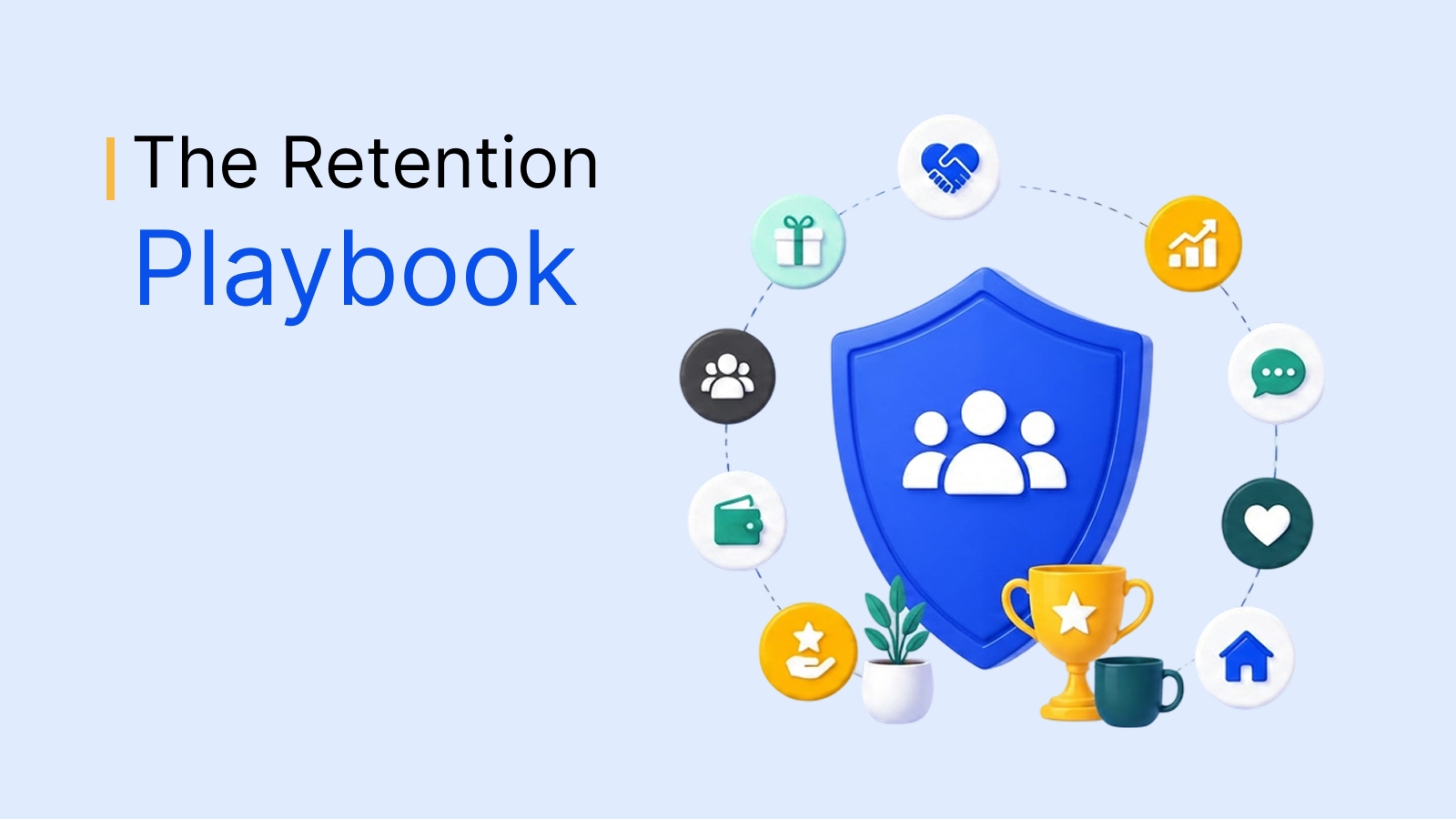
The gap between what employees want and what they receive is not a budget problem. It is a playbook problem. This guide covers the employee reward ideas HR teams are using in 2026, how to choose the right delivery format, and how to build a reward mix that genuinely retains people.
Why gift cards alone are no longer enough
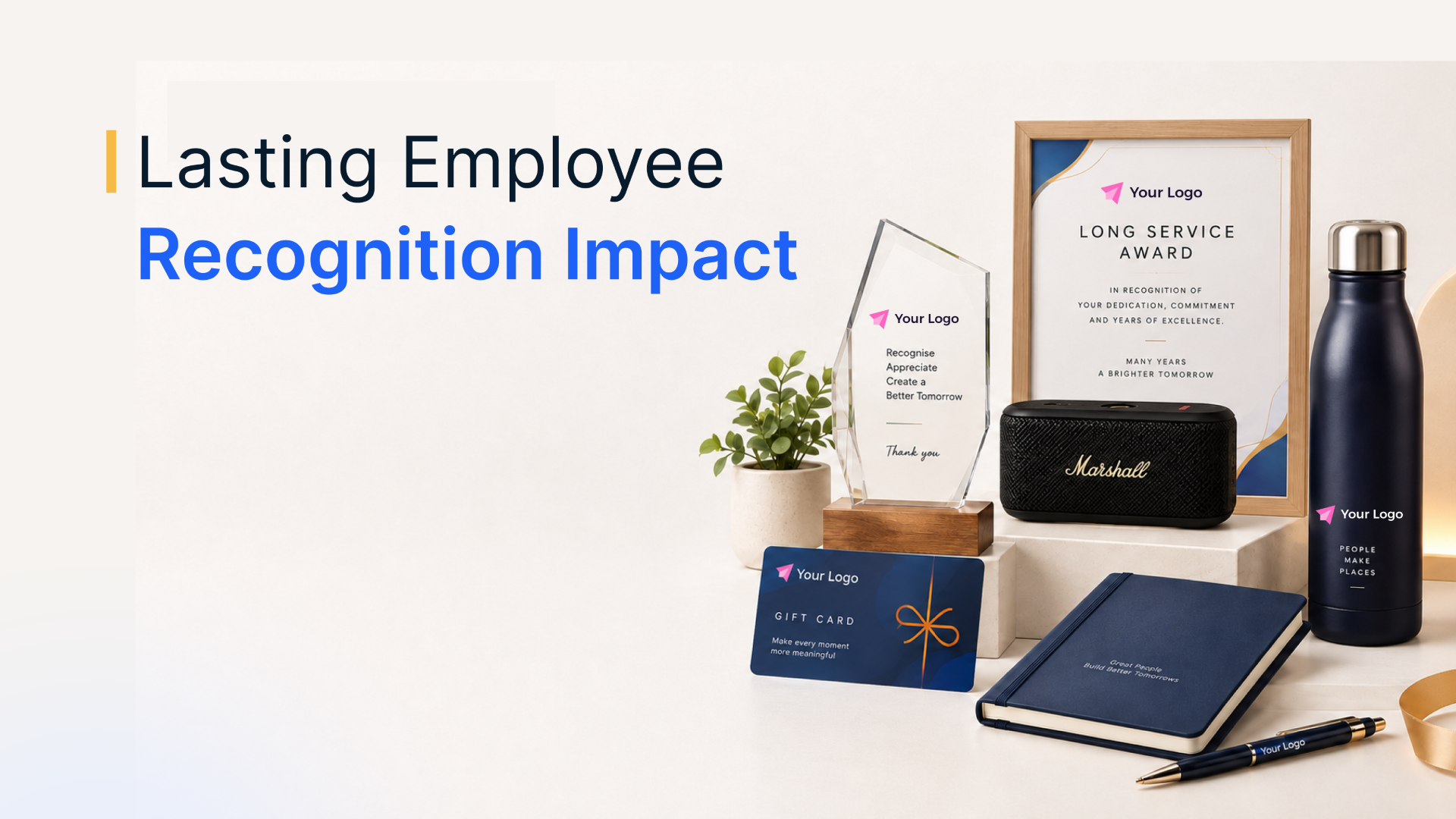
Convenience and meaning are not the same thing. When a reward feels generic, it sends a generic message. Gallup and Workhuman research found that well-recognized employees are 45% less likely to change organizations within two years. That outcome only holds when recognition is personal, timely, and matched to what the individual values.
The SHRM data is direct: nearly 9 in 10 employees have lost a gift card or forgotten it had a balance. That is not a reward that sticks. The organizations closing this gap are not spending more. They are offering more variety.
45%
less likely to change organizations, well-recognized employees vs. others
Consistent, personalized recognition is the retention lever most programs miss. Source: Gallup / Workhuman
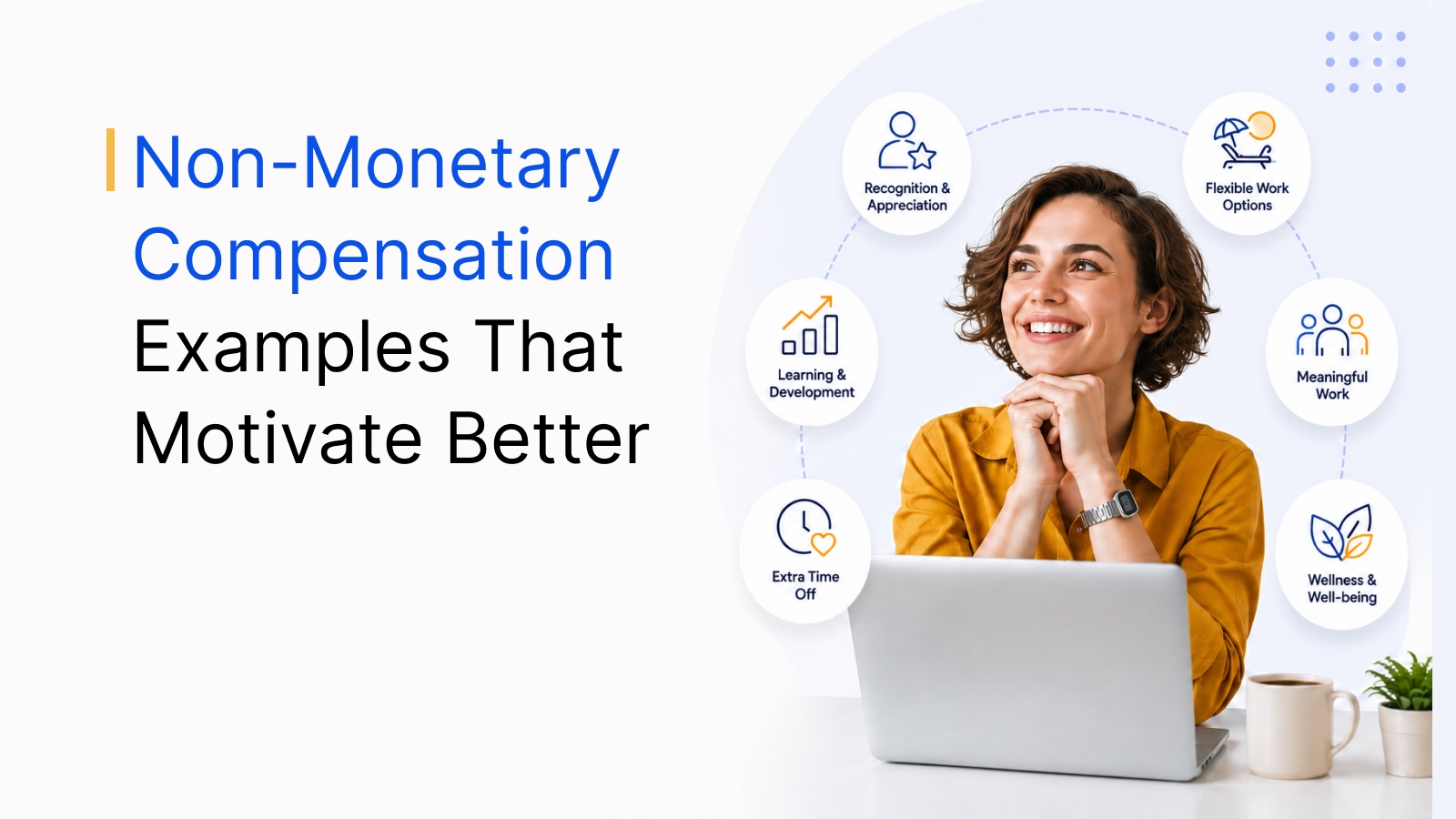
Non-monetary rewards that employees actually value
Money matters, but it does not explain most of what keeps people engaged at work.
55%
of employee engagement is driven by non-financial recognition
More than half of the engagement equation sits entirely outside cash and gift cards. Source: McKinsey
Non-monetary rewards that consistently perform well include:
- Public recognition: A shoutout in a company all-hands, a social media spotlight, or a LinkedIn recommendation from a senior leader. Visibility signals that the contribution was seen and valued.
- Peer recognition programs: When recognition comes from colleagues, not only managers, it builds a stronger sense of belonging. Peers notice the day-to-day contributions that leadership often misses.
- Charitable donation matching: The employee chooses a cause; the company matches their contribution. The reward ties directly to personal identity, not just professional output.
- Handwritten notes from leadership: Low cost, high effort, high impact. Taking three minutes to write a personal note communicates something that a digital notification cannot replicate.
The common thread is specificity. A reward that names exactly what someone did, and why it mattered, creates a moment of genuine appreciation.
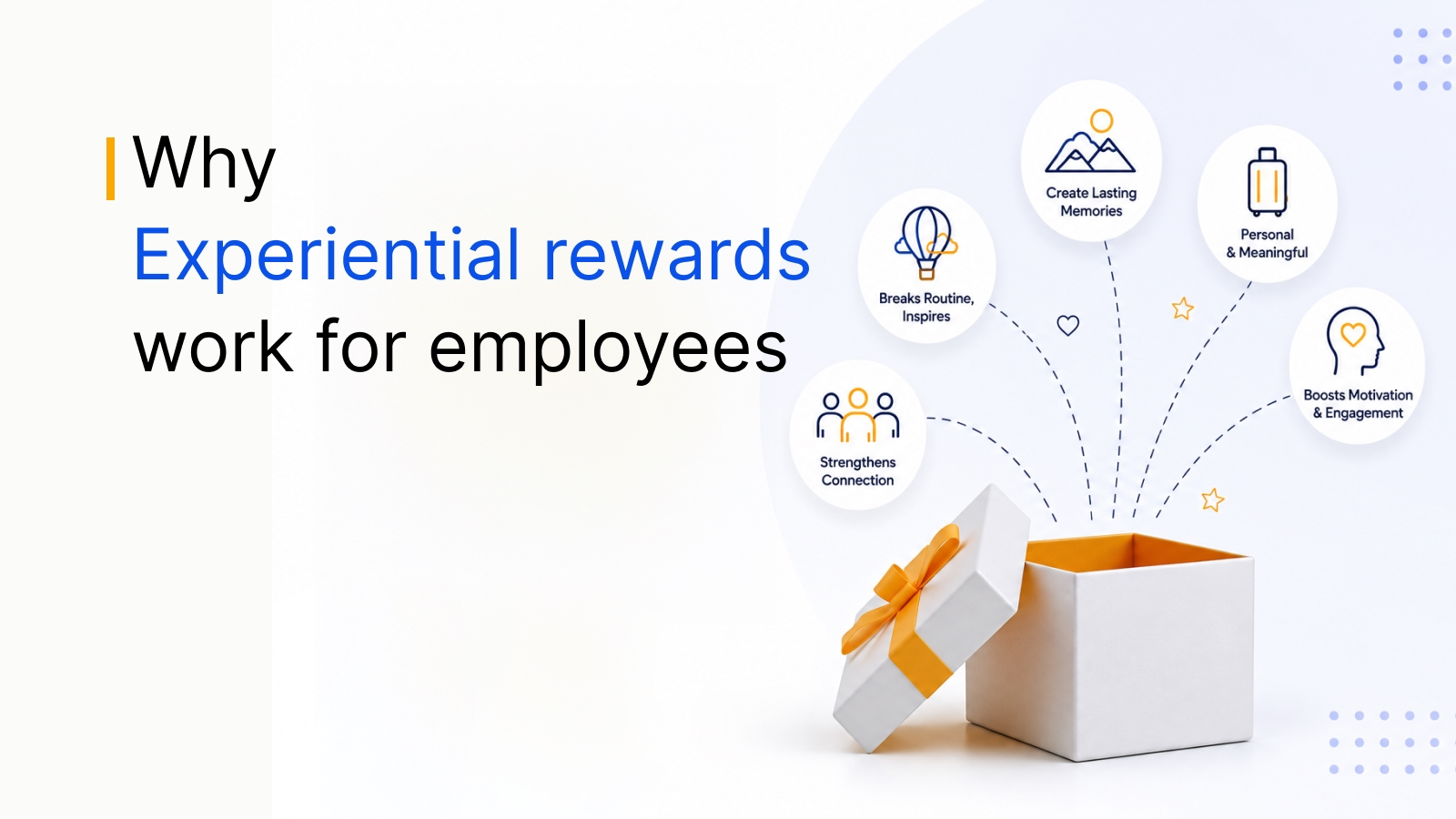
Experiential rewards: memorable, personal, high-impact
Experiences outlast objects because they produce memories. A wellness retreat, a cooking class, a team outing, or concert tickets creates a story the employee retells. That story extends the life of the recognition far beyond the day it was given. Tangible gifts rarely produce the same effect.
Experiential reward categories that work across team types:
- Wellness and health: Spa days, fitness memberships, mental health app subscriptions, or mindfulness retreats.
- Entertainment and culture: Concert tickets, sporting events, culinary experiences, or museum memberships.
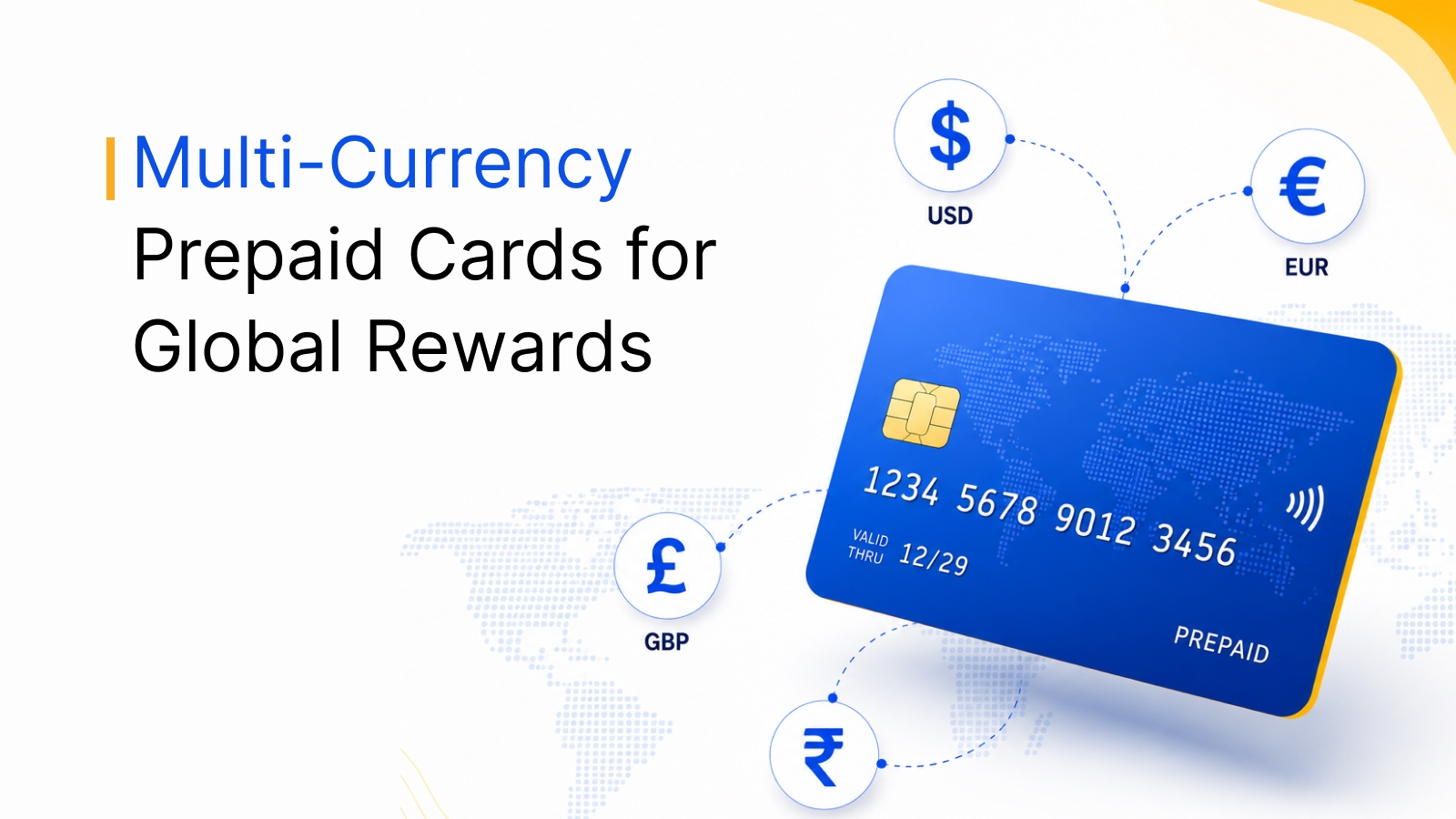
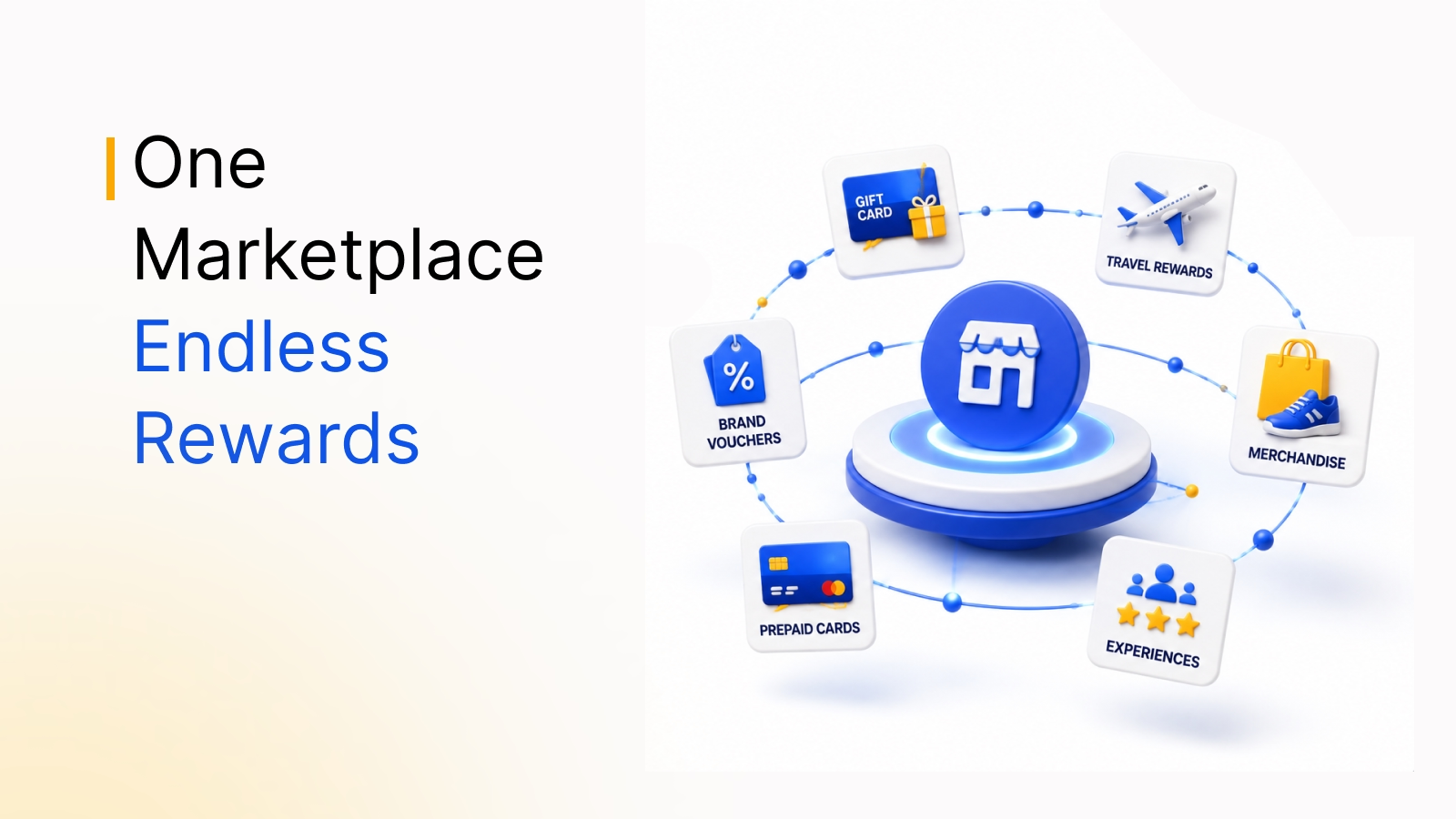
- Travel credits: Weekend getaways or experience catalog options redeemable across 150+ countries.
- Team experiences: Group outings, volunteering days, or shared activities. These reward the individual while also strengthening team connection.
The practical barrier for most HR teams is delivery at scale. Digital delivery, where employees choose from a curated catalog, removes the coordination burden and makes global programs manageable without a logistics team.
Ready to go beyond gift cards?
See how Xoxoday Plum powers experiential and digital rewards across 150+ countries.
Book a free 30-min demoTrusted by 5,000+ companies
Learning and development rewards that pay back twice
Development rewards are unusual: they serve the employee and the organization at the same time. The employee builds a skill they chose to pursue. The company gains a more capable person. That dual return makes learning and development one of the most defensible reward categories in any budget conversation.
- Course stipends: A personal learning budget the employee applies to any course, certification, or workshop they choose.
- Conference access: Passes to industry events that expand professional networks and surface new ideas.
- Mentorship time: Paid access to a senior leader, an internal mentor, or an external coach.
- Learning platform credits: Access to online learning tools or credits toward books and specialized workshops.
Personalization matters as much here as anywhere. A learning credit that matches what the employee genuinely wants to develop signals that the company pays attention. A mandatory training program signals the opposite.
Flexible time as a reward: the currency employees want most
Time is personal in a way that money is not. According to Harvard Business Review, every 10 hours of vacation time can improve employee performance by 8%. Rested employees work better.
42%
of employees name time off as their preferred reward
Only 15% of organizations actually offer it in that form. The demand is clear; the supply is not. Source: SHRM
- Bonus PTO days: A day off outside the standard leave balance, tied to a specific achievement.
- Surprise days off: Manager-granted and unannounced. The novelty reinforces the recognition in a way that scheduled leave does not.
- Flex scheduling: Permission to shift start times, compress the work week, or adjust hours on a chosen day.
- Work-from-anywhere passes: A quarterly option to work from a different location. Low cost to the company, high perceived value for hybrid and remote employees.
The consistent message these rewards send: your time matters, and we trust you with it. For knowledge workers and distributed teams, that lands harder than most tangible rewards.
Digital rewards for remote and hybrid teams
Remote teams face a reward challenge the standard playbook was not designed to solve. Physical gifting across countries means shipping delays, currency mismatches, and catalog gaps that make programs feel inconsistent. Digital rewards eliminate all three.
- Home office upgrade credits: A stipend toward ergonomic equipment, better lighting, or workspace improvements.
- OTT and subscription services: Streaming platforms, audiobooks, music apps, or meditation subscriptions.
- Meal delivery credits: Dinner on the company, delivered wherever the employee works that day.
- Global reward links: A shareable URL that lets recipients browse a catalog of local brands in their own country and choose their own reward.
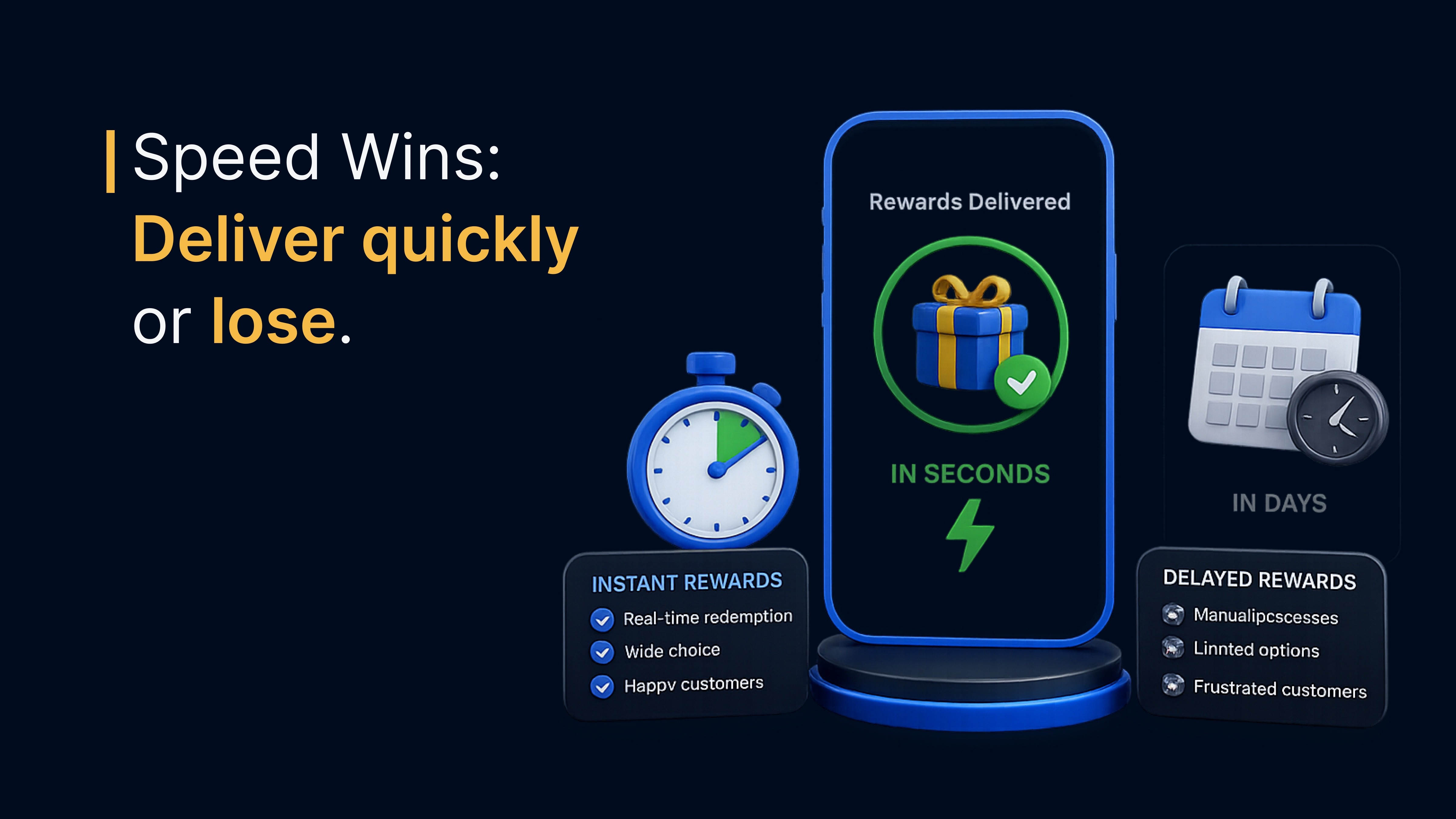
Delivery speed matters as much as the reward itself. A reward that takes three clicks to redeem feels like a reward. One that requires shipping coordination and a two-week wait does not.
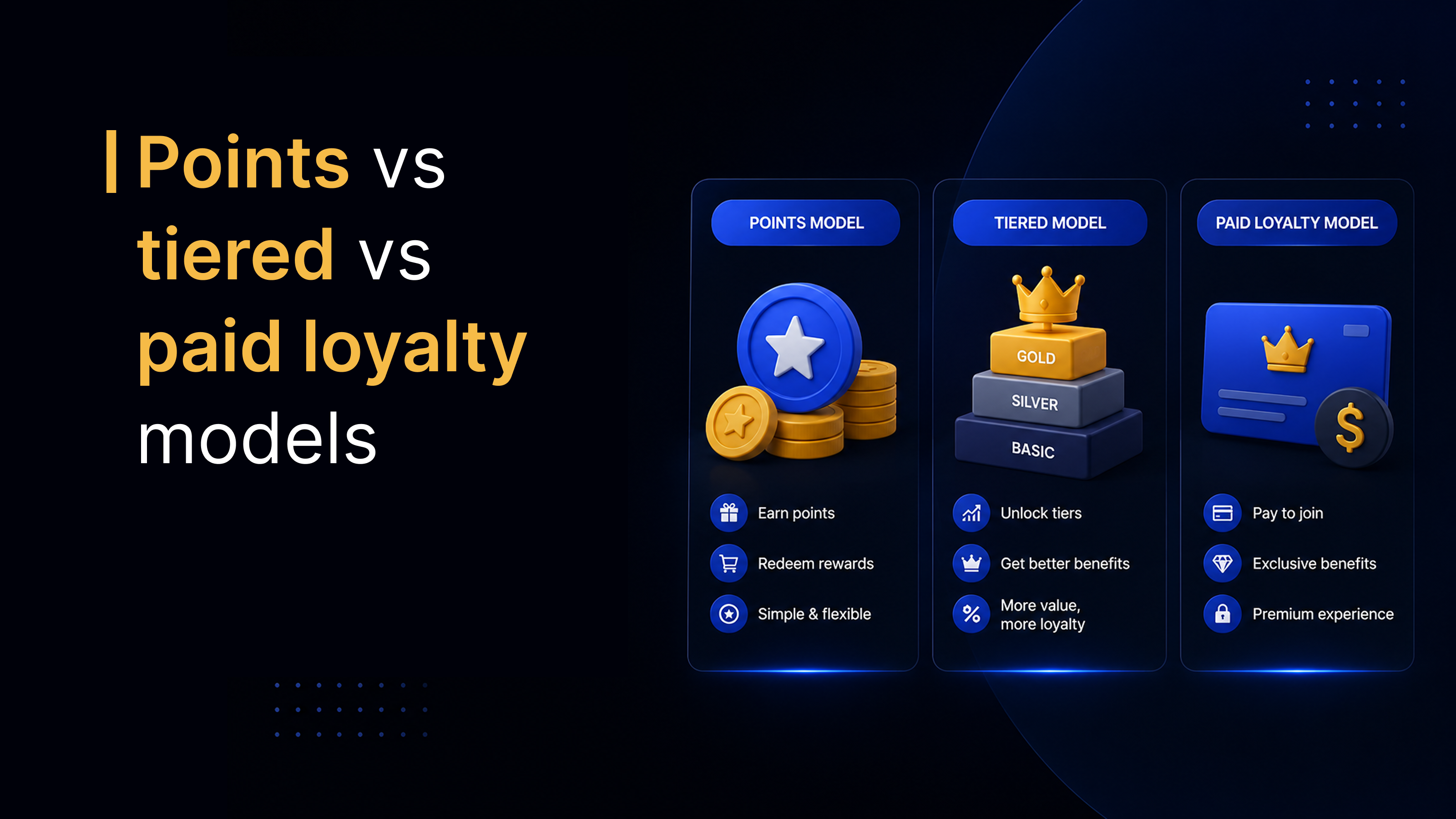
Points, codes, links, or gift cards: choosing the right format
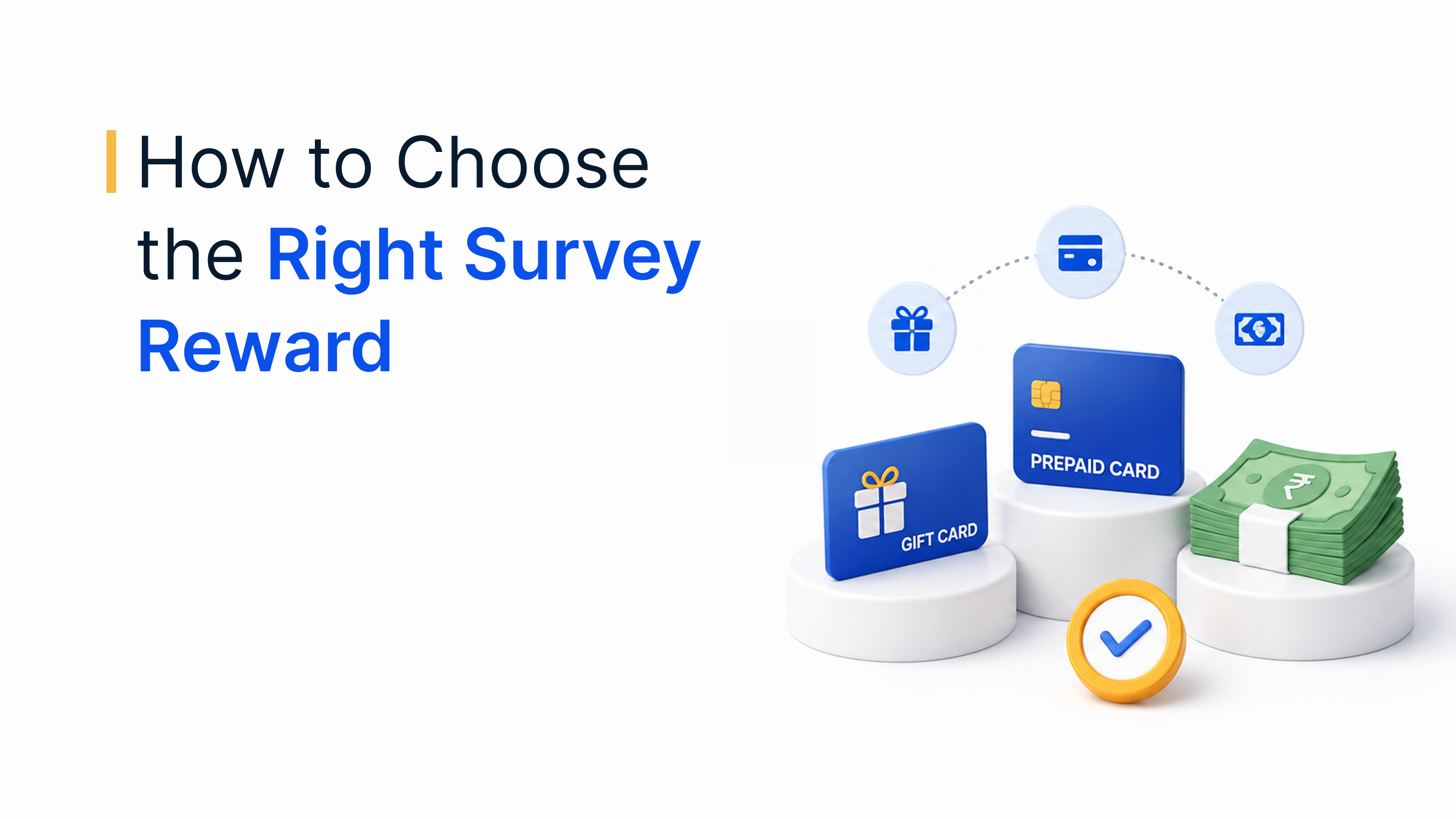
Most HR teams think carefully about what to reward. Fewer think about how to deliver it. Format shapes the experience as much as the reward content does. A choice-based link that lets employees browse a full catalog feels like a gift. A single-brand card that limits redemption to one retailer creates a different kind of experience. Getting this right matters because a poor redemption experience can undo a well-intended reward.
| Format | Best for | Key strengths | Watch out for |
|---|---|---|---|
| Points | Ongoing programs, milestones, loyalty | Accumulates over time, fully flexible | Low perceived value if points feel abstract |
| Reward codes | Promotions, one-time spot awards | Instant delivery, easy to distribute at scale | Single-use limits; no choice if brand-specific |
| Reward links | Surveys, referrals, global or remote teams | Recipient selects from a full catalog | Expiry dates need clear communication |
| Brand gift cards | Targeted gifting, specific milestone moments | High perceived value when the brand resonates | Restricts recipient to one brand's ecosystem |
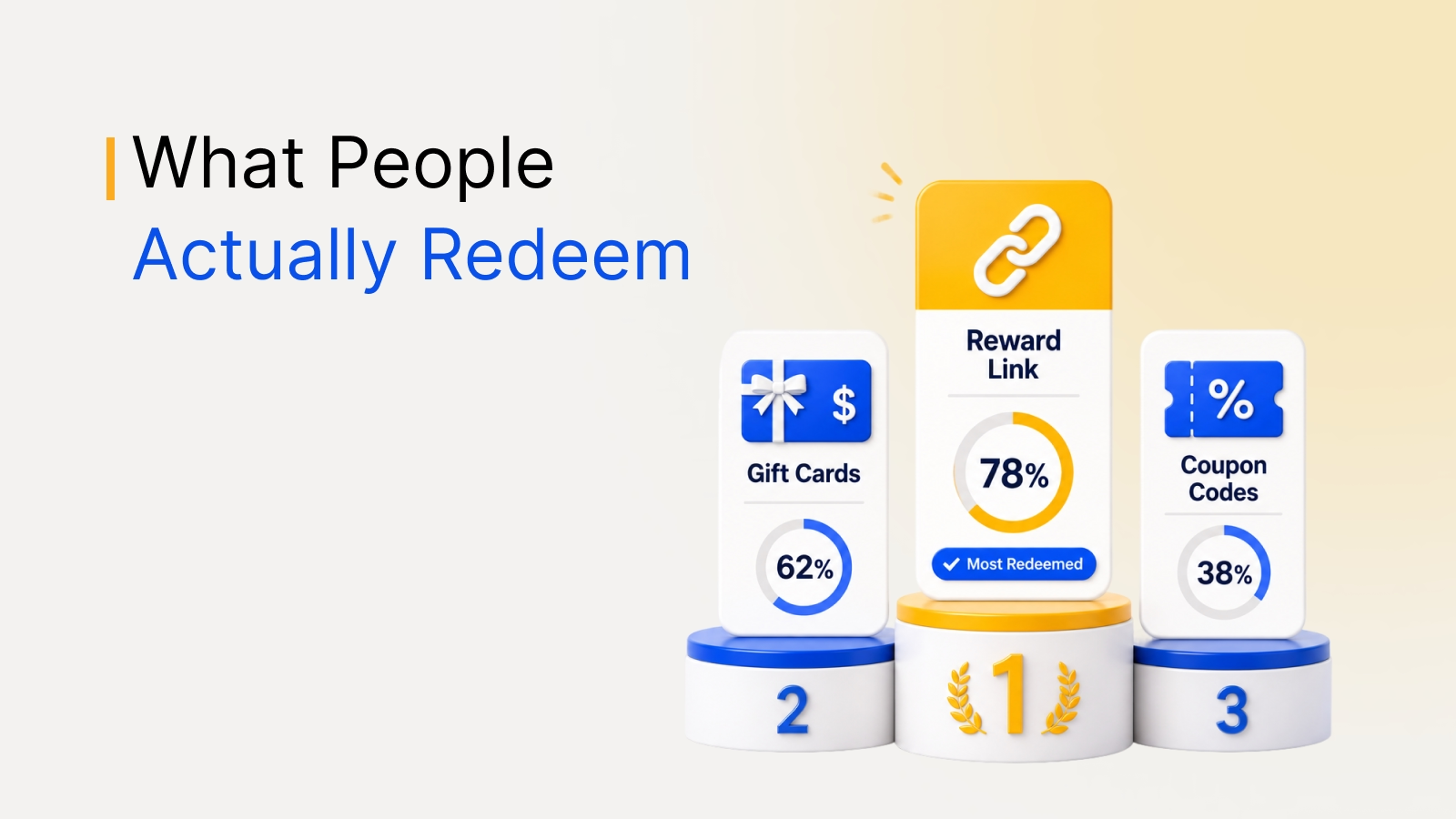
For global or remote teams, reward links and points systems offer the most flexibility. For high-touch milestone moments, direct brand gift cards or experience credits tend to land with greater impact. The practical answer is a mix: different formats for different occasions, managed through one platform.
Building a reward mix that drives retention, not just morale
Recognition that reduces attrition is not a one-off gesture. It is a system. Gallup and Workhuman research shows that well-recognized employees are 45% less likely to change organizations within two years. That outcome only holds when recognition is consistent, personal, and connected to something specific and timely.
Four principles that separate retention-focused reward programs from one-time perks:
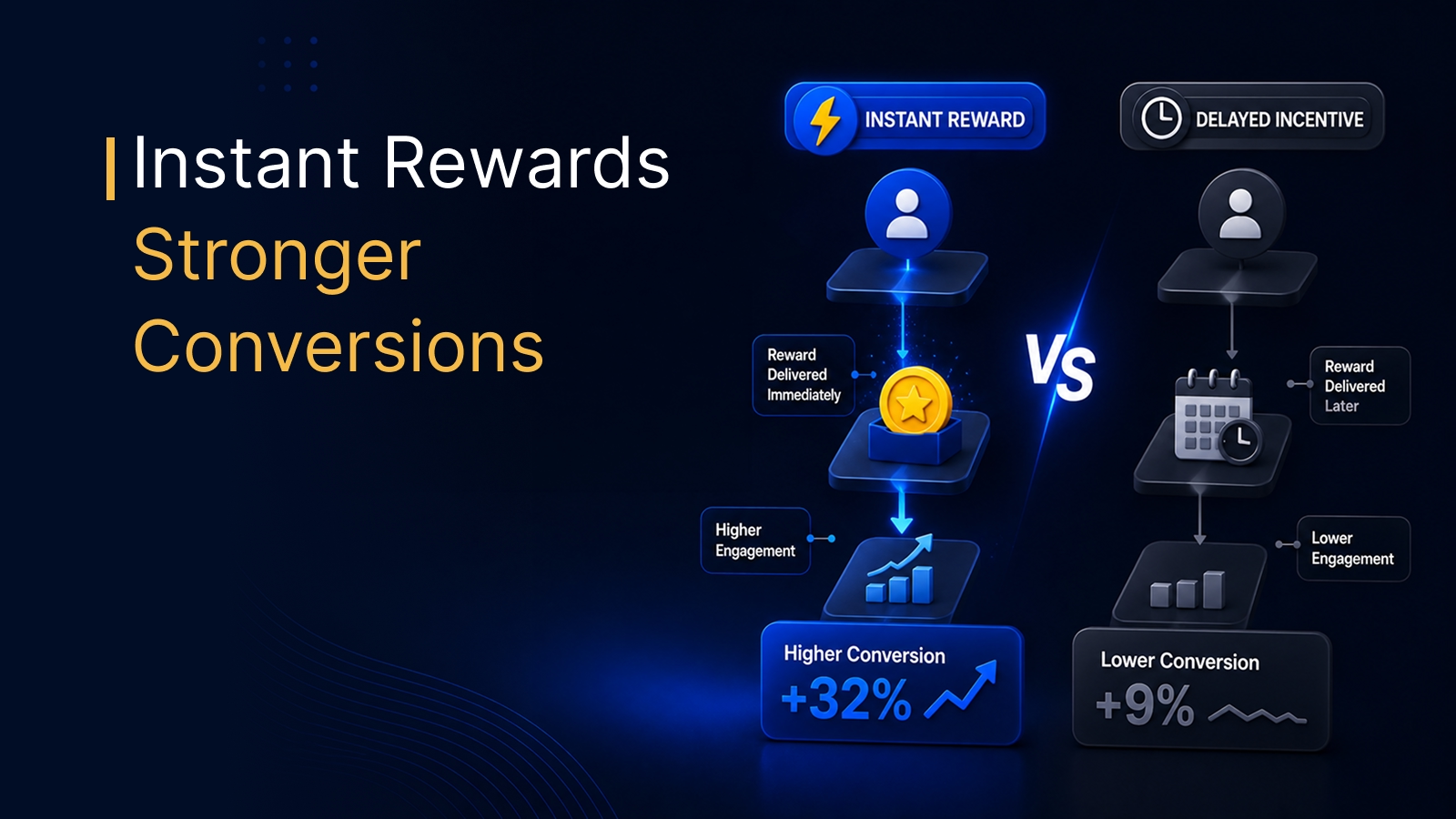
- Reward in the moment: A reward delivered one quarter after the achievement does not reinforce the right behavior. The closer the reward is to the action, the stronger the connection.
- Pair recognition with the reward: Name what the employee did. Name why it mattered. Then attach the reward. A reward without context is a transaction. A reward with a specific acknowledgment is recognition.
- Ask what people actually want: A short internal survey on reward preferences takes one afternoon and replaces months of guessing. Preferences vary significantly across roles, life stages, and locations.
- Connect recognition and reward delivery: Recognition programs capture the moment of appreciation. Reward delivery attaches tangible value to it. When both live in the same workflow, HR managers get visibility into who is being recognized, how often, and whether the reward landed. Xoxoday Empuls handles the recognition layer: peer shoutouts, milestone alerts, and manager recognition in the flow of work. Xoxoday Plum handles reward delivery, drawing from a catalog of 10M+ options across 150+ countries.
How Xoxoday Plum helps HR teams go beyond gift cards
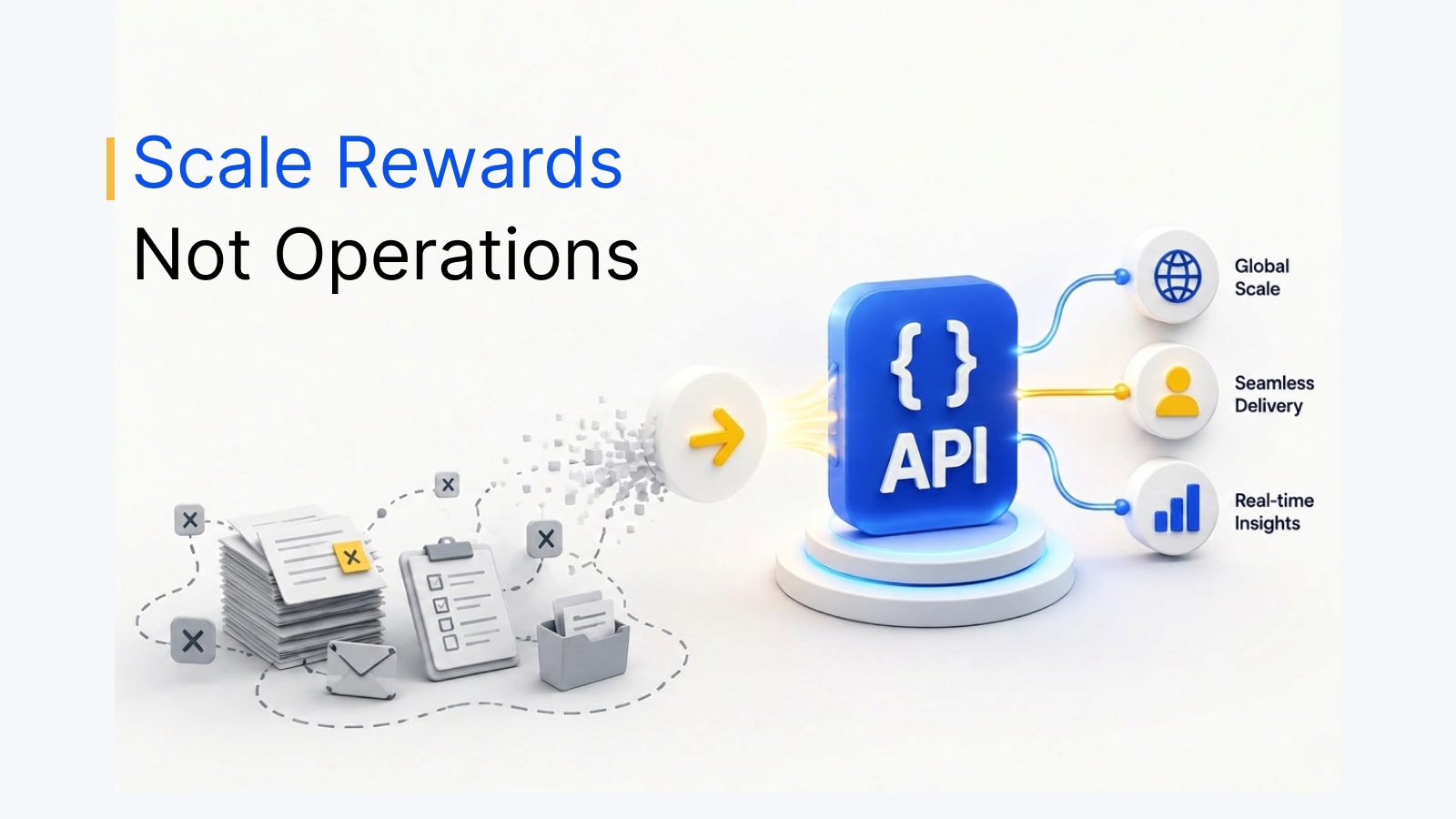
Running employee rewards across a distributed team involves more variables than most HR tools are built to handle: currency differences, catalog gaps by region, manual distribution, and no visibility into whether rewards were actually redeemed. Xoxoday Plum is built as reward infrastructure, not a gift card portal.
01 · 4 formats
Choose how to send
Points, codes, reward links, or direct brand gift cards. Match the right format to the right moment every time.
02 · Global reach
150+ countries, 50+ currencies
Reach employees anywhere. Recipients choose from local brand catalogs in their own currency, with no shipping coordination required.
03 · Empuls integration
Recognition and reward in one flow
When a manager recognizes an employee on Xoxoday Empuls, Plum can attach a tangible reward instantly. No platform switching required.
04 · Redemption data
Track what works
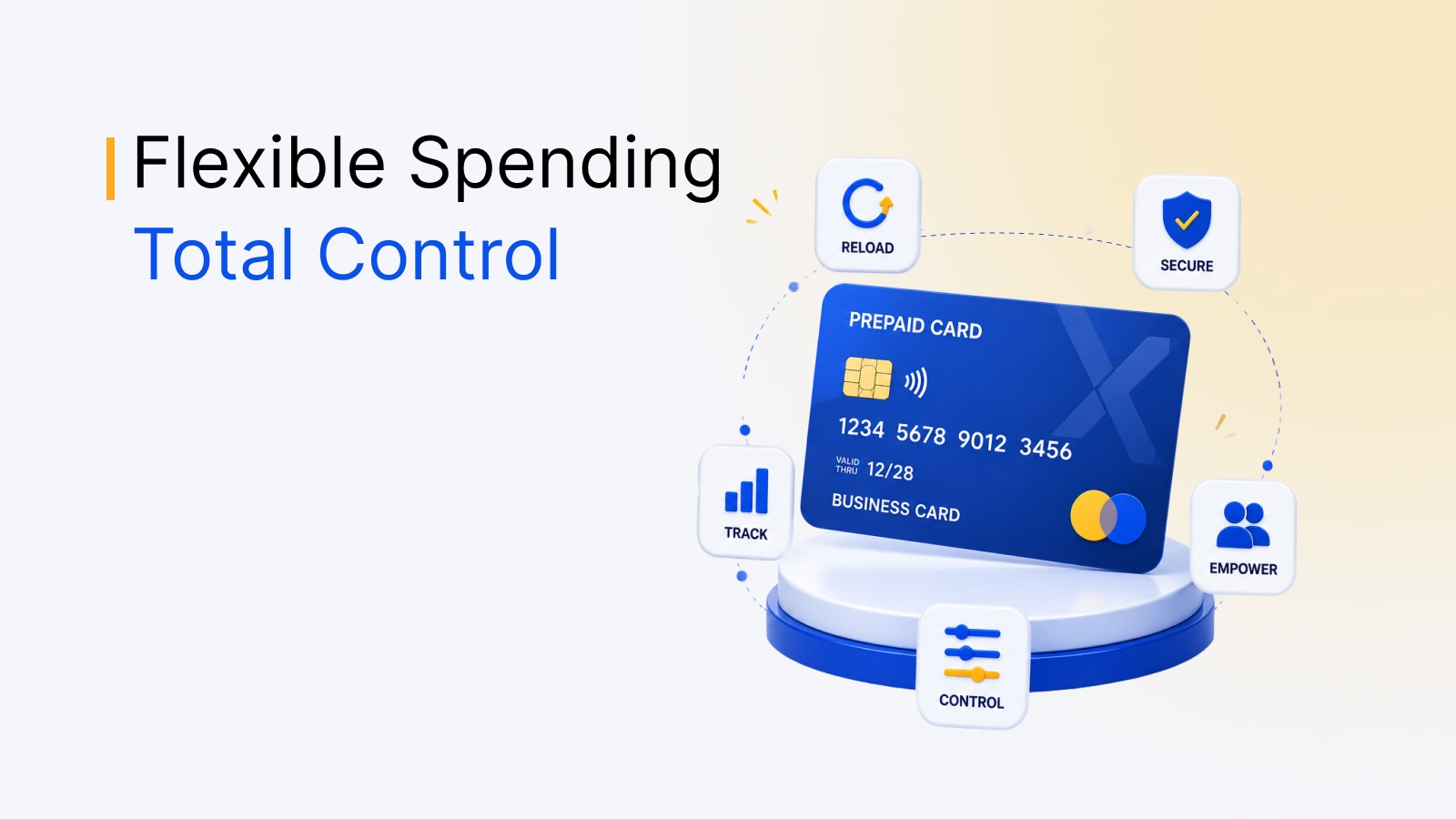
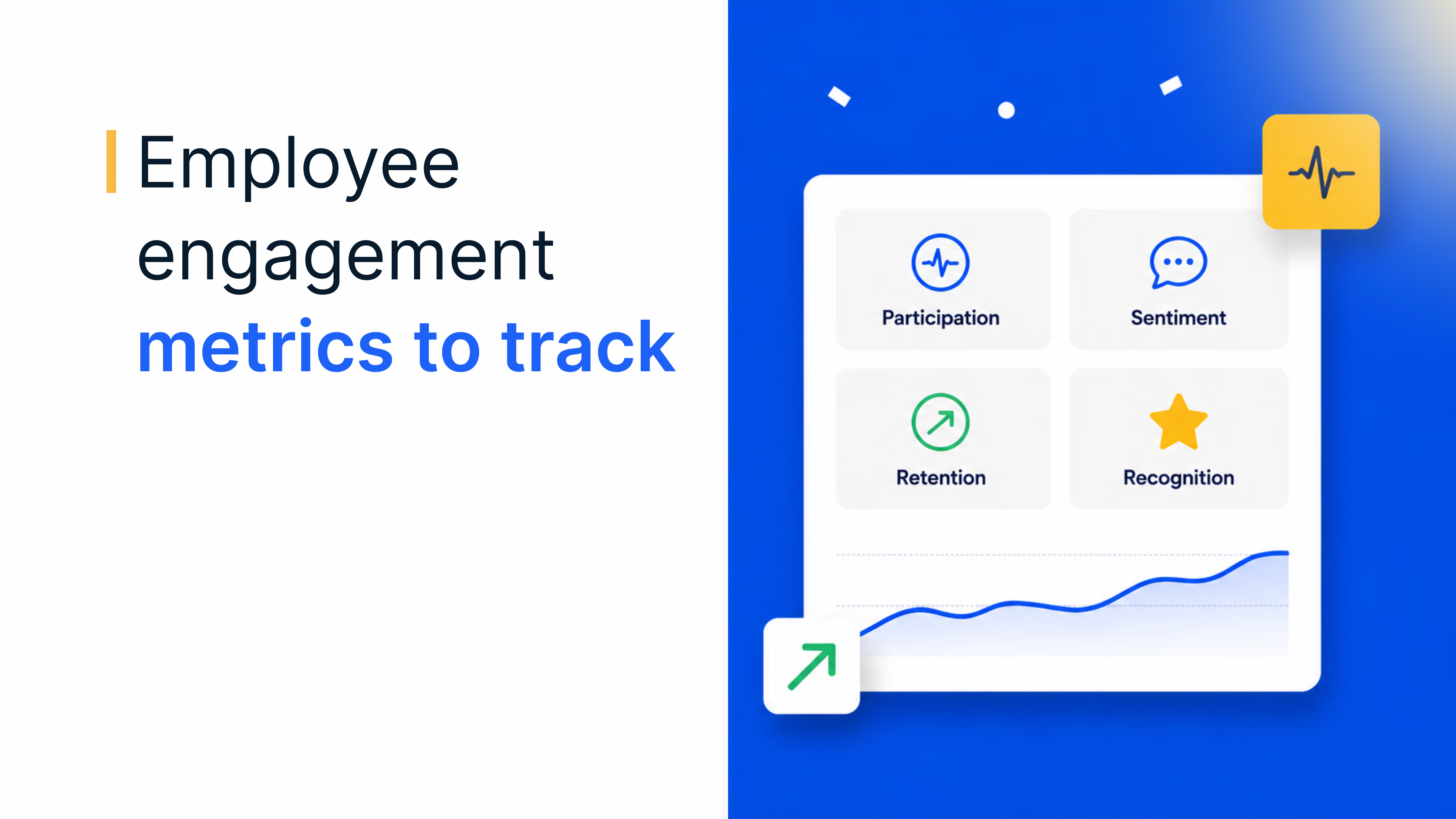
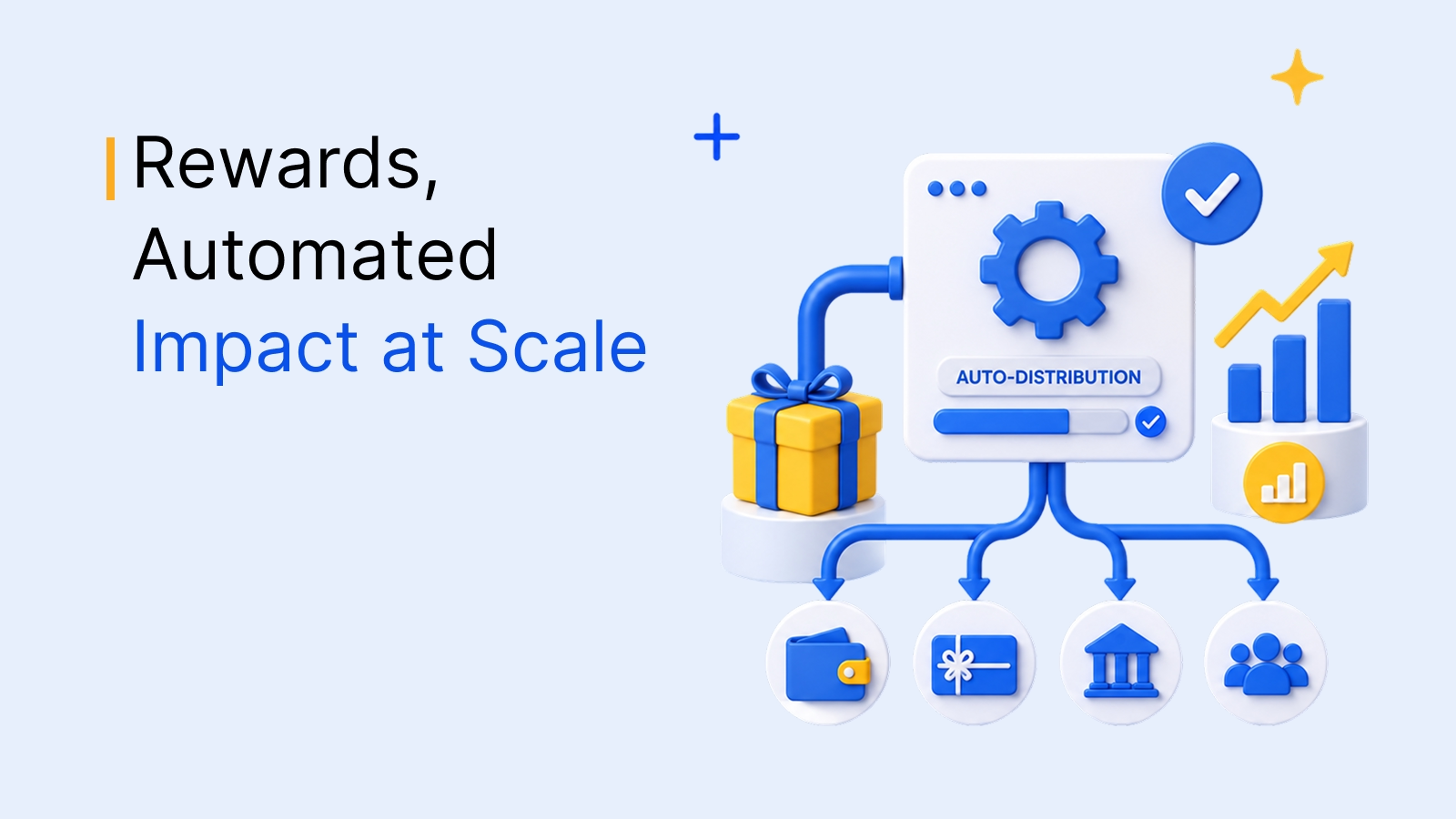
Visibility into which rewards connect and which do not. Adjust your program based on real redemption data, not assumptions.
5,000+
enterprises
150+
countries
10M+
rewards options
$5B+
rewards distributed
G2
Leader 2026
Your next step to a reward program that retains
Gift cards work. They are just not enough on their own.
The reward programs that actually reduce attrition treat recognition as a system, not a gesture. A mix of experiential, developmental, time-based, and digital rewards covers what a single format cannot. A platform that handles delivery, tracking, and global reach removes the admin friction that keeps HR teams from being intentional. The simplest place to start: ask your team what they actually want, then build from there.