Key Takeaways
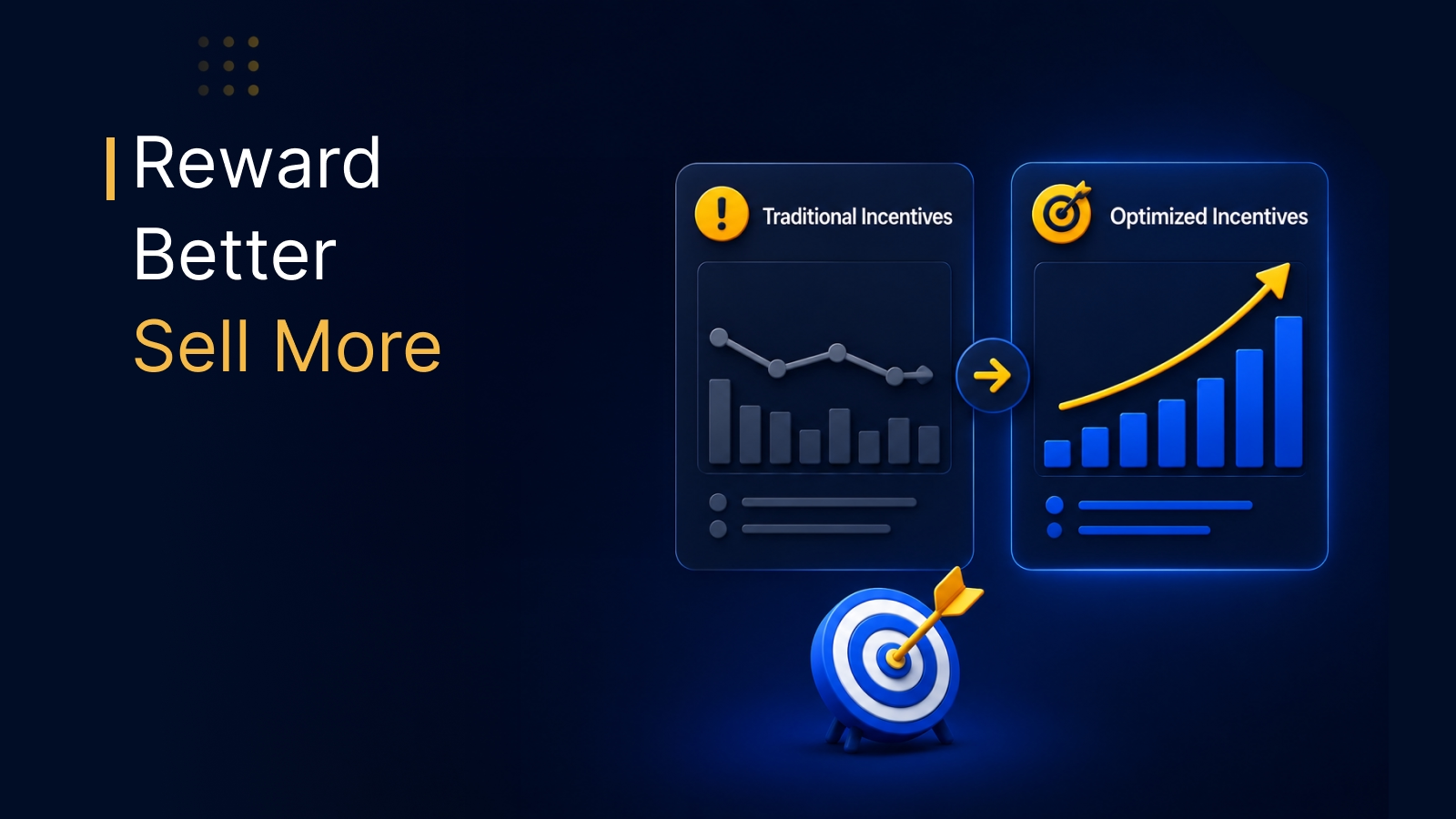
Raffles and sweepstakes barely beat offering nothing - certainty of reward matters more than the size of the prize.
Tiered incentives that reward quality over volume cut down on rushed, low-value survey responses.
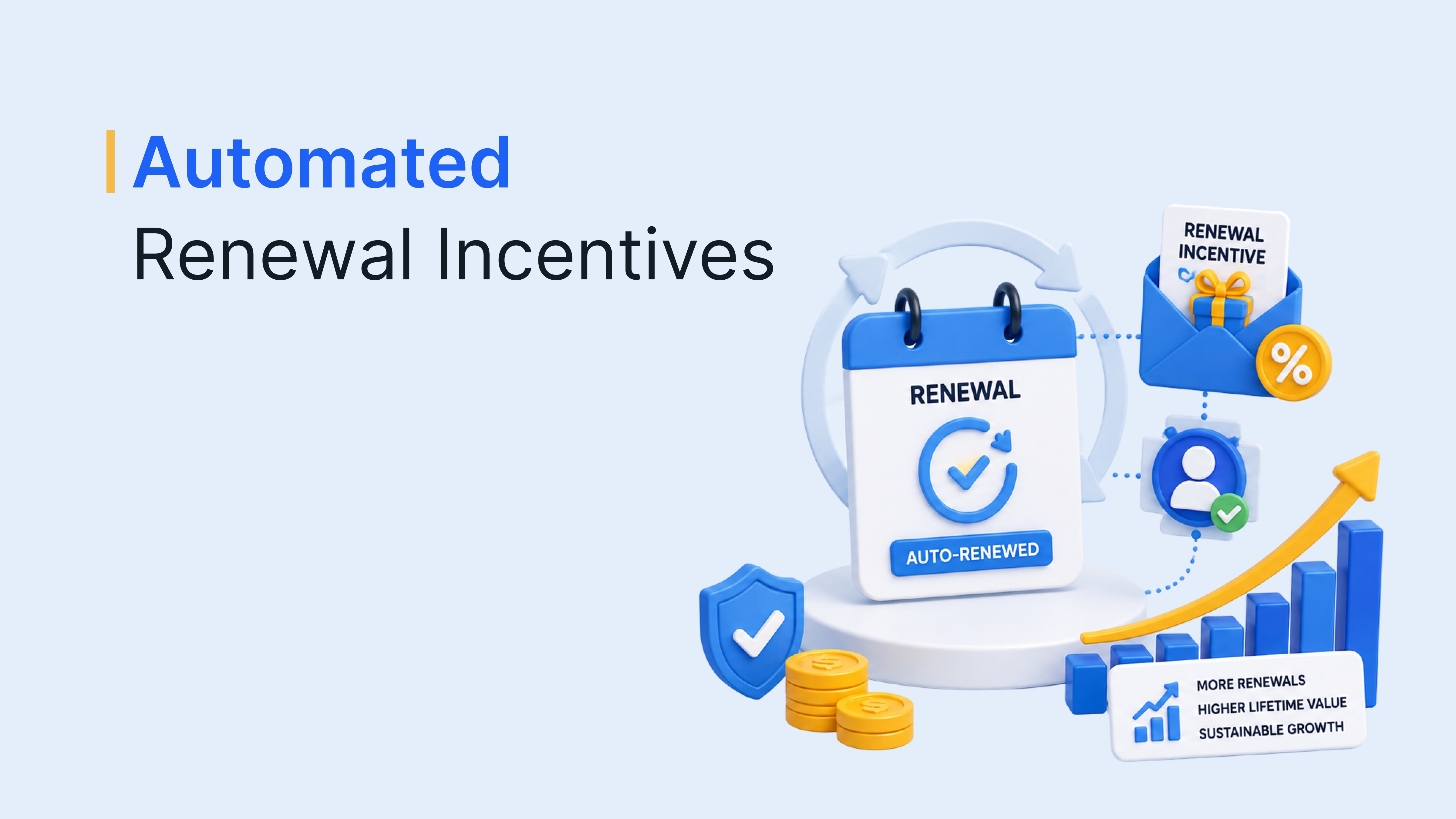
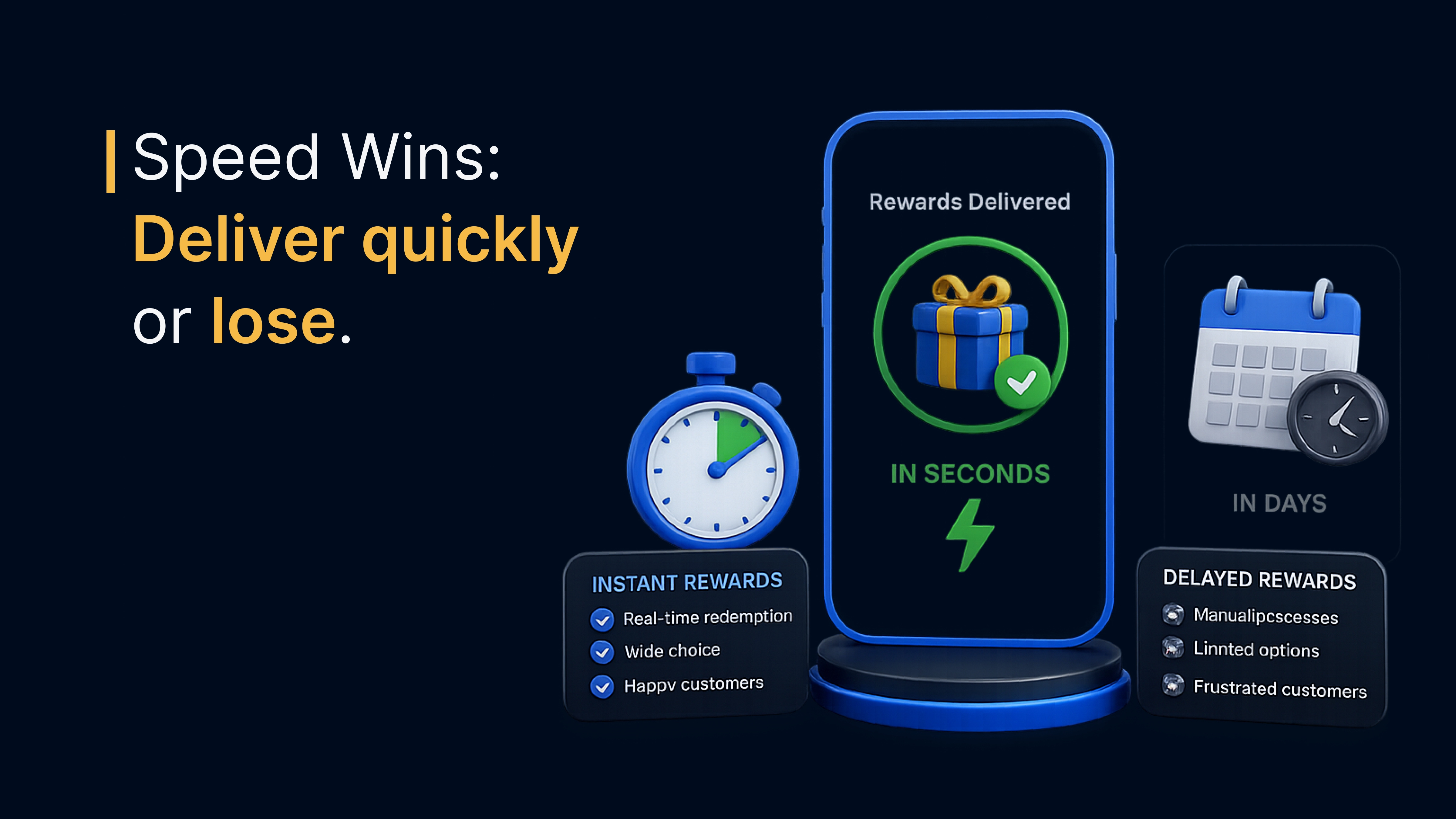
Automated reward workflows close the gap between survey completion and incentive delivery, and that gap is what kills repeat participation.
Most survey incentive advice assumes the problem is that you are not offering enough. It is not. The problem is that half the incentive ideas circulating in HR and research blogs have already been tested into the ground, and they do not move the needle the way people assume.
Gift cards, raffle entries, and "thank you for your time" emails have become so standard that respondents barely register them as a reason to click through. If your survey completion rate has been sliding for a few cycles running, the incentive itself is worth a second look before you touch the questionnaire.
This post walks through which incentive types actually move response rates, how to tier them so you are not overpaying for low-effort answers, and how to turn the whole process into something that runs itself instead of eating a coordinator's afternoon every cycle.
Why most incentive ideas fall flat (and what doesn't)
Most incentive programs fail for one of two reasons: the reward does not match the effort being asked, or it arrives too late to feel like a reward at all.
Gallup's own testing on prepaid cash incentives illustrates the first point sharply. A mail survey sent to households with no incentive drew an 11.8% response rate, while the same survey with a $1 bill included drew 26.3%. The incentive itself was almost trivial in value. What changed was the signal it sent.
| Stat | Value | Source |
|---|---|---|
| Response rate, no incentive | 11.8% | Gallup 2025 |
| Response rate, $1 prepaid incentive | 26.3% | Gallup 2025 |
| Response rate, $1 incentive (2022 test) | 16.8% | Gallup 2025 |
| Response rate, $2 incentive | 17.4% | Gallup 2025 |
| Response rate, $5 incentive | 21.4% | Gallup 2025 |
Sweepstakes and raffle-style incentives tend to underperform for a related reason. Research consistently finds that raffle-based incentives perform about the same as offering no incentive at all, largely because most respondents correctly assume they will not win.
The fix is not a bigger prize pool. It is choosing incentive formats that create an immediate, certain sense of exchange rather than a distant maybe.
Monetary ideas: gift cards, prepaid cards, cash payouts
Monetary incentives remain the most reliable lever for response rate, but the amount matters less than most teams assume.
In a controlled test comparing $1, $2, and $5 incentives, the $5 group produced a 21.4% response rate compared to 16.8% for $1 and 17.4% for $2. The $5 incentive won on raw response rate. But when Gallup measured cost per completed survey, the $1 incentive stayed the most efficient by a wide margin.
That distinction matters for how you plan a budget. A few monetary formats worth testing:
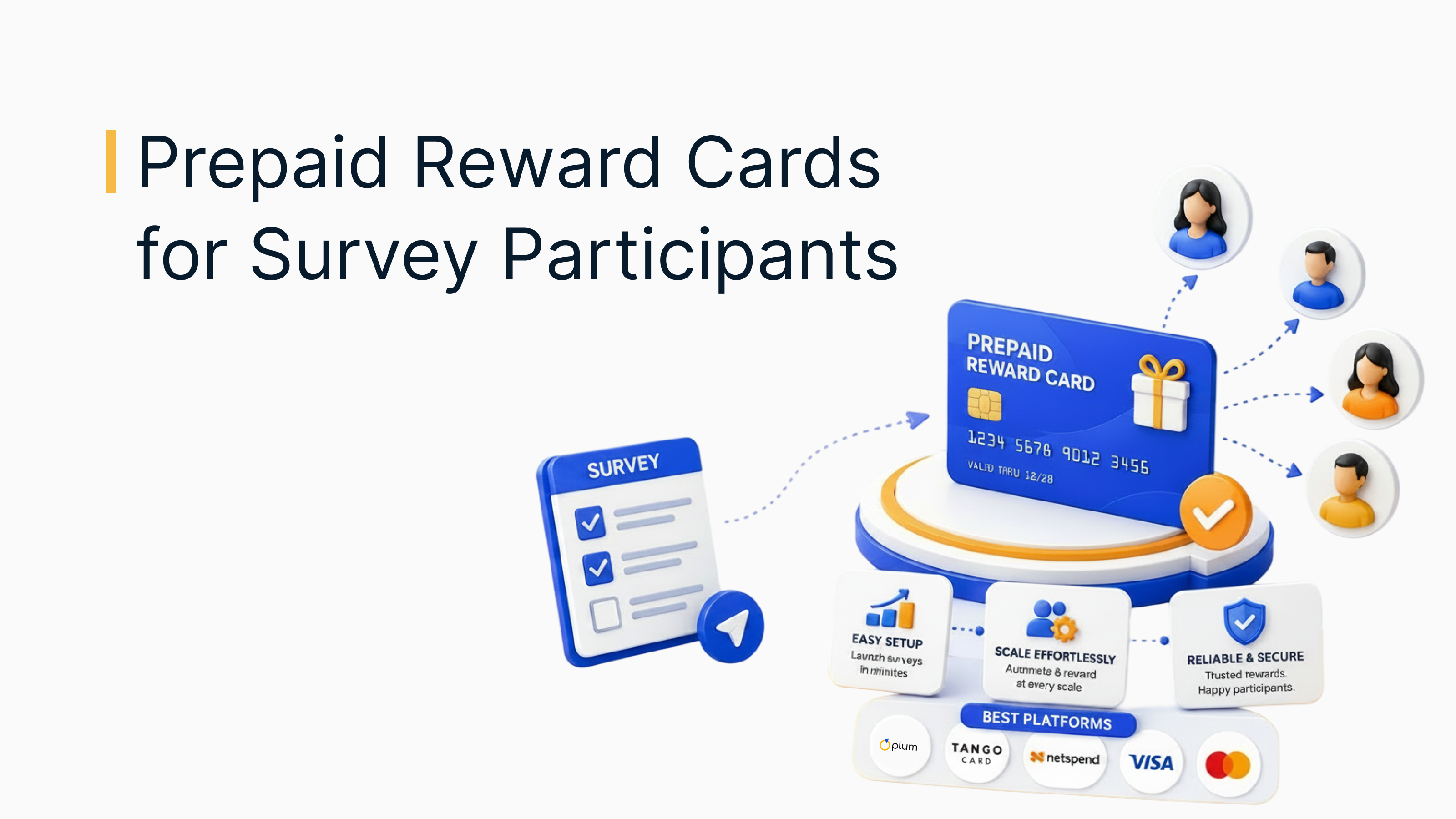
- Prepaid gift cards or cash sent upfront - most effective at converting reluctant or first-time respondents, since the reward arrives regardless of completion
- Postpaid gift cards tied to completion - easier to administer at scale, but weaker on trust unless delivery is instant
- Tiered cash-value rewards - a small guaranteed amount plus a larger reward for longer or more detailed responses
For B2B research specifically, the gap is even more pronounced: demand-gen incentive programs show unincentivized B2B surveys running at 3% to 5% response, versus 15% to 25% once a $25 to $50 reward is attached.
Non-monetary ideas: experiences, donations, recognition
Non-monetary incentives work best when the respondent pool already has some relationship with your brand or organization, rather than being a cold, anonymous panel.
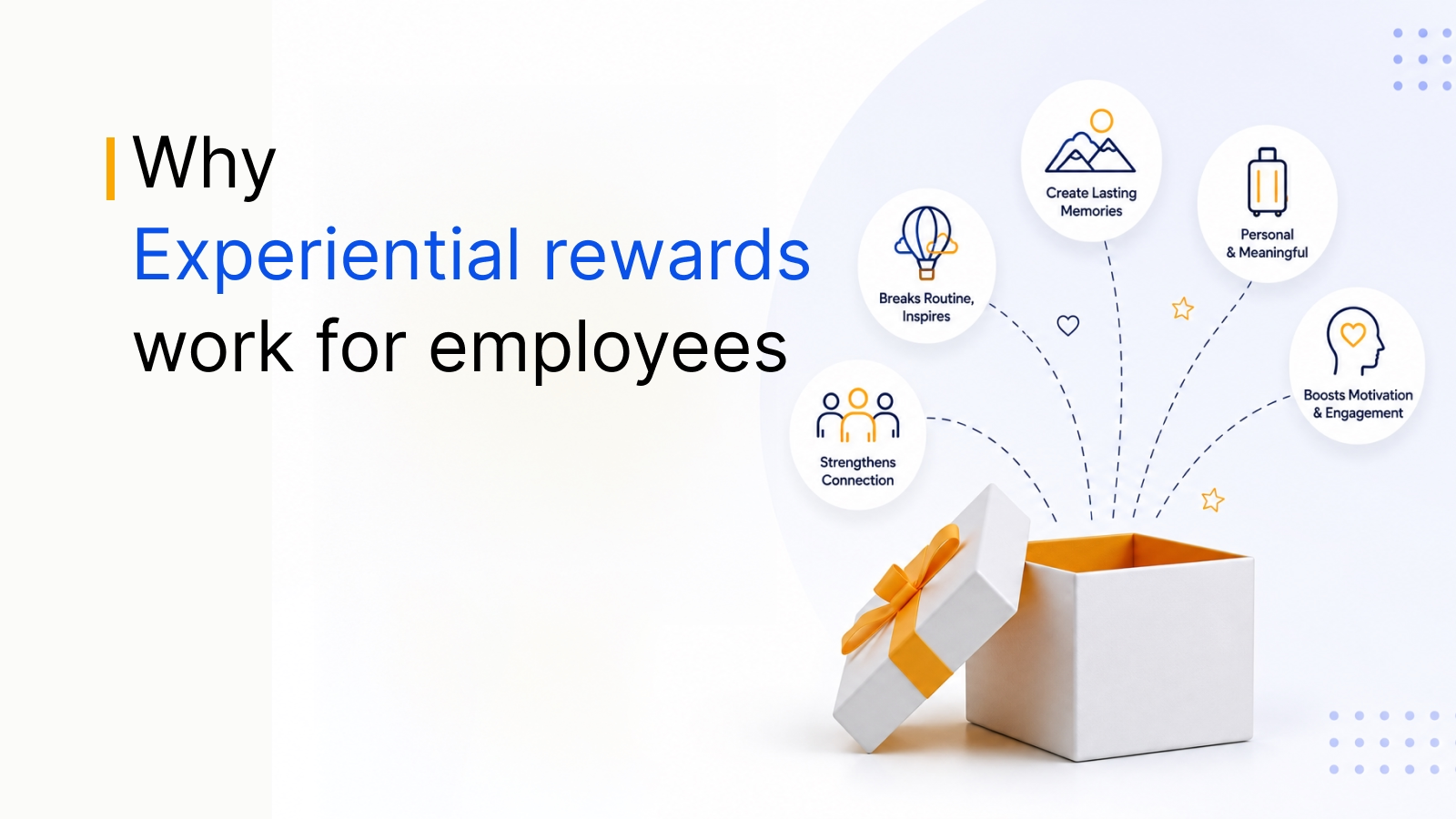
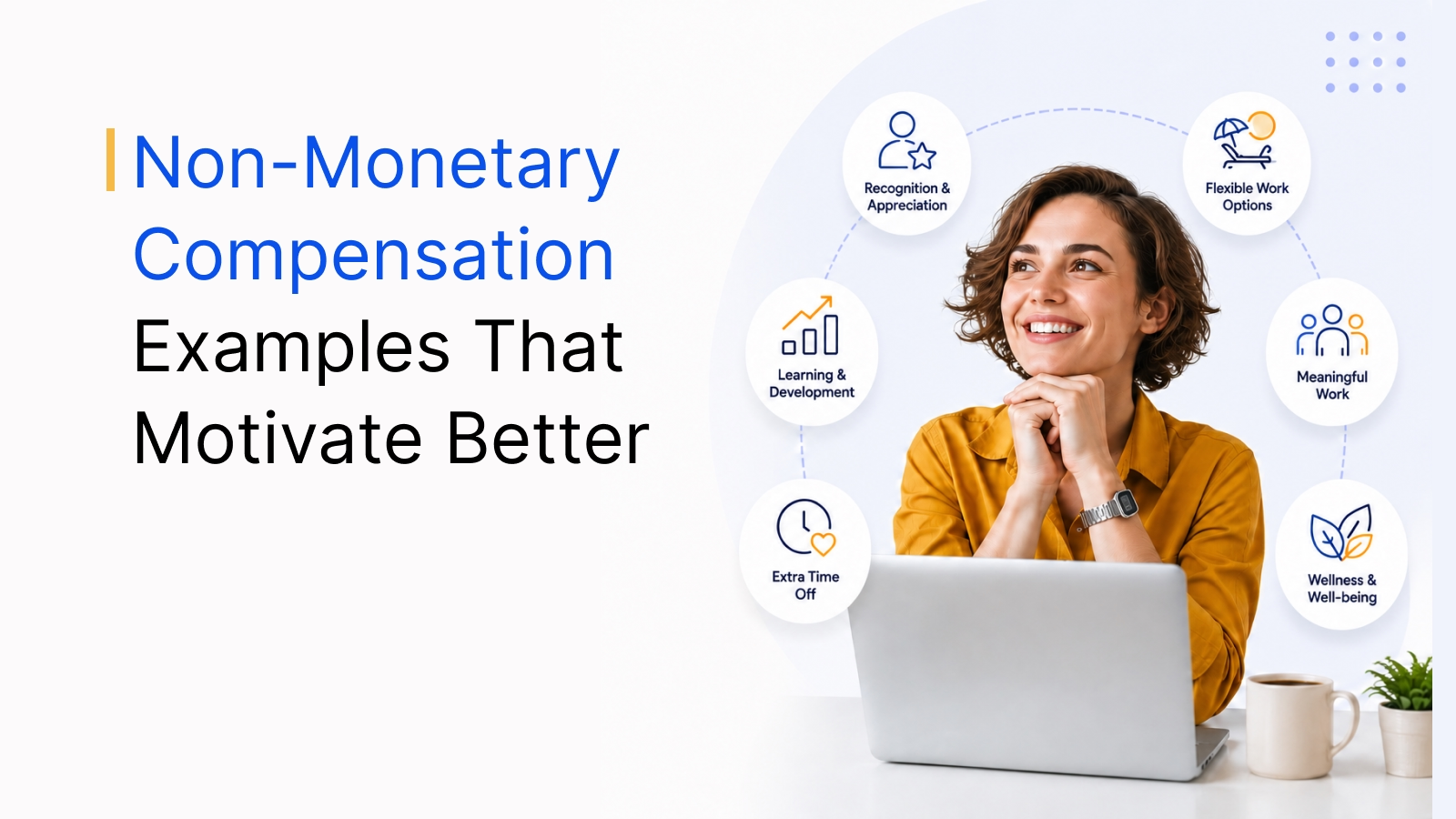
Charitable donation incentives, early access to results, or a small experiential reward can outperform a cash equivalent for engaged audiences, since the reward reinforces belonging rather than transacting for time. The format you choose should match how the recipient will actually receive it.
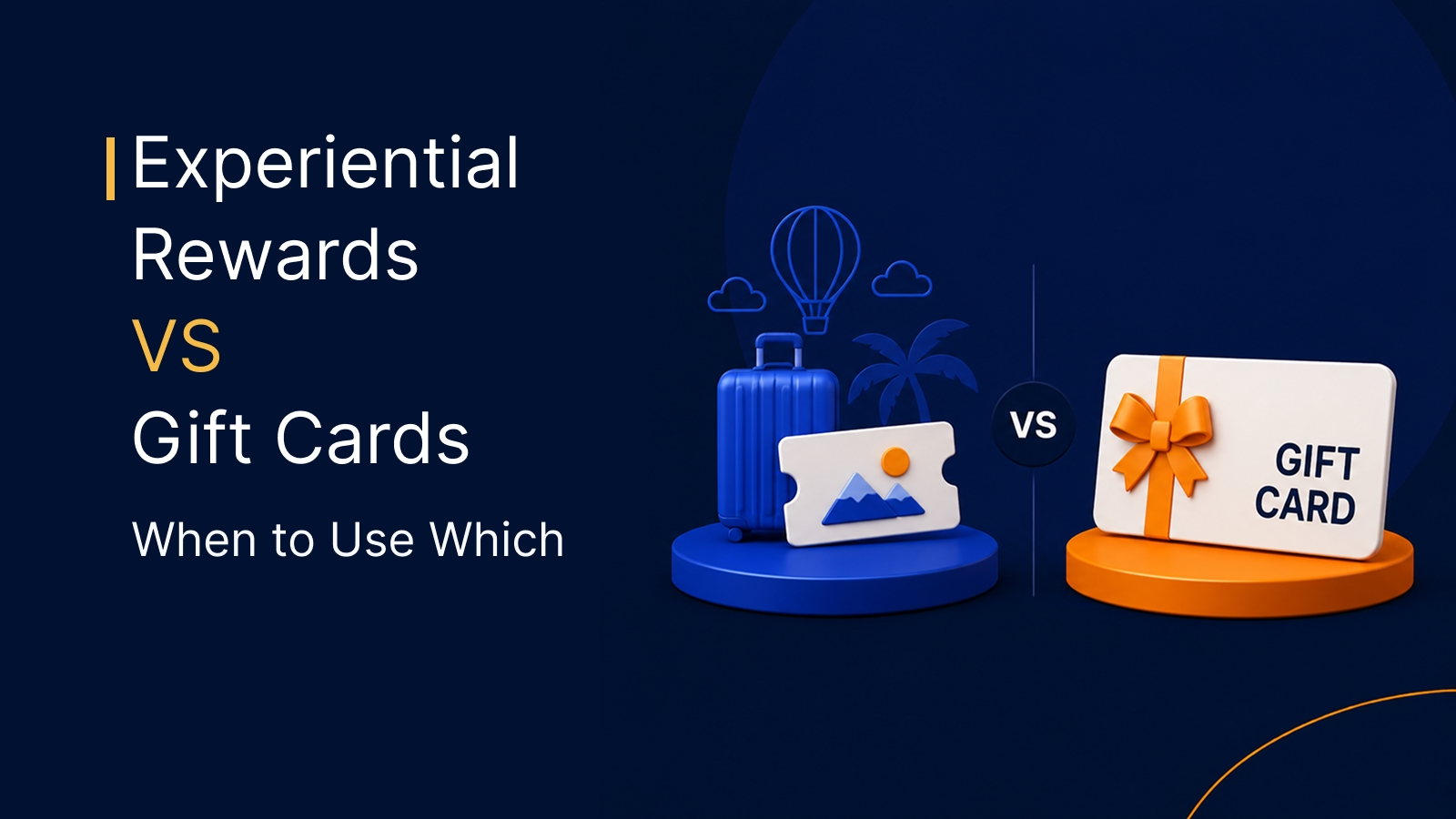
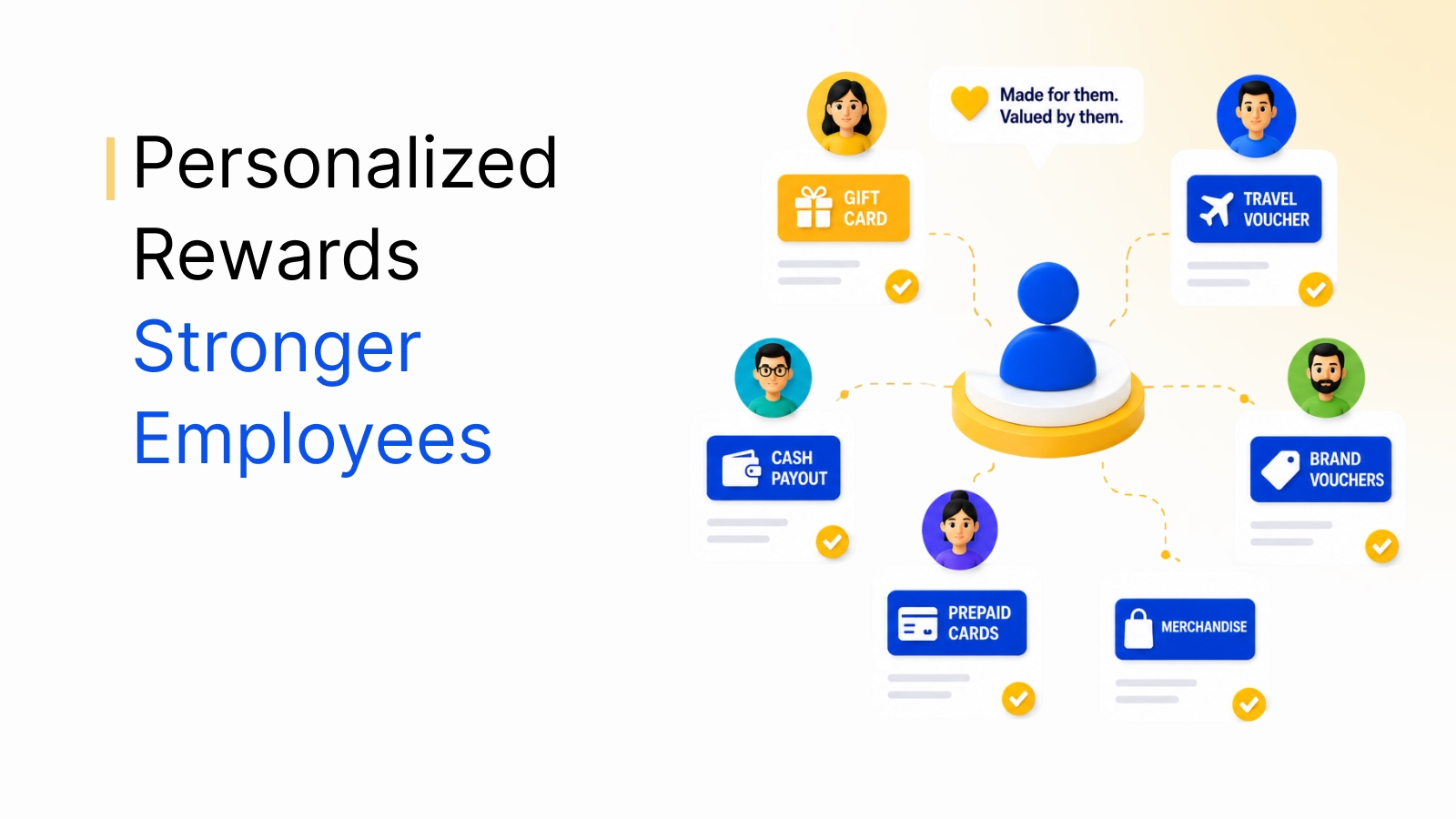
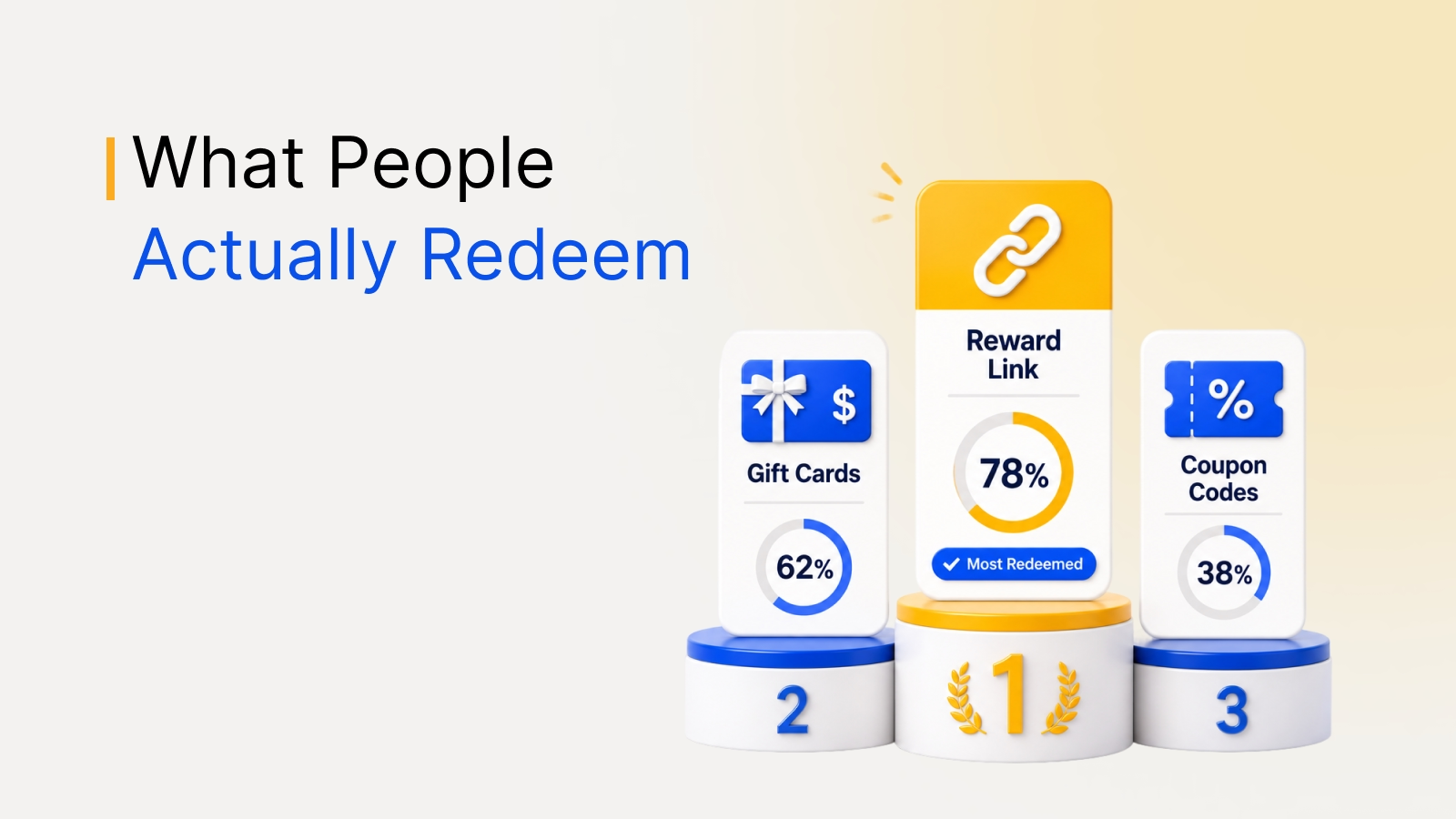
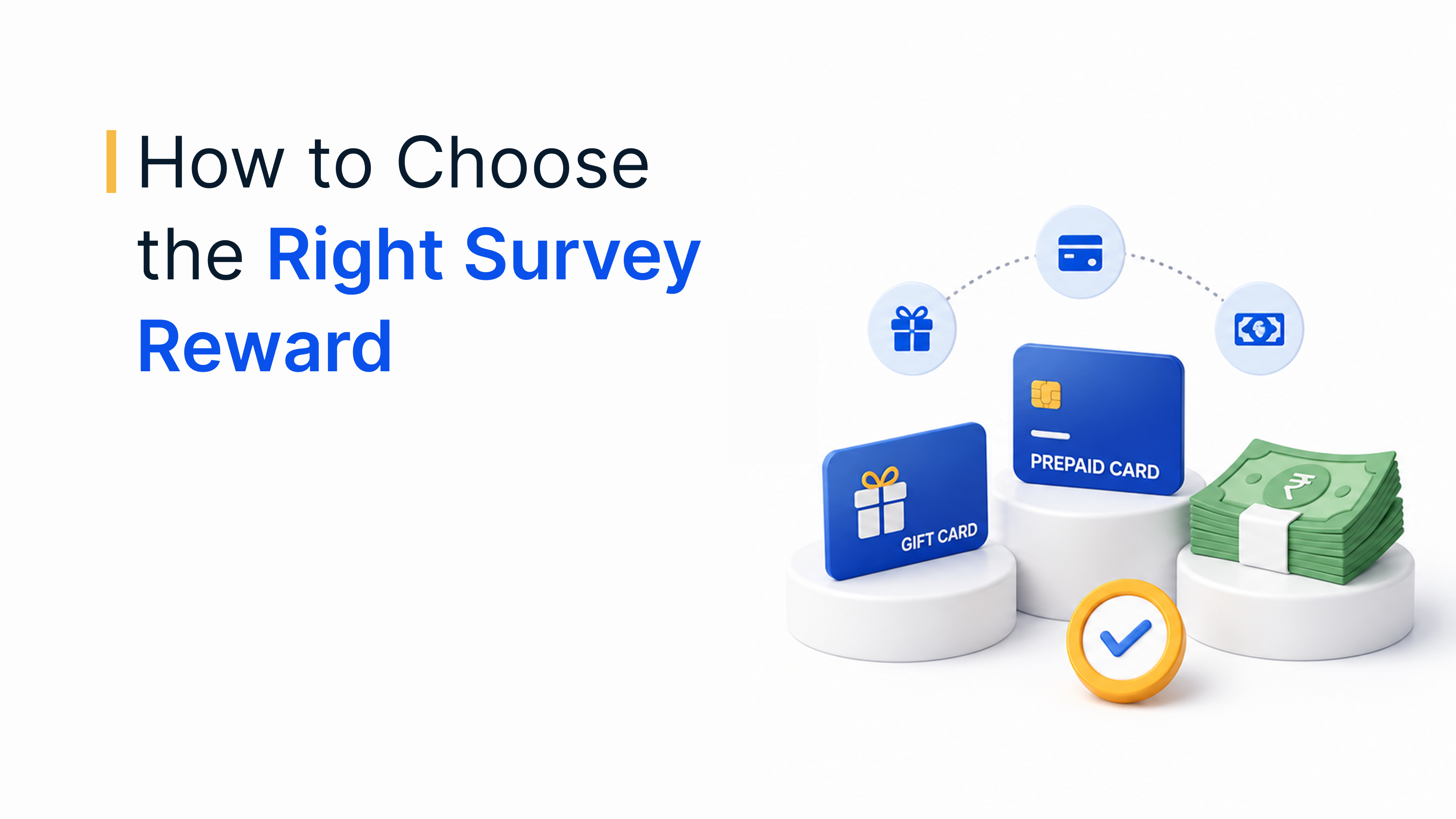
Reward links, gift cards, and coupon codes each solve a different distribution problem: reward links work best when you do not know a respondent's preference in advance, gift cards suit a known, defined audience, and coupon codes fit time-limited campaigns where urgency is the point.
Automate your survey rewards
See how automated reward links remove the manual step between survey completion and delivery.
See Plum in actionTrusted by 5,000+ companies
Tiered incentives: rewarding completion quality, not just volume
Flat incentives, where every respondent gets the same reward regardless of effort, tend to attract rushed, low-value answers once word spreads that the survey is quick to farm.
Tiering the reward against response quality changes that incentive structure directly. A short screener question, a minimum word count on open-ended fields, or a completion-time floor can all serve as simple quality gates before the top-tier reward unlocks.
A workable tiering model:
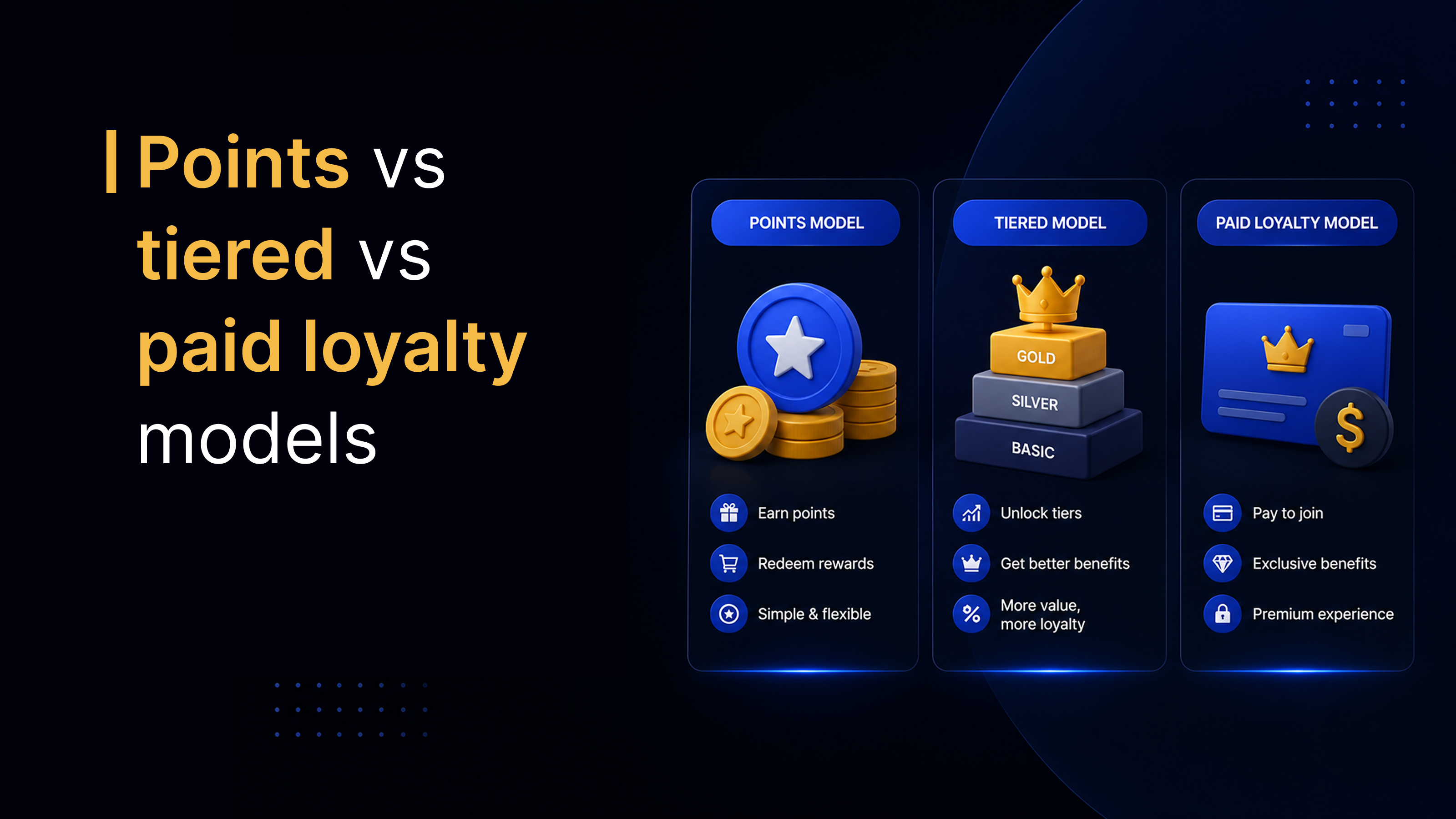
- Base reward for completing the survey at all, sent instantly to preserve trust
- Mid-tier reward for passing basic quality checks, such as minimum time-on-survey
- Top-tier reward for detailed open-ended responses or panel-level engagement over time
This structure costs slightly more to administer, but it filters out the click-through-for-reward respondents who skew your data without adding insight.
Creative low-effort ideas for tight budgets
Not every team running a survey has a market-research budget behind it. A few incentive ideas hold up even at minimal spend:
- Results-sharing as the reward - offering respondents the aggregated findings once the survey closes
- Small guaranteed token incentives - a $1 to $2 prepaid amount, which outperforms larger postpaid rewards on a cost-per-response basis
- Peer recognition or shoutouts - effective for internal employee surveys where visibility carries social value
- Priority access - early access to a new feature, program, or product in exchange for feedback
The common thread across all of these is that they cost little per respondent but still create the sense of exchange that drives completion.
Incentive ideas by survey type (CX, market research, UX, HR)
The right incentive format shifts depending on who you are surveying and why.
| Survey type | Typical audience | Incentive that performs best | Why |
|---|---|---|---|
| CX / NPS | Existing customers | Small discount or loyalty points | Reinforces existing relationship |
| Market research | Cold panelists | Prepaid cash or gift card | No existing trust to lean on |
| UX research | Product users | Priority access or feature credit | Aligns with product-usage motivation |
| HR / employee | Internal staff | Recognition or reward tied to action on results | Signals feedback leads somewhere |
For CX and market research programs specifically, customer incentive ideas built around conversion tend to translate well into survey completion mechanics, since both are solving the same "why should I bother" problem from the respondent's side.
How Xoxoday Plum approaches this
Most of the incentive ideas above work in theory and fall apart in execution, because someone still has to manually source the reward, track who completed the survey, and send it out one at a time.
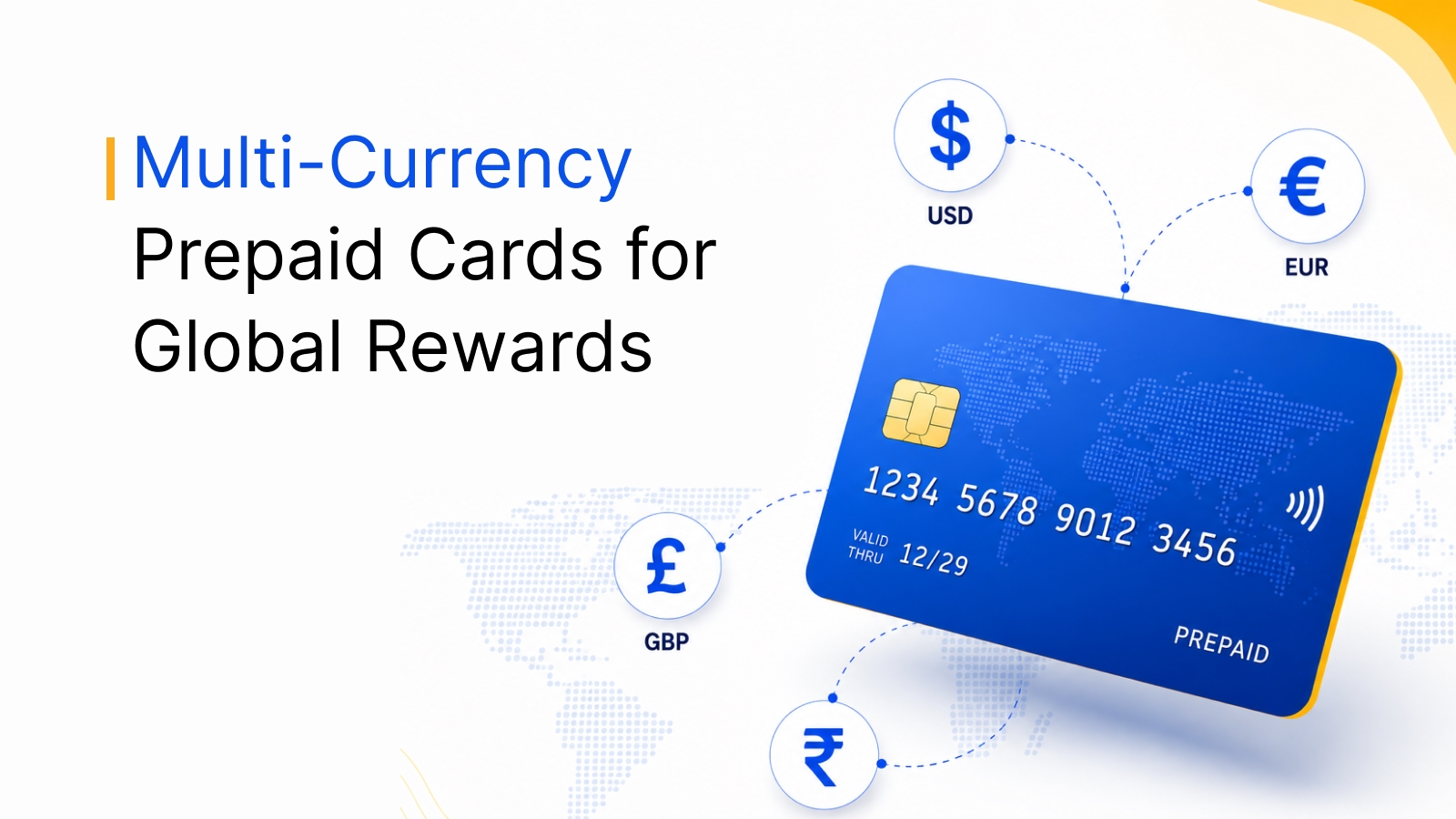
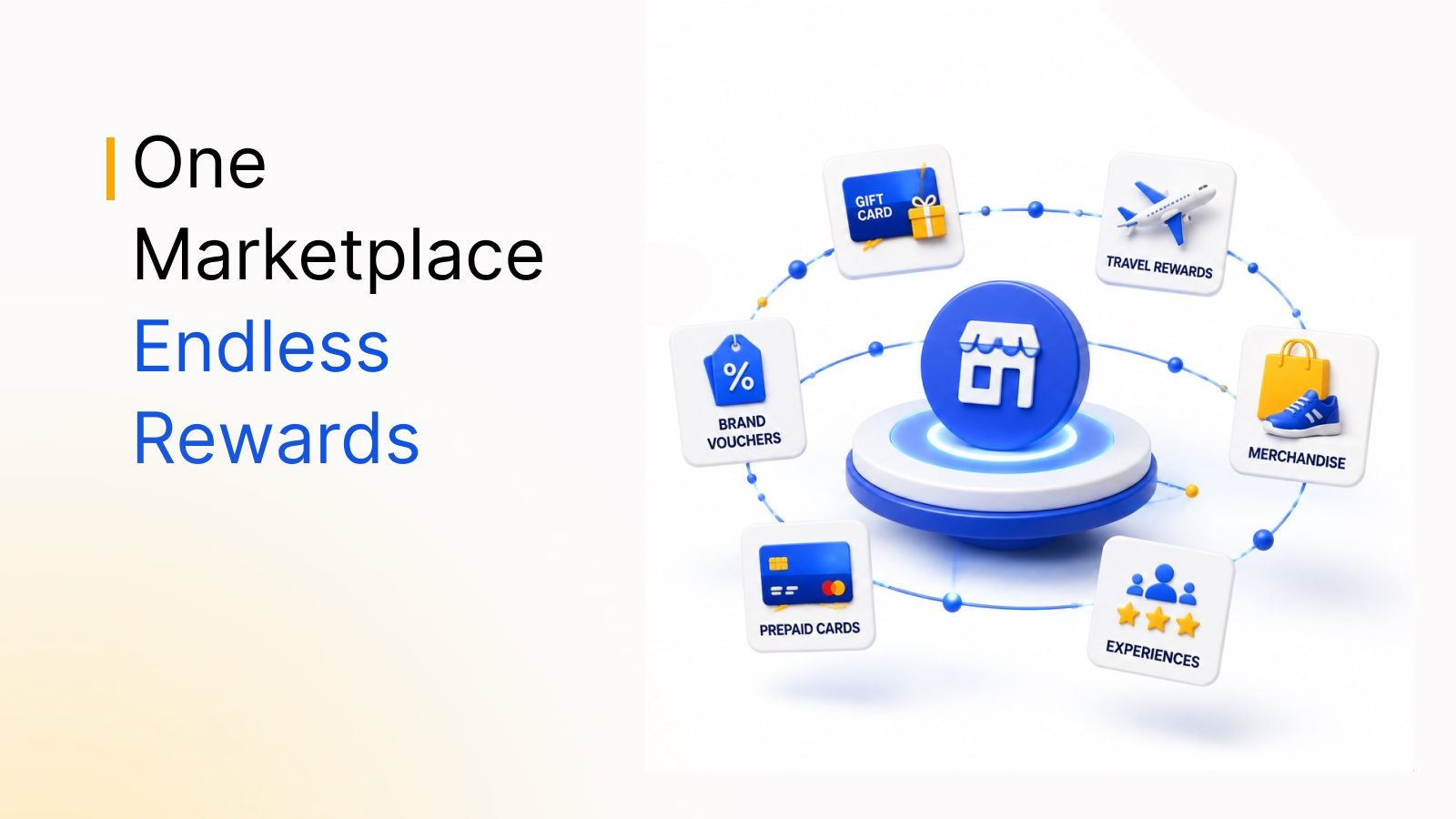
Xoxoday Plum's rewards catalog spans 10M+ options across more than 150 countries, distributed through gift cards, reward codes, and reward links, so a global research panel or distributed employee base can be rewarded in a currency and format that actually feels local. A global market-research firm consolidated 16 separate regional reward vendors into a single platform connected via API, cutting fulfillment down from a multi-day manual process to instant delivery at survey completion.
The same pattern shows up in privacy-sensitive research contexts, where panelist data cannot leave the researcher's own systems. Connecting a survey tool's completion trigger directly to a rewards API means the incentive fires the moment the respondent submits, without anyone on the research team touching a spreadsheet or a vendor portal.
How to A/B test your incentive ideas
Incentive testing follows the same logic as any other conversion test, but the variable you are optimizing for is completion, not click-through.
- Hold format constant, vary amount - test $1 versus $5 within the same incentive type to find your actual cost-per-response curve
- Hold amount constant, vary format - test a gift card against a charitable donation of equal value
- Test timing - prepaid versus postpaid delivery of the identical reward
Run each test for a full survey cycle before drawing conclusions. A single week of data is rarely enough to separate incentive effect from normal week-to-week response variance.
Turning ideas into an automated reward workflow
Every incentive idea in this post assumes someone can execute it reliably at whatever scale the survey program runs at. That assumption breaks down fast once a program grows past a few hundred respondents.
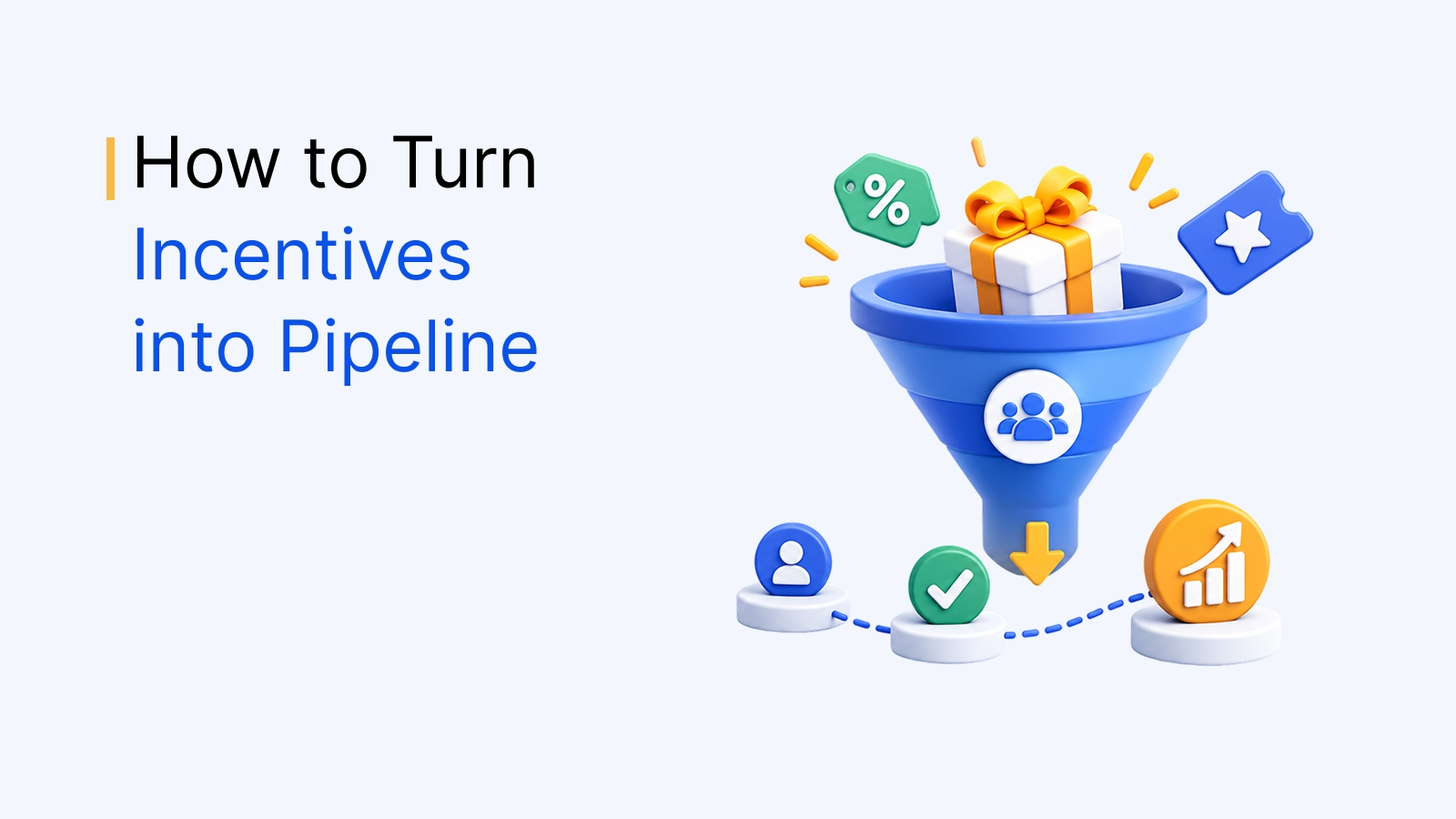
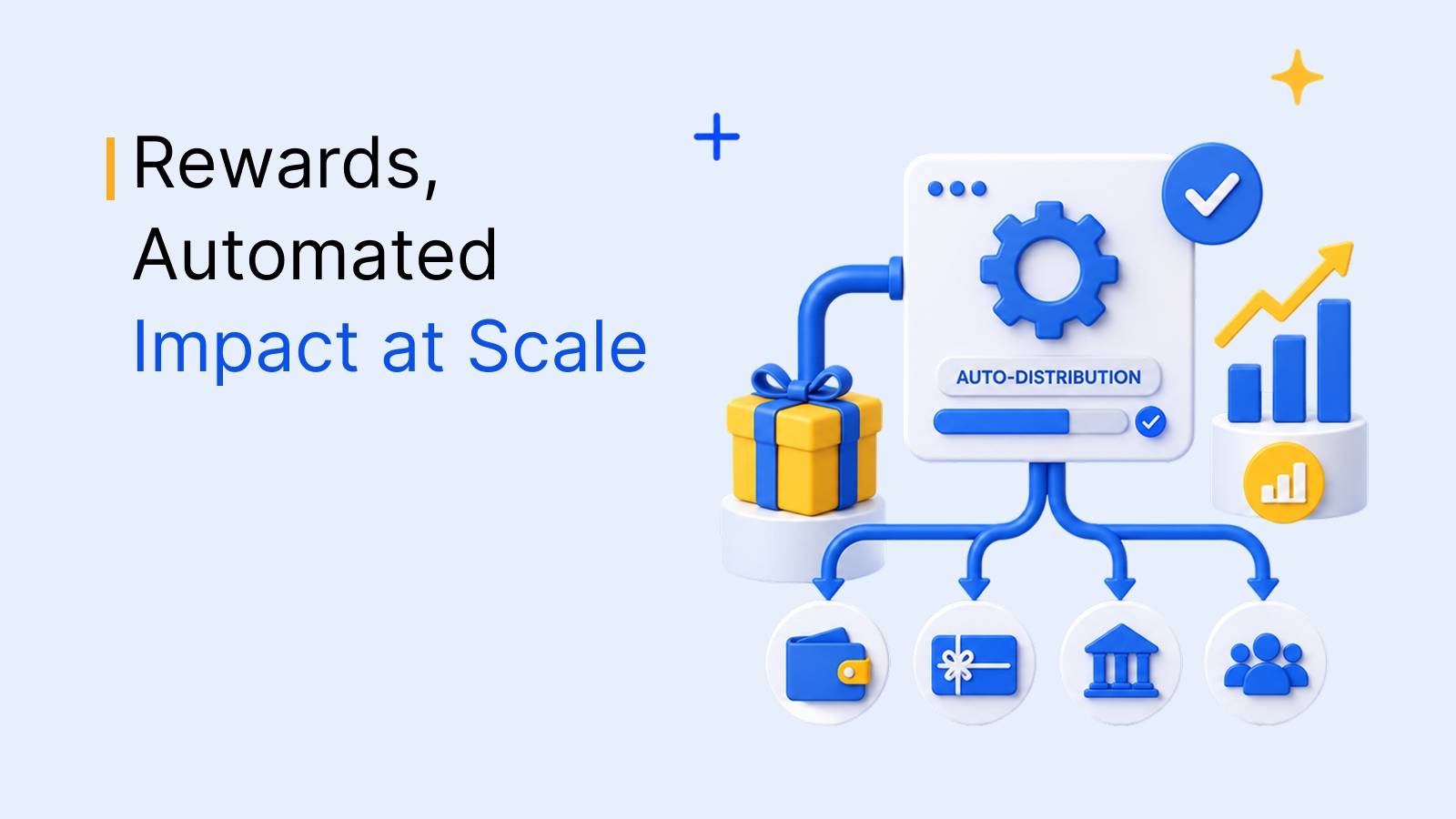
The manual version of this workflow looks the same everywhere: source the reward, log the respondent, send the reward, reconcile the spend, repeat per person. Automating reward distribution replaces that sequence with a single trigger. Survey completion fires an API call, the reward generates in the respondent's local currency and preferred format, and the spend reconciles in one dashboard instead of a dozen vendor invoices.
For a research consultancy running incentive programs through SurveyMonkey, this kind of native integration cut per-respondent admin time from 5 to 10 minutes down to effectively zero, while moving delivery from multiple days to instant.
Common mistakes to avoid
- Mismatching incentive value to survey length - a $2 reward for a 20-minute survey signals disrespect for the respondent's time
- Relying on raffles for hard-to-reach segments - raffles perform close to a zero-incentive baseline
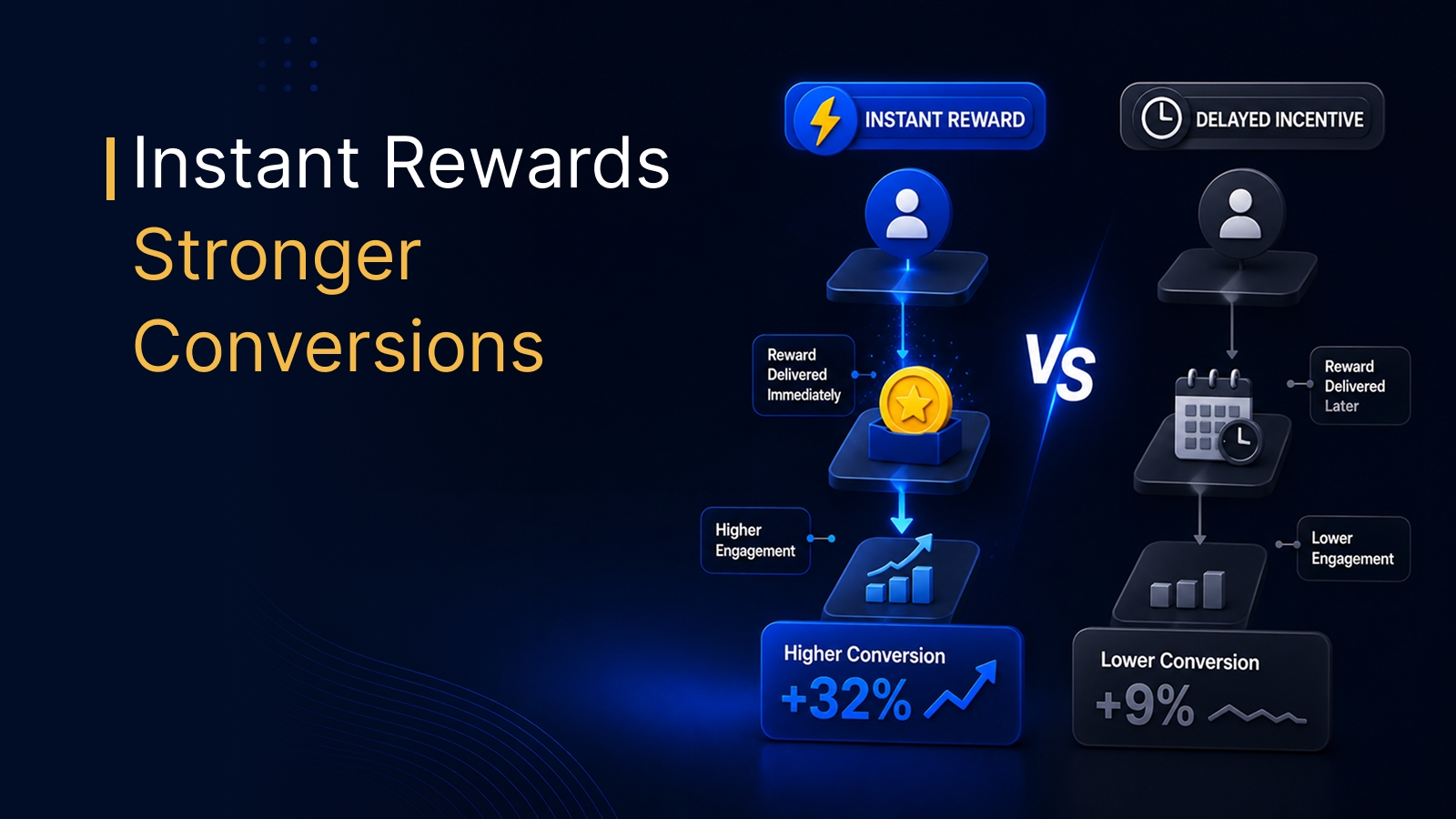
- Delaying delivery past the moment of completion - every day of delay erodes trust for the next survey cycle
- Requiring PII to receive a reward - this depresses response rates among privacy-conscious segments
- Treating the incentive as a fixed cost rather than testing it - teams that never test leave real gains on the table
Your next step to fixing survey participation
The incentive ideas that work share the same core traits: certainty, speed, and a fair match between reward and effort. Everything else is a variation on those three levers.
Once the incentive strategy is right, the remaining bottleneck is almost always delivery. Closing that gap is what turns a one-off response-rate bump into a survey program that keeps performing cycle after cycle.