Key Takeaways
Commodity and agri brands must fix operational reliability before adding loyalty mechanics
Cash-equivalent payouts beat aspirational rewards catalogs in low-engagement categories
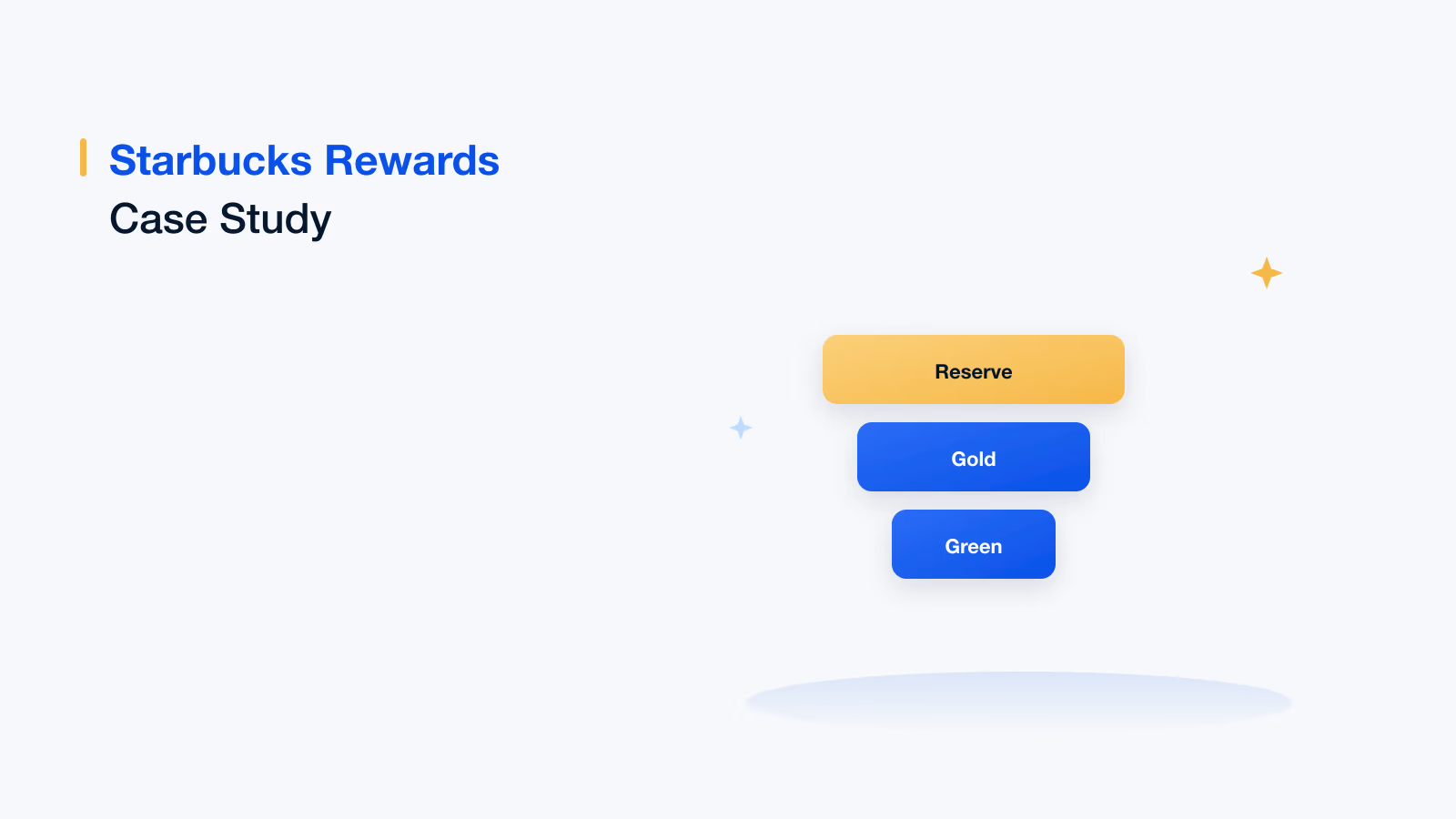
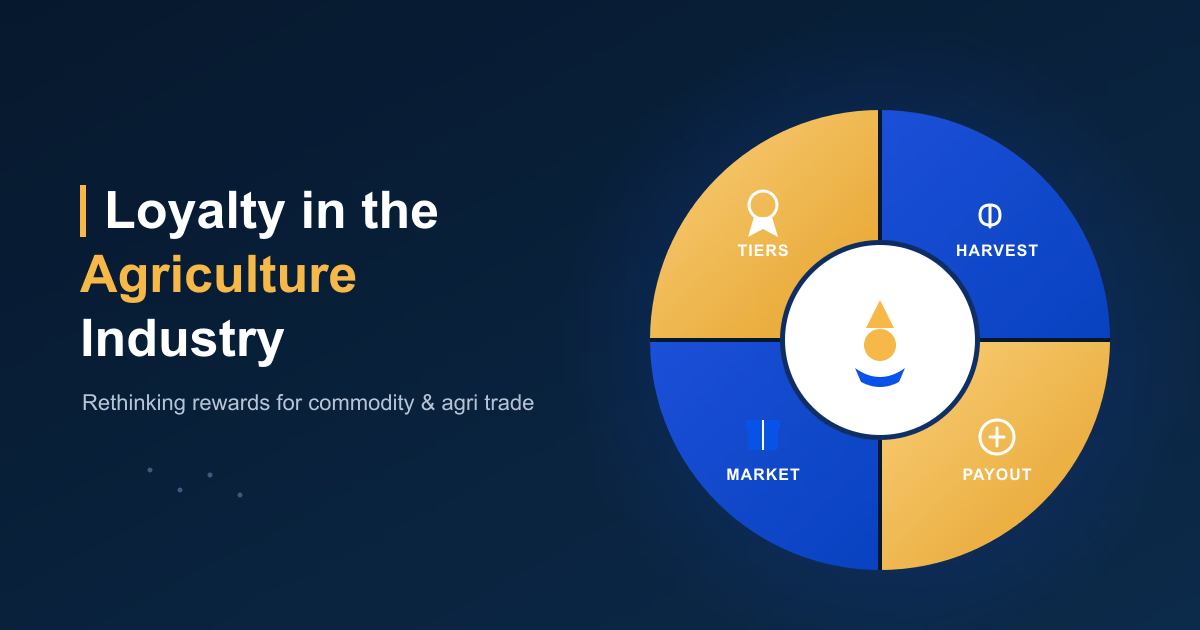
Tiers and a redemption marketplace work as a second layer, once the core loop is trustworthy
Loyalty programs are easy to picture for airlines, retail chains, or credit cards. They're much harder to picture for agriculture - for seed, feed, fertilizer, or grain. Yet some of the most interesting loyalty design challenges today are showing up across agri trade - categories where the product is a staple or input, margins are thin, and the "customer" might be buying based on price alone, not brand affinity.
A recent loyalty rollout in the rice industry offers a useful window into how this actually plays out in practice - and the same pattern holds across most agricultural categories, from grain and pulses to seed and agri-inputs.
The challenge: loyalty for a low-engagement category
Commodity goods like rice, grains, and other agri staples come with a specific set of loyalty design problems:
- Low natural engagement. Nobody opens an app to check their rice loyalty points the way they might check a credit card rewards balance.
- Price sensitivity. Buyers often switch brands based on cost, not loyalty, making retention harder to earn.
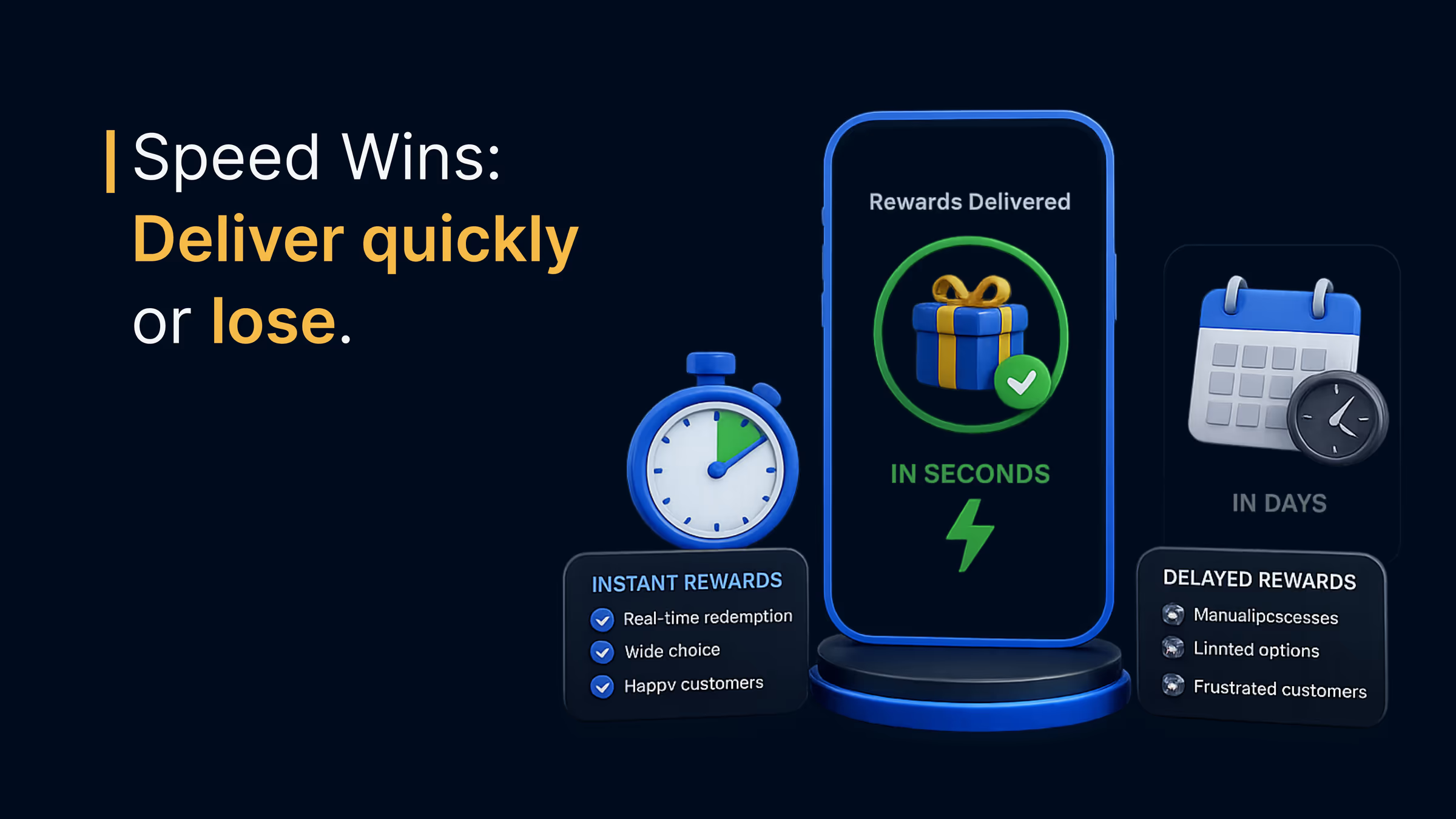
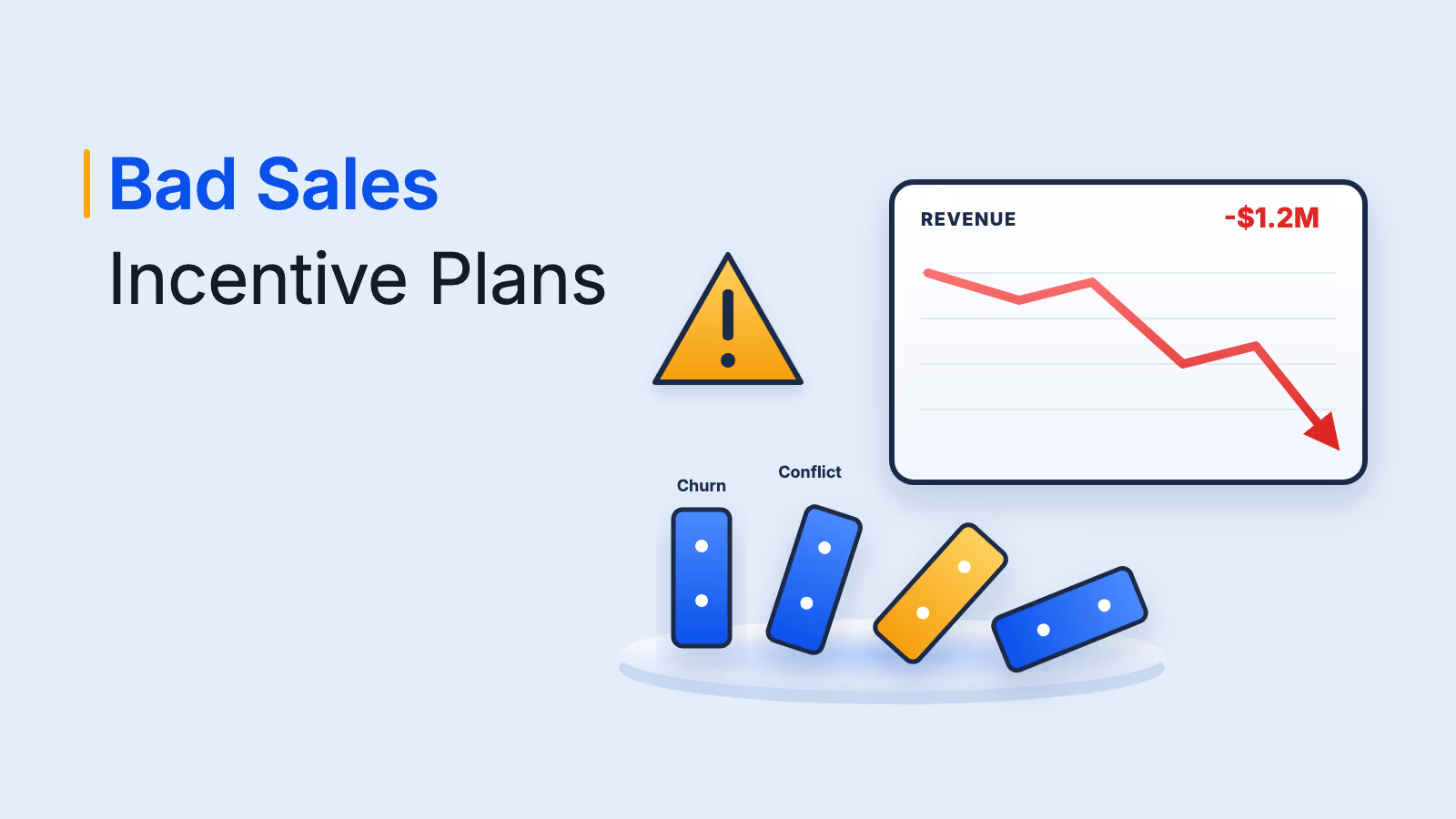
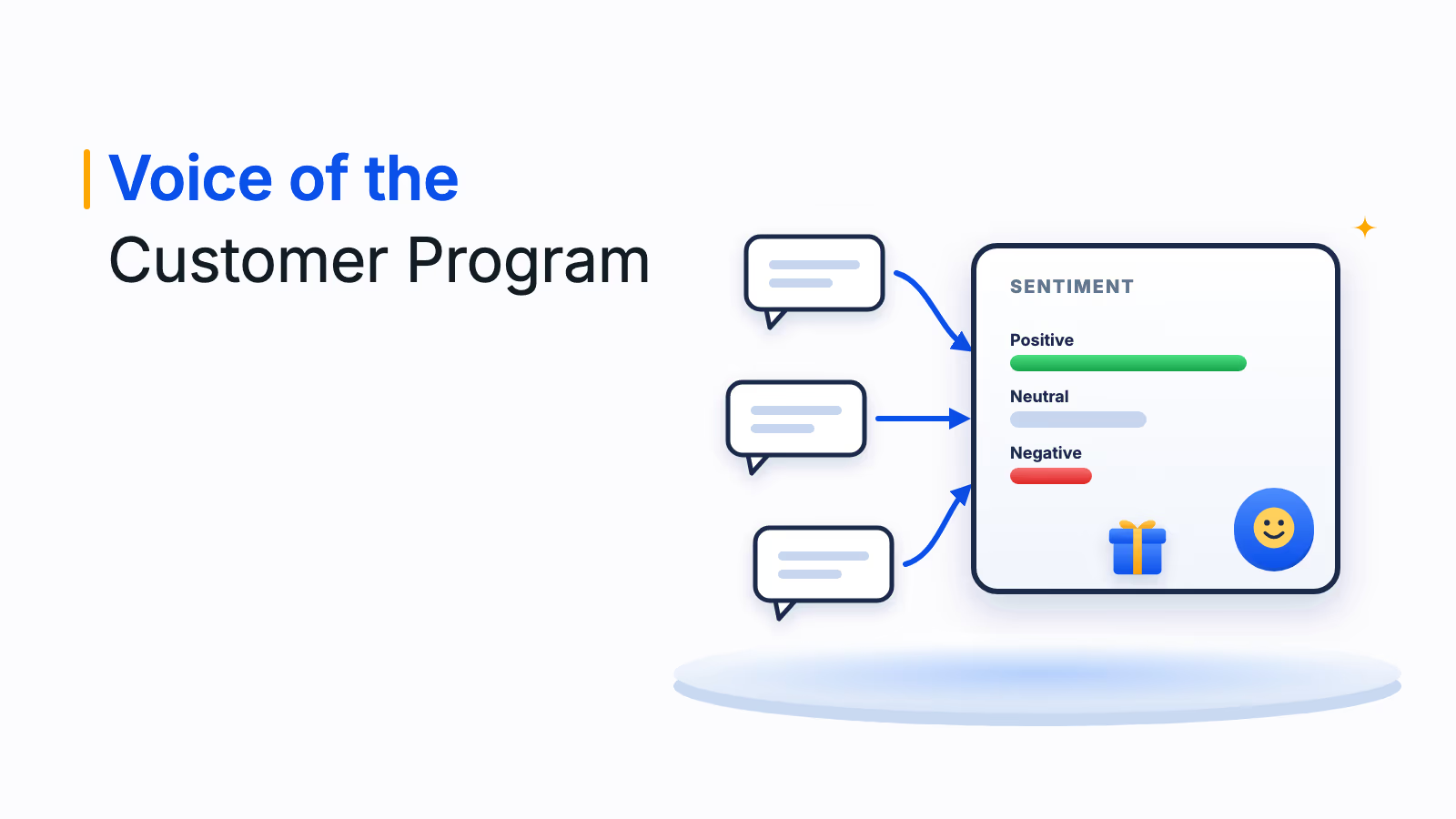
- Operational fragility. In one real deployment, wallet uploads were taking 7–10 days, disrupting the reward experience before it even started. Reporting lacked the depth needed for real decisions, and UI stability issues were eroding user trust before the program could prove its value.
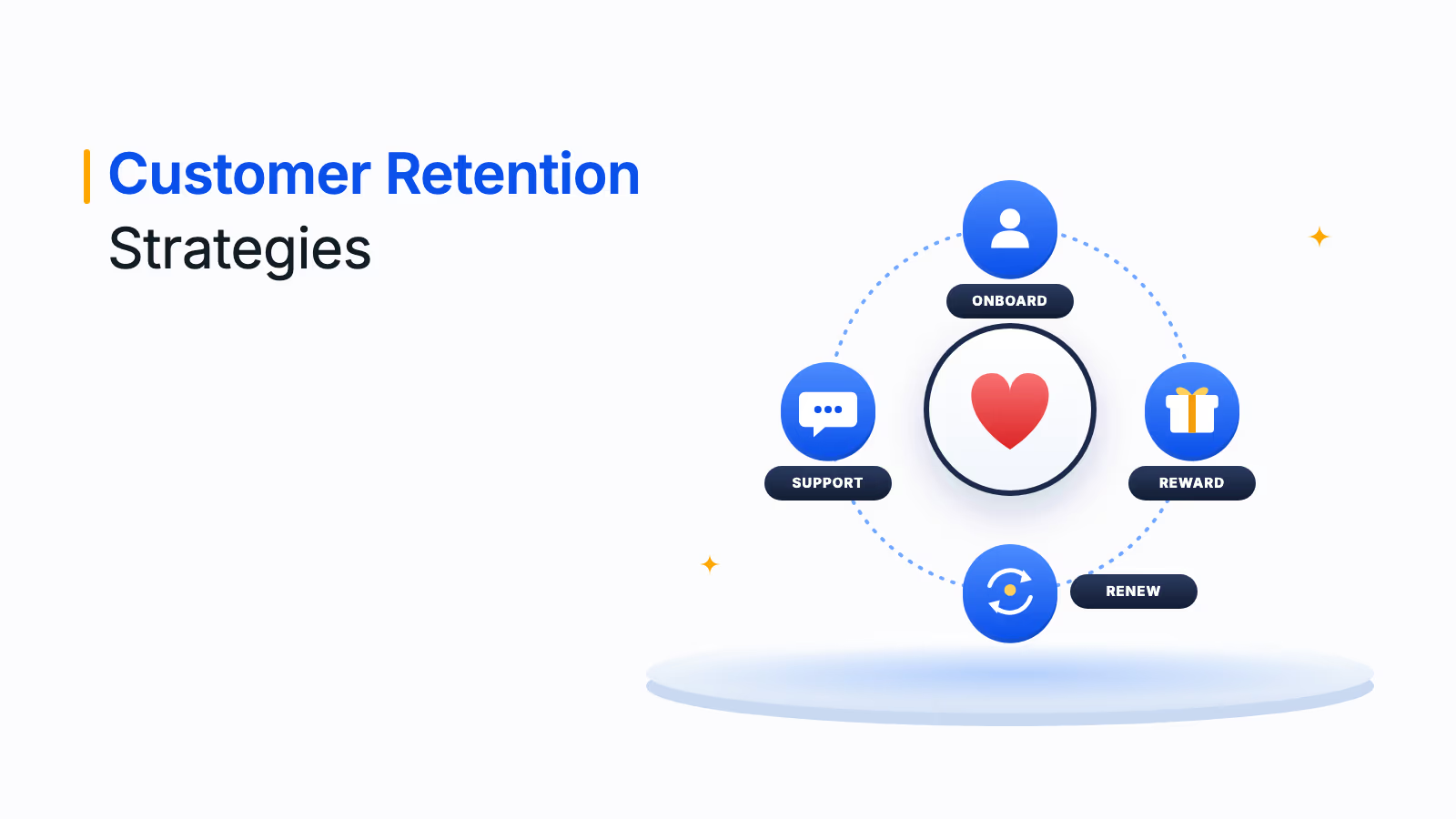
In other words, before you can talk about tiers and gamification, you have to get the basics right - fast payouts, reliable analytics, and an app that doesn't crash.
See Loyalife in action
Build a loyalty program for commodity, agri, or FMCG buyers - from fast payouts to tiers and a redemption marketplace.
Talk to our ExpertTrusted by 5,000+ companies
The model: turning any agri product into a loyalty touchpoint
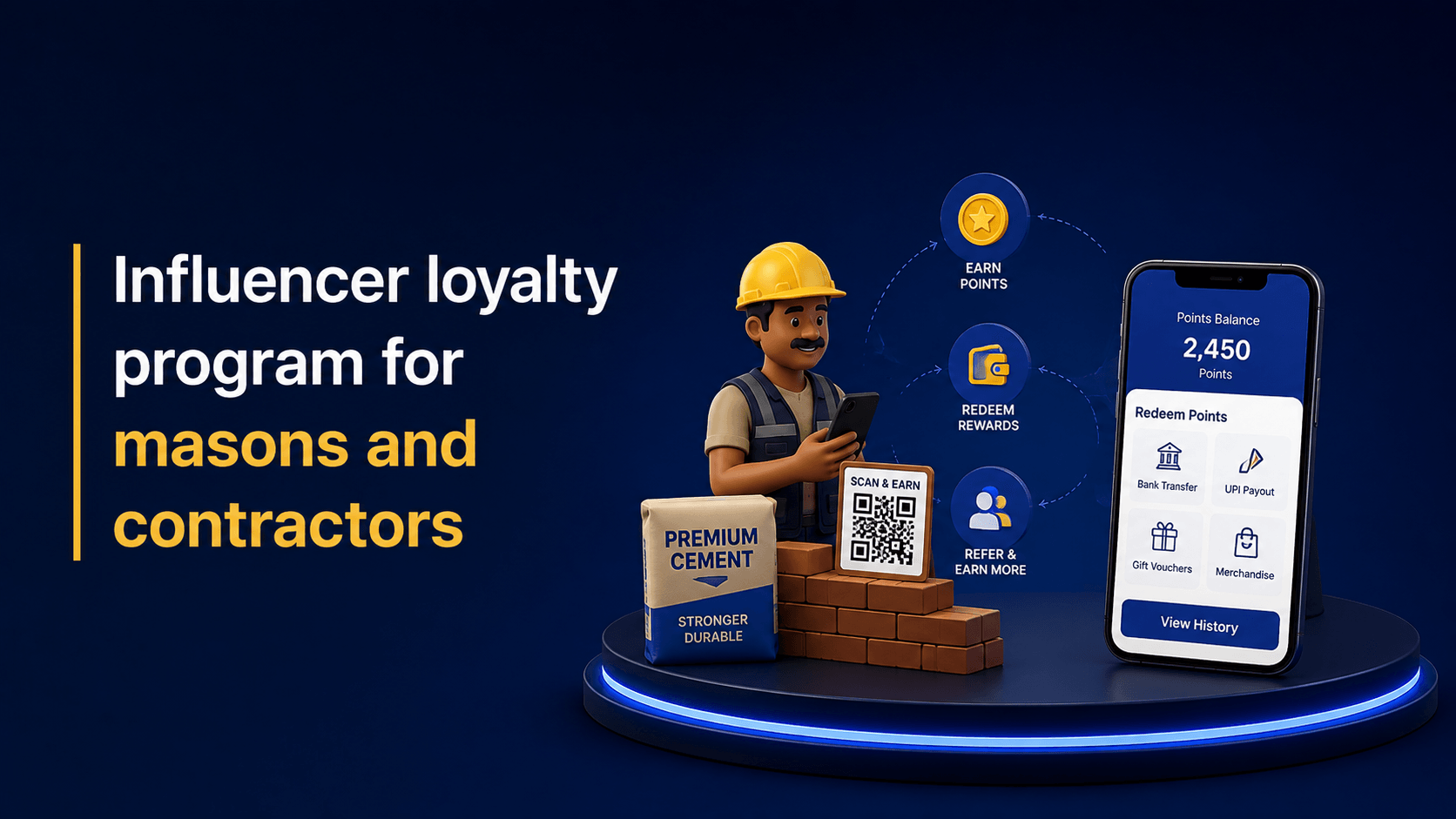
The core mechanic is simple, and that's the point - commodity and agri buyers won't tolerate friction. A rice bag is one example, but the same flow works for a seed packet, a fertilizer sack, or an agri-input carton:
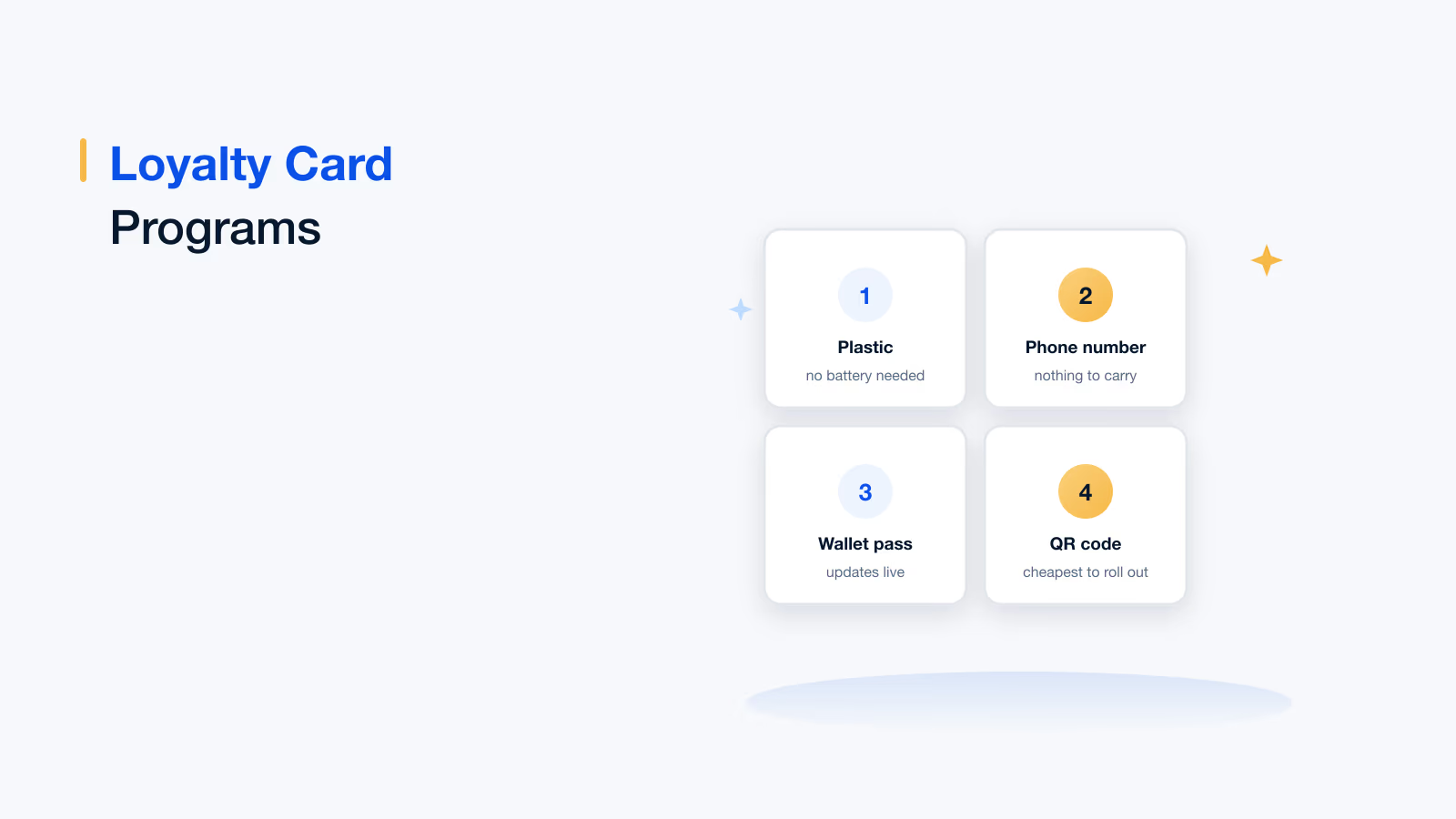
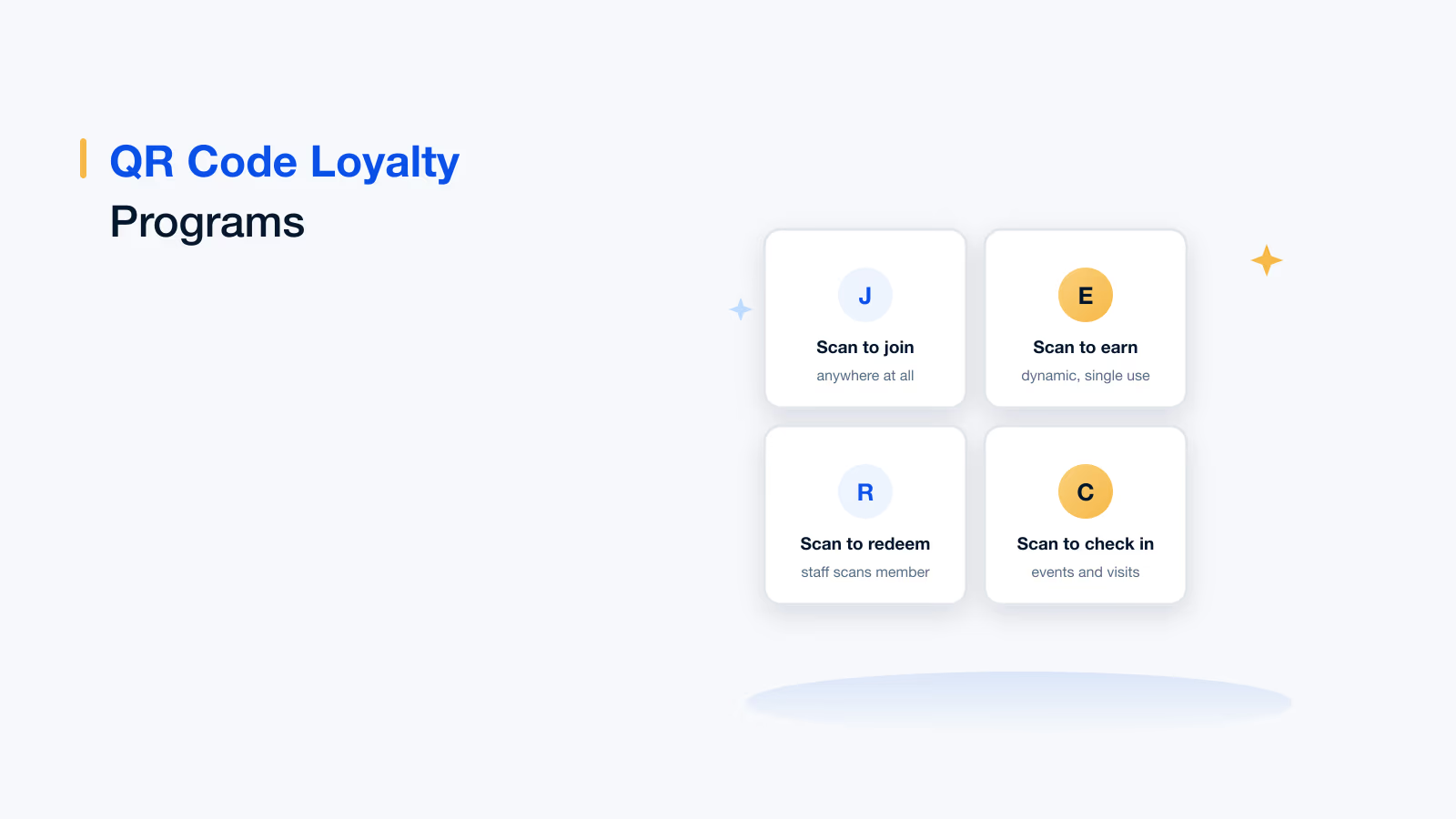
- Scan a QR code printed inside the packaging
- Fill in profile details once, which are saved for future accrual
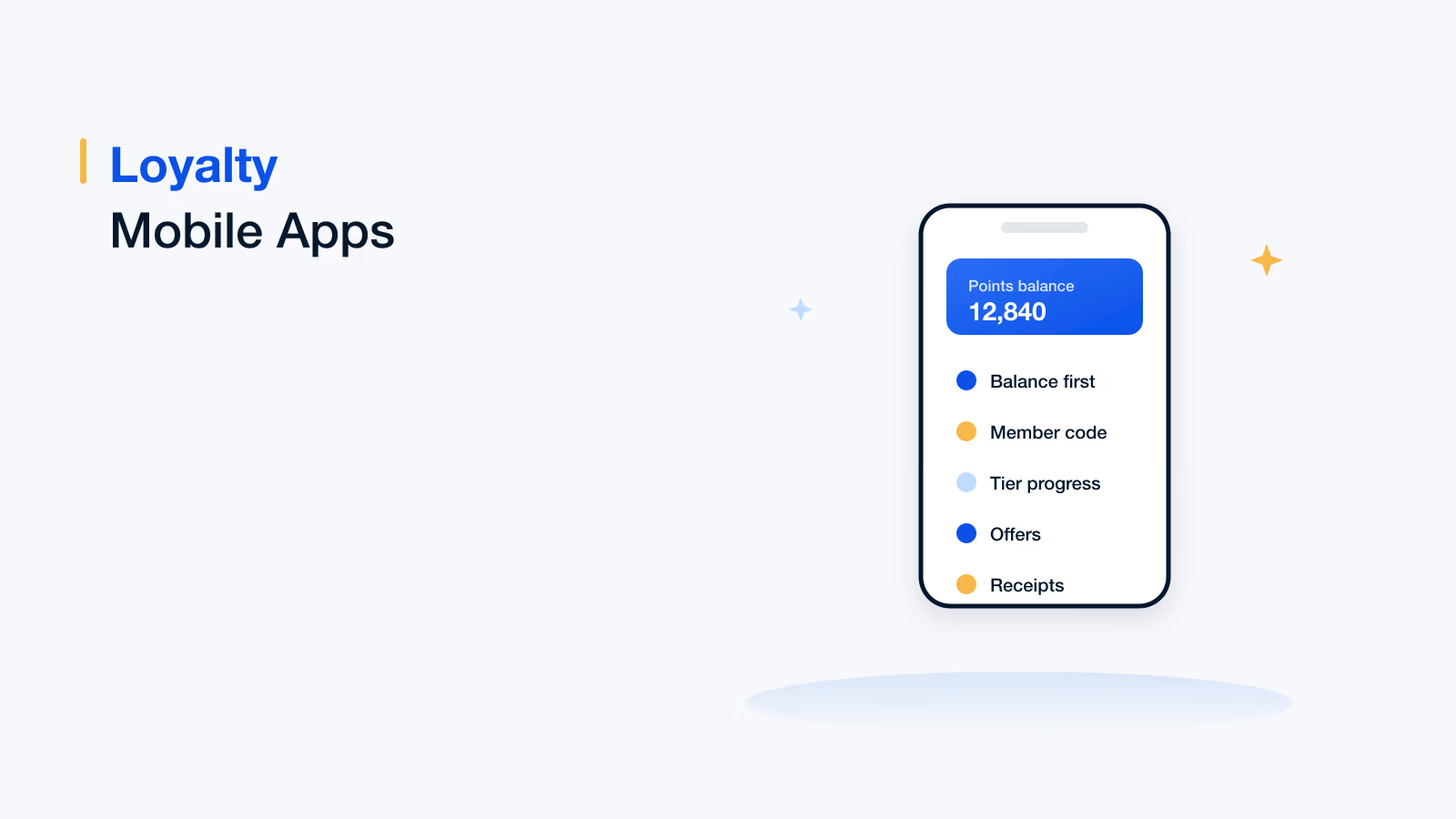
- View earned points on a home screen
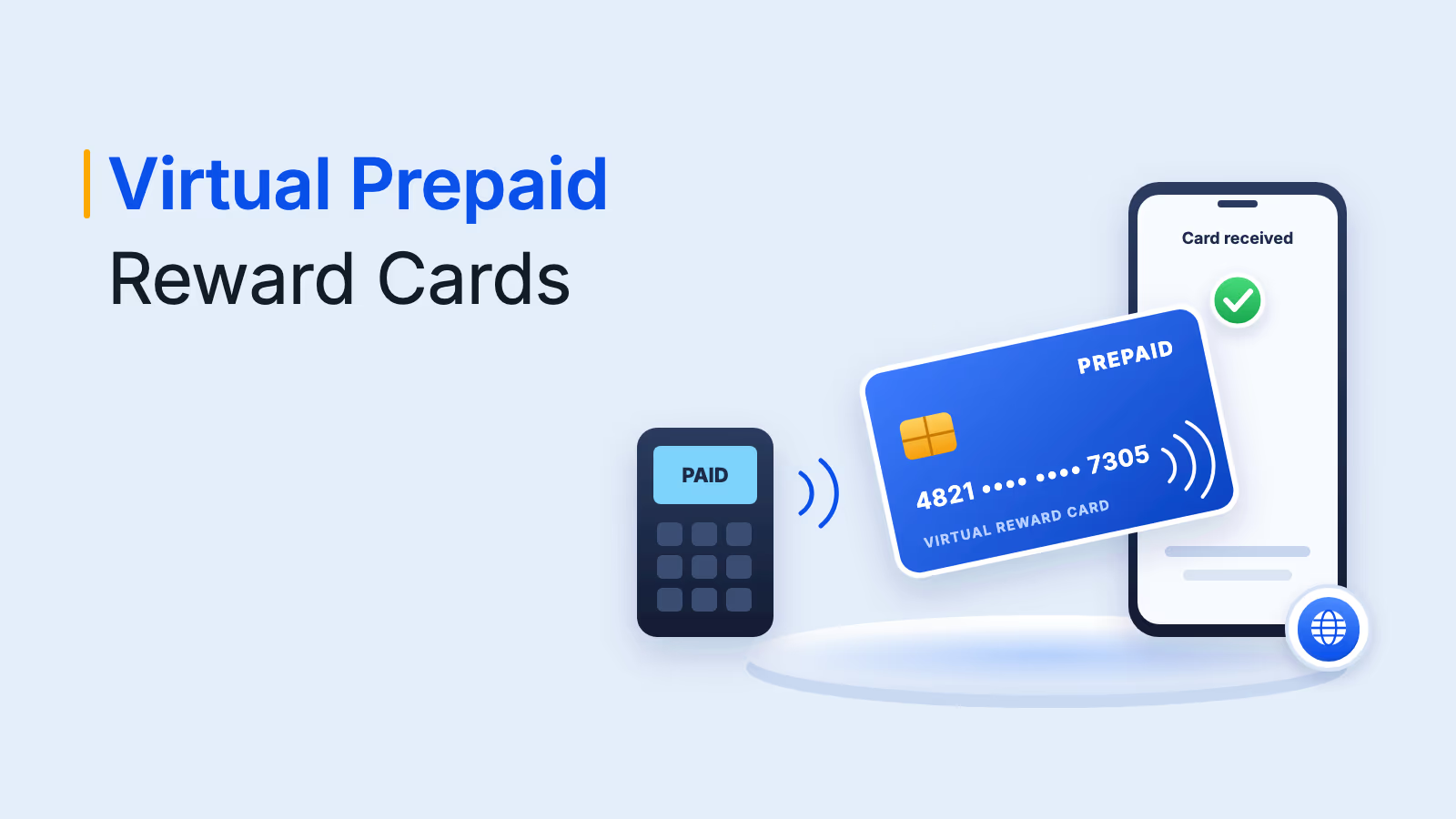
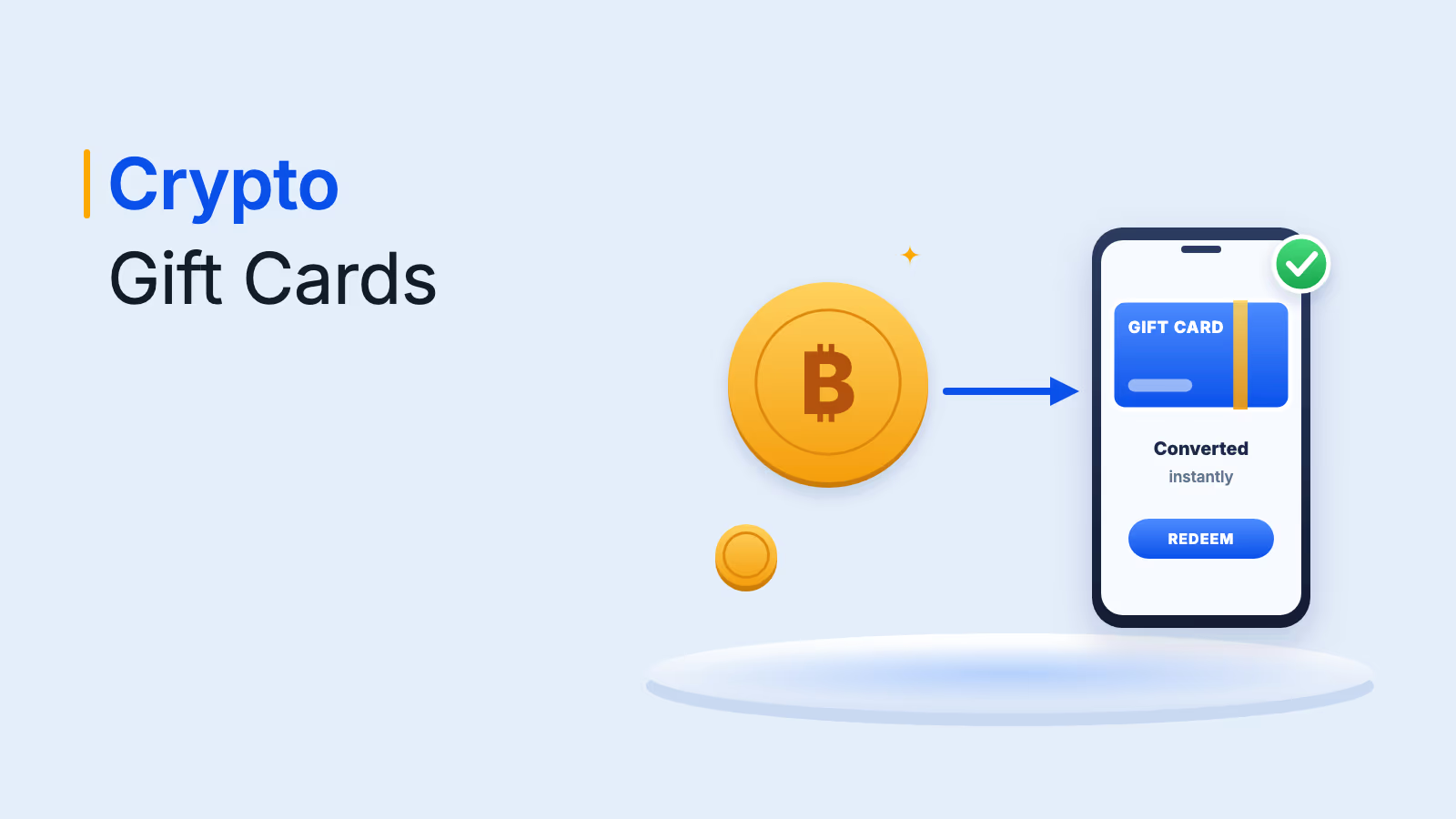
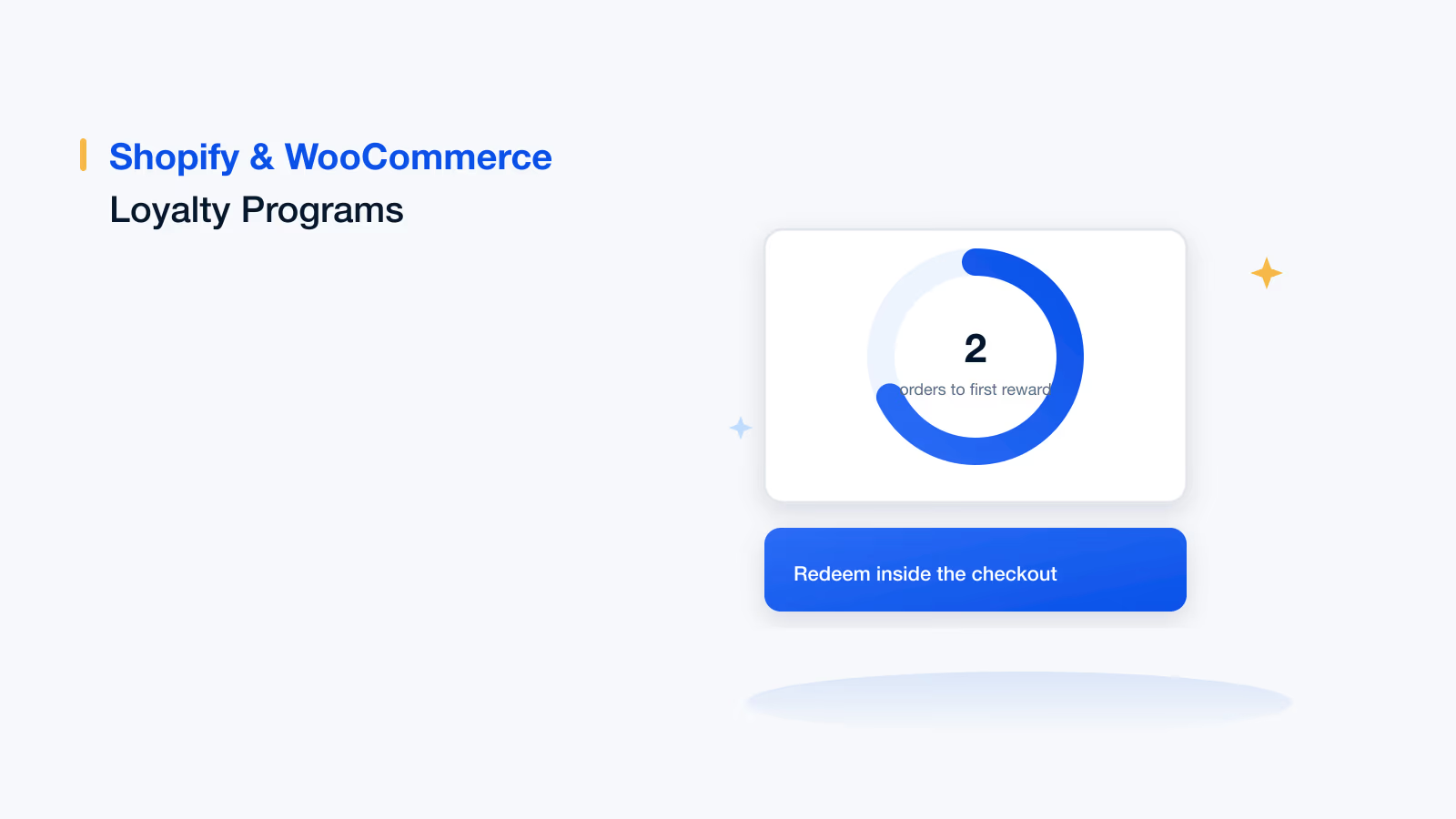
- Choose a payout option - UPI or direct bank transfer
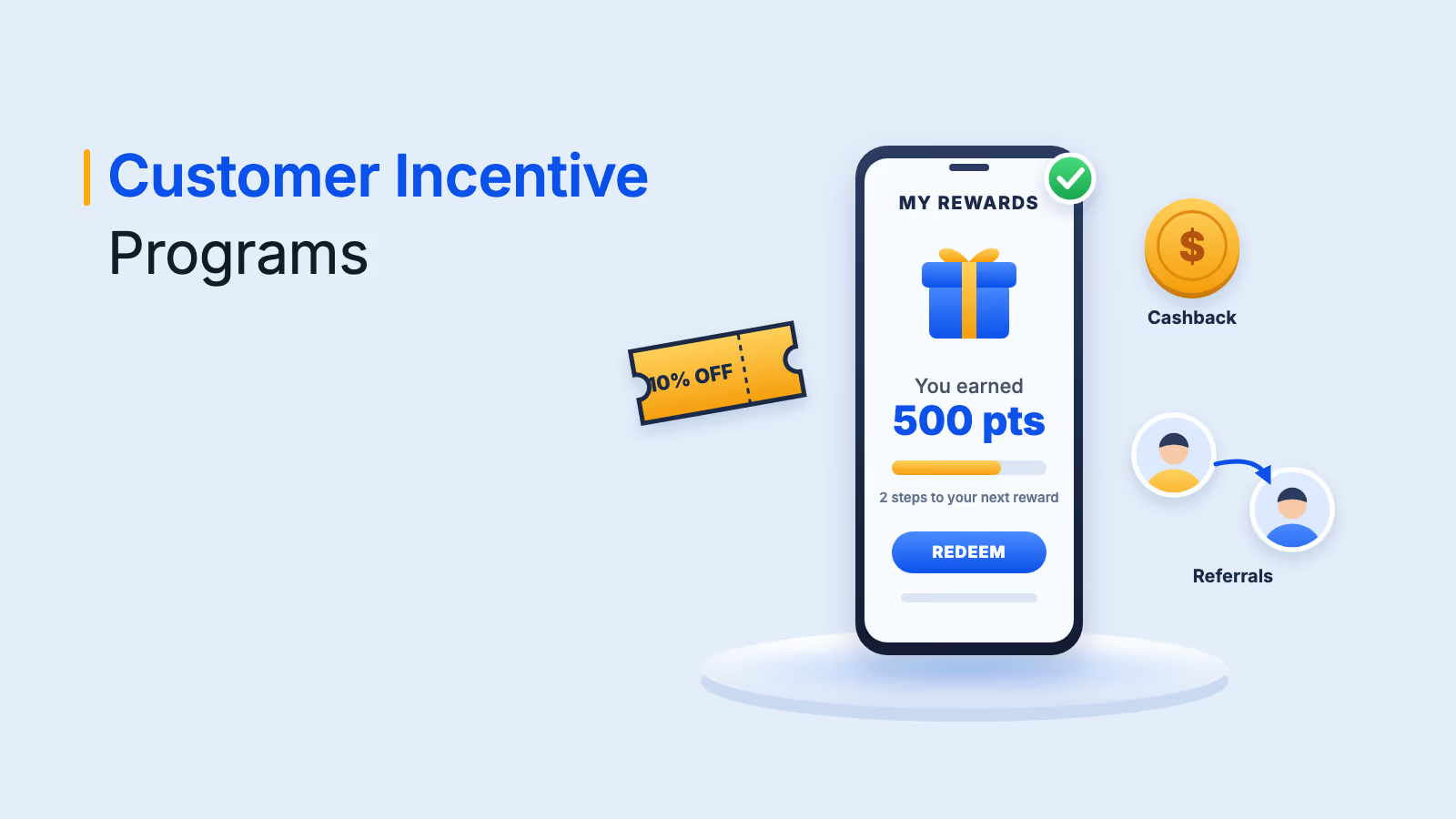
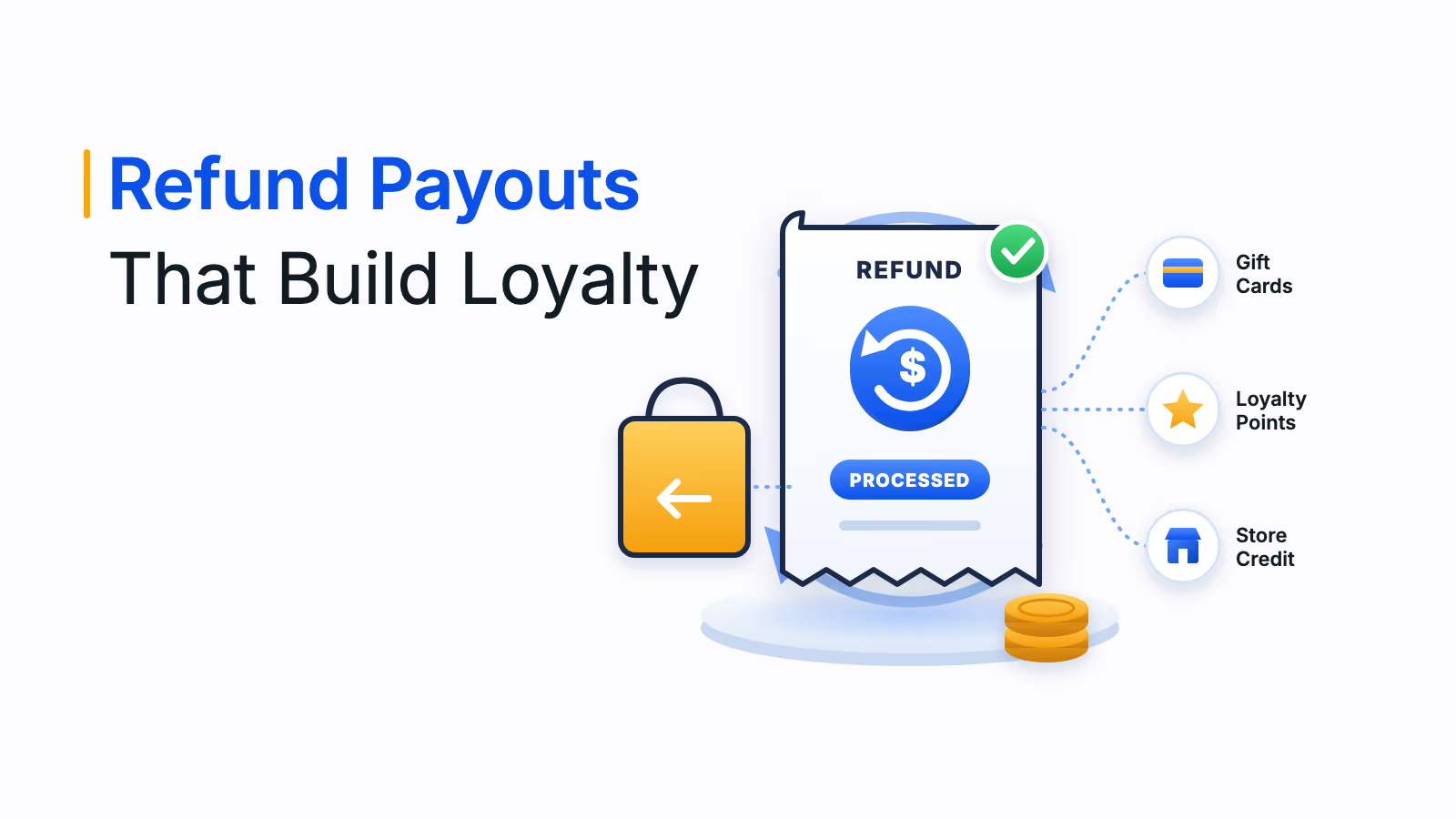
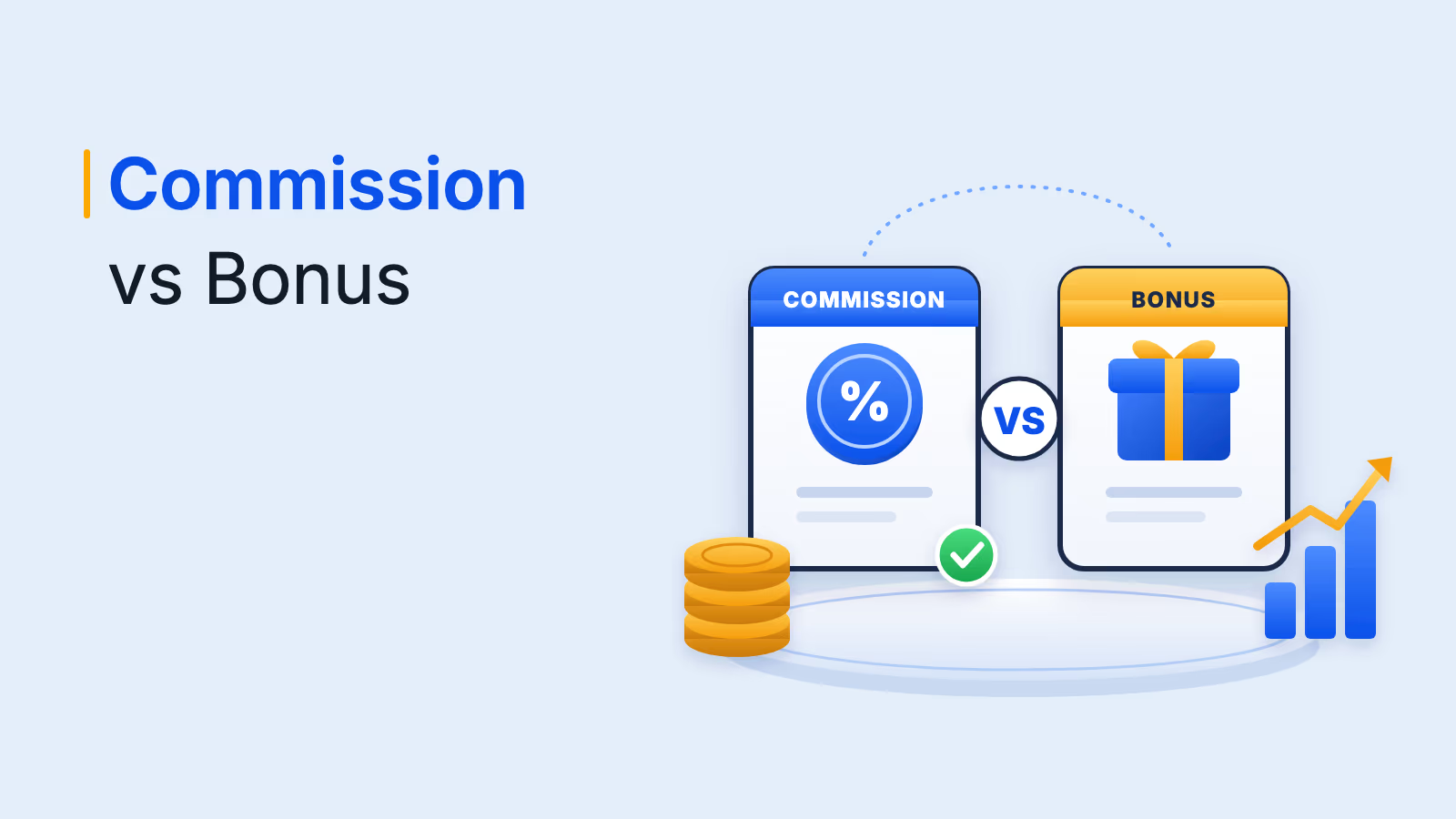
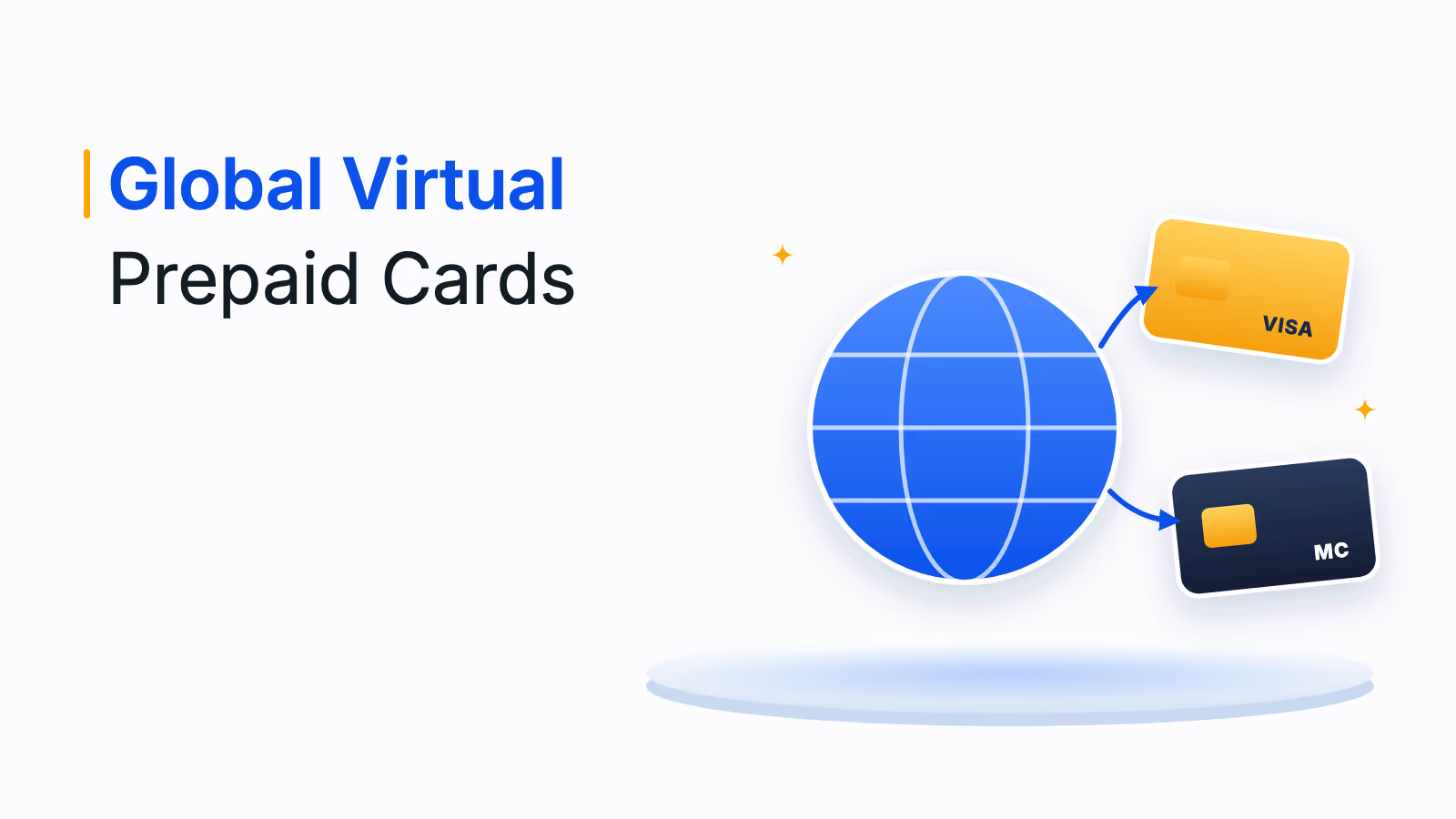
This is a fundamentally different loyalty shape than points-for-merchandise programs. Because staples like rice, grain, and agri-inputs are repeat, high-frequency purchases, the loyalty loop can run on cash-equivalent payouts rather than an aspirational rewards catalog. The reward is immediate and tangible - money back in a buyer's UPI account - which matters enormously in price-sensitive categories across the sector.
Adding a reason to stick around: tiers and a marketplace
Cash payouts solve the "why would I bother scanning" problem. But they don't automatically build loyalty - a competitor could offer the same cashback tomorrow. That's where two additional layers come in:
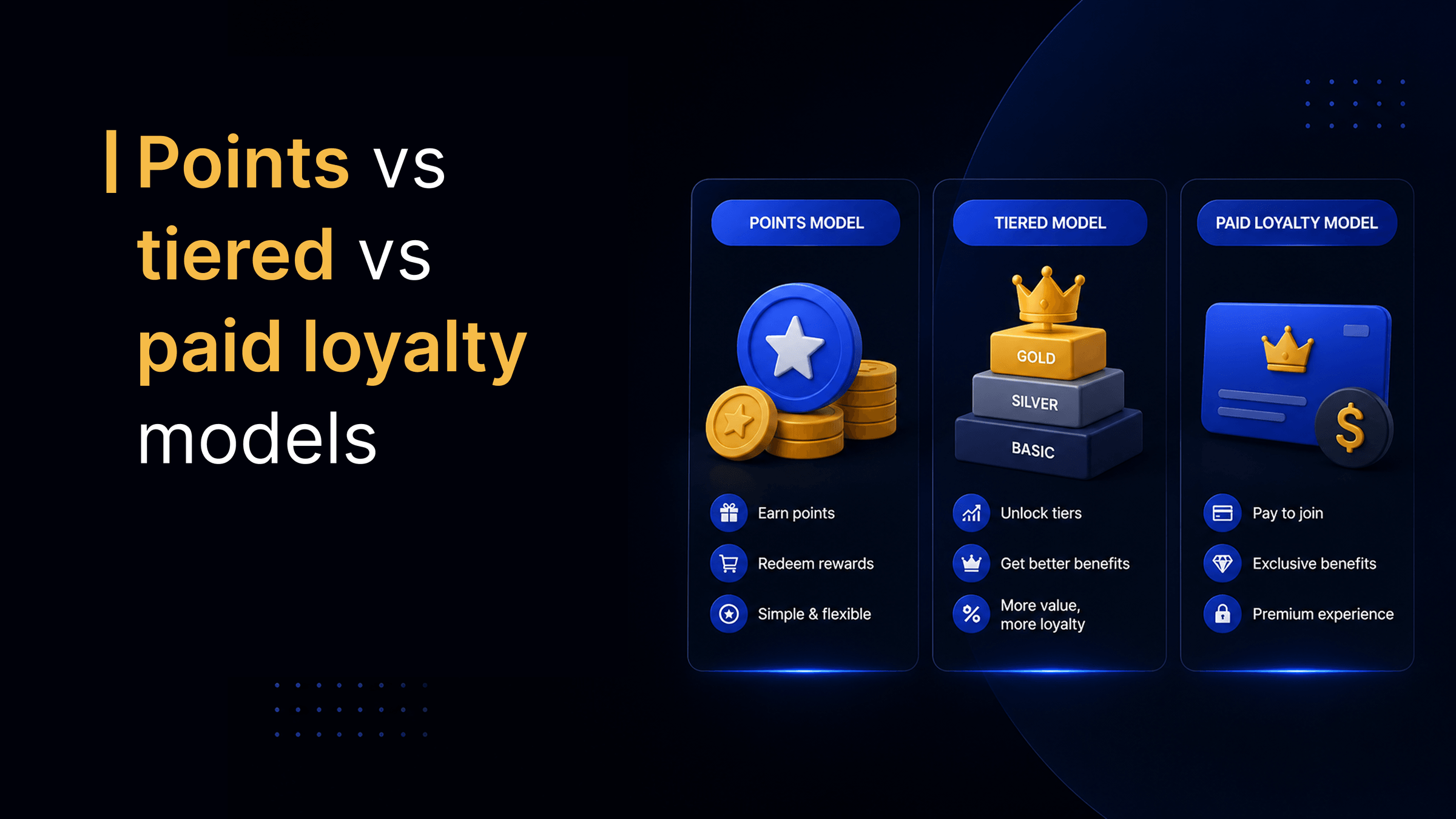
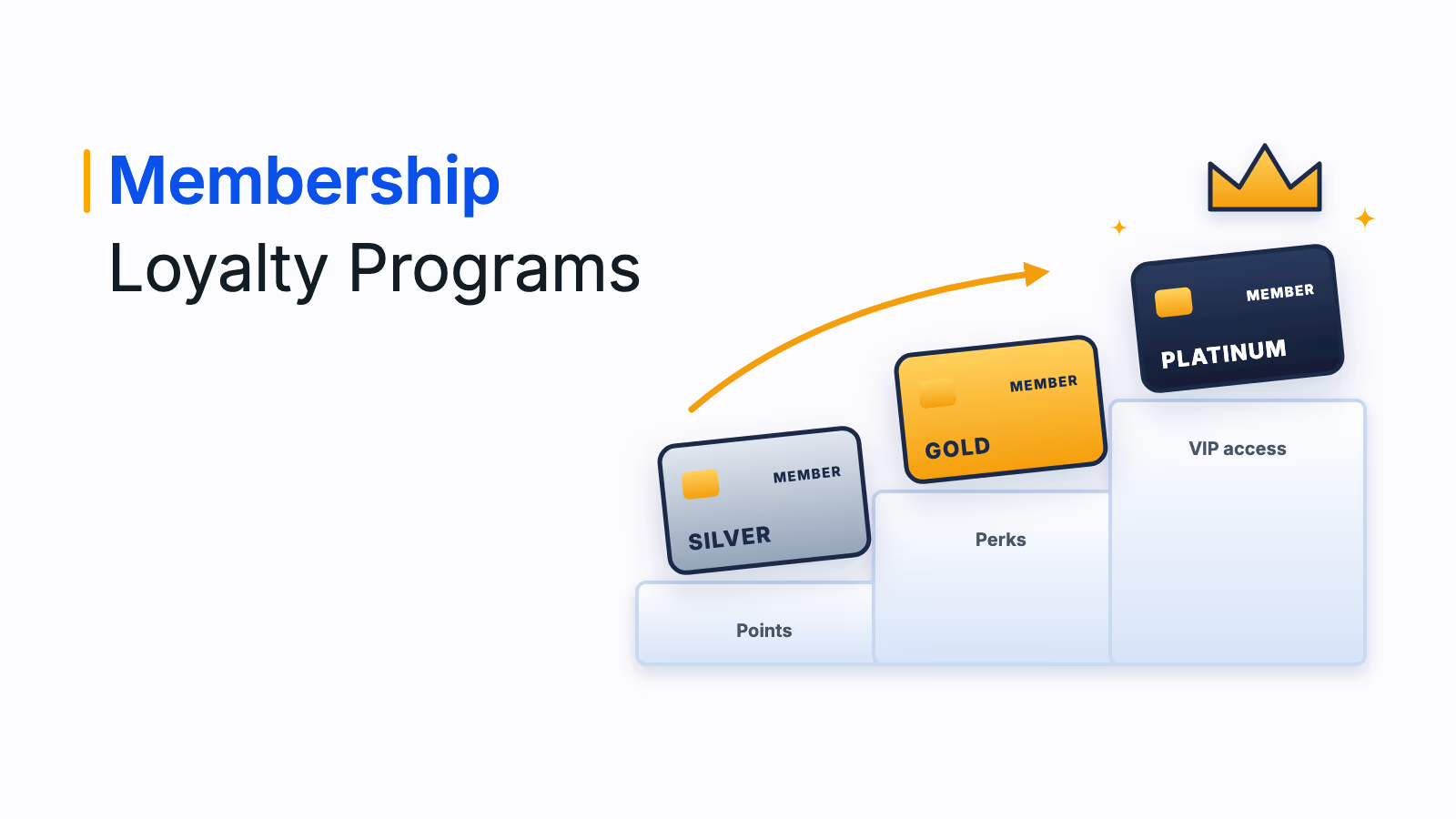
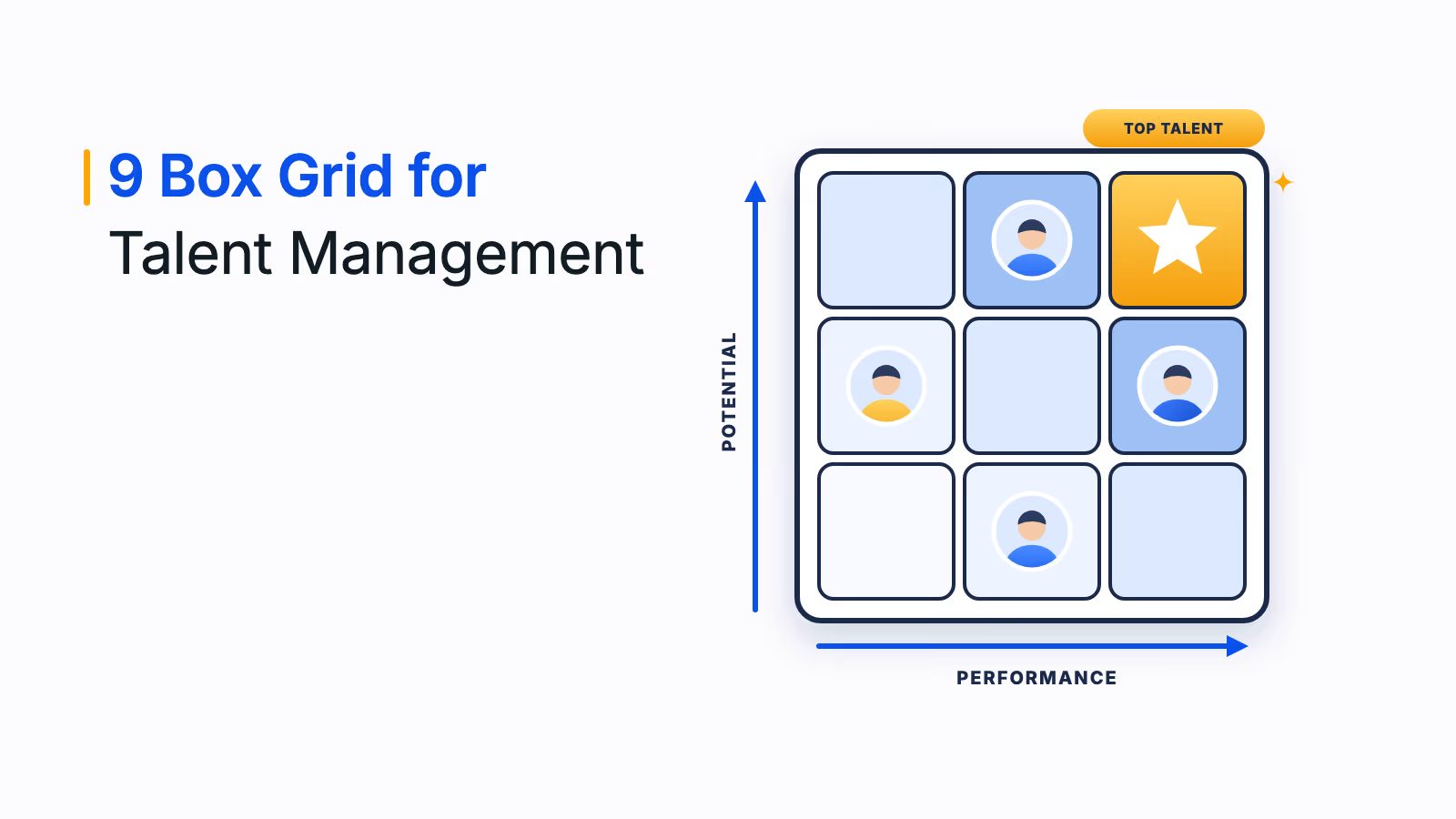
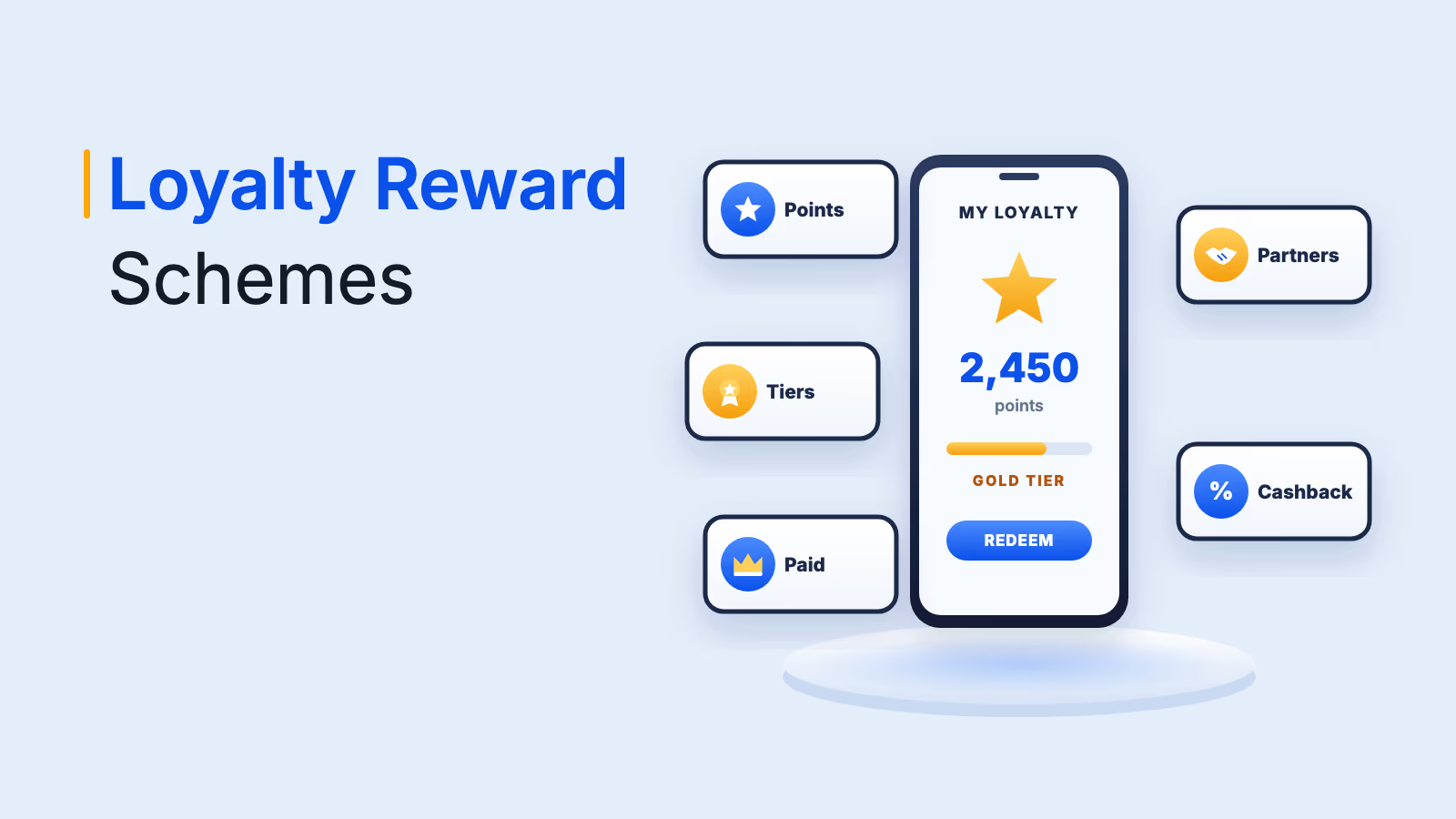
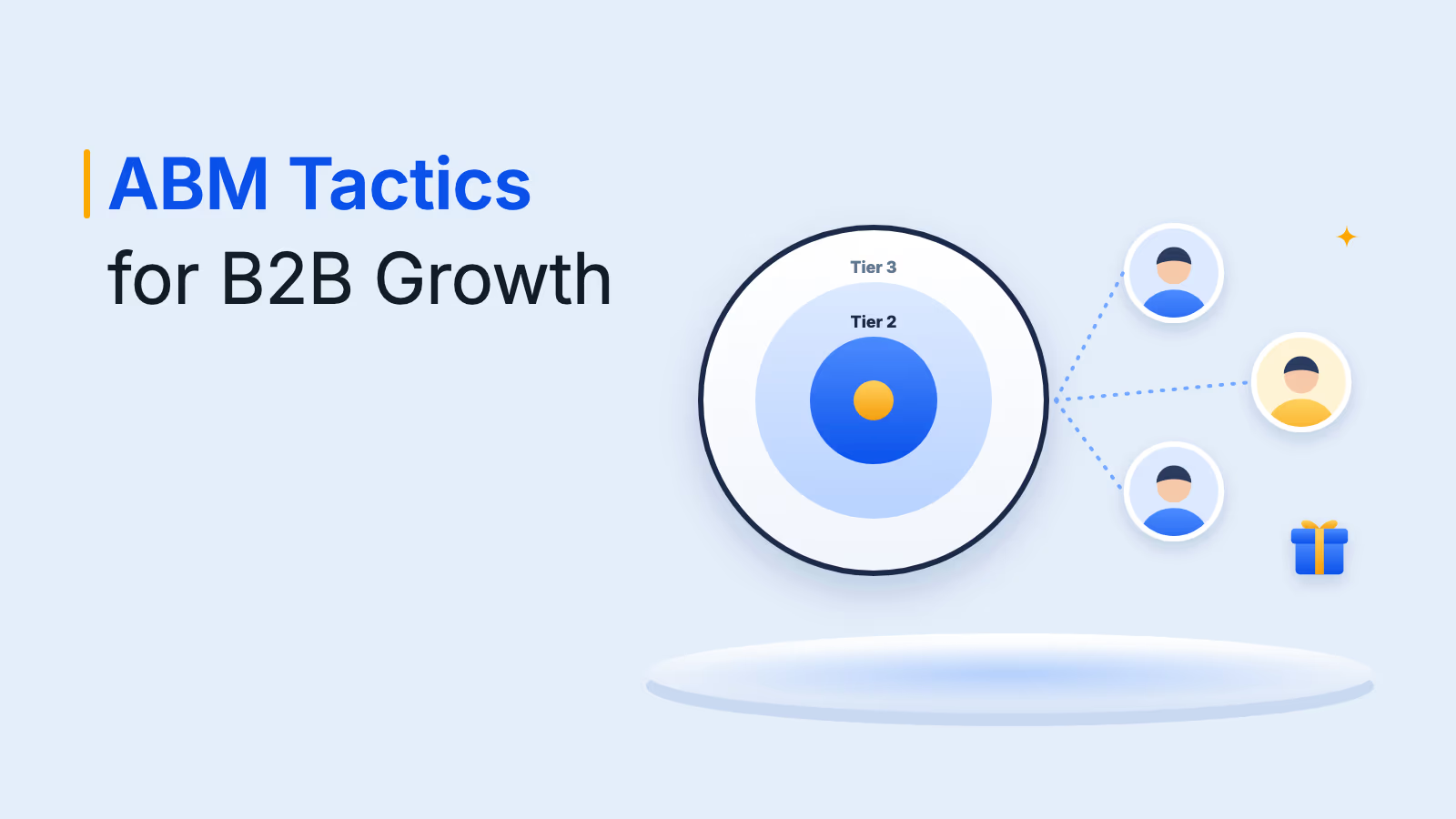
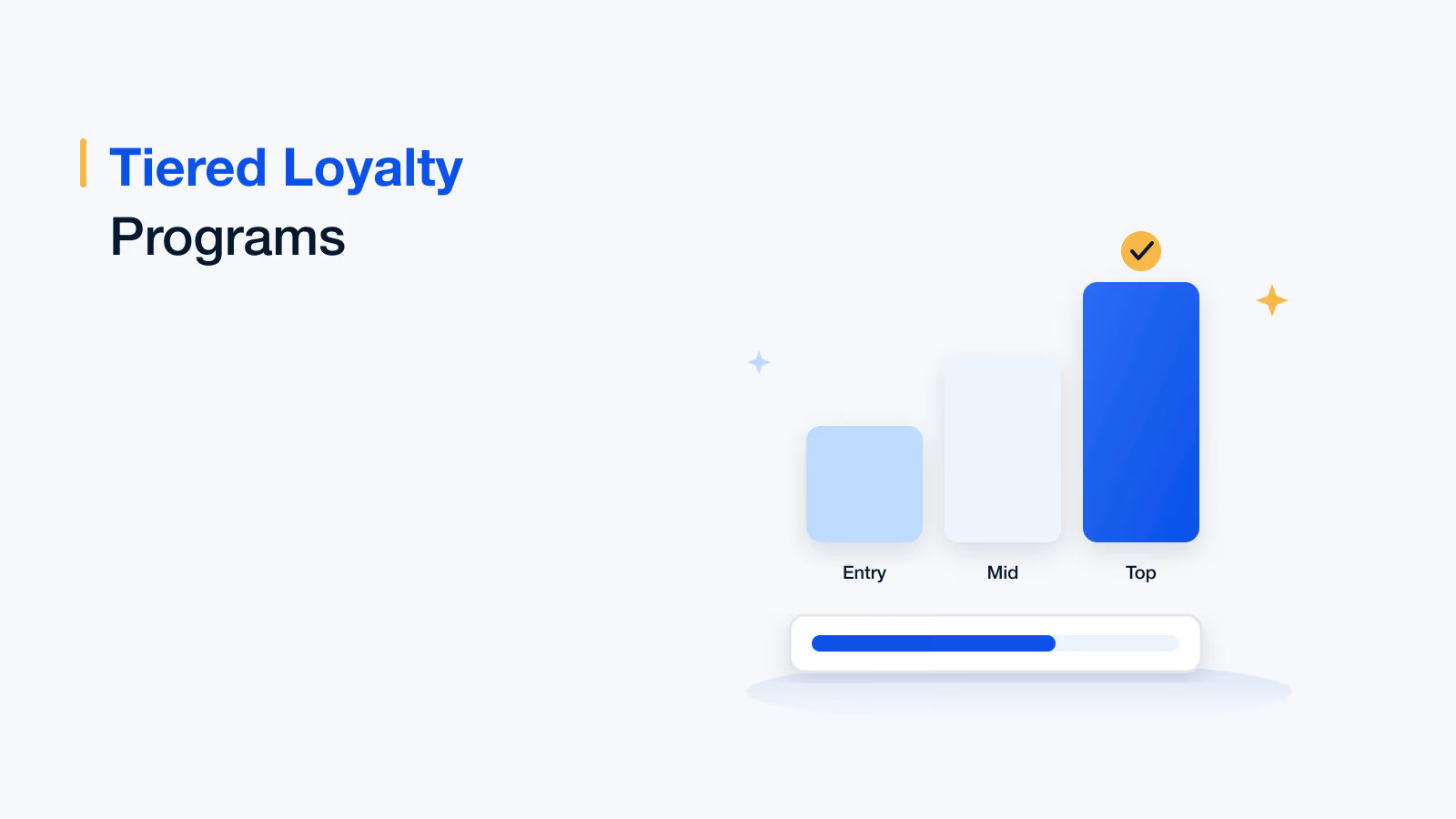
Tier-based rewards. Introducing tiers gives repeat buyers a reason to stay engaged beyond the immediate payout:
- Higher tiers unlock exclusive perks, encouraging higher spend
- Members feel recognized, not just transacted with
- Progression mechanics (streaks, tier maintenance) add a game-like element to what would otherwise be a purely transactional interaction
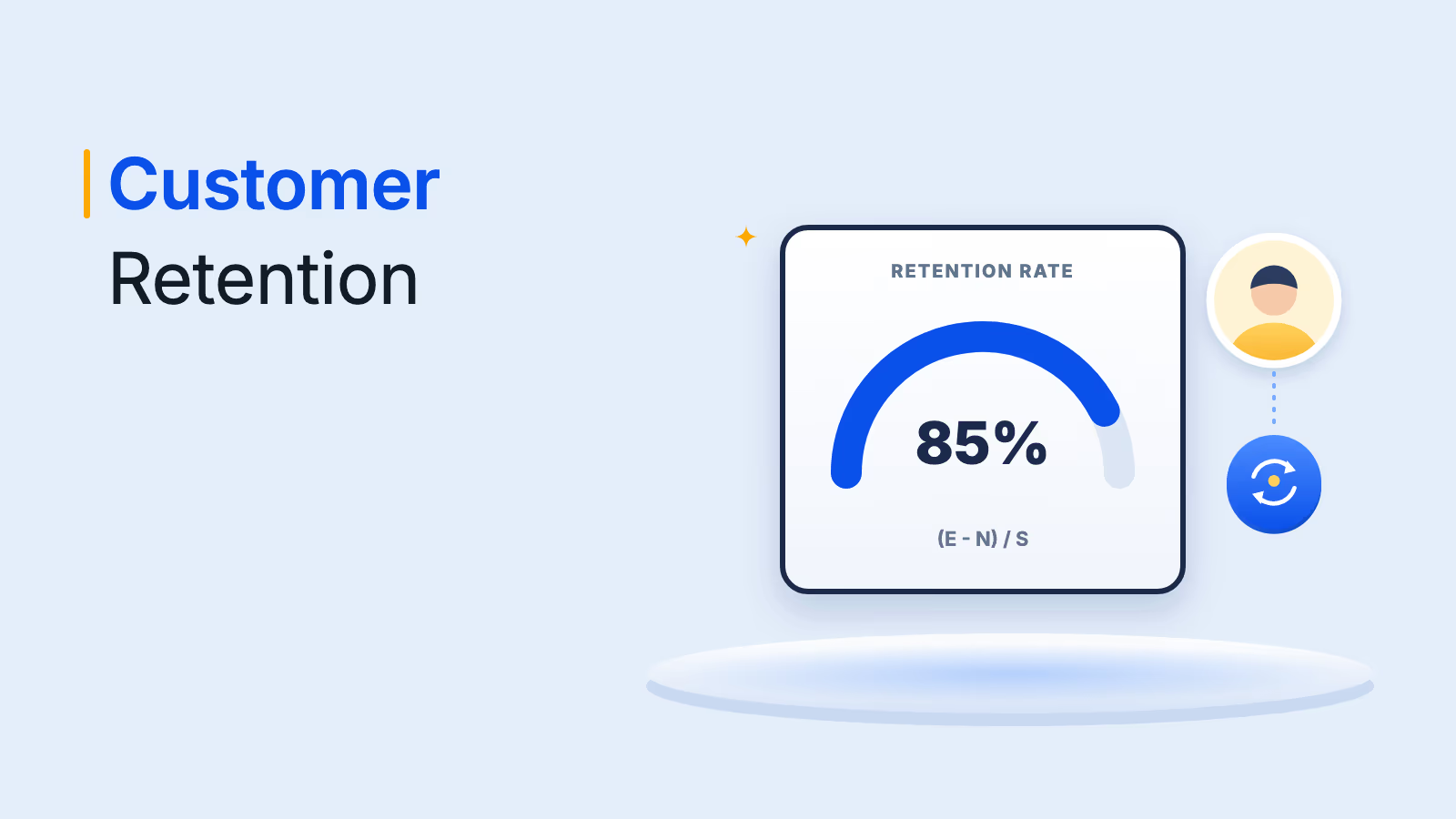
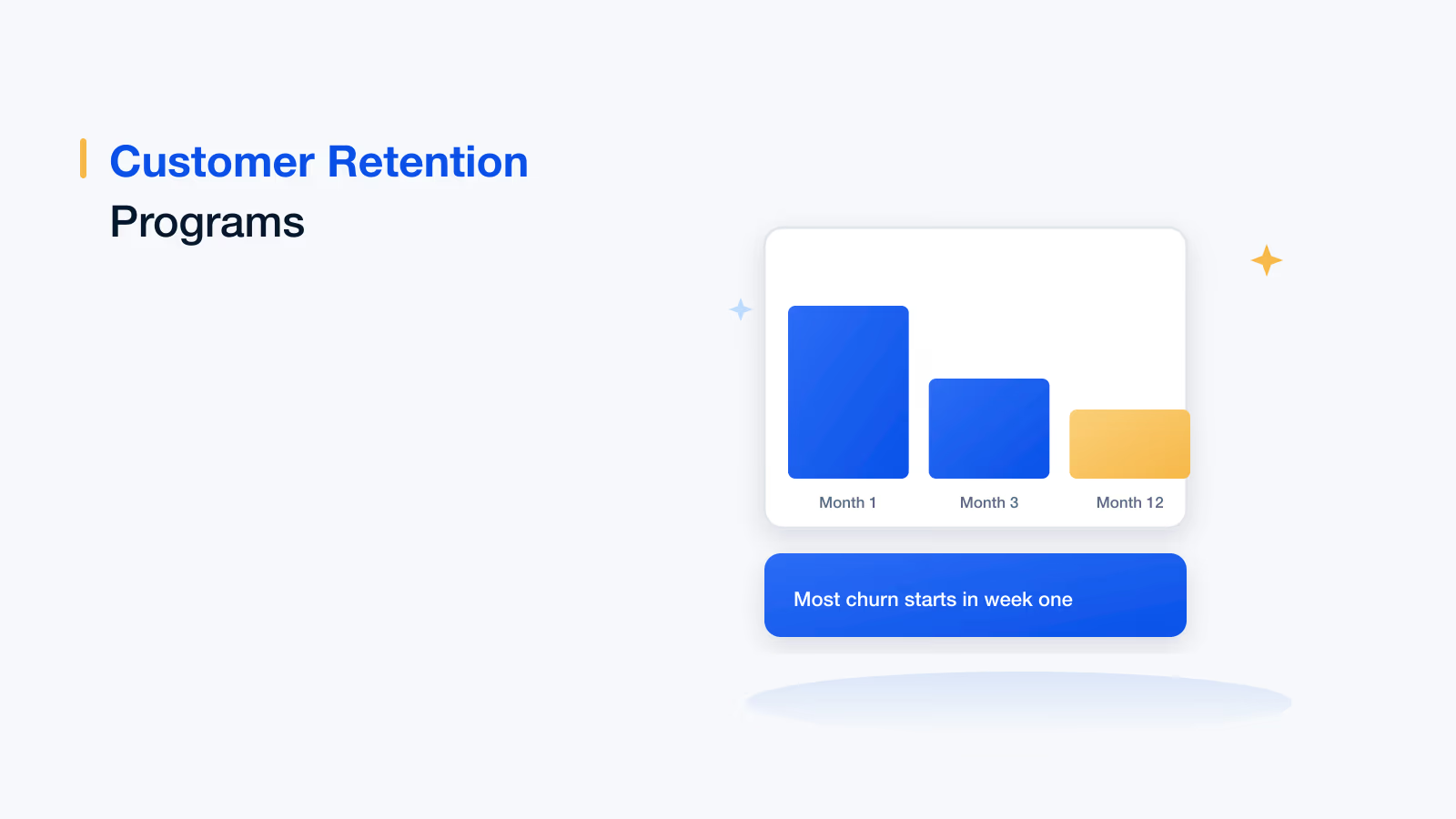
- Buyers who reach a tier tend to protect that status, which increases retention
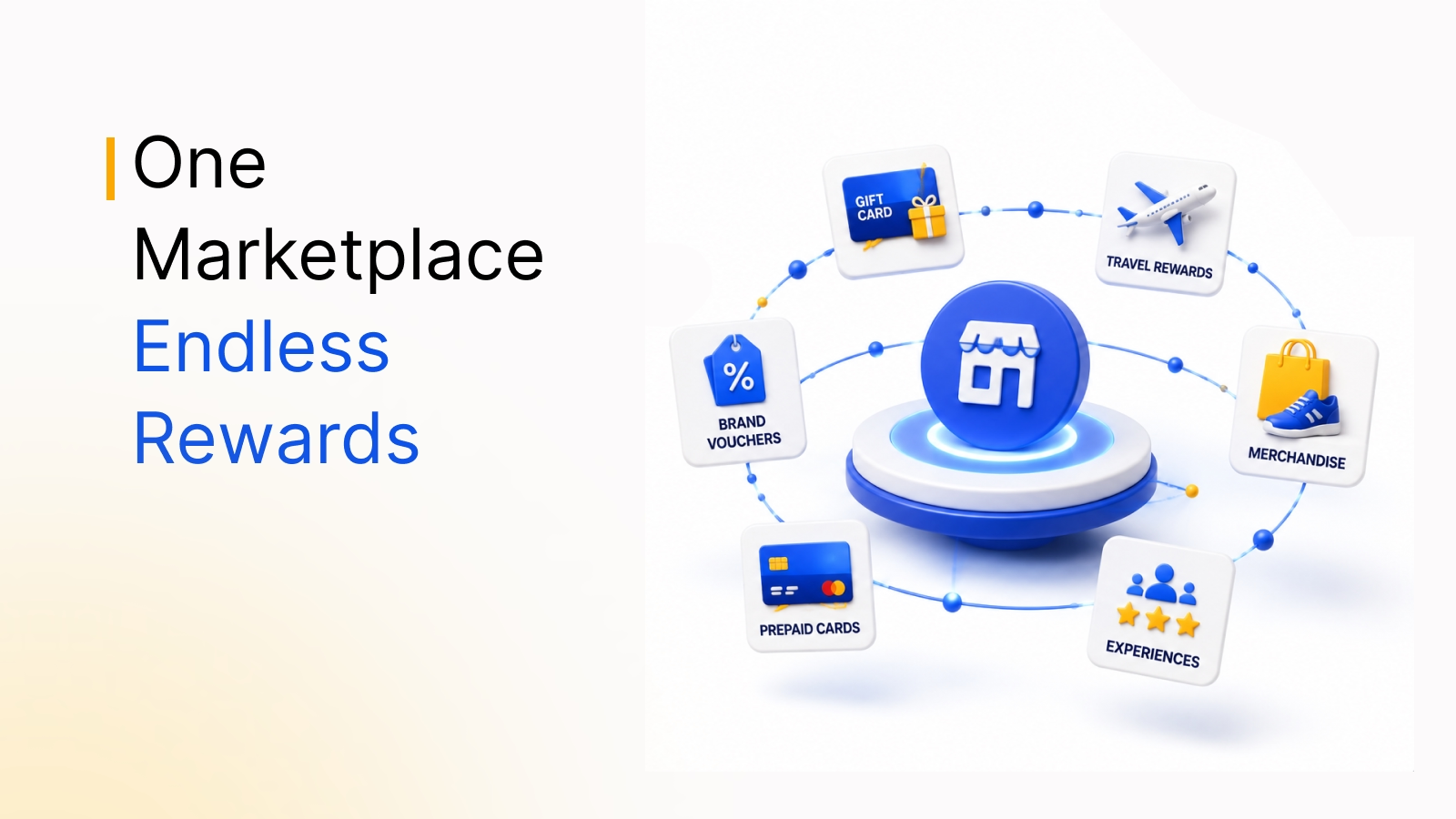
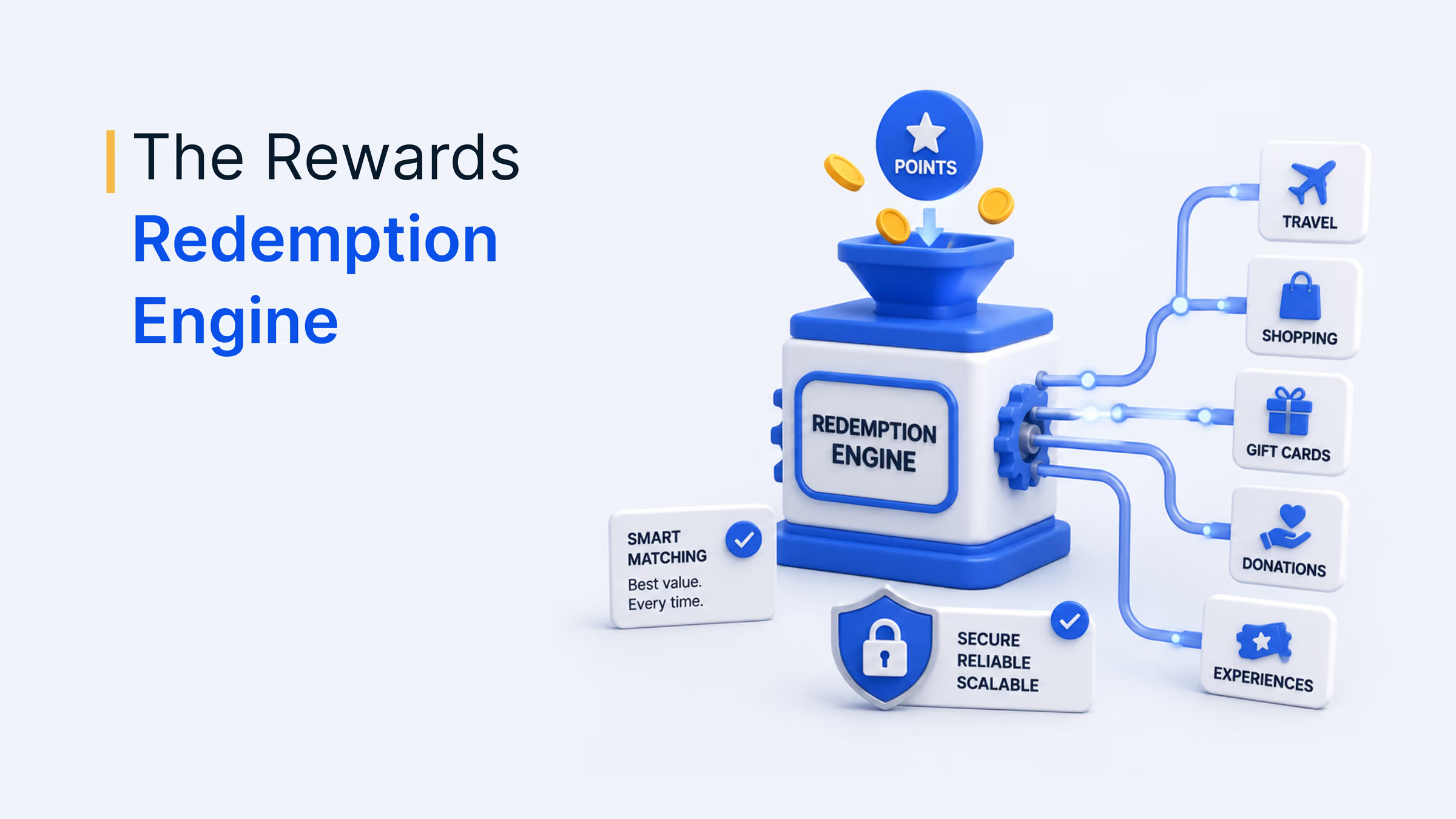
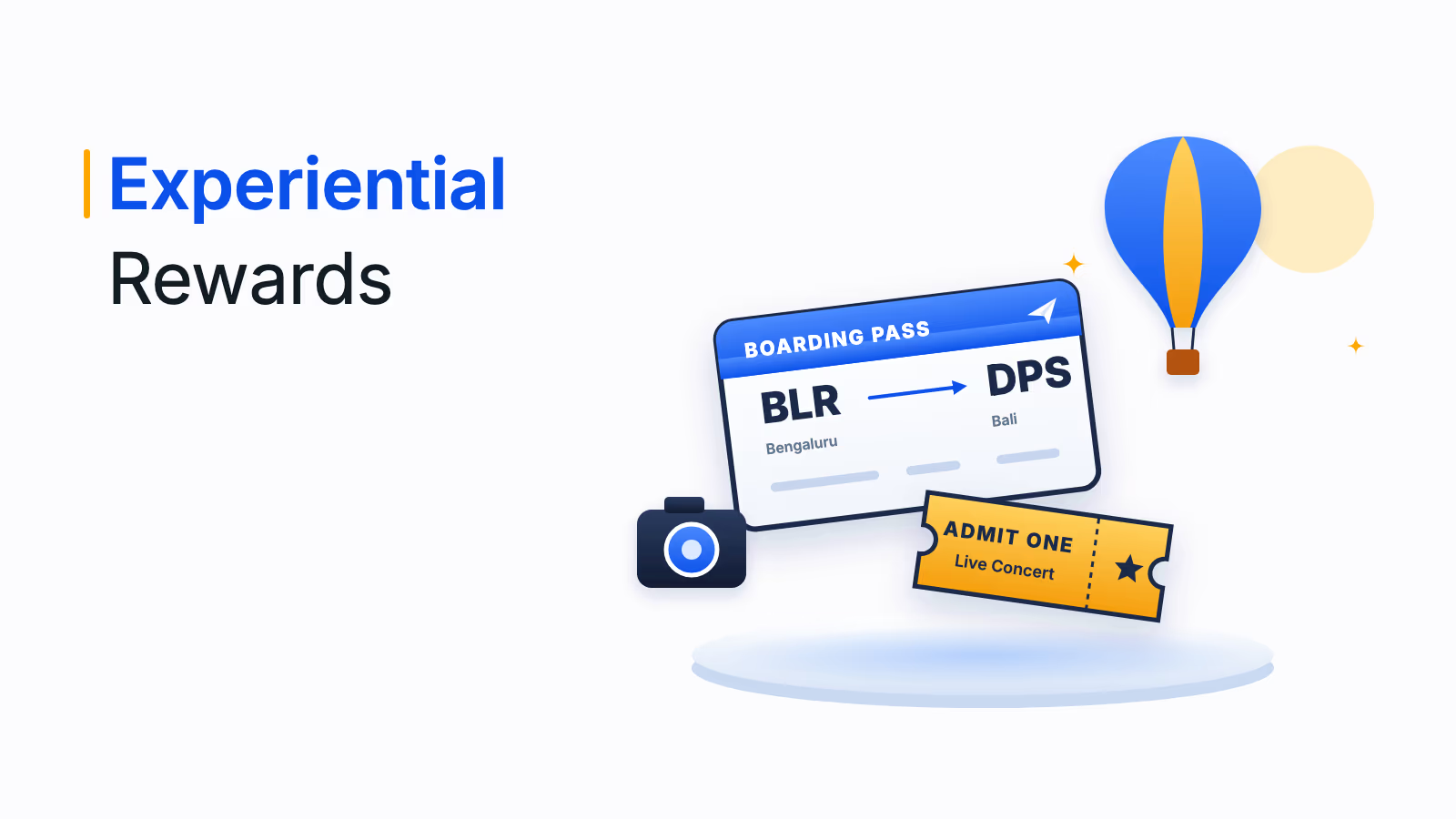
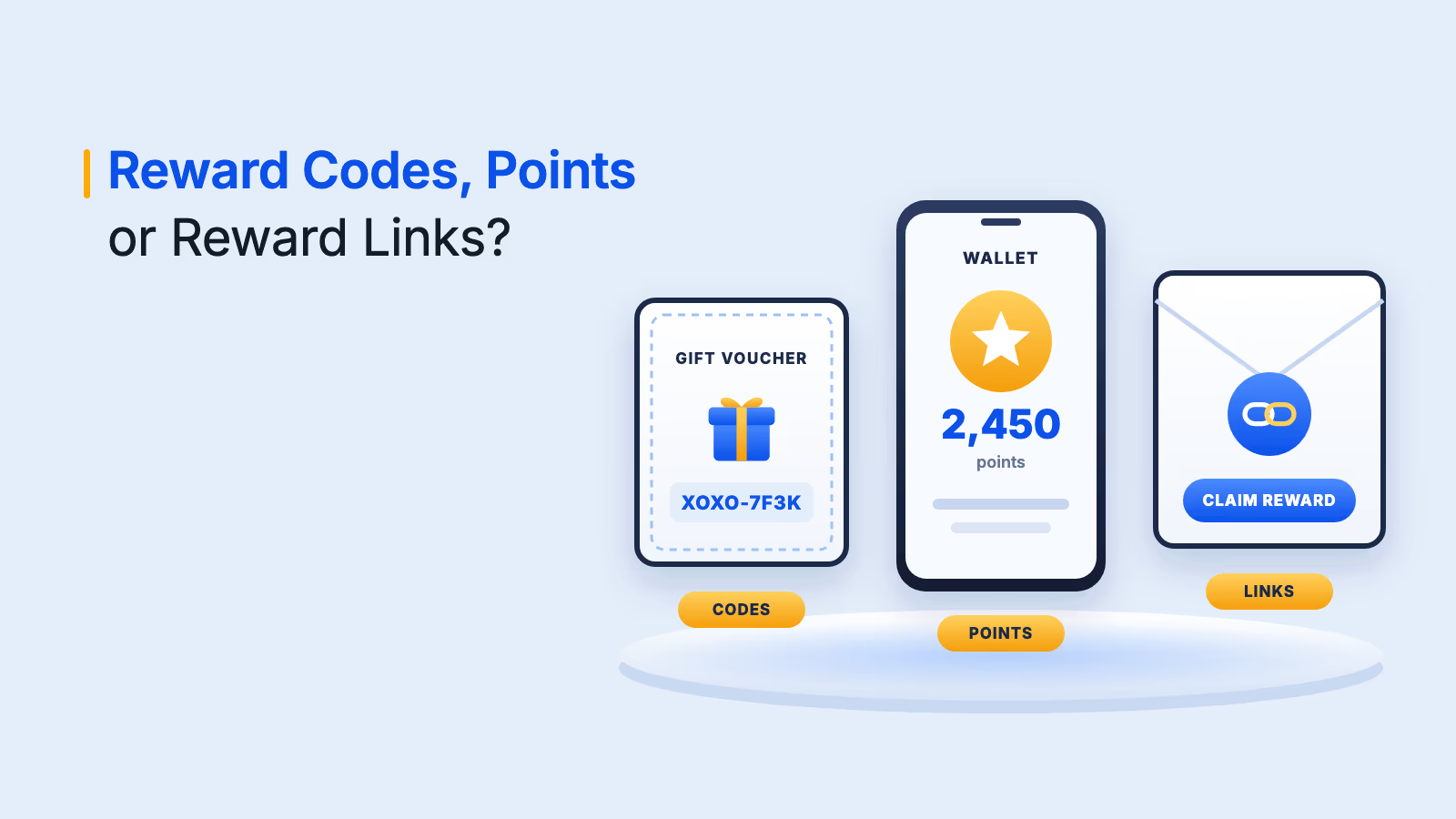
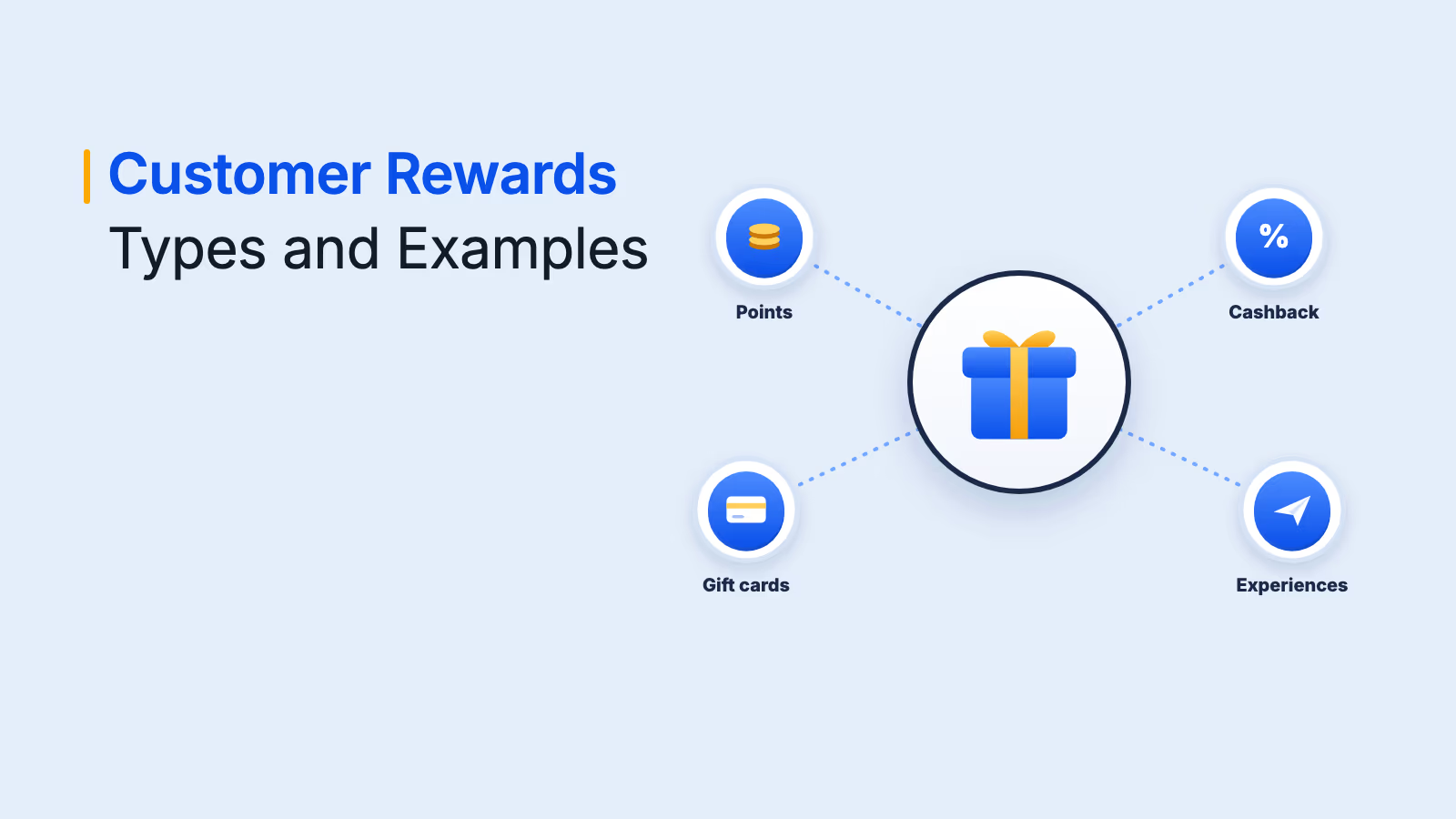
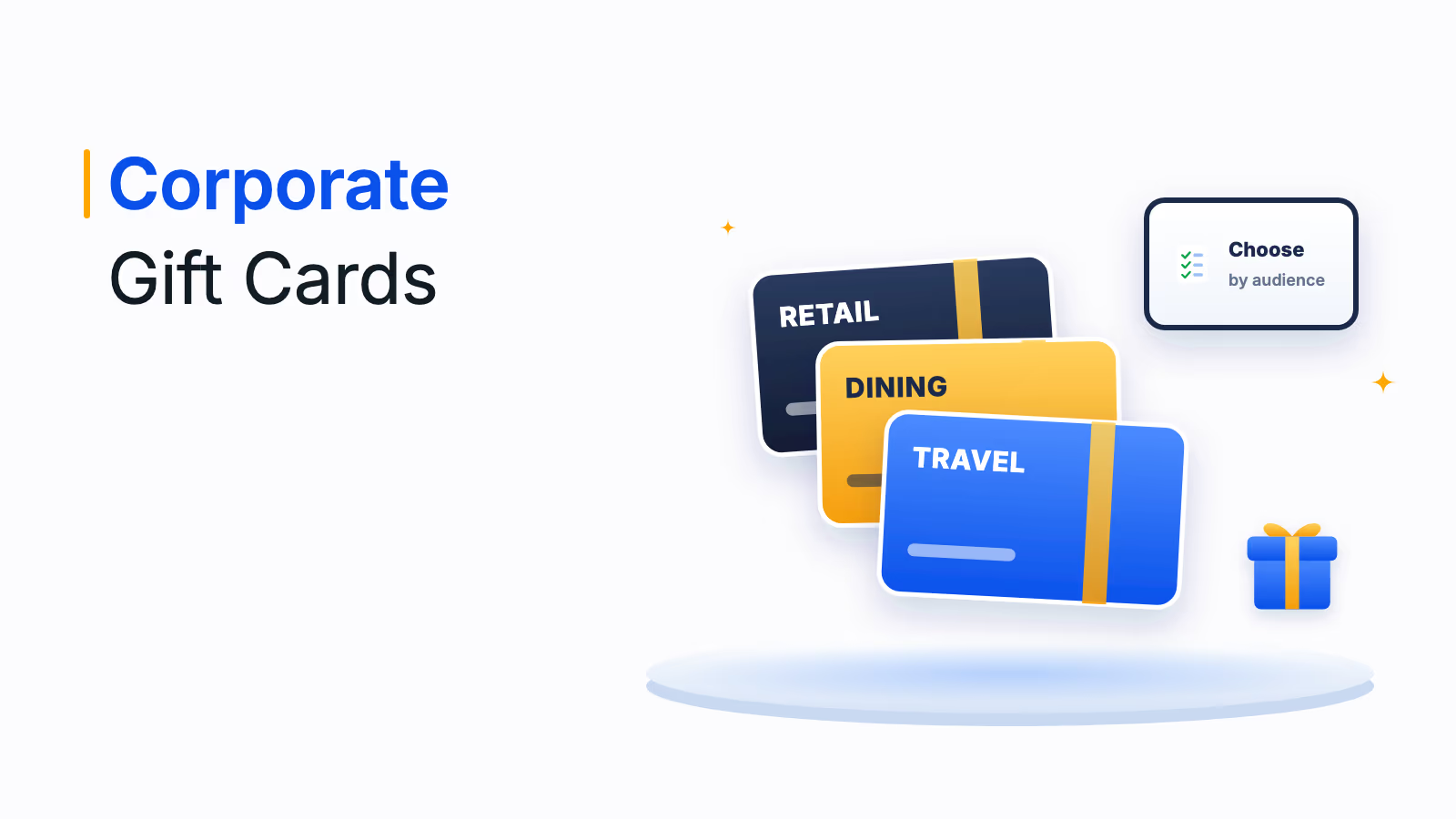
A redemption marketplace. Rather than limiting payouts to cash, offering categories like e-gift cards and merchandise lets the buyer choose what value means to them. For a commodity brand, even a modest catalog - say, gift cards and branded merchandise - adds:
- Flexibility across how points get redeemed
- A brand-controlled experience, since the company chooses which partners appear
- Built-in fraud prevention and anomaly detection, which matters more, not less, when real money is involved
Why this matters across agriculture
Rice is just one illustration of a pattern that holds across agriculture - from grain and pulses to seed, feed, and agri-inputs: loyalty in low-engagement categories has to earn attention before it can earn affinity.
That means:
- Fixing operational reliability (fast payouts, stable UI, real analytics) before layering on gamification
- Defaulting to immediate, cash-equivalent rewards rather than aspirational points banks
- Using tiers and marketplace choice as a second layer - once the core loop is trustworthy
For agri and commodity brands sitting on razor-thin differentiation, a well-built loyalty program isn't a marketing add-on. It's one of the few levers left to turn a one-time buyer into a repeat one.
Exploring loyalty infrastructure for a commodity, agri, or FMCG business? Get in touch to see what a tailored rewards program could look like.
Book your Loyalife demo
Frequently asked questions
Commodity purchases have low natural engagement, high price sensitivity, and buyers who often switch brands on cost rather than loyalty. Nobody checks a rice loyalty balance the way they'd check a credit card app, so the program has to earn attention before it can earn affinity.
Immediate, cash-equivalent payouts - such as UPI or direct bank transfer - tend to outperform aspirational points-for-merchandise catalogs. Because staples like rice are repeat, high-frequency purchases, the reward needs to be tangible and fast, not a points bank redeemed occasionally.
A QR code printed inside the product packaging is the simplest possible loyalty touchpoint: the buyer scans it, fills in profile details once, and those details are saved for future accrual. Removing friction at this step matters because commodity buyers won't tolerate a complicated sign-up flow.
Yes, but only after the core payout loop is reliable. Tiers give repeat buyers a reason to stay engaged beyond the immediate cash reward, since higher tiers unlock perks, add a game-like progression element, and give buyers a status to protect - which increases retention.
A redemption marketplace lets buyers choose between cash payouts and other categories, like e-gift cards or merchandise, so the brand controls which partners appear while giving buyers flexibility. It also brings built-in fraud prevention and anomaly detection, which matters once real money is involved.