Key Takeaways
Most ABM programs fail at engagement, not targeting - the account list is usually right, the sequence isn't.
Tiering sets your personalization budget: match effort to account value, not just headcount.
Accounts going cold after 4-5 digital touches respond to one well-timed reward more than another email.
Everyone can name their top 50 accounts. Almost no one can explain why account 34 opened three emails and never replied to any of them.
That gap is the real problem. Account-based marketing, at its core, is a B2B strategy that treats a handful of high-value companies as individual markets instead of chasing broad lead volume. Most teams get the targeting right. They pull firmographic and intent data, build a clean account list, and align it with sales. Then they run the exact same demand-gen playbook against it: a sequence of emails, a few LinkedIn ads, maybe a webinar invite.
The accounts see it. They just don't act on it.
Why Most ABM Campaigns Fail at the Engagement Layer
A VP of Marketing Ops at a mid-sized SaaS company put it plainly in a recent debrief: her team had 98% ad viewability against their target list and a 1.2% meeting-booked rate. The targeting worked. The engagement didn't. That disconnect, visibility without response, is what this post is built to fix.
Defining Your ICP and Tier Structure (Tier 1, 2, 3 Accounts)
Not every account on your list deserves the same effort. Tiering fixes that before you write a single email.
Tier 1 accounts are the handful you'd build a case study around if they closed. Tier 2 are strong-fit accounts that share firmographics with your best customers. Tier 3 are volume accounts that match your ICP but haven't shown strong signals yet.
| Tier | Account count | Personalization level | Primary channels | Sales involvement |
|---|---|---|---|---|
| Tier 1 | 5–20 accounts | 1:1 - custom research, named contacts | Direct mail, exec outreach, custom landing pages | High - SDR + AE co-owned |
| Tier 2 | 20–100 accounts | 1:Few - segment-level personalization | Email, LinkedIn ads, targeted content | Medium - SDR-led, AE on signal |
| Tier 3 | 100+ accounts | 1:Many - programmatic, template-based | Display ads, nurture email, retargeting | Low - marketing-owned until MQL |
Sales-marketing alignment matters most right here, at the tier line. If sales doesn't agree with which accounts sit in Tier 1, the high-touch budget gets spent on accounts nobody on the sales side is actually chasing. Set the tiers together, in the same room, before the campaign brief goes anywhere near copy.
See how Plum powers ABM campaign engagement
Automate reward delivery on the account-level triggers inside your ABM sequence.
Book a free demoTrusted by 5,000+ companies
Mapping Engagement Tactics to Funnel Stage
A Tier 1 account at the awareness stage doesn't need a demo request; it needs a reason to notice you exist. A Tier 1 account at the decision stage needs something entirely different: proof, urgency, and a reason to move now.
Most ABM campaigns collapse this distinction. They run one tactic, usually a paid ad plus a cold email, across every stage of every account's journey.
- Awareness: thought-leadership content, LinkedIn ads to build familiarity, no direct ask.
- Consideration: case studies matched to the account's industry, webinar invites, peer benchmarking data.
- Decision: ROI calculators, custom demos, a reason tied to their specific stack or timeline.
Funnel-stage mapping also tells you when a touch has done its job and it's time to escalate the channel, which is exactly where the next question comes in.
Multi-Touch ABM: How Many Touchpoints Before a Meeting?
There's no universal number. But the pattern across most B2B accounts with more than one decision-maker holds up: it takes somewhere between eight and twelve meaningful touches before a Tier 1 account books a meeting, spread across three or more channels.
6–10
Stakeholders
in a typical B2B buying committee
A single touch is really up to ten separate first impressions. Source: The B2B Mix, ABM Leadership Alliance research.
The teams who hit that number faster aren't sending more emails. They're diversifying the channel mix earlier, moving from email to LinkedIn to a physical touch by touch four or five, instead of touch nine.
Where Gifting and Rewards Fit in a Multi-Touch Sequence
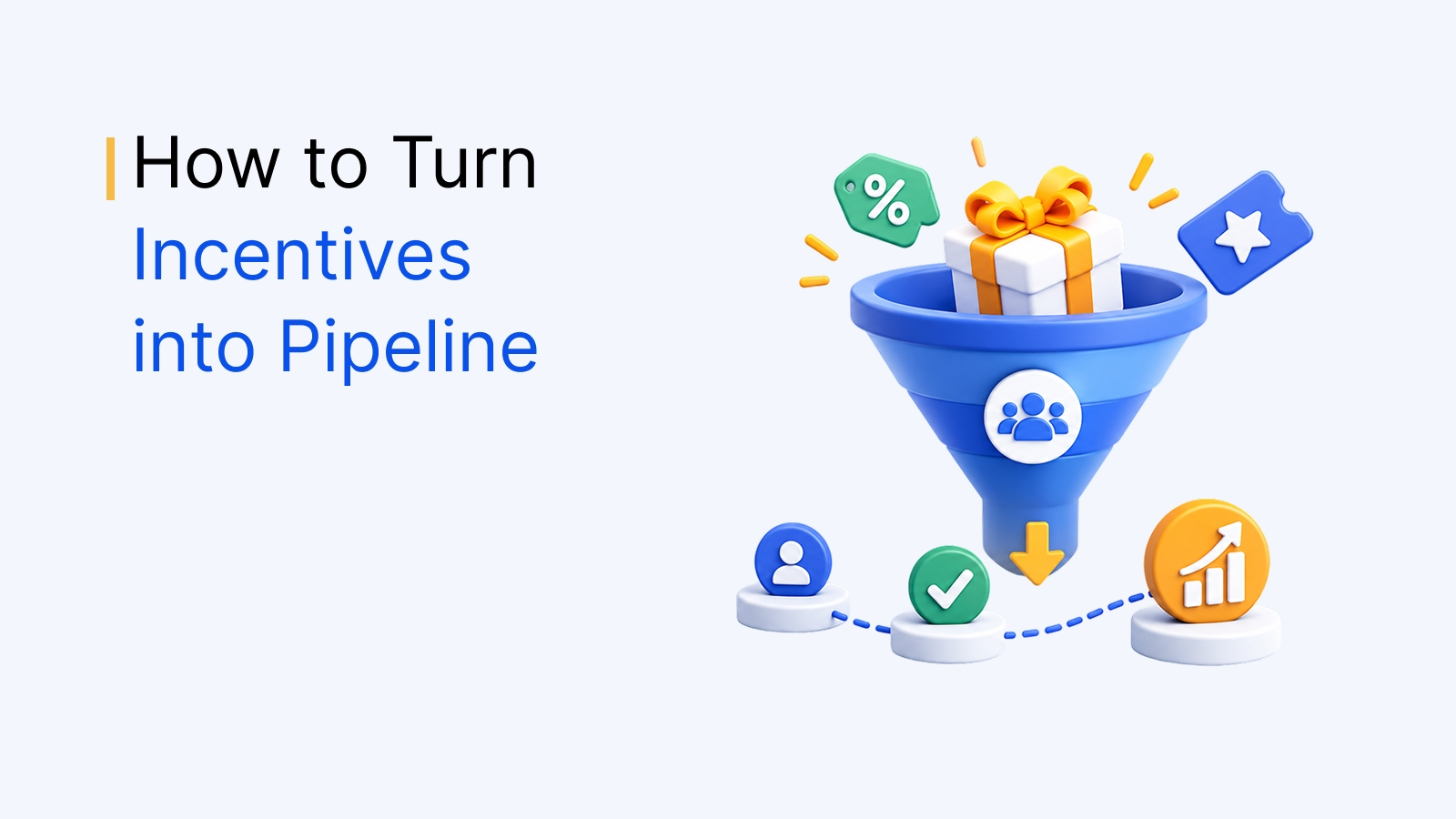
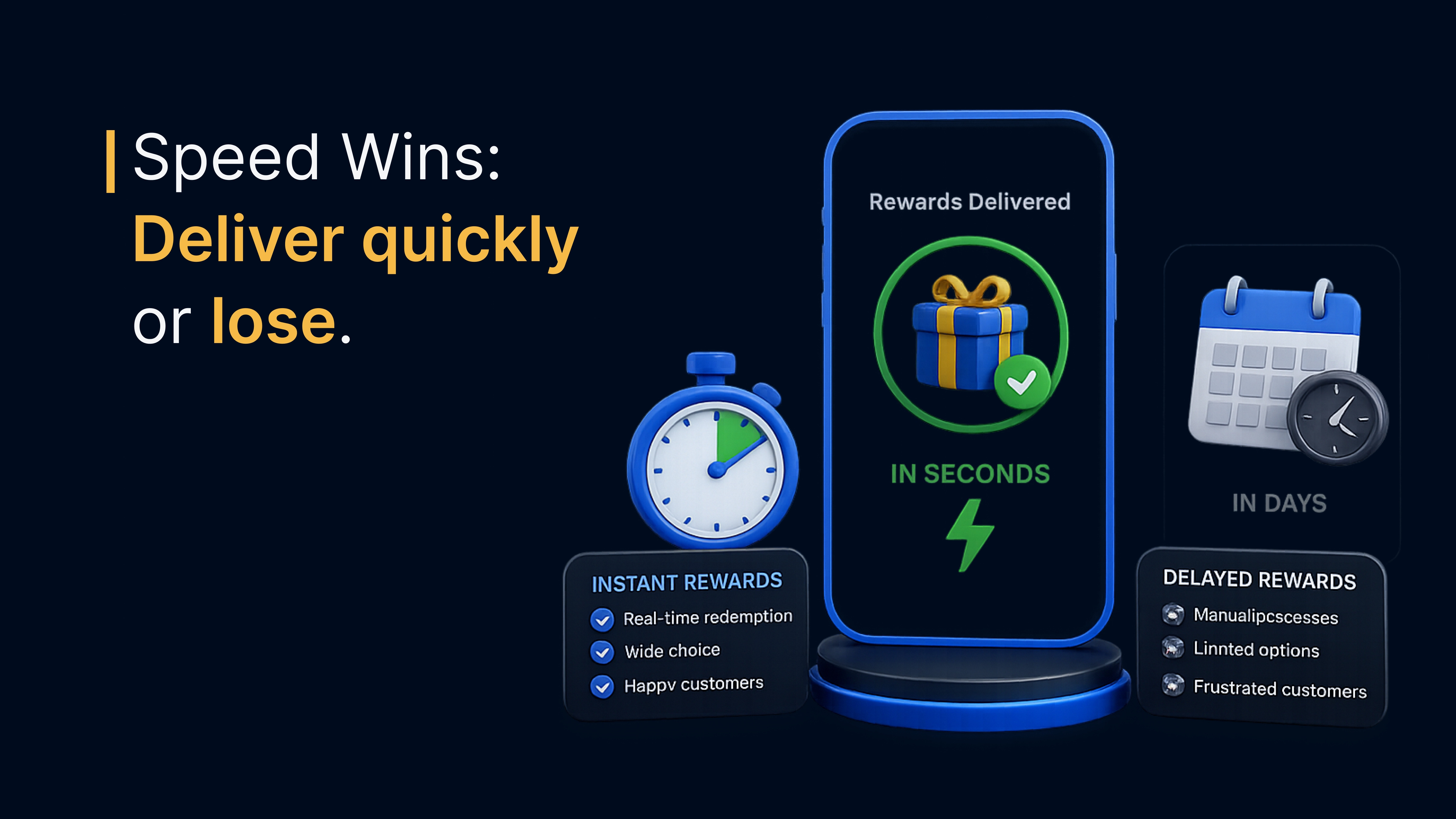
Here's the touch most sequences are missing: something that can't be archived, filtered, or scrolled past. By the time an account has gone quiet across email and ads, a digital-only sequence has nowhere left to go.
The timing matters more than the gift itself. Sending a reward at touch one reads as a bribe. Sending it after touch four or five, once the account has already seen your name twice, reads as recognition.
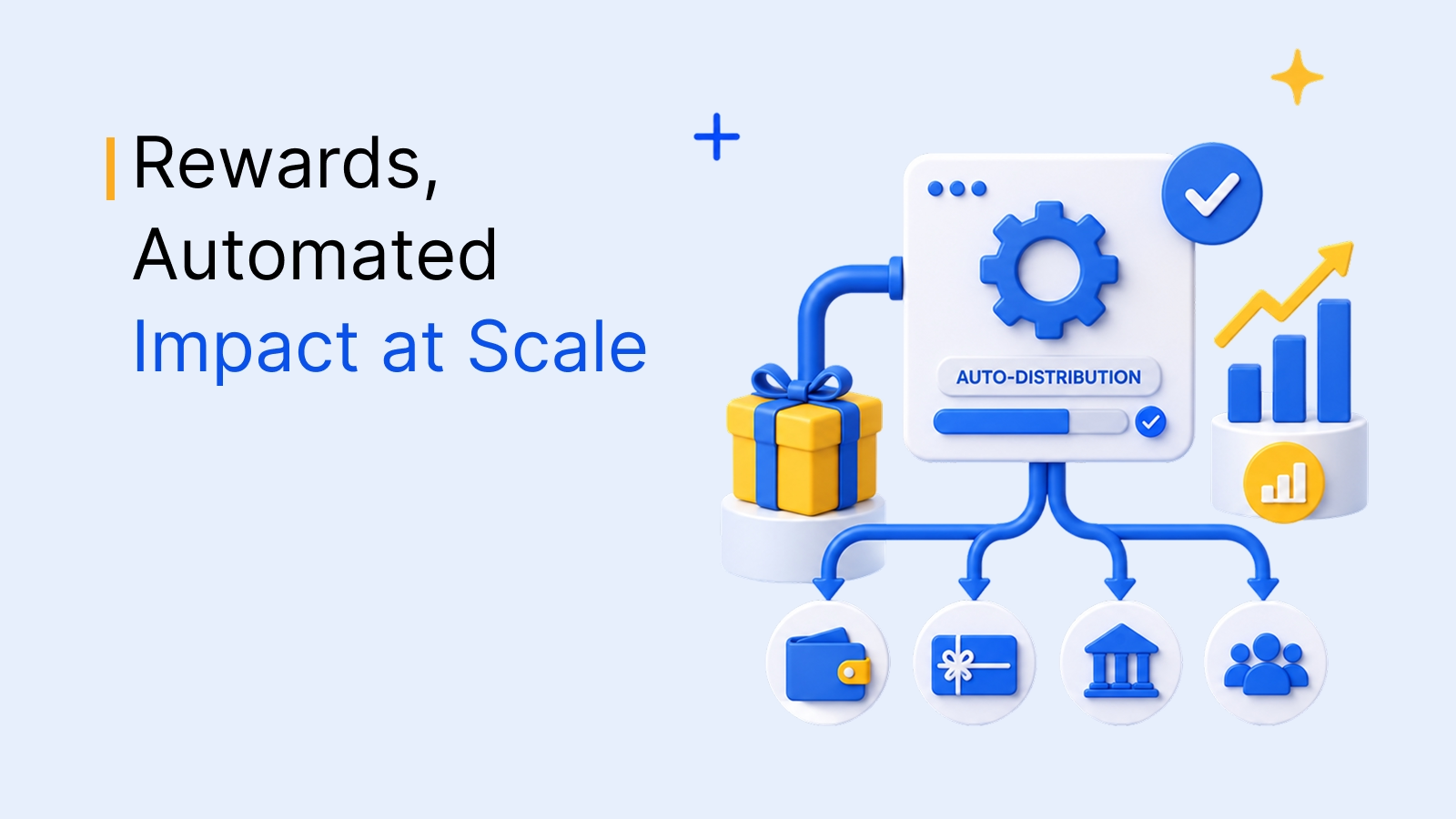
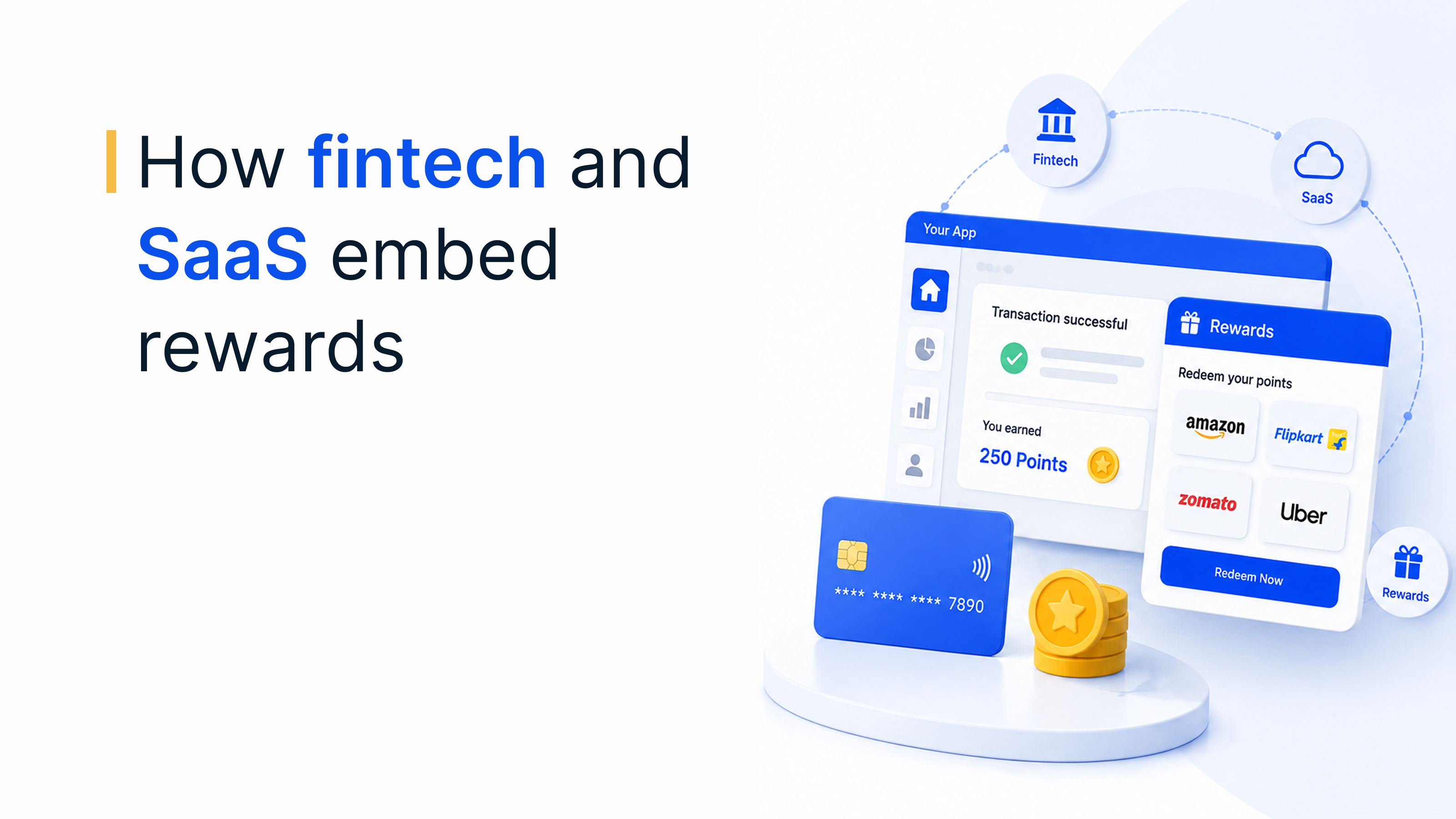
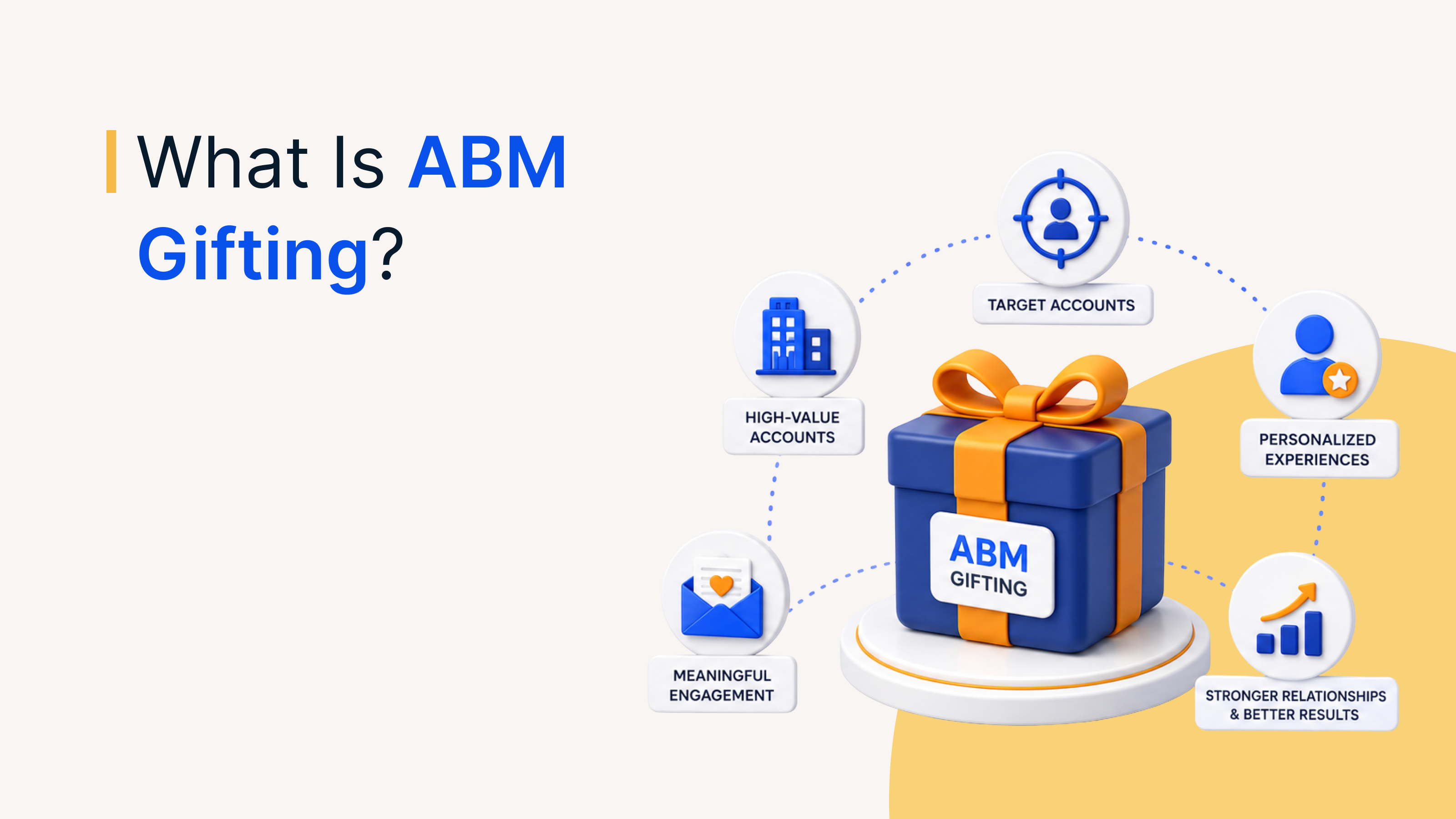
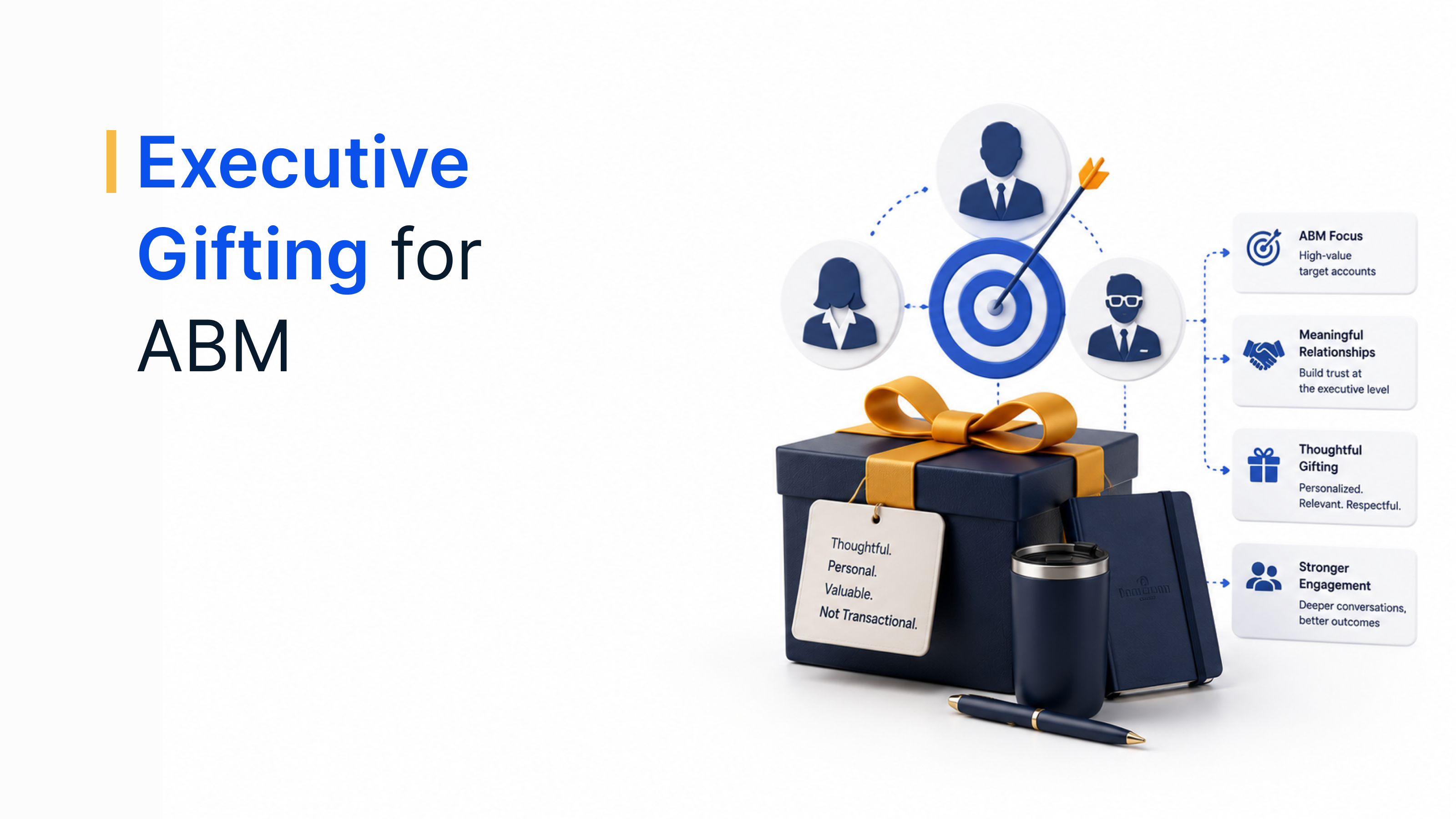
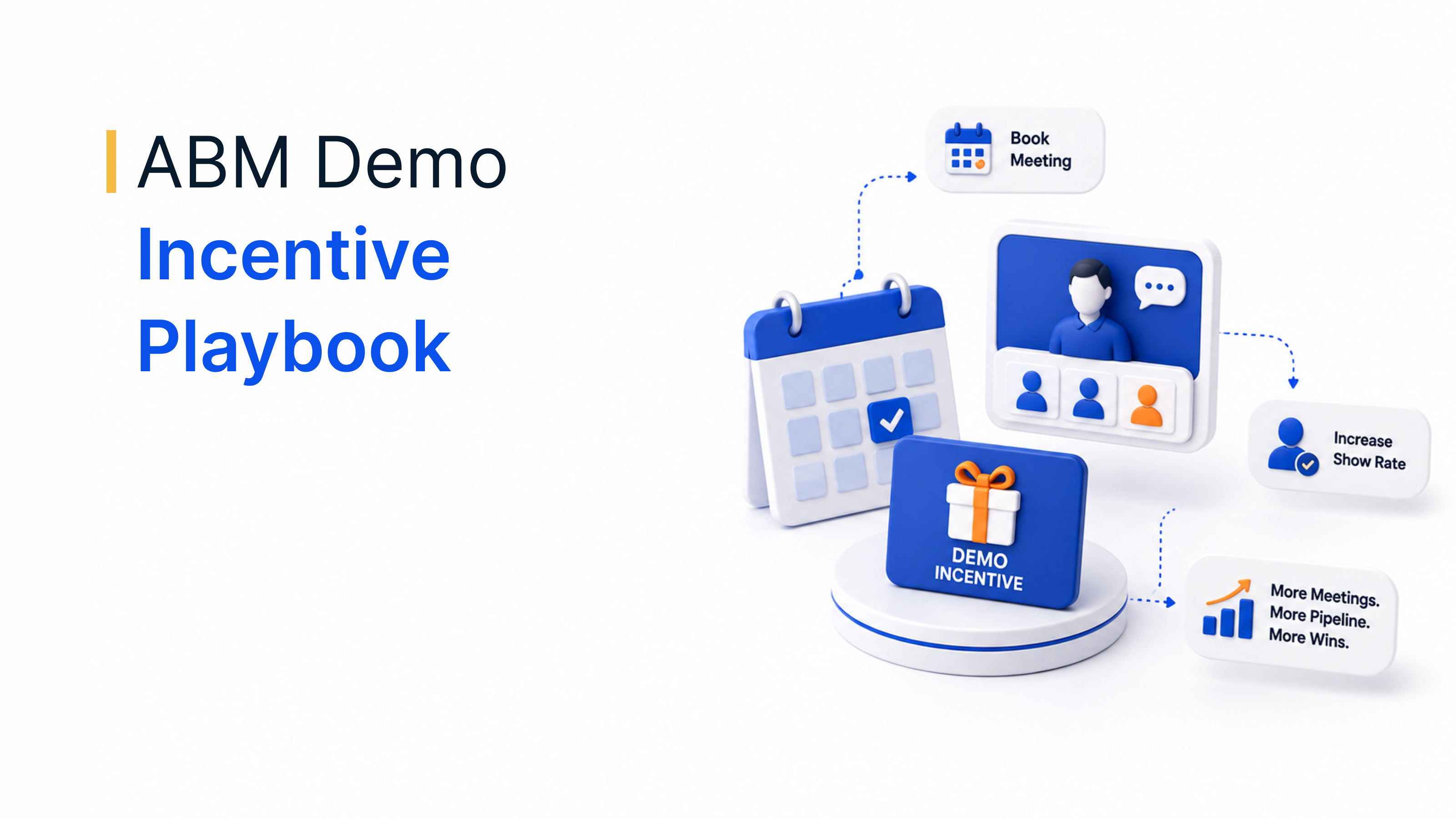
This is where using rewards for demand generation fits into the sequence. Xoxoday Plum lets marketing teams automate reward delivery on account-level trigger events, connecting directly to the CRM and ABM platforms already running the campaign, so the reward fires the moment the trigger happens, tracked back to the same dashboard as every other touch. For the mechanics of building that gifting layer, see what ABM gifting is and how to run it.
Personalization at Scale: Balancing Relevance with Volume
Personalization breaks down the moment it stops being specific. Real personalization means the message reflects something true about the account: a recent funding round, a leadership change, a specific pain point tied to their industry.
The fix is segment-level personalization, not account-level, for anything past Tier 2. The same logic behind customer incentive design that reliably increases conversion applies here: group accounts by shared attribute and build one message per segment, not one per account.
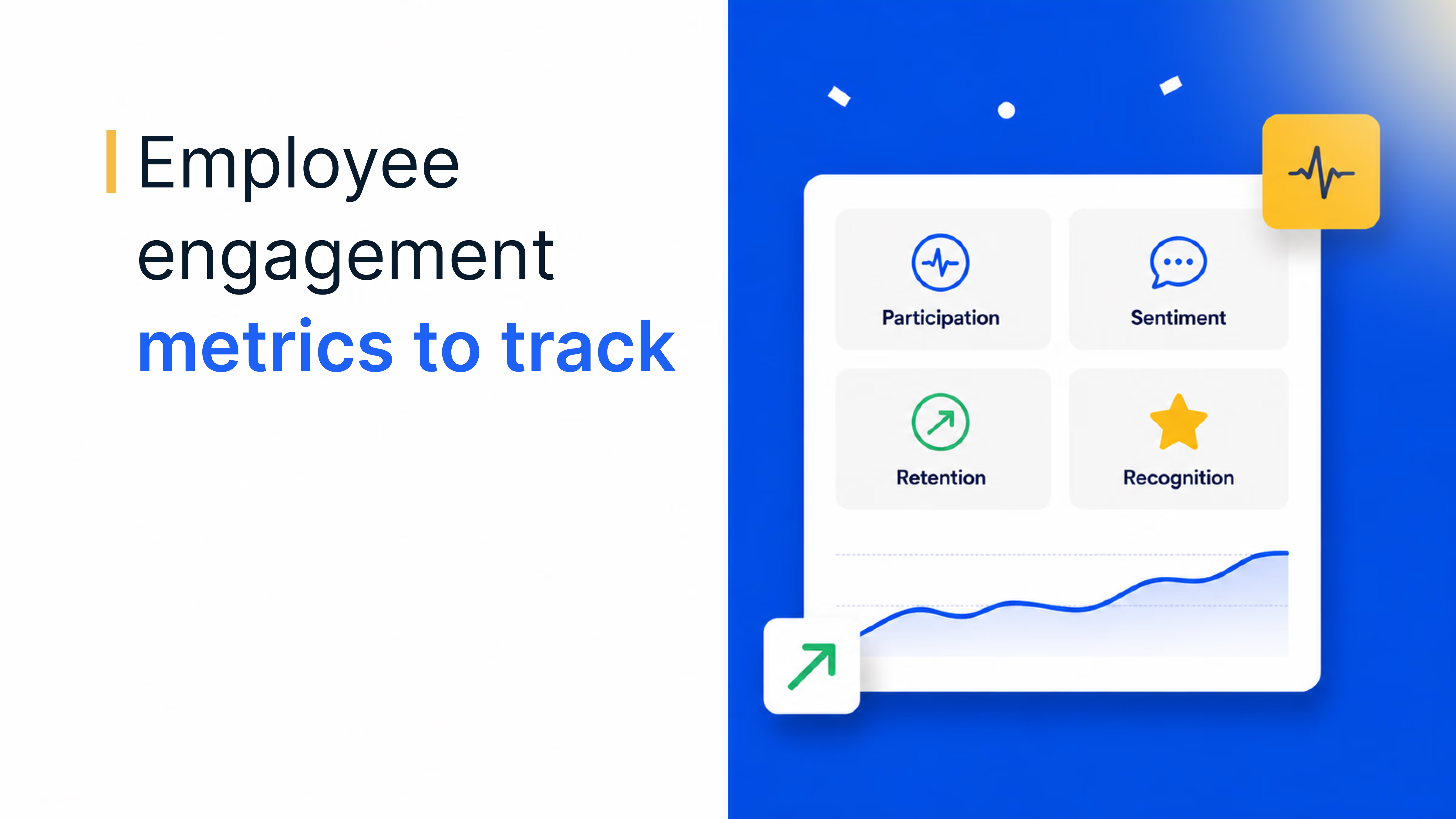
ABM Campaign Metrics: What to Track Beyond Open Rates
Open rate tells you an email landed. It says nothing about whether the account cares.
| Metric | What it measures | Why open rate misses it |
|---|---|---|
| Account engagement score | Combined activity across channels per account | Open rate only sees one channel |
| Multi-threaded contacts reached | Distinct stakeholders engaged per account | Can't distinguish one contact from six |
| Meetings booked per tier | Touches-to-meeting conversion by tier | No connection to pipeline |
| Time-to-engagement | Days from first touch to first response | Doesn't track response at all |
Building a Repeatable ABM Playbook Your Team Can Run
None of this works as a one-time campaign. It works as a system your team runs the same way every quarter, with the tier structure, funnel mapping, and reward triggers already built in before the next target account list even lands.
Document the sequence once: which tier gets which channel mix, at which funnel stage, with which trigger for a reward touch. That's the actual test of whether an ABM strategy has matured past campaign and into motion. It's the same discipline behind a well-built partner incentive program: document the logic once, and a new team member can run it without losing the reasoning behind each touch.
The accounts on your list this quarter will be different from the ones on it next quarter. The playbook shouldn't have to be.