Key Takeaways
One redemption catalog can't serve both B2C resellers and B2B distributors - reward types have to match what each partner actually values
Earning rules should follow business priority: category depth and product knowledge, not just transaction volume
Validation workflows and analytics are what make a channel program trustworthy enough for partners to actually rely on
Most loyalty programs are designed around consumers. Channel loyalty is a different animal entirely - the "customer" is a reseller, distributor, or retail partner who's choosing, deal by deal, whether to push your product or a competitor's. There's no emotional brand attachment to lean on. There's only margin, ease of doing business, and whether the incentive program is worth the partner's attention.
A recent channel loyalty program design for a global electronics manufacturer offers a detailed look at how to actually build that kind of program - one that has to work for both high-volume retail resellers and enterprise-focused distributors at the same time.
The core problem: one program, two very different partners
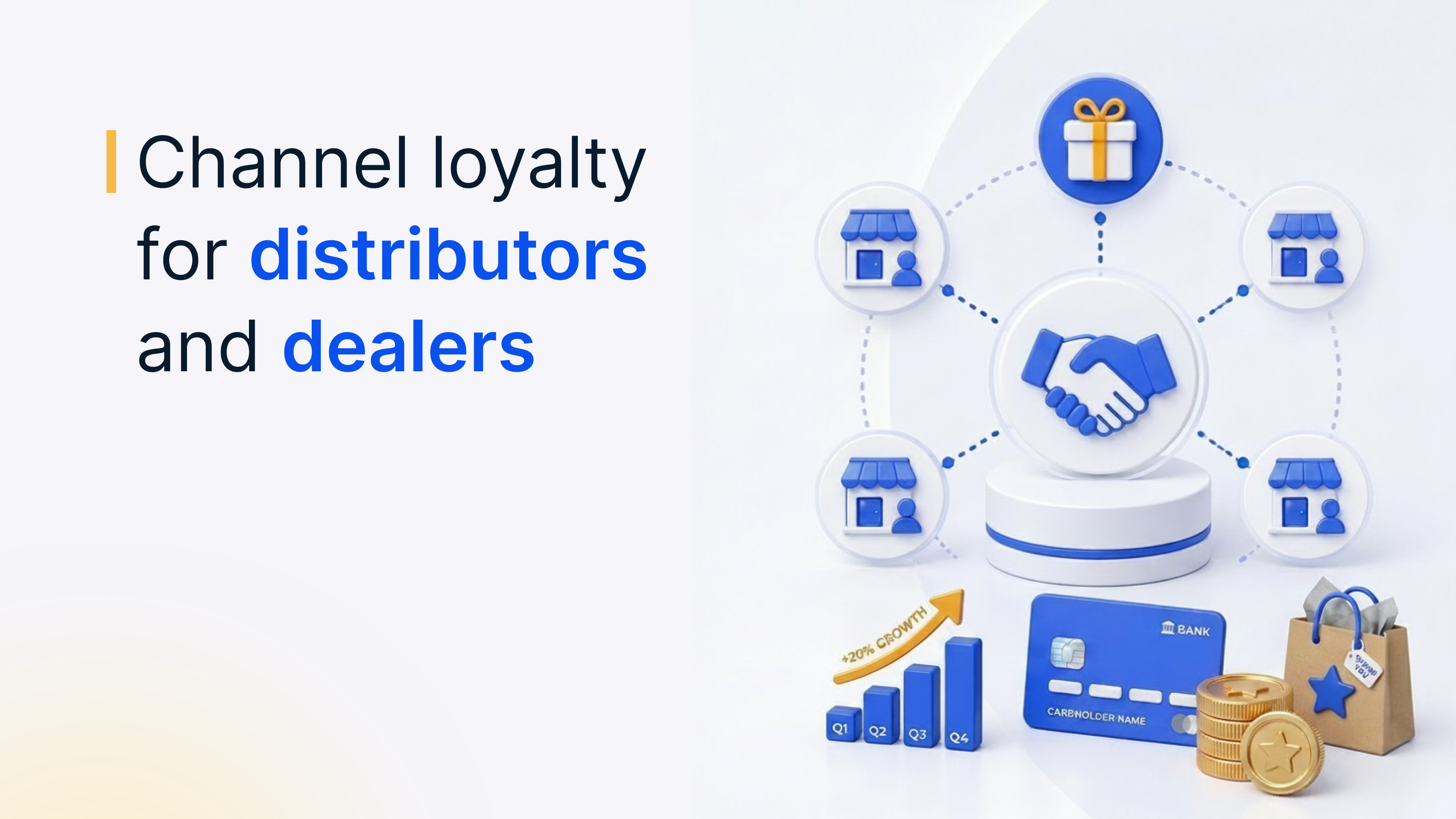
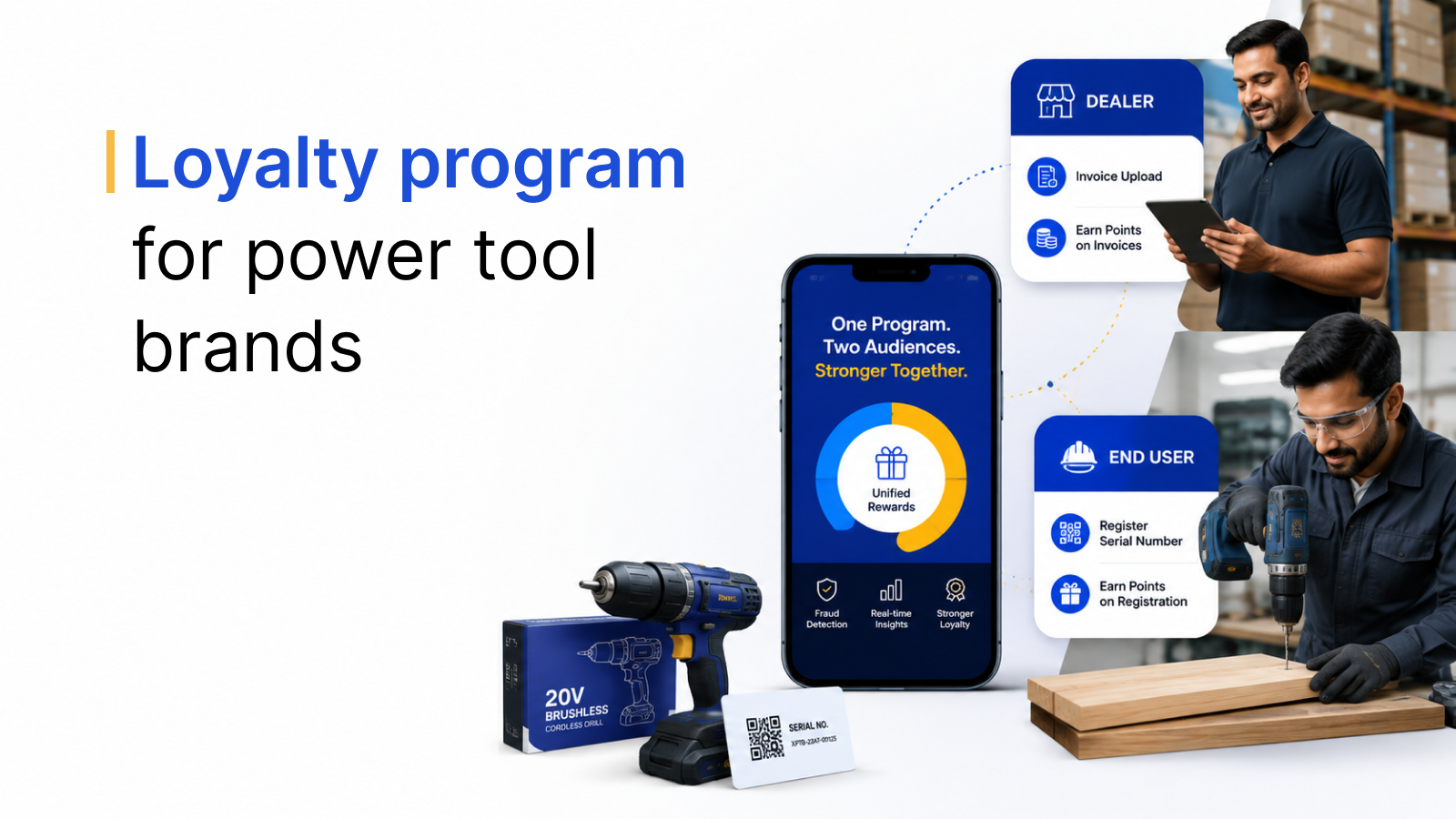
Channel ecosystems usually split into two partner types with almost opposite motivations:
| Partner Type | Example Profiles | Primary Focus | Key Motivators |
|---|---|---|---|
| B2C | Retail stores, resellers, e-commerce sellers | High-volume consumer sales | Cash-equivalent rewards, fast-turn incentives |
| B2B | Distributors, corporate resellers, system integrators | Enterprise, government, institutional sales | Business enablement, co-marketing credits, premium recognition |
A program that treats these two groups identically will underperform for both. The retail reseller wants their reward fast and liquid. The enterprise distributor is often more motivated by things that help them close the next deal - co-op advertising credits, training sponsorships, branded marketing kits - than by a gift card.
Building the earning engine: make the incentive follow the business priority
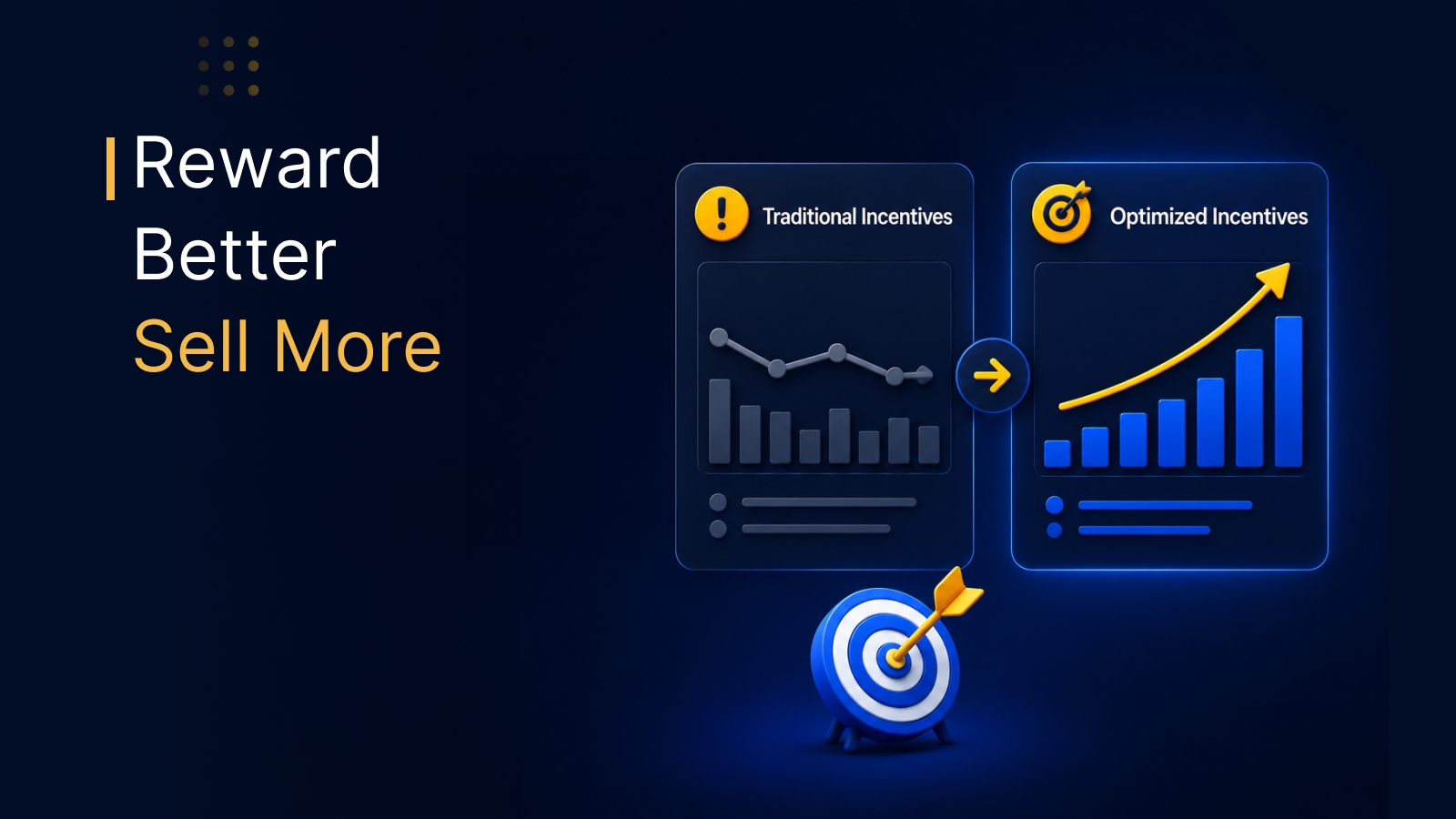
The most effective channel programs don't just reward "a sale." They reward the specific sales behavior the business wants more of, at a category level:
- Premium product sales earn more points than commodity SKUs (in this design, a premium laptop earned meaningfully more points per unit than an accessory)
- High-margin SKU promotions carry bonus multipliers, nudging partners toward the categories that matter most to the business
- Quarterly target achievement triggers a lump bonus, on top of per-unit earnings
- Engagement-based earning - completing product training, submitting case studies, attending roadshows - rewards partners for building the knowledge that eventually converts into confident selling
This is the mechanism that actually turns "a partner who sells your product" into "a partner who champions your product" - the incentive structure directly rewards depth of product knowledge and category focus, not just transaction volume.
See Loyalife in action
Build a channel loyalty program that rewards category focus and matches incentives to how B2C and B2B partners actually think.
Talk to our ExpertTrusted by 5,000+ companies
Gamification and tiers: give partners a reason to compete
Once the earning logic exists, gamification is what keeps partners checking in rather than treating the program as a background rebate:
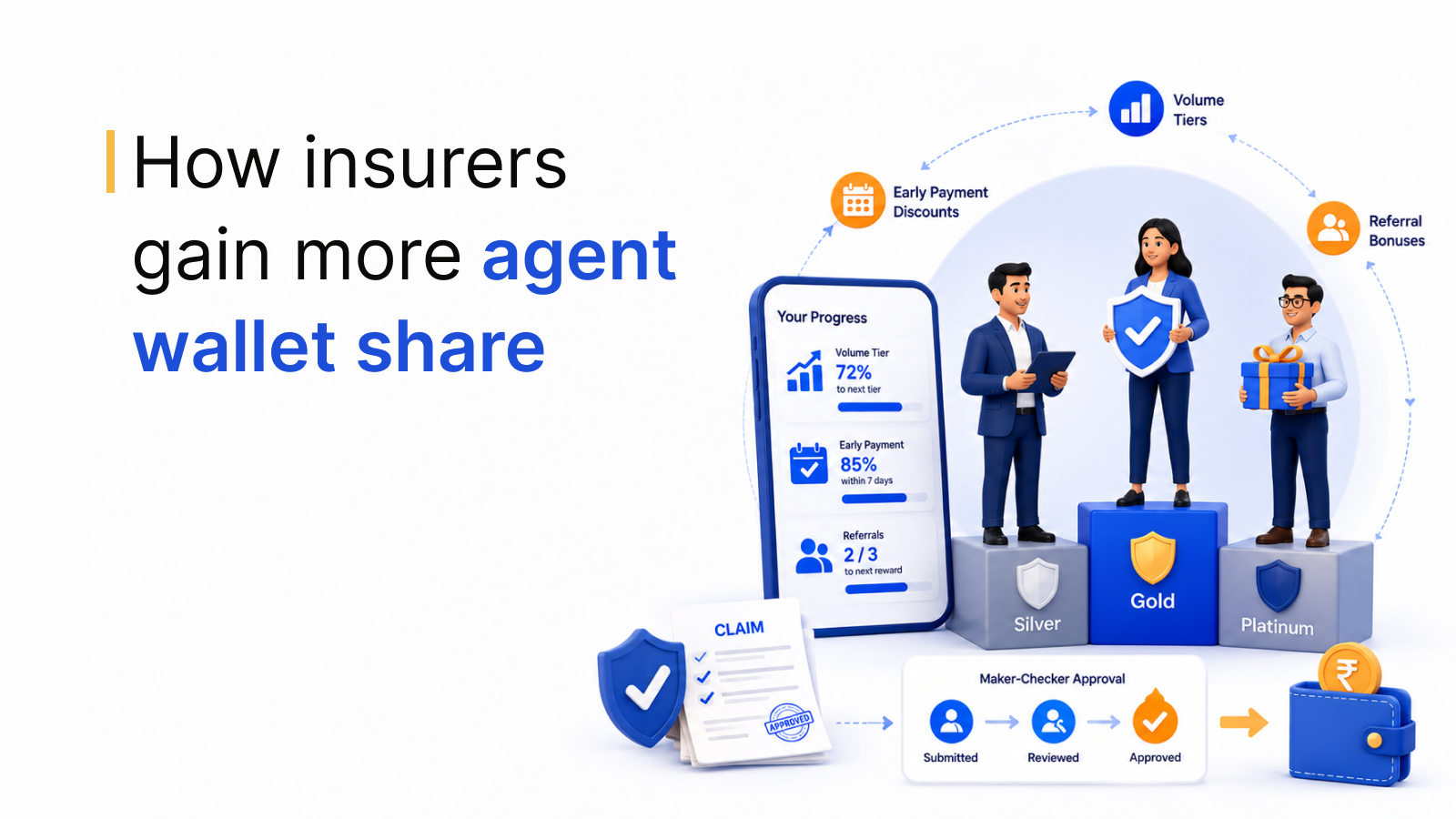
- Leaderboards - split by B2C, B2B, and combined, so a small retailer isn't competing against a national distributor
- Achievement badges - titles like "Enterprise Champion" or "Warranty Wizard" give partners something to display, not just redeem
- Streak rewards for consistent monthly performance
- Surprise mechanics - mystery bonus multipliers on select SKUs, seasonal challenges tied to specific product lines
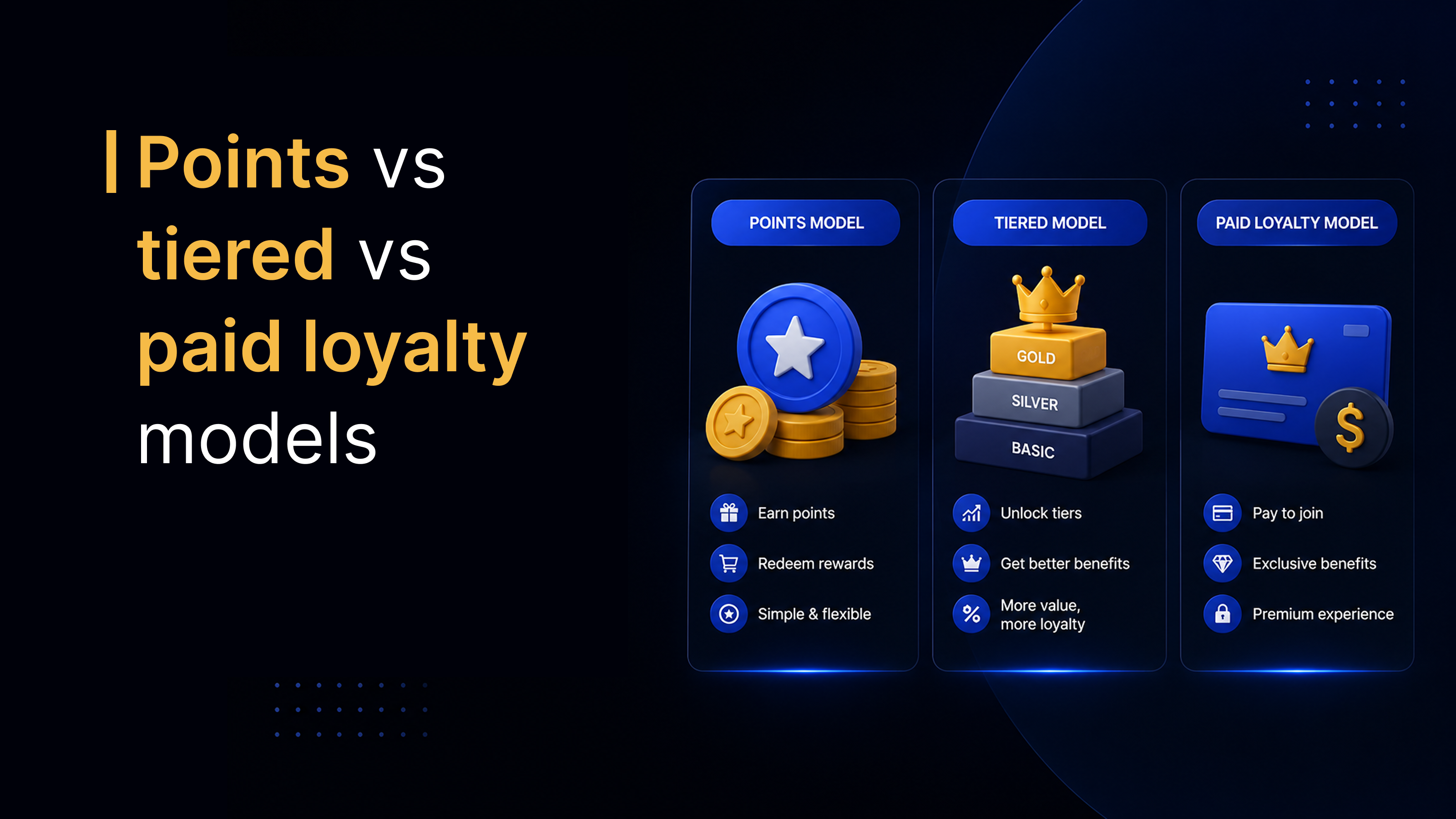
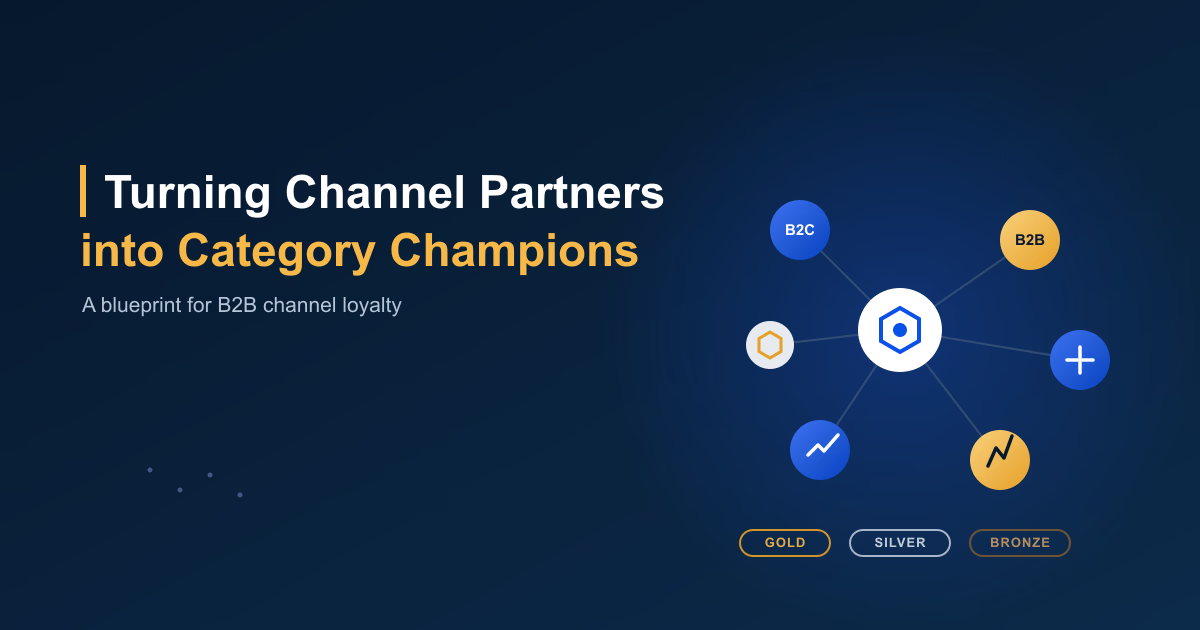
Layered on top, a tiered structure (commonly Bronze/Silver/Gold) gives partners a longer-term reason to stay engaged: higher tiers unlock faster earn rates and exclusive perks, which means a partner who's close to the next tier has a direct incentive to keep pushing rather than coast.
The redemption marketplace: match the reward to the partner type
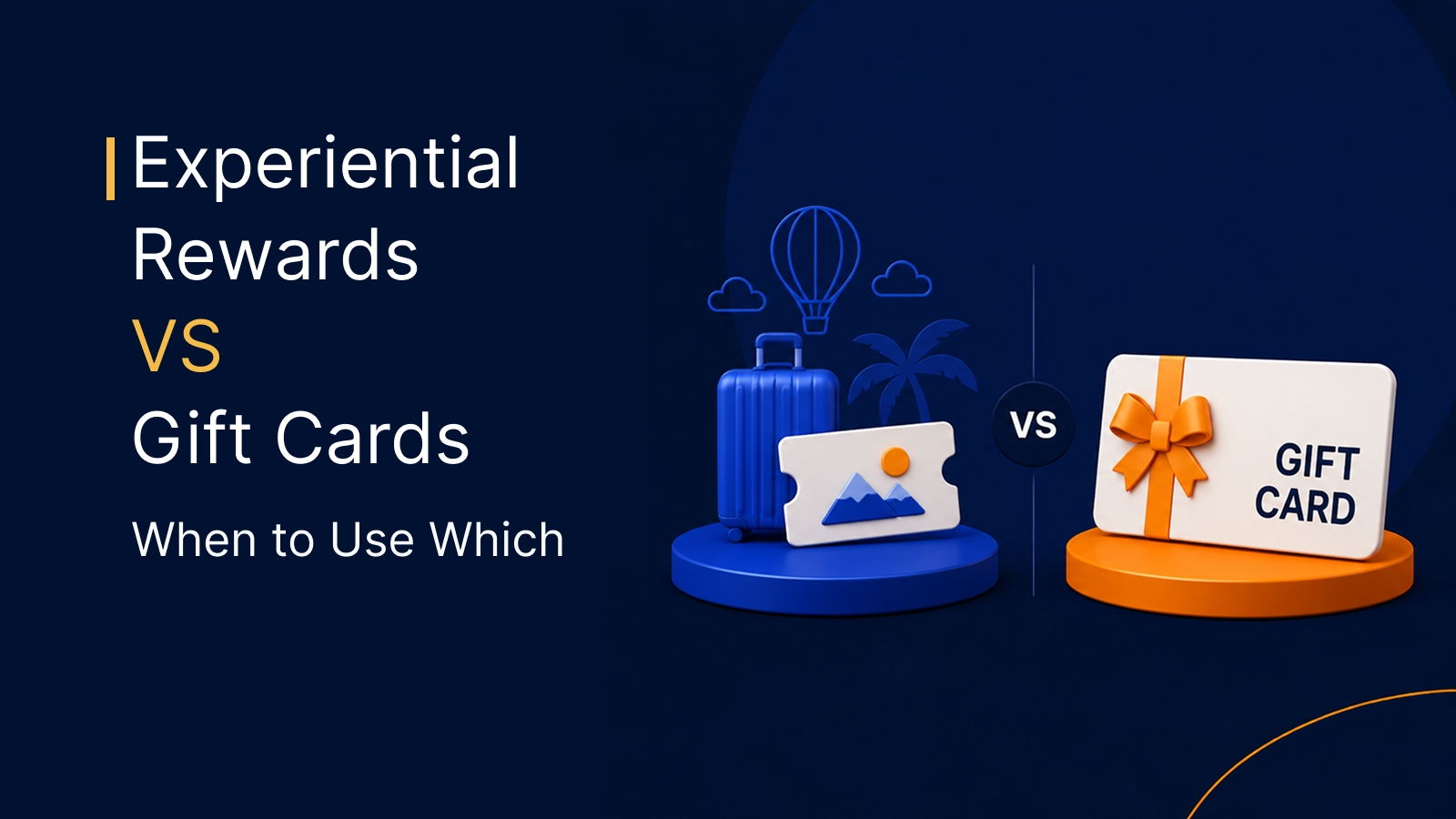
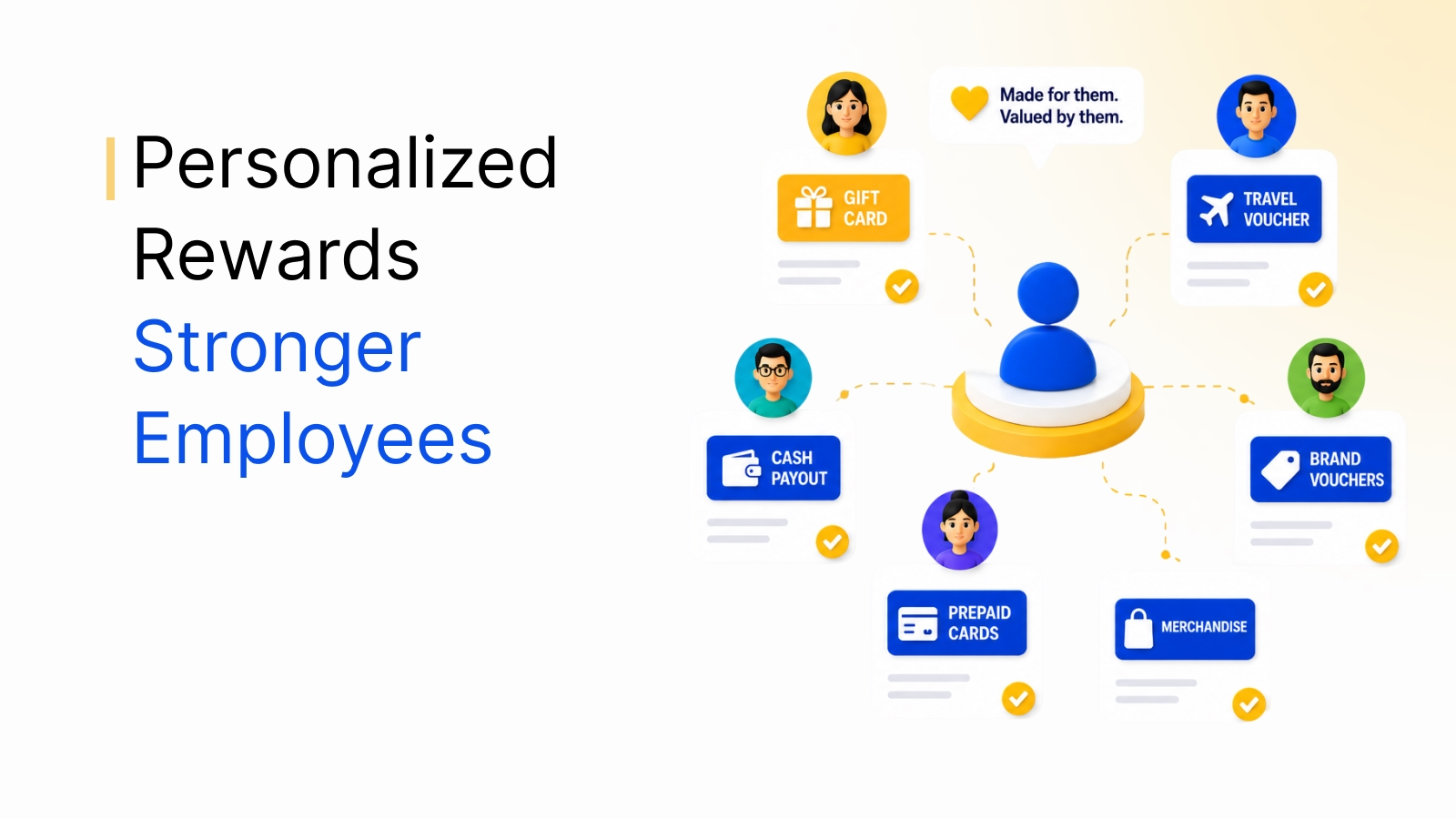
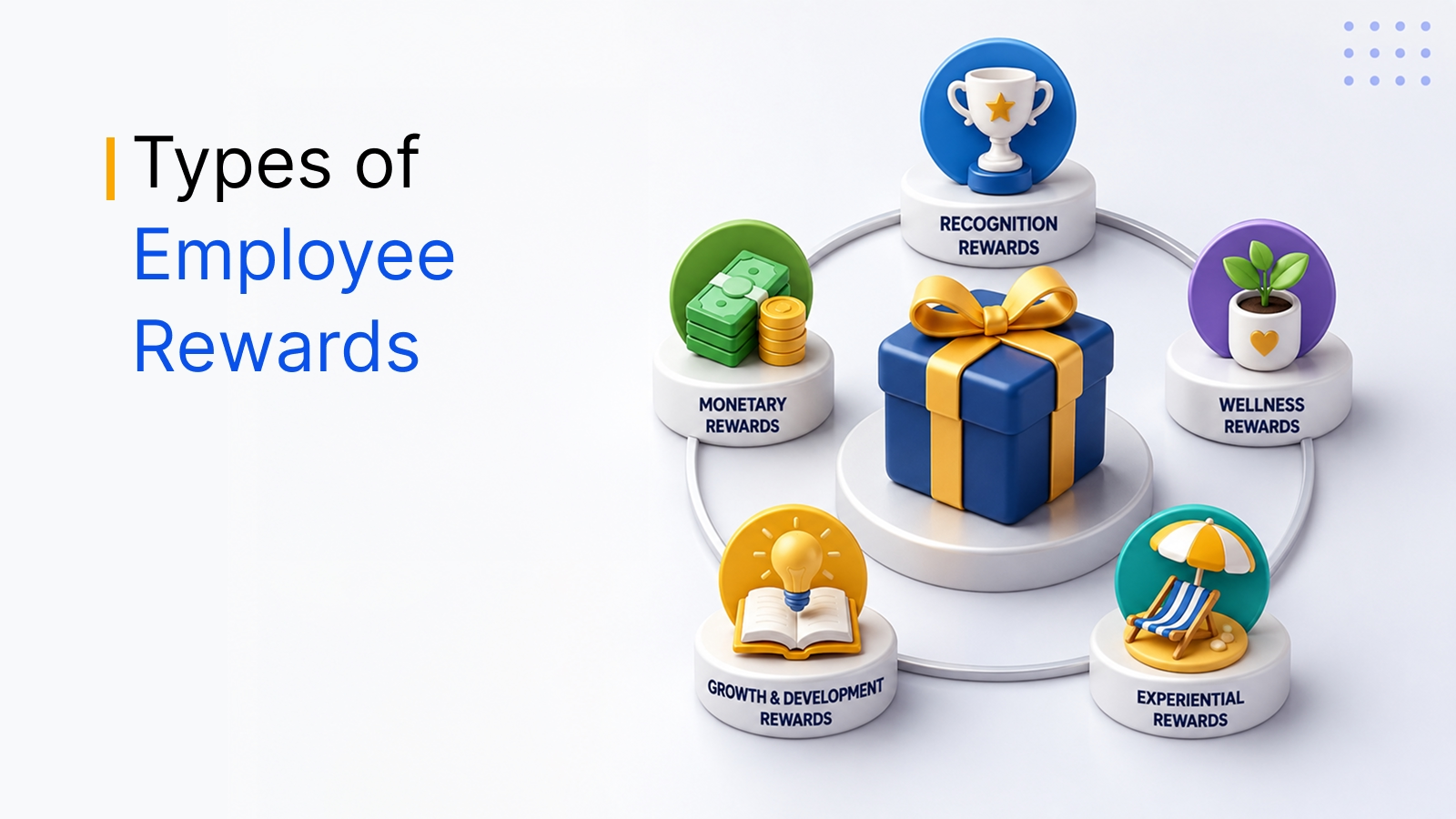
This is where the B2C/B2B split matters most. A single redemption catalog with one type of reward will always underperform because the two partner types value completely different things:
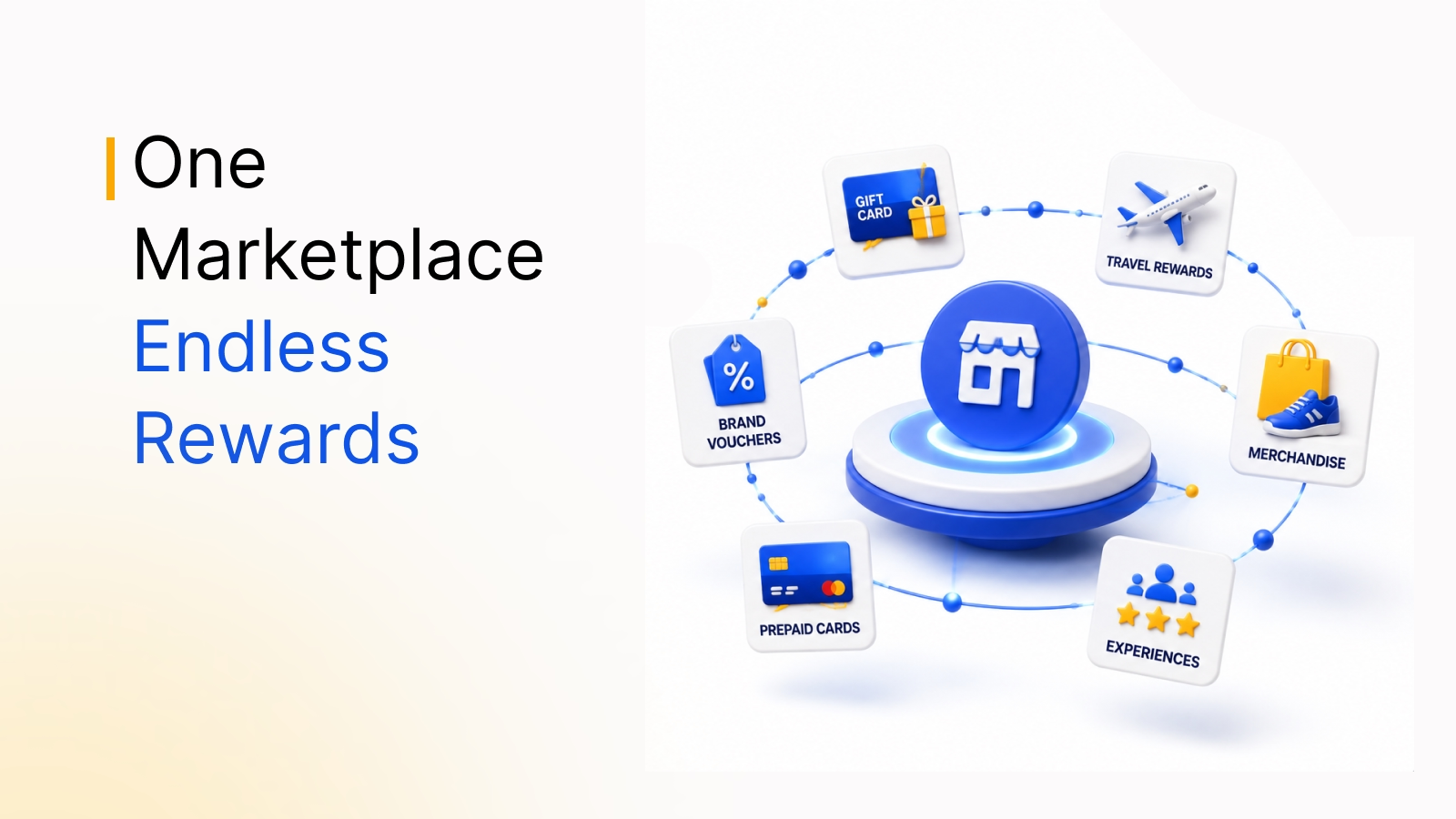
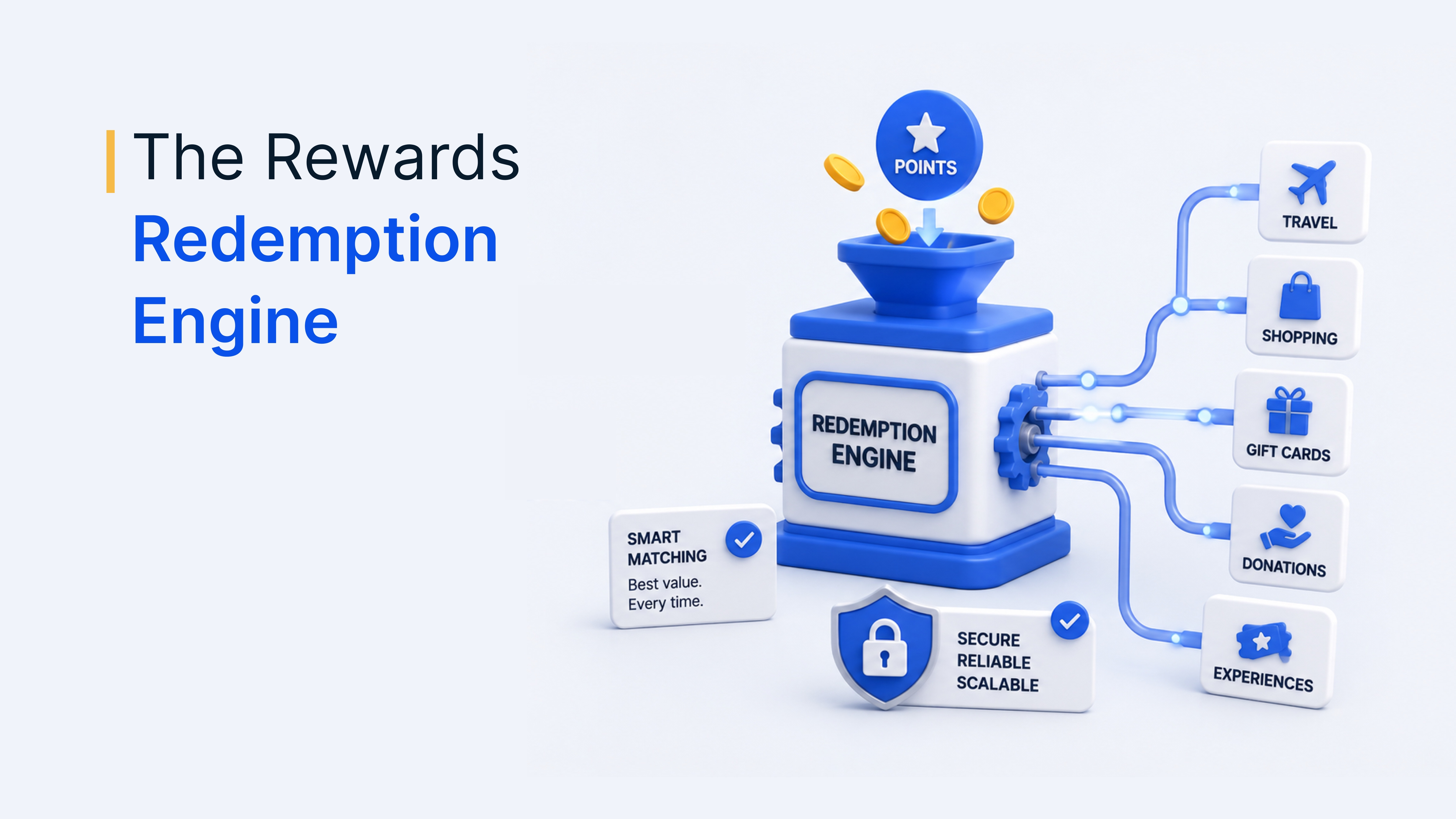
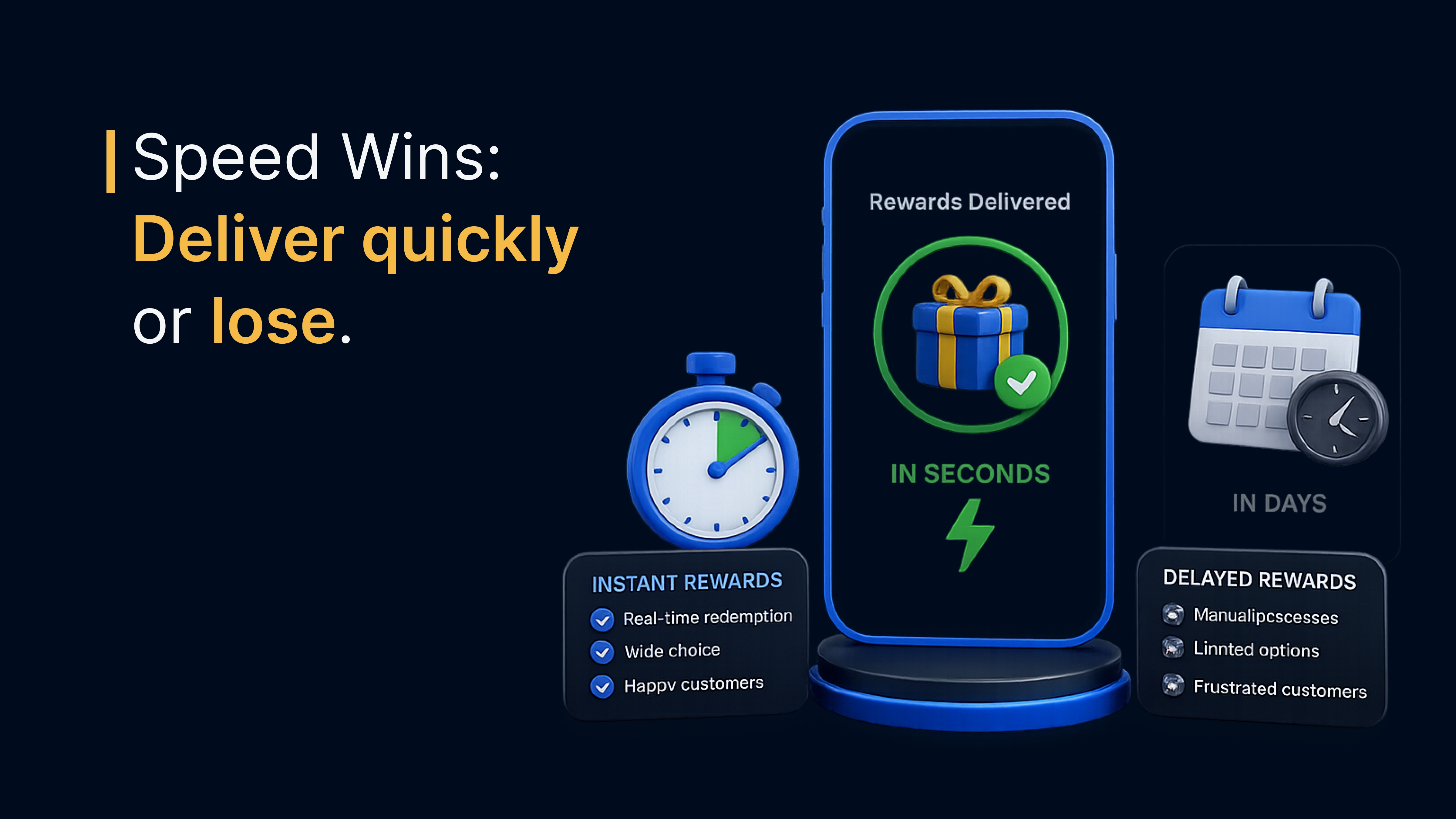
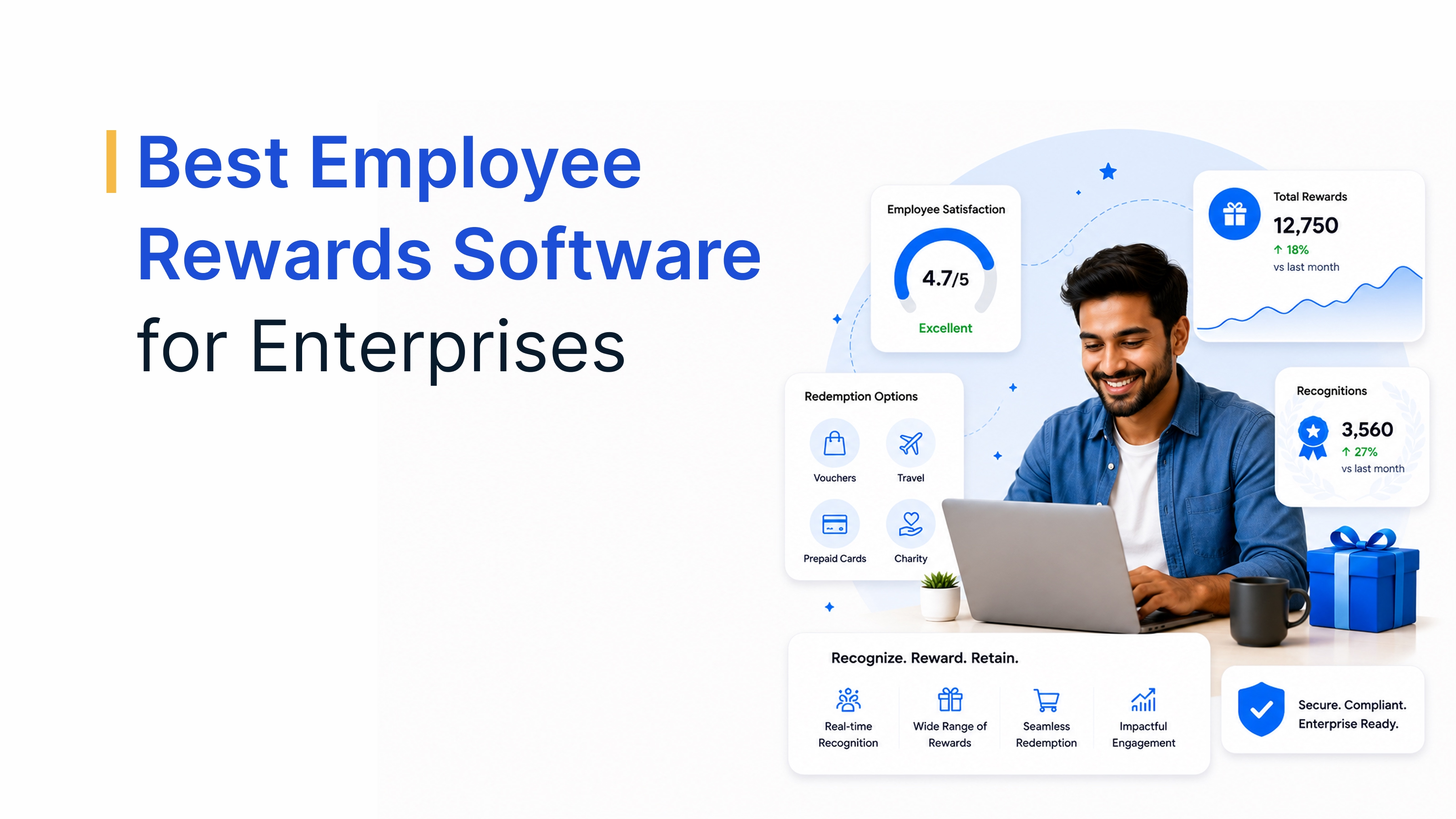
- Instant gratification (mainly for high-volume B2C partners) - direct UPI payouts, e-vouchers for major retail and lifestyle brands
- Aspirational rewards - premium electronics, luxury experiences, available to top performers across both segments
- Business enablement (B2B-exclusive) - branded marketing kits, sales training sponsorships, co-op advertising credits
That last category is easy to overlook, but it's often what actually moves enterprise-focused partners: rewards that make their own business more competitive, not just rewards that feel nice to receive.
The infrastructure nobody sees, but everyone depends on
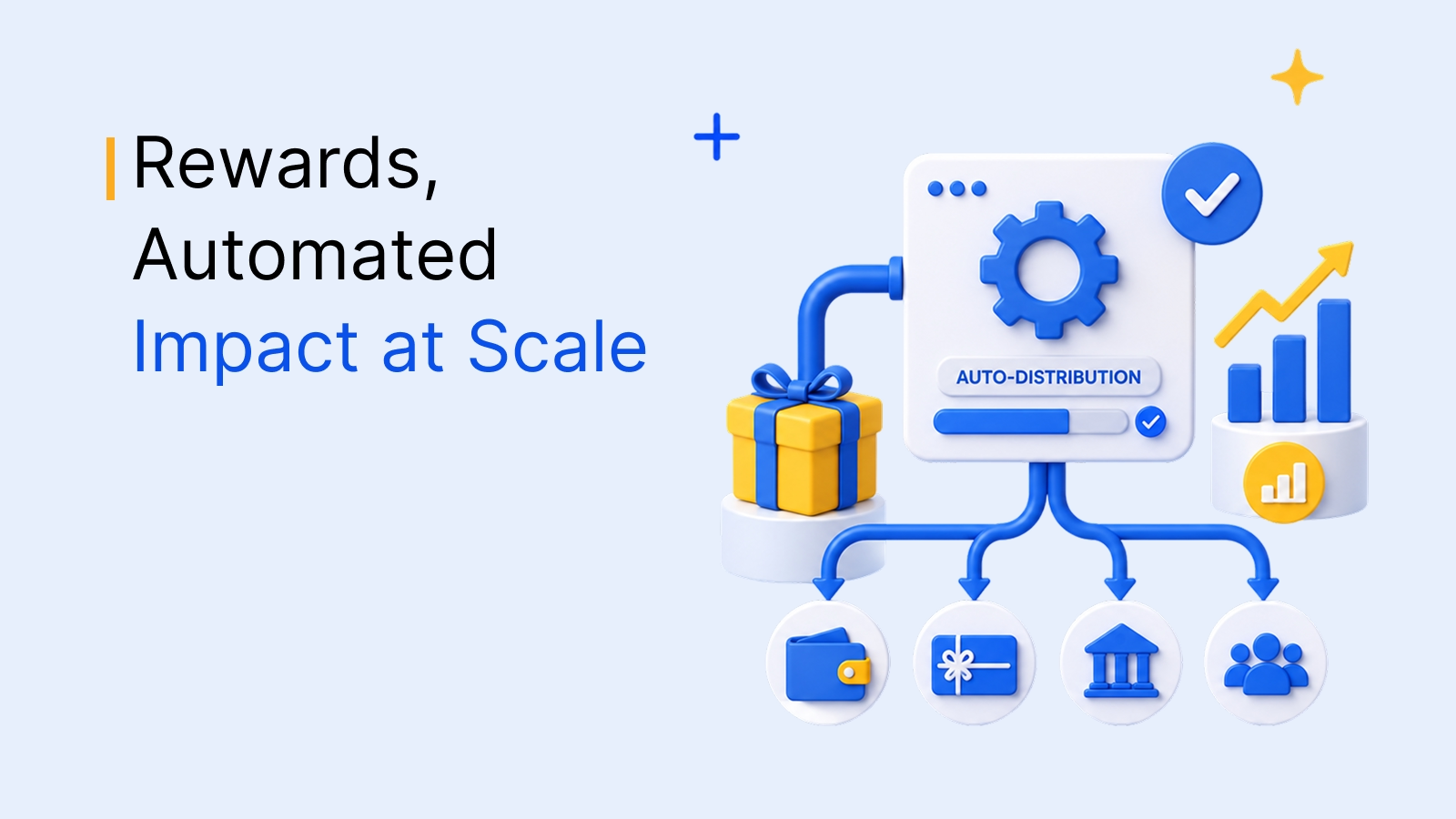
Behind the partner-facing experience, a channel program lives or dies on operational plumbing:
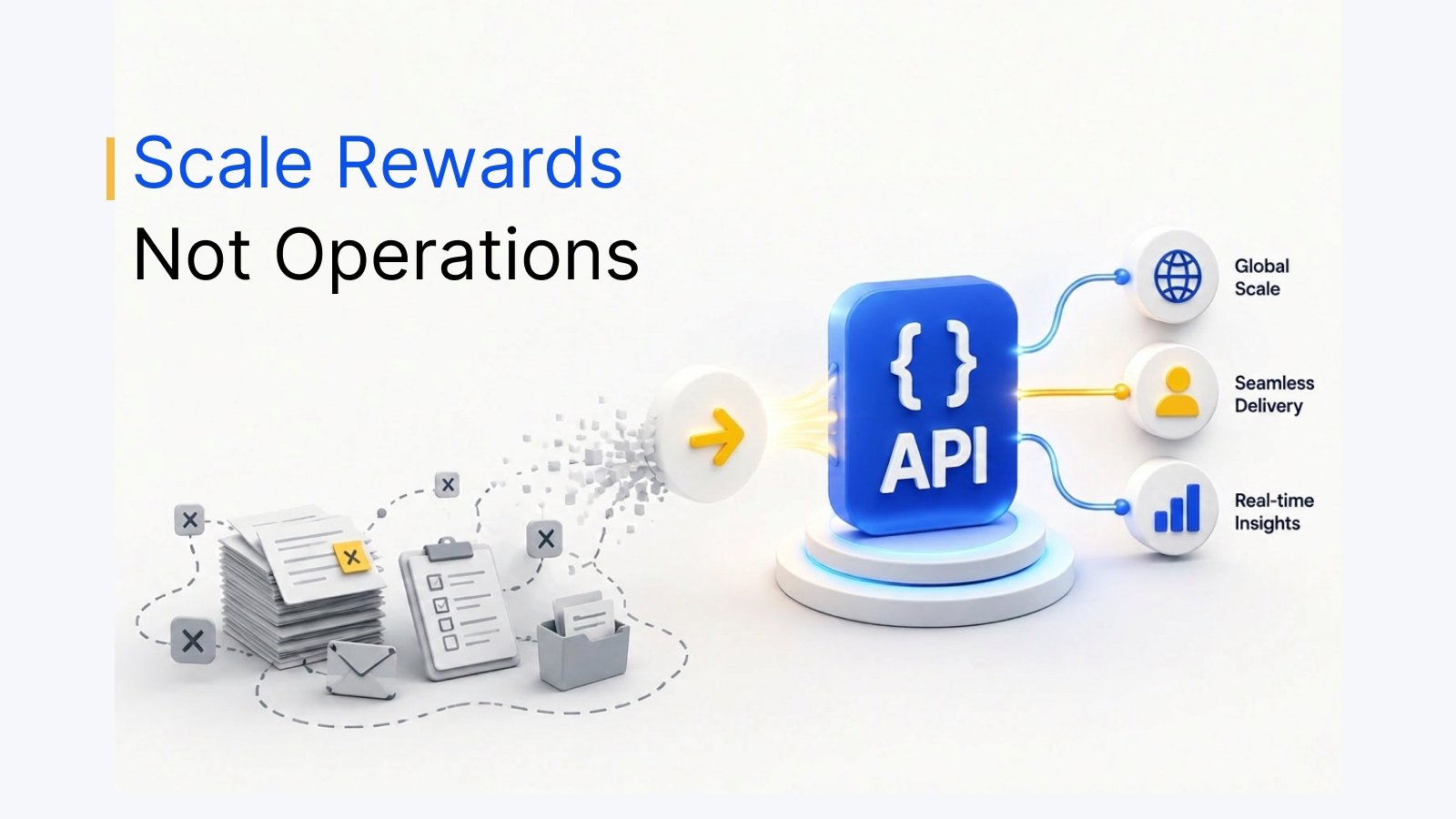
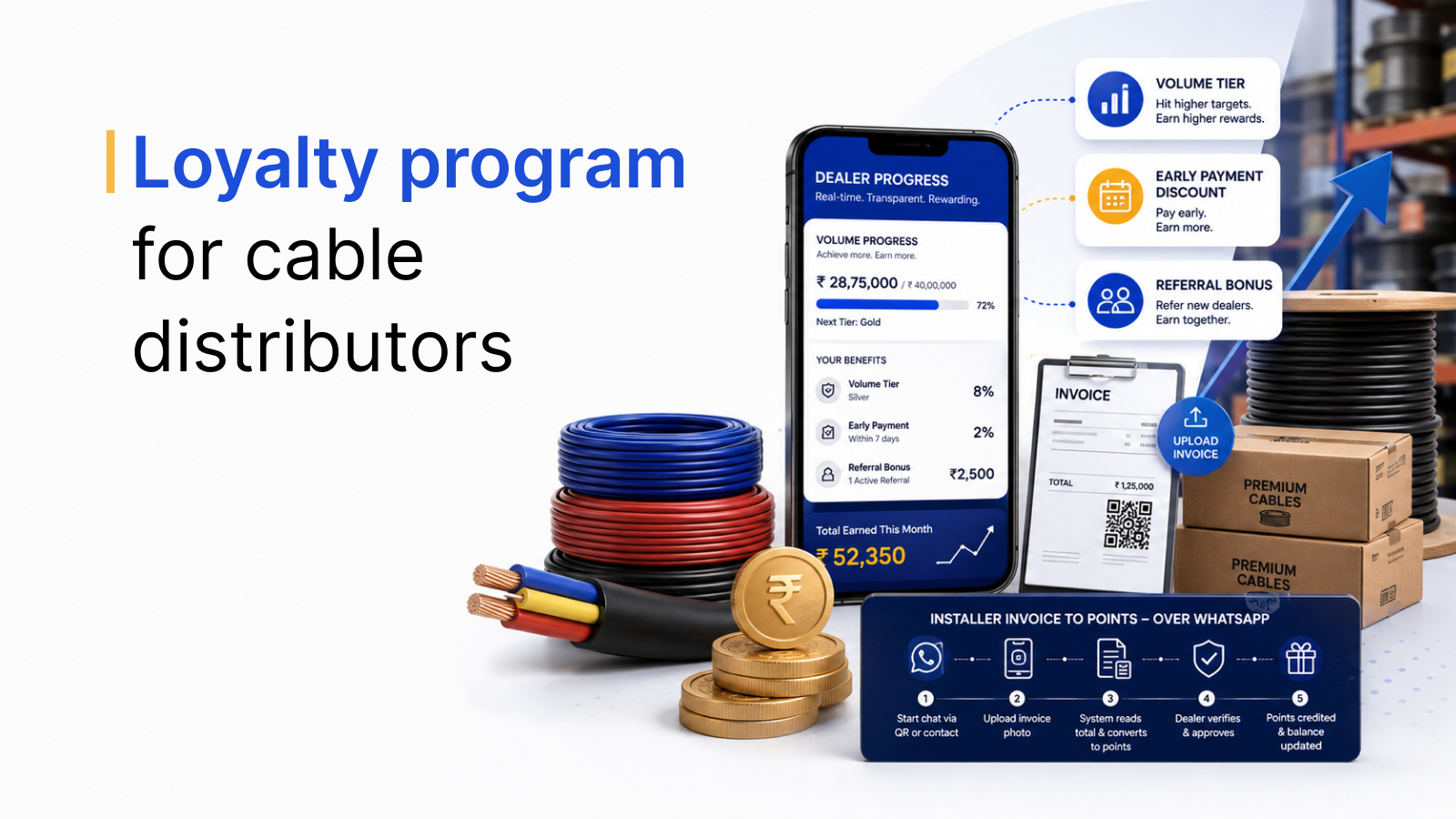
- Flexible data capture - invoice scan-and-upload, manual entry, or direct API/CRM integration, so partners of different sophistication levels can all participate
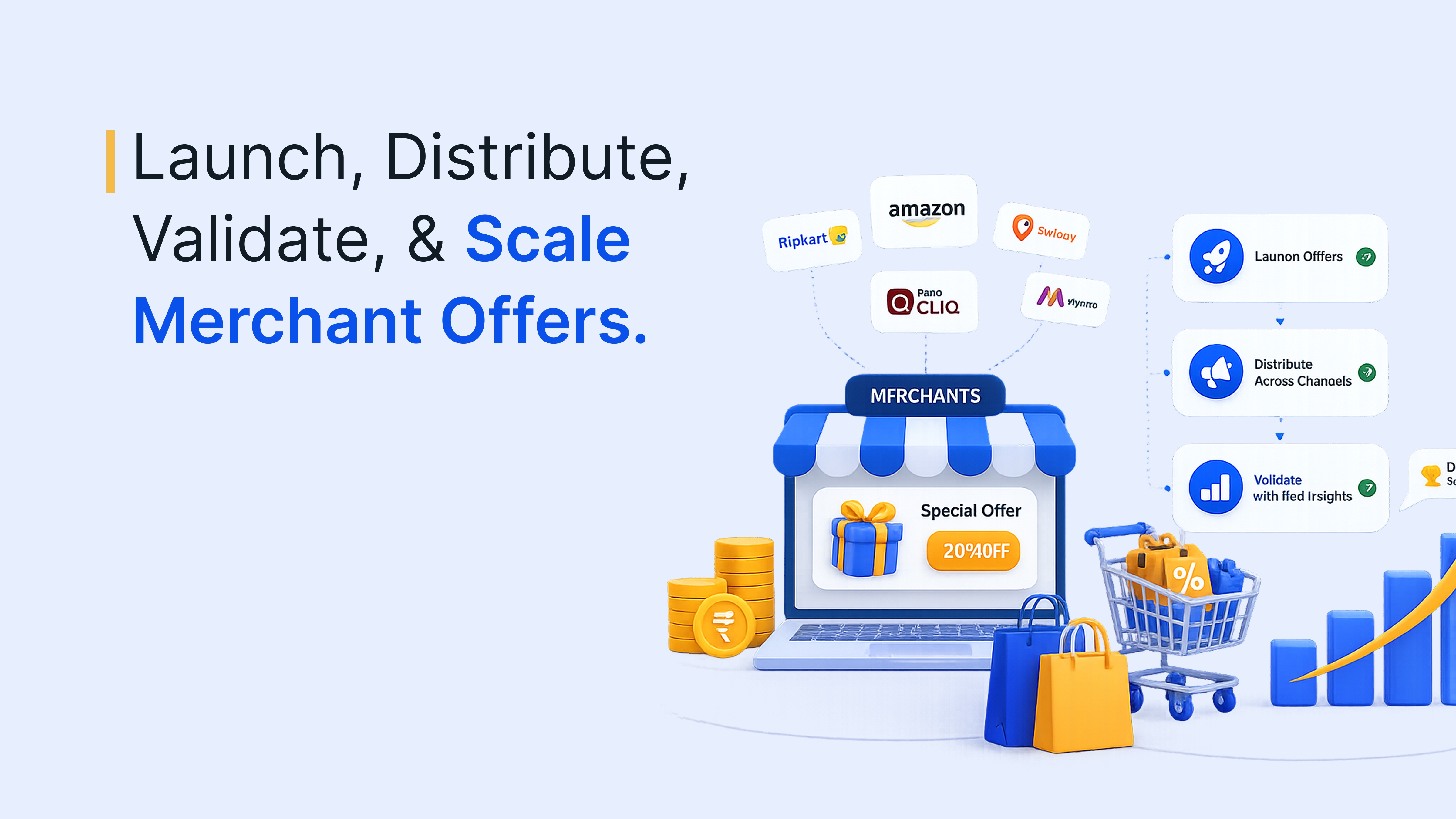
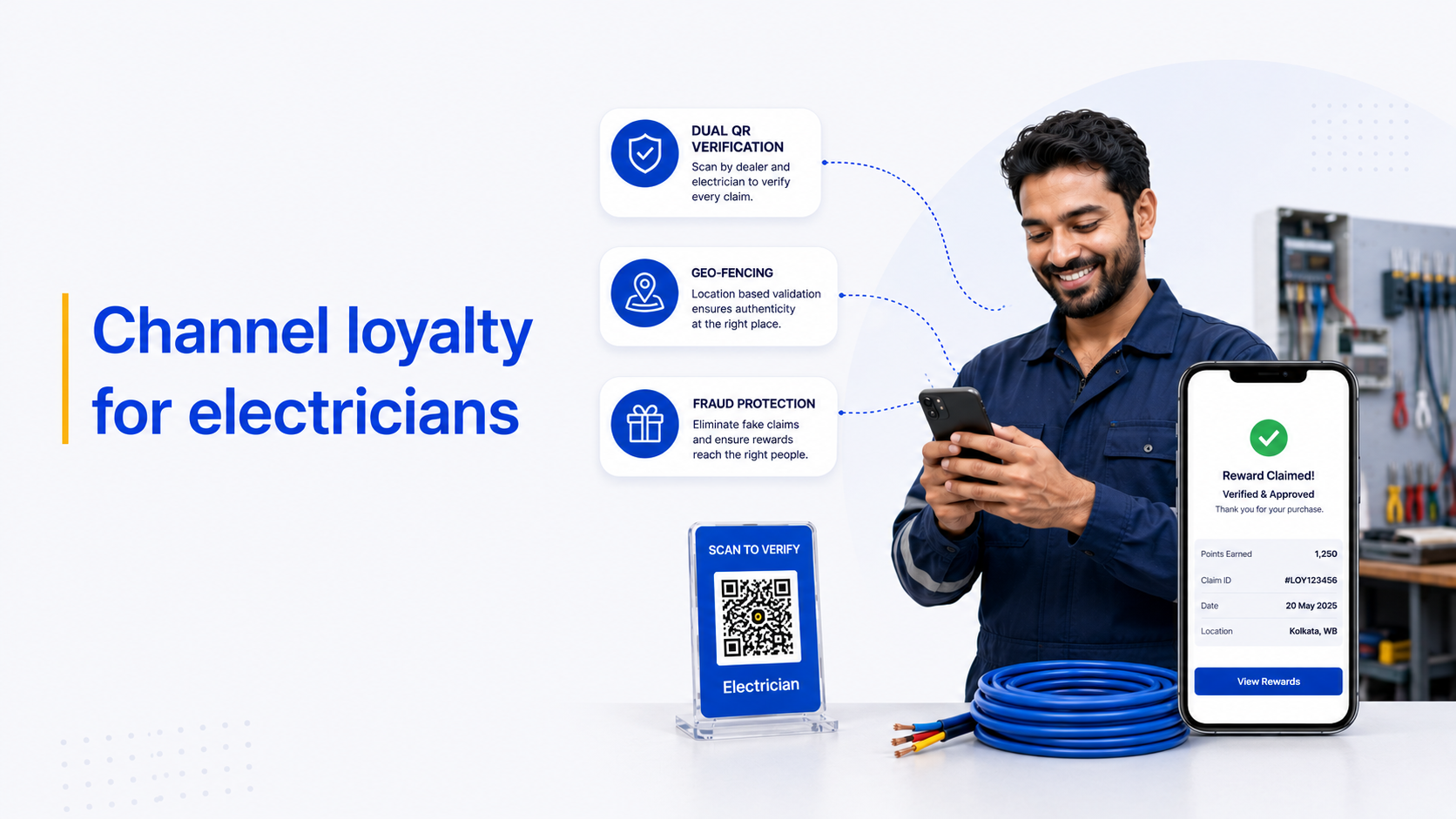
- Validation workflows - invoices routed to a territory rep for review before points are credited, preventing fraudulent or inflated claims
- Multi-channel communication - email for tier upgrades and reward launches, push notifications for real-time point updates, SMS/WhatsApp for reminders
- Analytics that actually inform decisions - participation by region, accrual and redemption trends, SKU-level performance, and a full funnel view from signup through first redemption
Without this layer, even a well-designed incentive structure collapses under manual invoice reconciliation and partners who never quite trust that their points are accurate.
The takeaway
Turning channel partners into category champions isn't about a bigger rewards catalog - it's about aligning what gets rewarded with what the business actually needs more of, then making sure the reward itself matches what each partner type genuinely values. Retail resellers want speed and liquidity. Enterprise distributors want tools that make their own sales motion stronger. A channel loyalty program that respects that distinction - and backs it with reliable data validation and real-time tracking - is what actually shifts partner behavior instead of just distributing points.
Designing a channel loyalty program for your B2B or B2C partner network? Get in touch to explore what a tailored incentive structure could look like.