Key Takeaways
Referral loyalty fails on attribution, not generosity: rewards tied to referral count instead of services consumed collapse under audit.
Value comes from redemption, not enrollment: McKinsey finds redeeming members lift revenue 15-25% while two-thirds of programs deliver nothing.
US programs reward engagement, not referral volume: anti-kickback rules make eligibility a platform configuration, not a policy document.
Ask a hospital's marketing lead which consultants send them the most patients, and you will get a confident answer. Ask them to prove it with service-level data, and the room goes quiet.
The relationship is real. The record of it usually is not. Referral goodwill runs on conference sponsorships, quarterly lunches, and the memory of whoever has held the CRM role longest.
When that person changes jobs, the program leaves with them. What follows is what a healthcare loyalty program platform has to do differently from a retail one, where the rules change by market, and how finance keeps control once doctors start earning.
What a healthcare loyalty program platform actually has to do
A healthcare loyalty program platform has to do three things a retail loyalty tool cannot: attribute a reward to a specific service a specific patient consumed, allow redemption against clinical services as well as products, and leave a trail that holds up in a compliance review.
Retail loyalty rewards a transaction that the member made themselves. Healthcare referral loyalty rewards a third party for a decision someone else acted on, weeks later, across a different department. That gap is the entire technical problem.
The platform therefore lives between systems rather than beside them, which changes what you are buying. Referral data comes from patient management. Consumption data comes from billing.
Redemption happens at a marketplace or at the hospital's own point of sale. If those three do not talk, the program becomes a spreadsheet with better branding.
Why referring doctors are the highest-leverage loyalty audience in a hospital group
One referring consultant influences a stream of admissions, diagnostics, and procedures, which makes the referrer a higher-value loyalty member than any single patient. According to Accenture, 53% of patients rank a trusted referral source among the top factors when choosing a new provider, second only to access.
Almost every loyalty platform marketed to healthcare is built for the patient side: adherence nudges, wellness points, pharmacy perks. Very few are built for the person whose recommendation created the admission in the first place.
| Value | What it measures | Source |
|---|---|---|
| 15-25% | Annual revenue lift from members who redeem points | McKinsey, 2021 |
| 25% | Higher spend by redeemers vs enrolled but inactive members | McKinsey, 2021 |
| Two-thirds | Established loyalty programs that fail to deliver value | McKinsey, 2021 |
| 53% | Patients ranking a trusted referral among top provider-selection factors | Accenture, 2022 |
The McKinsey pattern is the one to hold on to. Value does not come from enrollment. It comes from redemption.
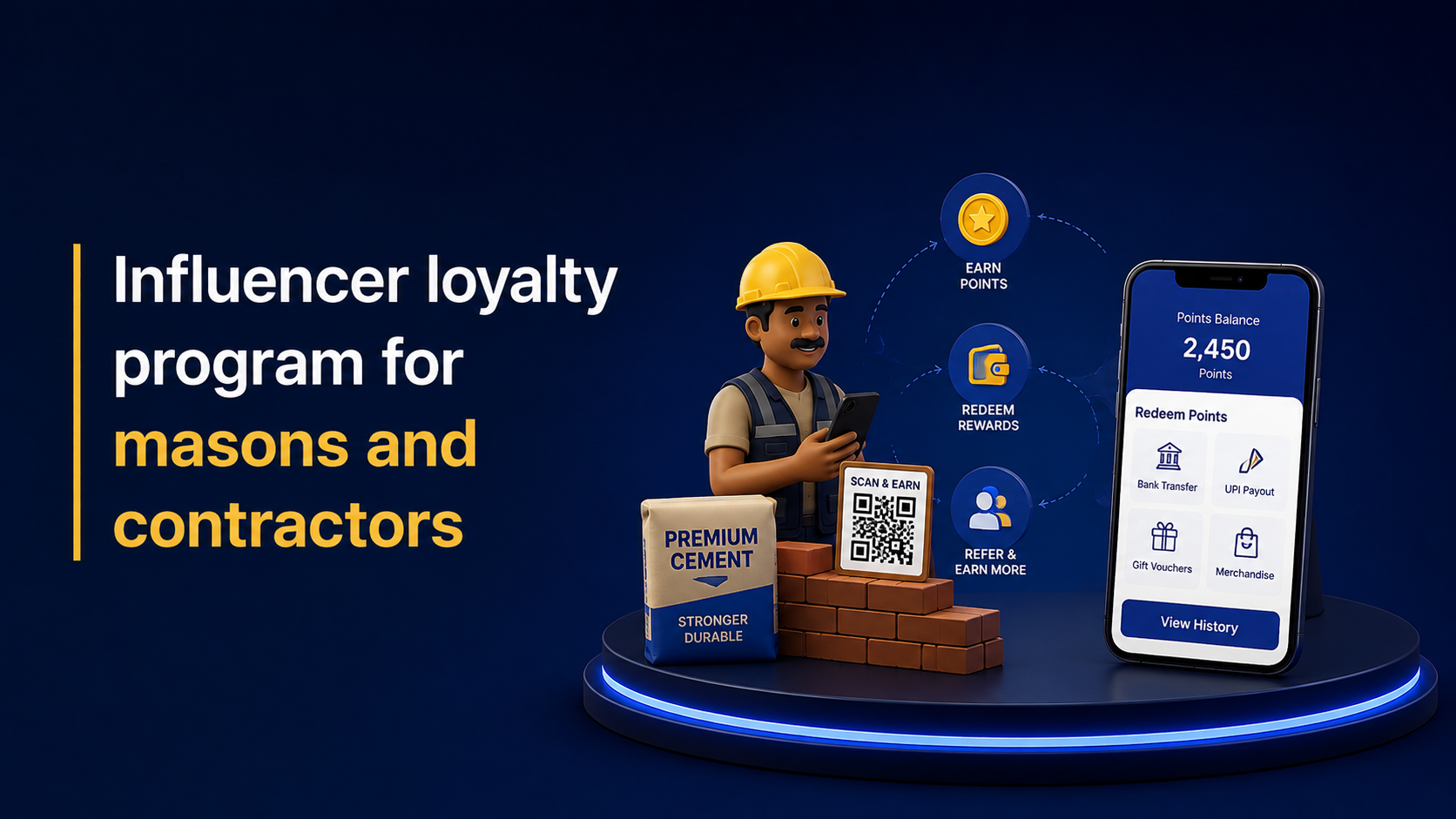
A program where 300 doctors are registered and 40 have ever redeemed anything is not a loyalty program, it is a database. This is the same mechanic that makes influencer loyalty programs work or fail in other industries.
See how Xoxoday Loyalife tracks referral rewards to the service level
Book a 30-minute walkthrough.
Book a 30-minute walkthroughTrusted by 5,000+ companies
Three gaps that make a referral program fail its first audit
Most referral reward programs collapse under scrutiny for the same three reasons, and none of them are about generosity.
- No service-level attribution. Rewards get calculated on referral count, so a routine consultation earns what a cardiac procedure earns.
- No visibility into outstanding points. Finance cannot say what the program owes, when it expires, or what it costs next quarter.
- Untraceable adjustments. Someone credited 5,000 points manually in March and the reason lives in an email thread.
Each gap compounds the next. Without service-level attribution, caps get set against referral counts, so the consultant sending the highest-value cases hits the same monthly ceiling as everyone else.
Volume also drops quietly. A consultant who sent 14 patients in the spring sends two in the summer, and the program has no signal until someone builds a report for a review meeting.
The liability gap is the one that catches finance teams out. McKinsey describes breakage, where members never redeem and their points eventually expire, as something that reduces balance-sheet liability while quietly signaling inactive members.
Unredeemed points look like savings on the ledger and read like disengagement in the program.
What a referring-doctor loyalty program looks like from referral to reward
The workflow only holds together if every step writes a record the next step can read.
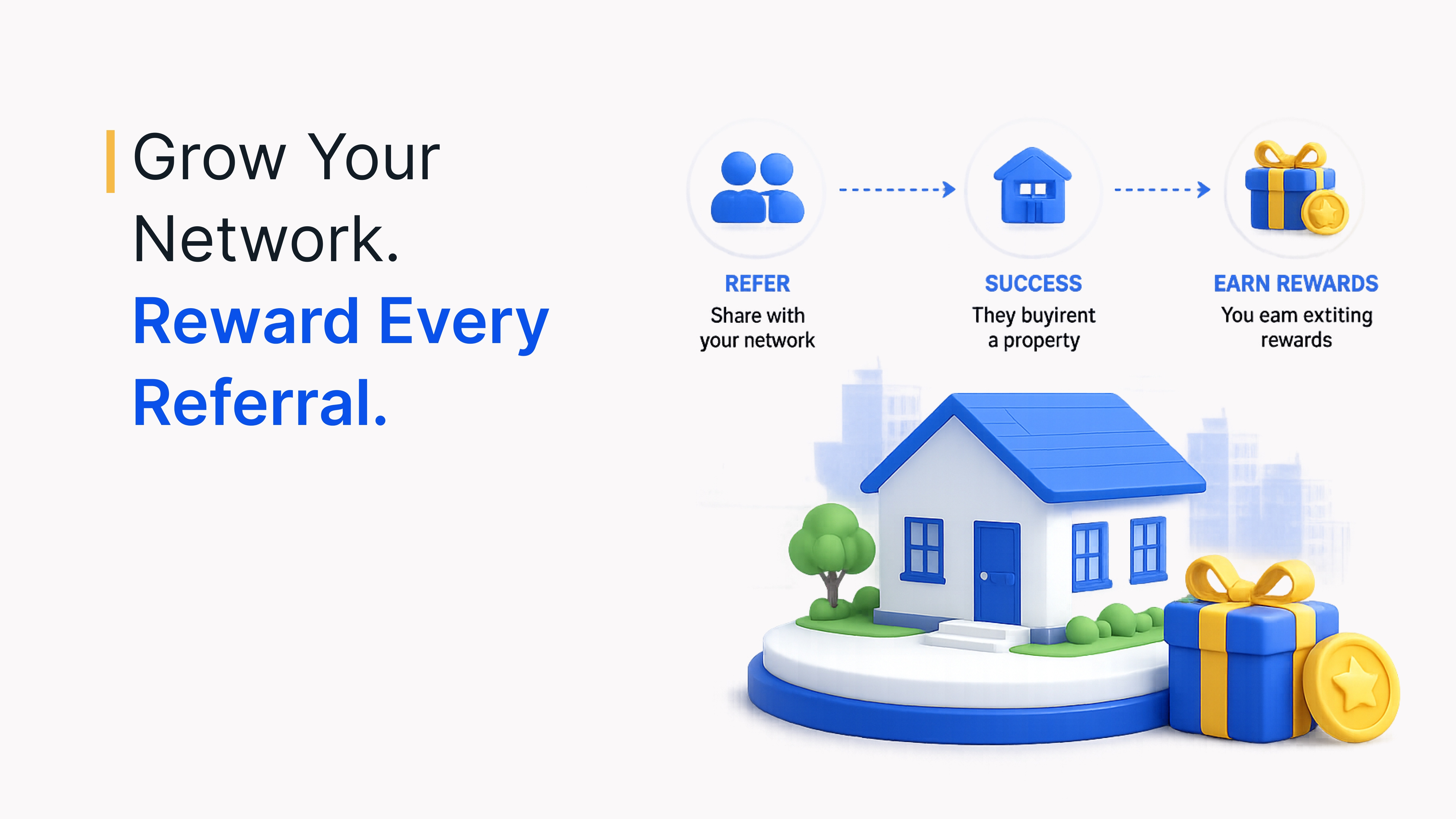
- Referral captured and mapped to a named doctor at the point of registration
- Referred patient consumes a service, and billing confirms what was actually delivered
- Points accrue against that service under a predefined rule, not against the referral itself
- Doctor redeems in the marketplace or against hospital services at the point of sale
- Outcome: every accrual and redemption lands in a ledger entry mapped to a GL code
Referral capture and attribution
The referring doctor is recorded against the patient at registration, so every downstream service carries the mapping. Without that link at the front door, attribution becomes a reconciliation project.
Points that follow consumed services, not referral volume
Accrual is calculated on services the referred patient actually used. A referral that never converts earns nothing, which removes the incentive to send volume for its own sake.
Redemption in the marketplace or at the hospital point of sale
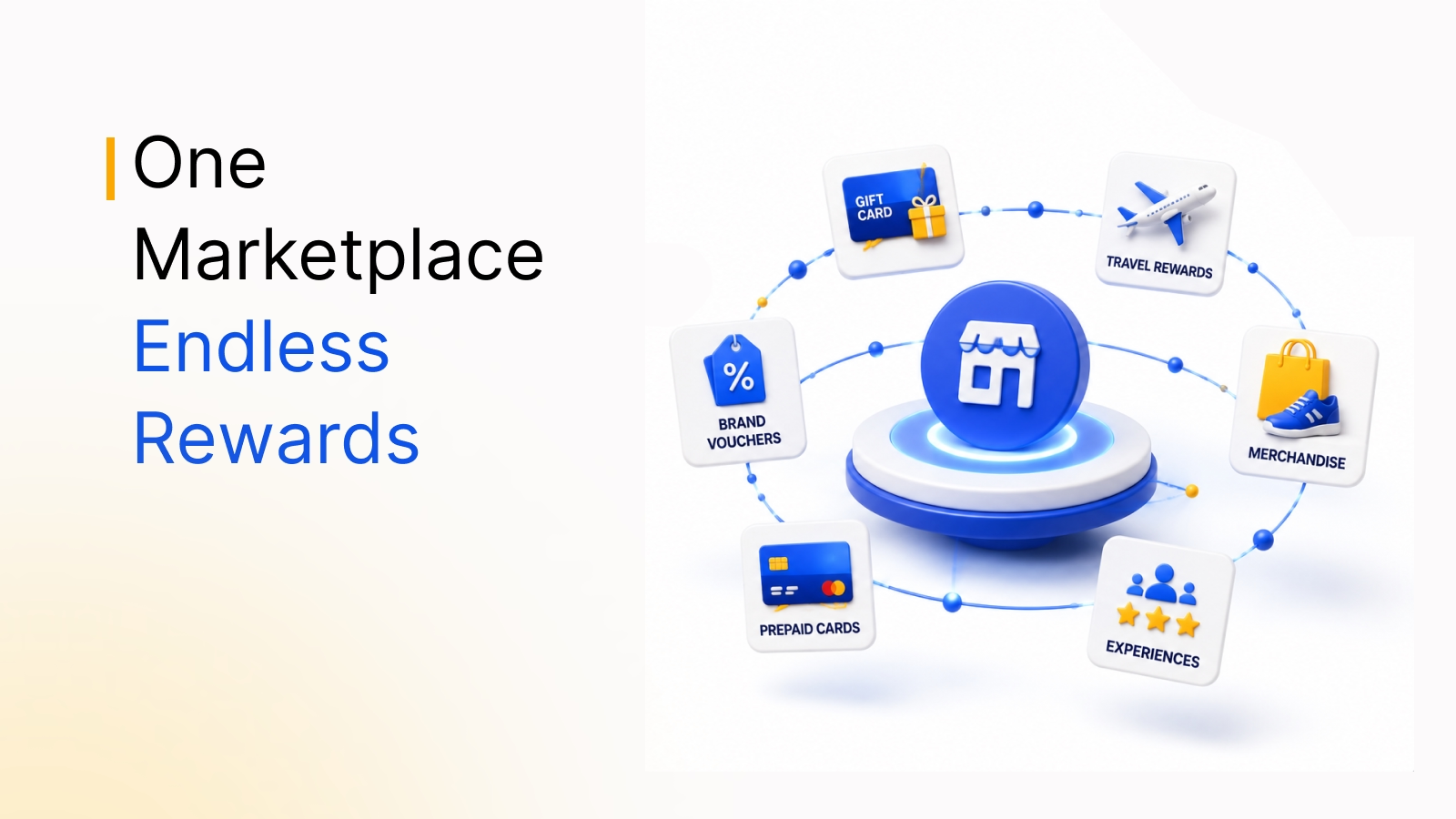
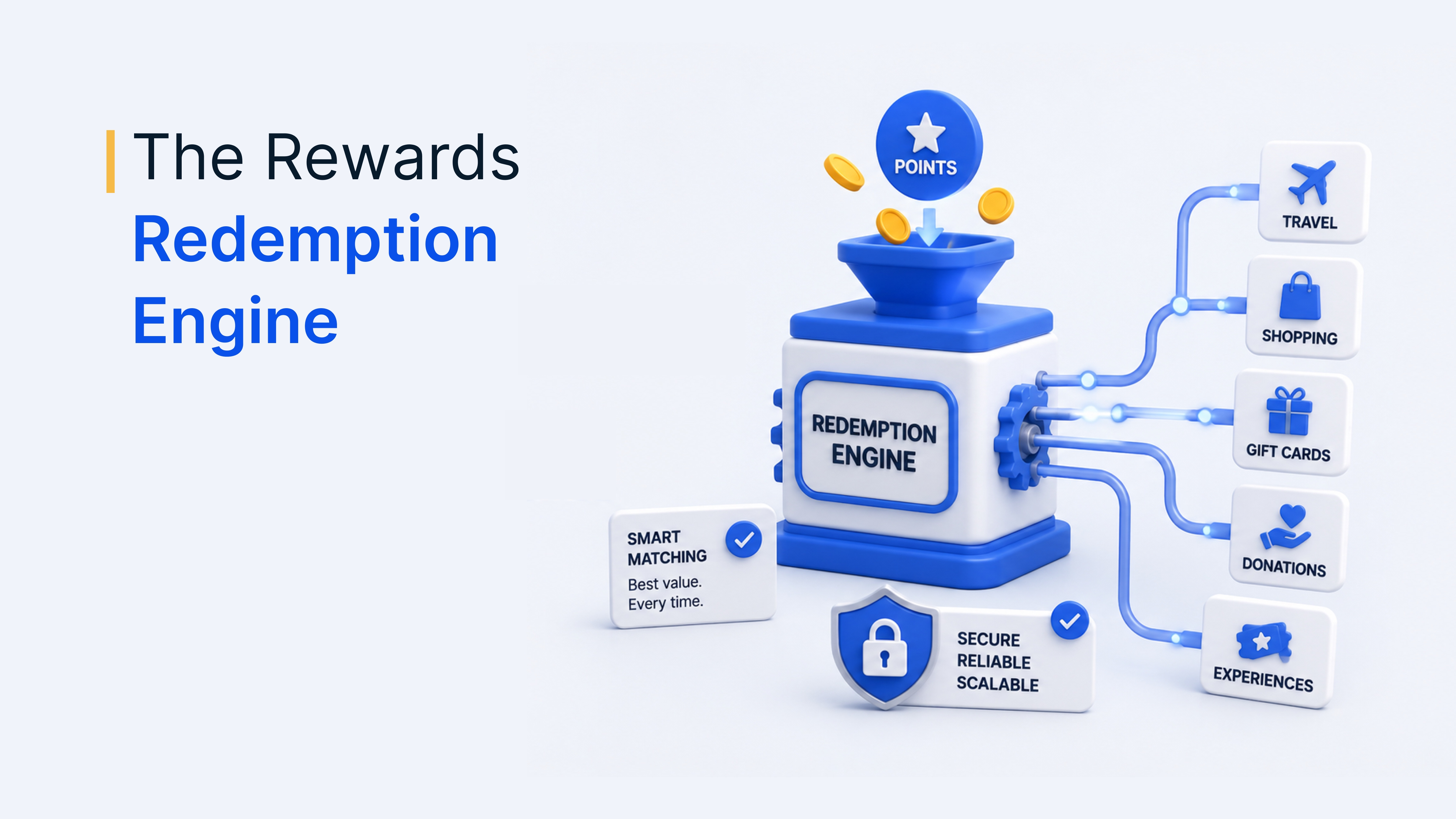
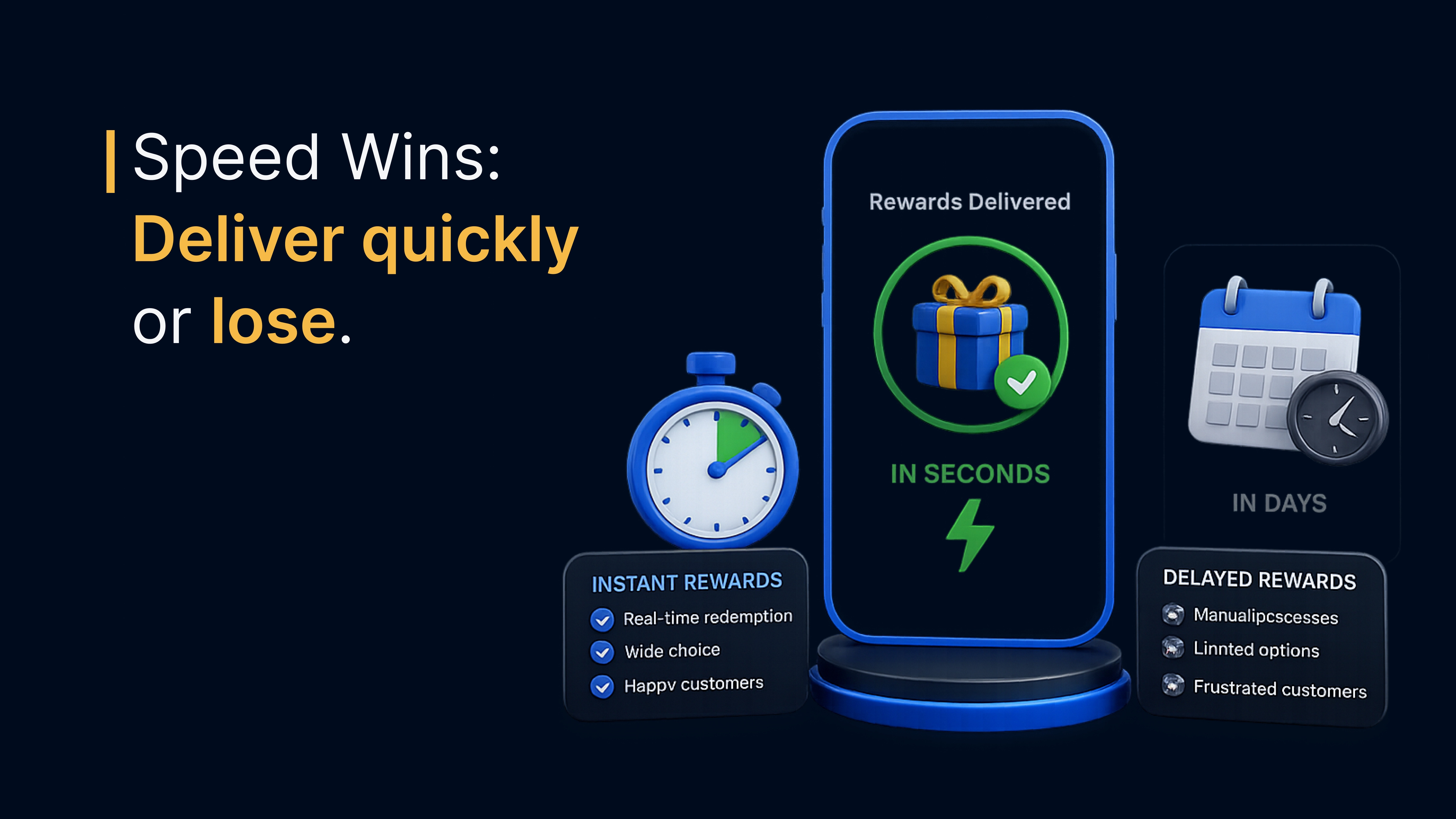
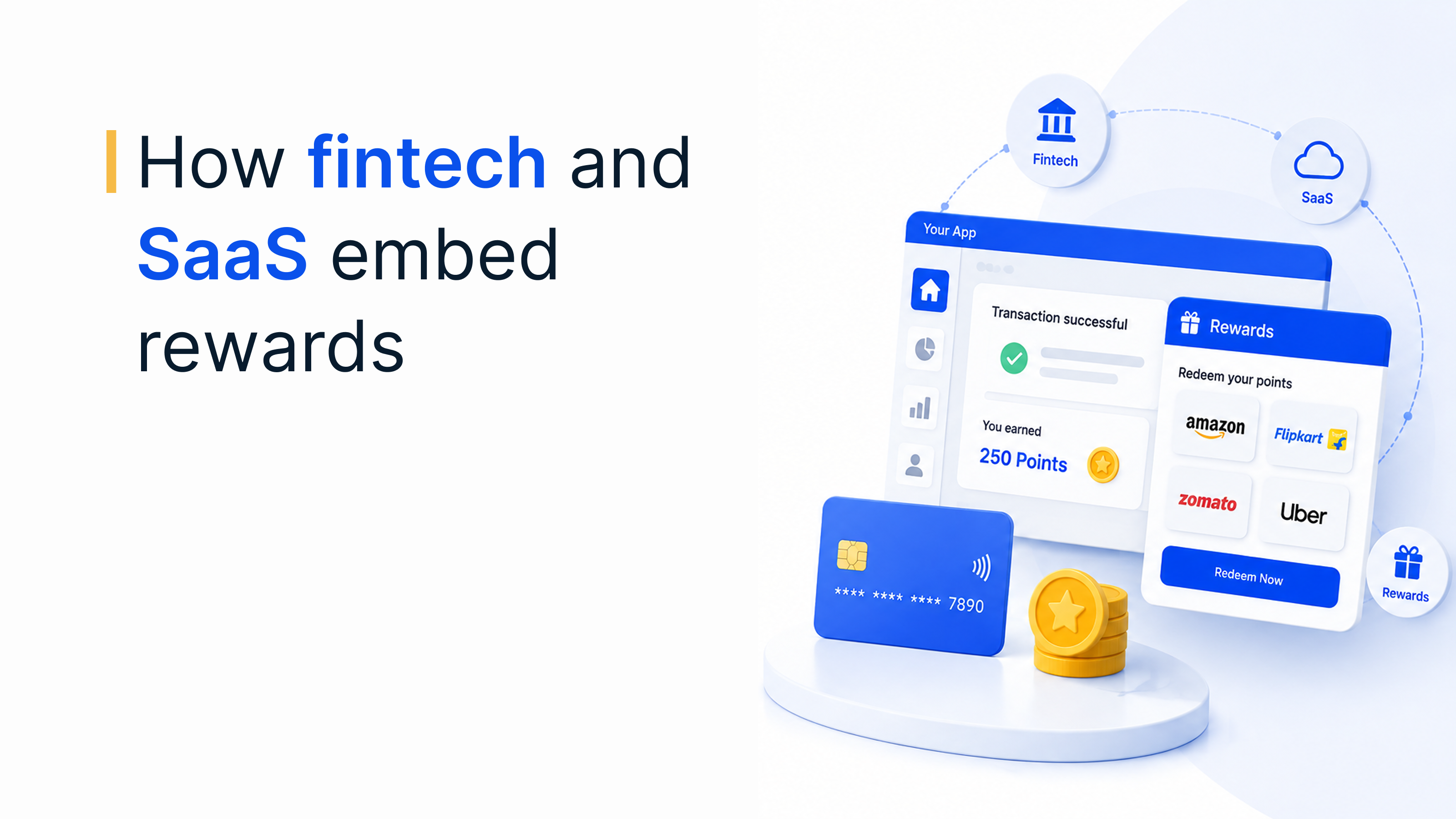
Doctors redeem against a catalog of products and vouchers, or against hospital services at the point of sale using doctor-ID validation, with the receipt adjusting to the discounted value in real time. Executive checkups, diagnostic packages, and wellness programs are the common in-hospital redemptions.
Where reward rules have to change by market
In the United States, rewarding a physician for referrals involving Medicare or Medicaid patients is restricted by the Anti-Kickback Statute and the Stark Law, so US programs reward engagement, education, and content participation rather than referral volume or downstream revenue. Outside that regime, consumption-linked rewards are common, and the constraints shift to data residency and documentation.
The enforcement numbers explain why this is a design question and not a legal footnote. The Department of Justice reported that False Claims Act settlements exceeded $6.8 billion in the fiscal year ending September 2025, the highest single year on record, with over $5.7 billion involving healthcare.
HHS OIG self-disclosure records include settlements of $729,629.82 and $3,040,205.37 in cases where hospitals provided value to referring physicians.
| Market | Referral-linked rewards | In-country data residency | Documentation burden | Points-liability scrutiny |
|---|---|---|---|---|
| United States | Restricted | Low | High | Medium |
| GCC | Permitted | Required | Medium | High |
| Africa | Permitted | Required in select markets | Medium | Medium |
| Southeast Asia | Permitted | Varies | Medium | High |
Eligibility has to be a configuration, not a policy document. One hospital group operating across two regulatory regimes needs two rule sets in the same platform.
How Xoxoday Loyalife runs a referring-doctor program
Loyalife gives doctors a self-service portal and gives the program owner the controls that sit behind it. On the doctor's side: a points dashboard with earnings, redemptions, and expiry, a referral tracker showing which patients consumed which services and what each earned, marketplace access across 10M+ reward options in 150+ countries, point-of-sale redemption, downloadable monthly statements, and a support center with ticket history.
On the admin side, the rule engine defines accrual logic, expiry, and tiering, while redemption policies set item-level and monthly caps plus eligibility by segment. Doctor profiles carry referral mappings, so contribution is tracked per consultant rather than per department.
Communication runs through in-app notifications, email, and SMS for accruals, expiring points, and campaigns. Expiry nudges matter more than they sound. They are the difference between a redeeming member and a dormant one, which is where the McKinsey revenue lift sits.
How finance keeps control of points liability
Finance needs four numbers on demand: points outstanding, points expiring, redemption value by category, and how every one of those maps to a GL code. The reporting library covers liability, projected expiry, transactions, member activity, communication effectiveness, and logs.
Governance is enforced rather than documented. Manual adjustments require reason tagging. Anomaly thresholds queue unusual accruals or redemptions for approval before they post.
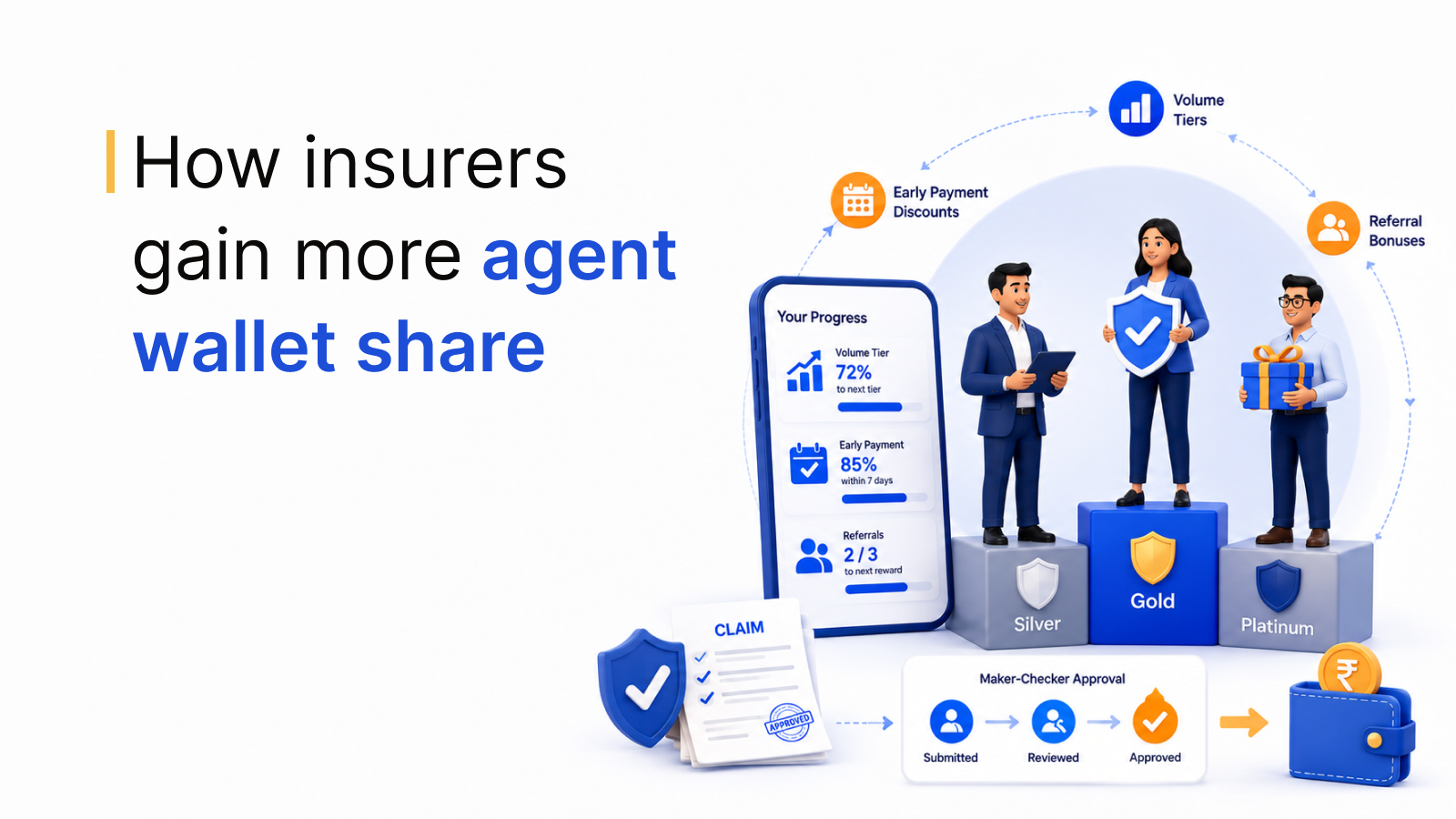
Maker-checker adds a second signature on critical changes, and role-based access with audit trails records who changed what and when.
Security carries a specific cost in this category. HHS OCR reported that hacking and IT incidents made up 81% of large healthcare breaches in 2024. Xoxoday Loyalife runs on SOC 2 certified, GDPR compliant infrastructure with multi-region data residency, encrypted connections, and configurable session and password policies.
One redemption design note from McKinsey: offering points-plus-cash options can raise redemptions by 20-25%. Higher redemption reduces the liability sitting on the balance sheet and increases the engagement the program was built for.
Your next step to a referral program you can report on
A referring-doctor program takes roughly 10 to 12 weeks to go live: scope and rule definition, platform configuration, integration with patient management, billing, and point-of-sale systems, then testing with real referral data before launch. The integration work is the critical path, not the reward catalog.
The programs that last are the ones where the marketing lead, the finance controller, and the compliance officer can all pull the same report and agree on what it says. That is a systems outcome, not a relationship outcome, and no amount of goodwill substitutes for it.