Key Takeaways
Pharma loyalty programs must reward adherence, not purchase volume
Stockists and pharmacies are a first-class part of the loyalty loop, not a side channel
Audit trails, role-based access, and anomaly detection matter as much as the rewards catalog
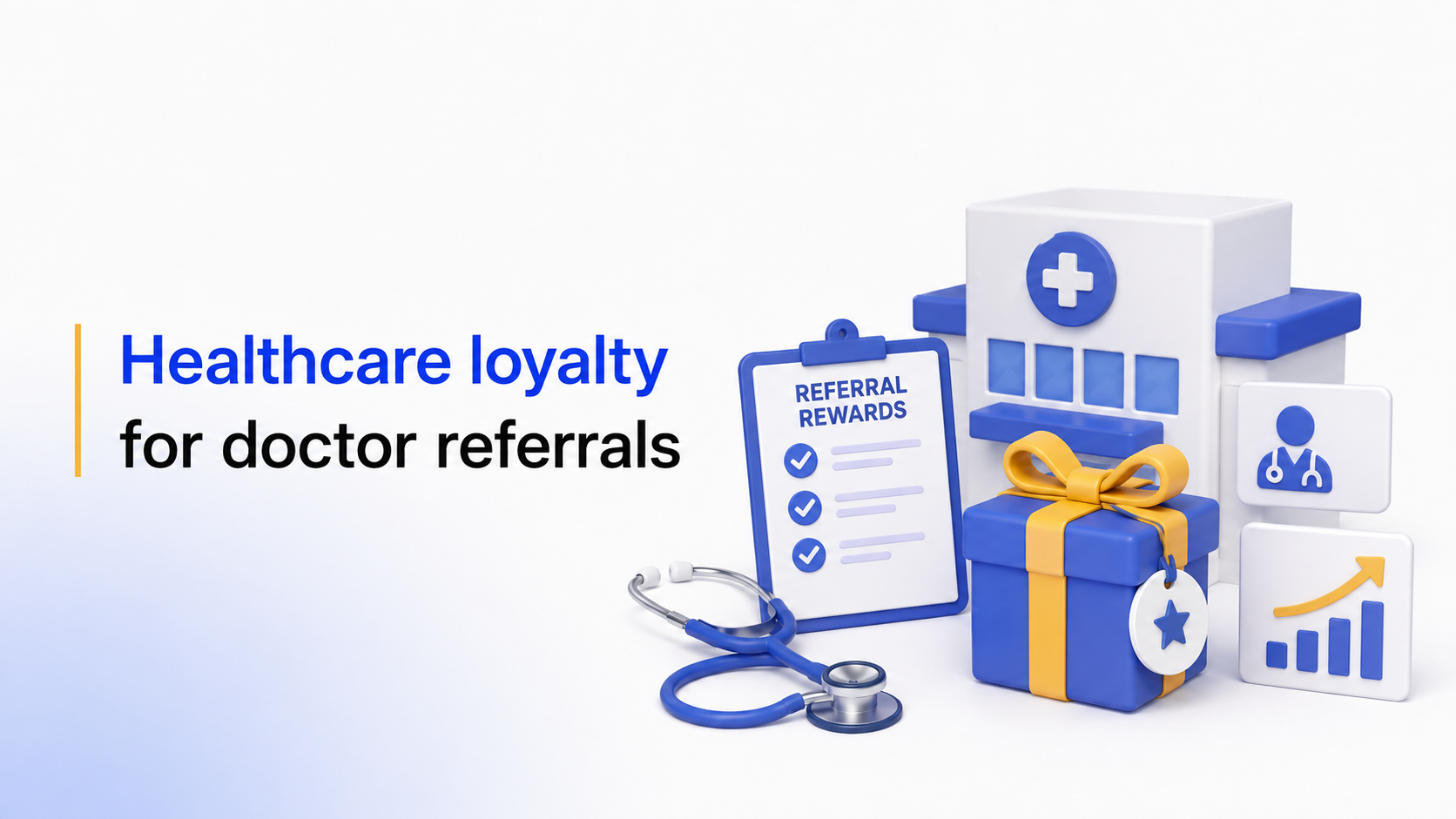
Loyalty programs in most industries are built to drive repeat purchases. In pharma, that framing breaks down almost immediately - you don't want patients "buying more" of a specialized injection or medication. What you actually want is adherence: patients staying consistent with a prescribed treatment plan, on schedule, for as long as their condition requires it.
That distinction changes almost everything about how a pharma loyalty program should be designed - and a recent program built around specialized post-dialysis and kidney-transplant medication offers a clear look at what that design looks like in practice.
The real goal: consistency, not volume
The stated objective of this kind of program isn't sales growth - it's patient acquisition, engagement, and retention in service of treatment adherence. The target audience reflects that:
- Patients undergoing dialysis or post-transplant recovery
- Caregivers and family members managing that care
- The hospitals, pharmacies, stockists, and clinics that sit between the patient and the product
Because the "customer" in this system is frequently a patient managing a chronic or post-surgical condition, and the "purchase" is a recurring medical necessity rather than a discretionary buy, the loyalty mechanics have to be built around clinical reality, not retail habits.
How the loyalty loop works
The program runs on a fairly elegant loop between patients and the stockists who dispense their medication:
- Enrollment. Patients enroll via a QR code at the stockist's counter or through a hospital/pharmacy referral, entering basic profile and hospital information.
- Purchase validation and points accrual. After purchase, the patient uploads their invoice through a web app. Points are calculated based on predefined rules (in this case, roughly 100 "Health Coins" per injection), with the invoice optionally verified before points are credited to a loyalty wallet.
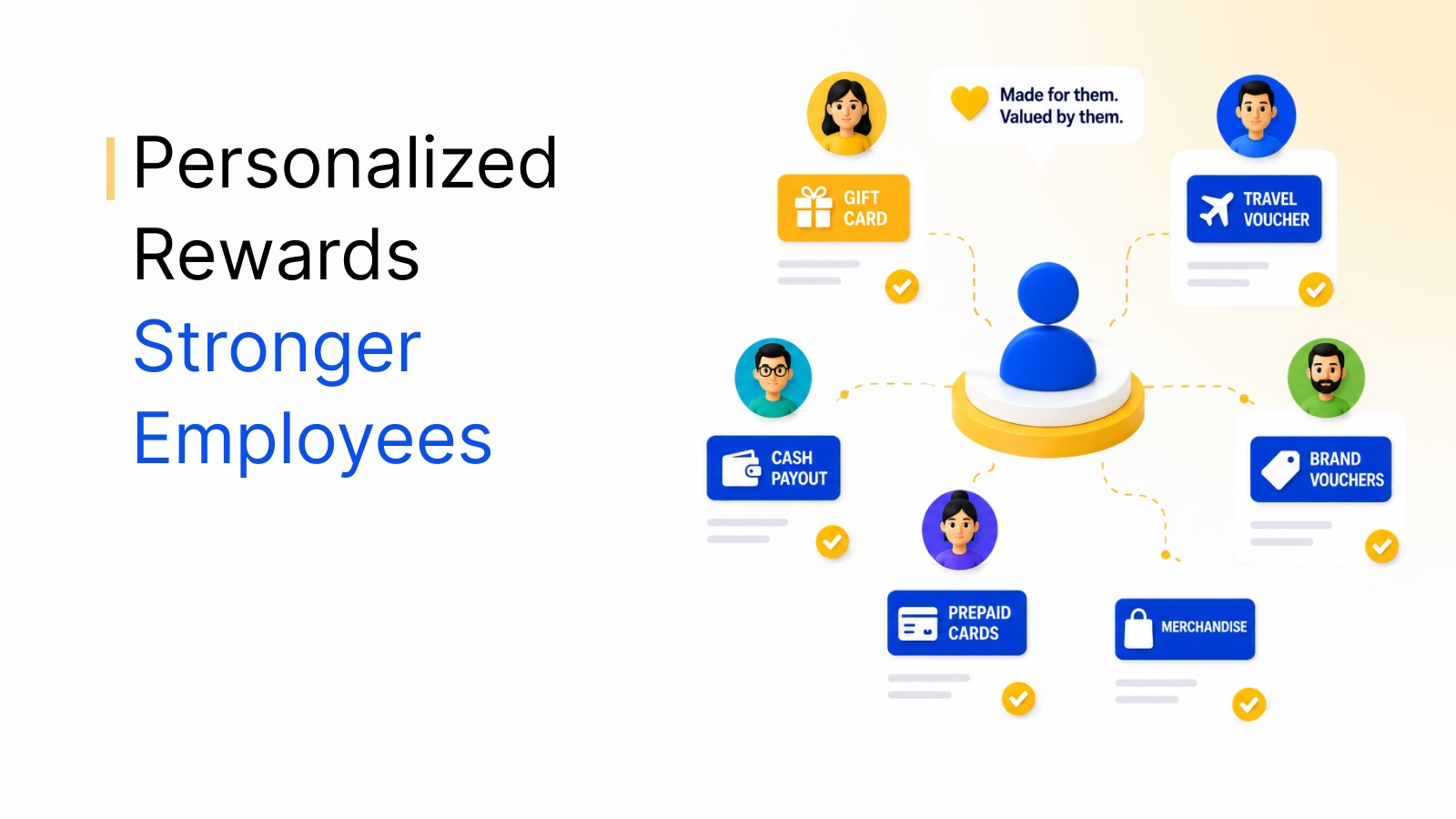
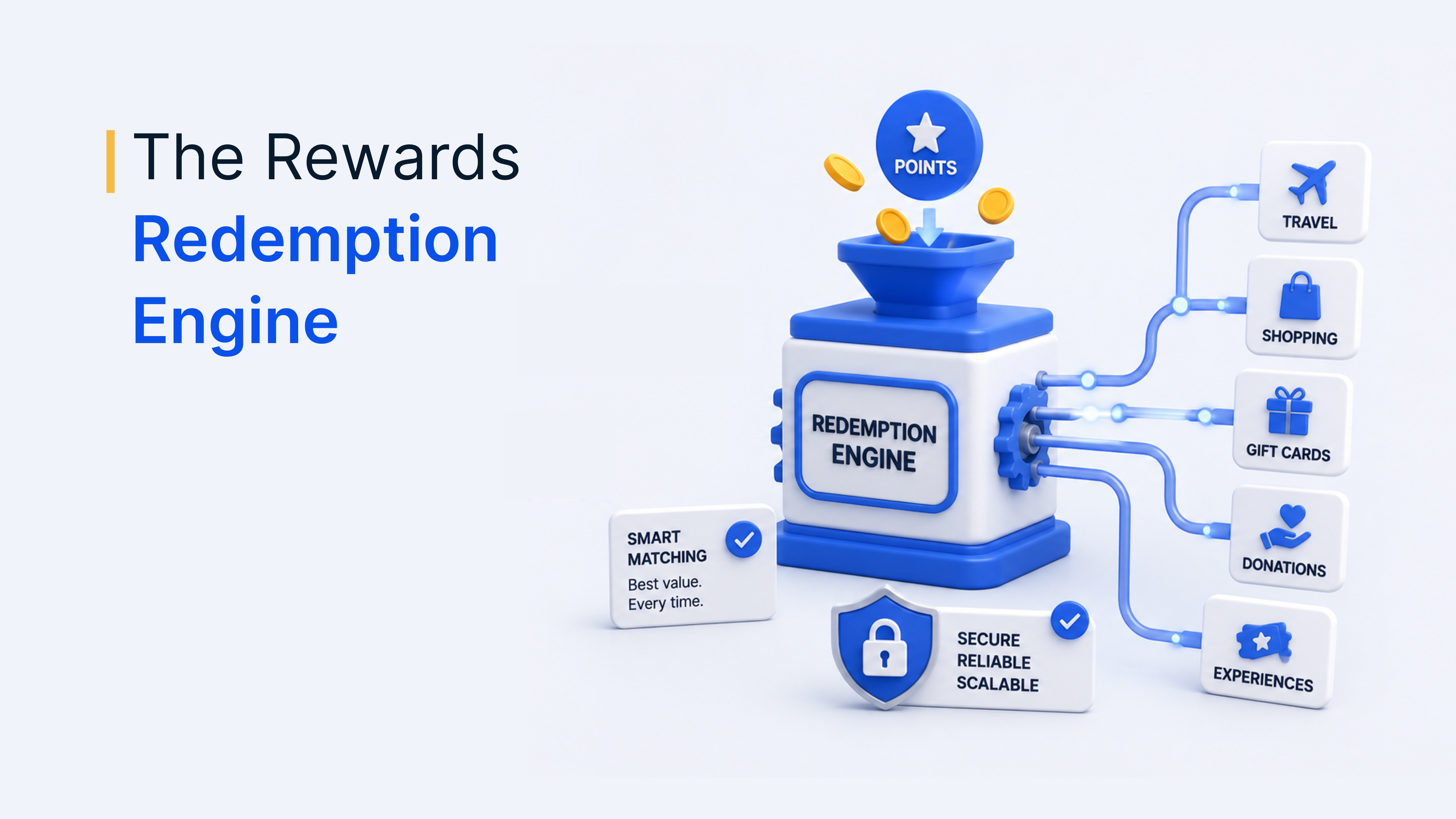
- Redemption. Patients can redeem points in-store, generating a redemption QR code and presenting it to a stockist, who deducts points after an OTP-verified handover, or via a redemption catalog spanning categories like mobility vouchers (ride-hailing), medical merchandise (BP monitors, glucometers, thermometers), pharmacy and diagnostics vouchers, and the pharma brand's own products.
- Educational content. A dedicated wellness library gives patients ongoing access to treatment guides and adherence-focused content - reinforcing the "why" behind staying consistent with treatment, not just rewarding the "what."
See Loyalife in action
Build a compliant, adherence-focused loyalty program for pharma and healthcare patients - from accrual rules to audit trails.
Talk to our ExpertTrusted by 5,000+ companies
Why bonus points for adherence matter more than the base reward
One detail stands out in the accrual design: bonus points are awarded specifically for monthly adherence and continuous treatment validation - not just for each individual purchase. This is the mechanism that separates a pharma loyalty program from a generic points-for-purchases scheme.
It reframes the incentive structure entirely. The patient isn't being rewarded for spending more; they're being rewarded for staying on track with something that directly affects their health outcomes. That's a meaningfully different (and more defensible) use of a rewards mechanism in a regulated industry.
The stockist side of the equation
Because medication in this model is physically handed over by a stockist rather than shipped or self-served, the stockist becomes a critical node in the loyalty loop - and needs its own workflow:
- Logging into a dedicated stockist portal
- Scanning the patient's redemption QR code and entering the points to deduct
- Validating the transaction via an OTP sent to the patient's phone
- Accessing transaction logs, pending redemptions, and performance analytics
This two-sided design (patient + stockist) is what makes an in-person, medically-regulated redemption process actually work operationally, rather than just in theory.
Compliance isn't an afterthought. It is core infrastructure
Pharma is one of the few industries where a loyalty program's compliance layer matters as much as its engagement layer. The design here reflects that:
- Full audit trails - every redemption logged with patient ID, stockist ID, product, and timestamp
- Role-based access control - with logs tracking which admin made which change, and when
- Anomaly detection - flagging point accruals that exceed a predefined threshold for backend review
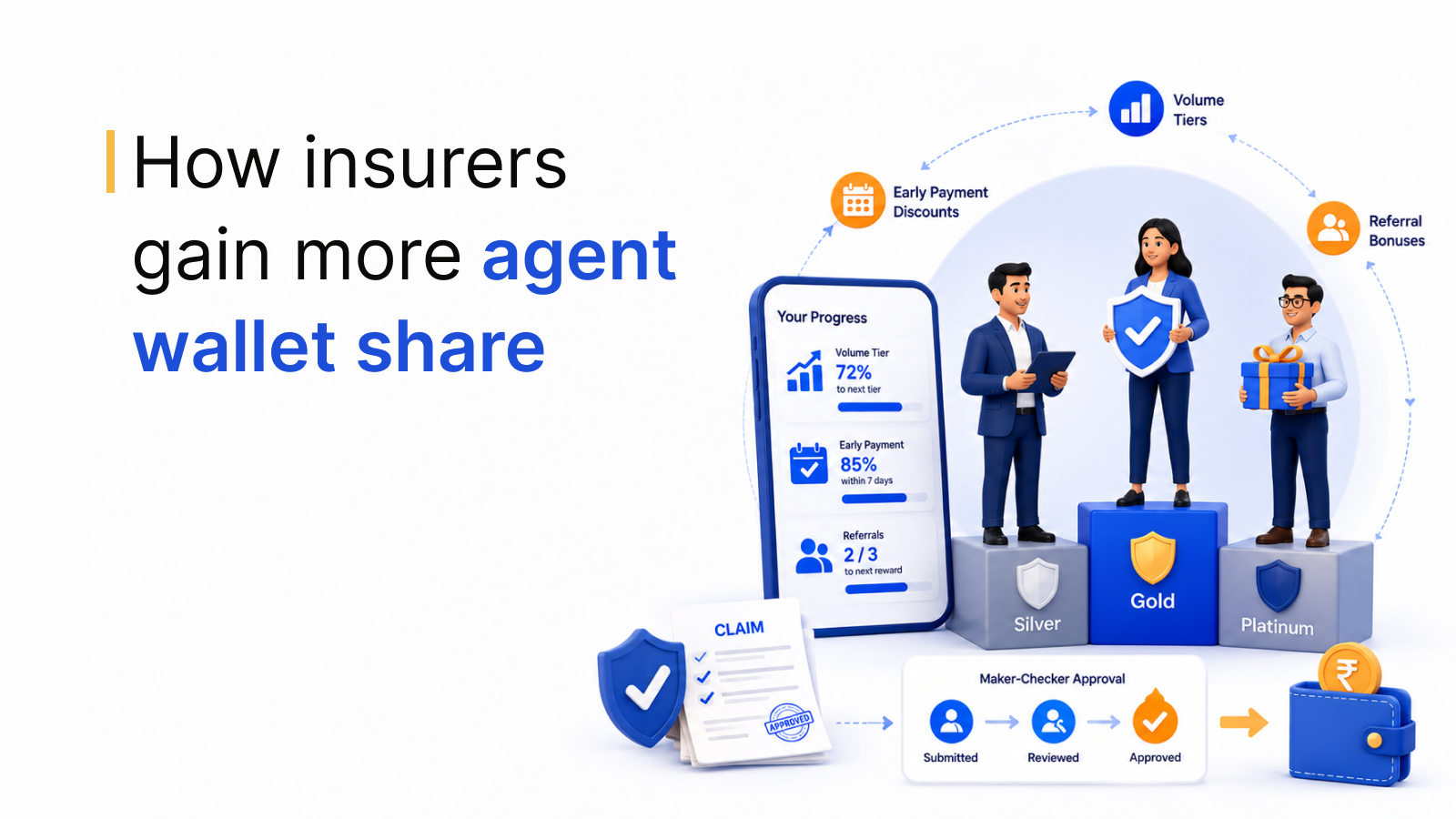
- Maker-checker controls - requiring multi-level approval for critical system changes
None of this is exciting from a marketing standpoint, but it's what makes a points-and-rewards system defensible when the "product" being tracked is a controlled medication tied to a real patient's treatment history.
Communication as a clinical tool, not just a marketing channel
The program's SMS, email, and push notification strategy covers the expected loyalty touchpoints - points earned, redemption confirmations - but also health and wellness tips and program updates. In a pharma context, this communication layer doubles as a light-touch adherence nudge, not purely a retention tactic.
The takeaway
Pharma loyalty programs succeed or fail on a different metric than retail ones. It's not "did this drive incremental purchases" - it's "did this help patients stay consistent with something that matters for their health, without compromising privacy, compliance, or clinical integrity."
Getting that right means building the accrual logic around adherence rather than spend, treating the dispensing network (stockists, pharmacies) as a first-class part of the loyalty loop, and investing as much in audit trails and anomaly detection as in the rewards catalog itself. Done well, a pharma loyalty program stops looking like a marketing tool and starts looking like a genuine extension of patient care.
Exploring a patient loyalty or adherence program for a pharma or healthcare business? Get in touch to see how a compliant, adherence-focused rewards system could work for your patients.