Key Takeaways
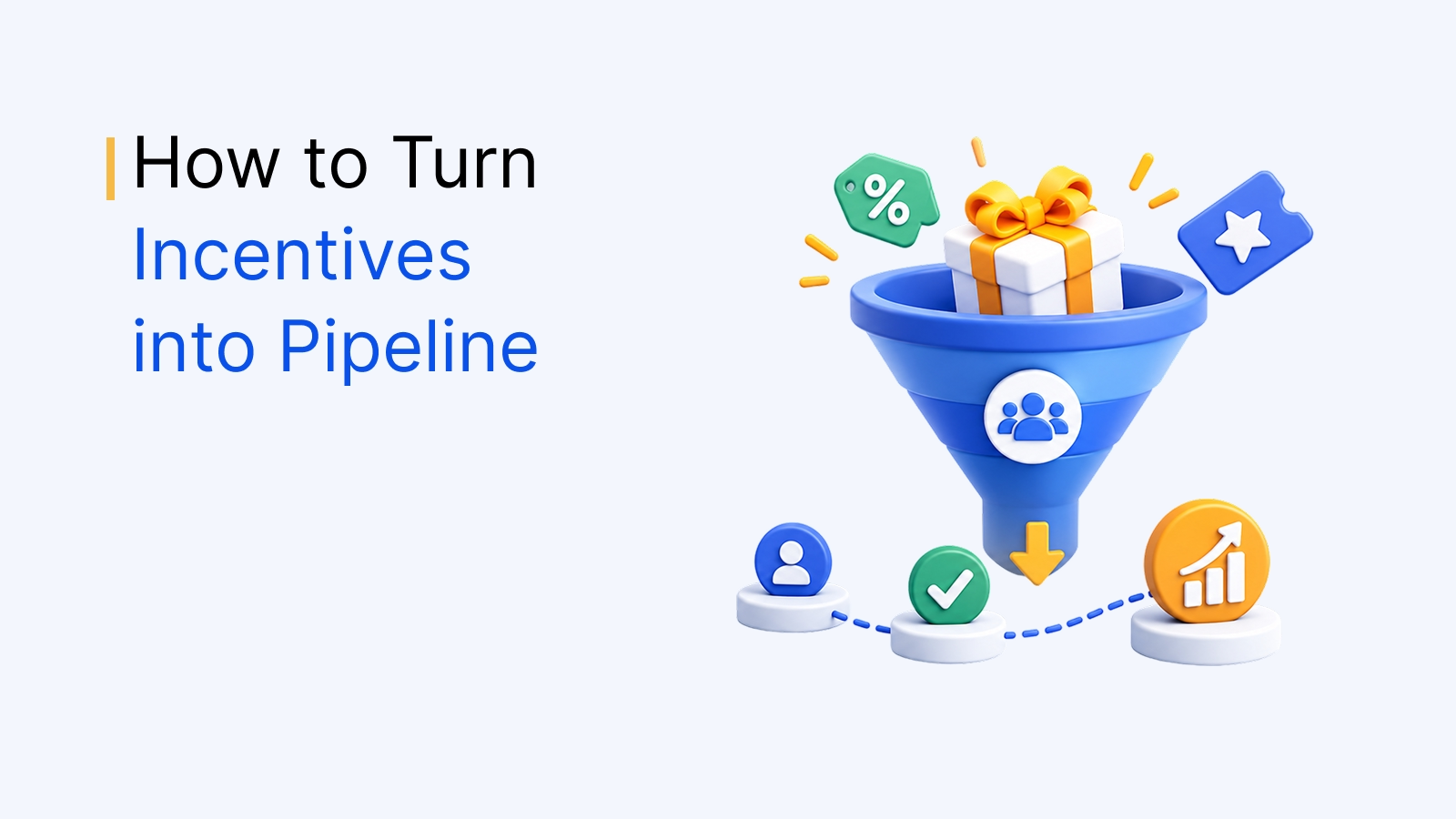
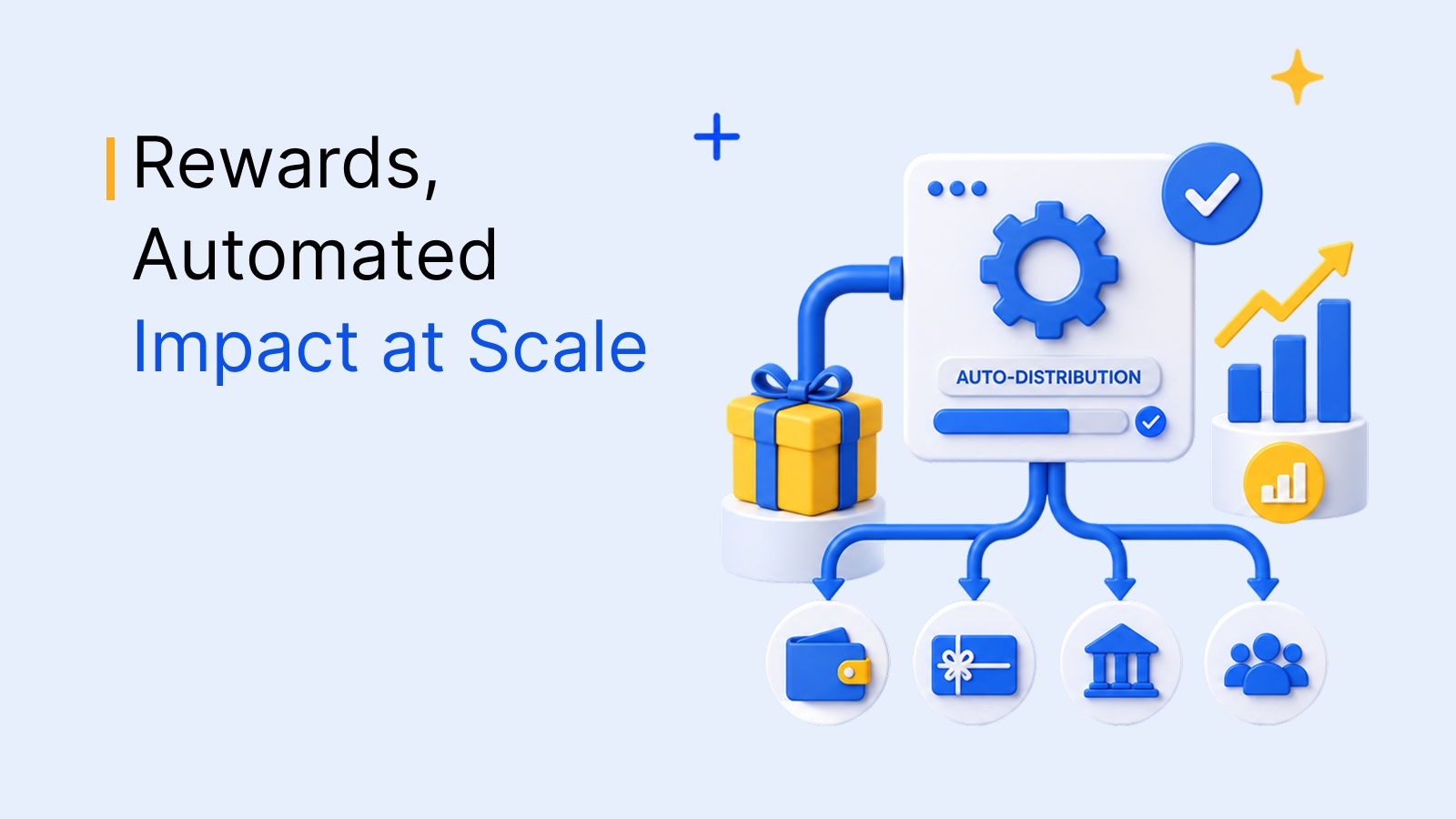
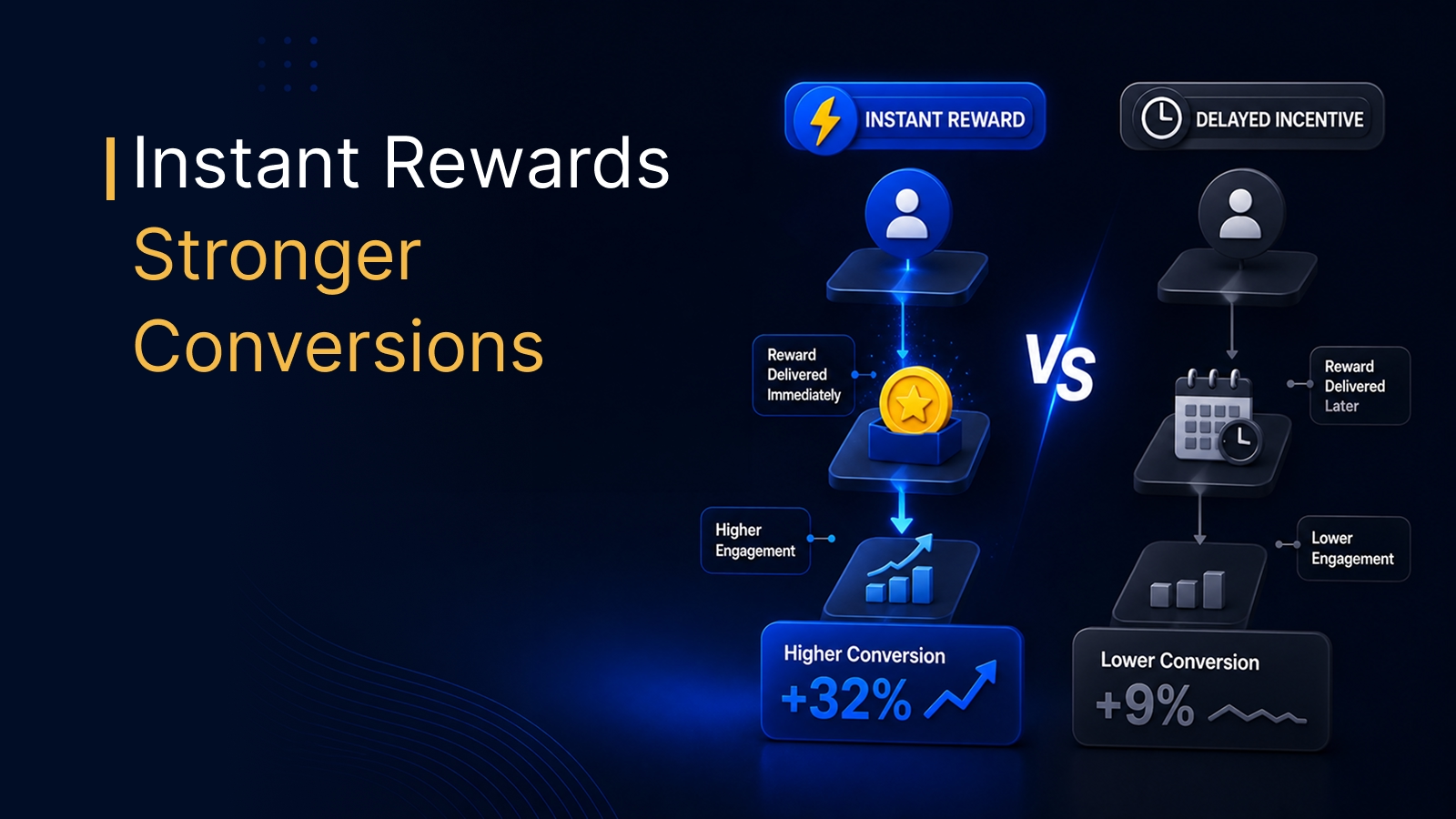
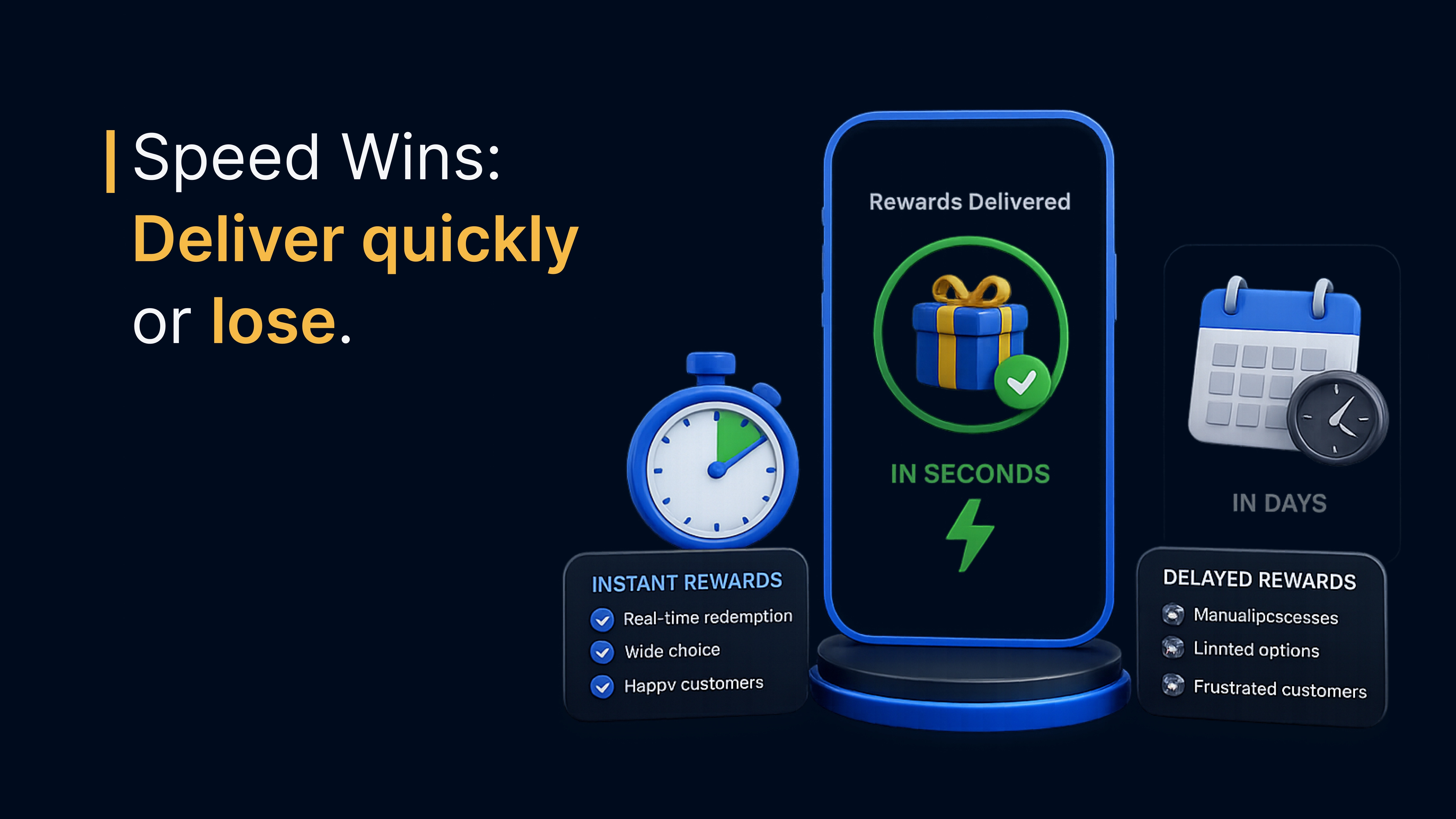
Rewards triggered instantly by system events (KYC verified, application submitted, referral confirmed) drive far more engagement than manually disbursed rewards delivered days or weeks later.
A marketplace priced on actual redemptions (not allocated budget) protects campaign economics, for example paying roughly 100,000 out of a 1 million budget if only 10% of recipients redeem.
Maker-checker workflows and branch-level thresholds let banks distribute reward-issuing power across teams without losing centralized financial governance.
A customer applies for a credit card on their banking app. Before they even close the confirmation screen, they are spinning a digital wheel and winning a gift card. Fifteen seconds later, it lands in their inbox.
No "reward credited in 7 to 10 business days." No waiting.
This is not a concept. It is how leading rewards infrastructure is now being wired into banking journeys, and it is becoming one of the sharpest levers for engagement, referrals, and retention.
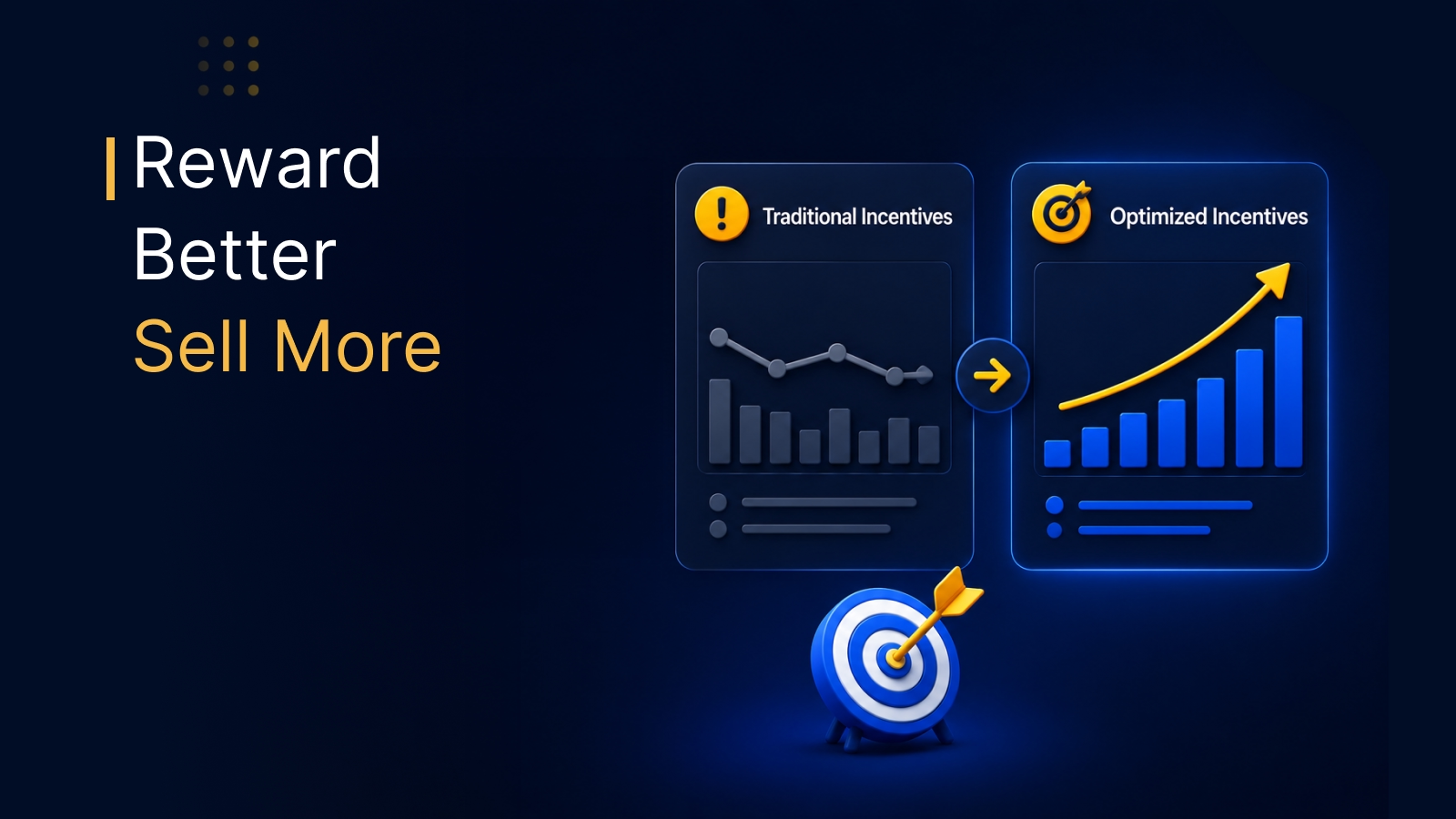
Most banks still run incentive programs the old way: batch-processed rewards, manual disbursement, long redemption windows. A referral reward shows up weeks later. A branch promotion gets reconciled on a spreadsheet. By the time the reward arrives, the customer has forgotten why they earned it.
The gap between "the customer did something valuable" and "the customer felt appreciated for it" is where most loyalty and incentive budgets quietly go to waste. Fix that gap, and the same spend starts driving measurably different behavior.
This piece breaks down why the delay is the real problem, what a rewards marketplace looks like in practice, and how banks are using it across real workflows.
The problem isn't the reward. It's the delay and the disconnect.
When incentive programs underperform, the issue is rarely reward value. It's operational.
- Disbursement is fragmented. Branch staff hand out vouchers. Digital teams email codes. Campaign managers track redemptions in spreadsheets. None of these systems talk to each other.
- Too many hands, too little control. Branch managers, digital marketing, and campaign owners all need to issue rewards. Most banks either give everyone unrestricted access (a compliance risk) or require escalation for every disbursement (which kills the "instant" part).
- Integration with core systems is hard. Legacy CRM and account-opening systems weren't built to trigger rewards. Bolting this on usually means custom development and long timelines.
- No real-time visibility. Finance and marketing teams can't answer basic questions mid-campaign: how much budget is redeemed, which branch is issuing the most rewards, is the referral program working.
- Rewards are generic. A flat cashback offer doesn't resonate the same way for a 22-year-old opening their first account as it does for a customer applying for a premium credit card.
None of these are minor quirks. They are why well-funded programs underdeliver on engagement.
What a rewards marketplace actually solves
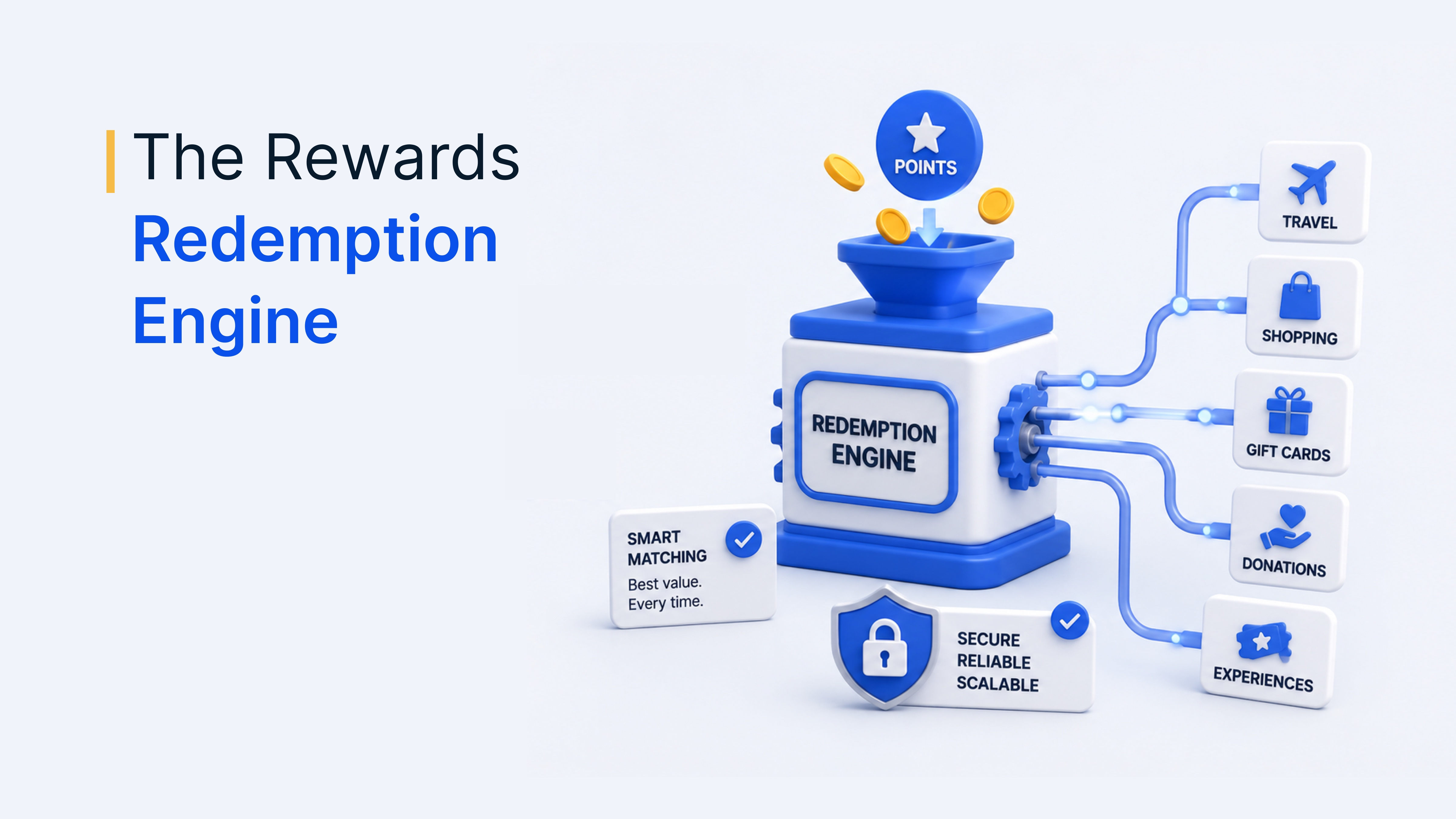
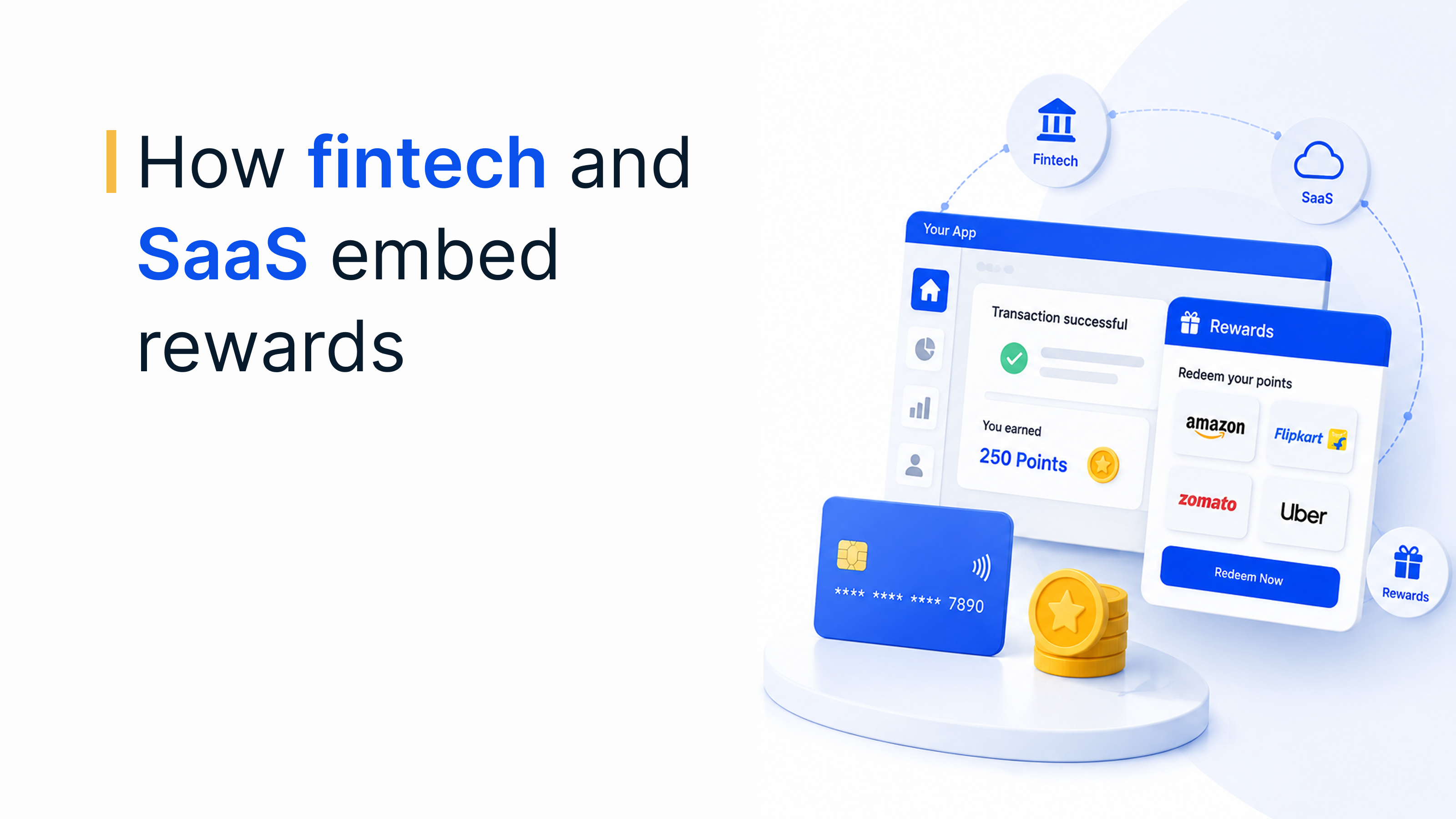
A digital rewards marketplace isn't just a bigger gift card catalog. It's infrastructure sitting between a bank's existing systems (CRM, core banking, campaign tools) and the customer, handling the full reward lifecycle: trigger, personalization, delivery, redemption, reporting.
Core components typically include:
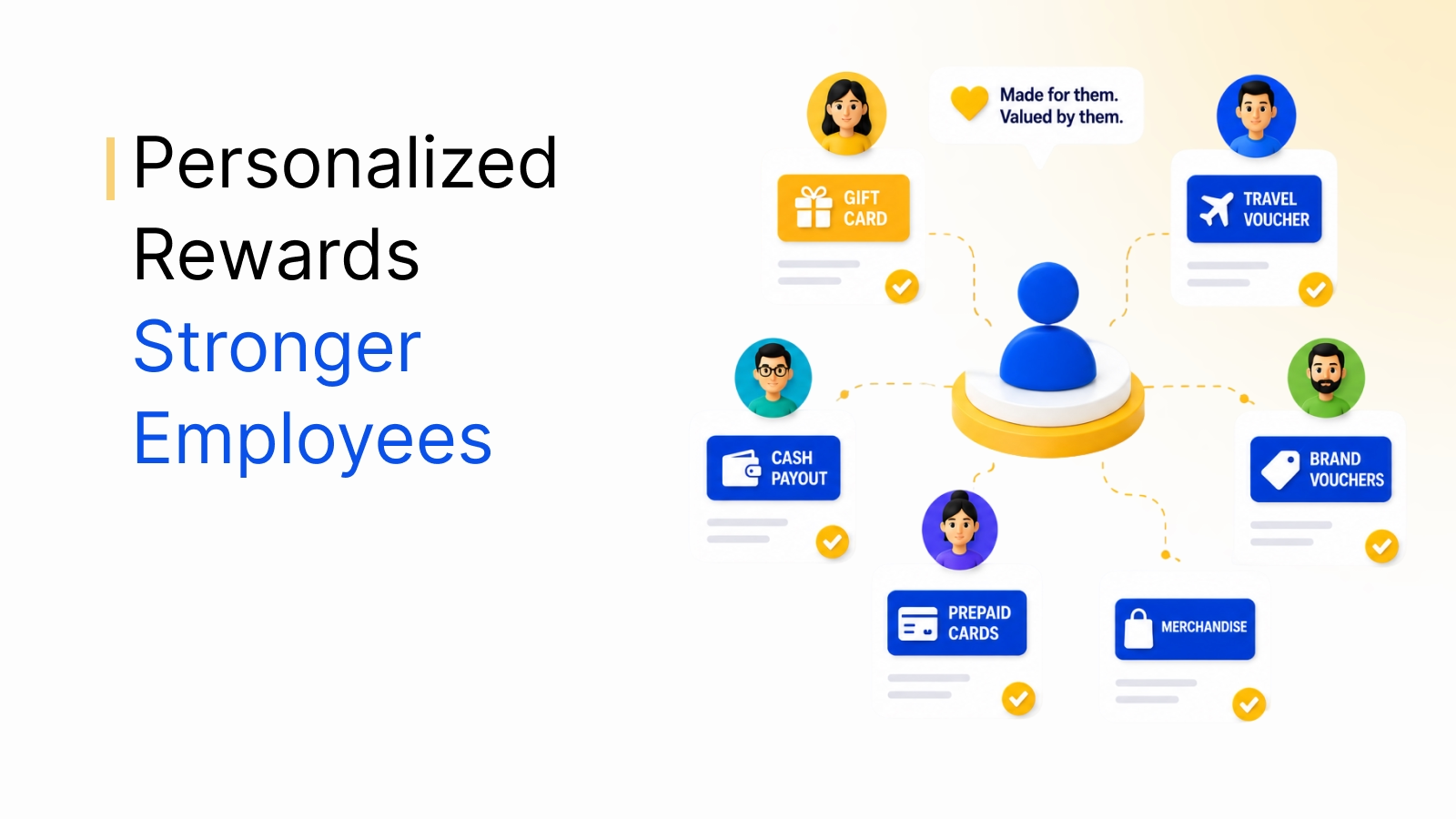
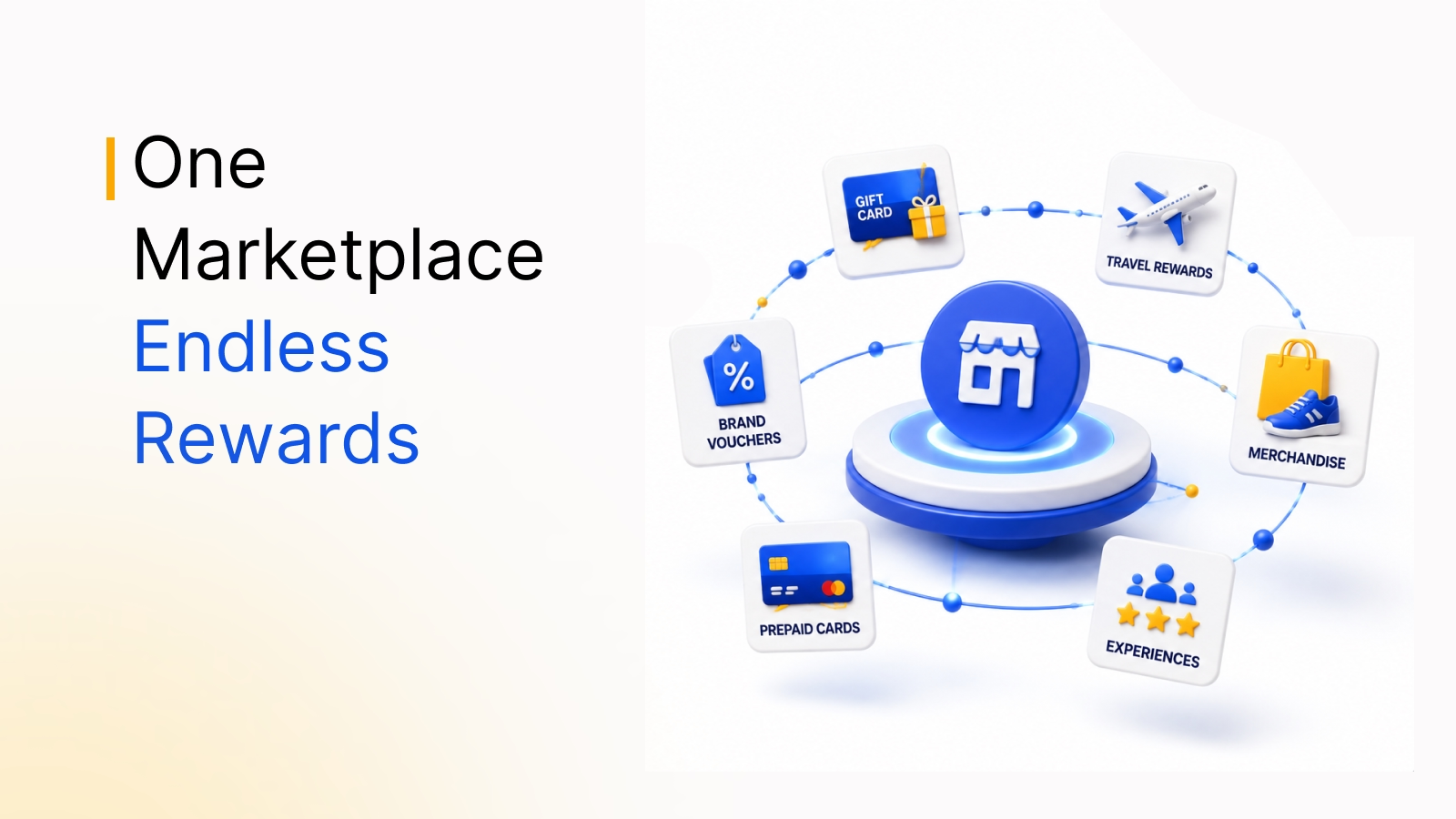
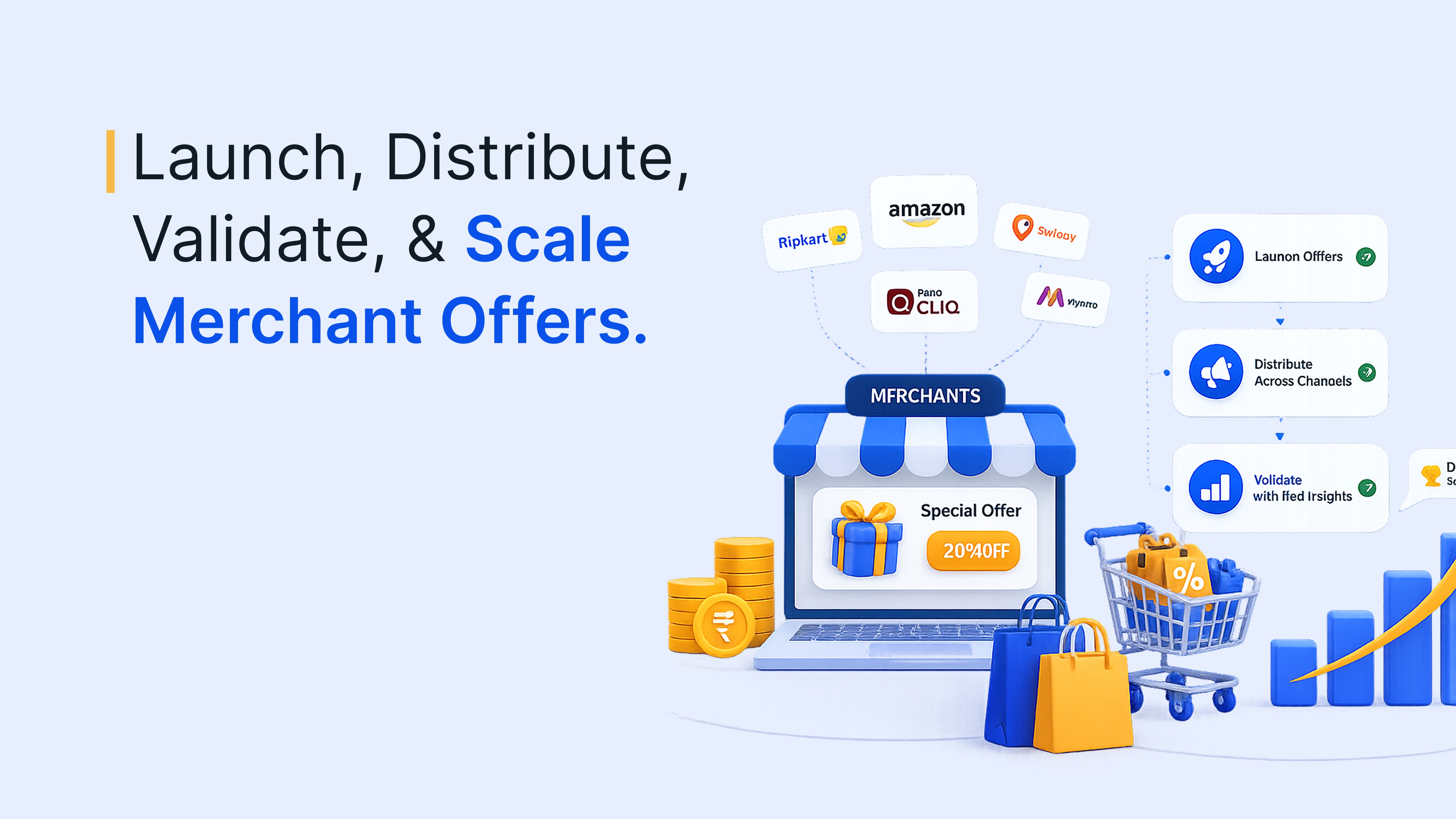
- Reward store. Catalog spanning gift cards, merchandise, travel, and experiences, so rewards can match the segment, not force one generic option.
- Campaign builder. Lets marketing and branch teams launch reward campaigns without engineering support.
- One-click integrations. Connect to CRM/core systems so a verified KYC status, referral, or credit card approval can auto-trigger a reward.
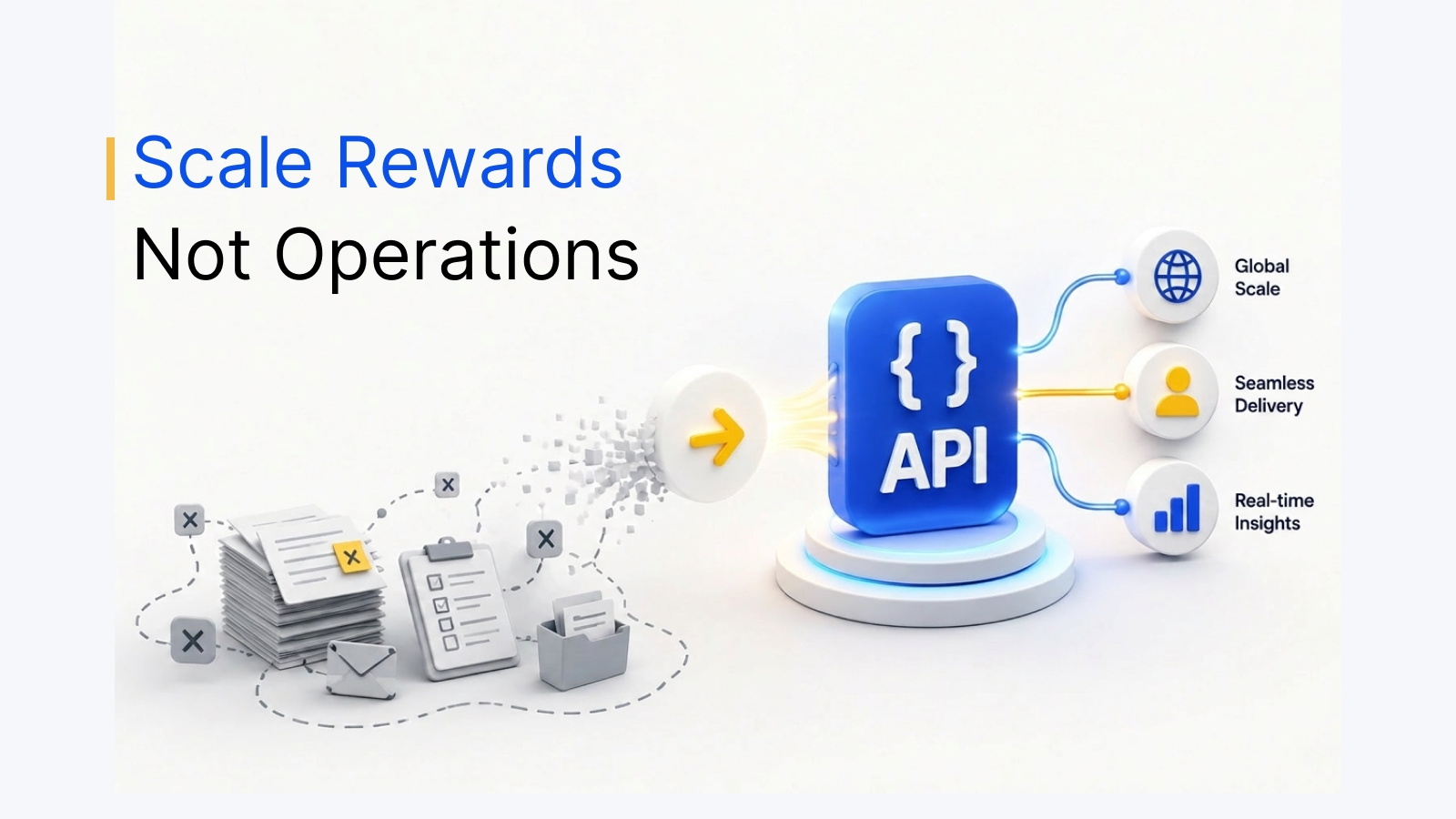
- Headless APIs. For banks that want their own front-end but need reward delivery and redemption logic underneath.
- Real-time analytics. On redemption, spend, and customer behavior.
- Admin governance. Budget thresholds and approval workflows so multiple teams can issue rewards without losing financial control.
Scale matters here too. This needs a catalog deep enough for multiple markets, ideally 10,000+ reward options globally, backed by infrastructure already proven across 2,000+ enterprise deployments.
The pricing model matters just as much as the feature set. The strongest version: pay only for redeemed rewards. If a bank allocates budget for 1 million units of currency on a campaign and only 10% redeem, it pays out roughly 100,000, not the full million. Unredeemed codes aren't invoiced. This single mechanic changes the economics of running large campaigns.
See Plum in action
See how Xoxoday Plum powers instant, governed rewards for banks.
Book a free 30-min demoTrusted by 5,000+ companies
Three journeys where instant rewards change the outcome
Credit card sign-up: application to reward in under a minute
The flow:
- Customer sees "Apply for a Credit Card & Get Rewarded Instantly" and fills in name, phone, email.
- Taps "Apply & Get My Reward," gets an SMS confirmation.
- Taps "Claim Reward Now," lands on a gamified spin-the-wheel screen.
- Spins, wins a gift card (in one example, worth 10 units of local currency).
- Gets a "Congratulations!" screen, reward sent via email and SMS instantly.
The entire loop, from filling out an application to holding a redeemable reward, happens in one session. No gap between "I did the thing" and "I got recognized for it."
Digital account opening: reward triggered by system status
This trigger isn't a form submission. It's a backend status change.
- Customer starts account opening via app/website, enters name, email, phone.
- Submits KYC docs (photo ID, address proof, or video KYC).
- CRM updates status to "Verified."
- That status change auto-fires a reward via email/SMS, no manual disbursement needed.
This removes humans from the reward-triggering loop entirely. The reward becomes a function of system state, not a task on someone's to-do list, so it scales the same way for 50 or 50,000 new accounts.
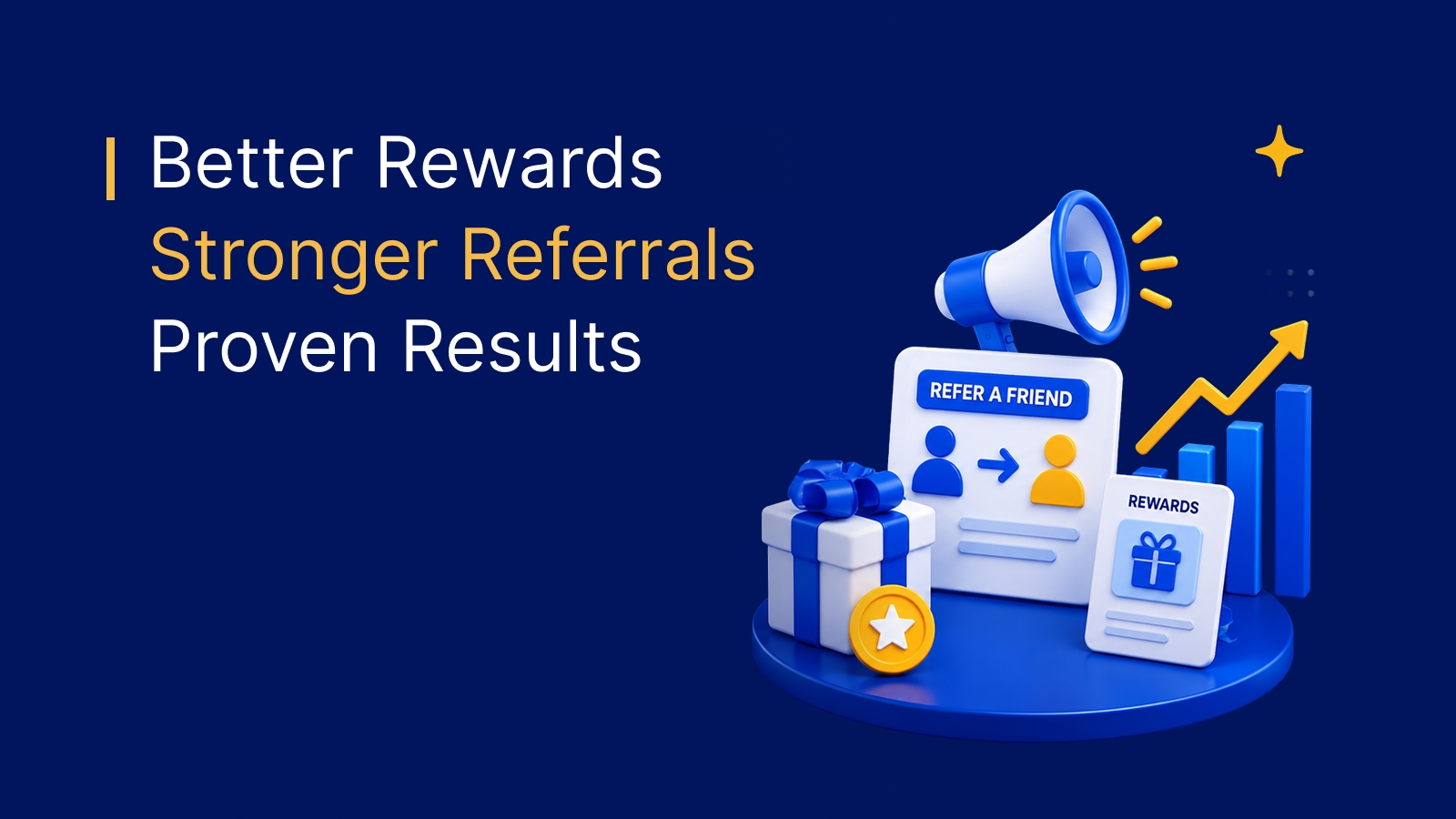
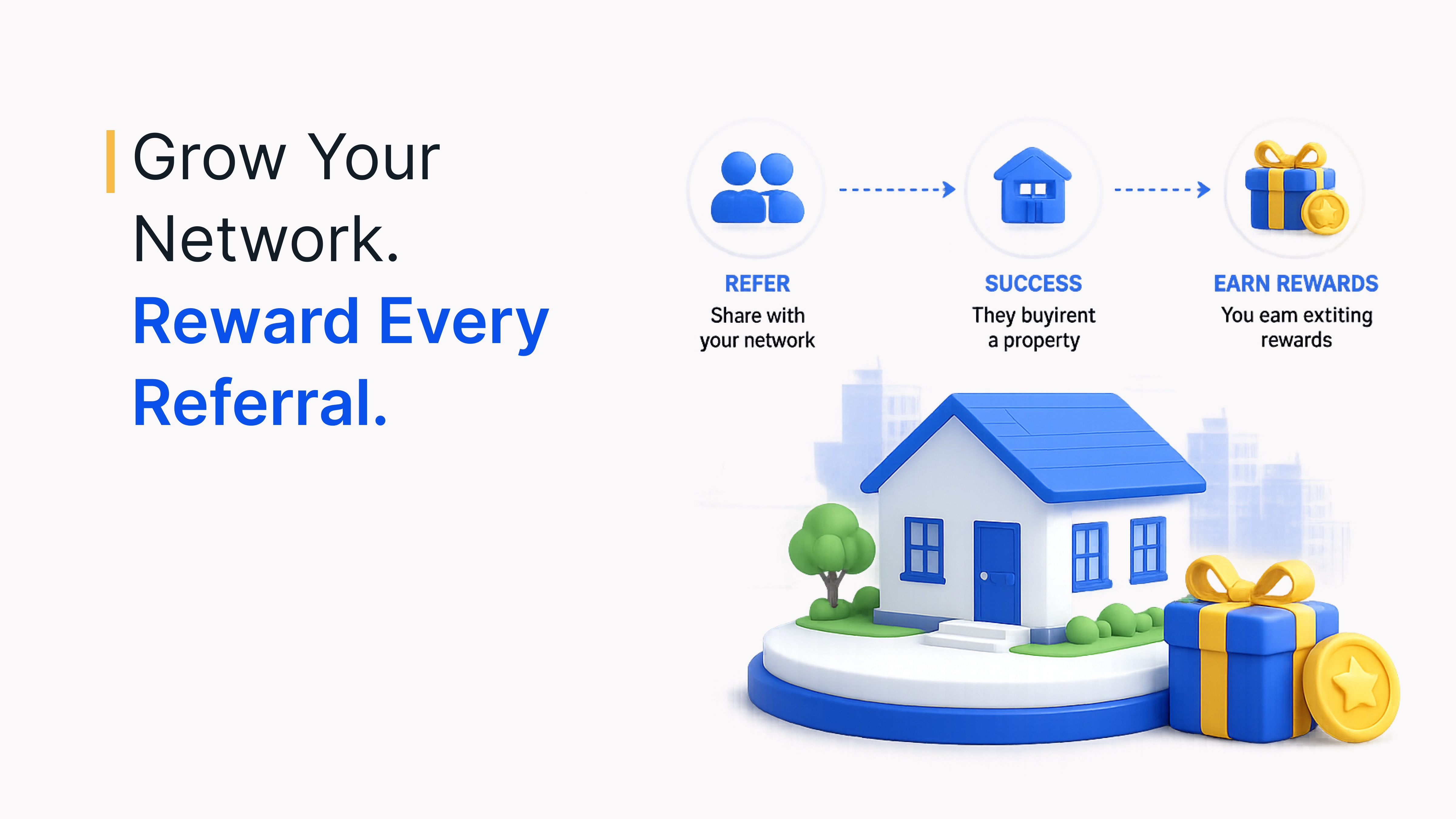
Refer and earn: a two-sided reward loop
Referral flows reward two parties, so the logic needs to be precise:
- Existing customer taps "Refer a Friend," shares a personalized link.
- Referee clicks through, completes mobile onboarding and KYC.
- CRM confirms "Verified" status.
- Referrer and referee are both rewarded automatically.
Admins configure this with real controls:
- Trigger condition. On enrollment vs. on first transaction.
- Reward allocation. For example, 500 points to referrer, 250 to referee.
- Referral caps. For example, 10 successful referrals per member per month.
Reporting tracks total members referred, total bonus points issued, and referred-vs-organic acquisition split. In one modeled scenario, referred members made up 31% of total acquisition, a number that's only visible because the referral engine generates structured data instead of untracked word-of-mouth.
Redemption experience matters more than the catalog
A reward program fails at the last mile if redeeming is a chore. Two paths are worth designing for:
Via reward code:
- Recipient gets notified (email/SMS/WhatsApp).
- Lands on a personalized page, browses the catalog.
- Selects a gift card, applies the code at checkout.
- Gets instant order confirmation.
- Receives the digital gift in their inbox, same session.
Via reward link:
- Recipient clicks the link, sees a curated brand catalog.
- Picks an option, enters contact details, verifies via OTP.
- Receives voucher code and activation PIN immediately, with clear validity terms.
Both flows follow the same principle: minimize steps between "I have a reward" and "I'm holding something usable." Every extra field is a drop-off point, and a clunky redemption undermines the instant-gratification promise entirely.
Governance doesn't have to slow things down
"Instant" and "controlled" don't have to be in tension.
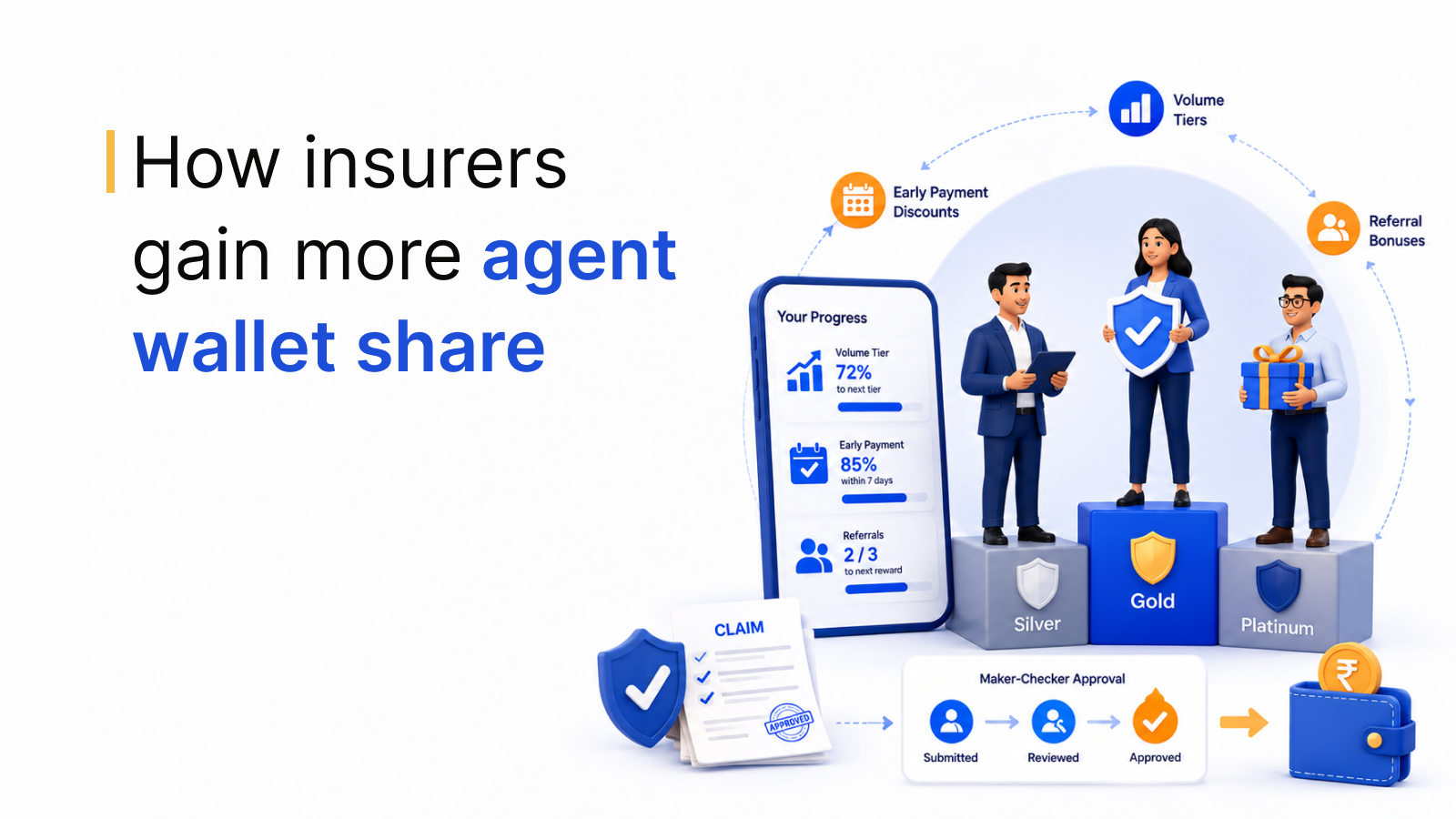
A maker-checker model handles this directly:
- Maker (branch manager). Requests a threshold increase, states the amount and business reason (for example, raising a limit from 10,000 to 50,000 to cover holiday rewards).
- Checker (head office). Receives the request by email, reviews it against budget and justification, approves or denies in one click, with an automated response either way.
Layered on top:
- Head office assigns branch-level admins.
- Each admin gets a defined threshold limit.
- Full visibility into how much of each threshold is already used.
This lets a bank distribute reward-issuing power across dozens of branches without losing centralized control over spend.
The numbers worth evaluating
If a bank is deciding whether to build this internally or adopt existing infrastructure, a few figures matter more than the rest:
- Catalog depth. 10,000+ global reward options across gift cards, merchandise, travel, experiences.
- Proven scale. Trusted by 2,000+ enterprises globally.
- Cost model. Pay only for redeemed rewards, unredeemed codes aren't invoiced.
- Reliability. 99.84% average uptime across 365 days, infrastructure handling roughly 10,000 requests per minute.
- Compliance. ISO 27001:2013, GDPR support, SOC2 (AICPA), VAPT-readiness, HIPAA compliance, CCPA-readiness.
- Global reach. Deployments across 5 continents, multi-currency and multi-language support, data residency within the requested country or region.
- Trust at scale. 80 million+ end-users interacting with redemption flows globally.
None of these are vanity metrics. Uptime and compliance determine whether a rewards layer can sit next to core banking systems at all. The pay-per-redemption model determines whether a large campaign is financially defensible to a CFO, and data residency determines whether legal and risk teams sign off at all.
Closing thought
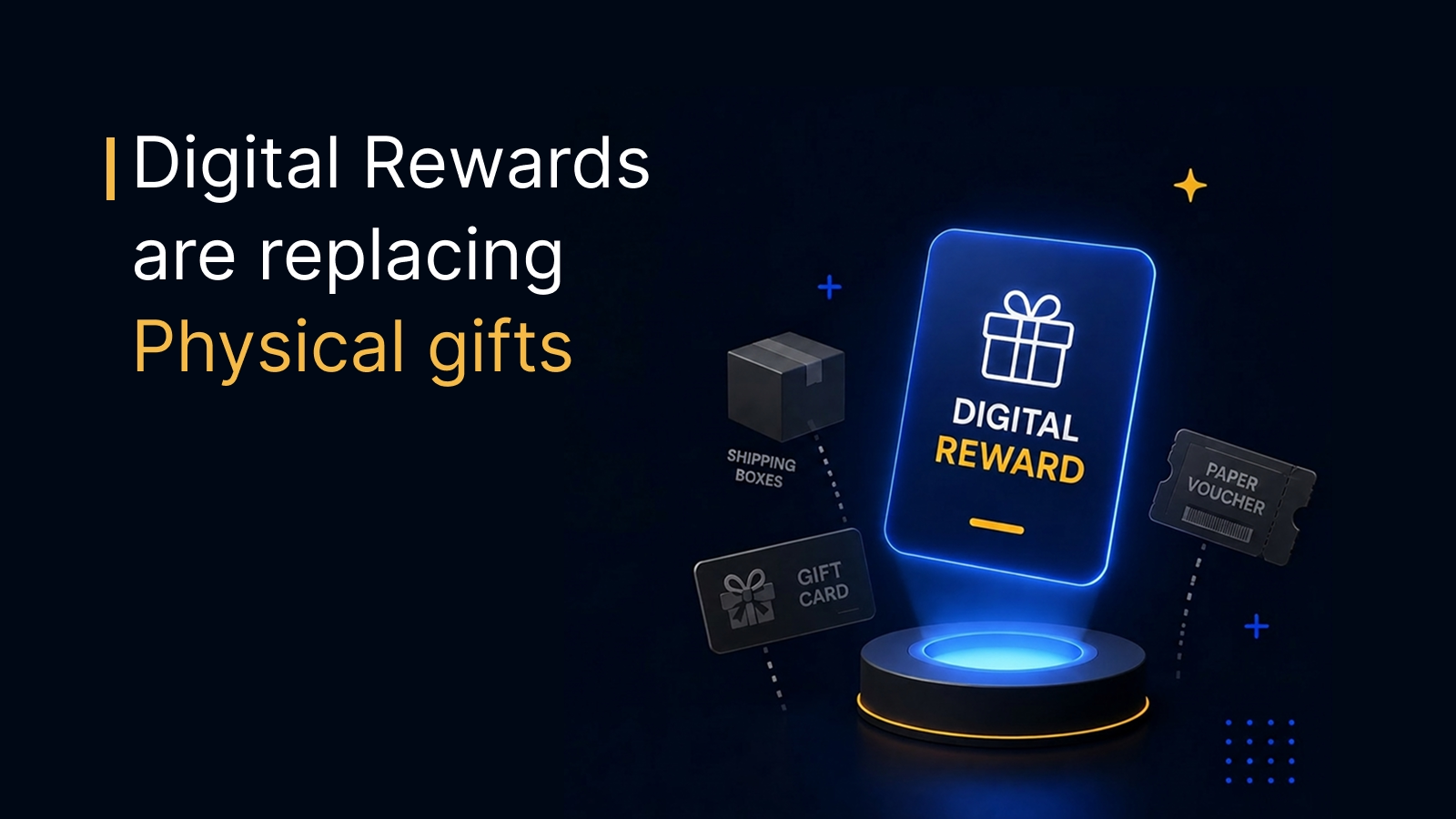
Moving from delayed, manual rewards to instant, system-triggered ones isn't a cosmetic upgrade. It changes the relationship between action and acknowledgment for the customer, and between spend and outcome for the bank.
A customer who wins a reward while still inside the app is having a different experience than one waiting two weeks to hear anything. A branch manager who issues an approved reward in one click, within a governed threshold, is operating differently than one escalating every request. A finance team that only pays for redeemed rewards is budgeting differently than one guessing at redemption rates upfront.
Instant gratification isn't a gimmick bolted onto banking. It's what happens when the systems finally catch up to how quickly customers expect to be recognized for what they do.