Your best new hire just marked her three-month anniversary. She's probably already looking for the exit.
Small teams face a silent epidemic: 20-30% annual attrition, compared to 13% in larger enterprises. The culprit isn't money. It's invisibility. Managers intent on hitting quarterly targets miss the signals of quiet quitting: the analyst who stopped contributing in standups, the engineer who no longer shares ideas in Slack, the person who updates their LinkedIn photo on a Tuesday afternoon.
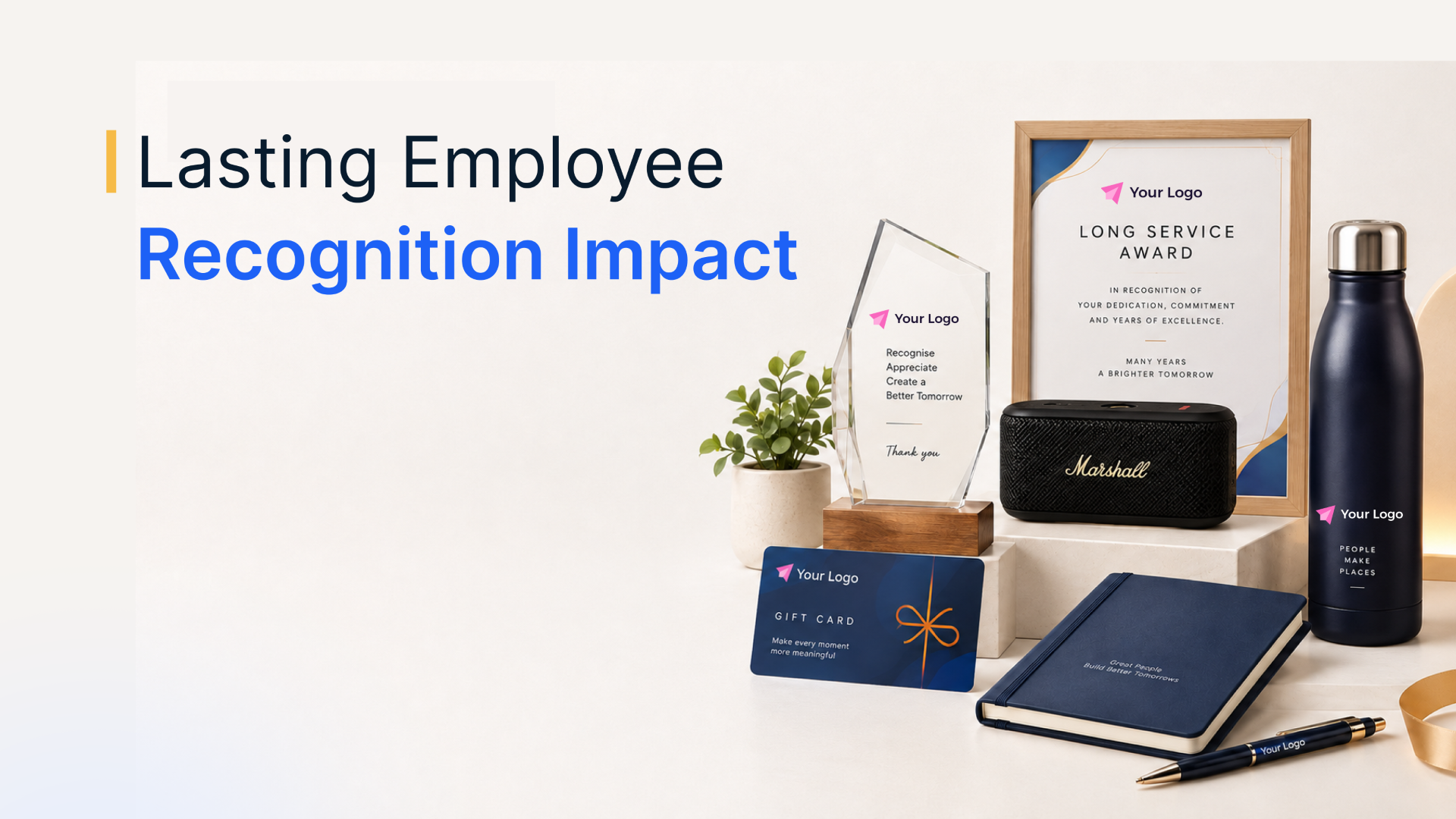
Recognition should stop this. But in small teams, it doesn't. It gets lost in email chains. It lives in scattered Slack reactions nobody sees again. Managers forget to do it because there's no system. Spreadsheets and vague "good work" messages don't land.
The right recognition software changes this. Not the enterprise-grade behemoths built for 50,000-person companies. The software built for teams of 20 to 500, lean, fast, Slack-native, and affordable. Here are the 10 best options, ranked by small-team fit. We ranked them on implementation speed (30 days or less), cost per person ($3-8/month typical), and actual setup friction: how long it takes to get your first recognition live. Book a demo to see how a recognition-plus-engagement platform fits a growing team.
67%
Higher engagement
For teams with regular recognition (Gallup)
2.8x
Lower voluntary attrition
Teams that recognize peers weekly vs. those that don't (Gallup)
Recognition and its measurable impact
Why recognition matters for small teams
In a 30-person startup, one unexpected resignation costs 6 months to backfill. It disrupts projects, burns out remaining team members, and signals to others that leaving is normal. Recognition is the cheapest insurance against this.
But recognition in small teams doesn't work like enterprise recognition. You don't have an HR team. No values posters on every wall. Managers juggle ten things at once while team members stay unseen because speed wins over acknowledgment.
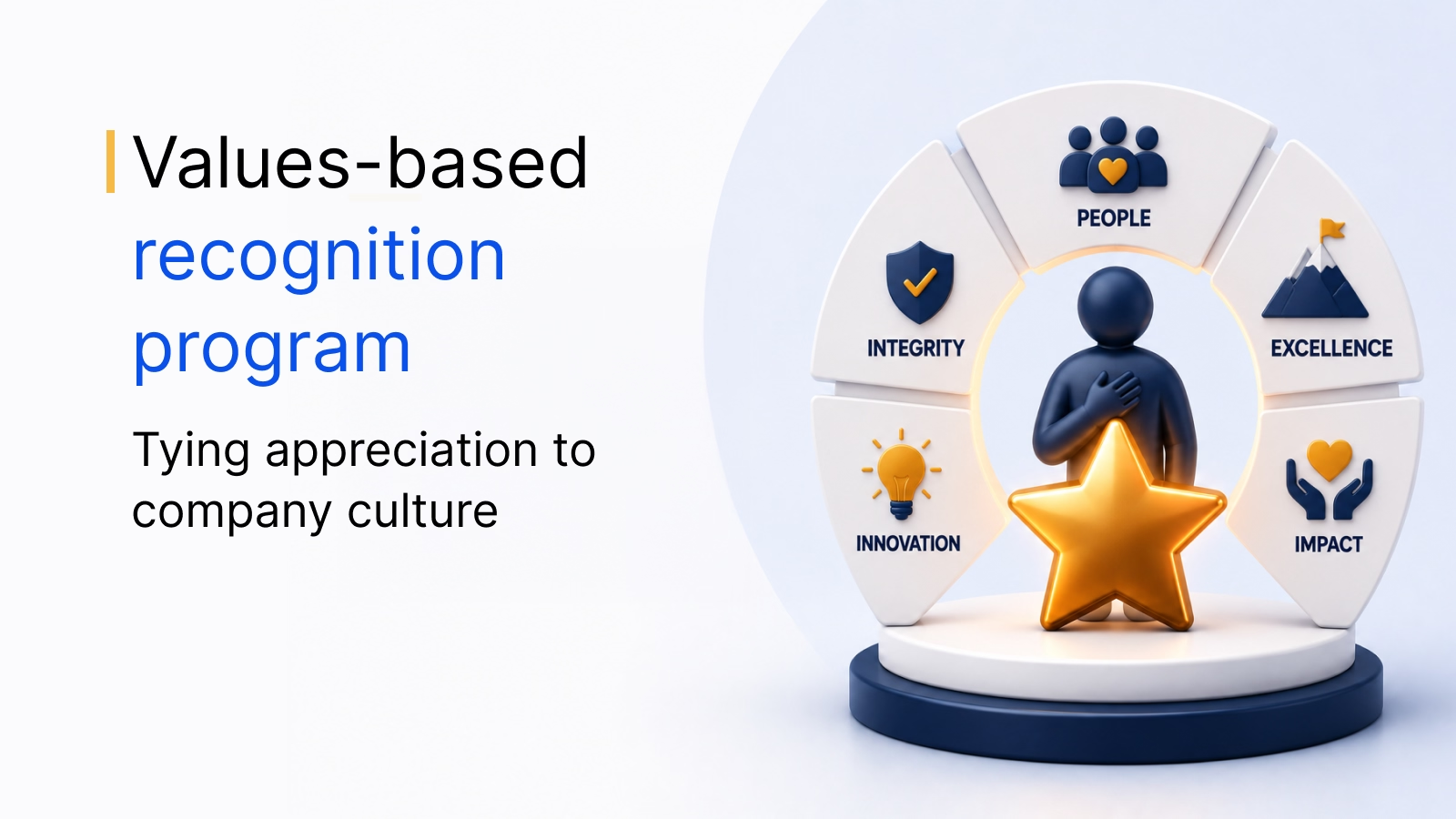
Recognition software earns its place here. It removes friction. It nudges managers to recognize direct reports they might overlook. It lifts peer recognition into view, so the engineer who solved the crisis gets credit beyond the standup. It ties recognition to your values, so people know what actually matters.
The numbers are clear: teams with regular peer recognition see 2.8 times lower voluntary attrition than those without it. They show 67% higher engagement. That's not motivational-poster territory. That's measurable retention and productivity.
How to choose recognition software for small teams
For your size, these factors matter most:
- Budget: Small teams have $3-8 per person per month to spend. No licensing minimums, no $50k annual commitments.
- Setup speed: Your team doesn't have three months to configure workflows. You need to go live in days.
- Integration: You're already in Slack or Teams. The recognition tool should live there, not require another app login.
- Minimum users: Startups don't have 50 people. Good software for small teams works from day one with 5 or 20.
- Recognition model: Manager-only (top-down), peer-to-peer (lateral), or hybrid? Small teams usually win with peer recognition because managers miss wins. Hybrid catches both.
| Platform | Starting price | Setup time |
|---|---|---|
| Xoxoday Empuls | Custom quotes; strong SMB tier available | 1-2 weeks |
| Hey Taco | $3/user/month (Classic) | Under 5 minutes |
| Recognize | Custom quotes | 2-3 weeks |
| Kudo Board | Free tier, plus paid annual plans | Under 1 day |
| Officevibe | Custom quotes | 1-2 weeks |
| Small Improvements | Custom quotes | 2-4 weeks |
| Quantum Workplace | Custom quotes | 3-6 weeks |
| Inspirus | Custom quotes | 3-4 weeks |
| Crewhu | Custom quotes | 2-3 weeks |
| Bucketlist Rewards | Custom quotes | 3-4 weeks |
Ready to build a recognition culture your team actually uses?
Empuls makes it simple to reduce attrition and build recognition culture in your small team. Schedule a 30-minute demo to see how Empuls recognition plus engagement surveys work together.
Book a demoTrusted by 5,000+ companies
The 10 best employee recognition software for small & growing teams
1. Xoxoday Empuls
Empuls is an AI-powered platform that combines recognition, pulse surveys, and a global rewards catalog in one interface. For small teams, its power lies in not requiring you to choose between recognition and engagement: you get both. Recognition moments trigger engagement signals. Survey data suggests who needs recognition next. The rewards catalog means recognition feels tangible, not just words in Slack.
Standout for small teams: No minimum seat requirement. Works at any scale. Customizable values-based recognition so peer recognition aligns with company culture. AI nudges suggest recognition moments based on company activities, reducing manager activation energy.
Best for: Teams that want recognition integrated with engagement intelligence. Growing companies that will scale from 30 to 300 people and need one platform that grows with them.
Pricing: Custom quotes; strong SMB tier available with Slack integration and API access.
Setup: 1-2 weeks for basic go-live; can scale to full implementation in 30 days. See Empuls in action.
2. Hey Taco
Hey Taco is recognition for Slack. Employees give each other "tacos" (virtual praise) within Slack; daily limits (5 per person) prevent favoritism gaming; a leaderboard and bot messages keep recognition visible. No separate app. No login. If your team is in Slack, recognition happens in Slack.
Standout for small teams: $3 per person per month. No minimum users, works at 5 people or 500. Under 1 minute setup (literally: install the Slack app, adjust settings). 30-day free trial.
Best for: Remote-first or fully distributed teams. Companies where Slack is already the hub. Managers who want peer recognition without activation friction.
Pricing: $3/user/month (Classic) or $5/user/month (Deluxe, with integrations).
Setup: Under 5 minutes. Install app, send invite link to team.
3. Recognize
Recognize is an employee recognition platform designed to reinforce organizational values and drive engagement. The platform connects peer recognition to company culture and includes manager-led recognition workflows. Recognition moments tie to company values, making sure acknowledgment reinforces what the organization prioritizes.
Standout for small teams: Values-aligned recognition approach means recognition reinforces culture, not just performance. Flexible deployment model works for companies scaling from 50 to 500 people.
Best for: Teams building intentional recognition culture where every acknowledgment should tie back to core values. Companies that have defined values and want recognition to reinforce them consistently.
Pricing: Custom quotes required.
Setup: 2-3 weeks for standard implementation.
4. Kudo Board
Kudo Board is a collaborative digital eCard platform. Team members create group eCards for birthdays, milestones, and departures, with multiple people adding messages in real time. Low-friction, template-based, intuitive.
Standout for small teams: Free eCard creation without subscription. Low barrier to adoption. Works for milestone moments small teams care about (birthday, work anniversary, new baby).
Best for: Teams wanting informal recognition moments without system friction. Best paired with a second tool for regular peer recognition.
Pricing: Free tier (limited), tiered annual plans, enterprise custom quotes.
Setup: Under 1 day. Create board, share link.
5. Officevibe
Officevibe (part of Workleap) combines pulse surveys, anonymous feedback channels, and recognition cards. The AI flags feedback patterns and suggests manager actions based on what people actually said.
Standout for small teams: Does double duty: continuous listening plus recognition. Lean HR teams get engagement data they'd otherwise miss. Quick setup. No extensive configuration needed.
Best for: Lean HR teams. Growing companies that want engagement data but can't hire a full HR analytics person.
Pricing: Custom quotes; quick implementation.
Setup: 1-2 weeks.
6. Small Improvements
Small Improvements is a feedback and performance platform with embedded recognition. Features: 360 reviews, 1:1 notes, pulse surveys, OKR tracking. AI patterns review feedback to flag where people need support.
Standout for small teams: Customizable workflows so you don't pay for enterprise features you'll never use. Confidential 360 reviews build trust. Performance graph helps managers see at a glance where people are growing.
Best for: SMBs transitioning from spreadsheet performance reviews to structured feedback. Teams 50-300 people who want feedback plus recognition without enterprise bloat.
Pricing: Custom quotes (demo required).
Setup: 2-4 weeks depending on workflow customization.
7. Quantum Workplace
Quantum Workplace is a unified HR platform combining engagement, performance, development, and recognition in one interface. Built for growing mid-market (50-1000 employees).
Standout for small teams: Unified talent data eliminates data silos between recognition, surveys, and performance. AI-powered prompts tell managers what to do with engagement data, not just show it exists.
Best for: Teams past 100 people, ready for integrated HR workflow. Leaders who want engagement and performance data connected.
Pricing: Custom quotes; modular pricing so you pay for modules you use.
Setup: 3-6 weeks depending on integration scope.
8. Inspirus
Inspirus is an employee recognition and rewards platform that connects acknowledgment to organizational values across 185 countries. Every recognition moment ties to culture. Recognition converts into rewards people actually want.
Standout for small teams: Values-driven approach ensures recognition is never transactional. Serves growing global teams (reported 15-25% higher retention for clients using values-based recognition).
Best for: Companies with clear organizational values who want recognition to reinforce culture daily. Distributed or global teams that need recognition consistency across regions.
Pricing: Custom quotes required (no public pricing tiers).
Setup: 3-4 weeks for standard implementation across distributed teams.
9. Crewhu
Crewhu combines employee recognition, customer satisfaction tracking, and gamification for service teams. The platform pairs real-time CSAT monitoring with team recognition workflows, connecting employee engagement to customer outcomes.
Standout for small teams: Integrates CSAT plus employee motivation in one tool. Service teams see the direct link between their performance and customer satisfaction, driving engagement naturally.
Best for: Service-delivery teams (MSPs, managed services, support organizations). Companies where employee performance directly impacts customer happiness. Teams needing to reduce churn by flagging dissatisfied clients while boosting employee retention simultaneously.
Pricing: Custom quotes required.
Setup: 2-3 weeks depending on CSAT integration complexity.
10. Bucketlist Rewards
Bucketlist Rewards combines employee recognition with a customer-facing recognition feature (QR codes let customers recognize staff). Strong in frontline industries: retail, hospitality, healthcare.
Standout for small teams: Mobile-first design for team members without laptops. External recognition feature means customers can acknowledge frontline staff, which drives engagement that internal recognition alone can't.
Best for: Retail, hospitality, healthcare, service-driven teams. Companies where frontline engagement drives business outcomes.
Pricing: Custom quotes; roughly 4-week deployment for small teams.
Setup: 3-4 weeks due to external recognition feature setup.
Comparing recognition models: peer-to-peer vs. manager-led
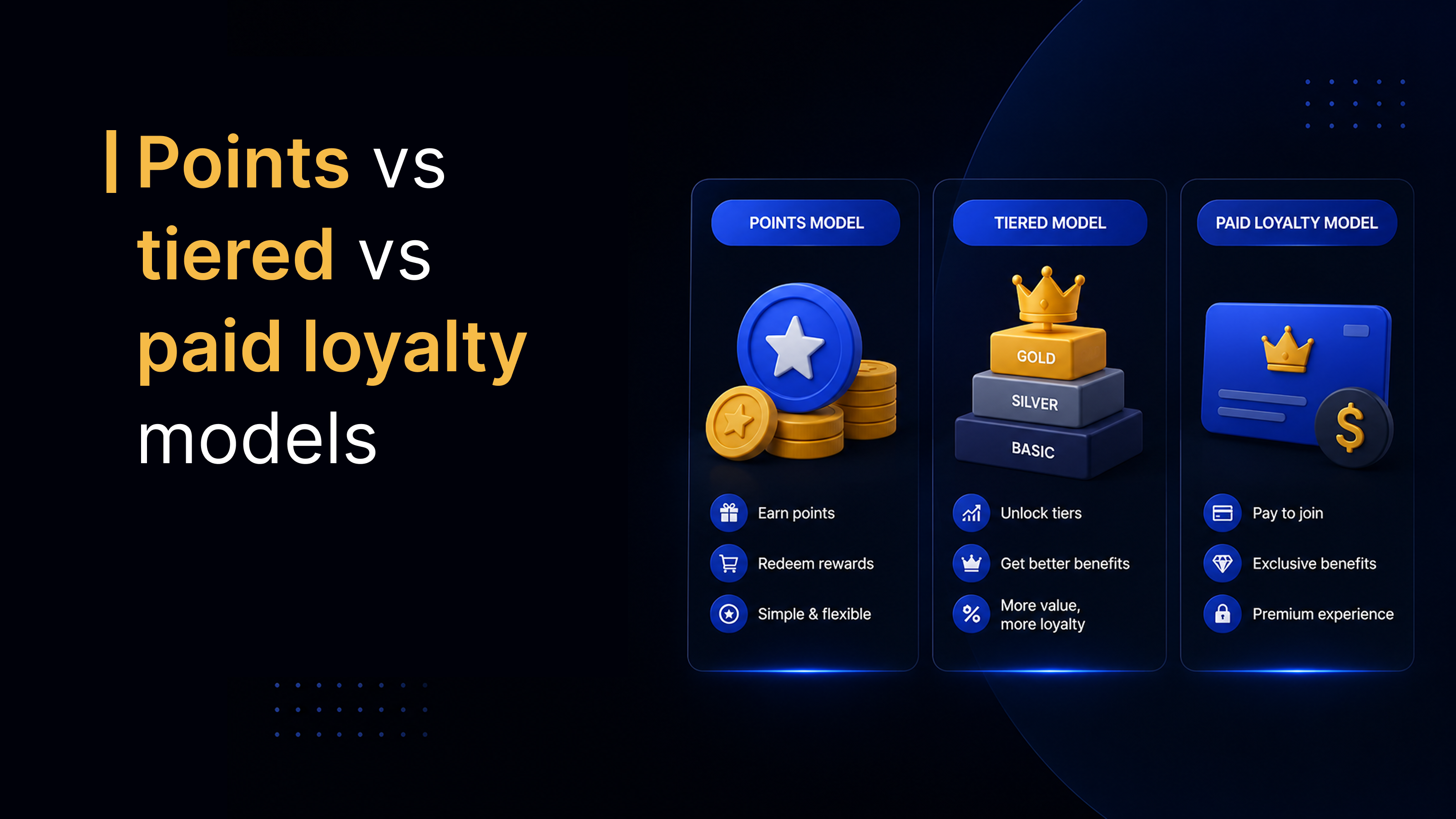
Not all recognition software is built the same way. Your model choice, peer, manager-led, or hybrid, shapes adoption and impact.
- Peer-to-peer recognition: Horizontal. Employees recognize each other. Benefits: faster adoption, feels more authentic, no manager bottleneck. Risks: cliques form, some people never get recognized. Works best for remote teams, flat companies, cultures already sharing credit openly.
- Manager-led recognition: Top-down. Managers recognize reports. Benefits: tied to performance, managers see everything. Risks: it's slow, managers forget, and it feels transactional, missing lateral wins. Works best in high-context, performance-driven companies.
- Hybrid (values-based): Peer and manager recognition both tie to company values. Works best in companies building culture intentionally, teams 20-300 where you want both signals.
| Model | Setup time | Engagement lift | Best team size | Activation cost |
|---|---|---|---|---|
| Peer-to-peer | Days | High, fast adoption | 5-50 | Low |
| Manager-led | Weeks | Moderate | 50-300 | Moderate |
| Hybrid | 1-2 weeks | Highest | 20-300 | Moderate to high |
How to implement recognition in 30 days
- Week 1: Choose tool and soft-launch with leadership team (5-10 people). Let them model the behavior first.
- Week 2: Open to full team. Send one-page "how to recognize" guide. Emphasize: recognition should feel natural, not robotic.
- Week 3: First recognitions surface. Celebrate the first 3-5 broadly. Show them in team meetings, make it real.
- Week 4: Normalize it. By day 28, you want 1-2 recognitions per person per week. If not, nudge managers individually.
Free and freemium recognition options
If budget is $0 right now:
- Kudo Board free tier: Limited to milestone cards, but genuinely usable for team bonding.
- Hey Taco 30-day free trial: Full features for a month, enough to pilot and decide.
- Slack native: Create a #recognition channel. Lightweight, costs nothing, worth trying if nothing else fits.
Most paid tools offer 14-30 day free trials with full feature access. Try before you commit.
Moving forward with recognition
Recognition software is not an HR project. It's a leadership signal: we notice wins, we see people, membership means something here. Small teams have a real advantage: everyone knows everyone. Recognition moves faster. Lands harder. A manager's message hits differently in 30 people than 300.
The tools above remove friction. Recognition happens at speed. Pick one, go live in 30 days, celebrate loudly. By day 60, you'll see attrition drop and engagement lift. Talk to Empuls about building that culture into your team.