Key Takeaways
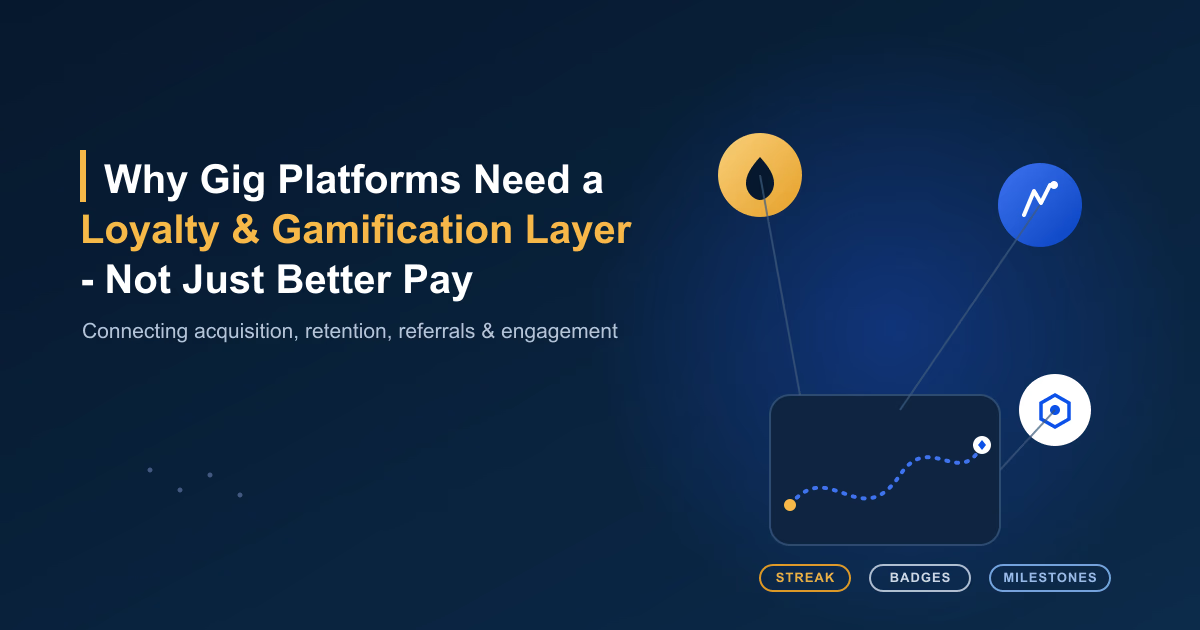
Gig platforms have almost none of the usual retention levers - no reviews, no promotions, no in-person teams - so rewards have to do the work
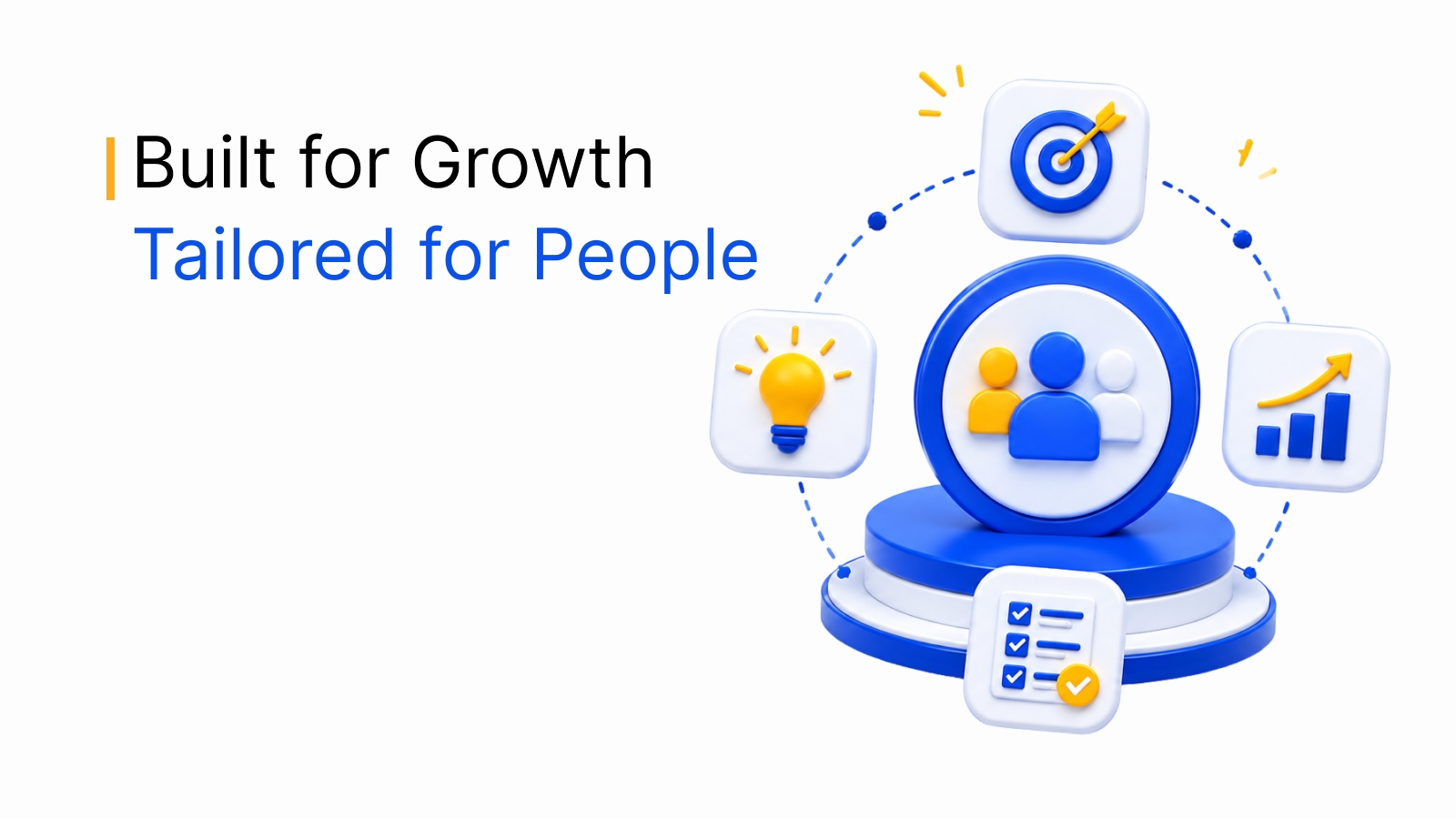
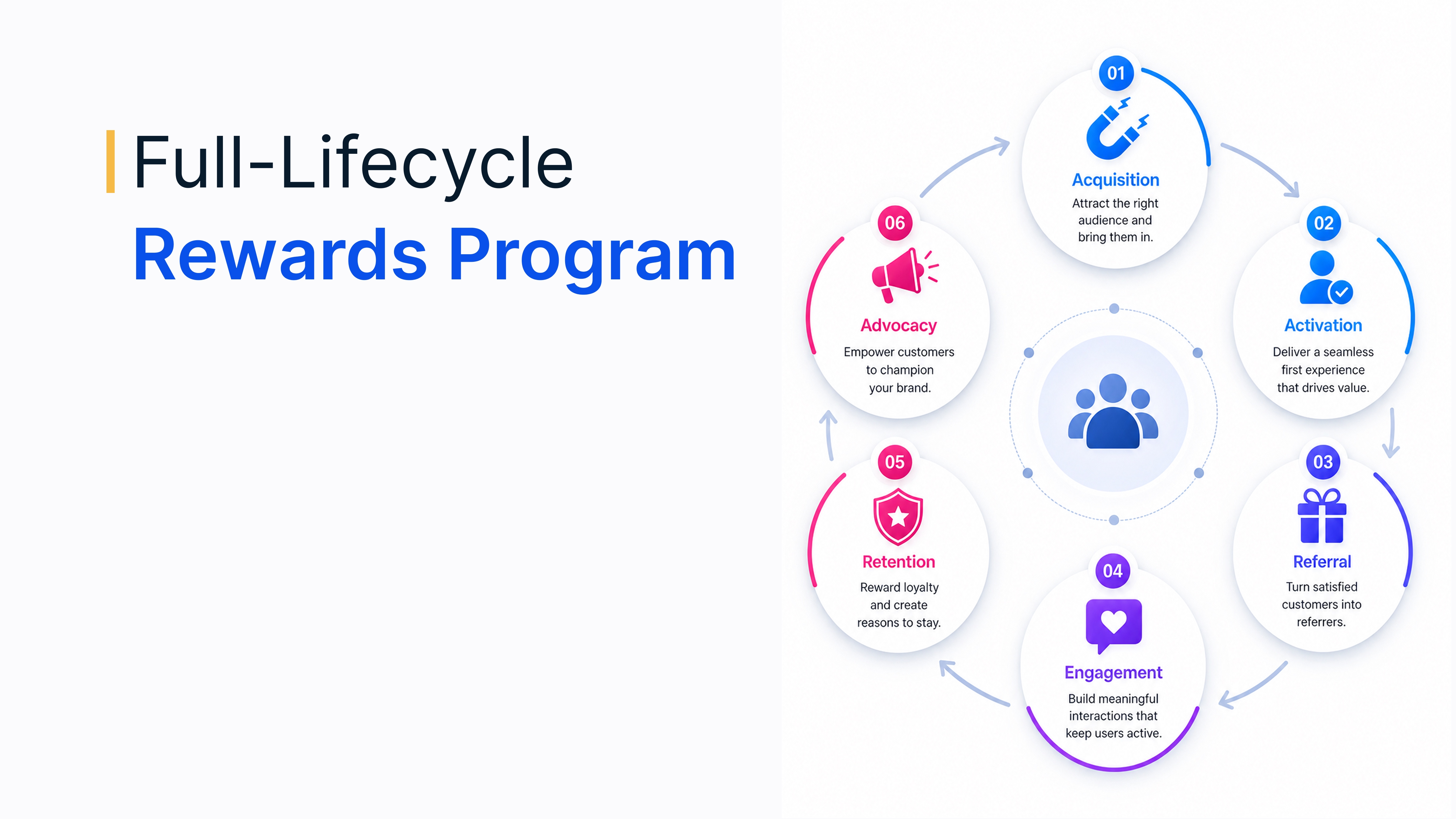
Acquisition, retention, referrals, and gamification work best as one connected system, not separate initiatives
Wellness and financial security perks often out-perform cash bonuses because they address why riders leave gig work altogether
Gig and delivery platforms face a retention problem that traditional HR playbooks weren't built for. There's no annual review, no promotion ladder, and often no in-person team to build loyalty around. Riders and delivery executives can - and do - switch platforms the moment a better rate or a more convenient shift shows up elsewhere.
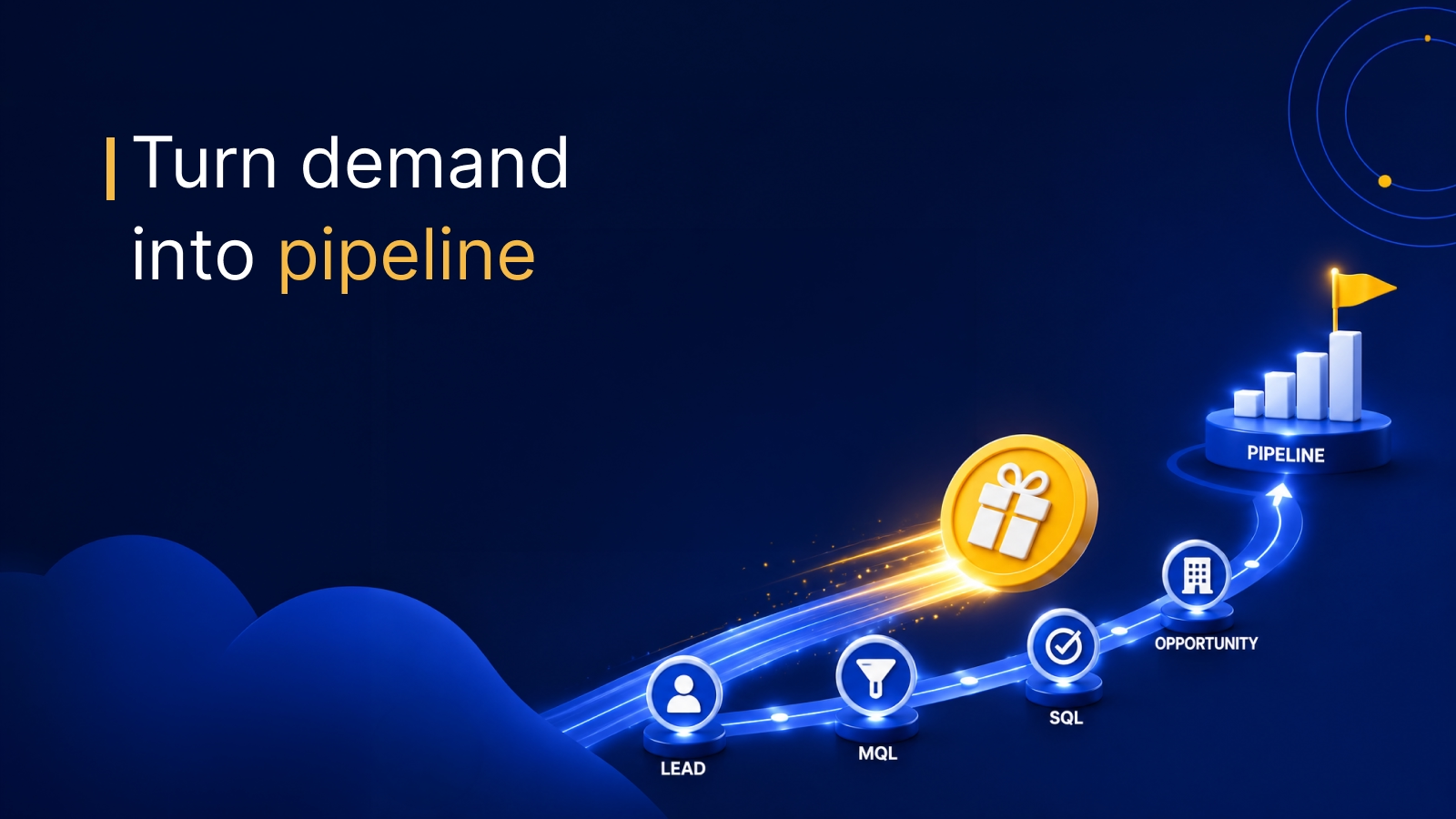
So how do you build loyalty in a workforce with almost none of the usual retention levers? The answer increasingly lies in treating acquisition, retention, referrals, and engagement as one connected system - powered by rewards, gamification, and a bit of financial security thrown in.
Here's a breakdown of what that looks like in practice, drawn from strategies used across the last-mile delivery and gig-mobility space.
Acquisition: make the first few days count
The gig economy's biggest leak often happens in week one. Riders sign up, get overwhelmed by onboarding, and drop off before completing their first ride. A few targeted interventions can change that:
- First-ride incentives - a welcome reward tied to completing an initial booking or delivery
- Onboarding milestones - small rewards for completing KYC, document uploads, and app setup within the first week
- Feature adoption nudges - incentives to explore tools like live tracking or the earnings dashboard, which correlate with longer-term platform stickiness
- Auto-renewal incentives - rewarding riders who set up subscription or rental auto-renewals, reducing early churn from friction
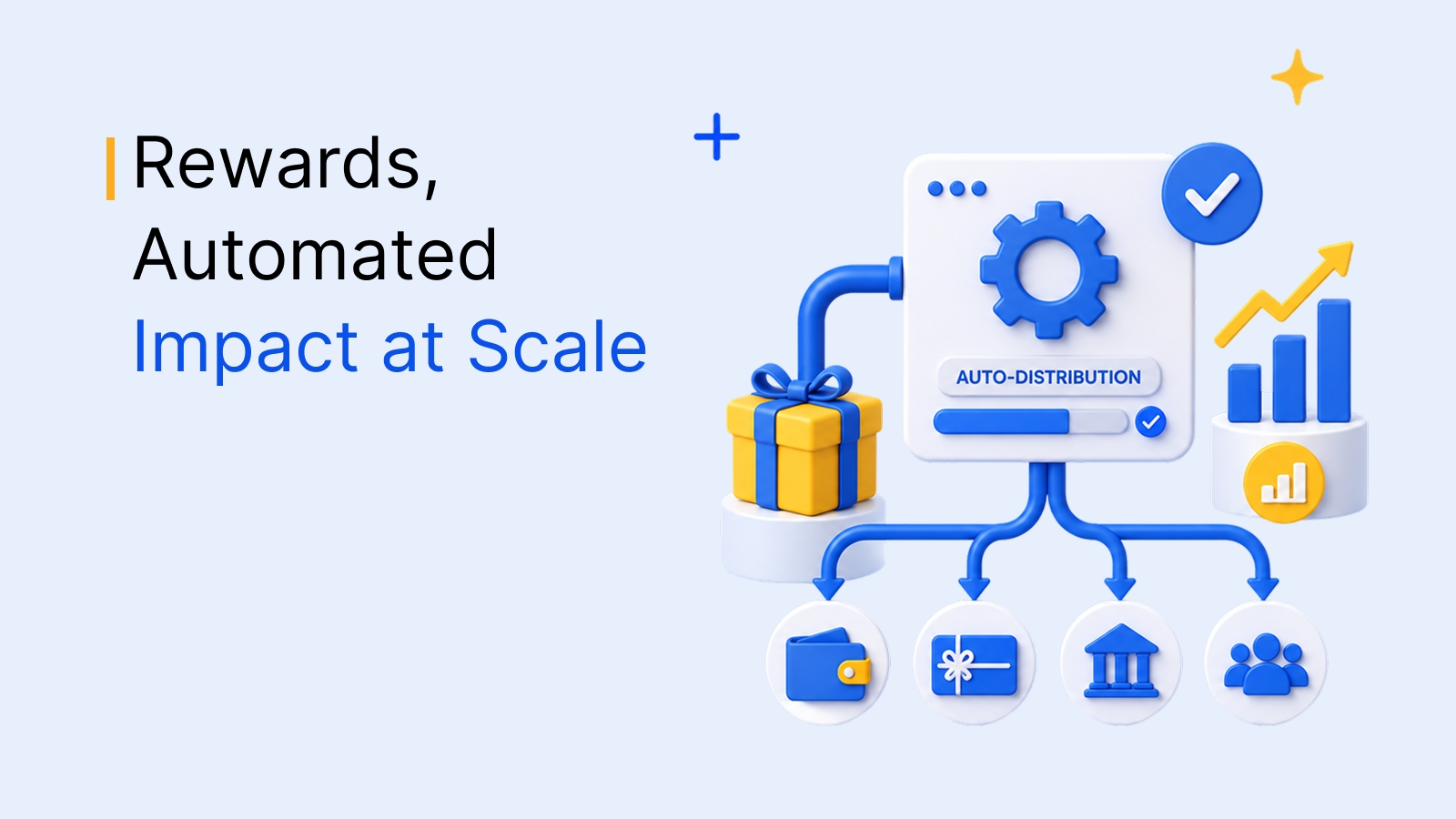
The goal isn't just signups - it's getting a new rider through their first meaningful interactions with the platform, since that's where most attrition happens. A no-code rule engine makes this practical to run at scale: platforms can configure earn triggers for each onboarding step without waiting on engineering cycles, and adjust the rules as drop-off points shift.
See Loyalife in action
Build a connected rewards system that covers acquisition, retention, referrals, and gamification for your gig workforce.
Talk to our ExpertTrusted by 5,000+ companies
Retention: reward the behaviors that matter
Once someone's active, retention comes down to whether the platform recognizes and rewards consistency. A few mechanisms that consistently work:
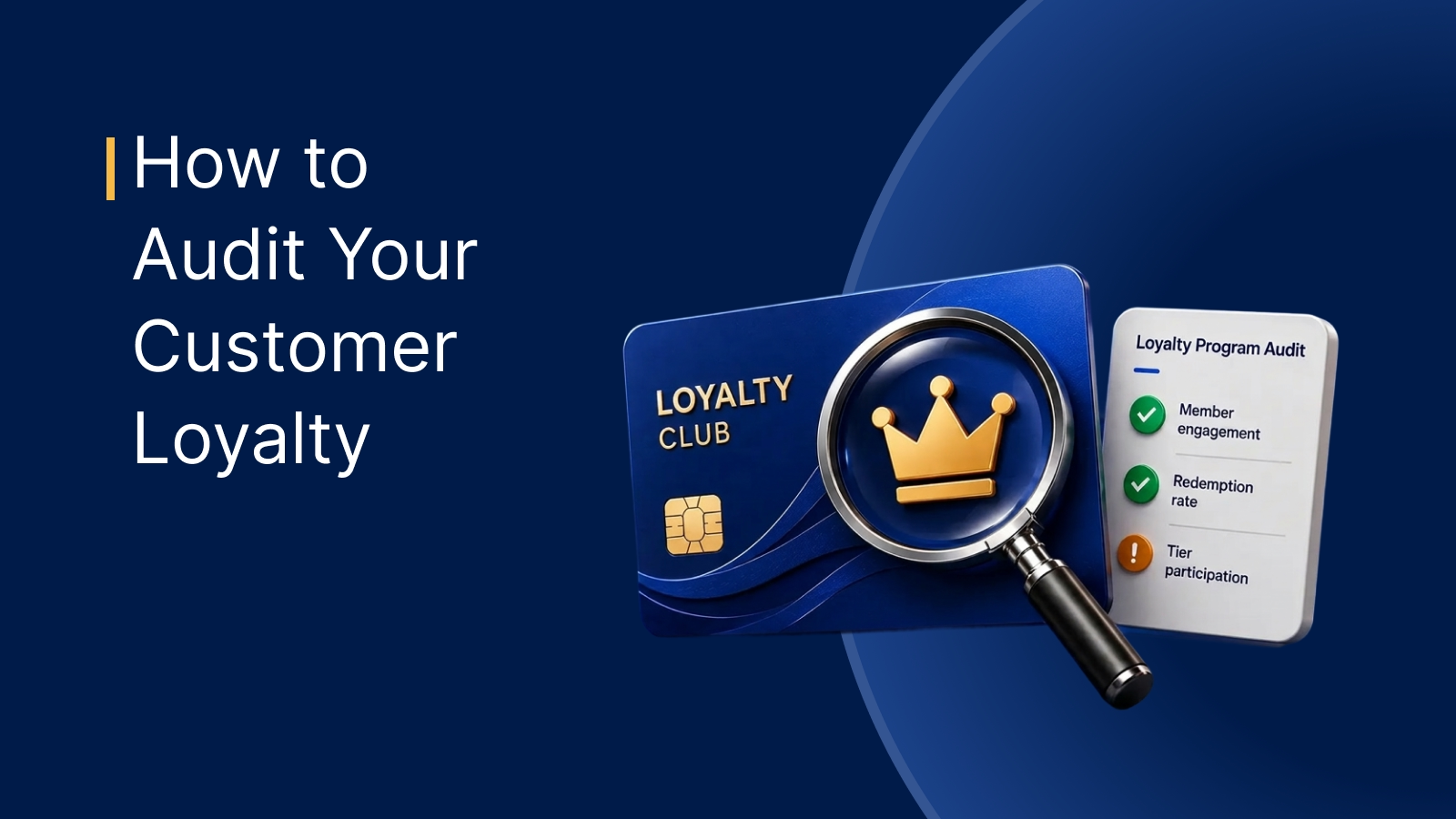
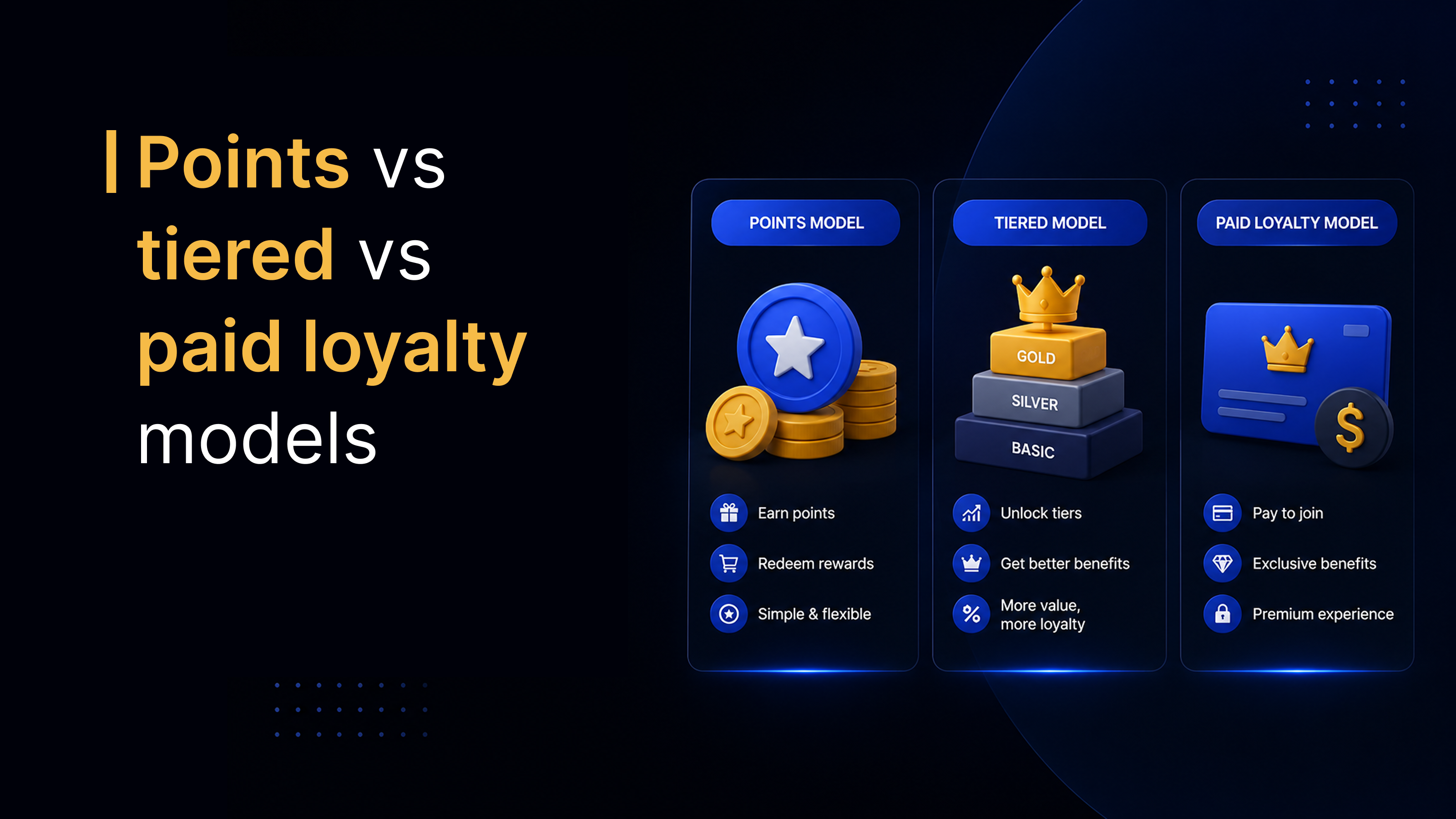
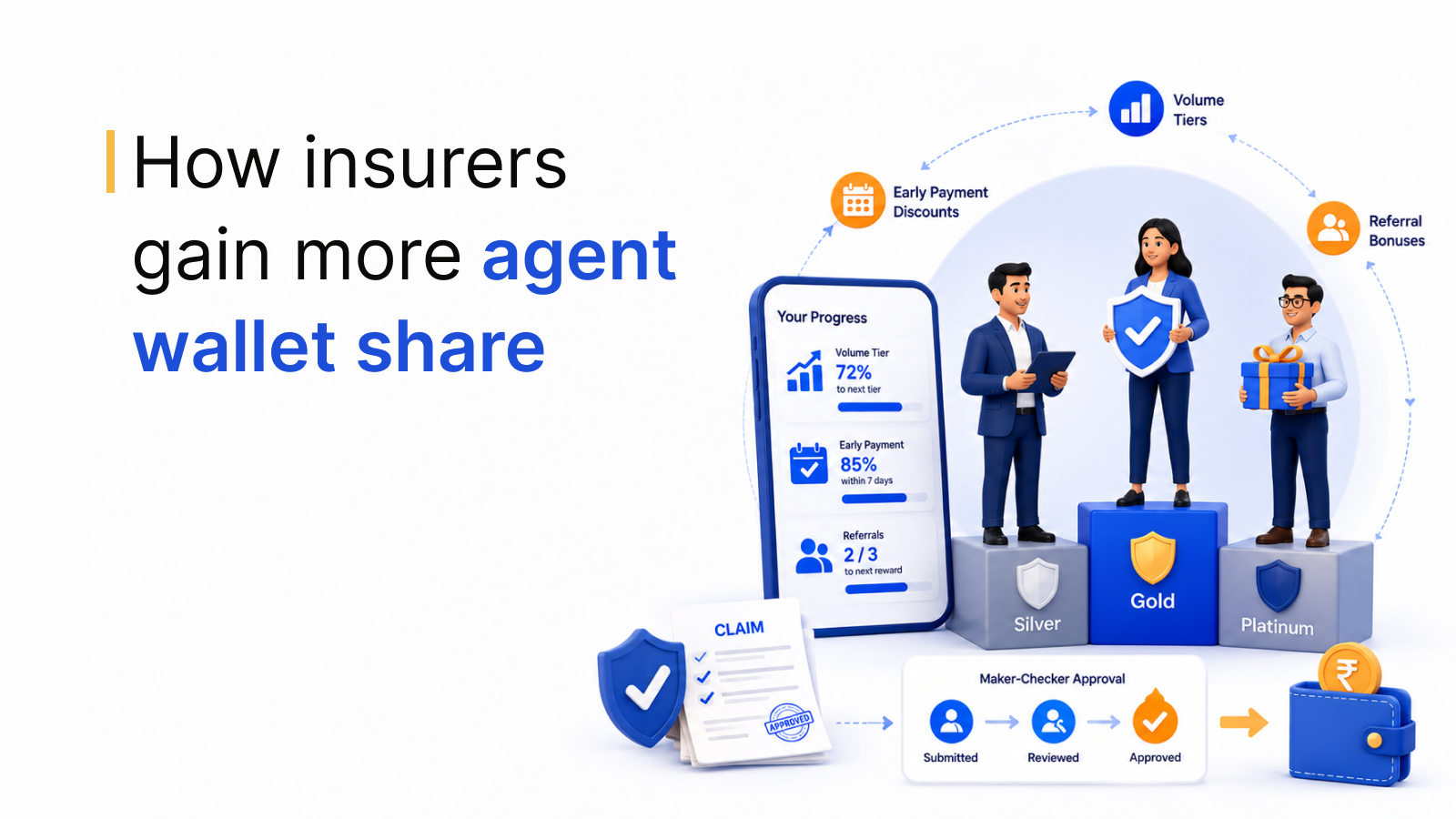
- Tiered loyalty programs - Silver/Gold/Platinum-style tiers based on delivery volume, punctuality, or ratings, unlocking better perks at each level, with automated tier upgrades and downgrades so status always reflects real performance
- Milestone-based bonuses - automated rewards triggered by hitting delivery counts, streaks, or performance thresholds
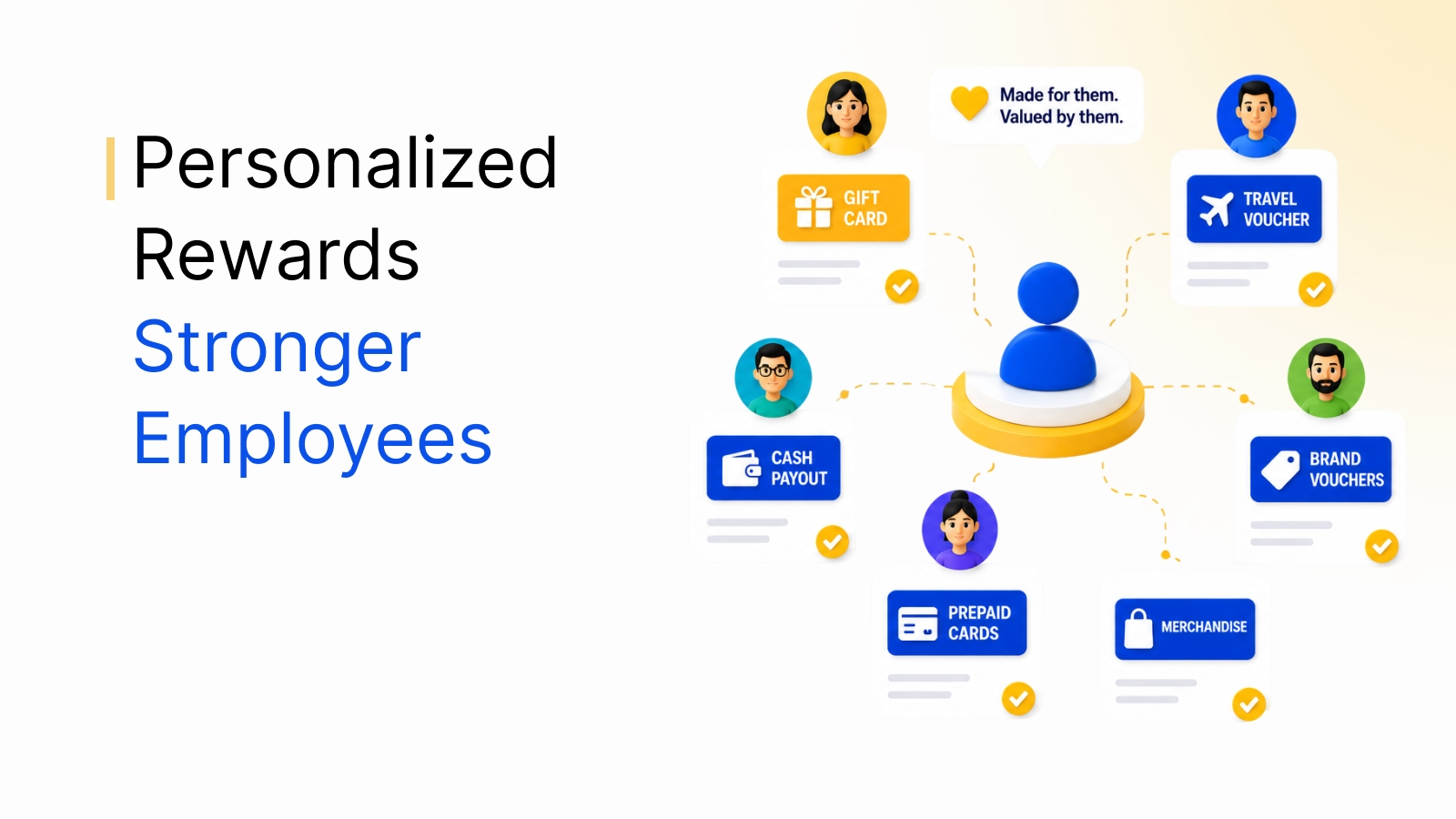
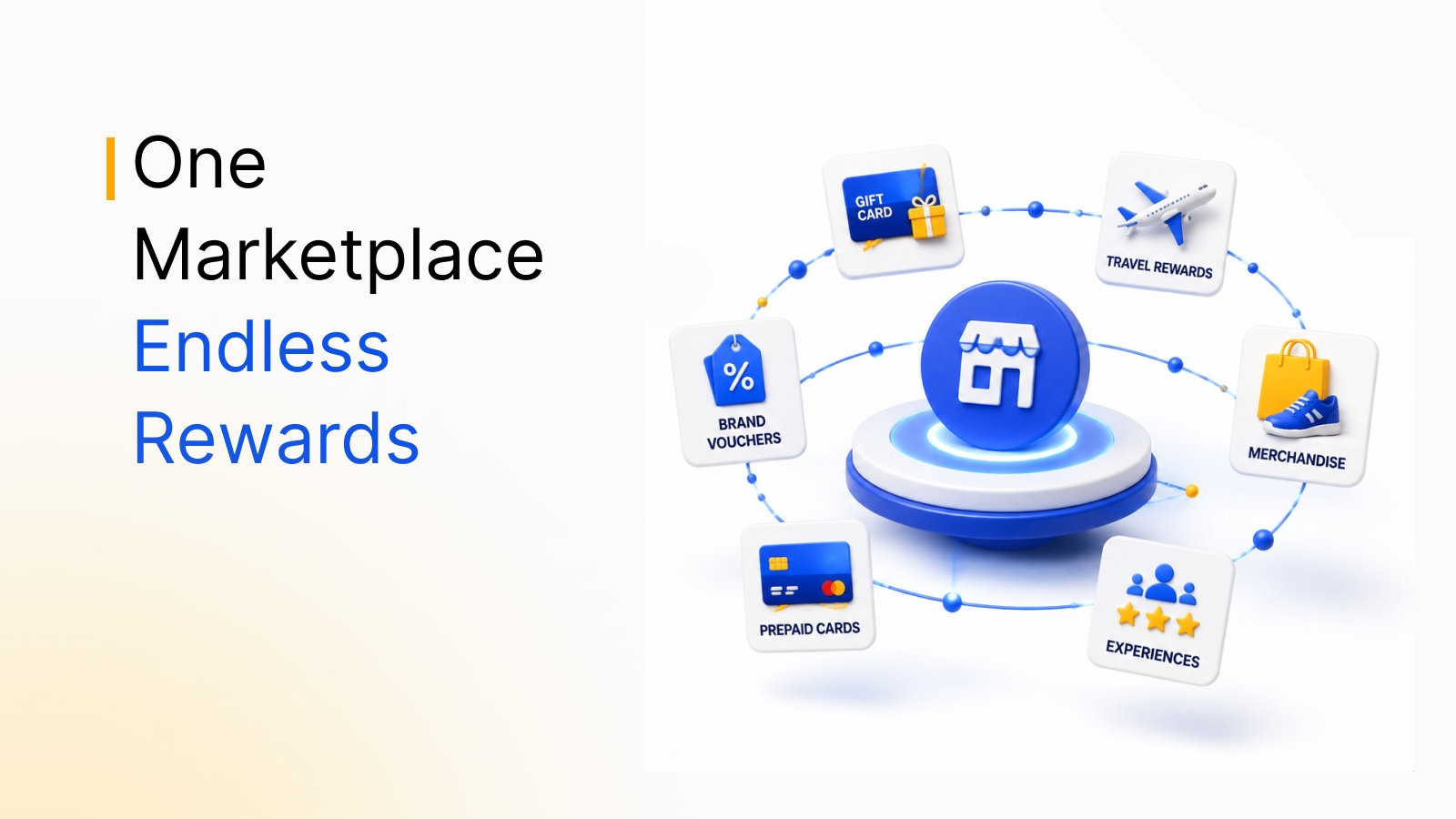
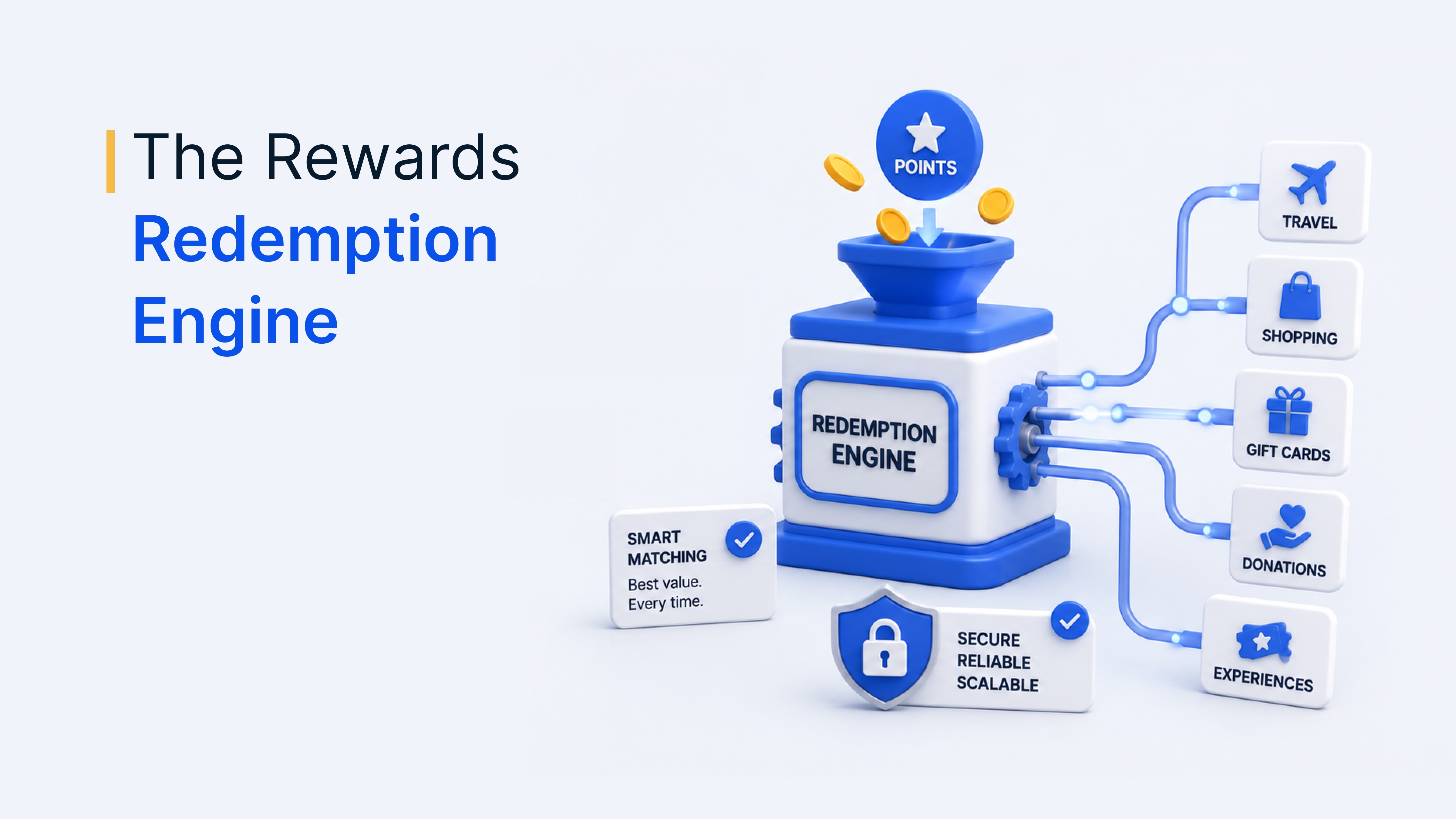
- A personalized rewards marketplace - letting riders redeem points for things that are actually useful to them (cash, vouchers, mobile recharge, everyday essentials) rather than a generic catalog
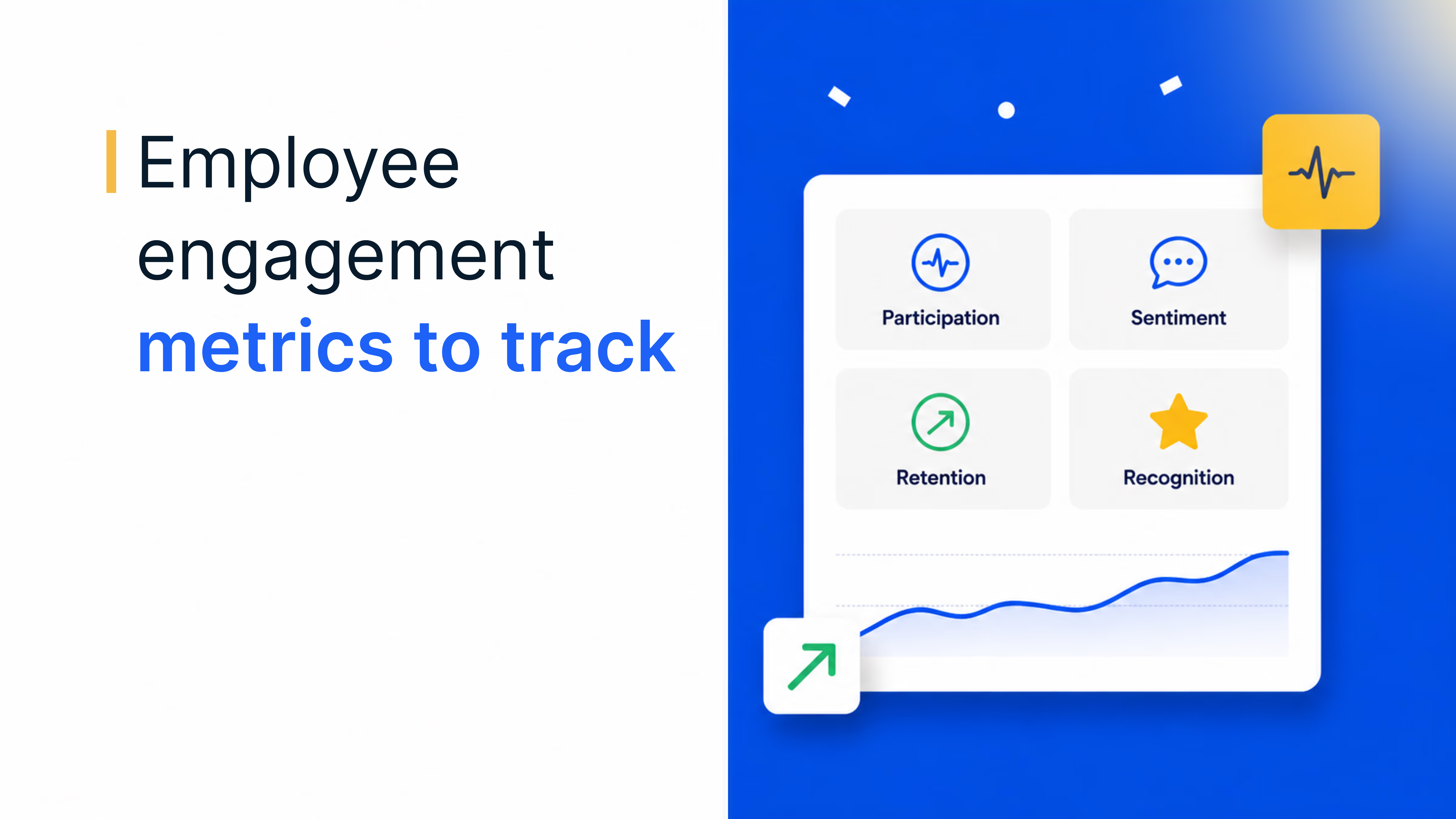
- Continuous feedback loops - regular pulse surveys to catch churn signals before they turn into attrition
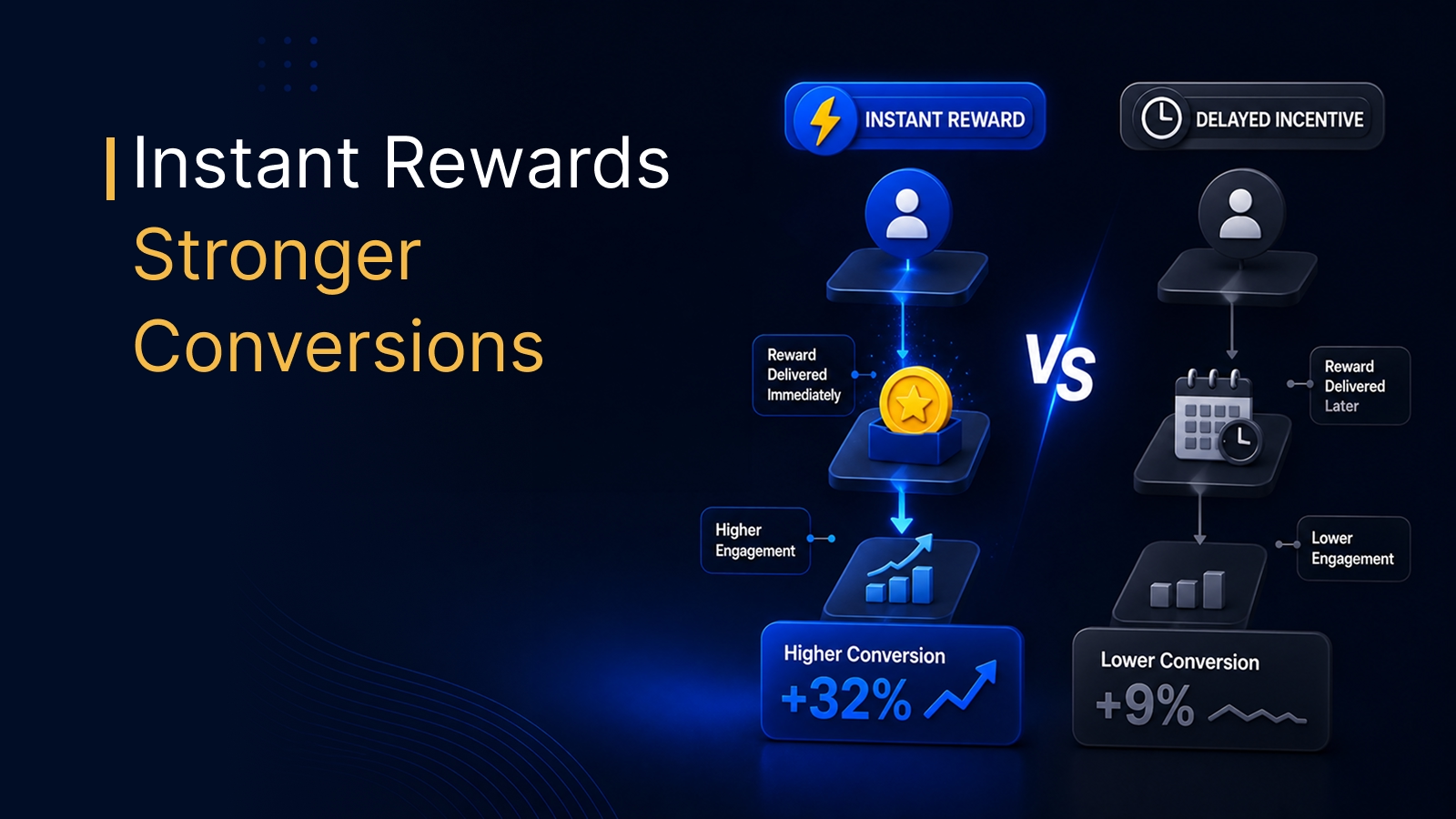
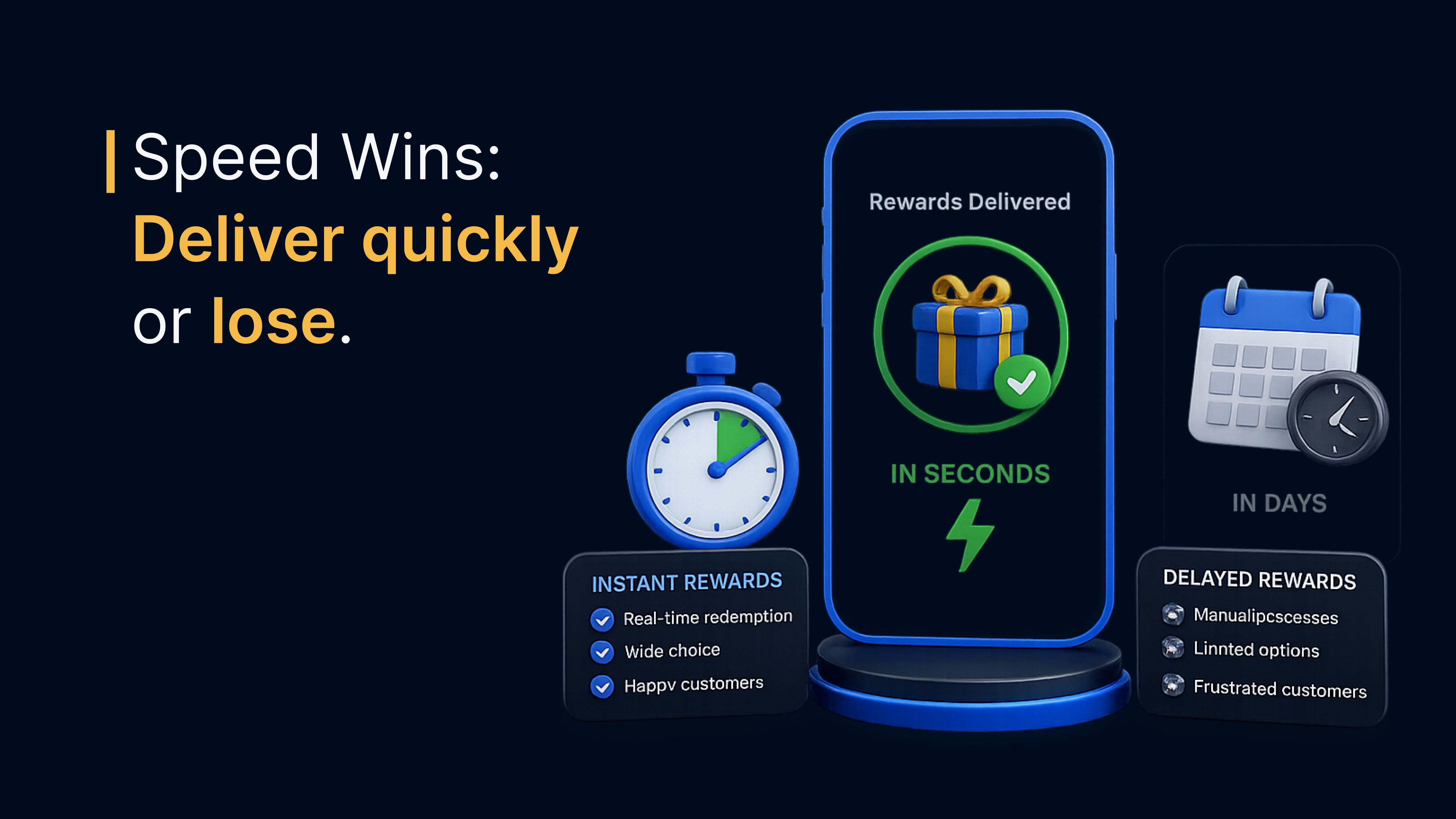
The shift here is from static pay structures to a responsive system - one where good performance is rewarded close to the moment it happens, not buried in a monthly payout cycle.
Referrals: let your best riders do the recruiting
Referral programs work particularly well in gig workforces because riders already know who else in their network is looking for flexible income. Structuring this well means:
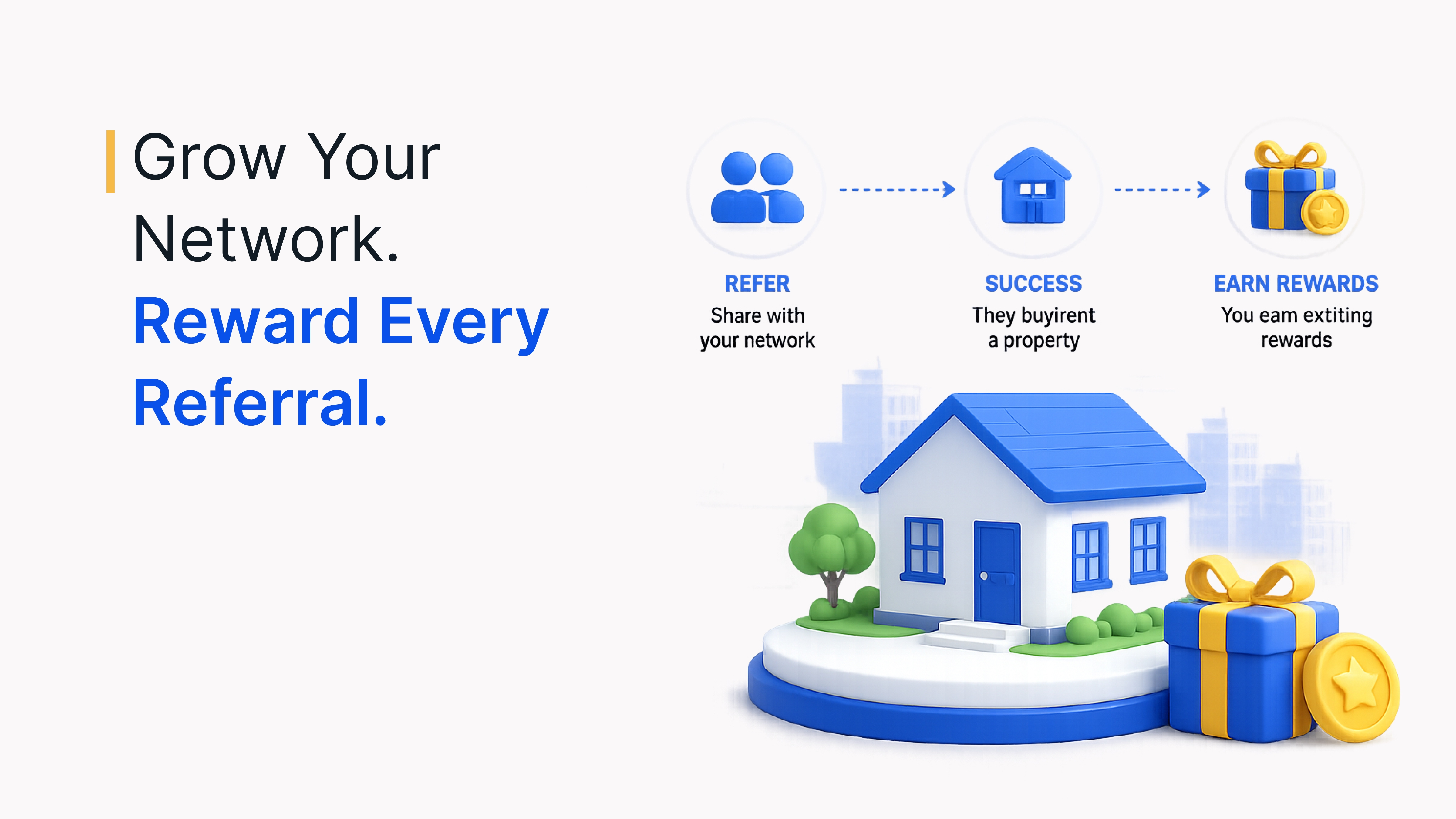
- Rewarding riders when referred peers complete onboarding, not just sign up
- Offering bonus incentives for high-value referrals - like fleet riders or high-usage peers
- Extending referral rewards to subscription or rental activation, not just app downloads
A dedicated referral module that tracks both referrer and referee end-to-end makes this measurable - platforms can see which referral cohorts convert, retain, and perform best, and adjust incentive tiers accordingly. Referral-driven acquisition tends to bring in higher-quality riders, since they're vetted informally by the person who referred them.
Gamification: make engagement feel like a game, not a job
This is where a lot of platforms differentiate. Gamified mechanics - when used well - turn routine activity into something riders actively want to engage with:
- Daily streaks that reward consecutive days of activity
- Spin-the-wheel or scratch card rewards after completing challenges or transaction milestones
- Badges and leaderboards that give top performers visible recognition among peers
- Seasonal campaigns tied to festivals or peak periods, with limited-time challenges and bonus rewards
None of these replace fair pay - but they add a layer of engagement that pure cash incentives don't create on their own.
The underrated lever: wellness and financial security
Perhaps the most overlooked retention tool in the gig economy isn't a reward at all - it's stability. Programs offering:
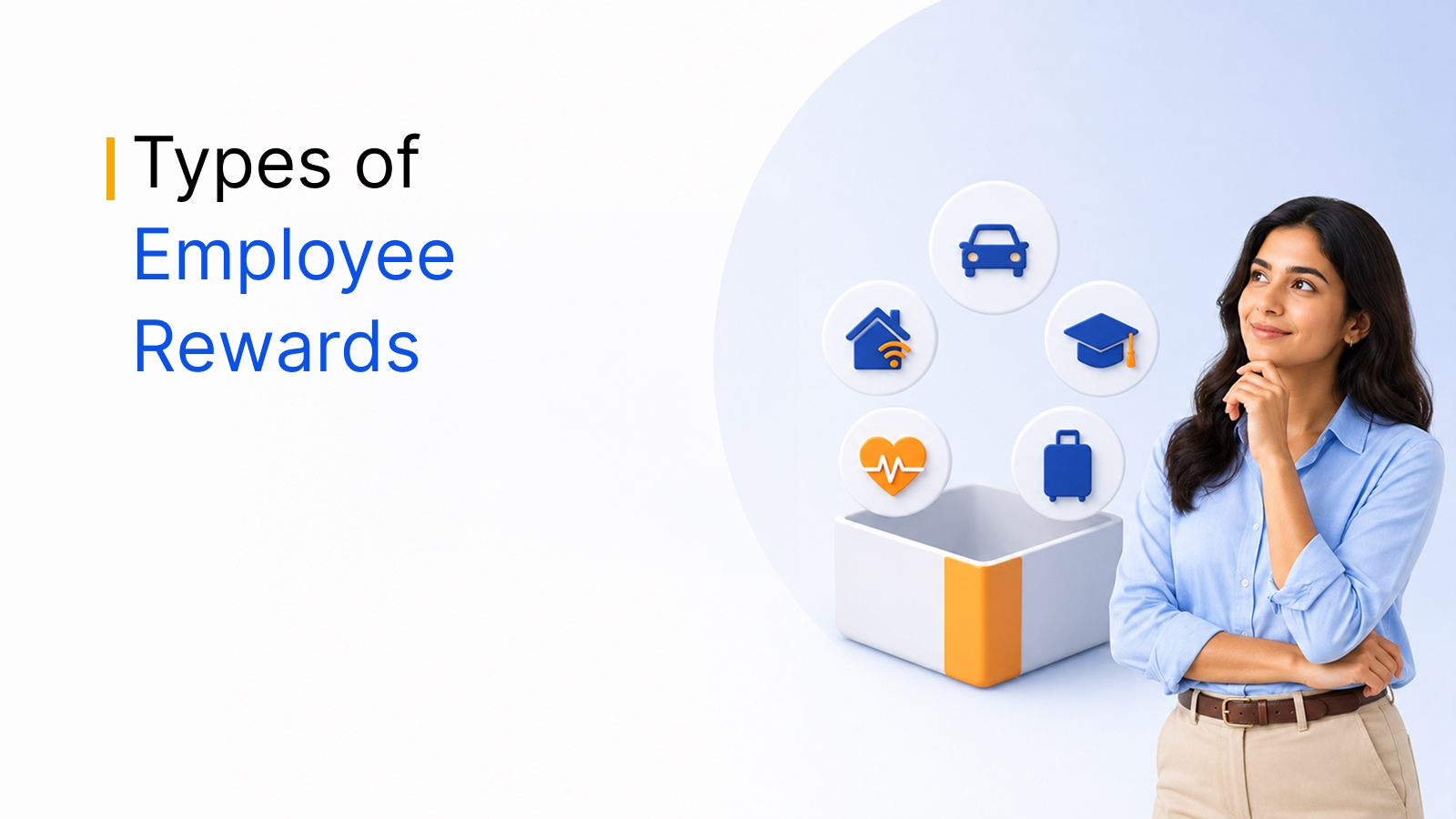
- Discounted or free healthcare access (doctor consultations, dental, vision, medicine discounts)
- Financial wellness perks like insurance discounts or subscription plans
- Even education support for riders' children
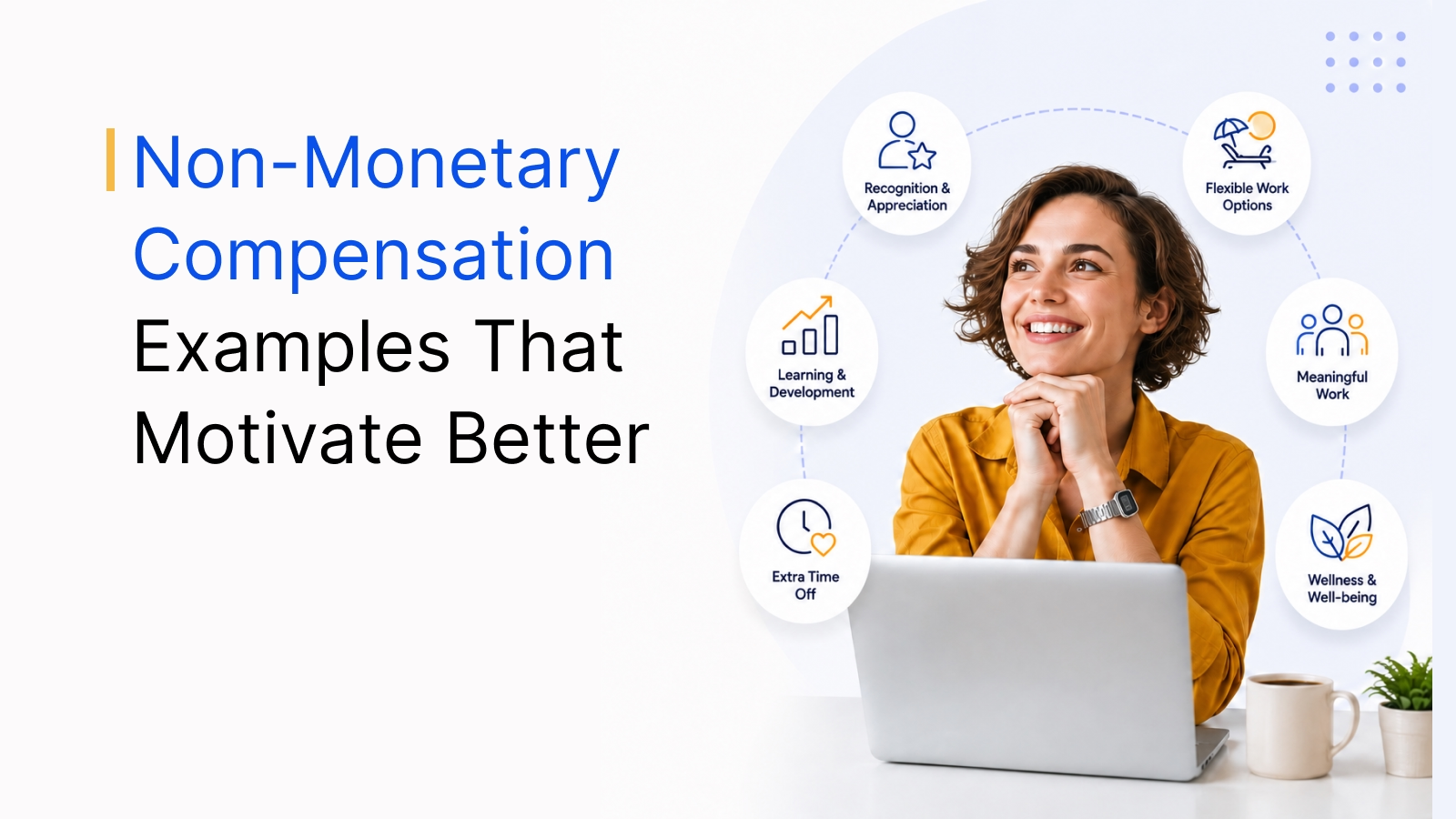
...address the reasons riders leave gig work altogether, not just why they might switch platforms. For a workforce with limited access to traditional benefits, this kind of support can be a stronger differentiator than any single cash bonus.
The takeaway
Acquisition, retention, referral, and engagement aren't separate problems in the gig economy - they're one connected loop. A rider who's rewarded well in week one is more likely to stick around for milestone bonuses, more likely to refer a friend, and more likely to engage with gamified features down the line.
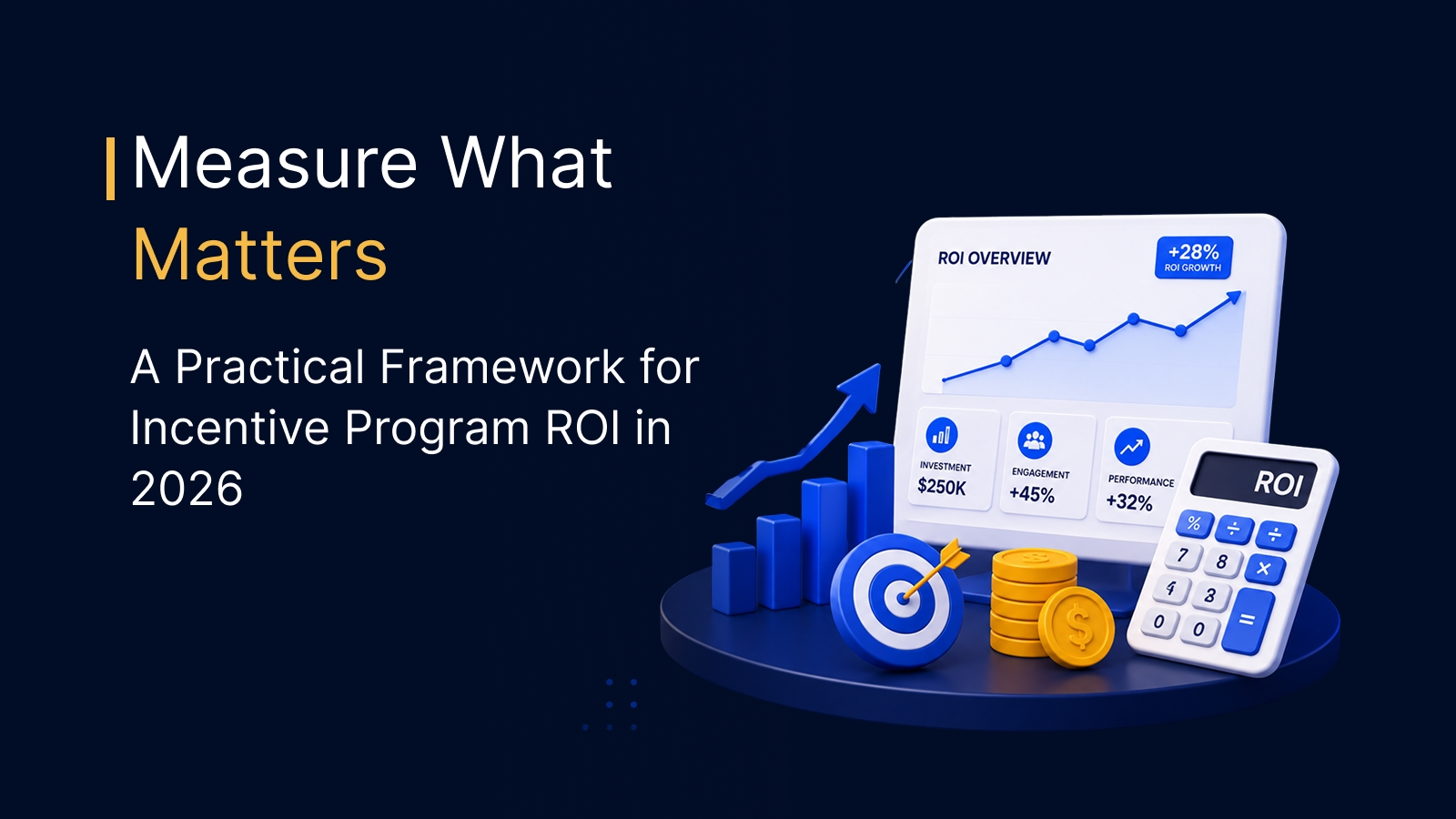
Platforms that treat rewards infrastructure as core to the product - not a bolt-on perk - tend to see it show up in the metrics that matter: lower acquisition costs, higher lifetime value, and meaningfully lower churn.
Curious how a rewards and loyalty infrastructure could work for your gig or delivery workforce? Get in touch to explore what's possible.