Key Takeaways
Prepaid, guaranteed incentives consistently beat lottery-style rewards on response rate, according to Gallup research.
Leading with the survey's purpose instead of the reward in your subject line attracts better-quality responses, not just more of them.
The IRS 1099 reporting threshold rose to $2,000 in 2026, but every gift card and cash incentive remains taxable regardless of the form.
You send the survey, write a good subject line, keep it short, and three days later you have 40 responses out of 5,000 sends. The problem usually isn't the survey. It's that nobody had a reason to open it.
Incentives fix that, but the wrong one backfires. Offer too little and people ignore it. Offer the wrong type and you attract people who want the reward, not people who want to answer honestly. Get the type, the wording, and the timing right, and the same list that gave you 40 responses can give you 400.
This guide breaks down the four core incentive types, shows real wording that works, and covers the legal details most survey teams find out about too late. For a broader look at what moves response rates, see survey incentive ideas that actually boost participation.
The 4 core types of survey incentives
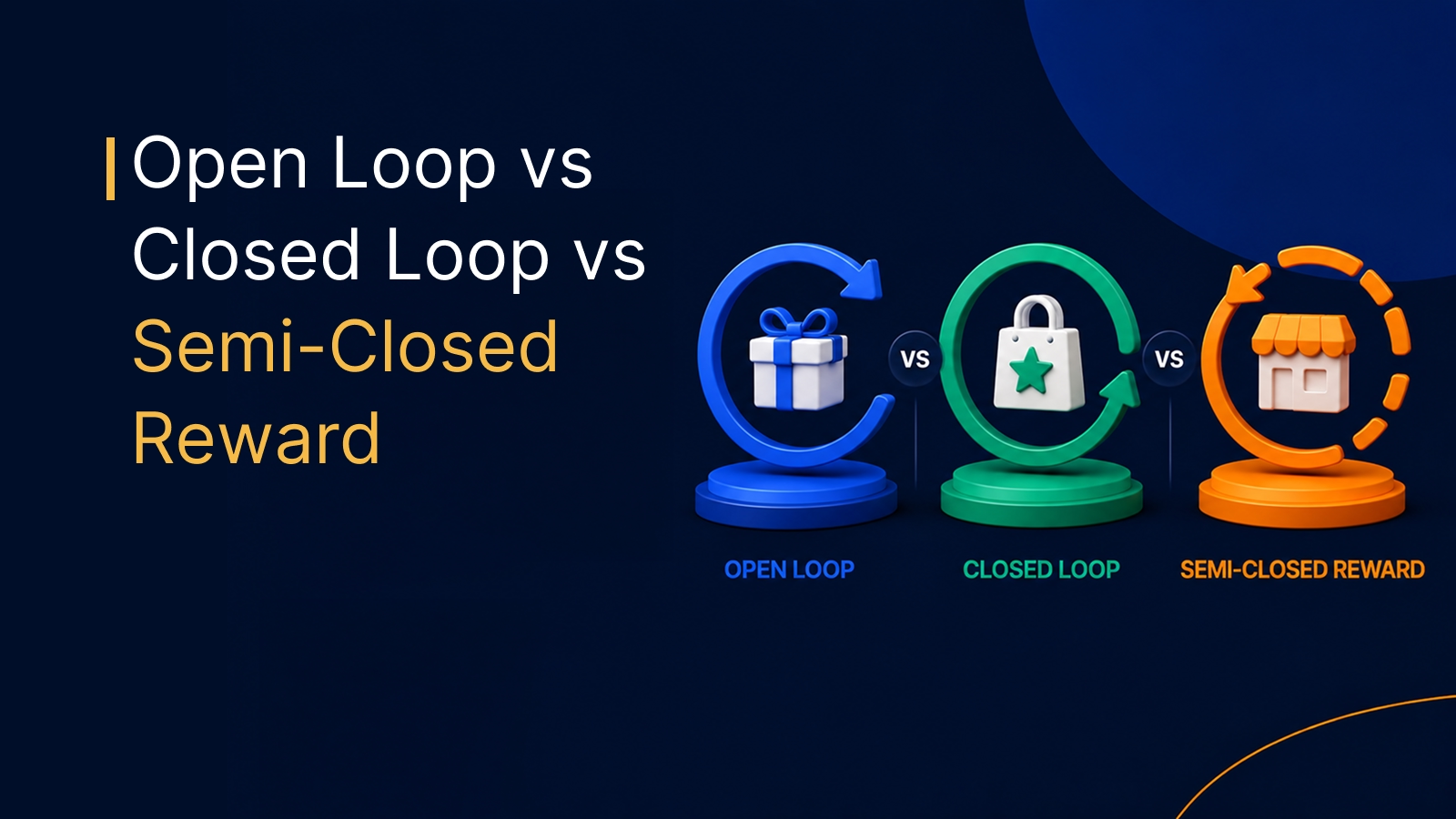
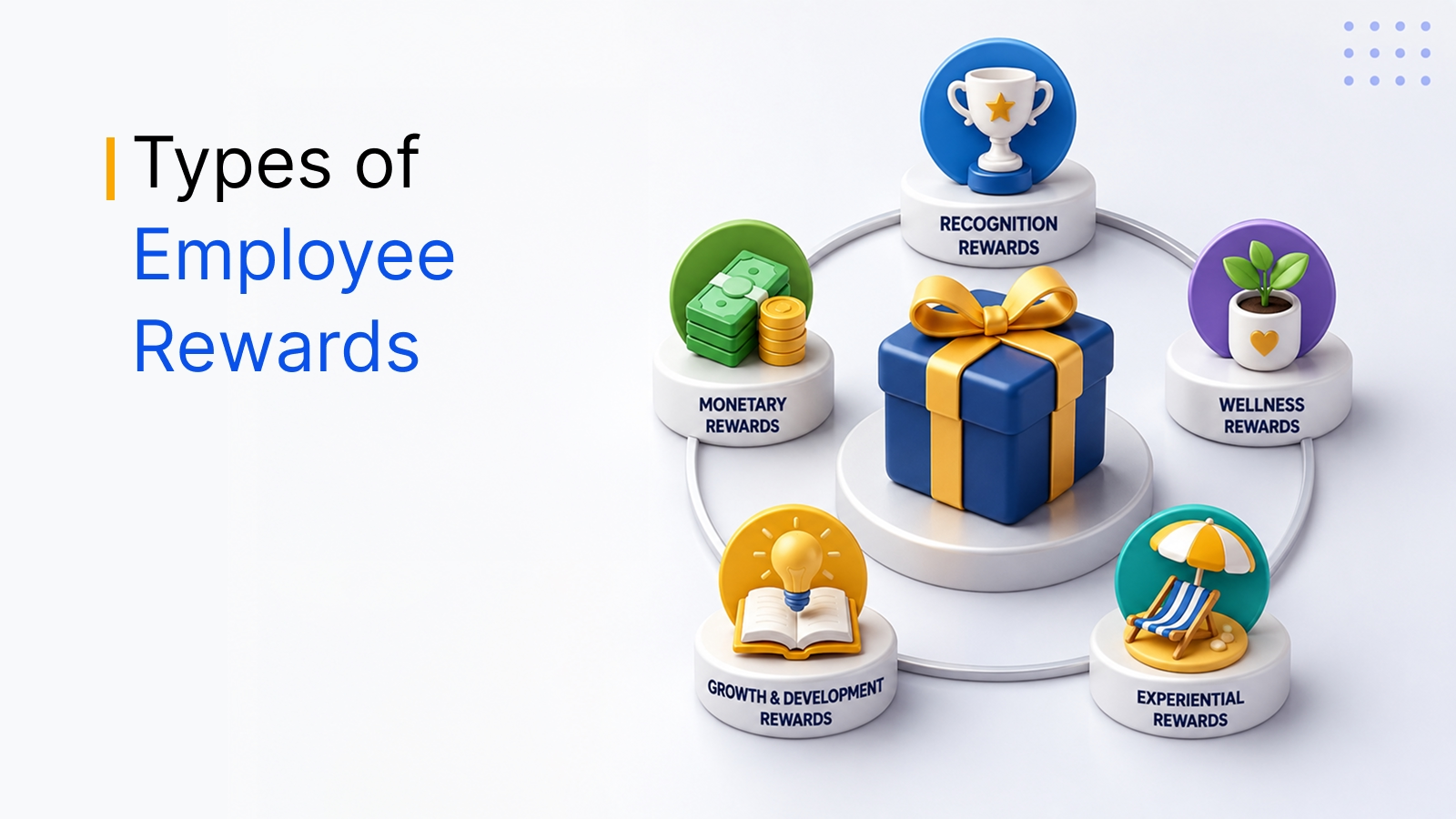
Every survey incentive falls into one of four buckets: monetary, non-monetary, guaranteed, or lottery-style. The first two describe what you're giving. The last two describe how you're giving it.
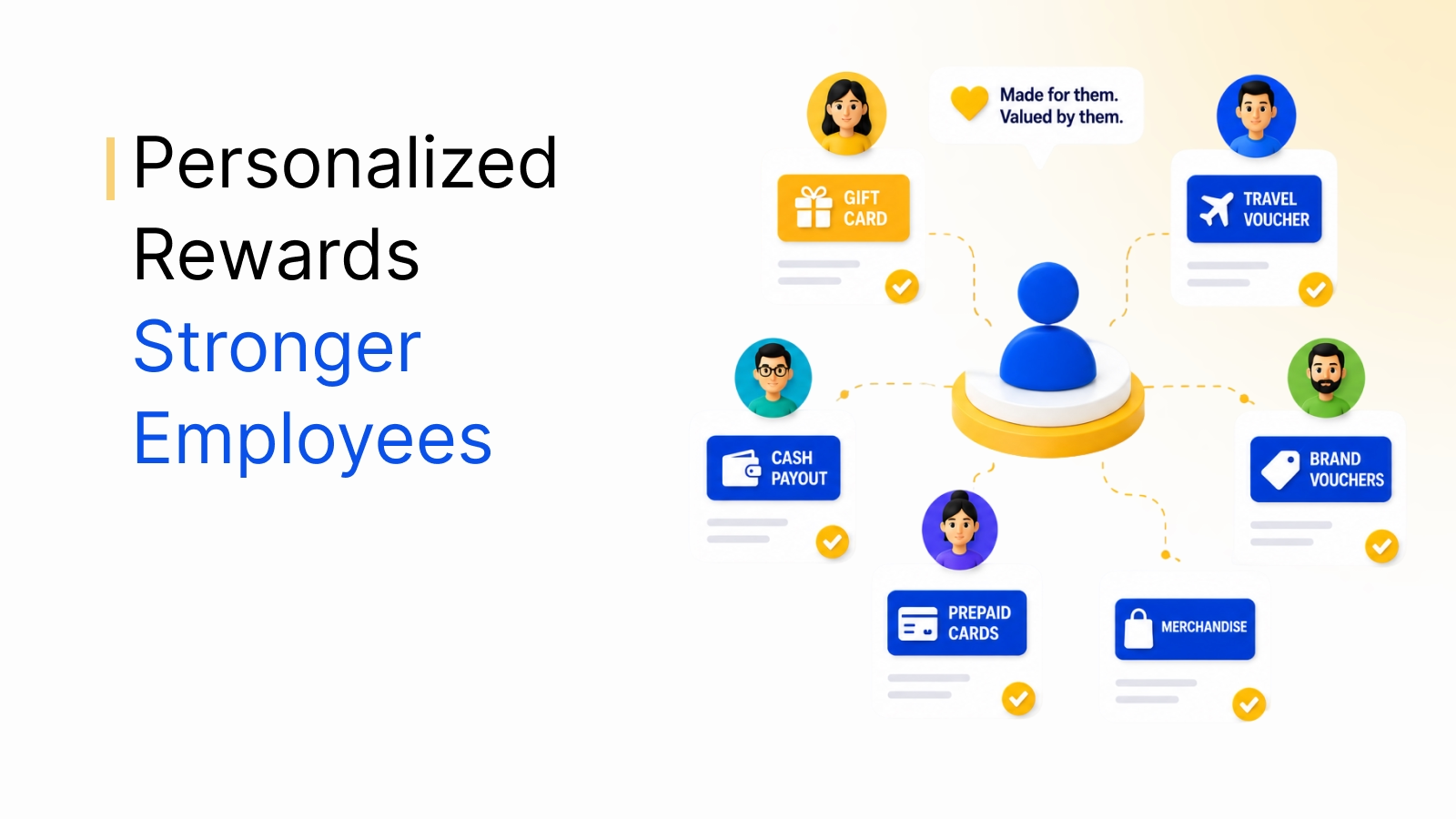
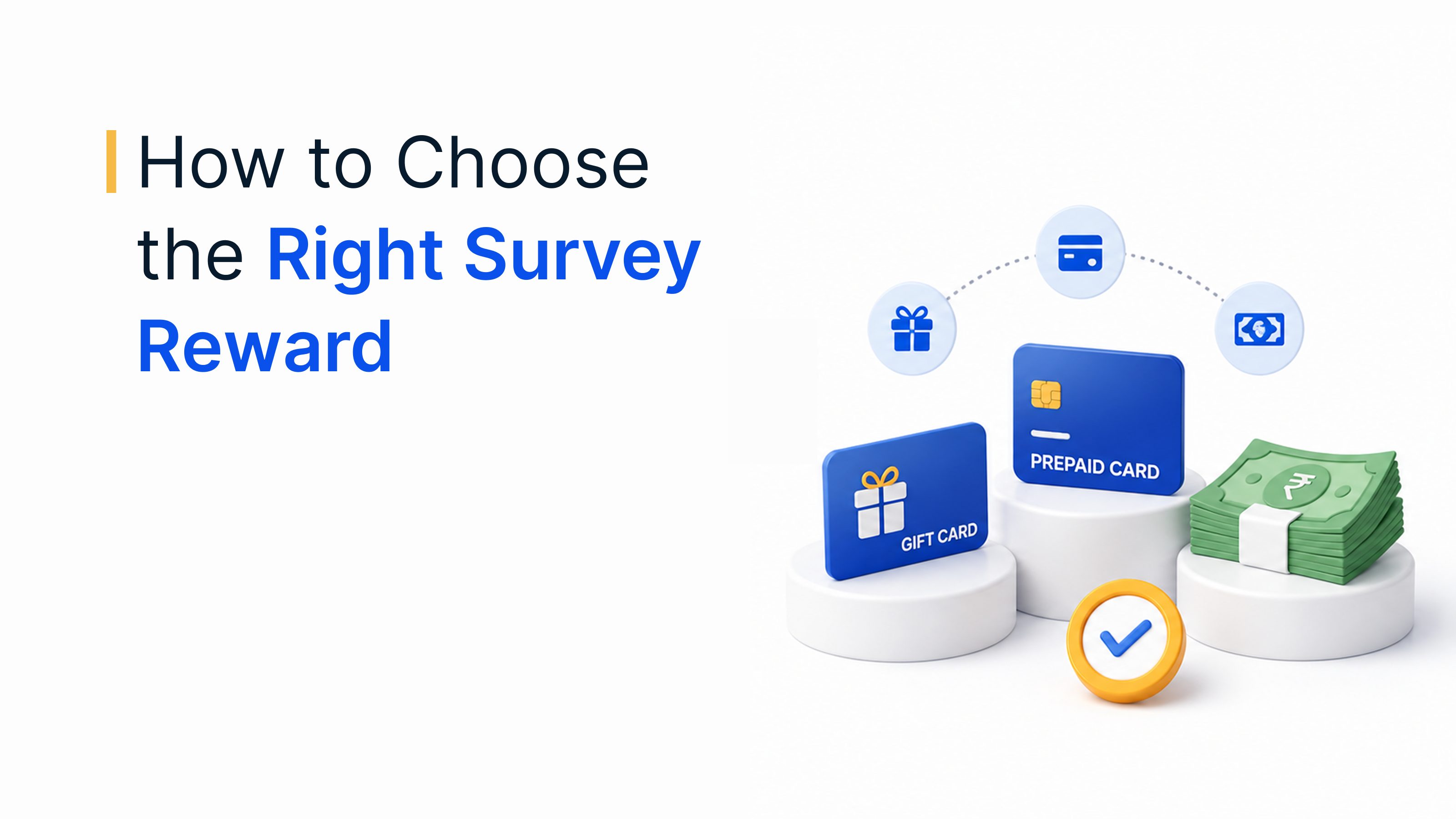
Monetary incentives carry a direct dollar value: cash, gift cards, and prepaid cards. Non-monetary incentives carry perceived value without a fixed price tag: prize entries, donations, and early access to content.
Guaranteed incentives go to every respondent who completes the survey. Lottery-style incentives go to a random subset, usually one large prize instead of many small ones.
Most survey programs combine two of these: a guaranteed non-monetary thank-you for everyone, plus a monetary incentive tied to survey length or audience difficulty.
Monetary incentives: cash, gift cards, prepaid cards
Cash
Direct payment through PayPal, Venmo, or bank transfer. Cash carries the highest perceived value and works best for time-intensive B2B or professional surveys where respondents expect to be compensated for their time, not thanked for a favor.
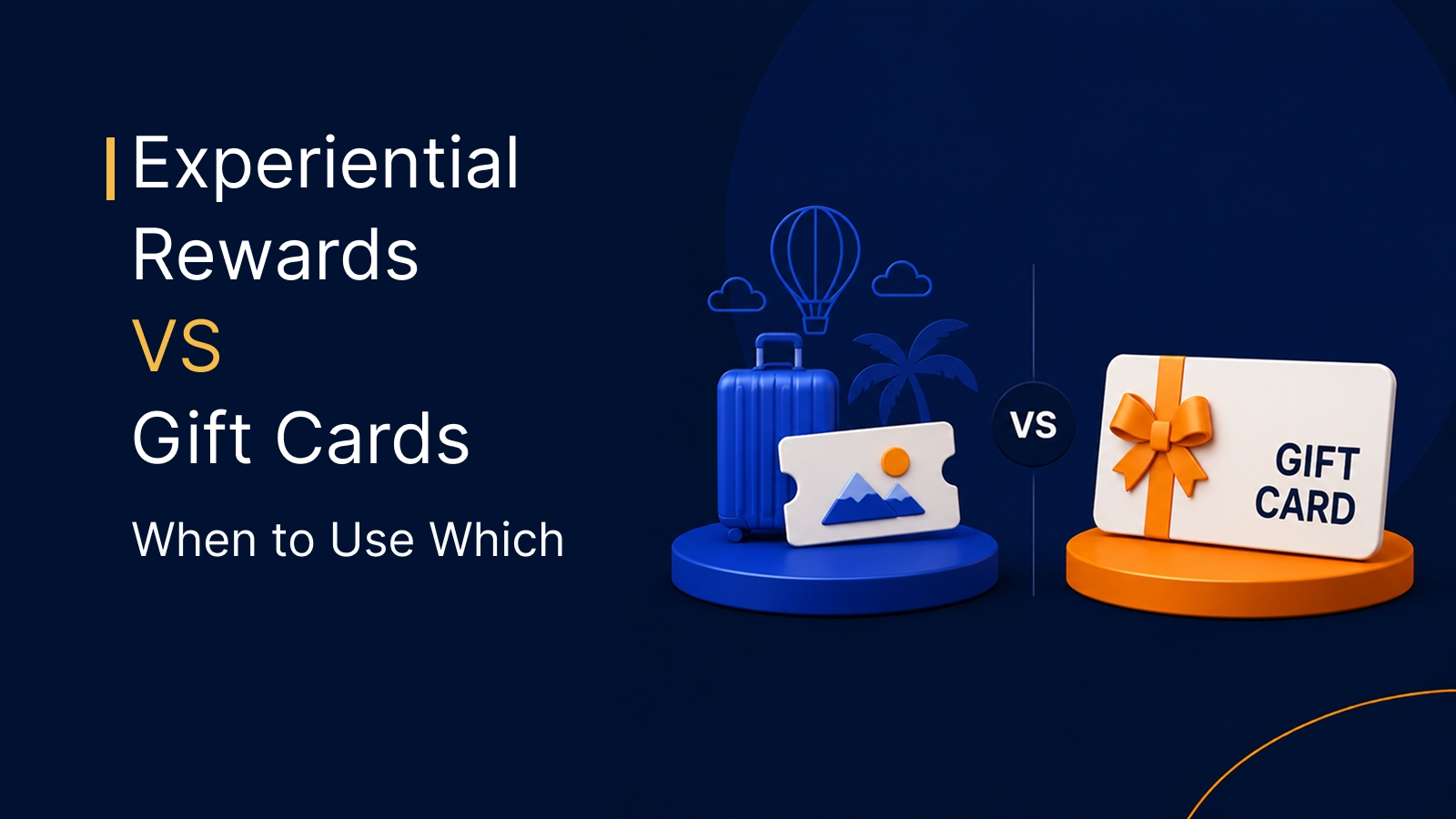
Gift cards
The most flexible monetary option. A $10 to $25 Amazon or Visa gift card covers most consumer research, and letting respondents choose their own reward consistently beats a fixed single-brand card. Reward links, gift cards, and coupon codes each solve a different distribution problem depending on the audience.
Prepaid cards
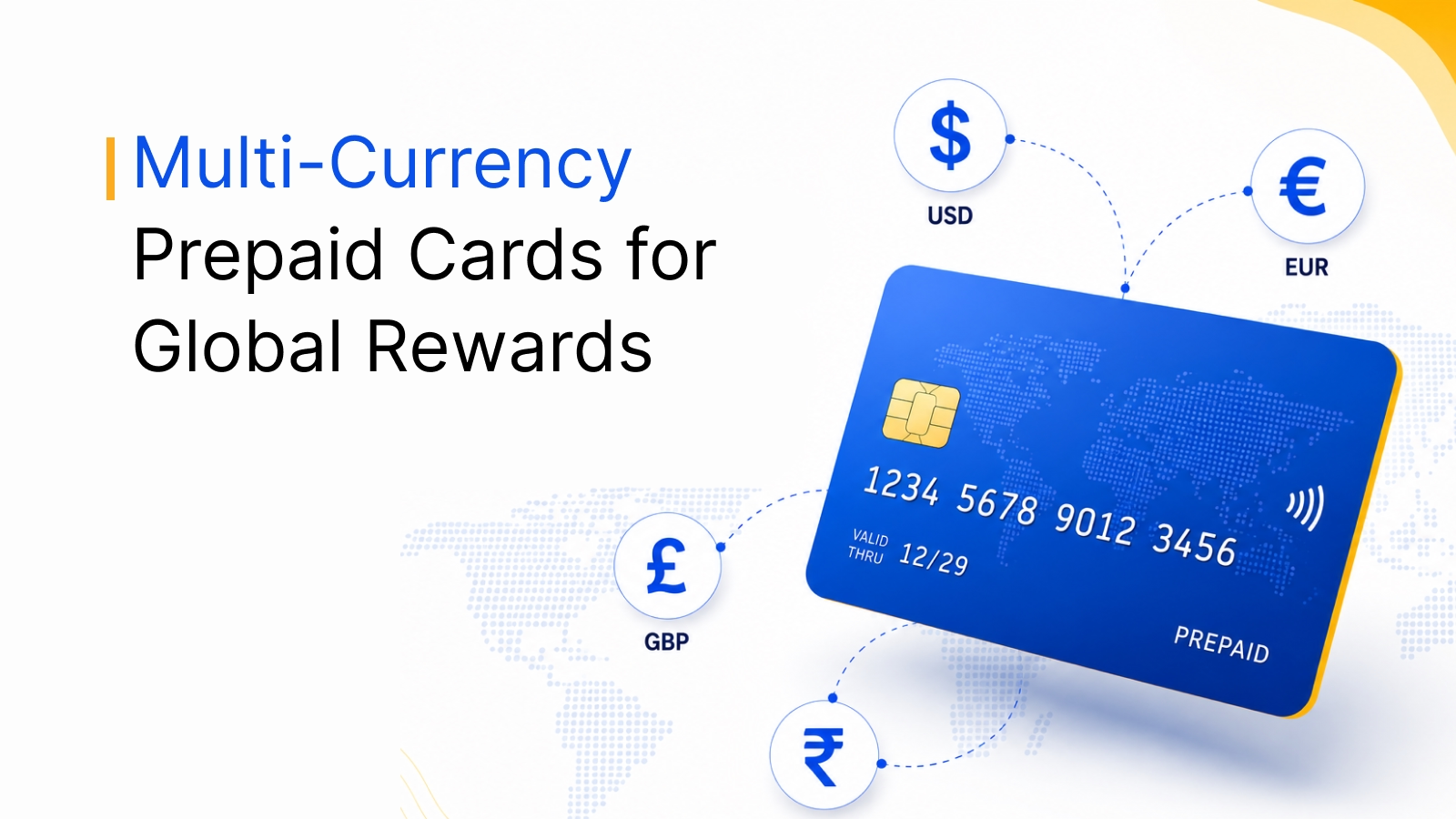
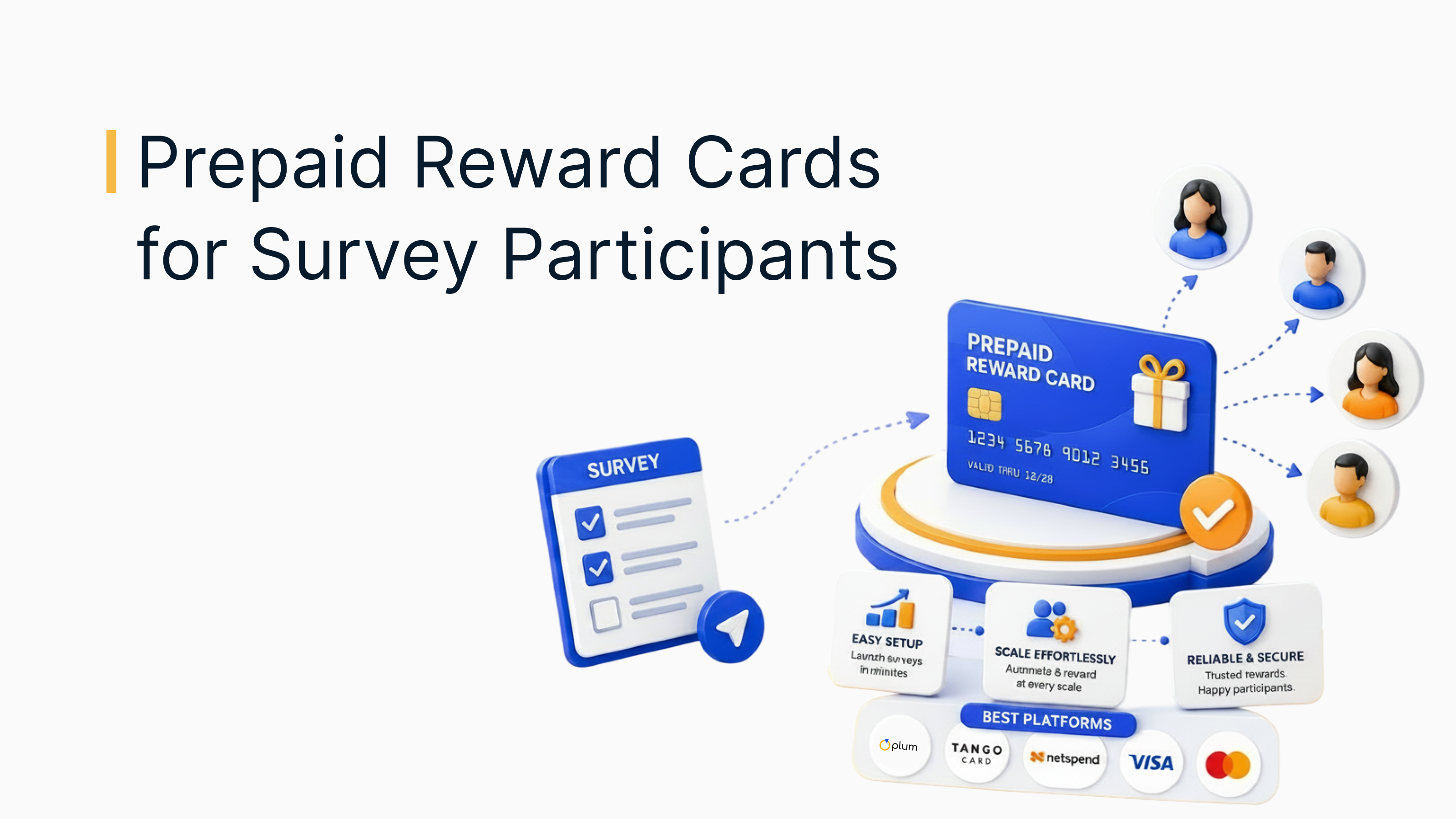
Reloadable Visa or Mastercard cards that function like debit cards. They're useful when you need to reward respondents who don't have a PayPal account or when the reward needs to work across multiple countries without currency conversion friction.
Non-monetary incentives: prizes, donations, access perks
Sweepstakes and prize draws
One large prize distributed to a random respondent, rather than a small reward to everyone. Cheaper per response, but requires legal disclaimers in most markets and can skew toward respondents motivated by the contest rather than the topic.
Charitable donations
A fixed donation made on the respondent's behalf. This works particularly well for B2B and professional audiences, including doctors, government employees, and other groups often restricted from accepting direct payment.
Early access or exclusive content
A report, product preview, or industry benchmark shared before public release. This incentive type performs best with professional or academic audiences who value information over cash.
Automate survey incentive delivery
See how Xoxoday Plum automates incentive delivery for surveys, from completion to reward.
See Plum in actionTrusted by 5,000+ companies
Guaranteed vs. lottery-style: pros and cons
The guaranteed-versus-lottery decision changes your cost per response, the size of your sample, and how much respondents trust the offer.
| Factor | Guaranteed | Lottery-style |
|---|---|---|
| Cost per response | Higher; every respondent is paid | Lower; one prize covers the whole pool |
| Response rate lift | Strong and consistent | Weaker on average, spikes with a large prize |
| Respondent trust | High; reward is certain | Lower; requires legal disclaimer language |
| Best for | Short surveys, ongoing panels | Large one-time outreach, tight budgets |
Research from Gallup shows prepaid, guaranteed incentives leverage the norm of reciprocity and consistently outperform promised or lottery-style rewards on response rate, particularly among reluctant or first-time respondents.
Real-world survey incentive examples by industry
Market research panels
A B2C research firm running weekly consumer surveys typically offers a $5 to $15 gift card, guaranteed, delivered instantly on submission. Instant delivery matters more than reward size for panel retention.
B2B and SaaS
A $25 to $50 reward tied to a 15-minute customer feedback call performs better than a smaller reward on a 5-minute form, because B2B respondents weigh time cost more heavily than consumer audiences. See how customer incentive ideas built around conversion apply the same logic to feedback programs.
Healthcare and clinical research
Point-based or donation incentives are common here, since many healthcare professionals face restrictions on accepting direct payment from companies whose products they might evaluate.
Academic research
Universities frequently use small guaranteed incentives ($2 to $5) paired with a larger prize drawing, balancing IRB budget constraints with the need for a meaningful response rate.
How Xoxoday Plum simplifies survey incentive delivery
Most survey teams don't struggle with picking an incentive type. They struggle with sending it. A researcher running a multi-country panel ends up managing a different gift card vendor per region, exporting completion data to a spreadsheet, and manually triggering each reward, sometimes days after the respondent already closed the tab.
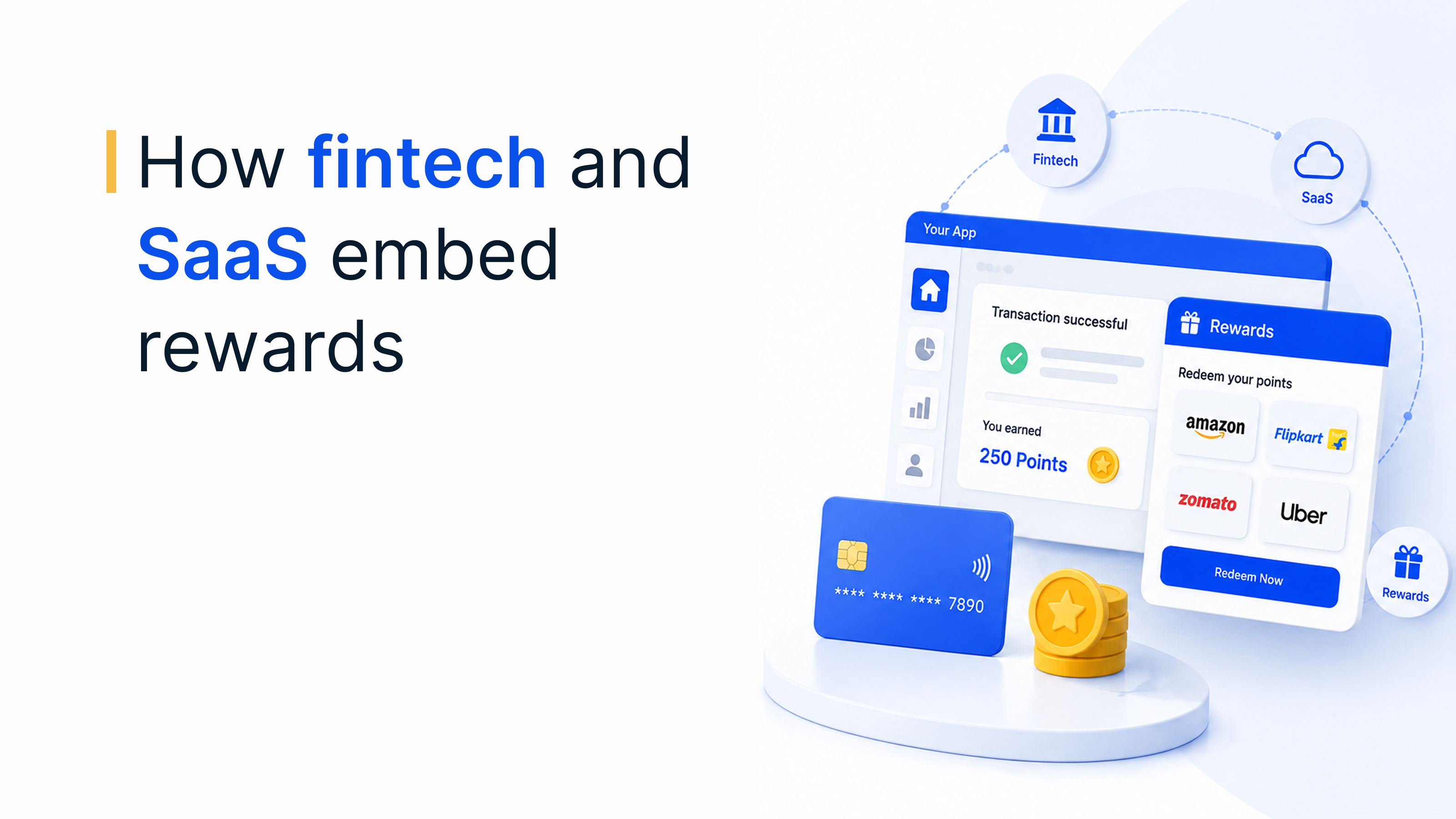
Xoxoday Plum connects directly to survey tools like Qualtrics, SurveyMonkey, and Typeform. When a respondent submits, the reward fires automatically, in their local currency, from a single API connection covering 150+ countries. No spreadsheet, no per-region vendor, no delay between submission and delivery.
For teams running panels across multiple markets, that means one dashboard for redemption tracking instead of a dozen vendor invoices to reconcile at month-end.
How to write incentive wording that converts
The order in which you mention the incentive changes how the offer reads.
Lead with the survey's purpose, not the reward: "Help us improve [specific feature]" works better than "Take our survey and win $100!" The second framing attracts prize-hunters instead of people who care about the topic.
Mention the incentive as a thank-you, not a headline: "As a thank you for your 5 minutes, we'll send a $10 gift card once you're done." This positions the reward as appreciation, which keeps response quality higher.
Be specific about timing: "You'll receive your reward within 24 hours of completing the survey" builds more trust than a vague "you'll get a reward soon."
Place incentive details on the confirmation or thank-you screen, not the first screen. Leading with the reward on the landing page shifts the respondent's motivation before they've even read the first question.
Best practices for incentive amount and timing
Randomized trials comparing incentive sizes found response rates rose from 47.7% to 57.8% with a prepaid incentive versus none, though the gap narrowed after a follow-up reminder was sent to both groups.
47.7% → 57.8%
Response rate
prepaid incentive vs. none
Source: Peer-reviewed randomized controlled trial, National Library of Medicine (NCBI).
Match the amount to the effort. A 5-minute customer satisfaction survey doesn't need the same reward as a 30-minute usability study. Price the incentive against the respondent's time, not a flat internal budget number.
Prepaid beats promised. Sending the incentive before the respondent starts, rather than after they finish, consistently produces higher response rates because it triggers reciprocity rather than a transaction mindset.
Bigger isn't always better. Cost per completed survey often rises faster than response rate improves once you go past a certain reward size. Test two amounts on a small segment before committing budget to the full list.
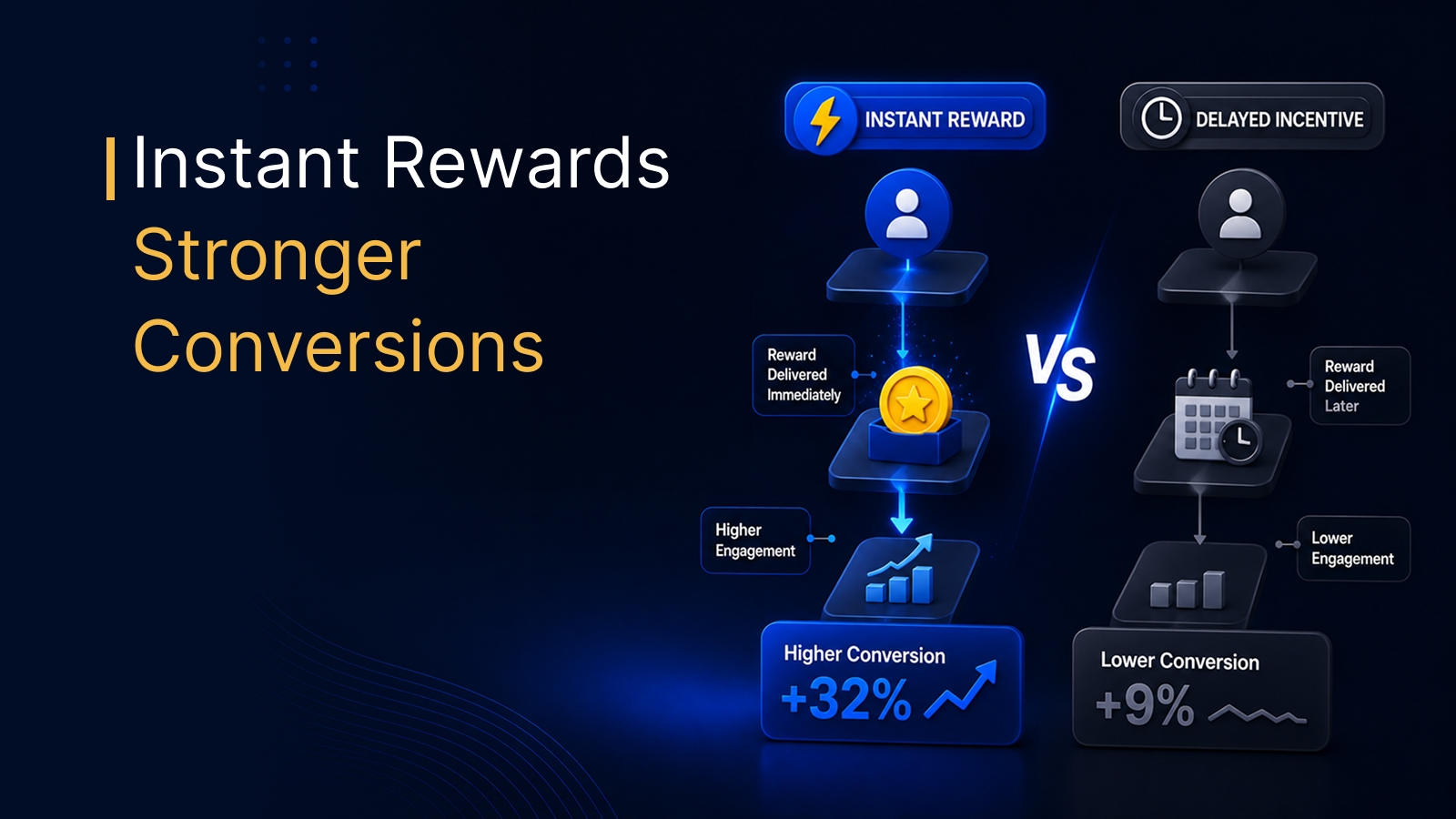
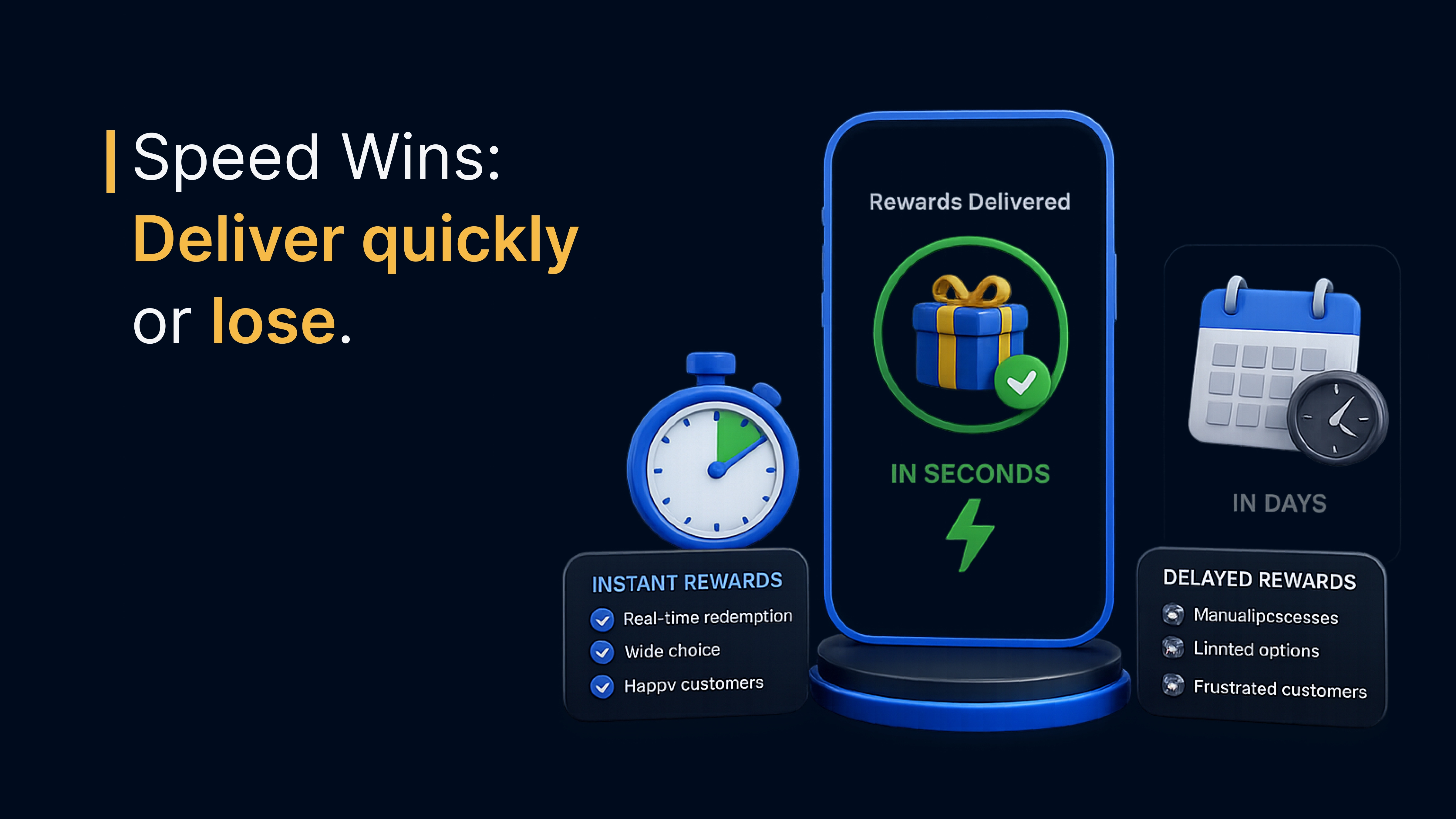
Automate the delivery. Manual fulfillment adds days between completion and reward. Every day of delay reduces the instant gratification effect that drives repeat participation in ongoing panels.
Legal considerations: compliance, taxation, disclosures
The IRS 1099-NEC/MISC reporting threshold for nonemployee payments rose sharply for payments made from January 1, 2026 onward, under the One Big Beautiful Bill Act.
$600 → $2,000
1099 reporting threshold
nonemployee payments, effective 2026
Tax reporting. In the US, gift cards and cash incentives are treated as taxable income regardless of amount. The 1099 reporting threshold changed in 2026, but the threshold only affects whether a form is issued, not whether the income is taxable.
Restricted professions. Physicians, government employees, and some regulated professionals are often barred from accepting direct payment from companies whose products they may evaluate. Donation or point-based incentives sidestep this restriction.
Disclosure requirements. Sweepstakes and prize draws typically require legal disclaimer language (no purchase necessary, odds of winning, eligibility rules) in most jurisdictions. Guaranteed incentives generally carry lighter disclosure requirements.
Anonymity conflicts. If your survey promises anonymous responses, collecting an email or address to deliver the reward creates a direct conflict. Use a separate reward-claim link that isn't tied to the response record.