Key Takeaways
Enterprise loyalty platforms like Salesforce Loyalty Cloud are built for accrual, not redemption, which is why programs need a separate burn engine.
Deloitte finds consumers enroll in eight loyalty programs but actively use only five, and effortless redemption is the fix Deloitte recommends first.
Plugging in an existing rewards marketplace cuts launch time from three to six months down to two to four weeks.
Ask a loyalty program manager what's broken and you'll hear about accrual rules, tier thresholds, or personalization gaps. Rarely do they mention the moment a member actually tries to spend their points.
That's the part most programs get wrong. A member logs in, sees a points balance, clicks redeem, and lands on a catalog that hasn't been refreshed since launch. The accrual side of the program works fine. The redemption side is an afterthought.
This post breaks down why that gap exists, what it costs a loyalty program in practice, and what it takes to fix without ripping out the platform already running the points logic.
What is a reward redemption engine in a loyalty program?
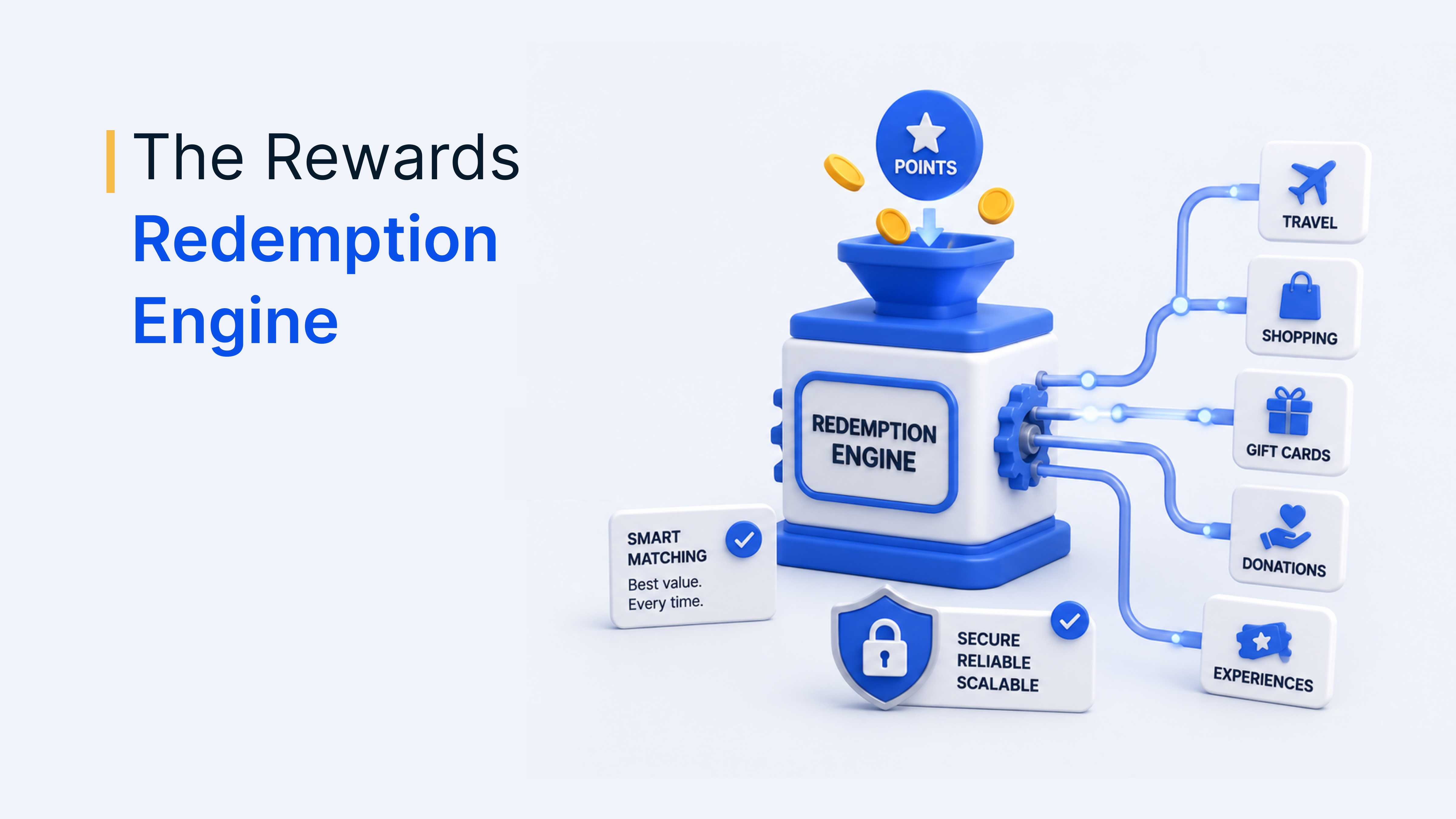
A reward redemption engine is the part of a loyalty program that turns earned points into something a member can actually spend, browse, and receive. It sits downstream of accrual: once a platform decides how many points a member has earned, the redemption engine decides what those points can buy and how the reward gets delivered.
Most enterprise loyalty platforms, including Salesforce Loyalty Cloud, are built primarily as accrual engines. They handle points rules, tiers, campaigns, and program configuration well. What they don't ship with is a deep, live rewards catalog: the gift cards, travel bookings, experiences, and merchandise a member actually redeems against.
Why enrollment doesn't equal engagement
Signing up for a loyalty program and actually using it are two different behaviors, and the gap between them is wide. Deloitte's 2025 Consumer Loyalty Program Survey found that the average consumer enrolls in eight loyalty programs but actively participates in only five.
That gap has commercial weight. The same survey found 72% of members say loyalty programs make them more likely to spend with a preferred brand, and 56% say the program increases how much they spend. Redemption is what turns that intent into action. A member who can't find anything worth redeeming has no reason to keep engaging.
5 of 8
enrolled loyalty programs are actively used
Deloitte, 2025 Consumer Loyalty Program Survey
72%
of members spend more with a preferred brand
because of its loyalty program
Why Salesforce Loyalty Cloud and similar platforms stop at accrual
Salesforce Loyalty Cloud and comparable enterprise loyalty platforms are built to manage the earning side of a program: loyalty tiers, an accrual engine, program configuration, coalition programs, and engagement campaigns. None of that includes a reward marketplace.
That split isn't a flaw. It's a scope decision. Building and maintaining a global catalog of gift cards, travel inventory, experiences, and merchandise across dozens of countries is a different business than running points logic, and most loyalty platforms never set out to be a marketplace.
| Capability | Accrual layer (loyalty platform) | Redemption layer (rewards marketplace) |
|---|---|---|
| Points rules and tiers | Yes | No |
| Campaign and program configuration | Yes | No |
| Live rewards catalog | No | Yes |
| Fulfillment and delivery | No | Yes |
What a thin rewards catalog actually costs you
A program with a handful of redemption options doesn't just look bare. Members who don't see anything worth the points they've earned stop engaging, and their unredeemed points sit on the books as a growing liability.
The pattern shows up the same way across programs:
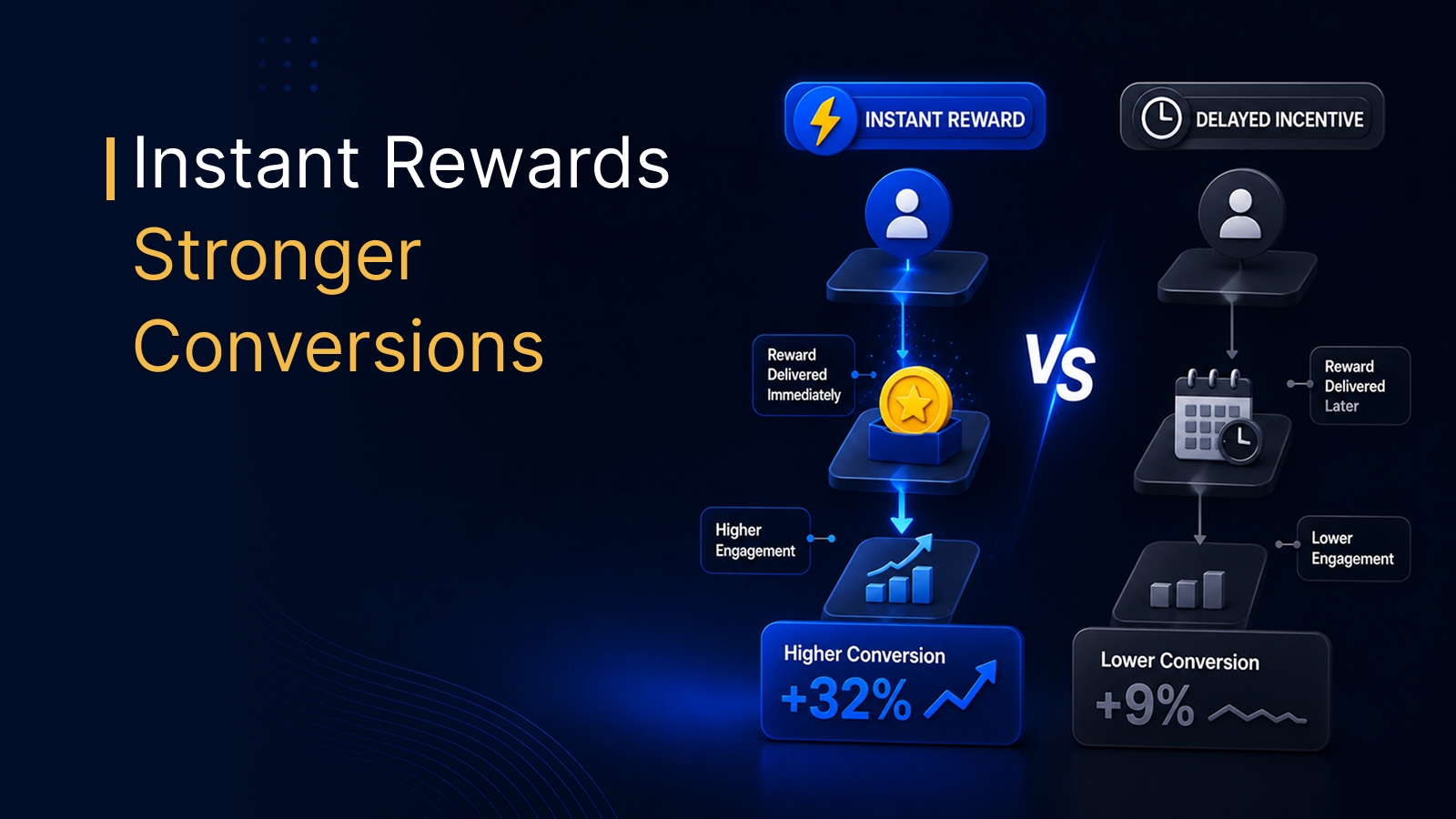
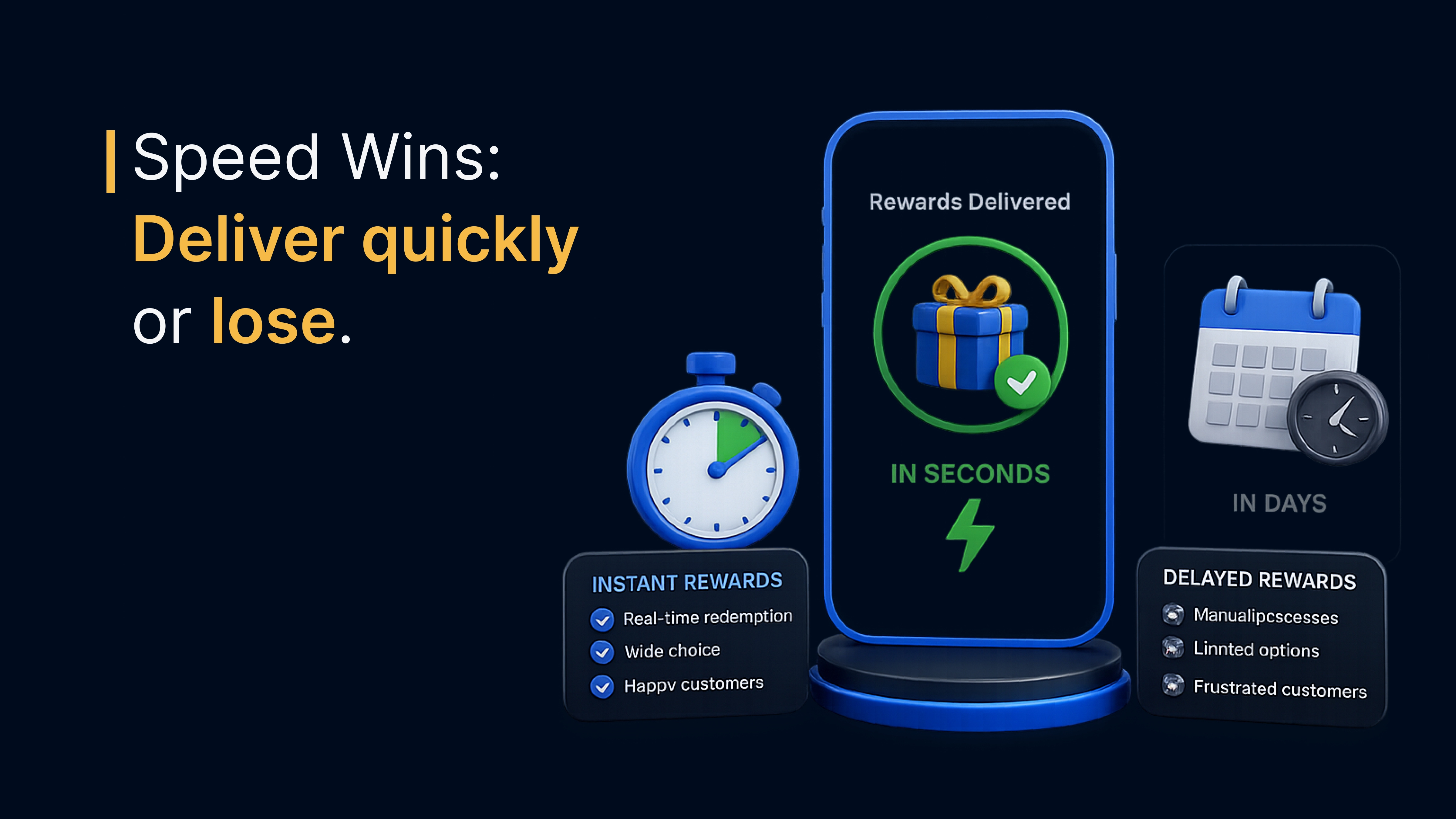
- Delayed gratification loses. Members expect instant rewards, not a wait, and a slow redemption flow trains them to disengage.
- One catalog doesn't travel. A single catalog rarely works the same way across every region, so members outside the home market see a thinner, less relevant selection.
- Manual fulfillment can't keep pace. Routing redemptions through multiple vendors by hand is slow, and every extra step is a chance for a member to give up.
- No plug-and-play access to a global catalog. Teams end up rebuilding catalog infrastructure instead of just plugging into one.
Deloitte names effortless redemption as the first strategy for turning enrollment into lasting engagement, ahead of personalization or gamification. Unredeemed points make the cost of ignoring that concrete: points a program has issued but not yet redeemed typically count as deferred revenue and a real liability on the books, not free marketing. A catalog that's hard to use doesn't remove that liability, it just delays it, while the member holding those points loses interest in the meantime.
See Plum in action
See how Plum plugs into Salesforce Loyalty Cloud and other loyalty platforms.
Book a free 30-min demoTrusted by 5,000+ companies
Mapping the member journey from points to delivery
A member's redemption experience shouldn't feel disconnected from the loyalty program they already trust. Here's what the flow looks like when a marketplace is properly wired into an existing loyalty platform.
- Member views points and loyalty tier inside their existing portal
- Clicks redeem, gets handed off via outbound SSO
- Browses gift cards, experiences, and merchandise inside an embedded marketplace
- Adds a reward to cart, enters delivery details, confirms
- Gets instant email confirmation
Outcome: the reward is delivered and the point balance is updated back on the loyalty platform automatically. The member never has to manually check whether a reward shipped or update their own points balance. Both the loyalty platform and the marketplace stay in sync without anyone touching a spreadsheet.
Two ways brands are already plugging in a burn engine
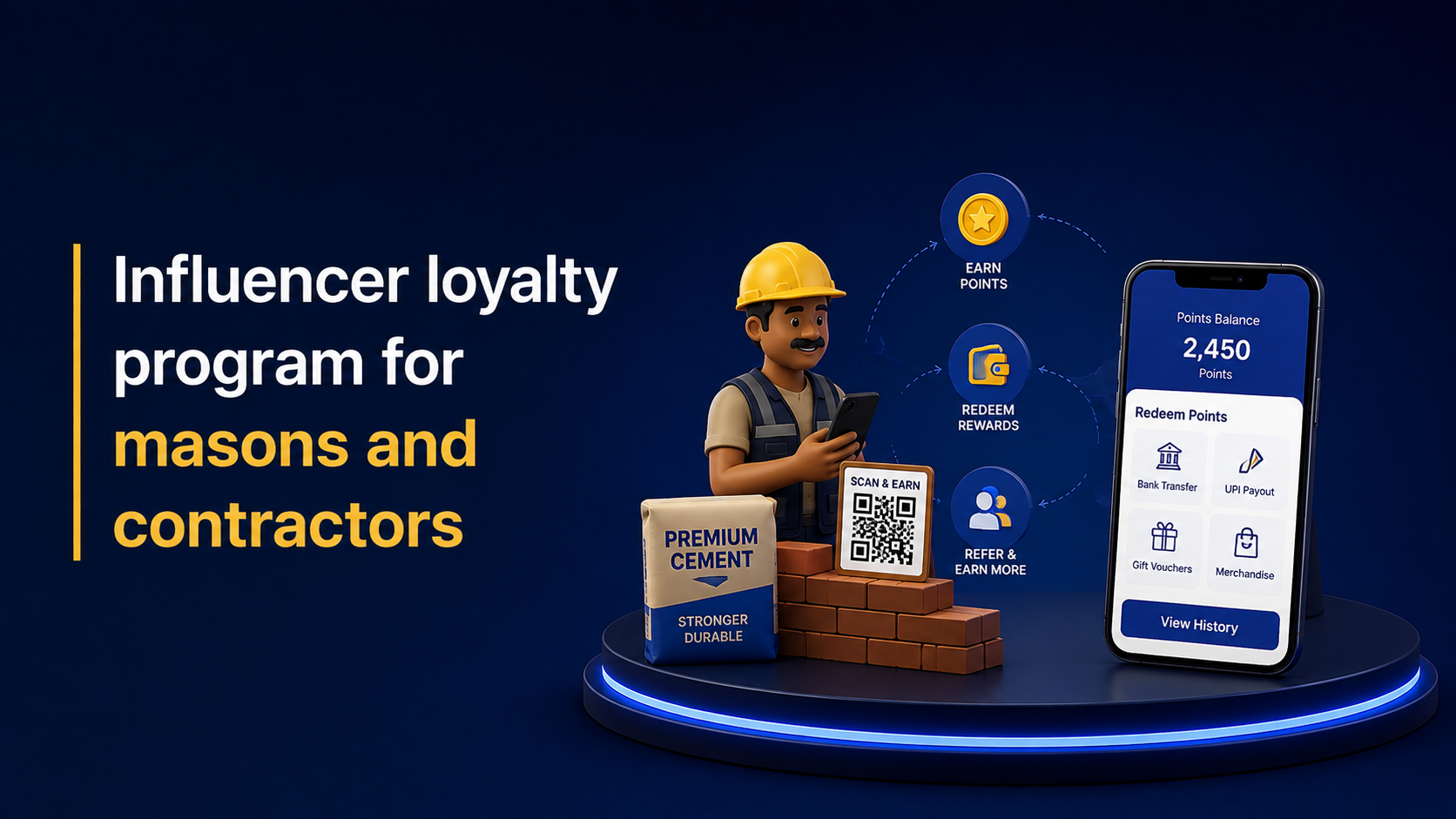
A branded redemption experience built for influencer engagement
A retail brand running an influencer loyalty program needed members to redeem points without feeling like they'd left the brand's own portal. The company connected its loyalty platform to a rewards marketplace through outbound SSO: a member views their points balance inside the retailer's own portal, gets handed off securely to a branded rewards experience embedded via iFrame, and lands back in the loyalty platform with the point balance already updated.
No separate login. No separate support queue. The result was a real-time, branded reward experience inside a journey the member already recognized.
A discount-based model that skips wallet and float management
A different brand wanted a lighter redemption model. Instead of burning points for gift cards, members get access to exclusive discounts and pay the reduced price directly.
The company never has to pre-fund a wallet or manage float, because the marketplace sends back a simple flag confirming whether a discount applied, and the loyalty platform handles its own point logic separately. It's a cost-effective way to add a burn engine without touching the accrual side at all.
How Plum plugs into Salesforce Loyalty Cloud and other platforms
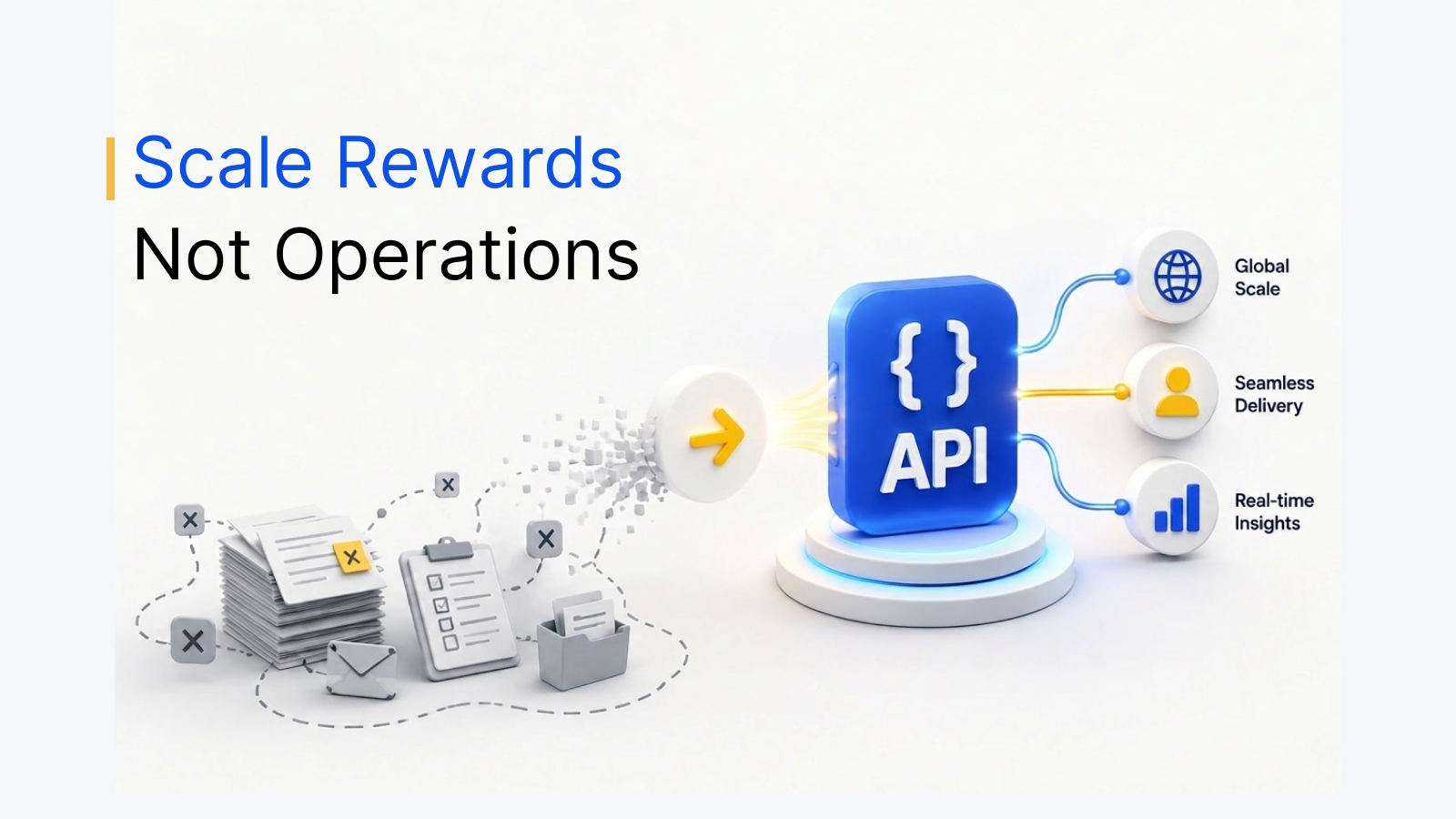
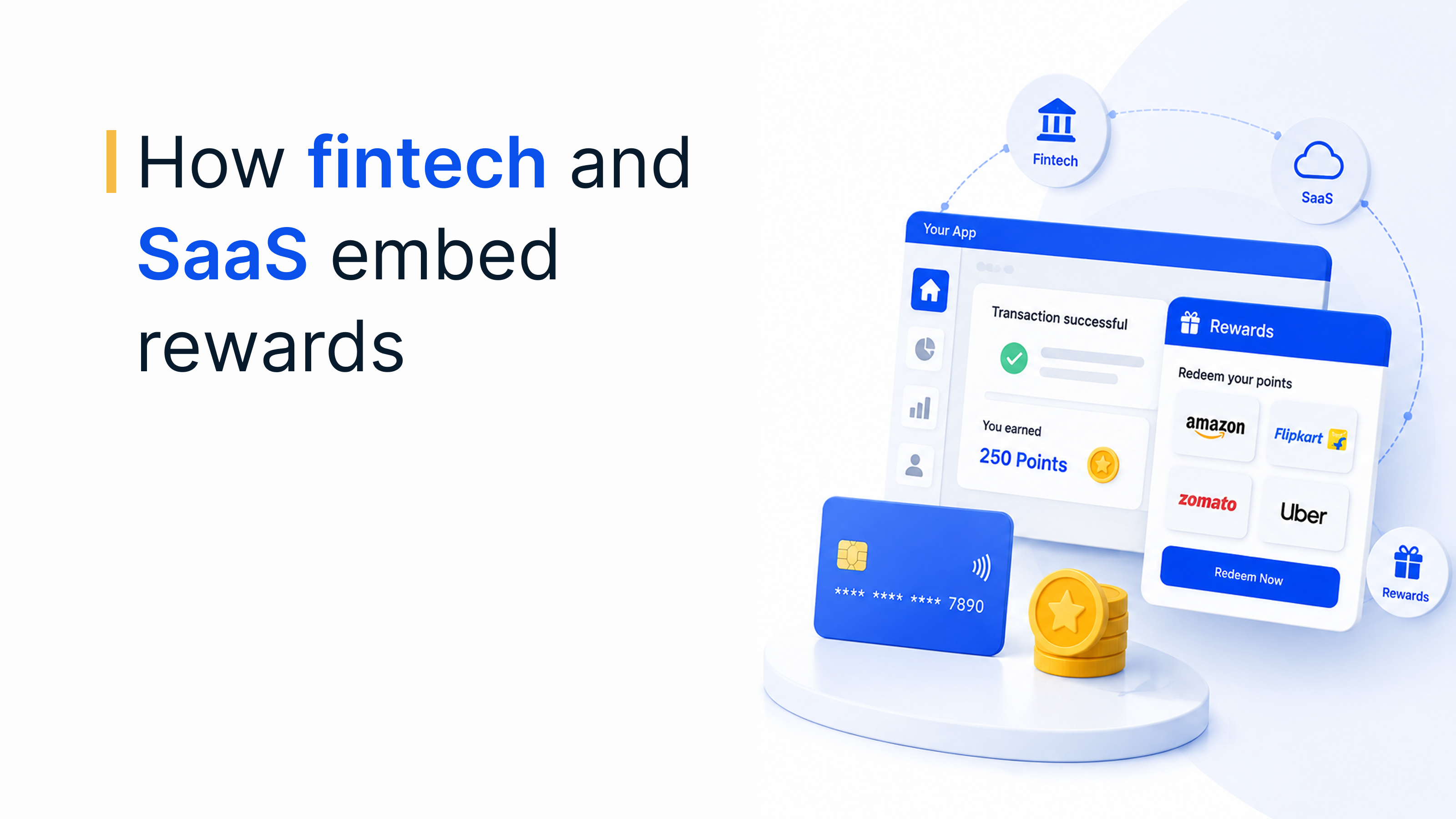
Xoxoday Plum connects to an existing loyalty platform through three integration models, and a program can pick whichever fits its stack without replacing the accrual side.
- Rewards API. Full control over the redemption UI, checkout flow, and branding inside the loyalty program's own interface.
- Marketplace SSO redirect. Hands a member off through single sign-on into a fully built rewards experience, with checkout already handled.
- Embedded rewards iFrame. Drops the marketplace inside an existing screen or app view in minutes, using iFrame or WebView, without a separate login screen.
Most programs on Salesforce Loyalty Cloud start with the SSO redirect model, since it needs the least engineering work and still keeps the member inside a single sign-on session throughout.
Keeping the redemption experience on-brand
A redemption engine only works if it doesn't feel like a hand-off to a different company. Plum's embedded iFrame and SSO models render inside the loyalty platform's own layout, support responsive design across web and mobile, and can run under a program's own branding instead of a Plum-branded storefront.
That matters most for programs with dedicated support teams or existing member trust. A member redeeming a reward through a white-labeled marketplace never sees a jarring visual switch, and a support team never has to explain why a redemption question needs to go to someone else's help desk.
What a global burn engine actually gives you
The advantage isn't just catalog size. It's how fast a program can go from signing a contract to having members actually redeeming something. Programs building a rewards ecosystem from scratch typically need three to six months to negotiate vendors, build fulfillment, and test delivery. Plugging in an existing marketplace cuts that to two to four weeks, because the vendor relationships, fulfillment, and compliance work are already done.
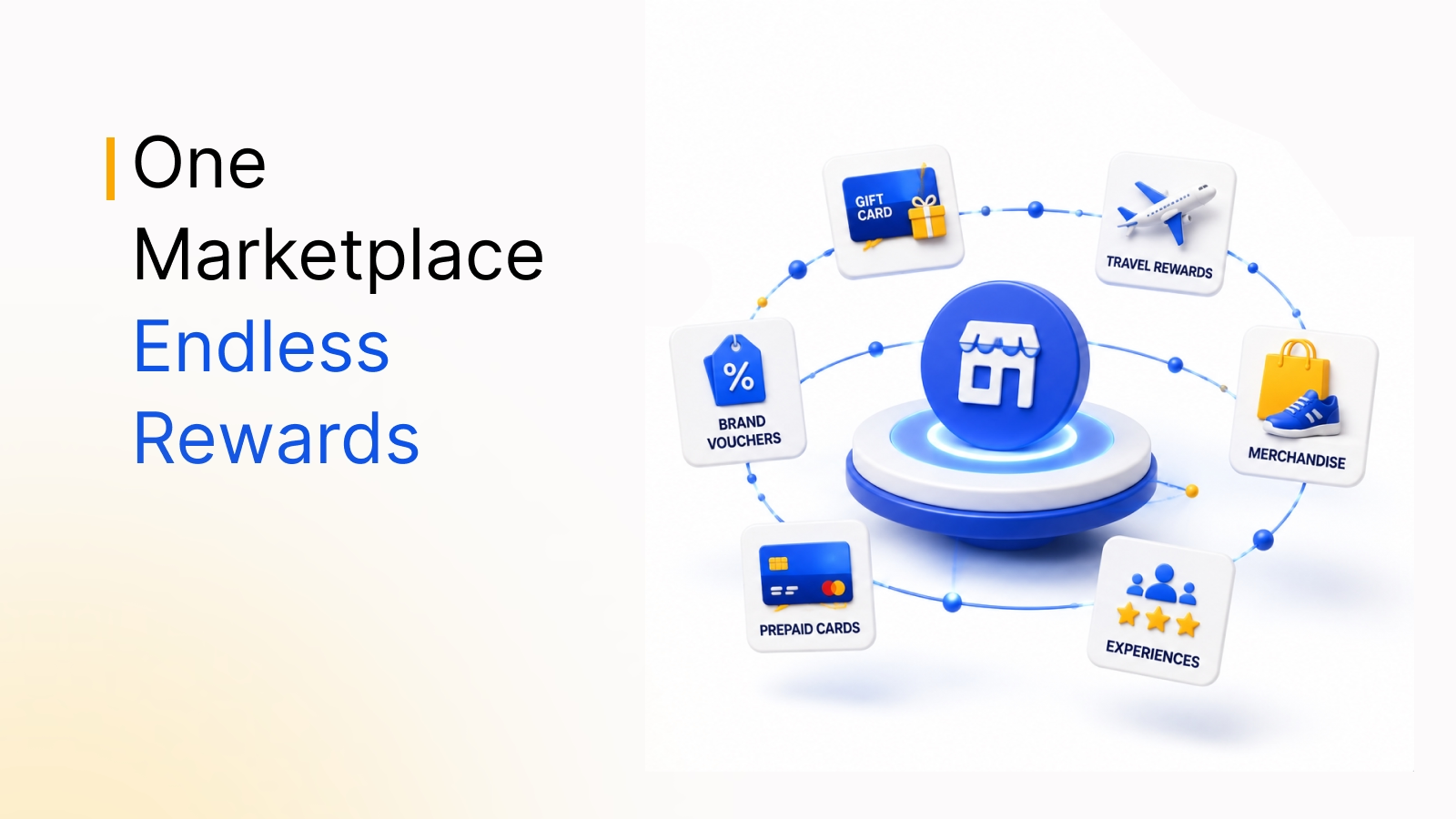
Catalog breadth is where that speed pays off for the member. A single redemption flow inside Plum's marketplace covers:
- E-gift cards
- Physical gift cards
- Merchandise
- Experiences
- Travel
- Offers and daily deals
- Games
- Charity and donations
- Financial products, including prepaid cards and payouts
- Amazon products
- Branded swag
- Mobile and subscription top-ups
A member never has to leave that flow, redeem elsewhere, or wonder why a category they want isn't supported. That's the actual proof point behind a burn engine: not a single headline number, but a catalog wide enough that redemption stops being the weak link in the program.
Reliability matters just as much once a program is live. Plum's rewards API runs at 99.99% uptime, and the marketplace has averaged 99.84% service uptime over the trailing 365 days. For a program where redemption is the moment a member decides whether the loyalty program was worth it, that uptime is the difference between a good moment and a support ticket.
None of that matters if a program can't trust its data or reach a real person when something breaks. Plum backs every integration with dedicated account management and around-the-clock support for redemption issues, on top of the data protection standards enterprise loyalty programs already require before connecting a new vendor to their stack.