Key Takeaways
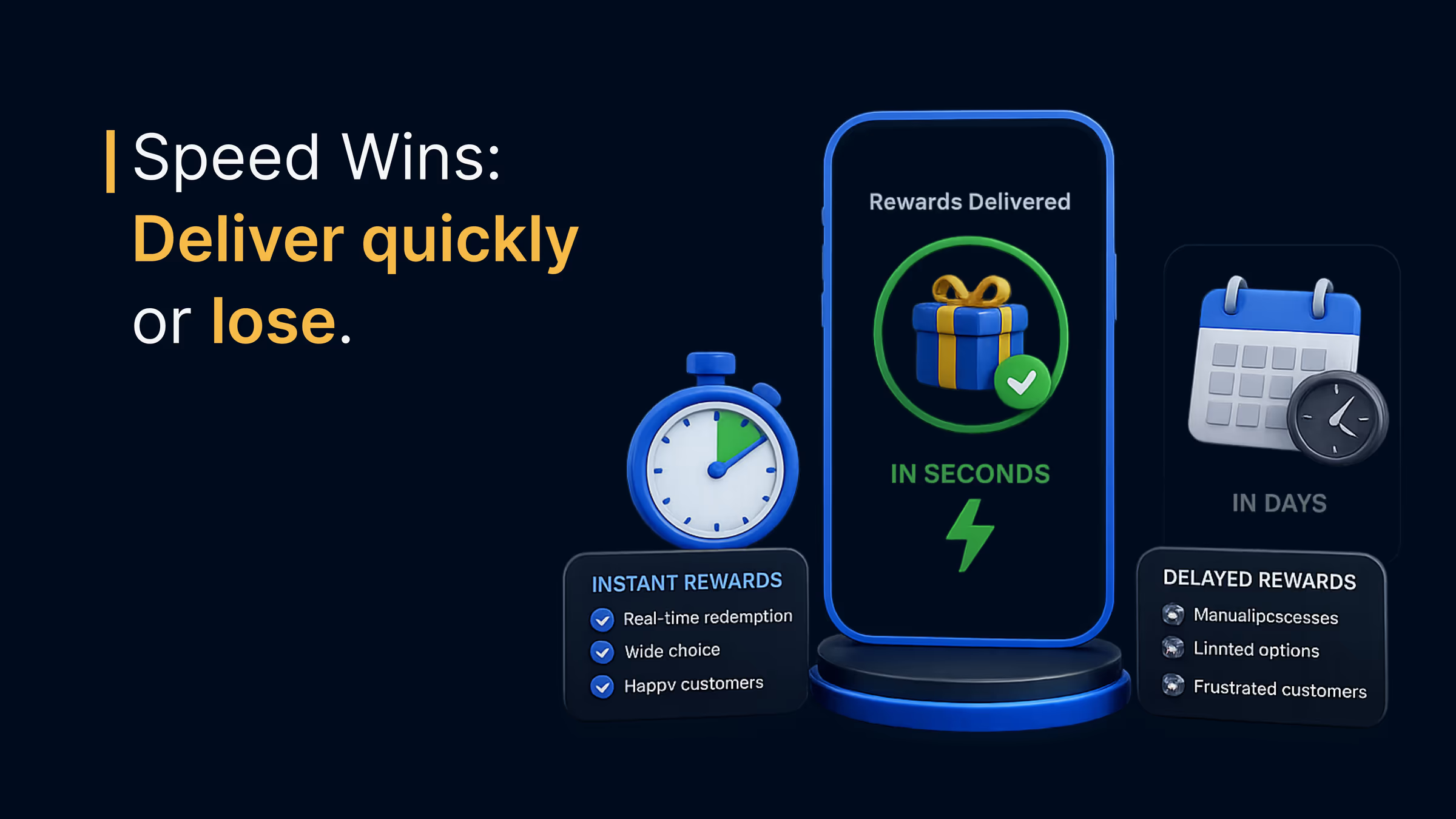
Card delivery speed matters more than dollar amount for survey response rates.
The IRS reporting threshold rose to $2,000 in 2026, but compensation stays taxable regardless.
Reloadable cards fit recurring panels; single-use cards fit one-time surveys.
A panel manager running a 12-wave longitudinal study needs the same 800 respondents to come back every quarter. Gift cards sent from rewards software work for a one-time survey, but reissuing a new code every wave creates fresh friction each time, and cash payments mean collecting tax IDs from people who only expect a $10 thank-you.
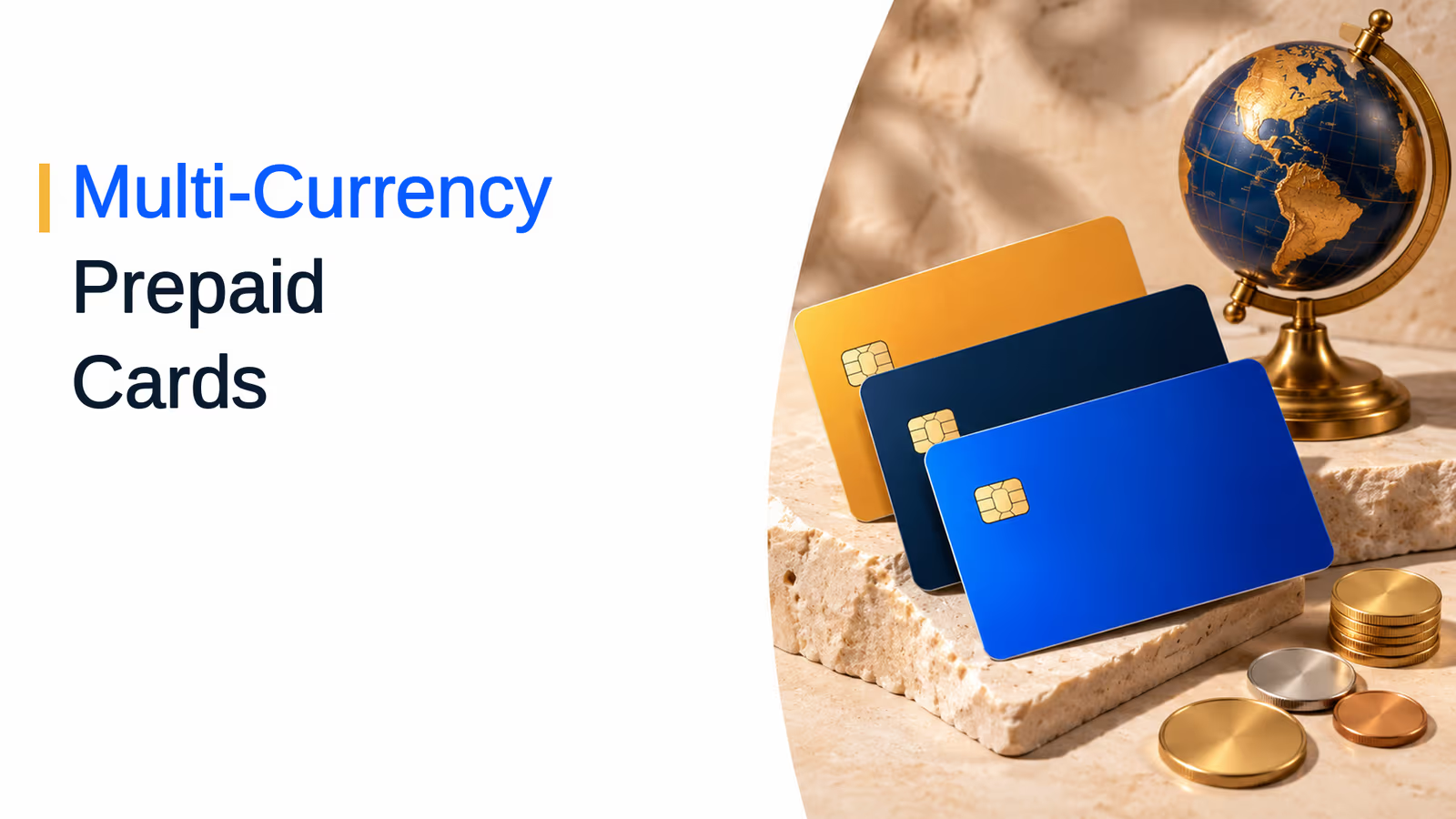
Reloadable prepaid cards solve a problem that single-use rewards don't: the same card can carry a new balance for the next wave, the next milestone, or the next referral, without re-running a fulfillment process from scratch.
The choice between reloadable and single-use, and between prepaid cards and other formats entirely, comes down to how often a program pays the same person and how much compliance overhead the format carries. For a broader comparison of formats, see gift cards, prepaid cards, and cash for survey rewards.
Why prepaid cards are gaining traction in survey research
Response rates respond to incentive presence far more than incentive size. Gallup's research across incentive amounts shows the jump from $0 to any paid incentive matters more than the jump from $1 to $5.
| Incentive amount | Response rate |
|---|---|
| $0 | 11.8% |
| $1 | 16.8% to 26.3%* |
| $2 | 17.4% |
| $5 | 21.4% |
Prepaid cards deliver that same incentive-presence effect without requiring a physical gift card SKU per country or a bank transfer per respondent - the same reward vehicle works whether the recipient is in Manila or Madrid.
Reloadable vs. single-use prepaid cards: what to choose
Single-use prepaid cards suit one-time surveys: a fixed value, spent once, done. Reloadable cards suit anything recurring - longitudinal panels, ongoing employee pulse surveys, multi-milestone research studies - because the same card identity can receive another load instead of the program issuing and tracking a new card each time.
The tradeoff is setup complexity. Reloadable programs need a persistent respondent-to-card mapping and a reload trigger tied to each wave or milestone. Single-use programs need neither, which is why they remain the right default for anything that pays a respondent once.
How prepaid cards reduce compliance headaches vs. cash
Cash and cash-equivalent payments to individuals carry tax reporting obligations that scale with payment volume. The threshold for that reporting changed materially heading into 2026.
$2,000
New IRS reporting threshold
effective Jan 1, 2026
Source: Yale CIRA / IRS.
A higher threshold reduces the number of respondents who trigger a 1099 filing, but it doesn't remove the underlying obligation - compensation to a research participant is still taxable income regardless of whether a form gets issued. Prepaid cards don't erase that requirement, but they carry less operational overhead than cash or check disbursement because they don't require collecting banking details or mailing physical checks across borders.
| Compliance dimension | Cash or check | Gift card | Prepaid card |
|---|---|---|---|
| Tax ID collection | Often required above threshold | Rarely required | Rarely required |
| Cross-border delivery | Slow, bank-dependent | Fast, catalog-dependent | Fast, network-dependent |
| Audit trail | Manual reconciliation | Vendor-dependent | Card-network transaction log |
| Sanctions screening | Manual or absent | Vendor-dependent | Built into card issuance |
Virtual prepaid cards as a PayPal alternative for survey incentives
Virtual prepaid cards are a strong PayPal alternative for survey incentives because respondents need only an email address to receive them, not an active wallet account. Many panels still pay through PayPal, but that adds account-matching work, fees and failed payouts that prepaid cards avoid.
A virtual prepaid card is a 16-digit Visa or Mastercard number, expiry date and CVV delivered by email. The respondent can spend it online, or in store through a digital wallet, anywhere the network is accepted, and the payment is never linked to their bank account.
| Factor | Virtual prepaid card | PayPal payout |
|---|---|---|
| What the respondent needs | An email address or phone number | An active PayPal account in a supported country |
| Failed payouts | Rare; the card is delivered to the contact on file | Wrong or inactive account details can bounce the payment |
| Fees | Set by the card program; some currencies carry an issuance surcharge | International payouts at 2% (capped) plus a currency conversion spread |
| Privacy | No bank or wallet details shared | Respondent shares a wallet identity |
| Where it can be spent | Wherever Visa or Mastercard is accepted | Within the PayPal balance, or after withdrawal to a bank |
PayPal still suits respondents who already live in their wallet, so the best programs offer both. Plum supports PayPal and Venmo rewards alongside prepaid cards, which lets respondents pick the format they prefer while the program keeps one fulfillment flow.
Issue prepaid card rewards globally
See how Plum delivers reloadable and single-use prepaid cards in 100+ countries.
Book a demoTrusted by 5,000+ companies
Setting up a prepaid reward workflow: step-by-step
- Pick the completion trigger - survey finish, milestone reached, or referral confirmed.
- Choose the card type - reloadable for recurring programs, single-use for one-time payouts.
- Set the value and currency logic, including any response-quality-based tiering.
- Connect the survey tool so the trigger fires automatically instead of through a manual export.
- Define fraud rules - duplicate-response checks, velocity limits, and sanctions screening.
This kind of API-based reward trigger removes the manual matching step that otherwise sits between survey completion and card issuance.
Scaling from 50 to 5,000 rewards without manual ops
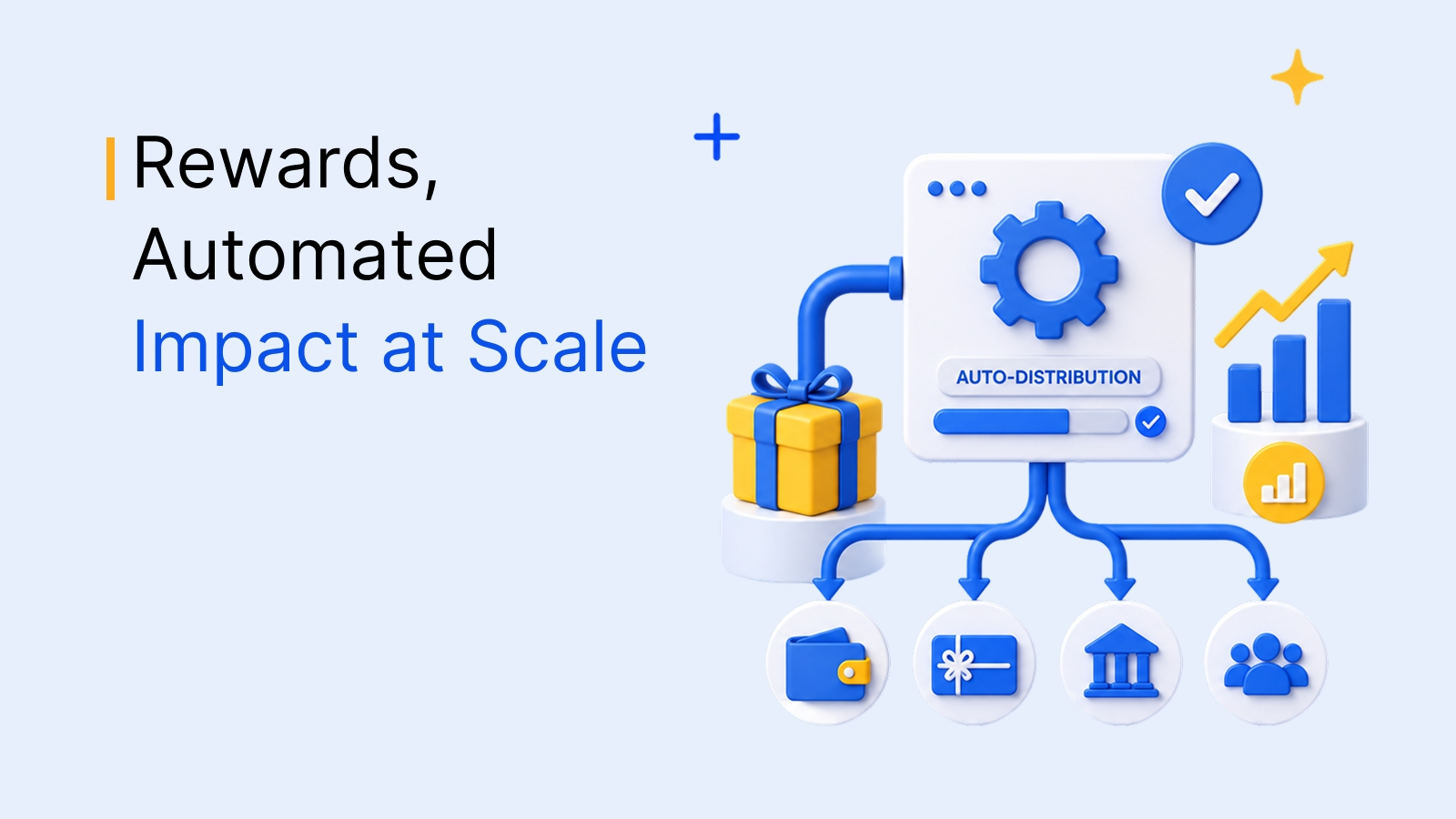
A pilot at 50 respondents can run on a spreadsheet. A program at 5,000 respondents across a dozen countries cannot - the fulfillment step has to automate reward distribution end to end, from trigger to card issuance to delivery confirmation, or the ops burden scales linearly with panel size.
Global prepaid distribution: what to watch out for
Card network coverage, local currency support, and delivery method (virtual card vs. physical) all vary by country. A vendor that issues cards in 150 countries but only supports virtual delivery in 40 of them will leave gaps in a globally distributed panel - check coverage against the program's actual respondent geography, not just a headline country count.
Platform comparison: what to look for in a prepaid reward vendor
- Card network coverage that matches the panel's actual respondent countries, not just a headline count.
- Both virtual and physical card delivery options, since not every market supports both.
- Built-in fraud and sanctions screening at issuance, not as a separate manual step.
- A reload API for recurring programs, not just single-issue card creation.
How Plum delivers prepaid cards instantly across 150+ countries
Xoxoday Plum issues virtual prepaid Visa and Mastercard rewards in real time to respondents in 150+ countries, with 50+ currencies converted automatically at issuance. Cards can be triggered by a survey completion, one at a time or up to 10,000 at once, so a panel that grows from 50 to 5,000 respondents doesn't require switching vendors partway through.
Prepaid cards available for survey panels
Plum's catalog covers virtual Visa and Mastercard cards for global, US, Canadian and European panels, alongside PayPal and Venmo for respondents who prefer a wallet. Denomination, validity and coverage vary by card; a few examples:
| Card | Denomination range | Good fit for |
|---|---|---|
| Global USD Visa Card | USD 1 to 1,000 | Small per-survey incentives for global panels |
| Global Visa Reward Card USD | Single-load; spendable in 190+ countries; valid 6 months | Multi-country panels paid in US dollars |
| Visa eReward Card US, 6 months | USD 5 to 10,000 | US panels, including high-value expert and physician studies |
| Visa eReward Card CAD | CAD 1 to 1,000 | Canadian panels |
| Mastercard Prepaid eReward Card, 12 months (Canada) | CAD 1 to 1,000 | Longer studies where respondents need more time to spend |
| Mastercard Prepaid Card EUR | EUR 50 to 100 | European panels |
| Swype Global Virtual Mastercard | USD 5 to 999 across three card options | Global Mastercard-based programs |
What happens from survey completion to card delivery
- Trigger: Prebuilt connectors for Qualtrics, SurveyMonkey and Typeform fire a reward when a respondent submits. Custom workflows use the rewards API and webhooks, tested first in a dedicated sandbox, or rewards can be sent from the dashboard by CSV.
- Issuance: The virtual card is generated in real time, funded from a pre-funded wallet in your currency and issued in the respondent's.
- Delivery: The card reaches the respondent by email, link or API within seconds, on a co-branded redemption page with your sender name and email template. Respondents can add it to Apple Wallet or Google Wallet.
- Control: Set expiry per card, and reissue, freeze or cancel cards from the admin portal or API. On cancellation, the unspent balance returns to your wallet.
- Fraud and compliance: Duplicate-submission and fraudulent-respondent detection, device fingerprinting, per-respondent and per-campaign reward limits and a review queue sit in front of issuance, with sanctions screening and encrypted card details at issuance.
- Reconciliation: A per-recipient ledger and exportable reports give research ops and finance one record of every reward sent and redeemed.
Terms to plan for before launch
- Verification: Prepaid card redemptions need a one-time KYB verification of your business on Plum before they are processed.
- Validity: Cards are typically valid for 3 to 12 months, and unspent balances are lost after expiry, so state the expiry date in the reward email.
- Fees: USD and INR cards typically carry no extra fees; EUR and GBP cards may include a surcharge at issuance. Full pricing is shared upfront.
- Refunds: Cards are non-refundable and non-cancellable once issued.
- Wallet payouts: PayPal and Venmo rewards need an active recipient account. Incorrect or inactive details trigger a $15 refund fee, and orders below $15 are not refunded.
- Restrictions: Crypto use cases are not supported for PayPal vouchers or the Global Visa Reward Card USD.
How research firms run survey rewards on Plum
Market research firms use Plum's survey rewards, which combine prepaid cards with gift cards and other formats, to replace multi-vendor fulfillment with one platform:
- Kantar: Distributed 15,000+ reward vouchers across four India-based research divisions, using the Rewards API for high-volume studies and the admin portal for ad-hoc sends, with a 99% same-day fulfillment rate and zero fulfillment failures. Read the Kantar case study.
- Nielsen: Integrated the Rewards API into its survey platform so rewards fire at completion without sharing panelist data with outside vendors. The program has fulfilled 43K+ rewards, and monthly reward volume grew 77% over a year. Read the Nielsen case study.
- Borderless Access: Replaced 16 regional vendors with one platform, fulfilling 90,000+ vouchers to panelists in 31 countries at a 99% fulfillment rate. Read the Borderless Access case study.
- Ottum Research & Consulting: Connected Plum to SurveyMonkey so rewards go out the moment a respondent submits, saving 5 to 10 minutes of admin per respondent with a 98% delivery rate. Read the Ottum case study.
- A leading healthcare research firm: Paid 1,800+ respondents in 28+ countries in their local currency through a single API connection, distributing more than $1.5M in incentives. Prepaid digital credits were among the categories respondents redeemed, and 32% redeemed more than once. Read the healthcare research case study.
To see how prepaid cards fit your panel, explore Plum survey rewards or book a demo.
Book your Plum demo
Frequently asked questions
A prepaid Visa or Mastercard that can receive additional balance loads over time, letting the same card fund a respondent across multiple survey waves instead of issuing a new card each time.
Yes - they combine broad usability with fast, low-friction delivery, and reloadable versions suit recurring panels better than single-use gift cards or cash.
Yes, though coverage varies by vendor. Check that both card network coverage and delivery method (virtual vs. physical) match the panel's actual respondent countries.
Gift cards are typically retailer-specific; prepaid cards run on card networks like Visa or Mastercard and can be spent anywhere that accepts the network, making them more flexible for global panels.
Yes, for most panels. Respondents need only an email address rather than an active PayPal account, so fewer payouts fail, and no wallet or bank details are shared. Offering both formats lets respondents choose what suits them.