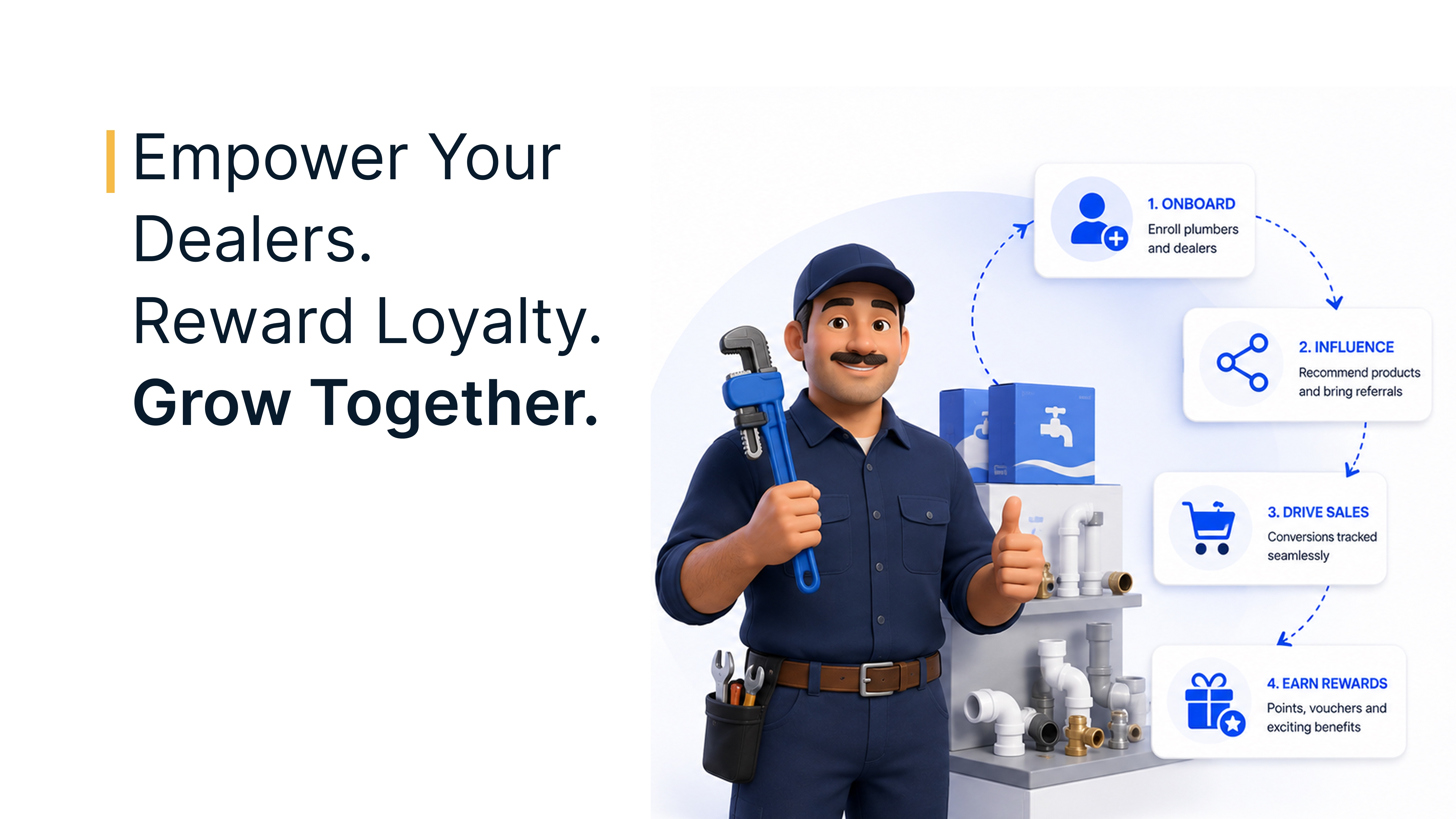
Key Takeaways
A reward link sent to a plumber after one event isn't a loyalty program. Real programs track participation and reward it differently over time.
Four controls, registered-agent access, per-agent limits, per-agent budgets, and one-time redemption, close most of the leakage in plumber and dealer programs.
Tier progression and referral tracking turn repeat plumbers and dealers into a measurable asset, not a repeat cost.
A field agent hands out reward links to plumbers at a site event, and by the next quarter nobody can say which of those plumbers came back a second time. There is no record of who is actually engaged versus who redeemed once and disappeared. That is the difference between distributing rewards and running a loyalty program.
Trade influencers, painters, electricians, masons, plumbers, are some of the hardest audiences to build a structured program around. They are not employees, they are dispersed, and most of them will not install an app for a brand they interact with a few times a year. So most companies default to what is easiest: send a reward when there is an event, and hope it builds a relationship over time.
This post covers what turns that ad-hoc distribution into an actual influencer loyalty program, how a WhatsApp-based reward flow onboards trade advocates without an app, and what tier tracking, fraud controls, and reporting need to look like once the program is meant to last longer than one event.
What is an influencer loyalty program?
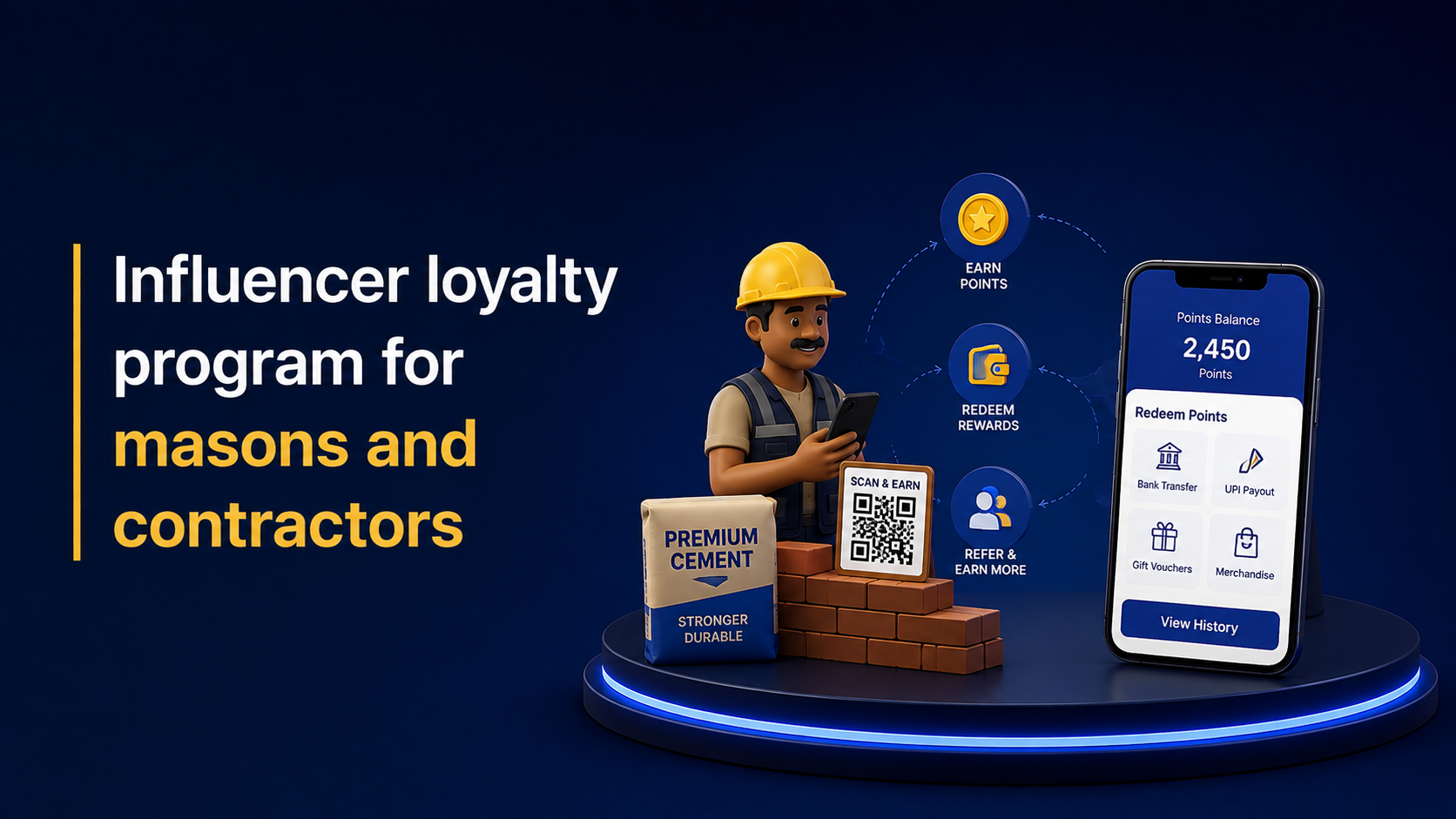
An influencer loyalty program is a structured system for onboarding, tracking, and rewarding brand advocates, plumbers, dealers, painters, electricians, or masons, over time, rather than treating every interaction as a one-off gift. The distinction that matters is progression: a real program can tell a plumber who has attended one site event apart from a dealer who has been pushing the brand for two years, and reward each of them differently.
That is also where most manual, event-driven distribution falls short. A reward link sent to a plumber after a single site visit has no memory of what happened before it and no way to recognize a pattern of engagement across that plumber's or dealer's history with the brand.
Why one-time reward distribution isn't a loyalty program
Sending a reward is not the same as running a program, and the gap between the two comes down to three specific things a one-off distribution has no way to do.
These are the same operational gaps that show up in any manual, spreadsheet-run distribution process, inefficiency, leakage, and no visibility, but for a program built around plumbers, dealers, and other trade advocates specifically, the cost is that the most loyal ones never get treated any differently from someone who showed up once.
The real cost of manual distribution and no performance tracking
Only 47% of B2B sales reps hit their annual quota, according to Aberdeen Group, but partner-aligned participants inside well-designed incentive programs reach or exceed their goals 83% of the time. The same logic applies to a plumber and dealer network: execution and structure are what separate a program that drives advocacy from one that just pays out after every site event.
| Metric | What it tells you | Source |
|---|---|---|
| 75% of world trade | flows through indirect or partner channels, not direct sales | Forrester, State of Partner Ecosystems 2025 |
| 47% vs. 83% | quota/goal attainment for average participants vs. those in well-designed, aligned incentive programs | Aberdeen Group |
| 30% increase | in partner satisfaction for vendors running automated channel and partner management | Gartner |
See how Loyalife tracks trade influencer engagement from first reward to tier progression
Build a channel loyalty program with tier progression, fraud controls, and real-time reporting for plumbers, dealers, and other trade advocates.
Request a demoTrusted by 5,000+ companies
A plumber or dealer's reward journey, step by step
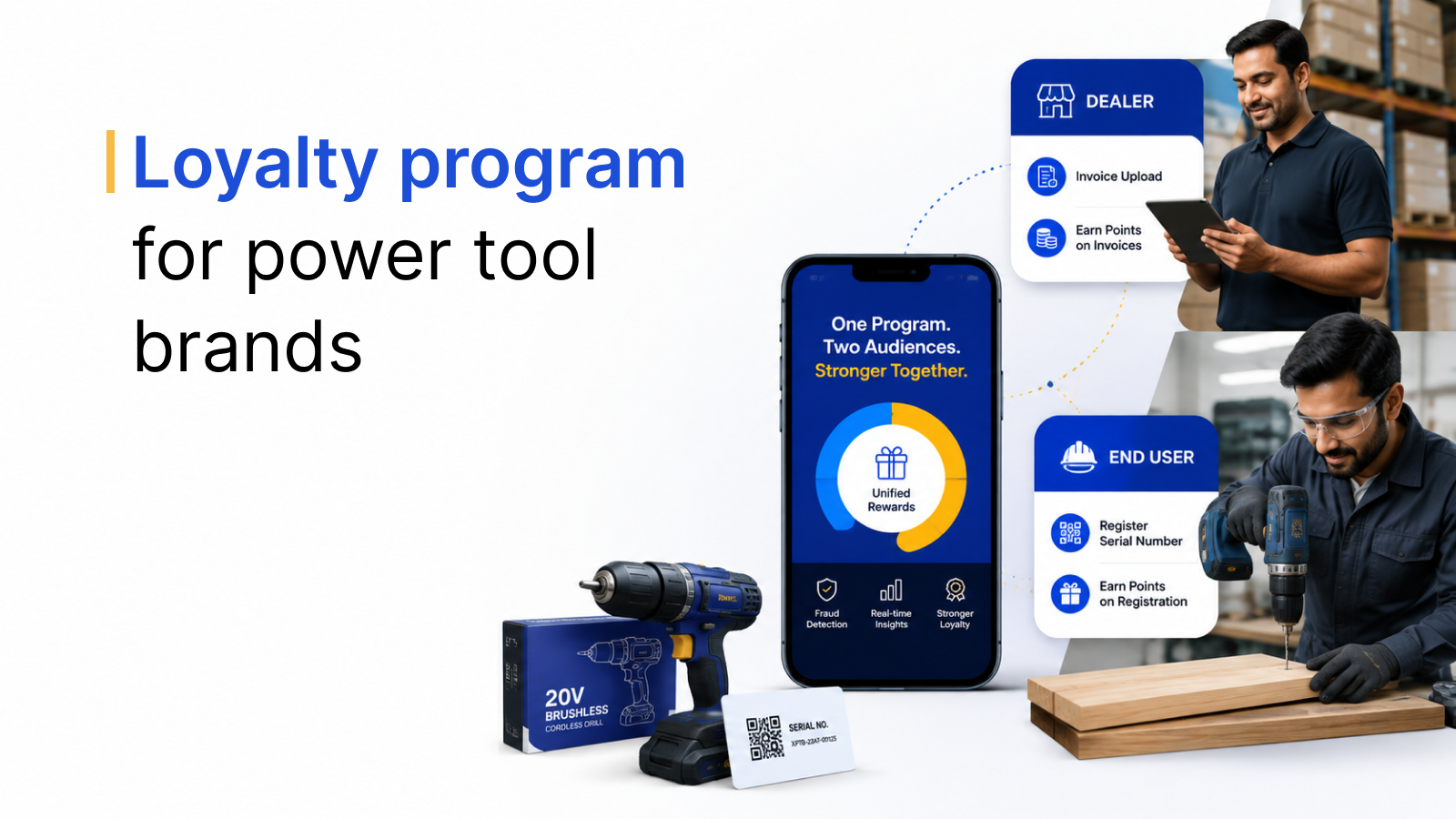
The onboarding channel matters as much as the reward itself. WhatsApp works for plumbers and dealers precisely because there is no app to install and nothing new to learn, just a conversation and a link, which is why it is the on-ramp of choice for less tech-savvy trade audiences.
| Format | Best suited for |
|---|---|
| Reward Points | Ongoing loyalty and channel incentive balances that build across events |
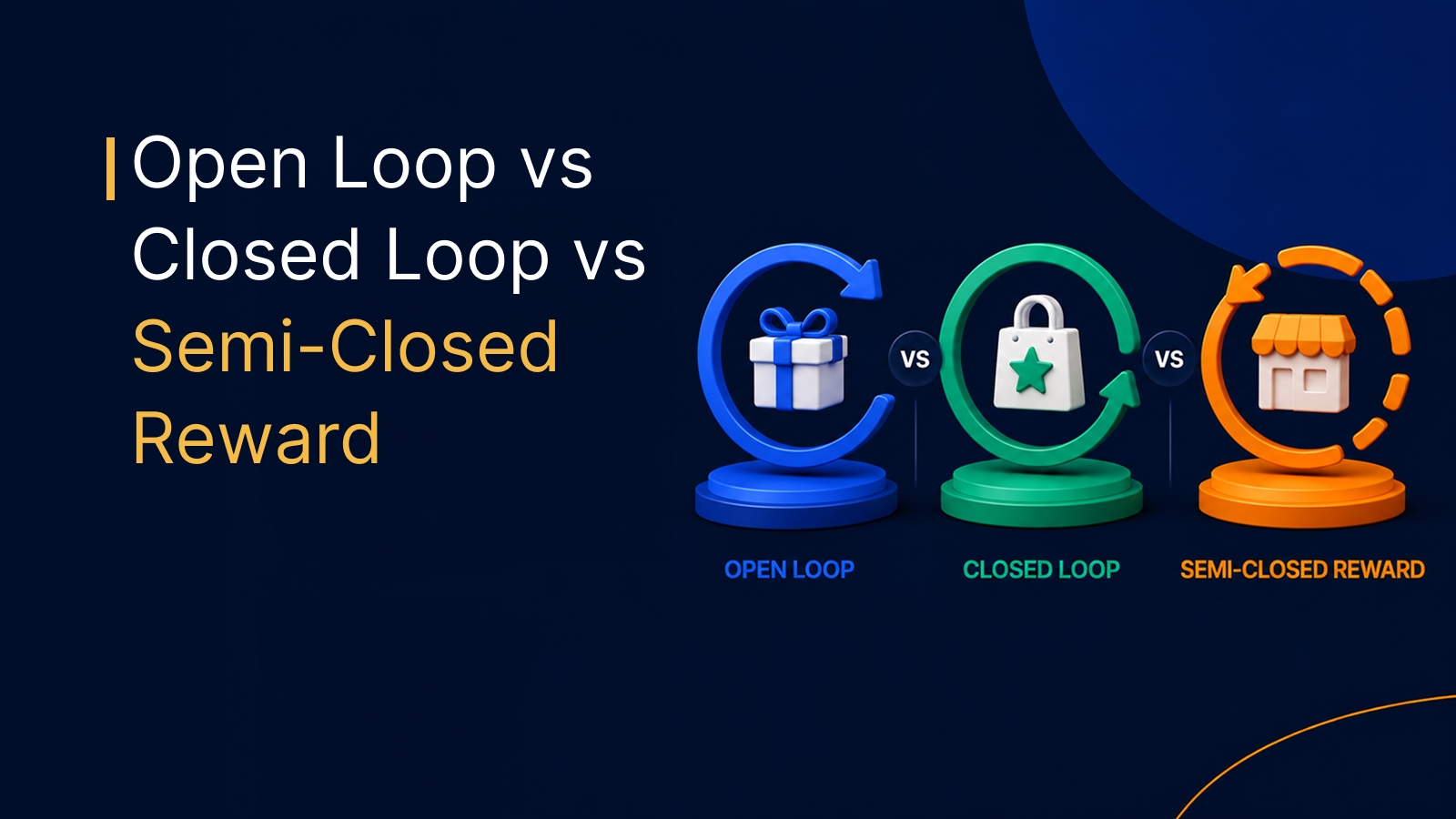
| Reward Links | One-time, no-login rewards distributed during a live event |
| Reward Codes | Milestone or campaign-based gifting once a tier is reached |
The agent journey: from WhatsApp conversation to confirmation
The recipient journey: from SMS link to redemption
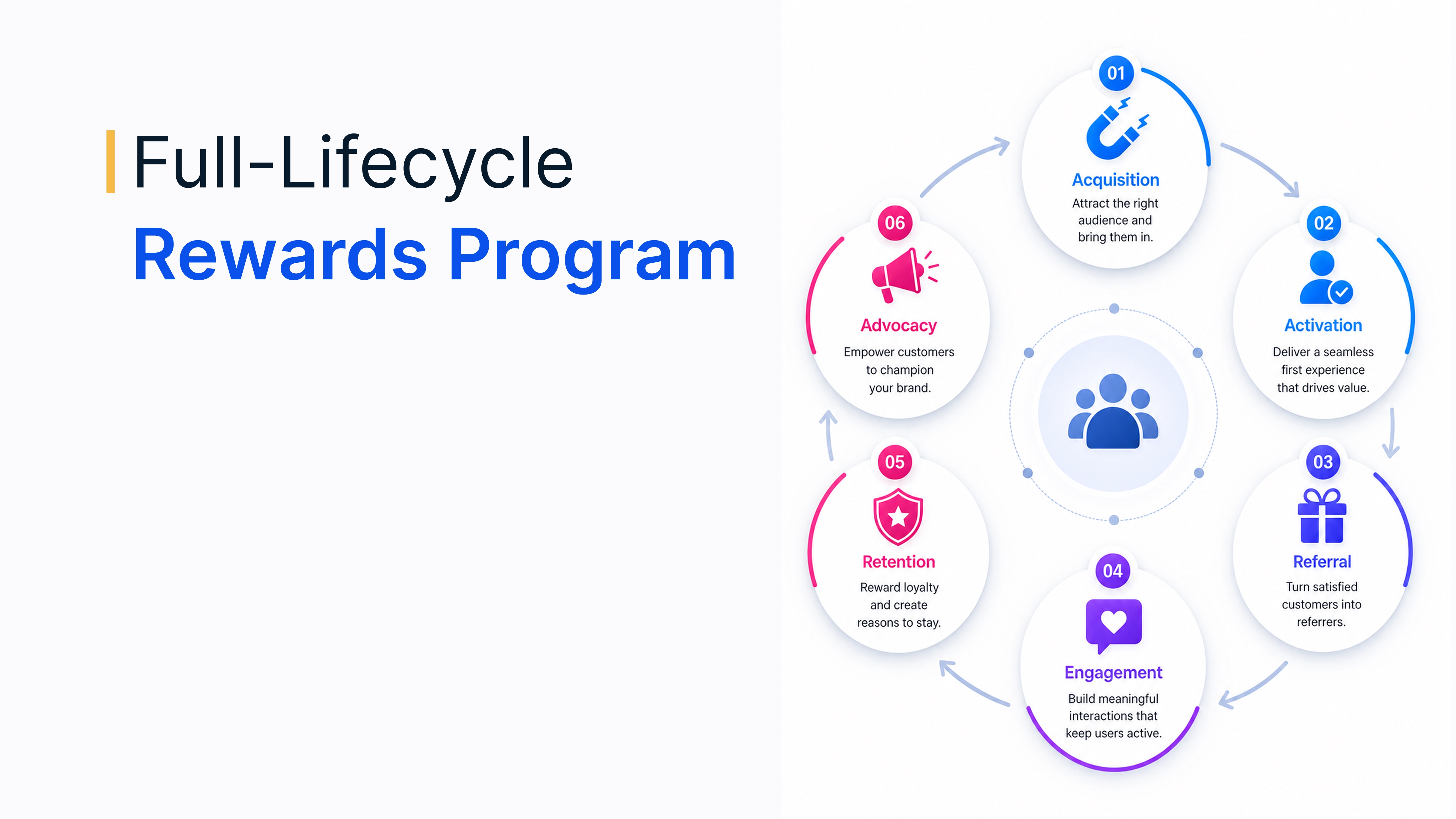
From one-time rewards to tier progression: what a real loyalty layer adds
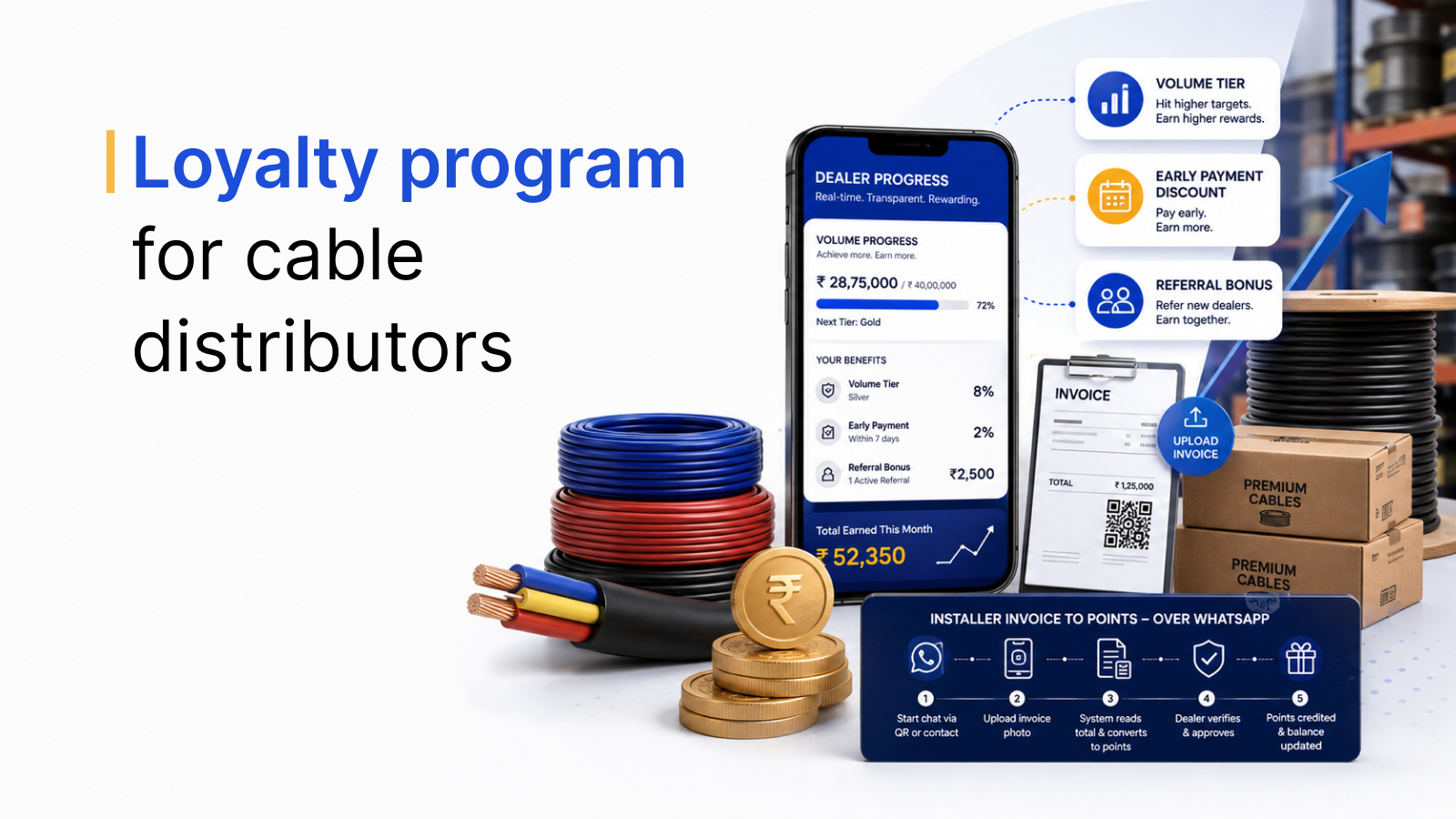
The step that turns a reward link program into an influencer loyalty program is a rule engine sitting underneath the distribution layer, one that tracks milestones, applies multipliers, and moves an advocate up a tier as their participation grows, instead of treating every event as its own isolated transaction.
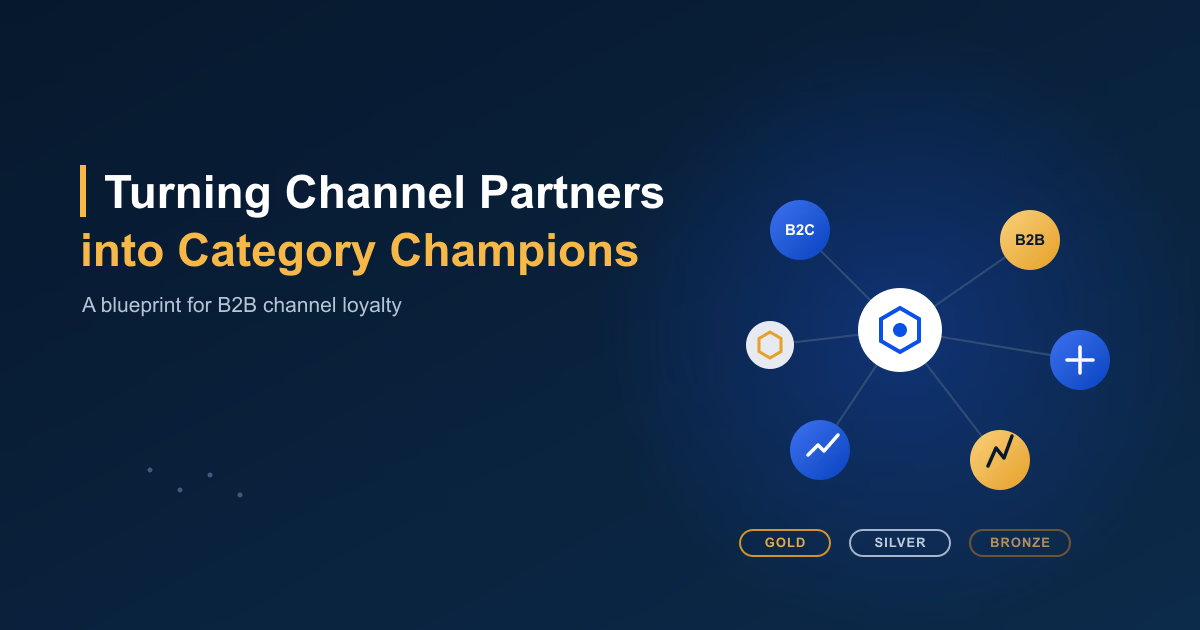
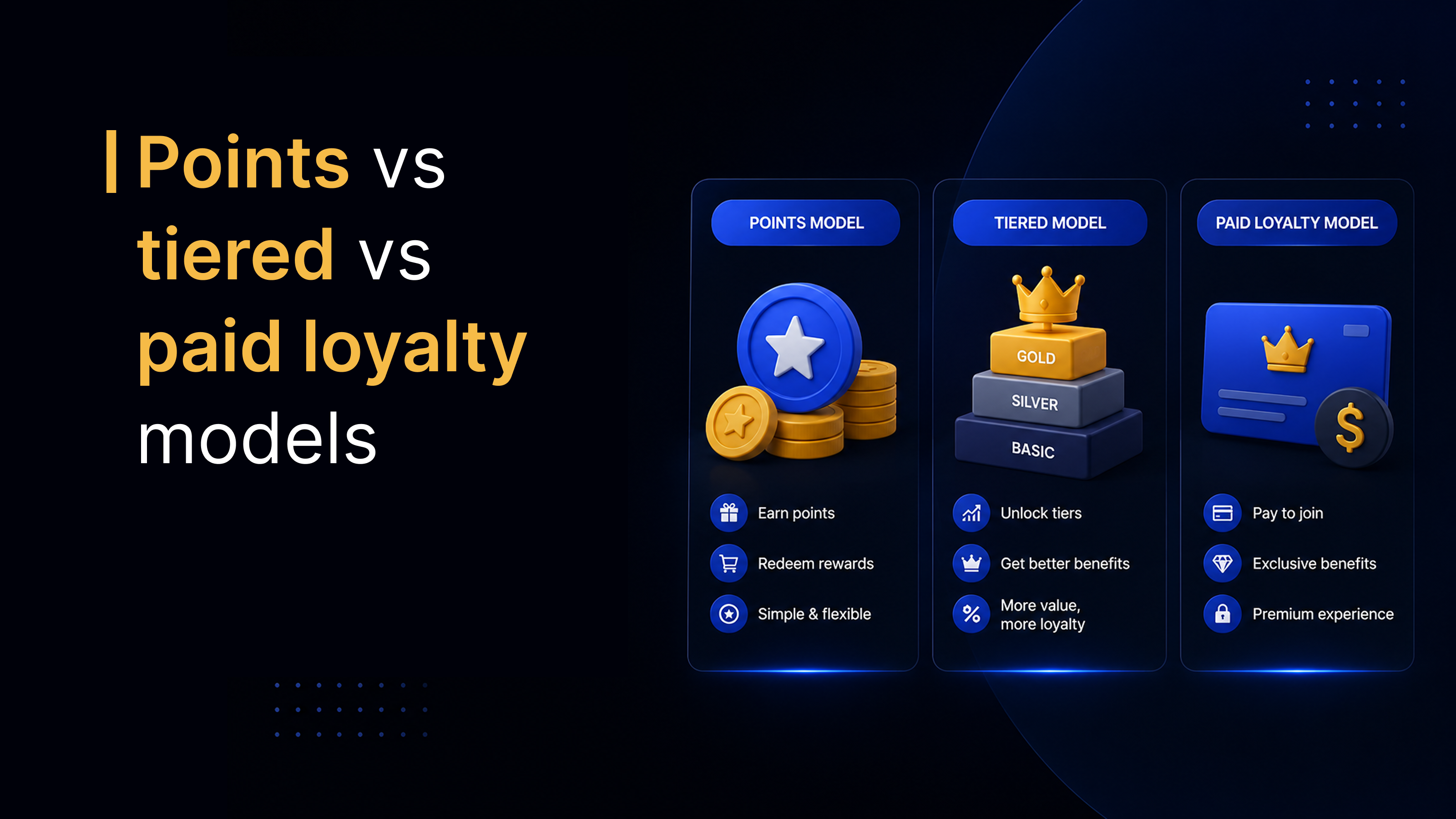
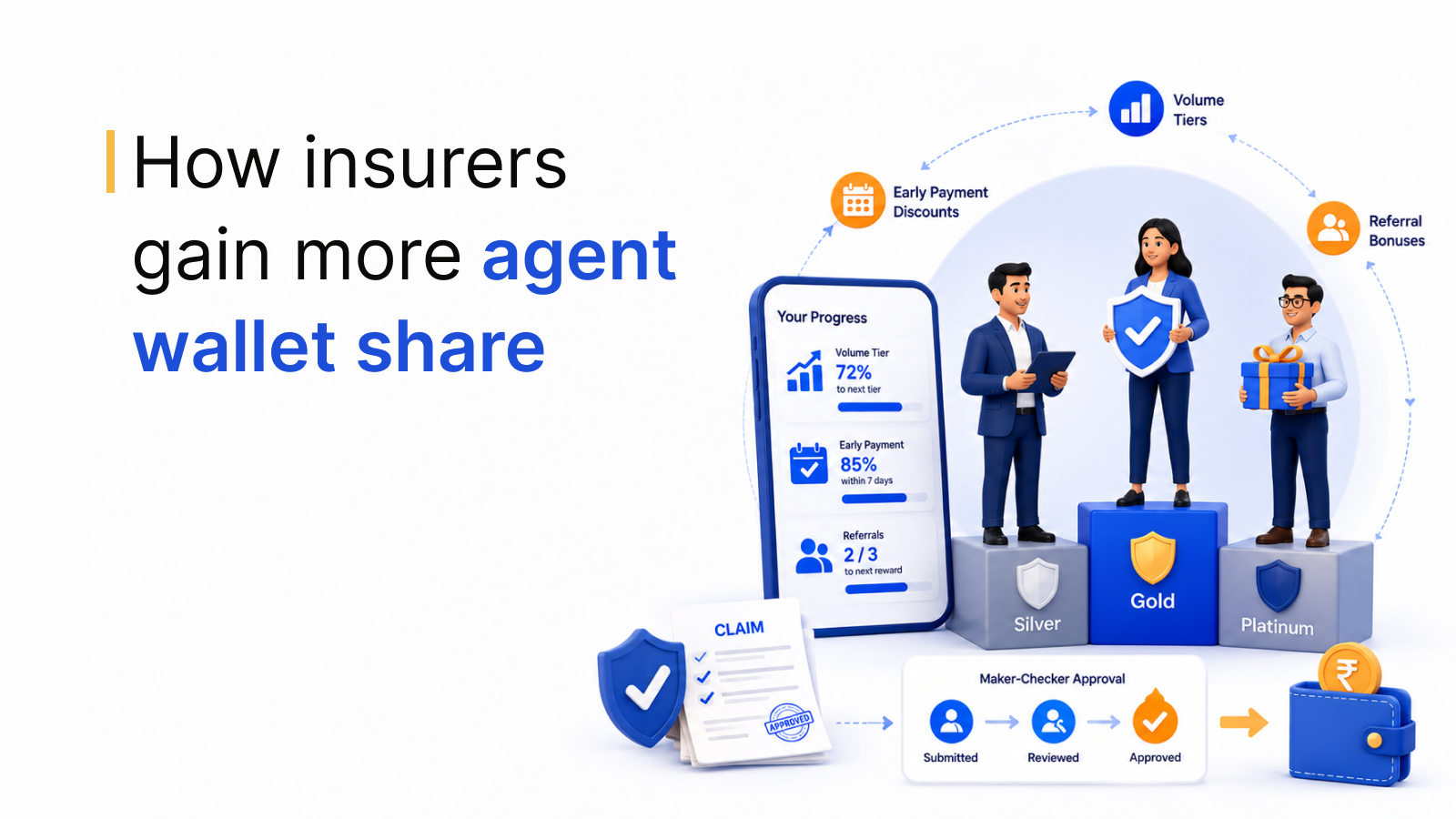
In practice, that means a plumber who shows up to five site events and refers two other plumbers should be earning more per reward, and unlocking different rewards, than someone attending their first. The same applies to a dealer moving from a starter tier into a higher-volume one based on actual sales, not just attendance. Tiered structures like this are also what keeps a program interesting past the first payout: bronze, silver, and gold tiers give plumbers and dealers a reason to stay engaged rather than redeem once and move on.
This is also where referral tracking fits in. A program that only rewards direct participation misses the plumbers and dealers who are actively bringing in other tradespeople, arguably the highest-value behavior the program can reward.
The controls that prevent leakage and fraud in distributed programs
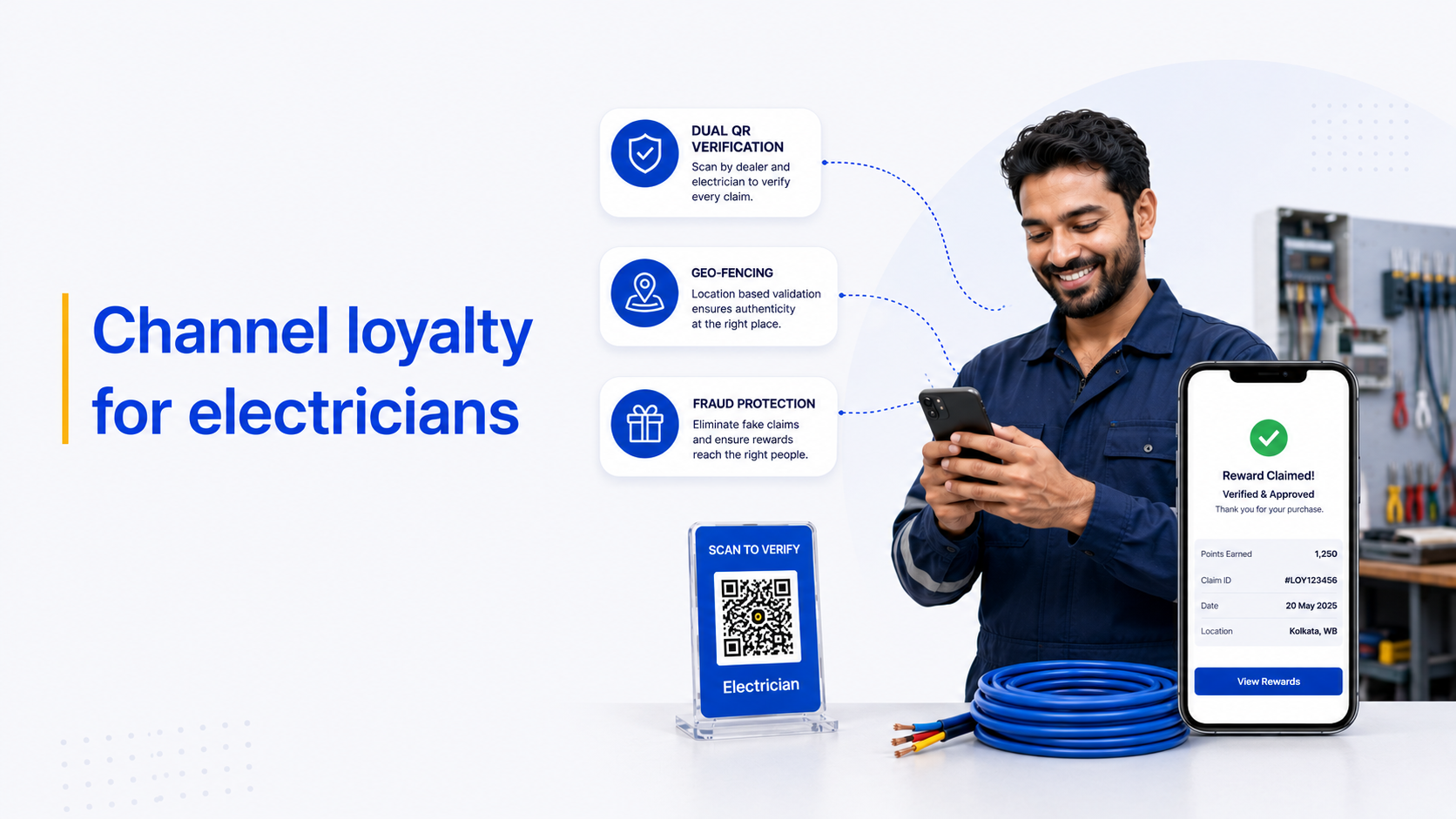
Keeping a program built around plumbers and dealers secure, fair, and within budget comes down to four controls, applied before a reward is ever sent.
A mature loyalty platform adds a further layer on top of these: anomaly detection that flags unusual accrual or redemption patterns for review, and maker-checker workflows that require a second approval on sensitive changes, the kind of fraud control a one-off distribution tool was never built to do on its own.
Real-time tracking, reconciliation, and reporting for advocate programs
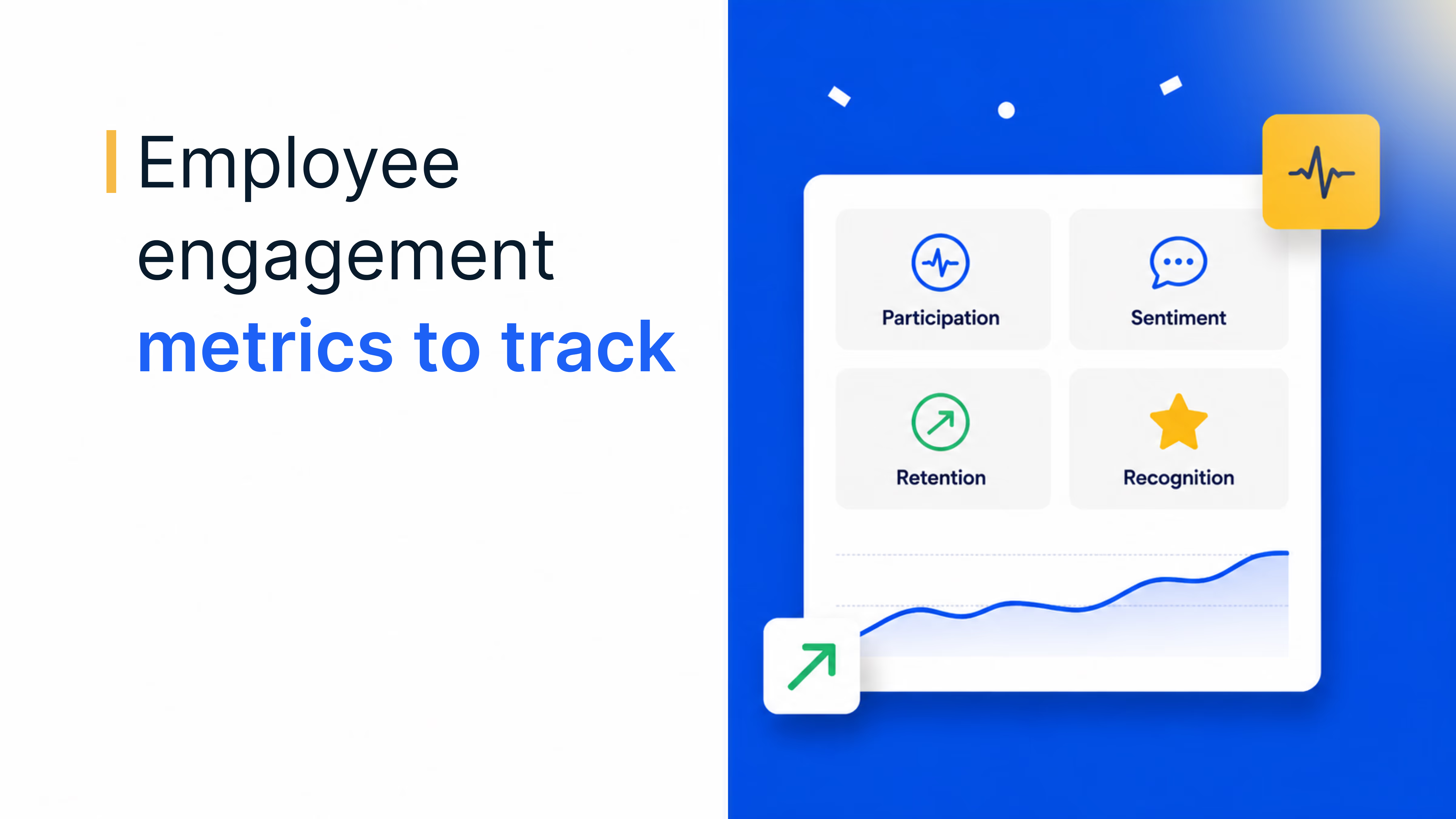
Reward delivery tracking shows the product ordered and the delivery status for every reward sent, with downloadable reports built specifically for reconciliation, not a raw export someone has to clean up first. Budget tracking sits alongside it, so a program manager can see spend against allocation as it happens instead of waiting for a month-end report.
For a plumber and dealer program specifically, this data is only useful once it is tied back to program-level questions: which tier is driving the most repeat site visits, which dealers are close to a tier threshold based on actual sales, and whether spend on rewards is correlated with advocacy outcomes like referrals or reviews, not just attendance.
Where an influencer loyalty program connects to the rest of the business
A program built around plumbers and dealers rarely stands alone. The same distribution and tracking layer typically plugs into tools a manufacturer already runs its business on.
| Integration | What it's for |
|---|---|
| CRM platforms | Rewards mapped across the advocate lifecycle |
| Sales and marketing automation | Personalized rewards tied to specific campaigns |
| ABM platforms | Rewards automated off engagement signals |
| Survey tools | Incentives that encourage feedback and reviews |
| HRMS tools | Programs run alongside internal sales-agent workflows |
| Collaboration and productivity tools | Rewards woven into day-to-day team workflows |
For a program built around plumbers and dealers, this shows up as pipeline sourced from plumber referrals, dealer channel performance tracked as its own metric, and advocacy outcomes, reviews, NPS, referrals, treated as measurable rather than assumed.
Underneath all of it sits a security layer that does not change based on use case: multi-region data deployment, regular vulnerability testing, encrypted connections on every transfer, role-based access so people see only what their role requires, and a web application firewall defending against abuse at the domain level.
Your next step
A reward link sent to a plumber after one event isn't a loyalty program. Real programs track participation, apply tiers, close off leakage with a small set of controls, and report on advocacy outcomes rather than attendance alone. See how Loyalife tracks trade influencer engagement from first reward to tier progression.