Key Takeaways
67% of loyalty members belong to two or more programs, so renewal friction is a real switching risk.
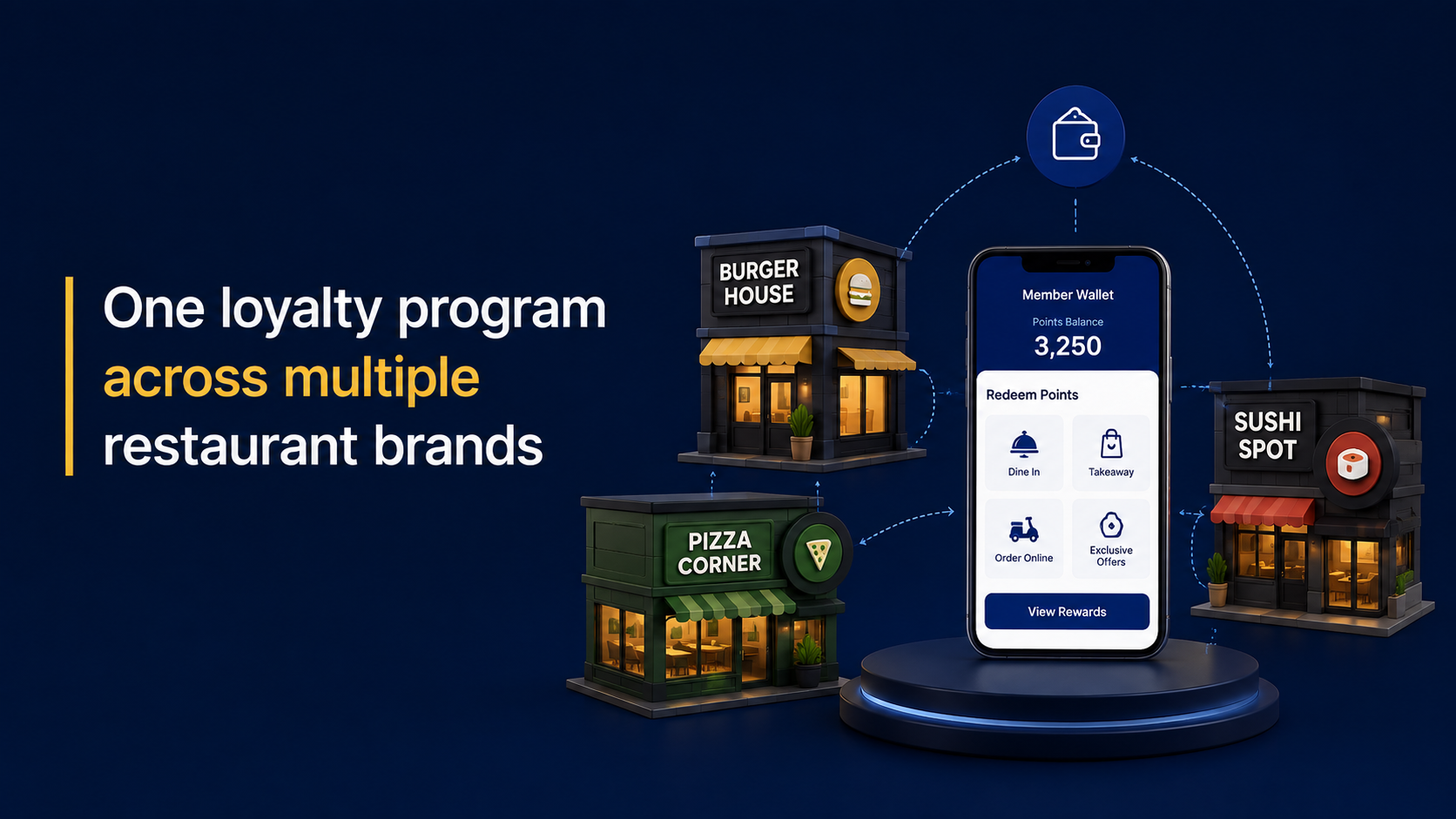
A unified member wallet lets points earned at one restaurant brand get redeemed at another.
Fraud prevention and maker-checker approval matter most once loyalty spans multiple brands.
Ask a loyalty manager at a multi-concept restaurant group how many systems their members deal with, and the honest answer is usually more than one. A new member signs up through a web form. An existing member renews through an email link, or worse, has to visit in person. Two customers, same brand family, completely different experience.
That disconnect is not a minor UX gap. It is the reason renewal rates lag and members quietly drift to whichever competitor makes redemption easier. For restaurant groups running several dining concepts under one umbrella, the fix is not a better app for one brand. It is one loyalty system that treats every brand in the portfolio as part of a single member relationship.
This post breaks down what that looks like in practice: where fragmented loyalty systems actually cost you retention, how a unified enrollment-to-renewal flow works across multiple restaurant brands, and how Xoxoday Loyalife builds this without forcing every brand onto identical rules.
Why restaurant loyalty breaks down once you have more than one brand
A single-brand loyalty program is a solved problem. A member signs up once, earns at one set of registers, and redeems at the same place they earned. Multi-brand groups do not get that simplicity for free.
The moment a group operates several dining concepts, whether fine dining, casual, or delivery-first, the loyalty question changes. Does a member's points balance travel with them across brands? Does a tier earned at one concept mean anything at another? Most platforms were not built to answer that, so groups end up running parallel systems that do not talk to each other.
The real cost of running loyalty on disconnected systems
New member enrollment and existing member management often run through entirely separate workflows: one process for sign-up, a different one for everything after. That split creates friction at exactly the moments loyalty programs are supposed to remove it.
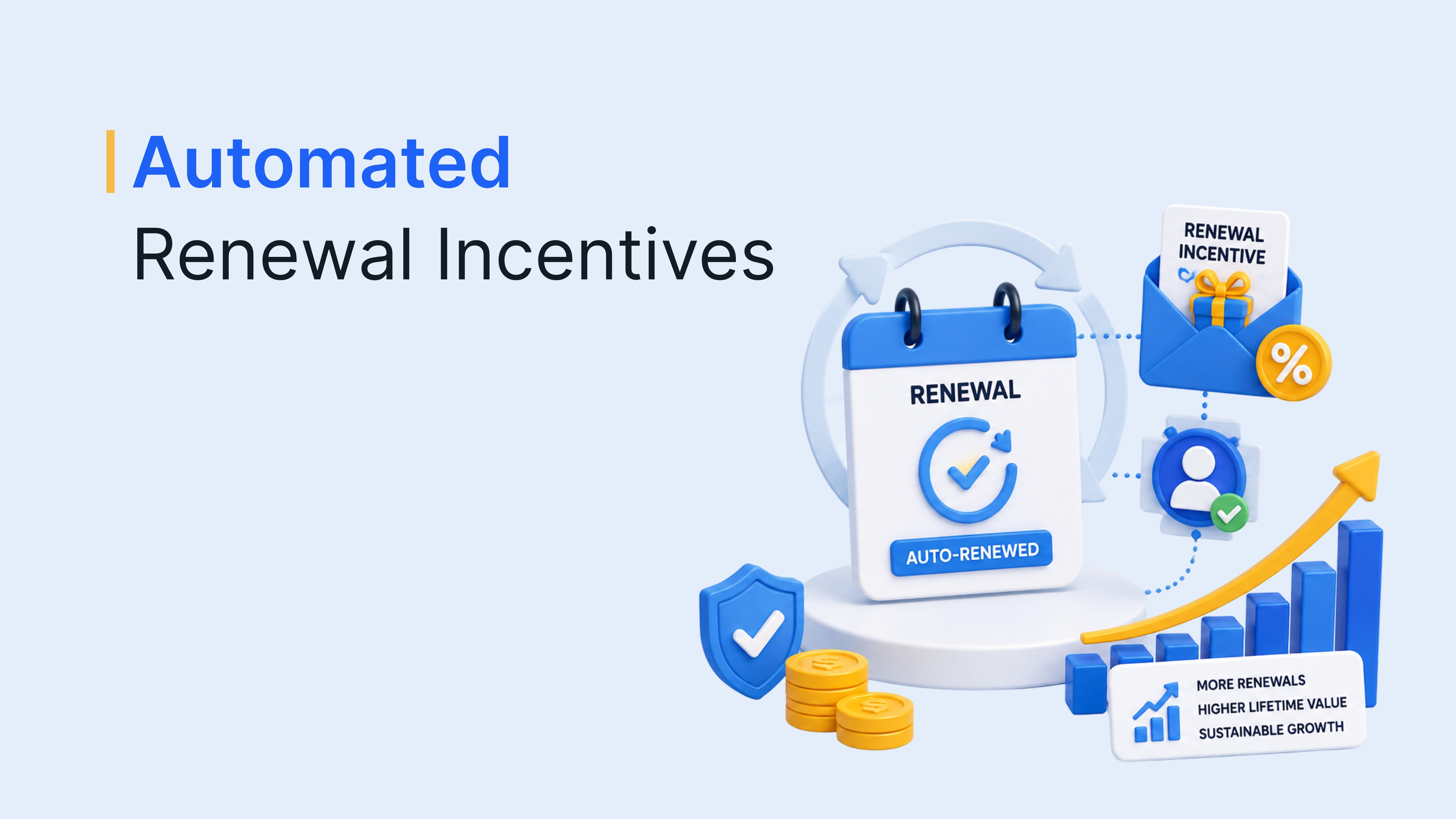
Renewal is where this shows up hardest. A member who has to renew through an email link, then confirm again in-store, is a member who has three chances to give up before finishing.
- Email renewal: member opens the message, clicks through, and often hits a login wall
- In-store renewal: member has to remember to ask, and staff have to remember to process it
- No unified record: support cannot see the full history across either channel
None of these steps are failures on their own. Stacked together, they are enough friction that a member skips renewal rather than fights through it.
Why renewal friction quietly kills repeat visits
Renewal friction does not look like churn in the moment. It looks like a member who simply stops engaging, without ever formally canceling.
According to Deloitte, 67% of loyalty members belong to two or more programs at once, which means most of your members are not choosing you by default. They are actively comparing. A renewal process that asks for more effort than it gives back in value is an easy program to let lapse in favor of a competitor's.
67%
Most loyalty members belong to more than one program
Members compare programs actively, so renewal friction is a real switching risk, not just an inconvenience. Source: Deloitte, "Second helpings: Building consumer loyalty in the fast service and casual dining restaurant sector."
This is exactly why renewal deserves the same design attention as enrollment. A program that makes joining easy but renewing hard is protecting the wrong moment.
See how Xoxoday Loyalife unifies enrollment, earn, and renewal across every brand you run
Book a Loyalife demo.
Book a Loyalife demoTrusted by 5,000+ companies
What unified loyalty looks like for a multi-brand dining group
Picture a member who joins through one brand's app, earns points at a second brand's counter next month, and redeems that balance at a third. That is not a hypothetical: it is what a closed-loop, multi-brand loyalty structure is built to support.
Enrollment starts wherever the member happens to be, in-store or through a web app, with a mobile number and OTP verification standing in for a password. A virtual loyalty card generates instantly, so there is no waiting period between signing up and being able to earn.
From there, earning follows rules the group sets, not a fixed template:
- Points per dollar spent, weighted differently by dining format (dine-in, takeaway, delivery)
- Bonus points for off-peak visits or new-location trials
- Tier multipliers, so higher-tier members earn faster without a separate program
- Monthly caps to control liability without capping the member experience
Deloitte's research on the loyalty spectrum found that 86% of consumers rate transactional benefits like points and discounts as important before anything more experiential comes into play. Multi-brand programs that skip straight to gamified perks without nailing the basic earn-and-redeem loop are building on a weak foundation.
Tiering and renewal in practice
Tiers give the earn-and-burn mechanics a reason to matter beyond the immediate transaction. A member who knows Gold status means priority reservations and early access to new menus has a reason to keep engaging past the first few visits.
Renewal works the same way when it is designed as a moment of value, not a compliance checkpoint:
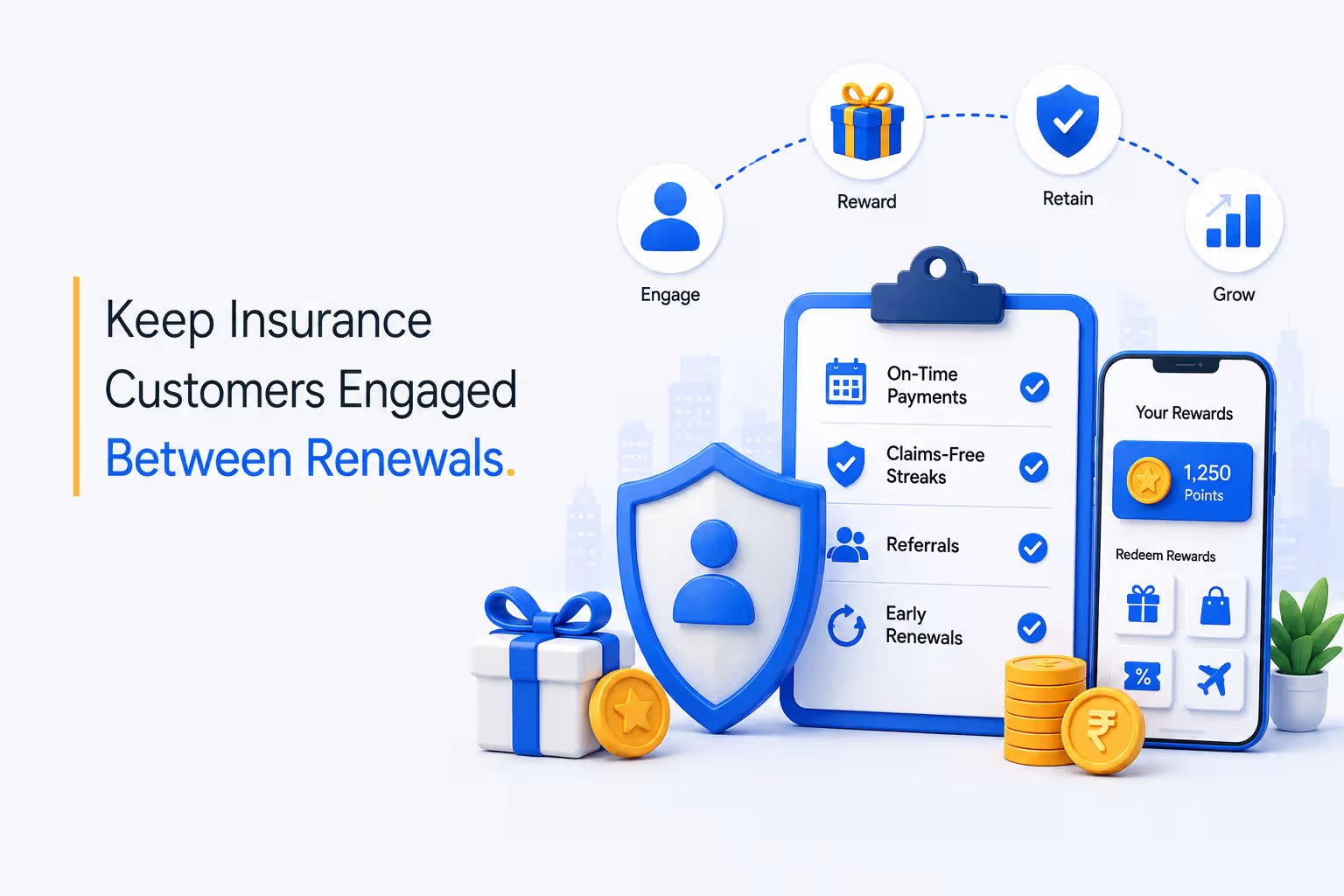
- Points-validity extensions for members who renew before expiry
- Bonus dining credits attached specifically to the renewal action
- Referral codes generated automatically at renewal, turning a retention touchpoint into an acquisition one
None of this requires the member to think about which brand they are interacting with. The tier and the renewal status belong to the member, not to any single concept in the portfolio.
How Xoxoday Loyalife unifies enrollment, earn, and burn across every brand
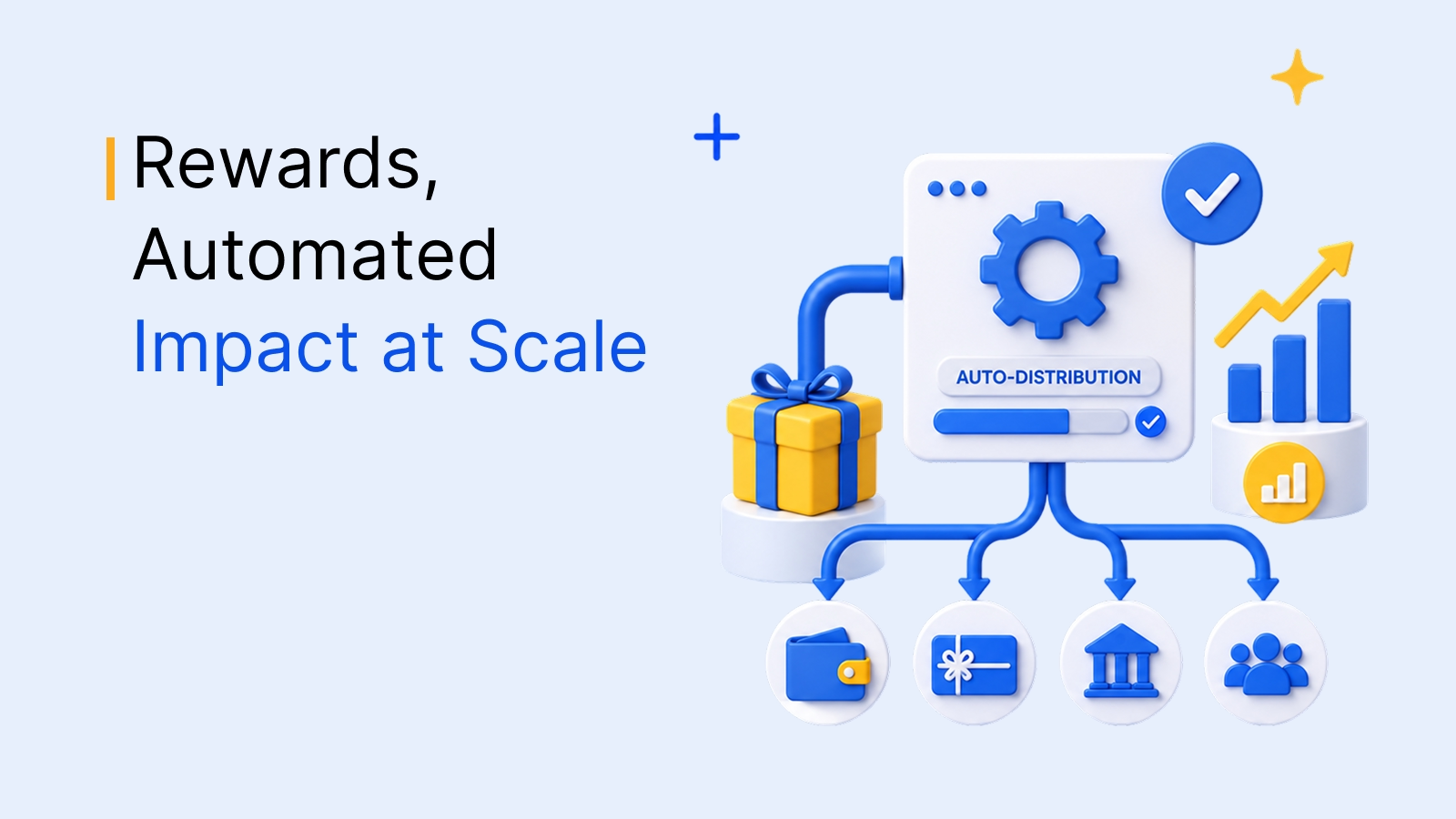
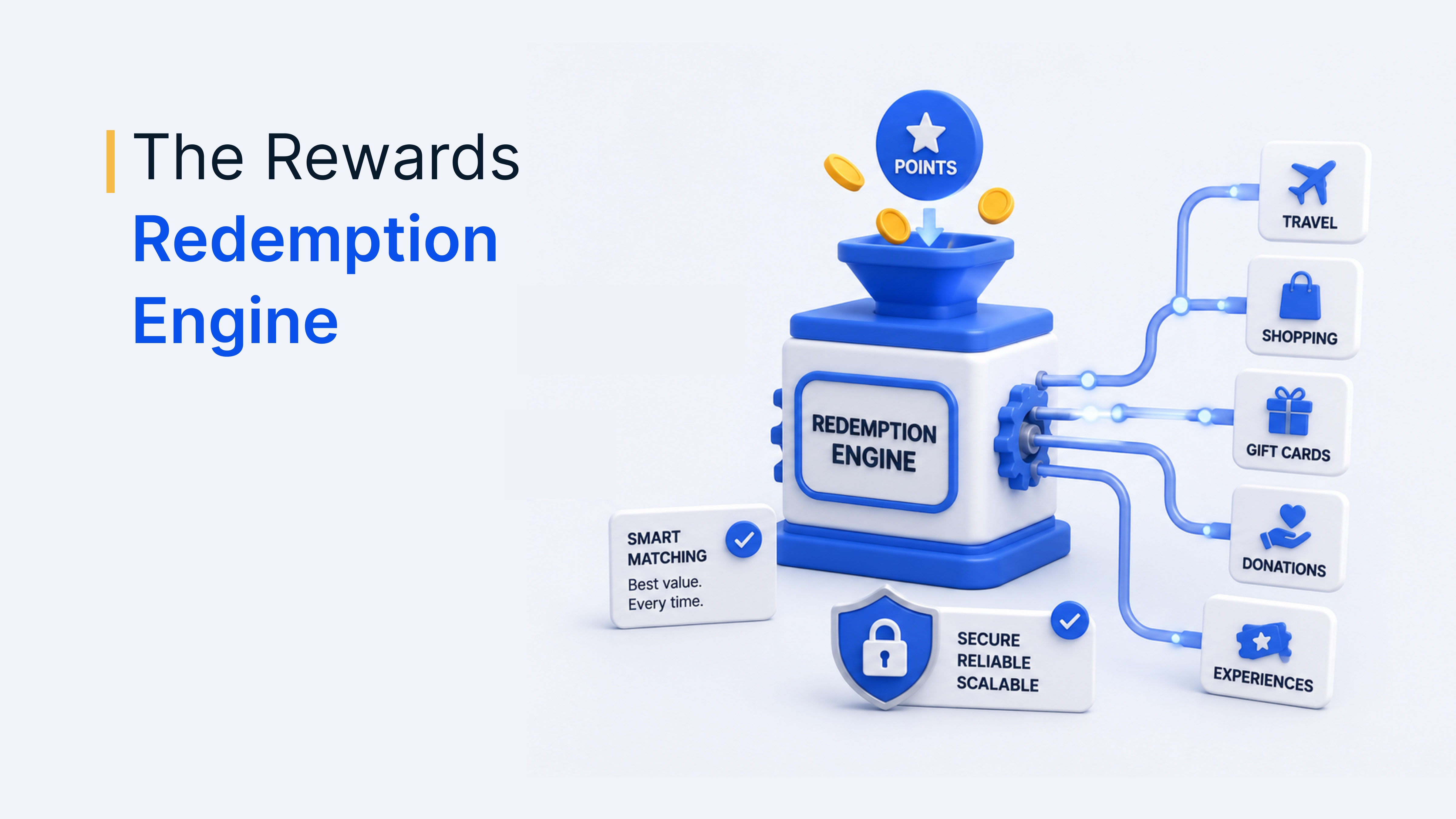
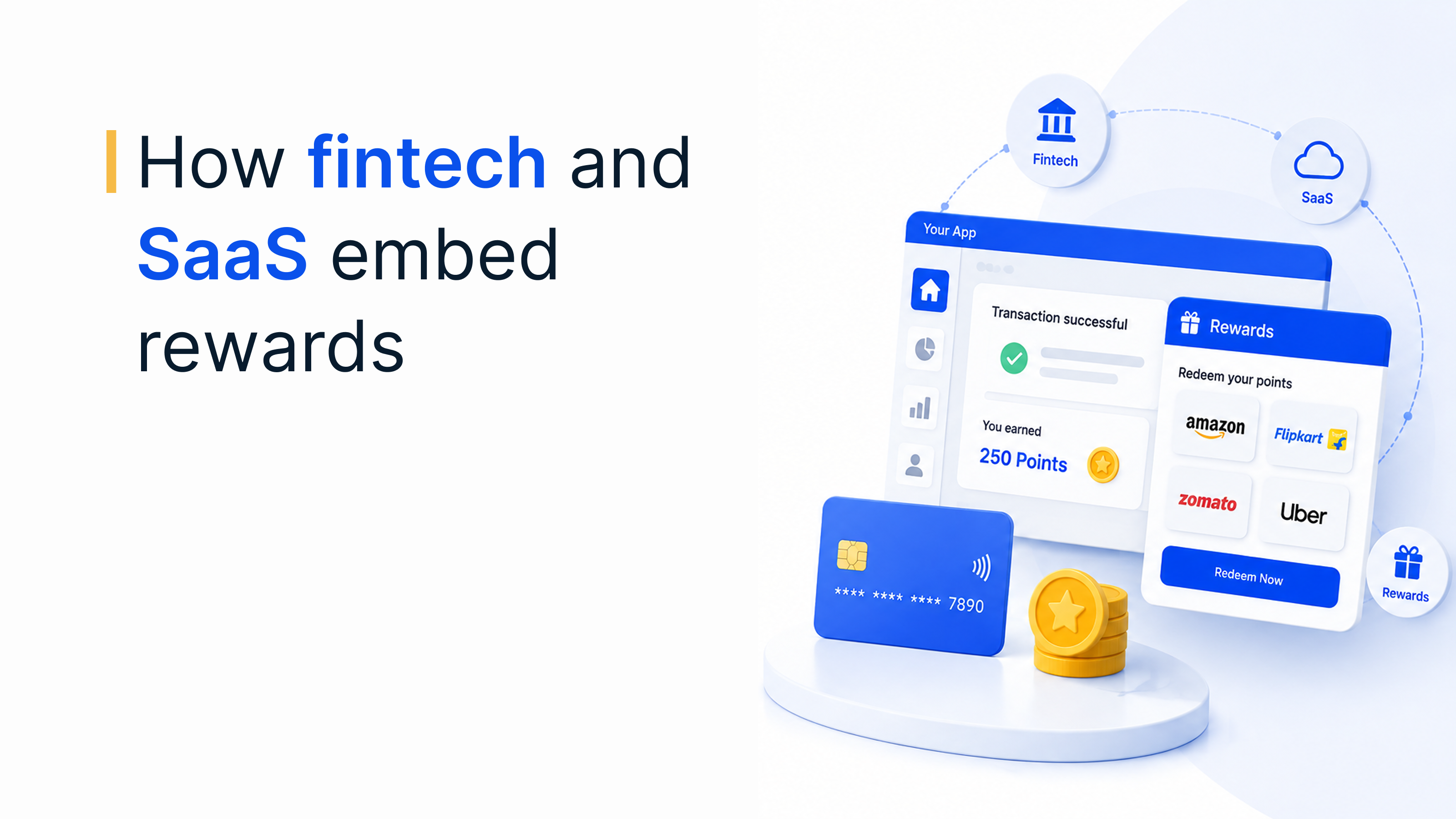
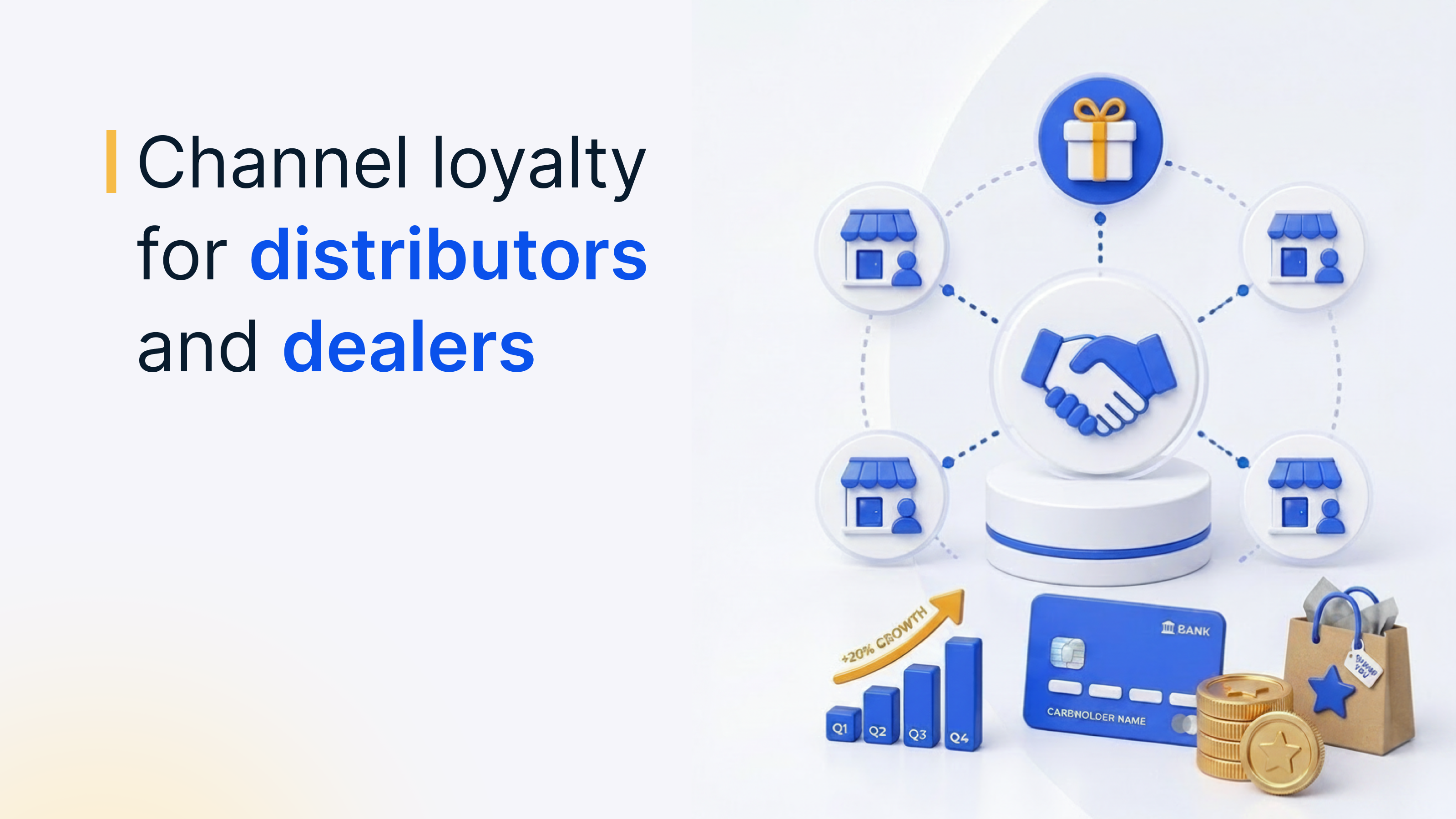
Loyalife's rule engine is what makes cross-brand consistency possible without forcing every brand into identical mechanics. Each brand can run its own earning logic, transaction types, and promotional windows, while the member's underlying wallet stays singular.
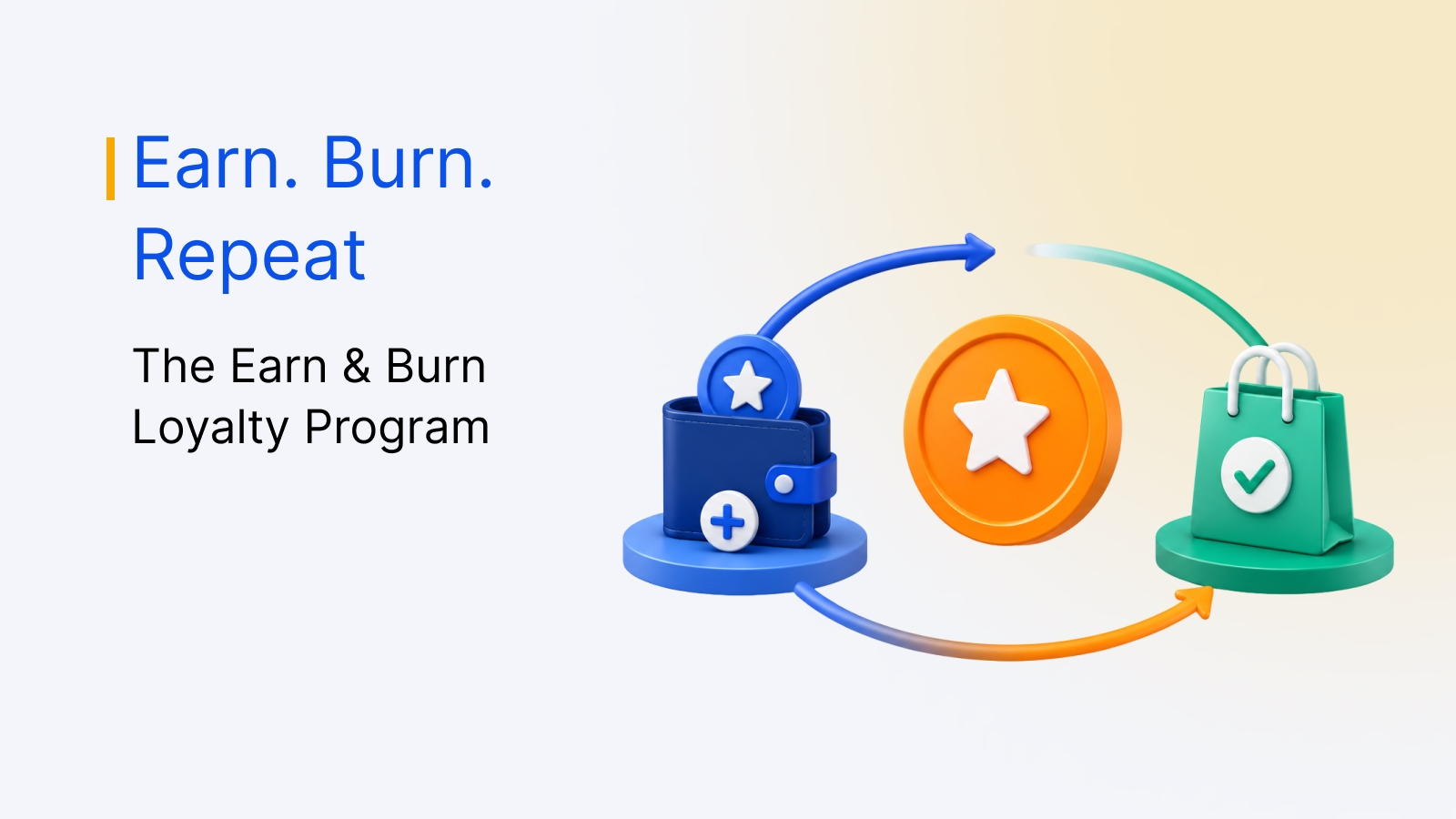
That single wallet is the part most platforms get wrong. Members earn at any brand in the portfolio and redeem at any other, without the group needing to reconcile balances manually across systems. A member who earns dining credit at one concept can spend it at a sister brand's chef's table event without anyone on staff needing to check a spreadsheet.
Related reading: our complete guide to customer loyalty programs covers how tiered structures translate into measurable retention gains outside the restaurant category specifically.
Built-in fraud prevention and audit controls for loyalty at scale
Most loyalty content skips straight past this, but it matters the moment a program spans multiple brands and touchpoints: who is checking that redemptions are legitimate, and who is checking the checkers?
Loyalife builds anomaly detection directly into both the earn and burn workflows, flagging accrual or redemption patterns that fall outside expected thresholds for review before they process. On top of that, a maker-checker model means high-impact changes, like manual point adjustments or tier overrides, require a second approval before they take effect.
| Dimension | Single-brand loyalty | Closed-loop multi-brand loyalty (Loyalife) |
|---|---|---|
| Enrollment | One channel, one brand's system | Multi-channel (web, in-store), single member ID across brands |
| Earn scope | Points valid only at the enrolling brand | Points earned at any brand in the group |
| Redemption scope | Redeem only where earned | Redeem across any brand, plus marketplace options |
| Renewal handling | Manual or single-channel renewal | Automated renewal with validity extensions and referral triggers |
| Fraud and audit | Varies by brand, often untracked centrally | Centralized anomaly detection and maker-checker approval |
This is not a security footnote. For a group running several brands under one loyalty umbrella, centralized audit trails are what make it possible to trust that a discount applied at one concept was authorized the same way a discount at another concept would be.
Getting a multi-brand loyalty program live
Rolling out a program across multiple brands is not a single switch-flip. It moves through defined stages: scoping program objectives and milestones, configuring the system against each brand's specific rules, running structured testing and a proof-of-concept sign-off, then moving into production with a formal go-live confirmation.
Each stage produces something concrete before the next one starts, which matters most for groups that cannot afford a botched launch across brands their members already trust individually.
For a deeper look at where loyalty programs are heading generally, our loyalty program trends piece covers gamification and subscription models beyond the restaurant category.
Your next step to unifying loyalty across every brand you run
A loyalty program built for one restaurant brand will always feel like a compromise once you are running three or five. The fix is not more programs. It is one system flexible enough to let each brand keep its own rules while the member relationship stays whole.