Most loyalty platform demos look identical. Points engine, tiers, a branded portal, a dashboard with the word "engagement" on it somewhere.
The difference shows up eighteen months in, when your program has outgrown the use case you bought it for and the vendor's only answer is custom development.
That gap is why platform selection has become its own discipline now. Budgets for loyalty are shrinking while CMOs are asked to justify every dollar of it. Pick the wrong platform and it compounds that pressure instead of solving it.
This list ranks 10 customer loyalty platforms worth evaluating in 2026, based on deployment model, breadth of program types supported, and what each vendor is genuinely built to do well.
What Actually Makes a Loyalty Platform Worth Switching To in 2026
Every platform on this list claims personalization and AI. Few back it up with a real data foundation. Fewer still can extend a program past a single channel.
15-25%
Annual revenue lift
from top-performing loyalty programs, per redeemer
2 in 3
Programs underdeliver
established loyalty programs failing to add value
4.3%
Of marketing budget
CMOs allocated to loyalty in 2026, down 22% YoY
Source: McKinsey & Company, "Next in loyalty: eight levers to turn customers into fans"; Gartner Market Guide for Loyalty Program Vendors, 2026.
- Personalization that uses first-party data, not guesswork. A platform should build offers from actual purchase and engagement history, not generic segment rules that treat every "gold tier" member the same way.
- Omnichannel reach. In-store, app, and web activity need to feed the same member profile in real time. A platform that only tracks online orders misses most of what a retail or BFSI brand actually needs to reward.
- Integration depth. The platform has to sit inside a CRM, POS, or core-banking stack without months of custom API work. Ask for a reference customer with a similar tech stack, not a generic integrations page.
- Scalability across program types. A platform built only for points-and-tiers eCommerce loyalty will struggle the moment a brand adds a channel partner program or a coalition partnership.
- Cost that scales predictably. Per-member pricing looks simple until redemption volume grows and per-transaction fees or tier-based markups show up in year two.
How We Compared These 10 Platforms
Each platform is ranked on the five criteria above, weighted toward program breadth and integration depth. That's where most switching decisions in this category actually get made. Every claim about a vendor's features comes from that vendor's own homepage, described in our own words.
See how Loyalife runs customer, channel, and influencer loyalty from one platform
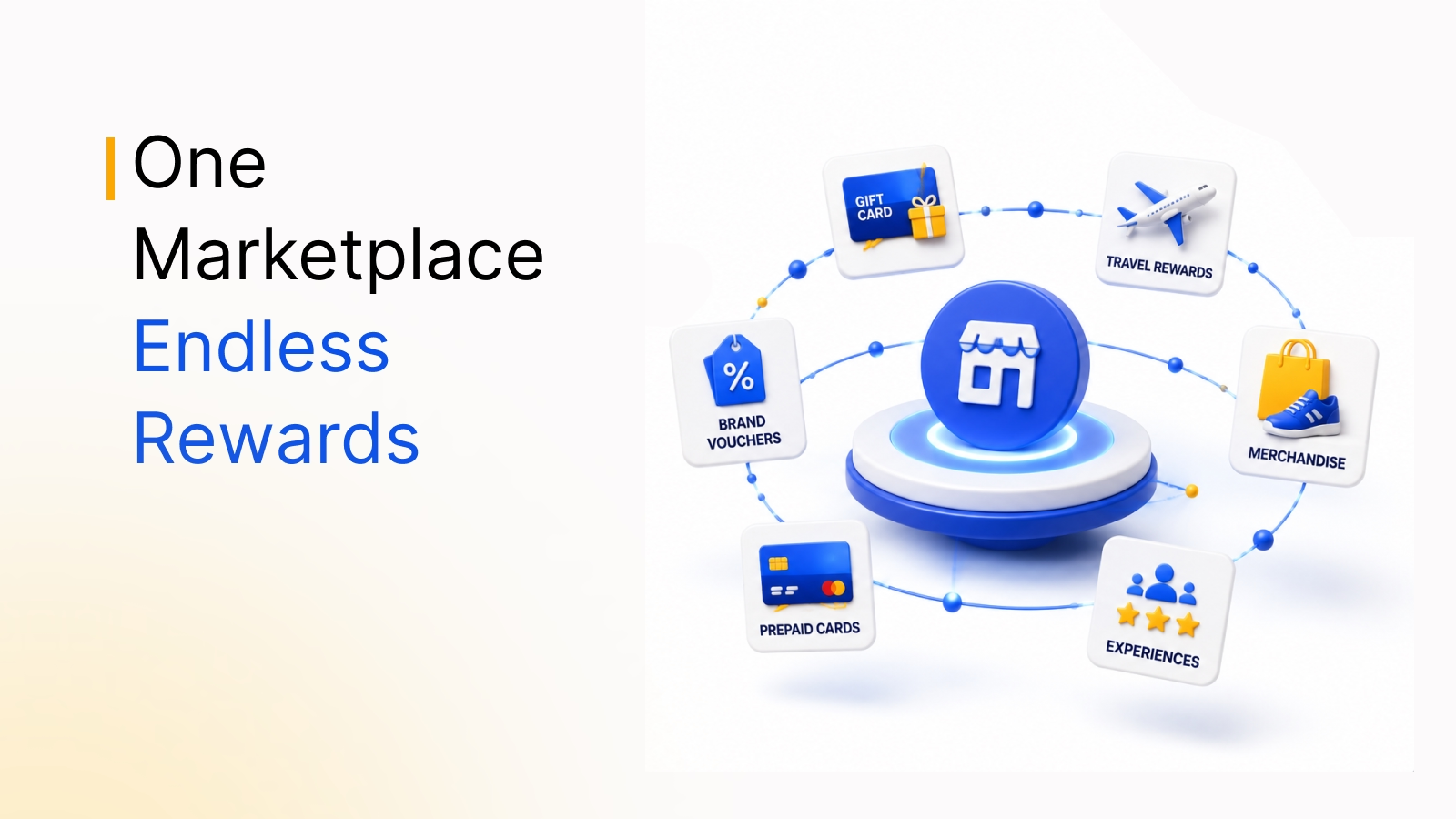
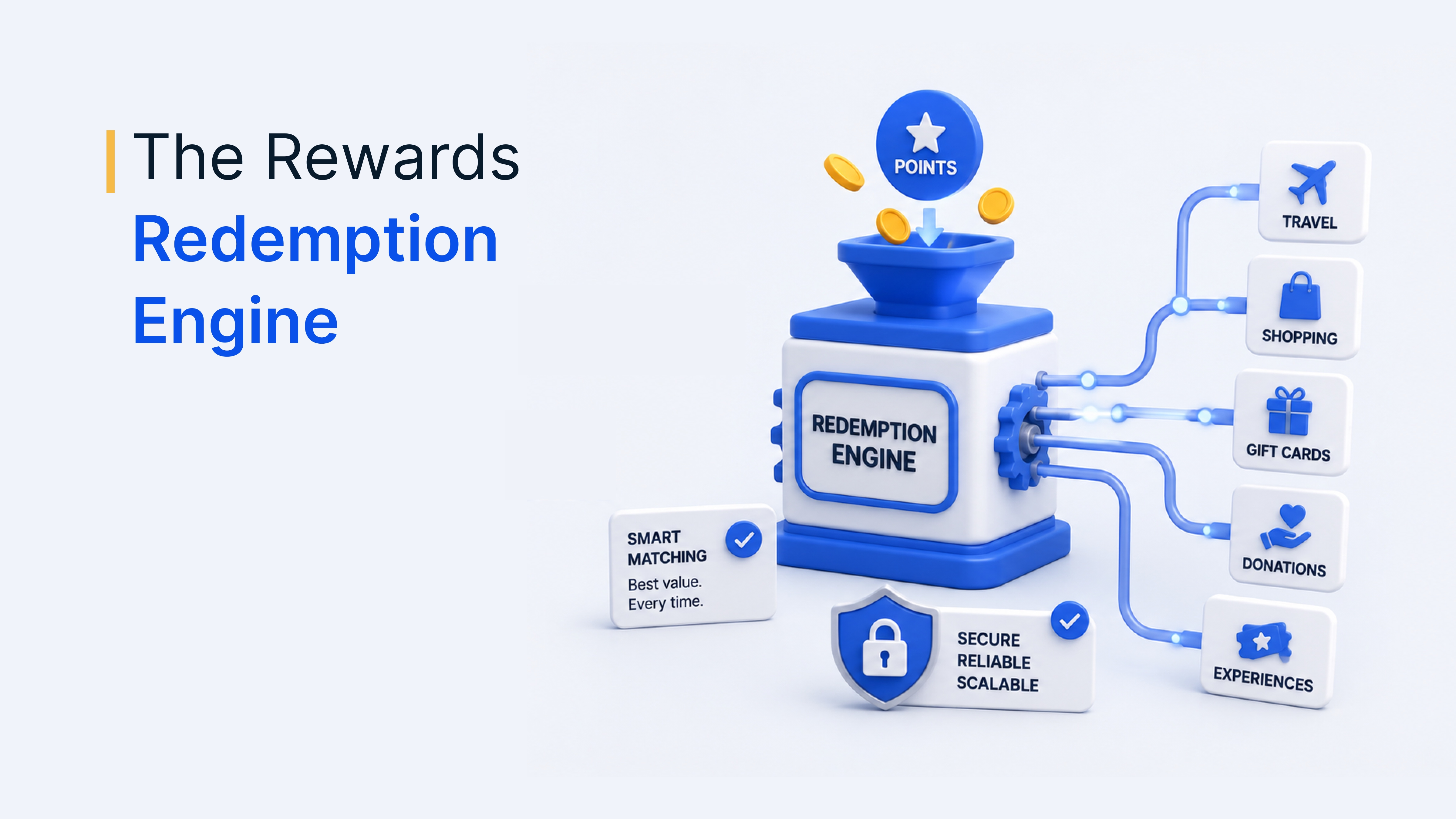
Points, tiers, coalition, and partner rewards, backed by a 10M+ option marketplace across 150+ countries.
Book a free 30-min demoTrusted by 5,000+ companies
The 10 Best Customer Loyalty Platforms, Ranked
1. Xoxoday Loyalife
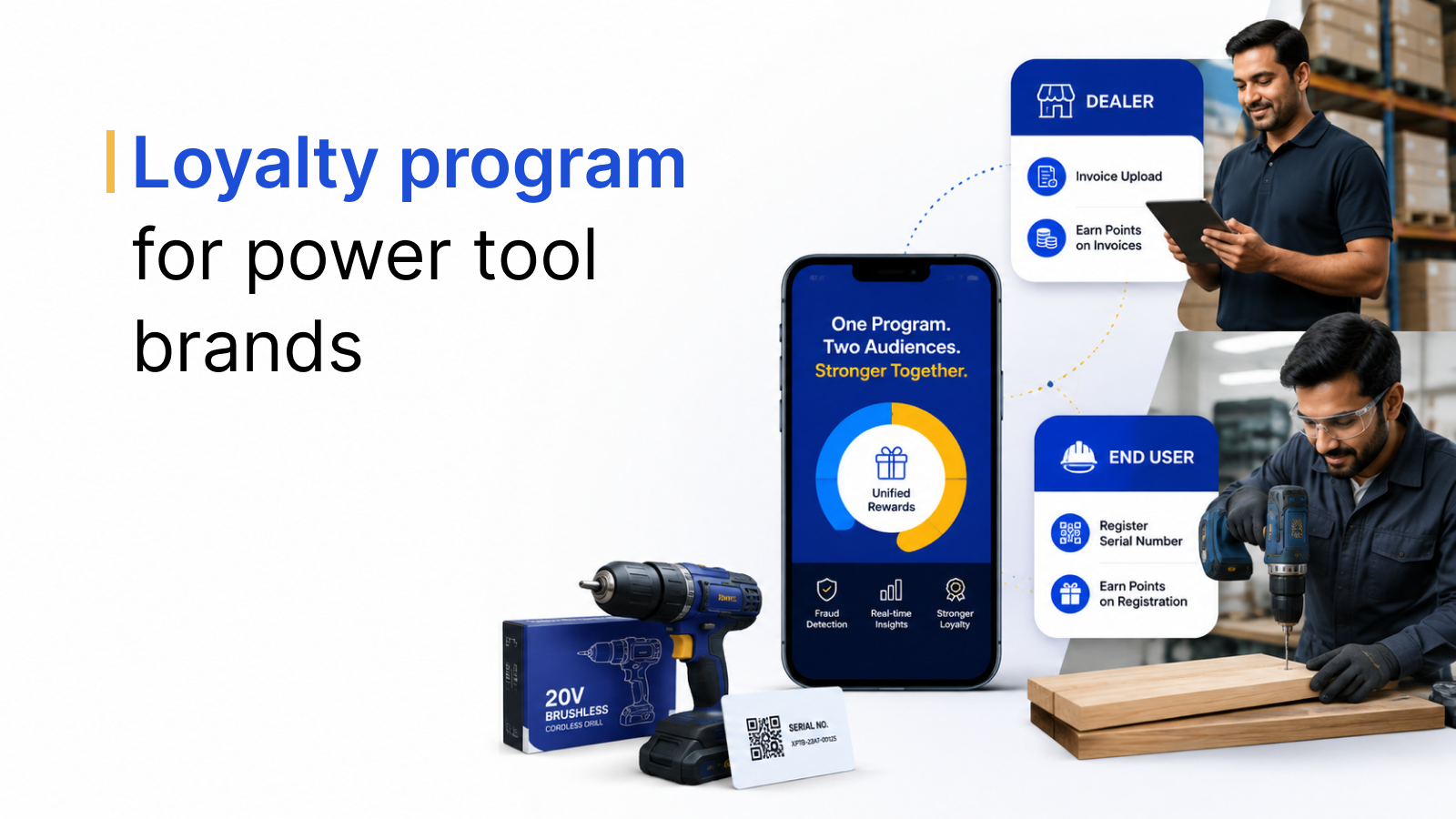
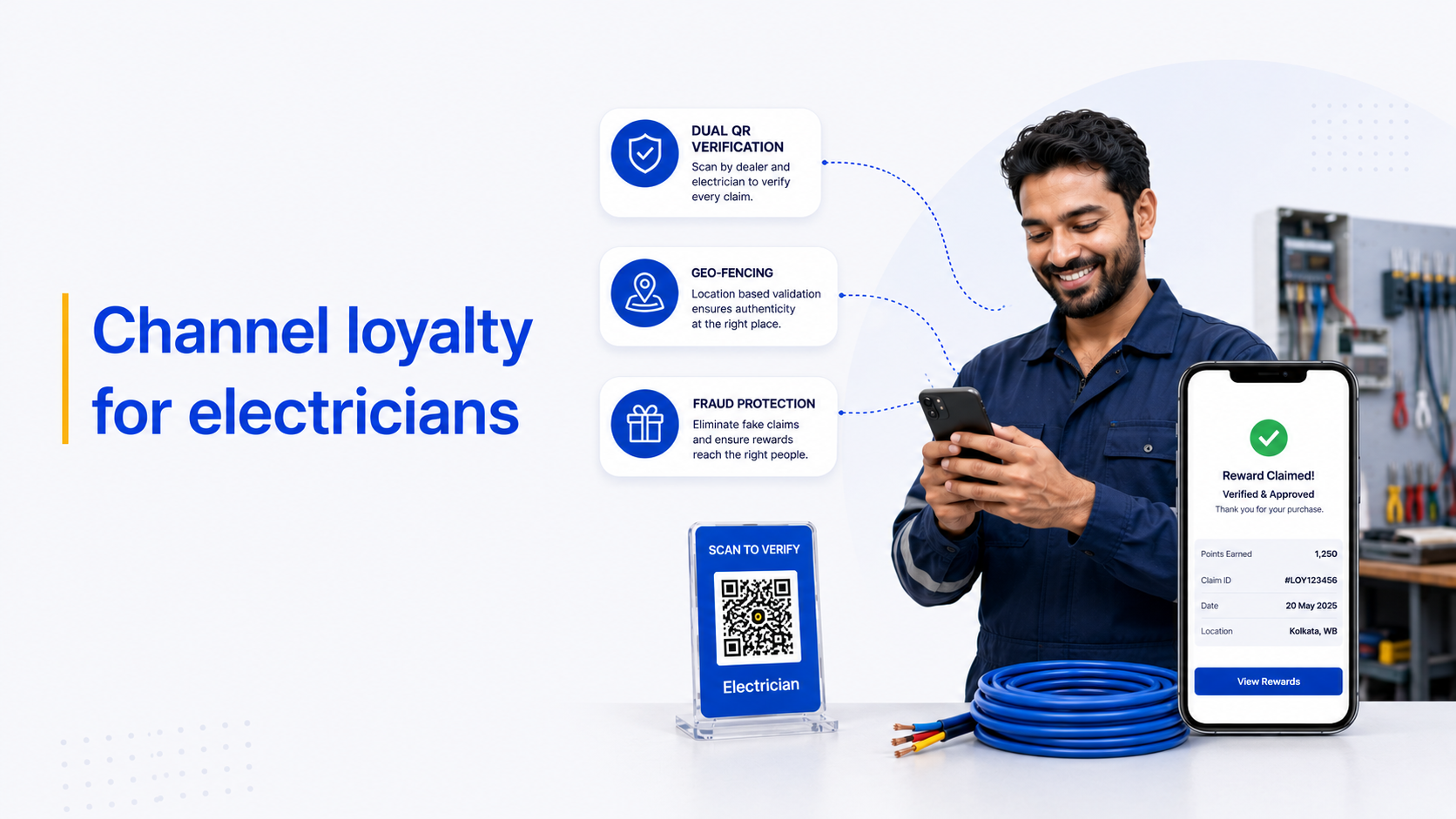
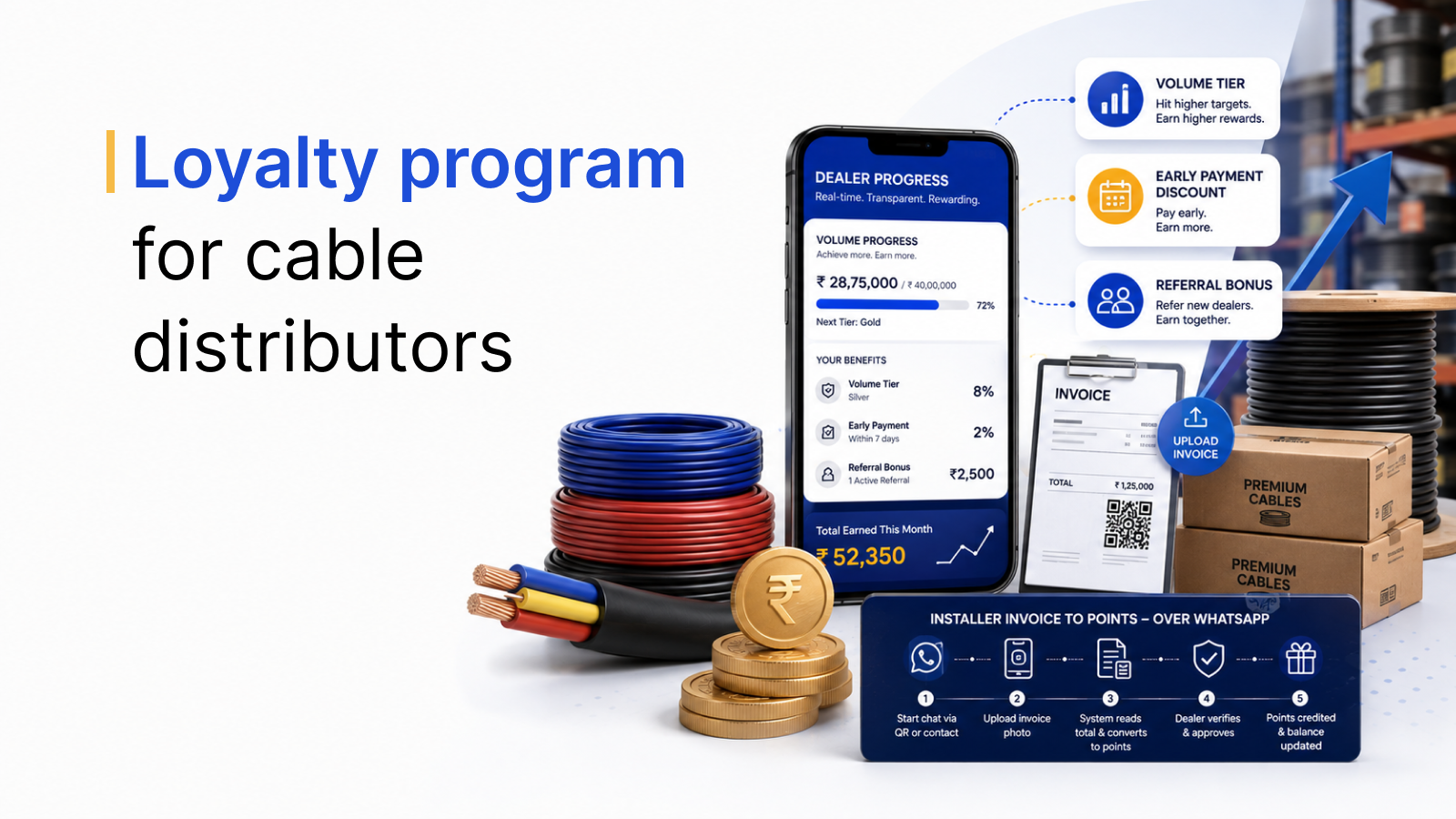
Loyalife is the only platform on this list built to run customer, channel, and influencer loyalty from a single account, not three separate tools stitched together. It covers points, tiers, coalition programs, and partner or dealer rewards, backed by a shared marketplace of 10M+ redemption options across 150+ countries. A brand running a consumer points program and a dealer incentive scheme sees both in the same dashboard, instead of reconciling two vendor exports to understand total reward spend.
Standout: brands that need to reward end consumers and trade partners, distributors, dealers, influencers, from one system, without running parallel platforms, get that natively here. SOC 2 certified and GDPR compliant, with an AI layer for churn prediction and next-best-action nudges.
2. Kobie
Kobie Alchemy is an AI-powered enterprise loyalty cloud built around end-to-end personalization. Its standout feature, "Bonnie," is marketed as the industry's first AI Loyalty Assistant, built to guide engagement decisions across the member lifecycle. Bonnie is positioned to recommend the next offer or tier movement for a member automatically, rather than leaving that call to a marketer manually segmenting lists.
Standout: enterprises that want AI recommendations driving day-to-day program decisions, not just reporting after the fact.
3. Oracle CrowdTwist
Oracle's loyalty and engagement platform takes an engagement-first approach, rewarding social activity, surveys, and content consumption alongside purchases, not purchases alone. It's built for multi-brand corporations already inside the Oracle CX ecosystem. Rewarding non-purchase behavior gives a brand a way to stay relevant to a customer between purchase cycles, rather than going quiet until the next transaction.
Standout: brands wanting to reward the full relationship, not just transactions, and already running on Oracle's stack.
4. Annex Cloud
Annex Cloud pairs loyalty with a built-in referral engine and gamification, aimed at giving marketing teams direct control. Its pitch is marketer autonomy: build, launch, and edit campaigns without a dev ticket or release cycle. That autonomy matters most for a marketing team that has been waiting weeks for engineering time just to test a new points multiplier.
Standout: marketing teams that want to iterate on campaigns weekly without waiting on engineering resources.
5. Marigold Loyalty
Formerly Cheetah Digital, Marigold Loyalty is built into a broader enterprise CRM and campaign suite, backed by the Publicis/Epsilon ecosystem. It's less a standalone loyalty tool than a loyalty module inside a full marketing stack. That positioning fits a brand that already runs its email and SMS through the Marigold suite and doesn't want a separate loyalty vendor to sync data with.
Standout: brands that want loyalty data flowing directly into the same system running email, SMS, and campaign orchestration, instead of syncing two platforms.
6. Eagle Eye
Eagle Eye combines loyalty management with AI-driven personalization and omnichannel promotions, built for large retailers. The company states it powers over 1.7 billion personalized offers a week across its retail client base. That volume is built for a national grocery chain running promotions across thousands of stores in real time, not a single-location retailer's loyalty program.
Standout: grocery and large-format retail chains that need real-time, card-linked promotions at national scale.
7. Open Loyalty
Open Loyalty is a headless, API-first platform offering a composable toolkit of points, tiers, challenges, referrals, and games. Nothing ships as a fixed front end. Every mechanic is meant to be assembled into an existing app or site. That headless approach suits a brand with a strong design system that doesn't want a vendor's default UI showing up inside its own app.
Standout: engineering-led teams that want to build a fully custom loyalty experience on their existing stack instead of adopting a vendor's UI.
8. Yotpo
Yotpo Loyalty is built for Shopify and other eCommerce brands to launch and scale loyalty programs without developer involvement, bundled with the company's reviews and UGC products. Implementation comes with dedicated specialists and ongoing support. Bundling loyalty with reviews and UGC means a five-star review and a loyalty points earn can trigger from the same customer action, without a separate integration.
Standout: D2C brands that want loyalty, reviews, and customer content managed inside one vendor relationship.
9. LoyaltyLion
LoyaltyLion is a Shopify-focused loyalty platform that layers AI analysis on top of program design, drawing on data from over 250 million loyalty members across its client base to flag where a program can drive the most revenue. That benchmark data gives a merchant launching their first program a starting point grounded in what's actually worked elsewhere, instead of guessing at point values from scratch.
Standout: Shopify merchants who want data-backed guidance on program design, not just a rules engine to configure themselves.
10. Smile.io
Smile.io is a self-serve loyalty platform built for Shopify brands, with its newest feature, "Loyalty Hub," giving customers a dedicated space to track points and browse rewards. It's positioned for speed of setup over depth of customization. The self-serve model means a small team can launch a working program in an afternoon, without a sales call or an implementation project.
Standout: smaller D2C brands launching their first loyalty program who want to be live in days, not months.
Feature and Fit Comparison at a Glance
Ten platforms. Four things that actually separate them.
| Platform | Deployment model | Core strength | Best for |
|---|---|---|---|
| Xoxoday Loyalife | Enterprise, multi-program | Runs customer, channel, and influencer loyalty from one account | Brands rewarding both consumers and trade partners |
| Kobie | Enterprise | AI Loyalty Assistant ("Bonnie") driving personalization | Enterprises wanting AI-led engagement decisions |
| Oracle CrowdTwist | Enterprise, Oracle ecosystem | Engagement-first rewarding beyond purchases | Multi-brand corporations on the Oracle CX stack |
| Annex Cloud | Enterprise | Marketer self-service, no-dev campaign control | Teams that want to iterate on campaigns weekly |
| Marigold Loyalty | Enterprise CRM + loyalty | Loyalty bundled into a full CRM/campaign suite | Brands wanting loyalty inside one marketing stack |
| Eagle Eye | Enterprise retail | AI personalization at scale, 1.7B+ offers weekly | Grocery and large-format retail chains |
| Open Loyalty | Headless, API-first | Composable mechanics toolkit, no fixed front end | Engineering-led teams building a custom experience |
| Yotpo | eCommerce (Shopify) | No-code launch bundled with reviews and UGC | D2C brands wanting loyalty and reviews in one vendor |
| LoyaltyLion | eCommerce (Shopify) | AI benchmarking from 250M+ member dataset | Shopify merchants wanting data-backed program design |
| Smile.io | eCommerce (Shopify), SMB | Self-serve simplicity, fast setup | Smaller D2C brands launching their first program |
See how Xoxoday Loyalife handles customer, channel, and influencer loyalty from one platform. Book a free 30-min demo.
How Xoxoday Loyalife Approaches Customer Loyalty
Most vendors on this list solve one slice of loyalty well. Loyalife starts from a different question. What happens when a brand's loyalty needs don't stay inside one category?
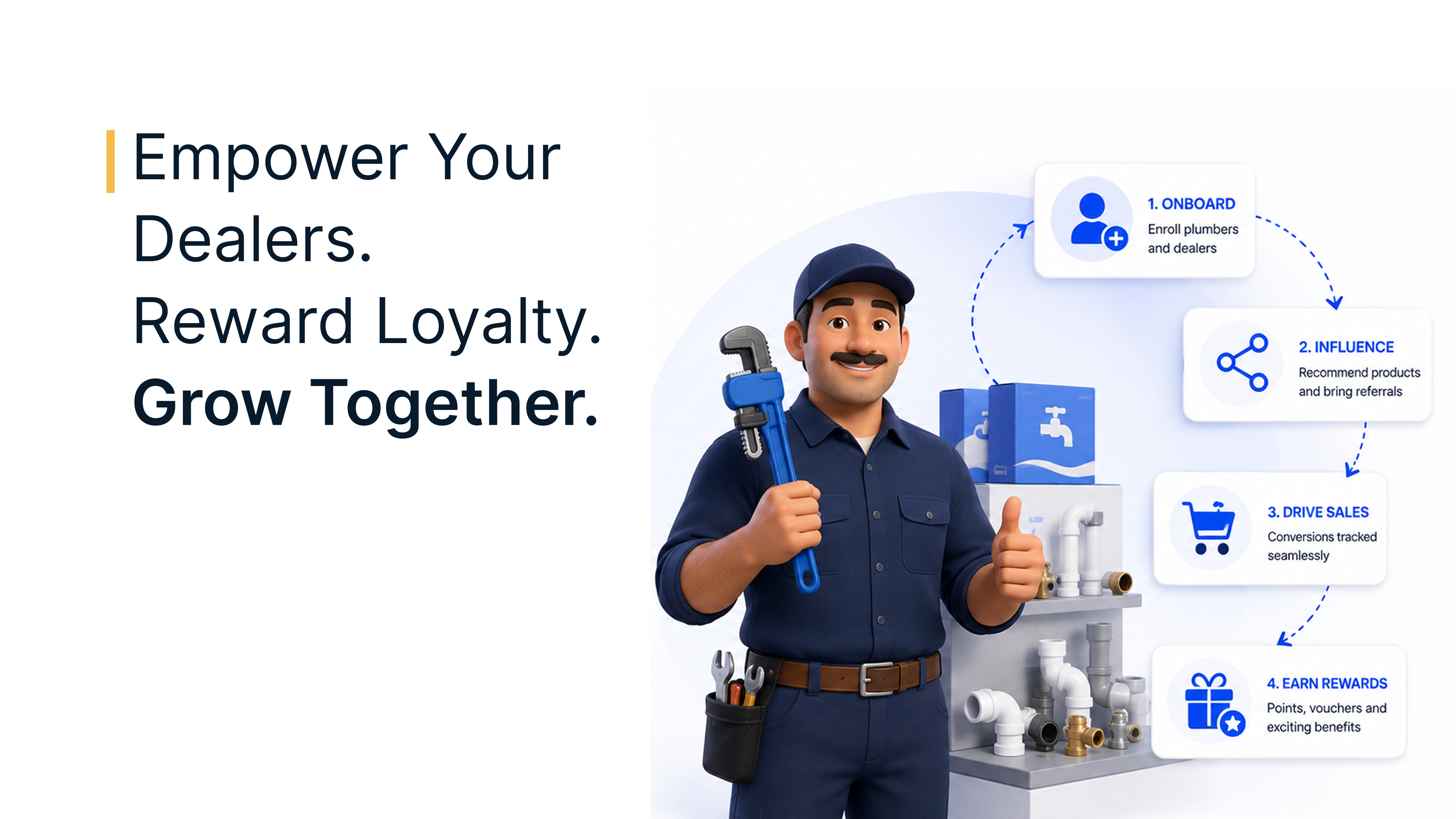
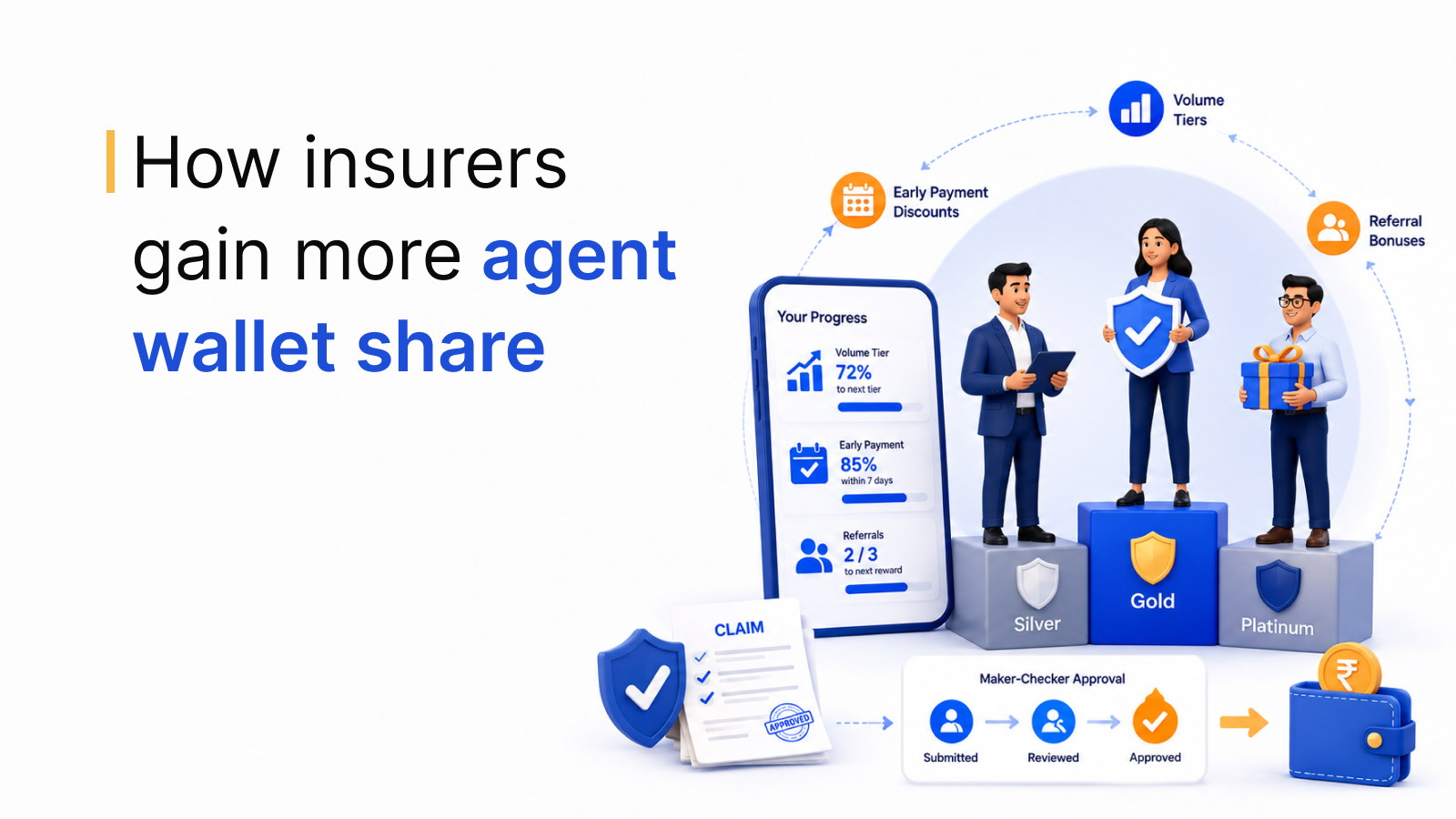
A retail bank that wants card-spend rewards for cardholders often also needs a program for the DSAs and agents who source those customers. An FMCG brand rewarding shoppers usually needs a parallel program for the distributors and retailers moving that same product. Running those as separate platforms means separate integrations, separate reporting, and separate vendor relationships to manage.
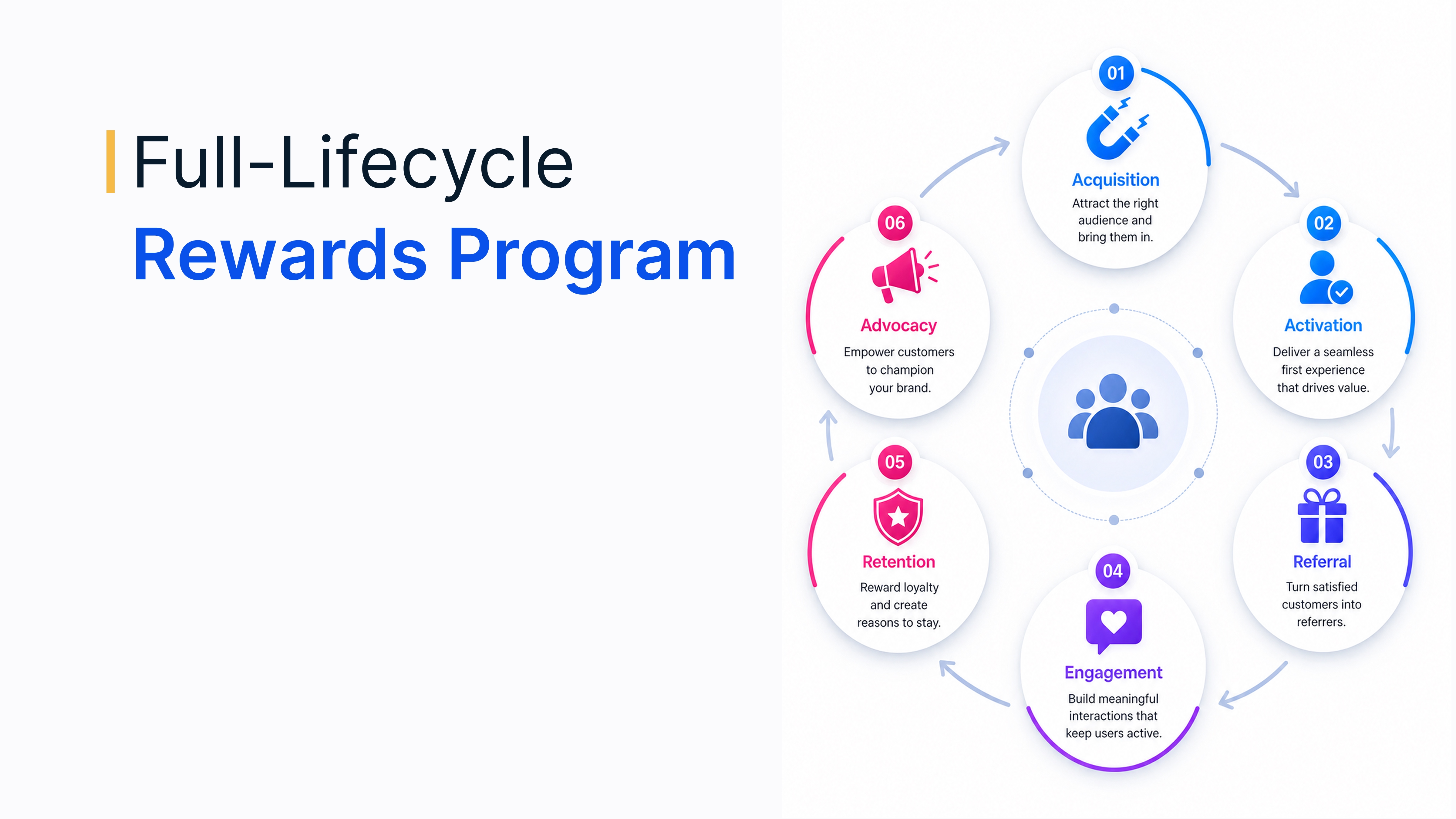
Loyalife runs customer, channel, and influencer programs from the same member-management core, with a shared rewards marketplace behind all of them. That's the case for starting here, not just listing it here.
What to Ask Before You Switch Platforms
Nobody ranking for this topic answers the question that actually decides whether a switch goes well: what happens to your program data and member history during the move.
Ask every shortlisted vendor these questions before signing:
- How does pricing change as redemption volume grows, not just member count? Per-transaction fees and tier-based markups are where year-two costs usually surprise finance teams.
- Can this platform run more than one program type without a separate contract? If a channel or influencer program is even a possibility later, confirm it now, not after you're locked in.
- What does data migration actually involve? Get a written timeline and confirm member point balances and history transfer without a reset.
- Who owns implementation after the sales cycle ends? Ask for the name of the implementation team, not just the account executive's promise of support.
Book time with the Xoxoday Loyalife team to walk through a migration plan before you commit to a platform.