Key Takeaways
ABM gifting works because of reciprocity, not because the gift itself closes the deal.
Gift cards and prepaid cards beat merchandise for ABM because they clear compliance faster and work the same in any country.
A gifting program with no single owner across demand gen, field marketing, and RevOps usually loses its measurement within two quarters.
Most B2B marketers think a gift is a bribe. That's why their ABM programs skip it entirely, then wonder why a personalized email to their dream account still gets ignored.
The account-based marketers who do use gifting are not buying attention. They are using a documented behavioral principle that predates modern marketing by centuries. It works quietly, in the background, on people who would never admit a gift card changed their mind.
By the end of this, you will know whether your target account list is even a fit for gifting, and which reward format actually earns a response.
What is ABM gifting - definition and scope
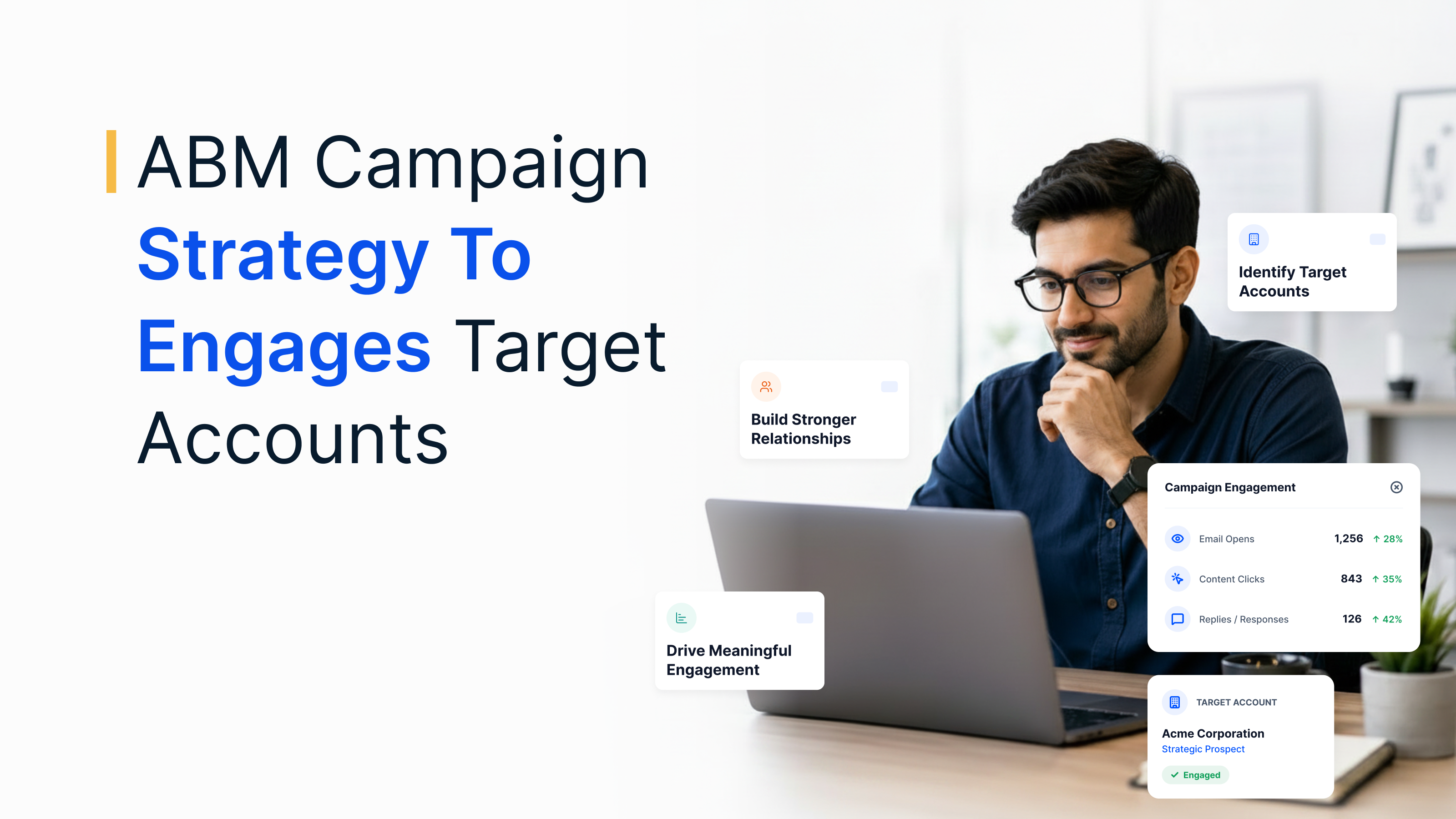
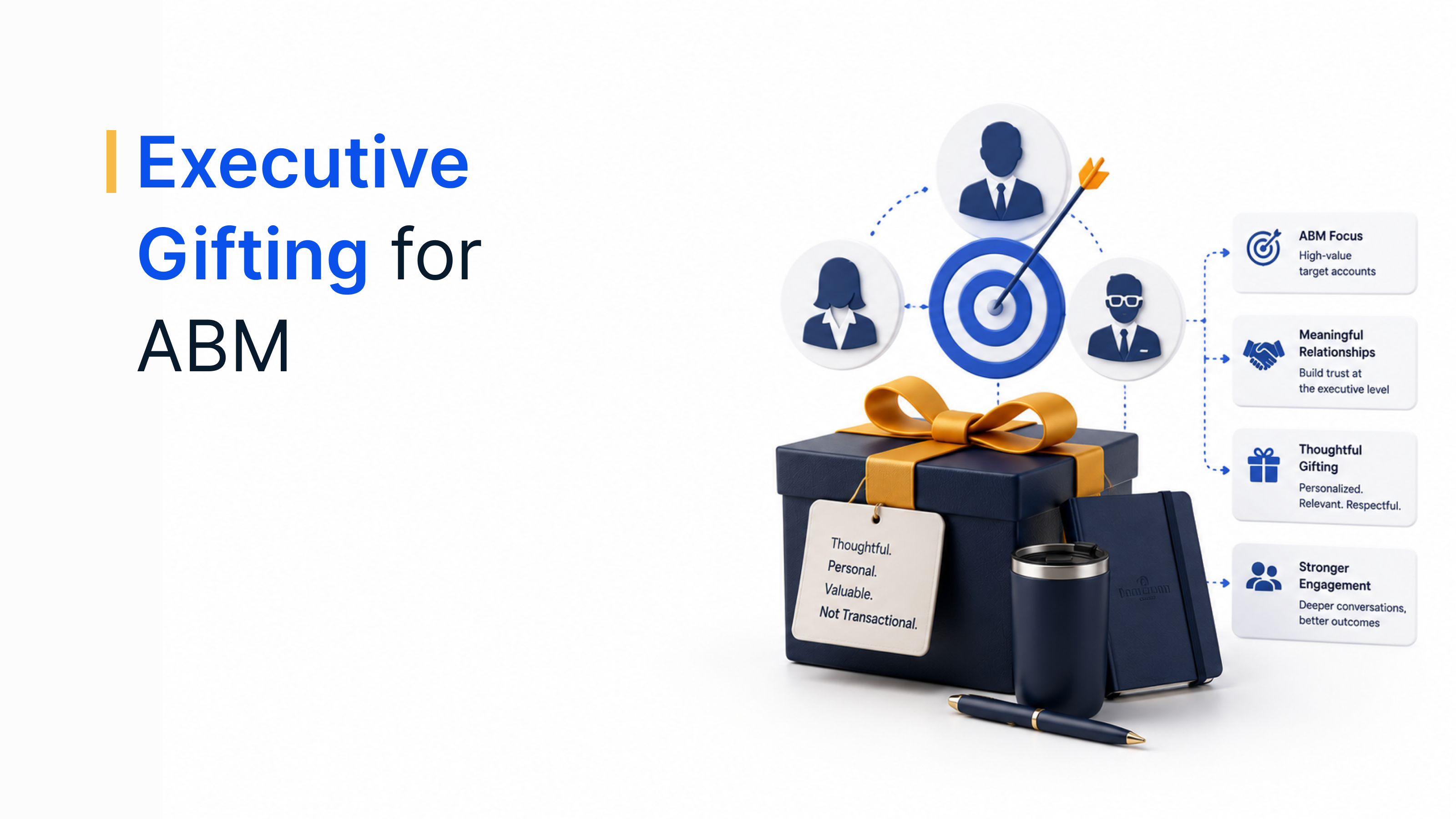
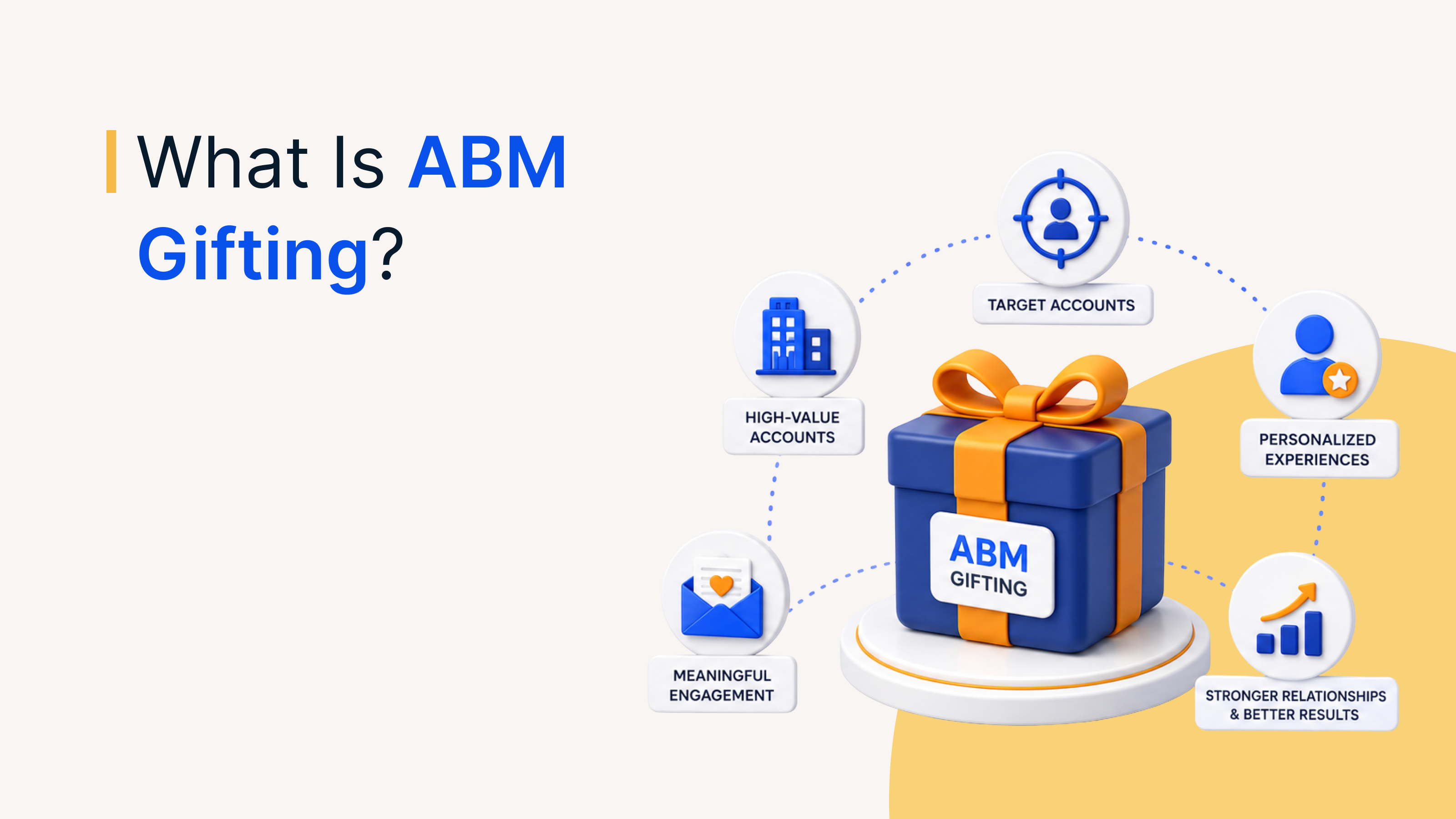
ABM gifting is the practice of sending a physical or digital reward, a gift card, an experience, branded merchandise, or a prepaid card, to a specific named contact at a target account, as part of an account-based marketing motion.
It is not mass swag distribution. Every gift maps to one account, one contact, and one intended action: accept a meeting, attend an event, complete a survey, or simply remember your name when the buying committee convenes.
Scope matters here. ABM gifting sits inside account-based marketing, not next to it. A gift with no account strategy behind it is just a giveaway.
ABM rewards vs. ABM incentives: key distinctions
The two terms get used interchangeably, and that is where programs start losing structure. Confusing them costs money.
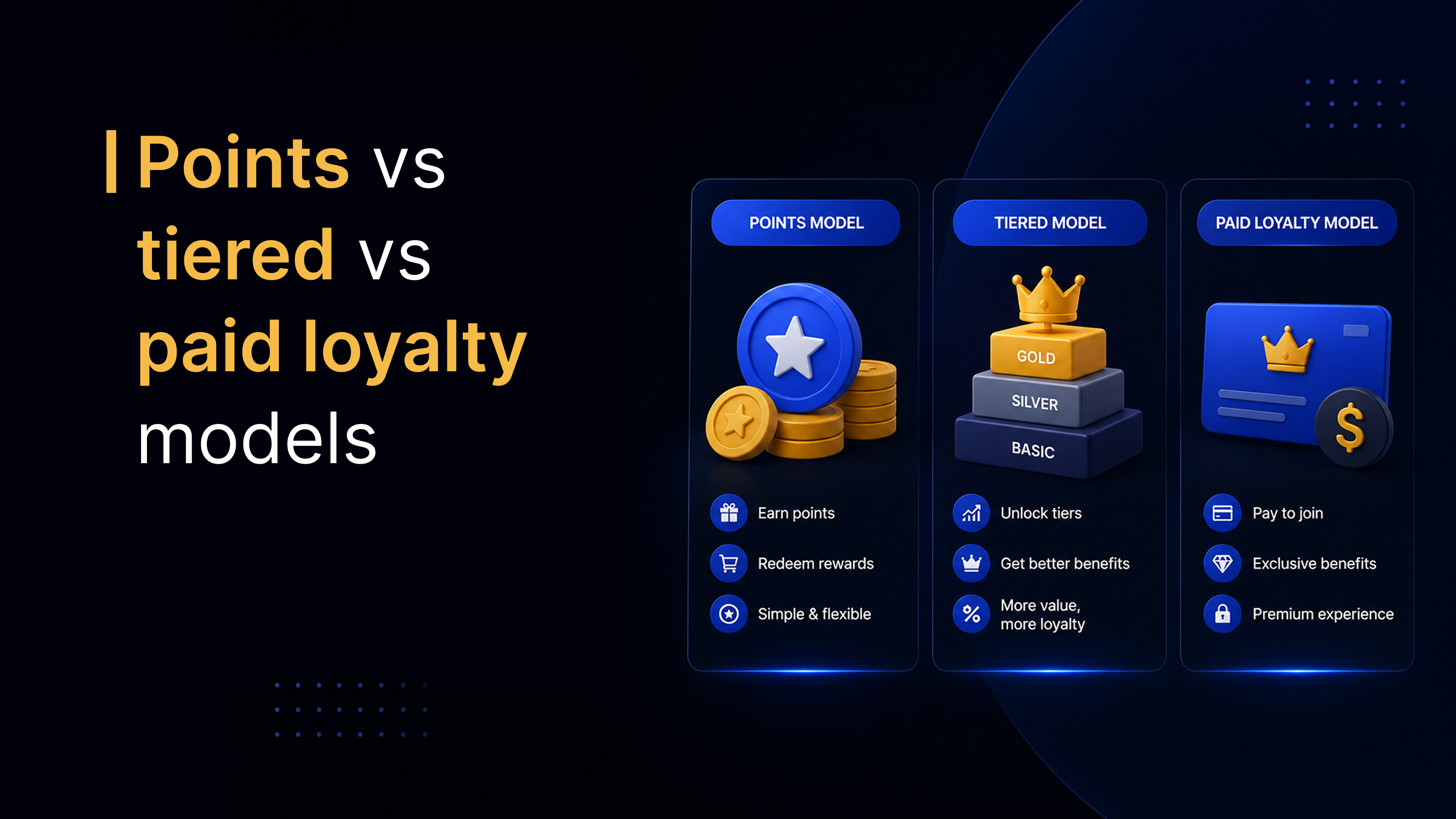
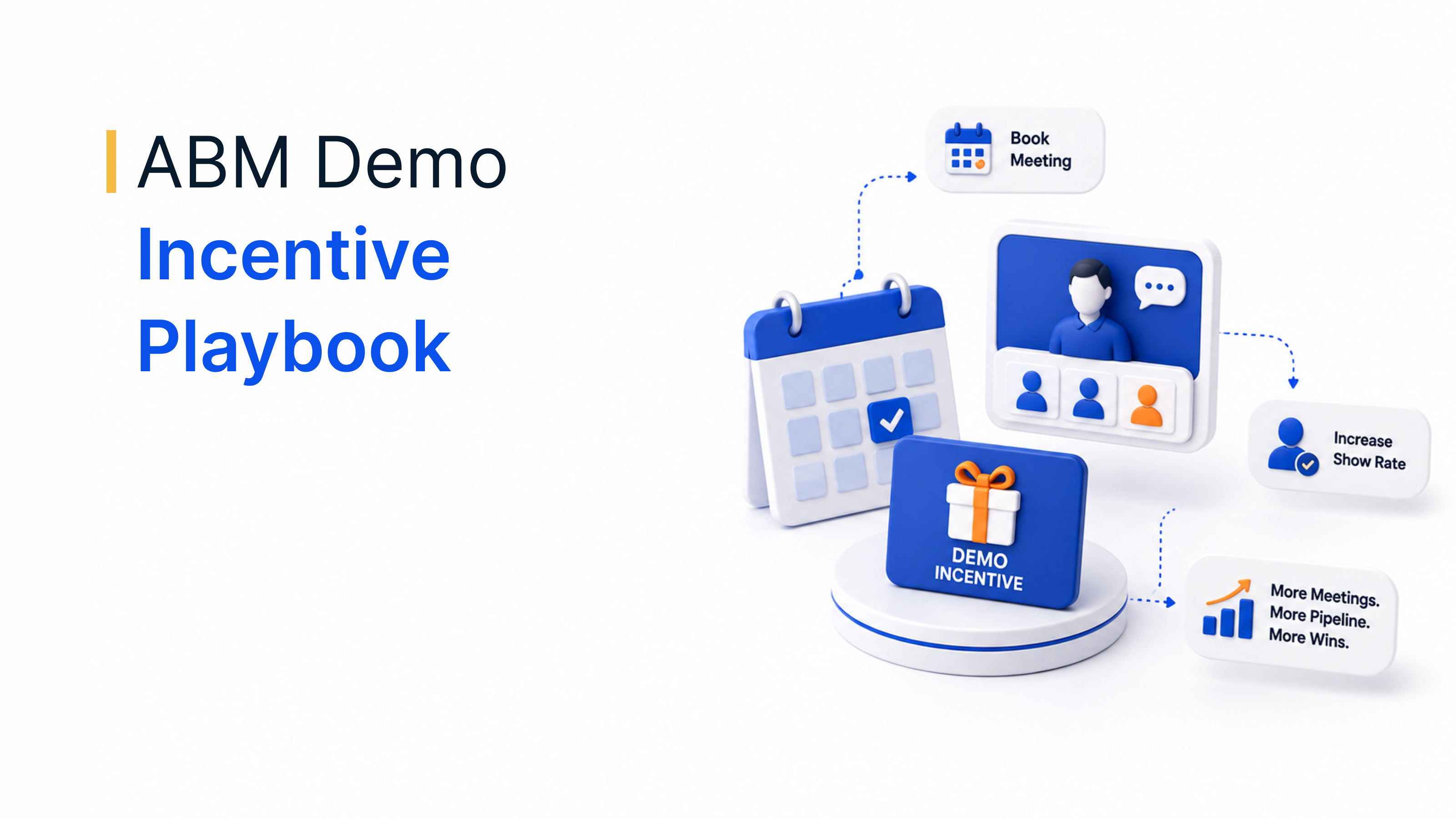
An ABM incentive is usually points-based, tiered, or contingent on a specific action being completed first: fill out this form, then claim your reward. An ABM reward, or ABM gift, is typically unconditional, sent to create goodwill or open a door, with no action required in advance.
| Element | ABM incentive | ABM reward / gift |
|---|---|---|
| Trigger | Action completed first | Sent proactively, no prior action |
| Structure | Points, tiers, thresholds | One-time, contact-specific |
| Best use | Survey completion, webinar attendance | Meeting acceptance, relationship building |
| Owner mindset | Transactional exchange | Relationship investment |
Knowing which one you are running changes how you measure it. Incentive programs get judged on completion rate. Reward programs get judged on response rate and pipeline influence.
See Plum's ABM reward catalog
One shared system for demand gen, field marketing, and RevOps to send, track, and attribute gifts.
Explore the reward catalogTrusted by 5,000+ companies
Where gifting fits in the account-based marketing motion
Gifting is not a channel. It is a technique layered onto channels you already use: cold outreach, event follow-up, webinar invitations, and post-demo nurture.
According to Forrester, ABM programs deliver 21 to 50% higher ROI than non-ABM marketing across North America, Europe, and Asia Pacific, with 23% of respondents reporting ROI gains between 51 and 200%. The ROI gap is not incidental. It comes from treating each account as a market of one, and gifting is one of the sharpest tools for making that personalization tangible.
21–50%
Higher ABM ROI
vs. non-ABM marketing
Source: Forrester.
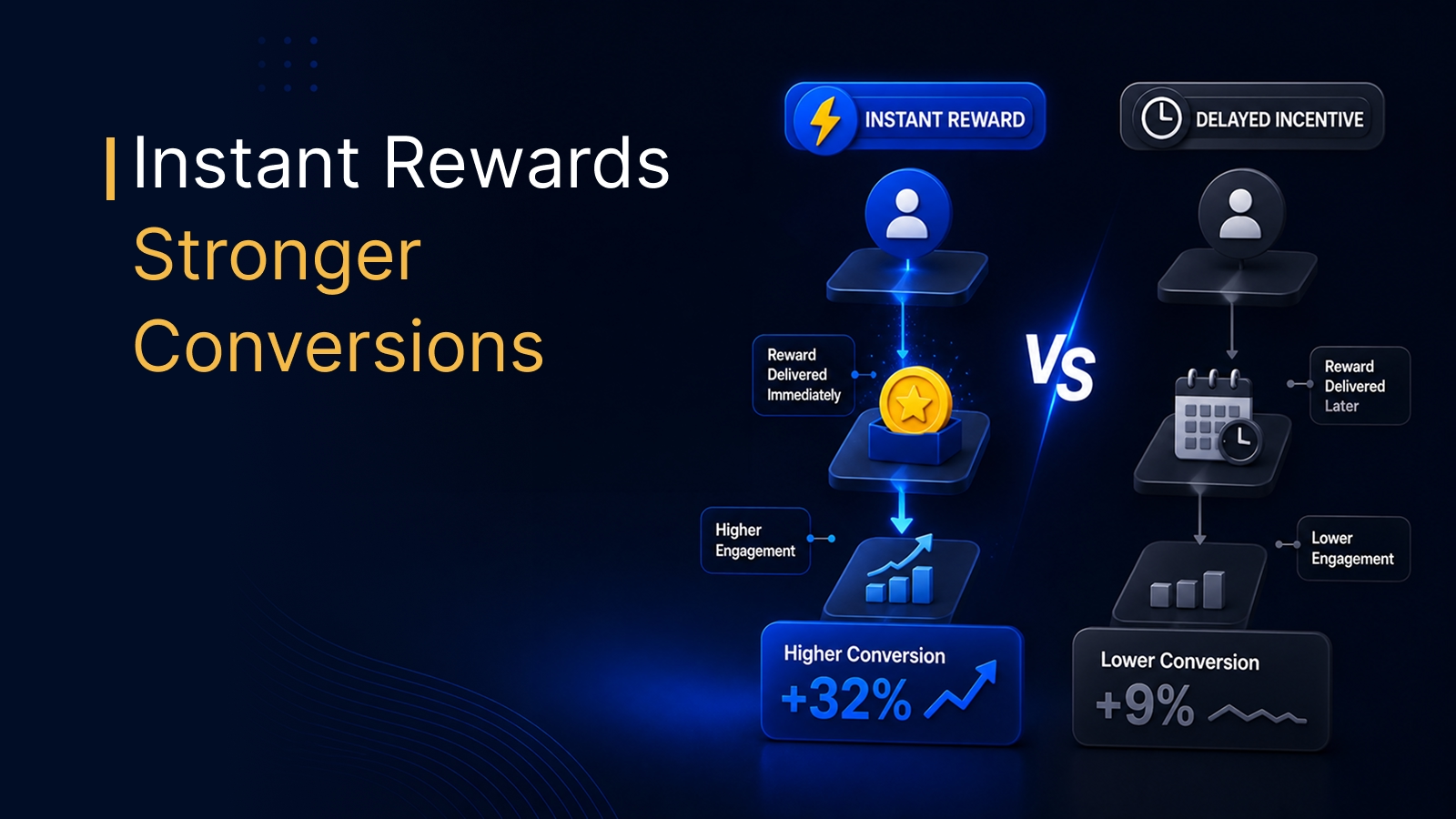
Underneath the ROI number sits a simpler mechanism. Harvard Business Review's coverage of the reciprocity principle found that when someone receives something first, they feel a quiet obligation to return the favor, even when the gift was small or unsolicited. A gift sent before you ask for anything changes the shape of the conversation that follows.
The reciprocity effect is why gifting tends to work best early, before the pitch, not as a reward for buying.
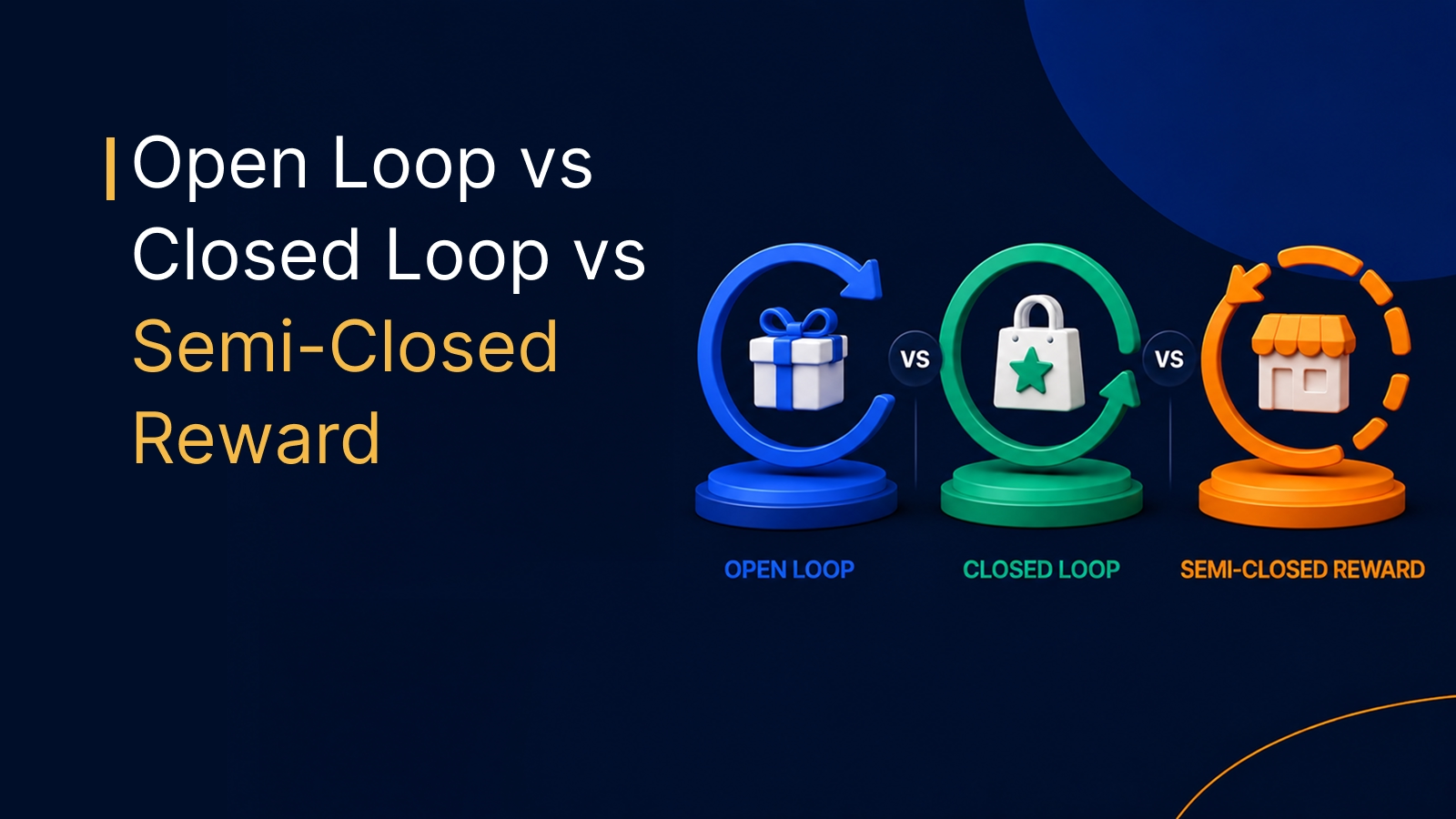
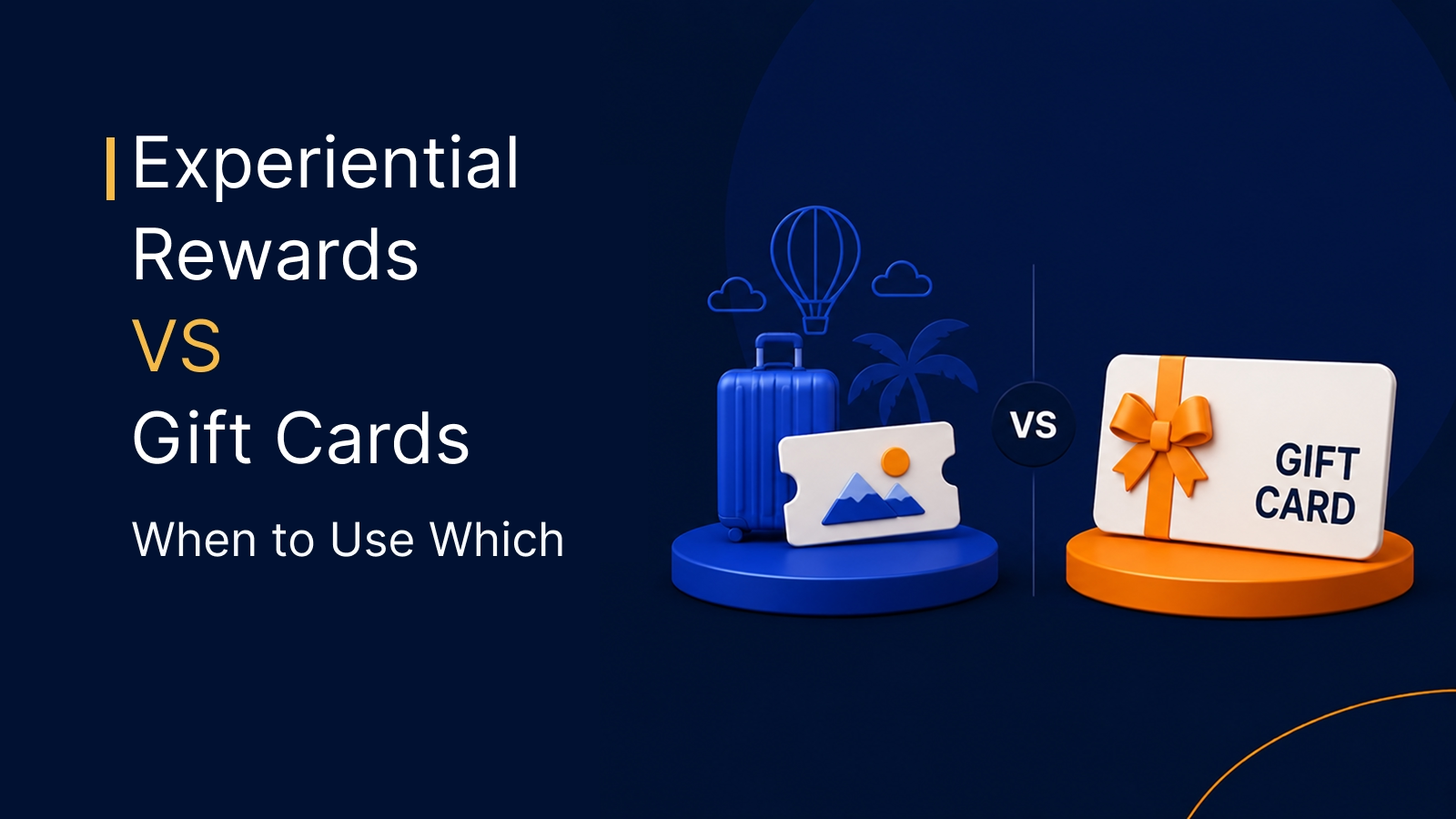
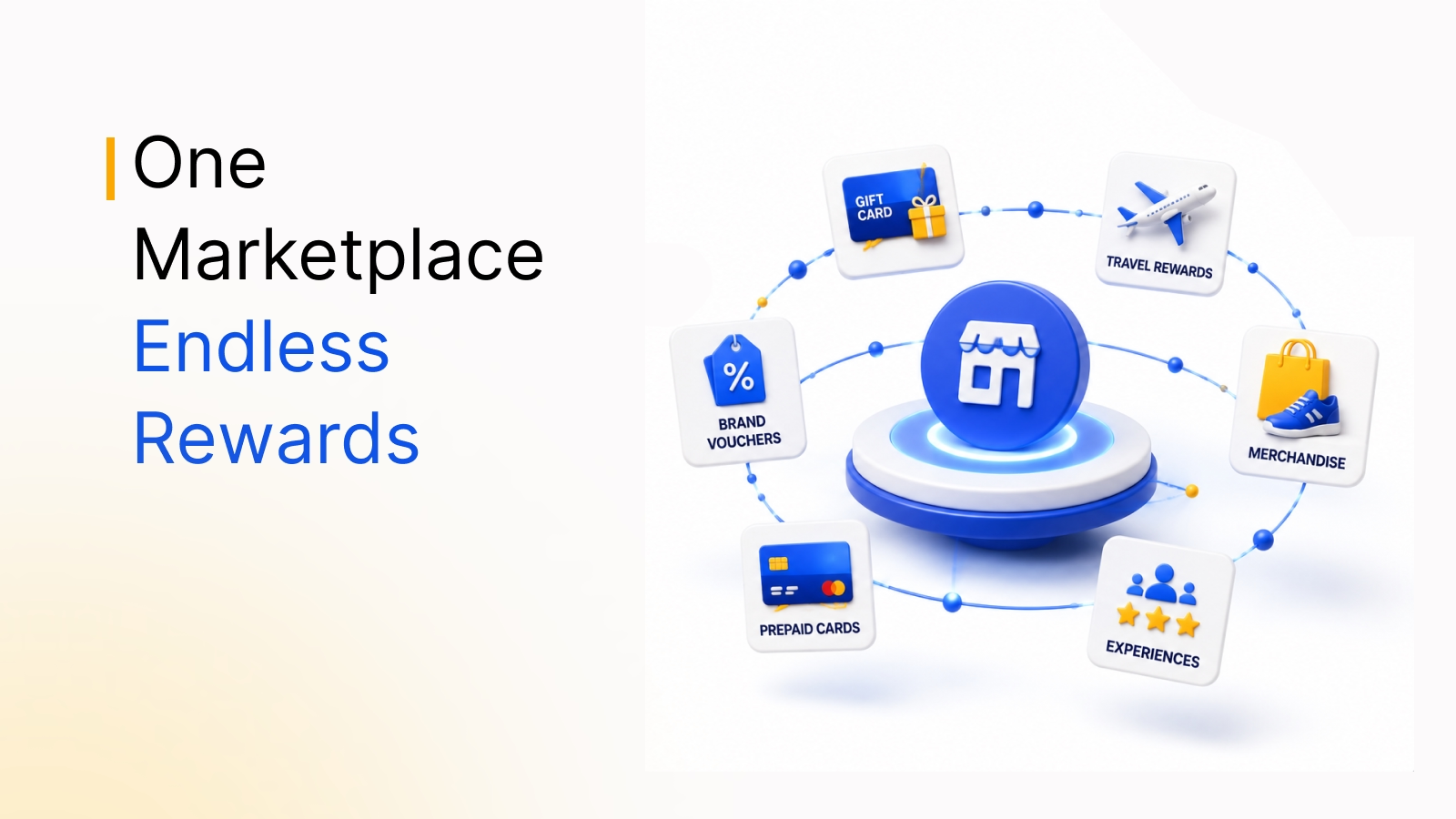
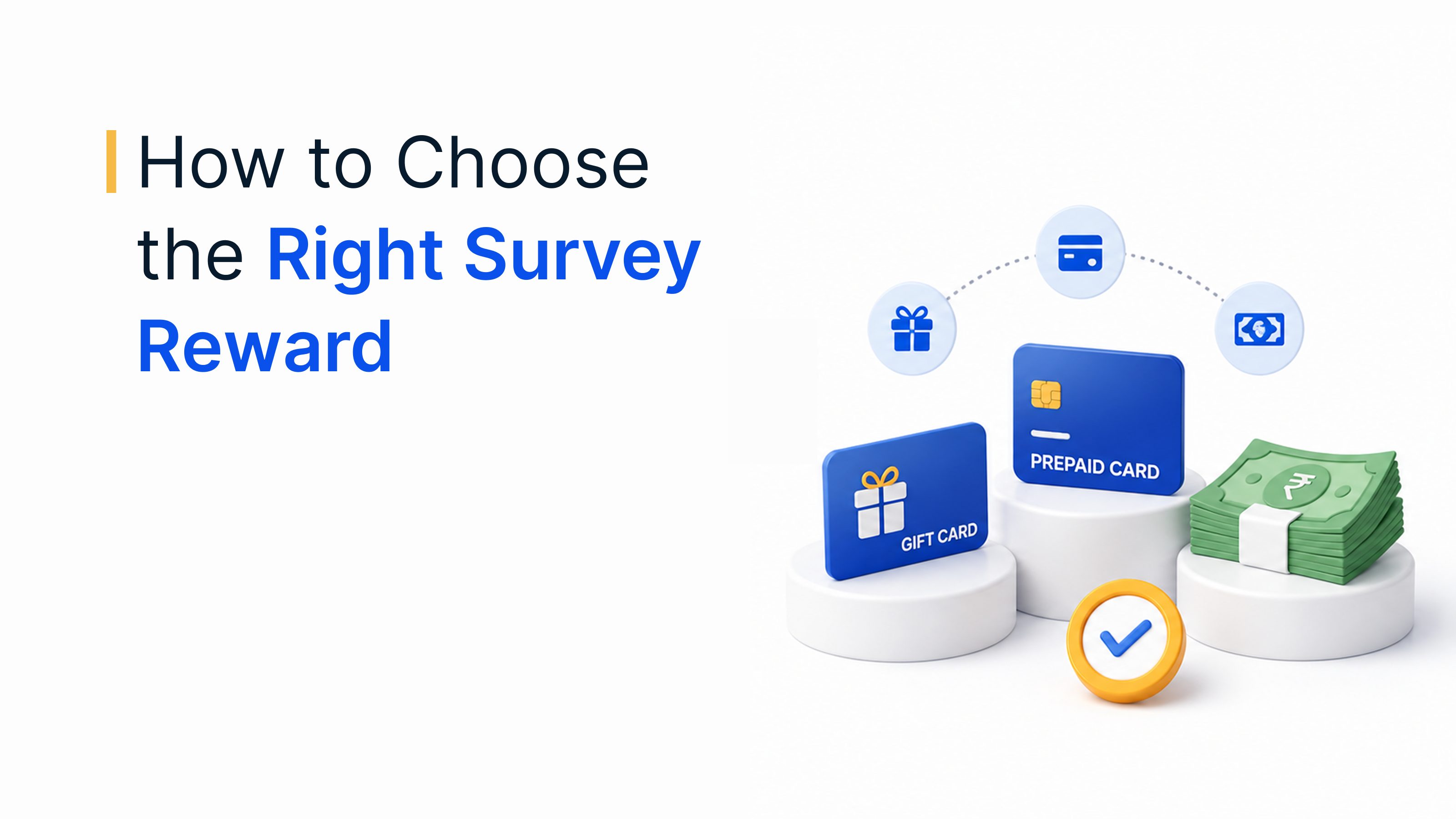
The 4 main reward formats used in ABM: gift cards, experiences, merchandise, prepaid
Not every reward fits every account or every moment in the funnel. Format choice is not cosmetic. Choosing the wrong format is one of the fastest ways to waste budget on a gift nobody redeems.
| Format | Personalization | Redemption speed | Best-fit use case |
|---|---|---|---|
| Gift cards | Medium - choice of brand, not experience | Fast - instant digital delivery | Meeting acceptance, quick outreach |
| Experiences | High - tailored to recipient interest | Slower - requires scheduling | Milestone moments, VIP accounts |
| Merchandise | Low - same item for every recipient | Fast - but shipping adds delay | Event swag, brand awareness plays |
| Prepaid cards | High - recipient chooses the value | Fast - instant digital delivery | Global accounts, compliance-sensitive gifting |
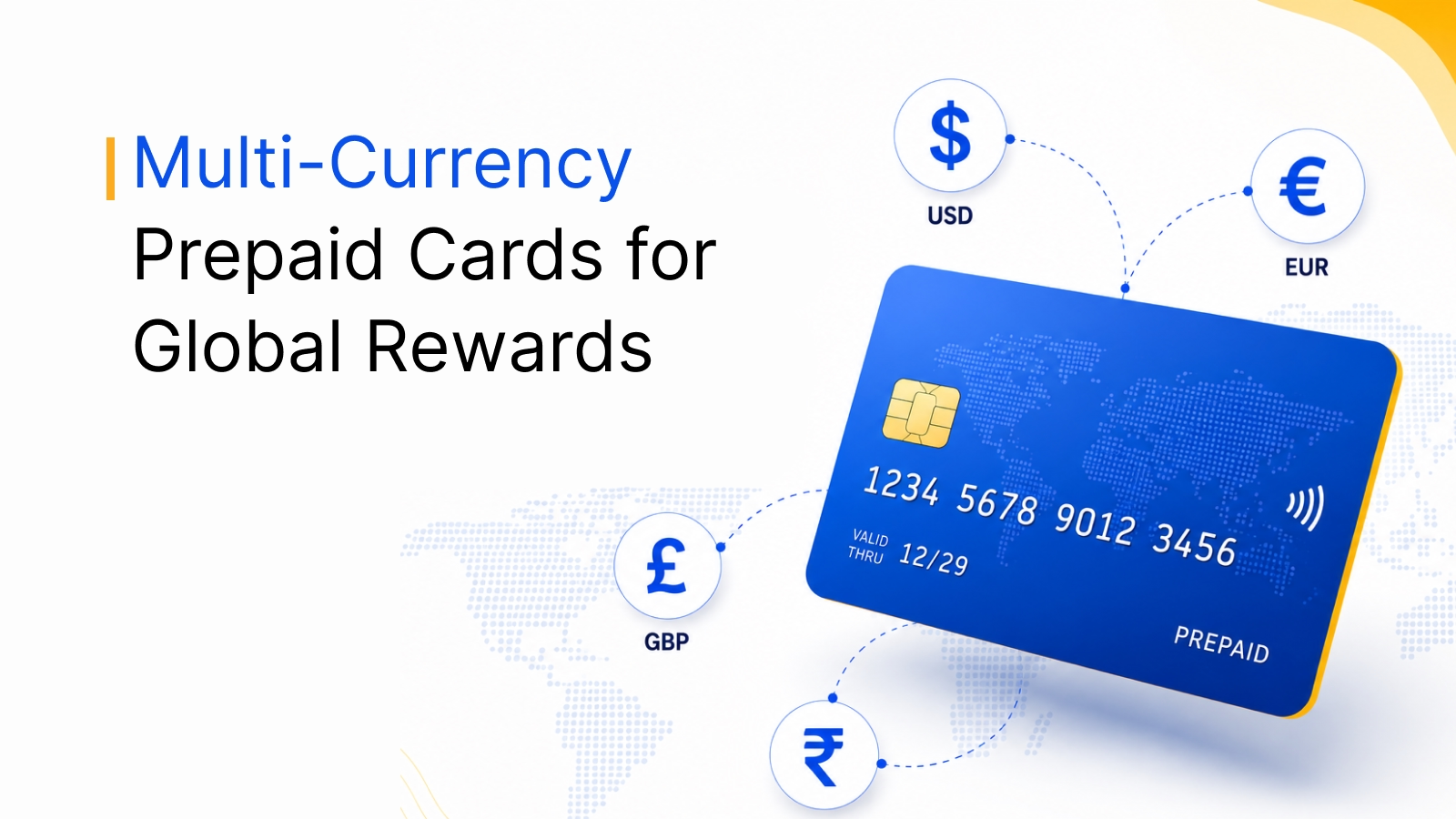
Gift cards and prepaid cards dominate ABM programs for a simple reason: they clear compliance reviews faster than physical merchandise, and they work identically whether your target contact sits in Austin or Riyadh. See how companies automate reward distribution at scale.
Merchandise still has a place, but mostly for brand recall at events, not for one-to-one account gifting where the personal touch is the entire point.
Who owns ABM gifting (demand gen, RevOps, field marketing)
Ownership is the most common gap in ABM gifting programs, and it is rarely discussed before the program launches.
Demand generation teams usually own the gift when it is tied to a specific campaign trigger, a webinar invite, a content download, an email sequence. Field marketing owns it when the gift supports an in-person event or regional account push. RevOps owns the infrastructure: the platform, the budget tracking, the integration with the CRM.
The mistake most teams make is assuming one function owns all three. No owner, no data. A gifting program with no clear owner for measurement usually has no measurement at all within two quarters.
How ABM gifting differs from traditional corporate gifting
Traditional corporate gifting runs on a calendar. Holiday gifts, anniversary gifts, thank-you gifts after a renewal, sent in batches, usually to existing customers or partners.
ABM gifting runs on an account list, not a calendar. The trigger is a buying signal, not a date on the calendar: a target account visited the pricing page, a decision-maker changed jobs, a webinar registration came in from a named account on your list.
The difference shows up in timing more than intent. Corporate gifting says thank you. ABM gifting says we noticed you, right now, before you asked us to.
Common mistakes teams make when starting an ABM gift program
Most first attempts at ABM gifting fail quietly. Nobody calls it a failed program. It just stops getting budget renewed.
The recurring mistakes look like this:
- Sending generic merchandise to everyone on the list - a branded water bottle does not signal that you researched the account.
- Skipping the compliance check - many enterprise buyers cannot legally accept gifts over a certain value, and a rejected gift damages the relationship more than no gift at all.
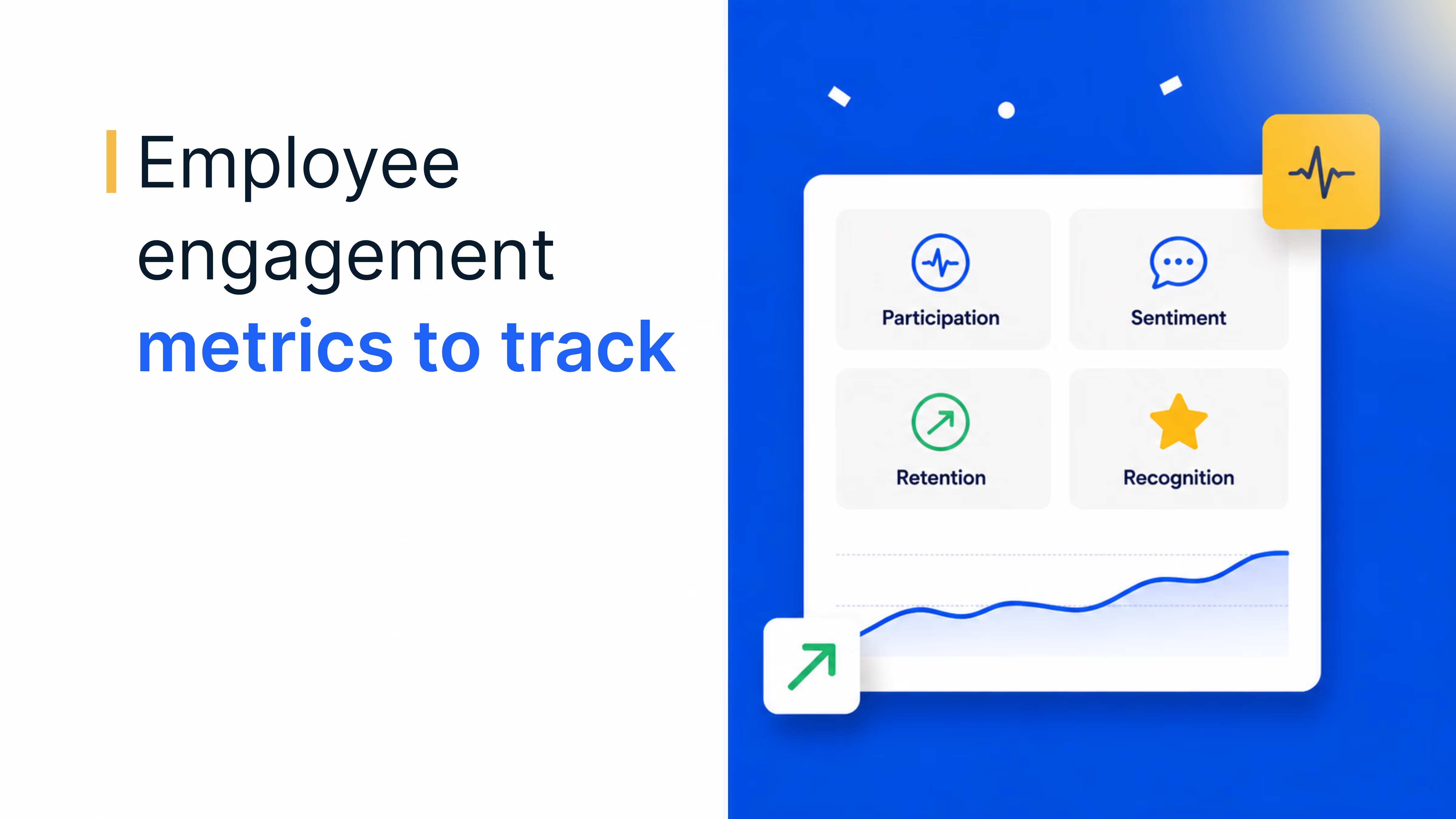
- Measuring redemption instead of pipeline influence - a high redemption rate with no downstream meetings booked is a vanity metric.
- Treating gifting as a one-time campaign - accounts that respond well to one gift often respond to a second, better-timed one; programs that stop after one send leave the reciprocity effect unused.
- No handoff to sales - if the SDR does not know a gift just landed, the follow-up call loses its context entirely.
Only 52% of companies currently measure the ROI of their ABM efforts, according to ITSMA. Gifting programs inherit that same measurement gap unless someone owns it deliberately from day one.
How to evaluate whether gifting is right for your ABM motion
Gifting is not a fit for every ABM program, and pretending otherwise wastes budget on accounts that were never going to respond to it. Gifting is not free money.
It tends to work well when you have a short, well-researched target account list, a clear trigger event to gift against, and a sales team ready to follow up within days, not weeks. It tends to underperform when the account list is too broad to personalize, when there is no compliance review in place, or when gifting becomes the entire strategy instead of one layer inside it.
Before committing budget, ask three questions: Do we know enough about this account to personalize the gift meaningfully? Is there a follow-up plan the moment the gift lands? And are we tracking pipeline influence, not just redemption? If the answer to any of those is no, the gift will not fix a strategy problem underneath it. Explore Xoxoday Plum's playbook for rewards in demand generation.