Key Takeaways
Registration doesn't predict attendance - the gap between the two is where incentives create the most leverage.
Reward-based incentives outperform discount-based offers for B2B engagement, and the gap compounds across a full event calendar.
Sequencing a reward before, during, and after the event outperforms a single after-the-fact giveaway.
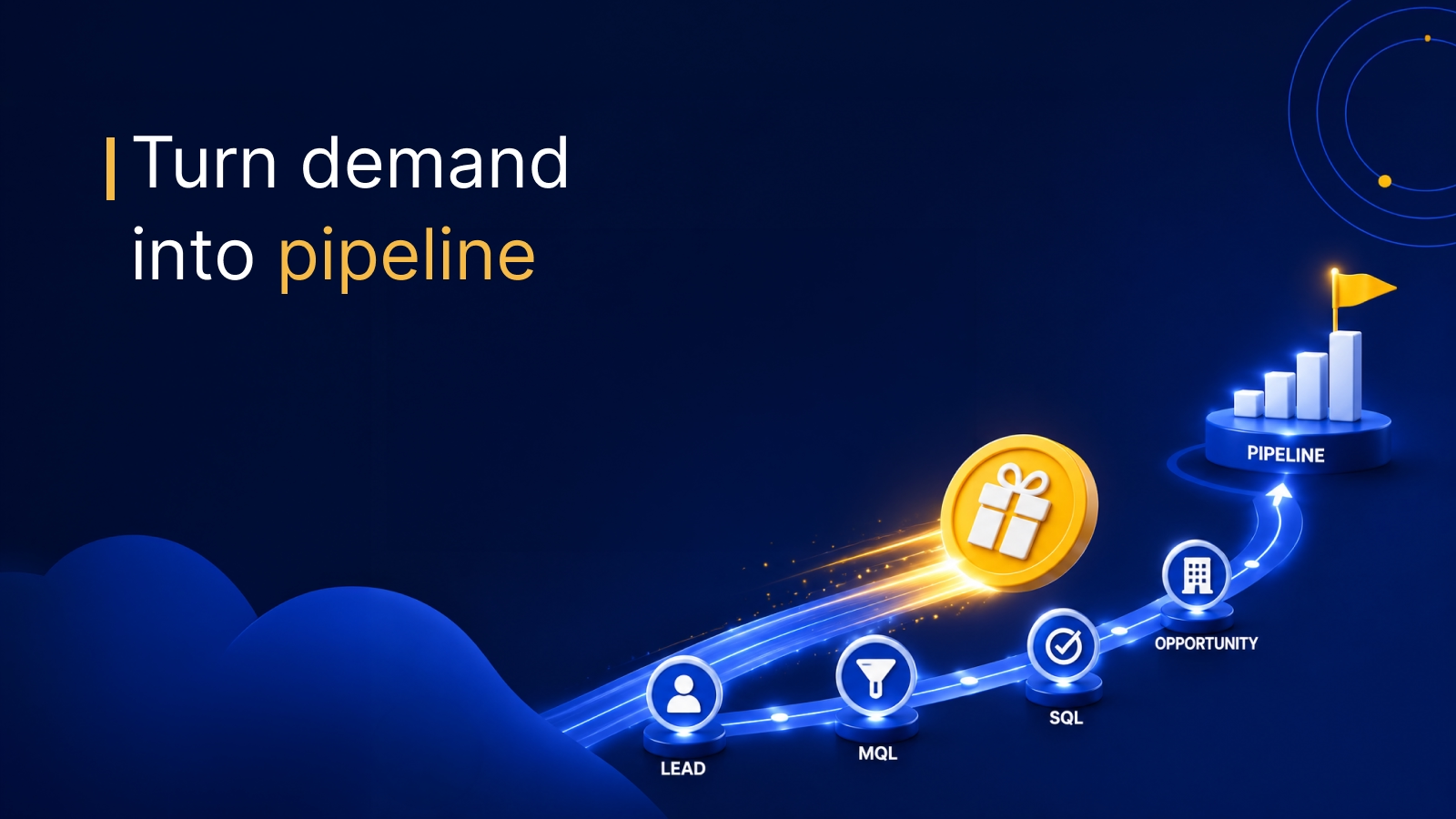
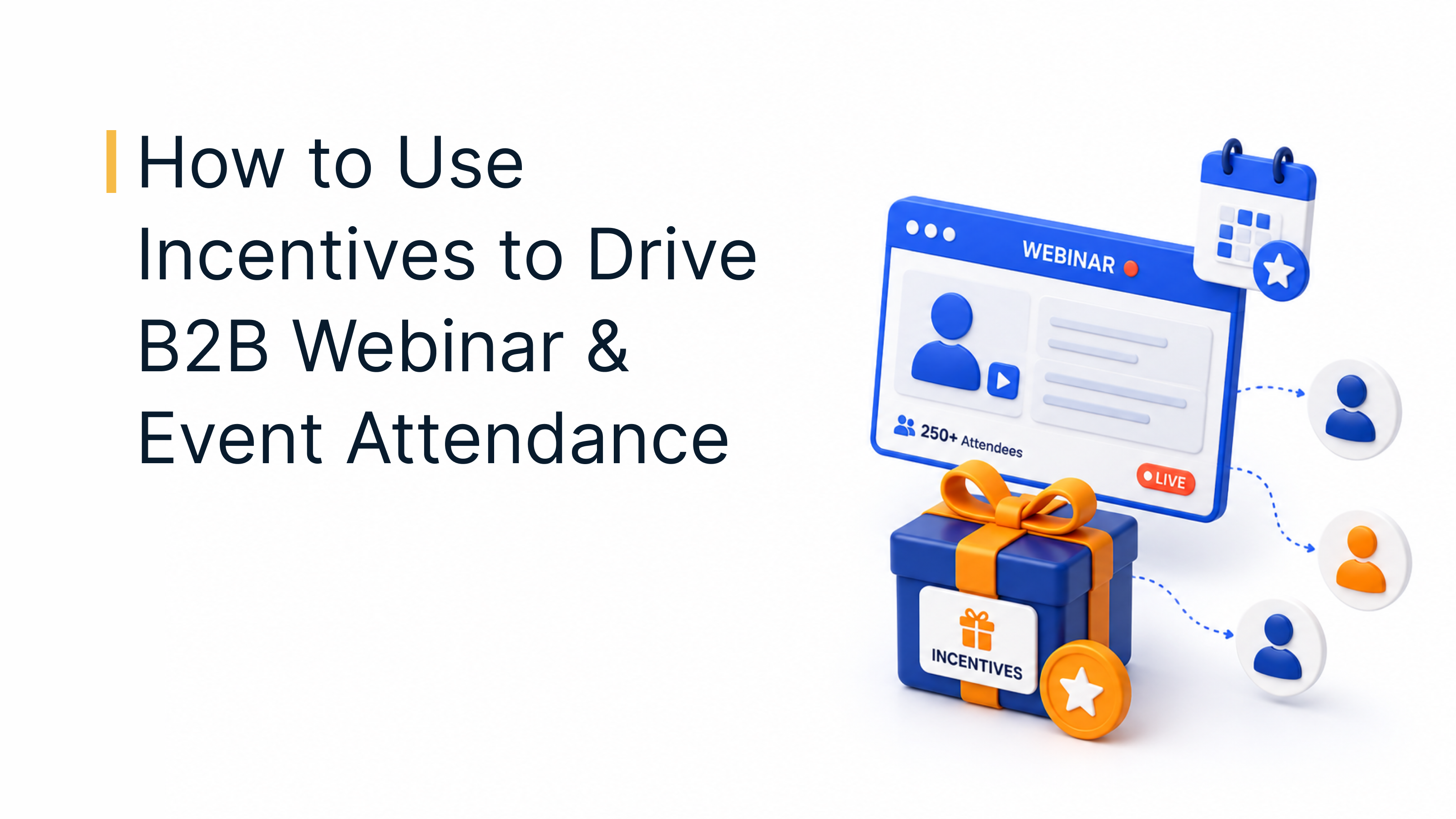
The invite list looked perfect. 800 registrations, the right titles, the right accounts. Attendance day came, and 260 people showed up.
That gap between registration and attendance is where most B2B webinar programs quietly lose their ROI. The registration form did its job. Nothing after it gave anyone a reason to actually show up, and even fewer a reason to stay past the first ten minutes.
Incentives close that gap, but only when they're placed at the right moment in the sequence, not just bolted on as a raffle at the end.
Why Registration Numbers Don't Predict Attendance
A registration is a low-commitment click. It costs the prospect nothing to register for a webinar three weeks out and then forget about it, get pulled into a meeting, or decide the topic isn't worth the hour once the calendar reminder pops up.
The accounts most worth showing up, your target ABM list, are also the busiest. The same ABM rewards logic that applies to account-level touches applies here: a generic reminder email competes with everything else in that person's inbox, and it usually loses.
21–50%
Higher ROI
for reward-based B2B engagement vs. discount-based offers
Rewards vs. Discounts: What Actually Moves Attendance
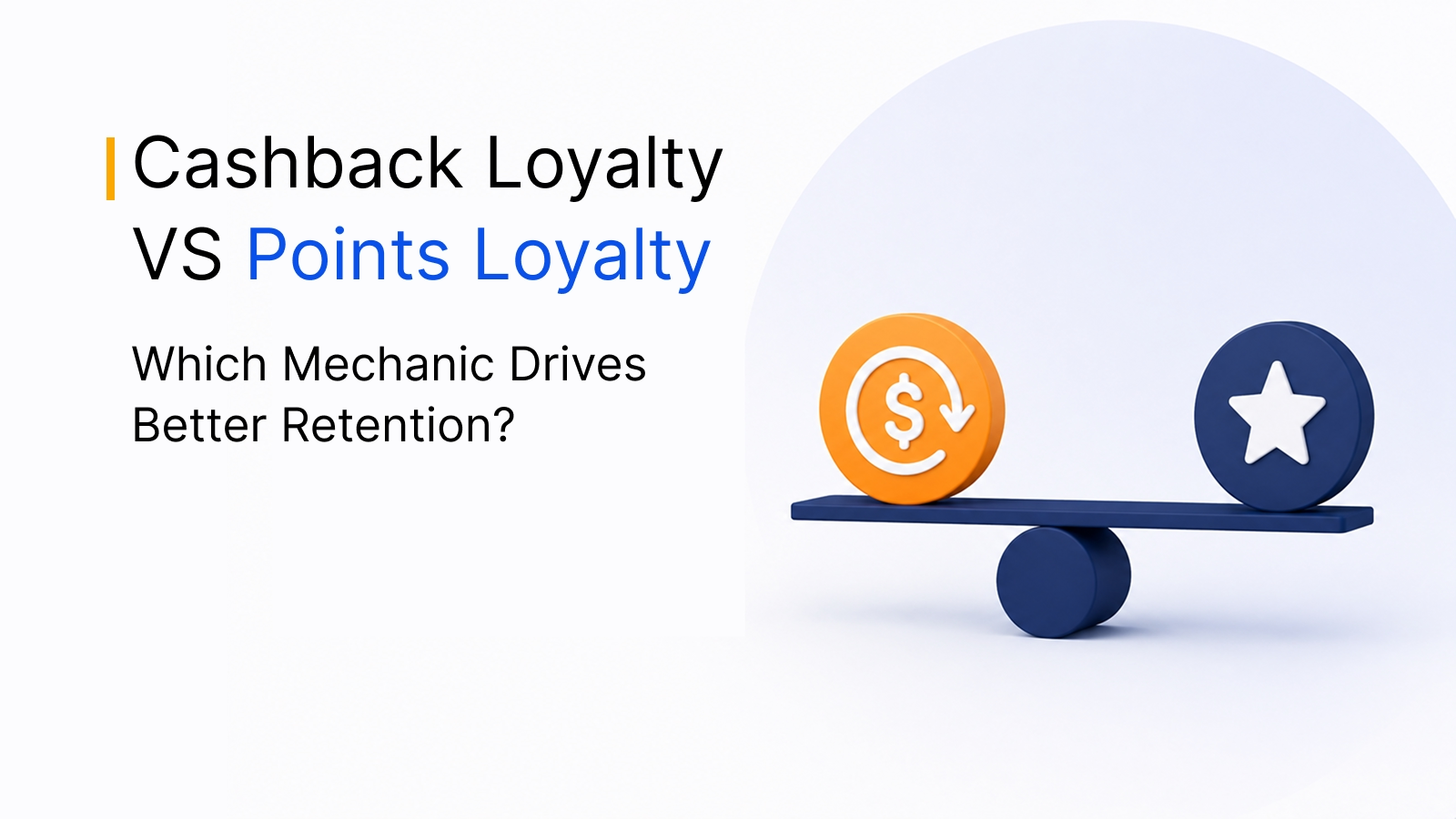
Discounts ask the prospect to spend money now to save money later, which is a hard sell before they've even seen the content. A reward doesn't carry that friction; it's simply theirs for showing up.
| Incentive type | Perceived value | Attendance lift |
|---|---|---|
| Reward-based incentive | Immediate, personal | 54% |
| Discount-based offer | Deferred, conditional on a future purchase | 49.7% |
The gap looks small until it's applied across a full webinar calendar. A few points of lift, repeated across every event a quarter, is the difference between a program that plateaus and one that compounds.
See how Plum powers webinar and event incentives
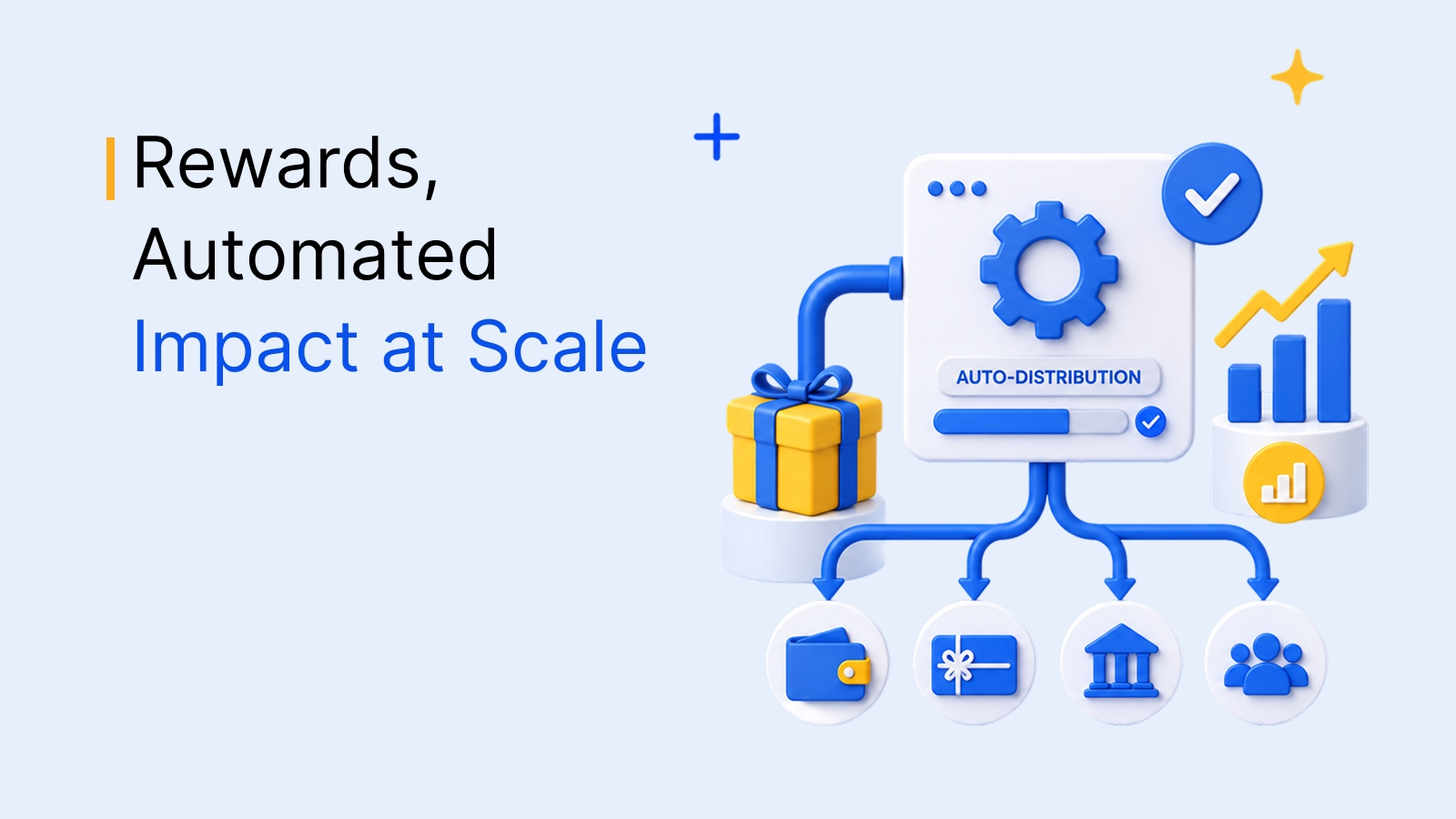
Automate reward delivery on registration, attendance, and engagement triggers.
Book a free demoTrusted by 5,000+ companies
Sequencing Incentives: Before, During, and After the Webinar
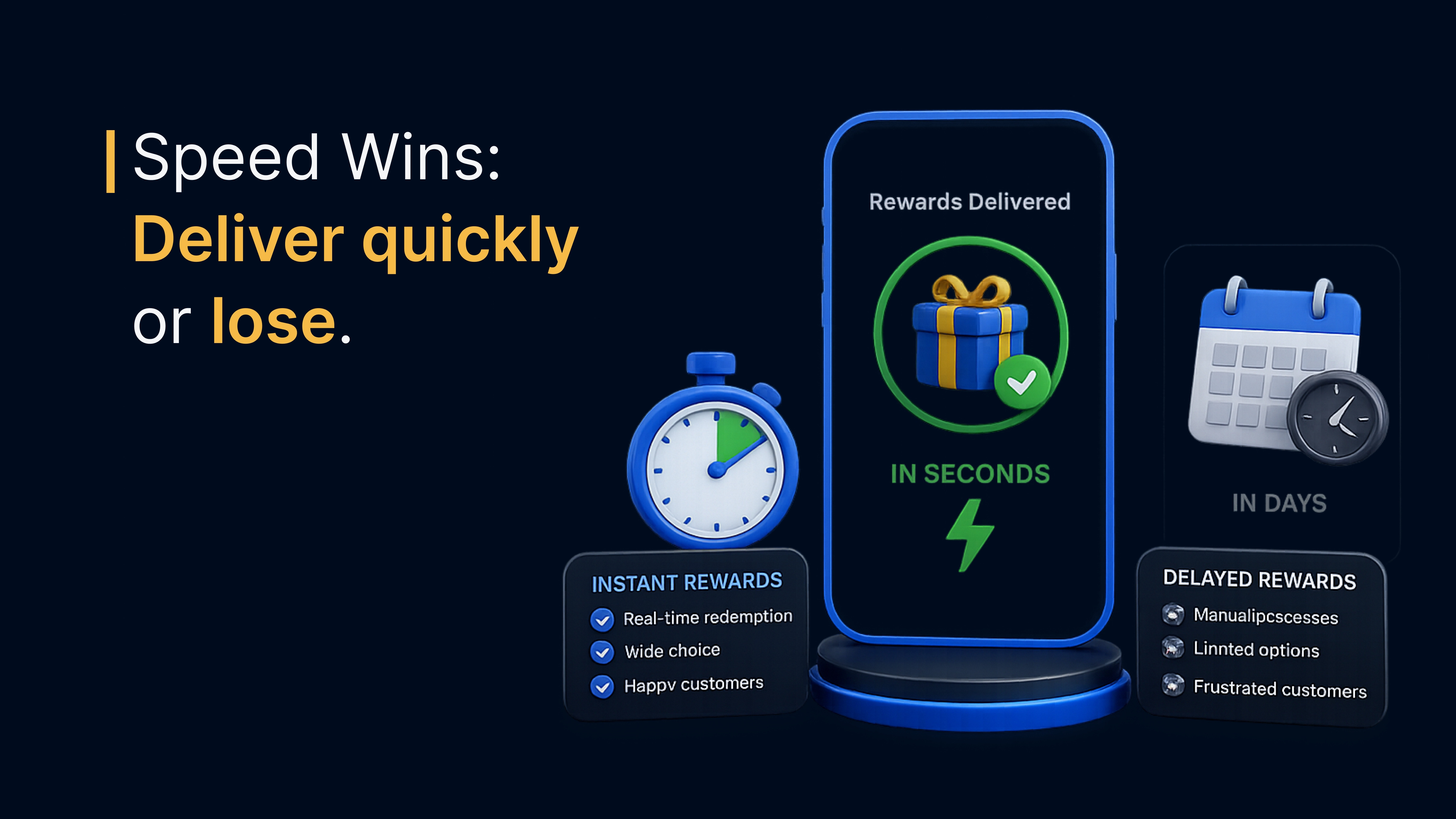
The timing of a reward changes what it communicates. Offered before, it's a reason to block the calendar. Offered during, it's a reason to stay past the point where people usually start multitasking. Offered after, it's recognition rather than a bribe.
| Stage | Incentive purpose | Example |
|---|---|---|
| Before | Convert a registration into a calendar hold | Confirmation reward triggered on registration, not attendance |
| During | Keep attendees present through live polls or Q&A | Small reward tied to a mid-session engagement action |
| After | Reward the people who actually showed up and stayed | Tiered reward based on time watched or session completed |
Most programs only build the after-stage. Adding a lightweight before-stage trigger is usually the single highest-leverage change, since it acts before the prospect has had a chance to forget the event exists.
What Works vs. What Feels Transactional
Not every incentive mechanic lands the same way with a B2B audience. Some read as a genuine thank-you; others read as a company trying to buy attention.
- What works: a reward tied to a specific, visible action (registering, staying to the end, asking a question).
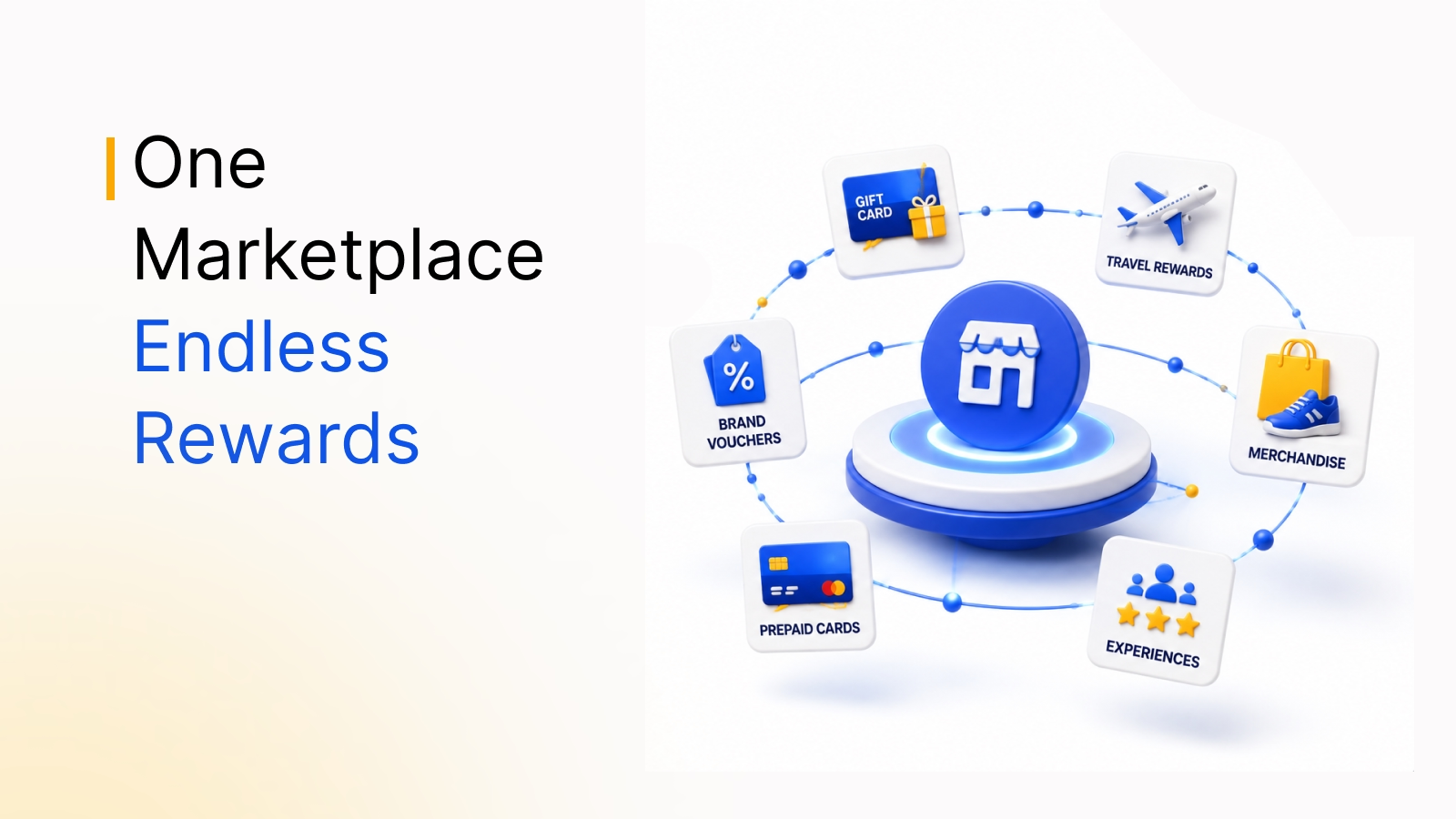
- What works: choice-based rewards, letting the attendee pick from a curated set rather than receiving one fixed item.
- What works: rewards scaled to account tier, so a Tier 1 prospect's reward doesn't look identical to a mass-webinar giveaway.
- What feels transactional: a blanket raffle entry with no connection to actual engagement.
- What feels transactional: a reward announced only after the fact, with no mention during registration.
- What feels transactional: the same generic gift card used across every webinar regardless of audience or topic.
Measuring the Real Impact: Beyond Attendance Rate
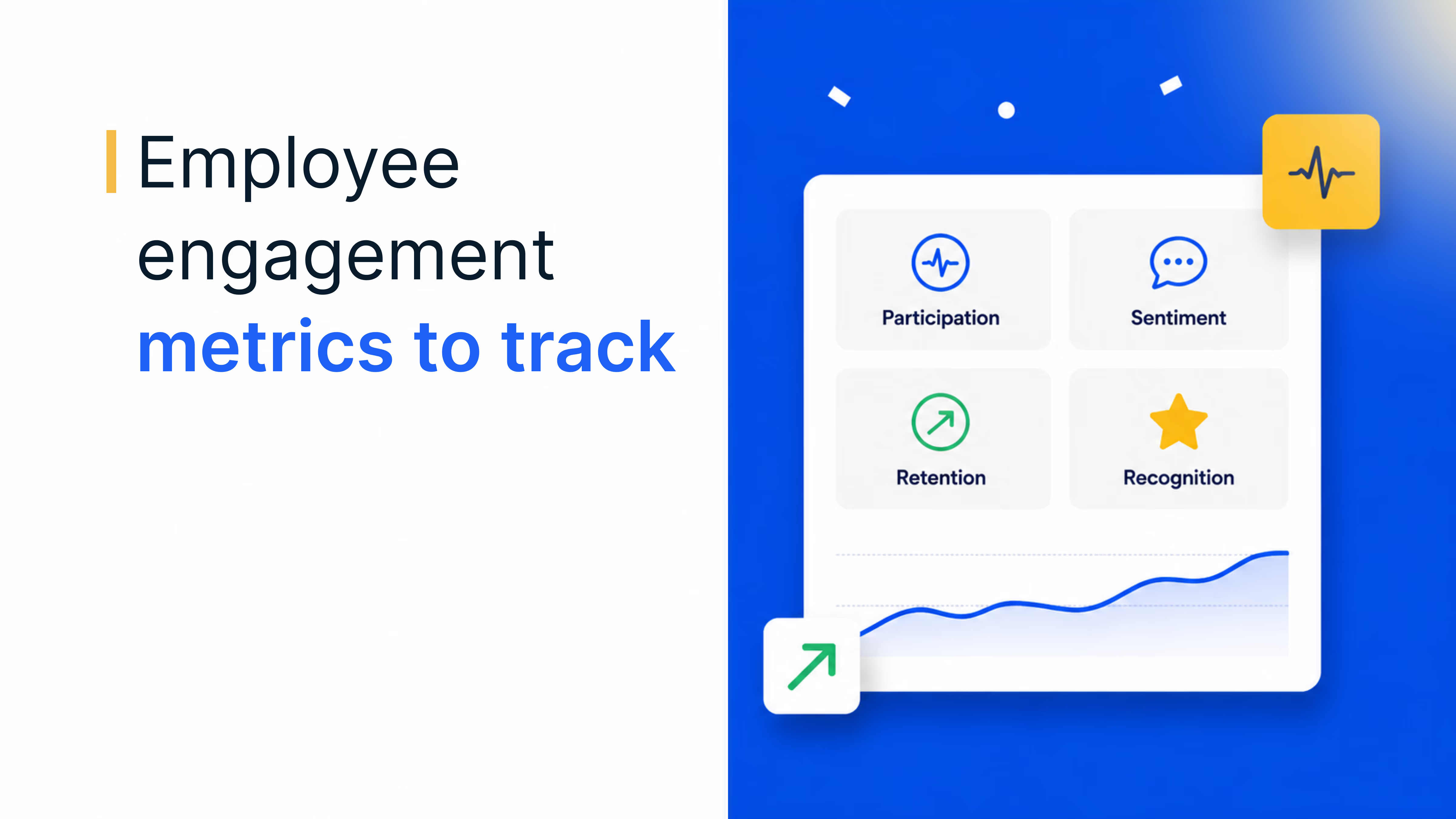
Attendance rate alone hides whether people were actually present in a way that matters, or just logged in and left the tab open.
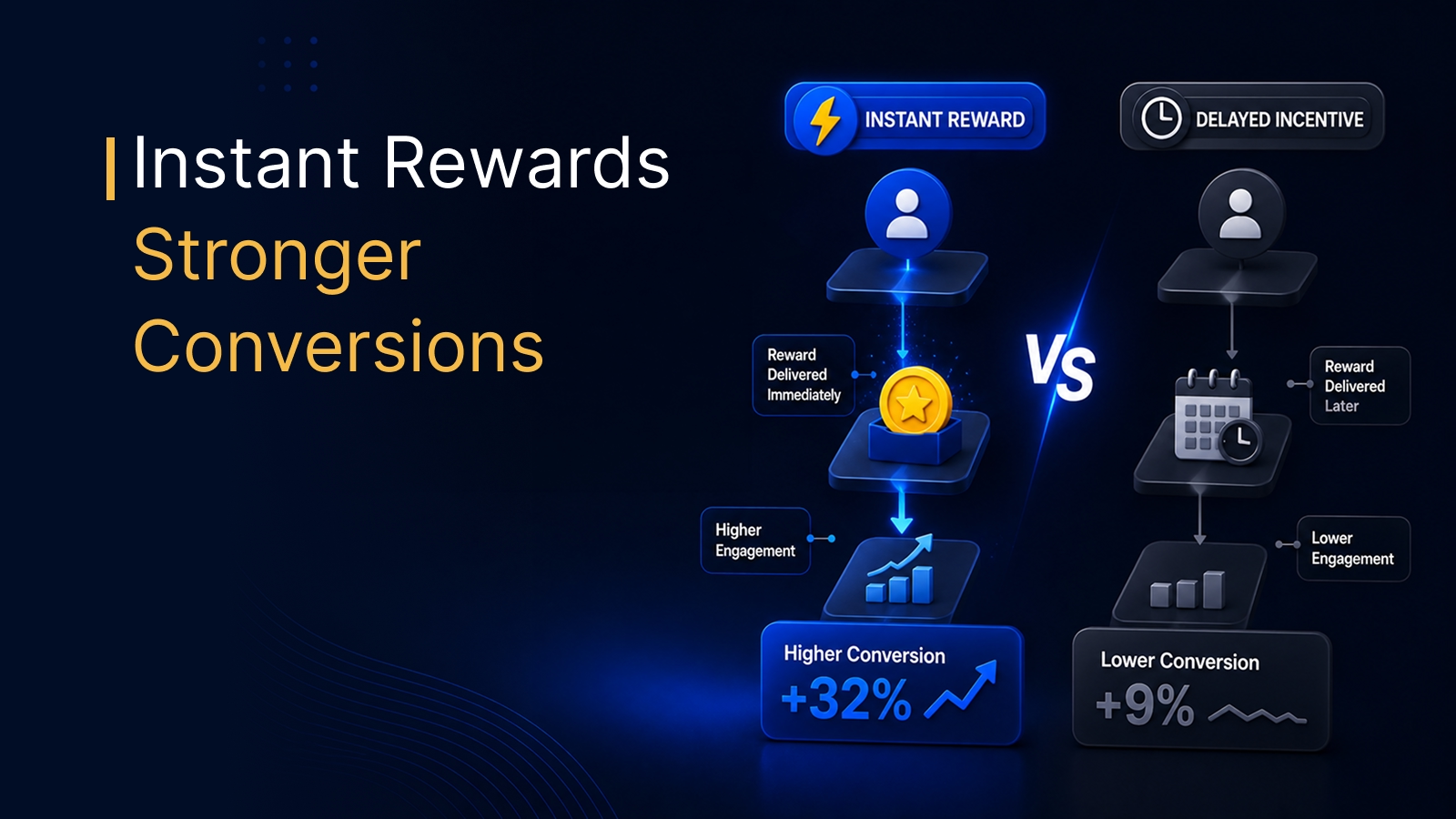
17.4%
Post-webinar conversion
with incentive-driven engagement tracked through the funnel
9.1%
Post-webinar conversion
for webinars with no engagement incentive
Source: Gartner, webinar marketing research.
That gap shows up downstream, in pipeline, not in the attendance dashboard on the day of the event. It's the metric worth reporting up, since it's the one that ties the webinar program back to revenue.
Building the Reward Layer Without Adding Manual Work
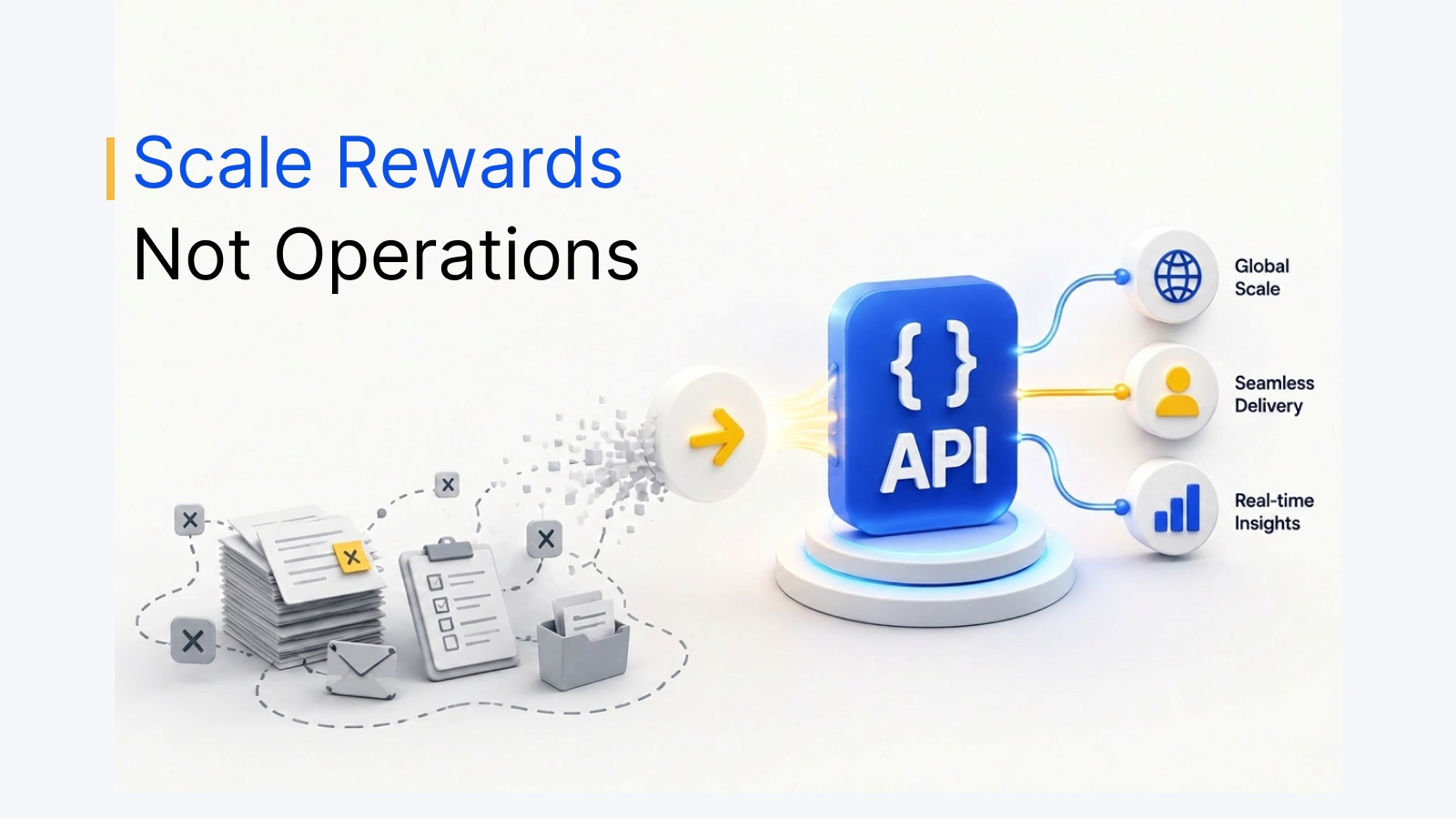
None of this is worth doing if it means a marketer manually emailing gift codes to a spreadsheet of names after every event. The mechanics have to run on their own, triggered by the same platform already running the webinar and CRM.
- API-first delivery: rewards fire automatically from a registration or attendance trigger, no manual fulfillment step.
- Global delivery: a single integration reaches attendees across regions without separate vendor setups per country.
- Tiered gifting: reward value and catalog scale automatically by account tier or engagement level.
- Fulfillment tracking: every reward sent is logged back to the same dashboard as the rest of the campaign's metrics.
This is the same automation layer behind using rewards for demand generation: connect the trigger once, and every future webinar inherits the same reward logic without a rebuild. For teams evaluating how that connection actually works under the hood, see what a rewards API is and how it's structured.
Xoxoday Plum runs this layer for teams already managing 5,000+ enterprise reward programs across 150+ countries, with more than 10 million reward options and over $5 billion distributed to date.