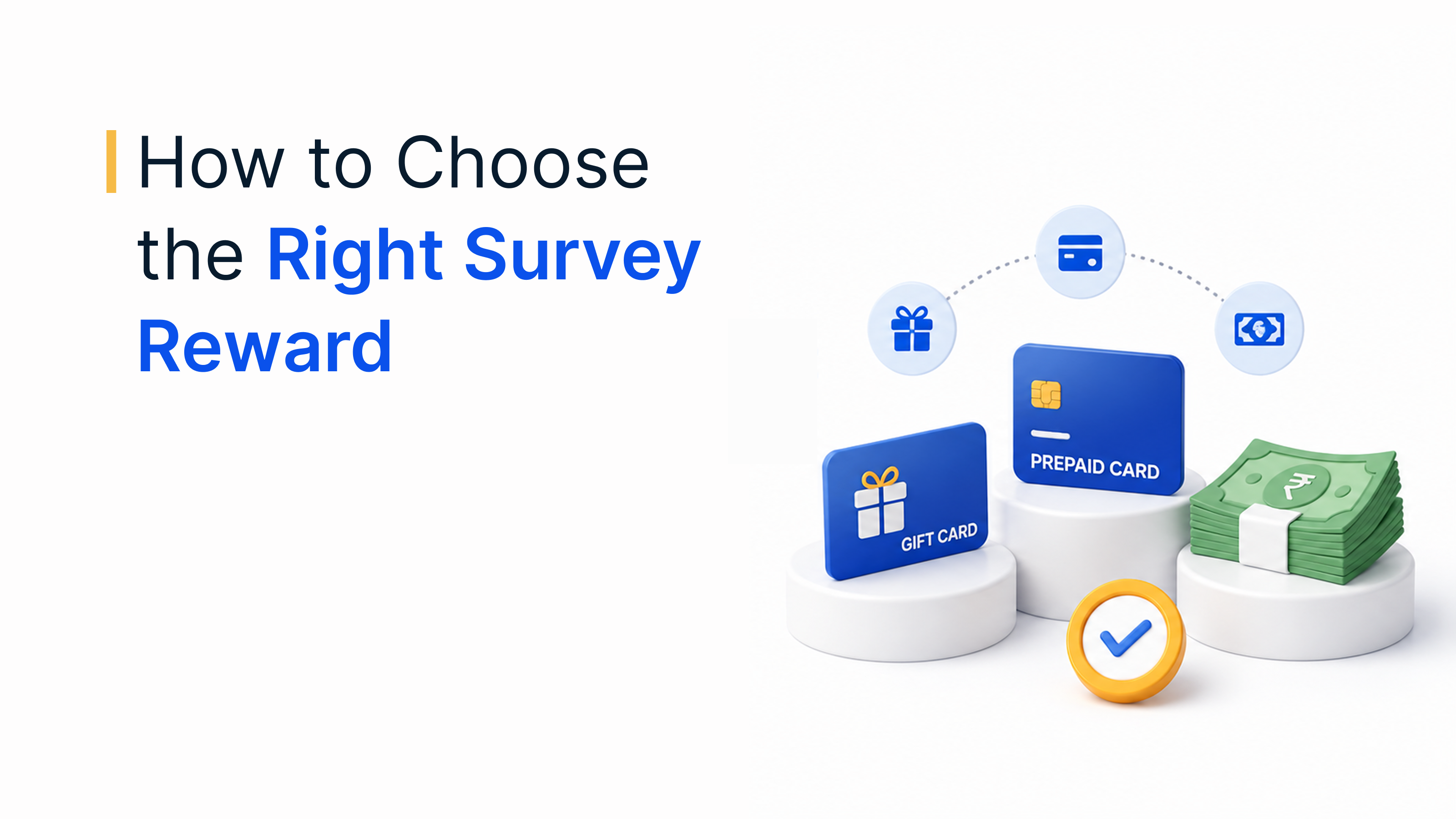
"Free" is the word procurement teams love and finance teams distrust. A rewards platform that charges nothing to send a $50 gift card sounds like a rounding error in your favor, until you ask who is actually paying for it.
Most "free" rewards tools are not free. They are subsidized by payment processing margins, upsells, or a paid tier waiting a few thousand redemptions away. None of this is a dealbreaker. It's just worth knowing before a small team builds a workflow around a platform that quietly changes its pricing at scale.
This list ranks the 10 platforms in 2026 that come closest to genuinely low-cost or fee-free rewards distribution, what each one actually waives, and where the real cost shows up once volume grows.
What "free" actually means in a rewards platform
Every platform on this list waives something: a platform fee, a monthly subscription, a setup charge. None of them waive the cost of the reward itself, and none of them are running the business at a loss.
The savings show up in one of three places. A platform earns a small margin on payment processing instead of charging a subscription. It makes money on upsells once a team depends on it. Or it is subsidized by a much larger network, the way Blackhawk Network's scale lets smaller platforms buy gift cards cheaply and pass the savings along.
None of that makes "free" a bad deal. It's just not free. The real question is what the platform actually needs from you to stay in business.
What actually matters when comparing low-cost platforms
Every vendor on this list advertises "no fees" somewhere on its homepage. That's marketing, not a business model. The differences that matter show up in five places: exactly what fee is waived versus what still applies, catalog breadth and recipient choice, compliance certifications like PCI-DSS or SOC 2, what pricing becomes once volume crosses the free tier, and whether the platform expects your engineering team to build the front end.
| Platform | Pricing model | Catalog / reach | Best for |
|---|---|---|---|
| Xoxoday Plum | Usage-based, no flat license | 10M+ rewards, 150+ countries | Programs that need to scale past a pilot |
| Giftogram | Pay-as-you-go, no platform fee | 140,000+ brands, global | Cash-or-card flexibility at volume |
| GIFQ | No platform fee, face value to recipient | 5,000+ brands, 100+ countries | Developer-first, API-integrated rewards |
| Huuray | Free to start, no subscription | 5,000+ rewards, 170+ countries | Fast setup for occasional sending |
| Goody | Free plan + $20 credit, pay-as-you-send | Curated catalog, global gifting | Onboarding and milestone gifting |
| eGifter | No fees, minimums, or contracts | Hundreds of brands + Visa/Amex | Simple, no-commitment testing |
| Dots | Volume-based, no hidden fees | 190+ countries, multiple payment rails | Paying contractors or survey participants |
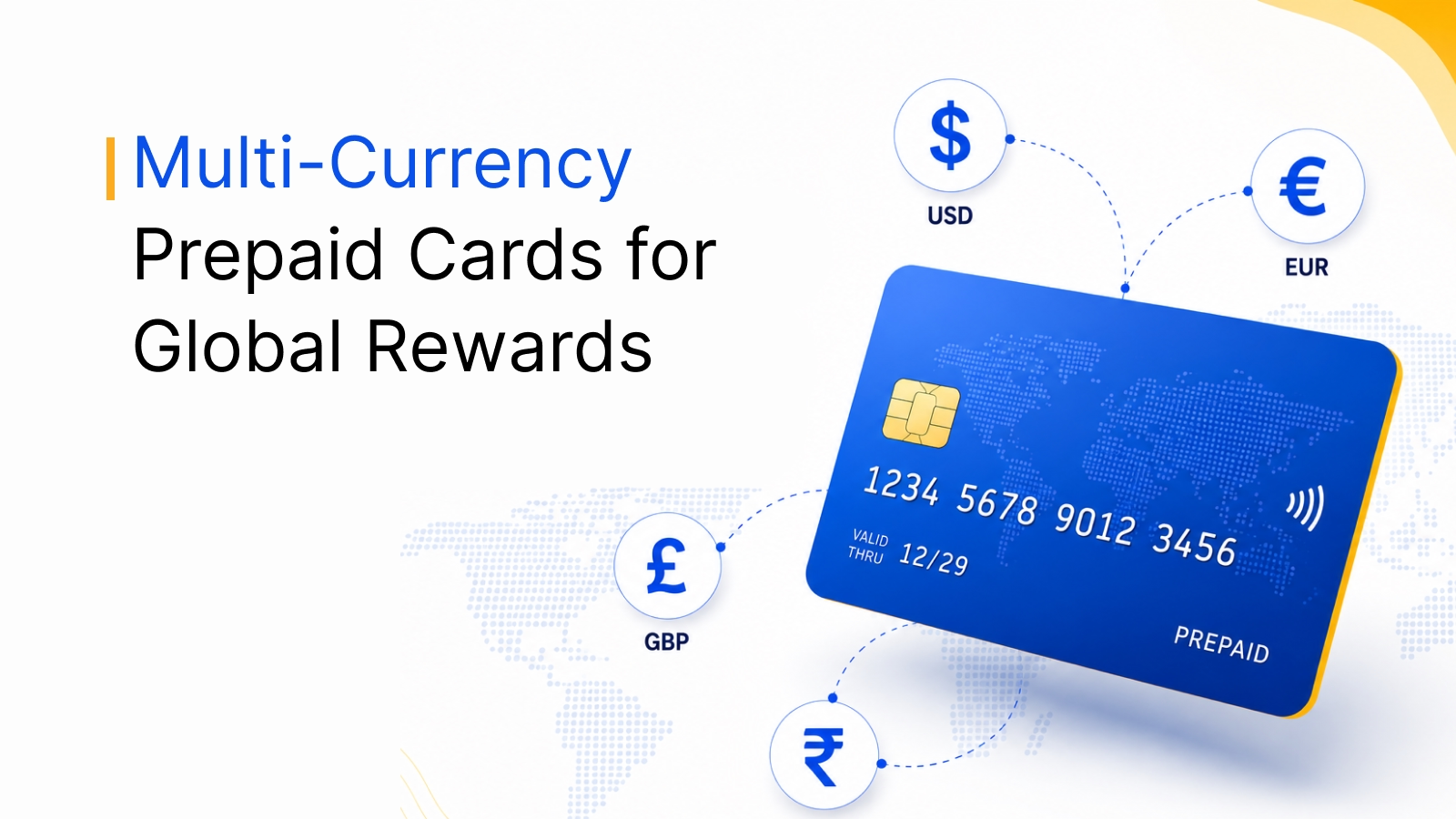
| Clever Cards | No setup fees | 80M+ Visa locations, 30+ currencies | Compliance-sensitive, cross-border teams |
| 99minds | Tiered plans + pay-as-you-go overage | 50+ integrations, gift cards + loyalty | Consolidating loyalty and gifting on one bill |
| Blackhawk Network (BHN) | Enterprise, partner-access model | Global multi-brand distribution network | The infrastructure layer behind smaller platforms |
Outgrowing what a free rewards platform can handle?
See how Xoxoday Plum's usage-based pricing scales with your program instead of resetting at a paywall.
Explore PlumTrusted by 5,000+ companies
The 10 platforms
1. Xoxoday Plum
Plum is built as a global rewards marketplace with more than 10 million reward options, deliverable across 150+ countries, on an API-first architecture that lets a small team wire in a reward flow without much implementation overhead. Pricing runs on usage rather than a flat license, so a team sending a handful of rewards a month isn't carrying the same fixed cost as one sending thousands. Why it makes this list: most "free" tools cap out fast once a program grows past a pilot, and Plum is built to absorb that growth inside the same account instead of forcing a re-platform. See how Xoxoday Plum handles low-volume programs without the usual platform markup.
2. Giftogram
Giftogram runs on a pay-as-you-go model with no upfront costs or platform fees, and its catalog covers more than 140,000 brands available globally. It's used by more than 22,000 companies, including Amazon and Microsoft, for recognition, loyalty, and survey incentive programs, and recipients can take cash instead of a gift card through PayPal, Venmo, Zelle, or ACH. The catch worth checking: pay-as-you-go pricing on a large catalog still adds up fast once volume climbs into the thousands.
3. GIFQ
GIFQ charges no platform fee at all, recipients get the full face value of whatever card they redeem, and the company has processed more than a million orders across 5,000+ brands in 100+ countries. It's built for developers first: a sandbox lets a team test the API before going live, and white-label redemption pages carry a company's own branding instead of GIFQ's. That setup fits a product team building rewards into their own app better than an HR team that wants a ready-made dashboard.
4. Huuray
Huuray's self-service platform is free to start, with no subscription fee to create an account or send a first reward, and its catalog spans more than 5,000 digital rewards across 170+ countries. The company says teams can be "up and running in a few minutes," and API access is available for teams that want to automate delivery. Enterprise names like Volvo, Deloitte, and Samsung are already on the client list, which says more about how it scales than the free-to-start pricing alone.
5. Goody
Goody gives new accounts a free plan with a $20 gift credit and runs on a pay-as-you-send model rather than a subscription, so a team sending gifts occasionally isn't paying for a plan it barely uses. It's built around a "gift of choice" experience: recipients pick from curated options instead of a sender guessing sizes, and no shipping address is needed upfront. More than 25,000 companies use it, and it plugs into HR systems like Workday and BambooHR out of the box.
6. eGifter
eGifter's business platform advertises no fees, minimums, or contracts, an easy first stop for a team testing gift card rewards without committing to anything. Its Rewards API integrates gift card delivery directly into an existing app, and the catalog runs into the hundreds of digital brands plus Visa and American Express options. Physical gift cards carry a small shipping fee, the one place the "no fees" claim has an asterisk.
7. Dots
Dots is a payouts platform rather than a gift-card-first one: it moves payments through 190+ countries via bank transfers, mobile money, and digital wallets, with pricing described as volume-based and free of hidden fees. There's no published monthly fee, and the company even offers free 1099 tax filing for US payees, a cost many payout platforms quietly pass on. It fits teams paying contractors or survey participants directly better than a straightforward gift-card program.
8. Clever Cards
Clever Cards issues digital Mastercards with no setup fees, and employees can add the card to Apple Pay or Google Pay within seconds. The cards work anywhere Visa is accepted, more than 80 million locations worldwide, and support 30+ currencies for cross-border teams. It's PCI-DSS certified and e-money licensed, which matters if compliance is the reason a "free" option got vetoed last time.
9. 99minds
99minds runs on tiered monthly plans with pay-as-you-go charges past the included transaction limit, so it's less "free" than several others here, but the tradeoff is a broader platform: gift cards, loyalty points, store credit, and referrals in one place. It connects to Shopify, Salesforce, HubSpot, and more than 50 other tools out of the box. It's the right pick for a team that wants loyalty and gifting on one bill, not just the cheapest way to send a single gift card.
10. Blackhawk Network (BHN)
Blackhawk Network is the infrastructure most other platforms on this list quietly run on: a global gift card and prepaid distribution network most teams access through a partner platform rather than a direct sign-up. Its scale, a large multi-brand catalog and global currency support, is what lets smaller platforms offer low per-card costs in the first place. It rarely makes sense as a direct, self-serve option for a small team, but it explains why "free" gift card platforms can afford to be free.
Where the "free" tier usually breaks
- Free usually means free at low volume: several platforms here waive fees until you cross a threshold, then move to custom or tiered pricing.
- Physical cards and cross-border transfers often carry a fee even on an otherwise free platform, worth checking before assuming full coverage.
- Compliance certifications vary a lot between free-tier tools and enterprise-grade ones, worth checking if the program touches regulated or payment data.
- API-first free platforms often expect an engineering team to build the front end, real cost even when the platform itself is free.
66%
of organizations have no dedicated recognition budget
which is exactly the gap free and low-cost platforms are built to fill
1%
of payroll is SHRM's recognition spend baseline
most teams without a platform spend far less than that
Source: SHRM, employee recognition program research
How to choose the right platform for your budget
- Sending under a few hundred rewards a month: Huuray, Goody, or eGifter's free-to-start tiers cover that volume without hitting a paywall.
- Paying contractors or survey participants directly: Dots' payout rails and free tax filing fit better than a gift-card catalog.
- Building rewards into your own app or product: GIFQ and Xoxoday Plum both lead with an API-first, developer-friendly setup.
- Running loyalty, store credit, and gifting from one bill: 99minds consolidates more of that stack than a single-purpose gift card tool.
- Planning to scale past a pilot: check what each platform's pricing actually becomes at 10x volume, not just what it costs on day one.
How Xoxoday Plum fits for budget-conscious teams
Most free rewards platforms are free until a team's program actually works. Xoxoday Plum is built around the volume growth that comes after that point, not just the pilot. A team testing recognition with twenty rewards a month and a team running it for two thousand employees use the same account, the same catalog, and the same API. No mid-year re-platform. Xoxoday Plum's rewards API plugs into an existing app the same way a developer-first free platform does, but the pricing does not reset once volume moves past what a "free" tier was ever built to handle. Teams outgrowing a free platform can compare Plum's pricing against what their current usage actually costs before switching.
Picking the right free tier for where you are now
The cheapest rewards platform is not the one with the lowest sticker price, it's the one whose pricing model matches how the team actually plans to use it. That's the real comparison. A platform that's free because it makes money on payment processing behaves differently at scale than one that's free because a much larger network subsidizes it.
Match the model to the program, not the other way around, and the "free" part stops being the only thing that matters.