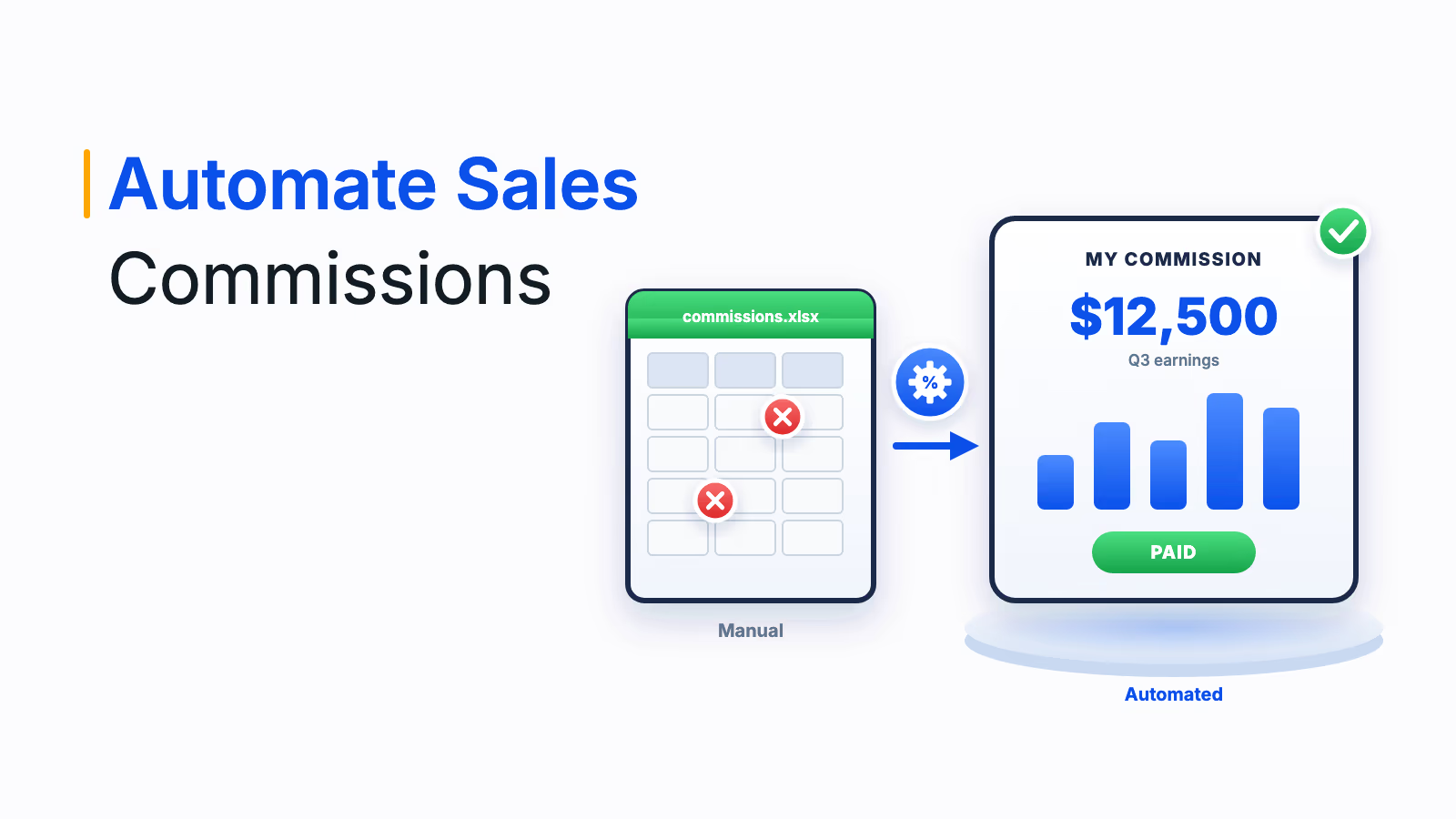
As a CEO, you constantly juggle between meeting your company’s immediate needs and ensuring long-term growth-especially in a startup. One of the toughest decisions you’ll face is whether to invest aggressively in future-focused initiatives or take a more conservative, cost-effective approach. A prime example of this dilemma is the classic "build versus buy" decision when it comes to software solutions.
When adding technology to your stack, the question isn’t just whether to build but if it’s worth it. Developing an incentive automation platform, for instance, requires significant time and resources-ones that might be better spent on building your core revenue-generating product. On the other hand, relying on off-the-shelf solutions comes with its own considerations.
Historically, building custom software has been a costly and time-consuming process-53% of projects end up costing 189% more than estimated, and 31% are canceled altogether. Despite these risks, many companies still opt for in-house development, often underestimating the long-term challenges of maintenance and scalability.
So, why does this struggle go beyond just building an incentive automation platform? The real challenge lies in maintaining it. Here’s why:
Why your in-house sales commission automation system will fail
Following are the reasons why your in-house sales commission automation system will fail.
1. Not agile
Most organizations operate within a fast-changing business landscape. Their sales teams have sales promotions, product launches, pricing changes and new territories to launch.
To respond to ever-changing business needs, sales incentive programs must be highly dynamic. After all, sales commission programs drive sales behaviors. For this reason, making changes to your sales commission program should be quick and easy.
However, without a deep understanding of various sales incentive plans and their underlying logical structure, it’s quite difficult to create a flexible system where requested changes and new requirements are incorporated quickly. Most in-house incentive calculation software requires significant code overhaul or re-design – even for little changes – which makes the entire process slow.
And you can’t afford to wait several weeks for your tech team to make changes or entirely redesign your in-house automation. Most tech teams are quite busy building the software that brings revenue to the organization and any changes to the existing systems automatically get deprioritized. Getting them to deliver changes to your in-house solution at the speed you need can be exhausting.
It hardly makes any sense if your tech team decides to make minor edits in the sales programs 12 weeks after you request edits.
2. Data security and legal compliance
Sales incentive data is highly sensitive data. To calculate sales incentives, your system must have access to all business transactions. It also requires access to additional confidential data, such as employee salaries, compensation structure, etc.
It is critical to have a system in place which properly controls user access to incentive plans, commission-related data, and payouts. Having a system that allows you to give access to information based on their roles and seniority is very important.
However, implementing adequate access control is just a first step. You also need to think about data retention, secure reporting, and change management. It’s unlikely that your tech team will keep up with requests to make changes to incentive plans for minor edits let alone making significant changes to the entire software.
It’s even more unlikely they will have time to implement proper encryption, data retention policies, a comprehensive audit log, payment gateways in case they allow payment automation which is a rare functionality in the case of software built in-house.
Inevitably, adequate data security will get in the way of delivering an agile, dynamic, responsive sales commission program and thus, an incentive calculation software. This may force you to compromise on agility vs. security – leading to difficult decisions and delays.
3. Vulnerable solution
Designing a comprehensive, flexible sales incentive calculation solution requires a unique architecture. It should be based on a data processing pipeline. It should break down the commission calculation process into independent phases such as sourcing, filtering, slicing, calculating, apportioning, and then displaying.
Most tech teams will deliver a “working solution” fairly quickly. However, as additional requirements like adding cumulative tiers, split commissions, product and geography-based competitions are added, your in-house solution may start falling apart.
You might have to then choose between the two most dangerous things, implementing a quick fix or resorting to extensive system re-architecture to accommodate even minor changes. (We’ve warned you about the 31% project drop, haven't we?)
You may also have disagreements with your tech team as they explain that “this type of change will take 8 weeks” or that “we don’t support this type of calculation”. Also, you can expect some (or many) hidden costs down the road (we did warn you about the 189% project cost).
All these limitations make the in-house-built incentive calculation software a move of part automation at best and chaotic at worst.
It makes your in-house-built incentive calculation software a glorious spreadsheet at best.
If you’ve decided to build an in-house sales commission automation, you already understand the cost of not automating sales commissions. And the costs are huge. And a lot is at stake. But the biggest thing at stake is the opportunity.
Automate commissions without building in-house
Excel-like plan builder, automated payouts and real-time dashboards for every rep.
Talk to our ExpertTrusted by 5,000+ companies
5 reasons why you need a sales automation system
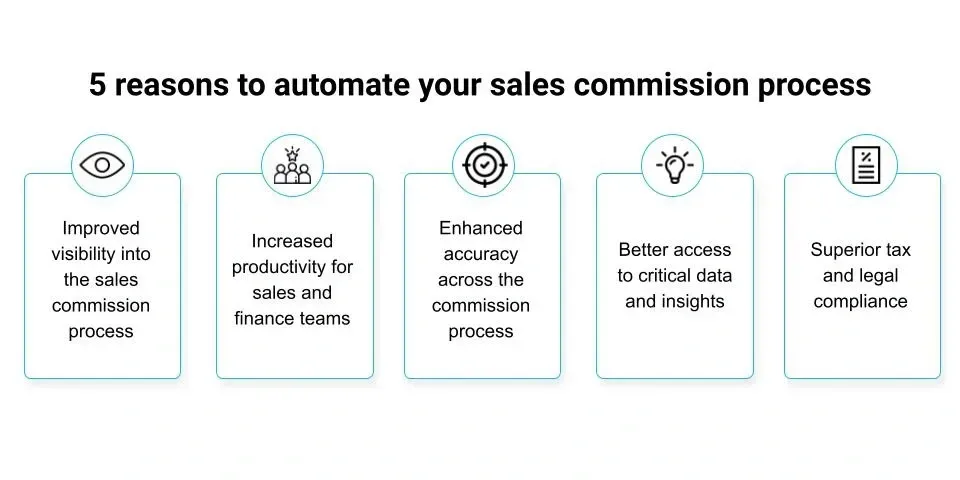
1. Improved visibility into the sales commission process
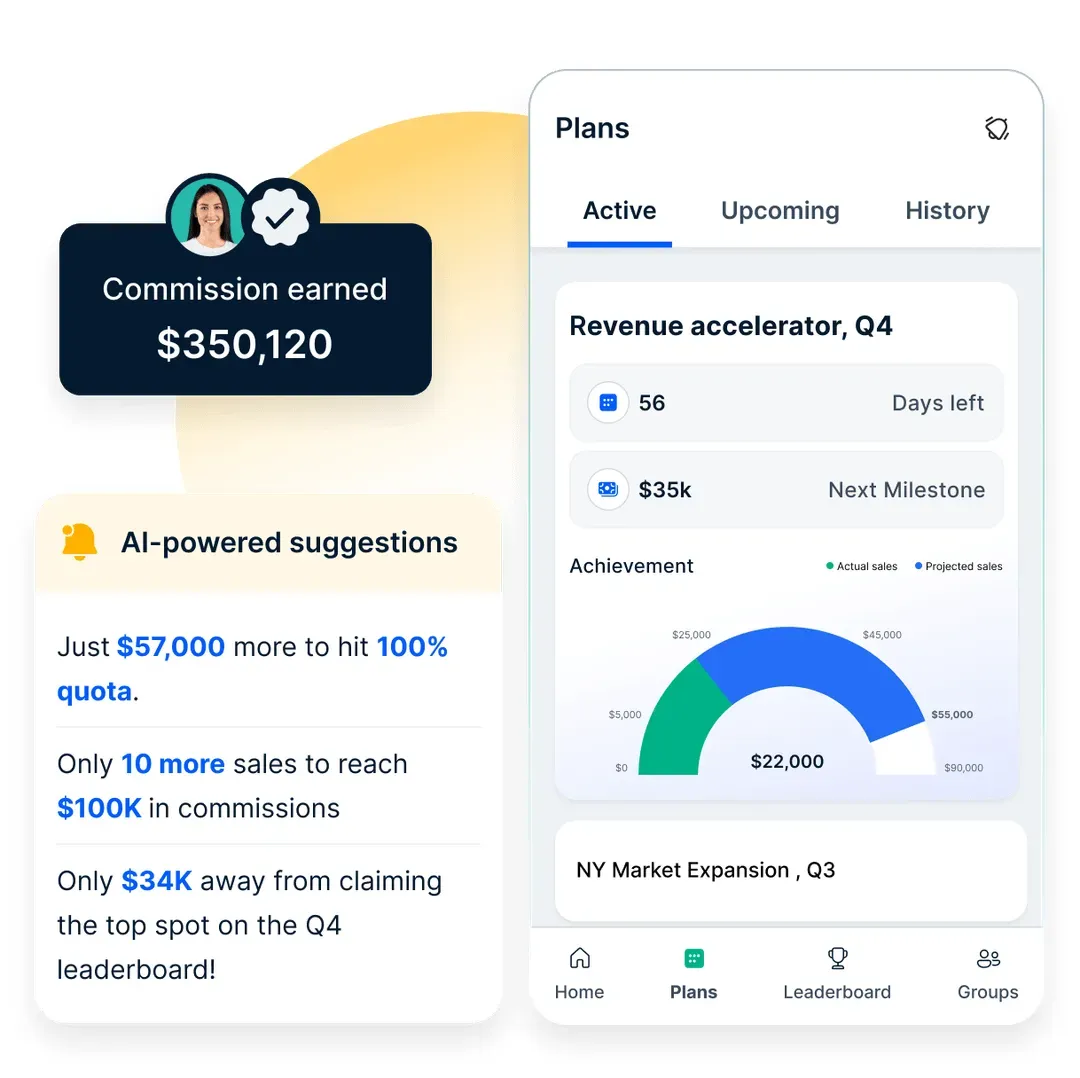
Adopting new-age sales commission software ensures real-time access to commission calculations, for sales representatives, their managers and possibly anyone in the organization. Having this information readily available motivates reps to see what they’ve earned and strive to earn more. Sales managers can also motivate their teams, while keeping an eye on their progress.
Empuls helps you turbocharge your sales teams, enables less manual reporting, and provides transparency in the actual calculations behind the numbers, which helps the reps trust the numbers they see because they can see how they’re calculated with just one click. What’s more is with automated payments, you can have a clear picture about redemption trends.
2. Increased productivity for sales and finance teams
Manually entering data into spreadsheets leaves room for error and makes the process extremely slow and tedious. It takes hours and days together to calculate commissions for all reps. The possibility of human error causes scepticism. Sales reps spend hours calculating, confirming and reconfirming their final commission statements with their managers and finance teams. When you have a massive workforce spending so much time on futile activities, it leads to loss of efficiency and wastage of time and effort.
Empuls removes the necessity of human intervention in commission calculation and payment process thus eliminating error from the sales commission process. It also empowers sales teams to focus on selling instead of spending time calculating their commissions.
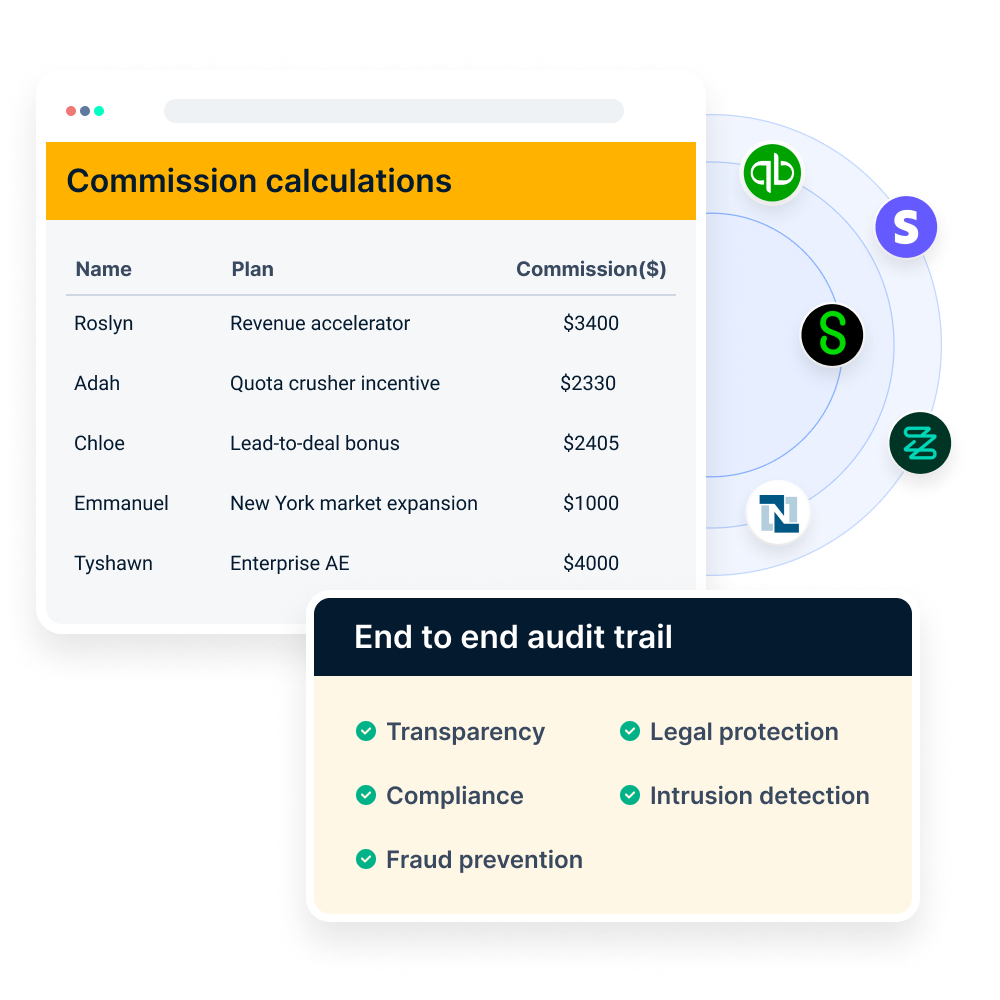
Manually managing commissions puts a cap on scalability and growth. Organizations face major challenges when they try to build a commission software within Excel that requires complex logic making it impossible to calculate commissions at scale.
With Empuls, you get the best of Excel like an intuitive interface along with variables, payout options and is scalable for small and gigantic enterprises and start ups alike.
3. Enhanced accuracy across the commissions process
Did you know that 88% of spreadsheets contain errors? That is crazy, right? Imagine calculating commissions on Excel for hundreds of thousands of sales reps and 88% of them turning out incorrect. The waste of resources in terms of lost time, efforts and money, coupled with chaos resulting in demotivated sales reps is a horrible spot to be in.
Now imagine this happening routinely. Miscalculating commission leads to unhappy sales reps, resulting in high turnover rates. Yet another challenge when you release payments manually is first the possibility of error while releasing payment and the rigidity of cash and brand vouchers.
Automation reduces human error-ultimately, eliminating more than 90% of errors-so you can be confident in your data and trust that your decisions are backed by fact.
With Empuls, you can easily build complex commission programs with the familiarity of Excel within a few clicks, release payments in terms of bank transfers, credit notes or gift cards with an option to redeem from 20000+ options, also reducing the constant friction between sales, HR and finance teams.
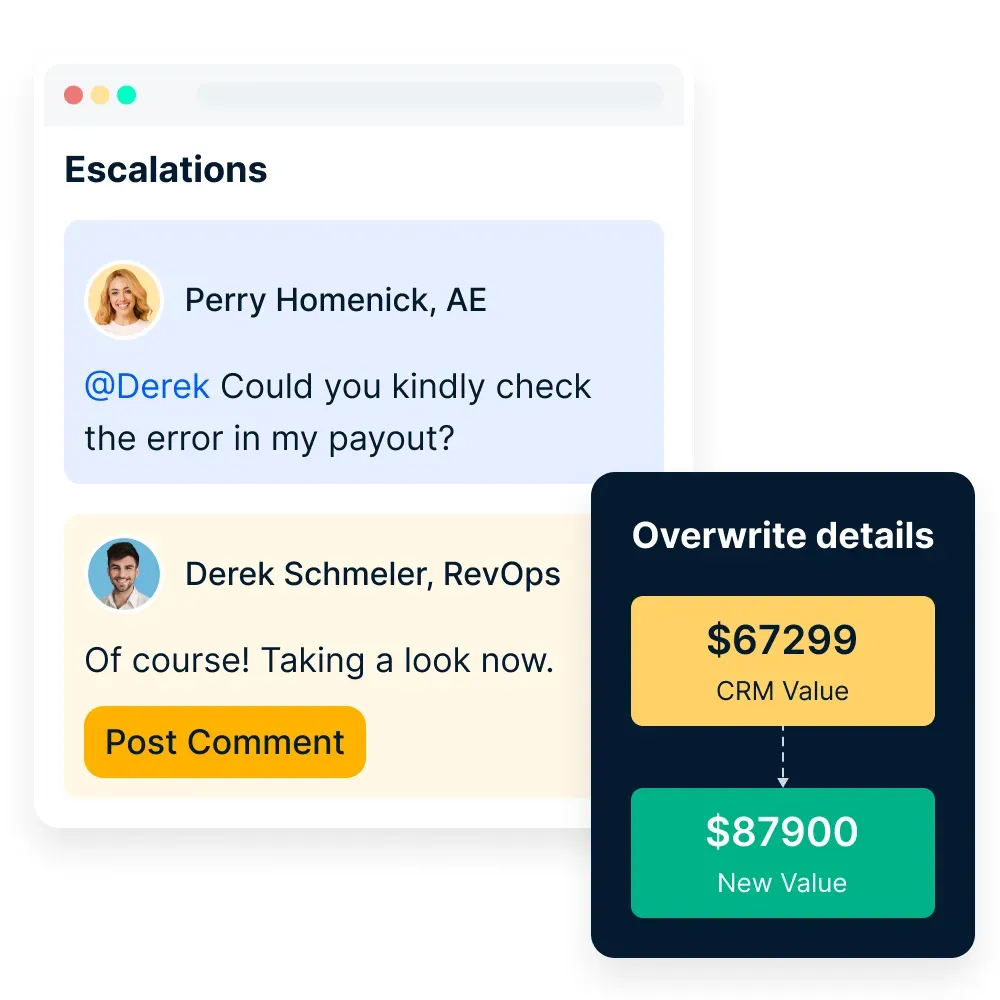
4. Better access to critical data and insights
With all transactions and calculations happening over the system, commission systems allow the ability to report comprehensively on sales commission information. Analytics and dashboards empower the sales reps, team leaders and management to slice and dice the information available in various ways.
Empuls instantly becomes the single source of truth that ensures that everyone in the business ecosystem bases business decisions on the same data and derives actionable insights.
Empuls gives you a configurable widgets & reports dashboard that helps you measure what matters with configurable widgets for both admins and end users.
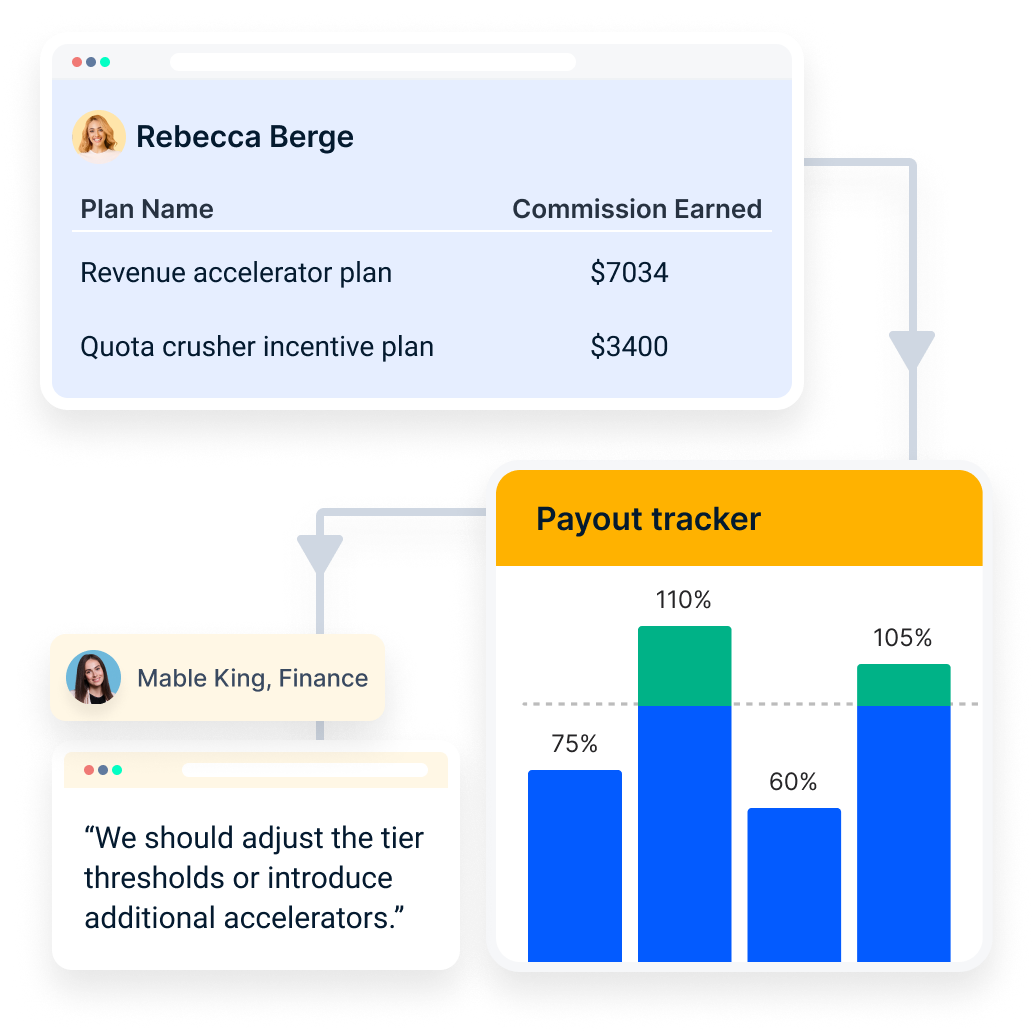
It lets admin users configure widgets like Investment ROI, program participation, leaderboard, regional performance, team wise performance, and empowers end users with widgets including earning trends, team leaderboard, earning simulator, and more.
5. Superior tax and legal compliance
When you are manually calculating commissions on Excel, it does not allow you to configure tax implications, let alone factor in data based on slabs or geographies, making financial reporting and legal compliance independent of commission calculation and payouts.
Empuls, apart from enabling fair, error free and transparent incentive calculations, takes care of user authentication and all security measures like GDPR or ISO and handles geographical tax implications and compliance.
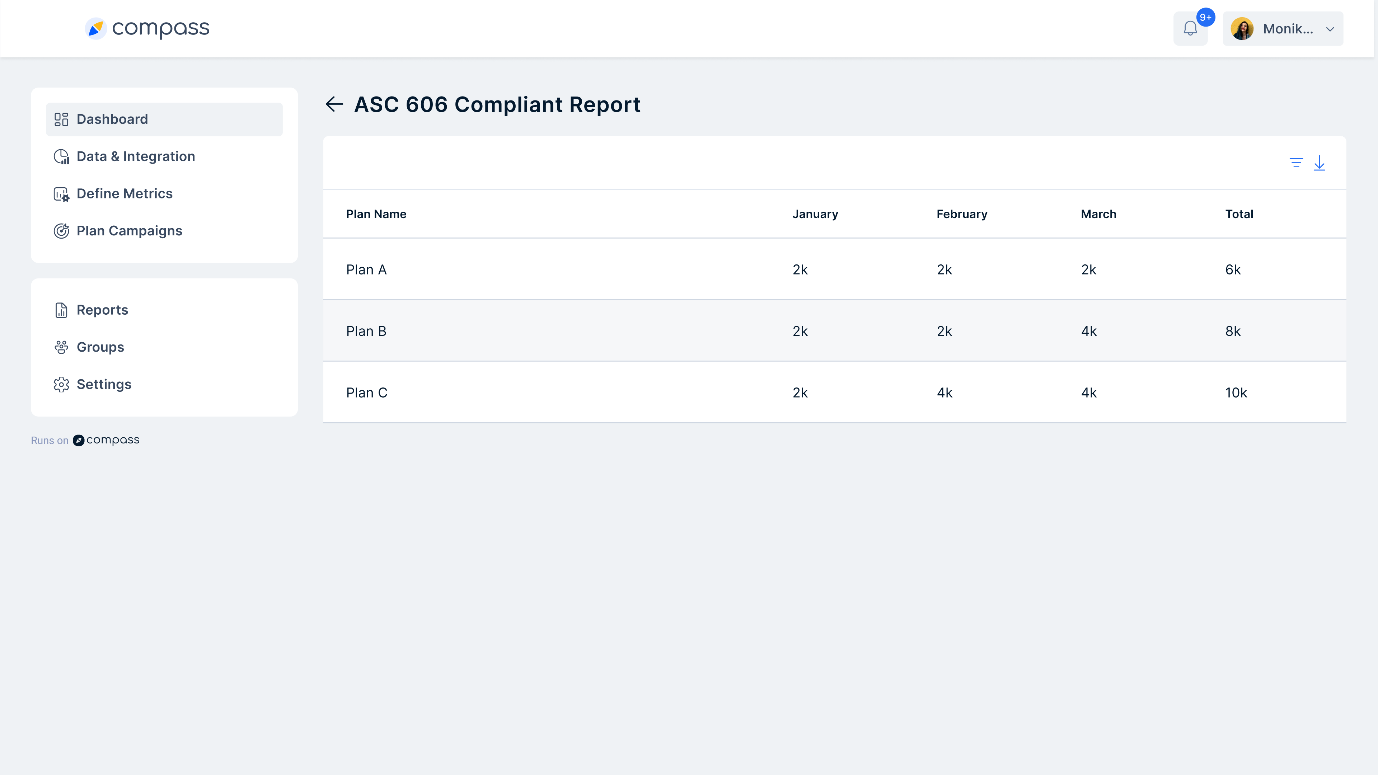
The hard truth is you can’t be strategic even if you are managing one aspect of your sales process manually. Because you’re focused on tactical measures instead of strategy-and even worse, your data is static, so your decisions are reactive instead of proactive, costing you hundreds of dollars, as you let go of your best sales reps, critical time and crucial efforts.
How to set up a sales commission automation system?
Here’s a comparative table on how you need to do it:
| Element | Description |
|---|---|
| Clear commission structure | Define your commission plan, including rates, rules, and criteria. |
| Accurate sales data | Ensure your sales data is complete and error-free. |
| Integration capabilities | Assess your existing software for integration with commission management tools. |
| Access to historical data | Gather past commission data to establish benchmarks. |
| Commission policy | Document your commission policy for reference. |
| Support and training | Prepare training materials and support for your sales teams. |
| Decision-makers | Identify key personnel responsible for system setup and management. |
| Budget | Allocate funds for commission management software and any required integrations/customizations. |
| Data security measures | Implement data security protocols to protect sensitive information. |
| Testing plan | Develop a testing strategy to ensure the system works as intended. |
| Communication plan | Plan how you’ll communicate the changes to your sales team. |
| Legal compliance | Ensure your commission system adheres to legal regulations. |
| Dispute resolution process | Define a process for handling commission disputes. |
| Performance metrics | Choose the relevant KPIs for tracking and analysis. |
| Management tools | Consider reporting and analytics tools for monitoring commission performance. |
| Documentation & records | Maintain records of all commission-related activities for transparency and audit purposes. |
Overcoming common challenges in automating sales commissions with Empuls
Automating commission calculations can significantly streamline your sales compensation process, but it comes with its own set of challenges. Here are the top obstacles businesses face.
Challenge #1: Complex commission structures
Many organizations have intricate commission plans with multiple tiers, bonuses, and exceptions. Managing these manually is difficult, but even automation can be tricky if the system isn’t equipped to handle complexity.
Challenge #2: Data integration
Accurate commission payments rely on seamless data integration from multiple sources like CRM and ERP systems. Poor data quality or mismatched records can lead to errors in commission payouts.
Challenge #3: Dispute resolution
Commission disputes can arise due to calculation errors, miscommunication, or unclear policies. A lack of transparency in commission tracking can frustrate sales teams and lower morale.
Challenge #4: Training and adoption
Even the best commission automation tool is ineffective if your sales team doesn’t know how to use it. Rolling out training programs can be time-consuming, delaying adoption.
Wrapping up
Automating sales commissions isn’t just about efficiency-it’s about accuracy, motivation, and business growth. An in-house system may seem like a cost-saving move, but the hidden expenses, security risks, and lack of agility can make it an uphill battle. Empuls eliminates these challenges with a scalable, no-code platform that simplifies commission calculations, ensures compliance, and boosts sales performance. If you want to drive sales without the headaches of manual calculations or inflexible in-house software, Empuls is your go-to solution.
Book your Empuls demo
Frequently asked questions
In the tech and software industry, especially in B2B sales, commission rates can vary widely, ranging from 5% to 20%, depending on the product or service's complexity and the sales cycle.
A commission rate ranging from 20% to 30% of gross margins is generally considered reasonable. However, whether a 20% commission is good depends on several factors, including the base salary, the value of the sale, and the time required to close a deal. Some companies may supplement a lower commission rate with a higher base pay, tiered commission rates, or multipliers to encourage employees to exceed sales goals. For many experienced salespeople, 15% might be a lower commission rate. The average salary-to-commission ratio in the U.S. is 60:40.
A 5% commission on a sales price of $250,000 is calculated as $250,000 x 0.05 = $12,500.