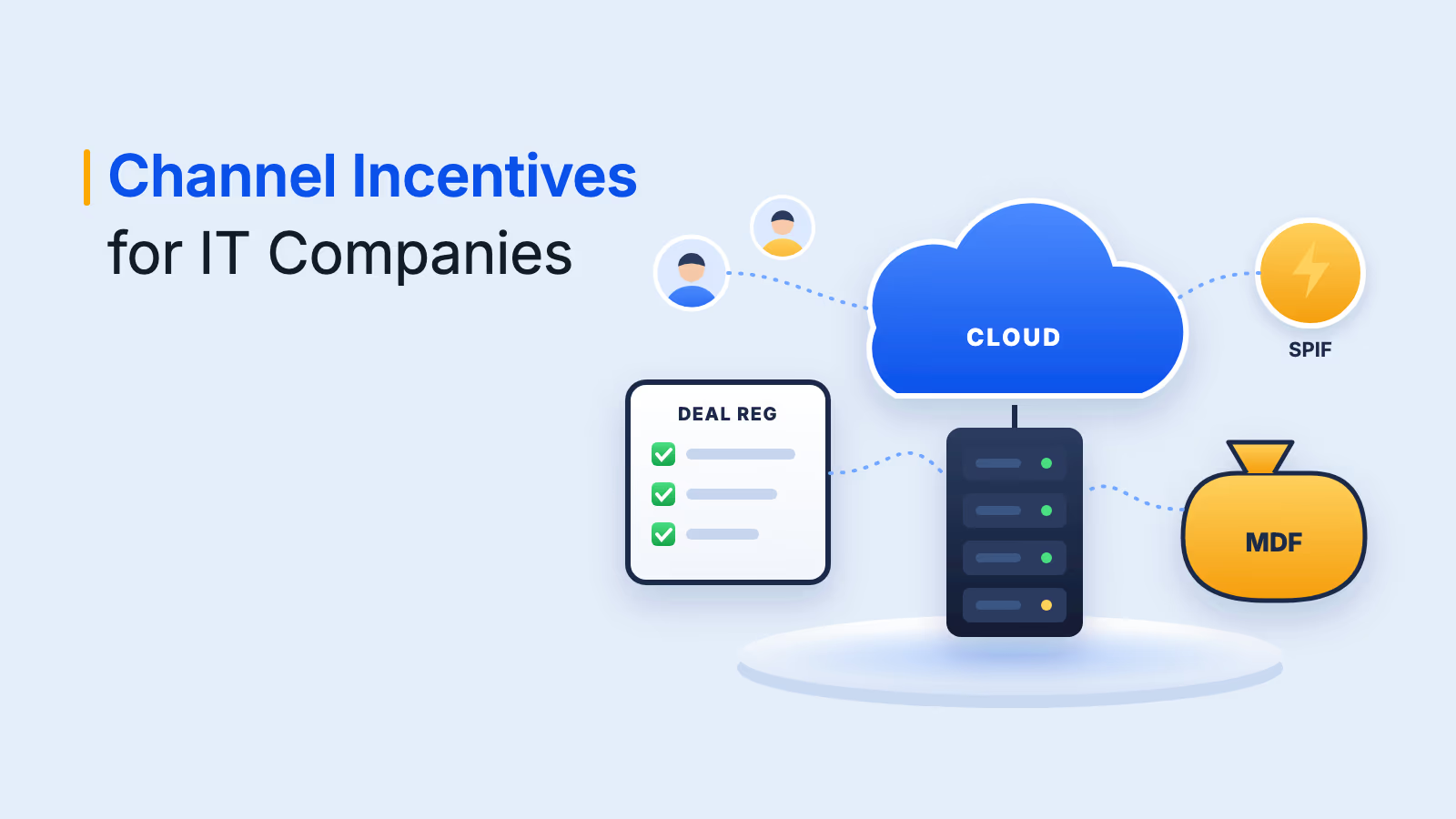
According to recent research conducted by Accenture, 77% of partners stated that they have more choices of providers than they had three years ago.
With rapid technological progress, the business world has seen a significant power shift between large technology suppliers and strategic partners, with the latter now having more alternatives.
The two main reasons for this are:
- Rising customer expectations for personalized solutions
- A broad set of providers/vendors with different offerings to satisfy customer needs
To generate the most from the partner program, providers must go beyond transactional partnership models and focus on the competency areas and moments that matter to the partner.
Businesses/vendors must orchestrate an ecosystem of 3C's to attract partners:
- Co-innovation: Explore co-innovation opportunities with partners using solution funding, developer toolkits, and solution marketplaces.
- Co-investment: Rethink the co-investment approach. Think about how partner and provider contributions are assessed and tracked. Incentivize partners for meeting sales targets, generating leads and referrals.
- Collaboration: Achieve cooperative relationships with partners across multiple channels by providing them training about your product and values, inviting them to webinars or events, etc.
12 types of channel incentive programs with examples
Here is a list of 12 types of channel incentive programs that can help you create a meaningful partner strategy.
1. Value-added reseller (VAR)
According to HubSpot, value-added resellers specialize in purchasing and reselling technology products with additional software or features that are above and beyond the standalone features of the product.
For example, a VAR can develop an application for a particular hardware platform and then sell that combination as a turnkey service or tool. So if you want your VAR sales reps to push harder, reward them for their effort. According to research conducted by Ariyh, such incentive programs can increase your total sales by 6% to 9%.
Benefits
- Increase market reach: Manufacturers and distributors can use VAR incentive programs to broaden their reach and market penetration.
- Handle complex IT projects: VARs can be incredibly valuable in handling complex IT projects that are too demanding or time-consuming for in-house employees.
Challenges
- Trust issues: Many vendors find it challenging to trust VARs, as they are another company.
- The intermediary role of VAR: Businesses are not happy with the profits enjoyed by VARs because of their role as intermediaries. VARs might also not share customer ownership and contact.
VARs frequently collaborate with third parties to deliver a complete solution to suit the needs of their clients. These are often independent businesses that provide specialized software and expertise. These Independent Software Vendors (ISVs) typically have long-standing working partnerships with VARs. For example, HP’s ISV partner program runs two tracks for ISVs-the virtual reality track and a retail track.
- Under the virtual reality track, HP wants its ISV partners to leverage HP’s massive product line of VR-ready devices and sell immersive solutions to the end customers.
- Under the retail track, HP aims to boost sales for its purpose-built retail platforms, which include tablets, mobile, convertible, and fixed position solutions.
HP incentivizes its partners with marketing, sales, and technical support. As a result, it becomes a win-win situation for both HP and ISV partners.
Occasionally small and medium-sized businesses (SMBs), nonprofits, and government agencies also hire managed service providers (MSPs), which are third-party companies, to remotely control their information technology (IT) infrastructure and end-user systems. These services may include network and infrastructure management, security, and monitoring.
A perfect example of incentivizing these MSPs is Google Cloud's partner program. Market research found that for every $1 of Google Cloud technology sold in 2020, partners are likely to generate $5.32 through their offerings, services, and IP globally. However, MSP processes such as billing, staffing, and response management continue to require strategic improvements.
2. Sales performance incentive funds (SPIFs)
SPIFs are intended to motivate your channel partner's sales team since these incentives are given to the salesperson (rather than the partner). Therefore, SPIFs are a fantastic way to generate short-term growth or enhance sales by motivating your channel partners, especially during off-seasons or slower periods.
Since SPIFs are focused on incentives, your prize selection is crucial in developing a successful strategy. If your participants aren't excited about your offer, they may be less inclined to perform.
There are several ways to recognize and reward sales performance. It all boils down to developing a customizable incentive scheme to keep the sales team motivated and pushing for improved results.
Benefits
- Helps target key individuals: This allows you to target key individuals in the partner community to promote desirable behaviors in line with vendor goals.
- Counter competitors: Helps you respond quickly to a new competitor's program and maintain market share.
- Increases sales momentum: SPIF is a well-known motivating tool for increasing sales momentum among your channel partners.
Challenges
- Response to unforeseen circumstances: SPIFs are often planned reactively to unpredictable market or organizational dynamics. However, poor planning or execution might have a detrimental long-term impact.
- Unclear incentives: When sales staff can't clearly understand how they're progressing toward the SPIF, they won't be consistently encouraged to pursue it, limiting the impact of SPIFs.
3. Market development funds (MDFs)
MDFs are resources you make available to your channel partners to help them with their sales and marketing efforts. These incentives might be monetary or educational.
Though marketers use MDFs in their channel partner teams for several initiatives, they often intend to increase local brand recognition. For example, partners can use MDF to acquire radio ads, fund webinars, purchase exhibit space at a trade show, or conduct a marketing event.
Benefits
- Leverage partner market knowledge and power: No one understands your channel partners' markets and account bases better than they do. MDF provides a formal mechanism for vendors and partners to co-invest in activities that maximize partner strengths and offer the maximum potential profits for all parties.
- Generate a measurable return: MDF enables you to have a quantifiable quantity of potential new customers reached, leads produced, or lead conversions to finished agreements.
Challenges
- "Use it or lose it" deadlines: The most prevalent issue among partners regarding MDF is that they cannot effectively prepare to exploit a vendor's MDF because the offers only last a quarter or, worse, 30 days.
- Stringent terms and conditions: To counteract fraud and MDF misuse, several vendors have developed strict rules restricting even the tiniest components of a solution provider's MDF-backed advertising or marketing campaign. This makes it difficult for resellers to develop creative activities, and if they violate the regulations, they are not rewarded.
4. Cooperative funding (CO-OP funding)
Cooperative funding (also known as CO-OP funding) is a way for businesses to assist channel partners in meeting their marketing objectives. In addition, CO-OP incentives are gained, rewarding your partners for their loyalty and continued purchases from you.
CO-OP funds were traditionally distributed as account credits. However, many manufacturers have discovered that credits do not always generate mental satisfaction for partners. Thus, a more recent solution to distribute the Co-Op funds is as part of a rewards and loyalty program.
Benefits
- More money, more ads: Co-op enables partners with more ability to spend in areas like larger ad space and longer runtimes that they would not be able to afford otherwise. It also provides the corporate brand with a degree of local presence that they could not attain independently. It's a win-win situation.
- Opens doors to new ways of marketing: With the financial assistance of corporate co-op funds, partners will be more willing to test new marketing strategies and experiment with innovative marketing concepts.
Challenges
- Small business, small budget: Day-to-day operations of small businesses do not have the cash to pay for Co-op marketing campaigns in advance of reimbursement.
- Put a strain on your marketing/sales team: In general, co-op finances are simply another obligation added to your marketing or sales team. Instead, a dedicated team should be working on your through-channel marketing campaign to guarantee that your co-op cash or market development funds are spent efficiently.
5. Deal registration incentives
A deal registration program incentivizes channel partners for bringing new leads to a vendor by providing them with an exclusive way to promote the registered lead.
Typically, the deal is recorded online, and the vendor then examines the lead against specified criteria before approving or rejecting it. If accepted, the partner has a certain amount of time to close the deal before losing its incentive. During this period, it's usual for vendors to offer support to partners to help them clinch the deal.
Benefits
- Enhanced efficiency: It prevents excessive resources from being squandered on a single lead; by spreading your attention, you will acquire more leads.
- Increased partner satisfaction: If your direct sales team steals leads from your partners, you will lose trust and maybe lose partners. Deal protection demonstrates to your partners that you appreciate their contribution to your sales process and guarantees that they are compensated for their efforts.
Challenges
- Transaction complexity: Deal registration programs provide a level of transaction complexity, inconsistency in terms of adherence to registration regulations, and technical issues with deal registration websites.
6. Enablement and training incentives
Sales enablement and training incentives, also termed behavioral incentives, are programs designed to provide sales reps with the necessary tools to progress to the ultimate end goal, closed deals. Each step of the way, reps can be rewarded for activities like certifications, participation in trade shows, quizzes, seminars, webinars, demos, proposals, etc.
Representing a brand for a parent business requires a thorough understanding of its products and services because channel partners do not work for the firms they sell for. Instead, it is the parent companies' responsibility to train them. Why? Because partners often sell things they are most familiar with. This is especially significant when partners sell a variety of brands.
Benefits
- Lower support costs: A well-trained partner does not require regular assistance when things do not go as planned. They are knowledgeable enough to figure things out on their own. It lowers the cost of the support resources you would typically supply in such scenarios.
- New revenue stream: You can create a new revenue stream when you teach your partners. You can sell certification training programs in which channel partners can enrol.
Challenges
- Exclusion: As channel partners are not your employees, they may feel alienated from your company's culture and values. It may also cause a rift in how your organization and its partners see business objectives and demands.
- Cultural issues: Partners are generally distributed around the globe. Cultural differences, including language and beliefs, might impede a productive working connection.
7. Loyalty incentives and partner retention
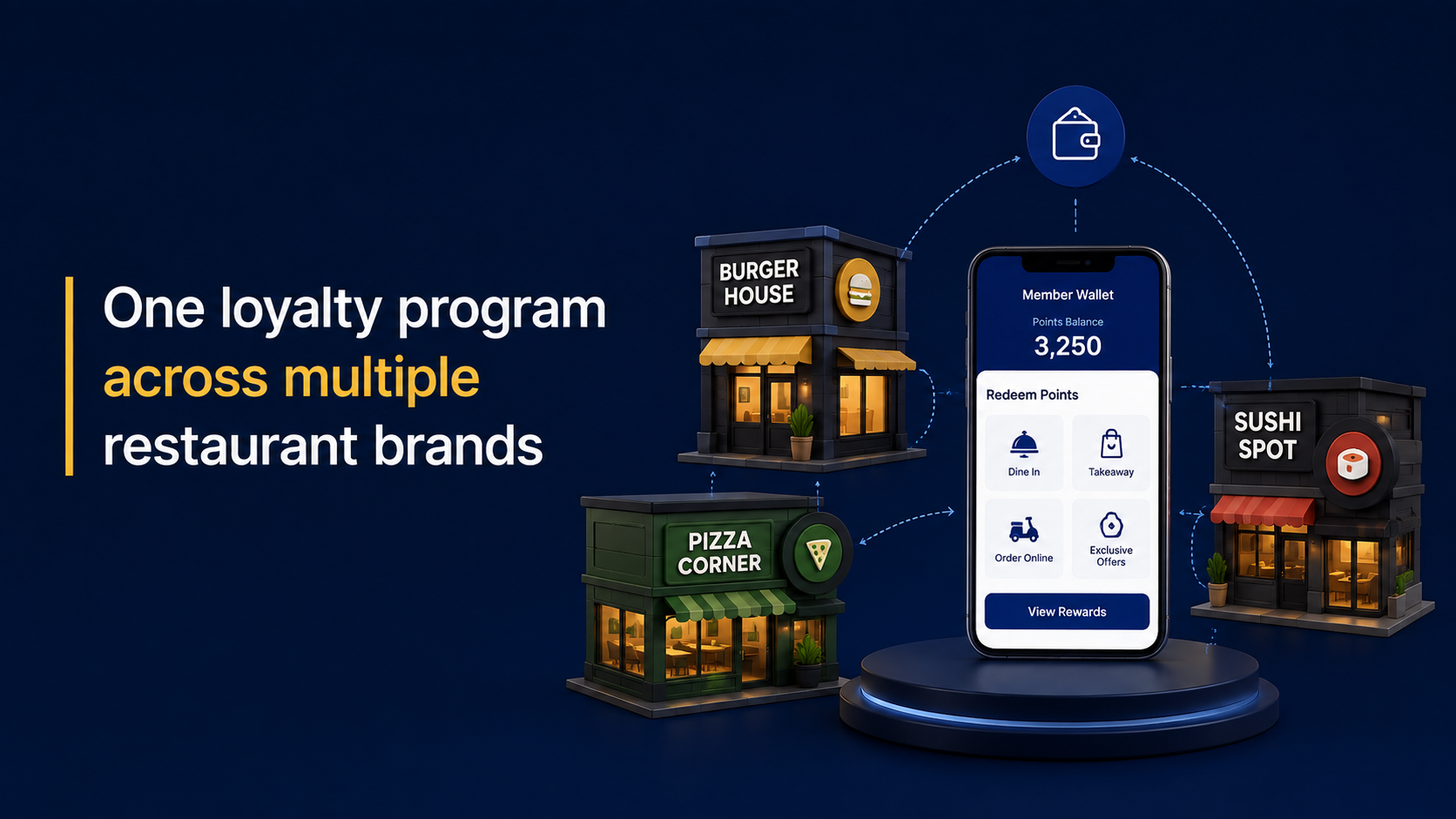
Brands run channel loyalty programs that focus closely on their high performing partners like VARs, ISVs, MSPs etc. Incentives used to strengthen the partner relationships besides time and care are called loyalty incentives.
Besides sales volume, companies should also focus on the long-term aim of sustaining the relationships they have established. They say, "you must spend money to make money." Staying true to this statement, you can incentivize your top-performing partners once they reach their sales targets. Incentive programs can pivot from rewarding growth to retaining the talents that you can't afford to lose.
To keep them, reward their commitment. Else, your competition might poach them.
Benefits
- Increases partner retention: Loyalty programs make partners feel valued, encouraging them to continue doing business with you.
- Attract new partners: A well-designed loyalty program may assist a company in attracting new partners. New partners can quickly join your partner program with points or discounts, helping you boost sales.
Challenges
- Market saturation: Many firms use comparable loyalty programs, making it challenging to retain your top partners. Developing a unique loyalty program based on competitive advantage is difficult.
- No control over partner leaving: Despite giving incentives, partners may want to leave because of circumstances that aren't under your control. For example, they might be getting a better opportunity, network expansion, etc.
8. Rebate incentives
Channel rebate incentives are designed to increase demand and sway customer preferences. They are frequently volume-based, which means that your partner must sell a certain number of products to earn their incentive. They then pass on the savings to their clients.
You can also utilize channel rebates to gather data on potential customers through obligatory form fills.
Benefits
- Sales growth: This encourages your channel partners to sell your products more.
- Building a consumer base: It is an excellent approach to building your brand, which, when executed right, can turn your happy customers into brand ambassadors.
Challenges
- Limited bandwidth for internal implementation: It may be challenging to determine how many employees should be assigned to manage this program.
- Complexity: It might be tough to establish a rebate program with different processes to receive money back while also ensuring that customers benefit.
Do you spend way too much time planning and tracking your rebate programs? It's time to automate your rebates program using Plum’s robust reward engine.
9. Referral incentives
Referral partners are business associates who can bring massive value to a business with their strong referral network. They recommend a particular company and its services to potential customers, helping brands reach corners of the market they may not get otherwise. Incentives given to these partners to reward referrals are called referral incentives.
A growing trend that IT companies tend to notice these days is the way channel partners are influencing and introducing opportunities to them, broadening their overall reach.
Typically, referral partners recommend eligible buyers to your company. In exchange, you reward partners with increased deal registration and opportunity identification. (In most cases, a portion of whatever sales they make).
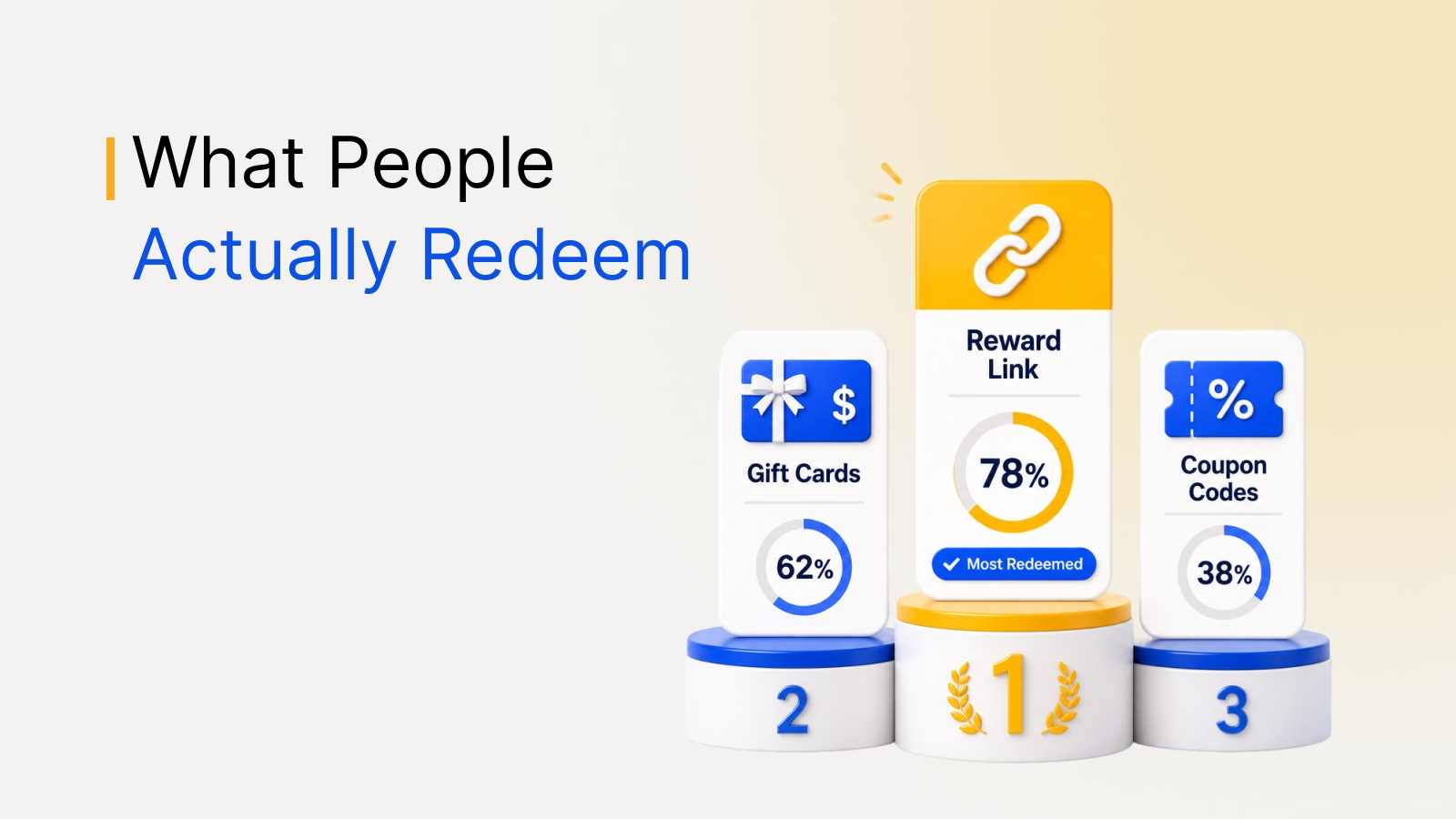
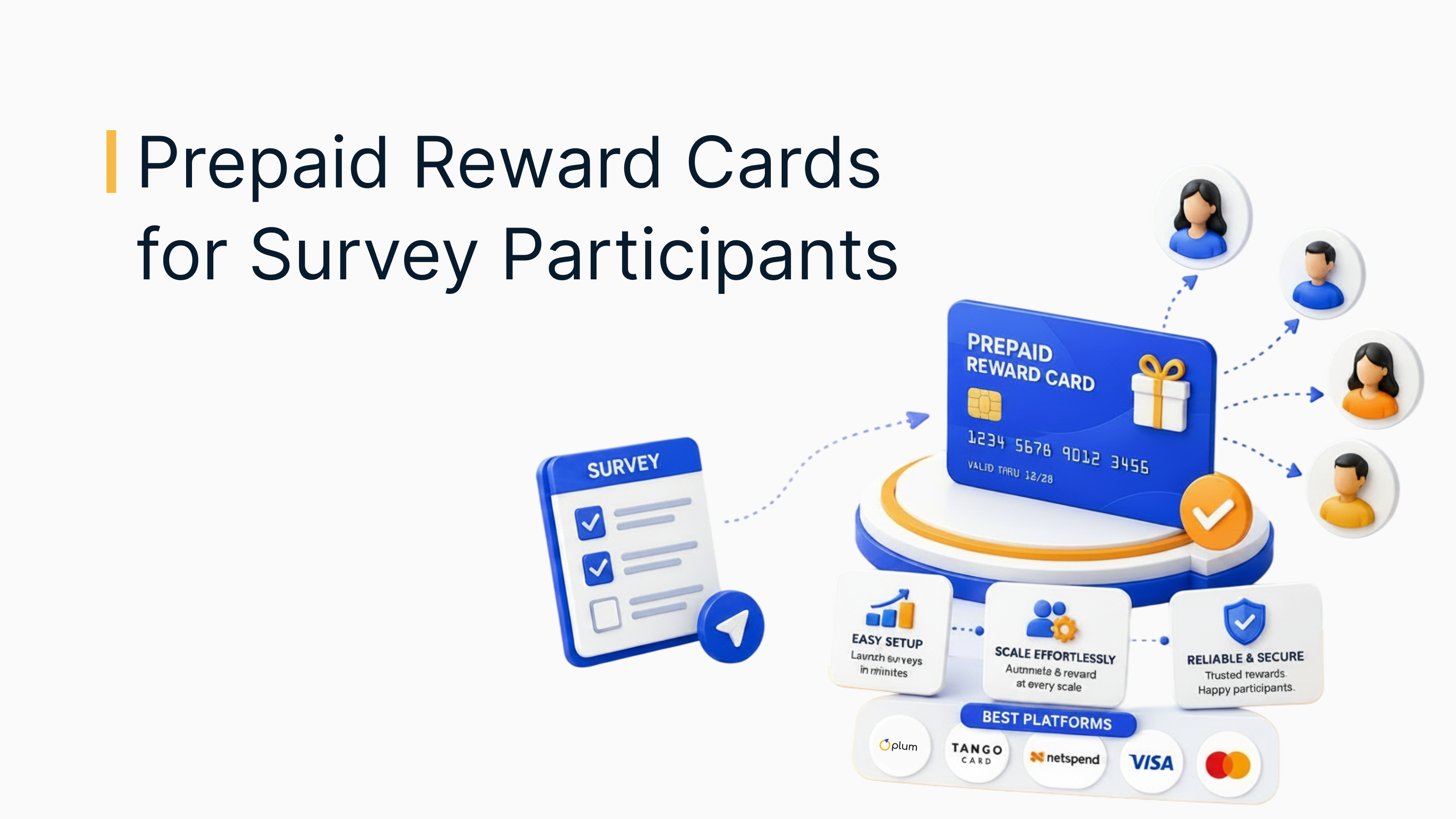
Points-based awards, gift cards, debit cards, and incentive travel programs are all forms of referral incentives. You may also give these quarterly or annually to encourage your partners to compete for the main prize.
Benefits
- Clear result visibility: It is a systematic channel incentive approach since you can see your results.
- Win-win situation: It's simple to justify the investment in rewarding partners because you don't pay out until the deal is closed, making it a win-win situation.
Challenges
- New approach: This is a relatively new approach to rewarding channel partners, and many vendors are unsure how to manage a referral program or how much they should pay out to partners.
- High costs: Referral commissions can be higher than those offered in an affiliate program.
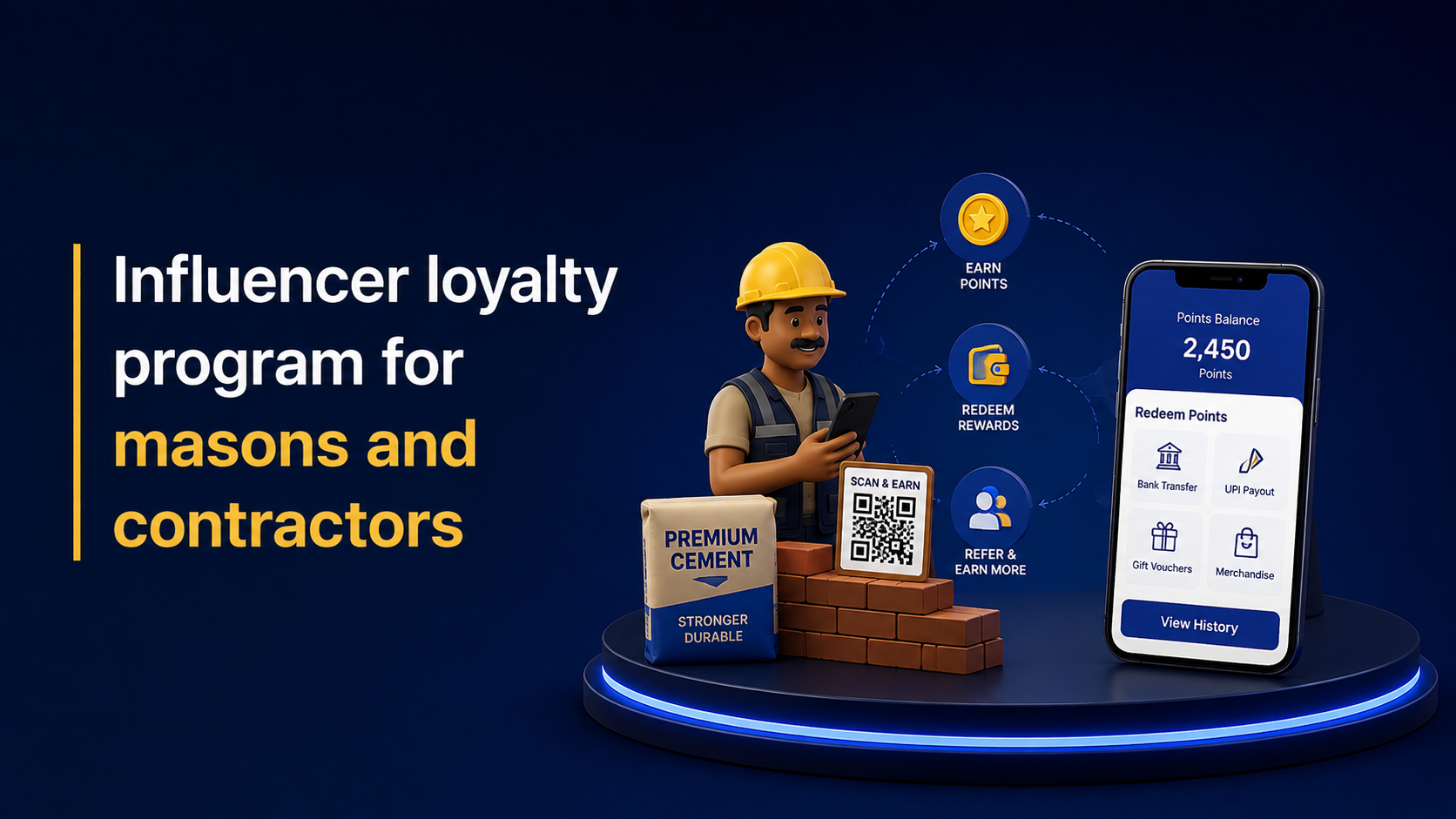
10. Influencer channel
You can reach out to any influencers and ask them to evaluate your software on their social media platforms. Influencers then spread the word about your product or service in their networks. They advertise, suggest, and refer using their capacity to influence potential people.
If anyone in their network uses their code to purchase, you can send the incentive to that specific influencer.
Benefits
- Brand awareness: It can shorten your sales cycle and increase brand awareness.
- Network: You can expand your network manifold.
Challenges
- High demand for influencers: Due to the high demand for influencers, you might have to incentivize them more frequently and with high value.
11. Solution development funds
If you sell a product that needs demonstrations by your channel partners, you can consider establishing a solution development fund. Using this fund, you may reward partners for creating creative solutions that use your product as a foundation.
Solution Development Funds help support demonstrations, proofs-of-concept (POCs), and product launches. This increases the likelihood that your partners will sell your goods and stay with your firm in the long run.
Benefits
- Aid in planning marketing: Partners may efficiently align their marketing plans to launch, raise awareness, and build demand for the co-developed solution.
- Effective for complex products: It is an effective channel incentive for products and services that have a lengthy and complex development and sales cycle.
Challenges
- Unattractive incentive program: If partners do not find the solution development fund appealing enough to drive them, the incentive program may fail.
- Complex processes: Partners may find it difficult to engage if the regulations, lengthy approvals, and claim processes are cumbersome.
12. Staffing or embedded headcount
Staffing/Embedded Headcount incentives are a type of enablement and training incentives. A full-time employee is embedded in a partner organization to teach partners and promote the product in the partners' businesses.
Benefits
- Improved channel partner performance: Training provides channel partners with product expertise, allowing them to effectively communicate the advantages and values your product offers to buyers.
- Brand growth: Trained, authorized, and long-standing partners contribute to brand growth.
Challenges
- Cultural differences: Because partners are often distributed over the world, the issue of cultural differences, including language and values, might deter a productive working connection.
Run smarter IT channel incentives
Role-based, tiered incentives and automated engagement flows for VARs, MSPs and distributors.
Talk to our ExpertTrusted by 5,000+ companies
Channel incentives that boost growth
Many businesses have taken significant steps to accomplish growth in this changing and demanding selling environment, such as establishing new digital channels, including specialized roles, and adopting team-based selling.
Optimizing the balance of incentives, targets, promotions, and bonuses for channel partners may be a growth engine. Smart compensation model tweaks have been discovered to have a 50% greater influence on sales than changes in advertising spending. Creating channel incentives with these five fundamental elements might help you develop a healthy partner relationship.
1. Role-specific incentives
The concept of a "product" has evolved considerably in the digital age. It is less likely to be a tangible thing and far more likely to be a service that involves a continuing connection with the consumer.
Whether this service is cloud-based software or mobile app capabilities, additional expertise is frequently required to support frontline salespeople in the sales process.
Many businesses, for example, will want solution architects to give technical know-how for digital or otherwise complex goods. These experts have the power to influence buying decisions of end customers. As a vendor, you can keep different incentives for people involved in different roles to accomplish a common goal.
2. Split incentives
With more salespeople participating in each deal, everyone must collaborate in the most efficient and conflict-free manner possible.
This begins with assigning specific responsibilities to different members of the team. Then, there must be a strategy to reward each individual for their contributions. Finally, there should also be a governance structure to evaluate team members' efforts and resolve possible crediting issues. A situation like this encourages short-term, cross-regional, and cross-functional collaboration.
Many IT businesses, for example, offer incentives to channel partners' salespeople based on different contributions made by different reps in a sales cycle.
3. Presales incentives
Customers spend more time analyzing options before settling on their best option, resulting in longer sales cycles.
A phased incentive program that supports both short-term and long-term sales cycles can enable the salesforce to stay motivated over such long periods. One method to do this is to reward salespeople for making intermediate progress on long-term transactions by allowing them to receive incentives before the sale's closing and depending on their progress in the sales funnel.
Companies, for example, provide deal registration incentives to channel partners in exchange for giving the lead and then offer them time to close the deal.
4. Omnichannel incentives
With the growing online presence, customers engage with products and services more on online platforms.
This may result in excluding channel partners/dealers from the process, particularly during the actual transaction. Leading organizations address this by figuring out how to make online or mobile sales an incentive for salespeople or channel partners rather than a threat. One strategy is to compensate sales representatives or channel partners for their participation in online sales.
For example, a cloud-based software firm may offer referral incentives to its channel partners for each purchase made by a consumer using their referral code.
5. Analytics-driven incentives
The idea here is to reward reps for the quality of their actions rather than their contribution to sales in terms of dollars. You can use data to develop granular insights on what drives a rep’s performance (for instance, using a particular type of demo that resulted in more sales) and then give recommendations to reps for selling actions. You can develop point-based channel incentive programs to reward fruitful selling actions-the ones you gather by analyzing data.
Power smarter IT channel engagement with Loyalife
Every interaction with your IT channel partners - whether it’s a VAR, distributor, MSP, or integrator - is a chance to build stronger alignment, accelerate revenue, and scale your competitive edge. But in a hyper-evolving landscape defined by subscription models, recurring revenue targets, and increasingly complex buyer journeys, managing partner incentives effectively is a serious challenge.
Loyalife is purpose-built to meet the nuanced demands of IT and tech-driven ecosystems, enabling brands to run high-impact channel incentive programs that are flexible, automated, and performance-focused.
Be it the launch of a new product line, expanding into new markets, or pushing software upgrades and service renewals, Loyalife helps you motivate the right partner actions at the right time.
Here’s how Loyalife can transform IT channel incentive management:
- Real-time partner intelligence: Get a unified view of partner performance across deal registrations, pipeline contribution, renewals, and upsells - all in one dashboard.
- Role-based, tiered incentives: Customize incentives for technical leads, sales engineers, pre-sales teams, and partner execs based on their exact influence in the sales cycle.
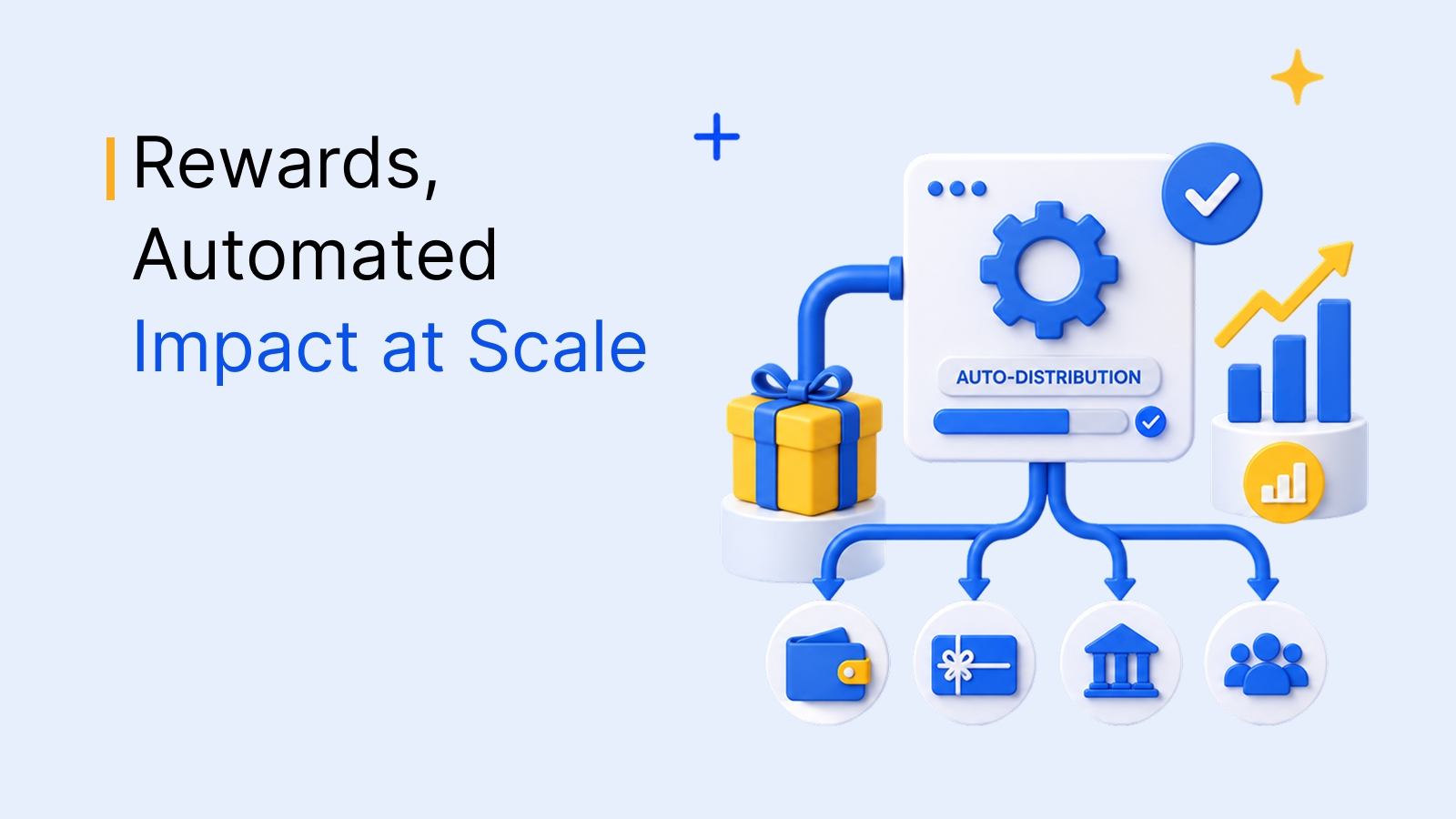
- Automated engagement flows: From deal registration validations to milestone-based bonuses and training certifications - automate every engagement step while keeping it deeply personal.
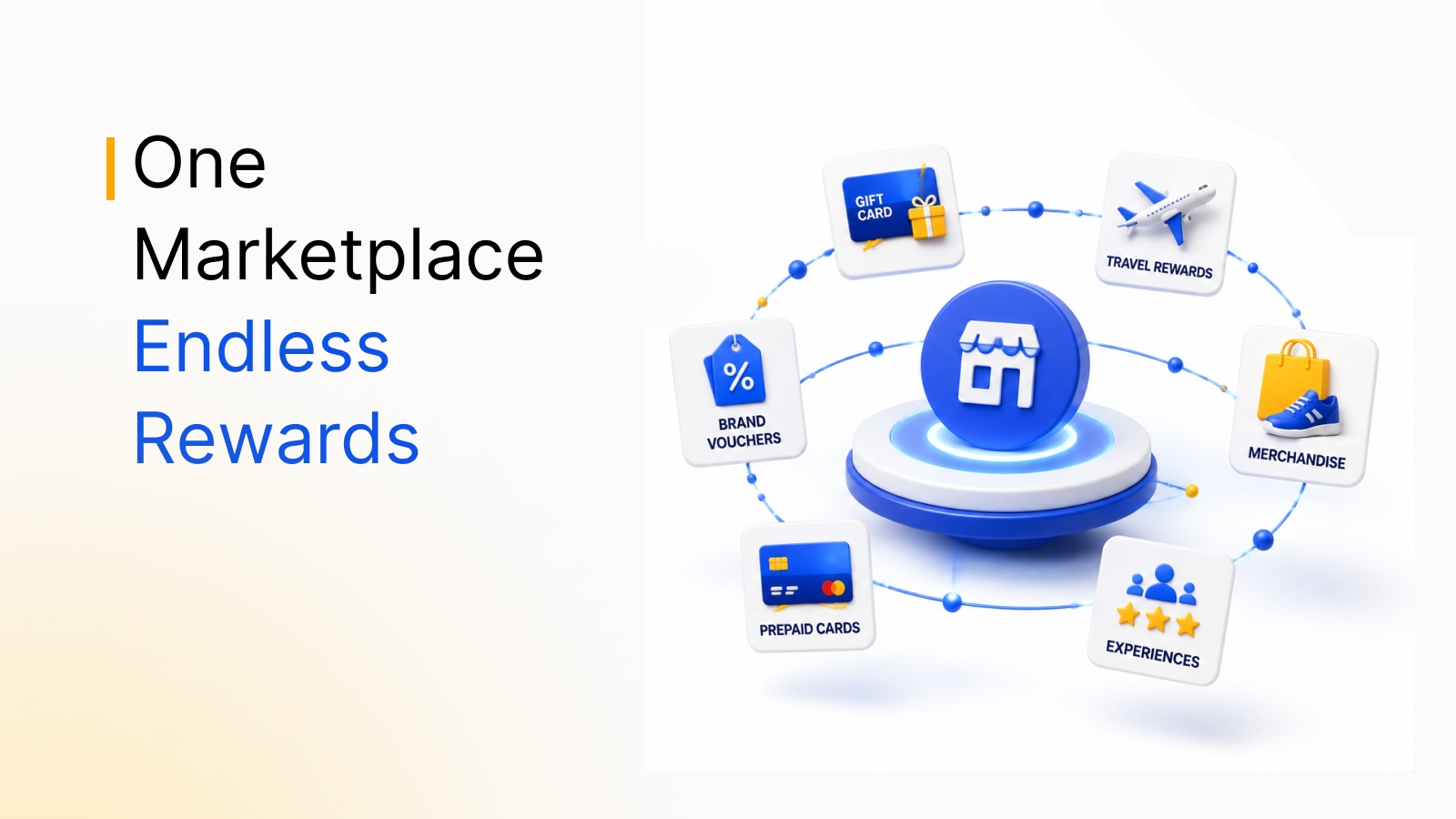
- Multi-channel reward distribution: Offer a global catalog of tech-friendly rewards - digital experiences, premium gadgets, e-gift cards, travel perks - that match partner personas and geographies.
- Insights that improve ROI: Track what’s working, spot friction points, and iterate fast using actionable analytics tailored for IT channel dynamics.
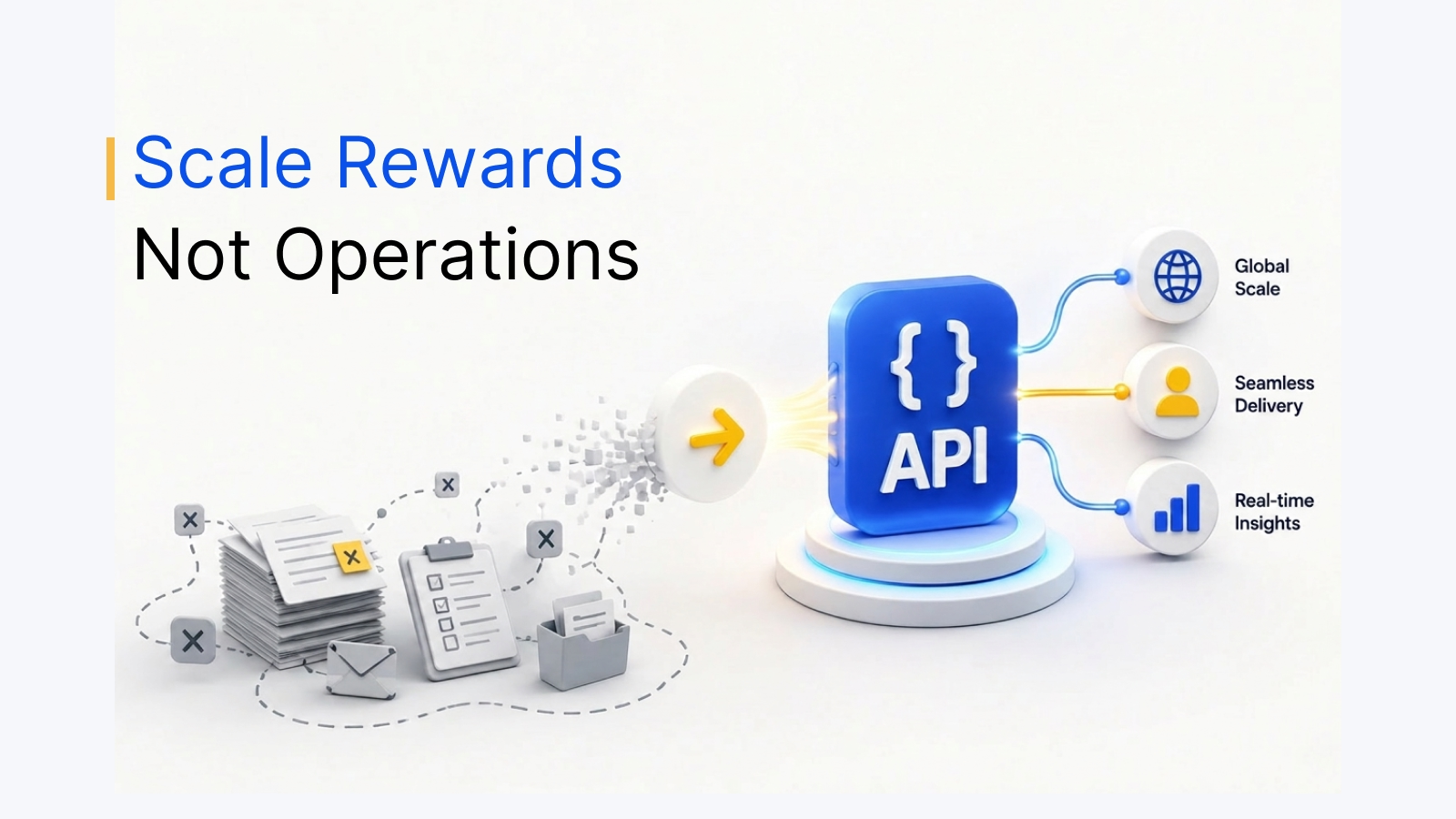
With Loyalife, IT companies no longer need to juggle spreadsheets, siloed platforms, or one-size-fits-all rewards. Instead, they can build truly agile, loyalty-first partner ecosystems that drive strategic growth and deepen partner relationships.
Reward with relevance, automate with intelligence, and grow with impact. Explore Loyalife.