Key Takeaways
An omnichannel loyalty program lets customers earn and redeem the same rewards online, in the app and in store.
Its main benefits are a smoother experience, better personalization, richer data and higher customer lifetime value.
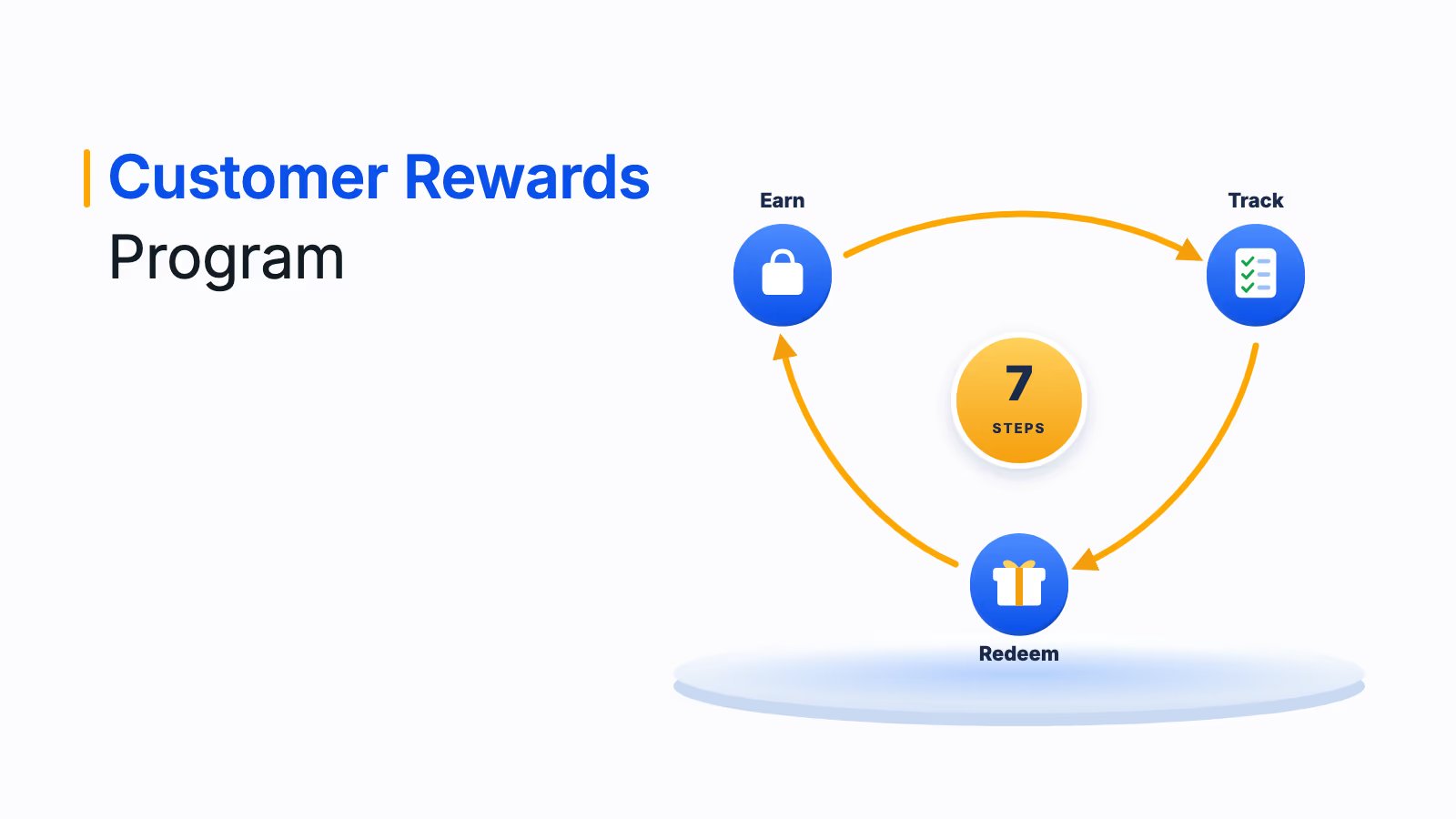
Building one takes six steps: know your customers, connect touchpoints, pick the tech, choose a model, promote it, and optimize.
Data silos, inconsistent experiences, low adoption and hard-to-measure results are the main hurdles to plan for.
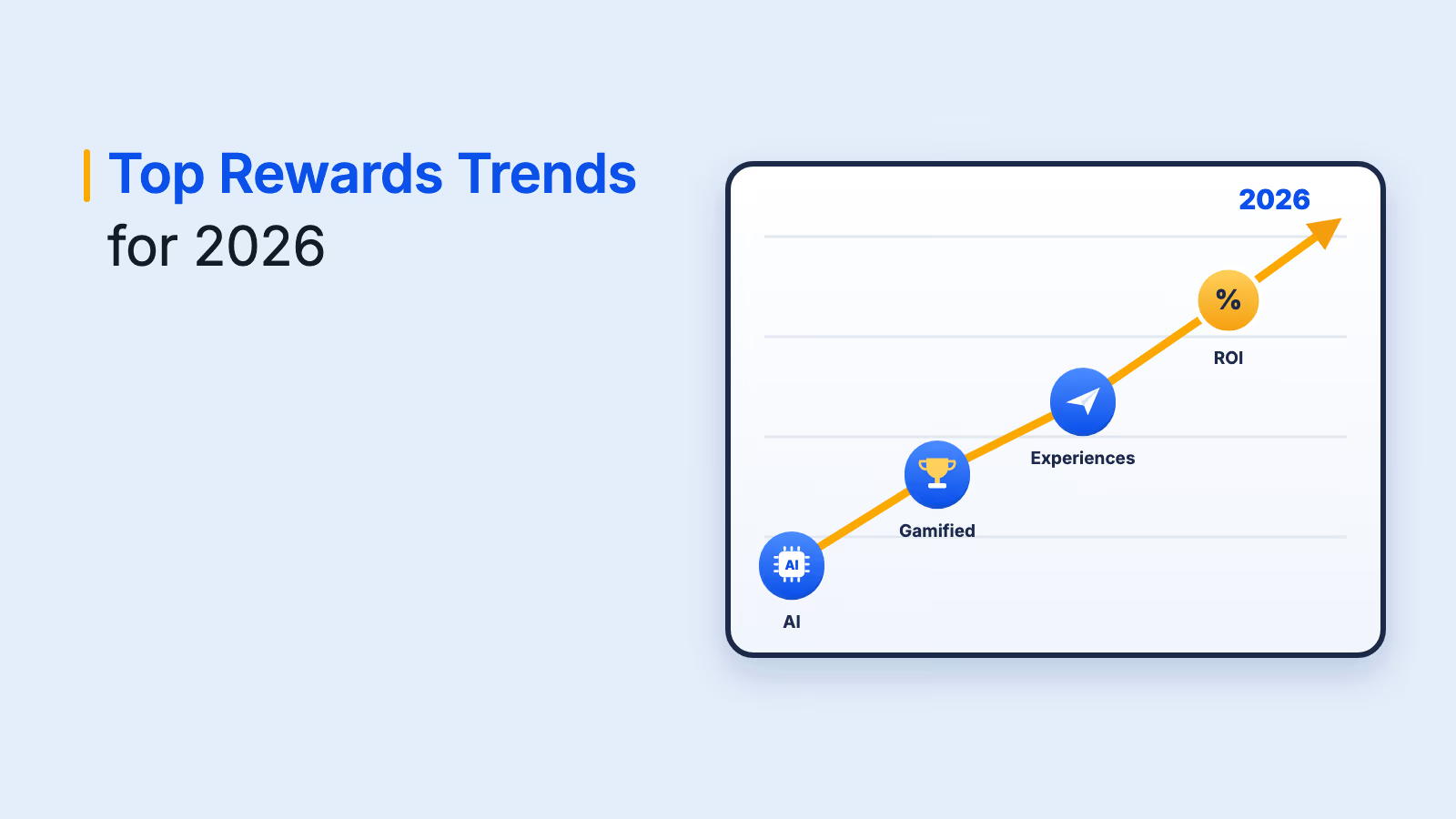
AI personalization, gamification, social and influencer loyalty, and digital wallets are the trends shaping 2026.
We have heard that "Customer is king/queen" and that the royals demand to be treated as royals, especially in today's interconnected digital world, whether for shopping, customer service, or engaging with your loyalty program.
As boundaries between online and offline blur, building an effective omnichannel loyalty program is crucial to drive customer engagement. The idea is simple: offer rewards and incentives that feel personal and accessible no matter where or how a customer engages with your brand.
But building an omnichannel loyalty program is not as simple. Several challenges can make or break a program, from managing customer data across platforms to ensuring a consistent experience at every touchpoint.
In this post, we'll dive into the basics of omnichannel loyalty programs, strategies, and common roadblocks and offer tips for overcoming them so your loyalty program can truly shine.
What is an omnichannel loyalty program?
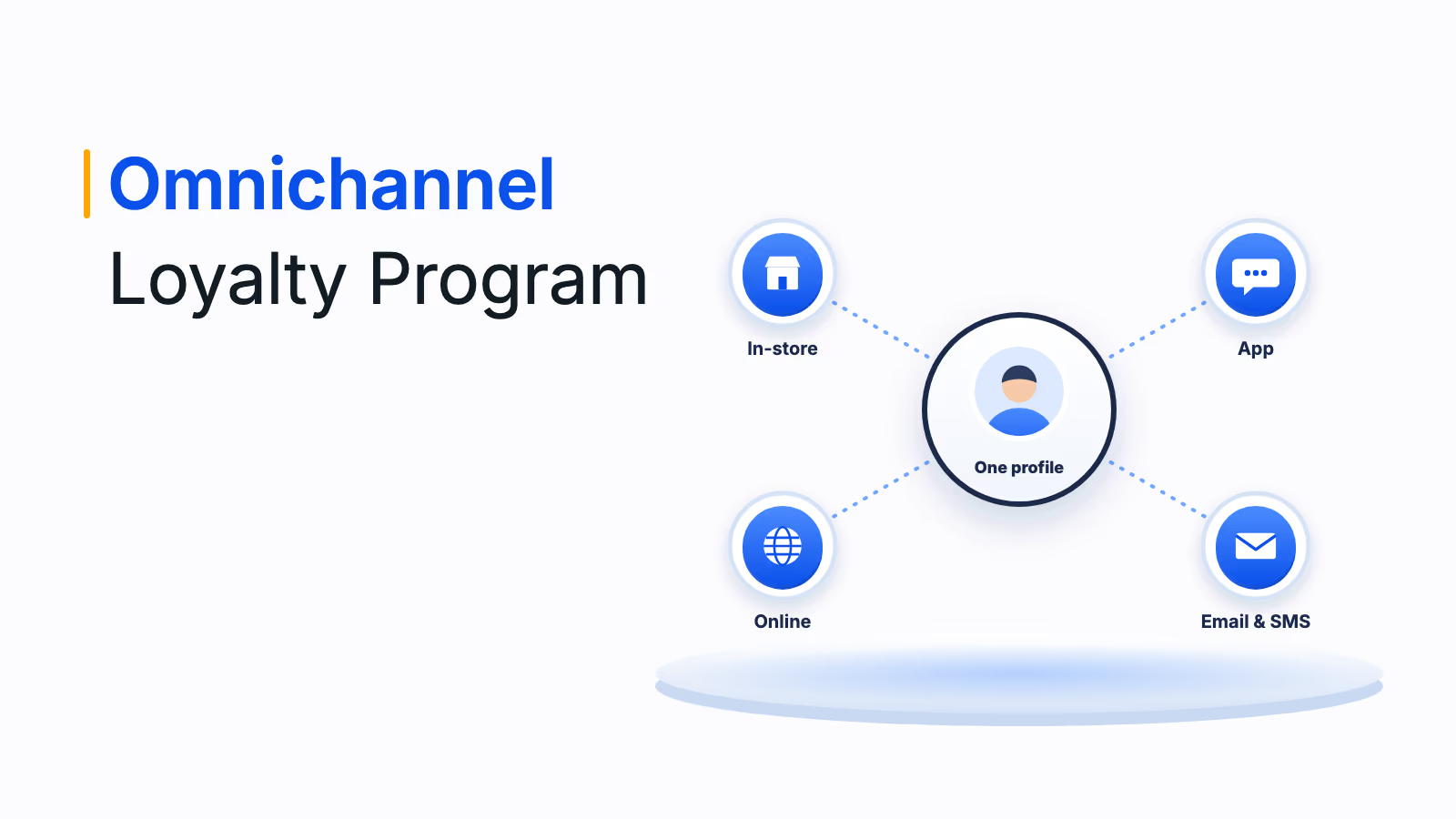
An omnichannel loyalty program connects loyalty rewards, incentives, and interactions across multiple touchpoints (online, in-store, or mobile applications).
Compared to traditional single-channel programs, an omnichannel loyalty program ensures customers engage with a brand's loyalty offerings by providing a unified and personalized experience.
For example, a shopper at a clothing retailer might browse new arrivals on the mobile app, receive personalized offers via email, and visit a physical store, earning and redeeming rewards on the same account throughout.
Omnichannel loyalty programs integrate multiple channels to increase engagement, improve personalization, and make rewards more accessible.
Difference between traditional and omnichannel loyalty programs
Traditional loyalty programs limit customer interaction to a single channel. In contrast, an omnichannel loyalty program links all the touchpoints, creating a seamless and personalized experience.
| Feature | Traditional loyalty program | Omnichannel loyalty program |
|---|---|---|
| Channel integration | Limited to a single channel such as a physical store | Integrated across channels via apps, website, and physical store |
| Customer engagement | Prioritizes sales | Includes social media, reviews, surveys |
| Personalization | Generic rewards for all | Tailored offers based on behavior |
| Reward tracking | Manual tracking, less transparency | Real-time updates across channels |
| Technology use | Basic loyalty cards or codes | AI, mobile apps, gamification, digital wallets |
Benefits of omnichannel loyalty programs
Omnichannel loyalty programs help businesses drive customer satisfaction, repeat purchases, and higher revenues.
Brands build lasting customer relationships by integrating online, mobile, and in-store experiences. Let's understand the key omnichannel loyalty program benefits, with omnichannel loyalty program examples from well-known brands:
1. Smooth customer experience
Customers often switch between online and in-store interactions on the way to a purchase, and they should be able to engage with the brand without friction across multiple touchpoints, such as the offline store, website, mobile app, and social media.
A well-integrated omnichannel loyalty program ensures that customers experience smooth interactions regardless of how or where they engage with a brand.
Customers might search for a hotel property on various travel websites and later book it from the hotel's website or loyalty program app. All their loyalty points and rewards are automatically credited to their account during checkout.
2. Provide personalized rewards
Omnichannel loyalty programs have data from various customer interactions, which helps offer personalized offers, recommendations, and rewards.
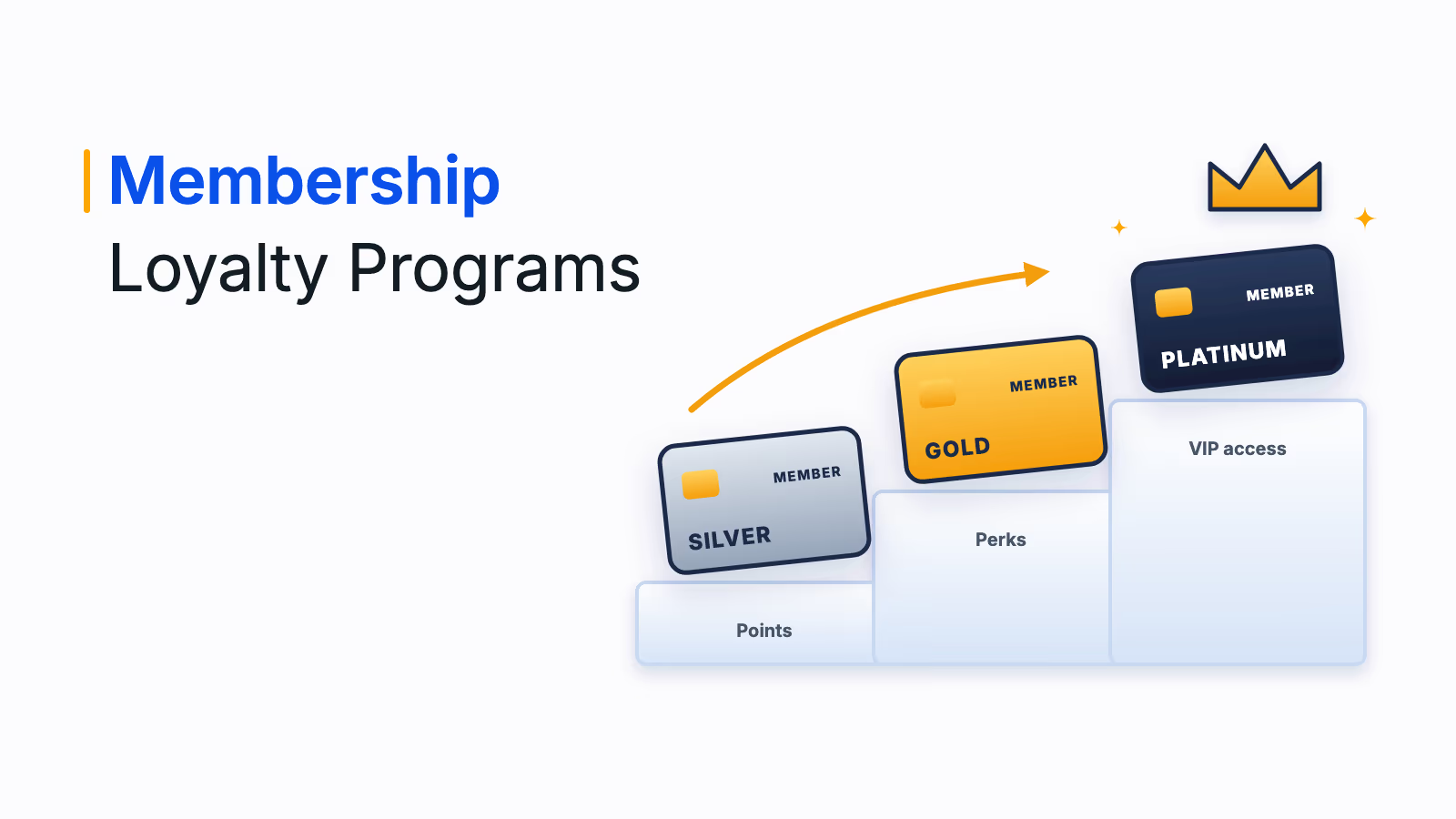
Sephora's Beauty Insider program, for instance, lets members earn points on purchases in stores and online, and moves them through Insider, VIB and Rouge tiers that unlock bigger perks as they spend.
3. Data-driven decision making
An omnichannel loyalty program captures insights from multiple channels (POS, CRM, app activity) to create unique and unified customer profiles. It helps predict customer behavior and enables targeted marketing strategies.
Starbucks Rewards ties app orders and in-store visits to one member account. Its 2026 relaunch replaced a one-size-fits-all approach with Green, Gold and Reserve levels and more tailored benefits.
4. Increased customer lifetime value
Loyal customers spend more over time; an omnichannel approach ensures they stay engaged across different platforms. Developing tiered loyalty programs can increase engagement levels and bring customers back.
Nike Membership connects the Nike App, Nike.com and Nike stores. Members get member-exclusive products and events in the app, and can return an order in a store, in the app or online without a receipt.
5. Higher sales and revenue growth
An omnichannel loyalty program encourages customers to spend more due to better rewards and ease of redemption. It drives higher purchase frequency from existing customers.
Ulta Beauty Rewards members earn points on every purchase, activate bonus point offers in the app, and turn their points into dollars off at Ulta Beauty.
6. Improved customer acquisition and retention
A successful omnichannel program attracts new customers and engages existing ones through word-of-mouth and referrals.
7. Cross-channel integration
An omnichannel approach ensures seamless transitions between online and offline experiences without losing loyalty rewards or benefits. This matters most for brands that sell across a website, an app and stores, as many ecommerce rewards programs now do.
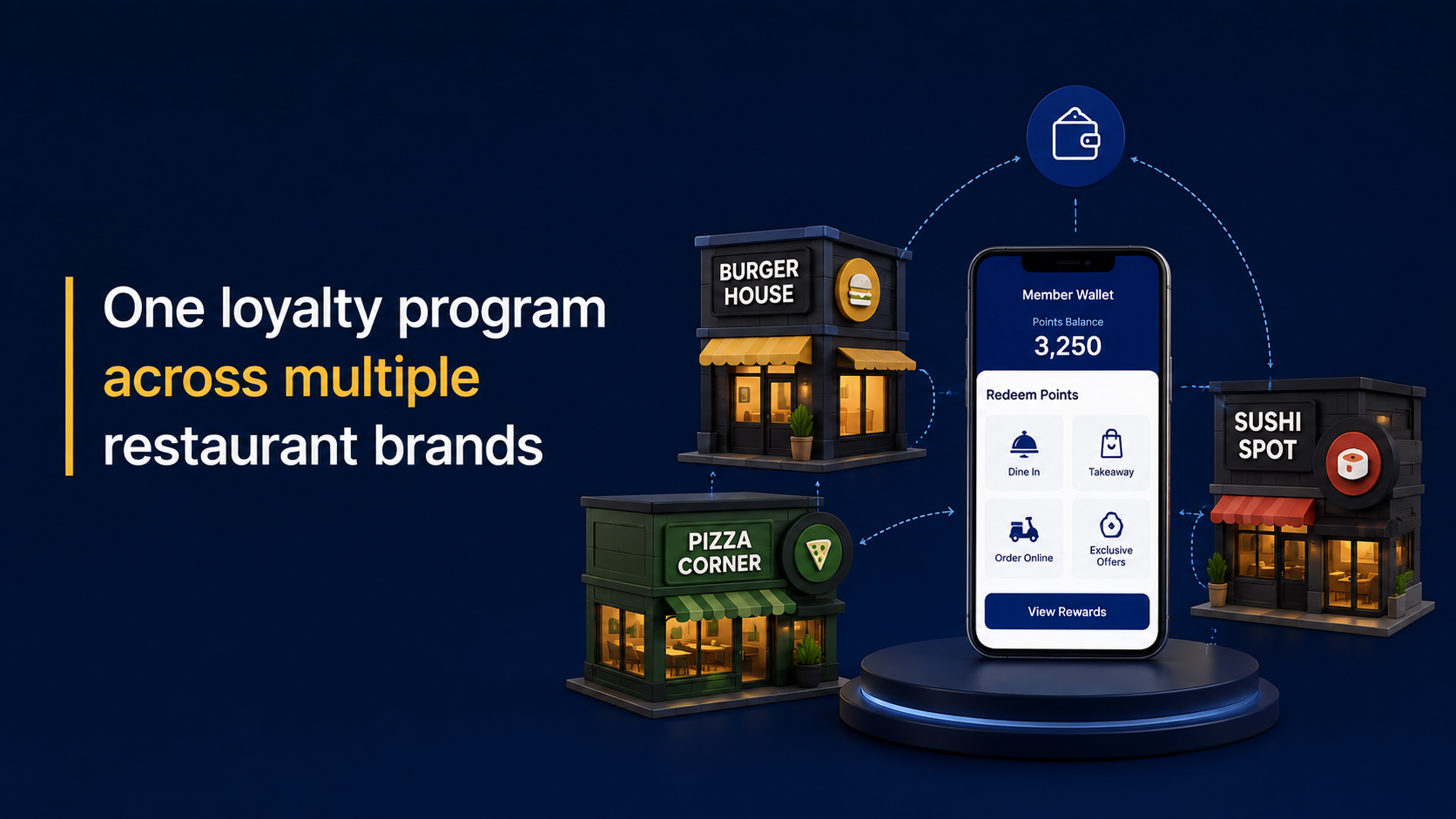
One member, one wallet, every channel
Let members earn and redeem across web, app, store POS, kiosk, call centre and WhatsApp.
Talk to our ExpertTrusted by 5,000+ companies
How to build an omnichannel loyalty program
Developing an effective omnichannel loyalty program requires understanding customer needs, using the right technology, and analyzing data to optimize it. The following is the step-by-step process:
Step 1: Understand your customers
The first step is deeply understanding your customers and their pre- and post-purchase journeys. Conduct both primary and secondary customer research to analyze purchase history, channel mix, key pain points, etc.
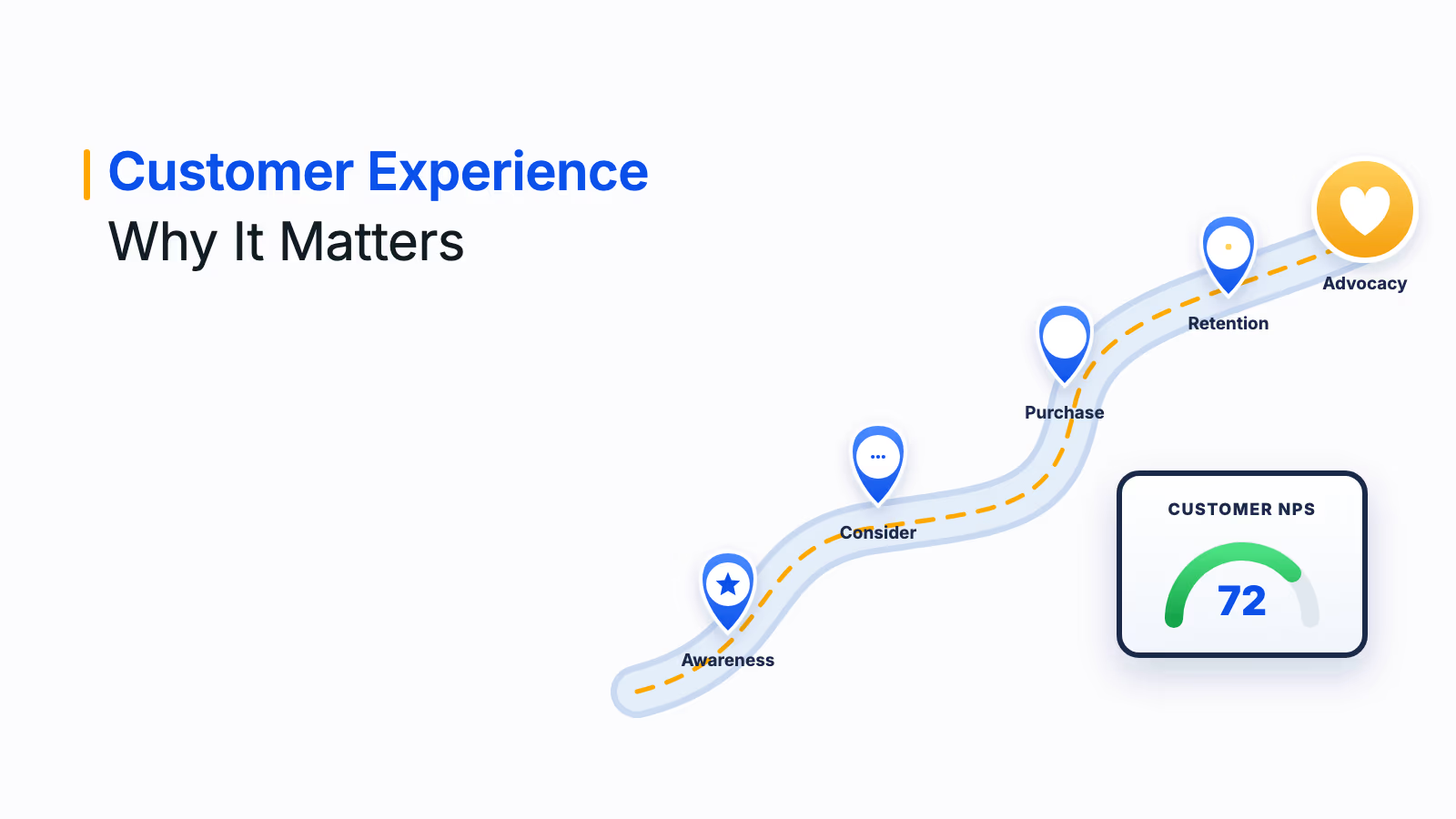
Identify various touchpoints where customers interact with your brand, from the time they go to the market to search for a product you offer to the final stages of their loyalty experience. Map the customer journey across channels and identify the omnichannel touchpoints.
Now that you understand the customer journey, identify the right rewards and offers for each stage of a successful loyalty program, and always focus on personalization at scale using individual customer data and preferences.
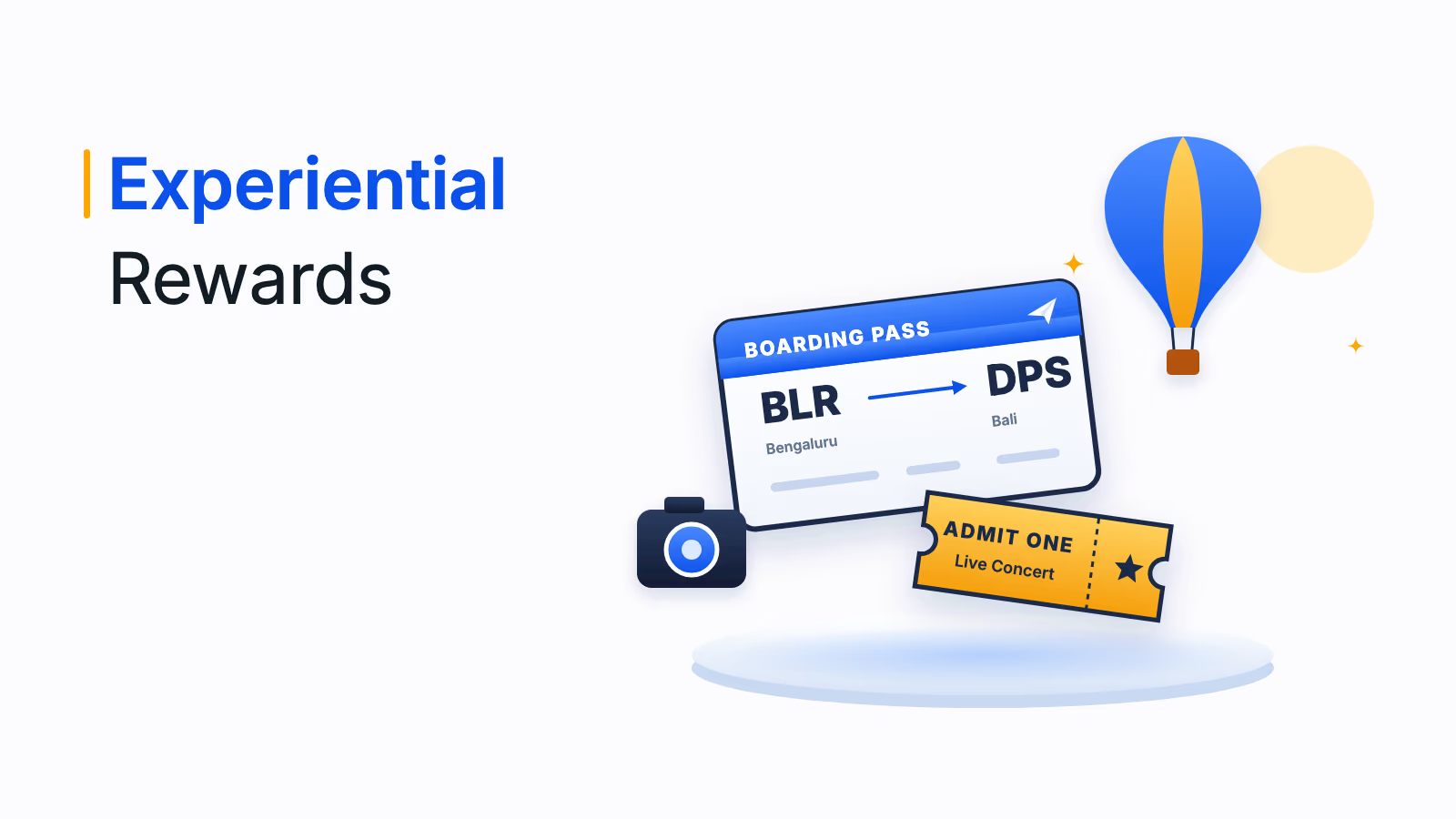
Certain segments of your audience are looking for rewards like free concert tickets or travel miles, while others might prefer health and well-being benefits.
Step 2: Integrate online and offline touchpoints
Customers must have the same experience across all channels for a loyalty program to be effective. H&M's loyalty program is a great example. It works smoothly wherever you shop. Points are credited and can be redeemed in-store and online.
Onboard customers through any channel if you have tight integration between touchpoints. Your staff at the billing counters can help with enrolment, or a banner on your mobile app can invite people to join your loyalty program with a few clicks.
Step 3: Leverage the right technology
Data and automation form the bedrock of any strong omnichannel loyalty program. Ensure you build the right tech stack - from your CRM, data analytics tools, marketing automation software, etc.
You can even invest in a mobile app to enhance the omnichannel experience. For instance, a hotel brand's mobile app allows members to check in, earn points, and even redeem free stays through the app.
A loyalty platform with native POS, OMS and CDP connectors can then keep one member wallet in sync across web, app, store, kiosk, call centre and WhatsApp, so a point earned in one place can be redeemed in any other.
Step 4: Choose the right loyalty model
Choosing the right loyalty model to help you compete for customer loyalty in your industry is essential.
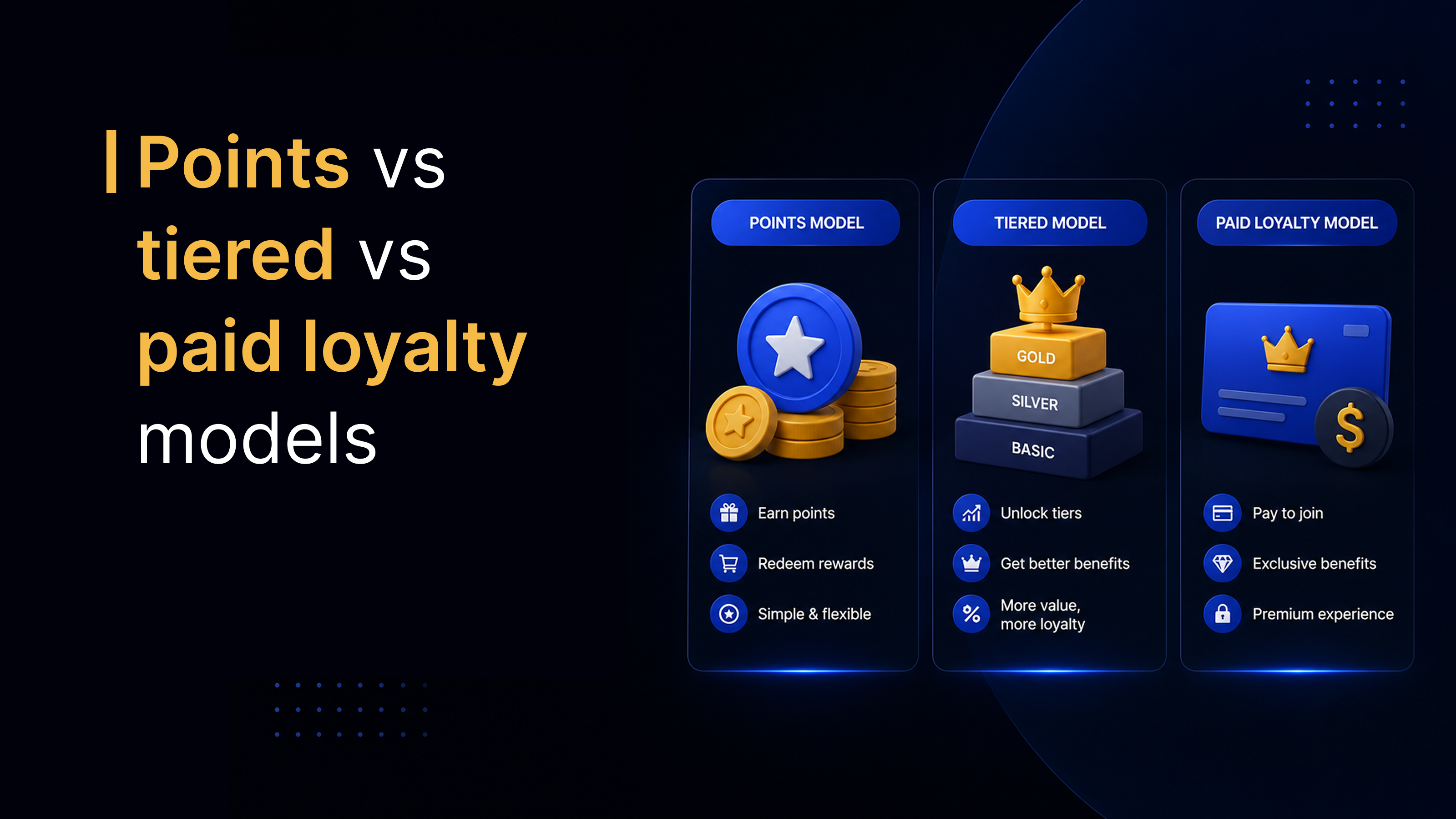
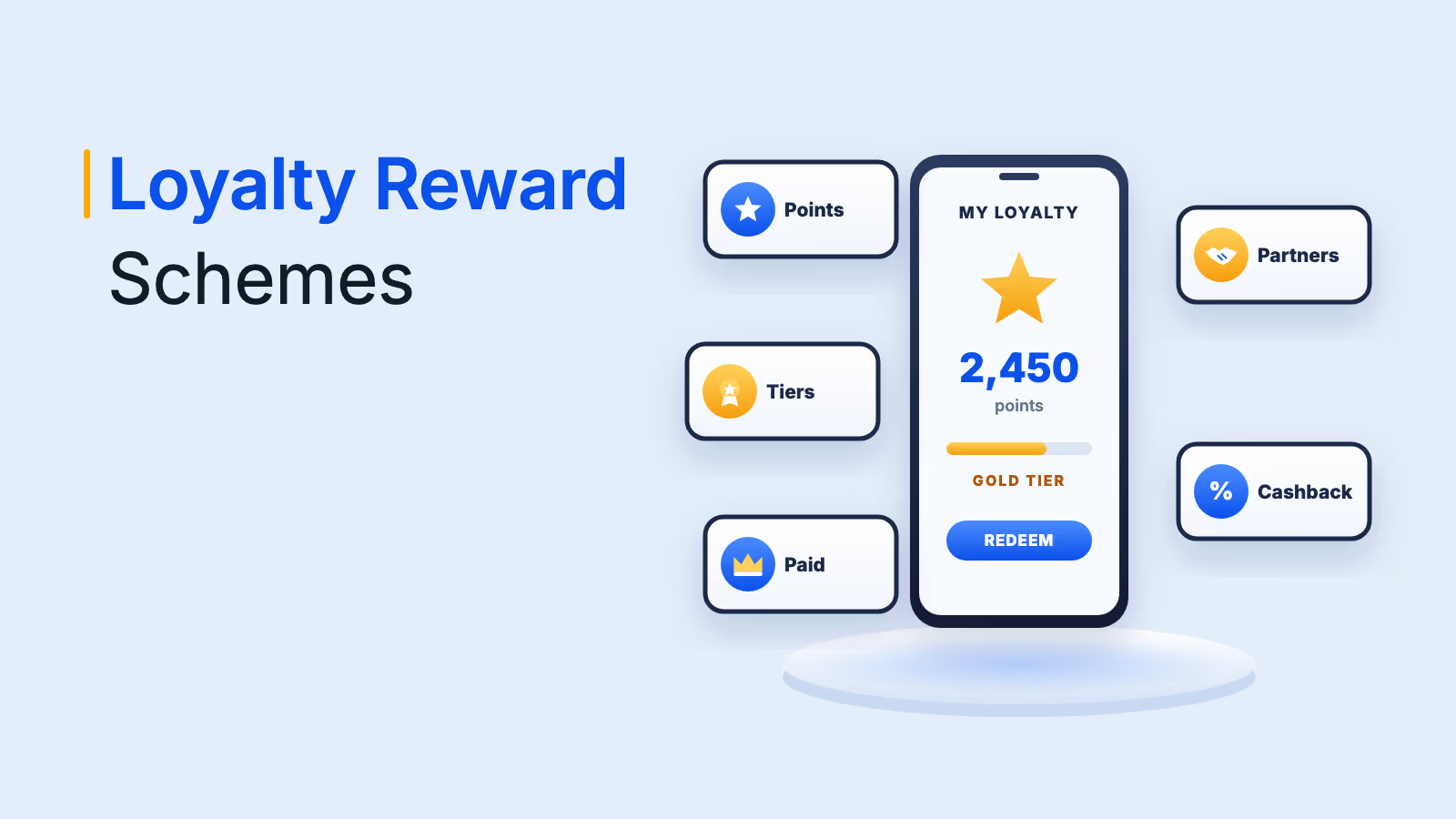
Tailor the loyalty model to your customer preferences and brand values. You can choose from tier-based rewards, point systems, paid membership programs, or experiential incentives.
If you are a retail brand, you can focus on rewards relevant to your audience, such as exclusive early access to sales or limited-edition products, just for your loyal members.
This helps build a strong affinity for your brand. Lastly, whatever model you pick, ensure customers understand it quickly and find it easy to enroll, earn, and redeem rewards.
Step 5: Let the world know
Creating the best loyalty program is not enough. Unless you get more users onboarded and hooked on your program, your brand will waste its investment.
Invest in an integrated marketing campaign to promote the loyalty program on multiple channels, such as social media, email, and in-store signage. Train your store staff to educate customers about the loyalty program and its benefits.
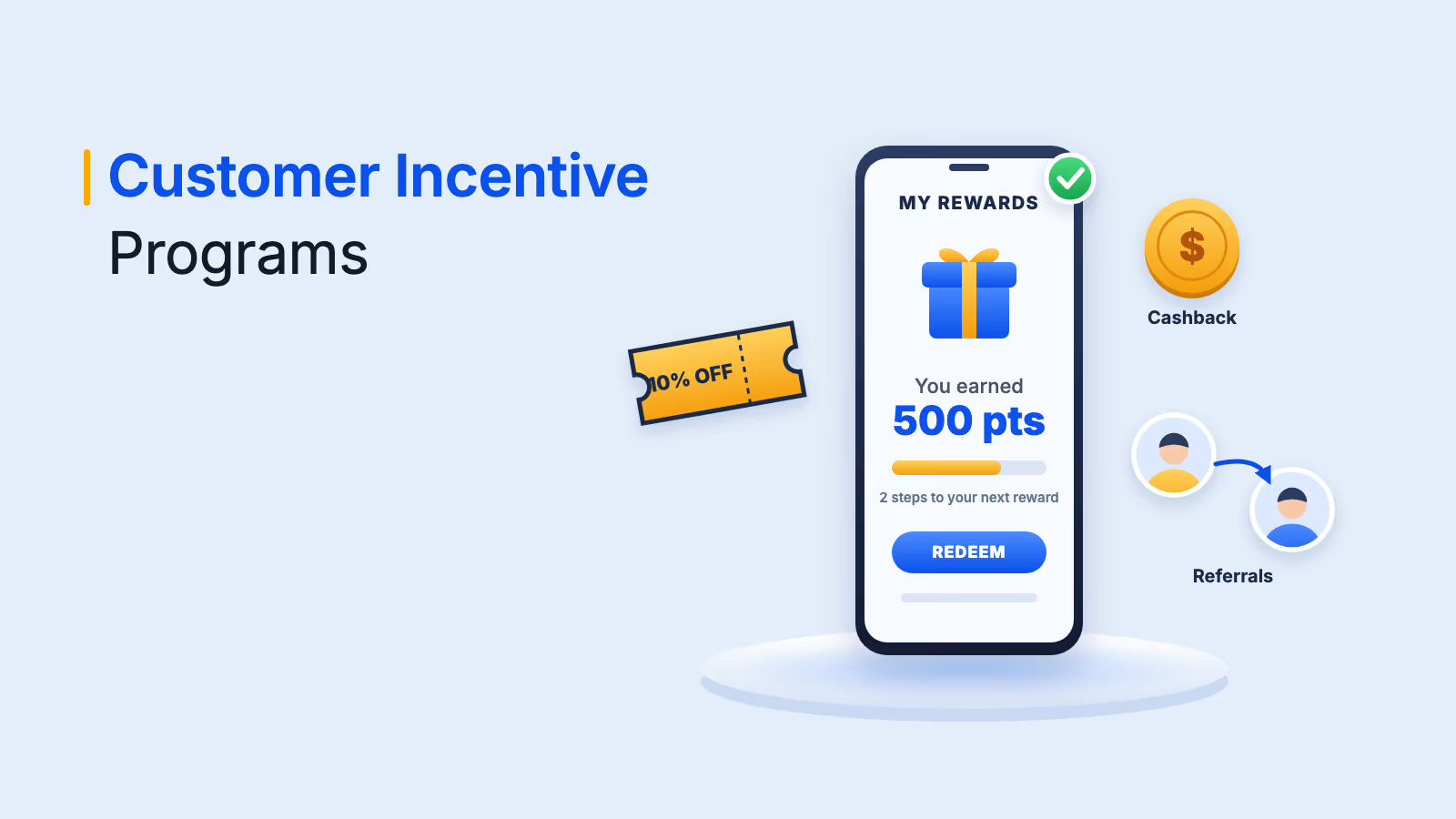
Offer joining bonus points or an upfront discount voucher to drive sign-ups. You can also explore co-branding rewards programs or partnering with other businesses to offer unique rewards.
Step 6: Utilize data for continuous optimization
Your customers' feedback should dictate the future of your loyalty program. Always leverage data and listen to user feedback. Are they able to onboard easily? Can they use the program at online and offline touchpoints without issues? What challenges do they face in redemption?
Using a data-driven approach and running experiments with A/B testing can help you continuously improve your omnichannel loyalty program.
Challenges and how to overcome them
Brands face several challenges while executing omnichannel loyalty programs. Let's have a look at some of the challenges brands face:
1. Data silos and integration issues
Integrating customer data across tools and touchpoints - websites, mobile apps, social media, in-store, and more - can be challenging. Without the correct data, creating a customer profile becomes difficult.
API integrations and a loyalty management platform that pins every earn and burn event to the same member ID, using a loyalty number, phone, email or app ID, help break down these silos and keep one unified profile per customer.
2. Inconsistent customer experience
Developing an omnichannel loyalty program involves ensuring a consistent customer experience across all online and offline touchpoints.
For this to work, different channels should operate in sync. Otherwise, inconsistent messaging and rewards can lead to confusion and customer frustration.
Businesses should standardize loyalty program benefits and incentives across all channels. Regular employee training and streamlined communication across channels can also help create a unified brand experience.
3. Customer engagement and adoption
Too many touchpoints can overwhelm customers, who may not see the program's value. Engaging customers across channels can be challenging.
To keep customers hooked on your loyalty program, make it easy to use and incentivize them to return for more. Adding gamified elements, exclusive early access during sales, or social sharing rewards will boost the adoption of your program.
4. Measuring the program's success
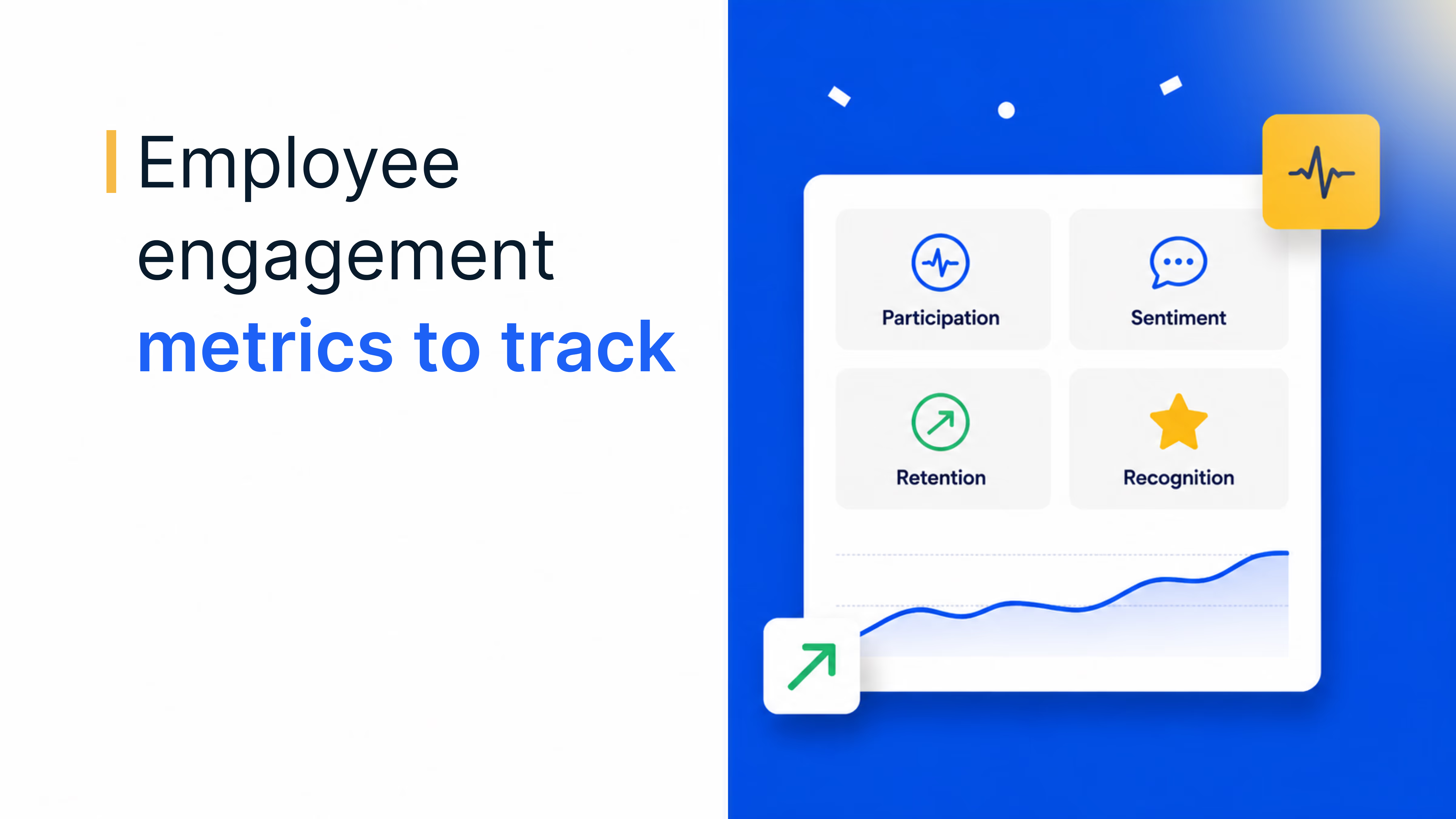
Measuring the effectiveness of an omnichannel loyalty program becomes tricky because there are various touchpoints to track and analyze. Therefore, it is important to establish measurable KPIs from the start, such as customer LTV, repeat purchase rates, engagement rates, etc.
Having the right analytics tools to track these metrics and running optimization experiments can help improve the program even further. Our enterprise loyalty program best practices cover how to set this up at scale.
Omnichannel loyalty trends shaping 2026
Loyalty programs are shifting from transactional models to engagement-driven ecosystems. They have to adapt to new technologies and behaviors to remain effective.
Today's consumers demand personalization, seamless digital experiences, and engagement across multiple channels. Here are the omnichannel loyalty trends 2026 is bringing to the fore.
1. AI-driven personalization and use of predictive analytics
AI is changing loyalty programs by using customer data to predict behaviors, personalize offers, and enhance real-time experiences.
Loyalty reports and insights help businesses spot at-risk cohorts and campaign performance changes, and target customers with the right incentives at the right time, maximizing redemption rates and ROI.
2. Gamification and experiential rewards
Gamification elements such as challenges, streaks and instant-win games drive repeat purchases and customer loyalty, and they work equally well in an app, online and in store.
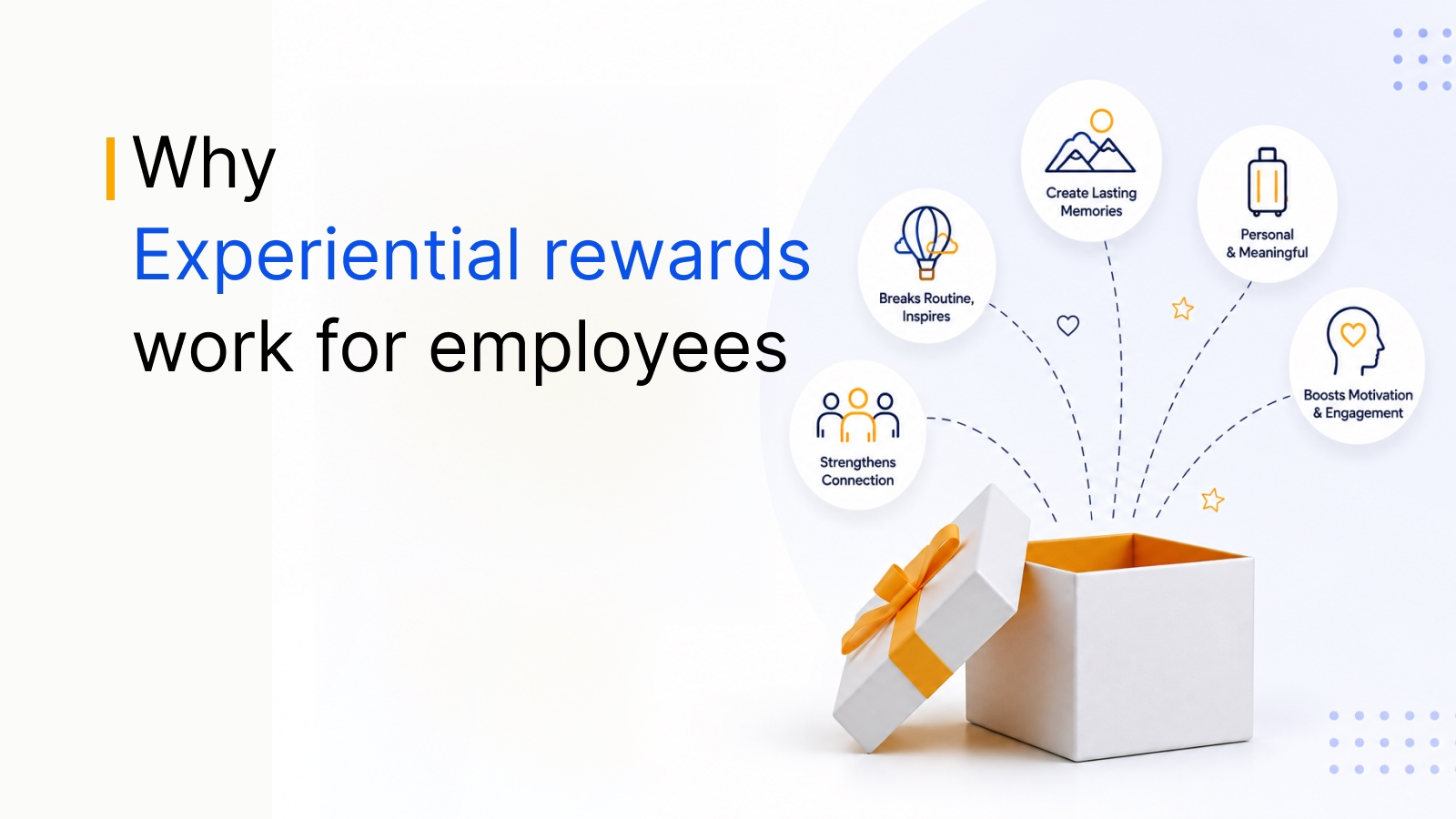
In addition, experiential rewards such as VIP access, meet-and-greets, and invitations to exclusive events make customers feel special, forming lasting connections.
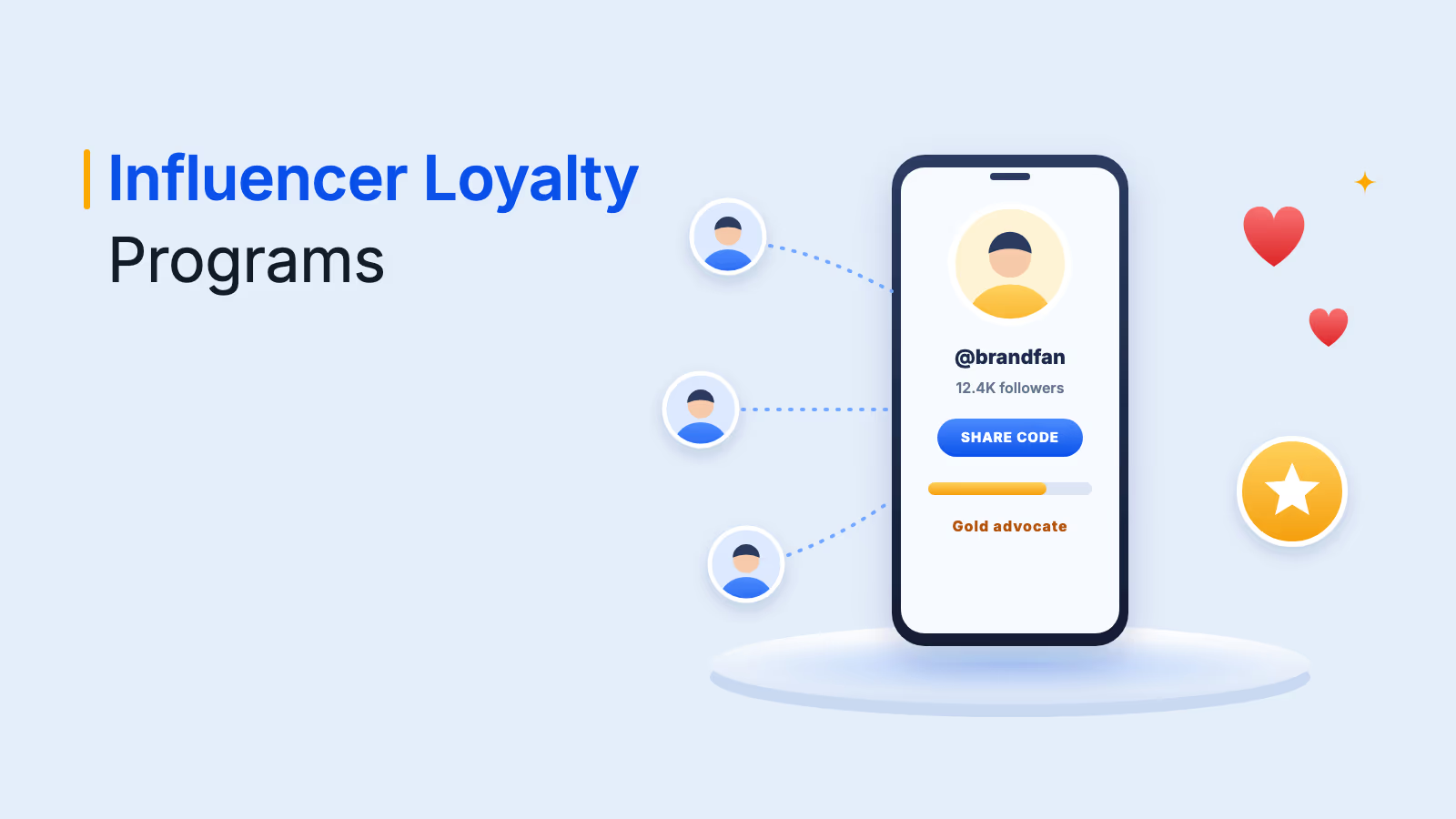
3. Social commerce and loyalty-driven influencer marketing
With social media influencing purchasing decisions, brands will integrate loyalty programs into social platforms, rewarding customers for engagement, sharing, and advocacy.
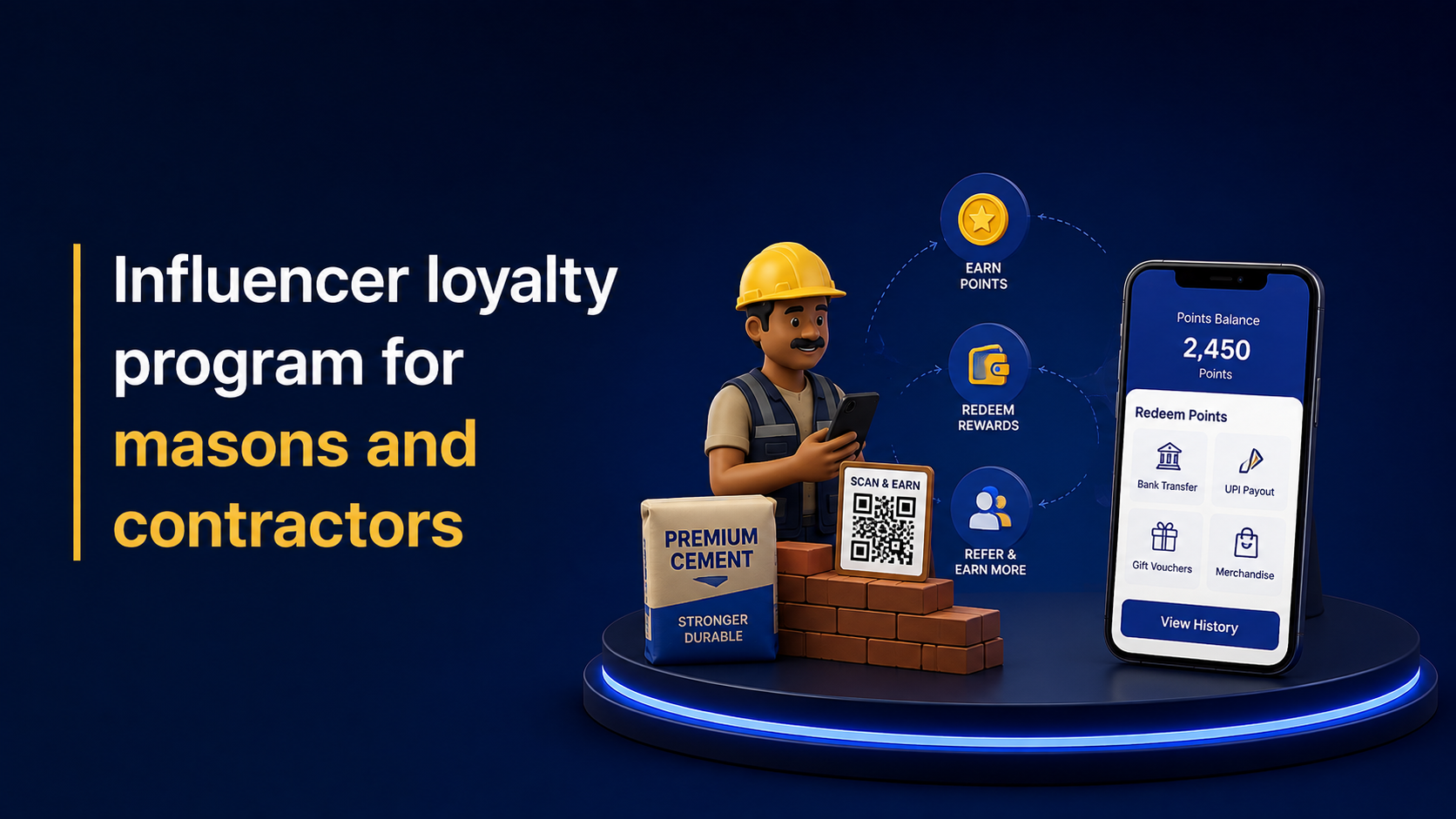
Lululemon's Sweat Collective is a good example of the influencer side of loyalty: it gives fitness instructors, trainers, studio owners and athletes 25% off regular-priced products online and in store, plus access to special events, building a community of credible advocates.
4. Digital wallets for points redemption
Expect more programs to let members hold, transfer, or convert points through digital wallets, and some brands are experimenting with blockchain-based points for cross-brand redemption.
Loyalife for all your omnichannel loyalty program needs
Now we know how important it is to provide a smooth, personalized, and rewarding customer experience at every touchpoint.
Brands opting for omnichannel loyalty programs will gain an advantage in customer engagement, retention, and revenue growth. However, this would not be possible without the right technology.
With Loyalife omnichannel loyalty, you can consolidate member data from multiple channels into a single member identity, enabling you to deliver highly personalized rewards and seamless experiences.
The platform lets customers earn and redeem points across web, app, store POS, kiosk, call centre and WhatsApp through native POS, OMS and CDP connectors, ensuring a frictionless and engaging loyalty experience.
Conclusion
An omnichannel loyalty program meets customers wherever they shop and makes every interaction count toward the same rewards. Start with the customer journey, connect online and offline touchpoints on one member profile, pick a model your customers understand, and let data guide every iteration.
Ready to take your loyalty program to the next level? Book your demo today!
Book your Loyalife demo
Frequently asked questions
An omnichannel loyalty program connects loyalty rewards, incentives and interactions across every touchpoint a customer uses, such as the website, mobile app, physical stores, call centre and social channels. Members keep one account and one points balance, so they can earn in one channel and redeem in another while the brand builds a single, unified view of each customer.
A multichannel program may be available on several channels, but each channel often runs separately, with its own data, offers or balances. An omnichannel program links those channels to one member identity and ledger, so points, tiers and offers stay consistent and update in real time wherever the customer engages, creating one continuous experience.
The main omnichannel loyalty program benefits are a smoother customer experience, more personalized rewards, data-driven decisions from unified customer profiles, higher customer lifetime value, higher purchase frequency, and better acquisition and retention through referrals. Customers also never lose rewards when they switch between online and offline channels.
Well-known omnichannel loyalty program examples include Sephora Beauty Insider, where members earn points in stores and online; Starbucks Rewards, which links app orders and in-store visits; Nike Membership, which connects the Nike App, Nike.com and stores; Ulta Beauty Rewards; and H&M's membership program, where points can be earned and redeemed in store and online.
To build an omnichannel loyalty program, start by mapping the customer journey and touchpoints, then integrate online and offline channels, put the right technology in place (CRM, analytics, a loyalty platform with POS and app integrations), choose a loyalty model, promote the program across channels and staff, and use data and A/B tests to optimize it continuously.
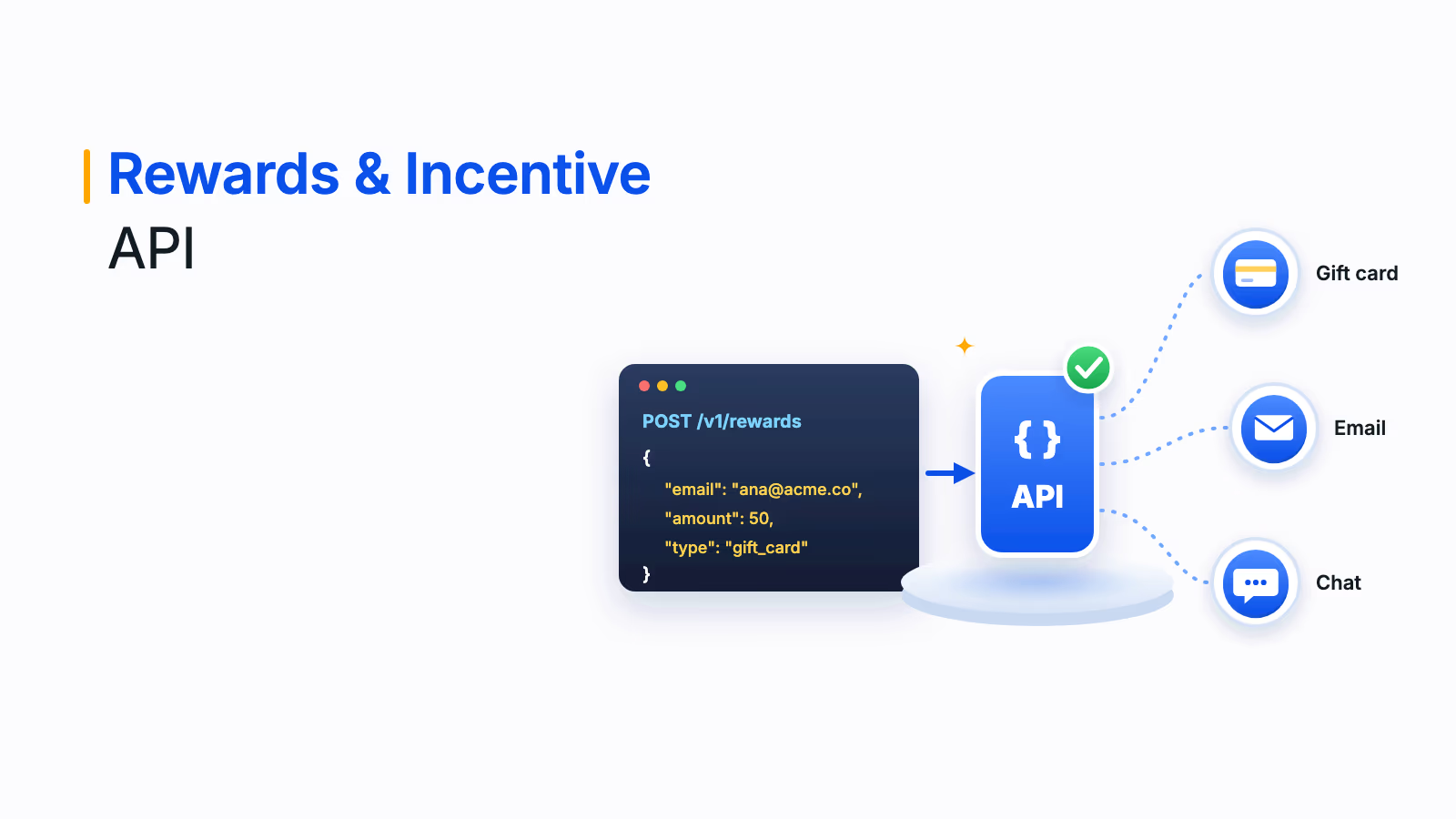
You need a loyalty platform that keeps a single member identity and points ledger, integrations with POS, ecommerce, order management and CDP or CRM systems, a mobile app or wallet view, marketing automation for cross-channel communication, and analytics to track KPIs. API-first connectors make it easier to add new channels without rebuilding the program.
The omnichannel loyalty trends to watch in 2026 include AI-driven personalization and predictive analytics, gamification and experiential rewards, loyalty programs built into social commerce and influencer communities, and digital wallets that let members hold, transfer or convert points. Together they push loyalty from transactional points toward continuous engagement across channels.