Key Takeaways
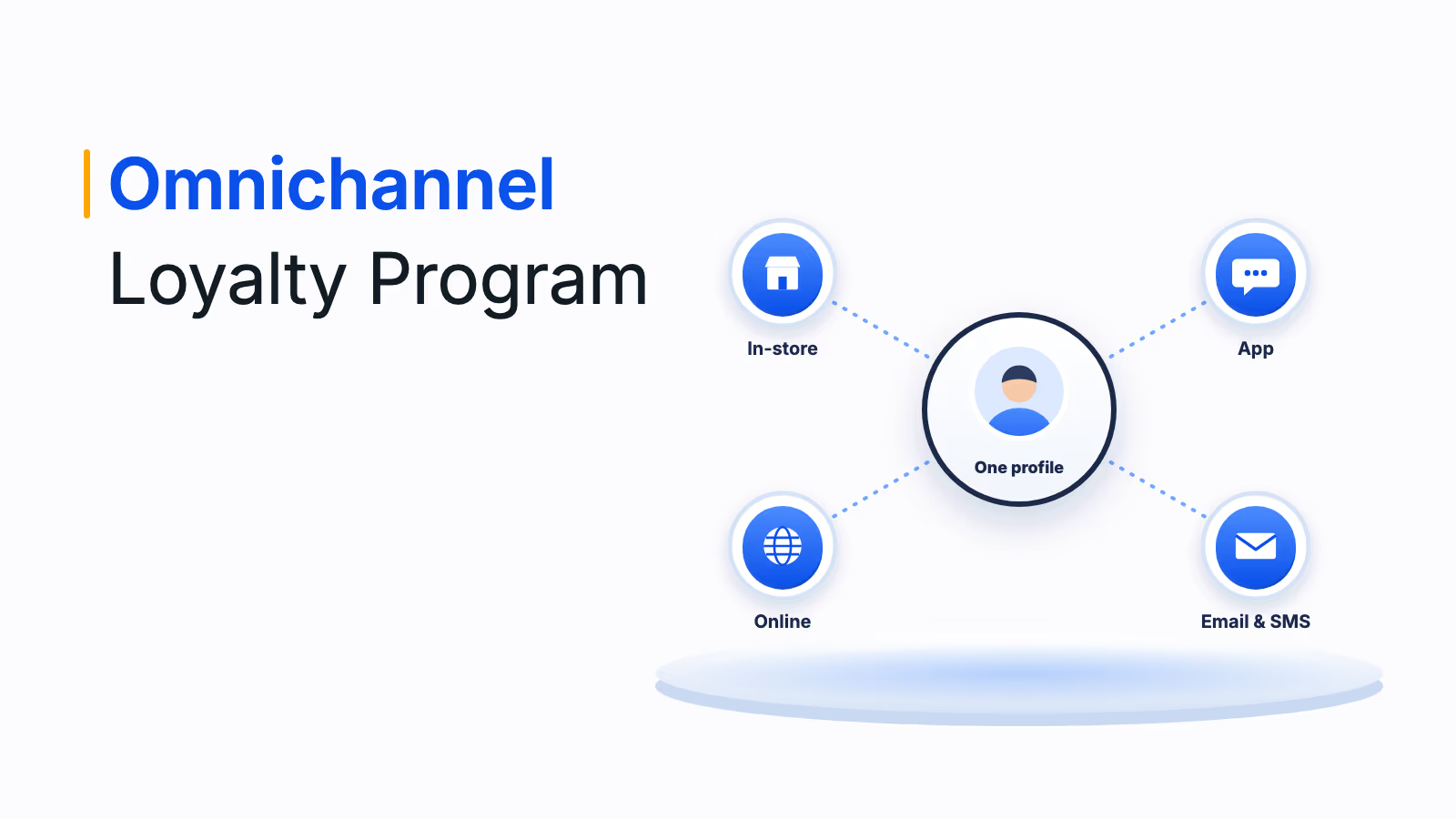
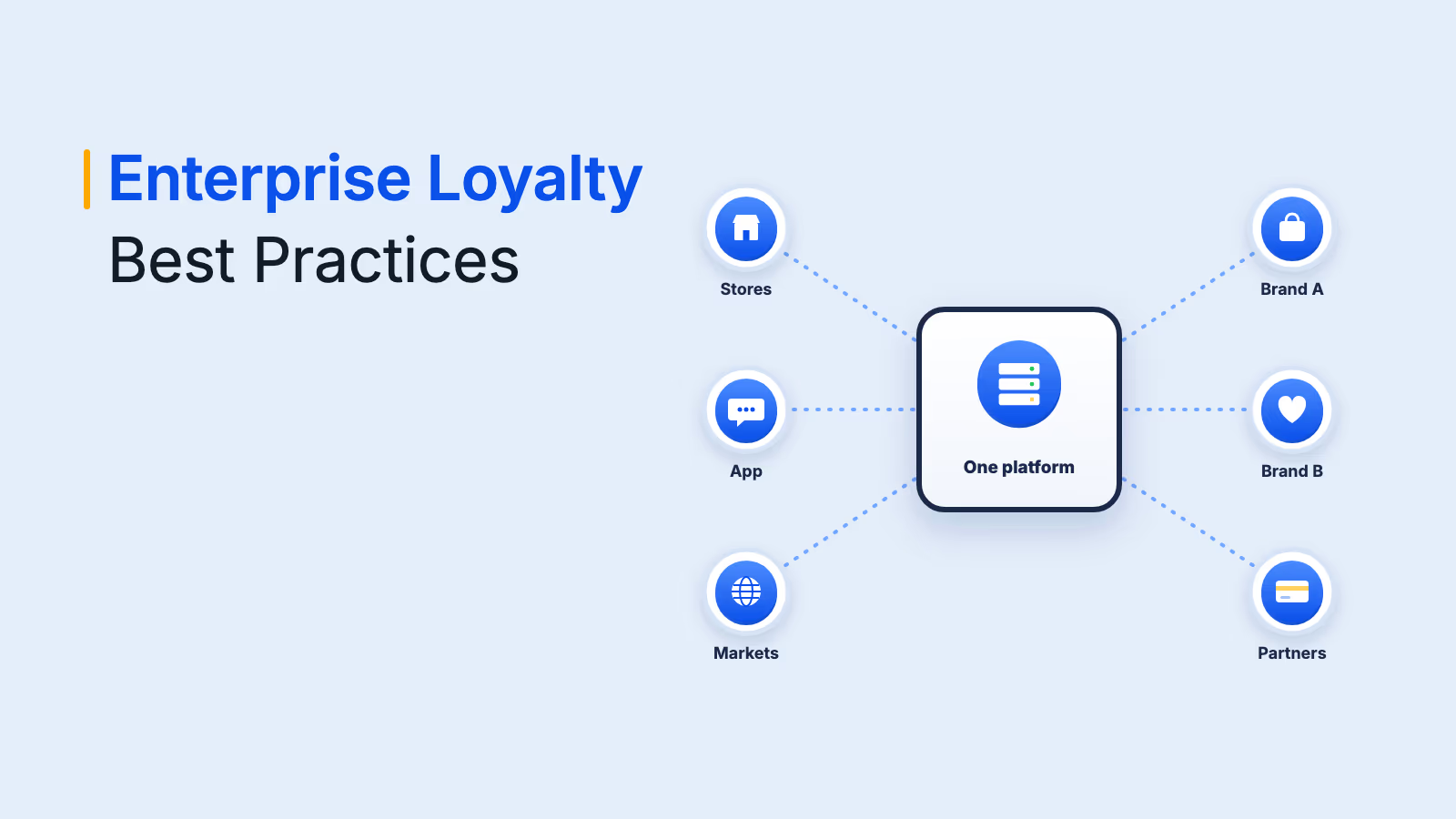
An enterprise loyalty program runs at scale across brands, markets, channels or audiences, and can be B2C, B2B or both.
Shell runs different programs by market, GO+ in the UK and Fuel Rewards in the US, while keeping one brand promise.
Target grew Target Circle past 100 million members by adding a free tier, then layering card and paid options on top.
Build in three stages: set goals and know your customers, craft rewards and personalization, then automate and analyze.
Shell, a leading international energy company with expertise across the entire oil and gas value chain, has an extensive retail network of fuel stations around the world. Keeping those customers coming back at that scale is the job of an enterprise loyalty program.
An enterprise like Shell, with an ever-growing customer base, thrives on turning everyday purchases into lasting loyalty. Take its Shell GO+ loyalty programme in the UK as an example.
Built into the Shell App and free to join, Shell GO+ lets customers earn points on fuel, EV charging and selected in-store purchases, then spend them at the till or exchange them for rewards and partner e-gift cards. Members earn more points when they choose premium Shell V-Power fuel.
It's a double win for Shell. Customers get easy, everyday value for staying loyal, and Shell steers them towards higher-value purchases while learning more about what they buy.
What is an enterprise loyalty program?
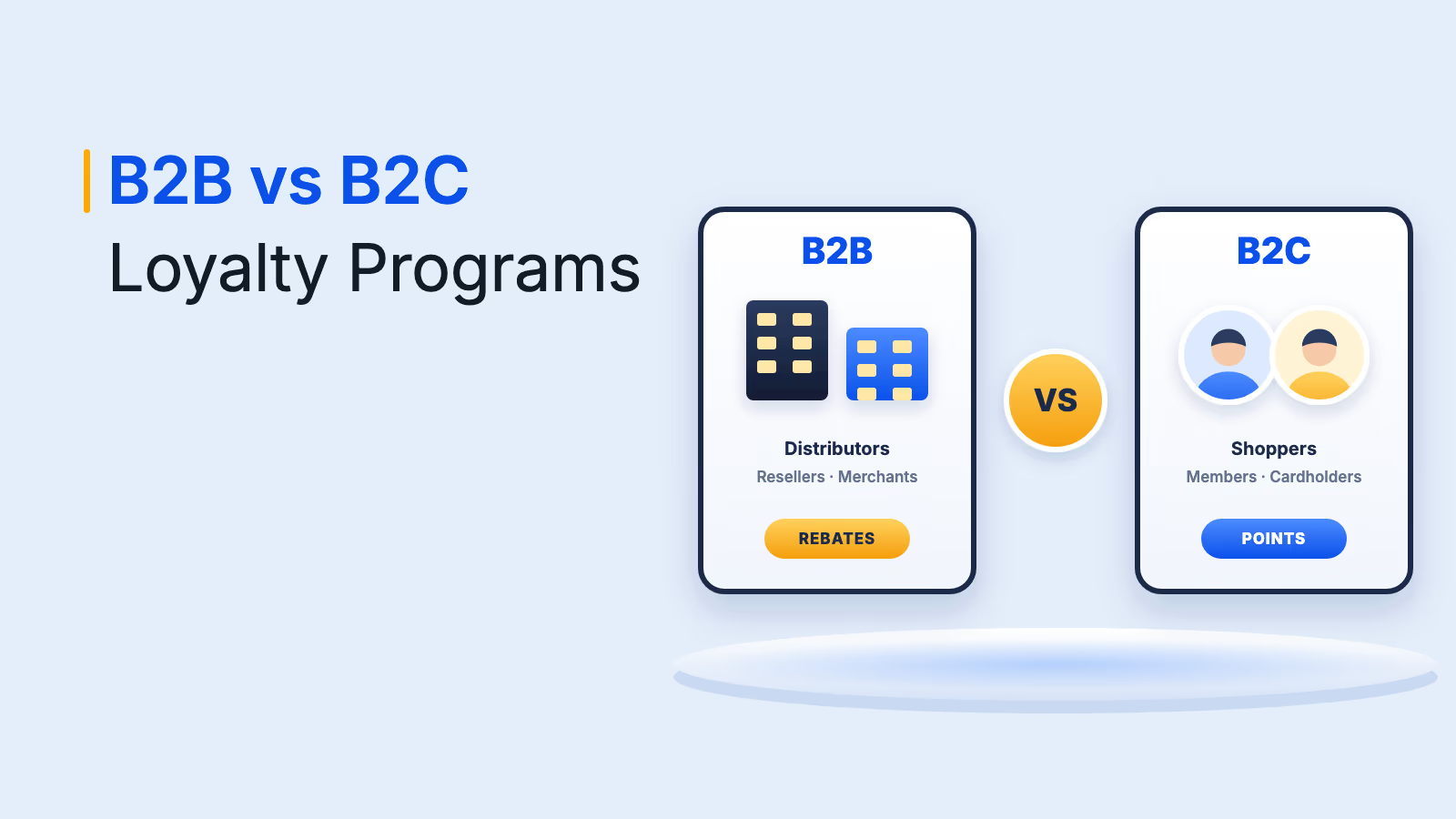
An enterprise loyalty program is a large-scale loyalty strategy that a big organization runs across multiple brands, markets, channels or customer types. It can serve consumers (B2C), business buyers and channel partners (B2B), or both, using shared data, rules and rewards to build strong, long-term relationships and grow customer lifetime value. If you are weighing the two models, our comparison of B2B vs B2C loyalty programs explains how they differ.
Knowing that loyal customers are key to business success, many enterprises have shifted their focus to improving the customer experience and the customer's journey with the brand. Research backs this up. The Bond Loyalty Report 2024 found that:
- 85% of consumers say they are more likely to continue buying from a brand with a strong loyalty program.
- The average person belongs to 19 loyalty programs, so a generic scheme is easy to ignore.
Companies are strategically moving from a generic loyalty program to one that understands and caters to individual customer needs and preferences. This translates into an enterprise loyalty program that is more personalized, relevant, engaging and ultimately more satisfying. If the program is strategized well, you can benefit from:
- Increased customer retention, by rewarding repeat business and encouraging customers to stick with your company.
- Higher customer lifetime value, which leads to increased revenue.
- Enhanced customer engagement, by incentivizing deeper engagement such as attending events or providing feedback.
Let us analyze how large enterprises are driving customer loyalty in a competitive landscape.
Run every brand's loyalty program on one platform
Multi-brand, omnichannel loyalty with enterprise-grade governance on Loyalife.
Talk to our ExpertTrusted by 5,000+ companies
Case studies
Following are two case studies, from Shell and Target, that we will use to understand the best practices.
1. Shell runs different loyalty programs for different markets
A company as vast as Shell runs quite a few loyalty programs, each with its own set of benefits and rewards, tuned to the customers in each market. Two of the best known are:
- Shell GO+ (UK): a free rewards programme in the Shell App. Members scan the app, a card or a key fob to earn points on fuel (with more points on premium Shell V-Power), EV charging and selected in-store purchases, then spend points at the till or exchange them for rewards and partner e-gift cards.
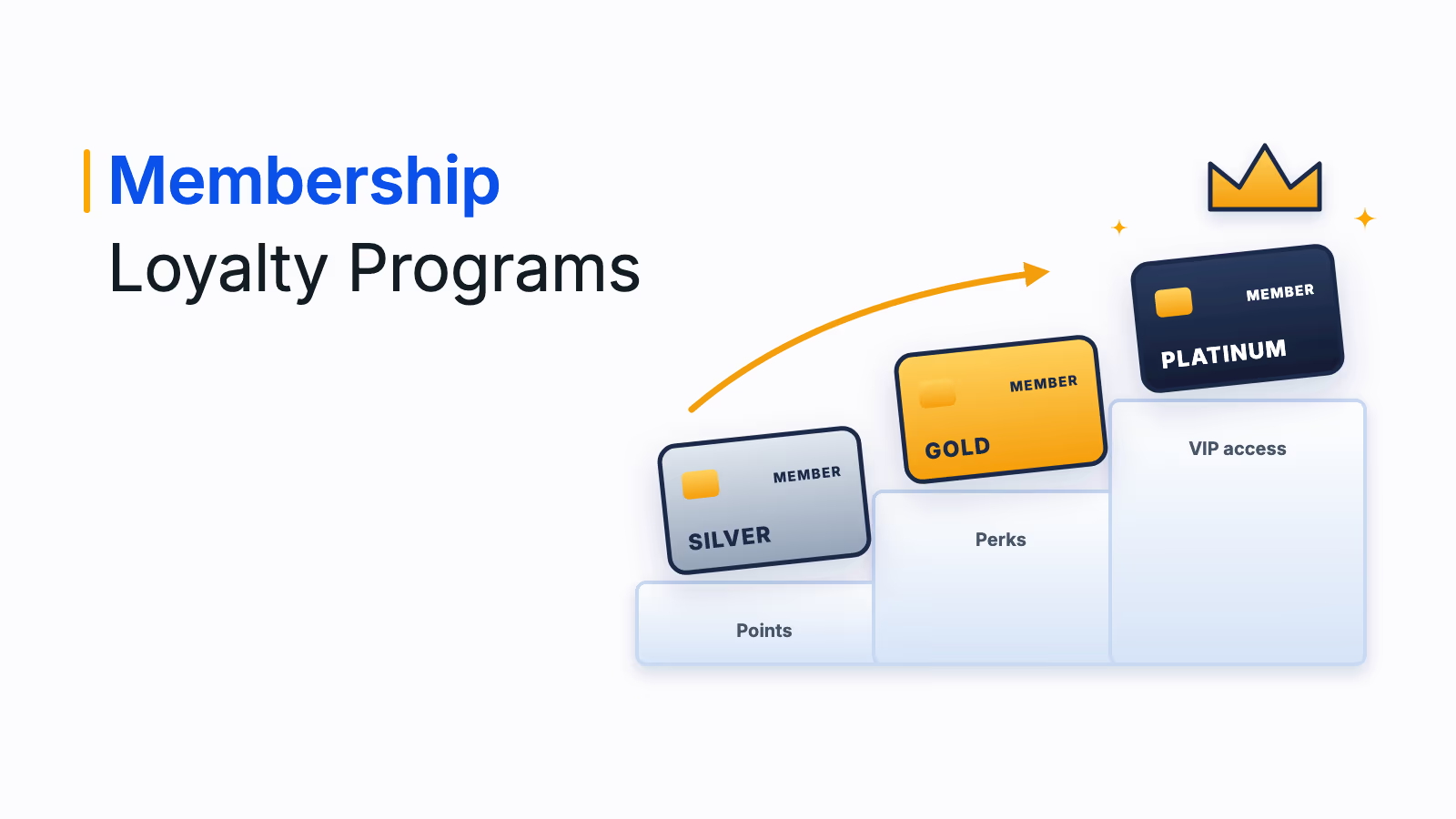
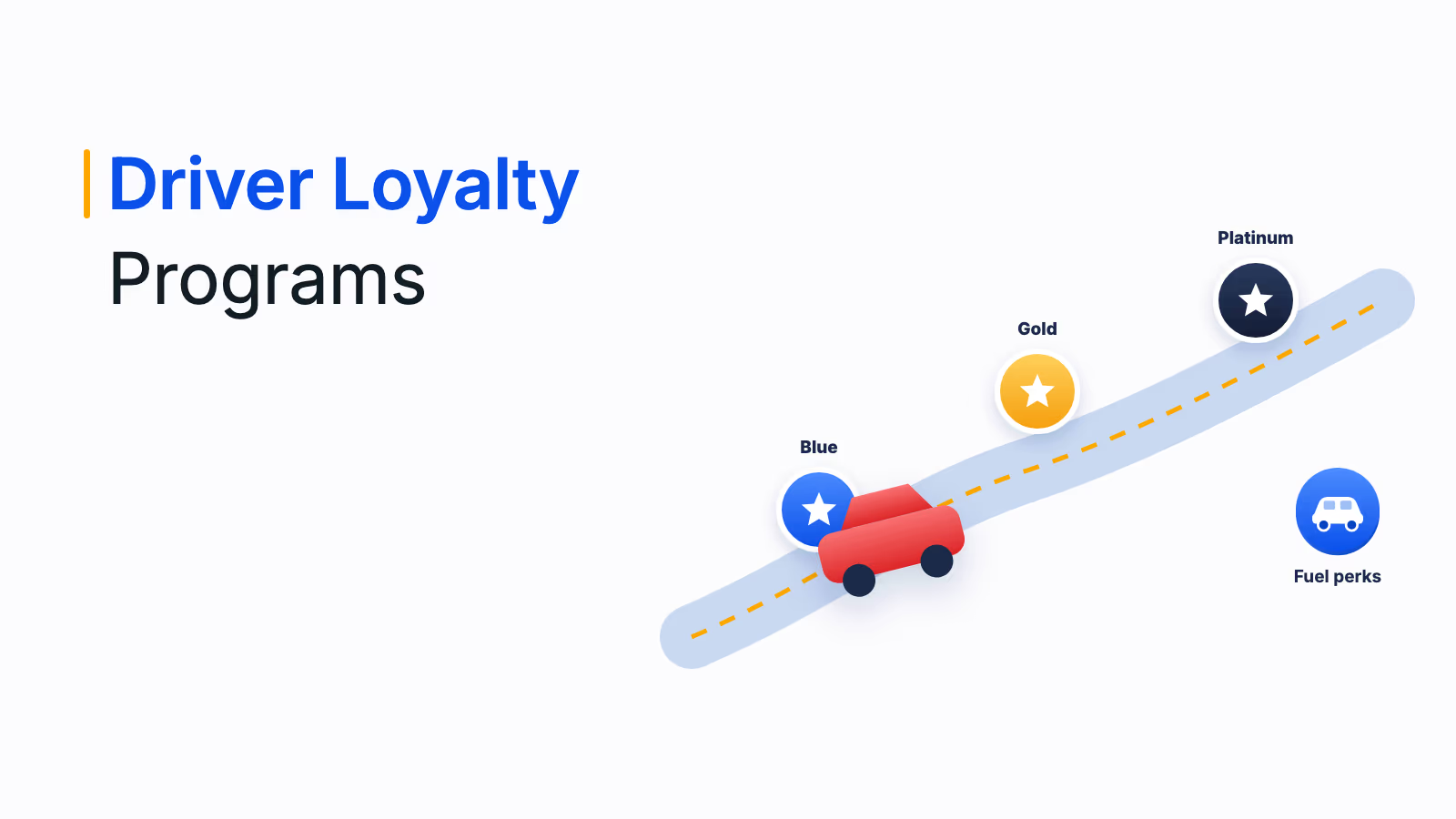
- Fuel Rewards (US): a free, status-based program that rewards members with cents-per-gallon savings at participating Shell stations. Savings rise from Silver to Gold to Platinum status as members complete more qualifying fill-ups each quarter. Learn more on Shell's Fuel Rewards page.
What Shell's programs have in common
The mechanics differ by market, earn-and-burn points in one and status-based fuel discounts in the other, but the principles are the same. Both programs reward the premium product, both live inside the Shell App where loyalty, payment and offers come together, and GO+ extends rewards beyond fuel to EV charging and in-store purchases so the program stays relevant as customer needs change.
Running loyalty inside the app also gives Shell a steady stream of first-party data on how members fuel, charge and shop, which it can use to make offers and decisions more relevant.
2. Target Circle passes 100 million members and continues to expand
Another example of a data-driven loyalty program is Target Circle. The free membership offers several benefits to members, like:
- Deals applied automatically at checkout, online, in the Target app or in stores,
- Target Circle Bonuses and Target Circle Rewards that members can earn and use towards future purchases,
- Personalized deals based on shopping habits,
- Exclusive perks from Target Circle partners.
The loyalty program was not only directed toward building loyalty, but went beyond it. It offered a variety of ways to save money and get personalized rewards, and it helped build a more engaging shopping experience. Let's analyze how Target mastered loyalty.
Why launch Target Circle when REDcard was already there?
Simple answer: Target wanted to broaden its loyalty base. Its existing store card, REDcard, gave cardholders savings, but those benefits reached only the customers who signed up for a debit or credit card. That emphasis on exclusivity limited how far the program could grow.
So Target launched a free loyalty program, Target Circle, nationally in 2019. Target Circle aimed to attract non-REDcard shoppers and offered a more personalized way to connect with customers and build loyalty.
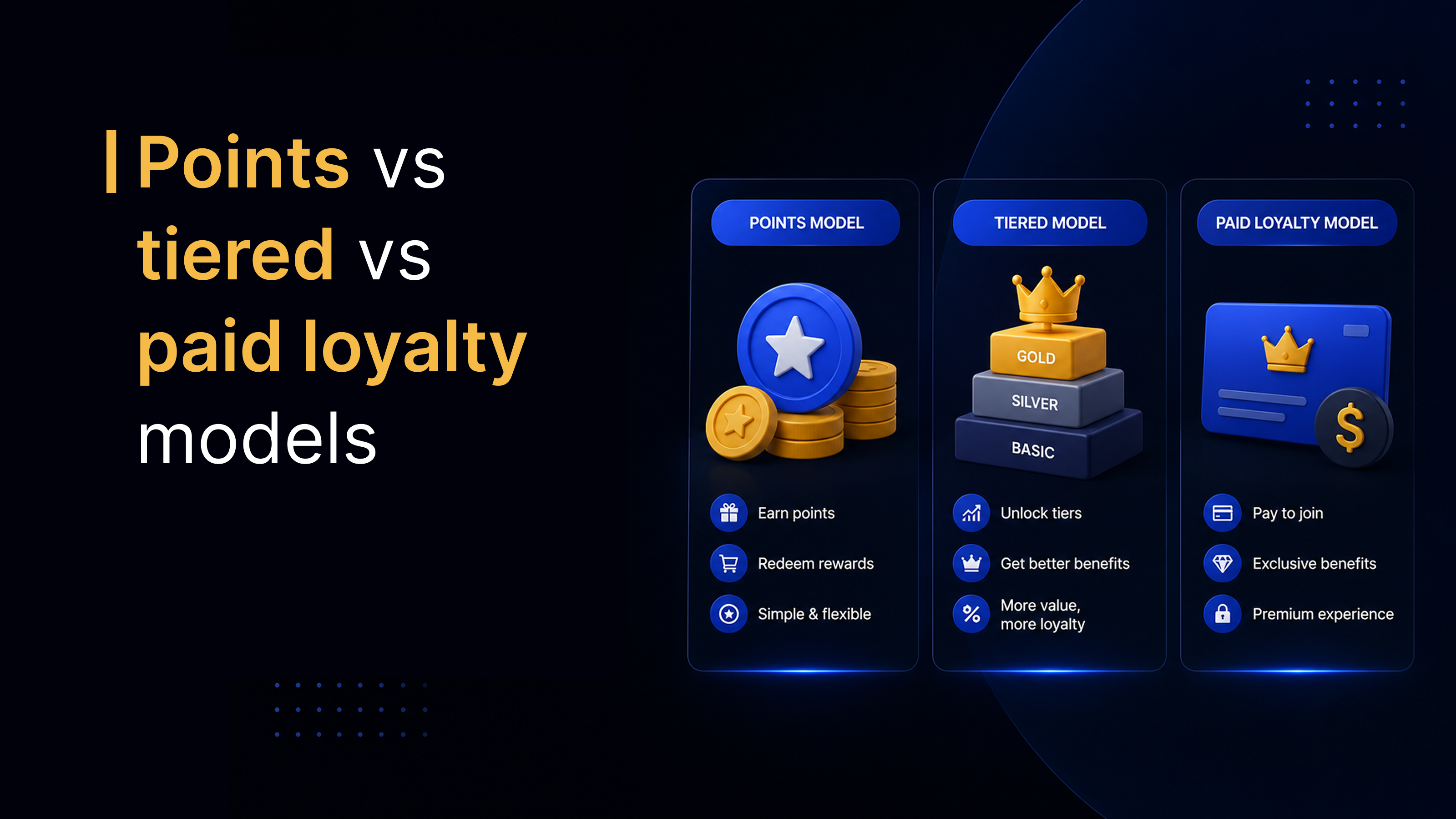
In April 2024, Target relaunched the program and brought its benefits under the Target Circle umbrella to streamline and enhance its loyalty offerings. The REDcard debit and credit cards became the Target Circle Card. The program was designed to engage all Target guests, from enthusiasts to less-invested shoppers, with three ways to save:
- Target Circle (free): deals applied automatically at checkout, Target Circle Bonuses and Rewards, and exclusive partner perks.
- Target Circle Card: an extra 5% off every day, 30 extra days for returns and free 2-day shipping on many items from Target.com.
- Target Circle 360 (paid): free same-day delivery on eligible orders through Shipt, plus free 2-day shipping.
The changes aimed to provide a more seamless and rewarding shopping experience for Target customers. They also aligned with the retailer's commitment to strengthening customer relationships and delivering value and ease through its loyalty programs.
Results driven by Target
Target Circle has recorded tremendous reach. According to Target:
- Target Circle had more than 100 million members at its 2024 relaunch.
- More than 13 million members joined Target Circle in 2024, according to Target's 2025 strategy update.
- Target aims to triple its Target Circle 360 membership base over the next three years, expanding the paid layer of the program.
Knowing which tactics to choose while designing an enterprise loyalty program is important. So, let's learn how to build a successful loyalty program. For more US examples, see our roundup of the best loyalty programs in the US.
How to build a successful enterprise loyalty program?
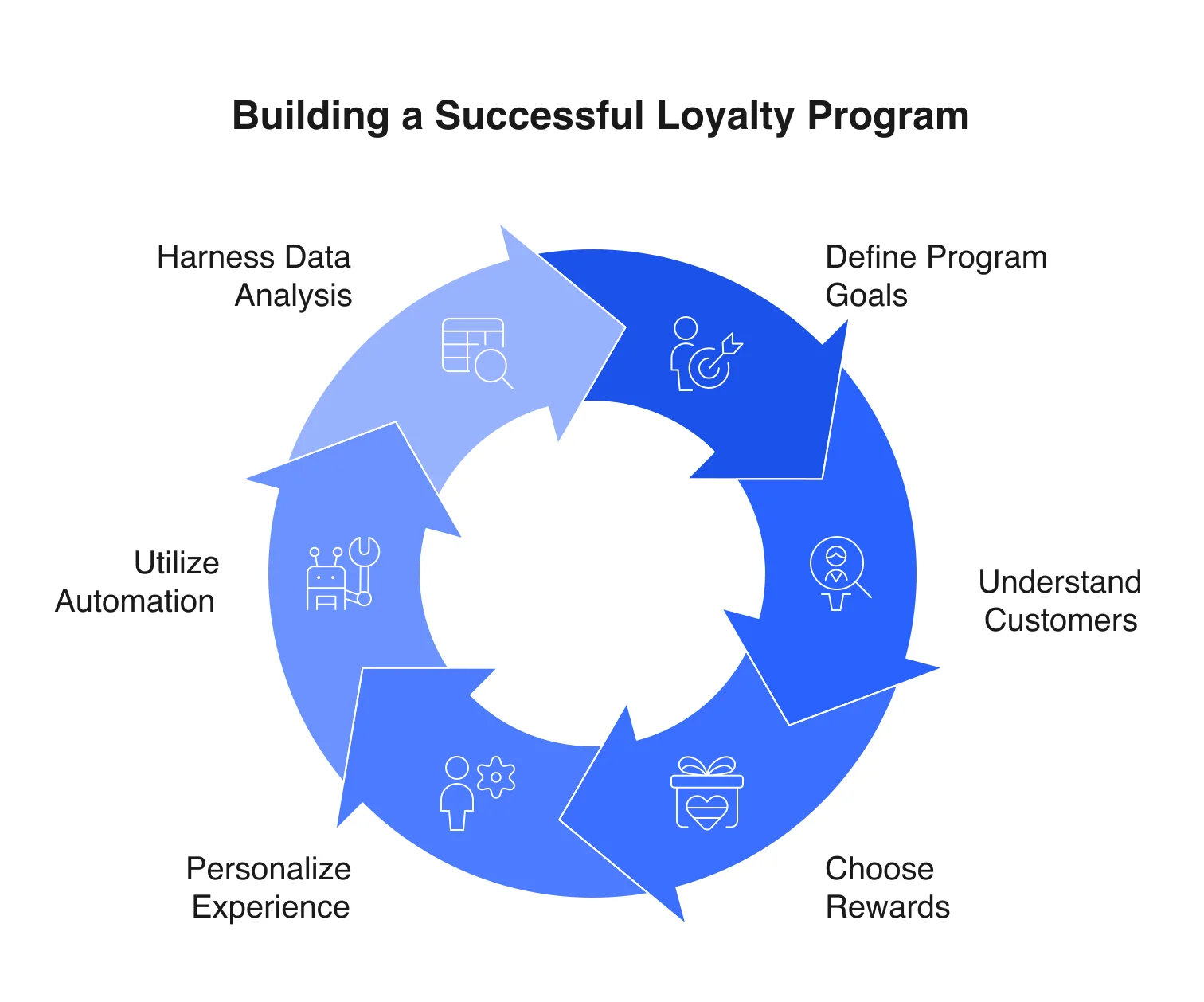
The following are the ways to build a successful enterprise loyalty program:
1. Lay the groundwork for success
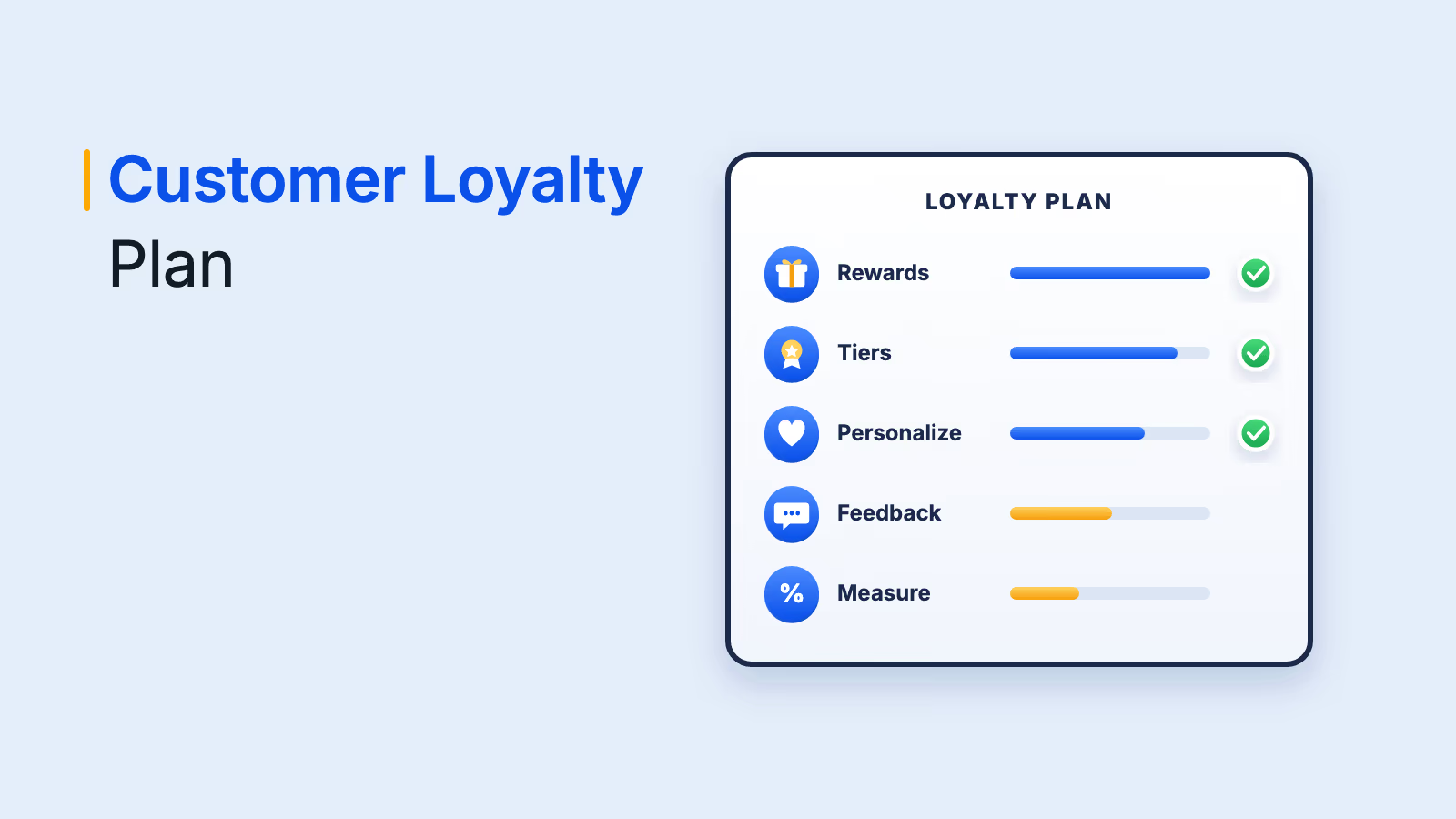
- Define your program goals. Start by identifying what you want to achieve with your loyalty program. Is your primary aim to retain existing customers, drive higher purchase frequency or encourage customer referrals? Clearly defined goals will guide every aspect of your program design.
- Understand your customers. Invest time in researching your customer base. Analyze their needs, preferences and buying behaviors. This knowledge will help you tailor the program to resonate with your target audience and maximize its impact.
2. Craft an engaging program
- Choose the right rewards. Don't underestimate the power of compelling rewards. While discounts are always appreciated, consider offering a variety of rewards that cater to different customer segments. This could include exclusive product access, personalized offers, early access to sales or tiered reward structures based on spending levels.
- Personalize the experience. Use technology to personalize the program experience. Recommend relevant rewards based on past purchases, offer birthday or anniversary bonuses, and tailor communications to customer preferences.
3. Embrace technology for optimization
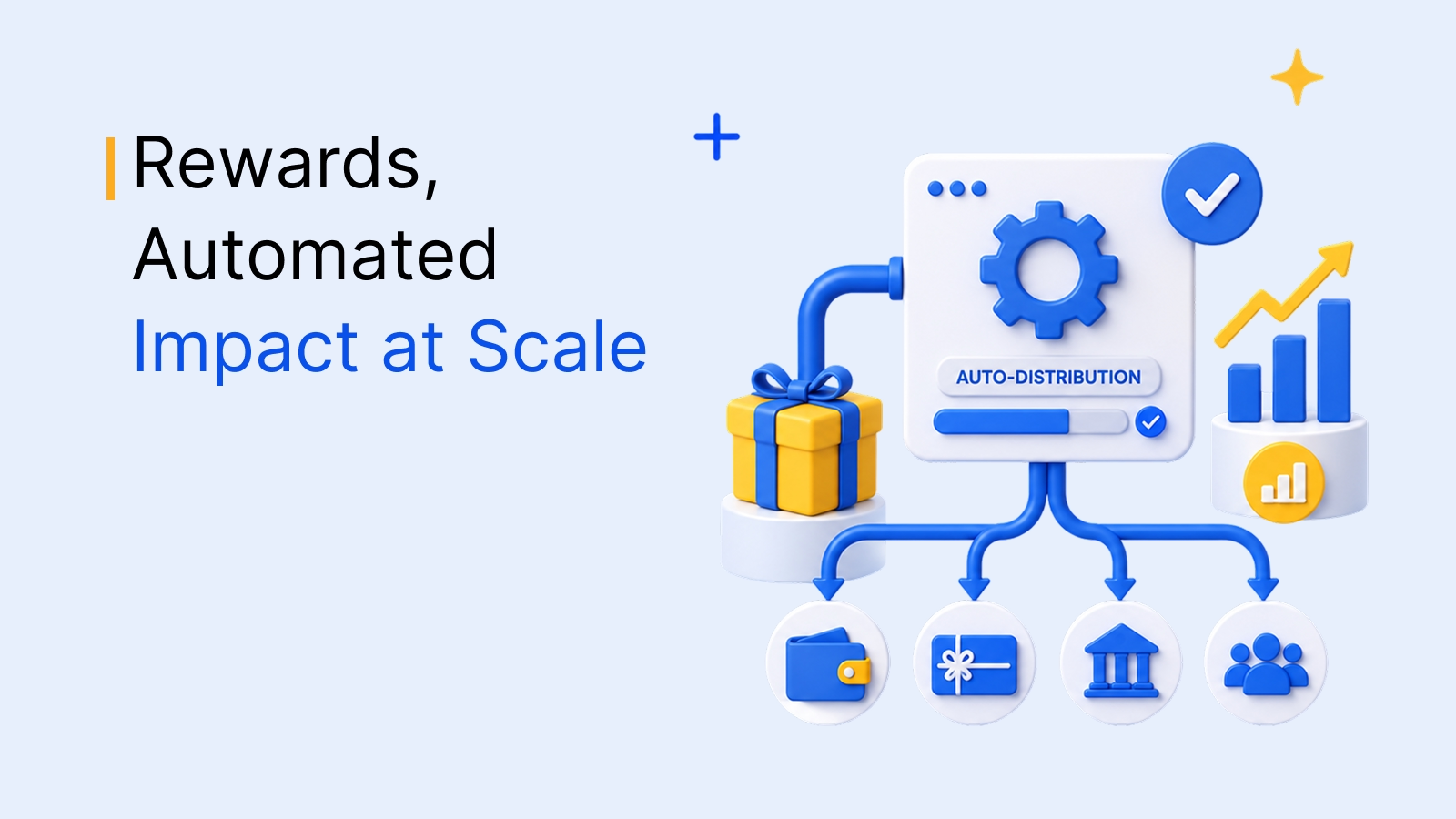
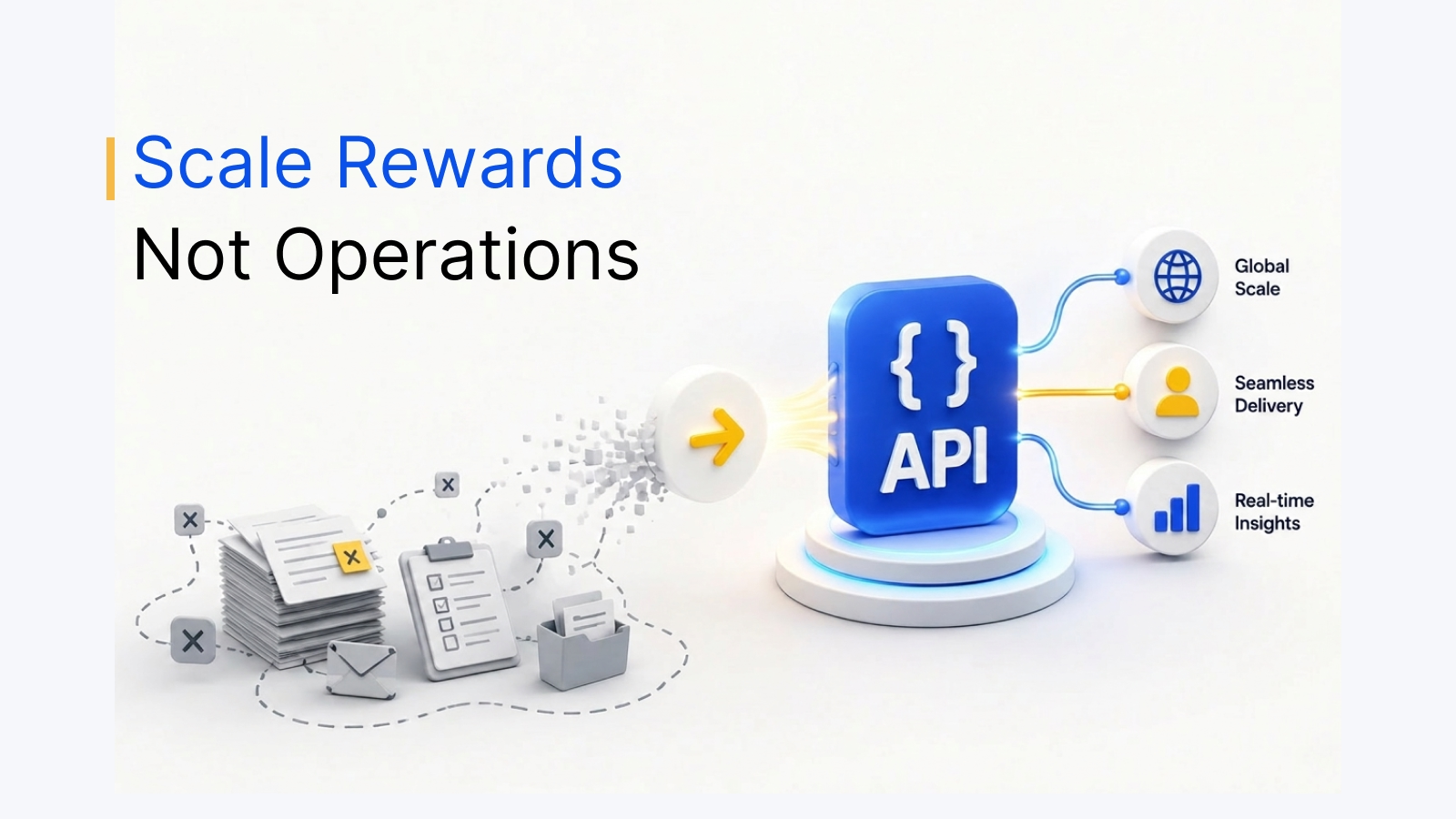
- Use automation. Streamline program management by automating tasks like points calculation, reward redemption and communication triggers. This frees up resources and ensures a smooth customer experience. At enterprise scale, this usually means an enterprise loyalty management platform rather than spreadsheets and manual processes. Our loyalty program software buyer's guide covers what to look for.
- Harness data analysis. Don't let valuable customer data sit unused. Use data analytics to understand customer behavior within the program. This will help you optimize your reward strategy, identify areas for improvement and ensure the program delivers on its goals. Our guide to loyalty program KPIs lists the metrics to track.
Loyalty programs are a powerful tool, but success hinges on best practices. Let's explore the key strategies we learned from the Shell and Target case studies to maximize program effectiveness.
Enterprise loyalty program best practices
Here are eight loyalty program best practices learned from these large enterprises:
1. Like Shell, aim to
- Implement multiple programs. Offer different loyalty programs to cater to different markets and customer segments. Shell runs GO+ in the UK and Fuel Rewards in the US, each with its own benefits and rewards, so it can tailor the program to local customer needs and behaviors. The same thinking applies to a multi-brand loyalty program, where each brand keeps its own identity on a shared platform.
- Make data-driven decisions. Use loyalty data to understand customer behavior and make better decisions. A data-driven loyalty strategy turns every scan of the app into insight that can shape offers, rewards and the wider business.
- Reward the products that matter most. Extra points on premium Shell V-Power in GO+, and status thresholds in Fuel Rewards, steer members towards higher-value purchases while giving them more value in return.
Key learning: One program rarely fits every market. Tailor the mechanics to each audience, keep the brand promise consistent, and use the data the programs generate to keep improving them.
2. Like Target, aim to
- Broaden your customer base. Target launched Target Circle to attract non-REDcard shoppers and offer a more personalized way to connect with customers beyond its existing card program. Target Circle aimed to engage all Target guests, from enthusiasts to less-invested shoppers.
- Offer a variety of benefits. Target Circle offers a range of benefits to appeal to different customer segments, from automatic deals at checkout and rewards in the free tier to extra savings on the card and same-day delivery in the paid membership.
- Streamline and enhance loyalty offerings. Target brought its loyalty benefits under the Target Circle umbrella to provide a more seamless and rewarding shopping experience, including turning REDcard into the Target Circle Card.
- Use data for personalization. Like Shell, Target uses customer data to provide personalized deals based on shopping habits, delivering a tailored experience for members.
- Focus on customer experience. Automatically applied deals and benefits that work online, in the app and in stores make the program effortless to use.
Key learning: Lower the barrier to entry with a free tier, then layer card and paid options on top so customers can choose how deep their relationship goes. Removing friction at checkout keeps members engaged.
Conclusion
Seen through an enterprise lens, the purpose of an enterprise loyalty program is straightforward: it retains existing customers, encourages repeat business and builds brand loyalty across products, brands and markets.
However, only by going beyond the traditional approach can an enterprise drive customer engagement, increase customer retention and ultimately boost overall revenue.
To take your loyalty game to the next level, consider Loyalife, Xoxoday's loyalty management platform for B2C, B2B and channel, coalition and influencer programs. With Loyalife, you can:
- Streamline the management of loyalty programs, including earn and burn rules, tiers, segments and campaigns, and run a multi-brand loyalty program where each brand controls its own rules and rewards while the enterprise manages the portfolio centrally.
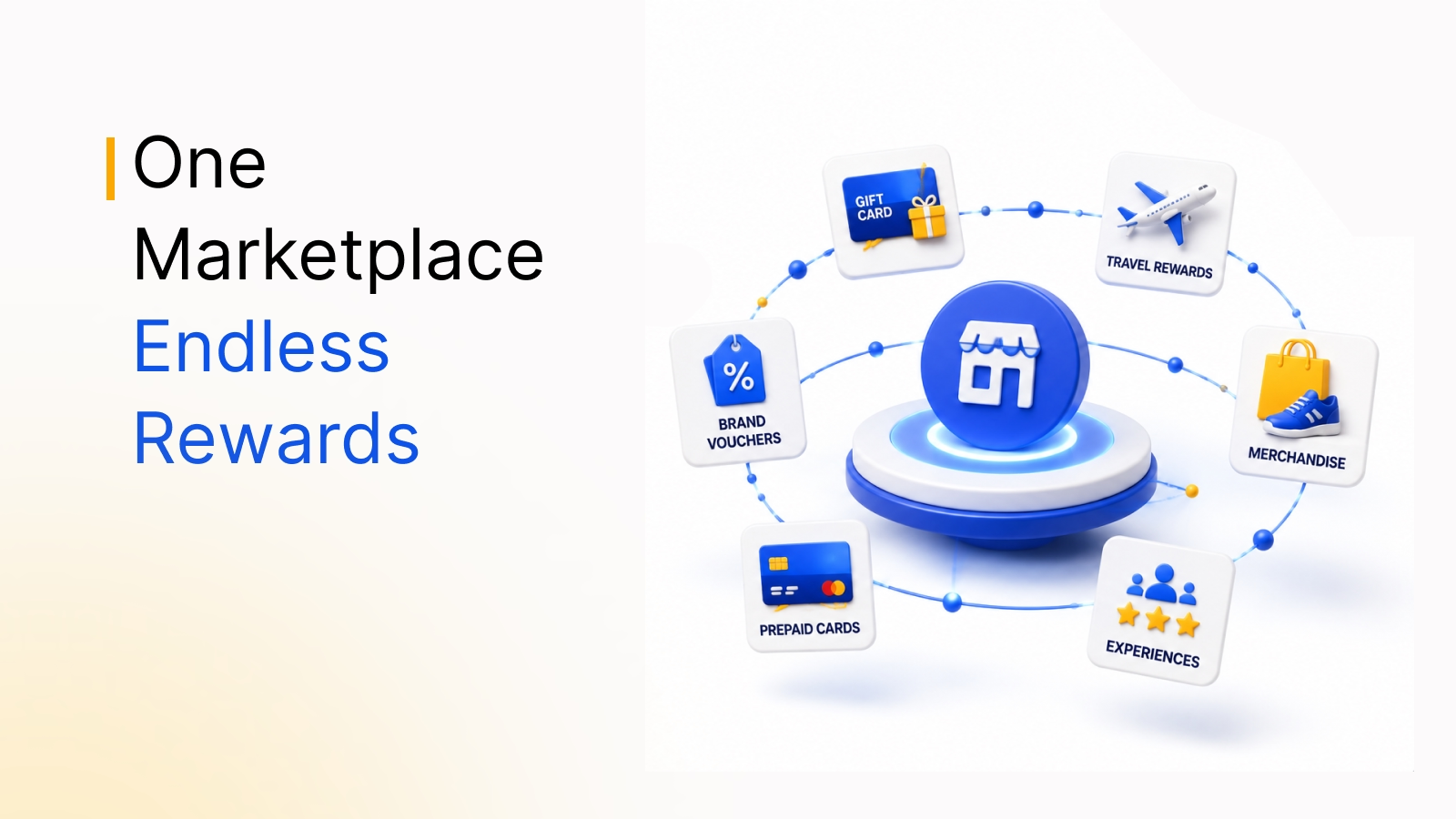
- Engage customers effectively with a rewards marketplace of 10M+ options across 30+ categories, gamification and omnichannel loyalty that works across stores, ecommerce, apps and partners.
- Gain insights into customer preferences and behaviors with Reports & Insights, so you can target offers, customize rewards and keep communication relevant, with governance controls such as maker-checker approvals, audit trails and role-based access.
Loyalife makes managing an enterprise loyalty program simpler. Keep your customers engaged, offer rewards that fit their needs, and grow your program along the way. Comparing vendors? See our list of the best customer loyalty platforms, or book a Loyalife demo.
Book your Loyalife demo
Frequently asked questions
An enterprise loyalty program is a large-scale loyalty strategy that a big organization runs across multiple brands, markets, channels or customer types. It can reward consumers, business buyers, channel partners or influencers, and uses shared data, rules and rewards to improve retention, purchase frequency and customer lifetime value.
Enterprise loyalty describes the scale and complexity of the organization running the program, while B2B loyalty describes the audience. An enterprise program can be B2C, B2B or both. A B2B loyalty program specifically rewards business customers, distributors, dealers or other partners, and can be run by a company of any size.
Proven loyalty program best practices include running different programs where markets differ, making data-driven decisions, rewarding the products that matter most, broadening the base with a free tier, offering a variety of benefits, streamlining offers under one umbrella, personalizing with customer data and removing friction from the customer experience.
Target Circle offers three options. The free Target Circle membership applies deals automatically at checkout and includes bonuses, rewards and partner perks. The Target Circle Card, formerly REDcard, adds an extra 5% off every day, extended returns and free 2-day shipping. Target Circle 360 is a paid membership with free same-day delivery on eligible orders.
Shell runs different programs by market. In the UK, Shell GO+ is a free rewards programme in the Shell App where members earn points on fuel, EV charging and selected in-store purchases and spend them on rewards. In the US, Shell Fuel Rewards gives cents-per-gallon savings that rise with Silver, Gold and Platinum status.
Often, yes. Different brands, markets or audiences may need different rules, rewards and experiences. The key is to run them on a shared platform with central governance and unified data, so each multi-brand loyalty program keeps its own identity while the enterprise sees one view of customers, costs and liability.
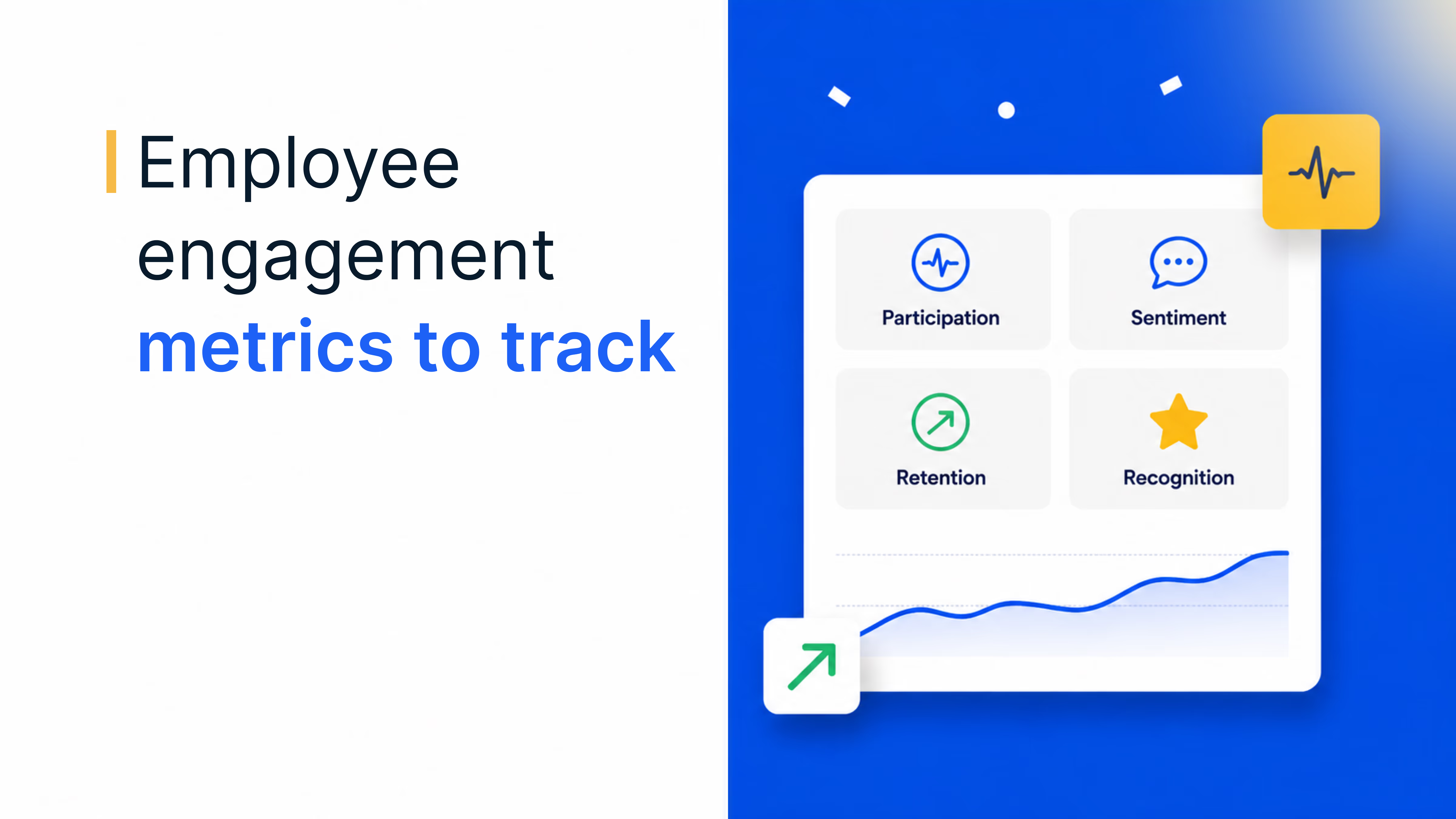
Track enrolment, active member rate, retention, purchase frequency, spend per member, redemption rate and customer lifetime value, and compare members with similar non-members. Program ROI is the incremental margin the program generates minus reward, platform and operating costs, divided by those costs. Review results regularly and adjust rewards and rules.
Most enterprises buy an enterprise loyalty management platform and integrate it with their own systems. Building in-house offers control but demands significant engineering, security and compliance investment plus ongoing maintenance. Buying gives proven rule engines, tiers, reward catalogs, analytics and governance out of the box, so teams can launch faster and focus on strategy.