Key Takeaways
A pharmacy loyalty program rewards refills, OTC purchases and healthy behaviors to keep patients with one pharmacy.
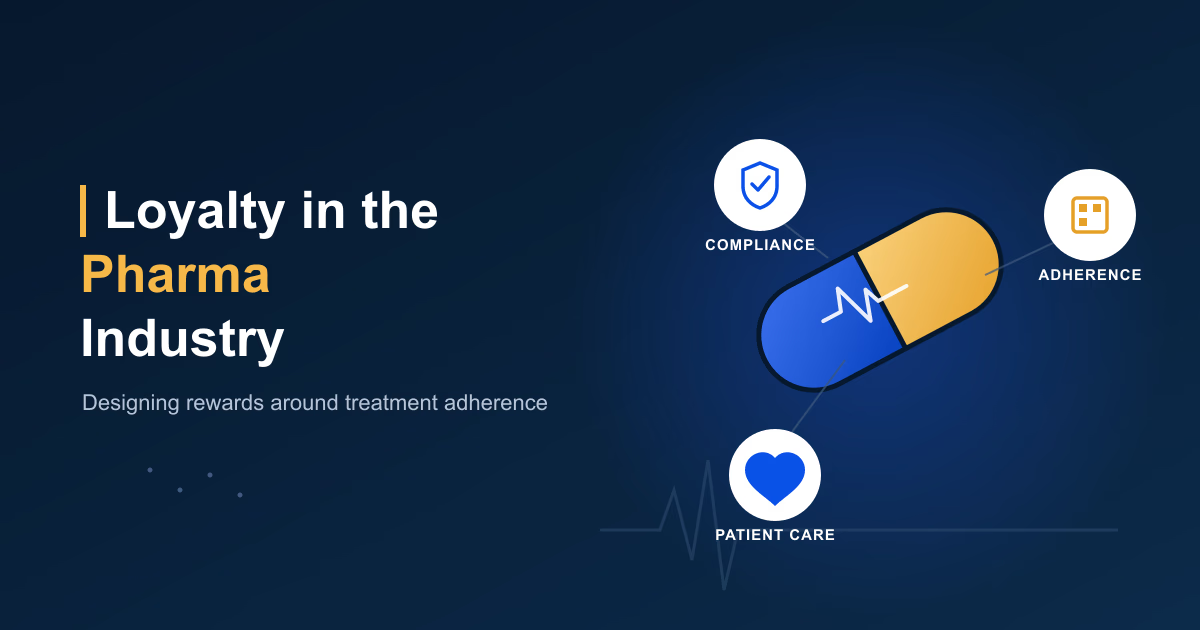
Rewarding timely refills supports medication adherence, which helps both patient outcomes and repeat revenue.
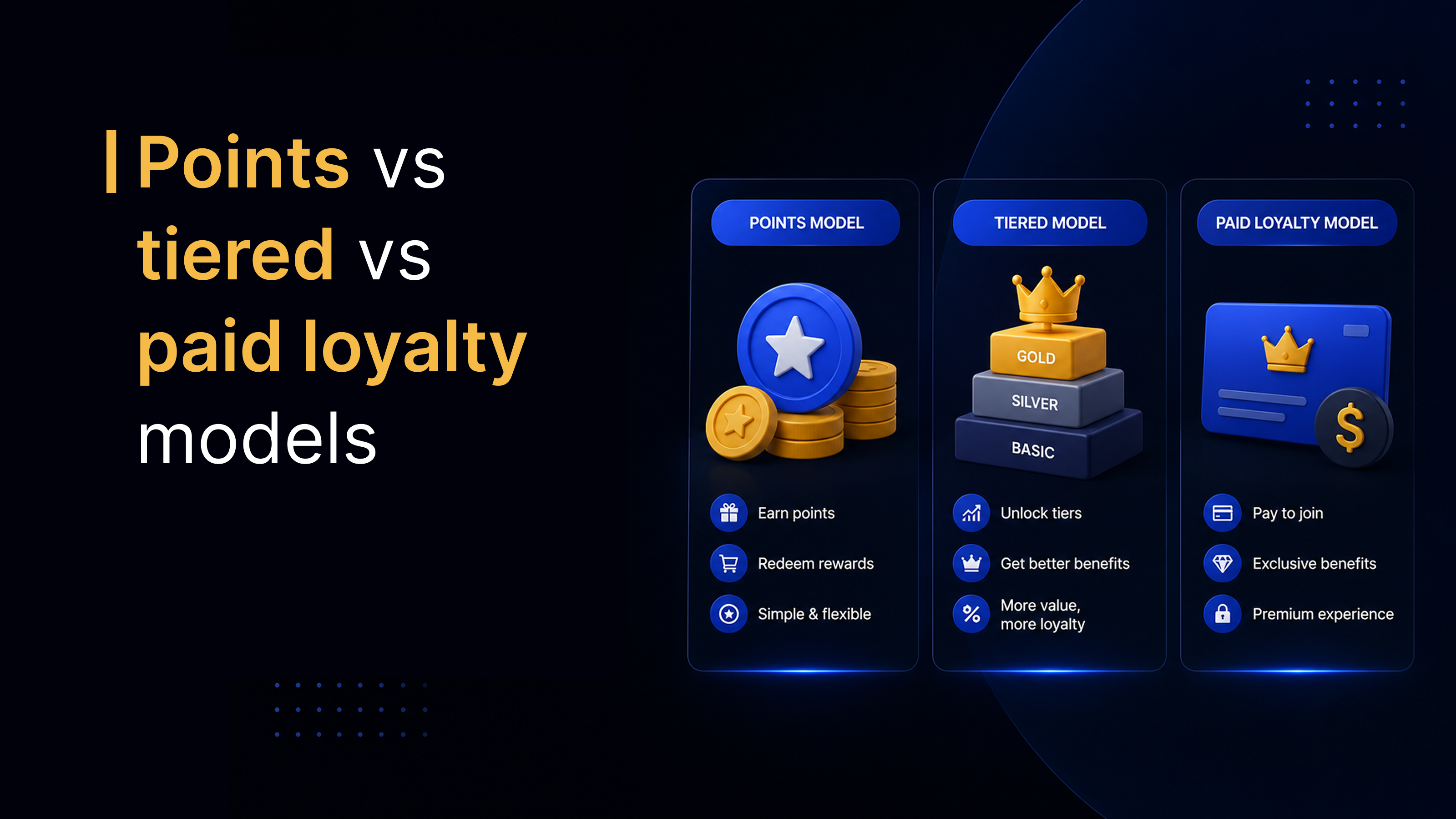
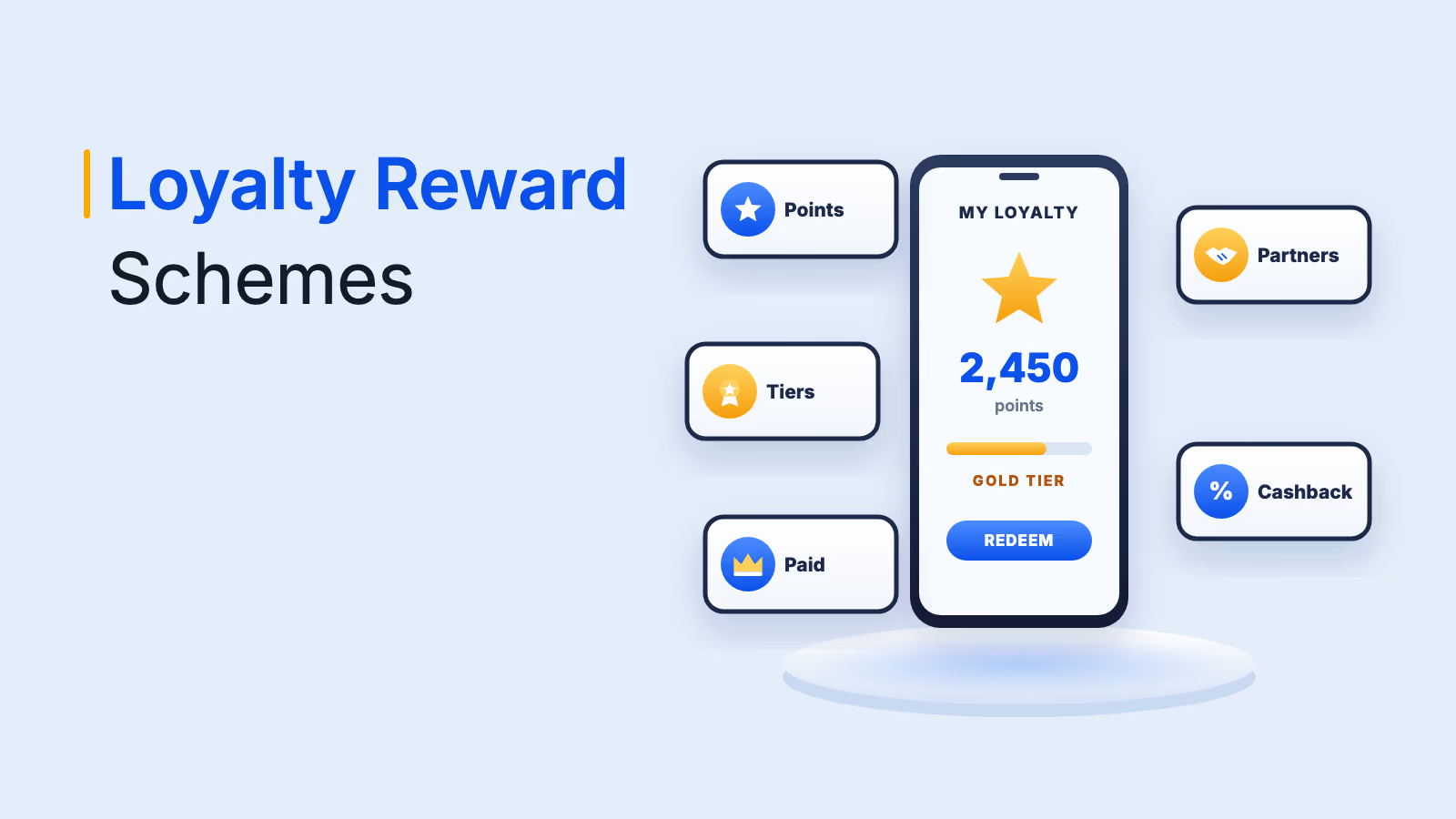
Common formats are points, tiers, paid memberships, discounts and partnerships with gyms or wellness centers.
myWalgreens, CVS ExtraCare, Boots Advantage Card, Kroger, Watsons and OneApollo show how large chains run these programs.
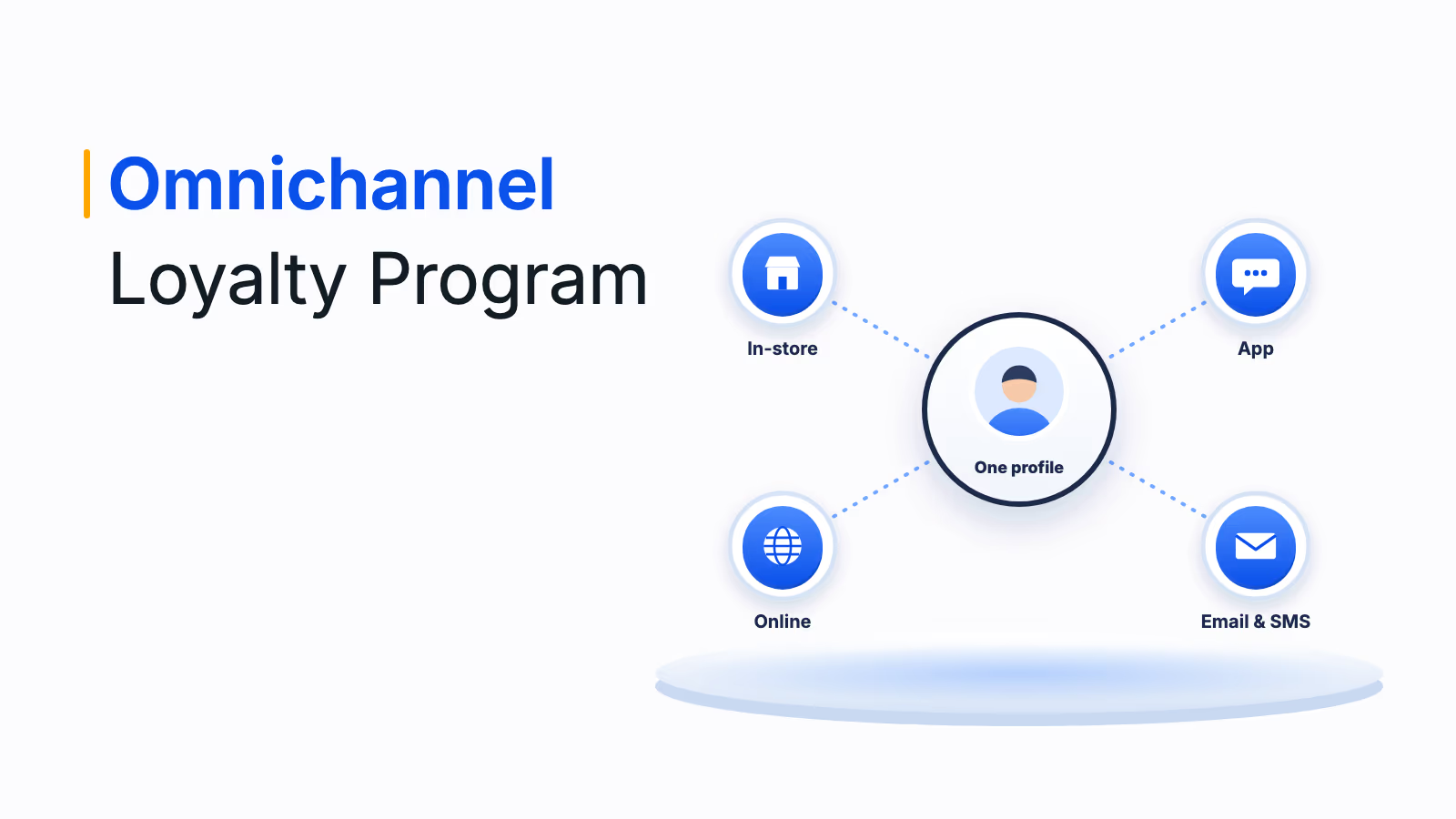
Effective programs are omnichannel, personalized, gamified and built with HIPAA and data privacy in mind.
Loyalty isn’t just for coffee shops, makeup brands, and airlines anymore. A well-designed pharmacy loyalty program is now one of the most practical ways for pharmacies to keep patients coming back, because retaining patients isn’t just good business, it’s an essential healthcare strategy.
From battling rising competition from e-pharmacies and retail giants to addressing one of healthcare’s most persistent problems - medication non-adherence - loyalty programs are becoming a key differentiator.
However, these rewards programs are so much more than just offering rewards, discounts, or points. They’re about building trust-based, long-term relationships with patients, enhancing health outcomes, and creating personalized experiences.
In this blog, we’ll explore why loyalty programs are critical for modern pharmacies, the benefits for both patients and providers, and how to build a program that actually drives engagement and growth.
What is a pharmacy loyalty program?
A pharmacy loyalty program is a structured rewards system designed to encourage customers to continue filling prescriptions and purchasing healthcare products from the same pharmacy.
By offering incentives such as points, discounts, cash back, or health-related perks, loyalty programs aim to strengthen pharmacy customer retention and create a more engaging pharmacy experience.
These programs motivate customers to adhere to their medication schedules, refill prescriptions on time, and take advantage of preventive care services, such as flu shots or health check-ups.
Pharmacy loyalty programs take many forms, including:
- Points-based systems for prescription and OTC purchases
- Exclusive discounts on recurring medications or health essentials
- Wellness challenges that reward healthy behaviors
- Referral programs that encourage word-of-mouth advocacy
These initiatives are commonly employed by various pharmacy models, including national chains, independent pharmacies, mail-order services, and online platforms, to stay competitive, enhance customer satisfaction, and foster long-term patient relationships.
Why do pharmacies need loyalty programs?
When a pharmacy develops a loyalty program, the goal is not only to offer rewards but also to foster a sense of community and loyalty among its customers. A pharmacy loyalty program addresses key industry pain points while delivering measurable benefits for both patients and pharmacies. Let’s understand how:
Combat price-based competition
Online pharmacies and low-cost retailers have made price a major battleground, and pharmacies can no longer compete on discounts alone.
A loyalty program helps pharmacies differentiate themselves by offering value beyond price through personalized rewards, convenience, and consistent engagement that keeps customers coming back.
By rewarding repeat visits, pharmacies can improve average transaction value and total sales, particularly when they use seasonal campaigns and targeted incentives.
Encourage medication adherence and repeat purchases
Many patients with chronic conditions struggle to take medications as prescribed or to refill them consistently, which leads to avoidable healthcare costs and poorer outcomes.
A well-designed loyalty program incentivizes healthy behaviors, such as timely refills and adherence to medication schedules, and medication adherence rewards can make a real difference. In one example of a pharmacy-sponsored program, adherence rates for chronic disease management improved 17% from a 50% baseline.
By rewarding these actions, pharmacies encourage repeat purchases and support improved health outcomes, thereby fostering a more holistic and long-term relationship with customers. For a deeper look at this link, read our guide on pharma loyalty and treatment adherence.
Build long-term relationships with patients
Pharmacies are not just transactional points for medication. They are trusted partners in health. Loyalty programs deepen this trust by recognizing and rewarding ongoing engagement.
Whether through birthday perks, wellness milestones, or referral bonuses, these programs help foster a sense of connection and appreciation that keeps customers loyal over time.
Retaining patients is also significantly more cost-effective than attracting new ones: acquiring new customers costs 5 to 10 times more than selling to a current customer.
Leverage data for personalized health engagement
Pharmacies have access to valuable customer data, from prescription history to purchase behavior. A loyalty program provides a structured way to utilize that data for the benefit of its users, enabling personalized promotions, proactive health reminders, and tailored services.
This not only enhances the patient experience but also positions the pharmacy as a proactive health ally.
Key benefits of a pharmacy rewards program
Pharmacy loyalty programs are a win-win, offering clear advantages for both customers and pharmacies. They go beyond transactional rewards to foster trust, improve healthcare outcomes, and create sustainable business value.
Benefits for customers
Discounts and cashback on prescriptions
Loyalty programs often offer financial incentives, such as discounts, cash back, or redeemable points, on prescription medications where local rules allow. These savings reduce out-of-pocket costs, especially for customers managing chronic conditions or regular prescriptions.
Health and wellness rewards
Many modern pharmacy programs reward more than just purchases. Customers earn points or incentives for taking steps to improve their health, like joining wellness programs, tracking fitness goals, or participating in health education sessions. This encourages proactive engagement in their care.
Easier access to preventive care
Many loyalty programs are tied to preventive healthcare services, such as flu shots, health check-ups, or screenings. These services may be offered at reduced rates or with added incentives, making it easier and more appealing for customers to stay on top of their health.
Benefits for pharmacies
Improved patient retention and repeat visits
Loyalty programs help pharmacies stay top of mind with their customers. By offering consistent value and engagement, pharmacies encourage patients to return for refills, OTC items, and additional health services, rather than switching to a competitor.
Higher basket size
When customers feel appreciated and rewarded, they’re more likely to increase their spend. A loyalty program drives cross-category purchases by promoting relevant OTC items, supplements, or health products alongside prescriptions.
Better data for targeted marketing
Every loyalty interaction generates valuable insights. Pharmacies utilize this data to segment their audience, personalize promotions, and send timely reminders for refills or follow-up appointments. This level of tailored communication strengthens relationships and enhances customer satisfaction.
Build a pharmacy loyalty program that drives refills
Reward refills, wellness actions and referrals with Loyalife's rule engine, tiers and gamification.
Talk to our ExpertTrusted by 5,000+ companies
Different types of pharmacy loyalty programs
Pharmacy loyalty programs come in various forms, each designed to engage customers and encourage repeat business in unique ways. Here are the most common types:
Points-based loyalty programs
- Customers earn points for purchases, prescription refills, or specific actions.
- Points can be redeemed for discounts, products, or other rewards.
Tiered loyalty programs
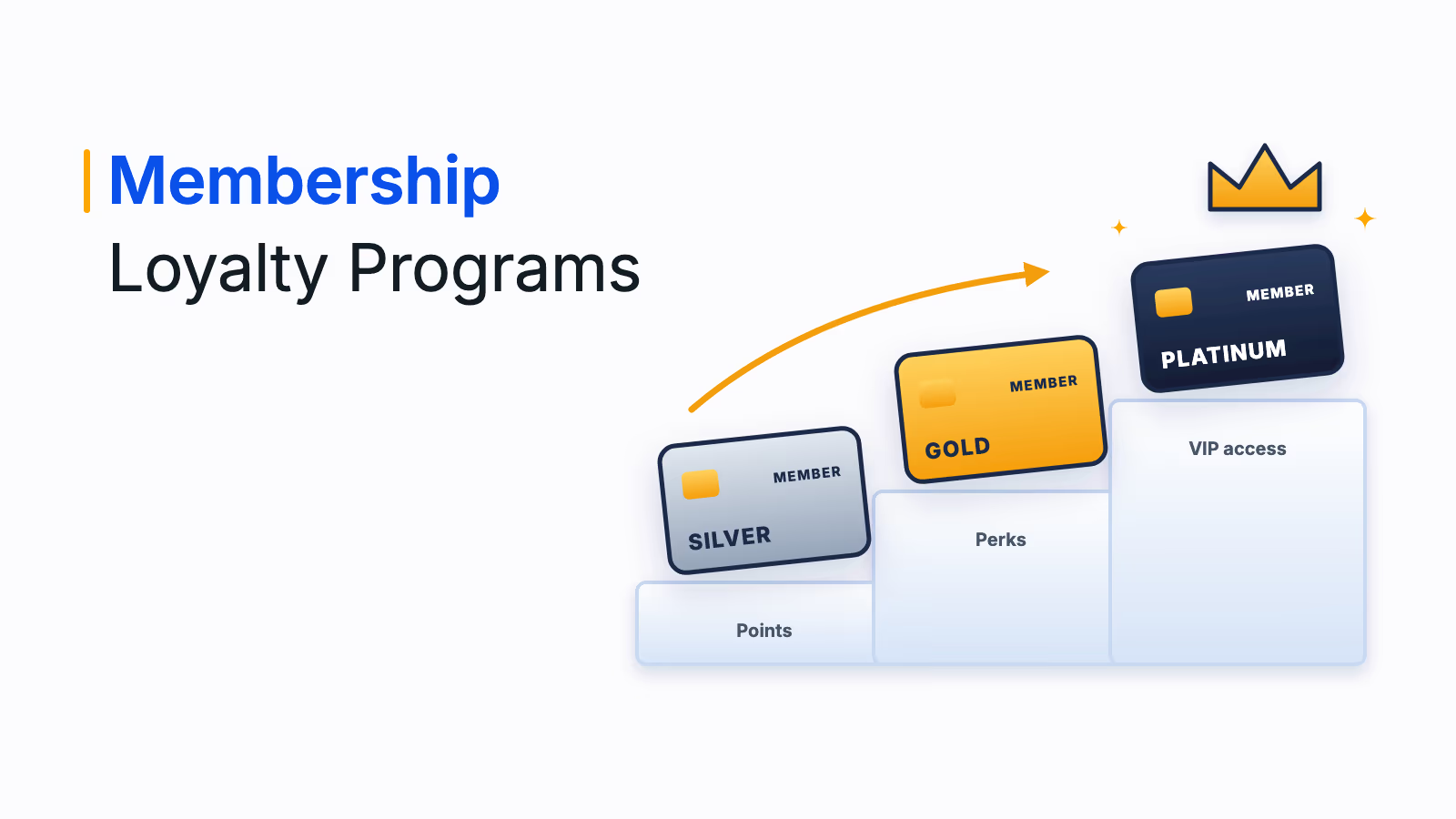
- Members progress through different levels or “tiers” based on their spending or engagement.
- Higher tiers unlock greater benefits, including increased discounts, exclusive offers, and premium services.
- Tiers encourage ongoing loyalty as customers strive for more rewarding experiences.
Membership loyalty programs
- Customers pay a monthly or annual fee for access to exclusive benefits, including special discounts, complimentary consultations, or priority services.
Discount-based programs
- Customers receive immediate discounts or cash back on purchases after reaching a specified spending threshold.
Partnership-based programs
- Pharmacies collaborate with other businesses, such as gyms and wellness centers, to offer cross-promotional rewards and discounts.
- Partnerships add extra value and broaden the appeal of the loyalty program.
Examples of successful pharmacy loyalty programs
Here are some of the successful pharmacy loyalty programs:
myWalgreens
Walgreens’ loyalty program, myWalgreens, is free to join and lets customers earn Walgreens Cash rewards on everyday purchases: 1% storewide, including out-of-pocket pharmacy purchases in most states, and 5% on Walgreens-branded products.
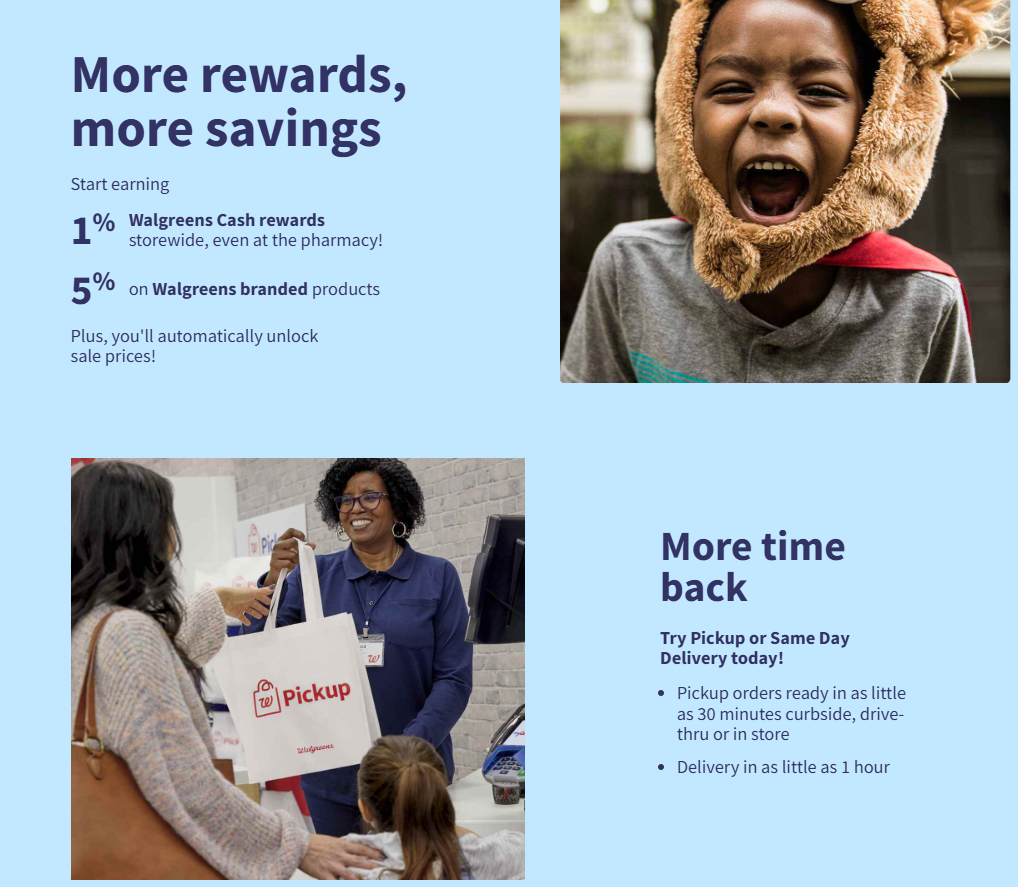
Members also unlock sale prices automatically and can manage prescriptions, pickup and delivery through the Walgreens app, making it a full-spectrum engagement platform.
CVS ExtraCare
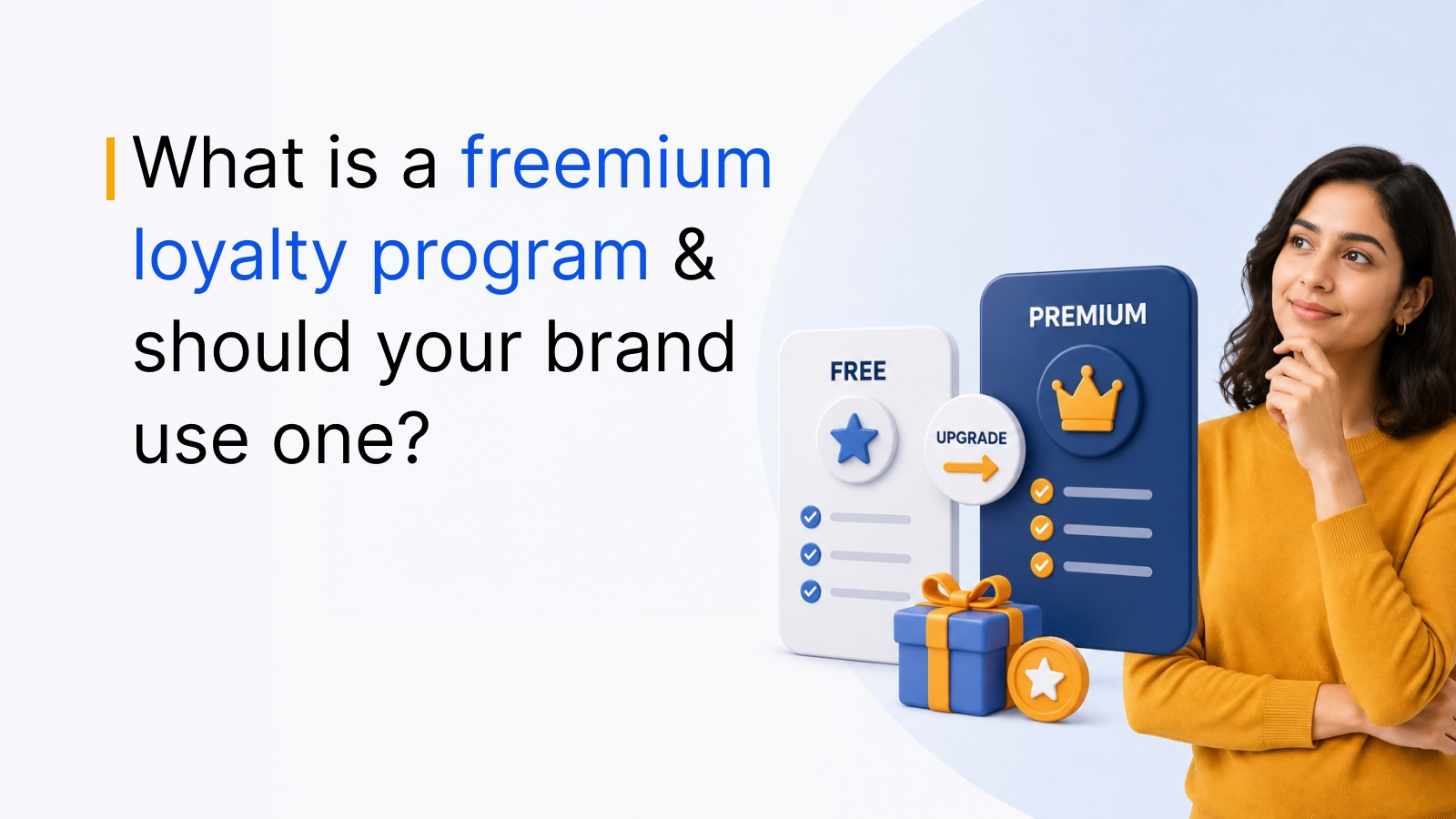
CVS operates two tiers of loyalty engagement: ExtraCare (free) and ExtraCare Plus (paid). ExtraCare members earn ExtraBucks Rewards and receive personalized coupons and deals.
The ExtraCare Plus tier, available for $5 a month or $48 a year, builds on these benefits by adding a $10 monthly reward, 20% off most CVS Health brand products, and free shipping on most online orders.
Boots Advantage Card
Boots, a leading UK pharmacy chain, operates the Advantage Card program. Members earn 3 points for every £1 spent, with each point worth 1p towards future purchases.
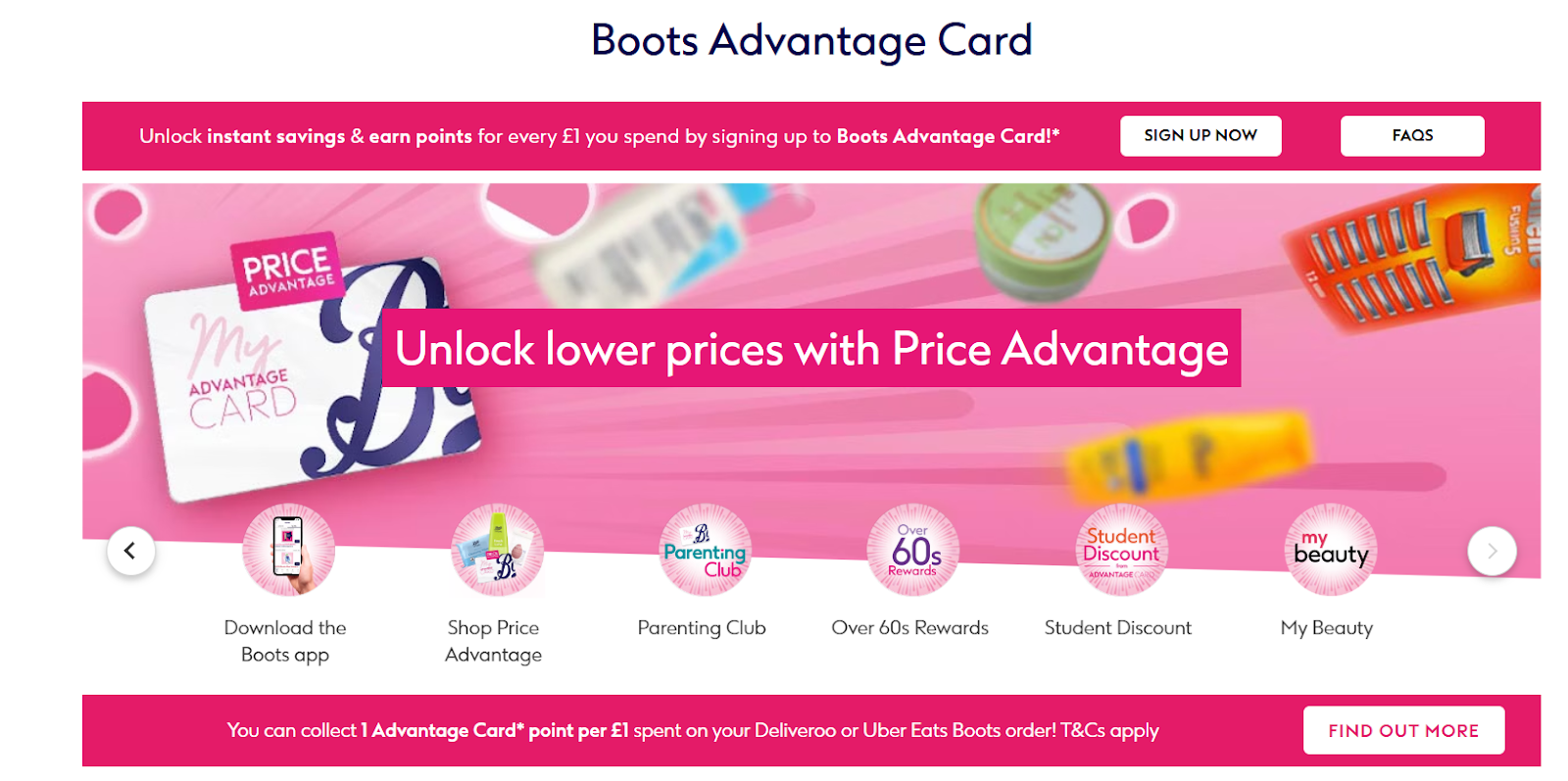
Cardholders also get Price Advantage member prices on selected products, exclusive offers through the Boots app, and clubs such as Over 60s Rewards and the Parenting Club, reinforcing strong customer relationships through personalization.
Kroger Rewards
Kroger’s rewards program, accessed with a free Kroger Plus card, is a multi-category rewards system that spans grocery and pharmacy. Members receive personalized digital coupons and earn Points on everyday purchases, qualifying gift cards and qualifying prescriptions.
Points (formerly called Fuel Points) can be redeemed for fuel discounts or for dollars off groceries. This broad-based approach strengthens brand loyalty by tying daily grocery needs to health-related purchases, ensuring consistent customer engagement across departments.
Watsons Club
Watsons, a leading health and beauty retailer in Asia, offers a range of pharmacy products and operates its Watsons Club loyalty program across markets such as Hong Kong, Malaysia, and the Philippines. Members earn points on purchases and enjoy exclusive offers, birthday treats, and member-only deals.
The Watsons app plays a central role, combining e-commerce, loyalty tracking and rewards in one interface. In markets like Malaysia, an Elite tier for higher-spending members adds bonus points and extra perks to encourage engagement and higher spending.
OneApollo membership
India’s Apollo Pharmacy runs OneApollo, which lets members earn HealthCredits on purchases that can be redeemed for discounts on medicines, wellness products, and Apollo healthcare services.
The program uses tiered membership levels and integrates with Apollo’s digital platforms, allowing members to track rewards, manage prescriptions, and access healthcare services online.
Features of an effective pharmacy loyalty program
A pharmacy loyalty program should be designed to support meaningful engagement, improve healthcare outcomes, and drive business growth. Below are the essential features that make a pharmacy loyalty program truly effective:
Omnichannel integration
Customers move between the pharmacy counter, the website and the app, so an effective loyalty program is omnichannel, meeting customers wherever they are.
It should provide a seamless experience across all touchpoints, allowing users to earn and redeem rewards whether they’re shopping at the counter, ordering refills online, or using a pharmacy’s mobile app.
Read more in our detailed guide to omnichannel loyalty programs.
Personalized rewards and offers
Generic rewards rarely build long-term loyalty. By leveraging customer data, pharmacies personalize offers based on individual behaviors, such as prescription history, purchase patterns, and health needs.
Personalized incentives help patients feel seen, understood, and appreciated.
Refill reminders and medication adherence support
A loyalty program plays a crucial role in enhancing health outcomes by incorporating features such as automated refill reminders, dosage tracking, and adherence rewards.
These encourage patients to stay on schedule, making medication management easier and more engaging.
Gamified wellness engagement
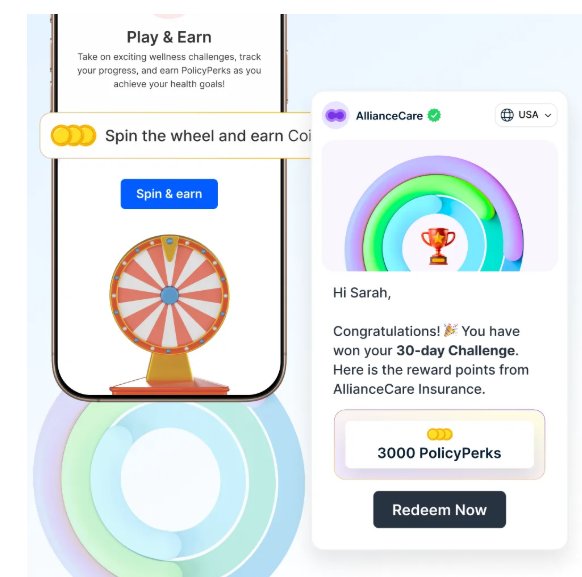
Adding elements of gamification, such as earning badges for completing wellness challenges or leveling up based on participation, makes health maintenance more engaging and enjoyable.
This not only motivates healthier habits but also drives consistent interaction with the program.
Integration with health services and preventive care
A patient loyalty program should be in sync with a pharmacy loyalty program. A robust program connects users to more than just products; it promotes value-added services, such as vaccinations, health screenings, and consultations.
Rewarding participation in preventive care boosts both patient health and pharmacy revenue.
Easy enrollment and user-friendly interface
If it’s difficult to join or navigate, customers won’t engage.
Pharmacy companies can use a loyalty management solution like Loyalife to build a program that offers simple sign-up options, ideally integrated into existing pharmacy systems, and provides a straightforward, intuitive interface for tracking points, rewards, and upcoming actions.
Data security and compliance
Since pharmacy loyalty programs often handle sensitive health and purchasing data, they must be built with strong privacy protocols and compliance in mind, particularly in light of regulations such as the Health Insurance Portability and Accountability Act (HIPAA).
Secure data handling builds trust and safeguards both the customer and the brand.
Actionable analytics for pharmacy teams
Beyond the customer experience, a well-designed loyalty program provides pharmacy staff and marketers with real-time dashboards and performance analytics.
This enables data-driven decisions, timely outreach, and continuous optimization of loyalty campaigns.
Common challenges while developing a pharmacy rewards program and how to overcome them
Let’s go through some of the common challenges pharmacies face while developing a rewards program and how you can overcome them:
Data privacy and compliance concerns
Challenge: Pharmacies handle sensitive personal and health data, making data privacy and compliance with regulations (like GDPR, HIPAA, and state-specific laws) a top concern. Breaches or a lack of transparency erode customer trust and lead to substantial legal penalties.
How to overcome:
- Implement strong encryption and access controls for all customer data.
- Use multi-factor authentication for both staff and customers.
- Conduct regular security audits and ongoing staff training on data privacy best practices.
Limited staff engagement or program awareness
Challenge: If pharmacy staff are not engaged or unaware of the loyalty program’s benefits, they may not effectively promote it, leading to low customer participation.
How to overcome:
- Utilize gamification and tiered rewards to motivate staff participation and performance, such as recognizing top performers or providing educational opportunities.
- Integrate loyalty program metrics into staff appraisals and reward systems to align personal growth with business goals.
Low customer adoption
Challenge: Many customers may not see enough value in the loyalty program, or the sign-up process may be too complex, resulting in low enrollment and engagement.
How to overcome:
- Design a simple, user-friendly program with clear value propositions and attainable rewards.
- Offer digital loyalty cards and seamless omnichannel access to make participation easy.
- Communicate benefits consistently through multiple touchpoints (in-store, app, SMS, email).
Integrating legacy pharmacy systems with modern loyalty technology
Challenge: Many pharmacies operate on legacy systems that are not easily compatible with modern loyalty platforms, leading to integration issues and fragmented customer experiences.
How to overcome:
- Select a loyalty management solution that provides robust APIs and pre-built integrations with point-of-sale (POS) and other core systems.
- Prioritize solutions that provide a frictionless experience for both staff and customers, reducing manual work and errors.
Loyalife: Powering the next generation of pharmacy loyalty
Given the competitive healthcare landscape, traditional loyalty cards and coupon-based systems no longer suffice. Pharmacies need intelligent, integrated, and secure solutions that go beyond points and discounts.
Loyalife, Xoxoday’s loyalty management platform, delivers exactly that: a loyalty technology platform designed to help pharmacies build stronger patient relationships, increase adherence, and drive lifetime value.
What makes Loyalife different?
- Customizable reward structures: Loyalife’s rule engine lets you tailor loyalty rules for prescription refills, over-the-counter (OTC) purchases, wellness behaviors, or referrals. Whether it’s cashback, health milestone rewards, or gamified tiers, the program adapts to your strategy.
- Seamless integration with pharmacy systems: Loyalife connects with POS, e-commerce, CRM and other systems through native connectors and APIs, so loyalty is embedded in every touchpoint.
- Data-driven personalization and insights: Use segments and reports and insights to track member behavior and trigger personalized campaigns. From segmenting senior patients to targeting young families, Loyalife helps you act on real-time data.
- Omnichannel loyalty experience: Loyalife keeps loyalty benefits and engagement consistent and connected across channels, including a white-labelled app, improving both convenience and trust.
- Built-in compliance and security: Loyalife is SOC 2 Type II and ISO 27001 certified, aligned with GDPR and CCPA, and HIPAA-ready, so your patient data is protected at every stage.
Whether you’re a local pharmacy, a regional chain, or a digital-first telehealth brand, Loyalife supports multiple branches, varied reward logic, and integrations with your existing tools.
Conclusion
A pharmacy loyalty program works best when it rewards the behaviors that matter for both health and business: timely refills, preventive care, and repeat visits. Start with a clear reward structure, make enrollment effortless, protect patient data, and use what you learn to personalize every interaction.
Want to know more about Loyalife? Book your demo now!
Book your Loyalife demo
Frequently asked questions
A pharmacy loyalty program is a rewards system that encourages customers to keep filling prescriptions and buying health products at the same pharmacy. Members earn points, discounts, cash back or health-related perks for purchases, refills and healthy actions such as flu shots or screenings, which helps the pharmacy retain patients and build long-term relationships.
Pharmacy rewards programs can reward timely refills, send automated refill reminders and recognize patients who stay on their medication schedules. These nudges make adherence easier and more engaging. In one pharmacy-sponsored program example reported by Drug Topics, adherence rates for chronic disease management improved 17% from a 50% baseline.
It depends on local rules and payer terms. Some programs let members earn rewards on out-of-pocket prescription costs, while others exclude prescriptions in certain states or restrict how rewards can be redeemed. Pharmacies should check federal and state regulations, and program terms, before designing prescription-linked rewards, and focus on rewarding adherence and preventive care where purchases are restricted.
The most common types are points-based programs, tiered programs that unlock better benefits at higher levels, paid membership programs with exclusive perks, discount-based programs triggered by spending thresholds, and partnership-based programs with gyms or wellness centers. Many pharmacies combine two or more of these formats to balance everyday value with long-term engagement.
Loyalty programs give customers a reason to return for refills, OTC items and health services instead of switching to an online pharmacy or discount retailer. Consistent rewards, personalized offers and timely reminders keep the pharmacy top of mind, while the data collected helps teams segment customers and target retention campaigns more effectively.
A pharmacy loyalty program focuses on retail behavior such as refills, OTC purchases and visits. A patient loyalty program is broader and rewards engagement with care, such as consultations, screenings and wellness activities. The strongest programs connect the two so patients are rewarded across both their purchases and their health journey.
Pharmacies should limit the health data the loyalty platform stores, encrypt customer data, use access controls and multi-factor authentication, and run regular security audits and staff training. Choosing a loyalty platform that is HIPAA-ready and independently certified, for example SOC 2 Type II and ISO 27001, helps protect patient trust.