Key Takeaways
LEGO shows the value of customer input: LEGO Ideas turns fan concepts that gather 10,000 supporters into official sets.
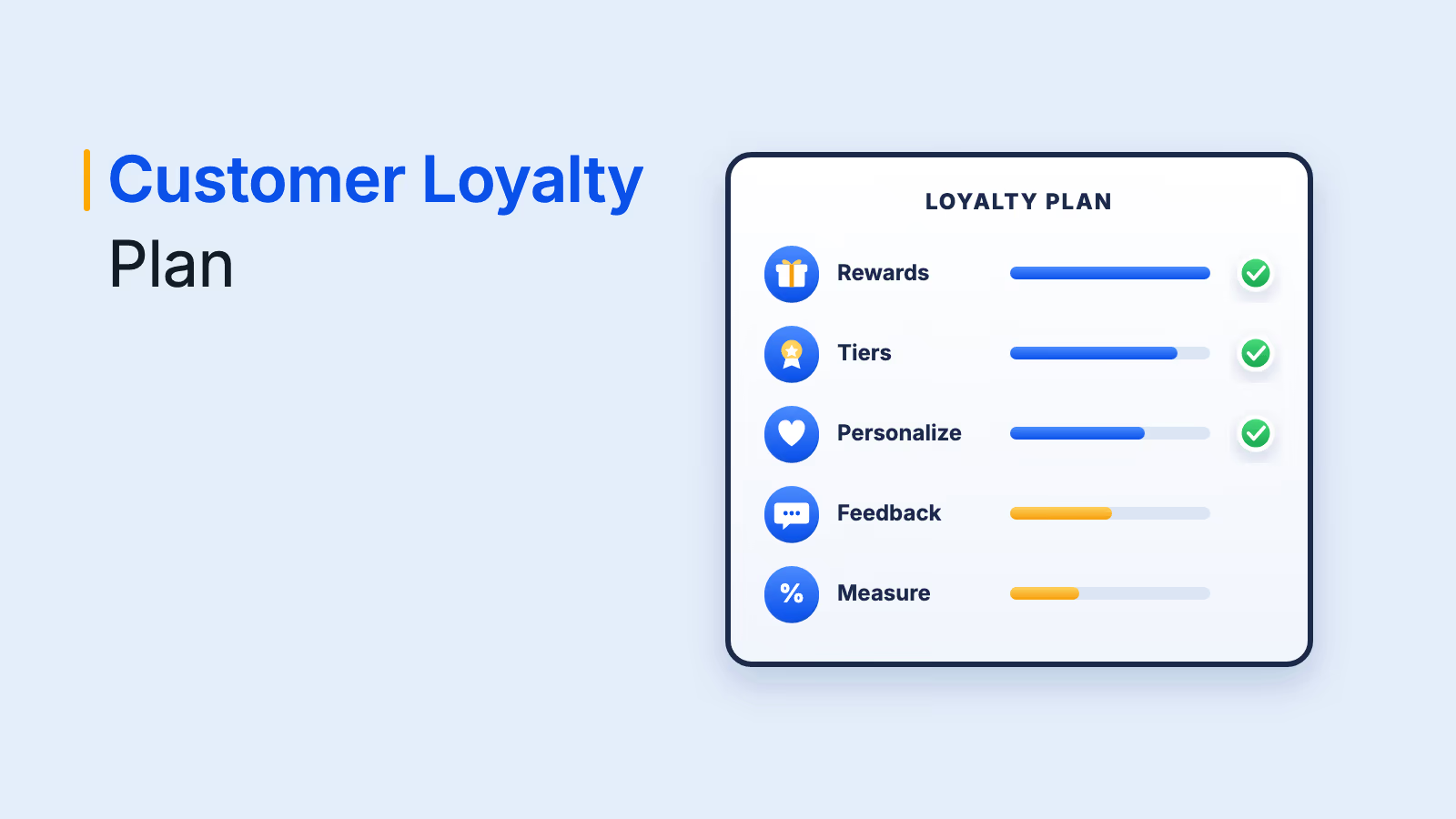
A strong customer loyalty plan combines a rewards system, membership tiers, exclusive offers, personalized experiences and referral bonuses.
To build a loyalty program, start with audience research and segmentation, then focus on trust, personalization and clear communication.
A 2025 CapTech survey found consumers are 40% more likely to purchase from brands that tailor experiences to their needs.
Measure success with ROI, customer lifetime value, incremental sales and redemption rates, and keep refining the plan with feedback.
Ever wondered how a company like LEGO stayed on top in an era when video games and the internet have taken over children's playtime? In the early 2000s, LEGO faced serious financial difficulty. It staged a remarkable comeback, and one big reason was that it stopped designing toys with minimal customer input and started building a strong relationship with its fan community - a useful lesson in how to build a loyalty program that lasts.
In 2008, LEGO launched the platform now known as LEGO Ideas. It lets fans submit concepts for new LEGO sets, and other fans vote on them. Projects that gather 10,000 supporters are reviewed by LEGO staff, and winning concepts become official sets, with the fan designer earning royalties. Through LEGO Ideas, the company moved from building toys for customers to building them with an engaged and passionate community.
That is the heart of customer loyalty. Winning over customers isn't just about making a sale but cultivating lasting relationships. With countless options at their fingertips, consumers are spoilt for choice, making loyalty a prized commodity for businesses. Yet, amidst the pursuit of acquiring new customers, many overlook the goldmine that lies within their existing customer base.
So how exactly do you build a loyalty program, or a customer loyalty plan, that not only retains but delights your customers and sets you apart from the competition? This is precisely what we explore in this guide. From understanding the fundamentals of customer loyalty to implementing actionable strategies tailored to your business, we're here to equip you with the tools and insights you need to thrive.
What are customer loyalty plans?
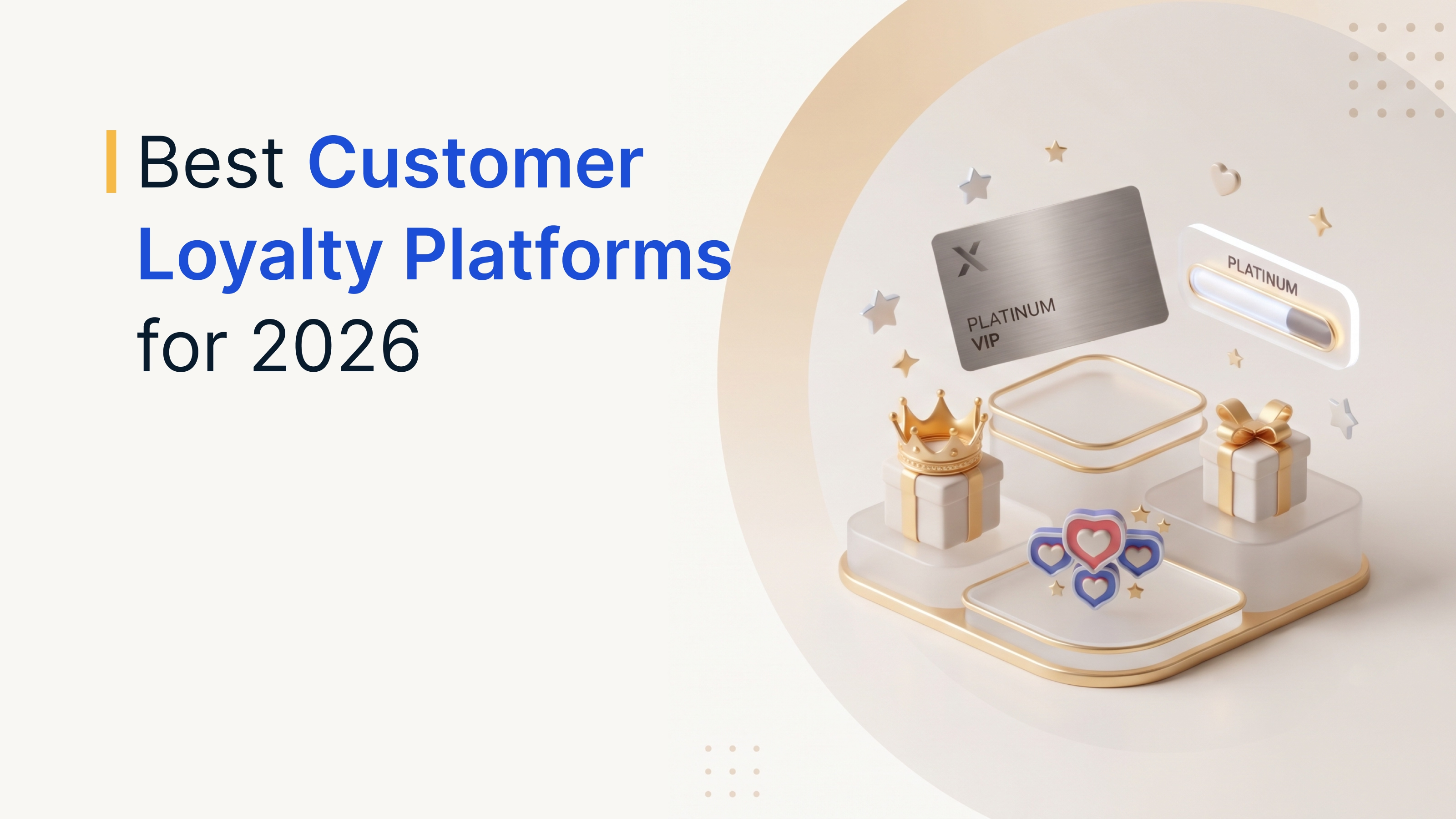
A customer loyalty plan is a strategy businesses employ to encourage repeat purchases and foster brand loyalty among their customers. These plans typically offer rewards, incentives, or benefits to customers who consistently engage with a brand or make frequent purchases. The goal is to enhance customer satisfaction, increase retention rates, and boost sales.
The key components of a customer loyalty plan
A well-crafted customer loyalty plan is essential for businesses looking to retain their existing customers and foster long-term relationships. Here are the customer loyalty program components to get right:
1. Rewards system
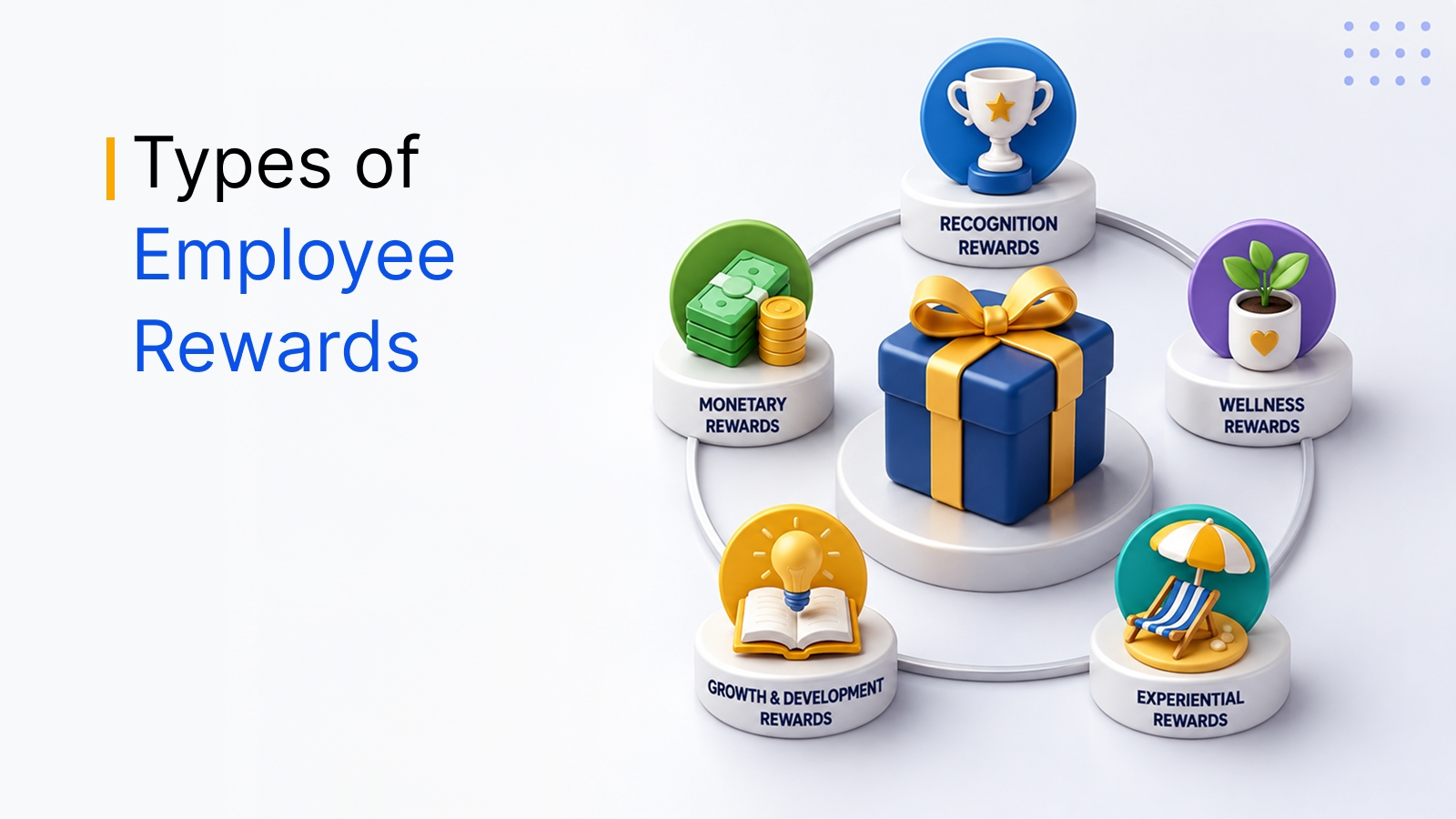
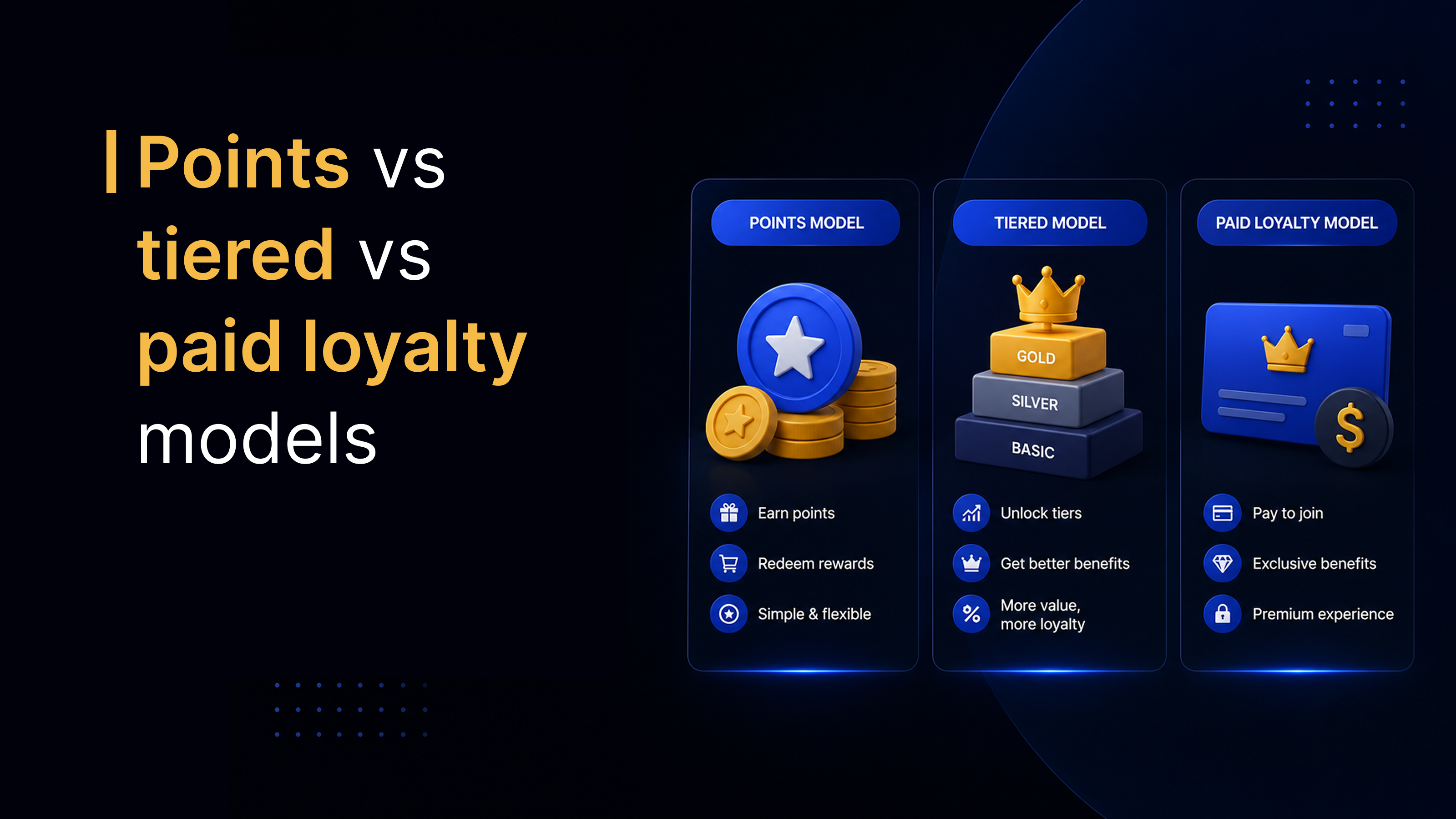
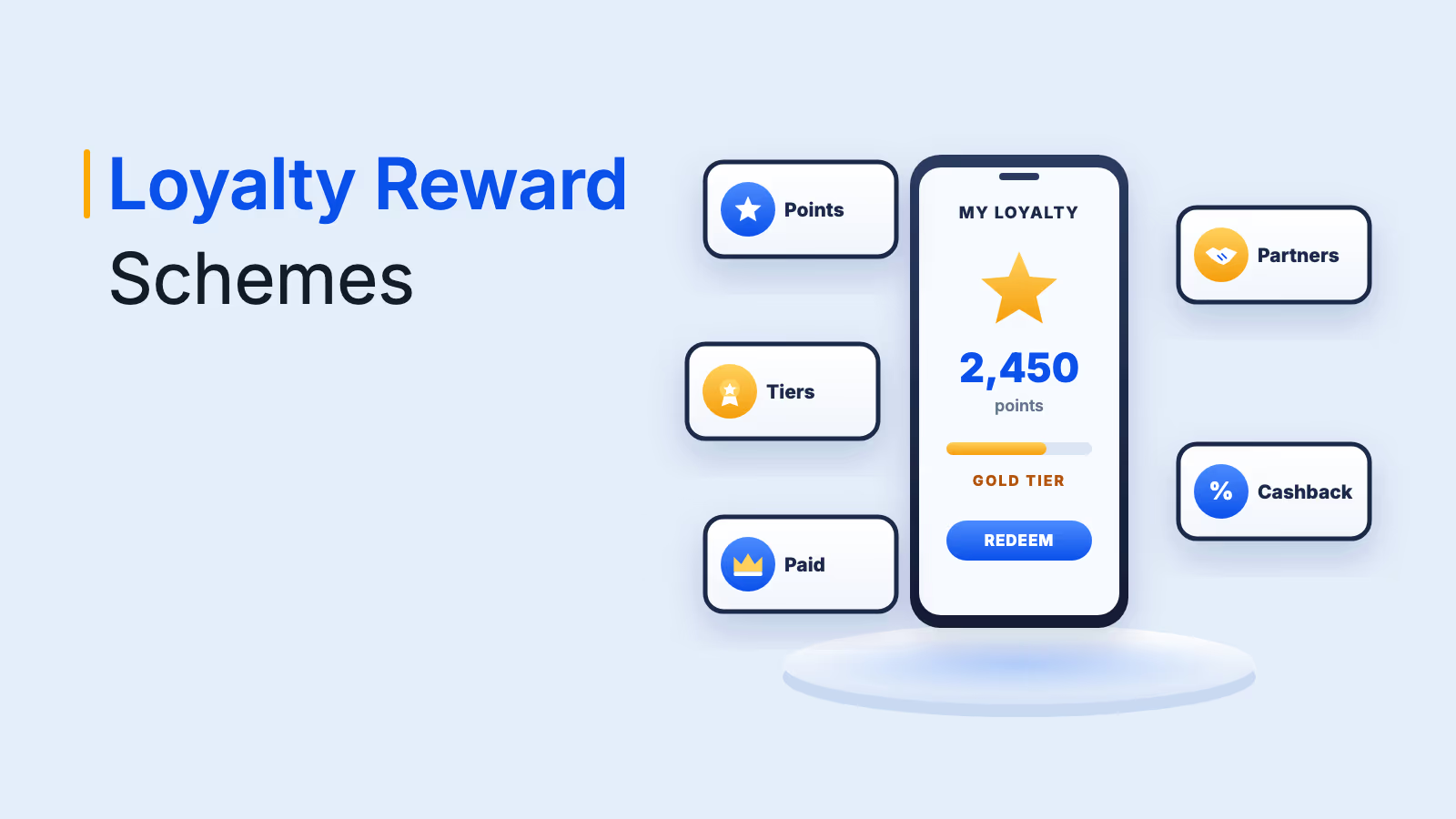
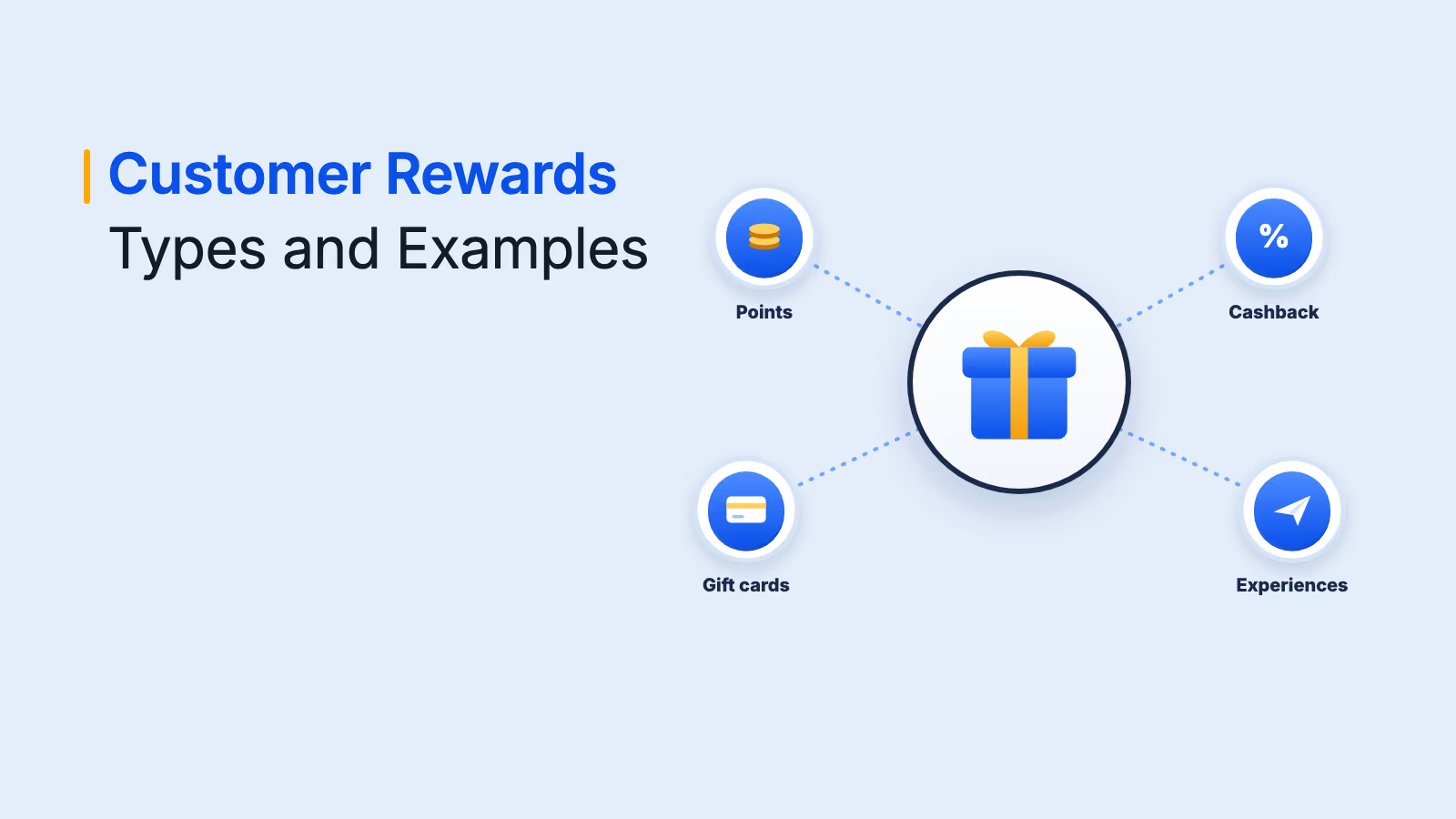
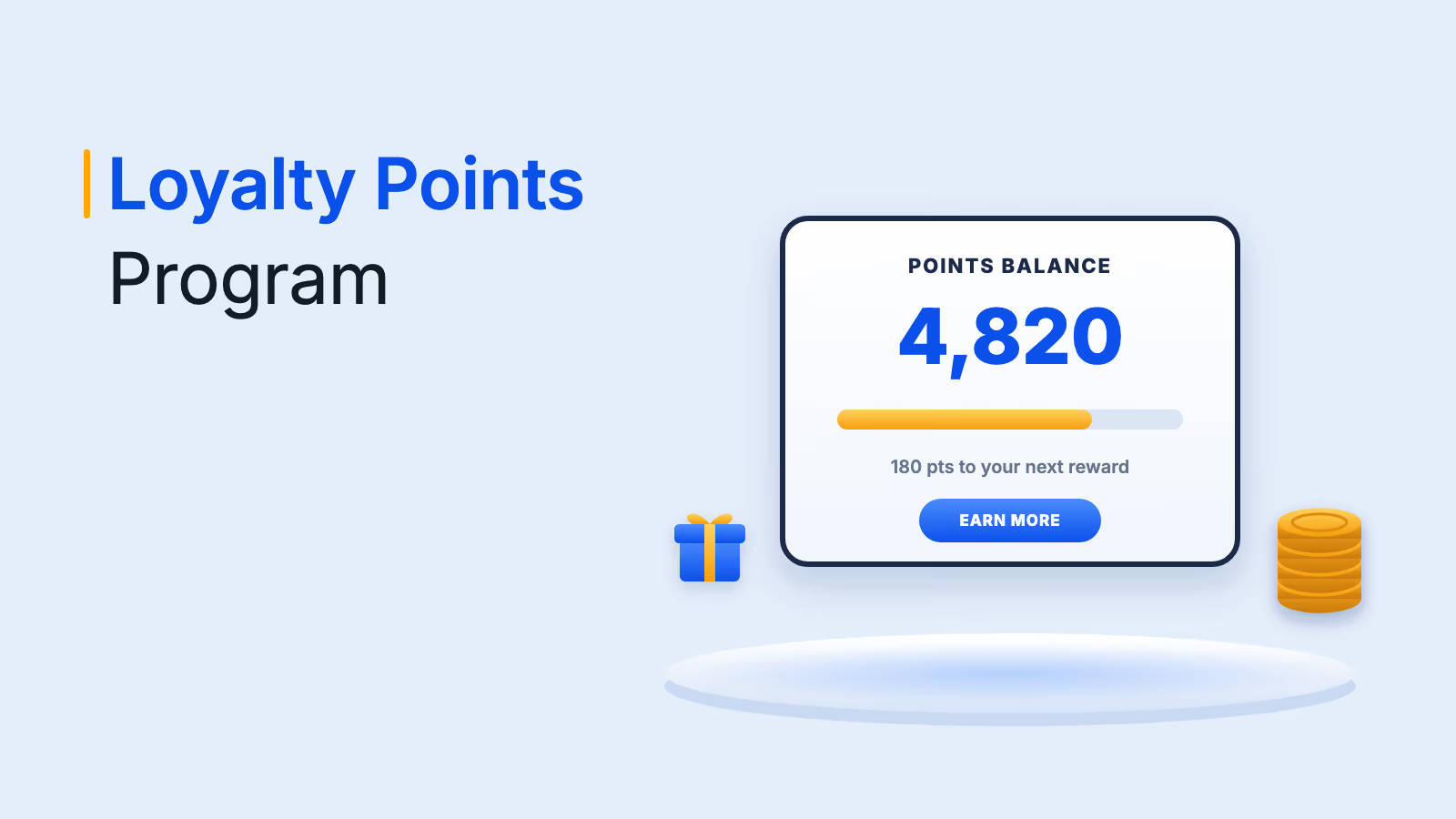
A rewards system is the foundation of a customer loyalty plan. It involves offering customers incentives such as points, discounts, or freebies based on their purchase behavior. Here are the reward systems you can consider implementing (for a fuller list, see our guide to the types of loyalty programs):
- Points-based programs: Customers earn points for every dollar spent. These points can be accumulated and redeemed for discounts, free products, or special services. For example, a coffee shop might give one point per dollar spent, and after collecting 100 points, the customer gets a free beverage.
- Purchase-based rewards: Customers receive rewards after a certain number of purchases. For instance, a sandwich shop might offer a free sandwich after the purchase of ten sandwiches.
- Cashback offers: Customers receive a percentage of their purchase amount back as credit. For example, a retail store might offer 5% cashback on all purchases made with a store-branded credit card.
- Discount coupons: Offering discount coupons after purchase or as a reward for loyalty can incentivize customers to return. For instance, a clothing store might send a 20% off coupon for the next purchase after a customer spends $100.
2. Tiers of membership
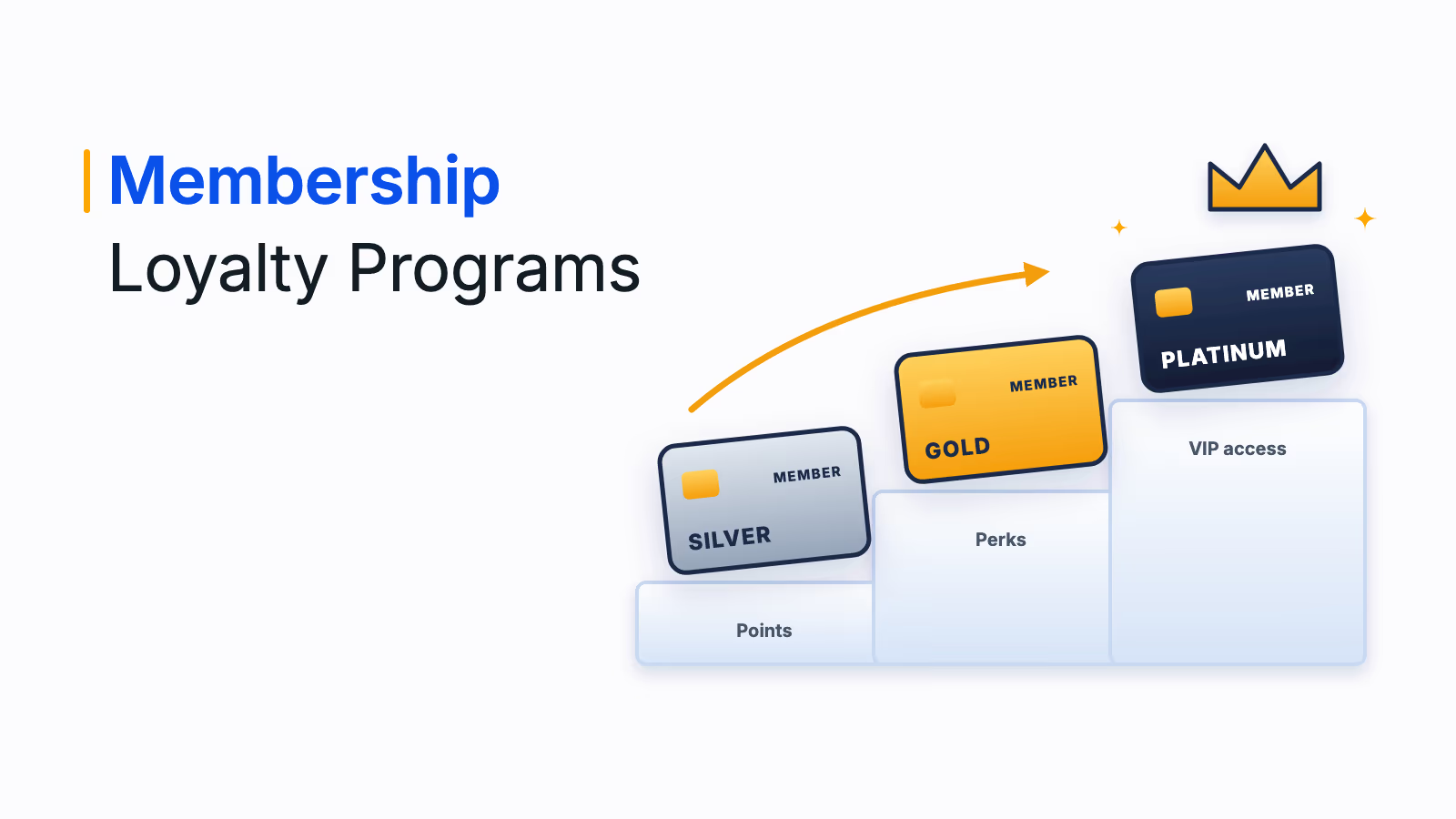
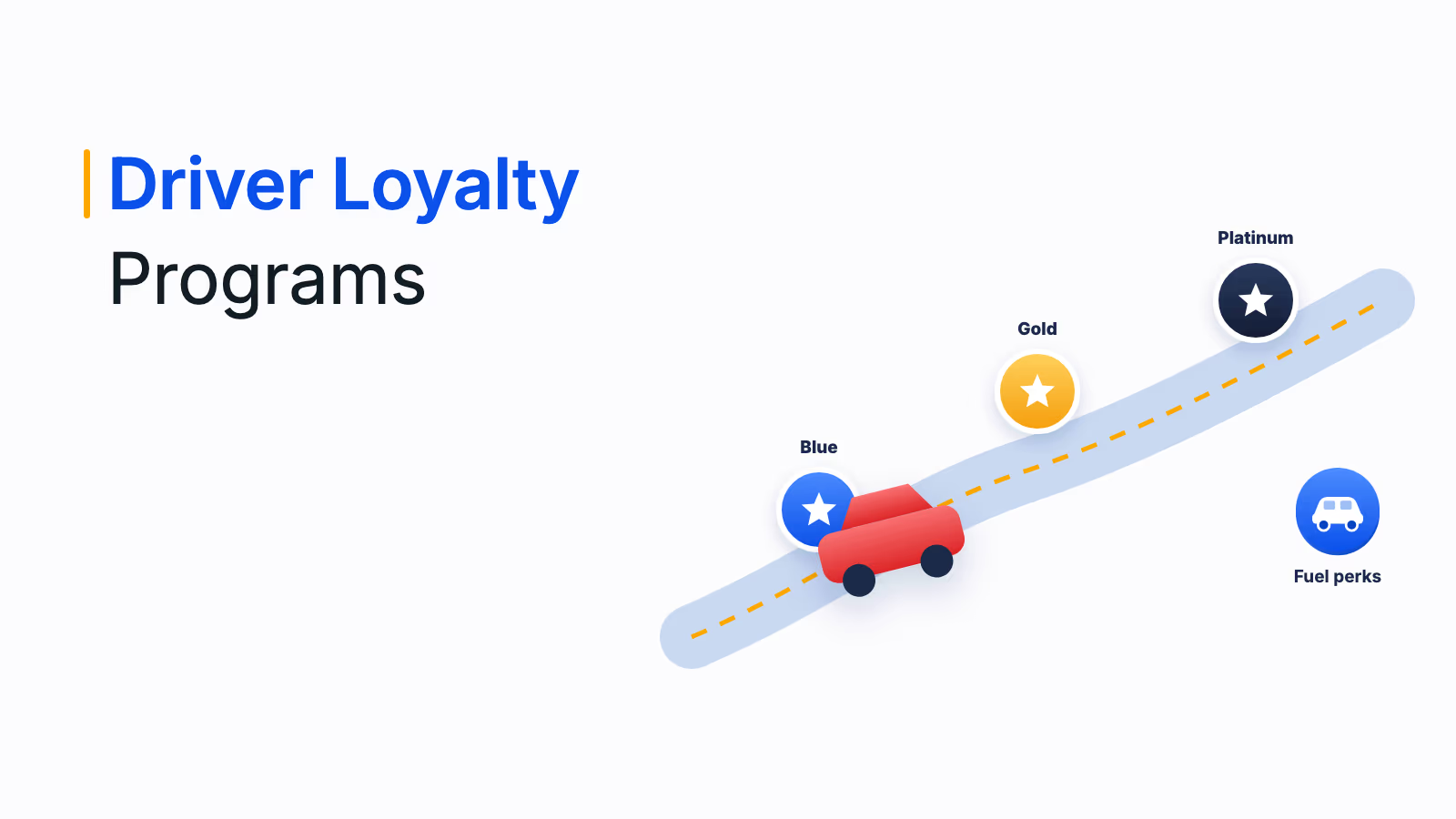
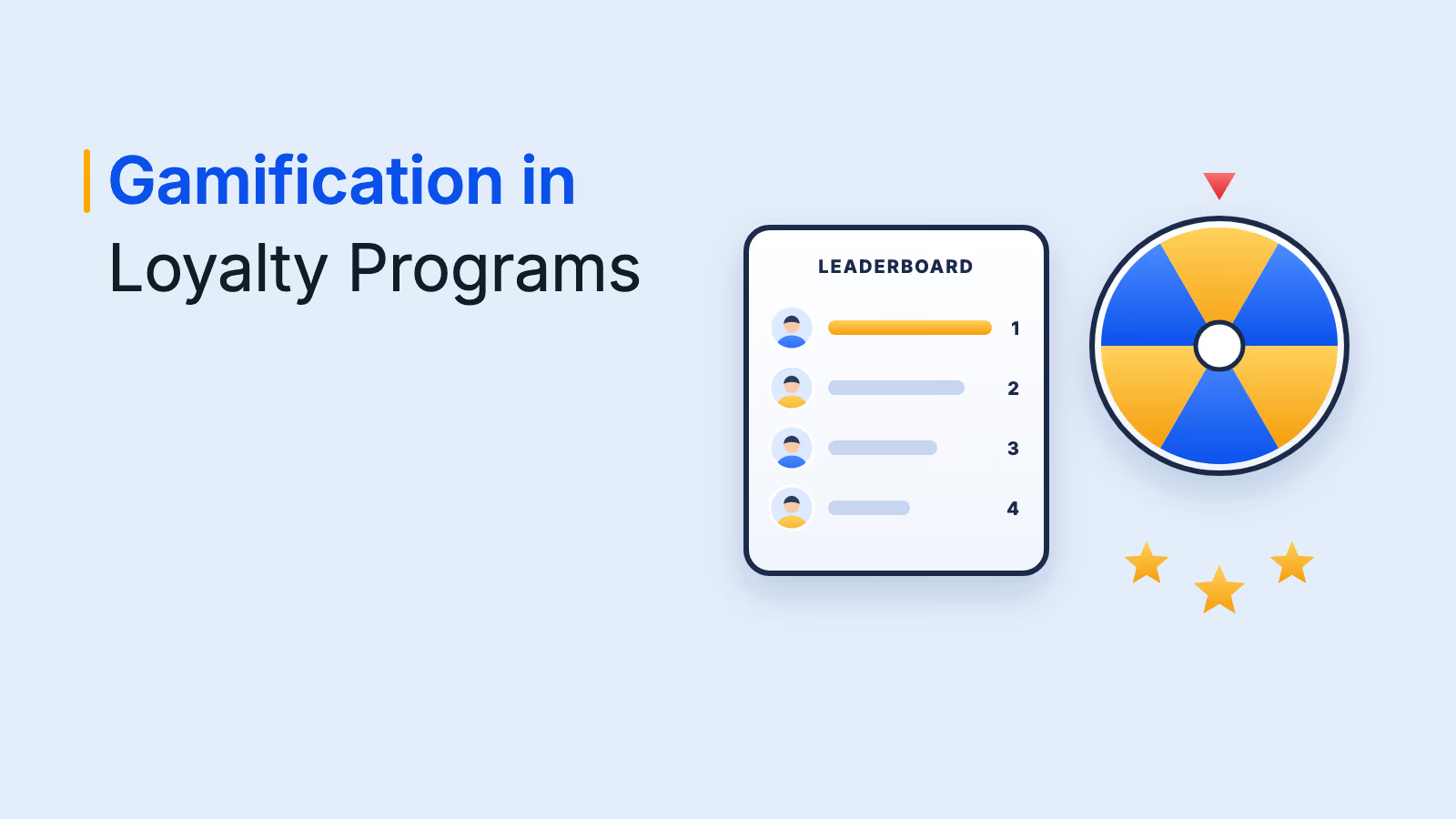
Creating different membership levels within a loyalty program adds an element of gamification, encouraging customers to reach higher tiers for better rewards. Tiers tap into the human desire to earn status, so each one should feel like an achievement that offers increasing value. Here's how tiered membership can be structured:
- Entry-level tier (e.g., Bronze or Silver): This tier offers basic benefits such as occasional discounts and early access to sales.
- Mid-level tier (e.g., Gold): Provides more substantial rewards, such as higher points accumulation rates, free shipping, and birthday gifts. Customers might need to spend a certain amount annually to reach this tier.
- Top-level tier (e.g., Platinum or Diamond): This tier includes premium benefits such as exclusive event invitations, personal shopper services, and the highest points accumulation rates. Entry into this tier might require significant annual spending or accumulated points.
3. Exclusive offers
Providing special deals and promotions exclusively for loyalty program members helps make customers feel valued and appreciated. Examples include:
- Members-only sales: Hosting sales events that are exclusively available to loyalty program members, offering them first dibs on discounts and new products.
- Exclusive product launches: Giving loyalty members early access to new products before they are available to the general public.
- Special discounts: Offering members periodic or seasonal discounts that non-members do not receive. For instance, a beauty retailer might give loyalty members an extra 10% off during holiday sales.
4. Personalized experience
Tailoring rewards and communication to match customers' individual preferences can enhance the loyalty program's effectiveness. Here's how personalization can be achieved:
- Customized offers: Using purchase history and customer preferences to send personalized offers and recommendations. For example, an online bookstore might suggest books based on previous purchases and offer discounts on those genres.
- Personalized communication: Sending personalized emails and messages that address the customer by name and reflect their interests. For instance, a sports retailer might send personalized emails about sales on the customer's favorite sports gear.
- Birthday and anniversary rewards: Offering special discounts or gifts on customers' birthdays or the anniversaries of their membership signup.
5. Referral bonuses
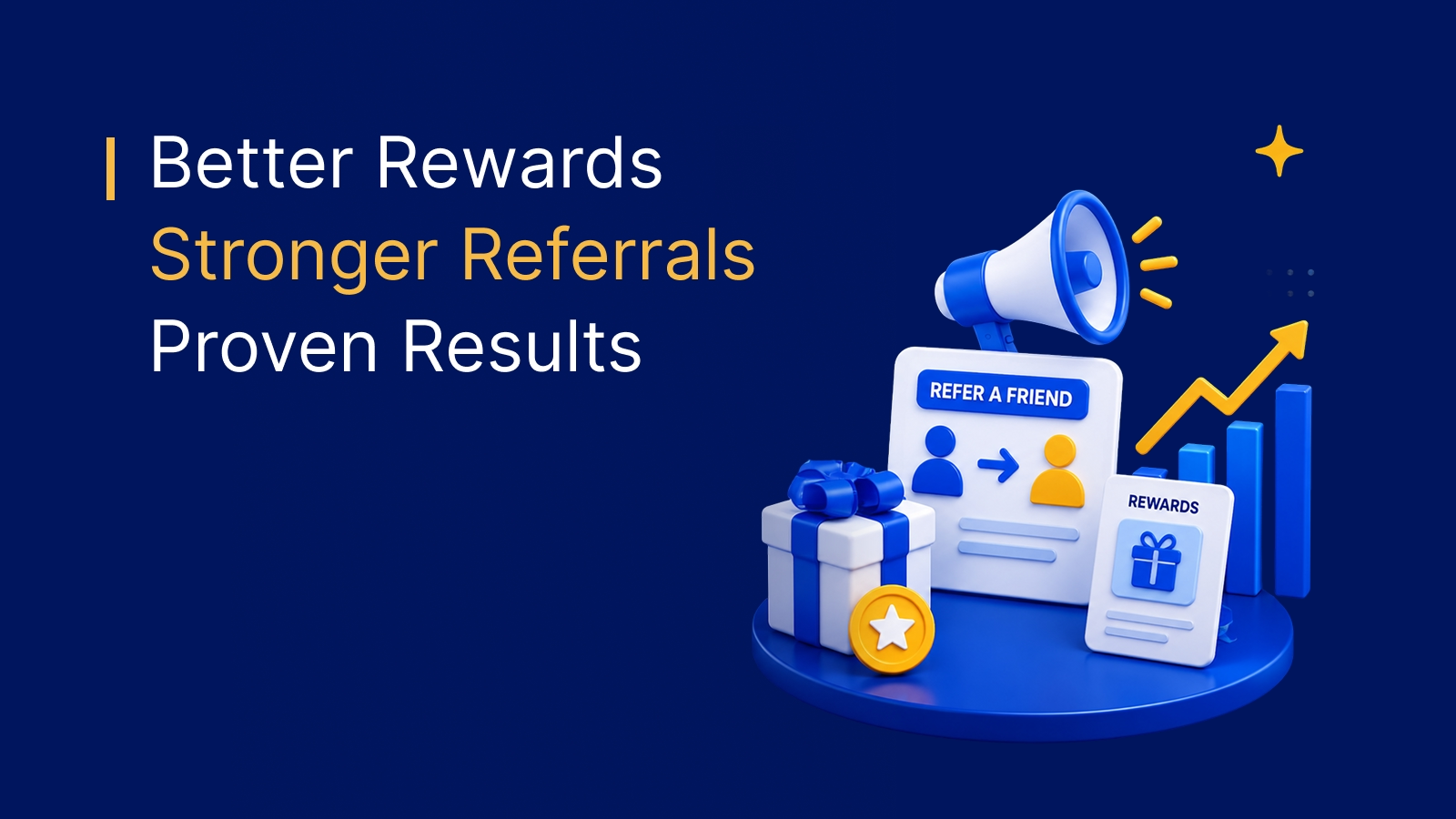
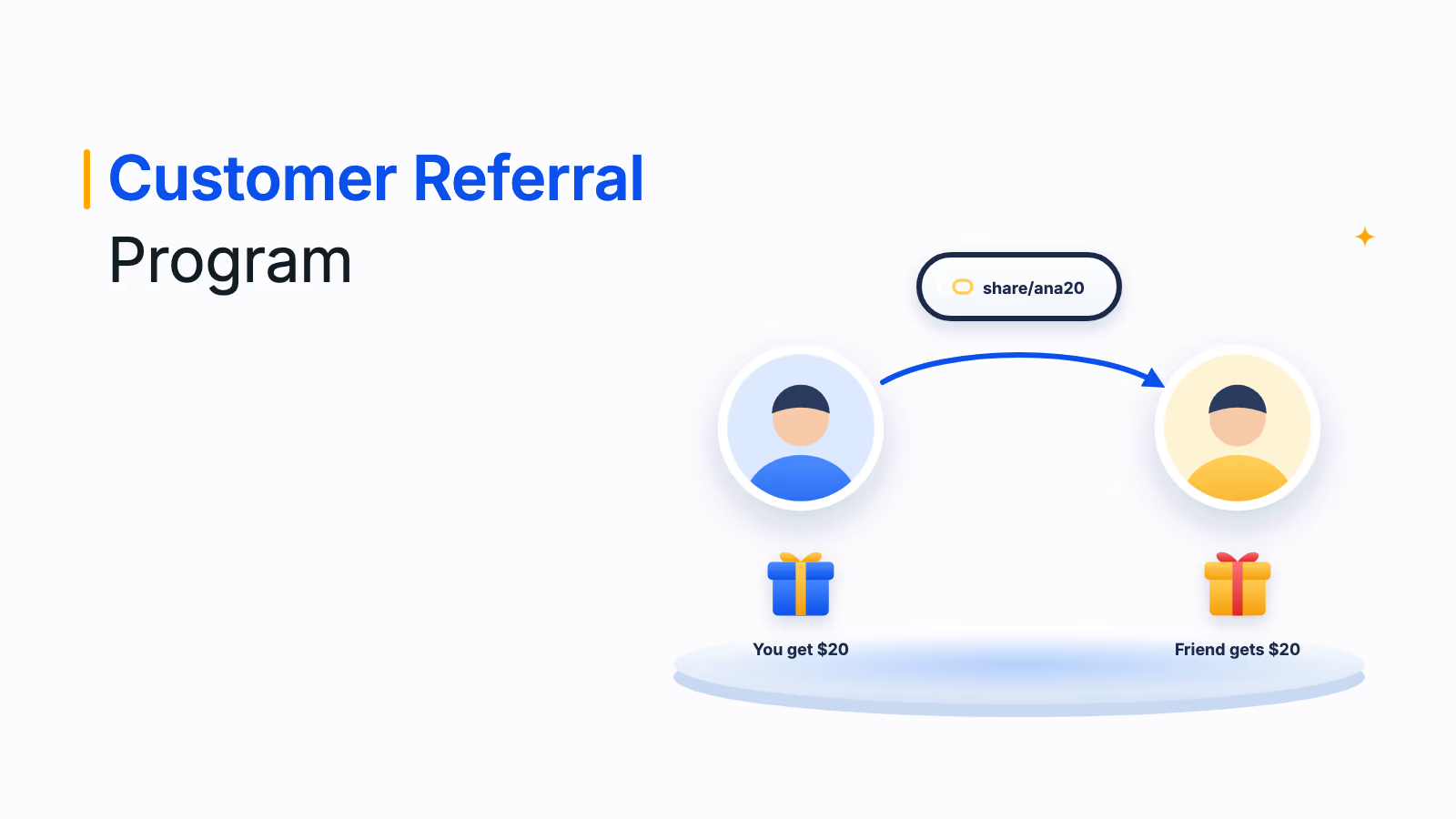
Referral programs encourage existing customers to bring in new customers by rewarding both the referrer and the referee. Here's how referral bonuses can be structured:
- Bonus points: Giving extra loyalty points to customers who refer friends and family. For example, a fitness club might offer 50 points for every new member referred.
- Discounts or freebies: Providing discounts or free products/services to both the referrer and the new customer. For instance, a meal delivery service might offer a free meal to both parties when a new customer signs up using a referral code.
- Tiered referral rewards: Offering increasing rewards based on the number of successful referrals. For instance, a software company might provide a month of free service once a customer reaches a set number of referrals.
Benefits of a customer loyalty plan worth considering
Here are the benefits of customer loyalty plans that are worth considering.
1. Increased customer retention
When businesses offer ongoing incentives, such as discounts, points, or exclusive deals, customers are likely to return. It's like giving them a good reason to stay loyal to the brand instead of shopping around with competitors.
For example, if you know that buying your favorite coffee will get you a free drink after a few visits, you're more likely to return to that coffee shop.
2. Enhanced customer engagement
Regular rewards and special perks keep customers interested and engaged with the brand. This might include early access to new products, members-only sales, or birthday treats. These rewards make customers feel valued and appreciated, encouraging them to interact more with the brand.
For instance, if a clothing store offers you a special discount on your birthday, you're more likely to visit and purchase.
3. Higher spend per customer
Loyal customers spend more money, especially when they know they are earning rewards. If customers are close to earning a reward, they might make an extra purchase to reach that goal.
For example, if you need a few more points to get a free meal at a restaurant, you might dine there more often.
4. Positive word-of-mouth
When customers are happy with their rewards and benefits, they are likely to tell their friends and family about it. This positive word-of-mouth can bring new customers to the brand.
For instance, if you love the loyalty program at your favorite bookshop, you might recommend it to a friend who becomes a new customer.
5. Increased customer lifetime value
Loyal customers are more valuable over time. They continue to generate revenue for the business through repeat purchases and are more likely to try new products or services from the brand.
Build a loyalty program customers love
Design tiers, rules, rewards and campaigns on one loyalty platform, and track ROI in real time.
Talk to our ExpertTrusted by 5,000+ companies
How to build a loyalty program: A step-by-step implementation plan
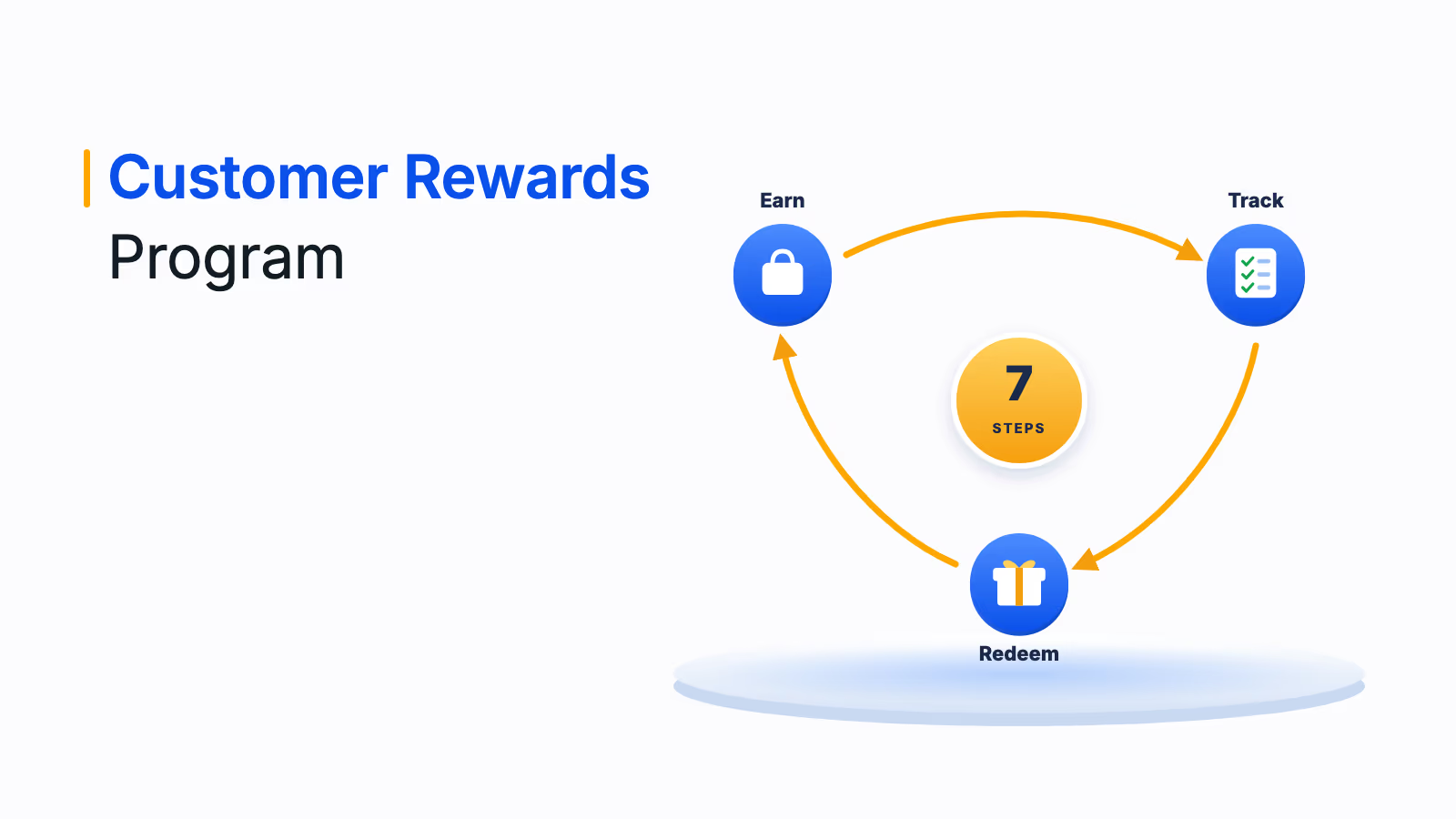
Implementing a customer loyalty plan can be a great way to retain customers and increase sales. Use the steps below as a customer loyalty plan template and loyalty program implementation plan:
1. Understanding your audience
Market research and customer segmentation
To create a successful customer loyalty plan, you must first identify your target audience. You can obtain useful information on tastes, purchase patterns, and demographics by carrying out in-depth market research.
This frequently entails examining a wide range of consumers across age groups, income brackets, and geographic locations. Segmenting your audience lets you customize your loyalty programs to each group's unique wants and preferences, making sure your efforts are effective and relevant.
Identifying customer needs and preferences
Analyze your audience's demands and preferences in more depth after you have divided them into smaller groups. Surveys, interviews, focus groups, behavior data, and comments from customer service interactions can all help achieve this. Knowing what drives your most loyal buyers, for example, discounts, early access, or superior service, and what kind of recognition would feel meaningful to them, enables you to create customer loyalty plans that appeal to them.
2. Building trust and relationships
Importance of trust in customer loyalty
Gaining and keeping a customer's confidence is essential for fostering customer loyalty in a market where there is no shortage of options.
Customers are more inclined to stick with trustworthy brands because they want to do business with organizations that exhibit dependability, honesty, and integrity. A lack of trust can quickly leave customers dissatisfied and send them to rivals.
Strategies for building trust with customers
Open communication is the first step towards developing trust. Make sure that your marketing messaging reflects the real customer experience and that you are realistic about your policies, goods, and services. Another essential component is offering first-rate customer service and addressing questions and concerns on time.
3. Personalization in loyalty plans
Significance of personalized experiences
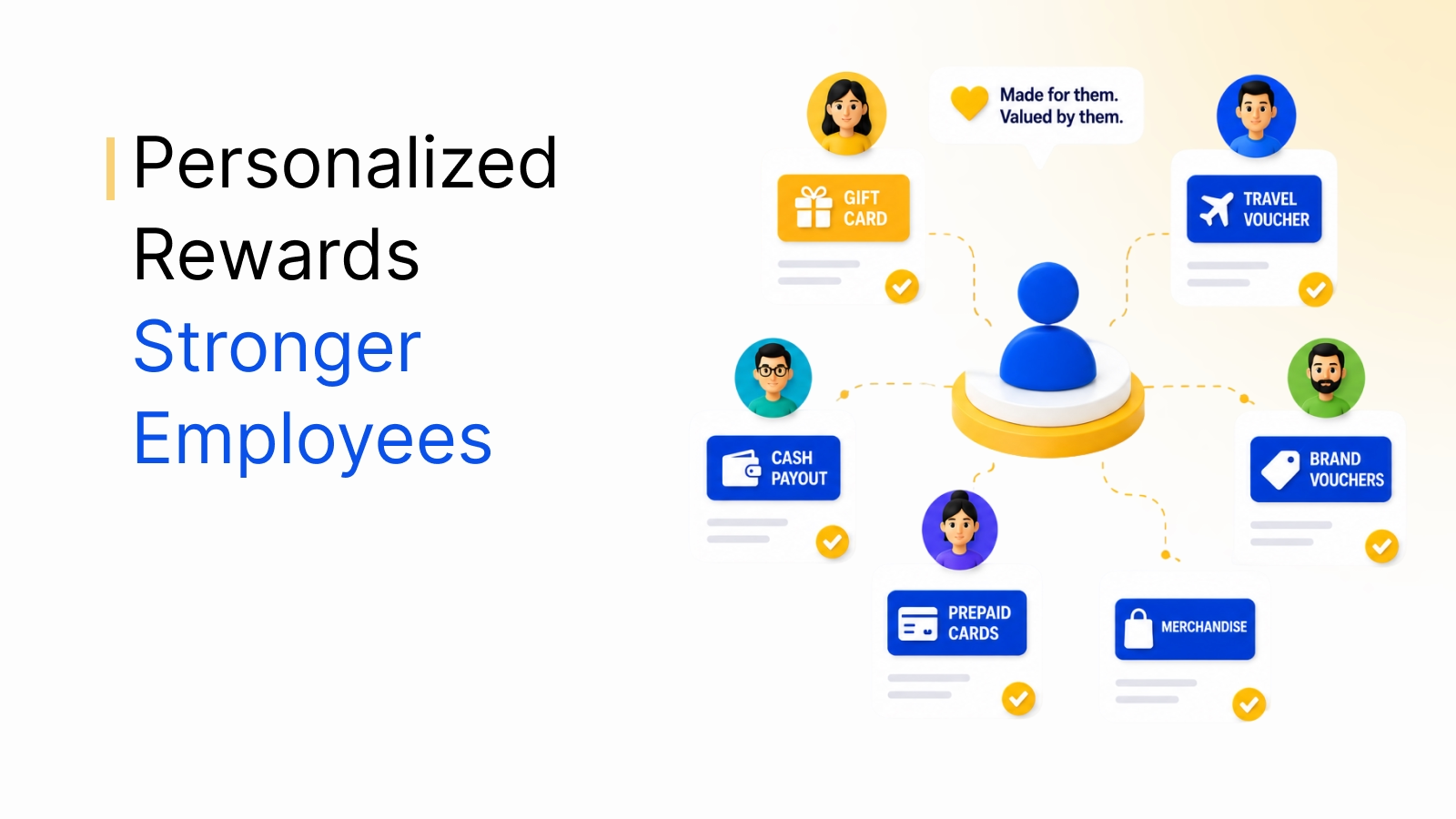
Customers expect brands to recognize and accommodate their personal preferences. Tailored customer loyalty plans boost consumer happiness and engagement by making customers feel valued and appreciated.
A 2025 CapTech consumer survey found that consumers are 40% more likely to purchase from brands that tailor experiences to their needs. This illustrates how personalization can greatly increase customer loyalty and retention.
Implementing personalization in customer loyalty plans
Use customer data to begin implementing personalization in your reward programs. Customize rewards and offers based on demographic data, browsing habits, and past purchases. For example, give a customer a personalized discount on a product they usually purchase, or if a customer usually buys skincare products, offer a sample or discount on complementary items. Create personalized marketing efforts by segmenting your audience with CRM (customer relationship management) technologies.
Think about using personalized communication as well, including sending emails addressing customers by name and providing tailored messages. Tailoring your customer loyalty plan so it feels unique to each customer helps you build a more meaningful and enduring relationship.
4. Communication and engagement
Importance of communication in loyalty programs
Meaningful and consistent interactions that keep customers informed and involved create a closer bond between your brand and your customers. Clear communication builds trust, explains the advantages of the loyalty program, and promotes active participation.
Coca-Cola's Share a Coke campaign shows the value of remarkable communication. Coca-Cola replaced its logo with popular names on bottles and encouraged people to share personalized bottles with friends and family. The campaign started in Australia and grew into a global phenomenon across more than 70 countries, cultivating a personal rapport with consumers and strengthening their connection to the brand.
Effective communication strategies for customers
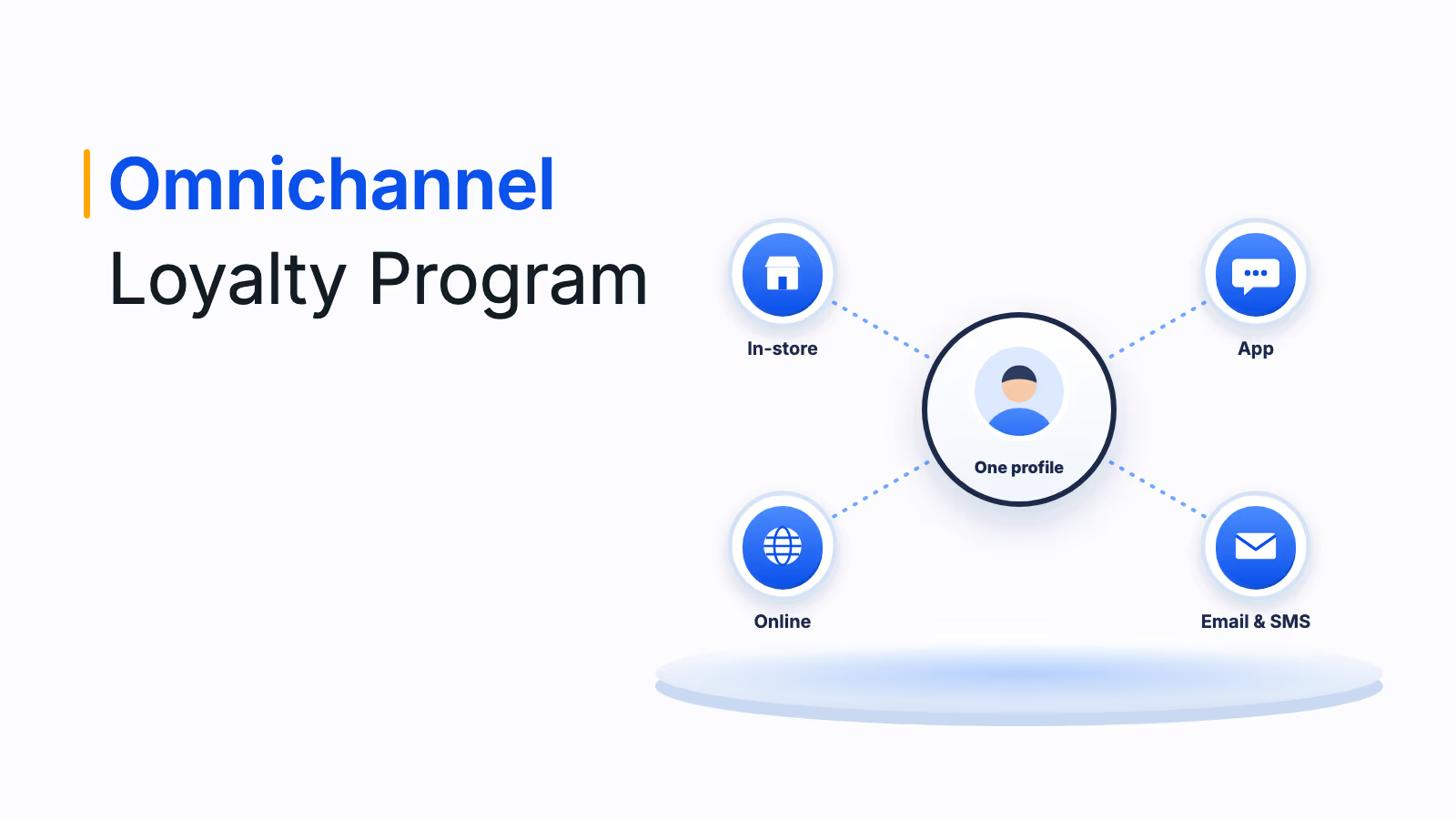
The first step in an efficient consumer communication strategy is to go multi-channel. To reach customers where they are most engaged, use in-store notifications, social media, mobile apps, and email. Make your messaging interesting and relevant by emphasizing the special advantages and benefits of your customer loyalty plan.
Encourage two-way contact by asking for input from customers and actively addressing their questions and issues. To maintain engagement and motivation to participate in the program, inform customers regularly about their loyalty status, new incentives, and exclusive promotions.
5. Rewards and incentives
Types of rewards and incentives customers respond to
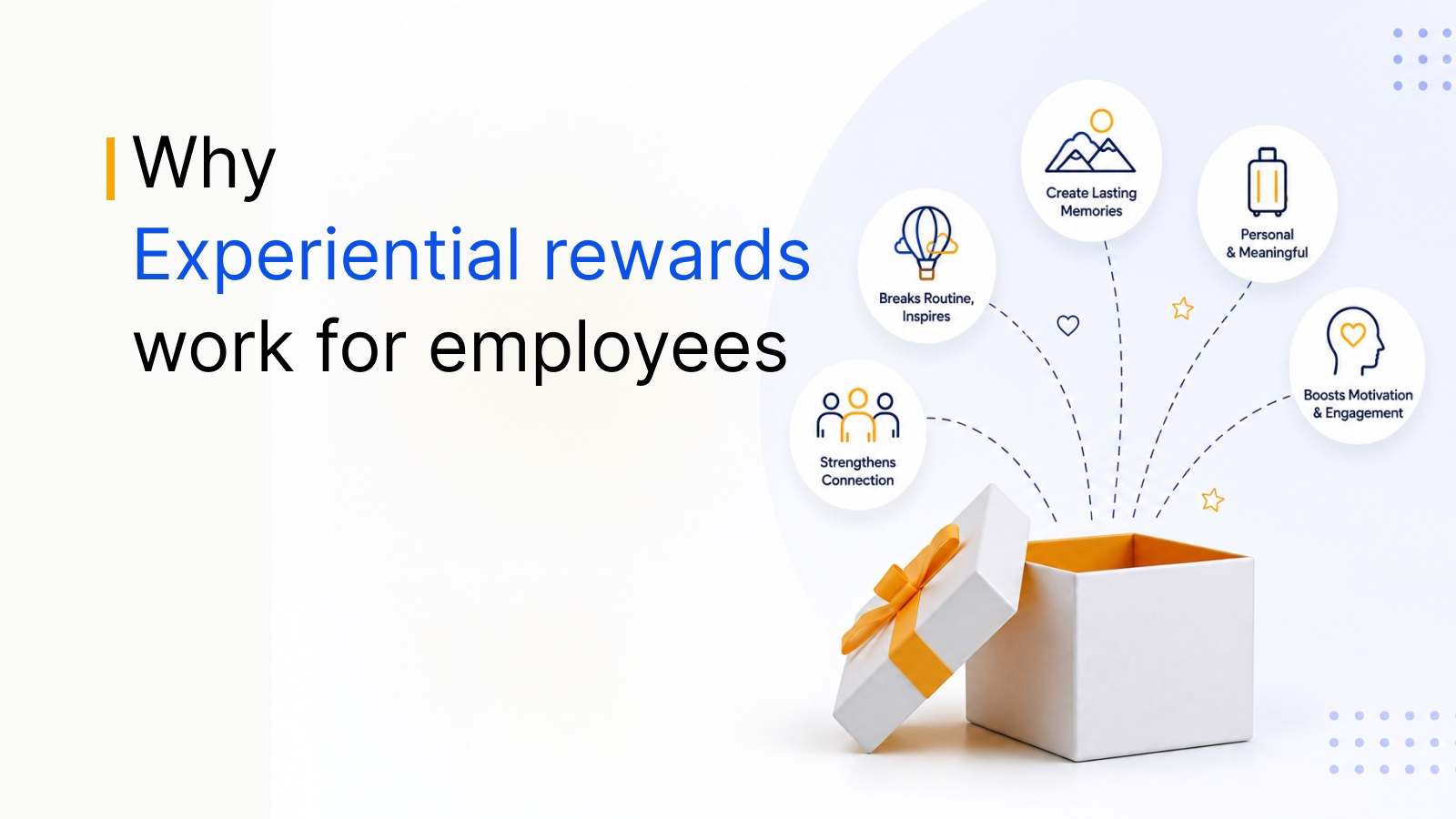
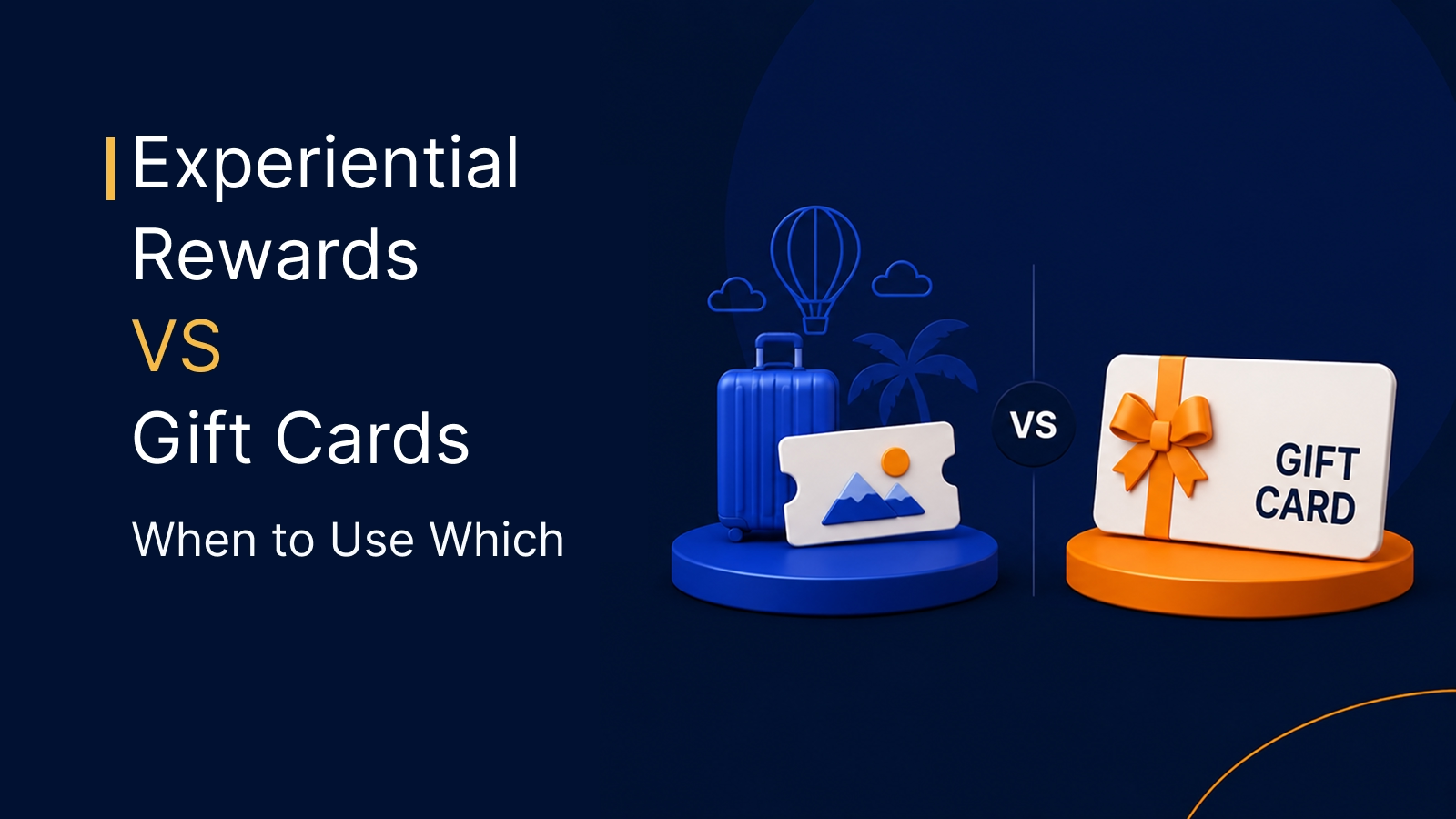
Creating an effective customer loyalty plan requires knowing what kinds of incentives and rewards appeal to your target market. Though conventional incentives like freebies and discounts work well, think about providing experiential benefits like early access to new products, VIP event access, or access to special products.
Furthermore, gamification components like badges, points, and tiered reward systems can entice users to interact with your program more enthusiastically.
Designing reward structures that appeal to the audience
Take your target audience's tastes and behaviors into account while creating your reward system. Divide up your customer base so that you can provide incentives that are relevant and appealing to the various groups. Use tiered systems to offer rewards for more spending and involvement.
Analyze customer comments and data regularly to improve your reward programs and modify them for shifting tastes. You can increase engagement and cultivate enduring loyalty by constantly refining your incentive program to suit the changing needs of your audience.
6. Feedback and adaptation
Importance of feedback in improving loyalty plans
Feedback is a useful tool for improving and fine-tuning customer loyalty plans. By asking for and listening to customer feedback, businesses can discover how effective their programs are and where they need to improve.
Understanding customer preferences, issues, and recommendations empowers organizations to make data-driven choices that improve customer satisfaction and fortify brand loyalty.
Collecting and analyzing customer feedback
Businesses can use a variety of channels, including surveys, feedback forms, social media, and customer service contacts, to gather insightful customer feedback. By analyzing this input, businesses can find trends, patterns, and areas of concern.
Gaining a thorough grasp of consumer sentiment and satisfaction levels requires considering both quantitative measures, like Net Promoter Score (NPS), and qualitative insights.
Streaming services are a good example: they use viewing patterns and ratings to refine their recommendations, which keeps the service relevant to each subscriber. Staying open to feedback keeps a brand in step with customer preferences and ahead of rivals.
Improvement and adaptation of loyalty plans
With customer feedback, companies can refine their loyalty programs to better suit the requirements and preferences of their target market. This could mean adjusting the reward program, adding new features, or resolving customer-identified problems.
Routinely assessing and improving loyalty programs keeps them powerful, relevant, and engaging. By prioritizing feedback-driven continuous improvement, businesses can build more robust customer loyalty plans that cultivate lasting connections with their customers.
7. Measuring success
Analyzing ROI and customer lifetime value
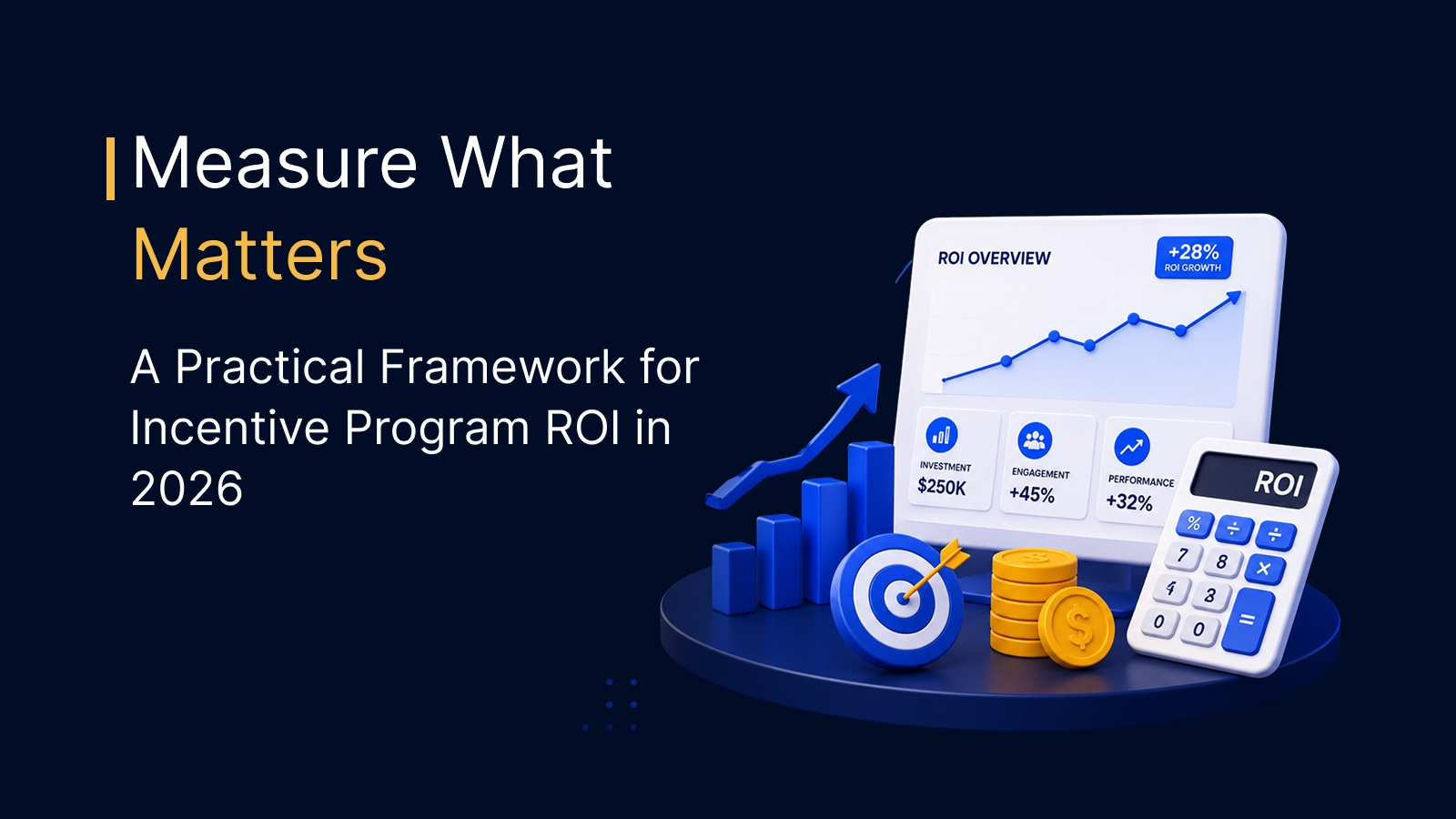
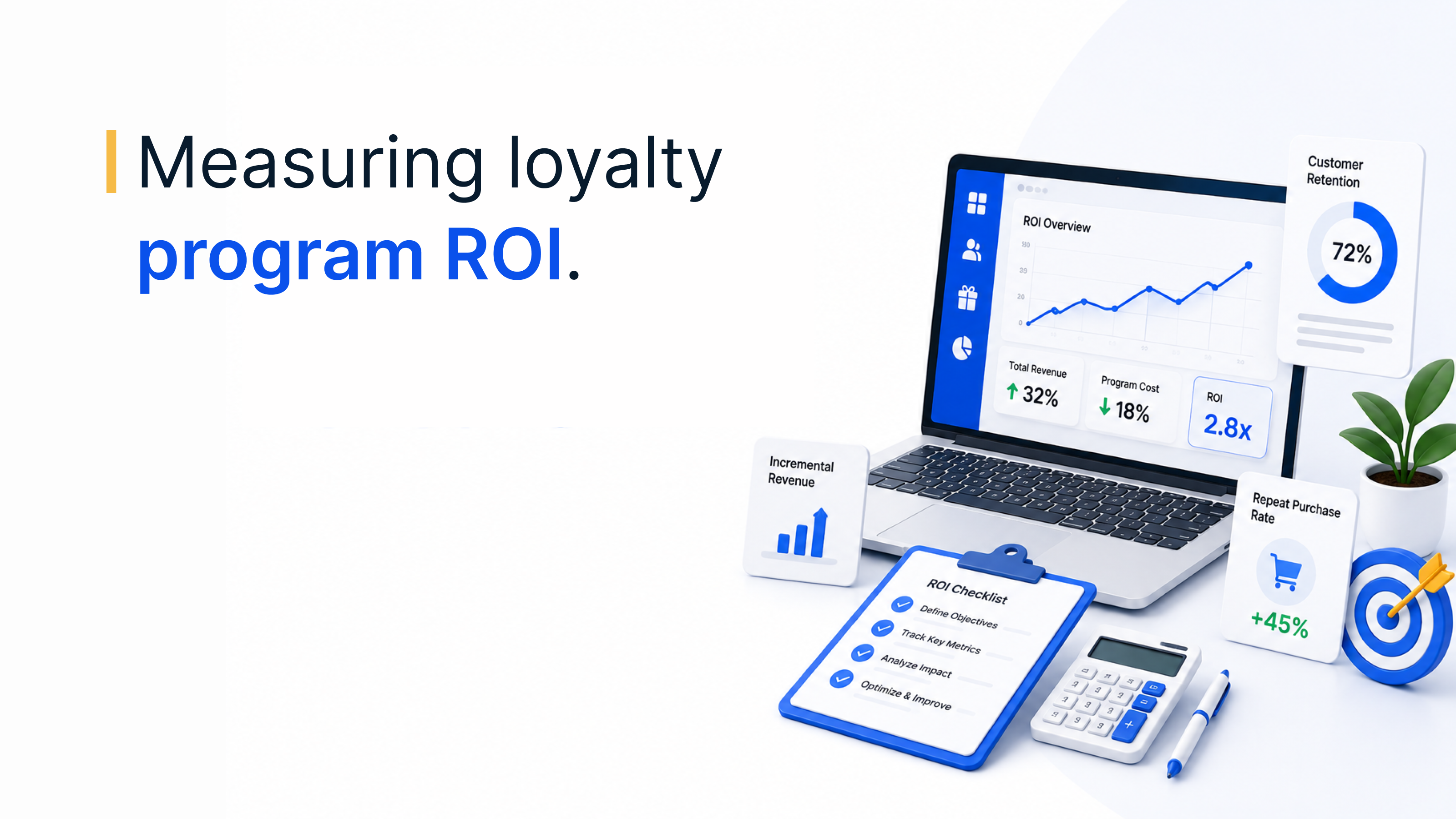
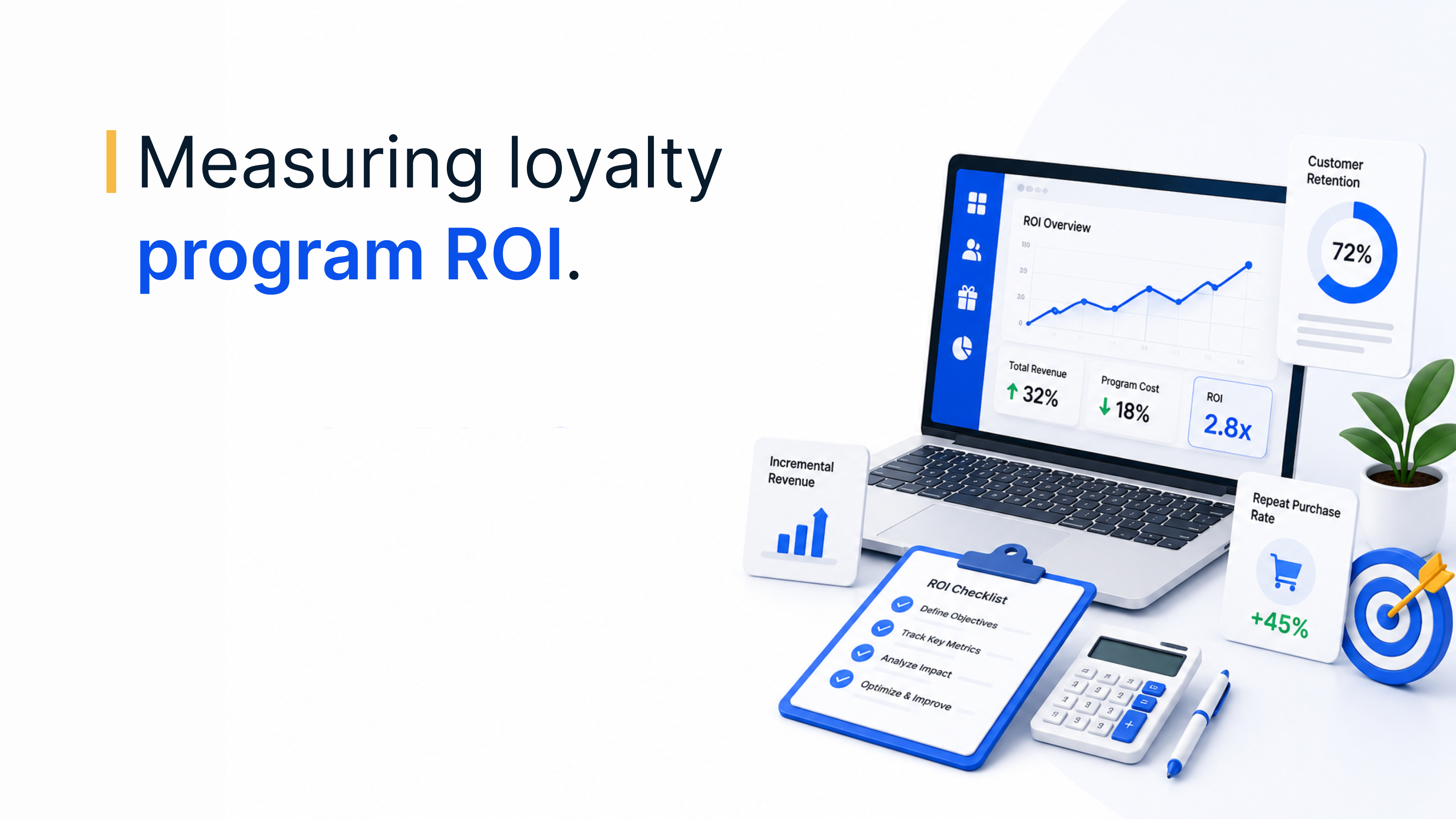
Evaluating the effectiveness of a loyalty program means looking at important data like ROI and CLV (customer lifetime value). ROI compares the gains made to the expenses incurred to determine how profitable your customer loyalty plan is. Here's a detailed guide on how to measure loyalty program ROI.
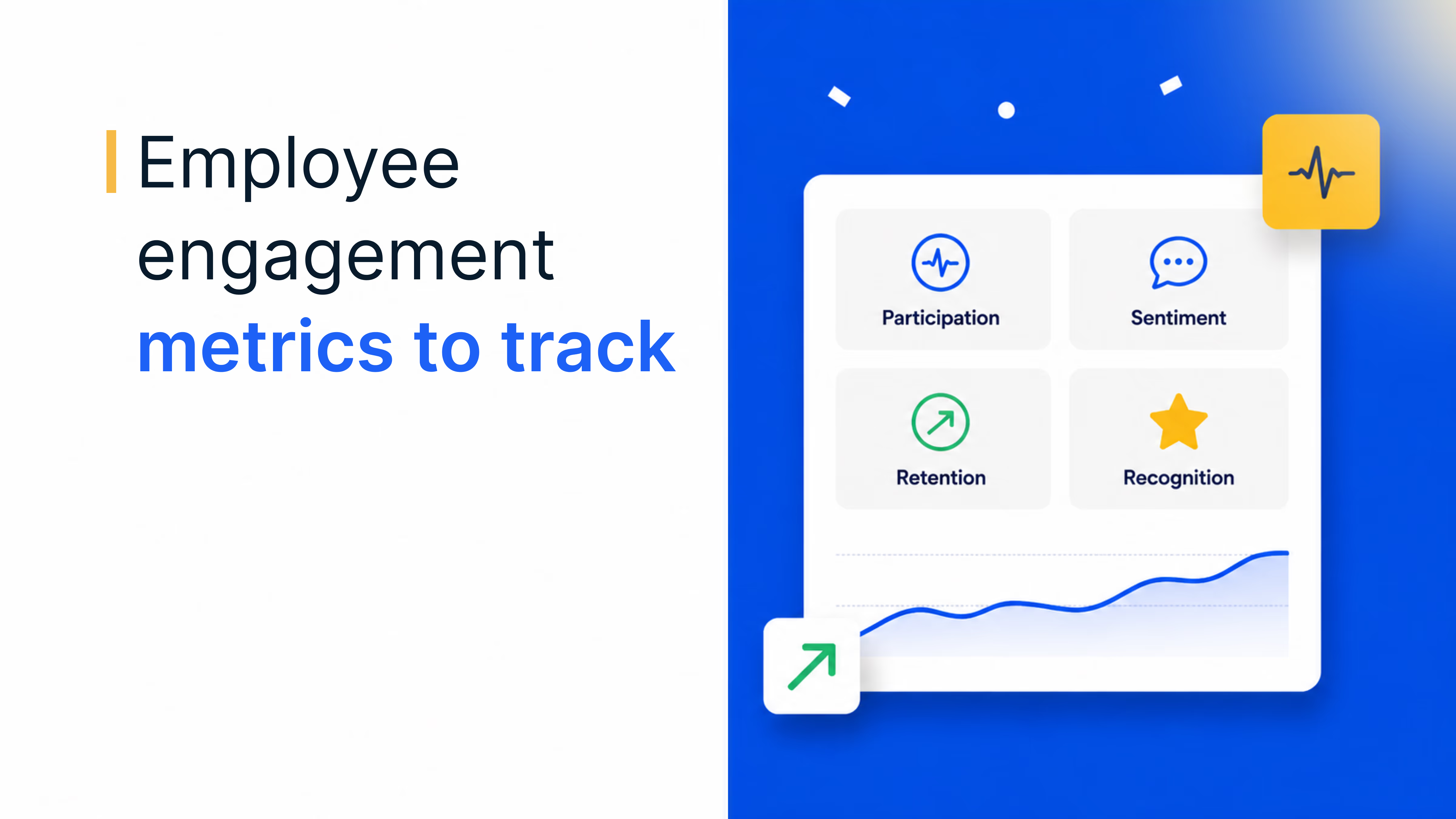
CLV calculates the overall revenue a customer brings in during their relationship with your company, giving you valuable information about the long-term worth of your loyal customers. Alongside it, track metrics like incremental sales and redemption rates to see what's really working - loyalty success isn't just about enrollment numbers. Our list of loyalty program KPIs covers the full set.
Continuous monitoring and adjustment
By keeping a close eye on important performance metrics, companies can evaluate the success of their loyalty programs over time and pinpoint areas for development. Use these insights to refine offers, identify high-value customer segments, and adjust the structure of your program as customer preferences and market dynamics shift.
Card issuers with points programs, for example, compare the spending patterns of rewards members over time to judge the long-term profitability of their loyalty initiatives and decide where to invest next.
Practical tips for loyalty rewards program design
A well-designed loyalty program can do more than increase repeat purchases - it can turn customers into advocates. Beyond the steps above, these tips will help your program feel thoughtful, relevant, and genuinely rewarding.
1. Offer real value
Loyalty programs should never feel one-sided. If the benefits lean too heavily in the brand's favor, customers will notice. Make sure your rewards feel worthwhile - like bonus points, meaningful discounts, or free gifts tied to customer milestones. A program that clearly gives back builds long-term trust.
2. Incentivize sign-ups
A welcome bonus or special perk can be just the nudge someone needs to join your loyalty program. Whether it's a discount, a free item, or bonus points, offering an incentive at sign-up creates an immediate sense of value and starts the relationship off on a positive note.
3. Make the experience seamless with technology
Friction is the enemy of loyalty. Leverage technology to streamline how customers earn and redeem rewards. For instance, using SMS or mobile apps can place offers directly into customers' hands. Features like instant point tracking, push notifications, or digital wallets improve usability and keep engagement high.
4. Stay flexible and adaptable
The market changes - and so do customer expectations. Your loyalty program should be able to evolve. Whether it's adding digital redemption options, adjusting tier structures, or responding to new shopping behaviors, agility is essential for long-term success. Programs that can adapt quickly are better equipped to keep customers engaged over time.
5. Tap into emotion
Beyond points and perks, emotional engagement drives true loyalty. Give customers reasons to feel connected - through thoughtful experiences, exclusive access, or features that make them feel seen. Small touches, like remembering a customer's preferences or celebrating their milestones, can make a big impact. A loyalty program that fosters joy, trust, and appreciation can turn casual shoppers into brand fans.
Building a scalable customer loyalty plan with Loyalife
Loyalife provides a robust end-to-end infrastructure that enables businesses to efficiently build scalable customer loyalty programs. The platform is designed to cater to every aspect of loyalty program management, including member engagement, analytics and insights, and integrations for seamless operations.
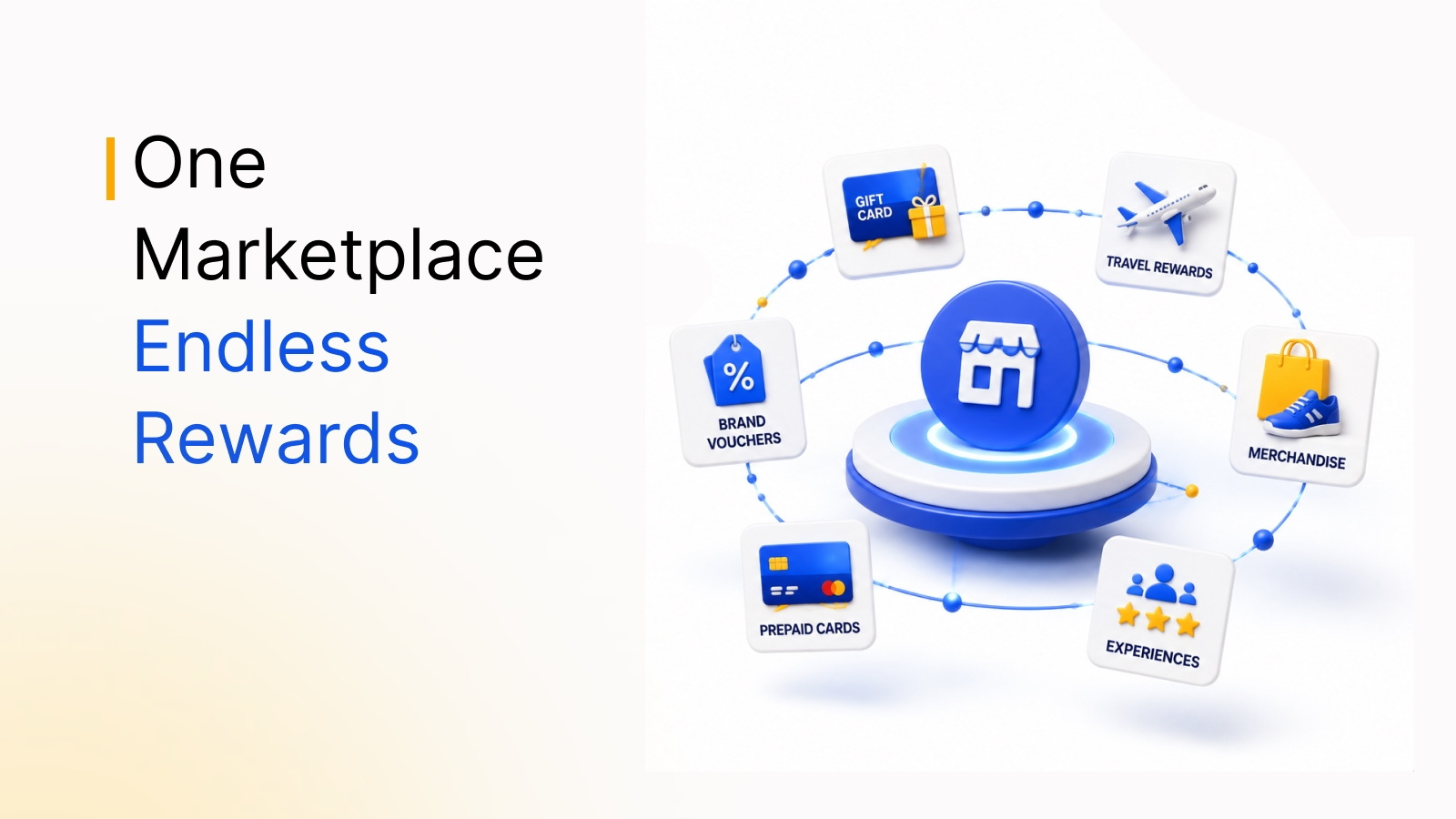
- Member engagement: Loyalife's member engagement tools, from tiers and gamification to referrals and campaigns, are backed by an extensive rewards marketplace. This allows businesses to offer personalized rewards, fostering stronger connections and enhancing customer satisfaction.
- Rule engine: A no-code rule engine lets you set flexible rules for how customers earn and redeem rewards.
- Reports and insights: Loyalife's reports and insights give businesses crucial visibility into customer behaviors and loyalty trends. This supports data-driven decisions that optimize loyalty strategies and improve customer retention rates.
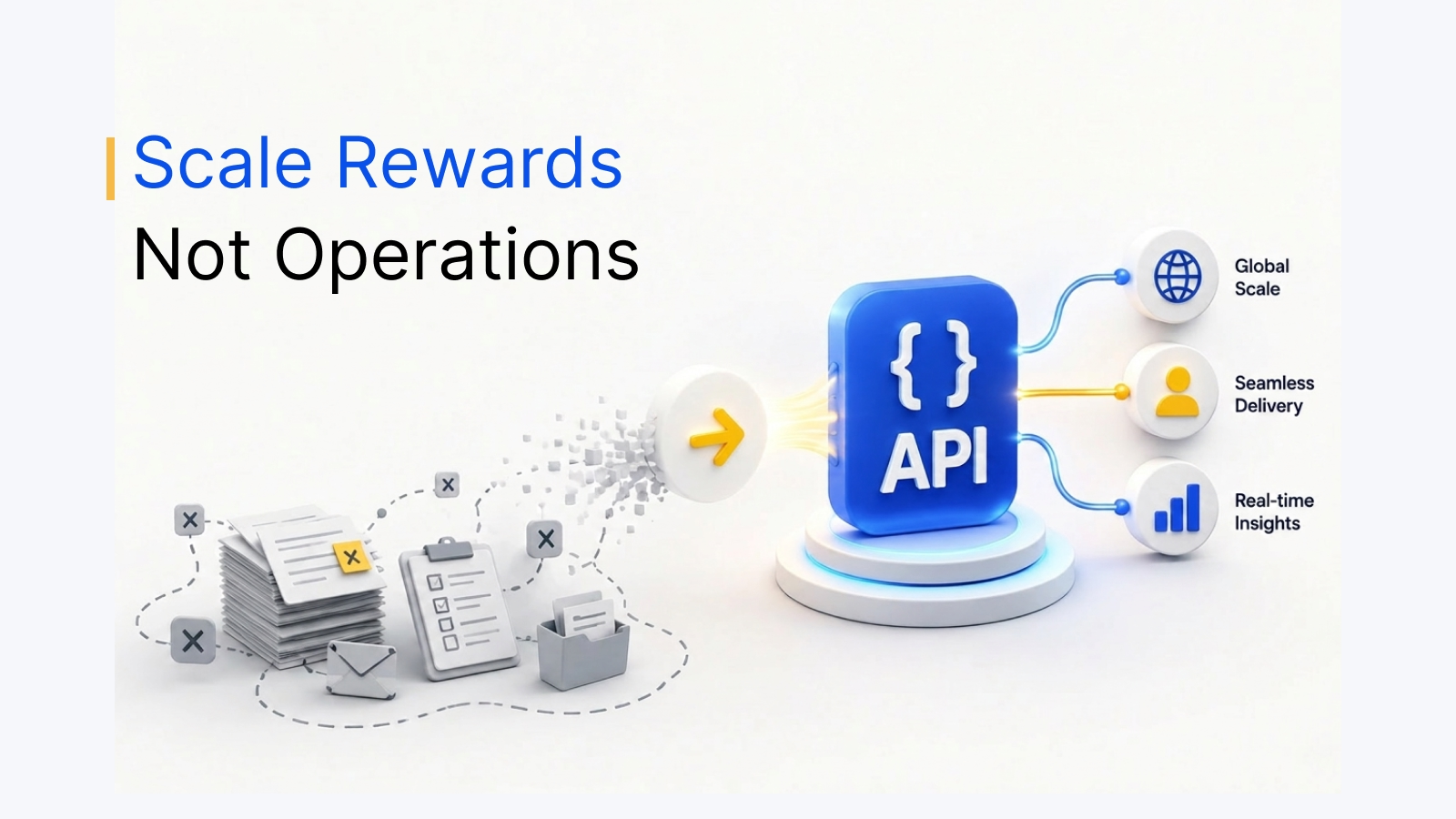
- Integrations: Loyalife offers APIs and integrations that connect with your existing business systems. This supports the scalability of loyalty programs by enabling seamless interactions between different software systems, enhancing operational efficiency.
- Customization and flexibility: The platform offers high levels of customization, allowing businesses to tailor their loyalty programs to specific brand requirements and customer needs. This flexibility helps businesses adapt to changing market conditions and customer preferences.
For example, a leading bank in Qatar used Loyalife to run a single loyalty program across cards, internet banking and financing, and grew customer engagement by 146% within 22 months.
Evaluating platforms? Our customer loyalty program software buyer's guide covers what to look for. To see how Loyalife can help you build a more connected and rewarding customer experience, connect with our loyalty management experts.
Conclusion
As we've seen, a customer loyalty plan is more than just a marketing tool; it's a bridge connecting businesses to their customers in a meaningful way. By offering rewards, special perks, and personalized experiences, these programs encourage repeat business and build a community of engaged and satisfied customers - just as LEGO did with its fans.
Remember, understanding and responding to your customers' needs and desires is key to a successful loyalty plan.
So, take what you've learned here about how to build a loyalty program and apply it to create one that resonates with your audience. This will ensure that your customers feel valued and keep coming back for more.
Book your Loyalife demo
Frequently asked questions
Technology enables seamless implementation and management of loyalty programs through digital platforms, making it easy to track rewards, personalize offers, and analyze customer behavior.
These plans foster long-term relationships with customers, improve retention, and encourage repeat purchases, ultimately driving business growth and profitability.
A loyalty program implementation plan outlines the steps to design, launch, and manage a customer loyalty program, including goal setting, choosing rewards, integrating technology, and measuring success.
Businesses can earn loyalty by providing excellent customer service, delivering quality products, personalizing experiences, and consistently exceeding customer expectations.
Strategies include offering personalized rewards, creating tiered loyalty programs, leveraging data to improve experiences, and engaging customers through exclusive events or perks.