Key Takeaways
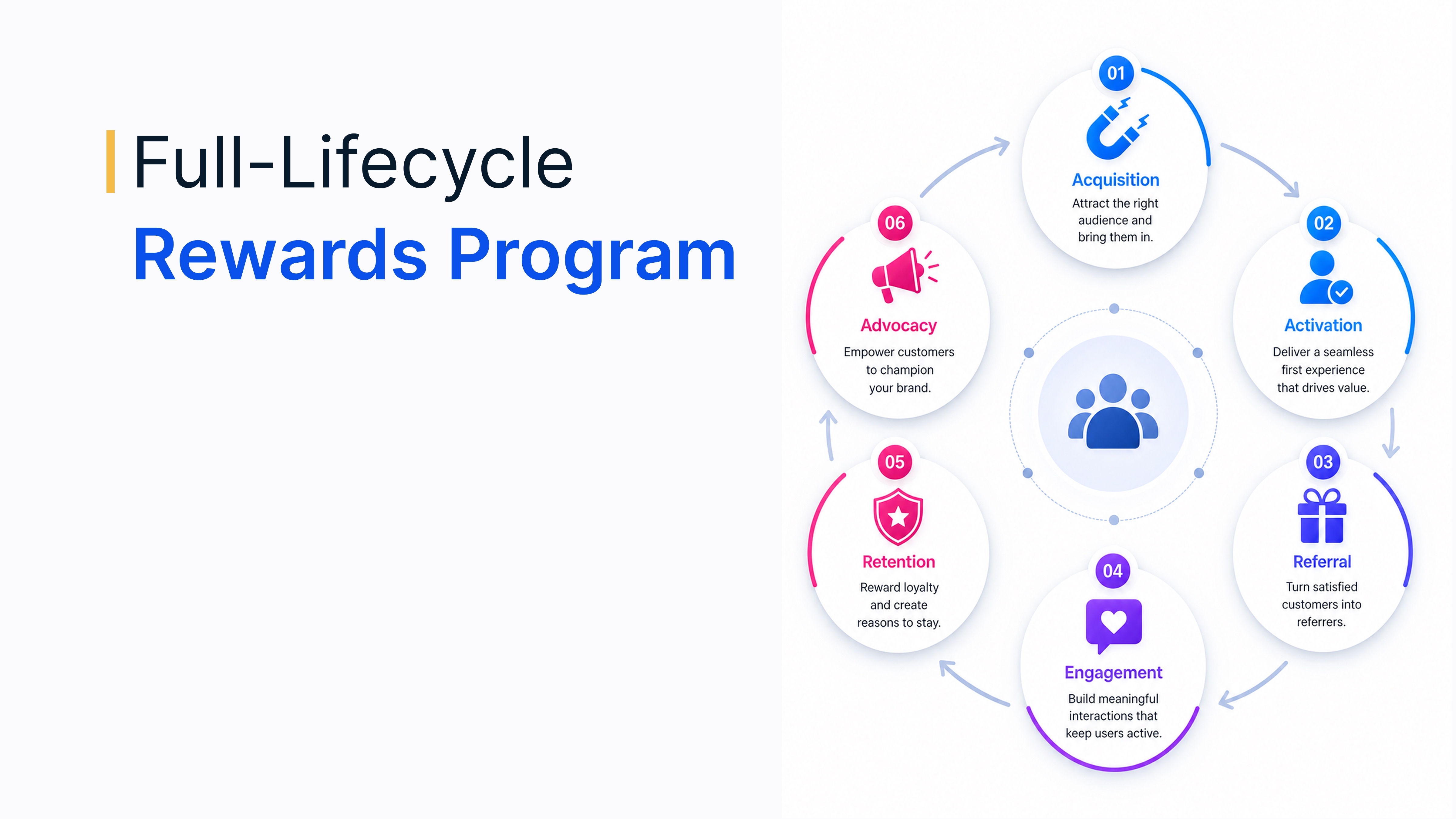
Customer rewards are incentives for purchases, referrals and engagement, from points and discounts to gift cards and experiences.
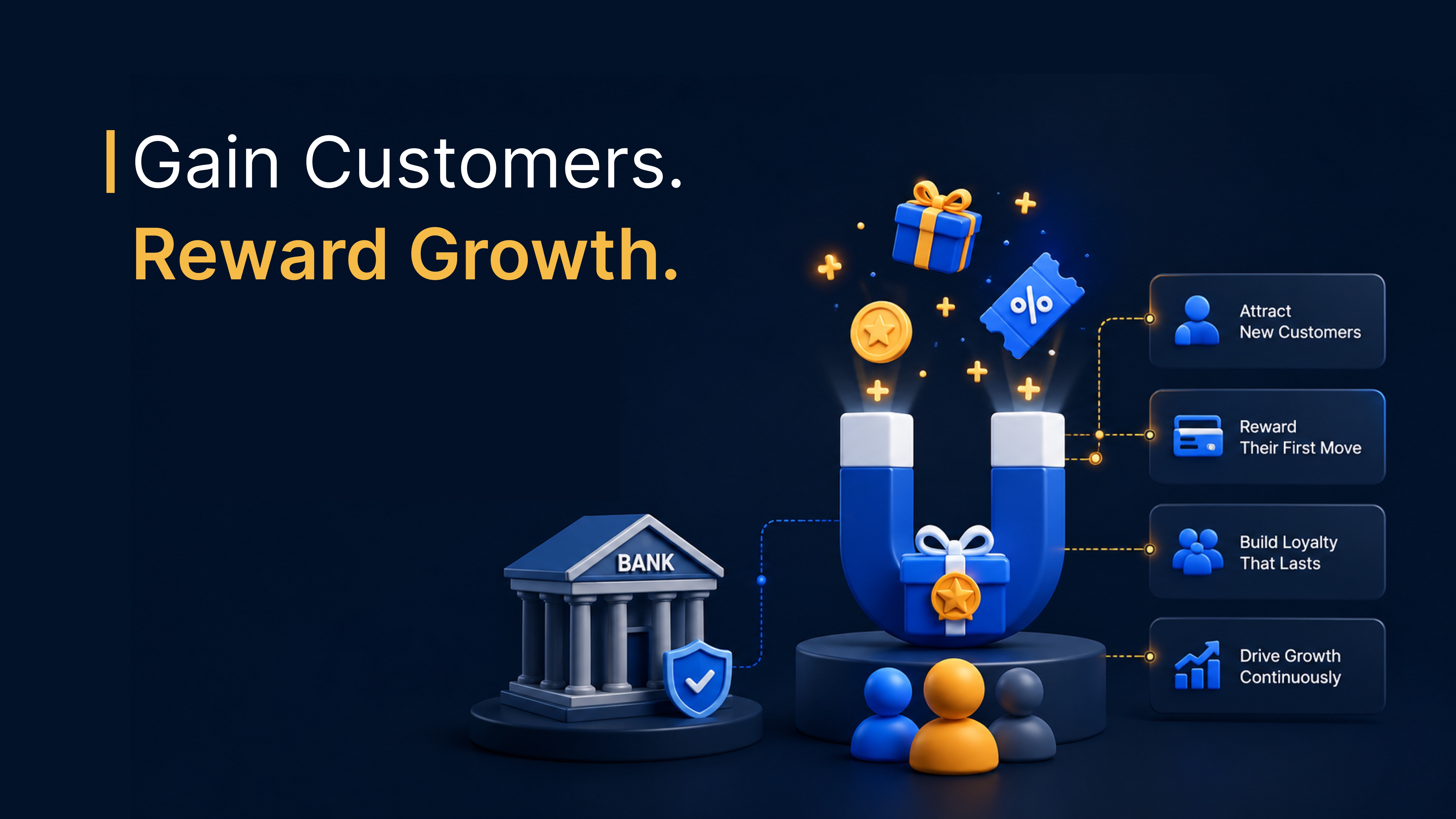
Rewards improve retention, lift customer lifetime value, strengthen loyalty, drive referrals and generate customer data.
The most common mistakes are rewards customers do not value, complicated redemption, weak promotion and no measurement.
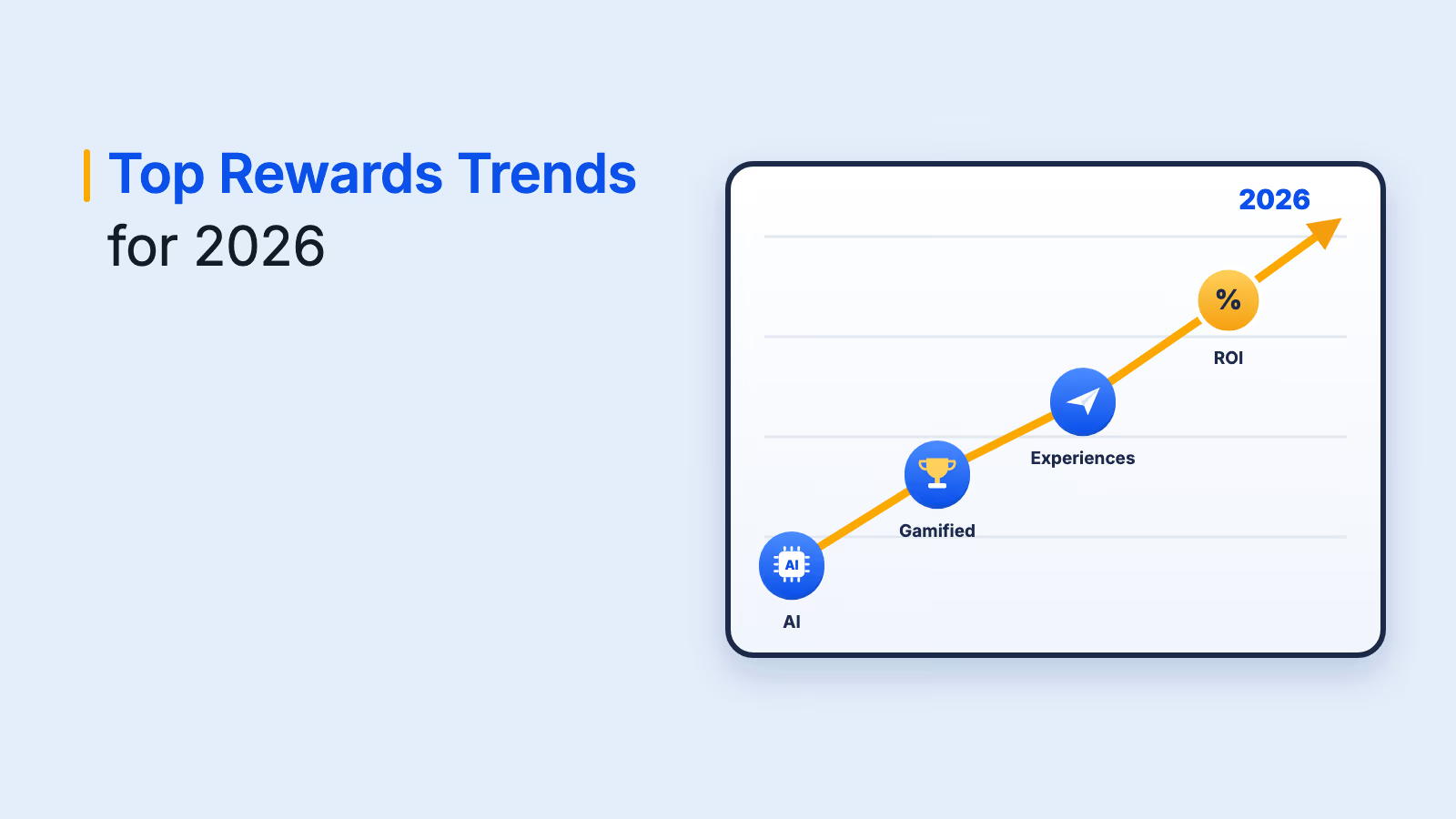
Personalization, mobile and digital delivery, gamification and purpose-led rewards are shaping the future of customer rewards.
What are customer rewards? They are far more than just a nice bonus for making a purchase - they are a strategic tool that can turn one-time buyers into lifelong brand advocates. In a marketplace where consumers are inundated with options, the right rewards can give your business a competitive advantage by creating meaningful and lasting connections.
Offering rewards for actions like purchases, referrals and brand interactions not only incentivizes repeat business but also makes customers feel valued, appreciated and more likely to choose your brand time and time again.
The beauty of customer rewards lies in their ability to personalize the experience. Whether it is a surprise discount, a free product or exclusive access to events, rewards give your customers something to look forward to. This keeps them engaged and motivated to interact with your brand regularly.
In this blog, we will explore the power of customer rewards, why they matter, and how you can leverage them to build a loyal, satisfied customer base that is eager to return.
What are customer rewards?
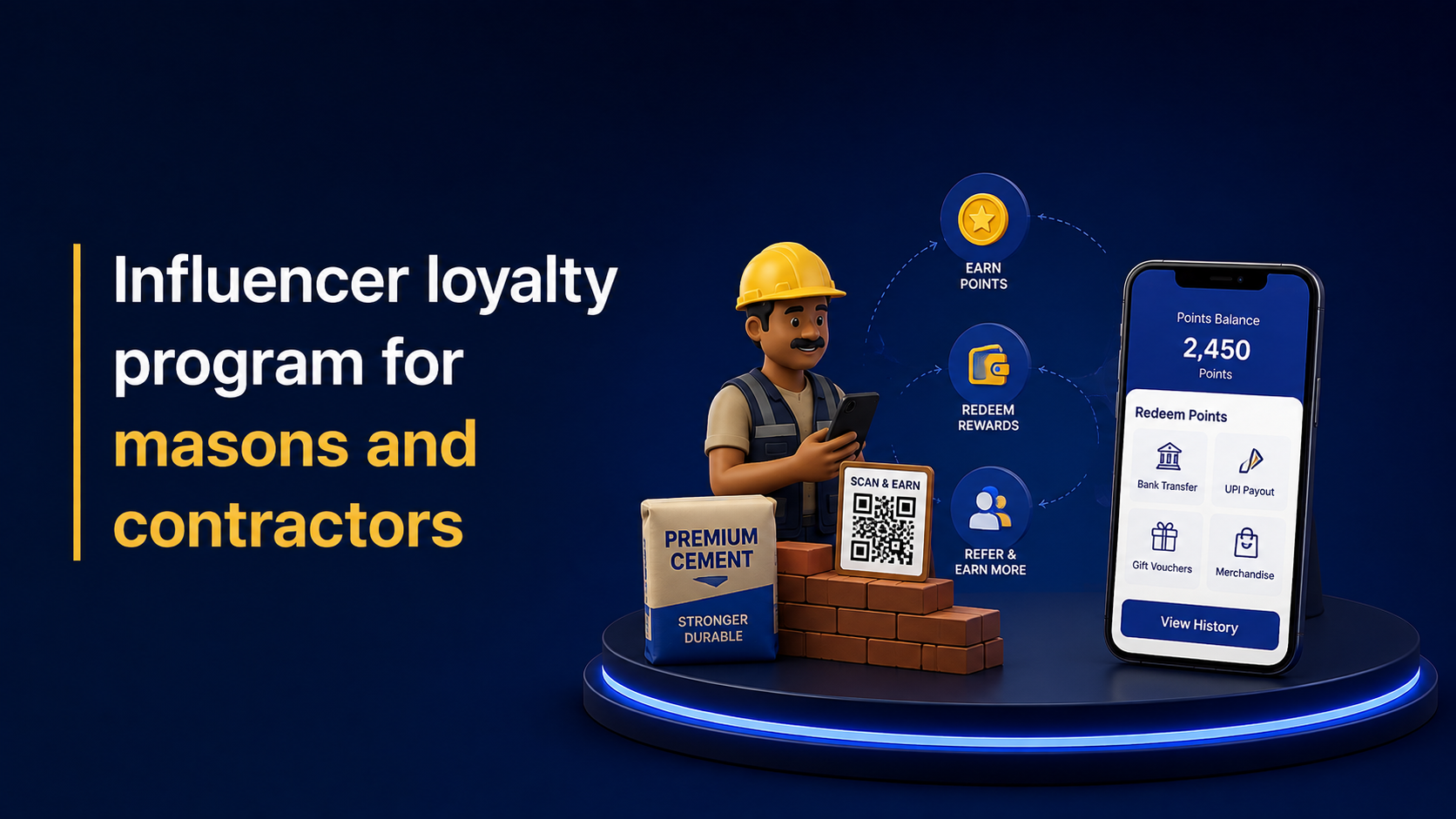
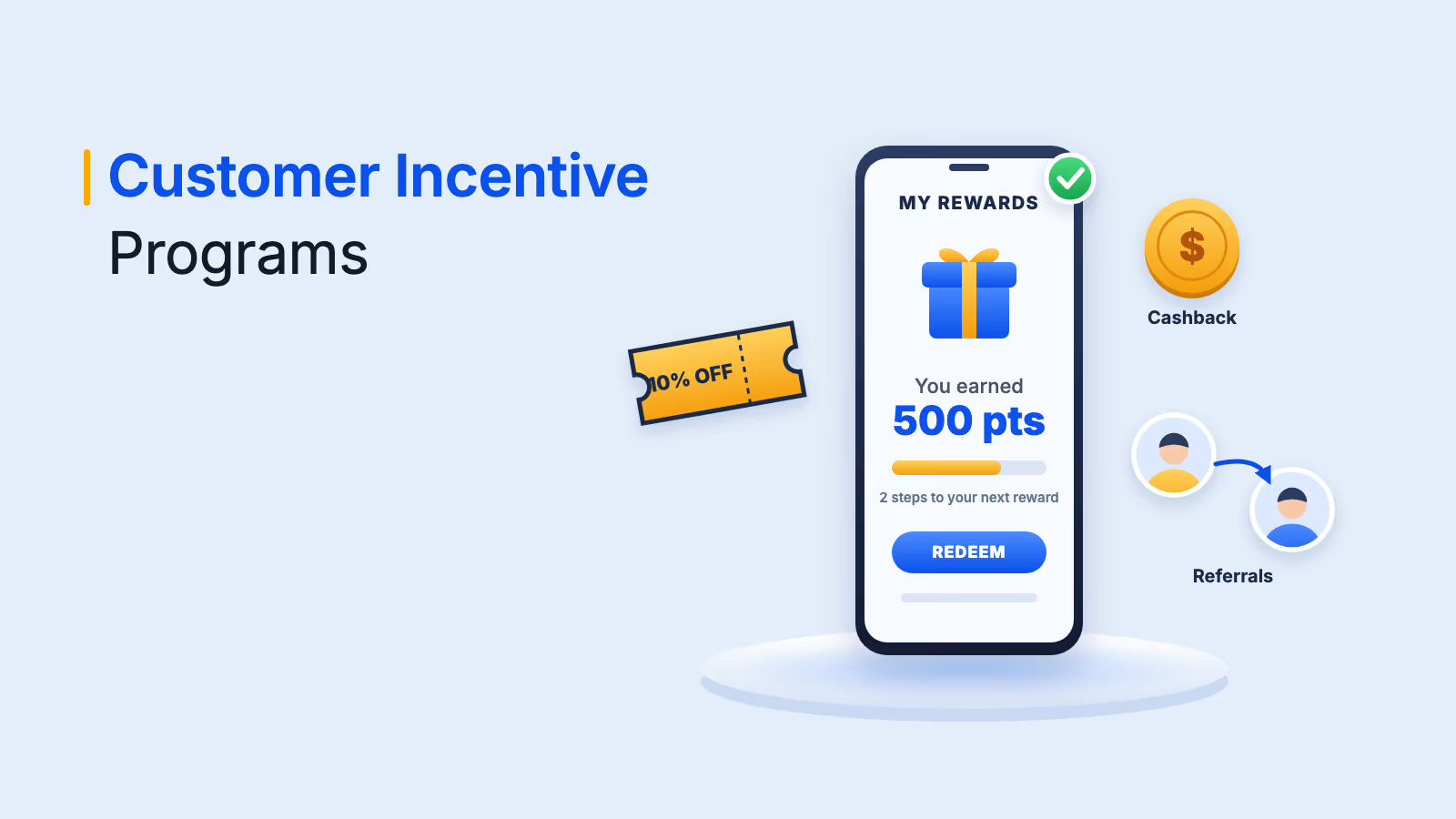
Customer rewards are incentives given to customers for their loyalty, actions or repeat purchases. These rewards are typically structured within a loyalty program and can take many forms, from points that can be redeemed for products or services to discounts, exclusive offers and even special experiences. The primary goal is to encourage customers to continue doing business with you while also incentivizing them to engage with your brand in meaningful ways.
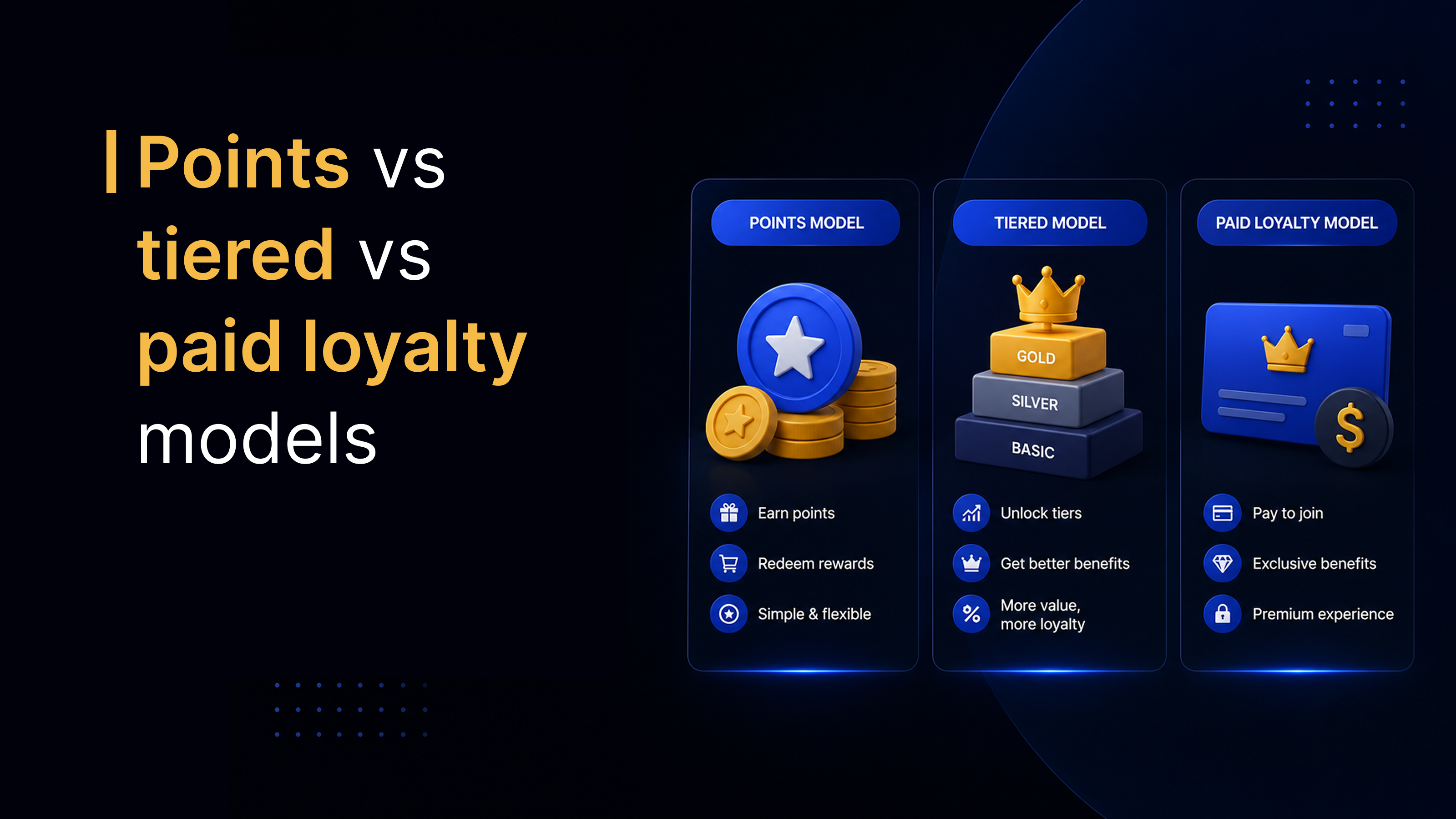
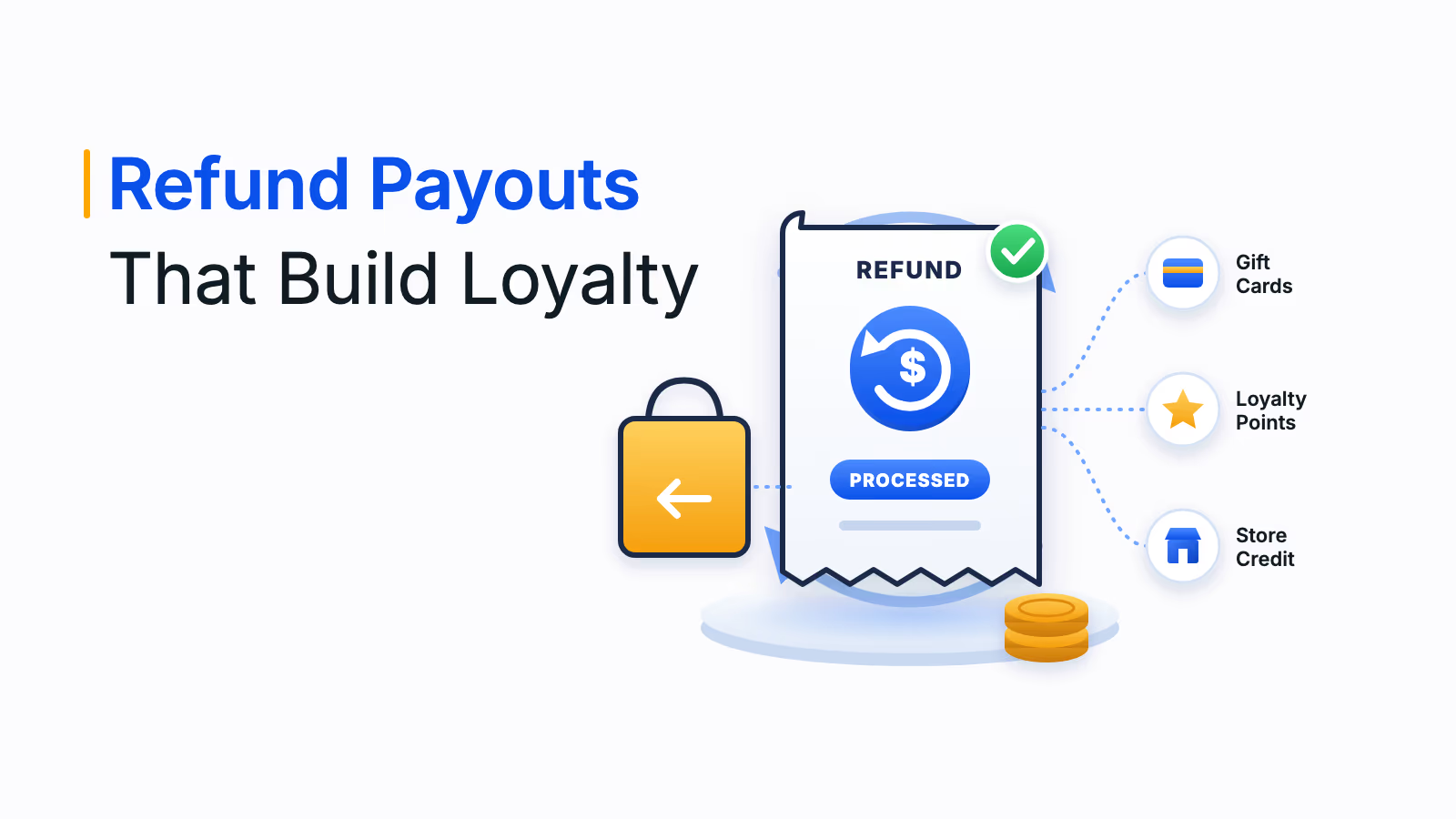
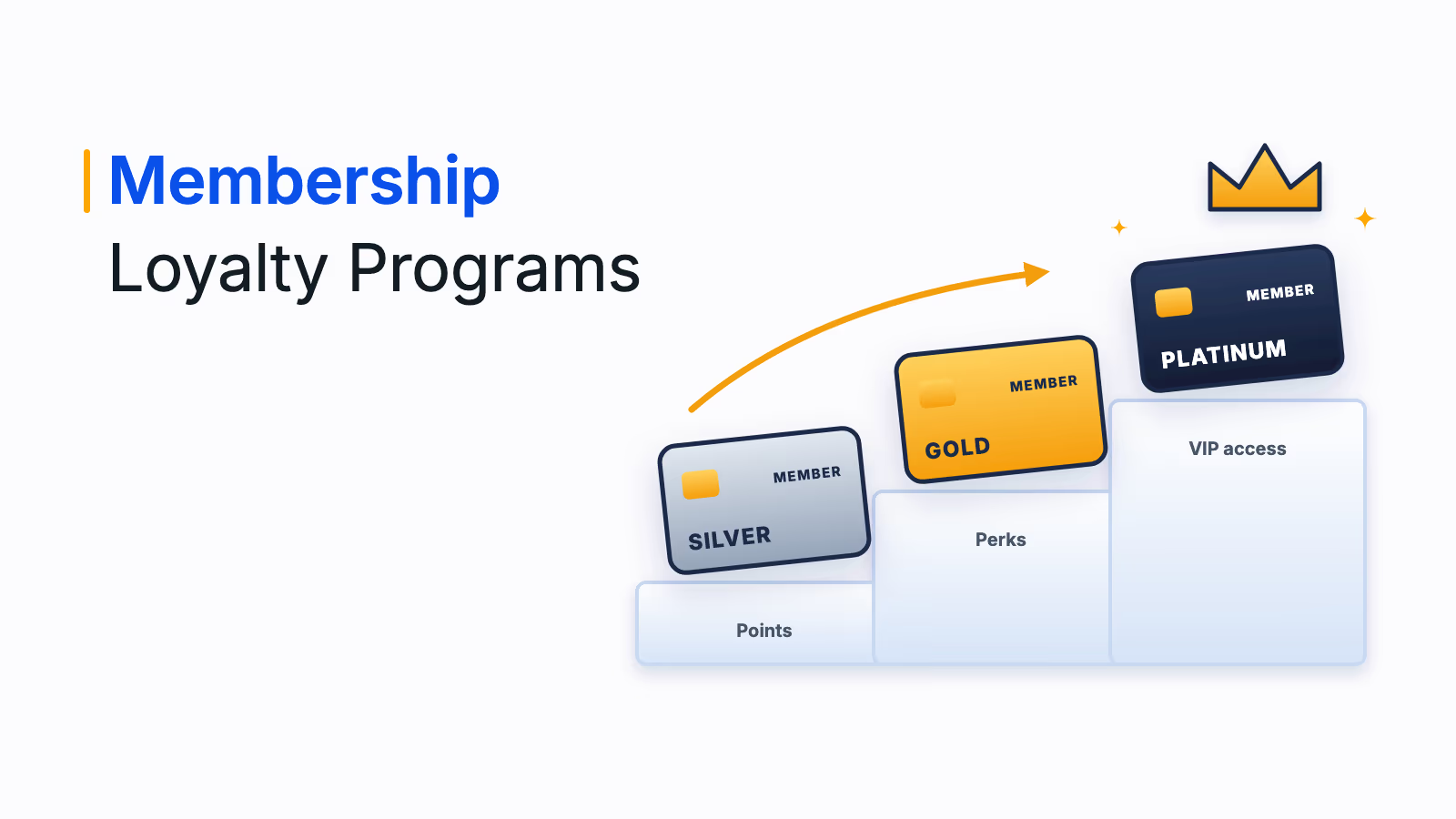
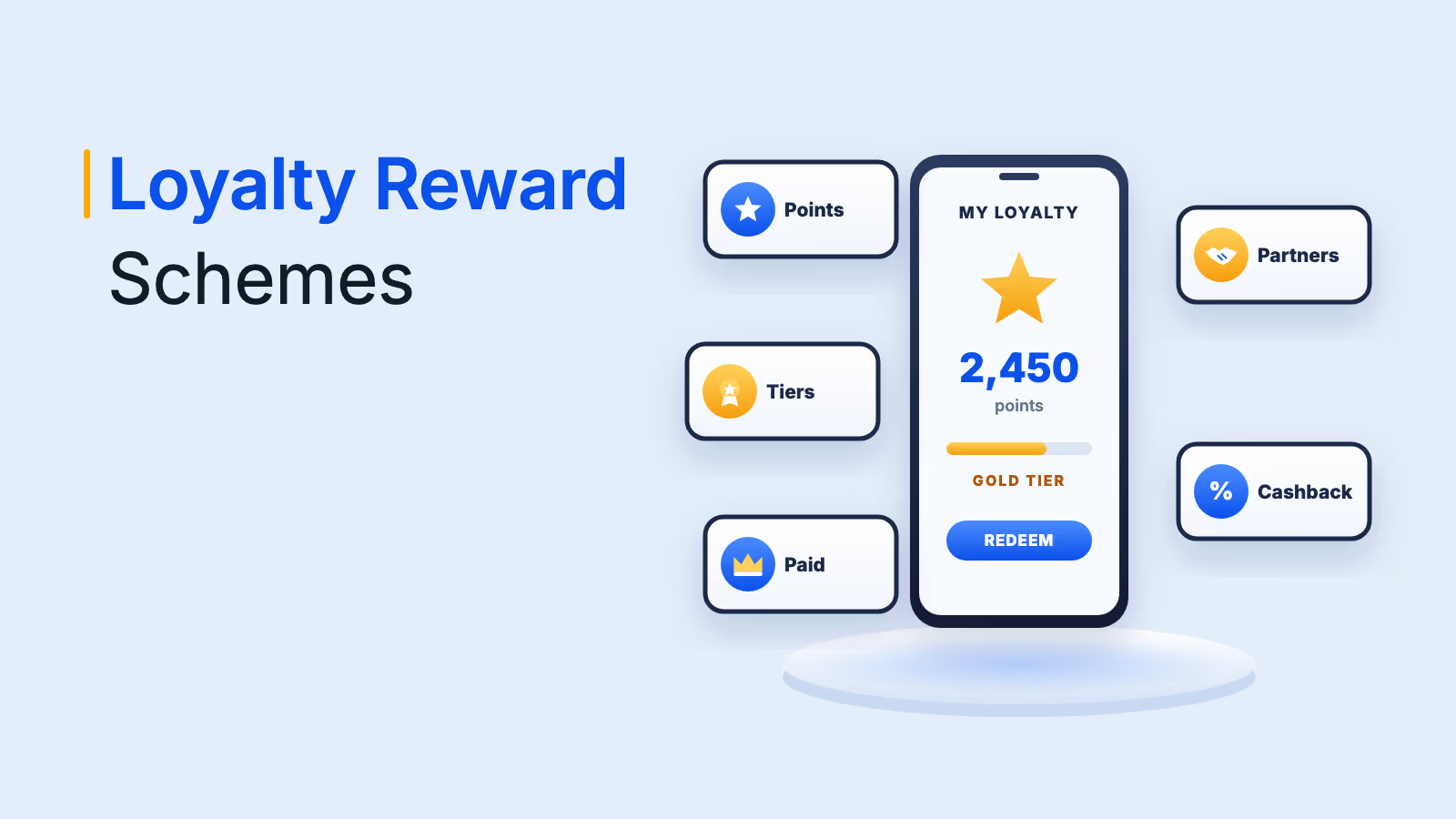
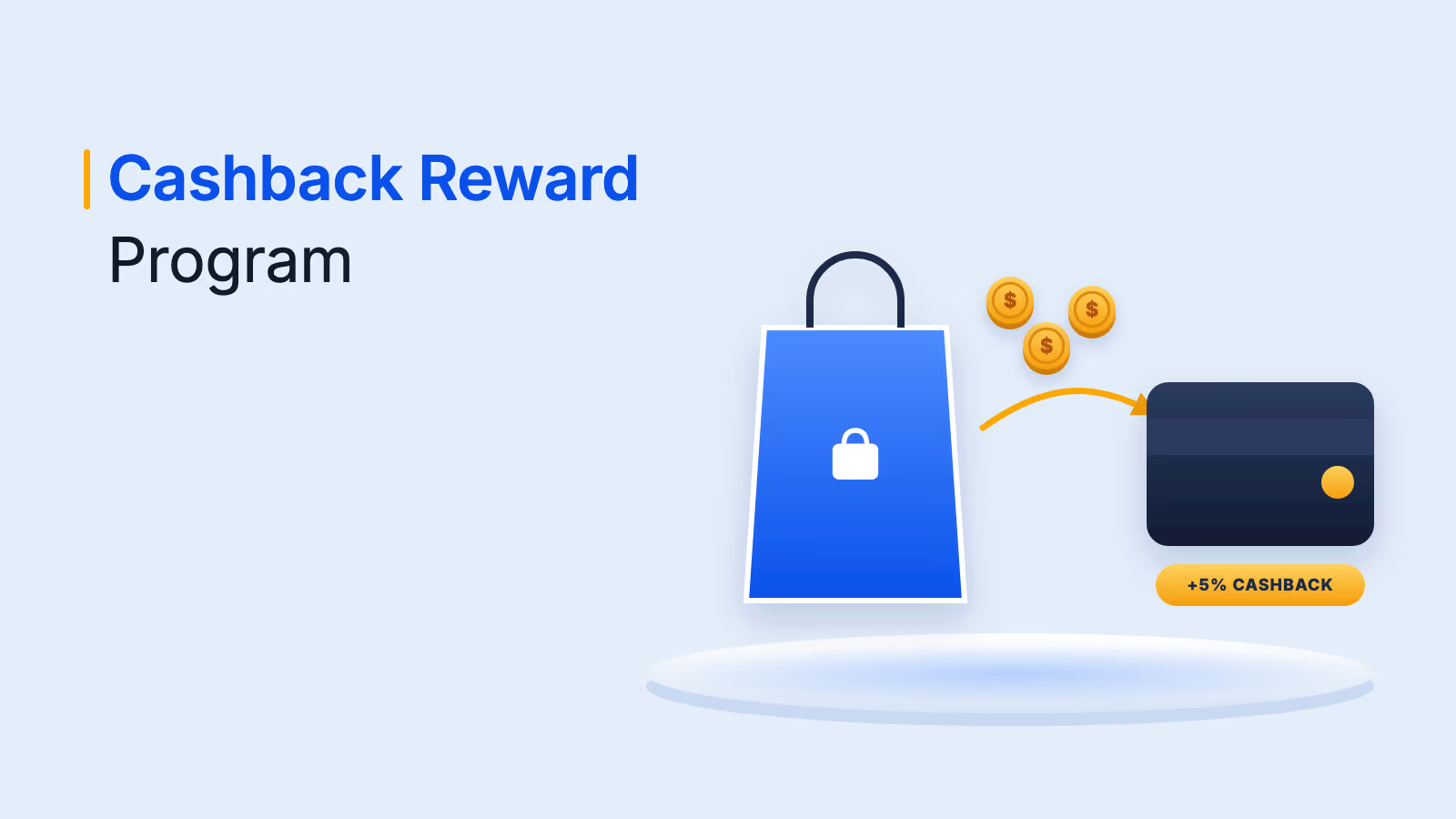
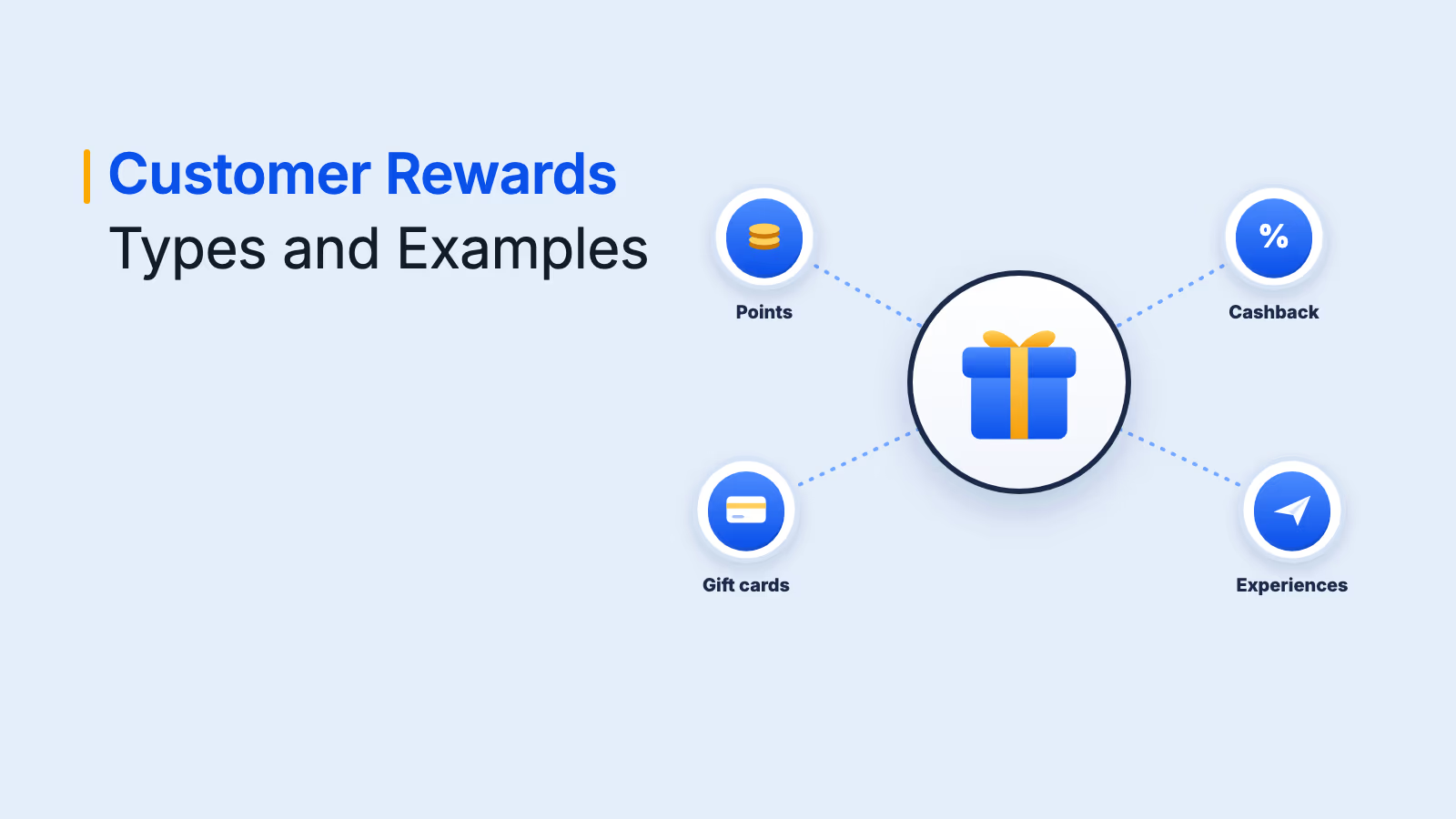
There are many types of customer rewards, and they can vary depending on the goals of your business. For example, a points-based reward system allows customers to accumulate points with each purchase, which they can later redeem for discounts or free items. Alternatively, exclusive rewards like VIP access or personalized offers make customers feel valued and appreciated, further strengthening their connection to your brand. Other common customer rewards examples include cashback, gift cards, free shipping, birthday gifts and early access to sales.
The benefits of customer rewards
Customer rewards offer a multitude of benefits, both for businesses and their customers. Implementing an effective rewards system can transform your customer relationships, boosting both short-term engagement and long-term loyalty. Here is a breakdown of the key advantages:
1. Improved customer retention
One of the most significant benefits of customer rewards is the ability to retain your existing customers. By offering rewards, you give customers a reason to keep coming back to your brand.
Loyal customers are more likely to make repeat purchases, and having a structured rewards program in place makes it even easier to keep them engaged. Retaining existing customers is often more cost-effective than acquiring new ones, making rewards an excellent investment. Antavo's Global Customer Loyalty Report 2025 found that 83% of program owners who measure ROI reported a positive return.
2. Increased customer lifetime value (CLV)
Customer rewards encourage higher spending over time. As customers accumulate rewards, they are more likely to spend more to reach higher reward tiers, unlocking more valuable incentives.
This behavior increases customer lifetime value (CLV), as customers engage with your brand more frequently, driving sales and boosting profitability. Offering discounts or rewards based on customer spending can incentivize larger transactions, further elevating the value of each customer.
3. Strengthened brand loyalty
When customers feel appreciated and valued, they are more likely to stay loyal to your brand. Loyalty programs that offer personalized rewards create emotional connections, making customers more likely to choose your brand over competitors.
These programs also allow you to showcase exclusive offers or experiences that resonate with your most loyal customers, which can turn them into brand advocates. The more customers feel emotionally attached to your brand, the stronger their loyalty becomes.
4. Encouraging word-of-mouth marketing
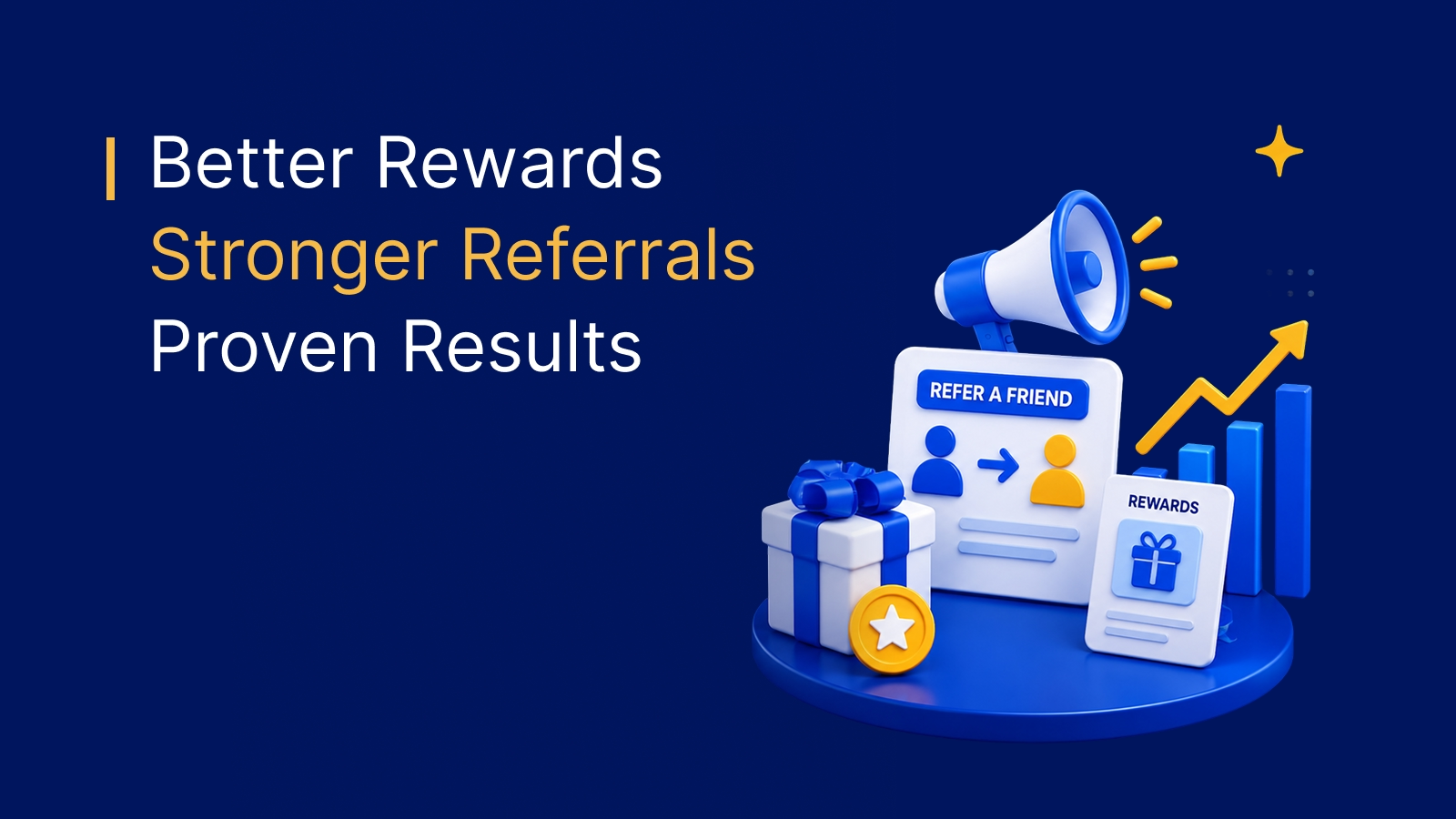
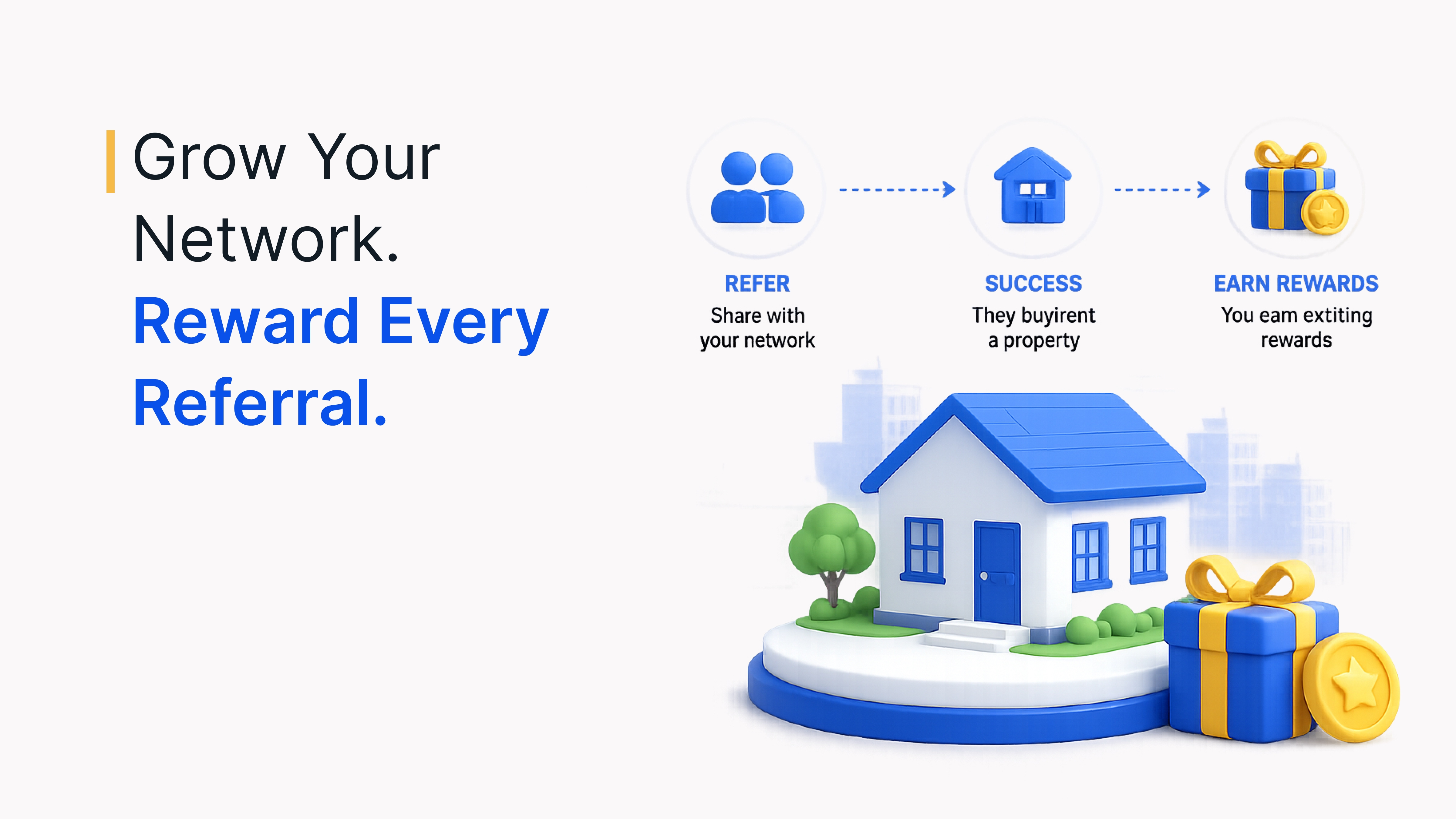
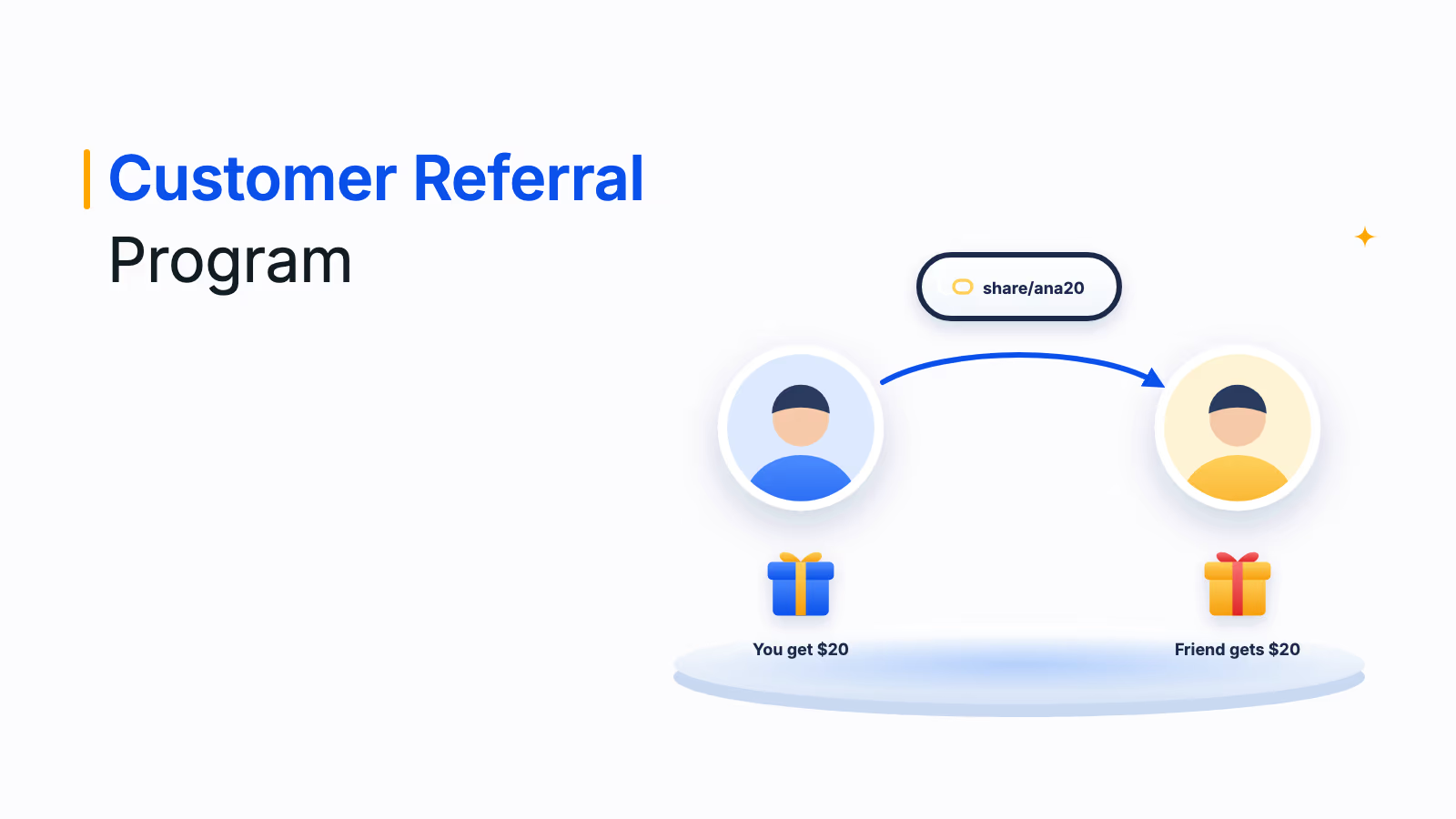
A great customer rewards program does not just incentivize purchases - it also motivates customers to share your brand with others. Many loyalty programs incorporate referral rewards, where customers earn additional rewards for referring friends or family.
Word-of-mouth marketing is incredibly valuable, and a referral-based rewards system can expand your customer base by turning your existing customers into advocates. People trust recommendations from friends and family, so rewarding customers for bringing in new business helps create a cycle of growth.
5. Data-driven insights
Customer rewards also provide businesses with valuable data about their customers' preferences, behaviors and spending habits. By tracking purchases and customer activity within the program, businesses can gain insights into what drives customer decisions. This data can be used to tailor future rewards, improve customer interactions and refine your marketing strategies to better meet customer needs.
Send customer rewards in 150+ countries
Deliver gift cards, experiences and points from a catalog of 10M+ reward options with Xoxoday Plum.
Talk to our ExpertTrusted by 5,000+ companies
How to design an effective customer rewards program
Designing a successful customer rewards program requires careful planning. To truly engage your customers, your program should be simple to understand, valuable to your target audience and aligned with your business goals. Here are the essentials; for the full step-by-step plan, see our guide to building a customer rewards program.
1. Understand your customers' needs and preferences
Start with what motivates your customers. Do they value discounts, free products, exclusive access or experiences? Customer surveys, feedback and purchasing data will show you which rewards resonate most.
2. Set clear and achievable goals
Decide whether you want to increase repeat purchases, boost referrals or enhance brand engagement. Knowing the goal helps you design rewards that drive that behavior, such as points on every purchase if repeat buying is the priority.
3. Make the program simple and accessible
An overly complicated program discourages participation. Customers should be able to see how they earn, track their progress and redeem without confusion.
4. Offer relevant and valuable rewards
The best rewards for customers match their purchasing habits. Price-sensitive customers may respond best to discounts, while high-value customers often prefer exclusive products or experiences. Tiered rewards based on spend or engagement make the program feel more personal.
5. Keep it flexible and adaptable
Customer preferences change, so evaluate the program regularly and adjust based on feedback and performance. A mix of points, experiences and exclusive offers ensures there is something for everyone.
Unique customer rewards ideas to engage and retain your customers
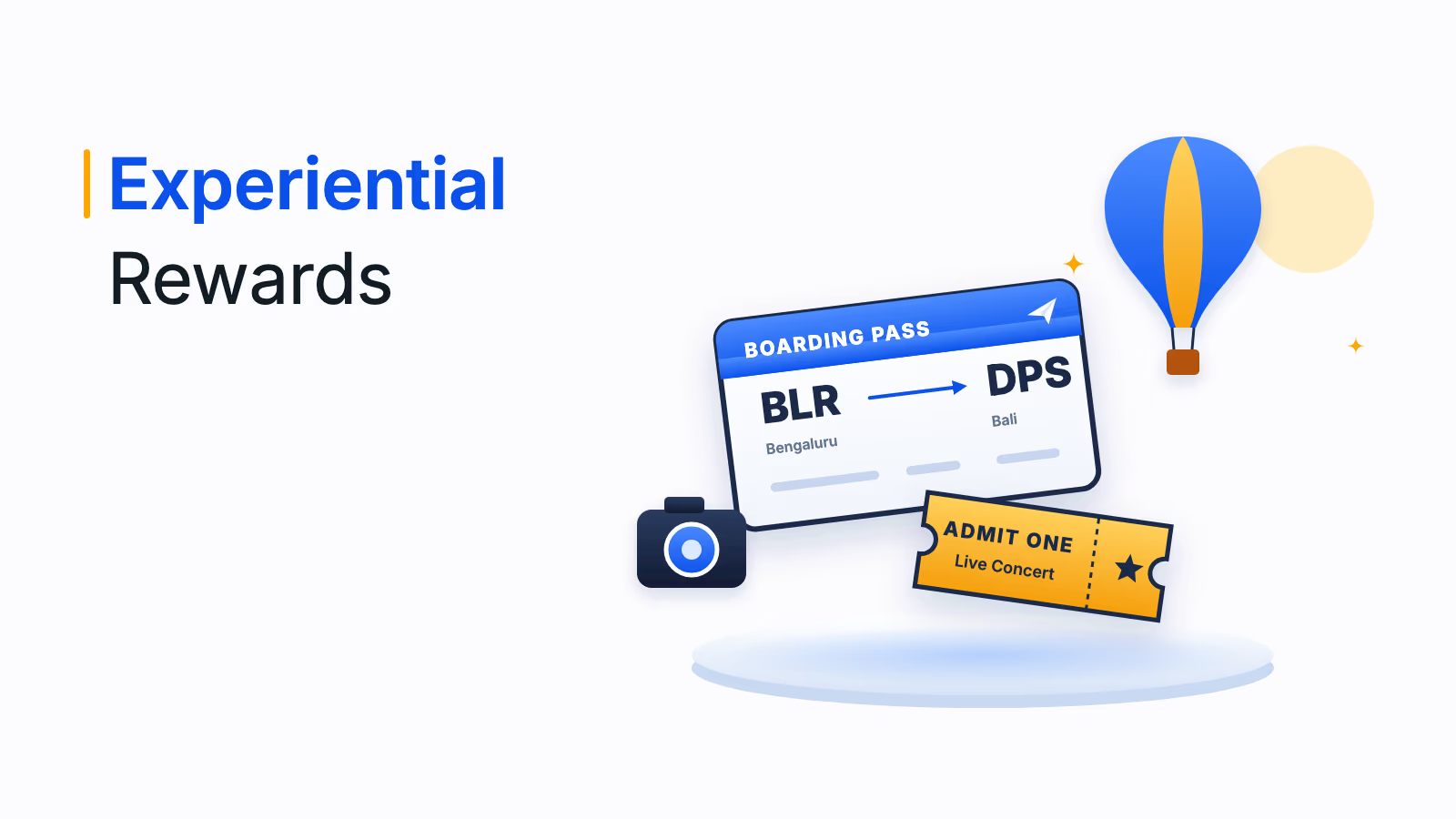
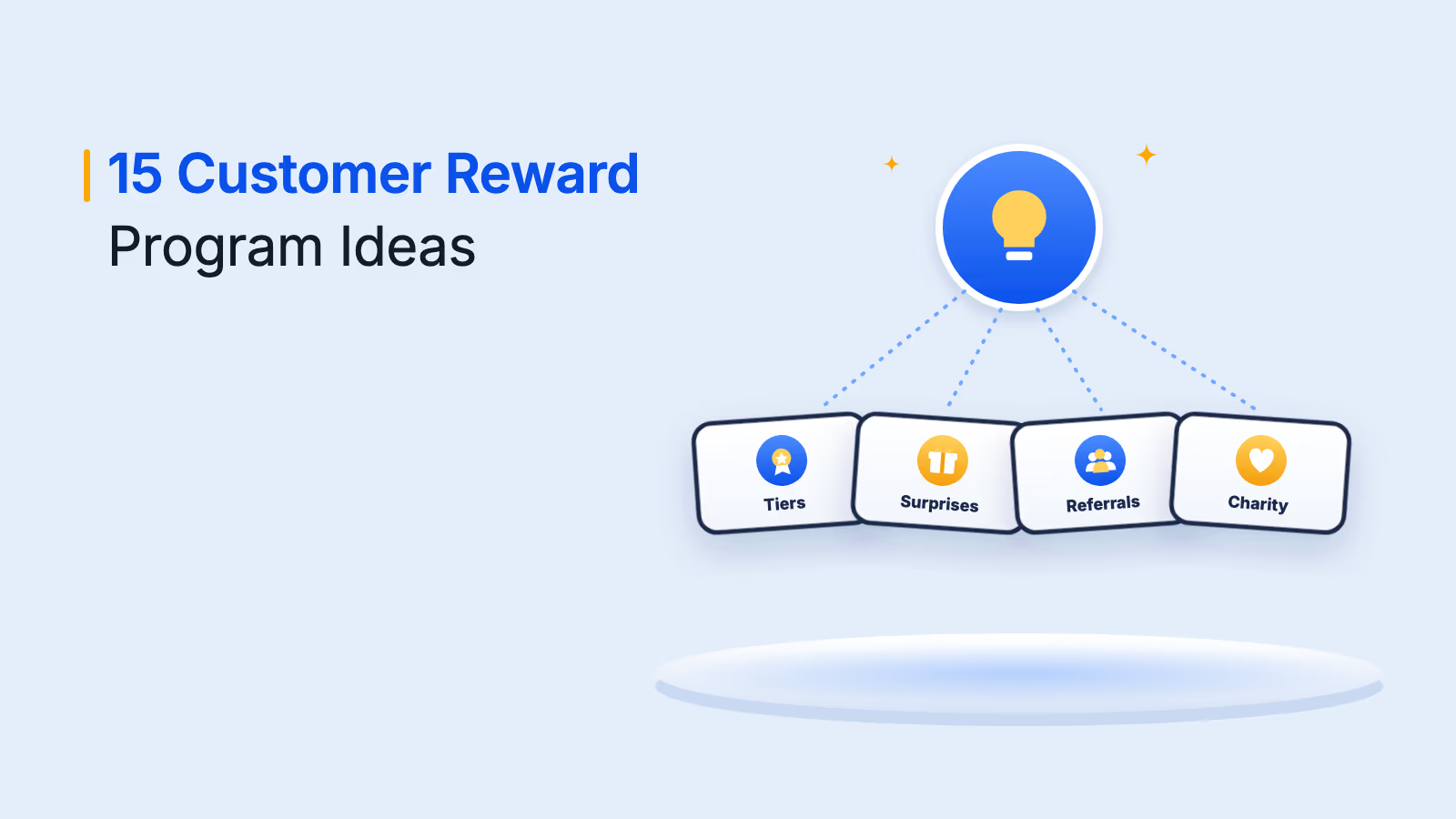
To truly stand out, you need rewards that go beyond the usual points and discounts. Ten unique ideas that help increase retention are customizable reward packages, social media shoutouts, subscription-based gifts, a personal shopper or concierge service, loyalty benefits for friends and family, VIP behind-the-scenes access, donating rewards to a cause, mystery rewards and surprise gifts, "experience points" for engagement, and travel-based rewards. Each focuses on personalization, exclusivity or a memorable experience rather than a simple transaction. We explain every one of them, with brand examples, in our list of 15 customer reward program ideas.
Common mistakes to avoid in customer rewards programs
While customer rewards programs can significantly enhance loyalty and engagement, there are common pitfalls that businesses often fall into when implementing them. Avoiding these mistakes will help ensure your program's success and maximize its impact.
1. Offering rewards that are not valuable to customers
One of the most common mistakes is offering rewards that do not resonate with your audience. If the rewards do not align with your customers' needs or preferences, they will not be motivated to engage with the program.
For example, offering a reward that requires a high purchase threshold might discourage customers, especially those who are not frequent buyers. Always ensure that your rewards are appealing, relevant and accessible to the majority of your customer base.
2. Making the redemption process complicated
Customers expect a seamless experience, and if redeeming rewards is too complex, it can frustrate them and lead to disengagement. Complicated rules, unclear redemption instructions or long processes to claim rewards can turn potential loyalty into dissatisfaction. Make sure the redemption process is simple, transparent and user-friendly to encourage continued participation.
3. Failing to promote the program effectively
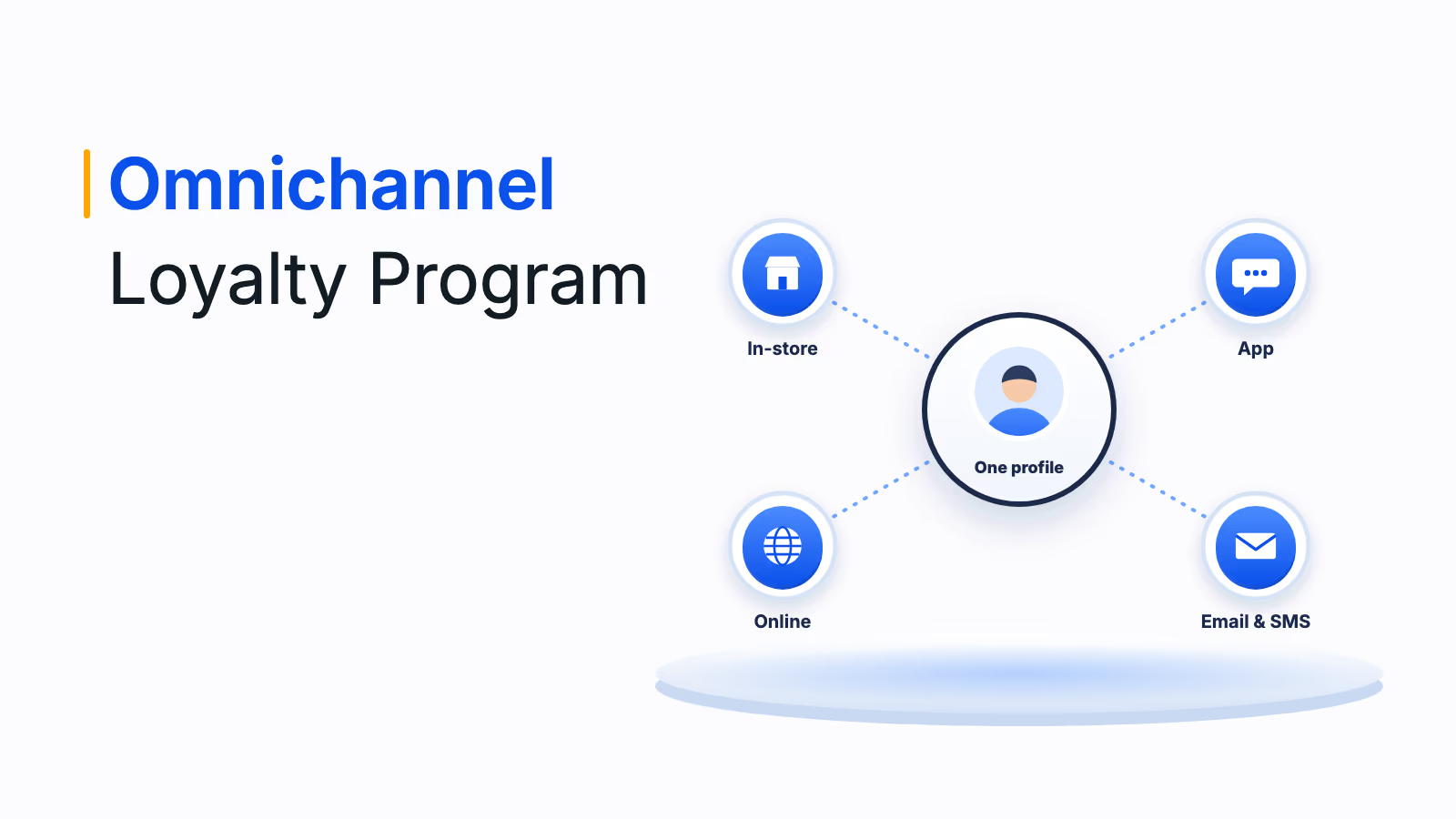
Even the best rewards program will not succeed if customers do not know about it. Be sure to promote your program through various channels - social media, email campaigns, in-store displays and your website. Regularly remind customers of the rewards they can earn and any new offers or updates to keep them engaged.
4. Not tracking or measuring success
If you do not track the performance of your rewards program, you will not know what is working and what is not. Failing to measure engagement, redemption rates and customer retention can result in missed opportunities for improvement. Use data analytics to monitor customer behavior and program success, then adjust rewards or communication strategies based on the insights you gather. Our guide to loyalty program KPIs lists the metrics to watch.
5. Ignoring customer feedback
Customer feedback is crucial for ensuring your rewards program remains relevant and effective. Ignoring what customers like or dislike about your program can lead to frustration and disengagement. Regularly gather feedback through surveys, social media or customer service interactions to understand how customers feel about your program and where improvements can be made.
By avoiding these common mistakes, you can ensure that your customer rewards program is both effective and engaging, helping you build stronger relationships with your customers and drive long-term loyalty.
The future of customer rewards
As customer expectations evolve, so too must customer rewards programs. The future of rewards is all about personalization, innovation and data-driven strategies. Here are some emerging trends that are shaping the future of customer loyalty programs:
1. Personalized rewards
With advancements in AI and machine learning, businesses can now offer more personalized rewards based on customer preferences, purchase history and engagement patterns.
Instead of offering generic discounts, companies can tailor rewards to individual customers, such as personalized offers or experiences. This level of customization makes the rewards feel more valuable and directly relevant to the customer.
2. Integration with mobile and digital platforms
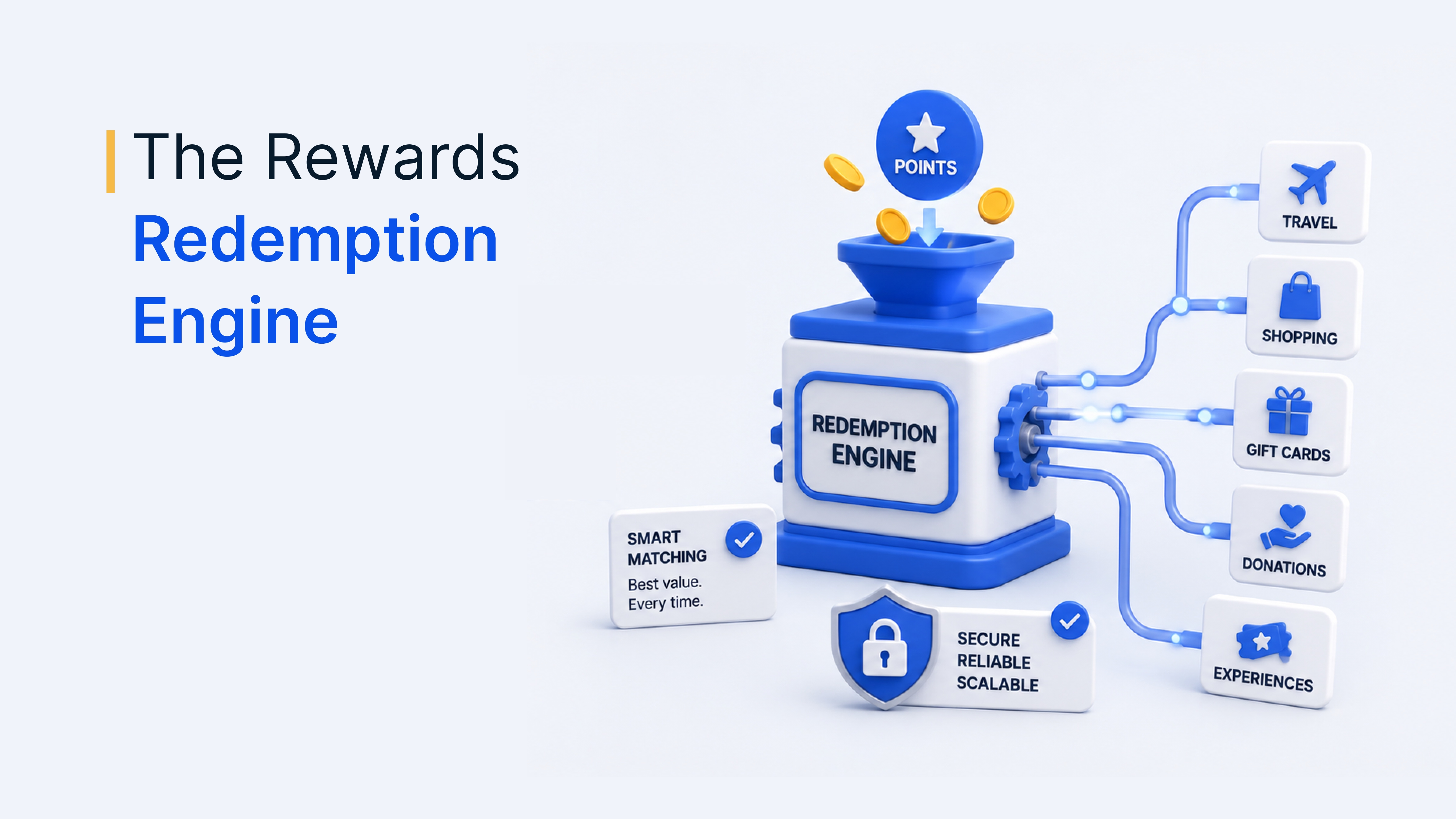
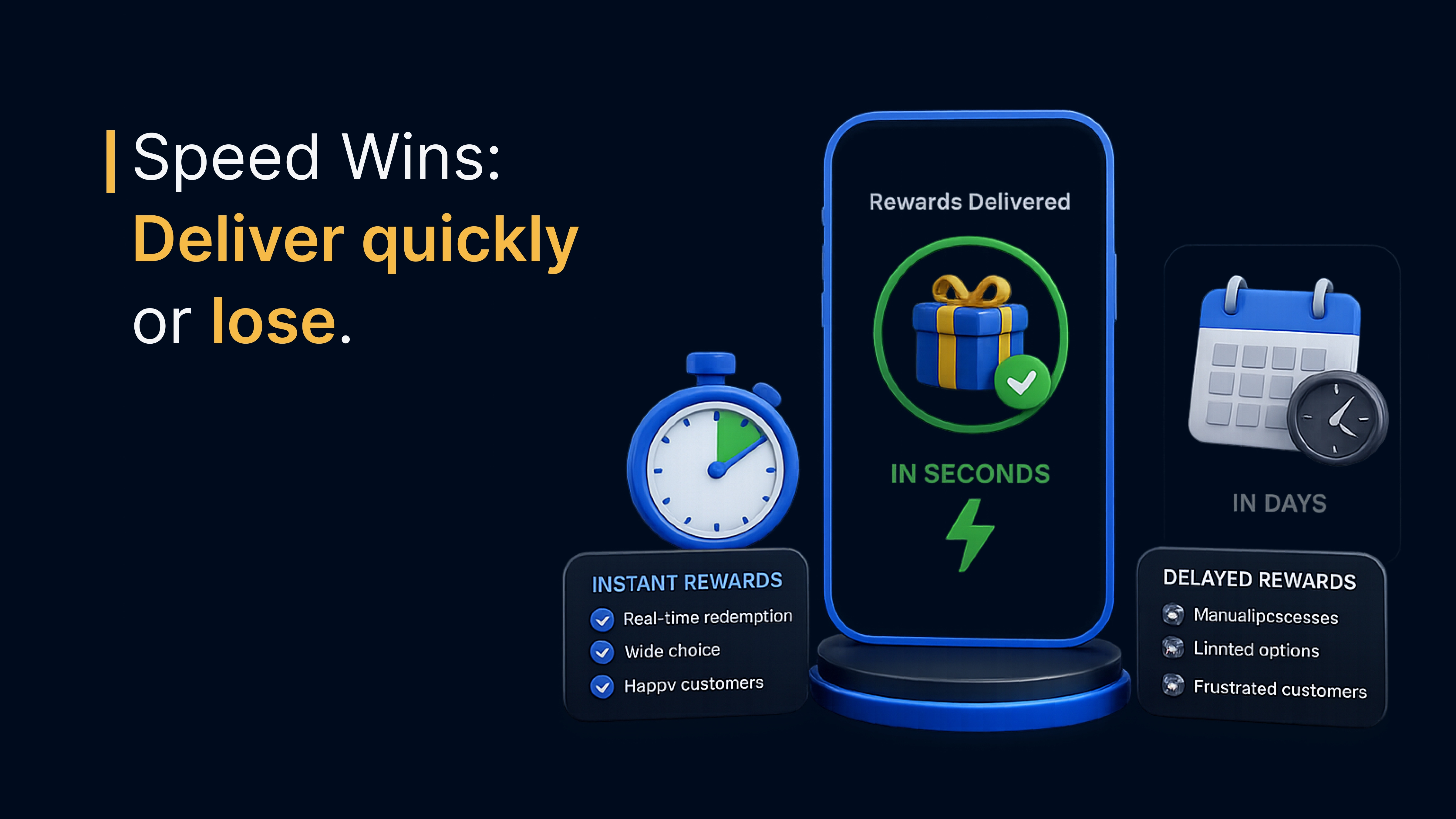
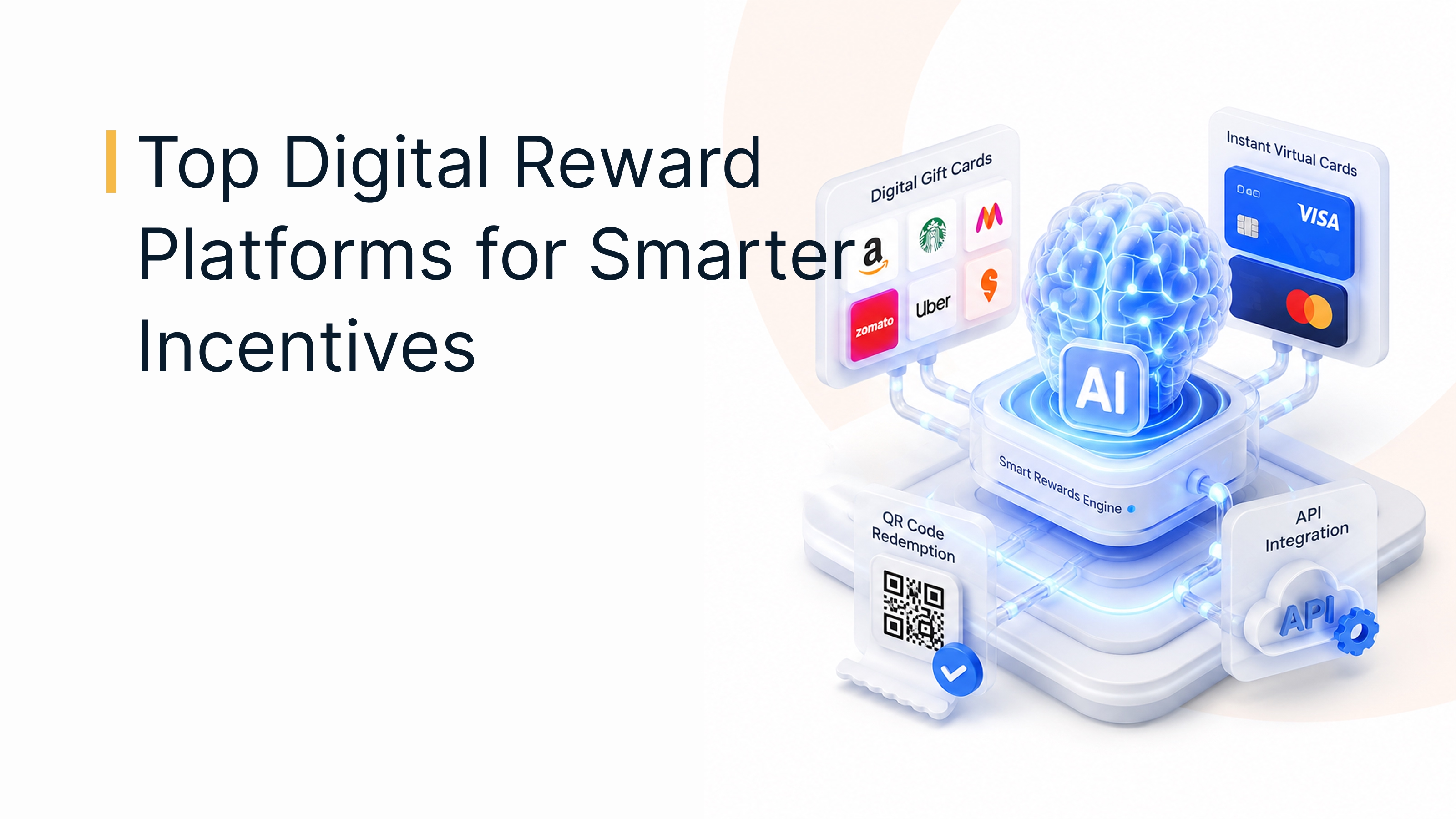
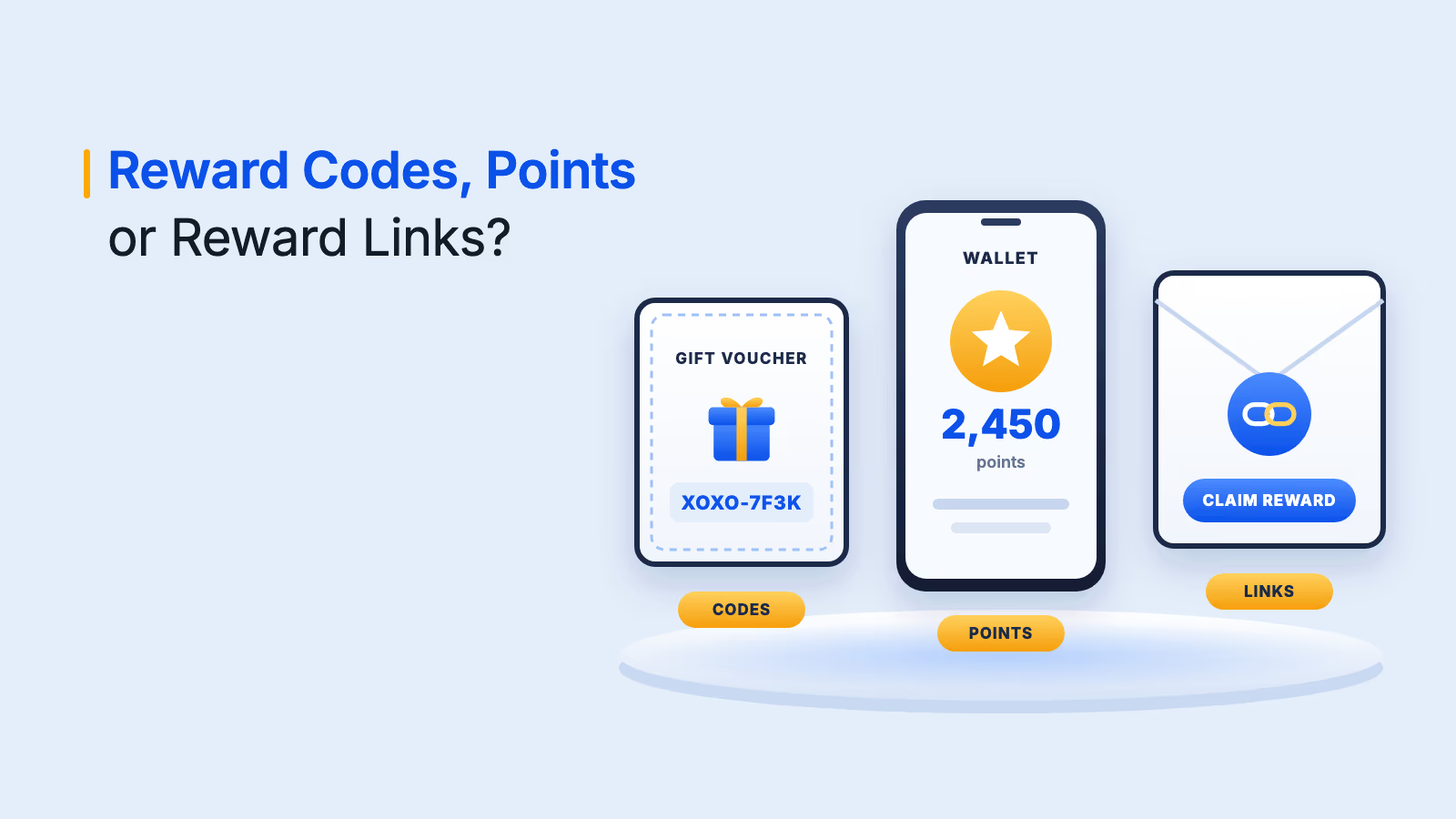
The rise of mobile apps and digital wallets is transforming how rewards are earned and redeemed. Many customers now prefer to manage their loyalty rewards through mobile apps, where they can track their points, receive instant rewards or redeem offers directly from their smartphones. Digital customer rewards such as e-gift cards and reward links, integrated with social media and e-commerce, make the process seamless and more accessible for customers.
3. Gamified loyalty programs
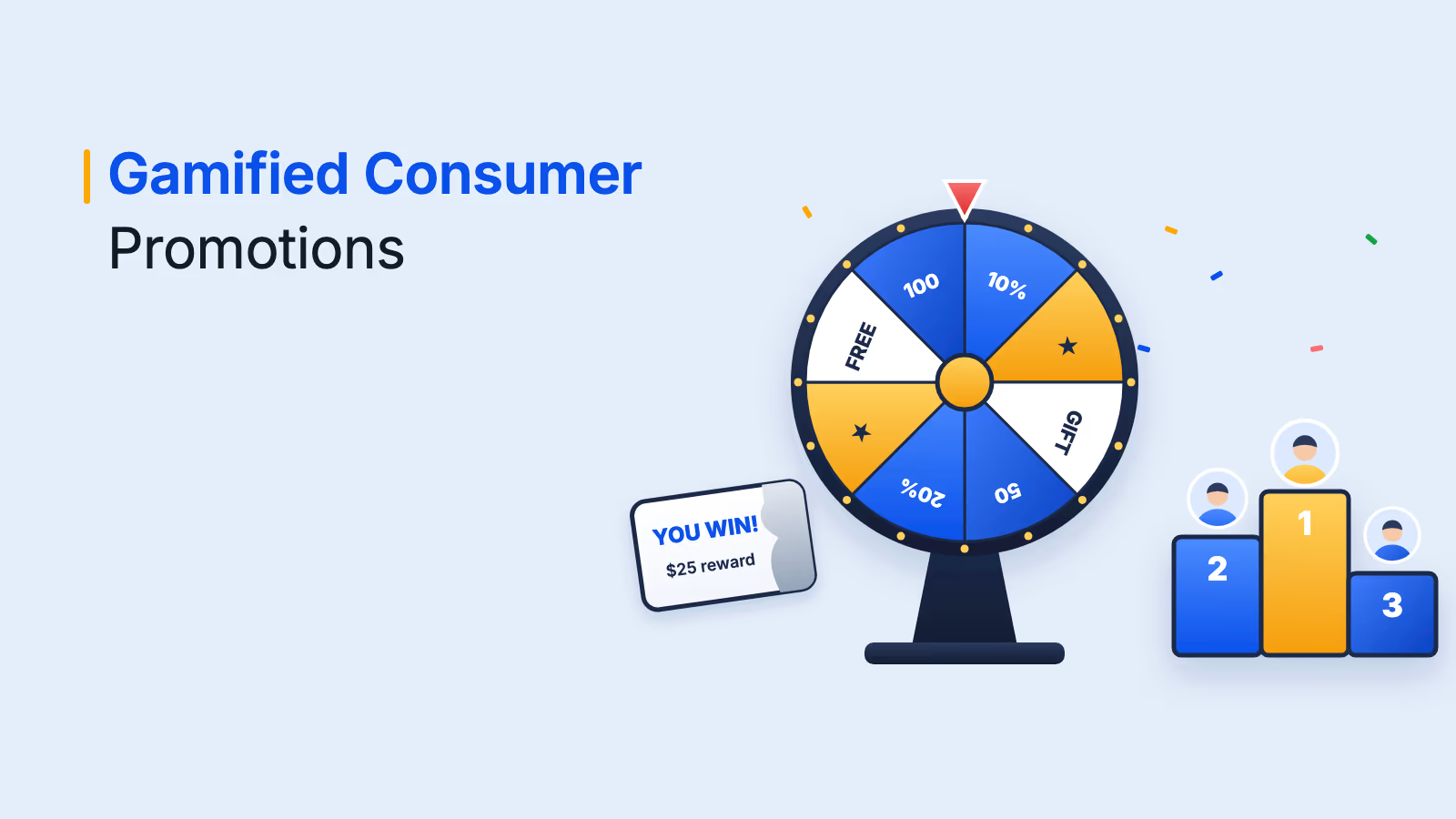
Gamification is increasingly being used to make customer rewards more engaging and fun. By adding game-like elements such as challenges, leaderboards and levels, businesses can encourage more interaction and keep customers coming back. For example, customers could unlock exclusive rewards as they progress through levels or complete certain tasks. This adds an element of excitement to loyalty programs and boosts engagement.
4. Sustainability and social responsibility
Today's customers care about more than just getting rewards - they care about how businesses are contributing to the world around them. Many companies are introducing sustainable reward options, such as allowing customers to donate their rewards to charity or supporting environmentally friendly products. These socially responsible rewards resonate with customers, particularly younger generations who prioritize sustainability.
5. Subscription-based loyalty programs
Subscription-based loyalty programs are gaining popularity, offering customers continuous benefits for a recurring fee. This model provides businesses with predictable revenue while giving customers exclusive access to ongoing perks. For example, a customer could pay a monthly subscription fee to receive regular discounts, early access to new products or other loyalty rewards throughout the year.
The future of customer rewards will be all about creating more meaningful and personalized experiences. As technology continues to evolve, businesses will have more opportunities to engage with customers in creative ways, driving loyalty and increasing retention.
Elevate your customer rewards strategy with Xoxoday Plum
Xoxoday Plum is a rewards and incentives platform that helps businesses source and deliver customer rewards without managing inventory. Its reward marketplace offers 10M+ reward options across 30+ categories, redeemable in 150+ countries, so every customer can find something they value.
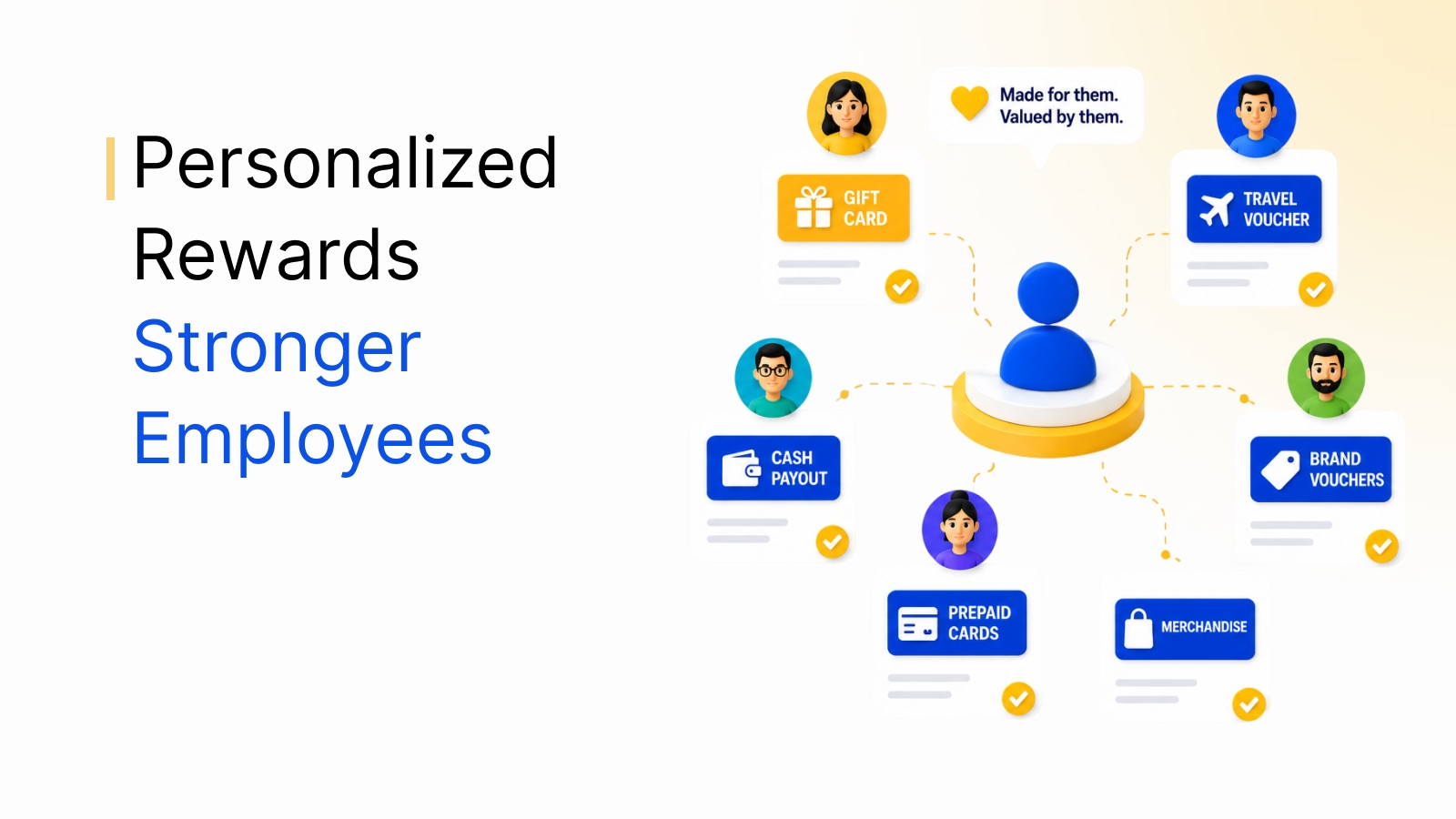
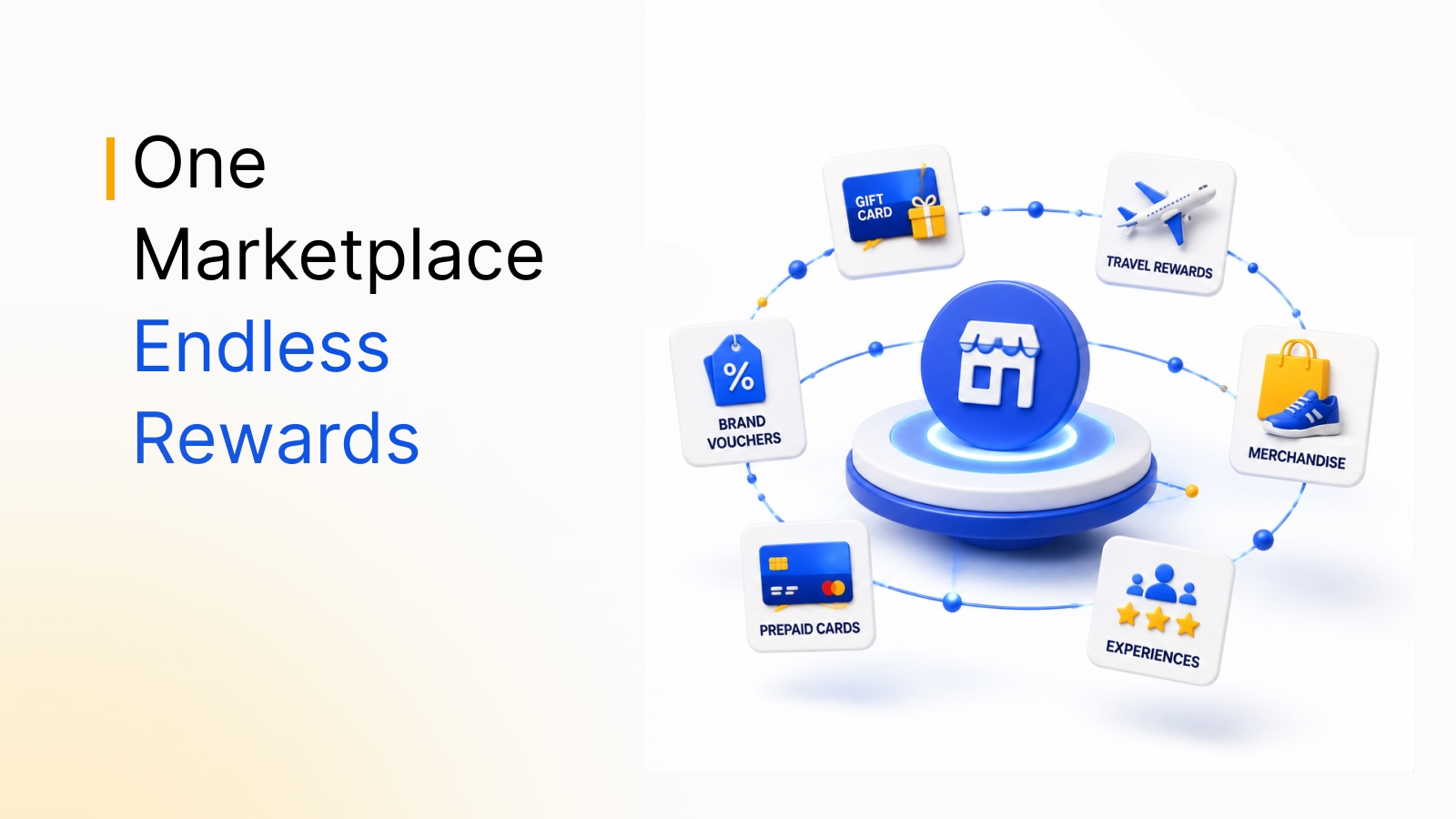
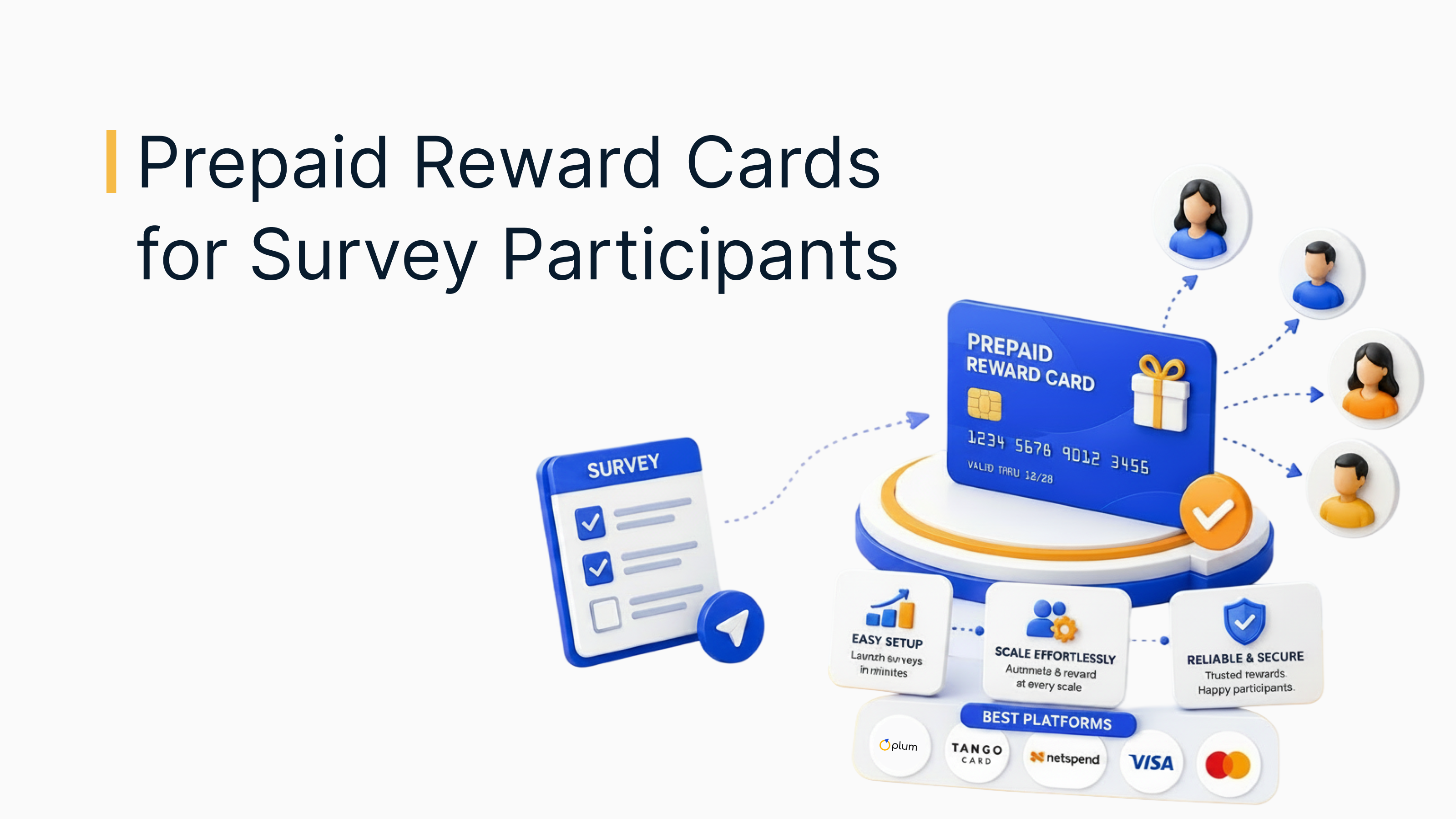
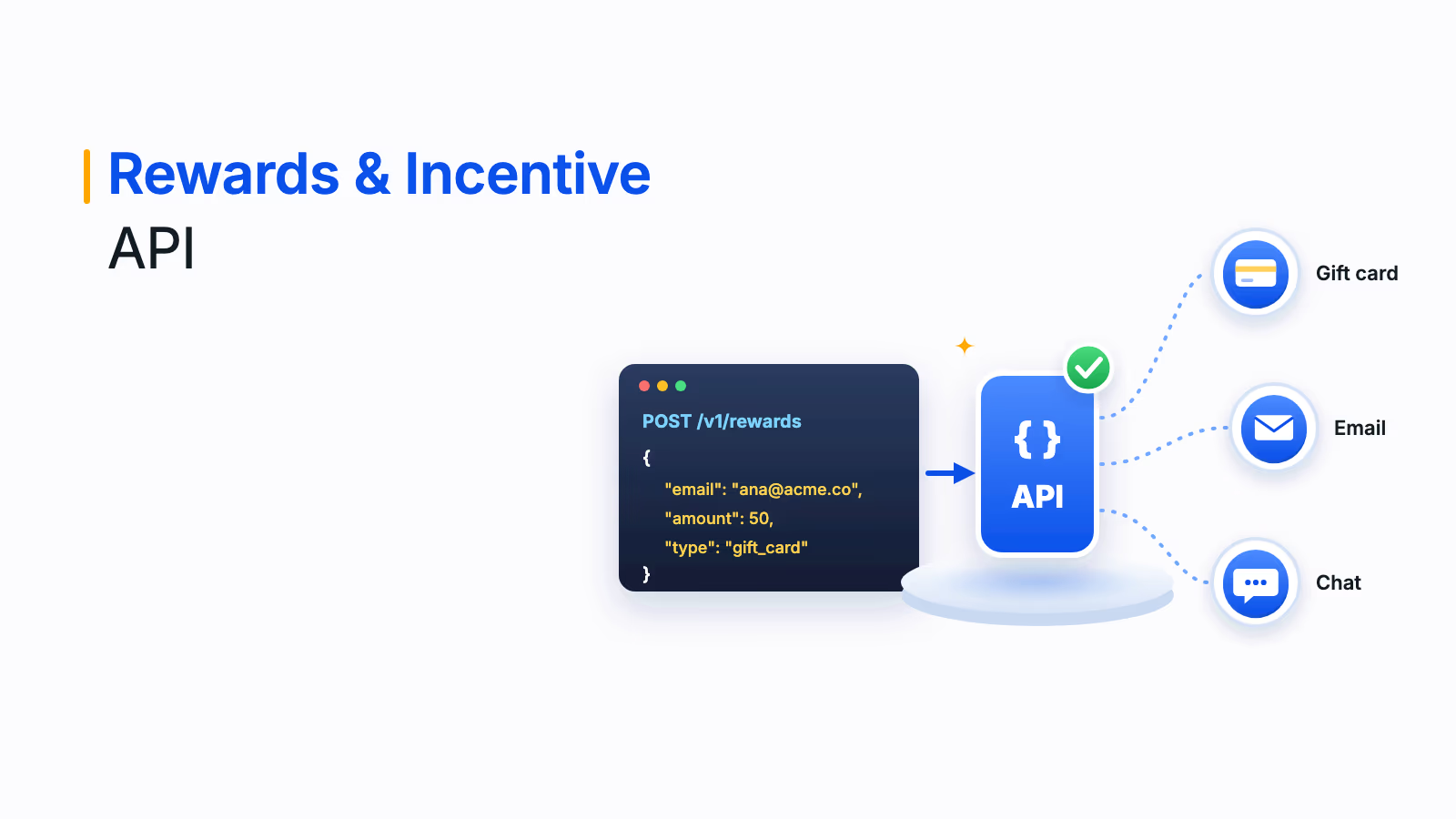
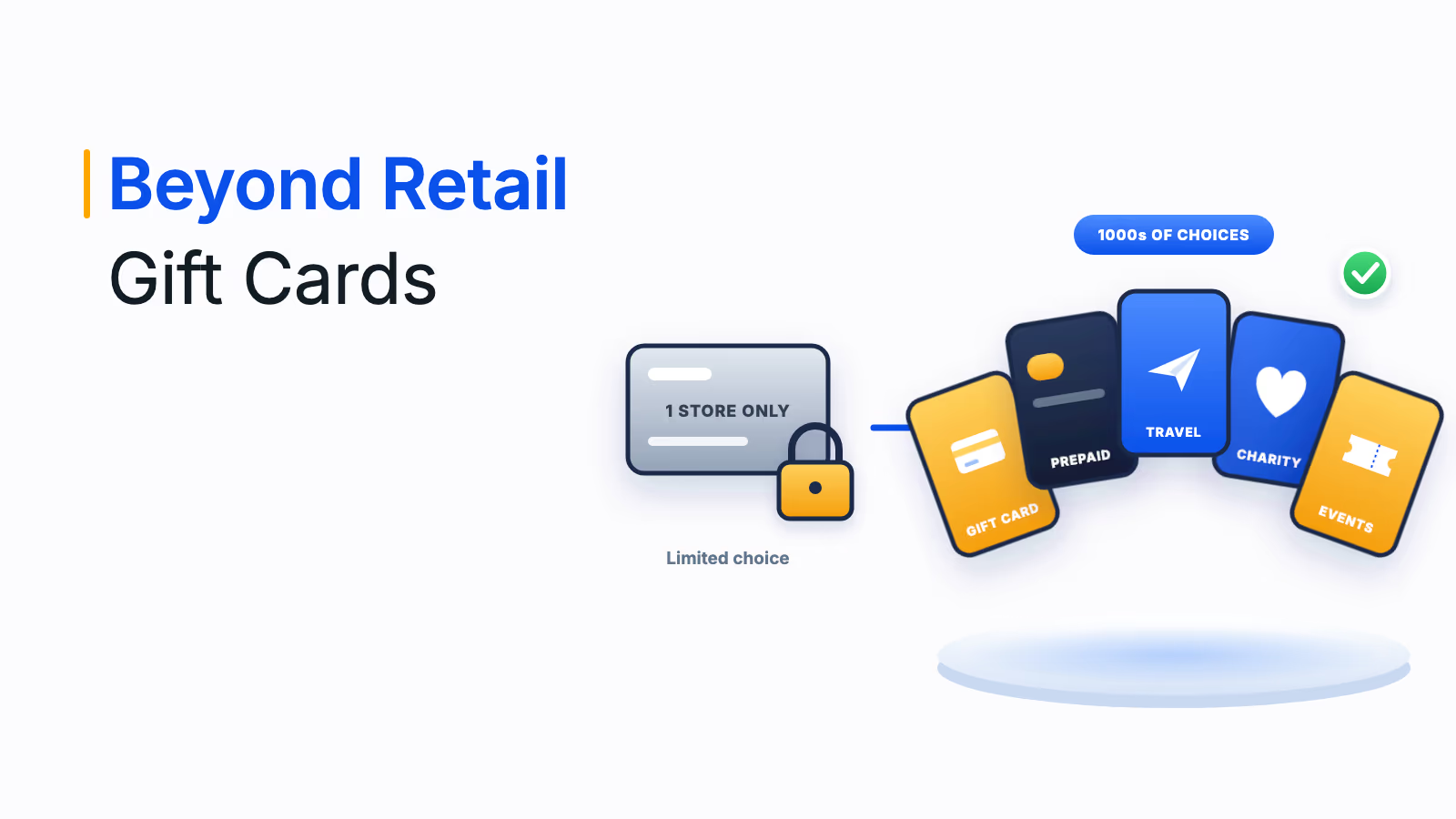
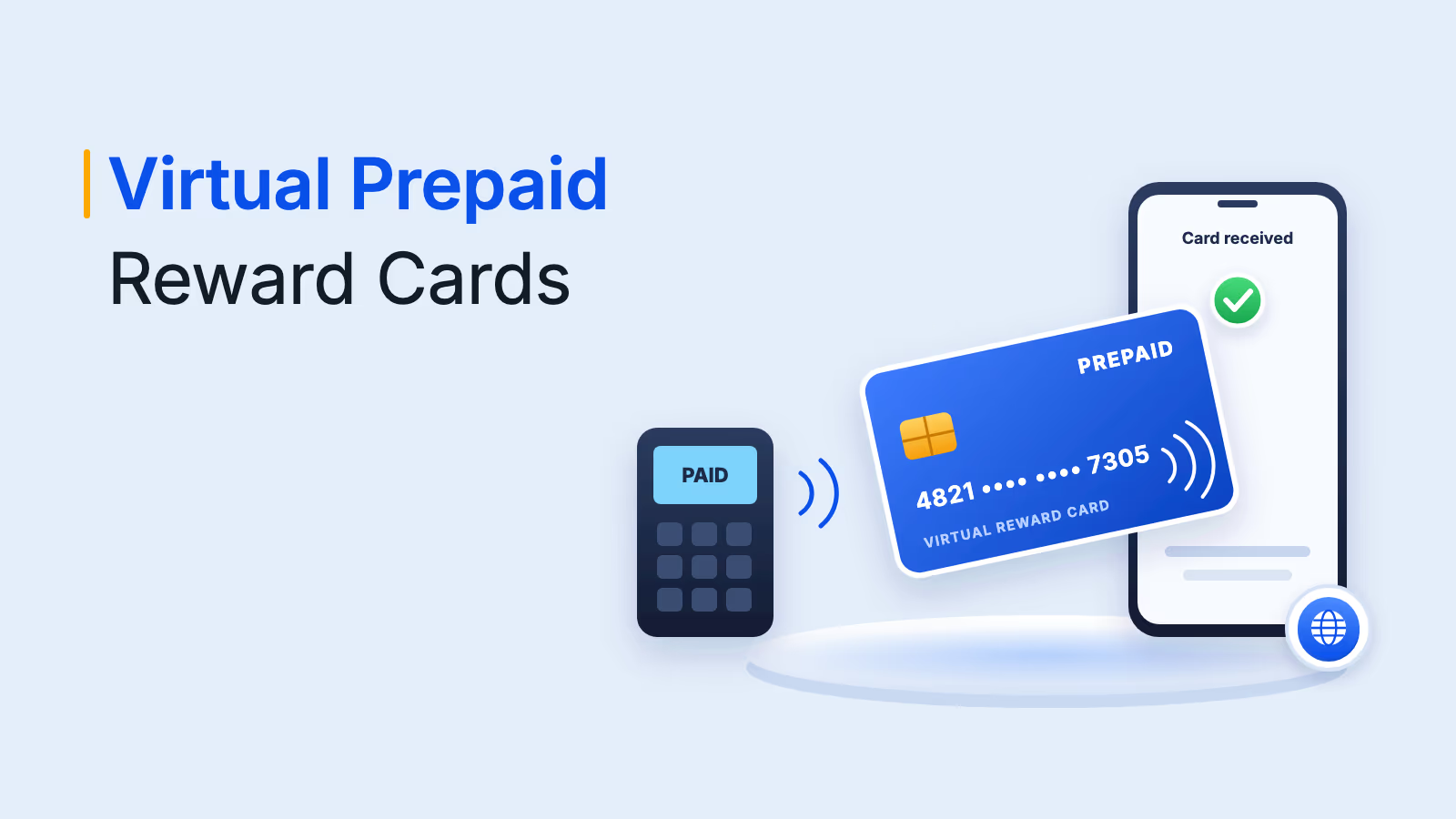
The platform's flexibility lets you match the reward format to the moment. Customers can choose from gift cards, experiences, prepaid cards, merchandise and charity donations, delivered through reward links, reward codes, reward points or the Rewards API.
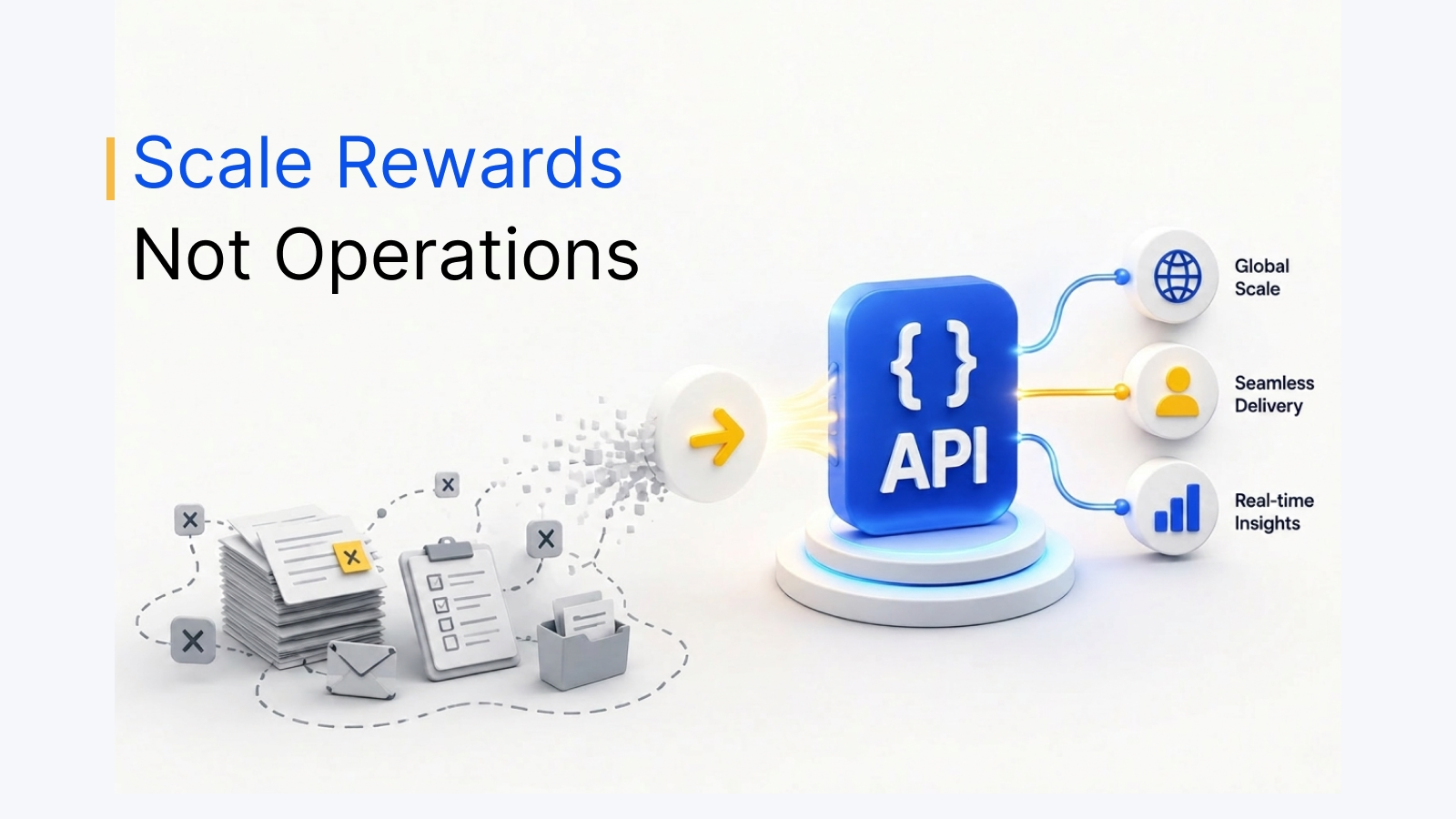
Plum makes it simple to engage and reward customers, with integrations into your existing CRM, survey and marketing tools so rewards go out automatically when a customer completes an action. Whether you are a growing business or a global enterprise, you can scale your rewards while keeping the experience consistent. To compare options, see our roundup of the best customer rewards platforms.
Key benefits of Plum for customer rewards:
- Vast reward options with 10M+ choices across 30+ categories in 150+ countries, so every customer finds something they love.
- Flexible delivery through reward links, codes, points and API, for referrals, surveys, reviews and loyalty programs.
- Easy integration with your existing systems, offering a smooth and unified customer experience.
Want to know how Plum can help you elevate your customer rewards program? Connect with our customer rewards experts.
Conclusion
So, what are customer rewards worth to your business? Customer rewards programs are a powerful tool for driving loyalty, engagement and repeat business. By offering personalized rewards, simplifying the redemption process and continuously evolving with customer expectations, businesses can create programs that not only retain customers but also turn them into brand advocates. A well-designed rewards program provides numerous benefits - improved retention, increased customer lifetime value and greater customer satisfaction.
Looking ahead, the future of customer rewards lies in personalization, digital integration, gamification and social responsibility. As technology advances, businesses will have even more opportunities to create truly dynamic and engaging experiences for their customers. By keeping these strategies in mind and continuously improving your rewards program, you will be better positioned to foster lasting customer relationships and drive long-term success for your business.
Book your Plum demo
Frequently asked questions
Customer rewards help increase customer retention, boost engagement and enhance satisfaction. They encourage repeat purchases, foster brand loyalty and motivate customers to engage more with your business. Over time this drives higher customer lifetime value and more word-of-mouth marketing, because rewarded customers are more likely to recommend your brand to friends and family.
Customer rewards can take various forms, such as discounts on future purchases, free products, cashback, gift cards, exclusive access to sales or events, loyalty points that can be redeemed, or personalized experiences. The key is to align the rewards with what your customers value most, and offering a choice of rewards helps every customer find something relevant.
Personalization involves tailoring rewards to individual customer preferences, purchase history and behavior. For instance, you could offer discounts on products a customer frequently buys, or give them exclusive access to items they have shown interest in. Letting customers pick from a catalog of rewards is another simple way to make each reward feel more relevant and valuable.
Track key metrics such as customer retention rate, repeat purchase frequency, redemption rate of rewards, average order value and overall customer satisfaction. Comparing customers who earn rewards with similar customers who do not shows the real lift. Analyzing these metrics regularly helps you understand what is working and where improvements can be made.
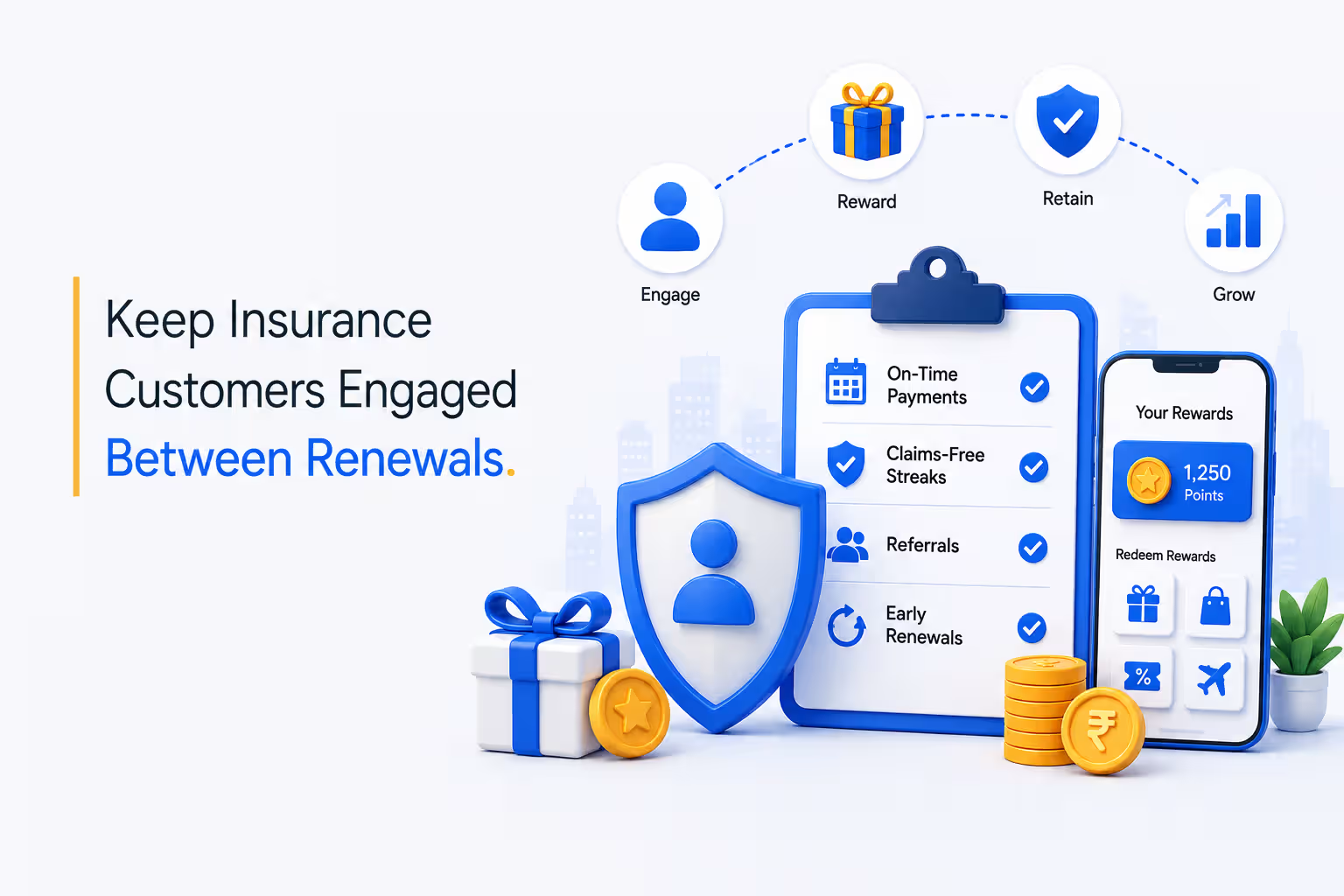
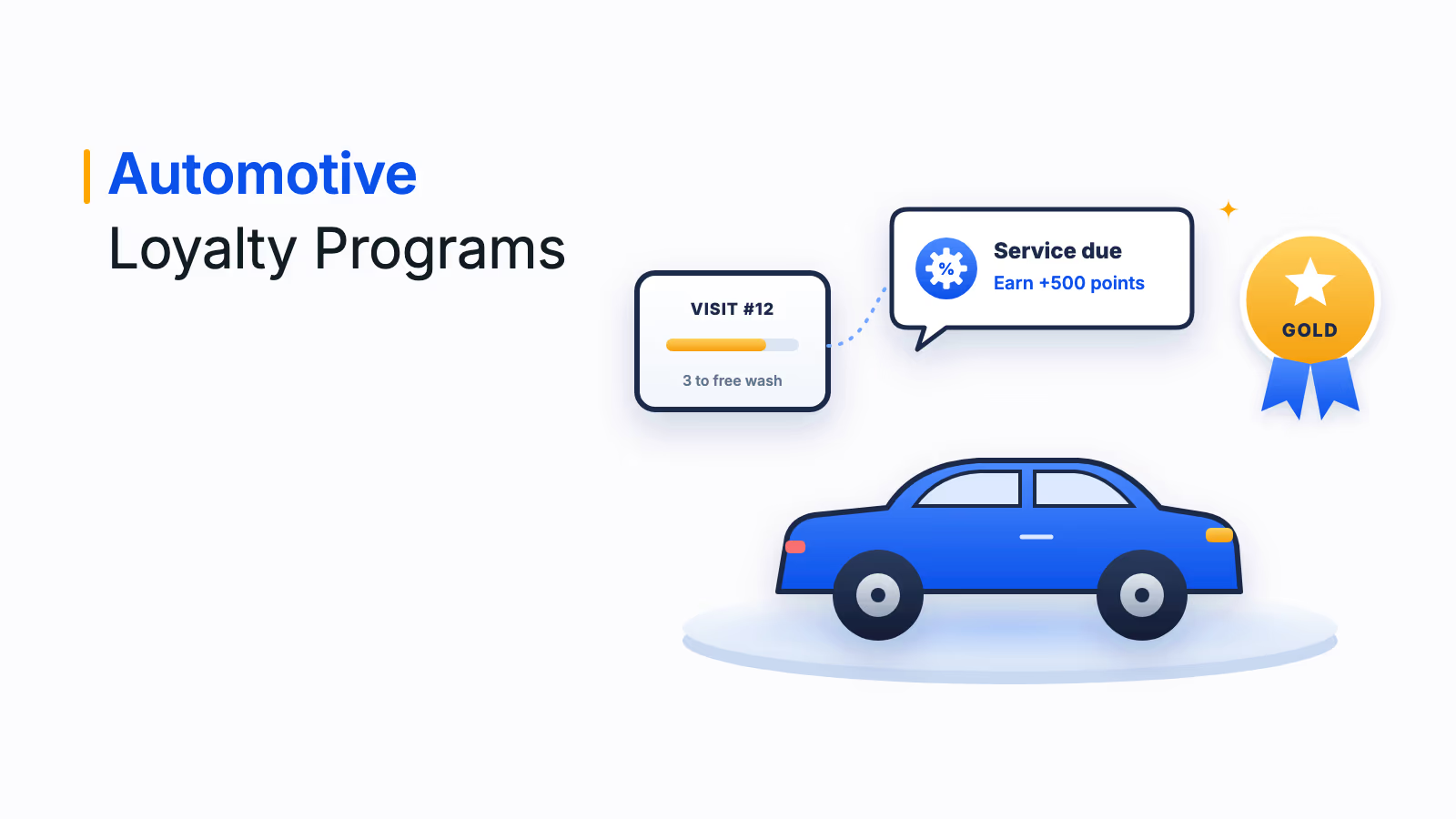
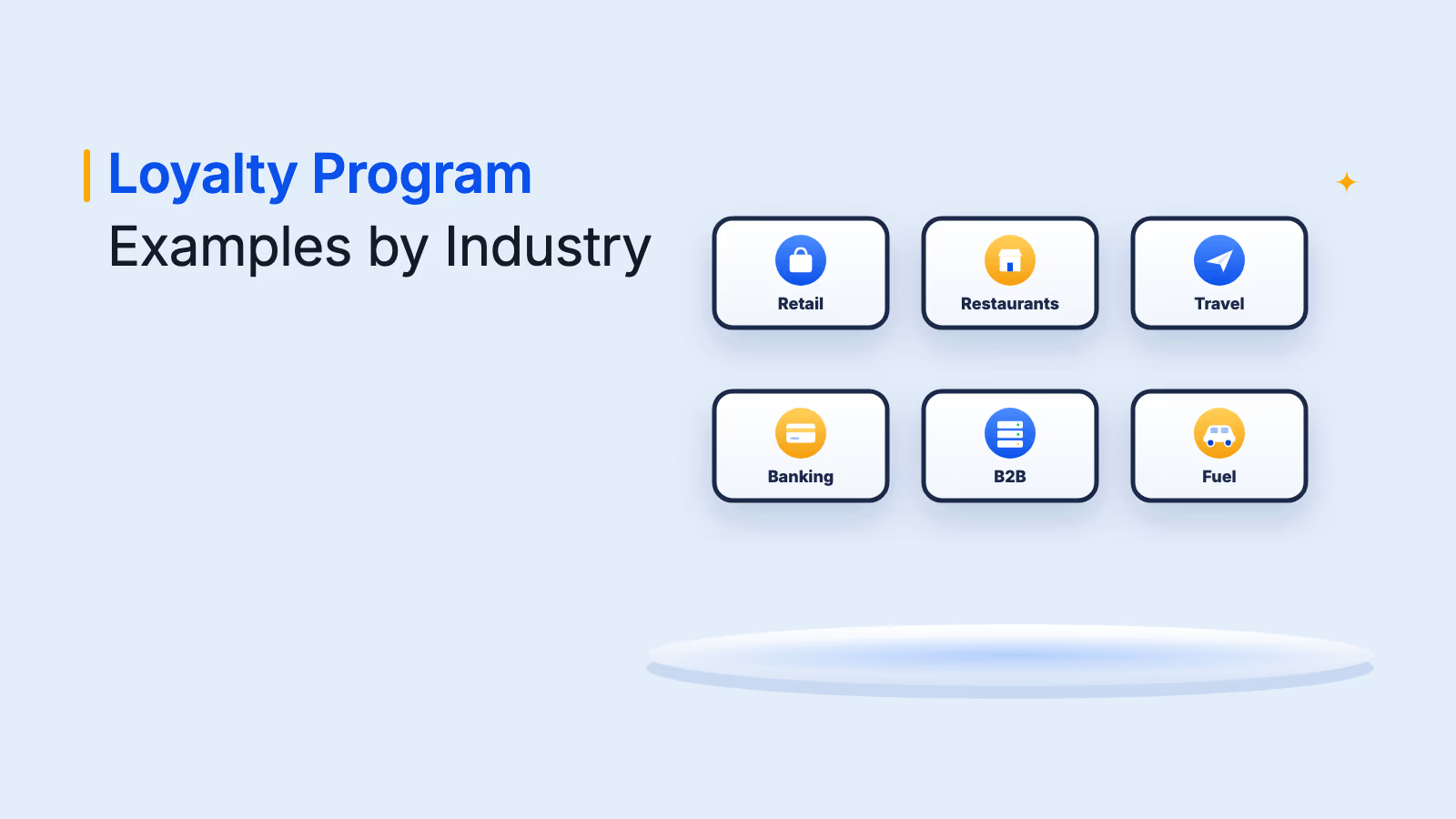
No, customer rewards can be applied across many industries. Service-based businesses, like spas, gyms, banks or software companies, can offer rewards for frequent visits, membership renewals, reviews or referrals. Any business that wants to encourage repeat interactions and build stronger customer relationships can benefit from implementing a rewards system.
Yes, gamification is a great way to make customer rewards more engaging. You can introduce elements like points, badges, levels or challenges that motivate customers to take specific actions and earn rewards. Gamified loyalty programs give customers more ways to participate beyond purchases and create excitement around earning rewards.
To keep your program fresh and engaging, review your rewards regularly, for example every quarter. Check which rewards customers redeem and which they ignore, then introduce seasonal offers, new types of rewards or limited-time incentives. This maintains customer interest and prevents the rewards from feeling stale.
Promote your rewards program through email marketing, social media, in-store displays, at checkout and on your website. Highlight the value of the rewards and make sure customers understand how to earn and redeem them. Regularly remind members of the rewards available to them to keep the program top-of-mind.