Key Takeaways
Dealers are the face of the brand, and a dissatisfied dealer can bad-mouth your product, promote rivals or quit altogether.
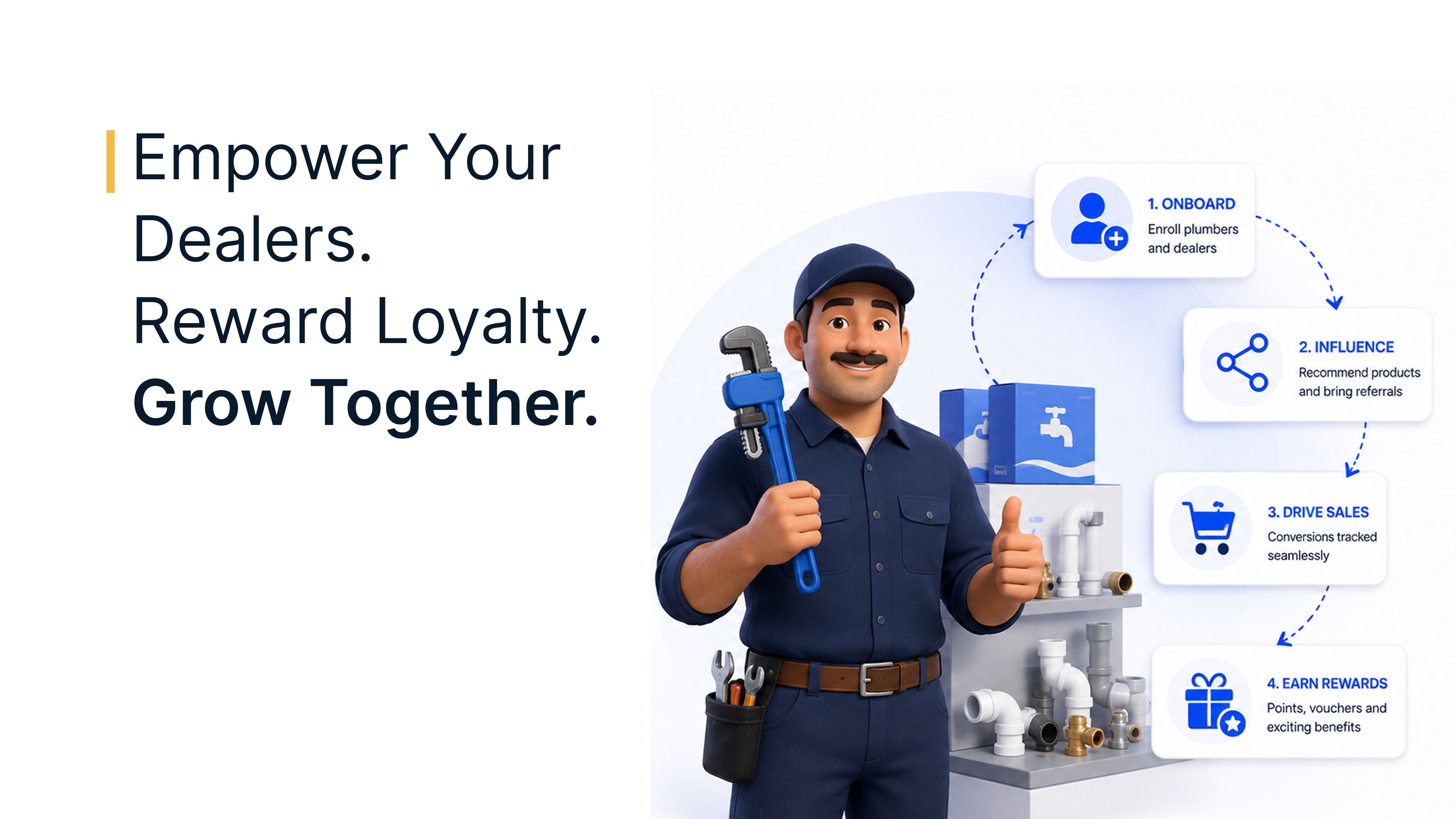
A dealer loyalty program uses structured rewards to motivate dealers, align partner behavior, lift performance and build lasting partnerships.
Start design with SMART goals, empathy for the dealer's journey and the end customer, then decide what and whom to incentivize.
Pareto's principle suggests the top 20% of your dealers may drive 80% of your sales, so prioritize rewardees accordingly.
Coaching, gamification, fair and simple rules, phased incentives for long sales cycles and the right tech keep dealers engaged.
A dealer loyalty program keeps the partners who sell your products on the front line motivated, aligned and loyal to your brand. This guide covers who needs dealers, why they matter, how to approach dealer incentive program design, the incentive types to choose from and dealer loyalty program examples you can learn from.
Who needs dealers? Anyone who needs a hand going to market
Manufacturers, providers and founder teams - with production as their core focus - are often not in a position to handle large-scale sales, distribution and market penetration on their own. Maintaining a large in-house sales team may not make for a financially sound decision either. That's typically when businesses turn to external help, seeking a partnership. In short, a dealer.
In sales lingo, dealers are also called 'channels'. Channel partnerships represent a sales strategy where a company outsources its sales targets and responsibilities to another company or individual. Since the company's own employees aren't directly involved in the sales process, channel sales is also referred to as indirect sales. Technically speaking, dealers are indirect channel salespeople for your business.
Examples of indirect channel sales
Any industry can take the indirect sales channel route to growth. Sectors that have traditionally leveraged it to great success include automobiles, insurance, pharmaceuticals, healthcare, FMCG, furniture, electronics and gadgets, beauty products and home care products.
Common avatars of indirect channel sales are auto dealers, resellers, white label resellers, franchisees, multi-level marketers, partners who sell for commissions, alliances who sell complementary products, brokers, vendors and agents. In the digital age, app stores, e-commerce marketplaces, affiliate marketing and channel partner portals are indirect sales channels as well.
From company to customer: tracing the distribution value chain
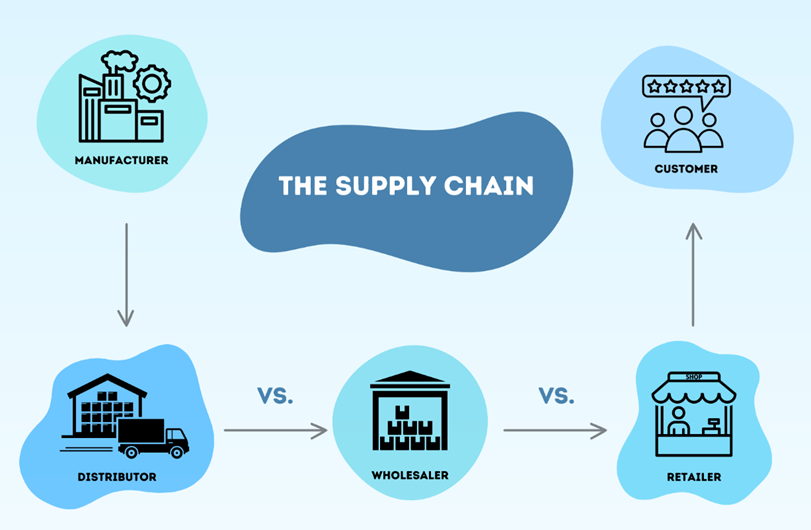
In the commerce supply chain, several actors progressively move the product from the manufacturing floor to the end user. In an interconnected digital age, these roles increasingly overlap.
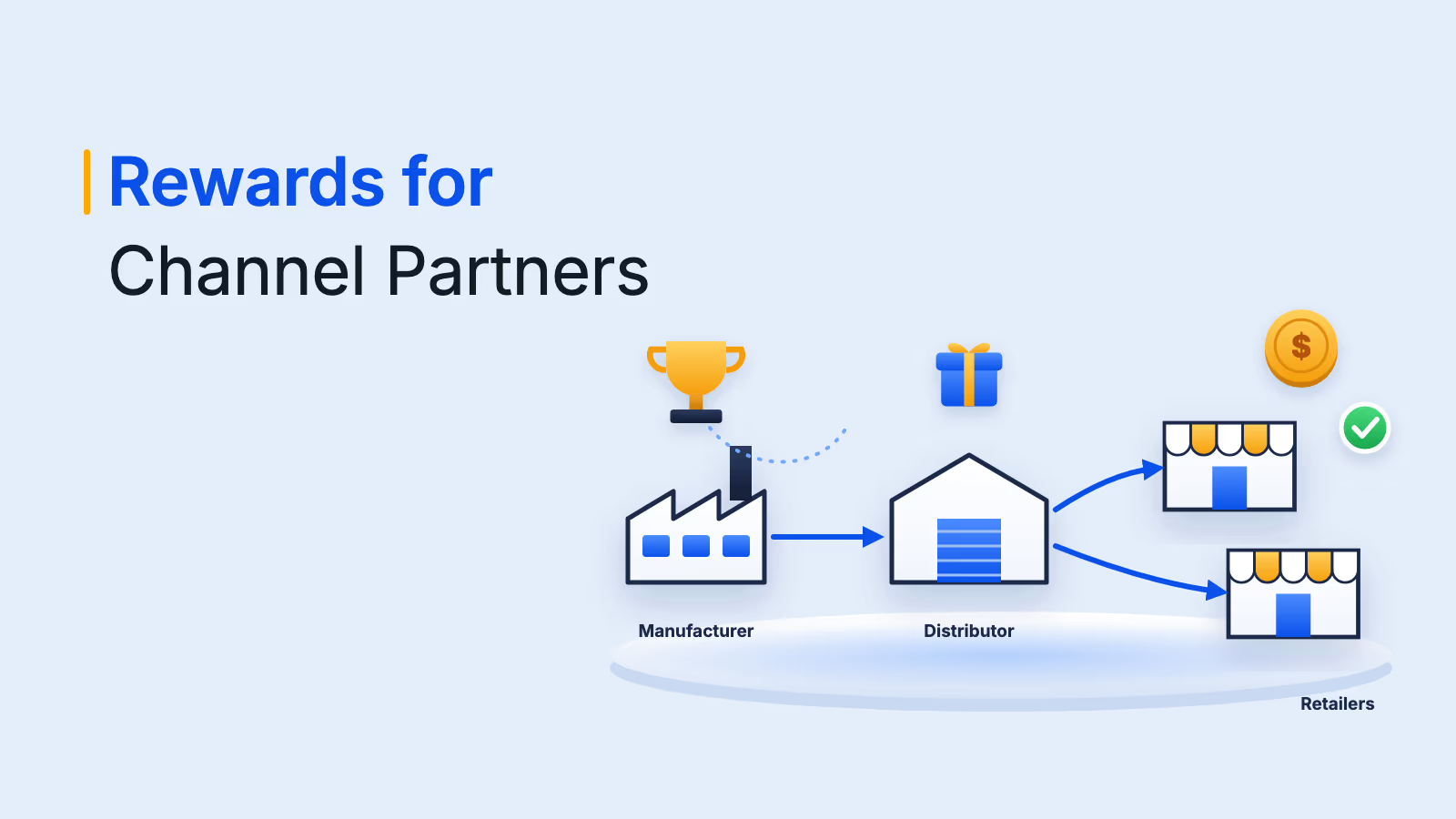
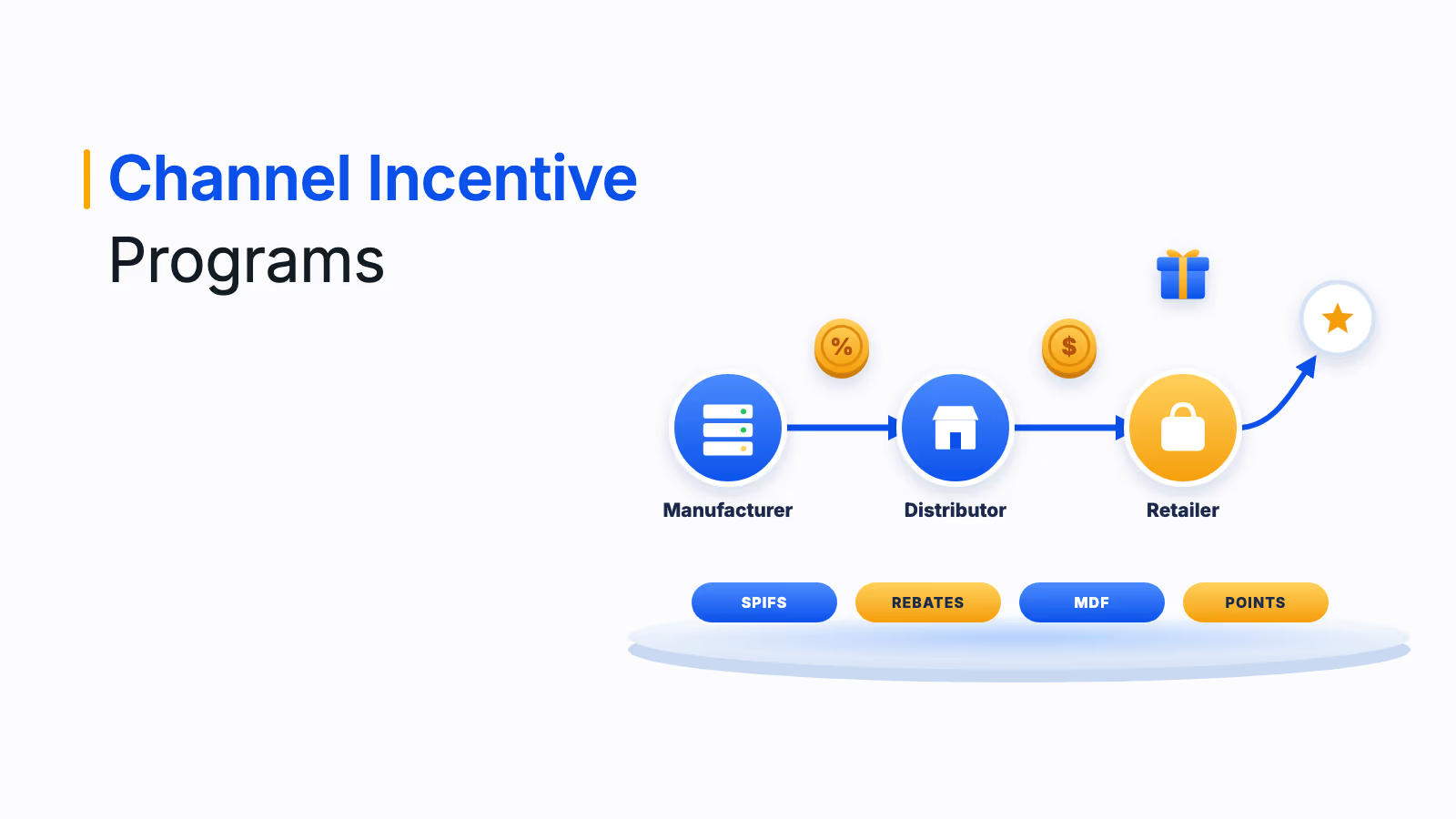
- Distributors buy products in bulk directly from the manufacturer and offload them in large chunks to wholesalers.
- Wholesalers buy inventory in bulk from distributors, store it in large warehouses, and supply smaller quantities down the chain to retailers and contractors.
- Retailers, also referred to as dealers, act as the final mile. They buy in smaller quantities and display products in showrooms, local stores or online marketplaces, from where they reach the end user. It is not uncommon for a dealer to skip the middlemen and buy directly from the manufacturer.
Unlike distributors and wholesalers, dealers have a distinctly B2C flavor to their role. They go to market every day, run their own independent businesses and customize logistics, finance, marketing and customer relations to the local business climate.
Why dealers are important to a manufacturer
Dealers: the face of the brand and the driver of its customer experience
Distributors and wholesalers usually have limited direct exposure to the public. Dealers and retailers, on the other hand, are the point of contact for the customer. They act as the face of the brand, and everything they do directly influences the customer's perception of it. For the manufacturer, dealers represent the X-factor that can make or break their go-to-market (GTM) game. Here's why.
- With their large networks and targeted reach, dealers make the product accessible to a much wider set of prospects and customers.
- With their pre-built trust, dealers 'transmit' credibility from them to the brand.
- Dealers use their deep understanding of local market trends and shifting demand to adapt pricing, inventory, in-store experience and packaging on the fly.
- Dealers offer smaller companies and bootstrapped startups a realistic shot at scaling revenue without the expense of hiring an in-house sales team.
- By controlling the last-mile relationship with the customer, skilled dealers can influence shopping behavior decisively, impacting sales momentum, volume and revenue.
- In certain industries, dealers provide after-sales service and support, such as maintenance, repairs and parts replacement.
- With their intimate local presence, dealers can act as a pillar of knowledge and trust for the entire community.
Given the heavy lifting they do, building strong relationships with dealers is a no-brainer for sales and revenue leaders. It is easy for a dissatisfied dealer to bad-mouth the product to customers, promote other brands in the category instead, or quit altogether. The solution? A dealer loyalty program or dealer incentive program.
What is a dealer incentive program?
A dealer incentive program, interchangeably referred to as a dealer loyalty program, is a sales and revenue strategy employed by manufacturers and brands. It uses structured rewards to motivate dealers, align sales partner behavior, build channel capacity, lift performance, get more ROI out of sales investments and build lasting partnerships. These rewards may be partially financed out of the organization's Market Development Funds (MDF).
The best dealer incentive programs acknowledge, recognize and reward effort, laying the foundations of a mutually enriching, long-term partnership. Astute managers position their dealers as brand heroes, using public recognition and compelling incentives to turn dealers into sales drivers and profit centres.
Brands are investing more in this area. According to the Incentive Research Foundation's 2025 industry outlook, 59% of North American organizations expected reward and recognition budgets to rise in 2025, and channel programs lead expectations for merchandise growth, with 60% predicting an increase.
Benefits of a dealer loyalty program
A well-run dealer incentive program helps you:
- Sell more and optimize sales efforts.
- Clear out slow-moving stock and push specific products selectively.
- Prioritize your products over rivals' and enhance brand visibility.
- Empower partners with better product knowledge.
- Identify gaps, gather data and refine strategy.
- Widen market coverage and increase market share.
- Support special initiatives like product launches.
- Convert partners into trusted supporters and advocates, and attract the best dealer talent.
Beyond these, four benefits stand out:
- Goal alignment: Be it territory expansion or a new launch, a thoughtfully crafted dealer loyalty program ensures everyone faces the same direction.
- Performance amplification: Motivating your best dealers keeps them charged and nudges them towards better results. Dealers who cannot afford perks for their workers will particularly appreciate a program that lets them reward their team.
- Better channel quality: A compelling, fair and well-structured program makes the brand the preferred choice of top dealers in the category.
- Community building: Well-built dealer loyalty programs go beyond the transactional, fostering a sense of belonging that unites members and pays off in both PR and profits.
Build a dealer loyalty program that works
Tiers, schemes, invoice capture and rewards for every dealer in your network.
Talk to our ExpertTrusted by 5,000+ companies
Dealer incentive program design: the blueprint
Ask any team lead how hard it is to keep employees motivated towards targets. Now imagine stimulating dealers - people who aren't on your payroll and may be miles away from your office. And yet, great companies consistently pull it off with dealer incentive programs, proving there's a method to it.
Like all stakeholders in business, dealers crave recognition. But your dealers are probably being wooed by other brands at the same time. To stand out, your dealer loyalty program must represent unique, genuine and consistent value. That means hitting the right blend, intensity and cadence of incentives and rewards. Here's a list of proven to-do's to help you build your own.
1. Start SMART: specific, measurable, achievable, relevant, time-bound
The expectations you set at this stage will inform the structure, criteria and guardrails for the entire program, so remove guesswork and put a number to every point.
- Specific: What should the program achieve - buyer acquisition, retention, sales volume, territory expansion or ROI? How often will you reward outcomes (monthly, quarterly, annually)? Will you incentivize dealers locally, regionally, nationally or globally? What are the eligibility criteria, the behaviors you want to accelerate, the tools you need, the owners and the budget? Remember that the program will impact dealer profitability, margins and pricing strategy, so factor them into your budget.
- Measurable: Track financial, engagement and dealer satisfaction metrics. Decide upfront how you will capture, calculate and report them, and whether you have an easy-to-use dashboard.
- Achievable: Strike a balance between achievable and ambitious to keep complacency at bay. Anticipate hurdles and plan how to overcome them.
- Relevant: Make sure the program is consistent with the long- and short-term objectives of your business.
- Time-bound: Decide what time horizon the program gets to prove itself.
Common KPIs for measuring dealer incentive programs include member acquisition rate and cost, participation rate, engagement rate, retention and churn rate, purchase frequency, upsell rate, average order value, dealer lifetime value and program ROI.
2. Empathize with your dealer's journey
Your dealers are the primary target of your dealer incentive program, so that's where you must begin. The better you understand what they want, the better you can plan for outcomes that benefit both parties. And the best way to do that is to simply ask. What are their pains and challenges? Where do they need support? How can an association with your company help?
One-on-one sessions, group meetings, surveys, feedback forms and partner forums are all ways to get into your dealers' minds and prepare a blueprint that draws directly from their context and preferences.
3. Don't forget the end customer
At the end of the day, it's your customers who feel the ultimate impact of your dealer incentive program. The better you understand their needs and preferences, the better you can design a program that prioritizes the customer value proposition and delivers data-driven, seamless and personalized interactions.
4. Know what to incentivize
Which actions should be mapped to rewards? Specific milestones, dealer behavior, brand visibility, customer experience, activities like deal registration and product demos, bottom-of-the-funnel achievements such as upselling, cross-selling and renewals, or overall growth and profits? Great dealer loyalty programs look beyond finish-line performance and reward the pre-sales behaviors that correlate strongly with results.
5. Know whom to incentivize
A company may sell through an extensive dealer network, but that doesn't mean it needs to include every dealer or incentivize every participant equally. Pareto's principle suggests the top 20% of your dealers may drive 80% of your sales, so prioritize your rewardees accordingly. Then zoom in on the roles where incentives will move the needle most: dealer leaders and managers, their frontline staff, your own team running the program, or all of them.
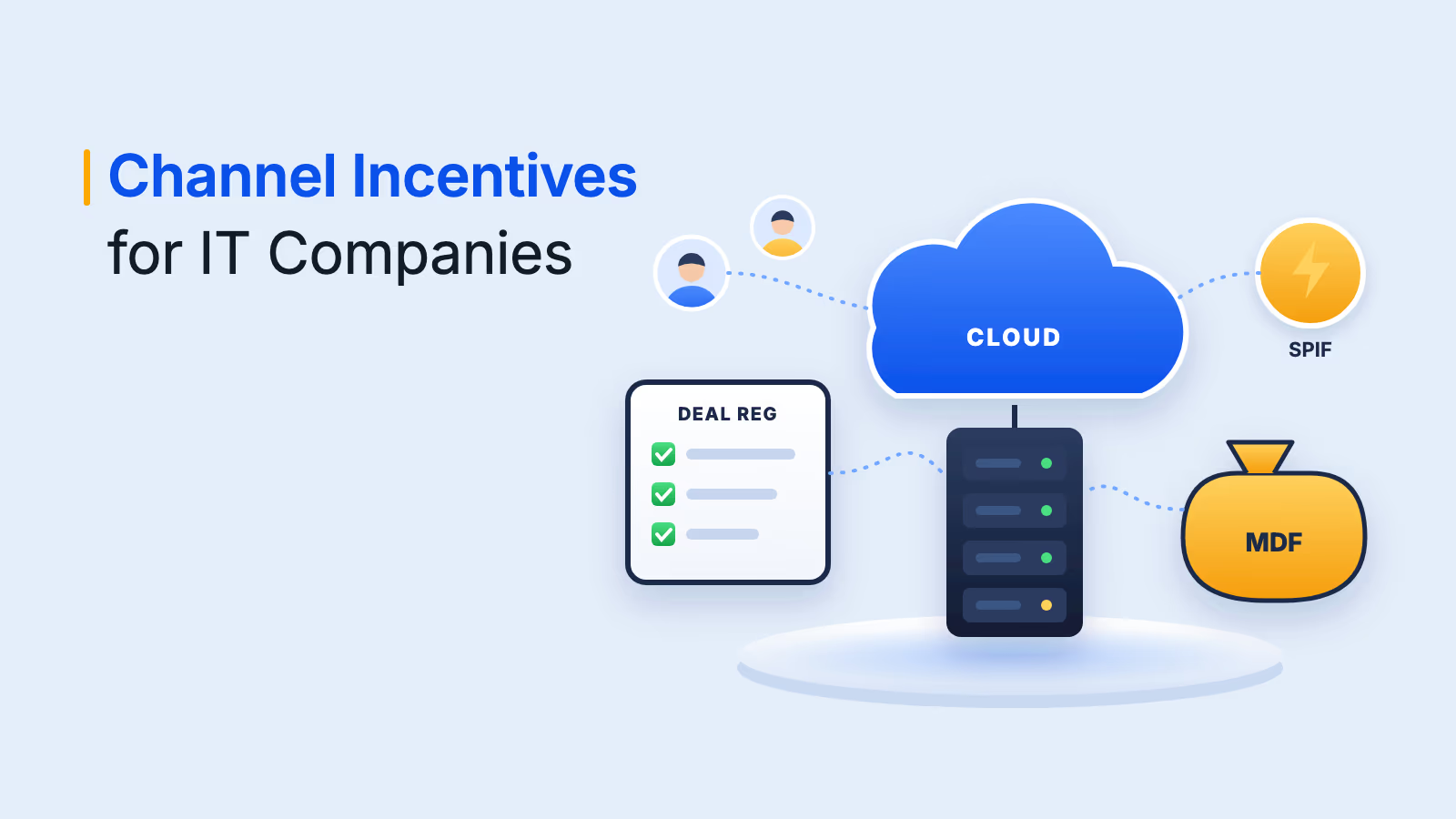
For a deeper look at incentive structures for tech partners, read our guide to modern channel incentive programs for the IT industry.
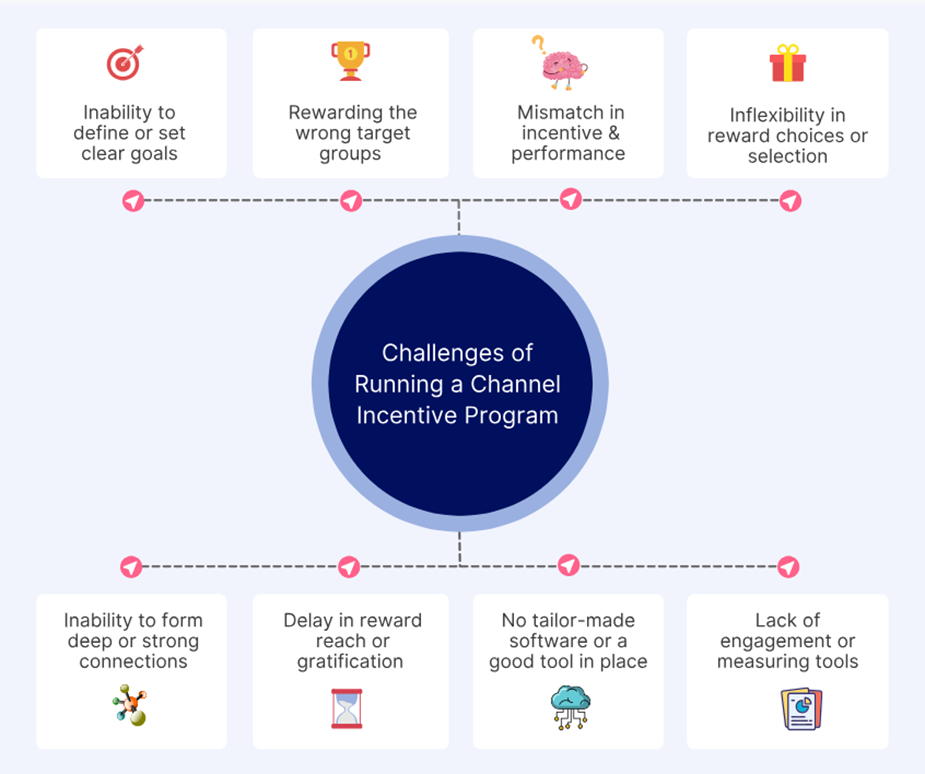
Challenges in running a high-performance dealer incentive program
When should you deploy a dealer loyalty program?
- When business is launching: An external force can provide the all-important initial push.
- When sales are sluggish: An experienced dealer network can plug the gaps and add strategic firepower.
- When profits are soaring: Motivate your dealers to multiply the momentum.
- When ROI is low: Ready-made networks can help you bypass the expenses of in-house teams.
- When warehouses are overstocked: Dealers can selectively drive sales of slow-moving products.
- When entering new markets: Dealers can leverage local market knowledge to introduce your product to new buyers.
Downsides of relying solely on dealer channels
- Distance from customers and therefore less control over customer experience.
- Less direct exposure to the market and therefore less data about trends, what's working and what isn't.
- Low agility, because scattered dealer networks often take time to realign and pivot to change.
Channel dealer incentive types at a glance
Here are the proven dealer incentive formats you can combine to activate a meaningful partner strategy. For a detailed breakdown of each with examples, see our guide to channel incentive programs.
| Incentive type | How it works |
|---|---|
| Performance-based incentives | Rewards rise with preset yardsticks such as sales volume, customer acquisition or revenue; includes milestone payouts, surprise bonuses and year-end loyalty funds |
| SPIFs | Sales Performance Incentive Funds paid to the dealer's managers or frontline reps for hitting short-term targets |
| Rebates | Post-transaction cashback for dealers who cross a purchase or sales threshold (rebates and refunds) |
| Free samples and demo units | Discounted or free demo units that help dealers showcase the product and convert prospects |
| Product bundling | Complementary products packaged together so dealers can upsell and clear inventory faster |
| VAR incentives | Rewards for value-added resellers who repackage and resell products with extra software or features |
| Deal registration and referrals | Rewards for registering or referring qualified leads, with protected time to close |
| Training and education | Rewards for completing courses, certifications, demos and workshops |
| Volume discounts | Special pricing for dealers who buy in bulk |
| Marketing funds (MDF and co-op) | A share of promotional budgets to fund dealers' local advertising and marketing |
| Retention and loyalty | Rewards for long-standing, high-performing dealers who stay with the brand |
| Awards and accolades | Public recognition of top performers to lift morale and pride |
| Travel and merchandise | Trips and branded merchandise that build pride and community |
| Activity-based incentives | Rewards for success behaviors such as prospecting, CRM use and submitting warranty registrations or invoices |
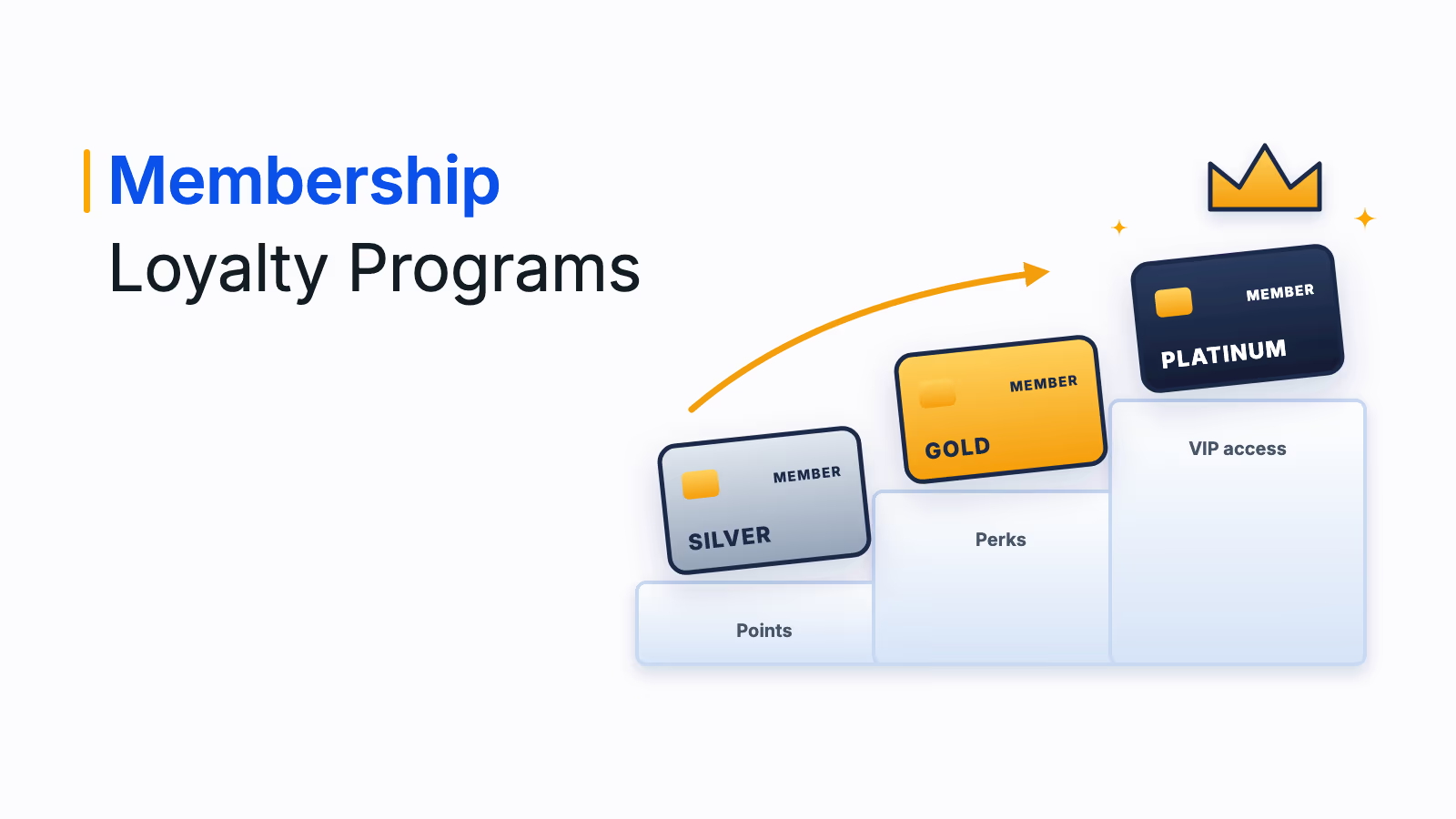
| Tiered and points-based incentives | Points earned on agreed parameters and redeemed for rewards, with higher tiers unlocking richer privileges |
Dealer rewards and incentives: what makes a reward great
Rewards are the backbone of a dealer incentive program, and this is not a one-size-fits-all play. Use pulse surveys and feedback to understand the extrinsic and intrinsic motivational triggers of your dealers, and categorize rewards by role and hierarchy. Leaders inside dealer organizations tend to prefer meaningful recognition and personalized experiences, while frontline executives tend to be happier with cash and gadgets. Rewards should also sync with the behavior they are expected to trigger, and be flexible, scalable and tailored.
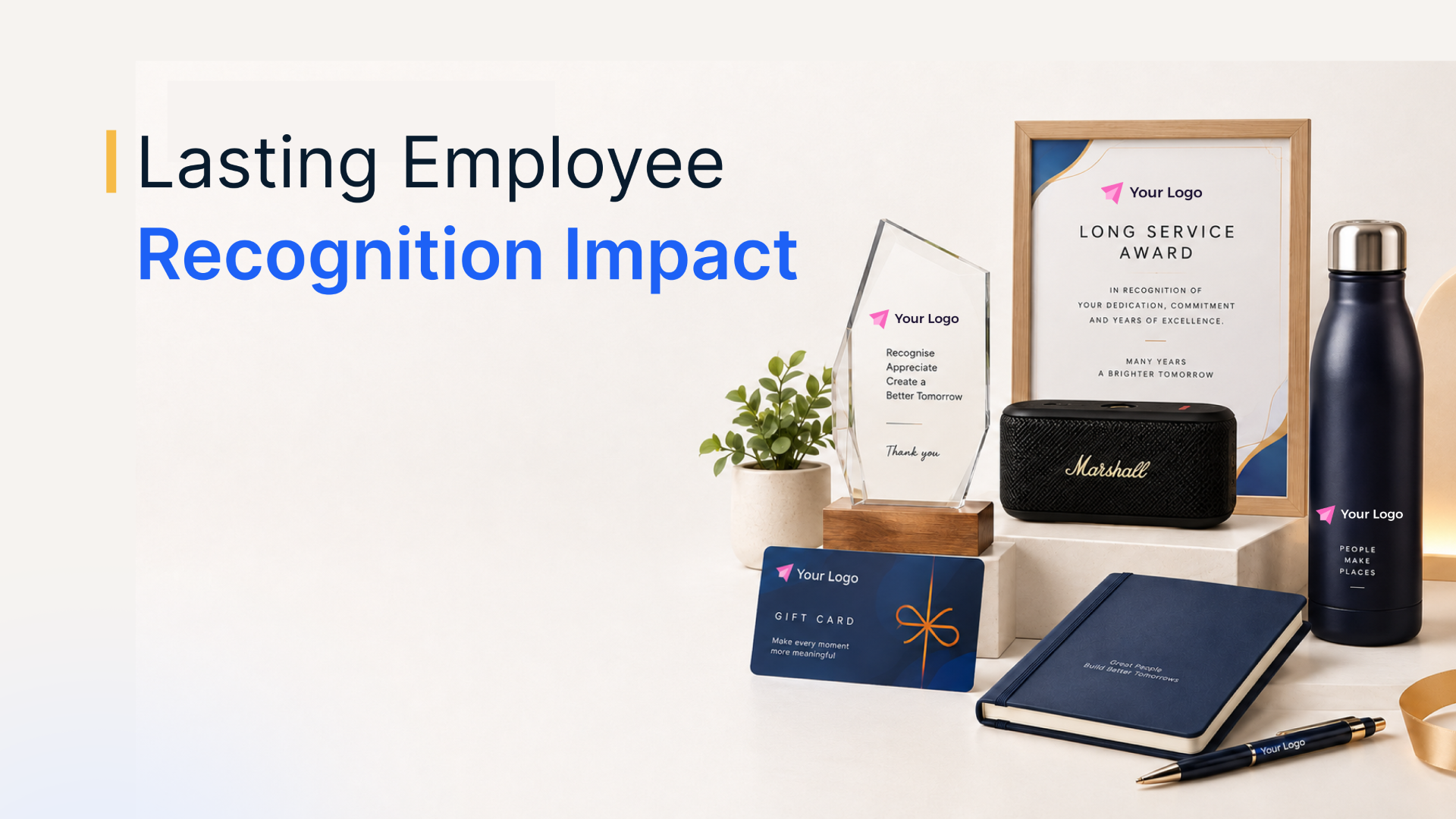
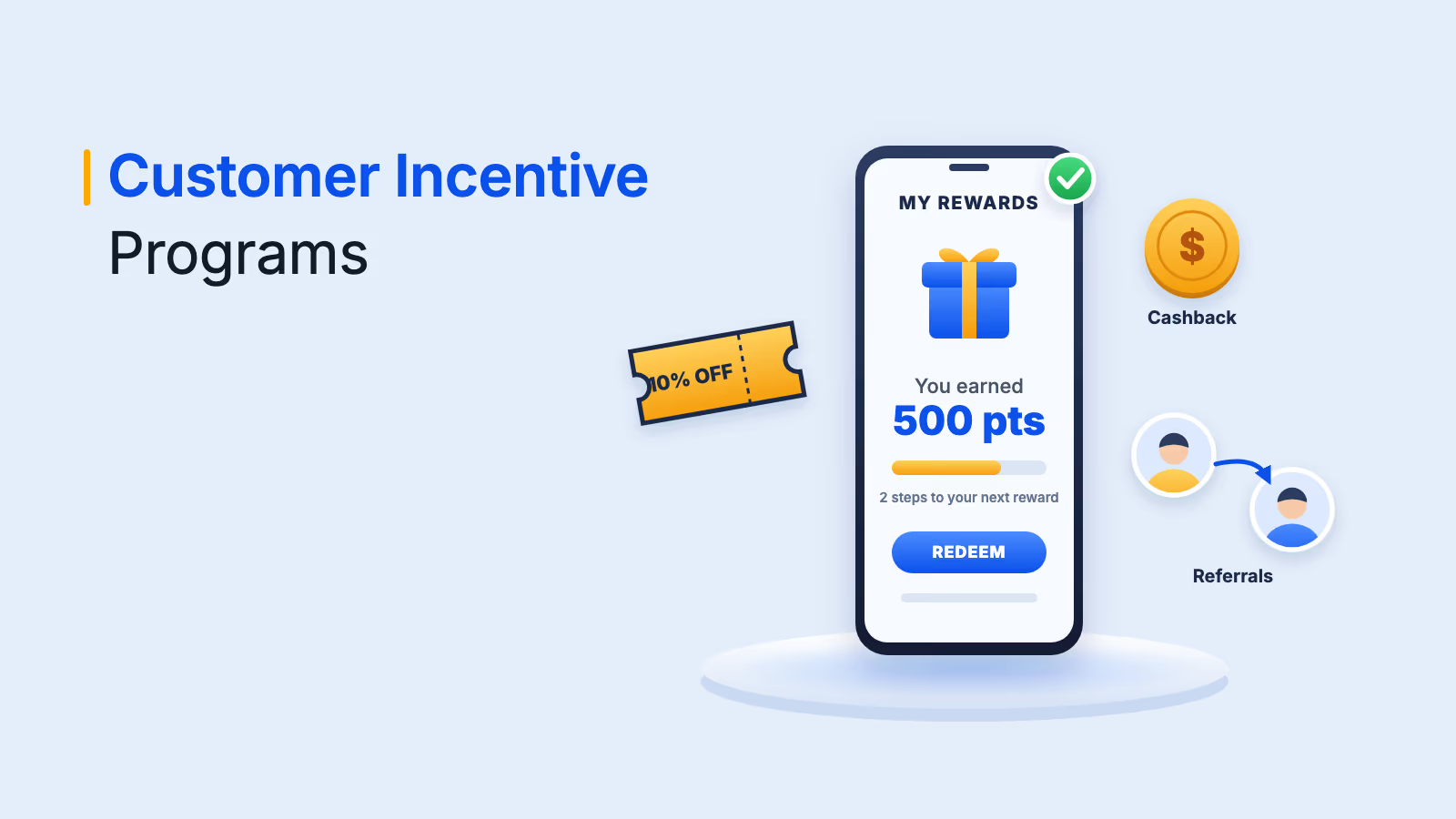
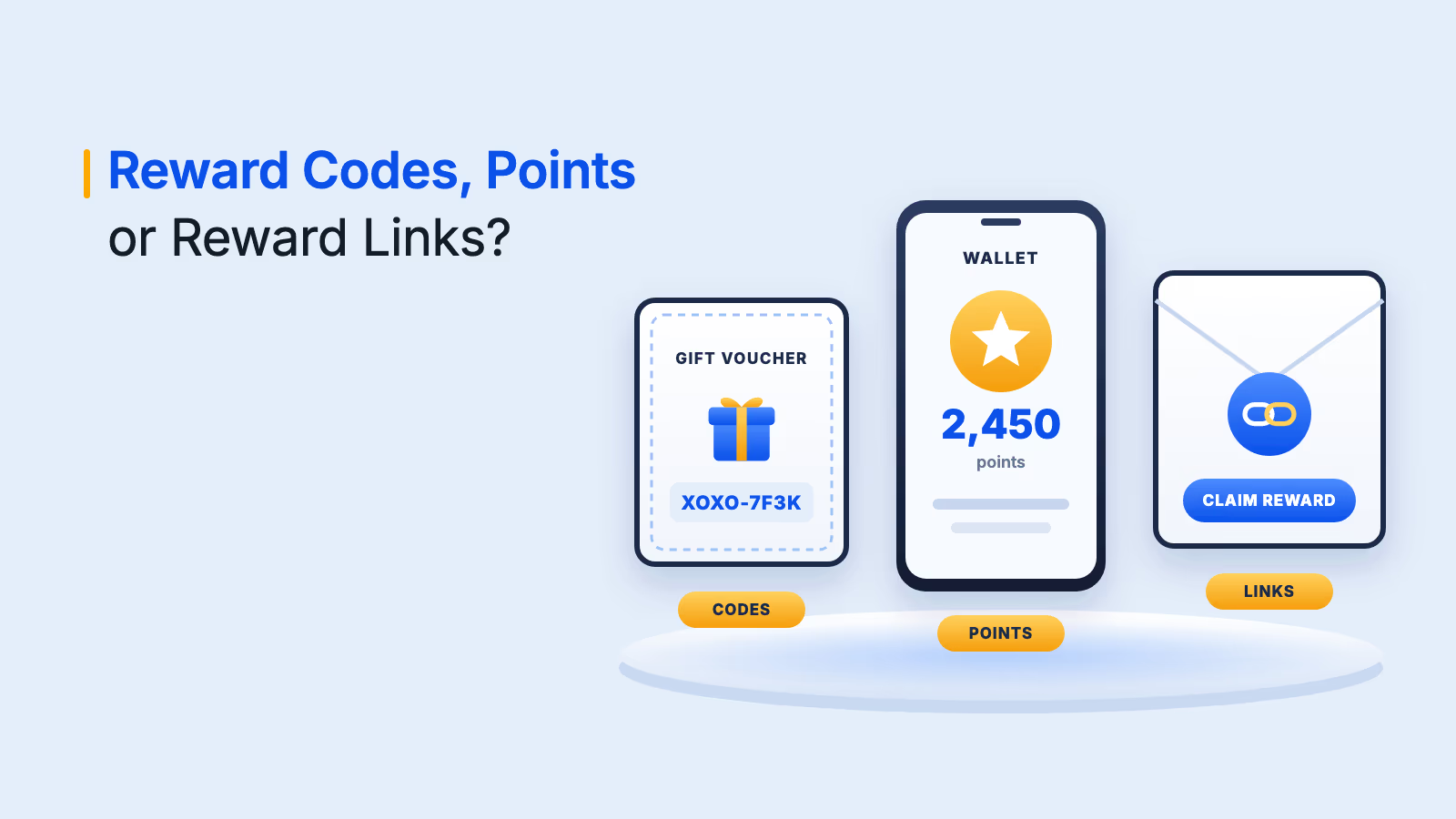
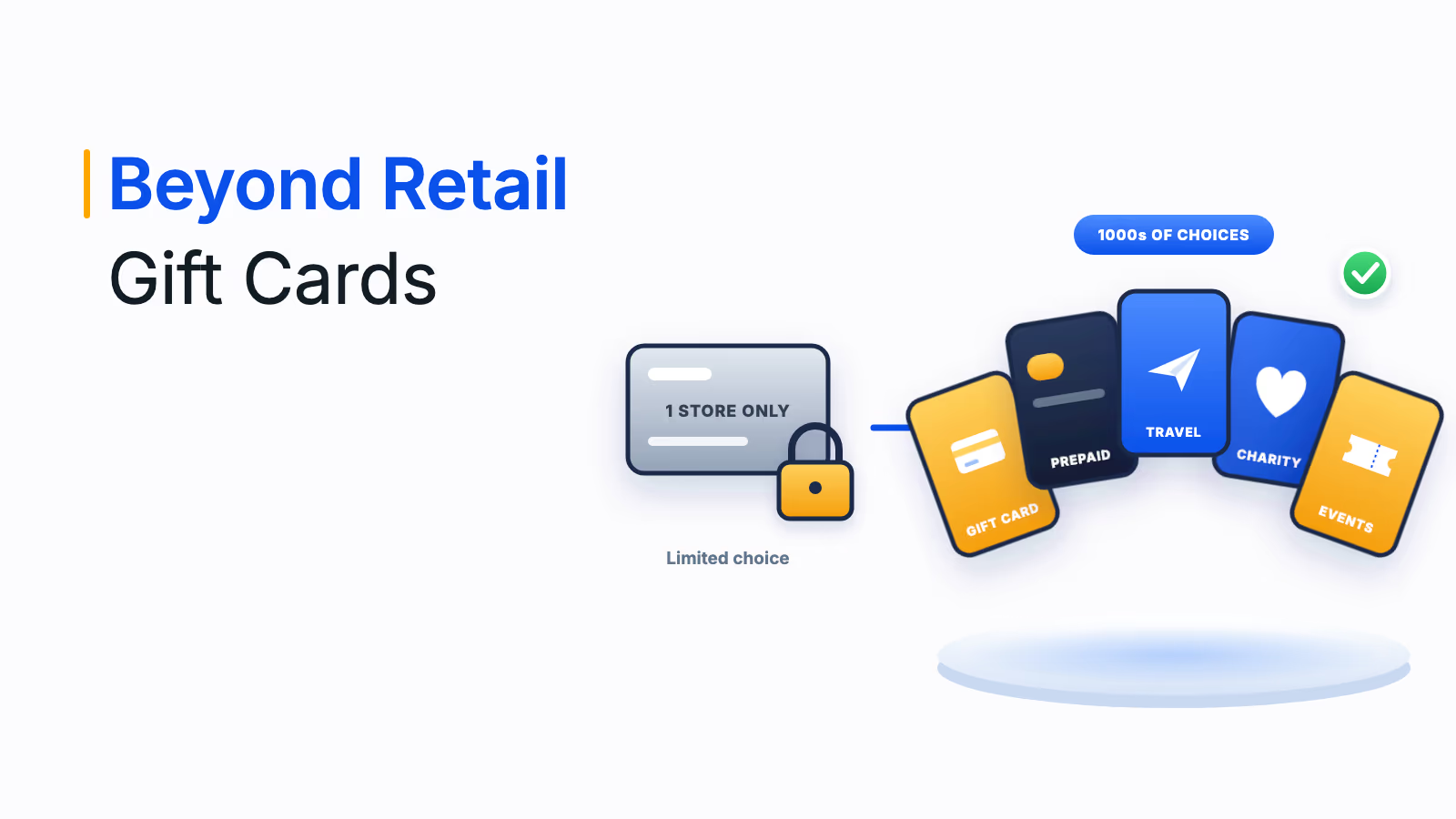
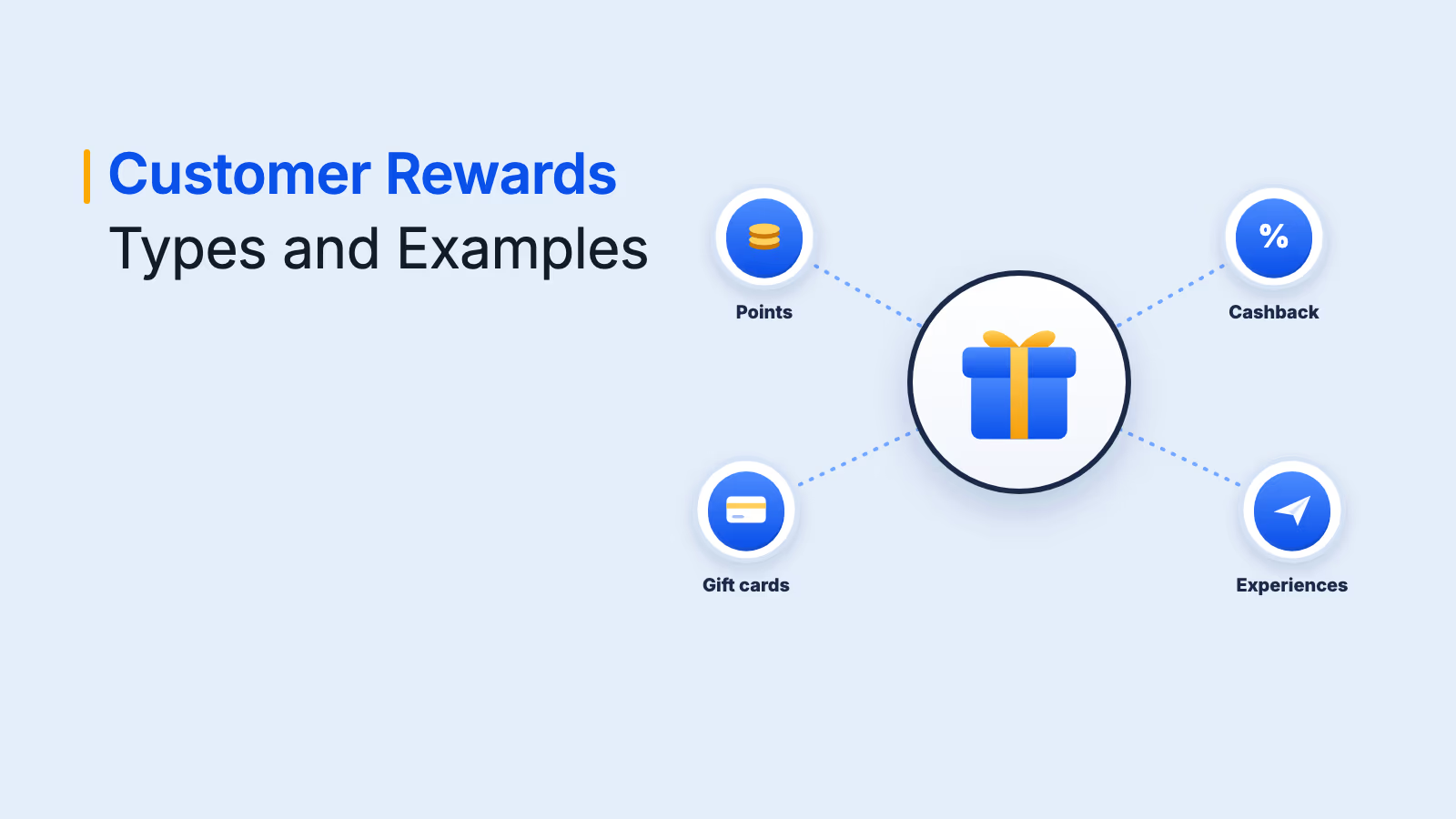
Popular dealer rewards include cash bonuses, rebates, gift cards, exclusive merchandise, travel, events, early access to launches, titles and certificates, marketing support and co-op funding, and coaching. A global catalog such as the Plum reward marketplace lets dealers choose what they value most.
Dealer loyalty program ideas and design tips
Here are proven dealer loyalty program ideas to help you sidestep the common traps.
1. Bridge the gap
Dealers aren't employees. A dealer's primary allegiance is to their own business, so their own customers and profits will always come first. The real task of a dealer loyalty program is to shift some of that allegiance over to the manufacturer, with a sustained mix of monetary and non-monetary gestures.
2. Coach, coach, coach
Dealers juggle multiple brands and countless customer accounts, so they may only partly understand your product, especially the complex parts or recent updates. Plug strategic training into multiple points of your program - webinars, offsites, self-paced tutorials - test it with gamified quizzes, and reward partners who make a genuine effort to learn.
3. Always be communicating and promoting
Maintain direct, frequent communication through WhatsApp, email, social media and newsletters. Promote your program actively: remind dealers of the privileges of participation, invite feedback, address concerns quickly, personalize messaging and share success stories.
4. Adrenalize with gamification
Gamification taps into the human urge to compete and solve challenges. Add contests, leaderboards, progress bars and badges to your dealer loyalty program for sticky, sustained engagement.
5. Keep dealers close, but rivals closer
Barring the most loyal ones, dealers are free agents who may switch camps for a better offer. Monitor your competitors' activities and keep reassuring partners that an association with you is worth their while, so their outlets are stocked with your brand, not a rival's.
6. Keep it fair and simple
Apply rules consistently and transparently, and make incentives equally accessible to all eligible dealers, including average performers who need help to level up. Keep instructions simple, benefits clear and participation easy. Before launch:
- Control spends: Consider a variable compensation curve where, beyond a point, incremental rewards decline to keep payouts in check.
- Stay compliant: Make sure the program complies with applicable laws and regulations.
- Secure approvals: Get buy-in from senior leadership, finance and dealer leadership teams.
7. Use phased incentives for long sales cycles
In industries with multiple buyer stakeholders and complex purchase processes, closure cycles can be long. To keep dealers motivated, break the larger prize down and map it to intermediate activities such as demo registration, lead generation and deal closure. Where several people on the dealer's side contribute to a deal, make sure rewards are proportionate to each person's effort so incentives bring the team together instead of creating rifts.
8. Go omnichannel and run parallel campaigns
Buyers now move across many online platforms, so your program must work across digital channels too, with training for dealers less familiar with new tools. You also don't need to restrict yourself to one program: segment channel partners and run separate campaigns for each group.
9. Involve dealers in planning
Invite key partners to joint planning sessions. Your strategy gains actionable inputs, and your partners feel valued, resulting in closer bonds.
10. Unlock the power of tech
Dealer incentive programs, with their layers and variations, aren't always easy to manage. The right platform lets you track dealer behavior in real time, adjust budgets, messaging and incentive amounts on the go, introduce new offers anytime, spot hidden opportunities and keep partners engaged. Pick one that's easy to use and integrates smoothly with the systems you already use.
11. Stay consistent and go beyond transactions
It takes time for the moving parts of a dealer incentive program to fire in unison. Be patient and don't waver from promises made; trust is difficult to mend once dented. And while money is the big incentive for most partners, it isn't the only one. The chance to contribute to a well-known brand's mission and recognition by media, peers and community also act as a spur. Build these into your program to create moments that truly matter to partners.
Dealer loyalty program examples
- IKO's ROOFPRO program: IKO's ROOFPRO program for roofing contractors has three tiers. Higher tiers unlock bigger rebates on qualifying shingle and accessory purchases, marketing funds, extended warranties, VIP events and partner discounts with third-party providers that support members' businesses.
- AWS Partner Network: Through the APN Customer Engagements (ACE) program, partners who drive business to AWS can access Marketing Development Funds and Partner Opportunity Acceleration Funds, alongside the wider set of AWS partner programs.
- Cisco 360 Partner Program: In 2026, Cisco's partner program moved to Cisco 360, phasing out its long-running Value Incentive Program (VIP) and introducing a Cisco Partner Incentive and Partner Value Indexes that measure the value partners deliver.
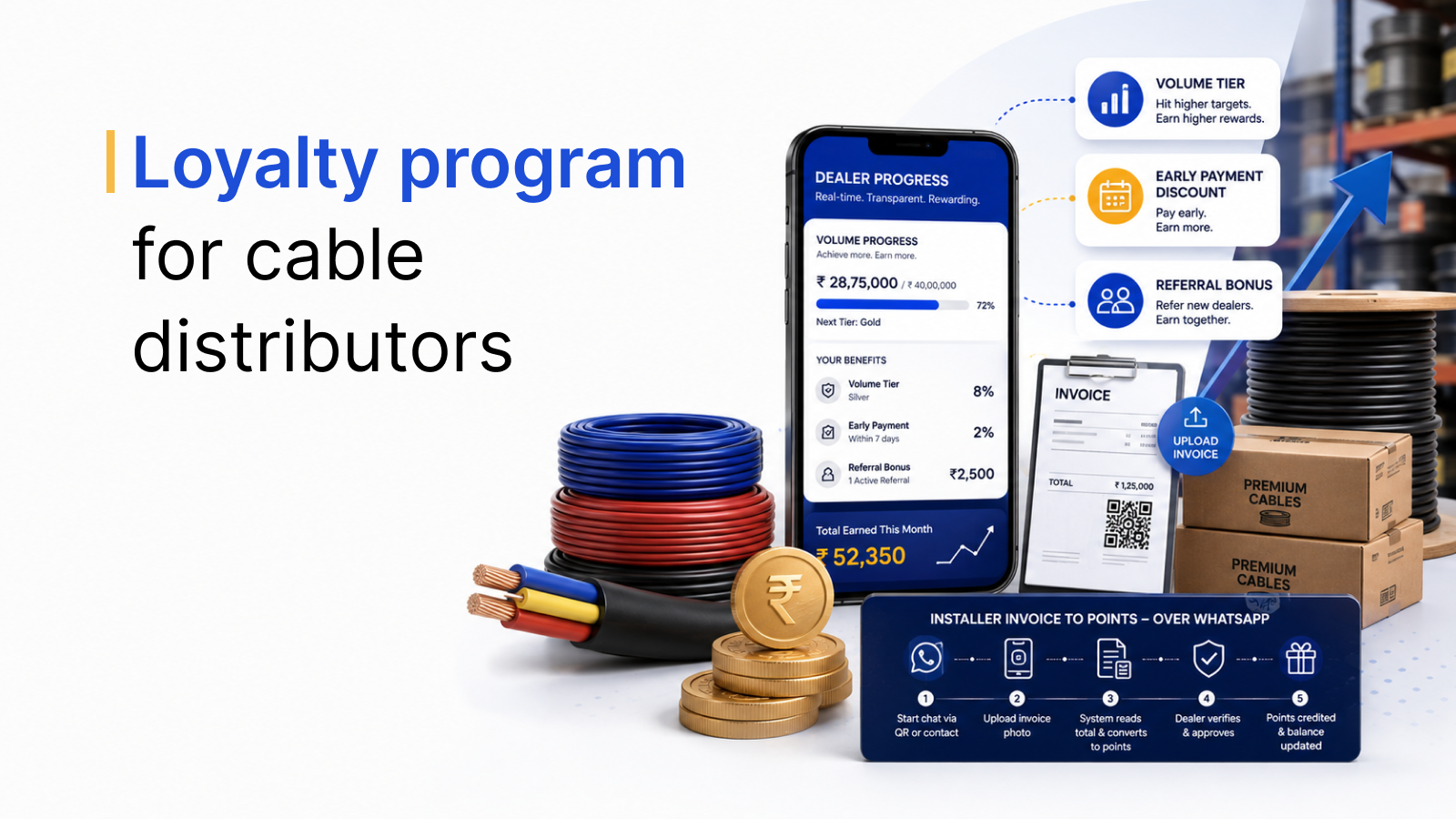
For industry-specific playbooks, see how a dealer loyalty program works for cable and wire distributors and our B2B channel loyalty blueprint.
Reimagine your dealer loyalty program with Xoxoday Loyalife
A dealer loyalty program works when the right incentives reach the right dealers at the right time, and when you can see what's working. Loyalife's channel loyalty programs help you onboard and segment dealers, capture invoices and sales through DMS, ERP, CRM, POS or OCR, set scheme logic with a rule engine, reward progression with tiers, and track scheme performance and redemption in reports and insights.
To learn more about building partner loyalty at scale, read our guide to channel loyalty programs. Ready to design yours? Book a demo to see how Loyalife can power your dealer loyalty program.