Key Takeaways
A loyalty points program lets customers earn points for purchases and other actions, then redeem them for discounts, products or experiences.
Points, tiered and paid programs are the main structures, and many brands combine points with tiers.
Starbucks, Sephora, Amazon Prime and Nordstrom show how tiers, apps and partner cards keep members engaged.
An effective program needs clear objectives, a simple point structure, appealing rewards, personalization and easy access.
Running a program means planning, implementing across channels, tracking KPIs and fraud, and refreshing offers over time.
Customer loyalty can be the difference between a thriving business and one that struggles to keep customers coming back. With so many choices out there, it's crucial to give your customers a reason to stick with you. A loyalty points program can be that reason, turning one-time shoppers into repeat buyers who feel valued and appreciated.
A well-thought-out loyalty points program isn't just about giving away rewards; it's about building a lasting connection with your customers.
When customers see that their loyalty is recognized and rewarded, they're more likely to keep choosing your brand. And as they do, your business benefits from increased sales, repeat purchases, and a stronger customer relationship.
In this blog, we'll explore how to create a loyalty points program that truly works. From understanding the basics to learning from companies that have done it right, you'll get the insights you need to start building a program that keeps your customers coming back for more.
What is a loyalty points program?
Loyalty points programs are a powerful tool for businesses looking to build long-term relationships with their customers. At their core, these programs reward customers for their repeat business, encouraging them to choose your brand over others.
A loyalty points program is a system where customers earn points for specific actions, like making purchases, referring friends, or engaging with your brand online. These points can then be redeemed for rewards, such as discounts, free products, or exclusive experiences. The goal is to create an incentive for customers to continue doing business with you.
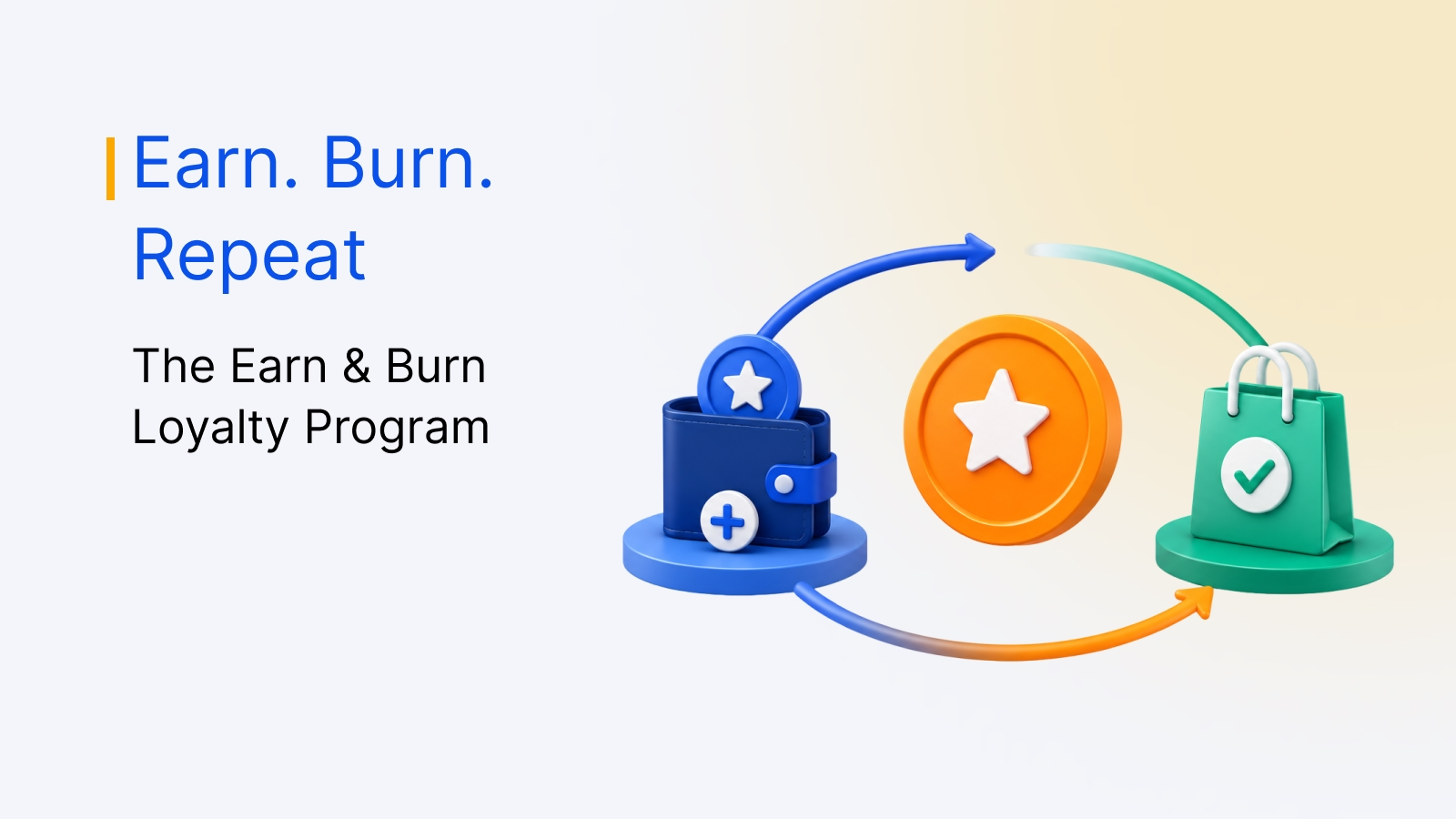
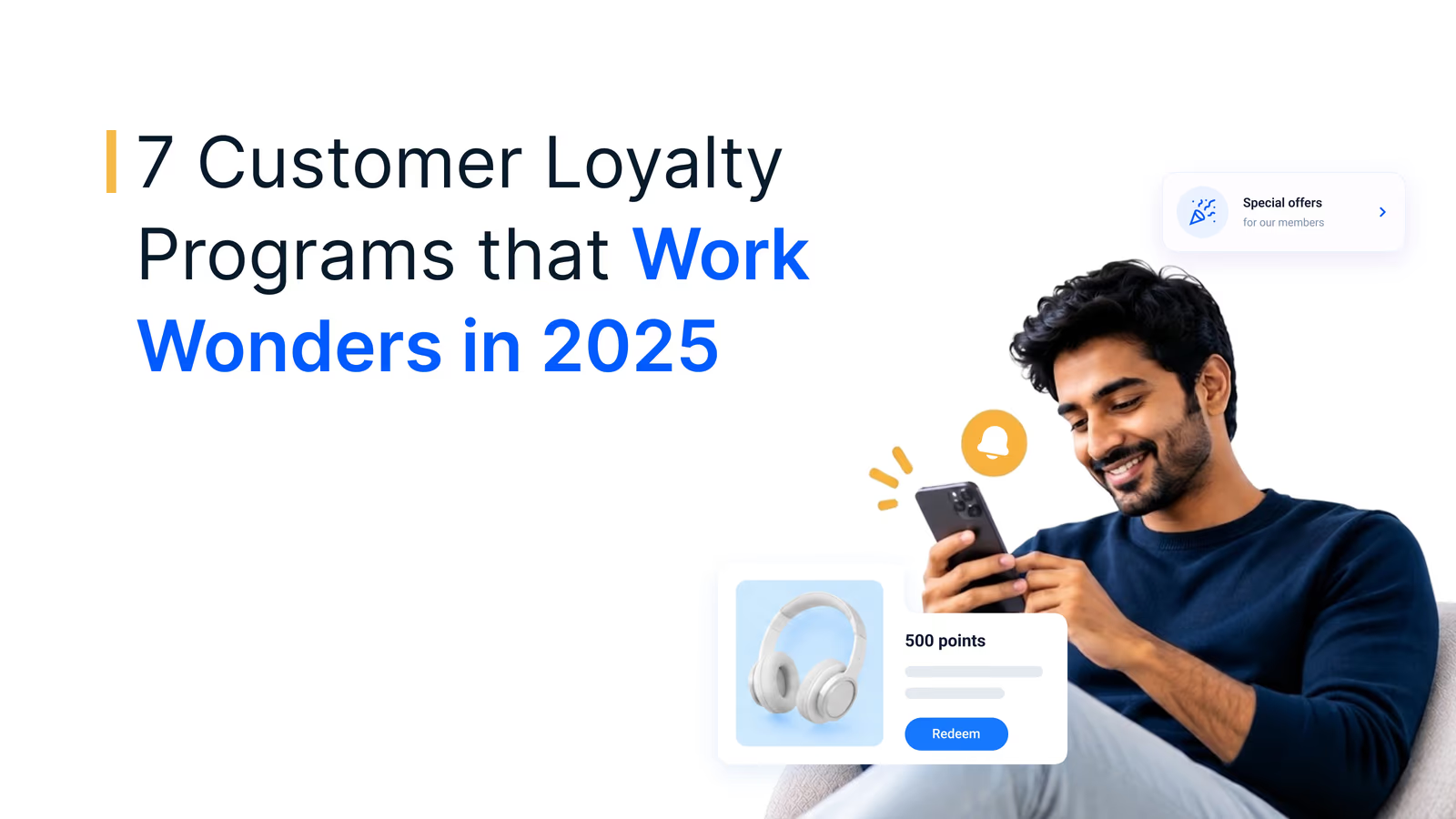
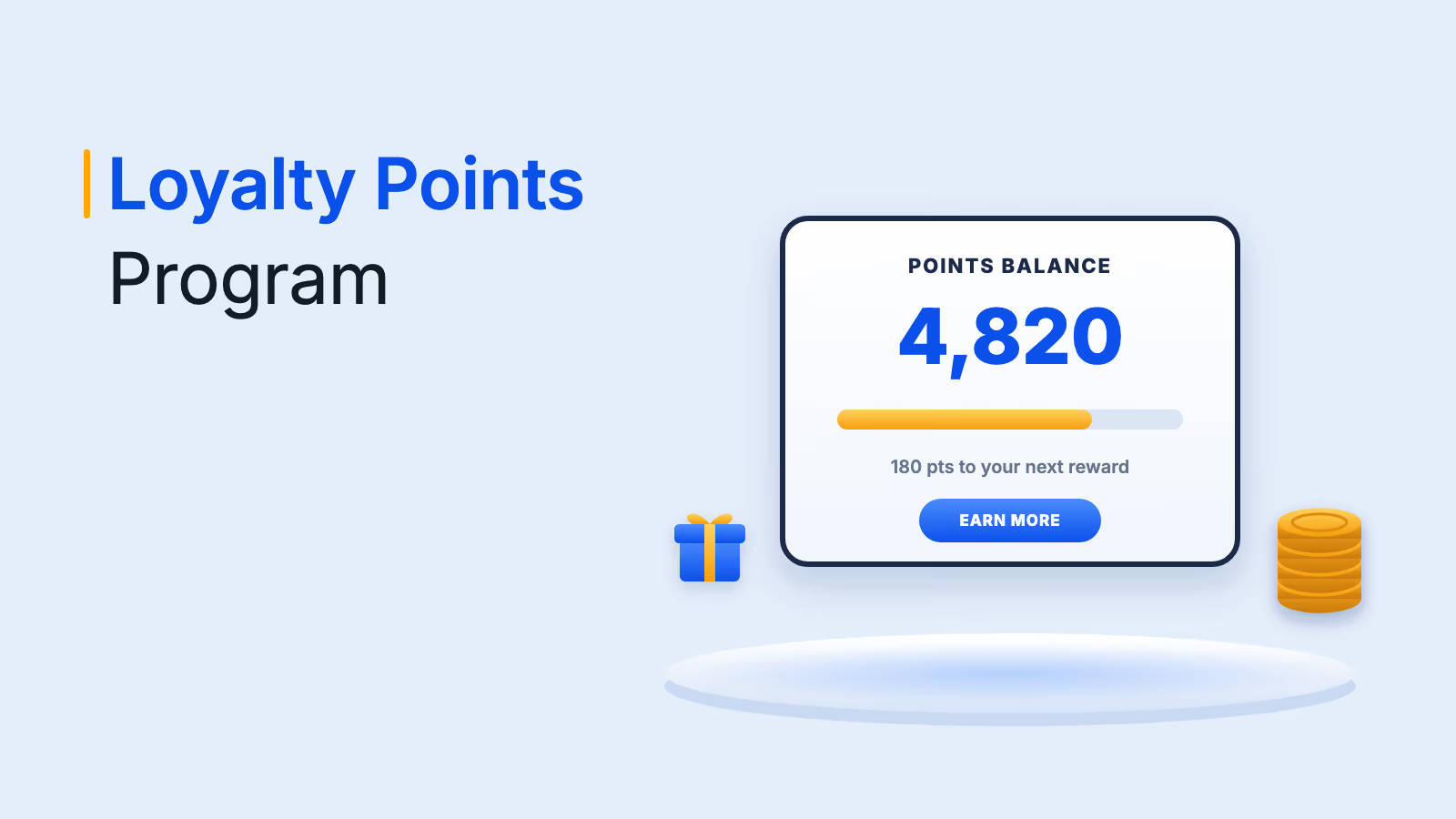
That is how loyalty points work in practice: customers earn on every qualifying action, watch their balance grow, and burn points on rewards they value, which brings them back to earn again. This earn and burn loop is the heart of every points program.
A customer loyalty points system is more than just a way to say "thank you" to your customers. It is a strategic approach to boosting customer retention and increasing the lifetime value of each customer. When customers feel that their loyalty is rewarded, they're more likely to return, spend more, and even spread the word to others.
What are the types of loyalty programs?
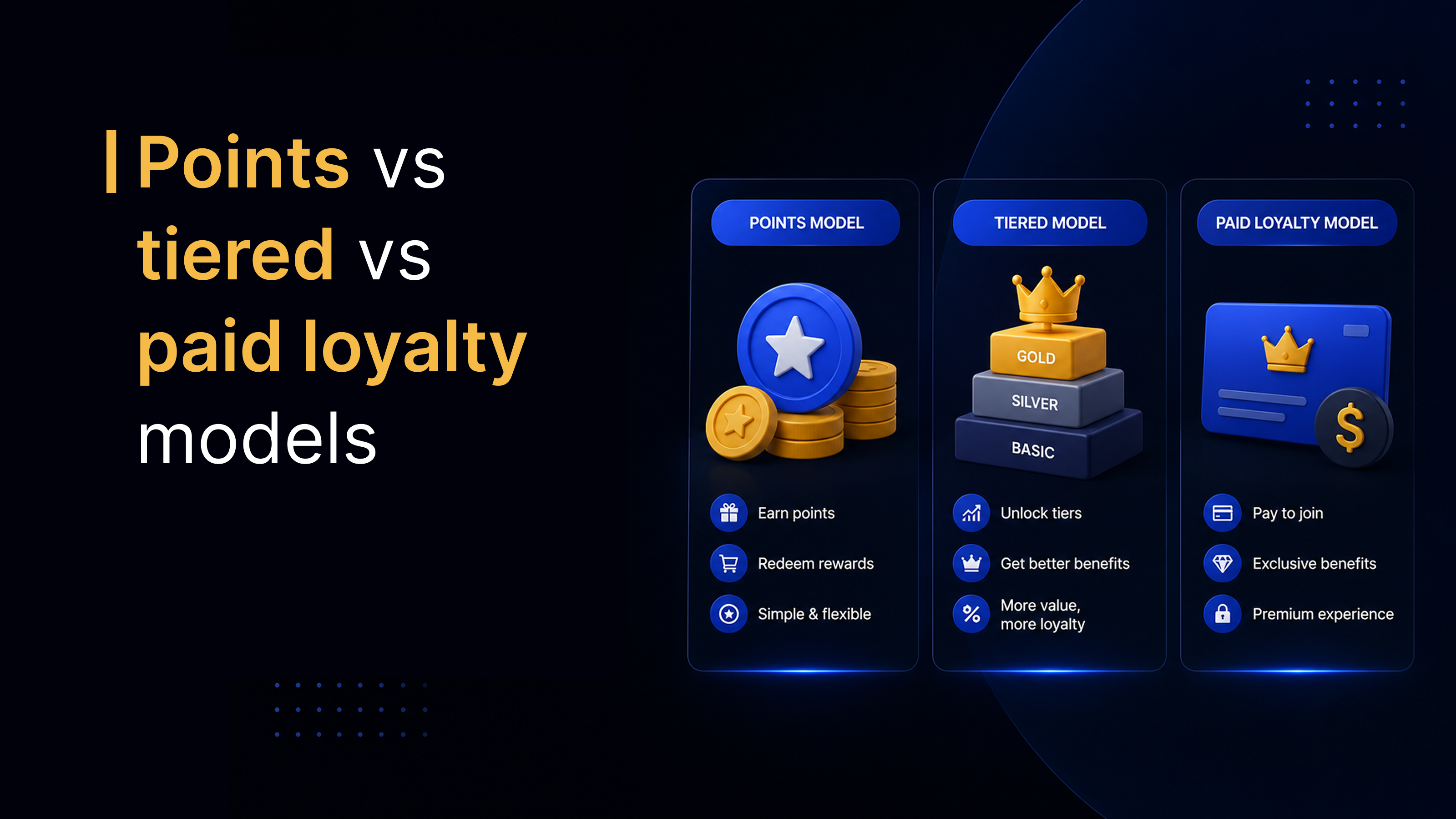
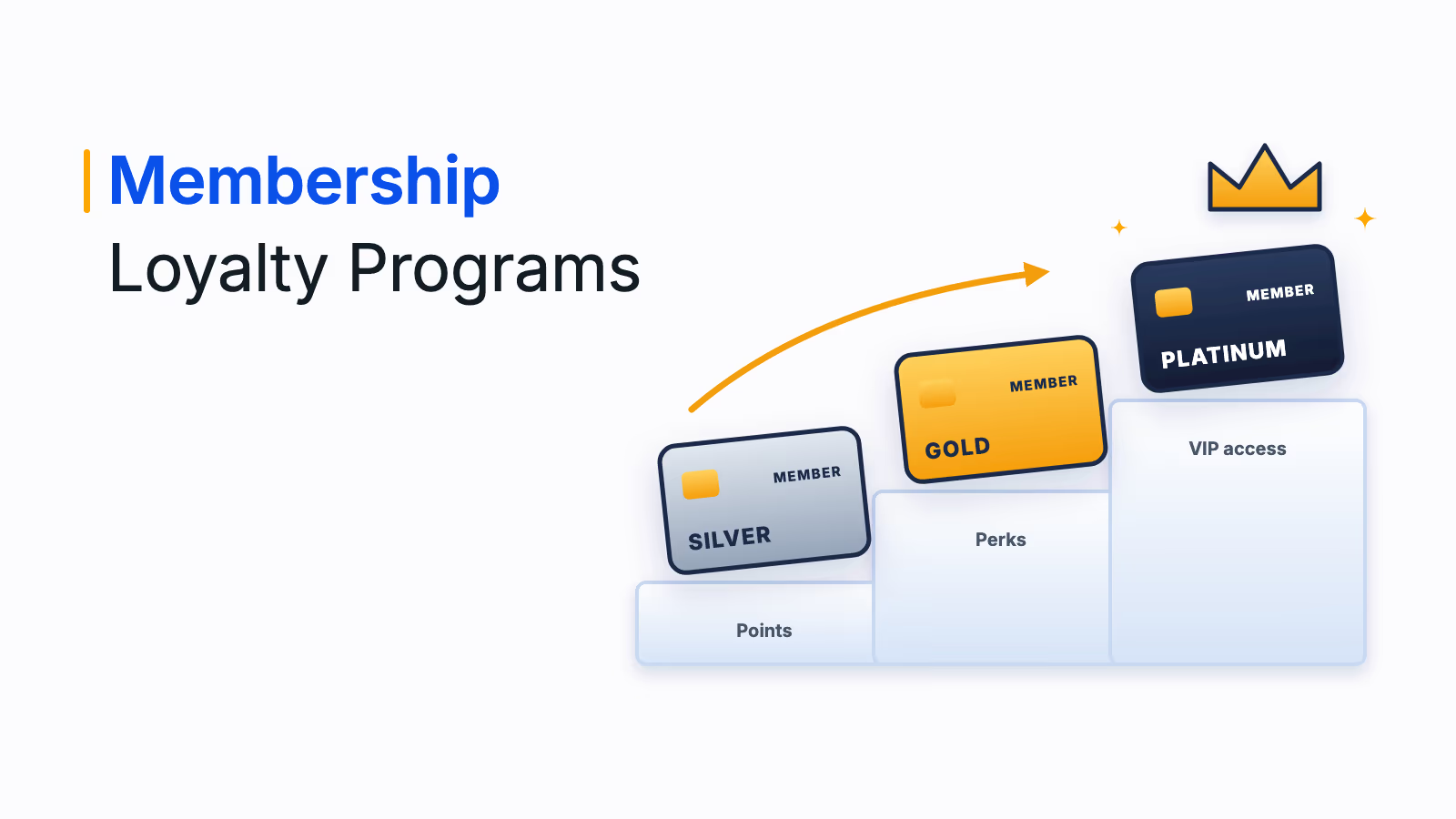
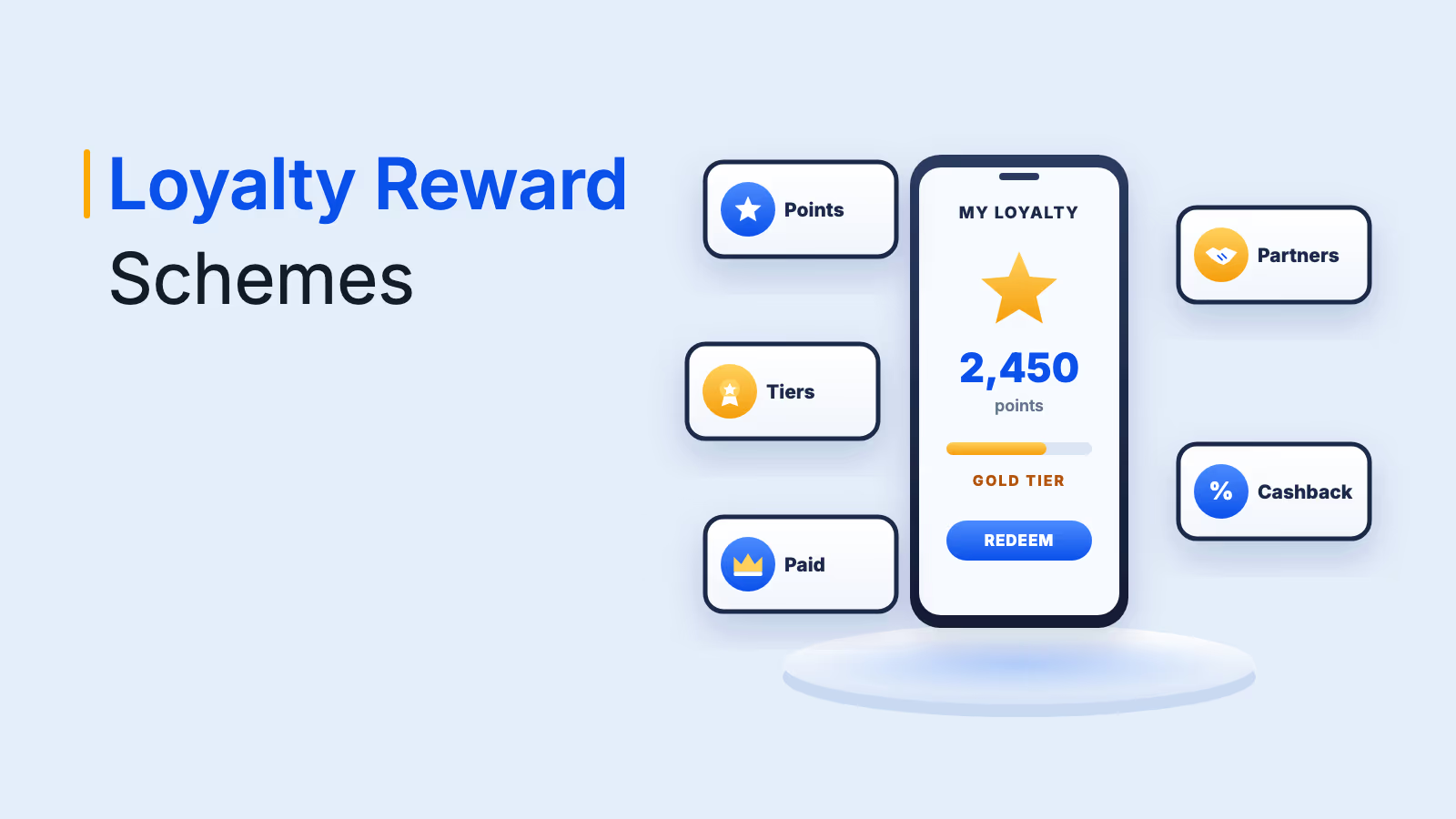
Not all loyalty programs are the same, and understanding the different types can help you design one that fits your business and appeals to your customers. A points based rewards program, where customers earn points on each purchase and redeem them for rewards, is the most common type. Tiered programs offer better rewards as customers spend more and climb levels, while paid or fee-based programs charge a membership fee in exchange for points, discounts, or perks on every purchase. For a fuller breakdown, see our guide to the types of loyalty programs.
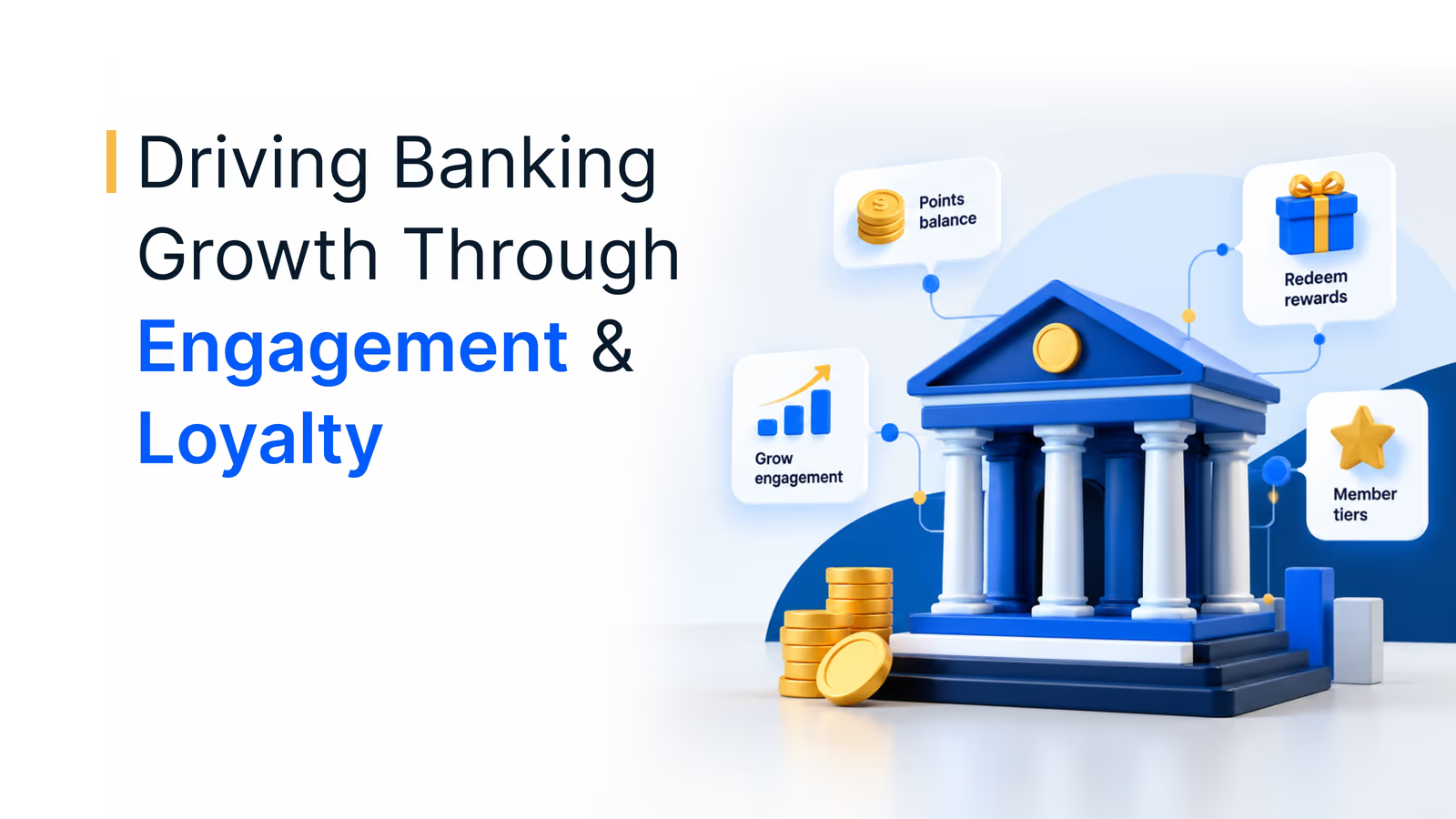
Points-based programs work well at scale. A leading bank in Qatar used Loyalife to run one points program across credit cards, debit cards, internet banking and financing, with a white-labelled, mobile-first redemption storefront that customers log in to using single sign-on (SSO). Within 22 months, customer engagement rose 146%, transaction volume grew 170%, and the user base grew 62%. Members earned 3.26 billion points, and 78.5% of earned points were redeemed.
Understanding these different types of loyalty programs helps you tailor a system that aligns with your business goals and customer expectations. The key is to choose a structure that motivates your customers while being easy to manage and sustain.
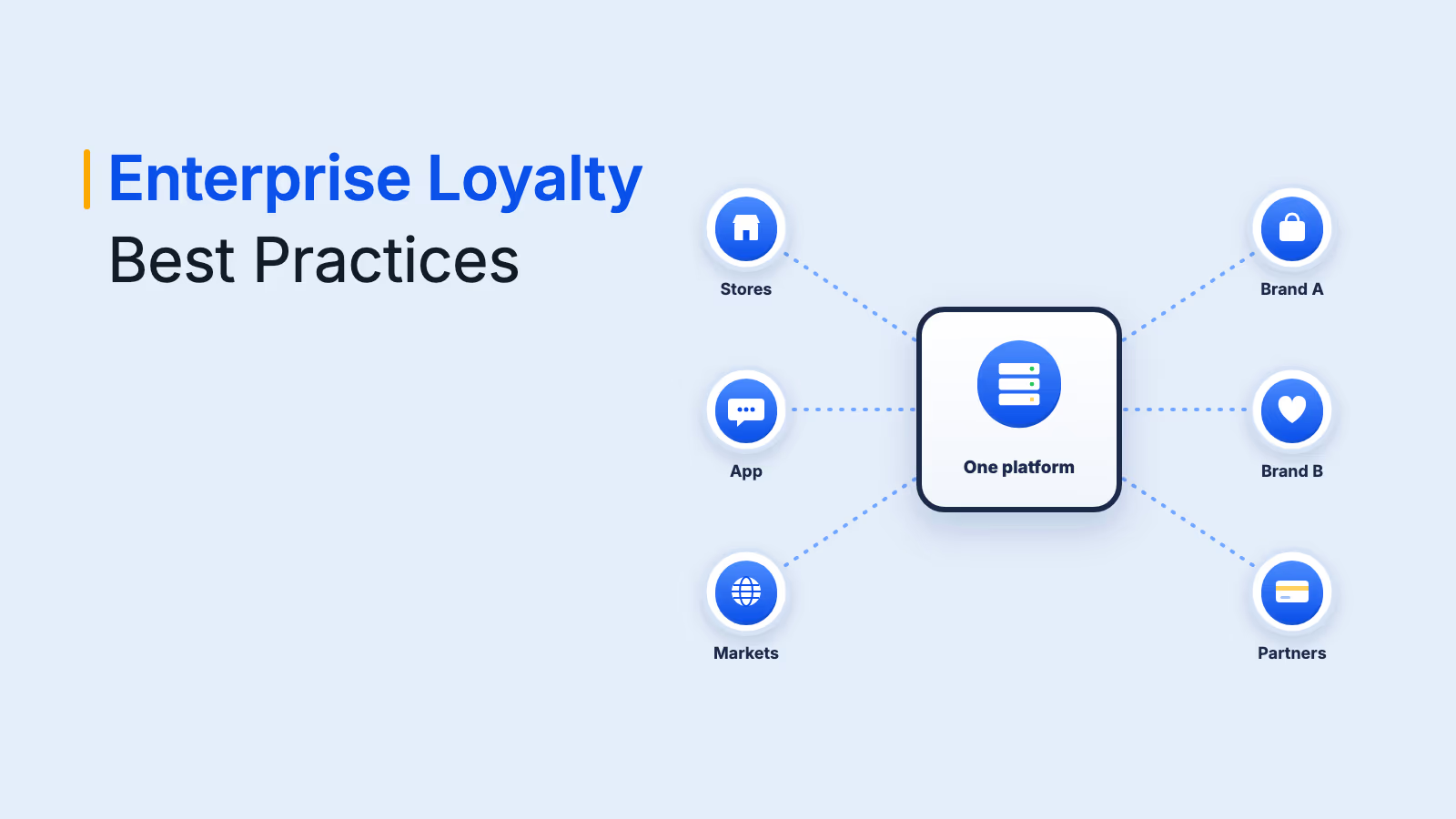
Suggested read: Enterprise loyalty program best practices
Loyalty points program examples from leading brands
Here are a few well-known loyalty points examples and what makes each one work. For more programs, see our roundup of the best loyalty programs in the US.
1. Starbucks Rewards
Starbucks Rewards lets members earn Stars on purchases in-store, through the app, or online, and redeem them for drinks, food, and more. In 2026, Starbucks relaunched the program with three tiers: Green, Gold (500 Stars in a 12-month period), and Reserve (2,500 Stars), with higher tiers adding faster earning, Double Star Days, and longer birthday rewards. The mobile app, which handles ordering ahead, payment, and Star tracking, is central to the program's engagement.
2. Sephora Beauty Insider
Sephora's Beauty Insider program gives members points for every dollar spent in-store or online, redeemable for products, limited-edition items, and beauty experiences. It has three tiers: Insider (free to join), VIB (after spending $350 in a year), and Rouge (after spending $1,000 in a year), with higher tiers unlocking bigger savings-event discounts and early access to launches.
3. Amazon Prime
Amazon Prime is a paid membership rather than a classic points program. For an annual or monthly fee, members get fast free shipping, Prime Video, Amazon Music, and exclusive deals. The points layer comes through the Prime Visa card, which gives cardmembers with an eligible Prime membership 5% back at Amazon.com, Amazon Fresh, and Whole Foods Market, redeemable for Amazon purchases or cash back.
4. Nordstrom's The Nordy Club
The Nordy Club lets members earn points at Nordstrom, with 1,000 points converting into a $10 Nordstrom Note that can be spent at Nordstrom and Nordstrom Rack. Status levels (Member, Influencer, Ambassador, and Icon) unlock more benefits as customers spend more, and Nordstrom cardmembers earn points faster and start at Influencer status.
Launch a points program your customers actually use
Configurable earn rules, tiers, segments and a 10M+ rewards catalog on one loyalty platform.
Talk to our ExpertTrusted by 5,000+ companies
Key components of an effective customer loyalty points system
Designing a successful loyalty points program requires more than just offering rewards. To truly engage your customers and encourage repeat business, it's important to build a program that's well-structured, easy to use, and aligned with what your customers value. Here are the key components to consider:
1. Setting clear objectives
Before you start, it's essential to define what you want to achieve with your loyalty program. Are you aiming to increase customer retention, boost sales, or enhance customer engagement? Clear objectives will guide every decision you make, from the types of rewards you offer to how you promote the program.
2. Determining point structure
The point structure is the backbone of your loyalty program. It determines how customers earn points and what those points are worth. For example, you might offer one point for every dollar spent, or you could reward customers for specific actions like referring a friend or writing a review. The key is to make the point system simple and transparent so customers know exactly how to earn and redeem their points. If you are weighing points against instant rebates, our comparison of cashback vs points loyalty can help.
3. Choosing rewards
The rewards you offer should be appealing enough to motivate customers to participate. Common rewards include discounts, free products, or exclusive access to new products or services. However, the best rewards are those that resonate with your customers. Consider offering a mix of rewards that cater to different preferences, ensuring there's something for everyone.
4. Personalization and customization
Not all customers are the same, and your loyalty program shouldn't be one-size-fits-all. Personalization can make your program more effective by tailoring rewards and offers to individual customer preferences and behaviors. For example, you might offer different rewards based on a customer's shopping habits or past interactions with your brand.
5. Ensuring accessibility
A successful loyalty points program is easy for customers to join, use, and understand. Make sure your program is accessible both online and in-store and that customers can easily track their points and redeem rewards. The more seamless the experience, the more likely customers are to stay engaged.
These components are crucial in creating a loyalty points program that not only attracts customers but also keeps them engaged over the long term. By focusing on what your customers value and ensuring the program is easy to use, you can build a loyalty strategy that truly benefits both your business and your customers.
How to run a loyalty points program
Here are the steps to run a loyalty points program:
1. Planning your loyalty points program
Set clear goals
Establish clear goals for your loyalty program, such as promoting customer referrals or improving customer retention. Well-defined objectives give direction and help in gauging the program's effectiveness.
Identify the target audience and segment customers
Recognize your clientele and divide them into groups according to their preferences, buying patterns, and demographics. Customizing your loyalty program for distinct client segments enables more focused rewards and personal interactions.
Choose the right type of loyalty program
Select a loyalty points program structure that aligns with your business model and customer preferences. Whether it's points-based, tiered, cashback, or subscription-based, choose the format that best resonates with your audience and supports your goals.
Determine reward structure and incentives
Create an intriguing incentive system that encourages desired behaviors and boosts client interaction. To accommodate a range of consumer preferences, think about providing a combination of intangible and tangible benefits, such as VIP access and customized services, as well as freebies, exclusive perks, or discounts.
2. Implementing your loyalty points program
Select the right loyalty management system
Select a loyalty management system that is appropriate for your company's demands and size. To improve program operations and customer experience, look for features like reward management, customer analytics, point tracking, and integration possibilities.
Loyalife is one such comprehensive platform that covers all of these needs.
Integrate loyalty programs across channels
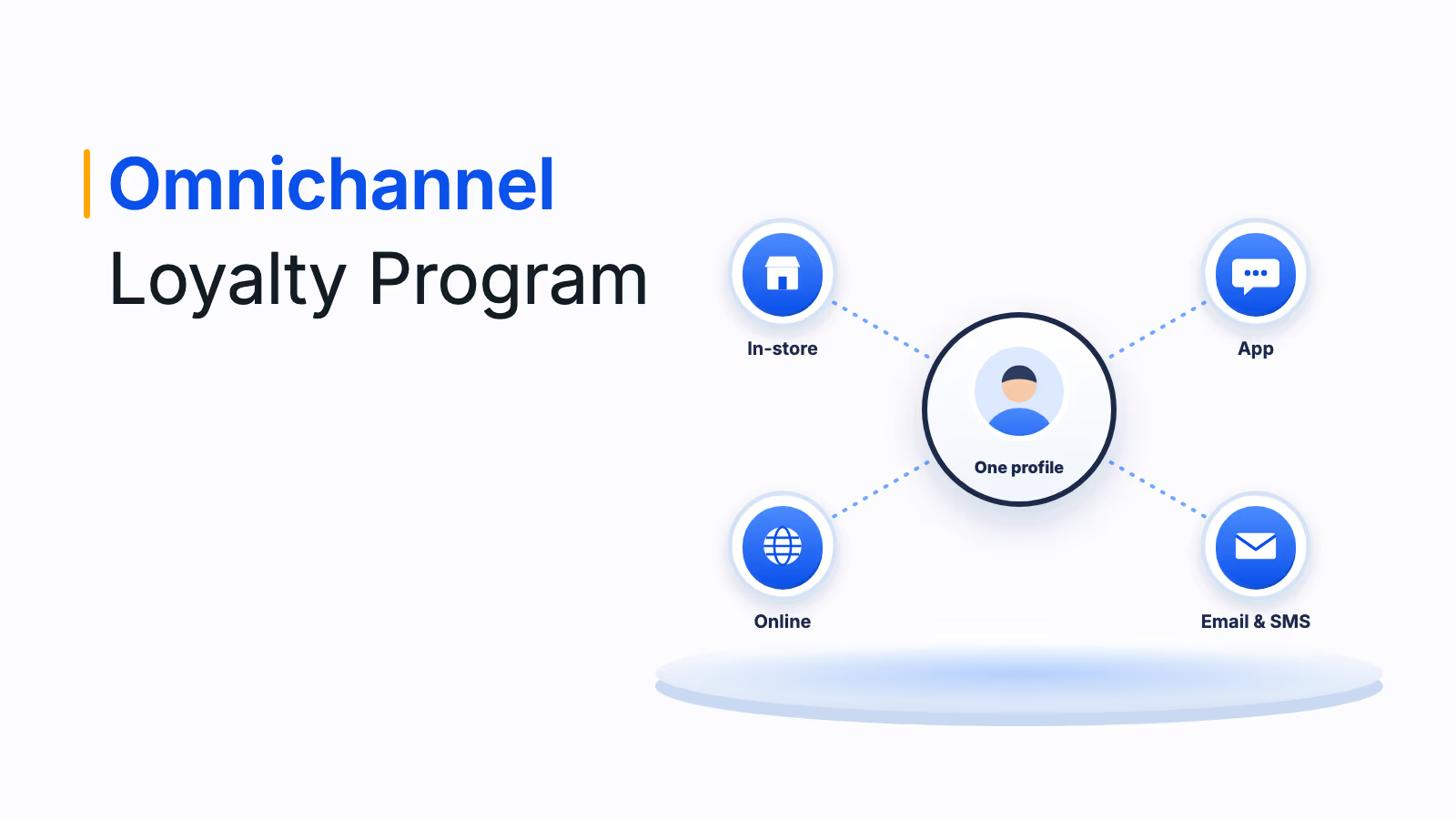
Make sure that your loyalty program is seamlessly integrated with all customer touchpoints, such as social media, mobile apps, physical stores, and online platforms. Customers can more easily find and interact with programs when branding and messaging are consistent across all platforms.
Communicate program details to customers
Make sure that your customers understand the advantages, guidelines, and workings of your loyalty points program. You can do this by sending them emails, posting on social media, placing banner ads on your website, and displaying signs in-store. Open communication fosters participation and increases trust.
Train staff for program execution
Give frontline employees training so they can run and market the loyalty points program successfully. Give them the tools needed to provide an ideal client experience and teach them about program features, enrollment procedures, reward redemption methods, and ways to resolve issues.
3. Managing and monitoring your loyalty program
Track and analyze customer data
Use data analytics tools to monitor and evaluate customer behavior, preferences, and loyalty points program engagement. You can better serve your customers' demands and increase engagement by customizing rewards and incentives based on their interactions with the program.
Measure program effectiveness and ROI
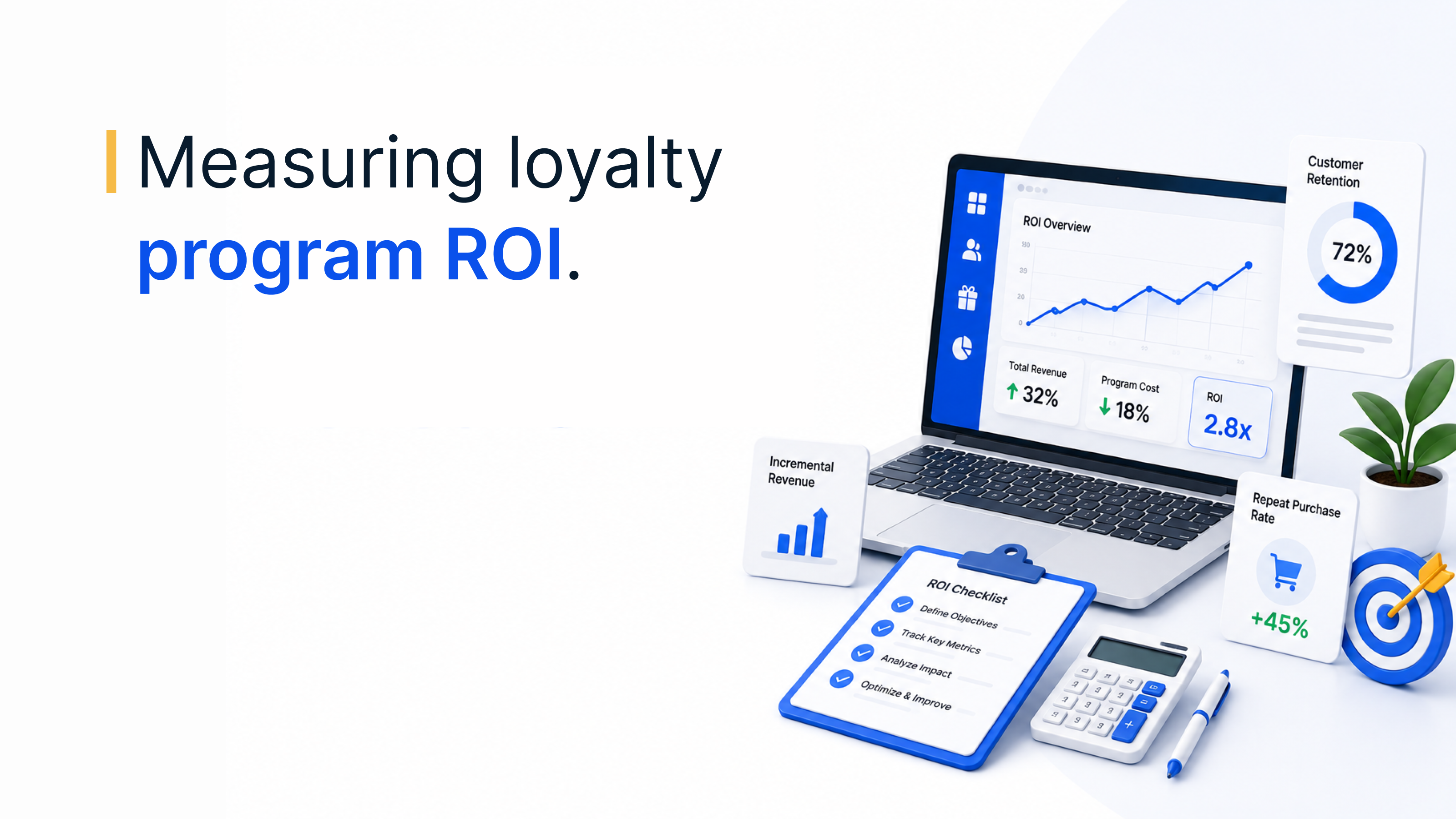
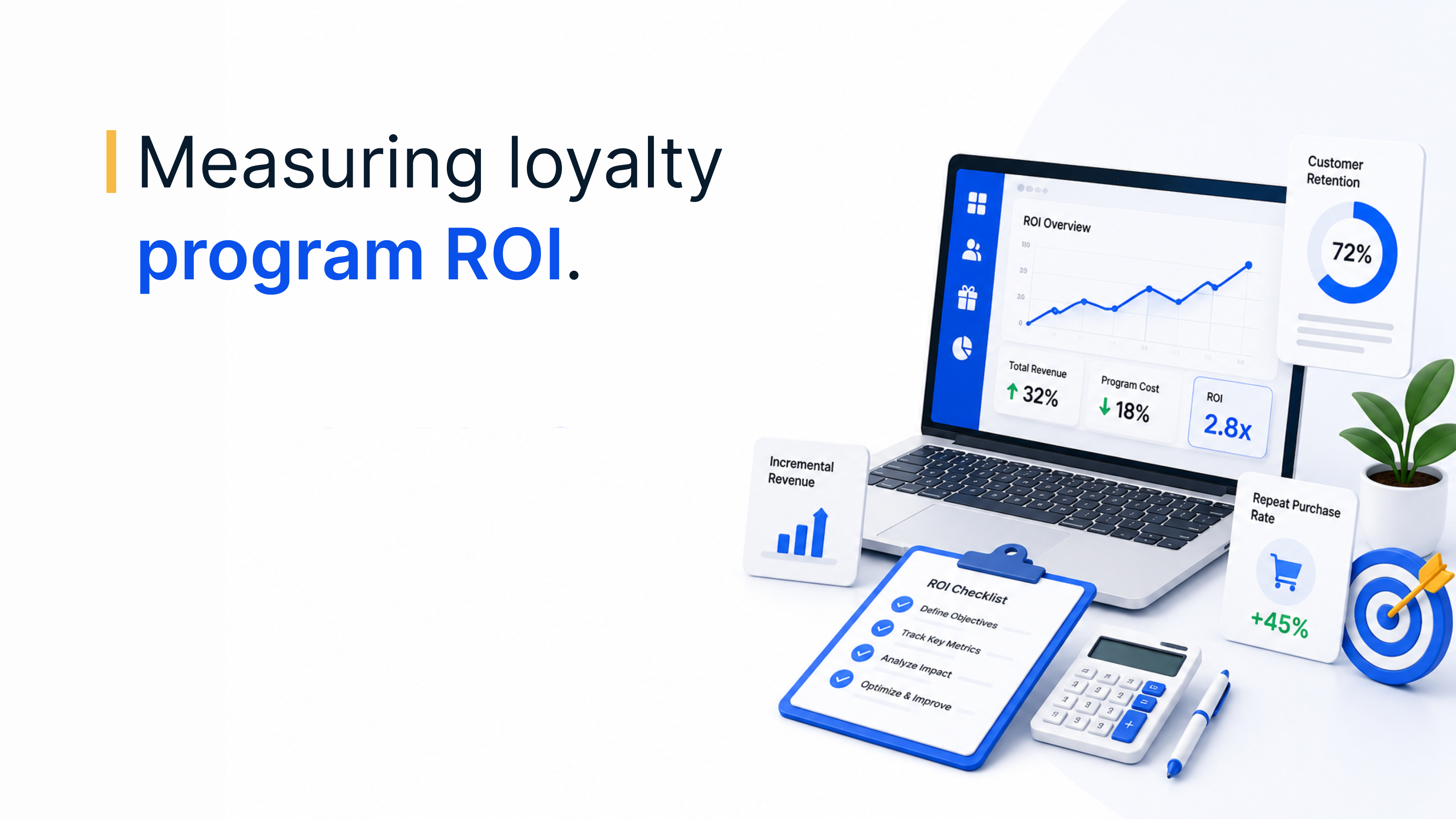
To evaluate the success of your loyalty program, set up key performance indicators (KPIs) such as frequency of purchases, average order value, and customer retention rates. Examine these indicators regularly to determine the ROI of the program and pinpoint areas that need work.
Gather feedback and make improvements
Ask program participants for their opinions via questionnaires, reviews, or direct correspondence. Use this input to identify problem areas, respond to customer inquiries, and enhance the program experience over time.
Prevent fraud and ensure program security
To protect your loyalty program from fraud, unauthorized access, or exploitation, put strong security measures in place. To safeguard customer accounts and stop fraudulent activity, make use of fraud detection rules, multi-factor authentication, and encryption.
4. Promoting and evolving your loyalty program
Offer special promotions and exclusive offers
Regularly remind members about your loyalty points program with exclusive deals. These could be exclusive access to new goods or services, time-limited discounts, or bonus point events. Offering additional value encourages participants to keep engaging and making purchases.
Adapt to changing customer needs and preferences
By gathering input from program participants and keeping an eye on market dynamics, you can stay aware of evolving consumer preferences and trends. Sustainability requires flexibility, so be ready to modify your loyalty points program's incentives, offers, and communication tactics to better suit your customers' changing demands.
Innovate and expand the program benefits
Make sure your loyalty points program stays creative and interesting by adding new features and benefits. To maintain member participation and interest, introduce new benefits and redemption alternatives. To give your customers more value, think about forming alliances with other companies to build better loyalty programs.
Using Loyalife for running loyalty points programs
Loyalife is an all-in-one platform that empowers businesses to create, manage, and optimize their loyalty points programs. With Loyalife, you can launch a fully customizable and scalable loyalty program that caters to your unique business needs and customer preferences. The platform is designed to simplify every aspect of running a loyalty program, from onboarding customers to driving engagement through personalized campaigns.
Key features of Loyalife
- Configurable rule engine: Loyalife's rule engine lets you create engaging loyalty programs tailored to your brand and customer base. Whether you want to offer points for purchases, referrals, or other customer actions, the platform gives you the flexibility to design a program that resonates with your audience.
- Omnichannel interface: Loyalife lets you engage with your customers across multiple touchpoints - online, in-store, via mobile apps, and more. This ensures a consistent and seamless experience for your customers, no matter where they interact with your brand.
- AI co-pilot for program teams: Managing a loyalty program can be complex. Loyalife's AI co-pilot turns a campaign goal stated in plain English into a reviewable brief, so your team can focus on strategy and customer engagement rather than day-to-day operations.
- Personalized customer engagement: Loyalife helps you use member segments to run personalized multichannel marketing campaigns. You can customize templates to match your specific needs, ensuring that your messaging is relevant and impactful for each customer segment.
- Analytics and insights: Data-driven decisions are at the core of successful loyalty programs. Loyalife's reports and insights cover every touchpoint of your program, so you can monitor performance, identify trends, and optimize your engagement strategies.
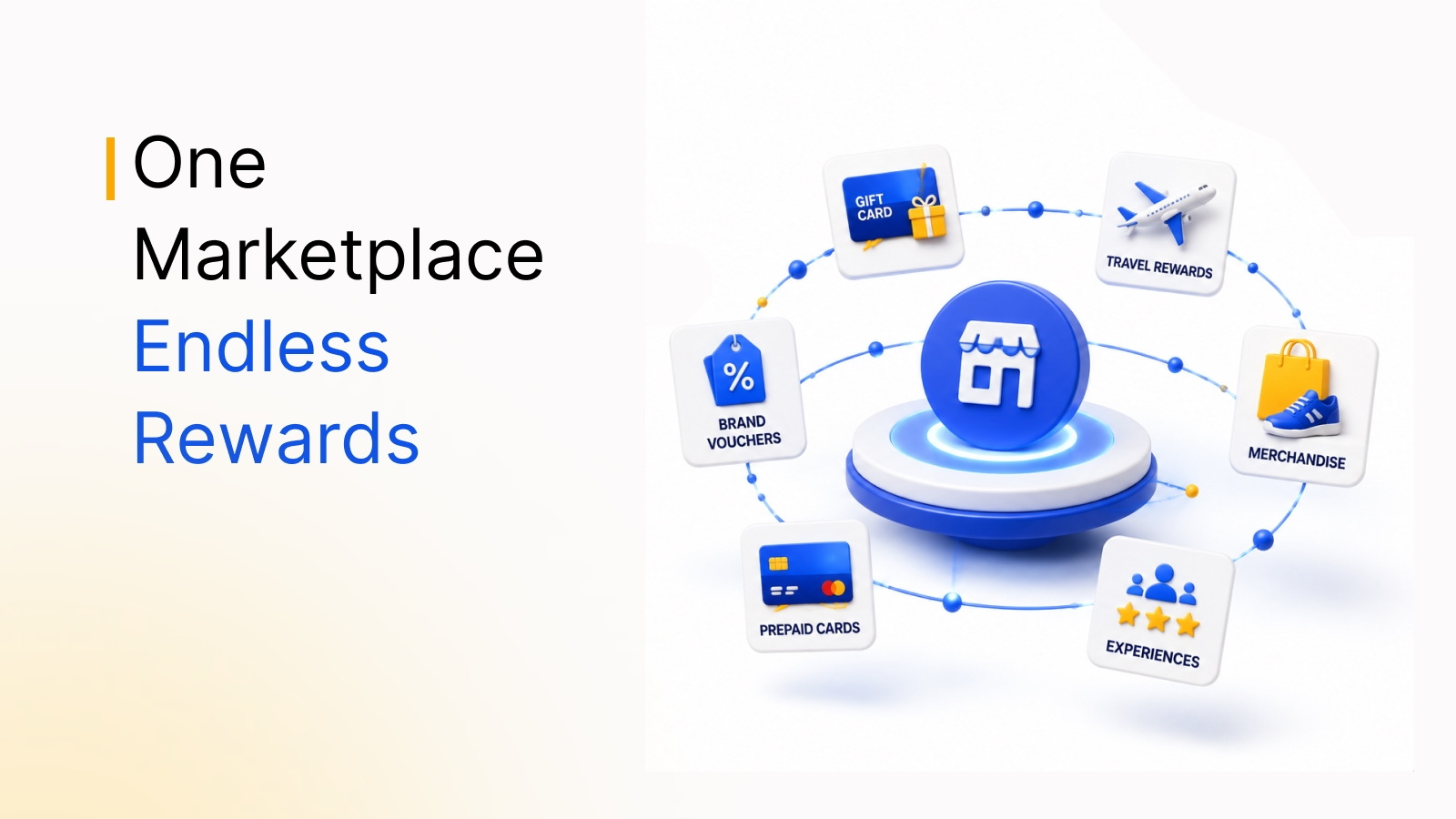
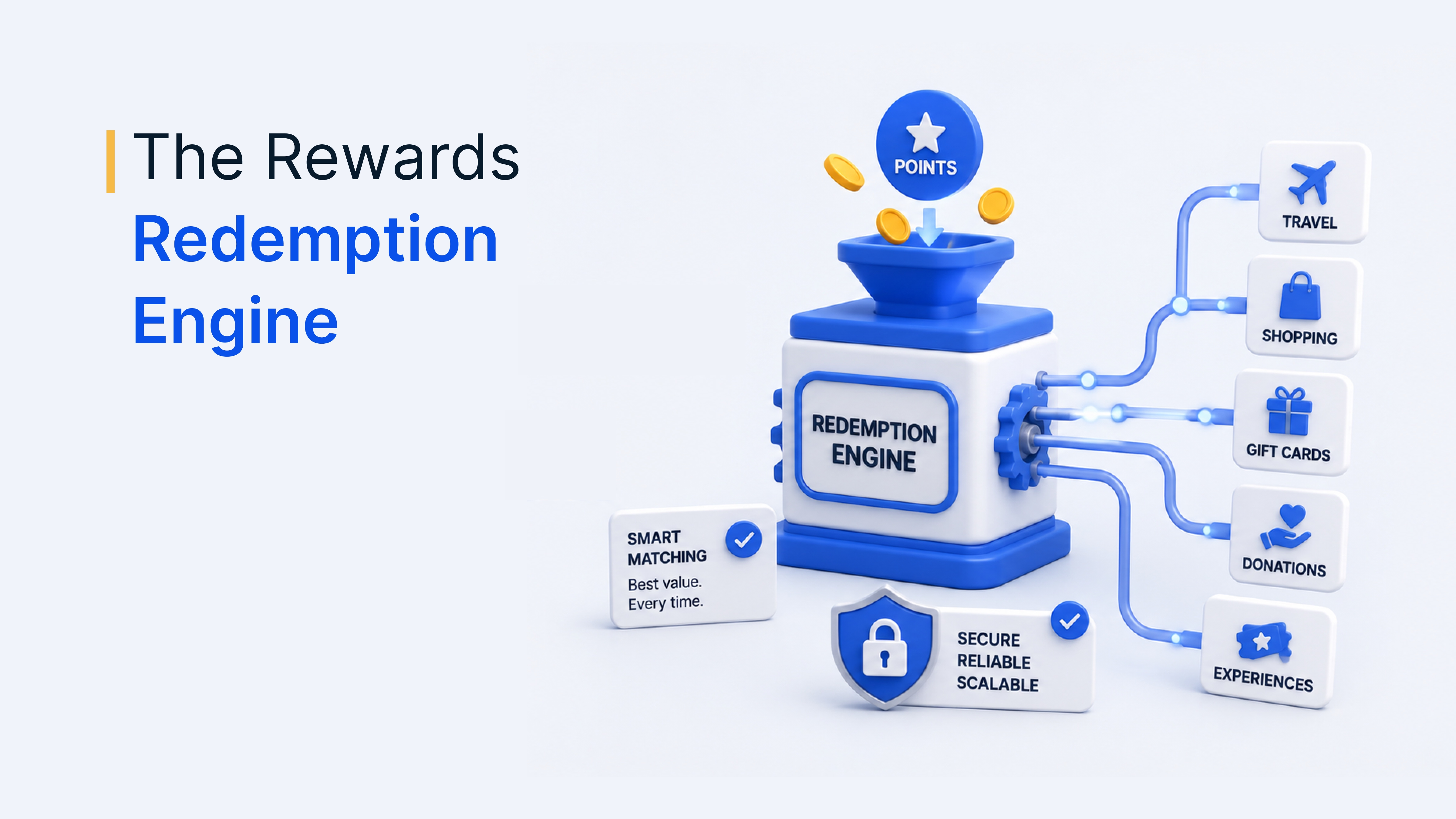
- Extensive redemption options: Loyalife gives your customers access to 10M+ redemption options across 30+ categories through the Plum rewards marketplace, including travel, gift cards, merchandise, experiences, and charity donations. This variety ensures that your loyalty program can cater to the diverse preferences of your customer base.
Loyalife simplifies the complexity of running a loyalty points program, allowing you to focus on what truly matters - building lasting relationships with your customers and driving business growth. Whether you're launching a new program or scaling an existing one, Loyalife provides the tools and support you need to succeed. Connect with our team now.
Conclusion
A well-crafted loyalty points program can be a game-changer for building lasting customer relationships. As seen in examples from Starbucks, Sephora, Amazon, and Nordstrom, these programs do more than just offer rewards - they create strong connections between brands and their customers. By focusing on what your customers truly value, you can design a program that motivates repeat business and enhances loyalty.
Start with clear objectives, a straightforward points system, and rewards that resonate with your audience. Personalization and simplicity are key to keeping customers engaged. As you roll out your program, pay attention to feedback and make adjustments as needed to keep it effective.
With the right approach, your loyalty points program can become a vital part of your strategy.
Book your Loyalife demo
Frequently asked questions
Customers earn points for qualifying actions, most often purchases (for example, one point per dollar), but also referrals, reviews, or app activity. Points build up in the member's account and can be redeemed for rewards such as discounts, free products, gift cards, or experiences. Each point has a set value, and earning and redemption rules decide how fast members progress.
A loyalty points program encourages repeat business, increases customer retention, and strengthens customer relationships by rewarding customers for their continued support. It also gives you first-party data on what customers buy and how they engage, which you can use to personalize offers, plan promotions, and measure the lifetime value of different customer segments.
The point structure should be simple and transparent, typically awarding points based on the amount spent or specific actions taken. Decide what one point is worth, how many points a typical reward costs, and how quickly an average customer can reach it. Balance what will motivate customers against the cost of rewards to your business.
Rewards can include discounts, free products, gift cards, exclusive access to sales or events, experiences, and personalized offers. The key is to offer rewards that are meaningful and desirable to your customers, with a mix of low-cost quick wins and higher-value aspirational rewards so that every member has something worth working toward.
A tiered program rewards customers with progressively better benefits as they spend more, encouraging higher spending and greater engagement. It also provides a sense of achievement and exclusivity for top-tier members. Combining tiers with points lets you reward every purchase while reserving the most valuable perks for your best customers.
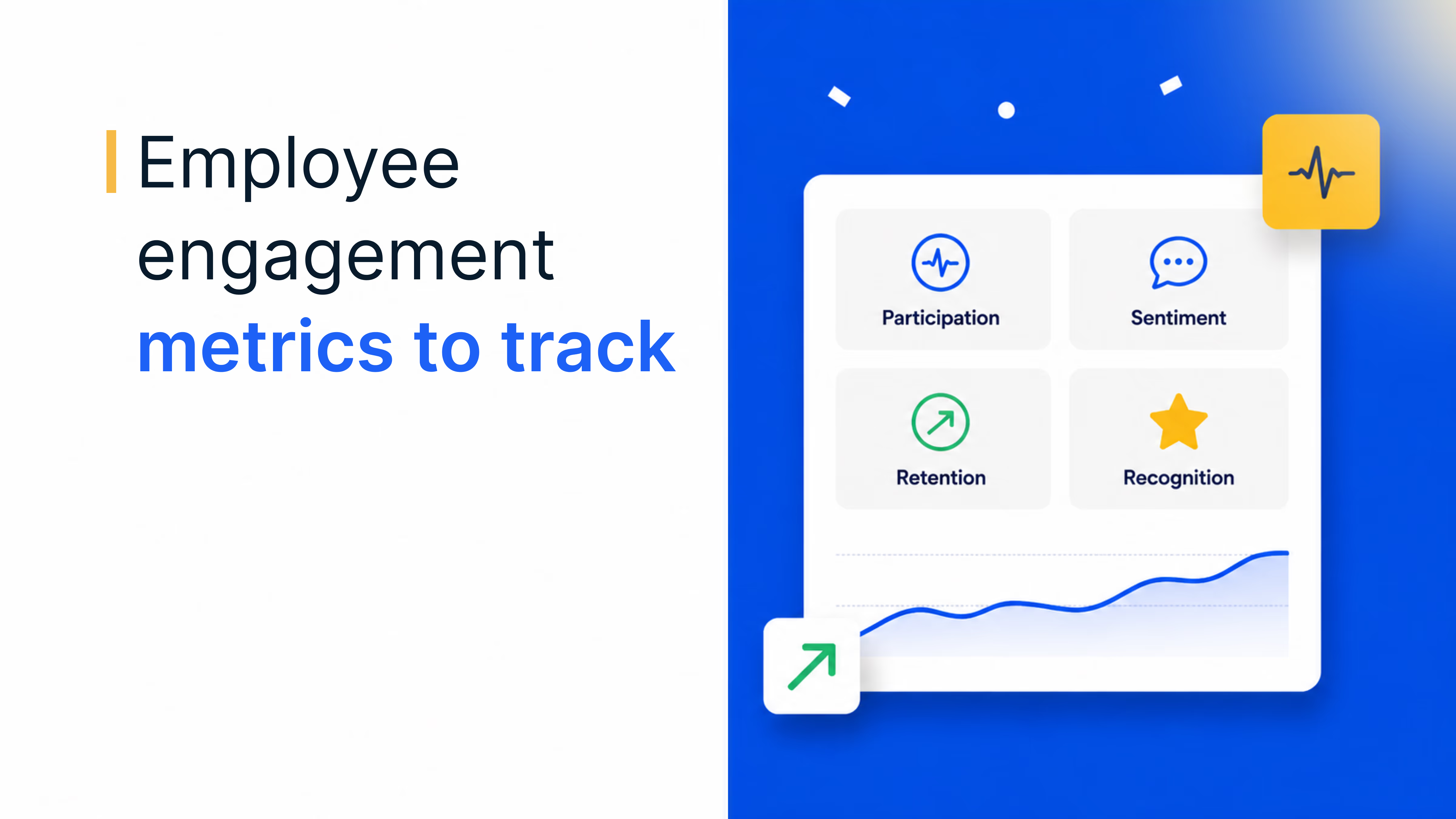
Track key metrics such as enrollment rate, active member rate, redemption rate, repeat purchase frequency, average order value, and customer retention. Compare members with non-members to see the program's incremental impact. Regularly gather customer feedback to assess satisfaction and identify areas for improvement.
Common challenges include low participation, reward fatigue, unredeemed point liability, and managing costs. These can be overcome by offering attractive and attainable rewards, refreshing the catalog and promotions regularly, reminding members of their balances, and keeping the program simple and engaging so customers understand how to earn and redeem.
Promote your program through channels such as email marketing, social media, in-store signage, checkout prompts, and your website and app. Highlight the benefits and how easy it is to join, and consider a welcome bonus so new members earn a reward quickly. Train frontline staff to mention the program at every relevant interaction.