Key Takeaways
Customers spread their money across providers, so financial institutions have to earn loyalty continuously.
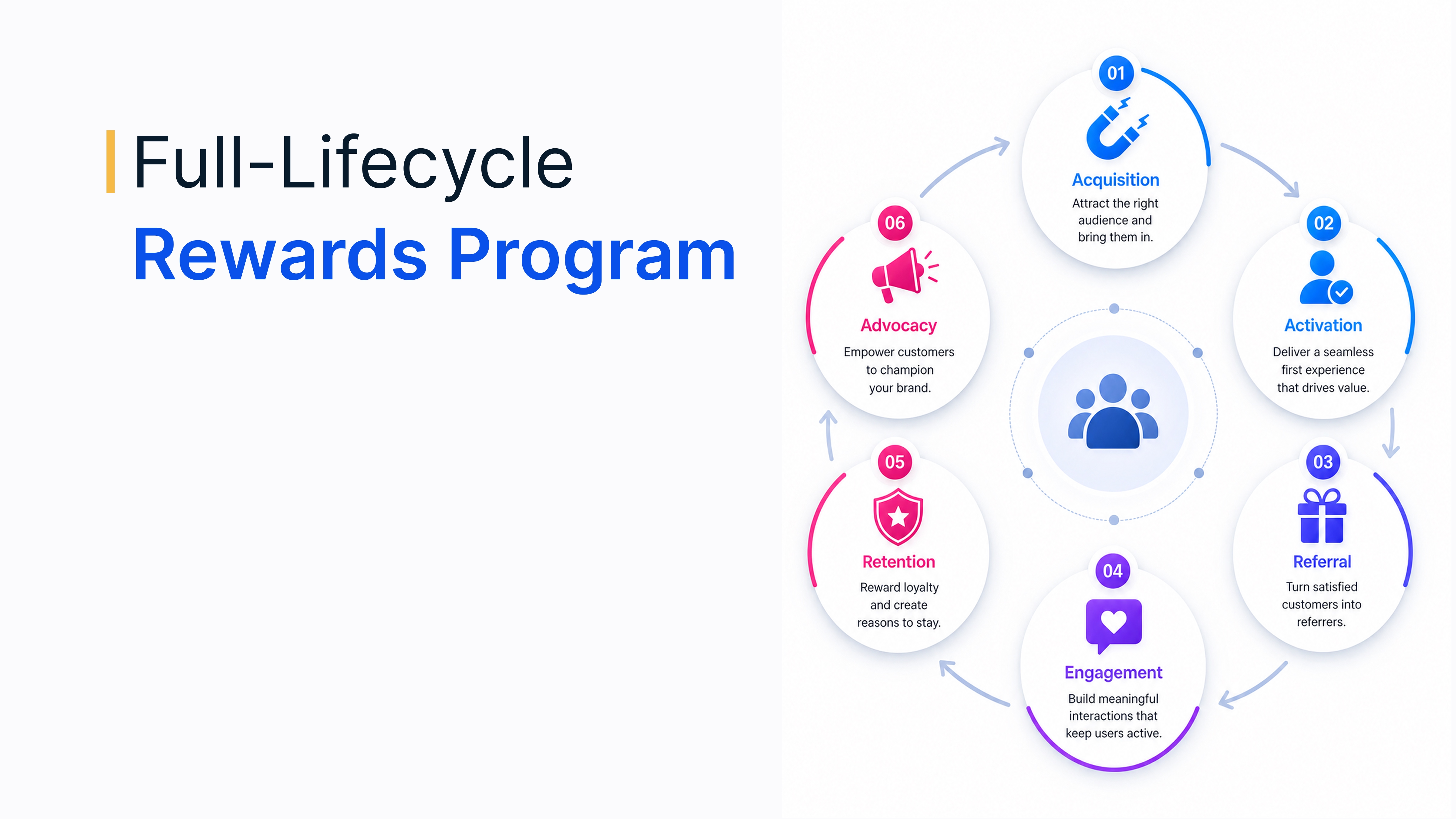
Loyalty programs drive retention, satisfaction, engagement and customer insight, and help institutions stand out.
Effective programs target clear segments, set measurable goals, keep rules simple and engage across every channel.
Track retention, enrollment, redemption, spend and lifetime value, and fix low engagement and fatigue with fresh rewards.
A leading bank in Qatar grew engagement 146% and transactions 170% within 22 months with one program on Loyalife.
The financial services industry is rapidly embracing innovation and personalization, making customer loyalty more critical than ever. A robust financial services loyalty program has proven to be an effective strategy for nurturing strong customer relationships and driving long-term engagement.
Customers no longer keep all their money with one provider. Accenture's Global Banking Consumer Study 2025, based on 49,300 customers in 39 countries, found that 73% of customers use multiple banks beyond their main bank, and 58% bought a financial product from a new provider in the last 12 months.
A thoughtfully designed financial services customer loyalty program goes beyond traditional rewards. It fosters trust, delivers meaningful value and deepens emotional connections with customers.
As competition intensifies and expectations evolve, banks, card issuers, insurers and fintechs are using these programs to differentiate themselves, retain customers and gain valuable insights into consumer behavior. This blog explores why loyalty programs are indispensable for sustainable success in the financial sector, and how to design, launch and measure one.
Importance of financial services loyalty programs
Building and maintaining a loyal customer base is crucial for financial institutions, and this is where loyalty programs come into play. They offer significant advantages for customers and institutions alike. Here are the main reasons loyalty programs are a must-have for financial institutions.
1. Driving customer retention
Financial institutions can create a sense of value and appreciation by rewarding customers who engage with their services, which makes customers more likely to stay and continue the relationship. A well-designed bank customer retention program can also create a sense of exclusivity, leading to higher customer satisfaction and lower attrition.
2. Enhancing customer satisfaction
Financial services loyalty programs allow institutions to deliver personalized experiences and tailored rewards that meet the specific needs of their customers.
Understanding customer behavior helps institutions make relevant offers that align with customers' aspirations. A personalized approach enhances customer satisfaction and builds a stronger emotional connection.
3. Increasing customer engagement
Loyalty programs provide a platform for ongoing engagement between customers and financial institutions. Through regular communication, institutions can inform customers about new products, services and exclusive offers.
4. Generating valuable customer insights
Loyalty programs enable financial institutions to gather valuable data on customer behavior. That data produces actionable insights that support data-driven decisions, and understanding customers better enables institutions to deliver a superior experience.
5. Differentiating from competitors
Financial services loyalty programs can be a critical differentiator in a crowded marketplace. A well-crafted loyalty program with unique rewards can set an institution apart from its competitors, helping it attract new customers and keep existing ones. It also becomes a powerful marketing tool that showcases the institution's commitment to rewarding customers for their continued loyalty.
Benefits of loyalty programs for customers and financial institutions
Loyalty programs in the financial sector benefit both sides of the relationship. Here are the advantages these programs bring to the table.
Benefits for customers
- Enhanced rewards and incentives: customers earn exclusive benefits based on their engagement, such as cashback, discounts on financial products, access to premium features and personalized offers. A credit card rewards program is the most familiar example.
- Personalized experiences: loyalty programs use data analytics to understand customer preferences, so institutions can tailor experiences to each customer's needs.
- Improved financial management: many programs reward healthy habits such as saving regularly or paying on time, and give customers tools and nudges that help them manage their money better.
Benefits for financial institutions
- Increased customer retention: valuable rewards and benefits give customers a reason to stay engaged and keep their financial relationships with the institution.
- Greater customer engagement: regular communication with program members keeps customers informed about new offerings and promotions.
- Data-driven insights: program data on behavior, preferences and spending patterns supports more targeted marketing and better product decisions.
Critical elements of effective financial services loyalty programs
Several key elements need careful consideration to create a successful financial services loyalty program. Let's explore them:
1. Identifying and understanding target customer segments
A crucial first step in designing an effective loyalty program is identifying and understanding the specific customer segments the program aims to target.
Thorough market research and customer analysis give institutions insights into customer demographics, behaviors, preferences and financial goals. This allows them to create tailored rewards and benefits that are most appealing and relevant to each customer segment.
2. Setting clear and achievable loyalty program goals
Defining clear and measurable goals is essential for guiding the design and implementation of a loyalty program. Institutions should establish objectives that align with their overall business strategy.
Examples include increasing customer retention rates, driving adoption of specific products or expanding market share. Achievable goals provide focus and make it easier to track and evaluate the program.
3. Designing reward structures that align with customer needs
The reward structure of a loyalty program should be designed around customers' unique needs and aspirations.
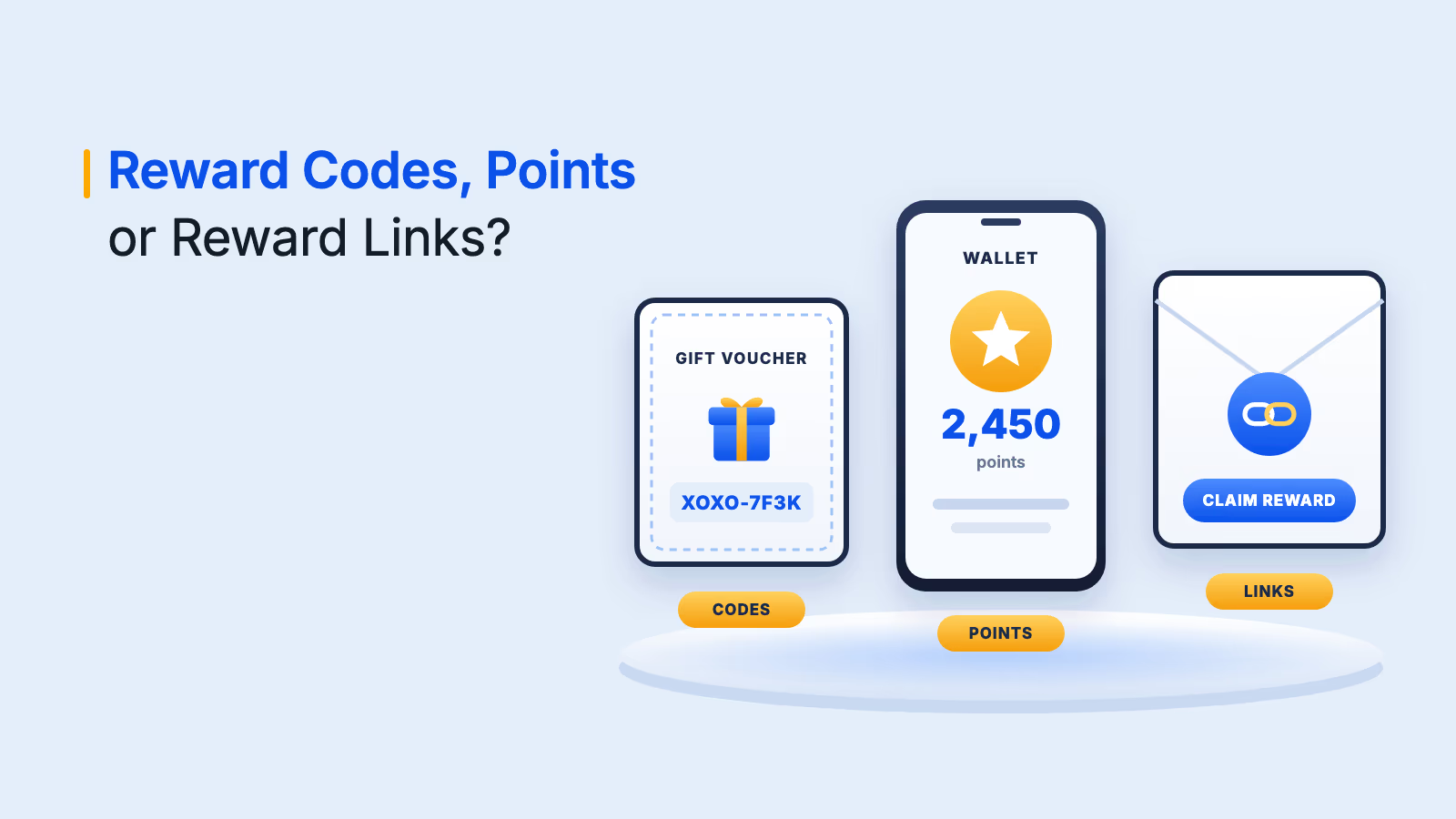
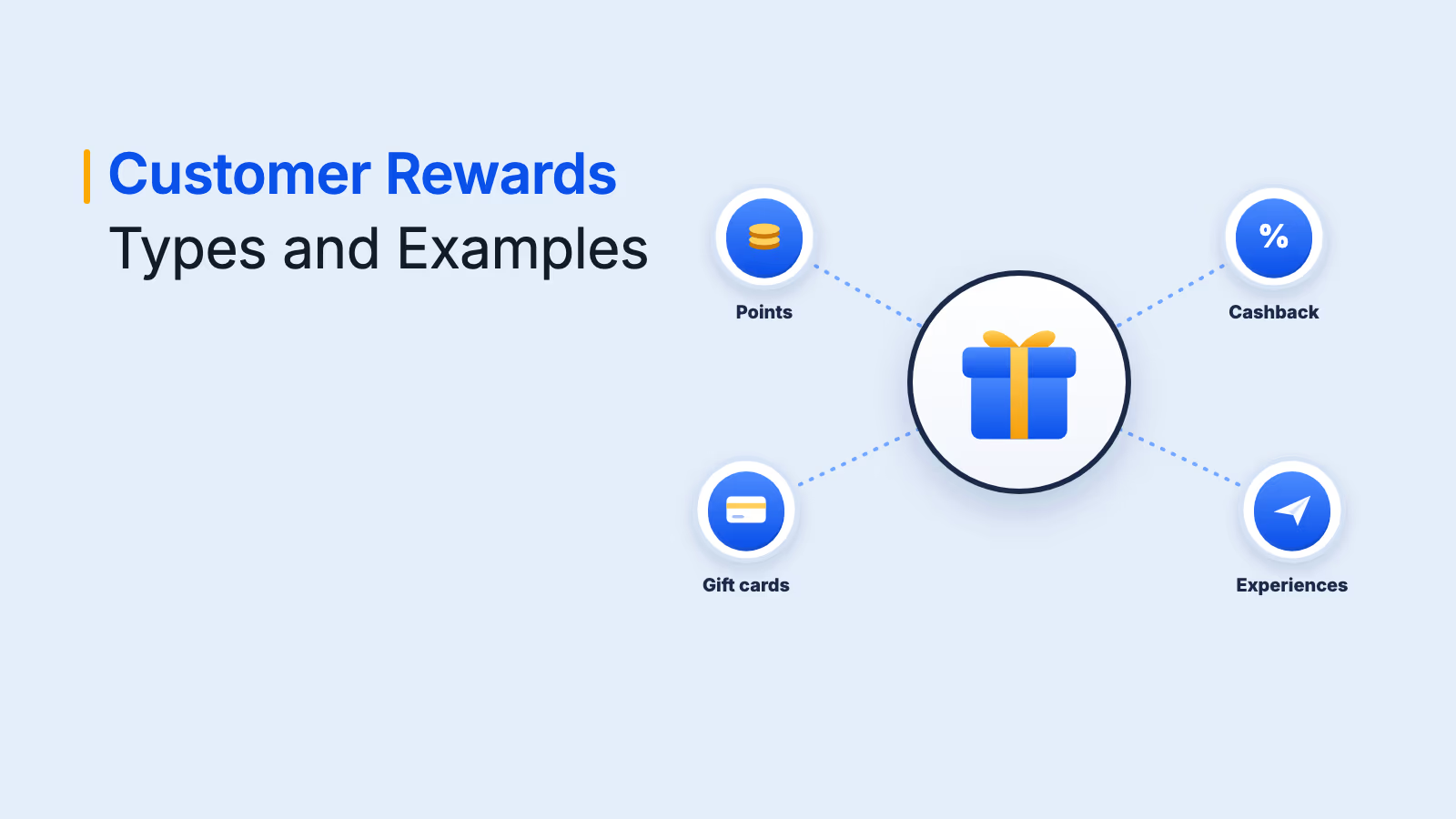
Rewards can include points, cashback, discounts, exclusive offers or access to premium services. It's essential to balance attainability and desirability, so customers see the rewards as valuable and reachable within a reasonable timeframe.
4. Leveraging technology and data analytics for personalized experiences
Technology plays a crucial role in delivering personalized experiences through loyalty programs. Institutions should use data analytics to gain insights into customer preferences and behaviors.
This data allows institutions to offer customized recommendations, targeted offers and relevant communication.
5. Ensuring simplicity and transparency in program mechanics
Loyalty programs should be clear and transparent. Customers should easily understand how the program works and how to earn and redeem rewards.
A complex or confusing program can lead to frustration and disengagement. Clear communication and a user-friendly interface are vital to maintaining customer trust and satisfaction.
6. Using multiple channels for program engagement and communication
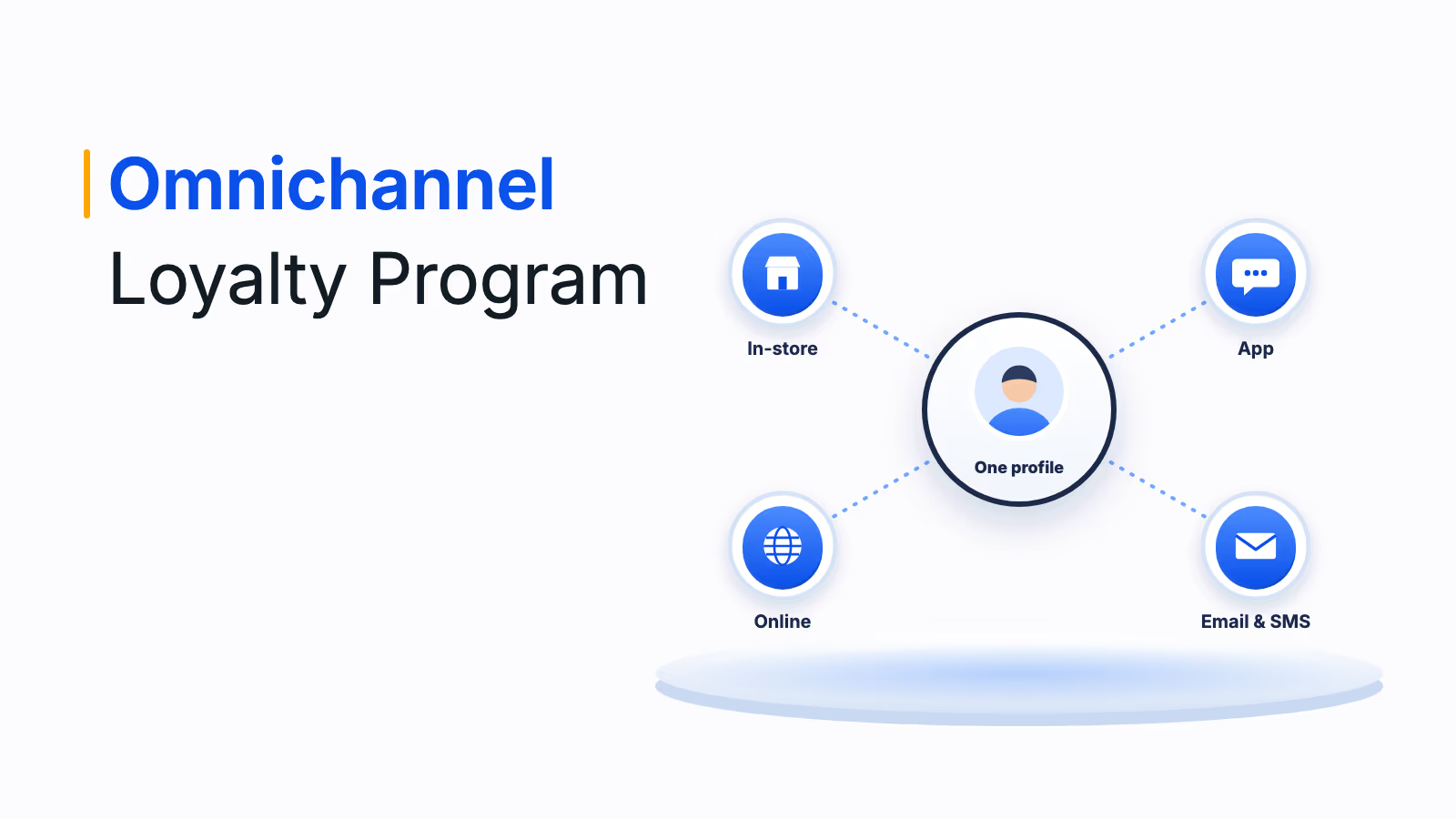
To maximize program engagement, institutions should use a range of channels to reach and interact with customers, including online banking, mobile apps, email, social media and in-branch interactions.
Launch a bank loyalty program that drives transactions
Rule engine, tiers and a 10M+ rewards marketplace on a SOC 2 Type II and ISO 27001 certified platform.
Talk to our ExpertTrusted by 5,000+ companies
Banking loyalty program strategy: creating and implementing loyalty programs
Designing and implementing an effective loyalty program in the financial sector requires careful planning and attention to detail. Here are the critical strategies institutions can use to make their loyalty programs a success. Loyalife's bank loyalty launch playbook goes deeper on each stage.
1. Conduct market research and customer analysis
Before launching a loyalty program, conduct thorough market research and customer analysis. Understand your target audience's financial needs, preferences and behaviors. This insight will guide the design of your program, ensuring it meets customer expectations and delivers meaningful value.
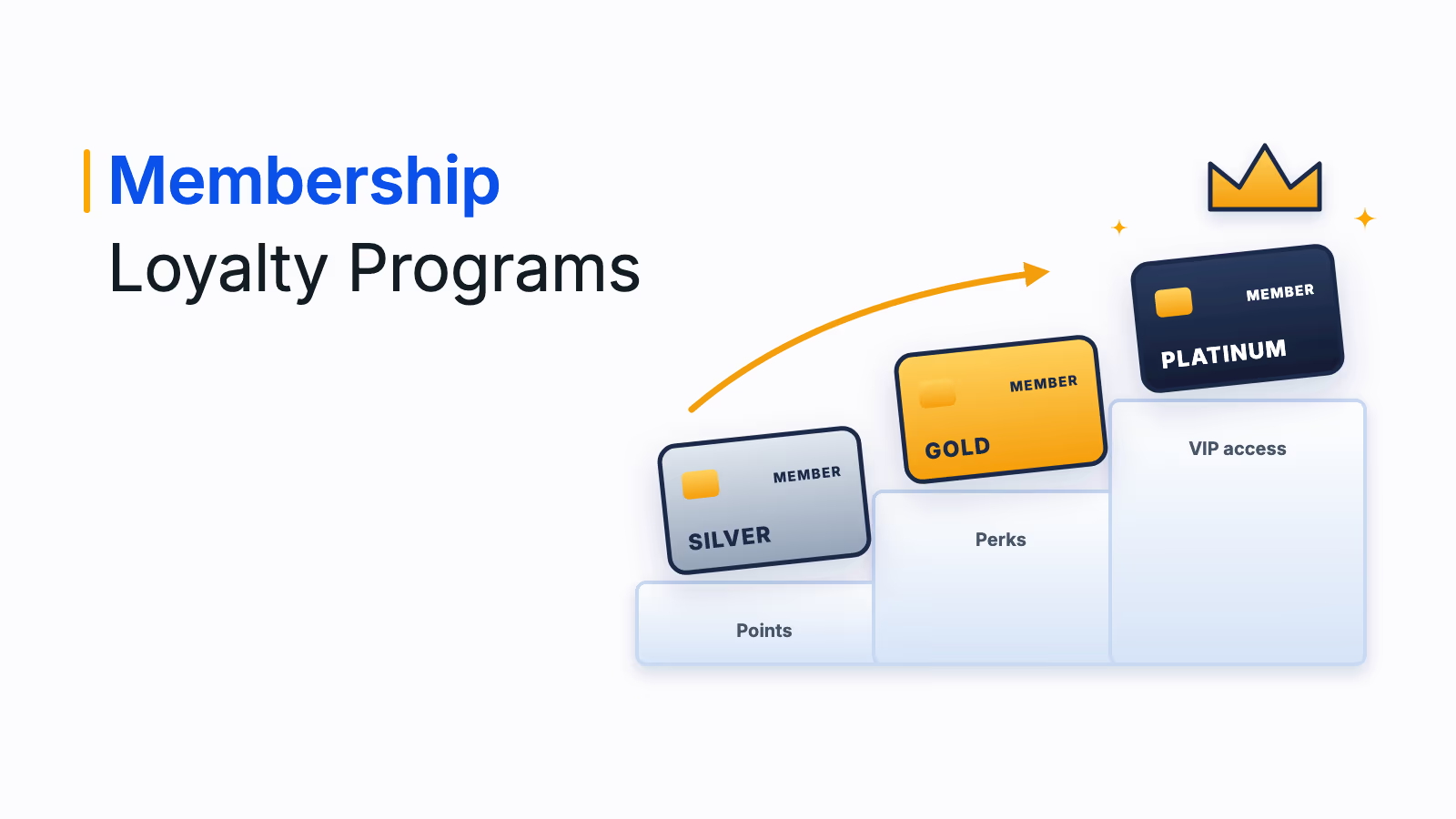
2. Define program tiers and benefits based on customer segmentation
Segment your customers based on demographics, financial goals and engagement levels, then tailor program tiers and benefits to the needs of each segment. Consider offering different rewards, personalized offers and exclusive benefits that resonate with each customer group.
3. Establish partnerships to enhance the value proposition
Collaborate with strategic partners to strengthen your loyalty program's value proposition.
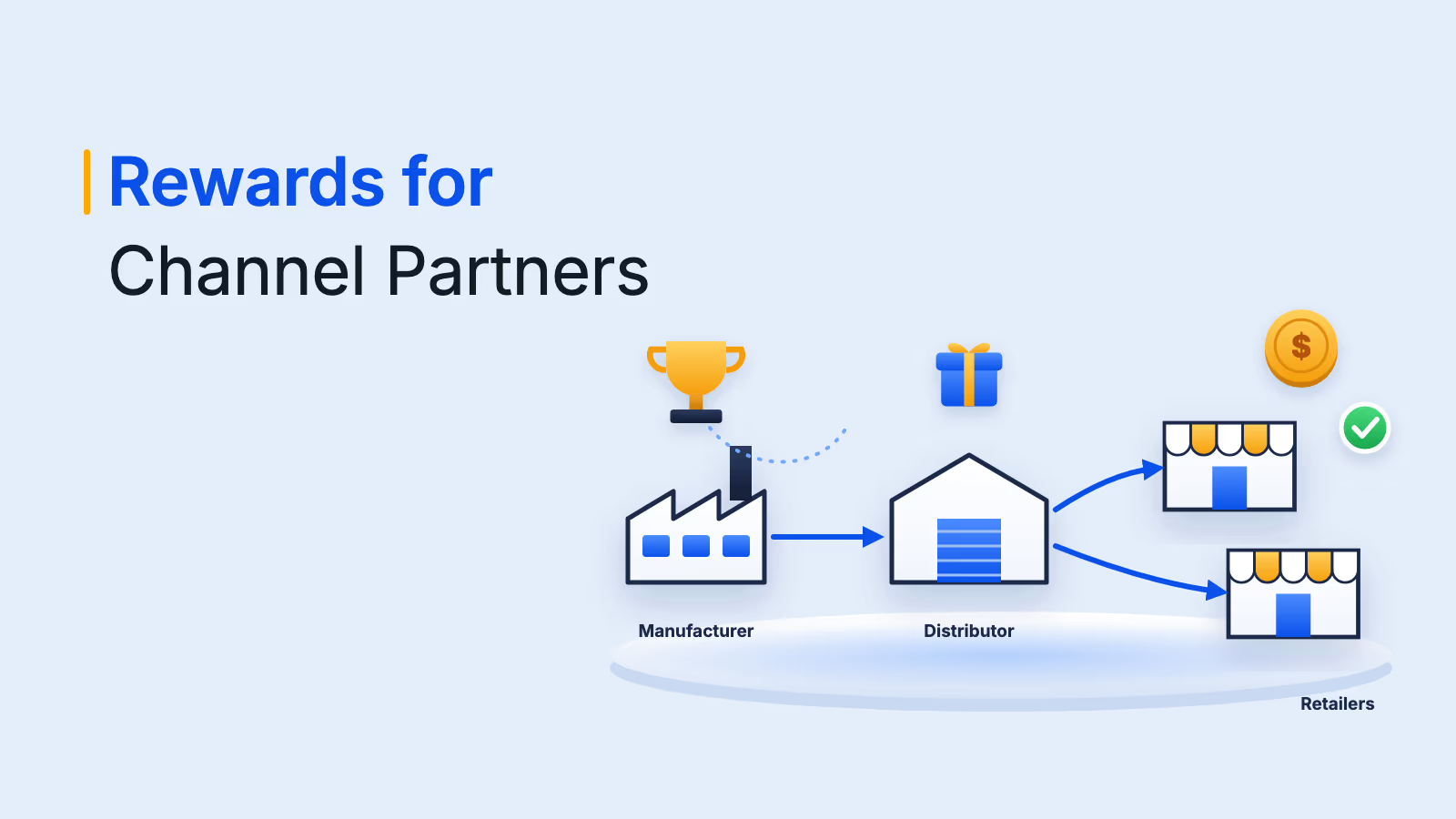
Partner with complementary businesses, such as retailers, travel companies or lifestyle brands, to provide additional rewards and benefits that match your customers' interests. These partnerships expand the range of rewards available, making your loyalty program even more appealing.
4. Design intuitive and user-friendly program interfaces
A seamless, user-friendly program interface is essential for encouraging participation and engagement.
Design an interface that lets customers quickly understand how the program works, track their progress, redeem rewards and find program information.
Make the program accessible through the channels customers already use, including mobile apps and online banking, for convenience and accessibility. The same principle drives good fintech loyalty program design: reward the payments, transfers or card usage that matter to the business, inside the app customers already open every day.
5. Implement effective communication and marketing campaigns
Develop a comprehensive communication and marketing strategy for your loyalty program. Engage customers regularly through targeted email campaigns, social media promotions and in-app notifications. Communicate program updates, new rewards and exclusive offers to keep members informed and excited about the program.
6. Ensure program scalability and adaptability
Design your loyalty program with scalability and adaptability in mind. As your customer base grows and evolves, make sure your program can accommodate changing needs and preferences.
Regularly evaluate program performance, gather customer feedback and adjust the program to keep it effective over time.
Measuring and evaluating loyalty program success
Measuring and evaluating the success of a financial services loyalty program is essential to gauge its effectiveness, identify areas for improvement and make data-driven decisions.
Here are the critical considerations and metrics for evaluating loyalty program success:
1. Key performance indicators (KPIs)
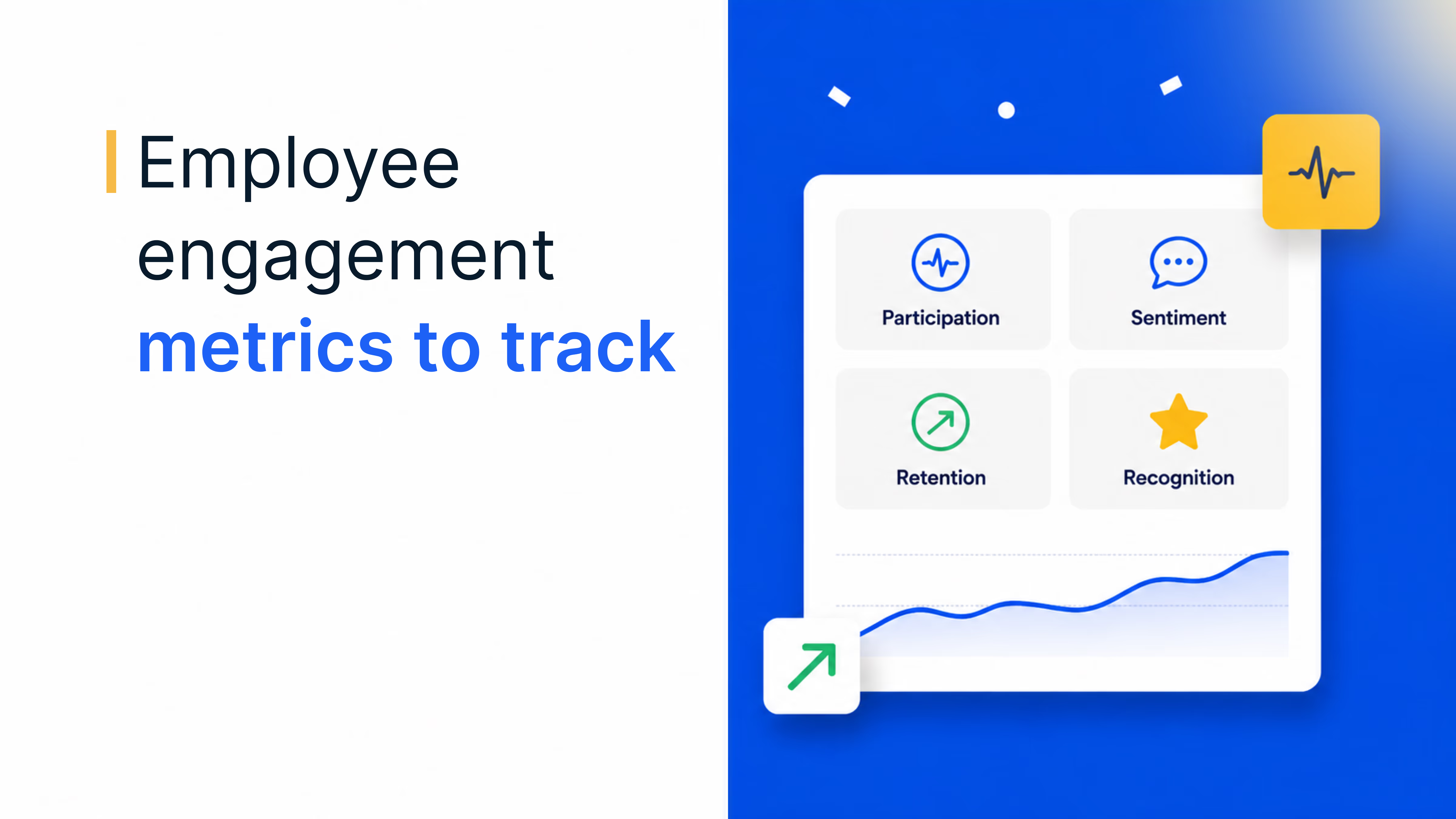
Define and track relevant KPIs to assess the performance of your loyalty program. Common KPIs include customer retention rate, program enrollment and participation rates, redemption rate, average customer spending and customer lifetime value.
2. Customer feedback and satisfaction
Gather customer feedback through surveys, focus groups and customer service interactions to understand how customers perceive the loyalty program.
Assess their satisfaction levels, the perceived value of rewards and the overall program experience. Feedback can uncover pain points, highlight areas for improvement and provide ideas for program enhancements.
3. Financial impact
Assess the financial impact of your loyalty program by analyzing indicators such as revenue from program members, incremental sales and the program's return on investment (ROI). Evaluate whether the program is driving additional revenue and whether the benefits justify its costs.
4. Data analysis and insights
Use data analytics to understand customer behavior and program performance.
Analyze transaction data, redemption patterns and engagement metrics to see which rewards are most popular, which customer segments are most active and how program participation relates to customer behavior. These insights can inform program adjustments and future marketing strategies.
5. Benchmarking and competitive analysis
Compare your loyalty program's performance with industry benchmarks and competitors' programs. Analyze how your program stacks up on customer engagement, program features and rewards offered.
Benchmarking provides valuable context and can identify areas where your program needs to improve to stay competitive.
6. Continuous improvement and iteration
Use the insights gathered from measurement and evaluation to refine and optimize your loyalty program continually.
Make data-driven adjustments to reward structures, communication strategies and program features based on customer feedback and performance metrics. A culture of continuous improvement ensures your loyalty program evolves with your customers' changing needs and preferences.
Challenges and their solutions in loyalty program management
While loyalty programs in the financial sector offer many benefits, managing and maintaining them can present unique challenges. Here are the most common ones and how to overcome them:
1. Low program engagement
Customers may not actively participate or redeem their rewards. To address this, make sure your program has attractive and relevant offers that match customer preferences.
Communicate regularly with members, provide personalized recommendations and refresh the rewards portfolio periodically to maintain excitement.
2. Complexity and lack of clarity
Loyalty programs can become overly complex or unclear about earning and redeeming rewards, program rules, and terms and conditions.
Simplify your program mechanics and explain clearly how customers can participate, earn points and redeem rewards. Keep program rules transparent, concise and easy to find to avoid confusion and frustration.
3. Limited differentiation
With so many loyalty programs in the market, standing out can be challenging.
Identify unique value propositions that set your program apart, such as exclusive partnerships, personalized offerings, innovative rewards or exceptional customer service.
4. Data privacy and security
Implement robust data protection measures, including secure storage and encryption. Communicate your data privacy policy clearly to build trust, get explicit consent and let customers manage their data preferences. Make sure the program complies with relevant banking and data protection regulations.
5. Program fatigue
Over time, customers may experience program fatigue, especially if the rewards become less enticing or repetitive.
Innovate and refresh your loyalty program to keep it relevant and exciting. Introduce new offers, exclusive experiences or limited-time promotions, and use data analytics to spot changing preferences and offer personalized rewards.
Loyalife helped transform customer engagement for a leading bank in Qatar
The partnership between Loyalife and one of Qatar's largest banks shows the impact of a well-designed loyalty solution. Facing a crowded market, the bank wanted to stand out by improving customer engagement and loyalty across its products.
The bank serves customers across credit cards, debit cards, internet banking and financing, and wanted one program to cover them all.
The challenge
Operating in a competitive banking environment, the bank identified key areas for improvement:
- Increasing customer acquisition to stay ahead in a crowded market.
- Deepening engagement across product categories, including credit and debit cards, financing and internet banking.
- Driving repeat transactions to foster long-term loyalty.
- Integrating the program with its existing banking platforms for a seamless experience.
The solution: Loyalife
The bank launched a single loyalty program on Loyalife, covering all of these products rather than running separate schemes per product:
- Personalized loyalty experience: a configurable rule engine, with earn and burn rules and point exchange rates, rewards activity across every banking product, so rewards fit different customer needs.
- Seamless redemption experience: a white-labelled rewards storefront in the bank's branding, with single sign-on (SSO) for secure, convenient access.
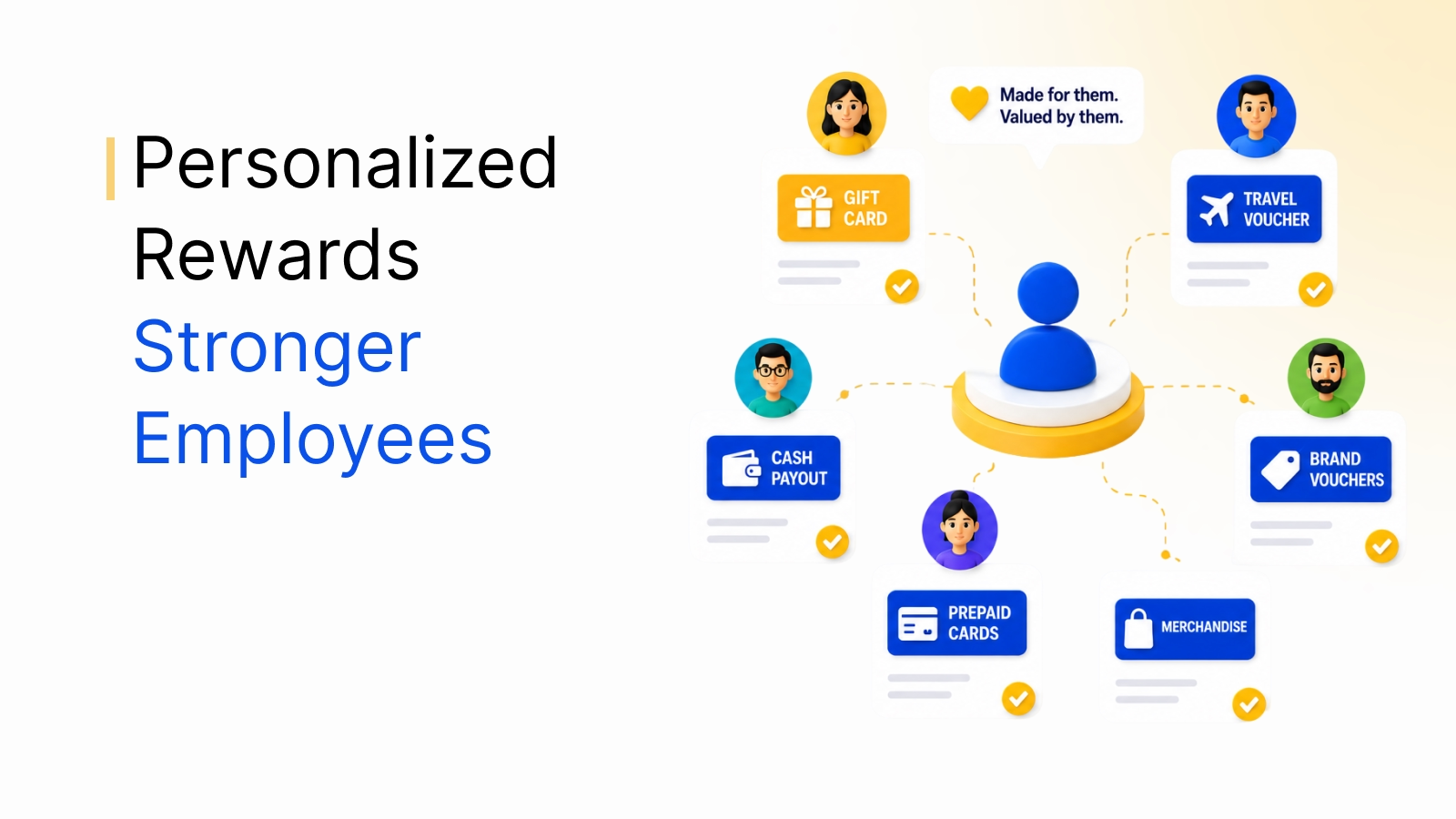
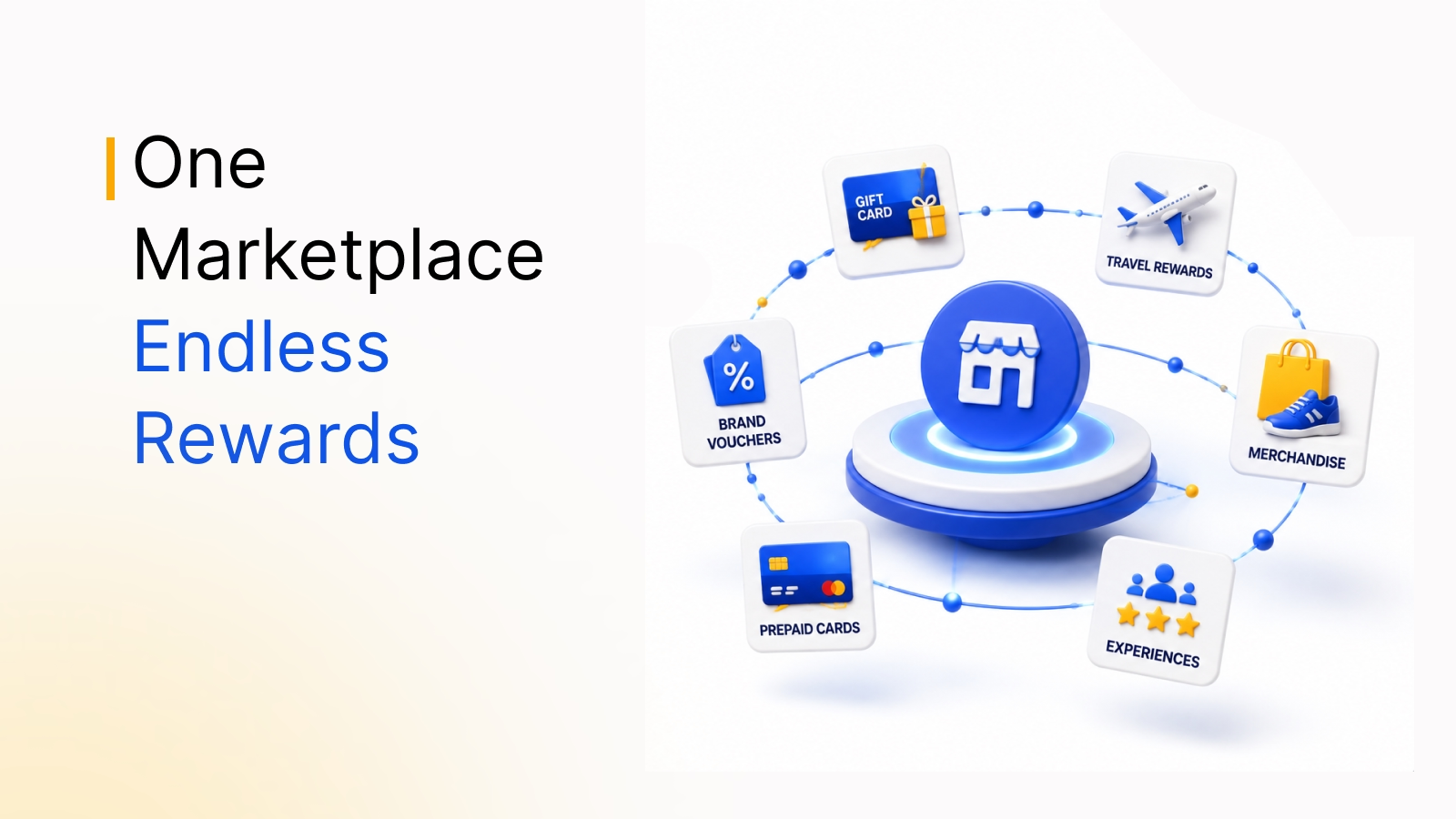
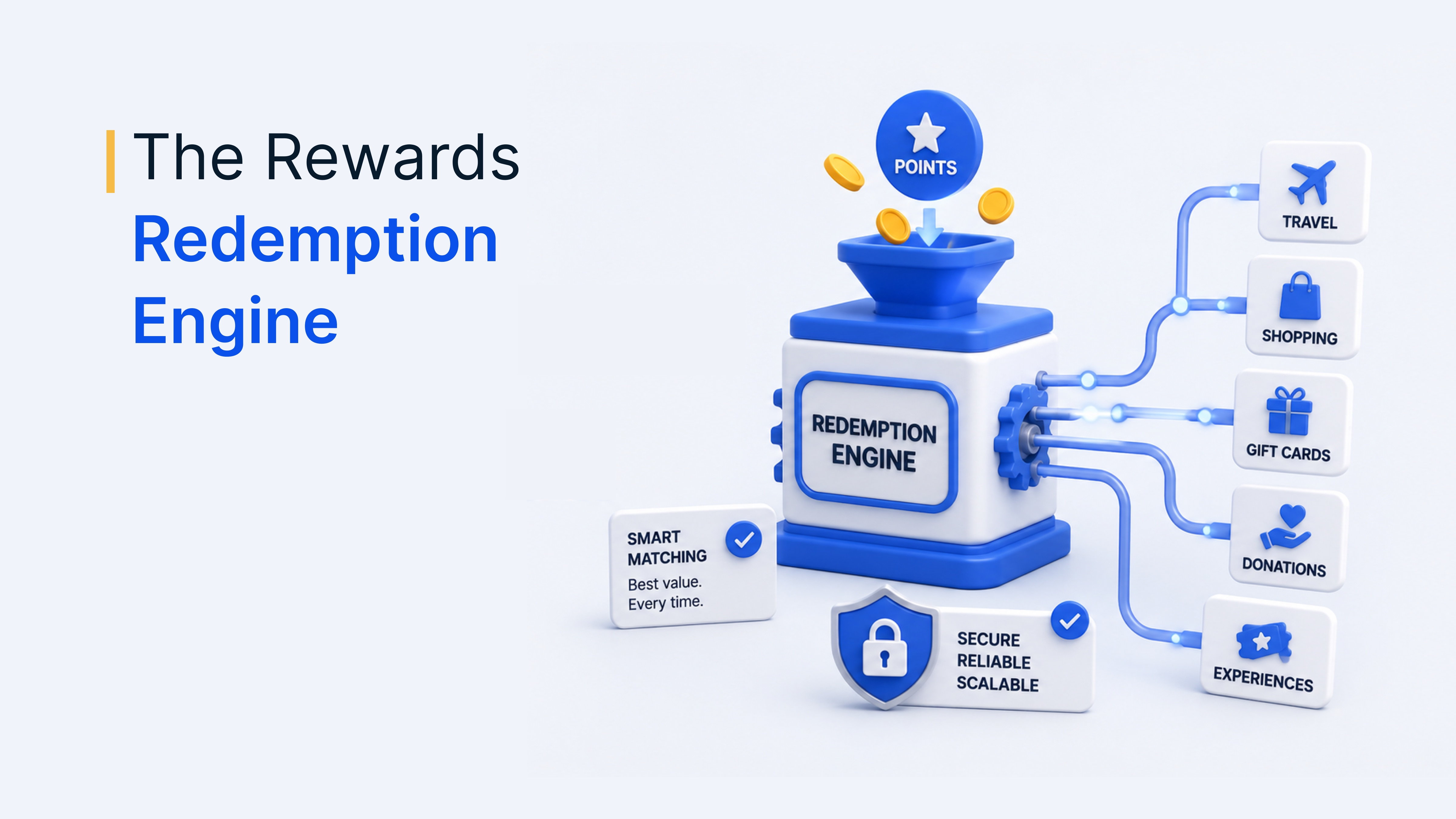
- Diverse reward choices: customers redeem points for gift vouchers, merchandise, travel, hotel stays and miles top-ups.
- Mobile-first design: the storefront is built for mobile, so customers can manage and redeem rewards anytime, anywhere.
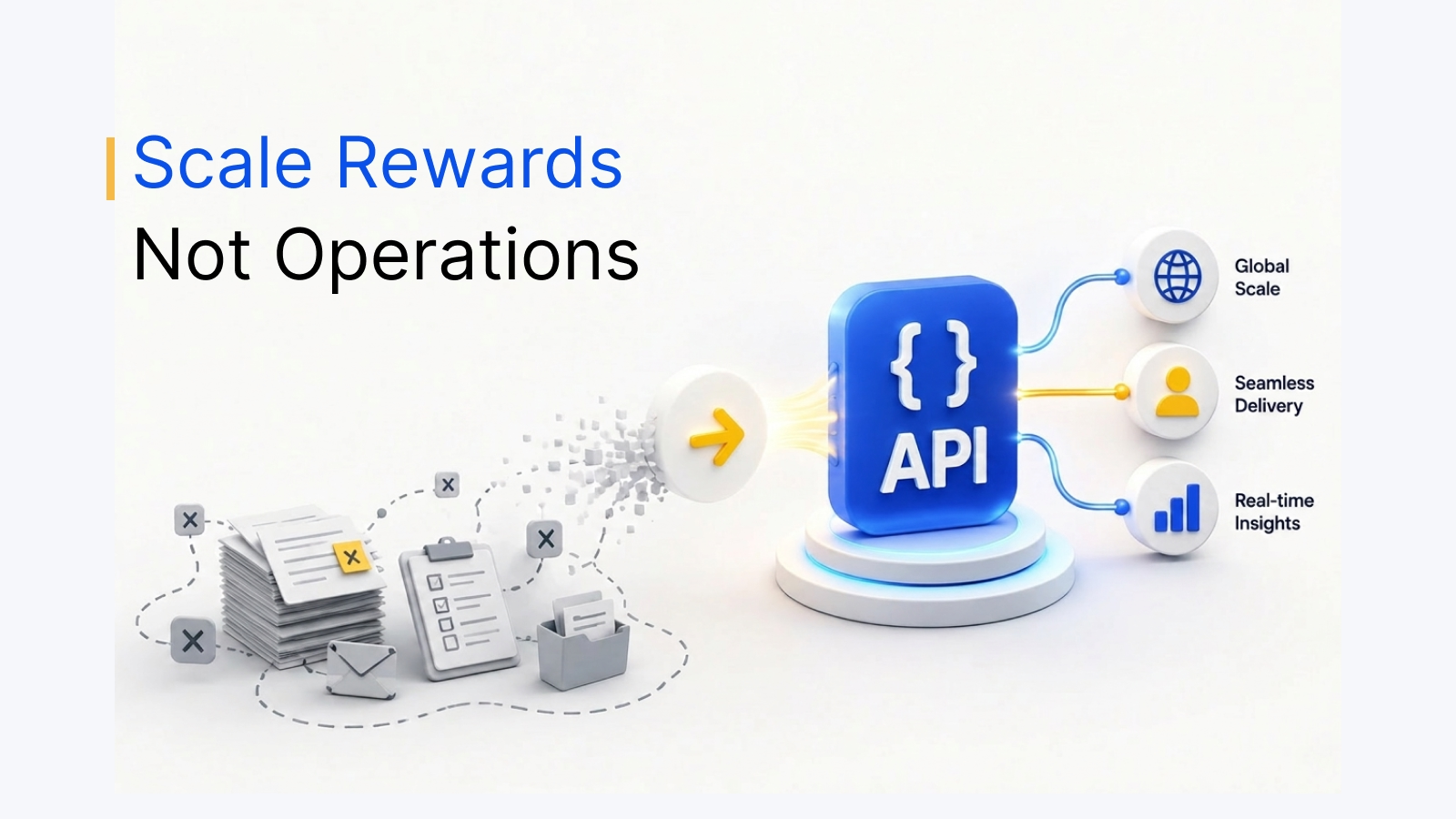
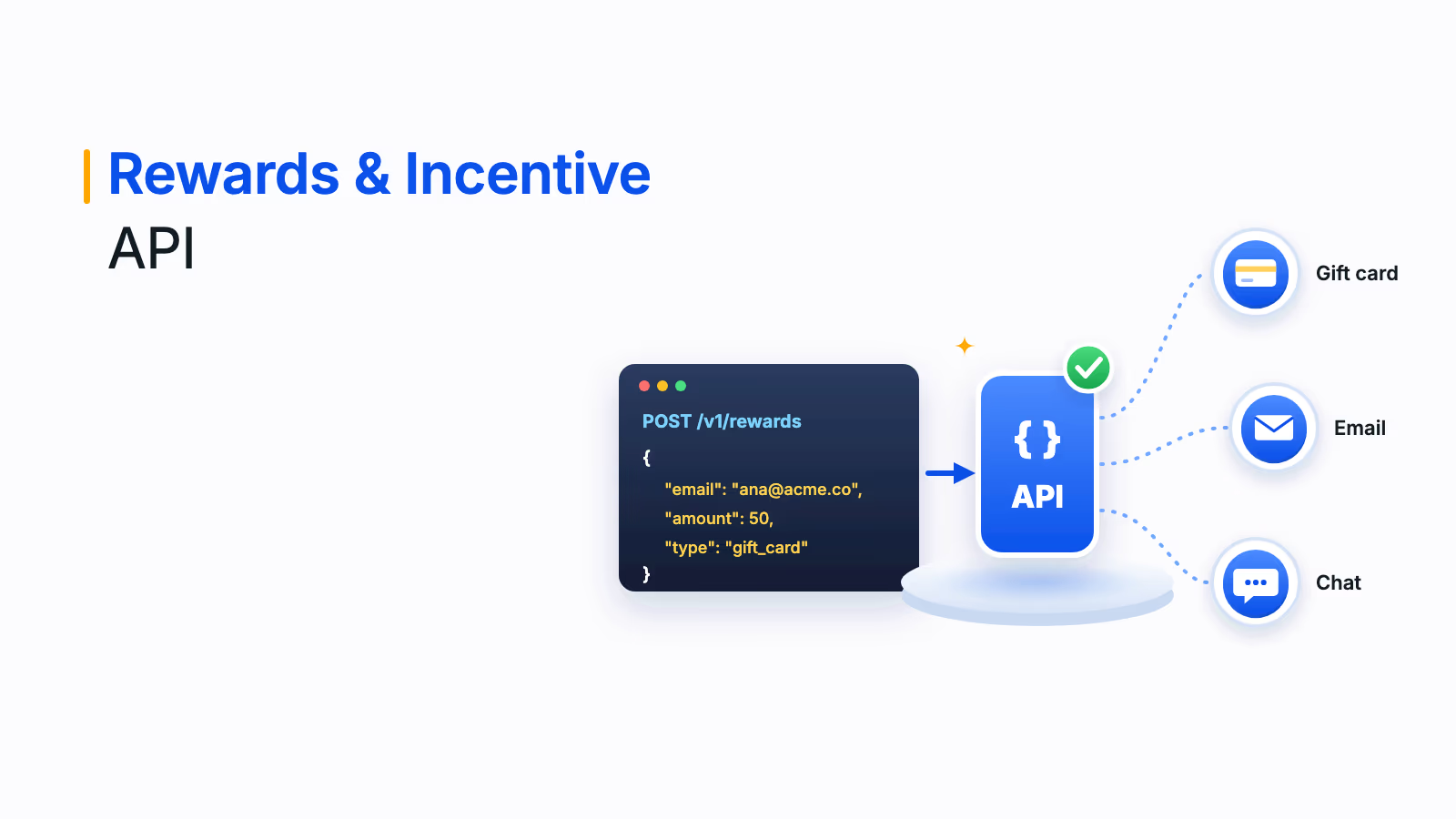
- Seamless integration: APIs connect Loyalife to the bank's existing systems, bringing the program into the mobile app, internet banking and branches.
Results achieved
Within 22 months, the program delivered:
- 146% increase in customer engagement
- 170% growth in transaction volume
- 62% growth in the user base
- 78.5% of the 3.26 billion points earned by members redeemed
Leverage Loyalife for your financial services loyalty program
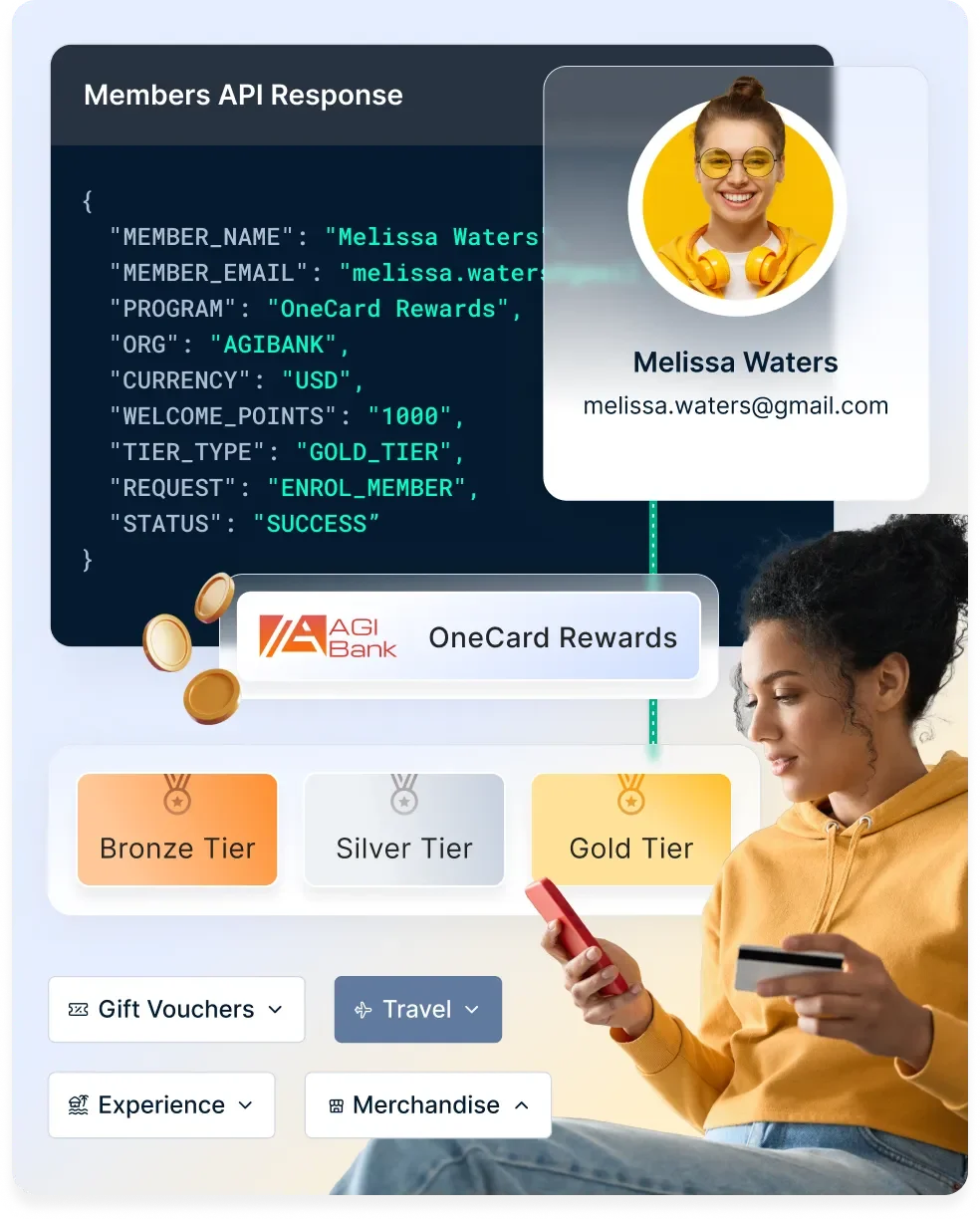
Loyalife, Xoxoday's loyalty management platform, gives banks, card issuers, insurers and fintechs the tools to build loyalty programs that drive engagement, improve customer satisfaction and increase transaction volumes.
Why Loyalife works for banking
- Tailored rewards across banking products: use the rule engine to link rewards to activities like card spend, salary credit, digital adoption or savings growth, and build tiers and segment-specific offers for each customer group.
- Seamless integration across platforms: connect core banking, card systems, mobile apps and online banking through APIs, so rewards post automatically and customers get a consistent experience at every touchpoint.
- Expansive reward choices: a white-labelled rewards marketplace with 10M+ options across 30+ categories, from gift cards to travel and experiences.
- Security and governance: SOC 2 Type II and ISO 27001 certified, with maker-checker approvals, audit trails and role-based access. See security and governance.
- Actionable data insights: track program performance, customer behavior and redemption with Reports & Insights.
For more on banking loyalty, read about bank engagement and loyalty, banking loyalty in Southeast Asia and the best credit card rewards programs.
Ready to elevate your financial services loyalty program?
A financial services loyalty program is one of the most effective ways for banks and fintechs to keep customers active, grow product holding and stand out in a market where switching is easy. Discover how Loyalife can help your financial institution achieve its goals. Request a demo today.
Book your Loyalife demo
Frequently asked questions
Switching banks and financial providers is easy and products often look alike, so loyalty has to be earned. Loyalty programs increase customer retention, deepen engagement across products, generate valuable first-party data on customer behavior and help institutions differentiate themselves in a competitive market by rewarding customers for staying and doing more with them.
Customers earn points or rewards for specific actions such as card spending, account usage, salary credits, bill payments or referrals. A rule engine calculates rewards automatically, and customers track and redeem them in mobile or online banking for benefits such as cashback, gift cards, travel, merchandise or exclusive offers. Tiers often unlock better earn rates.
Customers can enjoy cashback, discounts on financial products, personalized rewards, access to premium services and recognition through tiers and status. Many programs also reward healthy financial habits such as regular saving and on-time payments. A credit card rewards program is the most familiar example, but programs increasingly span accounts, loans and digital banking.
Institutions gain higher customer retention, greater engagement, data-driven insights and more cross-selling opportunities. A bank customer retention program gives customers points, status and benefits they would lose by switching, while program data helps the institution personalize offers, spot disengaging customers early and improve its brand reputation.
An effective financial services loyalty program includes clear target segments, measurable goals, meaningful rewards that customers can reach in a reasonable time, personalization through data, simple and transparent rules, easy redemption and omnichannel access through mobile apps, online banking and branches. Strong security and compliance controls protect customer trust.
Track customer retention rate, program enrollment and participation, redemption rate, average spend or transactions per member, customer lifetime value and overall program ROI. Combine these metrics with customer feedback and benchmarking against competitors' programs, then use the insights to adjust rewards, communication and program features over time.
They should be. Reputable institutions use encryption, secure storage, explicit consent for data use and transparent privacy policies, and comply with banking and data protection regulations. When choosing a platform, look for recognized certifications such as SOC 2 Type II and ISO 27001, plus role-based access, maker-checker approvals and full audit trails.
Common challenges include low engagement, complex or unclear rules, limited differentiation, data privacy concerns and program fatigue. Institutions can address them with relevant, regularly refreshed rewards, simple and transparent mechanics, exclusive partnerships, strong data protection and limited-time offers or personalized rewards that keep members interested.