Key Takeaways
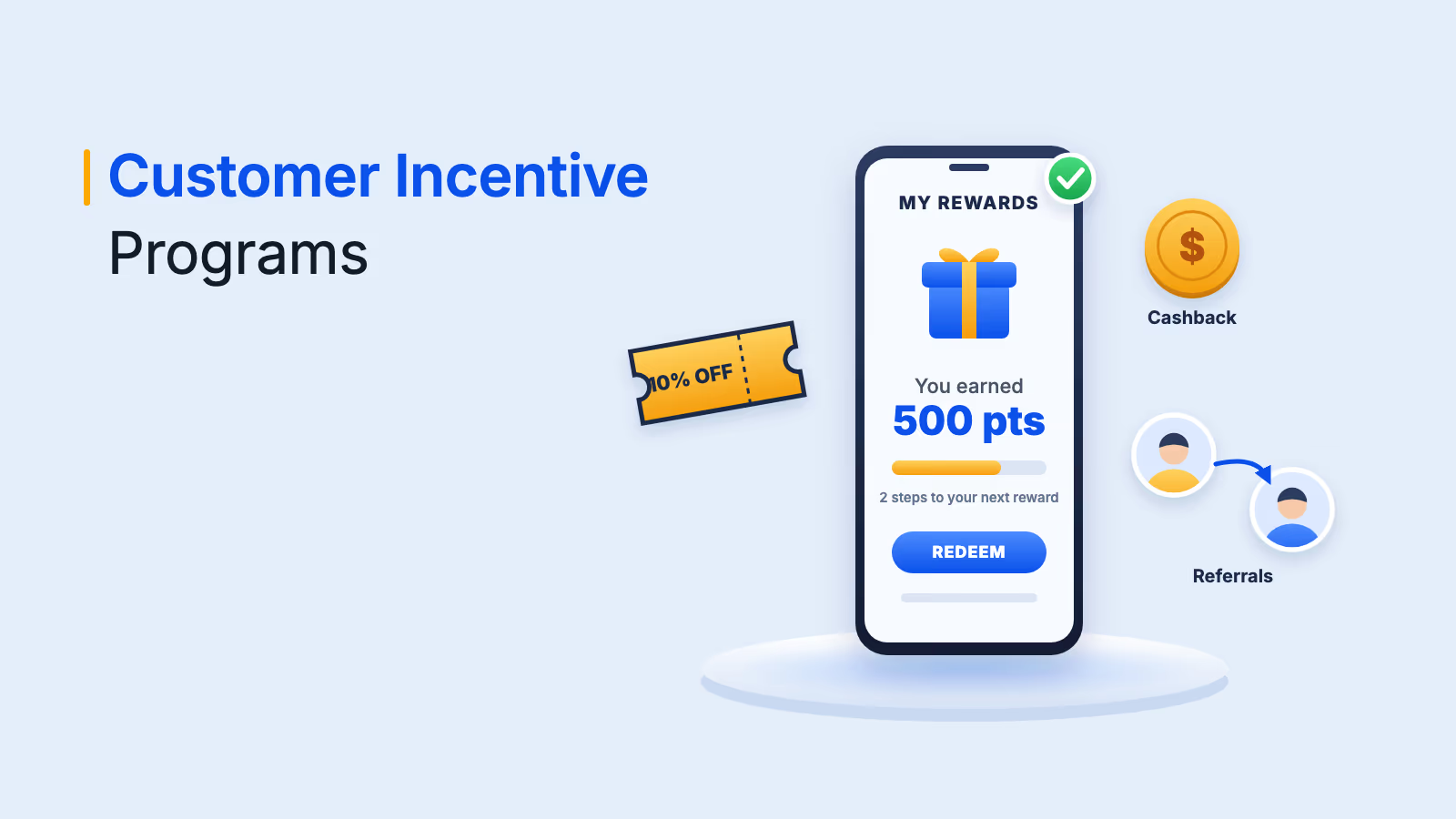
Ecommerce loyalty programs reward repeat purchases with points, cashback, discounts or perks, giving shoppers a reason to return beyond price.
Rewards can address price sensitivity, cart abandonment, one-time buyers and low engagement between orders.
Effective programs have simple rules, sit inside the store and checkout, work well on mobile and feel personal.
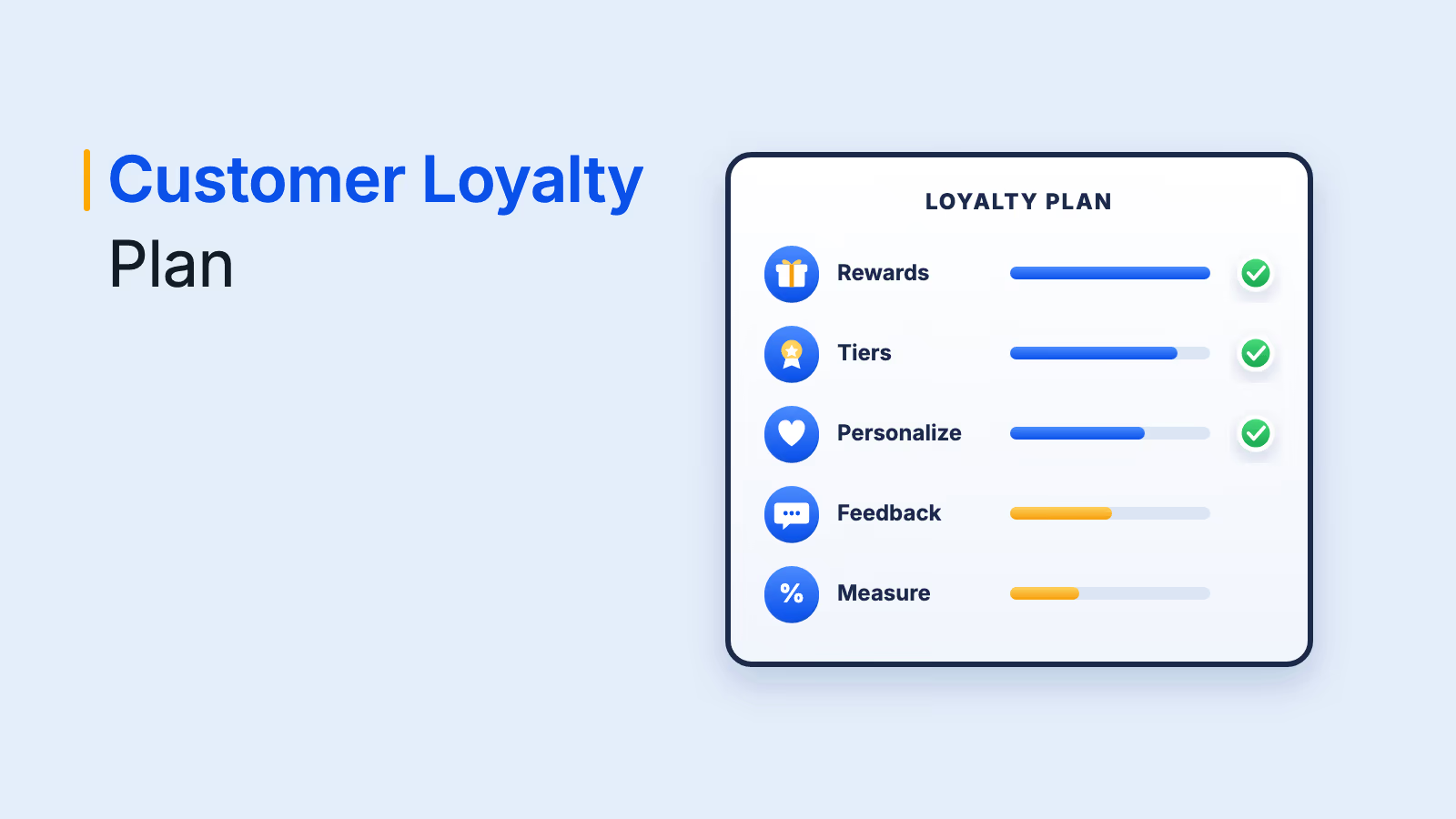
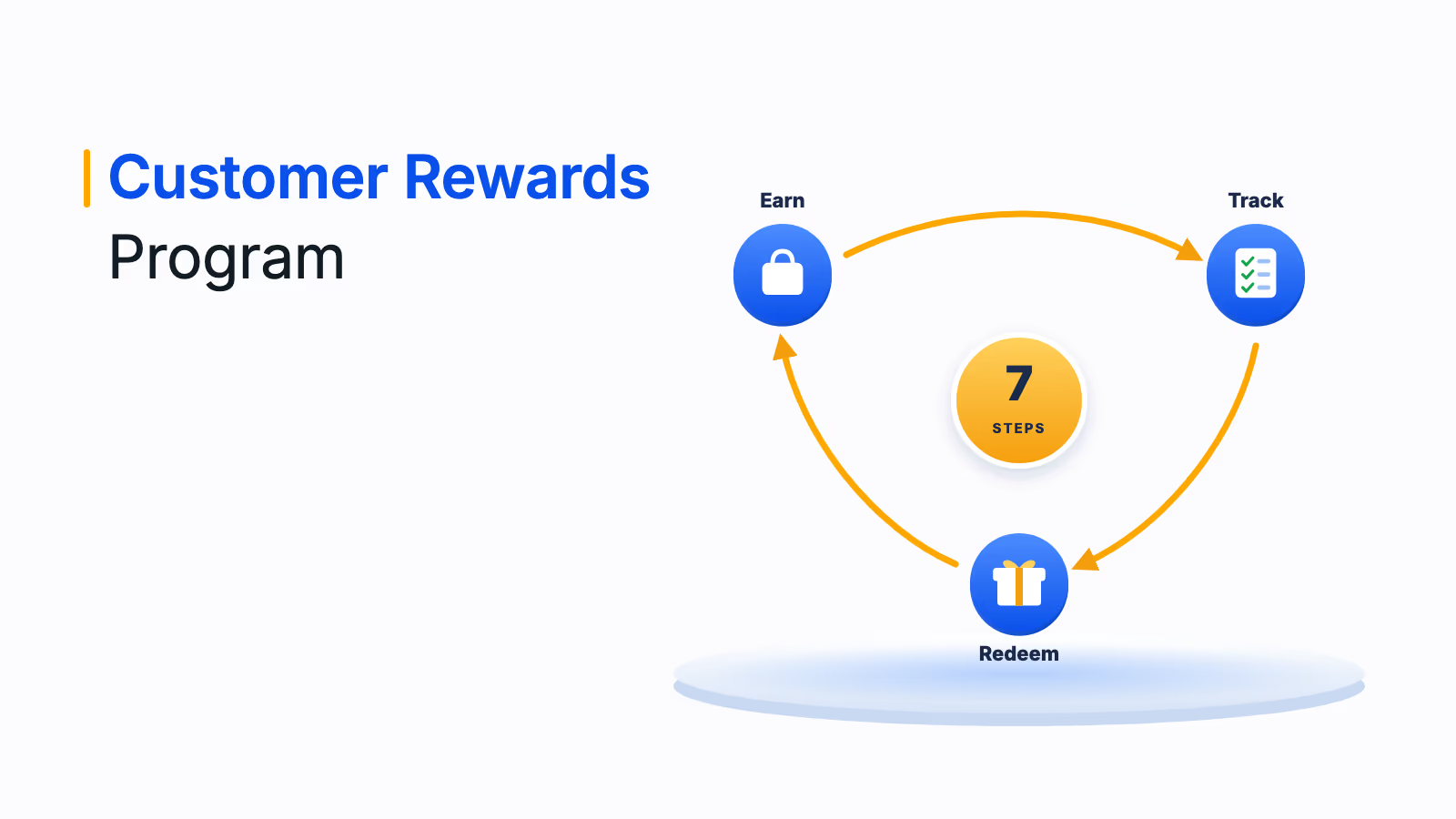
Build in 7 steps: set goals, know customers, pick a program type, choose rewards, make it easy, promote it and keep improving.
PetSmart, SHEIN, Walmart+, Amazon Prime and Flipkart Plus pair practical value with perks members notice.
Online shopping is important, and companies want you to keep making purchases. That is where loyalty programs come in handy. These programs reward you for shopping with the same brand frequently. They are a way of extending gratitude and making sure you stay happy, and the best ecommerce loyalty program examples show how much they can do for an online business.
In fact, loyalty programs largely pay for themselves. In Antavo's Global Customer Loyalty Report 2025, 83% of program owners who measure ROI reported a positive return, with programs generating 5.2 times more revenue than they cost.
Here, we will discuss loyalty programs, why ecommerce stores need them, and what makes a good loyalty program. We will also guide you through the process of creating your loyalty program from scratch and share examples of successful programs so that you can be inspired.
Whether you are starting an online store loyalty program from scratch or looking to improve your existing one, this guide covers all the basics of building a loyalty program that will engage your customers and grow your online business.
What is an ecommerce loyalty program?
An ecommerce loyalty program is a rewards system that online businesses use to encourage repeat purchases. These programs offer rewards like discounts, special content, and early product access, meeting shoppers' diverse interests. When customers enjoy these benefits, businesses see increased loyalty and sales.
These programs are designed to be a seamless part of the shopping experience, building a strong community around your brand. They can be simple, like earning points for rewards, or more complex, with features like games and achievements. The key is to make the program easy to understand and enjoyable for customers. Our guide to types of loyalty programs covers the main models in more depth.
Why loyalty programs matter for ecommerce businesses
Loyalty programs are essential for ecommerce businesses aiming to retain customers in a competitive market. They not only encourage repeat purchases but also foster stronger relationships by rewarding customers for their trust and engagement.
- Strong connection with the brand: Collecting loyalty points makes customers feel more involved with the brand; in a sense, they become insiders. This makes them more likely to come back for more and to recommend the brand to their friends.
- Promoting new products: Loyalty programs let businesses tell members about new products before the general public hears about them. Members are often more willing to experiment with what they buy, which helps the business sell more and collect early feedback.
- Making more money: By encouraging customers to buy more often, loyalty programs help the business earn more. When shoppers know they stand to earn rewards or unlock discounts, they find it worthwhile to shop more frequently.
- Getting useful information: Businesses can learn a lot from these programs about their customers, such as their preferred products and how often they buy. This information helps them decide which products to offer and how to position them.
- Selling more: With special discount coupons and reward offers, companies can sell more to each customer and earn more revenue per customer. The promise of bonus points or other incentives can encourage shoppers to buy several products at once or choose a slightly more expensive item than they otherwise would.
- Keeping customers coming back: A loyalty program gives customers more reasons to shop with you rather than elsewhere. If they know a reward or discount is waiting, they will often prefer your store over a competitor's.
Challenges in ecommerce customer retention and how loyalty rewards help
Customer retention remains a critical hurdle for ecommerce businesses. Loyalty rewards are among the most effective ecommerce customer retention strategies, tackling these challenges and fostering engagement and long-term connections. Here are six common problems, with ecommerce rewards program ideas that address each one.
1. Price sensitivity among shoppers
Customers frequently compare prices across platforms, gravitating toward the cheapest option. This creates a transactional mindset, leaving little room for brand loyalty.
How loyalty rewards help: Loyalty programs can shift the focus from price to value by offering points, cashback, or exclusive discounts. For example, providing double points during sales or cashback on specific purchases incentivizes customers to stay with your brand, even if prices are slightly higher.
2. Lack of personalization
Customers now expect tailored shopping experiences. Generic marketing or rewards fail to engage, leaving customers feeling undervalued.
How loyalty rewards help: Advanced loyalty platforms use customer data to offer personalized rewards, such as birthday discounts, curated product recommendations, or exclusive deals based on purchase history. For example, a beauty retailer could offer loyalty members discounts on skincare if their past purchases show a preference for such products.
3. High cart abandonment rates
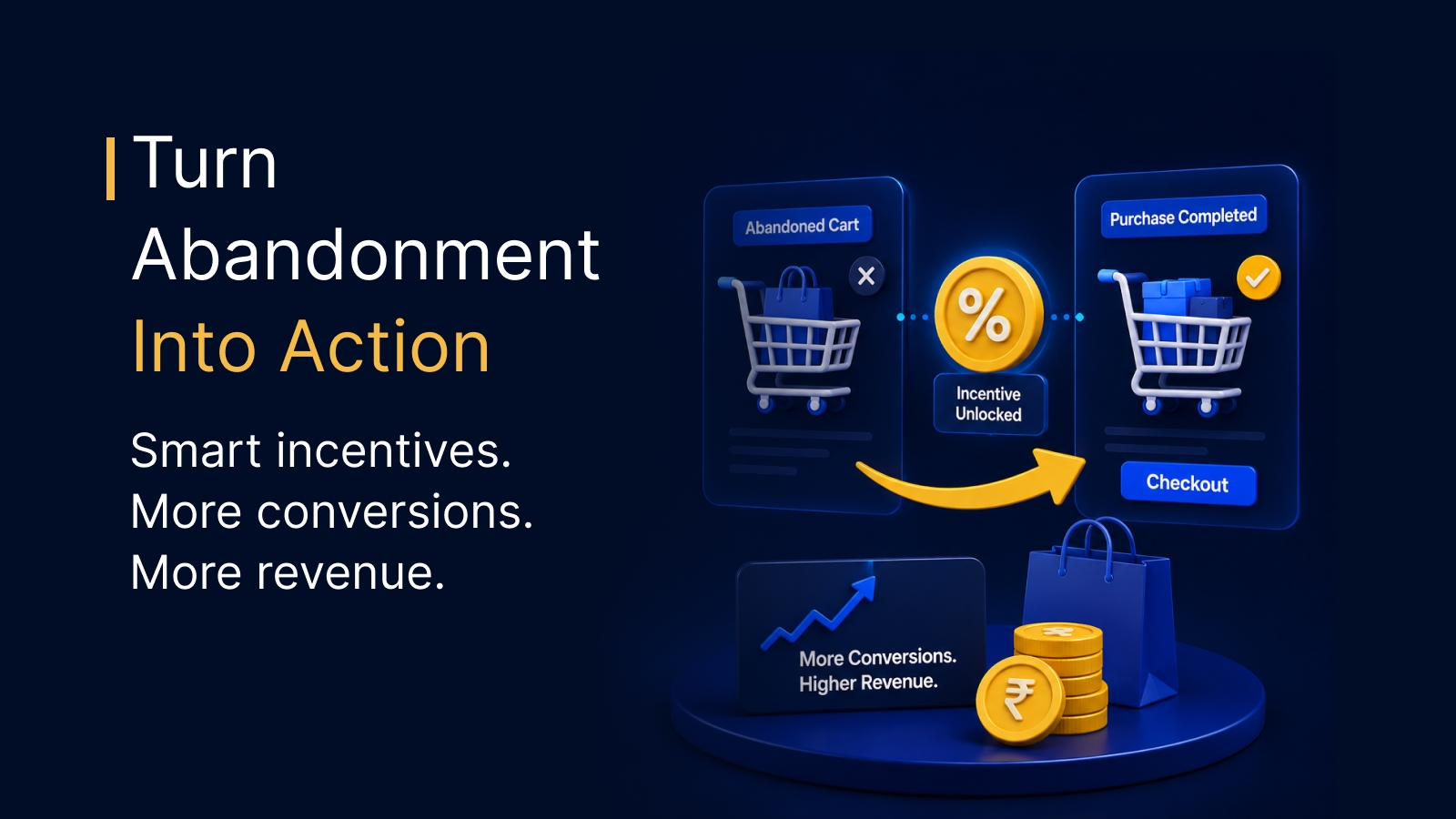
Cart abandonment is a major challenge. Baymard Institute's cart abandonment research puts the documented average online cart abandonment rate at about 70%, and extra costs such as shipping, taxes and fees are the top reason shoppers give for leaving.
How loyalty rewards help: Offering loyalty points or free shipping for completing purchases can encourage customers to proceed to checkout. For instance, sending an email with "Earn 500 bonus points if you complete your purchase within 24 hours" can prompt action. For more tactics, see our guide on incentives that reduce cart abandonment.
4. Low repeat purchase rates
Many ecommerce customers make a single purchase and never return, limiting their lifetime value.
How loyalty rewards help: Welcome bonuses or first-purchase rewards encourage new customers to return. For example, a fashion brand could offer a discount code for a second purchase, sent immediately after the first transaction, to keep the customer engaged.
5. Difficulty in retaining long-term customers
Loyal customers often feel underappreciated if rewards programs don't evolve with their increasing engagement.
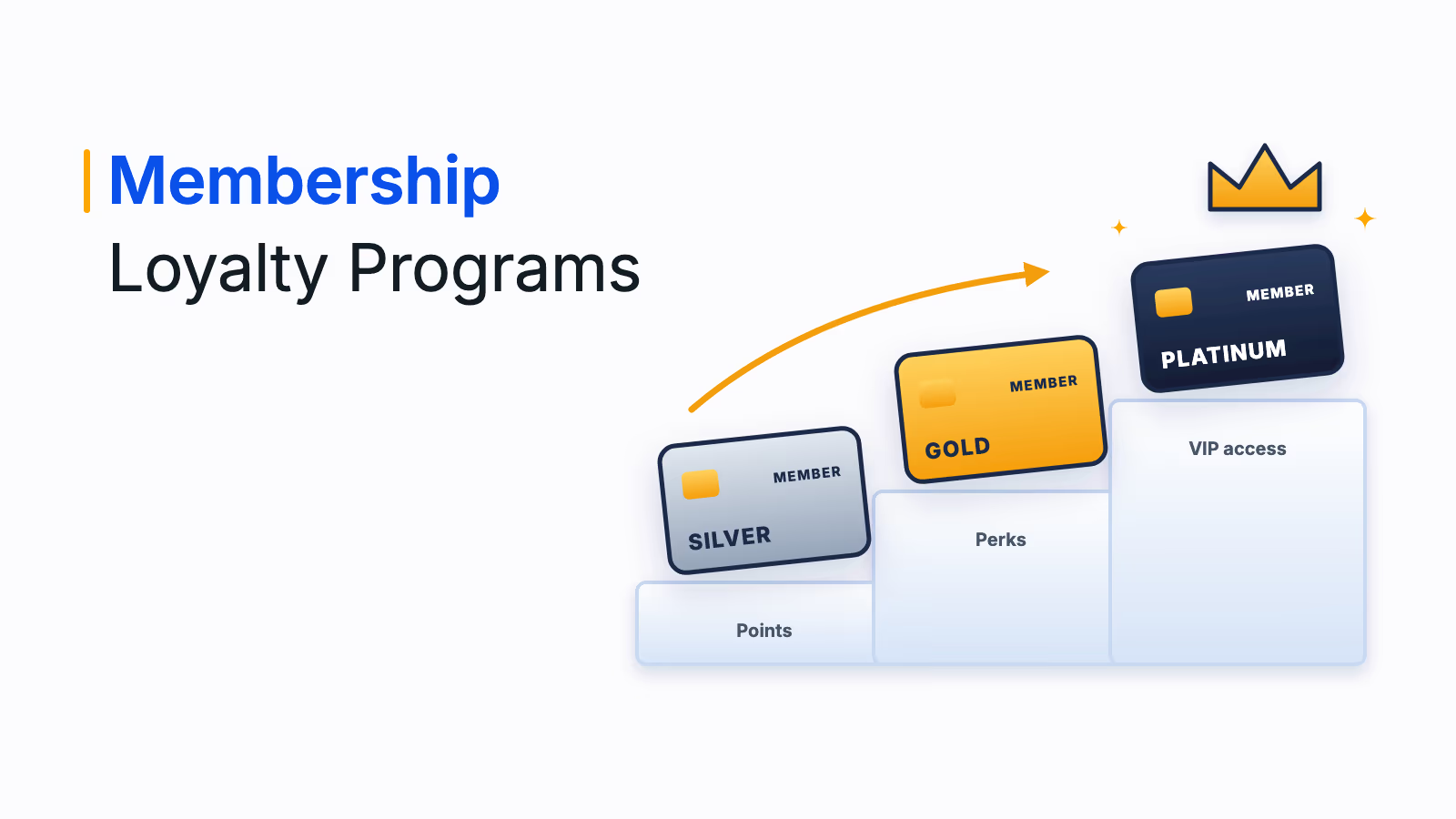
How loyalty rewards help: Tiered loyalty programs address this by rewarding higher engagement with exclusive perks like early access to sales, VIP customer service, or higher point earning rates. Paid memberships work in a similar way: Amazon Prime's subscription model offers fast free delivery and access to members-only events such as Prime Day, retaining high-value customers.
6. Low engagement between purchases
Customers often disengage if there's no incentive to stay connected outside of transactions.
How loyalty rewards help: Interactive features like gamified challenges, point multipliers for social sharing, or limited-time bonus offers keep customers engaged. For instance, an ecommerce store could offer double points for reviewing products or sharing purchases on social media.
Build an ecommerce loyalty program shoppers come back for
Points, tiers, campaigns and 10M+ redemption options across web, app and store.
Talk to our ExpertTrusted by 5,000+ companies
Essential components of an effective loyalty program
An effective loyalty program is built on key components that drive engagement, foster customer satisfaction, and deliver measurable results. These elements ensure the program not only meets business goals but also creates meaningful value for customers.
1. Clear and straightforward rules
Make sure the rules are easy to follow. Customers should quickly understand how to earn points and redeem rewards without any confusion. If the rules are simple, more people will join and stay active in the program. Clear instructions also reduce customer questions and make it easier for staff to explain the program.
2. Seamless integration with ecommerce
Your loyalty program should blend smoothly with your online store. Customers should be able to track their points and rewards effortlessly while shopping online. If they can see their points adding up and easily find out what rewards they can get, they will feel more motivated to keep shopping with you. Make it easy for them to use their points at checkout, too.
3. Optimized for mobile devices
Since many consumers rely on their phones throughout the day, make sure the program is built for mobile. It should be highly responsive on smartphones and tablets.
Customers who shop on their phones also check their points and rewards there. The mobile version should be just as simple, friendly and usable as the desktop version.
4. Multi-channel engagement
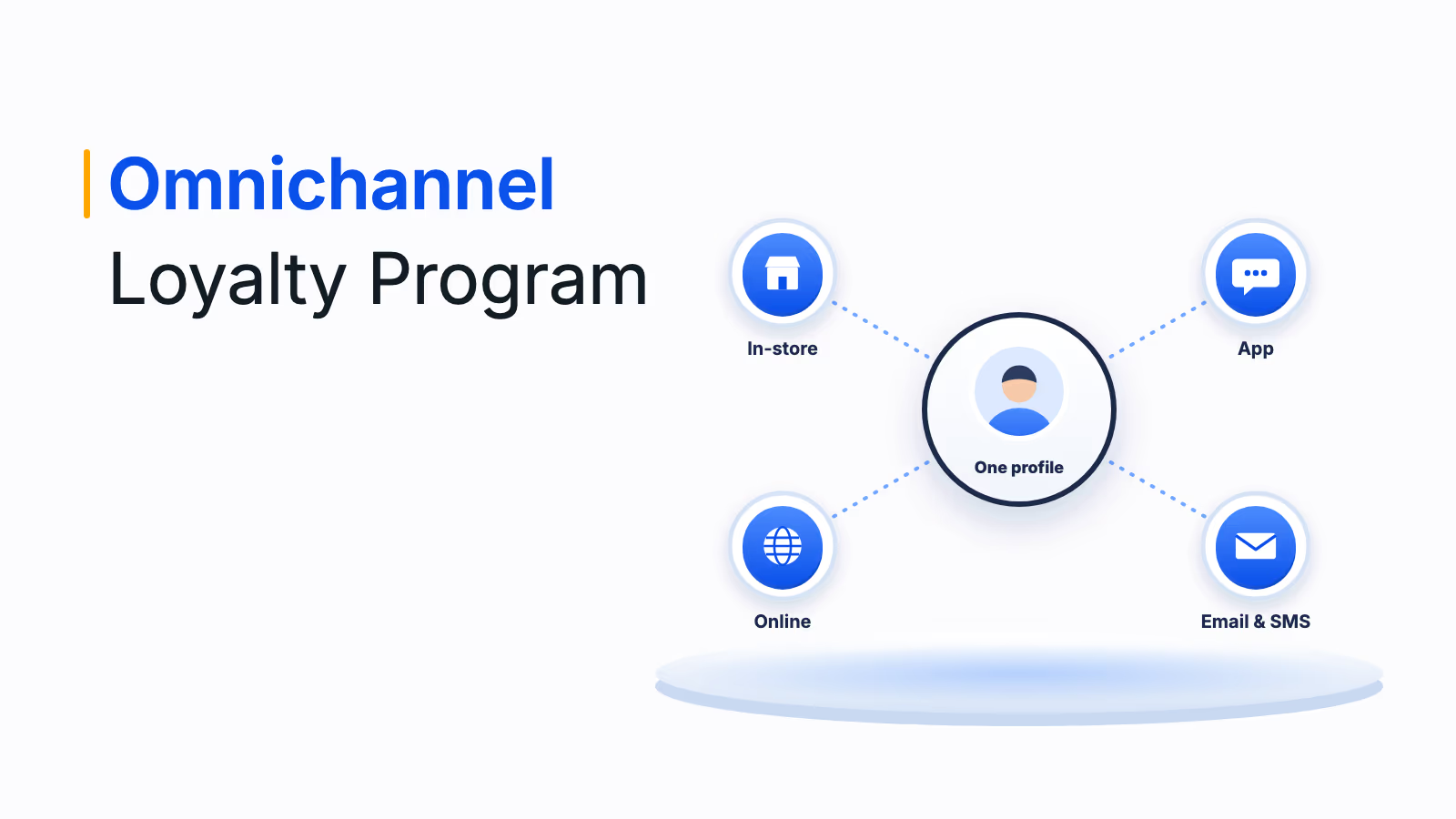
Promote the program to customers through digital channels such as email as well as physical touchpoints such as the in-store experience. This helps maintain the relationship and keeps members informed about why the program suits their needs. Remind them of their points and rewards through different channels so they don't forget, and encourage them to engage on social media or by email by offering extra points or special offers.
5. Effective offline presentation
If you also sell in physical stores, promote your loyalty program there to reach more customers. Use signs, membership brochures and product recommendations from staff to encourage sign-ups.
Keep the sign-up process as simple as possible and train employees to walk customers through it. Since a single notice is easy to miss, displaying the program prominently in the store can catch the attention of shoppers who did not know it existed.
6. Personalized experience
Try to build personal elements into your program. Include messages such as "happy birthday" or congratulations in automated emails, and recommend products for repurchase. If customers feel the program is designed for them, they will stick around. These messages also show that you value them as people, not merely as consumers, which prompts a positive response.
How to build an ecommerce loyalty program in 7 steps
Creating an ecommerce loyalty program is a great way to keep your customers coming back. Here's a simple guide to help you build one:
1. Set your goals
Think about what you want to achieve with your loyalty program. Do you want more repeat customers, higher sales, or better customer engagement? Clear goals will help you design your program. Knowing your goals will also help you measure your program's success and make any necessary adjustments.
2. Know your customers
Look at your customer data to understand what they like, how they shop, and what motivates them. This will help you create a program that they'll love. Talk to your customers or send out surveys to get more insights. The better you know your customers, the more tailored and effective your loyalty program will be.
3. Pick the right program type
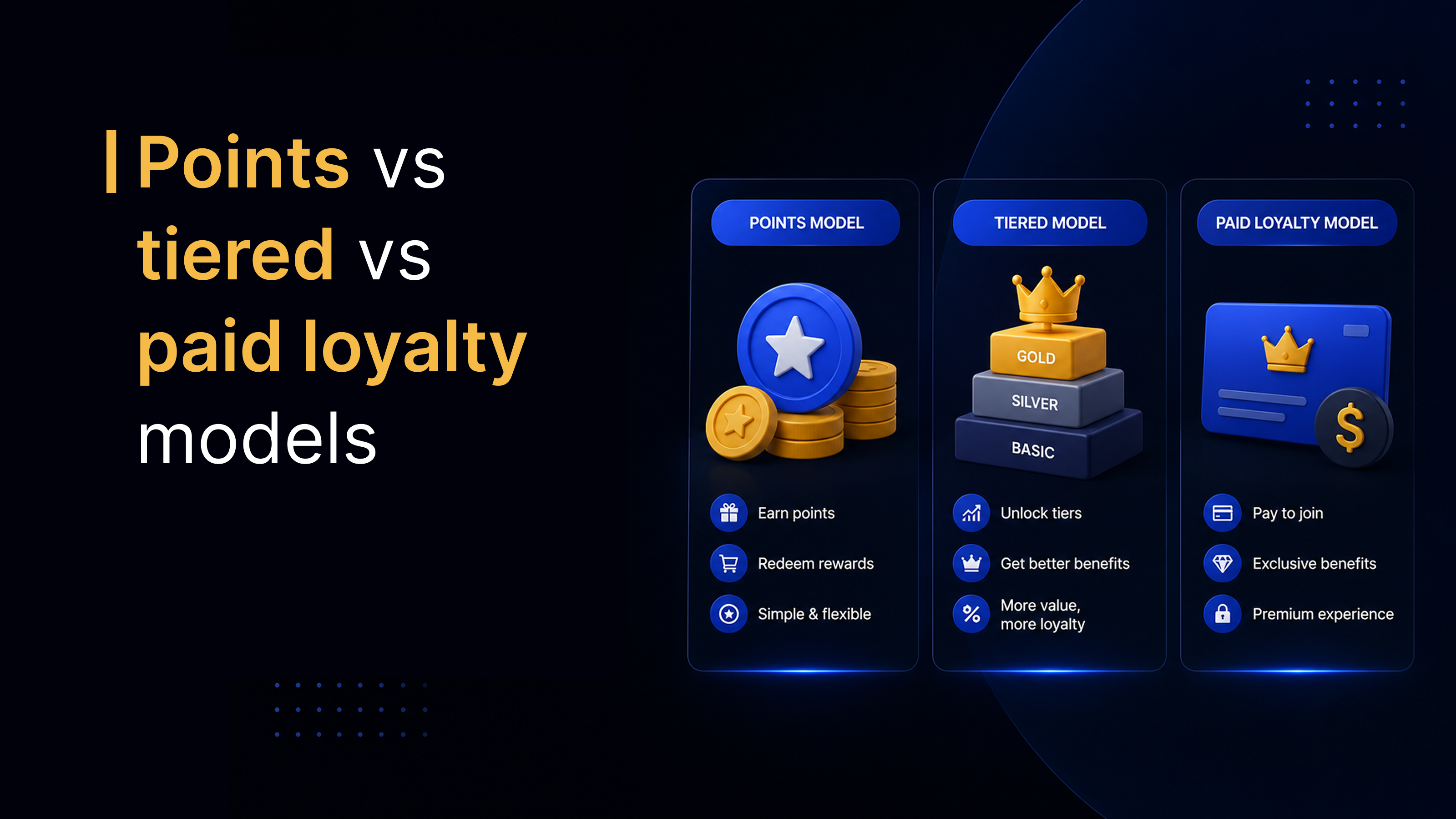
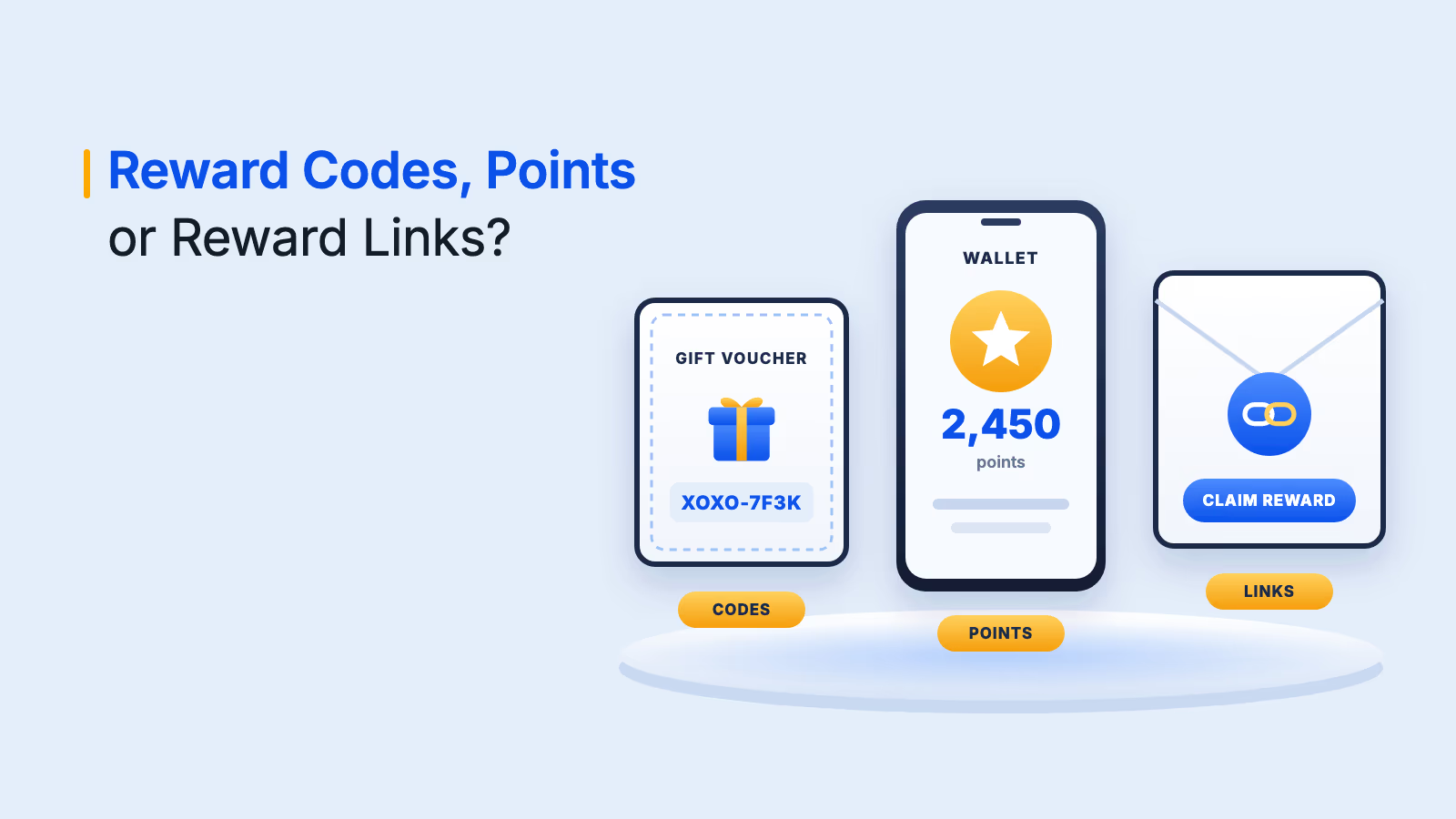
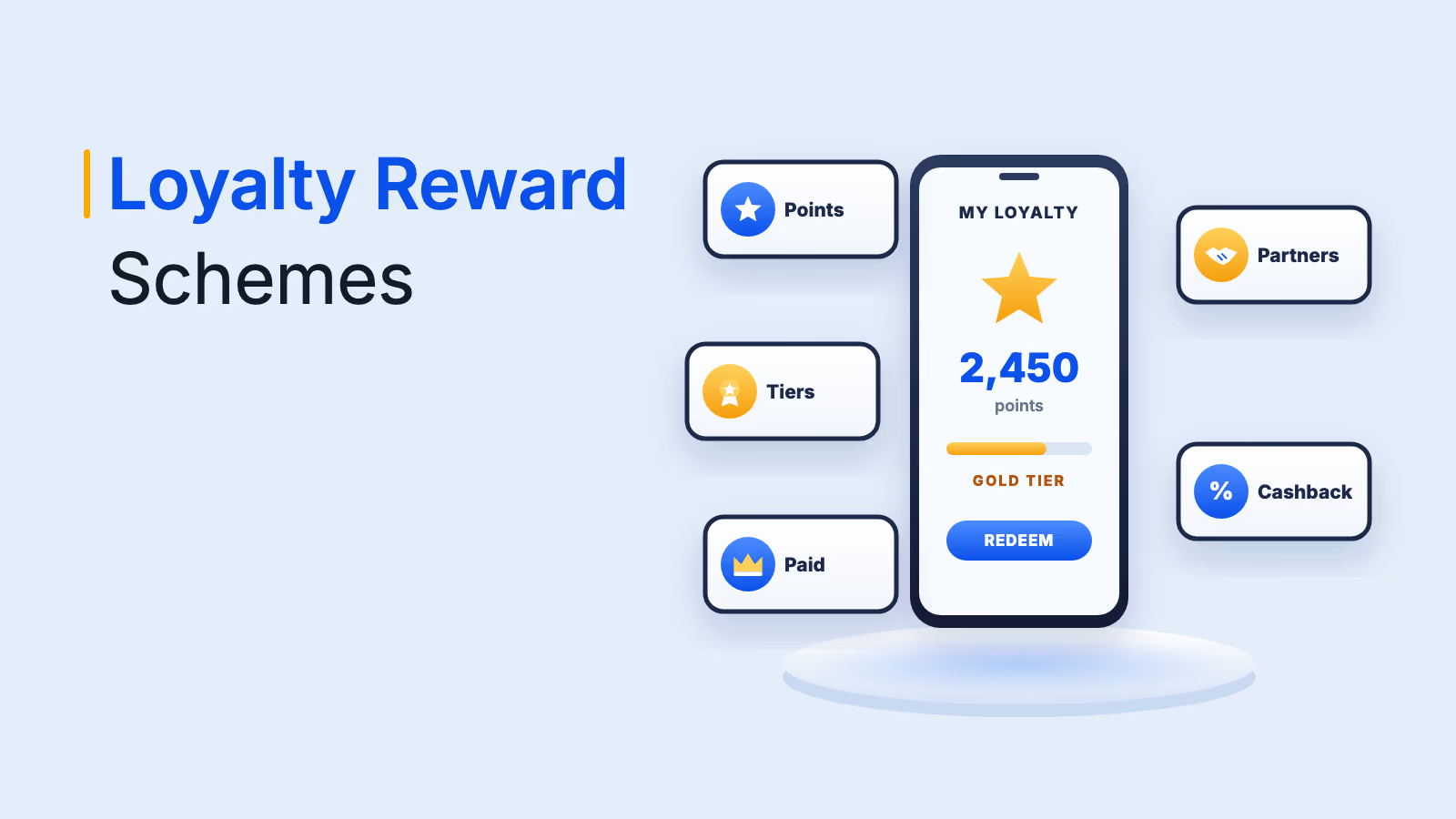
Choose the type of loyalty program that best suits both your company and your customers. The most common ones are points-based, tiered and subscription-based programs.
Think about what your customers would like and which incentives they are most likely to respond to. The right type of program will keep them engaged and interested over time. If you are weighing two popular options, our comparison of cashback vs points loyalty walks through the trade-offs.
4. Choose rewards
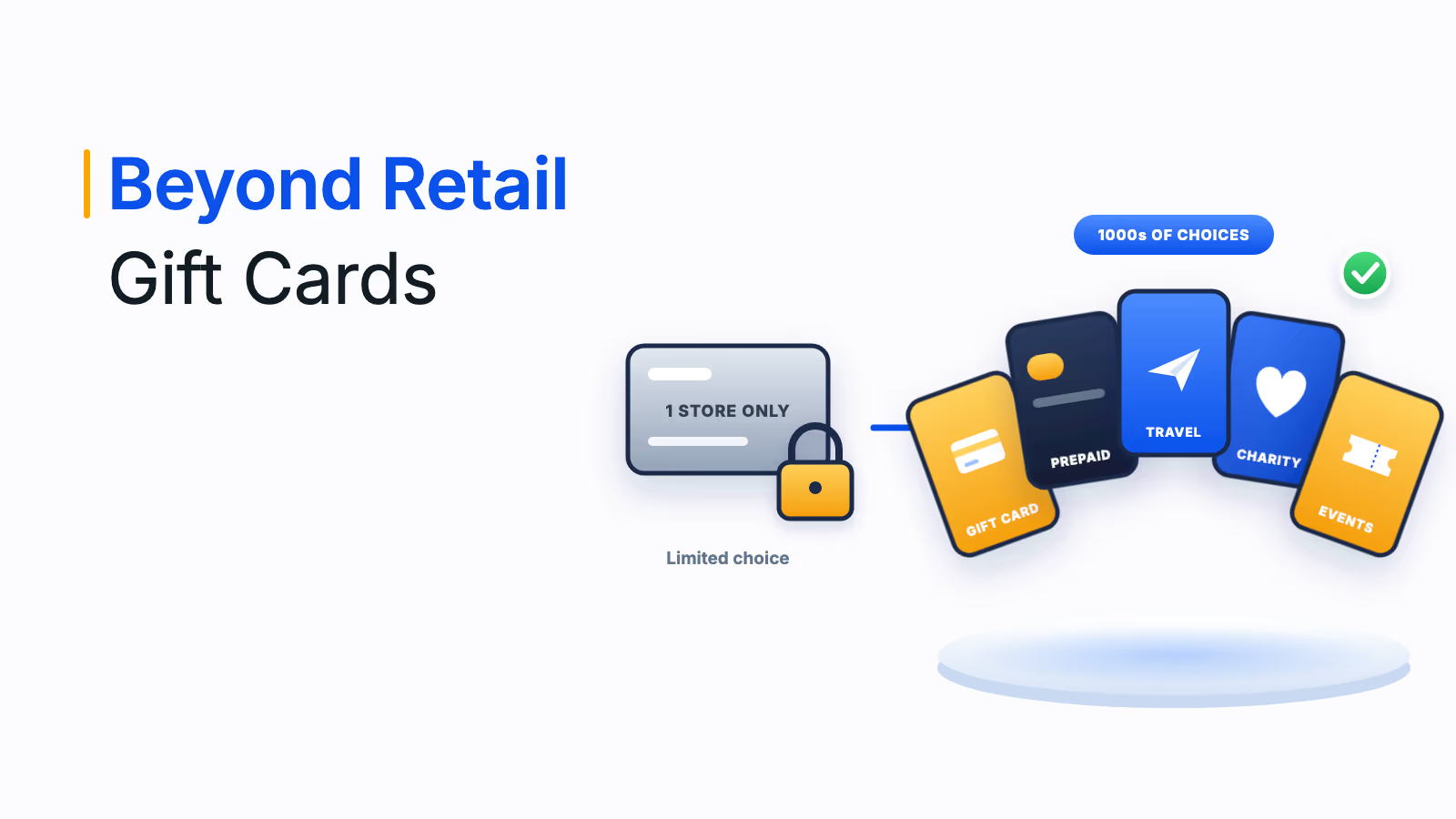
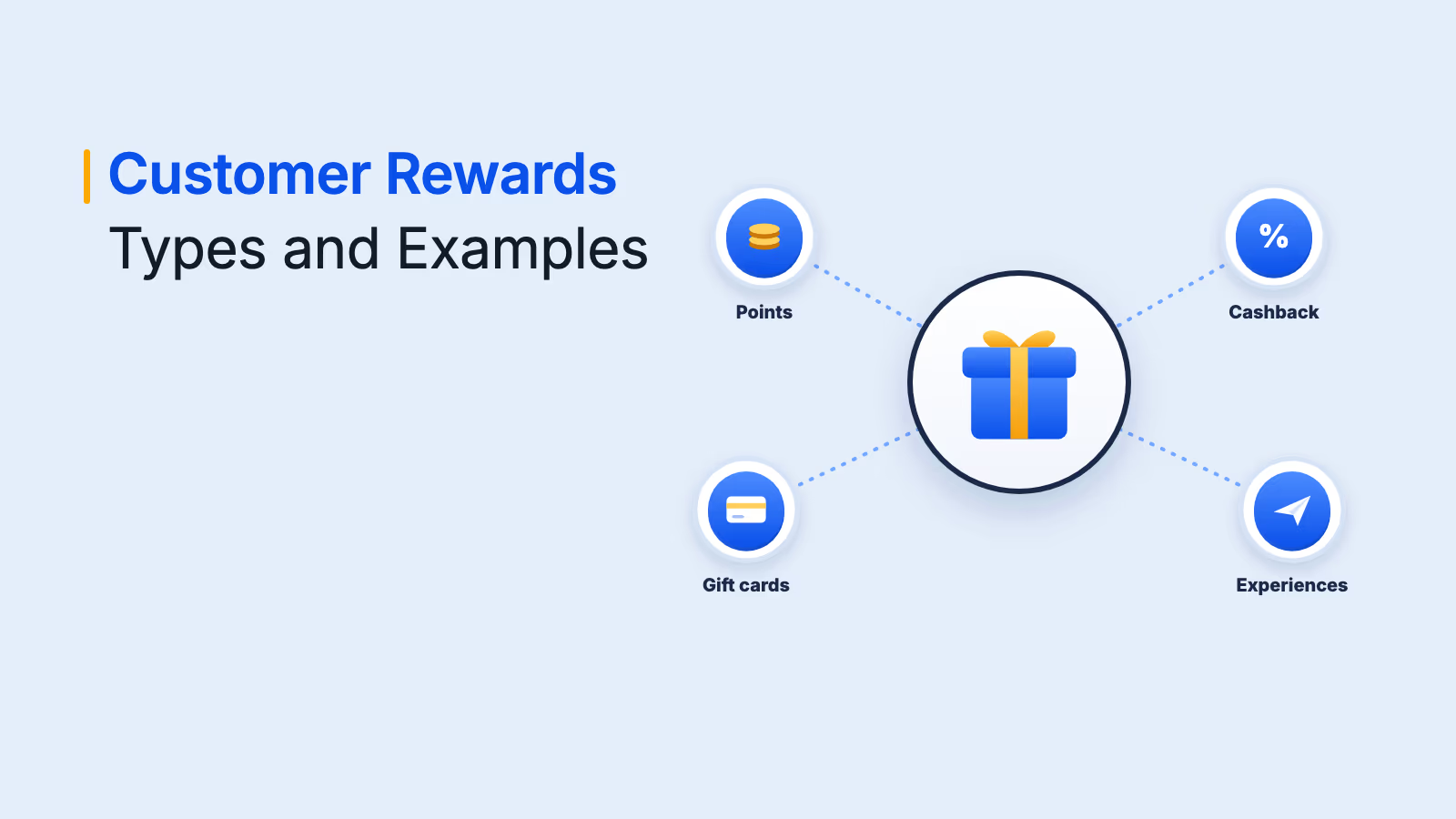
Select rewards your customers will actually value, such as discounts, free shipping, early access, gift cards or experiences. Consider which rewards they would enjoy most and which would motivate them to keep participating, and make sure the cost of each reward fits your margins. Rewards that feel worth having will keep members engaged and enthusiastic.
5. Make it easy to use
Set up a straightforward system that customers can understand at a glance. This could be a separate page on your website or a section in your mobile app. Make it simple for them to track points, redeem rewards and see how they can earn more.
When the system is easy to understand and navigate, more of your customers will enroll and keep engaging with your loyalty program. Give clear directions where needed and help customers whenever they need it.
6. Promote your program
Use email, social media and your website to tell customers about your loyalty program. Make sure they understand the benefits of joining and how to sign up.
Use attractive visuals and catchy headlines to spark their interest. From time to time, remind them that the program exists and tell them about new additions or improvements.
7. Keep improving
Measure how effective your loyalty program is and ask customers for feedback regularly. Our guide to loyalty program ROI explains which metrics to track. Then use what you learn to improve the program and make it even more interesting for members.
Keep refining and enhancing its features, because a program that never changes becomes boring. Stay flexible and willing to adapt, because as customers evolve, so do their shopping habits, preferences, and needs. Smaller stores can start with a lean version of these steps; our guide to loyalty programs for small businesses shows how.
5 best ecommerce loyalty program examples in 2026
Here's a look at some of the most innovative ecommerce loyalty program examples shaping 2026, based on their official pages as of October 2026. These programs show how personalized rewards and creative strategies can boost customer loyalty, enhance engagement, and drive long-term success. For more inspiration across industries, see our roundup of customer loyalty program examples.
1. PetSmart Treats Rewards
PetSmart Treats Rewards is a great loyalty program for pet lovers, and it is free to join for US shoppers. Members earn 10 points for every $1 they spend on merchandise and services, and every 1,000 points is worth $2 in savings in stores, online or in the app. Annual spend moves members from Member to Bestie and VIPP tiers, which add bonus points, tier events, early access to sales and a holiday gift.
Members can also earn double points on cash donations to PetSmart Charities at checkout, which makes them feel closer to the brand, and PetSmart celebrates each pet's birthday or Gotcha Day with a gift, adding a personal touch. These features create a strong emotional connection and build loyalty through personalized rewards and smart offers. PetSmart's loyalty program effectively engages customers and builds lasting relationships.
2. SHEIN Points
SHEIN's points program rewards customers for shopping and for engaging with the brand. Customers can earn points by buying items, writing product reviews, checking in on the app and joining events.
Points can be used as a discount on future purchases, with earn amounts and redemption limits that vary by region. The program is unique because it rewards customers for a range of interactions, not just purchases, which fosters a stronger connection.
SHEIN makes it easy to track points through its app, so customers always know what they can save. Rewarding engagement such as reviews also creates useful content and keeps shoppers active between orders.
3. Walmart+
Walmart has a paid membership called Walmart+ that makes shopping more convenient. According to Walmart, members get delivery on qualifying orders at no extra cost, free pharmacy delivery and early access to deal events.
Membership also covers a choice of Peacock or Paramount+ streaming, and members save 10 cents per gallon at more than 17,000 participating fuel stations. The membership costs $98 a year.
Walmart has also added in-store perks such as free monthly photo prints and auto care benefits. Overall, Walmart+ makes shopping more convenient and affordable by saving members time and money across their whole routine.
4. Amazon Prime
Amazon Prime is Amazon's paid membership program, and it gives members some great benefits. In the US, more than 300 million items ship free with Prime, and tens of millions of popular items qualify for free Same-Day or One-Day Delivery. Members also get Prime Video for movies and TV shows.
Members can also shop exclusive deals during members-only events such as Prime Day and Prime Big Deal Days. Prime costs $14.99 a month or $139 a year in the US, according to Amazon's benefits overview. The program has made many people even more loyal to Amazon because it is convenient and helps them save money.
With Amazon Prime, customers can shop without worrying about shipping costs, enjoy entertainment, and get special offers, making it a valuable loyalty program that keeps customers returning for more.
5. Flipkart Plus
Flipkart Plus is a loyalty program that rewards frequent shoppers on one of India's largest online marketplaces. Flipkart restructured the program in 2025, and it now has two free tiers: shoppers reach Plus Silver after 15 successful transactions in 365 days and Plus Gold after 25.
Silver members earn SuperCoins at 1% and Gold members at 2%, with caps, along with early access to big sale events and bank offers. According to Flipkart's SuperCoins FAQ, from 1 May 2025 only Flipkart Plus and Flipkart BLACK members earn base SuperCoins on orders; other shoppers can still earn through challenges and partner offers.
Flipkart BLACK, the paid membership that replaced Flipkart VIP, earns 5% back in SuperCoins up to 25 per order, plus a bonus on large orders. Overall, Flipkart Plus gives regular shoppers a clear reason to concentrate their spending on the platform.
Turn customers into advocates with Loyalife
Loyalife empowers ecommerce businesses to build impactful loyalty programs that foster deeper customer connections and drive growth. With a configurable rule engine, tiers and campaigns, you can create engaging, personalized programs tailored to your audience's needs. Reports & Insights provide actionable insights into customer behavior, enabling smarter, data-driven strategies that boost engagement and retention.
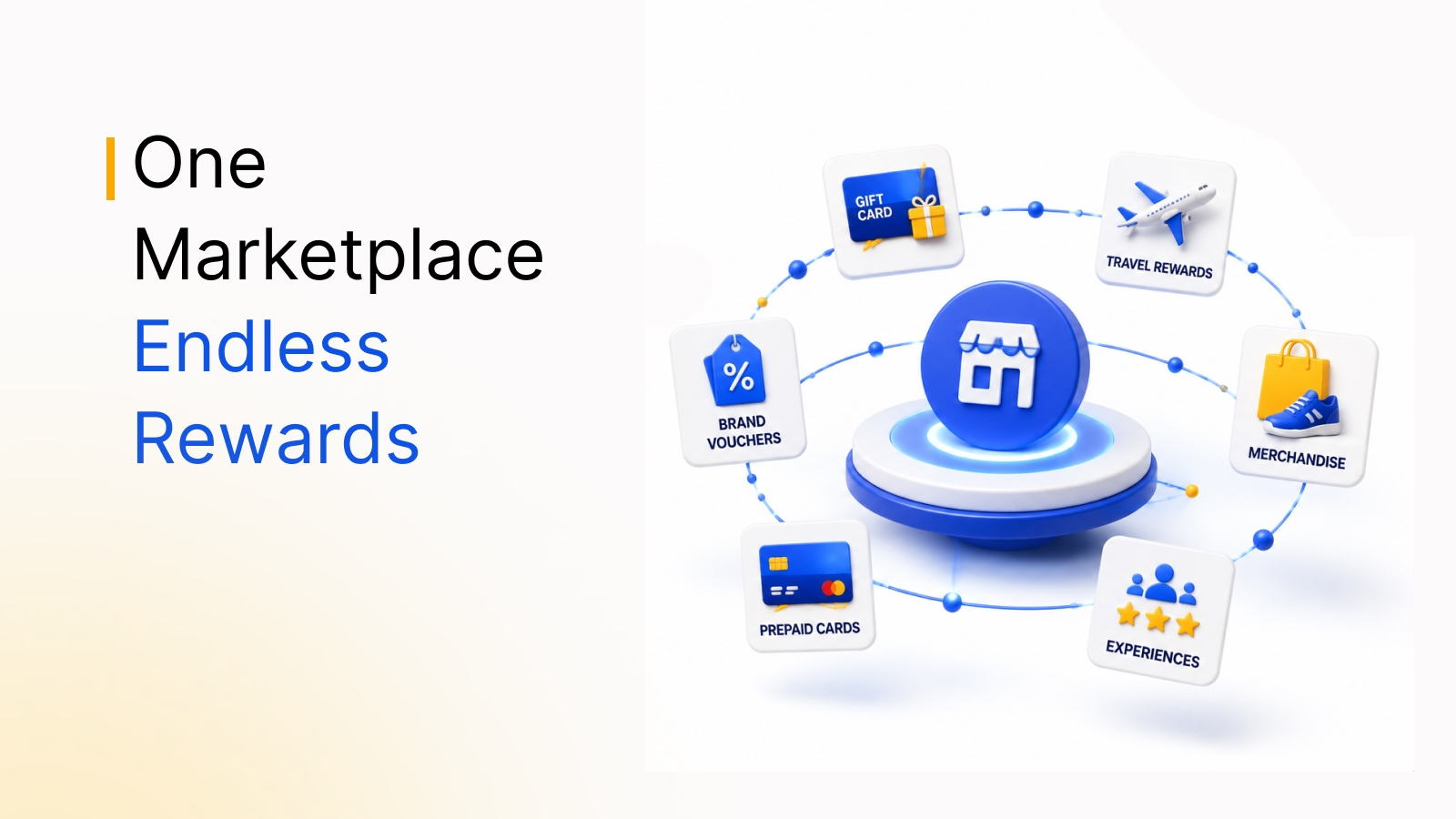
Integrations connect your loyalty program with existing CRMs, marketing tools, and transaction systems, streamlining management. An extensive rewards marketplace with 10M+ redemption options from 30+ categories gives customers diverse ways to redeem, keeping them delighted and loyal. For example, a footwear and retail brand is using Loyalife to build one loyalty program across stores, website, app and marketplaces.
Ready to transform your ecommerce loyalty approach? With Loyalife, turn customers into advocates and unlock the true potential of loyalty programs. Let's create an unforgettable customer experience together!
Wrapping up: Making the most of ecommerce loyalty programs
Ecommerce loyalty programs are not a gimmick; they are a proven strategy for growing your business. Knowing what these programs are, why they matter, and how to design a good one helps you keep customers satisfied and coming back.
A good loyalty program should be as simple as possible and offer the things your customers actually want. The more you can tailor it to each customer, the more value it adds. The steps above give you a practical way to build a program that works for your business.
As the ecommerce loyalty program examples above show, a well-designed loyalty program can lead to more sales, happier customers and a better understanding of their preferences. By listening to customers' feedback and following emerging trends, you can keep your loyalty program effective.
Ecommerce loyalty programs are effective at encouraging customers to keep buying and at helping online businesses grow. When you create a program that matches customer preferences and keep it evolving, customer loyalty can be yours for many years.
Book your Loyalife demo
Frequently asked questions
An ecommerce rewards program is a strategy online businesses use to encourage repeat purchases and customer engagement. Customers earn points, discounts or perks based on their shopping activity and redeem them for rewards. Because members have something to gain each time they shop, these programs build loyalty and improve customer retention.
Loyalty in ecommerce is a customer's consistent preference for a particular online store or brand. It usually grows out of positive shopping experiences, personalized interactions and attractive rewards programs. A loyal customer keeps coming back to the same store over time, even when competing alternatives are only a click away.
An online loyalty program is a digital initiative that rewards customers for their ongoing engagement and purchases with an ecommerce store. Rewards may include points, discounts, free products or exclusive offers, and members usually access them through the store's website or app. The aim is to encourage repeat transactions and longer customer relationships.
Valuing a loyalty program involves analyzing metrics such as customer retention rate, customer lifetime value (CLV), redemption rate and program ROI. Weigh the cost of rewards, technology and operations against the extra revenue from members, and consider customer satisfaction and repeat purchase rates to judge the program's overall effectiveness and profitability.
Yes. Small online stores can start with a simple points or cashback program, a welcome bonus and a second-purchase reward, then add tiers once they have a base of repeat buyers. Because small stores often know their customers well, personal touches such as birthday rewards and handwritten thank-you notes can make a modest program feel more valuable than a large one.
Cashback is simpler to explain and appeals to price-conscious shoppers, because members see the value immediately. Points give you more flexibility to run bonus campaigns, reward non-purchase actions such as reviews and referrals, and offer varied rewards. Many online stores use points for engagement and present the value in currency terms so members understand what their points are worth.
It can help. Extra costs such as shipping are the top reason shoppers abandon carts, so free shipping for members, showing the points an order will earn, letting members pay partly with points and sending bonus-point reminders for unfinished orders all give shoppers a reason to complete checkout. Loyalty works best alongside a fast, transparent checkout experience.