Key Takeaways
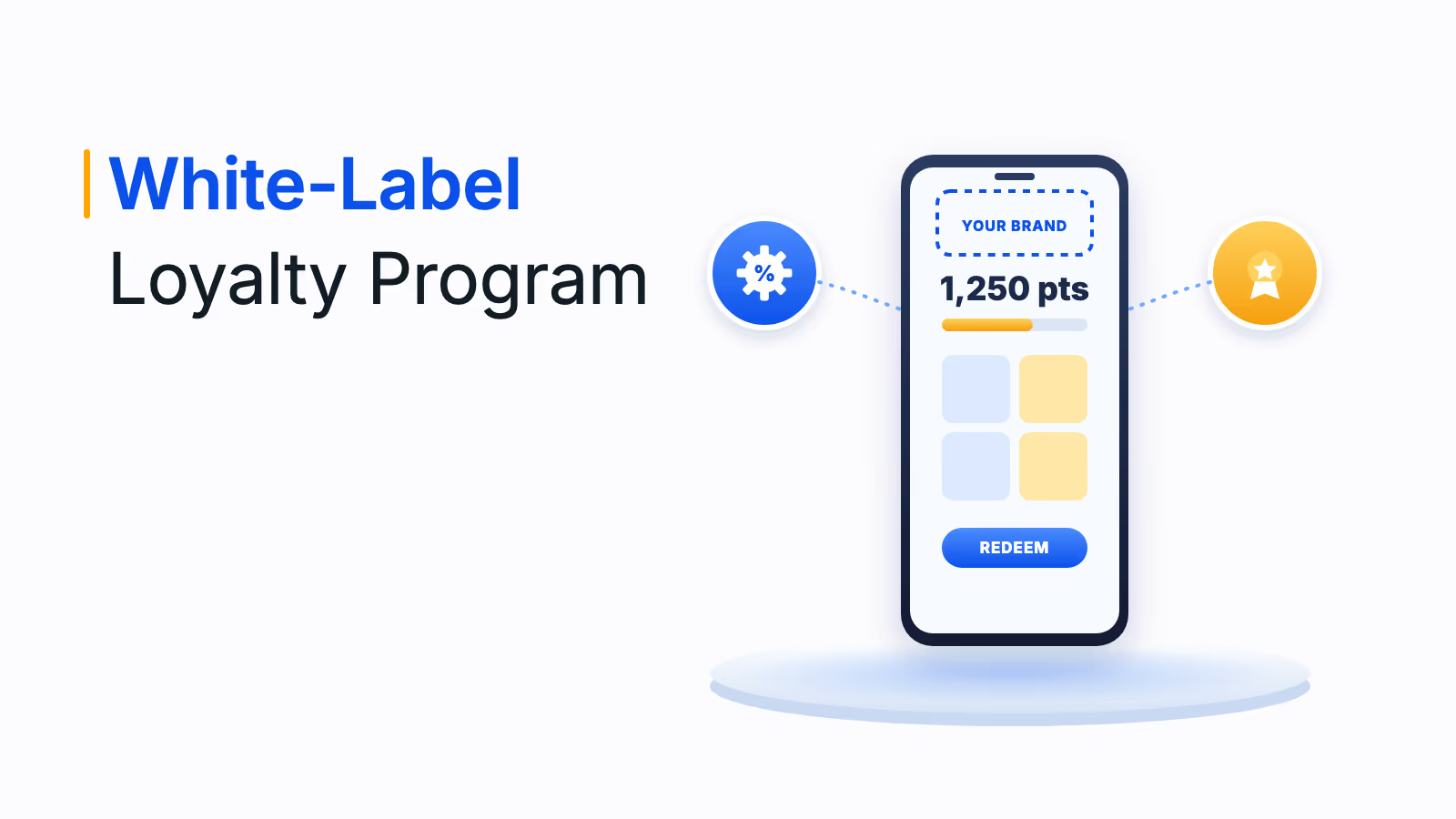
A white-label loyalty program is a ready-made platform that a business fully brands and runs as its own, without building the infrastructure.
Brands keep their identity and their customer data, while the provider handles technology, maintenance and security.
Key components include custom branding, integrations, flexible rewards, omnichannel access, real-time insights and gamification.
Buying usually beats building on time to market, upfront cost, maintenance and access to new features.
A Qatar bank on Loyalife's white-labelled storefront grew engagement 146% and transactions 170% within 22 months.
Customers stay with brands that recognize and reward them, yet building a loyalty program ecosystem that's on-brand, engaging, and scalable remains challenging for many businesses.
Enter the white label loyalty program, an increasingly popular solution that lets brands deploy fully branded, feature-rich programs without starting from scratch. Whether in retail, travel, banking, or wellness, a white-label loyalty program offers the speed, flexibility, personalization, and scalability a brand looks for.
This article will explore how white-labelled loyalty programs operate, why they're the smarter choice for modern businesses, and the trends shaping their future.
What is a white-label loyalty program?
A white-labelled loyalty program is a ready-made loyalty management solution that businesses fully customize and brand as their own. This is done without having to build the infrastructure from scratch.
It allows companies to offer personalized rewards, track customer engagement, and manage loyalty operations under their unique brand identity while leveraging a third-party provider's technology, design, and expertise.
Unlike co-branded or off-the-shelf solutions, white-label programs offer the best of both worlds. They combine the benefits of custom solutions with the flexibility of off-the-shelf solutions. Brands get complete brand ownership with enterprise-grade capabilities.
Businesses can tailor the interface, messaging, reward structure, and engagement strategies to match their customer experience without the cost, time, and complexity of in-house development.
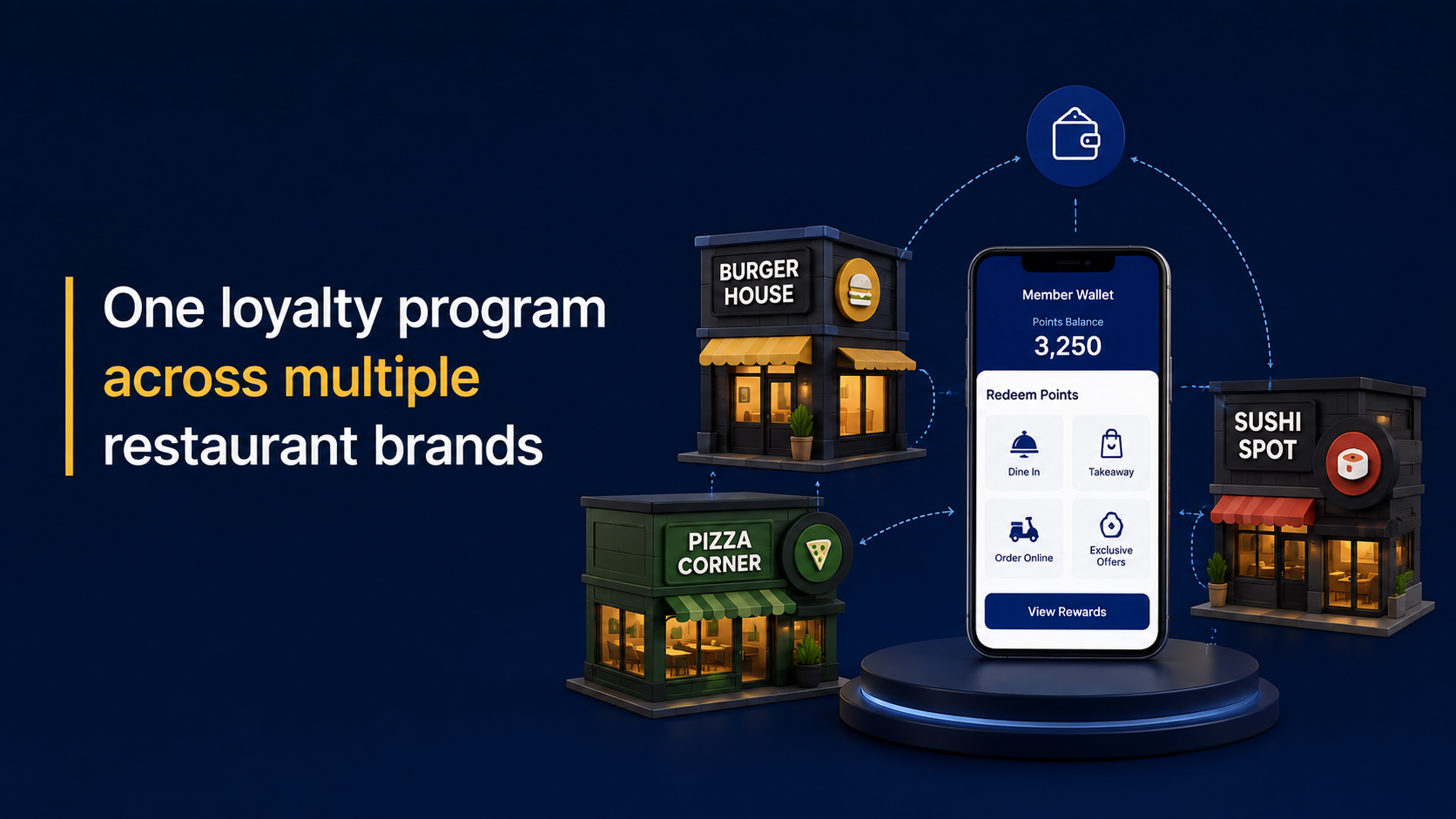
For example, a retail brand launches a fully branded mobile loyalty app with points, rewards, and gamified tiers. A loyalty platform like Loyalife powers the white-labelled app, but it appears to be a native experience for the customer.
How do white-label loyalty programs benefit businesses?
A white-label loyalty program is an effective route for brands seeking to establish deep customer relationships without the cost and complexity of creating a custom system from scratch.
Here are some benefits they bring to the table:
Faster time to market
Launching a loyalty program from scratch requires months of development, testing, and iterations. With a white-labelled solution, brands can typically go live much sooner.
The backend technology is already built and tested; your team customizes it to align with your brand identity and customer strategy.
Cost-efficiency without compromise
Building an in-house loyalty platform involves upfront development costs and ongoing maintenance, upgrades, and security expenses.
White-labelled platforms operate on a subscription or service-based model, reducing capital expenditure while offering enterprise-grade features and scalability.
Retain brand identity
Although a third party provides the technology, a white-labeled loyalty program is fully customizable.
From logos and colors to customer communications and reward structures, all the elements and the entire experience are crafted to feel uniquely yours. Customers will interact with your brand, not the loyalty management solution provider.
Access to a tried and tested technology
White-label providers like Loyalife bring years of domain expertise, best practices, and technology refinement.
You benefit from a product tested across industries and optimized for performance, security, and engagement without having to undergo the learning curve yourself.
Data ownership and customer insights
Even though the platform is white-labelled, you retain complete control over your customer data.
Brands track behaviors, segment audiences, measure ROI, and personalize offers using real-time insights, powering smarter marketing decisions and more meaningful customer relationships.
Omnichannel consistency
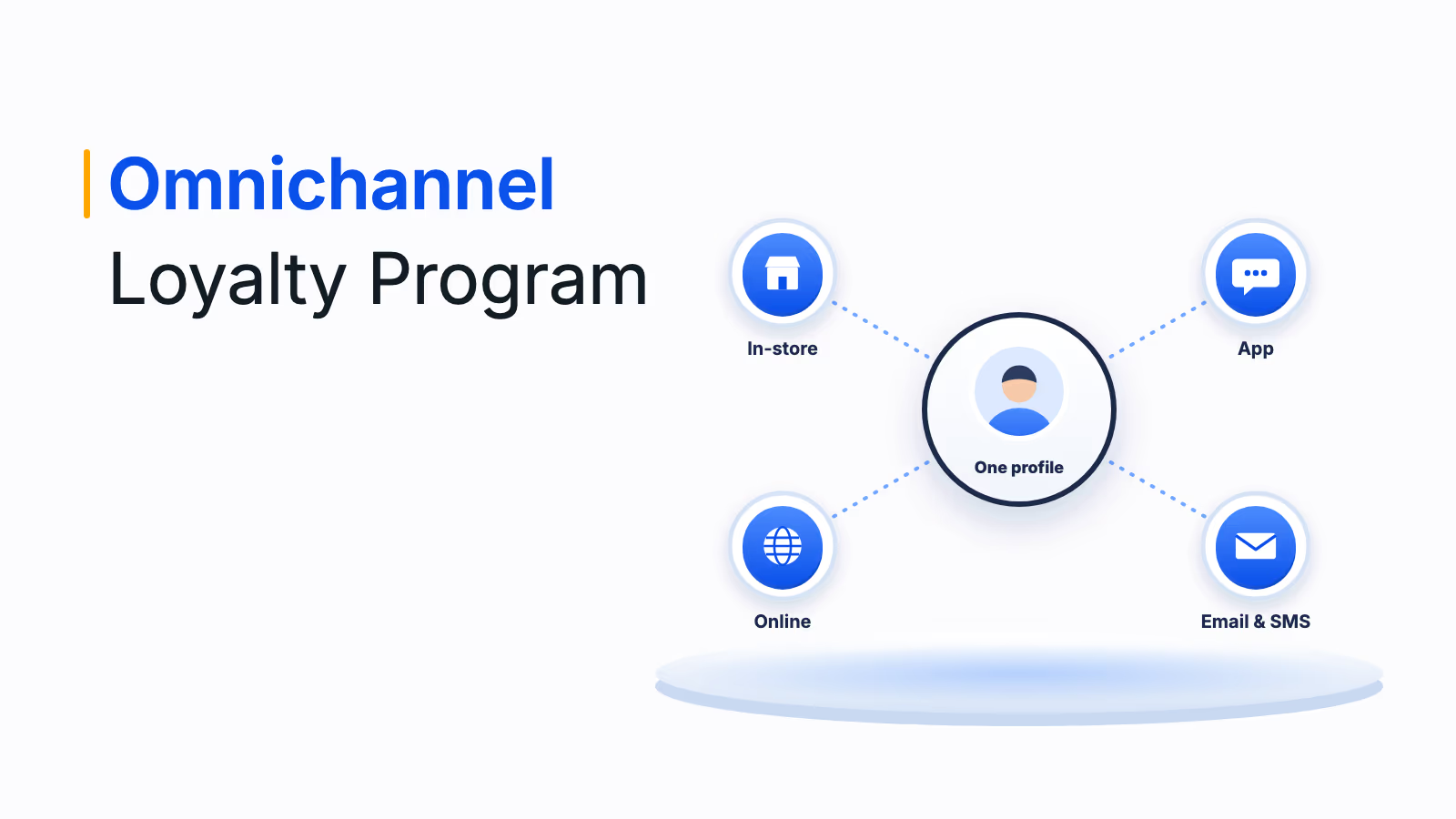
Modern loyalty programs must operate seamlessly across web, mobile, in-store, and social channels.
White-labelled platforms are designed with omnichannel engagement in mind, ensuring a consistent customer experience whether someone is shopping online, using your app, or visiting your physical store.
Key components of a successful white-label loyalty program
To maximize the impact of a white-labelled loyalty program, businesses must look beyond aesthetics and ensure that the solution is built on a strong, flexible, and customer-centric foundation.
Below are some of the essential components that define long-term success:
Custom branding and seamless UX/UI
A white-label loyalty program should look and feel like a natural extension of your brand.
That means having:
- Custom logos, brand colors, fonts, and visual elements
- Consistent tone of voice in messaging, across channels
- Intuitive, mobile-friendly interfaces that are easy to navigate
Why it matters: A branded experience increases trust, brand recall, and user engagement. Members of the loyalty program feel like they're interacting with your business, not a third-party system.
Integration with existing systems
Your loyalty program must connect seamlessly with your current technology stack to function efficiently.
A white-label loyalty program should:
- Sync with your POS systems for real-time point accrual and redemption
- Integrate with CRM platforms to enrich customer profiles and enable personalized communication
- Work with your eCommerce platform for unified loyalty experiences across online and offline stores
- Connect to marketing automation tools for campaigns and analytics systems for unified reporting
Why it matters: Integrations eliminate data silos, reduce manual effort, and make sure that every customer interaction, whether in-store or online, adds value to the loyalty journey.
Flexible and personalized reward structures
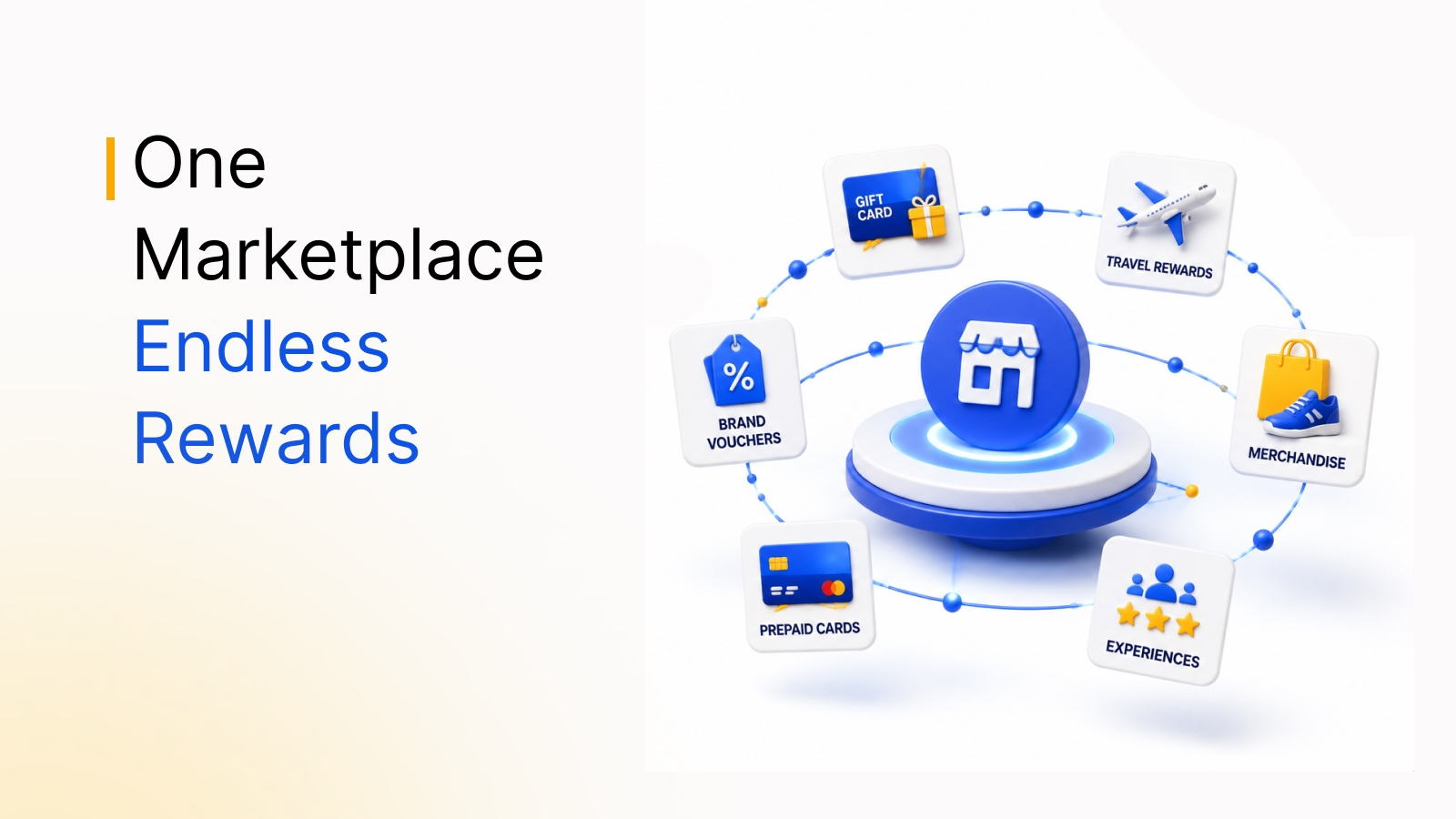
A modern loyalty program goes beyond a one-size-fits-all approach. It should offer points, cashback, coupons, vouchers, exclusive access, or rewards.
To keep customers engaged with the brand, consider developing tiered memberships that reward loyalty over time. Ensure that rewards are personalized based on purchase history, preferences, and behavioral data.
Why it matters: When rewards feel relevant and achievable, customers are more likely to be engaged and spend more.
Omnichannel accessibility and engagement
As a brand, you need to set consistent expectations for your customers, regardless of the channel or method through which they interact with your brand.
An effective loyalty program should be accessible through mobile apps, websites, in-store terminals, and customer service. It should enable customers to seamlessly earn and redeem points across all channels and provide real-time updates on their loyalty status, points balance, and offers.
Why it matters: An omnichannel loyalty program ensures a seamless and convenient experience that keeps customers returning, regardless of location.
Real-time data and customer insights
Loyalty programs generate a wealth of customer data. A high-performing loyalty program solution offers real-time dashboards that track enrollments, redemptions, engagement, and return on investment (ROI).
With a white label loyalty app and its admin tools, brands can segment customers by behavior, demographics, and purchase history.
Why it matters: Actionable insights enable brands to refine their loyalty strategies and deliver highly personalized customer experiences.
Gamification and engagement features
Programs should incorporate challenges, badges, levels, and achievements to make loyalty fun and habit-forming.
By incorporating gamified elements, such as progress bars or trackers, you can enhance customer retention and show customers how close they are to their next reward.
Why it matters: Gamification introduces a sense of play and achievement, turning occasional buyers into loyal brand advocates.
Scalable and modular design
As your brand expands, your loyalty program should grow along with it. A scalable platform allows expansion into new regions, languages, or customer segments.
The loyalty solution provider will continue adding new features in line with the latest customer loyalty trends.
Why it matters: A rigid loyalty system can become a bottleneck, while a modular, scalable one can become a growth driver.
Launch a loyalty program that carries your brand, not ours
White-labelled app and storefront, configurable rules and tiers, and a 10M+ rewards catalog on one platform.
Talk to our ExpertTrusted by 5,000+ companies
Industries best suited for white-label loyalty programs
While loyalty is a universal business need, some industries are uniquely positioned to benefit from white-labelled loyalty programs due to the nature of their customer interactions, high competition, and frequency of engagement.
Here's how white-label loyalty solutions create impact across key sectors:
Retail and e-commerce
The retail and e-commerce sectors are highly competitive and price-sensitive, and customers often choose brands that deliver the best value or experience.
A white-labelled loyalty program allows brands to offer personalized discounts and product recommendations, gamified earning and referral systems, and tier-based programs to increase repeat purchases and lifetime value.
Retailers rapidly deploy a branded experience across online and offline stores, use data to tailor promotions, and convert occasional buyers into loyal advocates without building a platform from scratch.
Hospitality and travel
Customer retention is vital in hospitality and travel. Travelers and guests often seek added value, exclusive perks, and recognition for their loyalty.
A white-label solution allows hotels, airlines, and other travel loyalty programs to form tiered programs for frequent travelers or VIP guests. The solution integrates with booking systems and mobile check-in, so brands can reward frequent stays, encourage direct bookings, and offer localized partner rewards while keeping control over the brand experience and customer data.
Financial services
Banks, fintech platforms, and credit card providers operate in a trust-driven environment where customer engagement often hinges on tangible value and convenience.
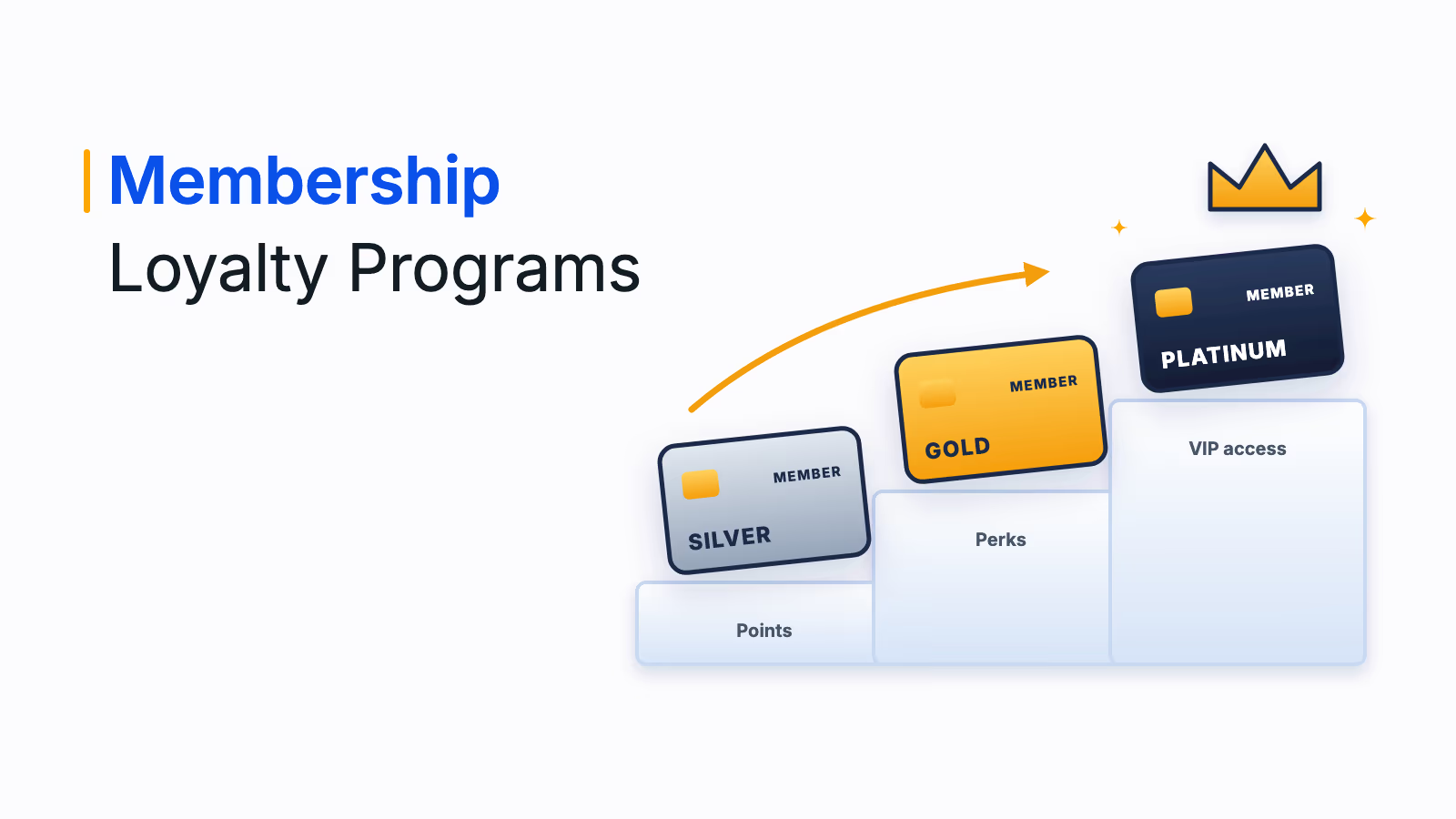
Loyalty programs reward spending behaviors with cashback, air miles, or merchant offers. They encourage the usage of specific cards or digital wallets and offer status-based benefits (e.g., Gold and Platinum tiers).
A white-label loyalty solution enables financial institutions to offer a fully branded and secure rewards experience that strengthens customer relationships and drives usage, without adding compliance or operational complexity.
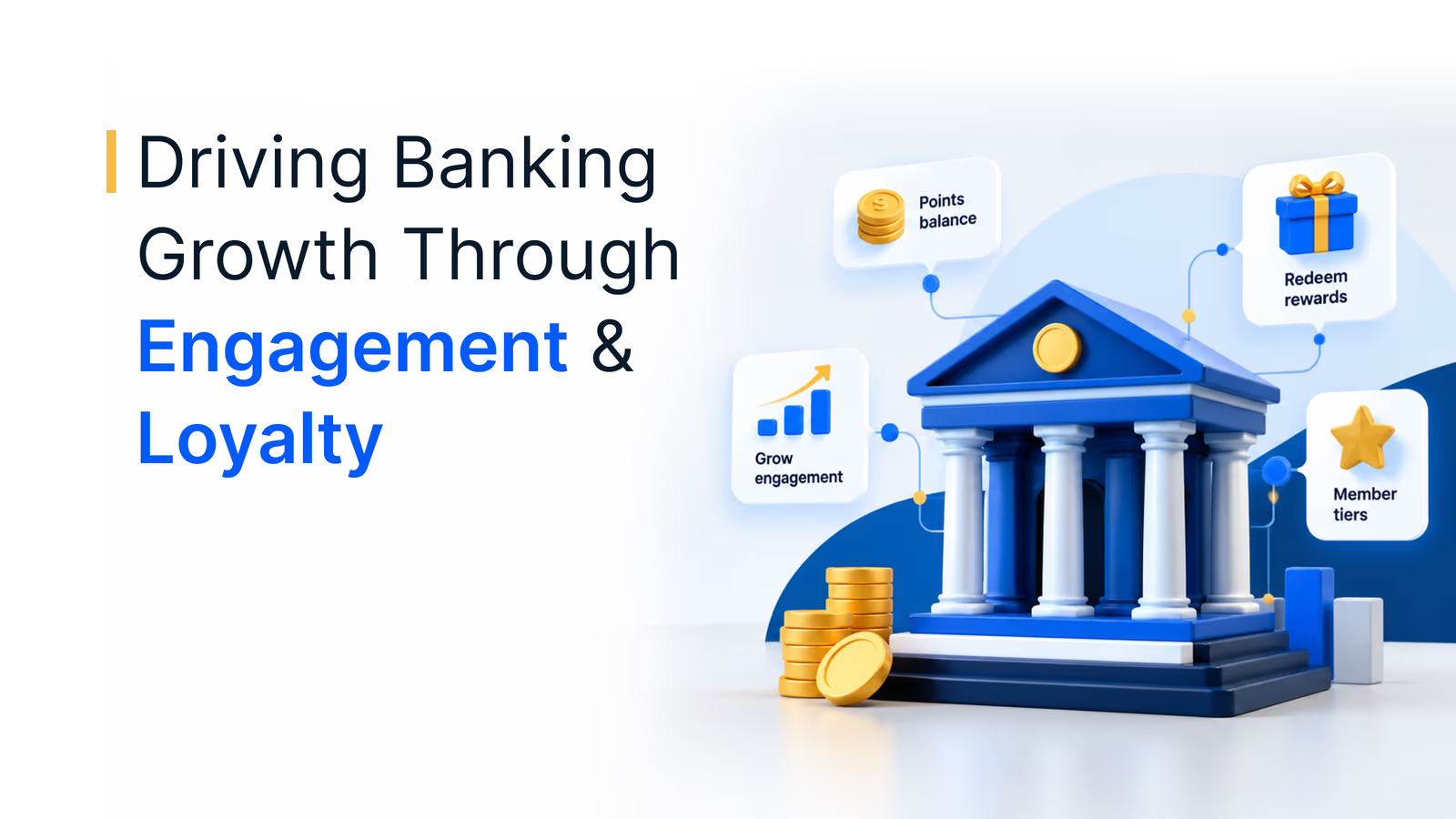
A leading bank in Qatar used Loyalife to run one loyalty program across credit cards, debit cards, internet banking and financing. Customers redeem through a white-labelled, mobile-first storefront in the bank's branding, with single sign-on access to gift vouchers, merchandise, travel, hotel stays and miles top-ups. Within 22 months, customer engagement rose 146%, transaction volume grew 170%, and the user base grew 62%, with 78.5% of earned points redeemed.
Healthcare and wellness
Wellness brands, fitness centers, and healthcare providers increasingly compete on experience and engagement.
Loyalty programs reward healthy behaviors or regular checkups, encourage continued usage of health services or fitness apps, and offer personalized wellness tips, classes, or partner perks.
With a white-labelled approach, organizations build trust and brand equity by providing value beyond services through highly personalized, branded loyalty experiences that foster ongoing engagement and retention.
Build vs buy loyalty: why brands prefer white-label solutions
As loyalty becomes a strategic priority, businesses often face a critical decision: Should we build our loyalty program from scratch or buy a white-labelled solution?
While building might seem more customizable, white-label platforms offer a faster, more innovative, and more scalable path to loyalty success. For a structured way to compare vendors, see our customer loyalty program software buyer's guide.
Challenges of building a loyalty program from scratch
Creating a custom loyalty solution requires more than an idea and a development team.
Brands that opt to build in-house often face:
- High development costs to build a secure and feature-rich loyalty system.
- Time-intensive development cycles that can stretch for many months before the first version is live.
- Technical overhead from connecting the loyalty system with CRMs, POS systems, eCommerce platforms, and analytics tools.
- Ongoing maintenance to consistently update the solution, fix bugs, keep it scalable, and apply security patches.
- Difficulty keeping up with emerging trends like gamification, AI-driven personalization, or mobile-first experiences.
Why white-label solutions like Loyalife make more sense
White-label loyalty platforms eliminate these pain points by offering a ready-to-deploy infrastructure, designed for brand customization and fast go-to-market.
They allow businesses to launch faster with enterprise-grade capabilities. The solutions reduce the risk and development burden, so teams can focus on strategy and customer experience rather than backend complexity. If you are shortlisting vendors, our roundup of the best customer loyalty platforms is a useful starting point.
White-label loyalty platform vs custom development
| Criteria | White-label solution | Custom-built loyalty platform |
|---|---|---|
| Time to market | Typically weeks, depending on scope | Often many months to a year or more |
| Upfront cost | Low to moderate subscription/license fees | Significant investment in development hours |
| Customization | High (within brand and UX/UI parameters) | Very high, but time- and resource-intensive |
| Integrations | Pre-built APIs and connectors for common systems (POS, CRM, etc.) | Requires custom APIs and middleware |
| Maintenance | Handled by the platform provider | The in-house team must manage bugs and updates |
| Compliance and security | Provider certifications (Loyalife: SOC 2 Type II, ISO 27001, GDPR/CCPA alignment) | Must be developed, certified, and monitored internally |
| Scalability | Modular and easy to scale | Scaling often requires re-architecture |
| Access to innovation | Regular feature updates and enhancements | Slow and costly to innovate |
How Loyalife enables seamless white-label loyalty programs
Loyalife empowers brands to launch a sophisticated, fully branded loyalty program. With its infrastructure and white-labelling capabilities, brands get to build highly personalized, scalable loyalty program ecosystems as a branded loyalty platform of their own.
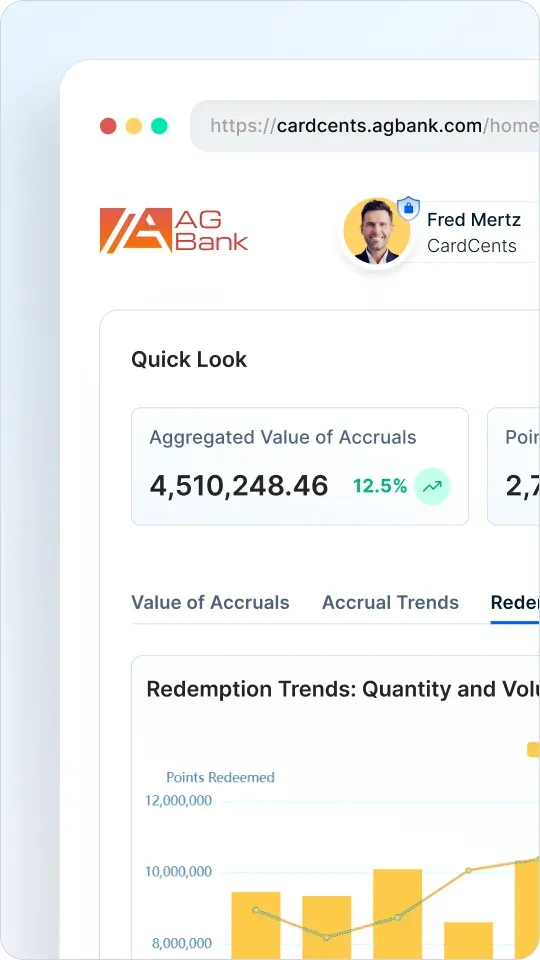
Let's understand how Loyalife supports your loyalty program management needs:
Custom branding and modular design
Loyalife is built for white-label deployment. That means businesses from any sector get to launch a loyalty program that reflects their visual identity, logos, colors, fonts, and tone of voice.
The loyalty program solution provides a frictionless user experience through branded portals, a white-labelled mobile app, and communications.
In addition, Loyalife's modular platform allows businesses to start with core features and scale gradually, adding new capabilities like gamification, partner networks, or referral programs as their needs evolve.
APIs, integrations, and omnichannel engagement
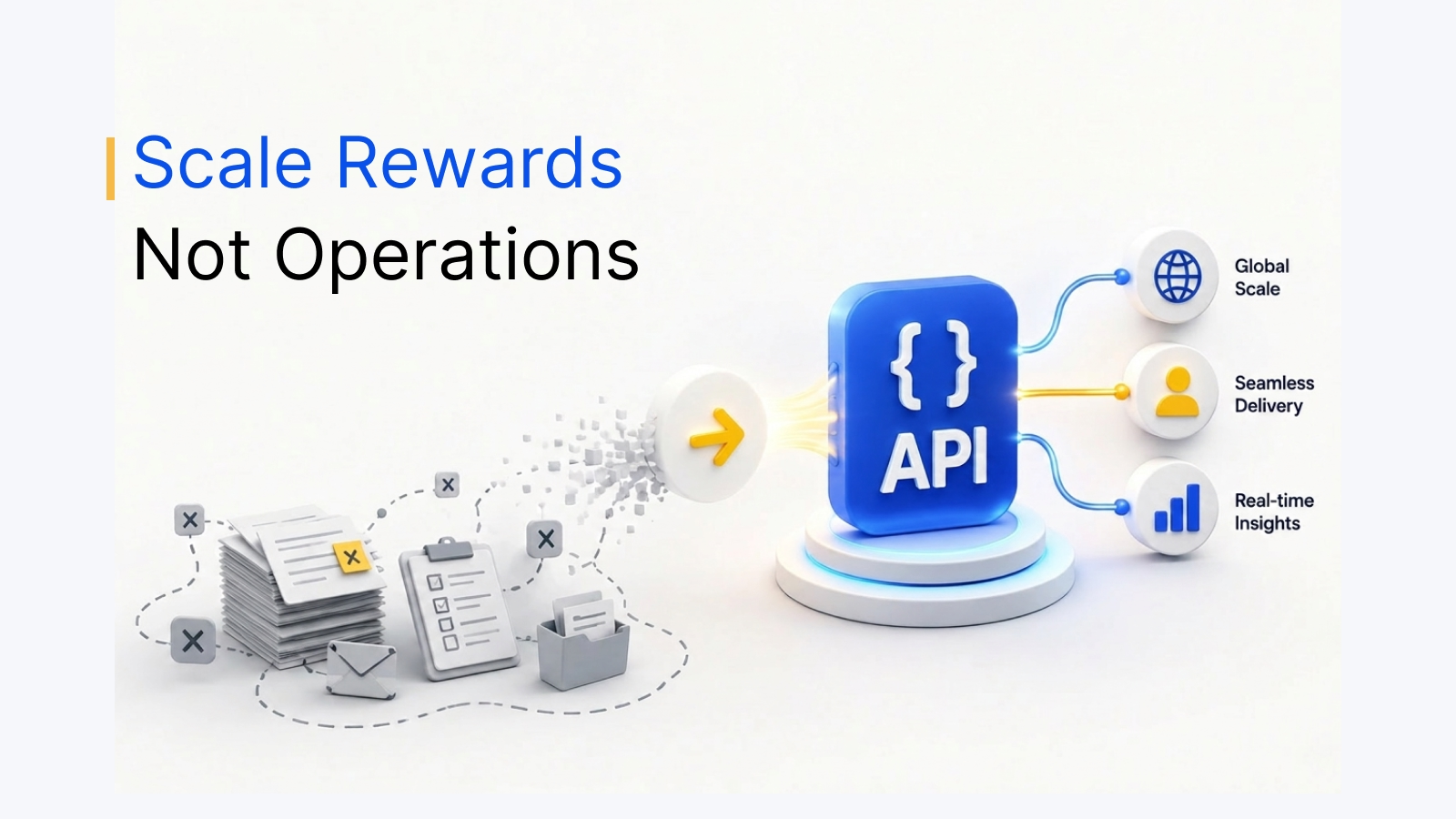
Loyalife plugs into your existing tech stack through robust APIs and integrations.
It enables real-time interactions across:
- POS systems for in-store rewards and redemptions
- CRMs for data enrichment and personalized campaigns
- eCommerce platforms for synchronized online loyalty experiences
- Mobile apps and web portals for customer self-service and engagement
Whether customers shop online, book a hotel room, or visit a physical store, Loyalife keeps their loyalty experience consistent, real-time, and rewarding across every touchpoint.
Intelligence, automation, and personalization
The loyalty program solution allows brands to set up automated campaigns triggered by behavior (e.g., birthdays, repeat visits, milestone achievements). It also provides built-in analytics dashboards to monitor engagement, redemptions, and ROI.
By removing the manual lift, Loyalife enables marketing teams to focus on strategy while delivering more relevant, timely loyalty experiences that drive real results. And as a white label rewards platform, it gives members access to 10M+ redemption options across 30+ categories.
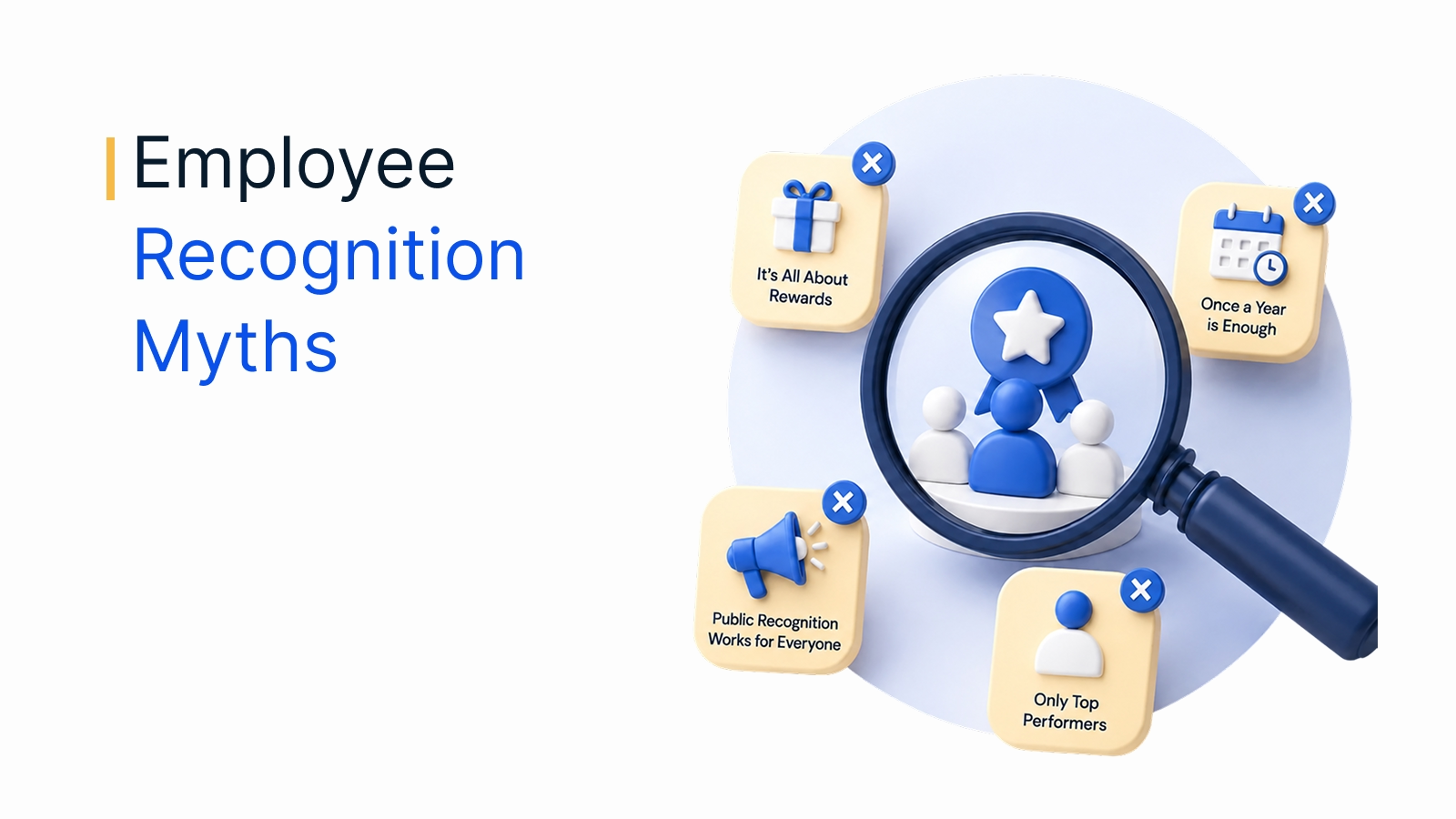
Common misconceptions about white-label loyalty programs
Despite their growing popularity and proven value, white-label loyalty programs are sometimes misunderstood.
Let's clear the air by addressing a few common misconceptions and understanding why they no longer hold.
It's just a template
Many believe white-label solutions are rigid, one-size-fits-all templates. Today's platforms are highly configurable, offering extensive flexibility in how programs are structured, branded, and evolved.
With Loyalife, businesses choose everything from point logic and tier structures to rewards catalogs, partner ecosystems, gamified elements, and communication flows.
It's not about fitting into a mold but building your program faster, using a robust foundation.
It does not truly feel ours
Another common myth is that white-label platforms dilute brand identity or take customer data ownership. White-label solutions give you full control and help with complete branding.
Everything reflects your brand, not the platform provider, from domain and design to tone and messaging. And don't worry; your customer data will stay yours.
A practical solution like Loyalife ensures businesses retain full access and control over user data, behavior, and insights while complying with global privacy laws.
It's hard to scale
Modern white-label solutions are designed to scale effortlessly, whether adding new locations, onboarding partners, expanding globally, or supporting millions of users.
Best practices for launching a white-label loyalty program
Here are some best practices to help you launch and scale with confidence:
Define clear goals and KPIs
Defining specific, measurable goals ensures your program stays aligned with your broader business strategy, whether it's increasing repeat purchases, improving customer retention, or boosting average order value.
From there, KPIs such as enrollment rate, redemption rate, repeat purchase frequency, and customer lifetime value (CLV) should be established.
Ensure full brand alignment
Your loyalty program should be a natural extension of your brand. Ensure everything from visual elements to tone, language, and user flows matches your brand personality.
Focus on user experience and simplicity
If your loyalty program feels confusing or complicated to use, customers won't engage with it. Make the experience intuitive and mobile-friendly, simple to join, easy to understand, and rewarding immediately (e.g., welcome bonuses or quick wins).
Regularly review and optimize based on analytics
A loyalty program is not "set it and forget it." Use built-in analytics to track member engagement and redemption patterns, and continue to test and tweak reward structures.
Future trends in white-label loyalty programs
The next generation of white-label loyalty solutions is not just about points and perks; it's about creating intelligent, immersive, and interconnected experiences.
Here are the key trends shaping the future of white-label loyalty programs:
AI-driven personalization at scale
With AI built into white-label platforms, brands can analyze large volumes of customer data to spot churn risk and trigger retention offers. They can also offer customers personalized rewards based on past behaviors, preferences, and engagement patterns.
AI makes loyalty feel intuitive and individually tailored, helping customers get the right offer at the right time, without manual effort.
Tokenized rewards
Some brands are also experimenting with blockchain-based or tokenized rewards, though adoption is still early and most programs remain built on conventional points.
Cross-brand and coalition loyalty
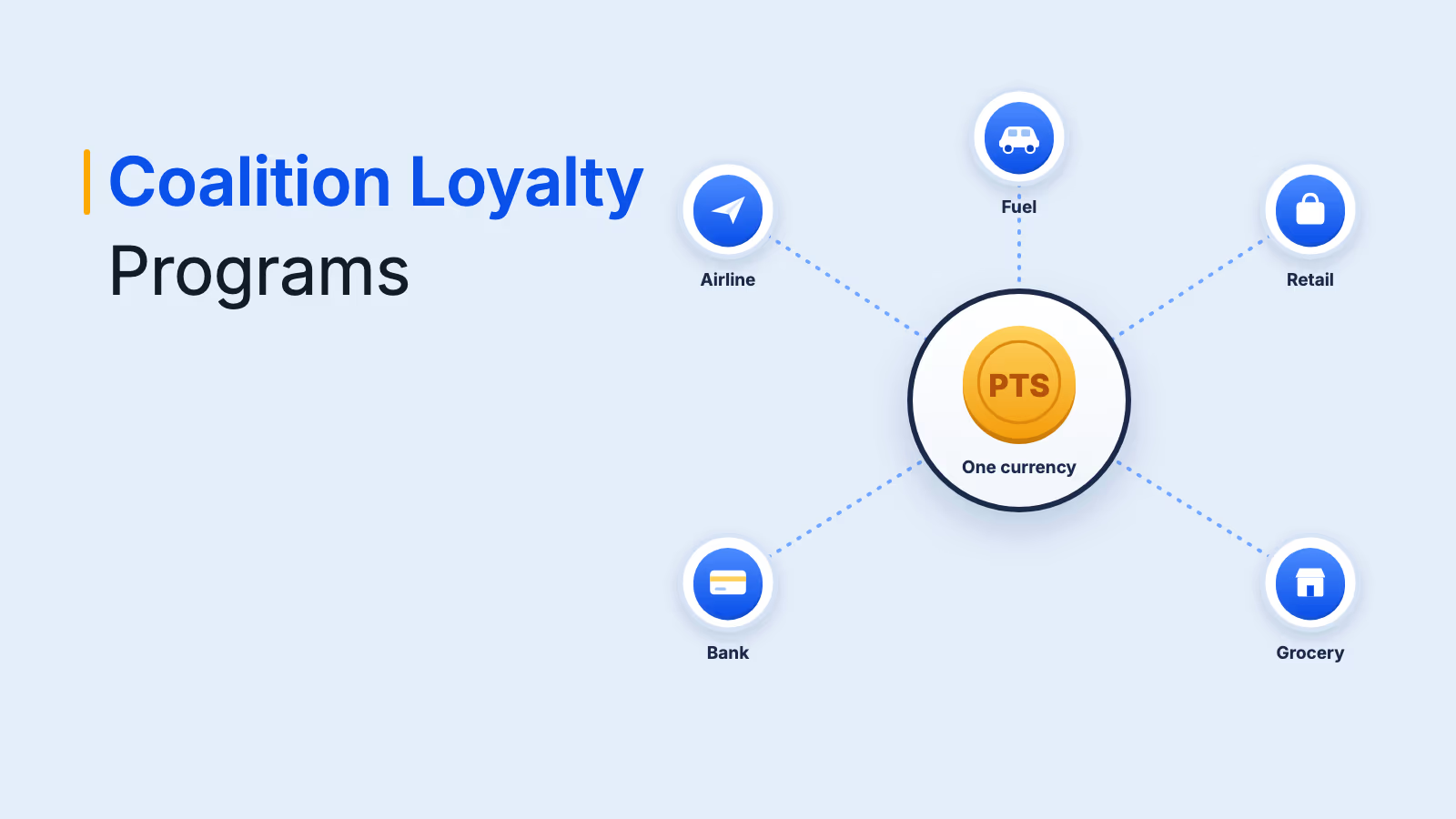
The future of loyalty is not siloed; it's collaborative. Coalition loyalty programs that span multiple brands offer greater value and flexibility to customers while enabling shared customer insights and co-marketing opportunities.
Such loyalty programs offer broader redemption options and earning opportunities.
Conclusion
A white label loyalty program helps brands launch fast, scale easily, and deliver personalized, omnichannel experiences that customers remember.
Loyalife makes building and managing a sophisticated, fully branded loyalty program easy without the operational overhead. From personalization to modular integrations and gamified engagement, it provides what you need to turn customers into loyal advocates.
Want to know more about Loyalife? Book your demo to see how a white-label solution can transform your CX.
Book your Loyalife demo
Frequently asked questions
A white-label loyalty program is a ready-made loyalty platform that a business customizes and launches under its own brand. The provider supplies the technology, such as the rule engine, rewards catalog, app, and analytics, while customers only see the brand's logo, colors, and messaging. It lets companies run an enterprise-grade program without building the infrastructure themselves.
A white-label program carries only your brand, so customers never see the technology provider. A co-branded program is jointly branded by two companies, such as an airline and a bank on a credit card, and both brands share the customer relationship. White-label suits brands that want full ownership of the experience and the data.
Building gives maximum control but requires significant development time, budget, and an in-house team to maintain integrations, security, and new features. Buying a white-label platform gets you to market faster at lower upfront cost, with maintenance and updates handled by the provider. Most brands buy unless loyalty technology is itself a core differentiator for them.
Launch time depends on program scope, the number of systems to integrate, and how much customization you need. Because the core platform is already built and tested, a white-label program typically goes live much faster than a custom build. Most of the work is configuring rules, tiers, rewards, and branding, and connecting POS, CRM, or eCommerce systems.
Yes. In a well-structured white-label arrangement, the brand owns the customer relationship and the program data, while the provider processes it on the brand's behalf. Check the contract for data ownership, export rights, and the provider's security certifications. Loyalife, for example, holds SOC 2 Type II and ISO 27001 certifications.
Yes. Many white-label platforms include a mobile app that is published under your brand on iOS and Android, alongside a branded web portal. Members use it to check points, browse and redeem rewards, track tier progress, and receive push notifications, so the loyalty experience feels native to your business.
Retail and e-commerce, hospitality and travel, financial services, and healthcare and wellness benefit most, because they rely on frequent customer interactions and face strong competition. In these sectors, a branded program that integrates with existing systems helps drive repeat purchases, direct bookings, card usage, or ongoing engagement with services.