Key Takeaways
A referral program rewards customers for sharing a unique link or code when a friend signs up or buys through it.
Build it in six steps: set objectives, use templates, define KPIs, pick rewards, promote it and keep optimizing.
Two-sided referral rewards benefit both the referrer and the new customer, which usually lifts participation.
Match rewards to the persona: a donation may motivate an executive more than a voucher.
Budget for referral rewards, track every referral and automate delivery from the CRM you already use.
Word-of-mouth has always been a trusted way to drive business growth. People are more likely to trust recommendations from friends or family than traditional advertisements. A customer referral program takes this natural behavior and enhances it by offering incentives that encourage customers to share their experiences.
This guide explains how referral programs work, how to build a referral program step by step, customer referral program ideas for different industries and email templates you can use right away.
Personal recommendations remain the most trusted source of advice. In a 2024 survey by EMI Research Solutions, 78% of respondents said they trust advice from friends and family, the highest of any source measured. That makes referrals one of the most effective forms of marketing.
A referral program is not just about customer acquisition. It is also about creating a deeper connection with your audience, rewarding loyal customers for their advocacy and turning them into brand ambassadors.
Businesses of all sizes, from startups to established corporations, use referral programs to achieve sustainable growth, which shows how well they adapt across industries.
This strategy, built on trust and mutual benefit, is not only cost-effective but also creates a community around a brand. With the right structure and incentives, a referral program can become a key driver of both customer acquisition and retention.
What is a referral program and how do referral programs work?
Referral marketing uses word-of-mouth to turn customers into brand advocates. By offering incentives like gift cards, loyalty points or branded merchandise, businesses encourage satisfied customers to share their positive experiences.
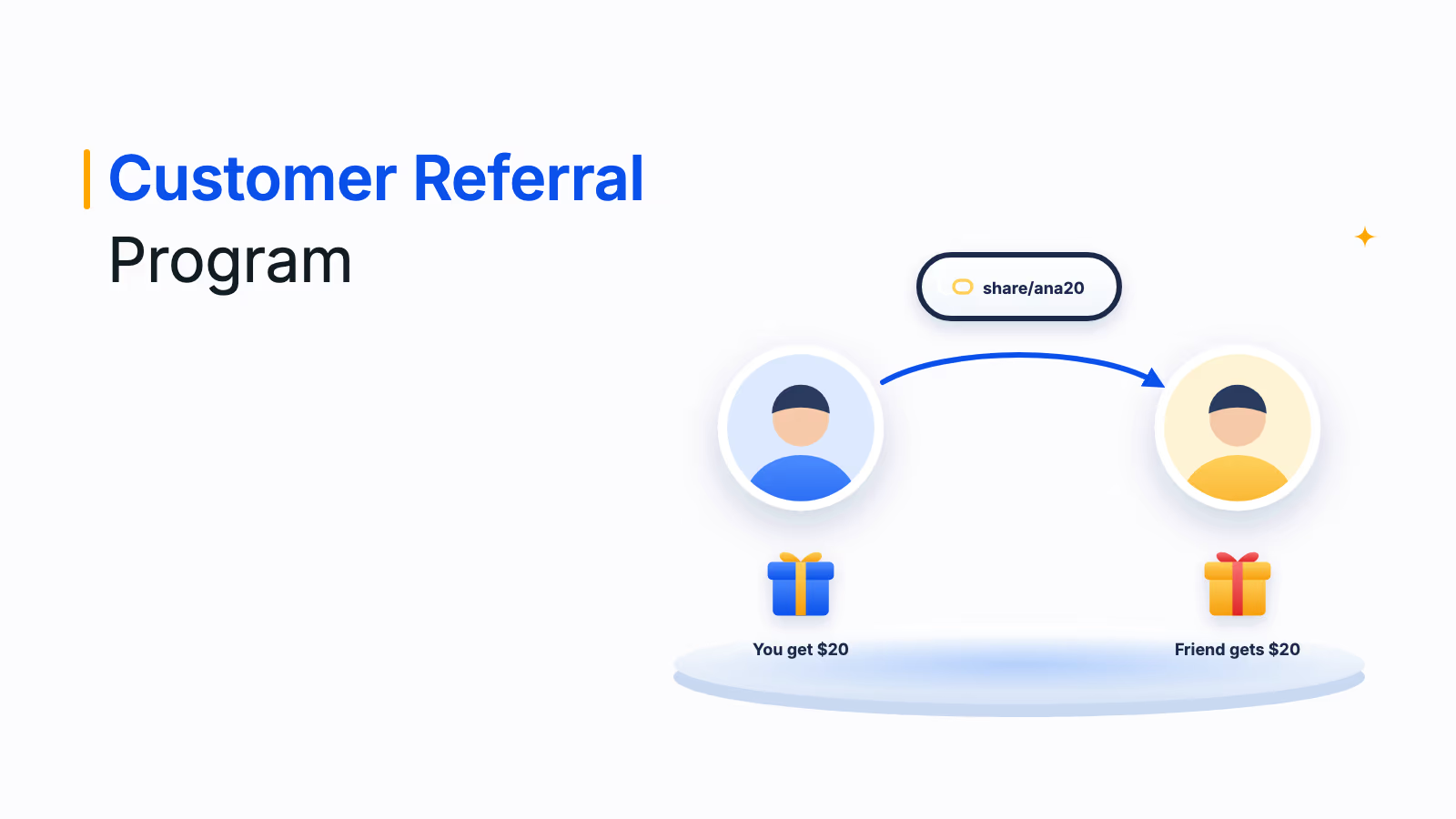
Through referral programs, customers can easily spread the word by sharing unique referral links or discount codes with their network, helping attract new customers while earning rewards for their advocacy.
But how does it work?
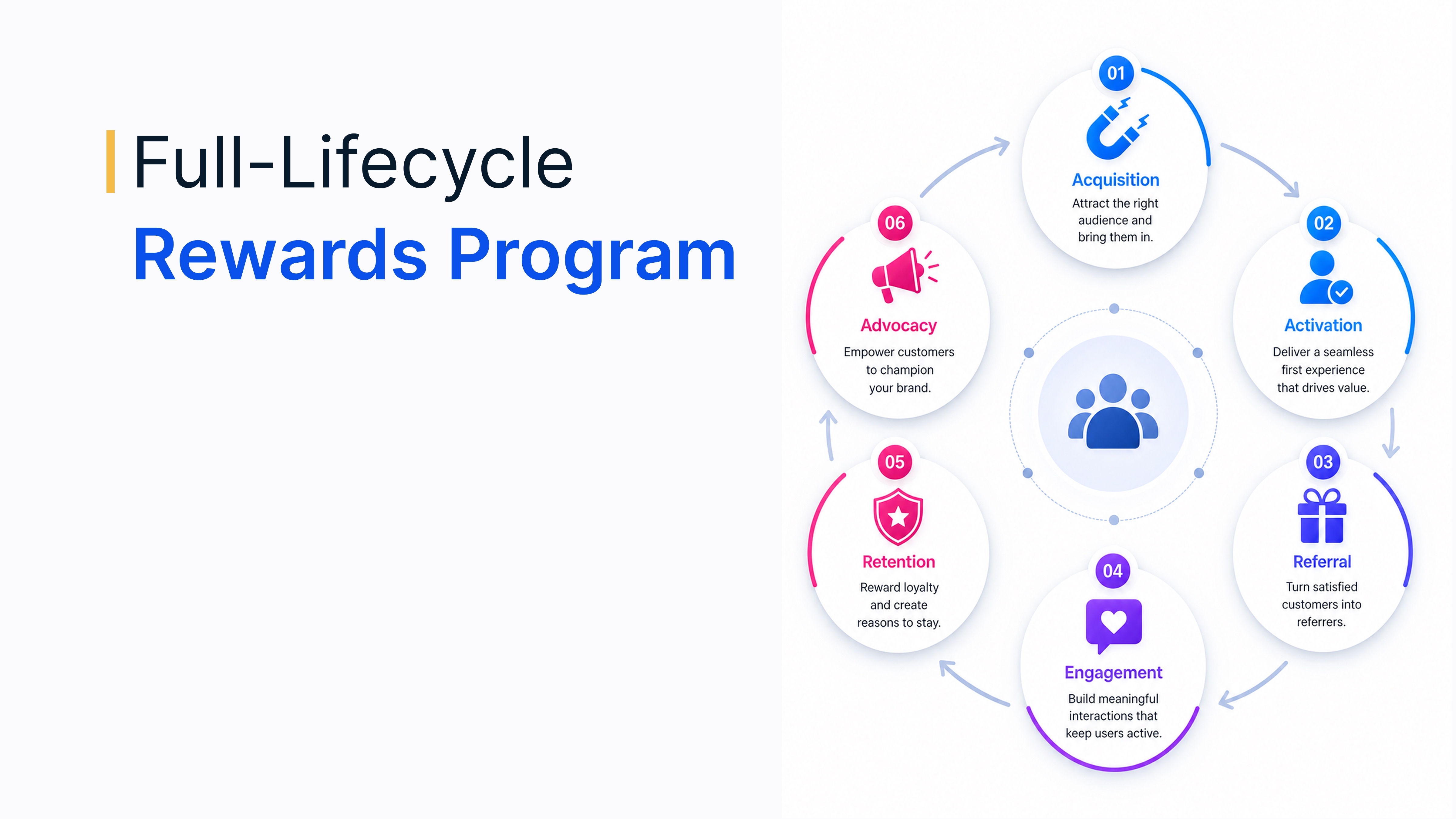
A customer referral program serves as a powerful retention strategy by combining the right technology, products, messaging and incentives to build brand loyalty and advocacy.
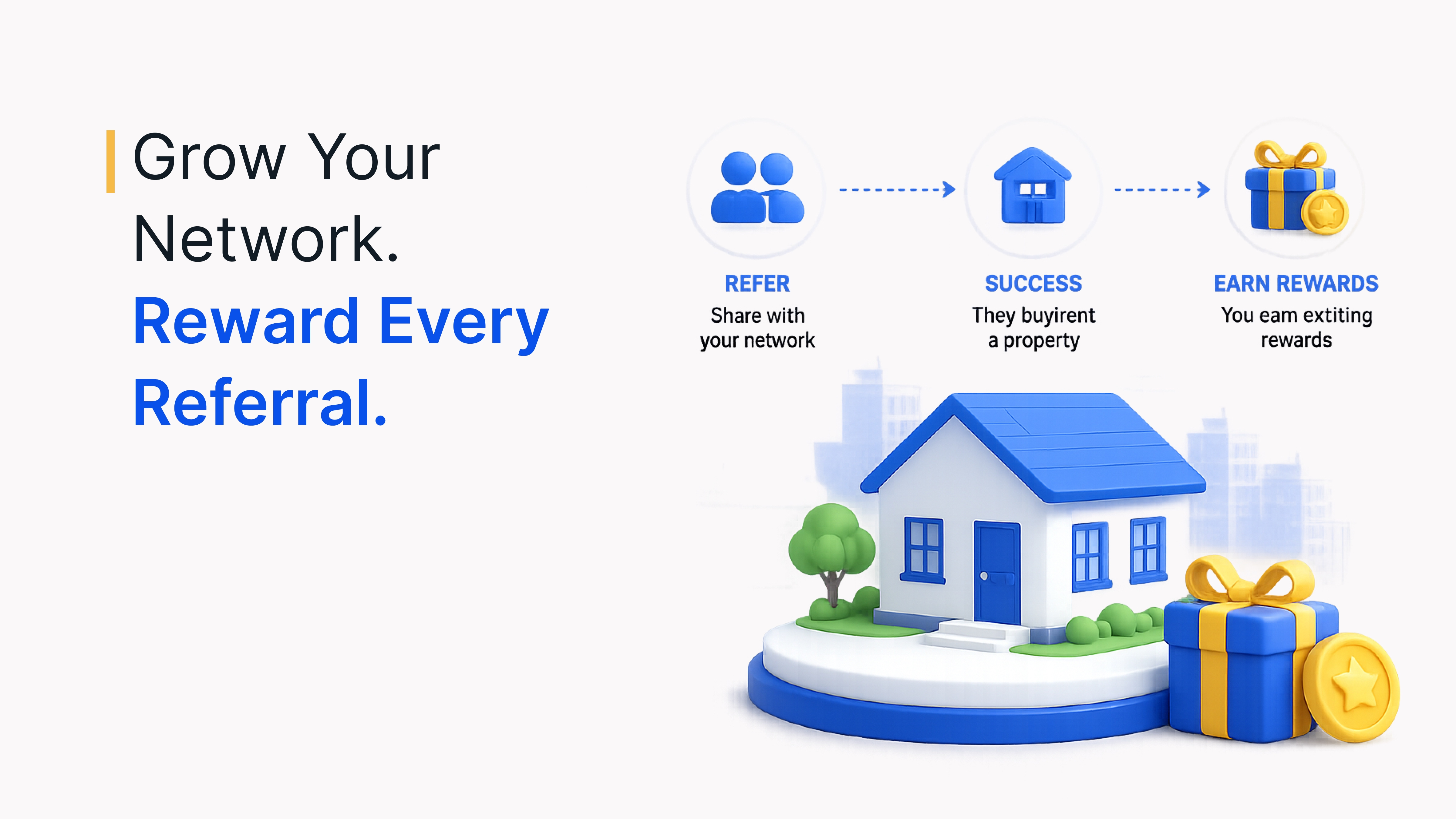
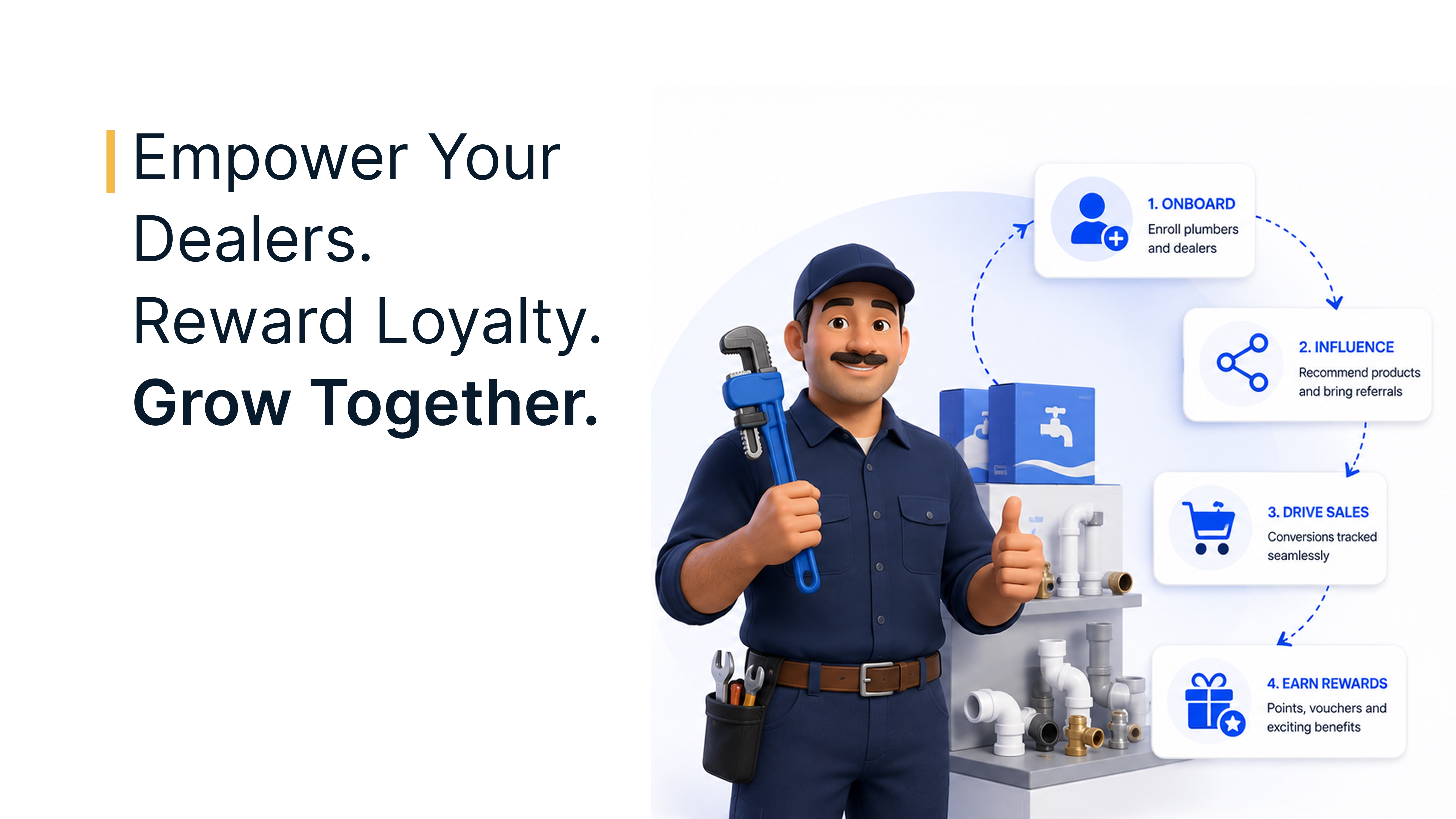
To ensure success, businesses often use marketing software and lead generation tools to track referrals. When an existing customer shares a unique referral code or link and a new customer makes a purchase using it, the referrer earns a reward. The cycle continues as new customers repeat the process, creating a continuous stream of referrals and organic business growth.
By delivering value and improving the customer experience, brands build trust and credibility. People naturally share positive experiences, especially when it benefits their network. A recommendation from a trusted source carries significant influence, making referred customers more likely to engage with and buy from the brand.
Benefits of customer referral programs
Here are the benefits of a customer referral program:
1. Strengthen customer trust
With customer retention becoming increasingly competitive and online reviews losing credibility over concerns about authenticity, personal referrals hold more weight than ever. While shoppers may be skeptical of anonymous online reviews, they are far more likely to trust recommendations from friends, family or colleagues.
Customers acquired through referrals also tend to develop stronger brand loyalty, increasing the likelihood of repeat business.
2. Acquire new customers at a lower cost
Referral marketing taps into an existing customer base to attract new users organically. Unlike traditional advertising channels, referral programs rely on satisfied customers to spread the word, reducing overall customer acquisition costs (CAC).
Beyond an initial investment in launching the program and offering incentives, referrals provide a cost-effective and sustainable way to grow your audience. For more ways to grow, see these customer acquisition strategies.
3. Boost revenue and customer engagement
Referral programs drive sales from both new and existing customers. By incentivizing loyal buyers to promote your brand and rewarding referred customers for making their first purchase, businesses can increase conversions and revenue without relying heavily on paid advertising.
This dual-impact approach improves profitability while encouraging long-term customer engagement.
How to build a referral program in 6 steps
A well-executed customer referral program can become a powerful tool to drive business growth. It involves more than offering rewards; it requires careful planning and an understanding of customer behavior. Here's a step-by-step guide to building an effective program:
1. Set clear objectives
Define what the program aims to achieve. Are you looking to acquire new customers, increase purchase frequency or strengthen customer loyalty? Having specific goals helps align the program with your business strategy. For instance, a goal to increase customer retention may require different rewards than a goal to acquire new customers.
2. Use customer referral templates
Simplify launching and managing a referral program by using pre-built customer referral templates. These templates provide clear, concise messaging for requesting referrals, following up and thanking customers, helping businesses streamline communication and encourage participation.
3. Define key performance indicators (KPIs) and goals
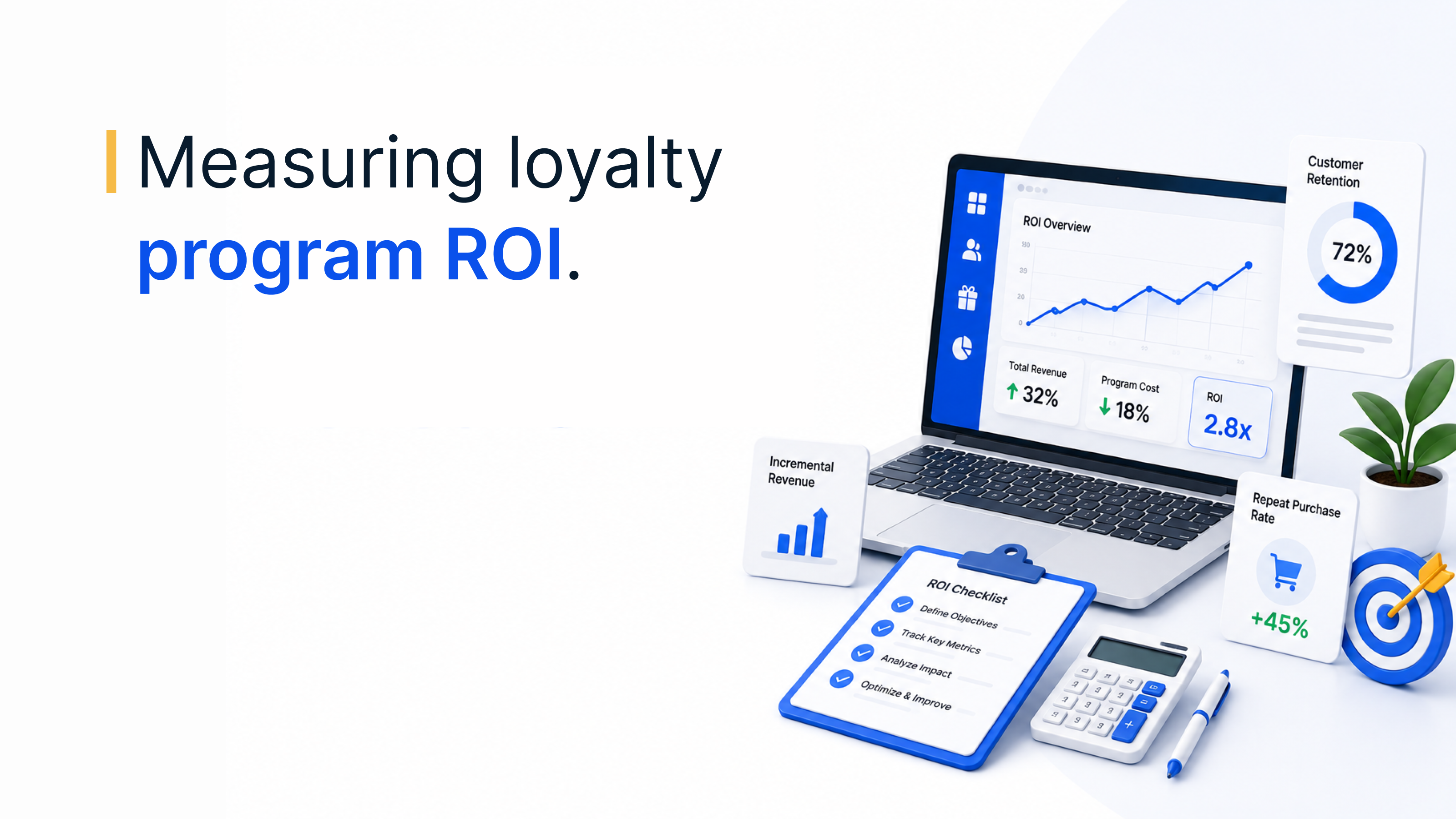
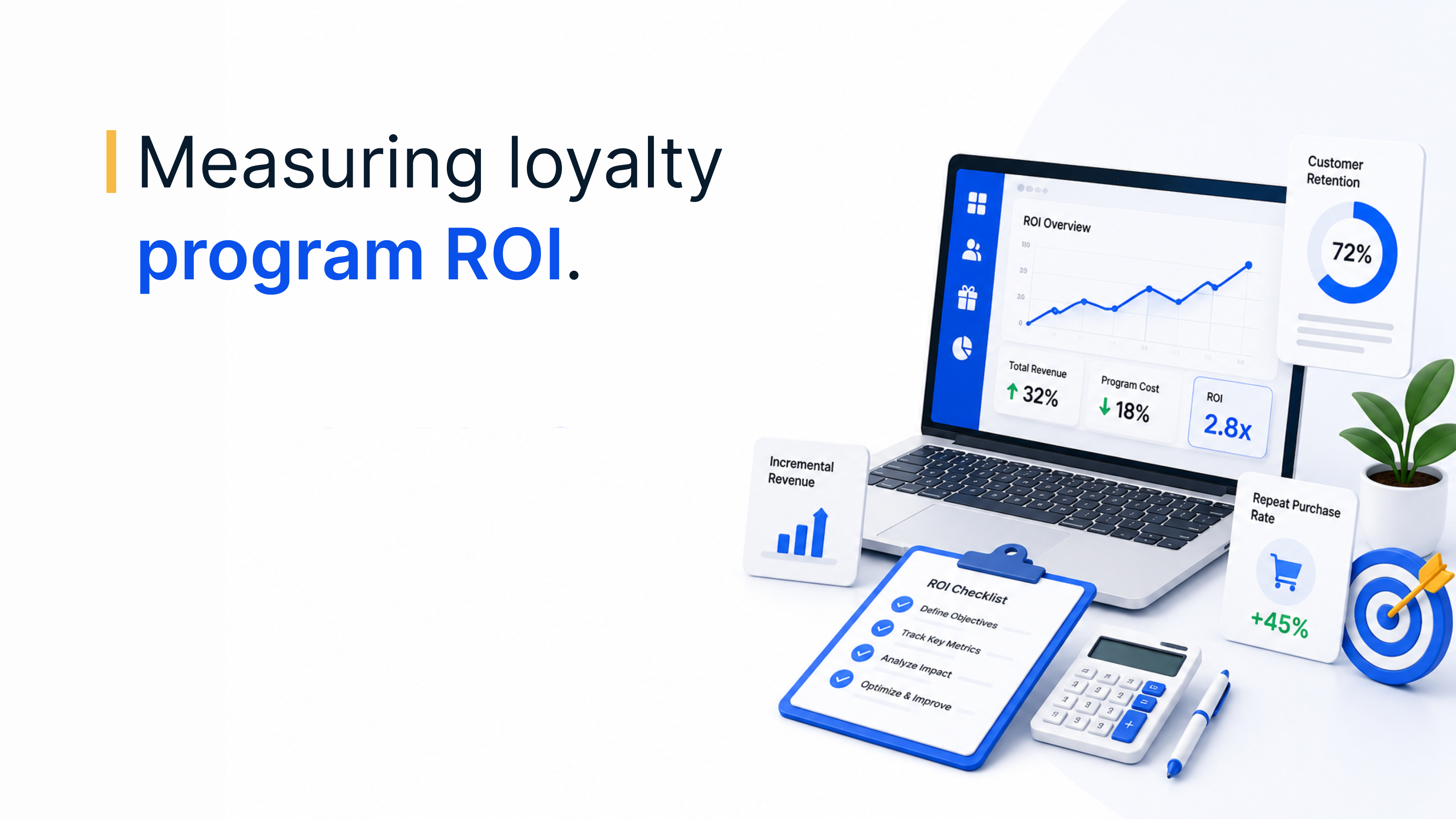
Before rolling out your referral program, establish measurable goals and key performance indicators (KPIs). Clearly define what success looks like and track metrics such as:
- The number of new leads generated through referrals
- Growth in social media followers or newsletter subscribers
- Revenue increases or improvements in conversion rates
Setting benchmarks lets you monitor the program's impact and optimize it for better results.
4. Select the right incentives and rewards
Understand your audience and tailor rewards to appeal to different customer preferences. While staying within budget, offer a mix of incentives to maximize engagement, such as:
- Exclusive discounts or coupons
- Store credits or loyalty points
- Free products, giveaways or service upgrades
- Branded swag and promotional merchandise
If you are working with limited resources, consider using surplus inventory or experience-based rewards to keep the program profitable.
5. Promote the program on the right channels
To maximize participation, make sure your referral program is visible across the channels your customers use. Strategies include:
- Social media: Share referral links on platforms where your audience is most active.
- Email marketing: Send targeted emails with clear calls to action for referring friends.
- Website and blog: Highlight the program with banners, pop-ups or dedicated landing pages.
- Live chat and customer support: Encourage agents to mention the program during interactions.
- Invoices and receipts: Include referral details in transaction confirmations to keep it top of mind.
Using multiple touchpoints increases visibility and boosts engagement.
6. Continuously monitor and optimize
A referral program isn't a one-time effort; it requires regular analysis and refinement. Use customer insights, analytics tools and performance data to:
- Track referral success rates and conversion metrics.
- Identify and remove bottlenecks in the user journey.
- Adjust incentives and messaging based on customer behavior.
Consistently refining your program keeps it relevant, valuable and effective at driving sustainable customer acquisition and retention.
Automate your referral rewards
Send gift cards, experiences and more to referrers and new customers in 150+ countries, triggered from your CRM.
Talk to our ExpertTrusted by 5,000+ companies
Types of customer referral programs
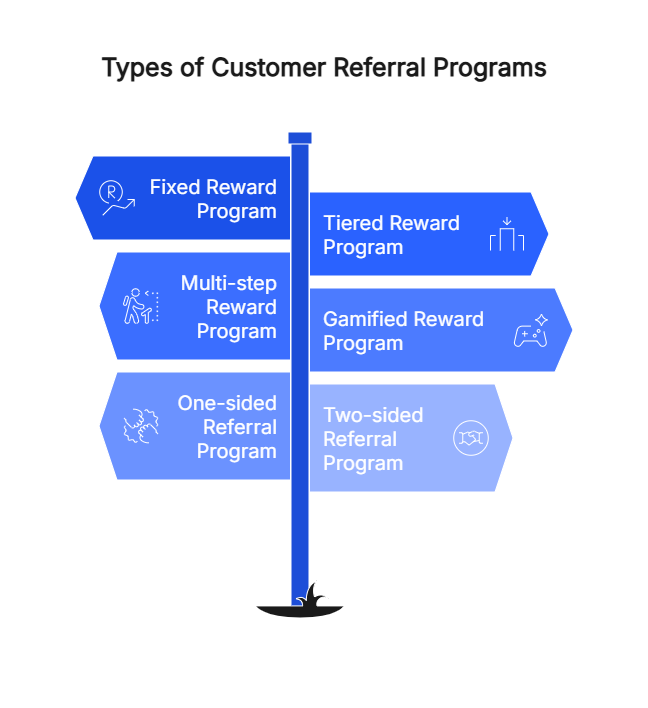
A well-designed referral program can be a powerful tool for generating new leads, but its success depends on how it's structured. Choosing the right referral model ensures maximum engagement and effectiveness. Below are the main types of referral programs that businesses can implement.
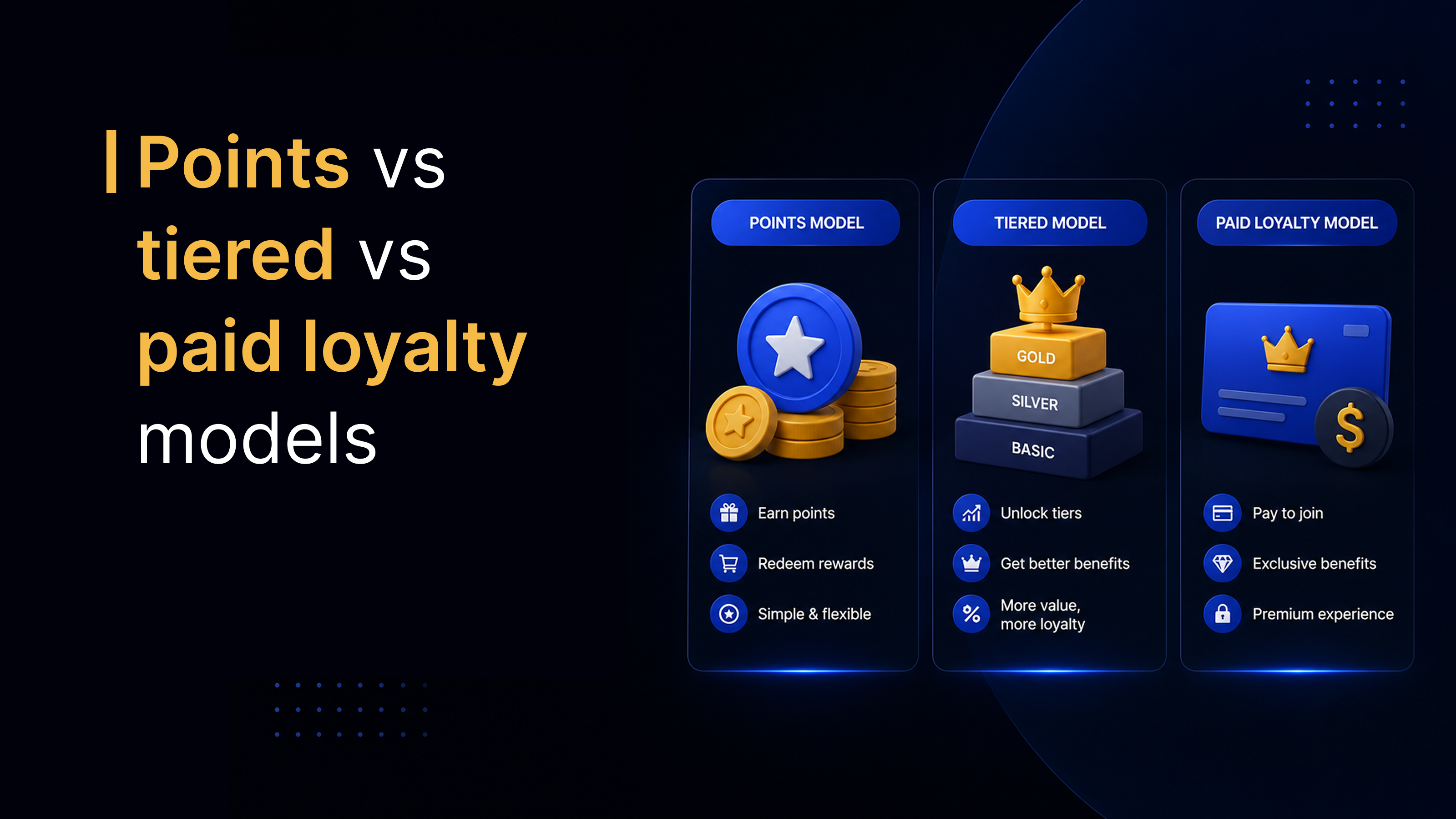
1. Fixed reward program
In a fixed reward model, every successful referral earns the same incentive, regardless of how many referrals a customer makes. Customers receive their reward once the person they referred completes a purchase.
For two-sided programs, both the referrer and the new customer can receive identical or distinct rewards. While this approach is easy to manage and implement, its effectiveness may decrease over time as customer engagement plateaus.
2. Tiered reward program
A tiered system increases the reward value based on the number of referrals a customer generates. The more people they refer, the greater the incentives they unlock.
For instance, a customer might earn $10 for each of their first five referrals and then receive $25 for every referral beyond that. Businesses can further refine this system by offering escalating rewards for both referrers and new customers, making it a highly engaging approach.
3. Multi-step reward program
This model rewards customers at different stages of the referral journey. Instead of a single reward upon purchase, incentives are provided as the referred person progresses through key milestones, such as:
- Step 1: The referrer earns $10 when their referral signs up for a demo.
- Step 2: Another $10 is awarded when the referral books a training session.
- Step 3: A final $25 reward is given when the referral completes a purchase.
This approach nurtures engagement throughout the customer journey, keeping prospects engaged from awareness to conversion.
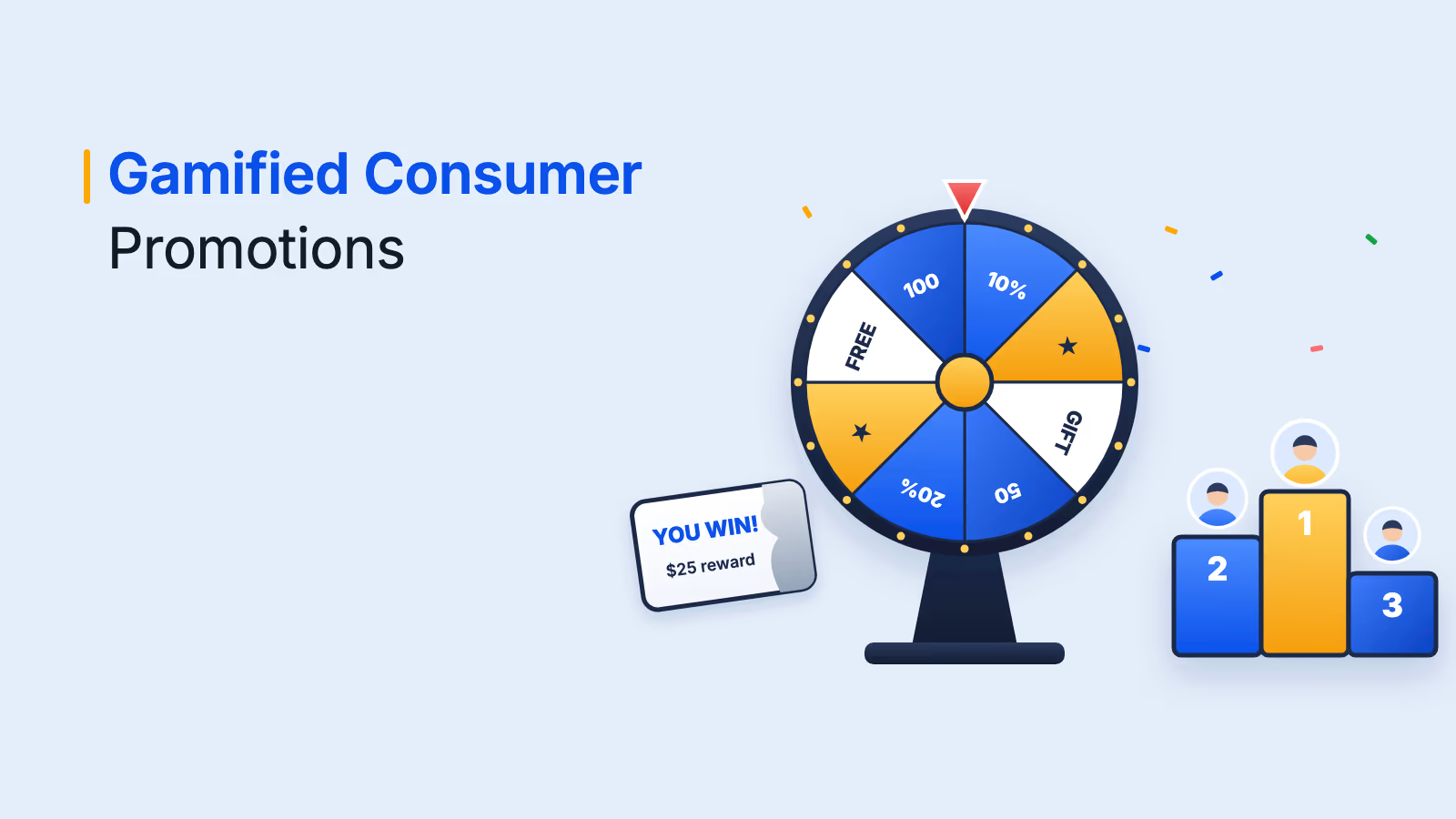
4. Gamified reward program
Adding gamification to referral marketing can make the process more exciting and competitive. Customers are encouraged to refer as many people as possible within a specific time frame, with top performers earning exclusive or high-value rewards.
This structure is ideal for seasonal promotions, holiday campaigns or time-sensitive sales events. However, it requires careful planning, as tracking and rewarding top referrers must be managed well to maintain engagement.
5. One-sided referral programs
In a one-sided system, only one party, either the referrer or the new customer, receives a reward.
- Rewarding the referrer: Encourages loyal customers to advocate for your brand but may not entice new customers to make a purchase.
- Rewarding the referred customer: Attracts new buyers by offering an incentive upfront, but existing customers may feel less motivated to refer others.
This model works best for brands with highly engaged customers who already have a strong connection with the business.
6. Two-sided referral programs
Two-sided referral rewards benefit both the referrer and the referred person. This approach creates a win-win situation and can significantly boost participation.
- Both parties can receive the same reward, or businesses can structure different incentives for each side.
- Since each participant gains a benefit, engagement levels tend to be higher than in one-sided programs.
Customer referral program ideas to boost engagement
A well-structured referral program can significantly improve customer acquisition while building brand loyalty. Whether your business offers ongoing services or one-time purchases, the right referral incentives can drive engagement.
Explore these referral strategies tailored for different industries.
1. Discounts or upgrades for recurring services
Perfect for subscription-based or repeat-service businesses such as house cleaning, lawn care or pet grooming. Offer discounts on future services, partial refunds on past services or free service upgrades for every successful referral. This approach keeps current customers engaged while attracting new ones with appealing perks.
2. Gifts or cash rewards for one-time services
Ideal for businesses offering occasional or one-off services like plumbing, roofing or auto detailing. Instead of service-based discounts, give referrers prepaid cards, branded merchandise or cash rewards to encourage participation. This keeps customers motivated even if they don't need your service often.
3. Double-sided referral rewards
Encourage both the existing customer and the new customer to take part, creating a mutually beneficial relationship. Reward the referrer with store credit, cash bonuses or discounts, while offering the referred customer an incentive like a welcome discount or a free add-on service. This leads to higher engagement and a steady stream of new customers.
4. Referral contests
Create excitement by offering high-value prizes to customers who bring in the most referrals within a set period. Whether it's a free annual service, a substantial cash prize or an exclusive experience, contests generate buzz and encourage quick participation. Set up leaderboard-style tracking to fuel healthy competition among participants.
5. Seasonal and holiday-themed referral programs
Use peak seasons like back-to-school, Black Friday or the holidays to boost referrals with time-limited incentives. Offer festive rewards such as bonus discounts, gift cards or holiday-themed merchandise. A sense of urgency makes customers act faster to get the most out of the offer before the season ends.
6. Charitable referral incentives
For socially conscious brands, giving back can be a powerful motivator. Instead of offering cash incentives, donate to a charity of the referrer's choice for each successful referral. Publicize the impact through updates, such as "We've donated $5,000 to local food banks thanks to our customers' referrals!", to encourage further participation.
7. Tiered rewards for high engagement
Encourage repeat referrals by increasing incentives as customers refer more people. For example, a referrer earns a small discount for their first referral, a free product for their fifth and a VIP service upgrade after ten. This motivates long-term engagement and loyalty and gives customers a reason to keep sharing.
8. Business partnership referral programs
Collaborate with complementary brands to extend your reach and offer more value to customers.
For example, HubSpot and LinkedIn partnered to give marketing and sales professionals better insights by integrating LinkedIn Sales Navigator with HubSpot's CRM. The collaboration let HubSpot users access LinkedIn insights within their workflows, making customer outreach more efficient while introducing LinkedIn users to HubSpot's CRM capabilities.
For more examples, see how rewards improve referral programs and this guide to a real estate referral rewards program.
5 referral program email templates
Use these fully customizable referral program email templates for the most common moments to ask for, and thank customers for, referrals. Replace the bracketed text and reward amounts with your own.
Scenario 1: Asking a current customer if they have anyone in mind to refer to you
Hi [First name],
I hope you're doing great!
I'm glad to hear that [service/product] has worked well for you and your team. I knew that by working together, we'd be able to drive a lot of impact for [insert their brand's name].
Given the success you have seen, I wonder if you know any [colleagues/friends] who are looking to [insert core value proposition of your product/service, e.g. "improve their blog's conversion"]. I would love to help your acquaintances achieve the same results you've seen.
Also, as a thank you for your consideration, a $20 Apple gift card will come your way after this email.
Scenario 2: Asking someone to refer you to a friend or colleague using a promo code
Hi [First name],
I hope your week is going great.
On our last call, I was delighted to hear that [product/service] has been helping your team achieve its objectives.
My goal is to help firms like yours [insert value proposition here, e.g. achieve higher e-commerce conversion rates]. Since you've seen what our [product/service] can do for a business, I was hoping you could recommend our [service/product] to a friend or colleague.
While I generally [insert details here, e.g. "charge $100 for a 30-minute consultation"], I would be more than happy to offer [insert details here, e.g. "a completely free consultation"] to anyone you refer to me.
When booking a consultation, they just need to enter this code: [insert code here]. If you do pass along the referral code, you'll also get a $40 Starbucks gift voucher.
Do you have anyone in mind who might want to take advantage of that benefit?
Scenario 3: Asking a past customer if they know anyone who may need your help
Hi [First name],
I hope your last few [weeks/months] have gone well.
I'm so glad to hear that our [work/service/product] has worked so well for you and your team. I knew that by working together, we'd be able to drive significant impact for [insert their brand's name].
Given the success you have seen, I wonder if you know any [colleagues/friends/other companies in the industry] that are looking to [add your service/product's core value proposition, e.g. "improve their blog's SEO"]. I would love to help them accomplish the same results you have seen.
Also, I know you love Costa Coffee, so I went ahead and bought you a $50 coffee voucher.
Scenario 4: Thanking a long-time customer for a referral in a casual way
Hi [First name],
I just wanted to drop you a note to thank you for referring your [colleague/friend] [Referral name] to me! It means so much that you were happy enough with the work we did together to share my name with someone you want to succeed. Thank you for allowing me to help [him/her/them] [insert a phrase about what you help with, e.g. "improve their overall SEO strategy"], too.
As a thank-you, I'd love to give you a $50 Apple voucher.
Scenario 5: Thanking a one-time customer
Hi [First name],
I wanted to take a moment to thank you for referring [Referral name] to me. I know you're incredibly busy, and I'm so happy that you felt strongly enough about [insert phrase about what you did for this customer, e.g. "the results we drove" or "the leadership workshops we ran"] to take time out of your schedule to share my name with someone you trust.
I know you're a coffee aficionado, so as a thank you for helping me out, here is a voucher for your next cup at your favorite coffee shop.
If I can be of service at any point in the future, please don't hesitate to reach out. I'd be thrilled to work together again.
Tips for creating better customer referral rewards
A well-structured customer referral program can significantly boost customer acquisition and engagement. By offering thoughtful and personalized incentives, businesses can create a powerful channel for driving growth. Here are some tips for crafting effective customer referral rewards:
1. Create a budget and a reward program to incentivize top customers who refer you
Firms will fail to achieve their customer referral goals if they reward customers in an ad-hoc manner. While expensive, unique offerings can be used as a hook to engage customers, they are neither scalable nor easy to manage logistically if the entire rewarding process is handled manually.
For a rewards program to be successful, marketers and sales leaders should allocate quarterly budgets and explain the significance of customer referral programs to their organization's bottom line, especially when it comes to reducing CAC.
2. The "moment of delight" matters
The moment of delight is the final, gratifying step of delivering a great referral reward experience. You may do a great job designing a reward program that suits your company's culture, but there can still be gaps in building one that reflects your customers' preferences.
Here are five things that make a delightful rewarding experience:
- Tailored to the needs of your customers
- Covers a wide range of options
- A reward catalog that is updated with new and fresh options
- Provides aspirational value
- High on convenience
Managing an exciting reward catalog is anything but easy. It involves dealing with multiple vendors, getting the best deals, keeping the catalog fresh and delivering a seamless end-user experience on robust technology.
3. Different B2B and B2C personas may prefer different reward categories
A respondent in an executive position may be more willing to give their time in exchange for a $100 charity donation to a cause such as cancer research than for an Amazon voucher. The $100 will not compensate for their time either way, but the chance to contribute to a cause they care about may nudge them to participate.
A respondent who just took part in a research study about vegan products would gladly choose a voucher for vegan stores. While a cash voucher offers the same value, a vegan coupon does a better job of engaging that prospect.
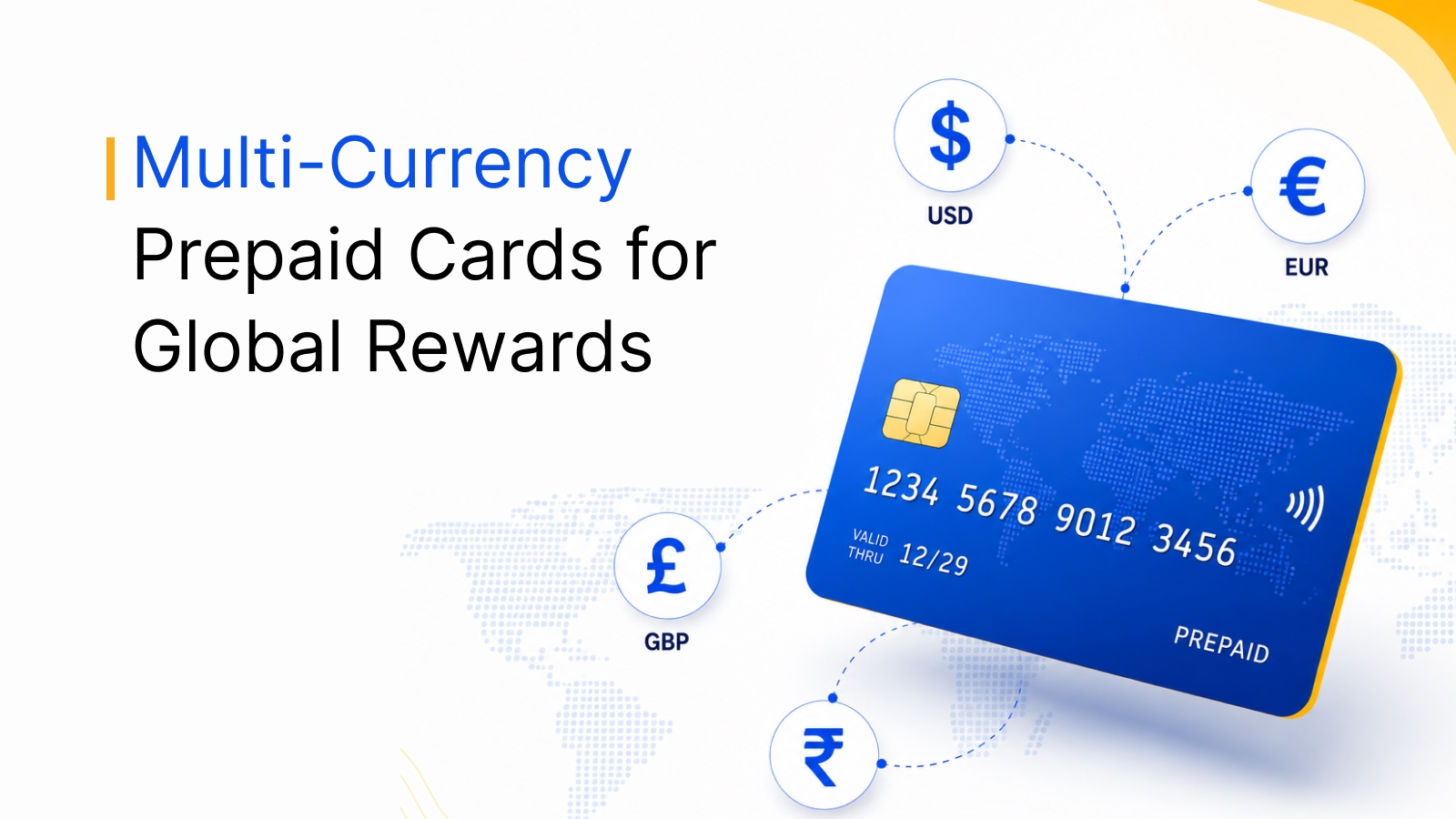
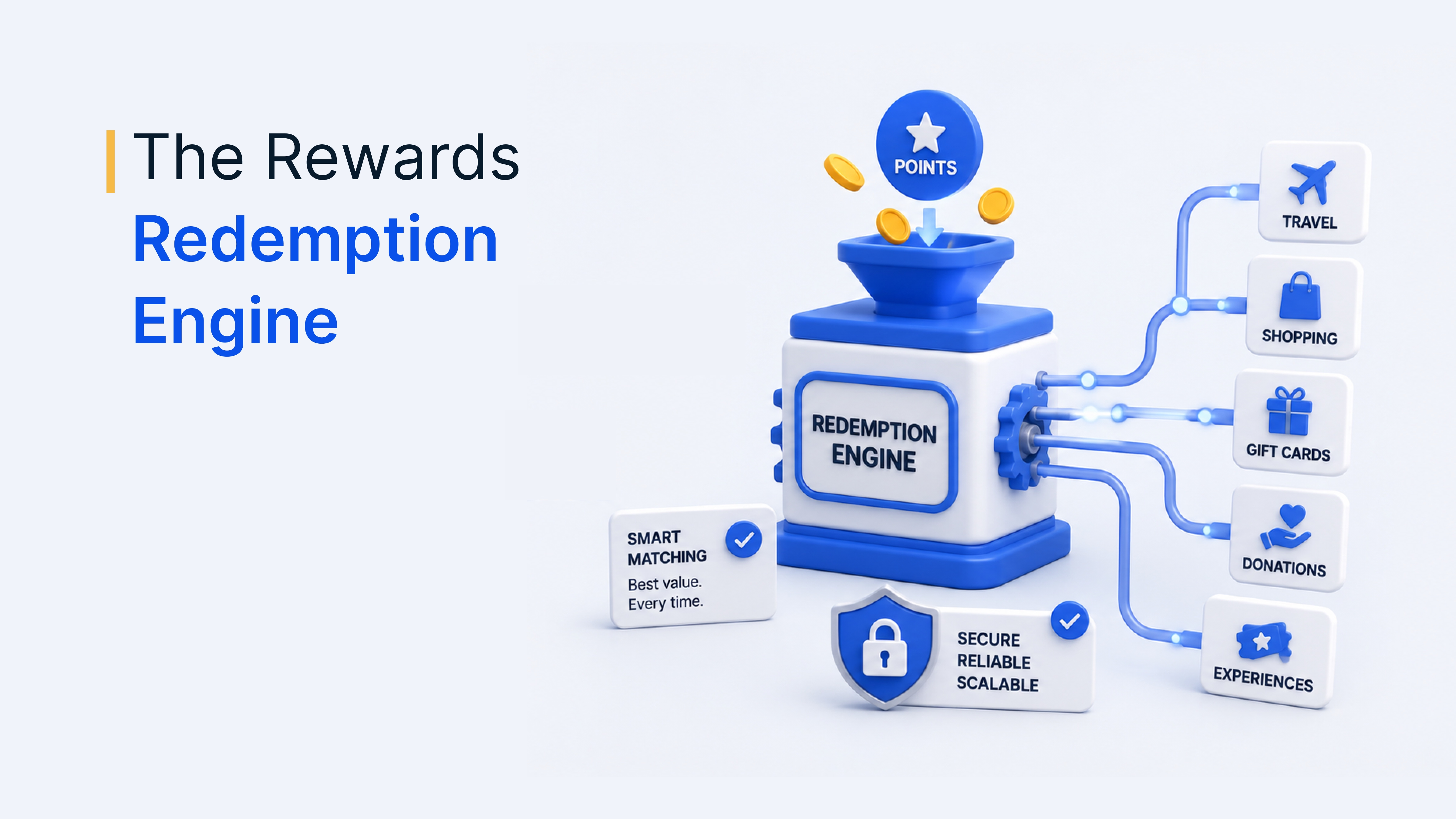
With Plum, admins can send rewards in 150+ countries and in the currency of their choice. They can surprise and delight customers with rewards from a catalog of 10M+ options, from gift cards and experiences to merchandise and charity donations.
Customers can also choose from discounts and offers across categories such as dining, gadgets, travel, entertainment and fitness, so every recipient finds something relevant.
4. Measure the analytics of your referral program
It doesn't matter if you are a startup or a large enterprise; an effective tracking mechanism helps you understand what went right or wrong and course-correct if needed. Ask yourself these questions when running a referral program:
- Who was referred, and who referred them?
- When were they referred?
- How effective is your reward program?
- What stage of the funnel is the referred prospect in now?
- What is your strategy to nurture and follow up with them?
- How are you tracking the customer journey and personalizing outreach to individual accounts? If you already use a CRM, can you integrate your rewards program with it seamlessly?
5. Choose the right software
Setting up and running a referral program with incentives can be challenging if done manually. Choosing the right software to automate reward distribution helps you set goals, deliver referral rewards and analyze the results of your rewards program from the CRM or software you already use.
Choose software that measures analytics effectively and delivers a strong return on what you spend on customer rewards. A customer incentive tool that integrates with your existing CRM lets you run your referral program without hassle.
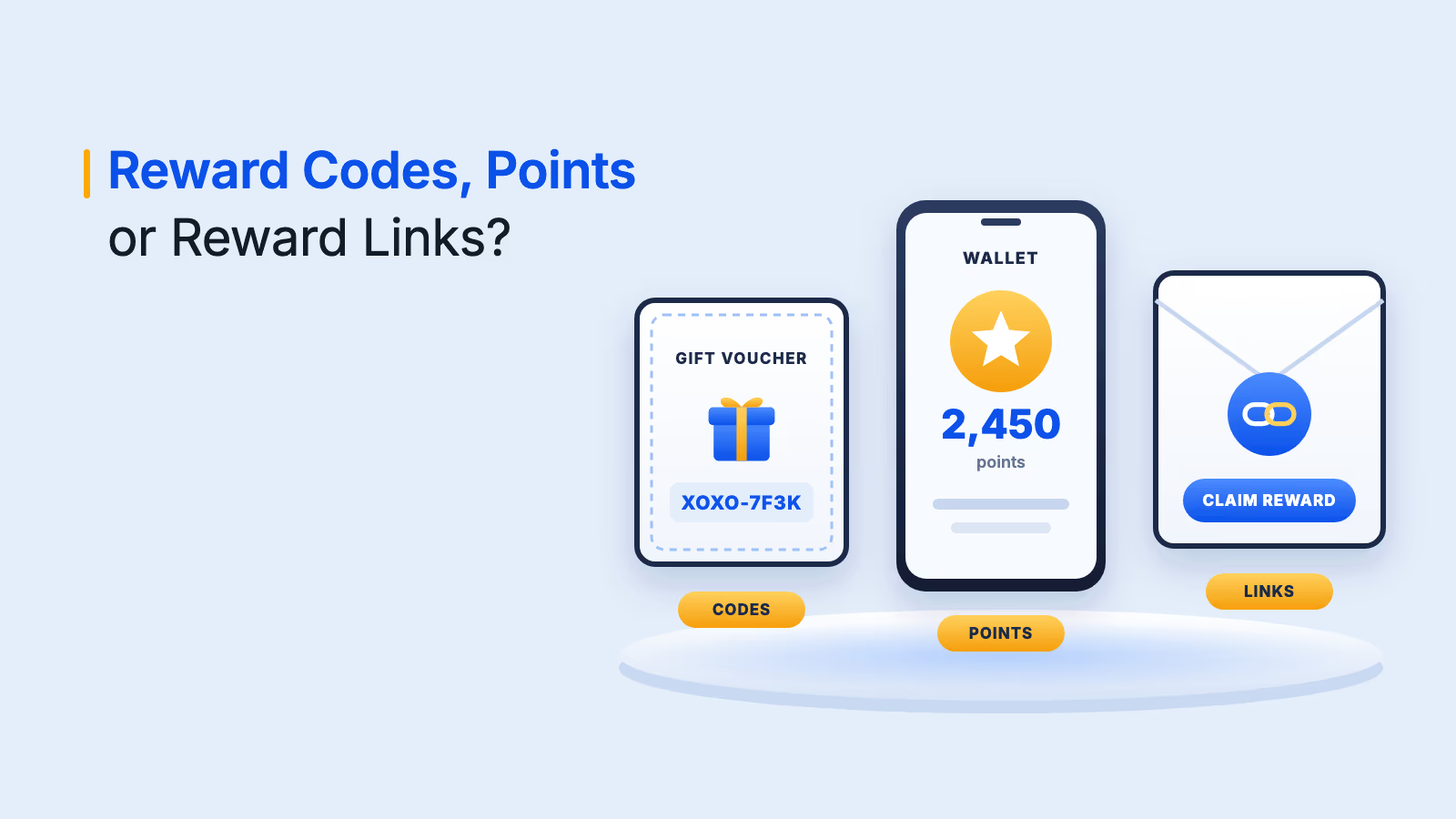
If you're looking for a simple, powerful way to run referral rewards, Plum offers a global reward catalog of 10M+ options across 150+ countries, delivered through reward links, codes or API, with native CRM integrations such as HubSpot and Salesforce.
6. Connect referrals to your wider loyalty strategy
Referral rewards work best as part of a broader effort to turn loyal customers into brand advocates. Advocates driven by personalized rewards and meaningful engagement naturally refer your brand to others. To get there:
- Personalize rewards based on customer behavior, purchase history and loyalty tier, so customers feel valued.
- Automate routine tasks like reward distribution and notifications, so you can focus on building genuine relationships.
- Integrate with your CRM, marketing and transaction systems so customers get a consistent experience at every touchpoint.
- Use insights on what drives engagement to refine rewards and campaigns that encourage customers to refer friends and family.
For more ways to reward customers beyond referrals, see these customer incentive programs.
Conclusion
A customer referral program turns your happiest customers into a steady source of new ones. Start with clear objectives, the right program type and rewards your customers value, then use these customer referral program ideas and email templates to keep advocates engaged.
To deliver referral rewards automatically, Xoxoday Plum gives you 10M+ reward options across 150+ countries. Book a demo to see how it works with your referral program.
Book your Plum demo
Frequently asked questions
A referral program boosts brand awareness, lowers customer acquisition costs and improves retention by turning satisfied customers into brand advocates. New customers arrive through a trusted recommendation, so they start the relationship with more confidence, while referrers feel recognized for their support. You also pay for results, such as a sign-up or purchase, rather than for impressions or clicks.
Give every customer a unique referral link or code, then record each click, sign-up and purchase that uses it. Referral tracking software or your CRM can store who referred whom, what stage each prospect has reached and when a reward is due. Connecting a rewards platform such as Plum to the same system lets you send rewards automatically once a referral qualifies.
A successful referral program is easy to understand, offers rewards customers actually want, integrates with your existing systems and makes sharing effortless. Personalization and clear communication encourage customers to take part. Successful programs also set measurable goals, thank referrers quickly and keep refining incentives and messaging based on what the data shows.
Promote your referral program through email campaigns, social media, your website and blog, in-app notifications and transaction emails such as invoices and receipts. Train customer support and sales teams to mention the program during conversations, and ask for referrals at moments when customers are happiest, such as right after a successful purchase or a positive support interaction.
Yes. Referral programs can be adapted to almost any industry, from e-commerce, retail and hospitality to SaaS, financial services and home services. The key is to match the reward to how often customers buy: service credits suit recurring services, while gift cards or cash-like rewards suit one-time purchases. B2B companies often use multi-step rewards for longer sales cycles.
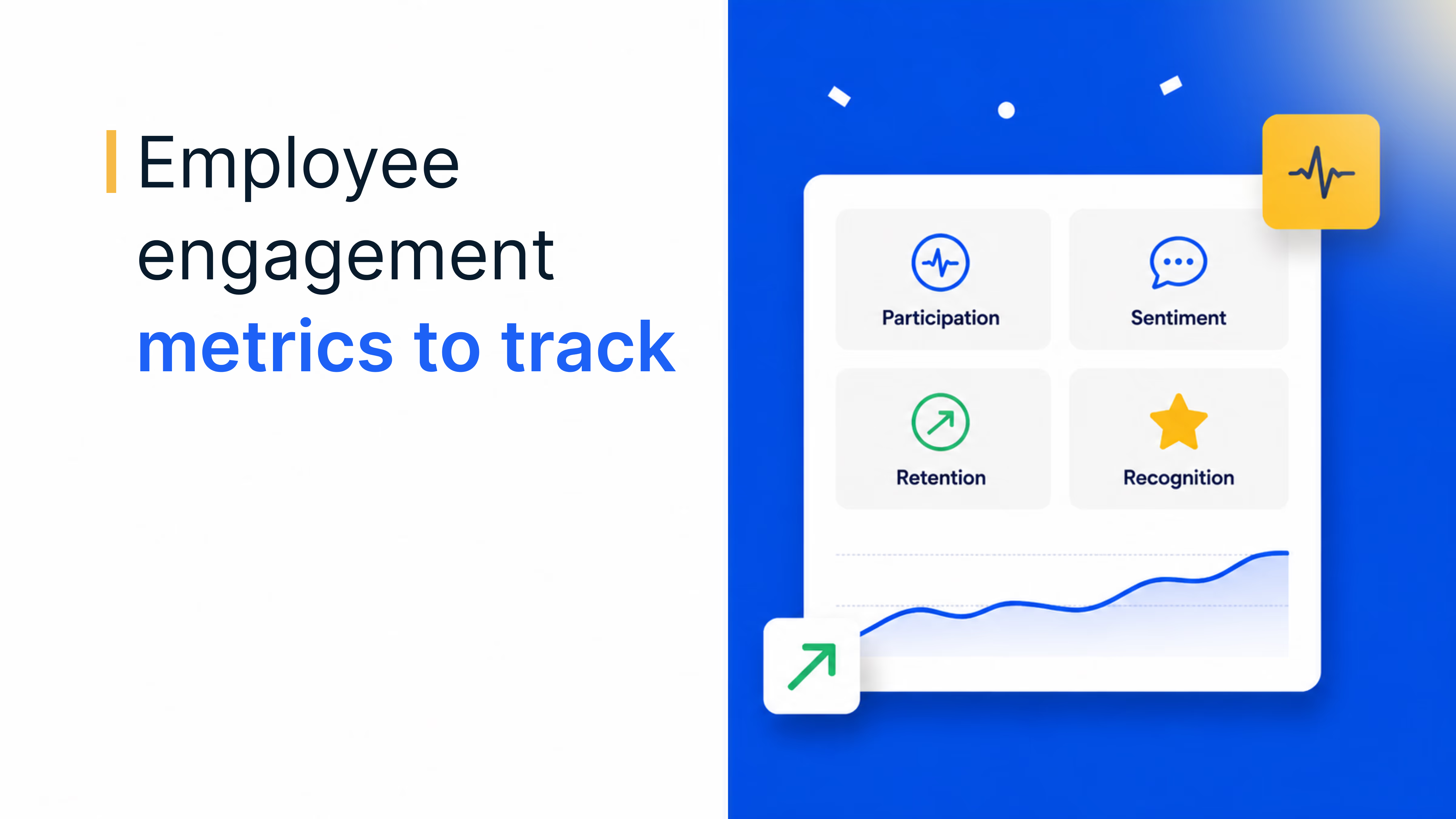
Key metrics include the number of referrals, the share of customers who participate, referral conversion rate, customer acquisition cost, the lifetime value of referred customers and the overall ROI of the program. Compare these with your other acquisition channels and track them by channel and by reward, so you can see which incentives and messages drive the best results.
A referral program rewards existing customers for bringing in new ones, usually people they know personally, with rewards such as credit, discounts or gift cards. An affiliate program typically involves third-party marketers, publishers or influencers who promote your brand to their audience for a commission on each sale. Referral programs rely on personal trust, while affiliate programs rely on reach.
A two-sided referral program rewards both people involved: the existing customer who makes the referral and the new customer who signs up or buys. The rewards can be the same, such as store credit for each, or different, such as a gift card for the referrer and a welcome discount for the new customer. Because both sides benefit, participation is usually higher than in one-sided programs.