Key Takeaways
A driver loyalty program rewards tenure, ratings and safe driving so staying with one platform is worth more than switching.
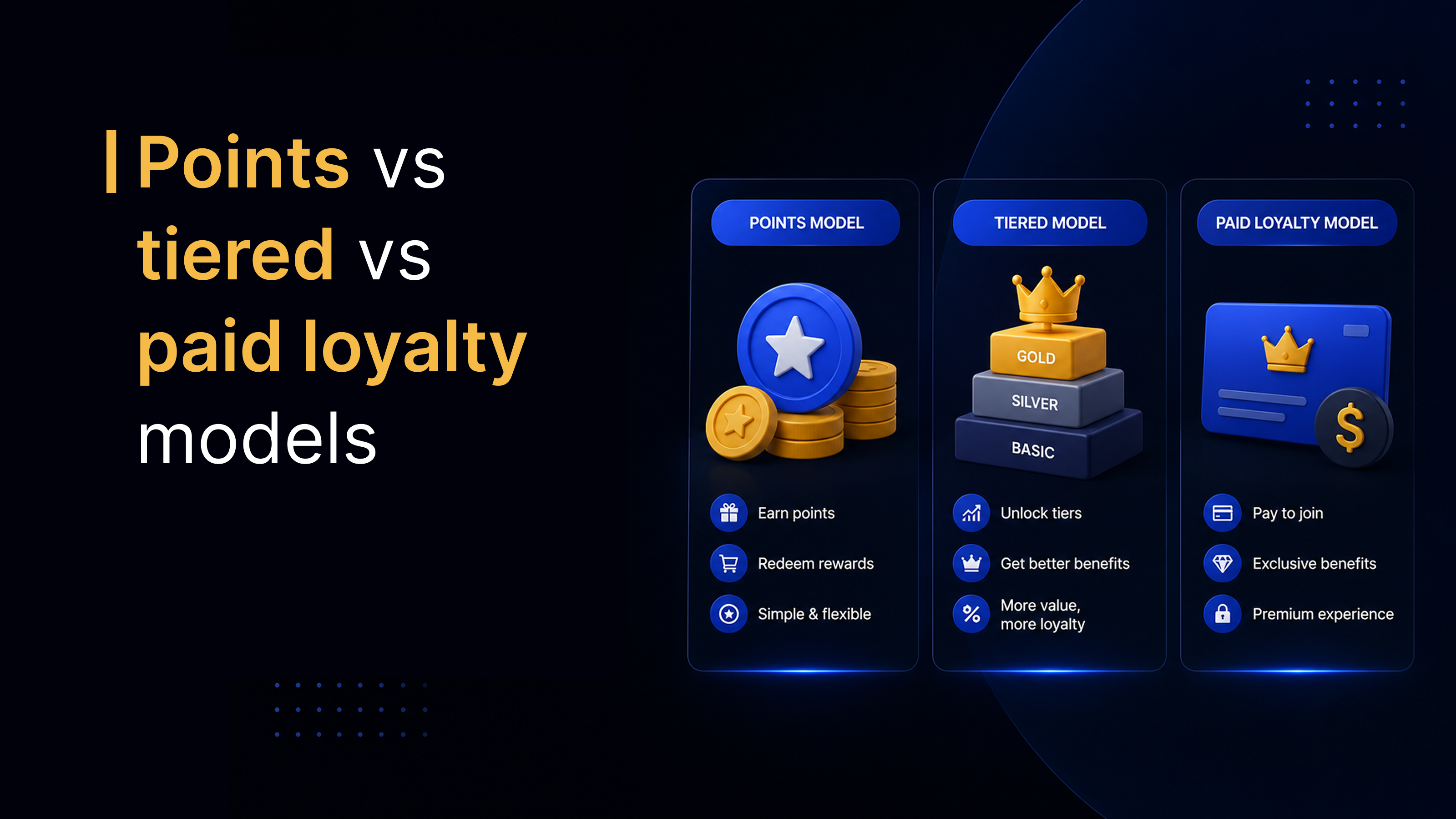
Tiers, points, referral bonuses, milestones, flexible rewards and gamification are the core building blocks.
Uber Pro, Dasher Rewards, Lyft Rewards and Bolt Rewards all pair tier status with practical perks like fuel cash back.
Fleet fuel cards such as IndianOil XTRAPOWER and BPCL SmartFleet extend driver loyalty to commercial fleets.
Design starts with driver personas and KPIs, then ties every reward to a business outcome and shows progress in real time.
Behind every parcel delivered, passenger transported and route completed is a driver navigating tight deadlines, rising fuel costs and intense competition. That is why a well-designed driver loyalty program has become a strategic tool for delivery and rideshare platforms, fleet operators and transport companies alike.
The pressure on drivers is growing. Gridwise's 2026 Annual Gig Mobility Report found that rideshare customers paid nearly 10% more in 2025 and platform fees per trip rose over 33%, while driver gross pay per trip and per hour grew just 3.6% and 4.1%.
Engaging and retaining these professionals has become a strategic imperative for gig-based delivery platforms, cab operators, trucking companies, bus and train operators, and even airlines.
The reality? Driver turnover is costly and persistent. In long-haul trucking, a 2024 FreightWaves report on a National Academies study cites American Trucking Associations data showing large truckload carriers averaged 92.7% annualized driver turnover between 1996 and early 2023. High churn leads to costly recruitment cycles, inconsistent service quality and declining customer satisfaction.
As the workforce becomes more fragmented and options more plentiful, platforms that fail to retain drivers risk falling behind. That's why driver loyalty programs are emerging as critical differentiators.
This blog discusses driver loyalty programs, their importance, real examples and a scalable approach to building an effective driver loyalty program that transforms high turnover into high engagement.
What is a driver loyalty program?
A driver loyalty program is a rewards or incentive program designed to encourage repeat engagement and long-term loyalty from drivers. It is typically designed for those working with rideshare platforms (like Uber and Lyft), courier and delivery services (like DoorDash, Instacart or Amazon Flex), logistics and fleet companies, and even transit and transport services such as intercity bus operators, truckers, train operators and airline crew members.
Why driver loyalty programs are crucial today
Whether they work in freight logistics, passenger transit or airline operations, drivers form the backbone of operations. Yet they're also among the most transient members of the workforce.
With mounting competition, rising operational costs and changing expectations, retaining skilled and motivated drivers has become both a challenge and a strategic necessity.
1. Reduce high attrition rates
Rideshare, delivery and logistics companies often experience high attrition rates among drivers. Whenever a driver leaves a ride-sharing company, the company's customers experience longer wait times and reduced service availability.
Companies invest time and money into recruiting, onboarding and training replacements, which quickly adds up. A well-designed loyalty program is one of the most effective driver retention strategies: it reduces churn by giving drivers a reason to stay longer, work more and remain engaged.
2. Experience and performance improve with time
Loyal drivers aren't just cheaper to retain, they're better performers. Experienced drivers understand routes, platforms and customer expectations more intuitively.
They're more likely to deliver faster, earn higher customer ratings and make fewer costly errors. Loyalty programs that reward tenure and consistency directly translate into better operational outcomes.
3. Drivers are brand ambassadors
Whether in branded vehicles or interacting directly with customers, drivers represent your company.
Motivated, loyal drivers are more likely to promote your brand, provide better service and even refer new drivers. Loyalty programs turn transactional workers into long-term partners who care about your mission and success.
4. Enhance driver satisfaction
Gig and delivery platforms aggressively compete for drivers with higher pay, flexible schedules and incentives. Fuel discounts, health insurance and bonuses improve drivers' job satisfaction and financial well-being.
In such a saturated market, a meaningful loyalty program becomes a unique lever to differentiate your offering. It signals that you value your drivers beyond just a per-task payout.
Key components of an effective driver loyalty program
A driver loyalty program is only as impactful as its strategy. To engage and retain drivers, your loyalty program needs more than generic rewards.
It should offer personalized and meaningful rewards that truly motivate the workforce.
Let's look at some of the key components of a driver loyalty program:
1. Tiered rewards structure
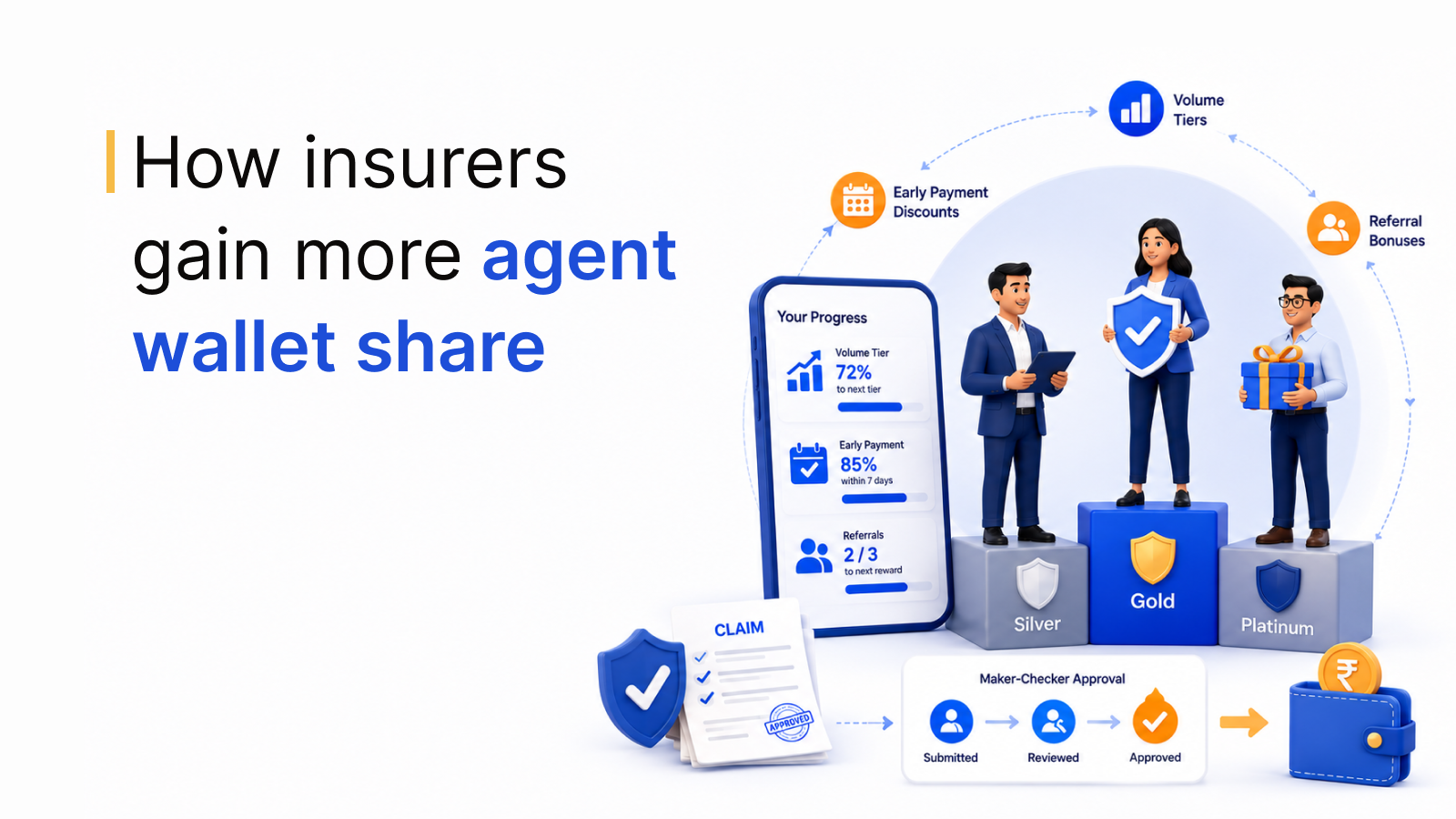
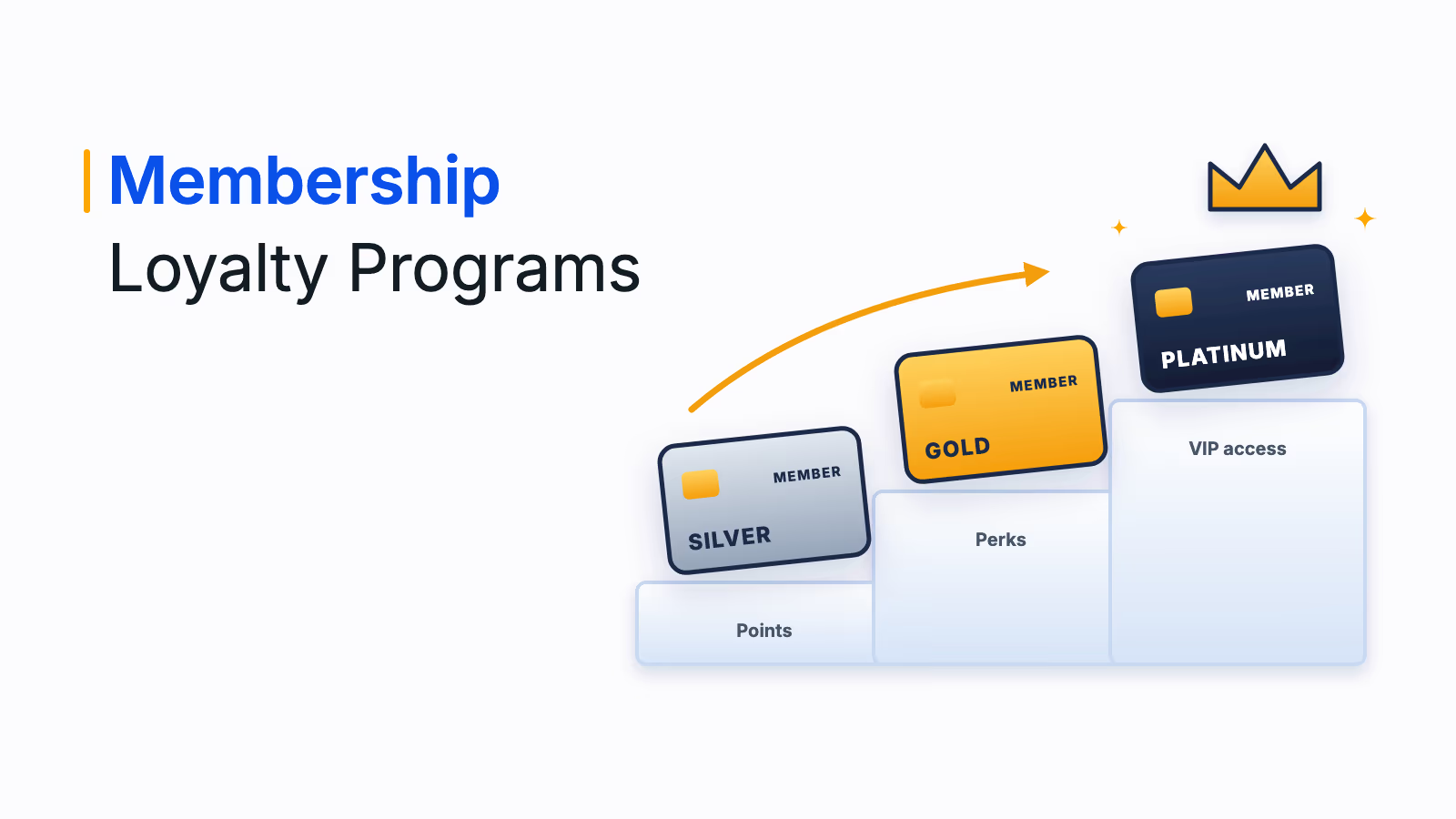
Tiered programs create a sense of progression and achievement. By assigning drivers to levels based on performance metrics such as completed trips, ratings or delivery accuracy, companies create a clear path to better perks.
This taps into psychological motivators like status and recognition, encouraging drivers to stay active and aim higher.
Companies motivate their delivery partners by assigning tiers like Gold, Silver or Bronze, encouraging sustained engagement and identifying top performers.
2. Point-based incentives
Points are the core currency of most loyalty programs. Drivers earn points for completing rides or deliveries, maintaining high customer ratings, working during peak hours or taking on challenging routes. The points earned can then be redeemed for meaningful rewards.
Point-based delivery driver incentives reinforce the right behaviors and give drivers instant gratification.
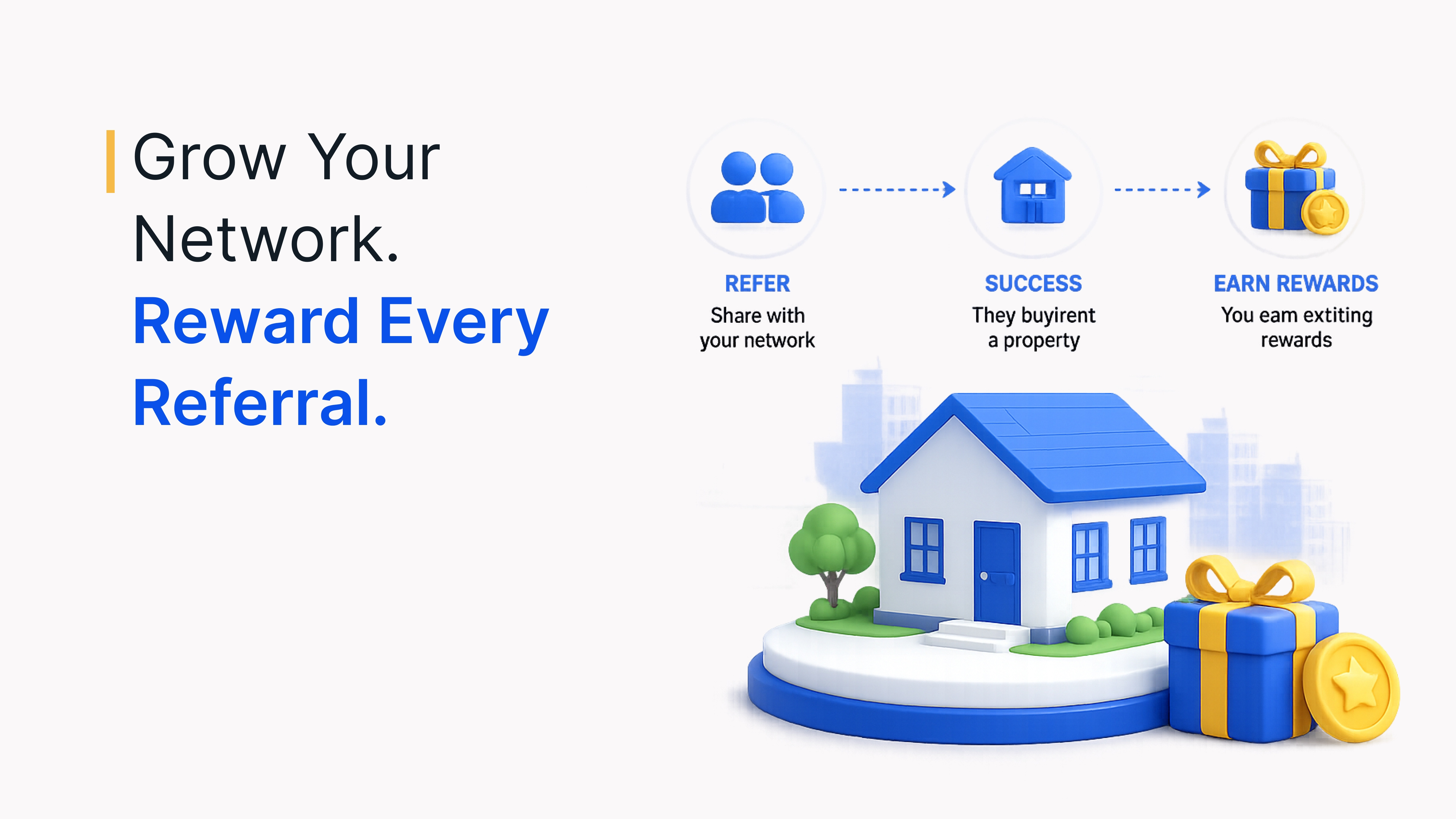
3. Referral bonuses
Great drivers often know other great drivers. A well-structured referral system helps with driver acquisition and builds community and advocacy.
Make sure your driver loyalty rewards offer bonus points, cash rewards or tier boosts for successful referrals, which motivates drivers to bring others into the fold.
Referral bonuses lower recruitment costs. They also build trust and loyalty through peer networks and incentivize drivers to support growth.
4. Milestone rewards
Celebrating milestones such as a first work anniversary, a 10,000th delivery or a 1,000th five-star rating creates emotional engagement.
Such milestones give drivers a sense of belonging and appreciation beyond day-to-day performance metrics. For example, bus operators who complete a set number of safe-driving hours or train conductors who maintain perfect on-time records for a quarter could receive recognition.
Milestone rewards strengthen emotional connection to the platform, recognize both tenure and excellence, and reinforce long-term commitment.
5. Flexible reward options
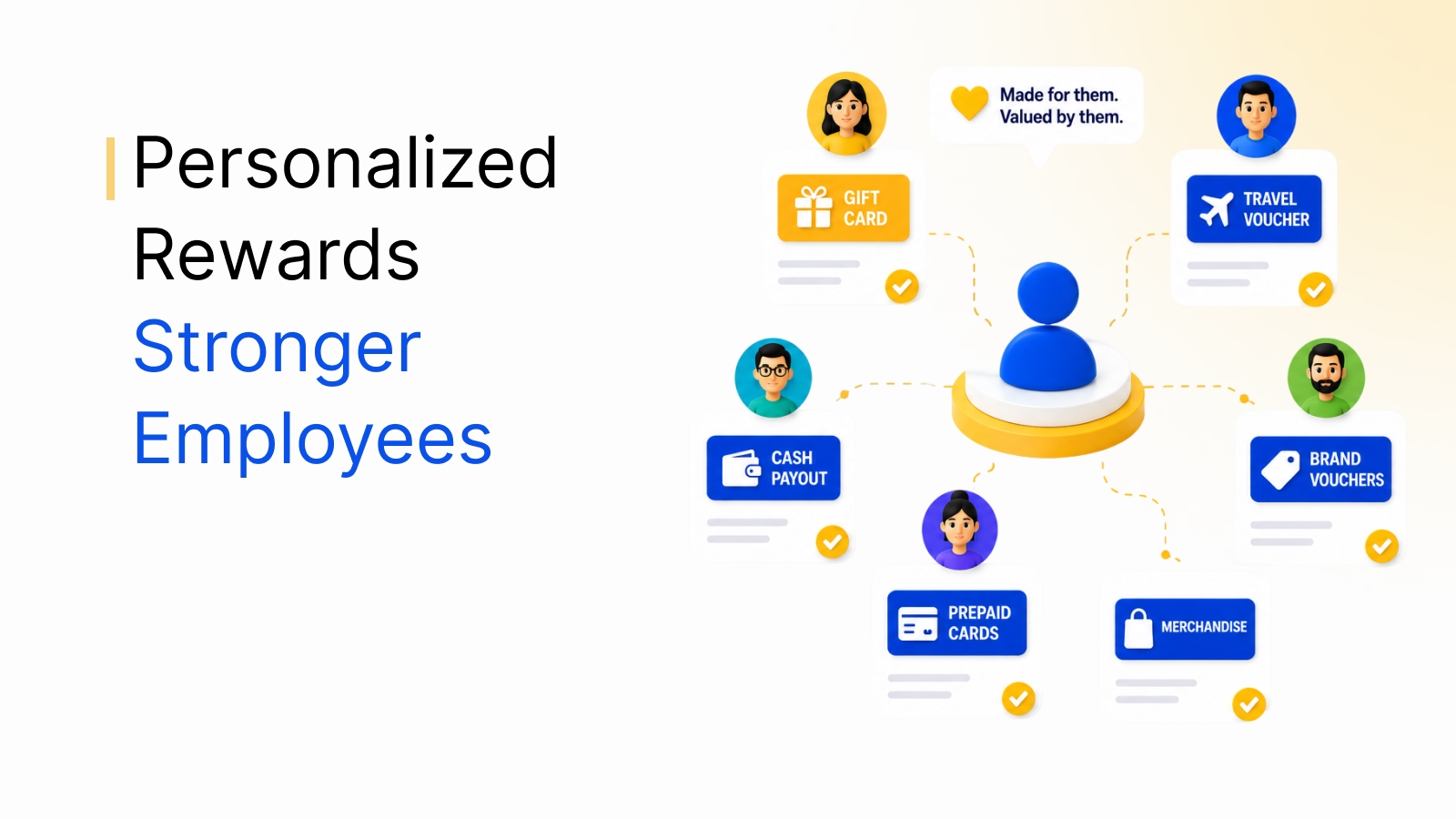
Not all drivers value the same rewards. While some prefer cash bonuses, others may value fuel discounts, vehicle maintenance vouchers, health benefits or lifestyle experiences.
Offering a mix of reward options makes your program more inclusive and appealing to a broader range of drivers.
By offering flexible reward options, companies improve redemption rates and support diverse driver needs and lifestyles.
For instance, airline or rail operators might value travel incentives, wellness programs or crew family benefits.
6. Real-time feedback and gamification
Gamification adds an element of fun and urgency to performance. Dashboards that show rankings, badges, challenges or streaks create a dynamic environment that keeps drivers engaged.
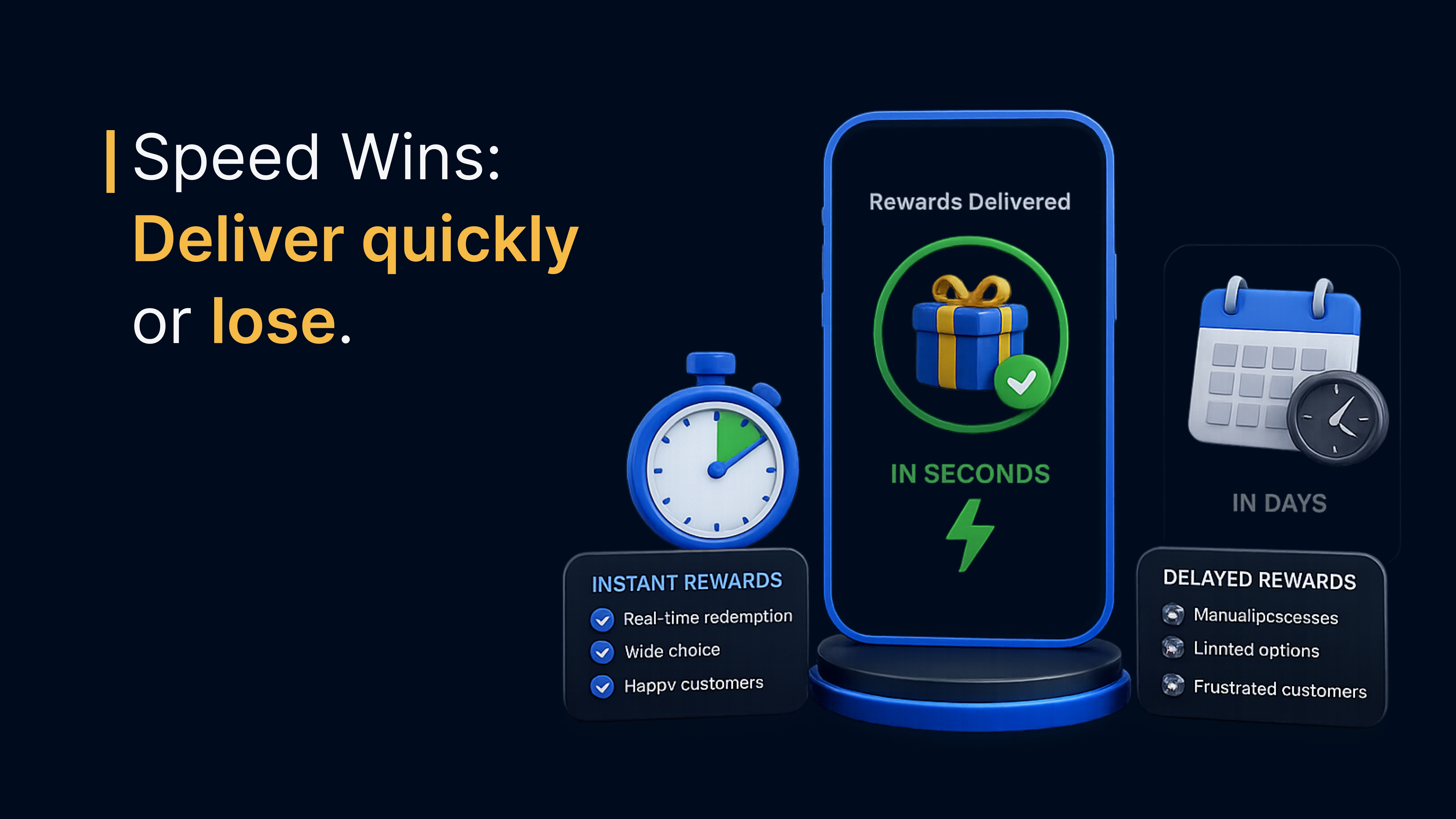
Pair this with real-time feedback on performance, and drivers can immediately see how their actions impact their rewards.
Real-time feedback boosts motivation through instant recognition, encourages self-improvement, and drives frequent and consistent engagement.
Keep your best drivers on the road
Reward trips, ratings and safe driving with tiers, gamification and referrals on Loyalife.
Talk to our ExpertTrusted by 5,000+ companies
Top examples of driver loyalty programs
As the competition for drivers intensifies, leading logistics, rideshare and delivery platforms have rolled out innovative loyalty programs to retain and engage their workforce.
Below are 10 real-life driver loyalty programs, from rideshare driver rewards to fleet fuel cards. Tier rules and perks vary by city and change often, so drivers should always check the current terms in their app.
1. Uber Pro
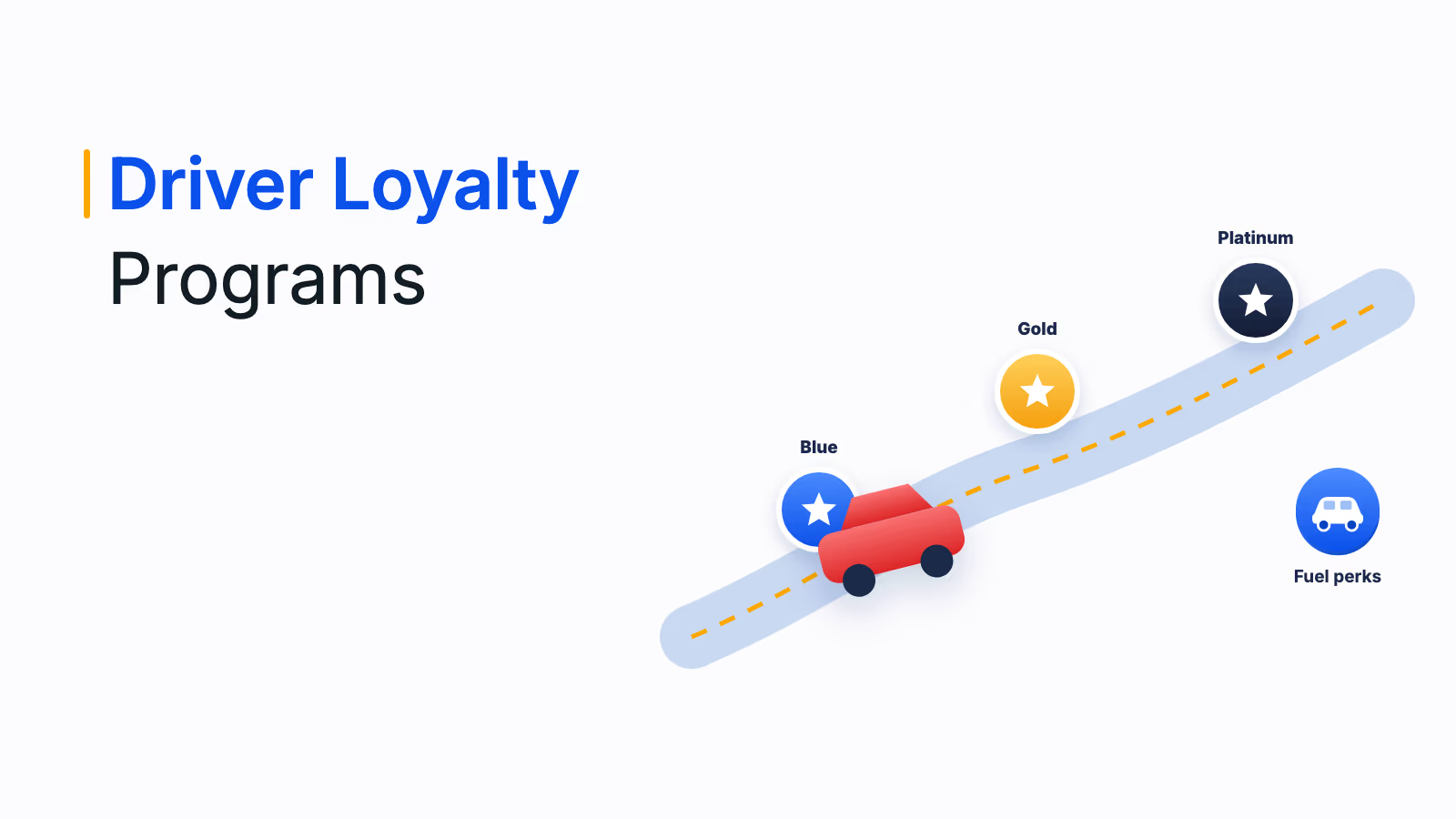
Uber Pro is a tiered loyalty program that rewards drivers based on performance. The Uber Pro tiers are Blue, Gold, Platinum and Diamond. According to the Uber Pro program terms, drivers start at Blue and earn one point per completed trip (with bonus points at certain times or places) over fixed three-month periods. To reach higher tiers, they must also meet goals that can include acceptance rate, cancellation rate, star rating and a driving insights score.
As drivers climb the ladder, they get more rewards. Perks vary by city and can include cash back on fuel, vehicle maintenance discounts and education benefits, all shown in the Uber Pro Hub in the driver app. The tiered system creates motivation through status, while practical perks like fuel savings address day-to-day driver concerns.
2. Dasher Rewards
Dasher Rewards is DoorDash's loyalty program for its high-performing delivery drivers, who get increased flexibility and priority access to orders. It has Silver, Gold and Platinum levels, and Dashers become eligible after a minimum number of deliveries.
Drivers are rewarded when they meet thresholds for acceptance rate, completion rate and customer rating. Higher levels unlock perks such as priority access to higher-paying offers, the ability to Dash Now when it is not busy, and earlier scheduling. By offering more control and access, DoorDash appeals to drivers' need for autonomy and higher earnings potential.
3. Instacart Cart Star
Instacart's Cart Star program targets shopper motivation and recognition with performance-based tiers: Gold, Platinum and Diamond. Shoppers qualify based on completed orders, customer rating and, since 2025, a shopping quality score.
All Cart Star shoppers get priority access to batches by tier, higher tiers earn more cash back on gas and EV charging, and Diamond shoppers get a free Instacart+ membership. The program rewards quality as well as volume, which protects the customer experience.
4. Amazon Flex Rewards
In Australia, Amazon Flex Rewards gives drivers access to a points-based program with four levels. Drivers earn at least 10 points per completed block and at least 1 point per delivery, as long as their standing is Fair or above. Points reset every three months.
Higher levels unlock longer windows to accept reserved offers, plus discounts on fuel, groceries and retail through a partner.
Amazon blends practical savings with access-based incentives, helping drivers feel supported and more productive.
5. IndianOil XTRAPOWER Fleet Card
The XTRAPOWER Fleet Card program by IndianOil is a dedicated fuel loyalty initiative tailored for logistics providers, small fleet operators and corporate customers across India.
The program blends fuel expense management with a rewards ecosystem, making it a driver-centric loyalty model and a classic fleet driver incentive program in the energy and logistics industry.
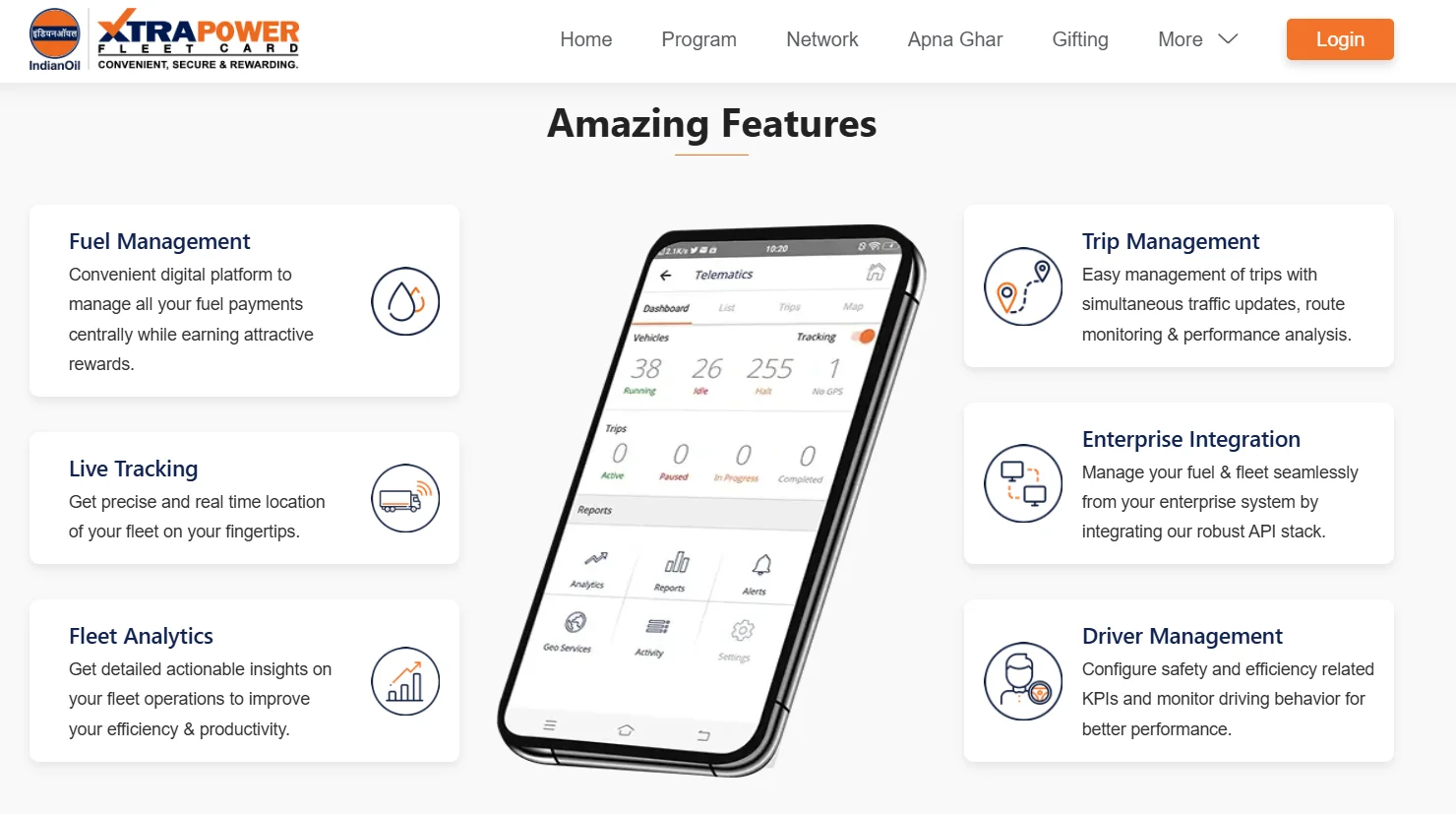
Fleet customers earn loyalty reward points on fuel purchases and get tools for trip management, fleet analytics and API-based enterprise integration across a network of 35,000+ retail outlets.
6. Lyft Rewards
Lyft Rewards is a points-based program for drivers with four tiers: Silver, Gold, Platinum and Elite. Drivers earn one point per dollar of ride earnings, with multipliers for high acceptance rates where available.
Perks include cash back on gas and EV charging through Lyft Direct (from 2% at Silver up to 10% on gas and 12% on charging at Elite), discounted or free roadside assistance, tax software discounts and Elite status protection.
The mix of utility-based rewards and status-based recognition helps improve driver satisfaction and platform loyalty.
7. Grab driver benefits
Grab's loyalty initiative varies by country. In the Philippines, Ka-Grab Rewards Plus places delivery and ride partners in Member, Silver, Gold or Platinum tiers based on star rating, completion rate, monthly rides, acceptance rate and cancellation rate.
Benefits include life insurance cover, grocery and medicine allowances and mobile load vouchers that rise with tier.
Grab recognizes that driver needs go beyond income: supporting health and wellbeing creates deeper loyalty.
8. Bolt Rewards
Bolt Rewards is a rewards programme designed to motivate Bolt drivers through benefits and discounts. Drivers are enrolled automatically and earn points for every finished ride, with extra points for peak-hour rides. Points reset monthly.
Tiers run from Bronze upwards (up to Diamond in some markets), with increasing benefits such as partner discounts on fuel, insurance and vehicle maintenance, accounting deals, faster support and more trips towards a chosen destination.
Bolt's program focuses on long-term driver retention and satisfaction, and its partner offers are localised by country so rewards stay relevant across diverse markets.
9. BPCL SmartFleet
Bharat Petroleum's SmartFleet is a fuel management and loyalty program for cost-conscious fleet owners and commercial drivers.
Alongside loyalty rewards, it offers payment tools, quality and quantity assurance, MIS reports, a dedicated relationship manager and driver facilities at highway outlets.
10. Careem Captain Club
Careem, the Middle East super app, calls its driver-partners captains. On its captains page, Careem says it offers benefits and rewards to its loyal captains based on the tier they are in.
The program is tailored to recognize consistent effort, and Careem has also publicly recognized its longest-serving captains, which shows how recognition and tenure rewards complement trip-based incentives.
How to design a scalable driver loyalty program
A scalable driver loyalty program improves retention, boosts performance and directly impacts your bottom line.
But how do you design a loyalty program that motivates drivers while aligning with your business goals?
Here are the five components of building a high-impact driver loyalty program.
1. Understand driver personas and motivators
The first step in designing a driver loyalty program is understanding your drivers. Each driver's persona varies by employment type (gig vs. full-time), tenure, location and personal goals.
Use primary research, such as surveys and interviews, and secondary research, such as delivery data, to build detailed driver personas and understand common motivators, such as:
- Higher pay and bonuses
- Flexible schedules
- Recognition and status (such as top performer badges)
- Career development or training opportunities
Tailoring rewards and recognition strategies to these motivators increases the effectiveness of your program and your drivers' engagement.
2. Define key performance metrics (KPMs)
Once you understand what motivates your drivers, the next step is to define clear, measurable key performance metrics (KPMs). These are the behavioral indicators that drive your business success.
Examples of KPMs include:
- On-time delivery rate
- Customer satisfaction score (CSAT)
- Order acceptance rate
- Delivery volume per shift
- Safe driving behavior
Your loyalty program should reward achievement of these KPMs while building trust and maintaining motivation across all driver segments. For formulas and benchmarks, see our guide to loyalty program KPIs.
3. Align incentives with business outcomes
Choosing the right loyalty system (points-based or tiered rewards) and aligning incentives with business outcomes encourages driver behaviors that support strategic goals, such as faster deliveries or better customer service.
When designing your driver loyalty program, you should:
- Offer higher point rewards for peak-hour deliveries
- Provide bonuses for consistently high CSAT scores
- Reward safe driving to reduce insurance and liability costs
Using a points-based loyalty system or tiered rewards makes it easier to gamify performance and promote healthy competition among drivers. Our post on gig platform loyalty and gamification goes deeper on these engagement mechanics.
4. Ensure transparency and real-time access to rewards
Building trust with the driver community is paramount, and transparency goes a long way. Drivers should know how they earn rewards, what they are worth and how to redeem them.
This could be through an app or an online portal that drivers can easily access.
Here are some best practices for transparency in reward tracking:
- Provide real-time dashboards within your driver app
- Send weekly performance summaries via SMS or email
- Display reward redemption options and timelines
When drivers track their progress and instantly see the value of their efforts, they're more likely to stay motivated and loyal.
5. Integrate feedback loops for continuous improvement
A scalable loyalty program must evolve with your workforce and operations. Set up continuous feedback loops to gather insights from drivers through surveys, quarterly check-ins and in-app suggestions, and analyze program performance.
This will help you refine the loyalty program, whether by tweaking reward thresholds, adjusting goals or rolling out new recognition tools.
By understanding driver personas, aligning incentives with KPIs, integrating feedback and ensuring real-time visibility, you turn a fragmented workforce into a high-performing, loyal delivery team.
How Loyalife helps you build an effective driver loyalty program
Designing a great driver loyalty program is only half the challenge; the other half is delivering it consistently, engagingly and at scale. That's where Loyalife, Xoxoday's loyalty management platform, comes in.
Whether you're managing a gig workforce, a fleet of commercial drivers, cab drivers, a logistics network or public transport operators, Loyalife provides the tools to build a seamless, personalized and high-impact rewards ecosystem.
Here's how Loyalife can turn your driver loyalty program from concept into a competitive advantage:
1. Make loyalty fun and habit-forming
Drivers thrive on real-time motivation. Loyalife's gamification features let you turn routine performance metrics like completed trips, on-time deliveries or customer ratings into rewarding challenges.
You can create milestones, badges, streaks and leaderboards that encourage positive behaviors like safe driving, low cancellations and peak-hour shifts, and use tiers and referrals to reward progression and driver advocacy.
Adding a layer of game mechanics engages drivers daily, not just when a reward is unlocked.
2. Personalized rewards that truly matter
Not all drivers are motivated by the same perks. Some prefer fuel vouchers, while others may value health benefits or family experiences.
With Loyalife, you offer flexible, personalized rewards based on driver profiles, behavior and preferences.
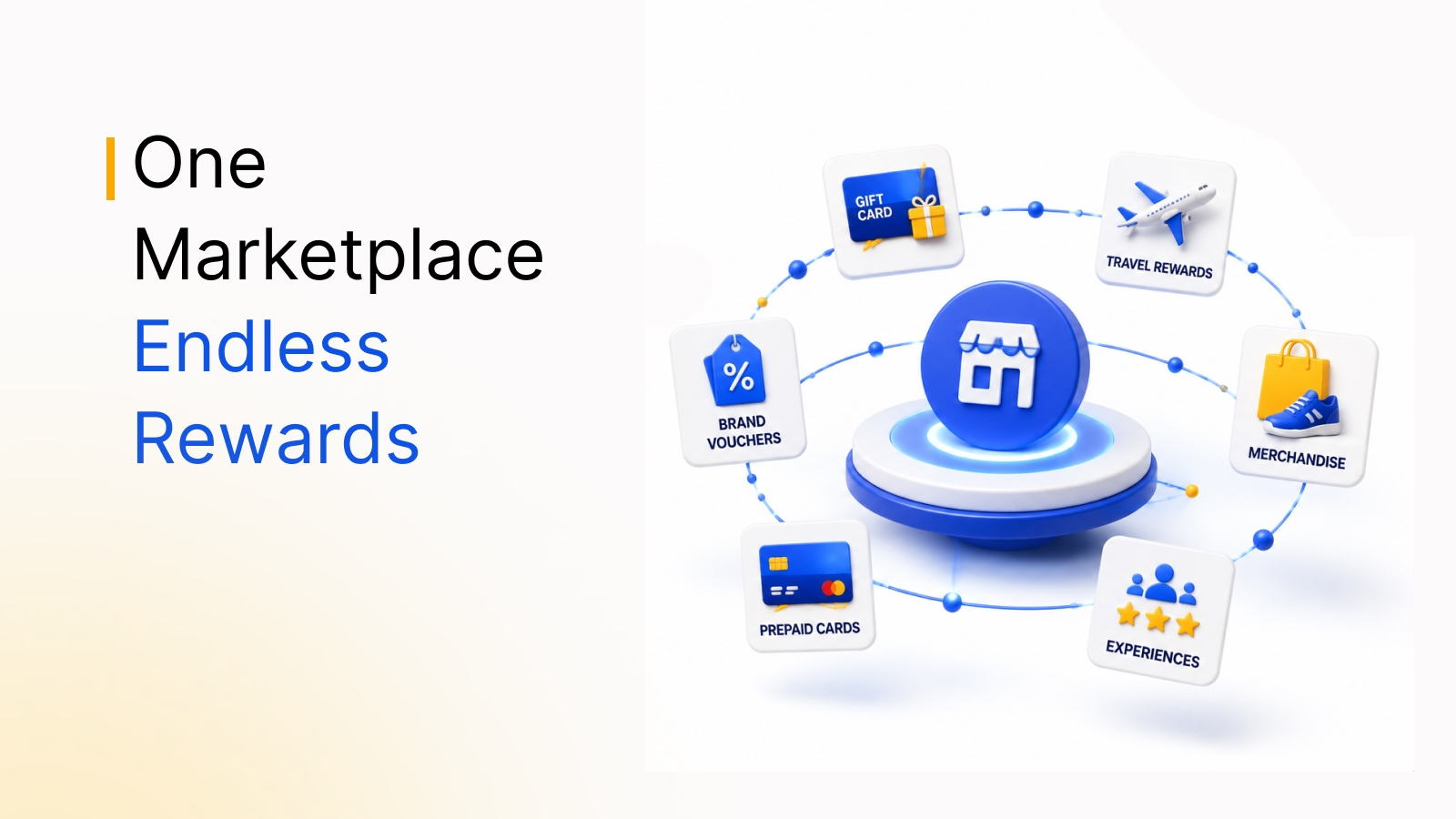
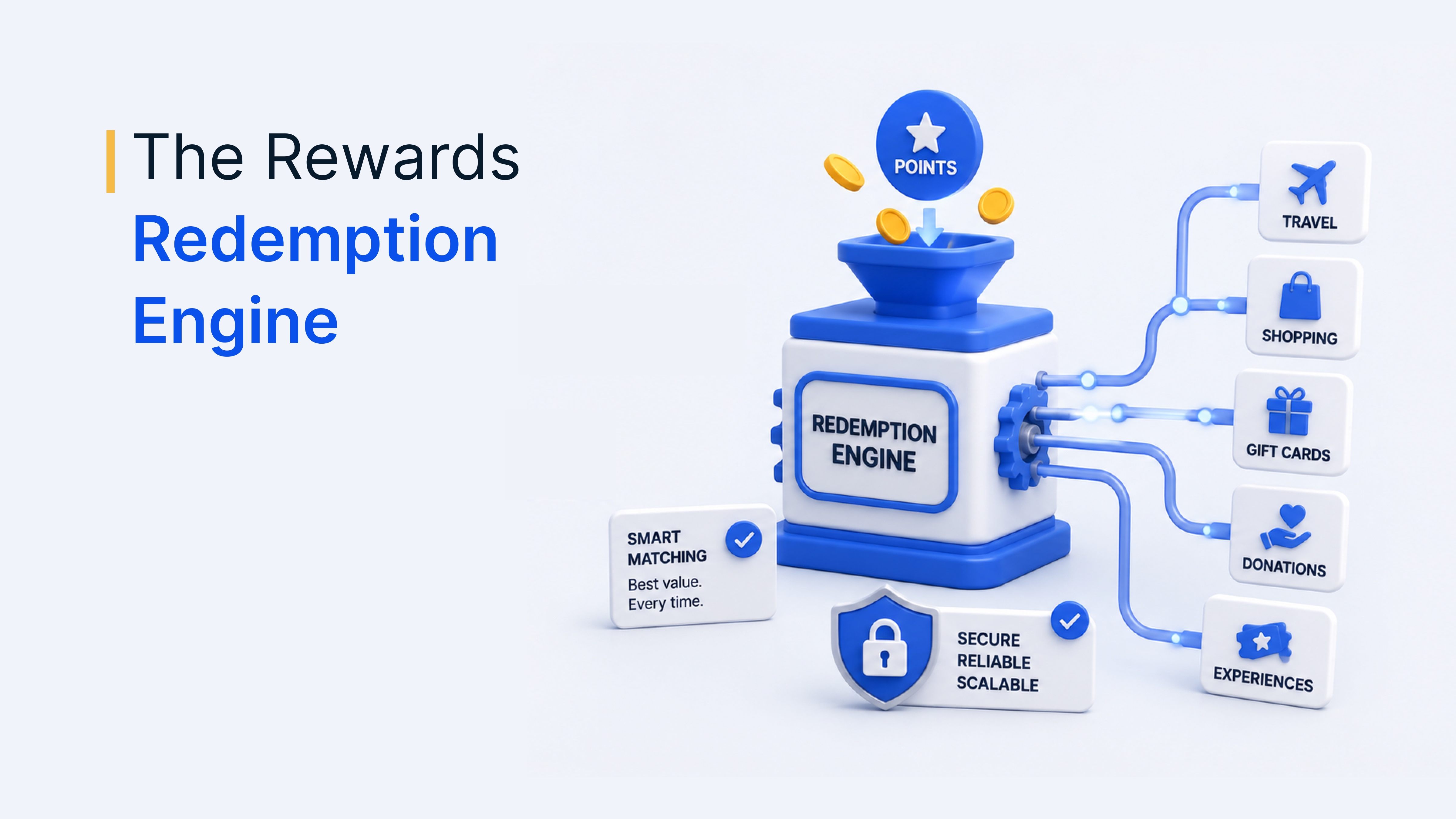
Use the rule engine and segments to tailor earn rules and rewards for new drivers, high performers or long-term partners, or by city and vehicle type. Drivers redeem from a rewards marketplace of 10M+ options across 30+ categories, from gift cards and fuel to lifestyle rewards.
This flexibility builds emotional connection and increases redemption rates.
3. Optimize every interaction
Loyalife's Reports & Insights dashboards help you track, refine and optimize your loyalty strategy.
With all the data collected, you can monitor engagement levels, churn risks and performance trends, and see your top-performing drivers and under-engaged segments.
With these insights, you can turn your loyalty program into a measurable business growth driver.
4. Plug into your driver ecosystem
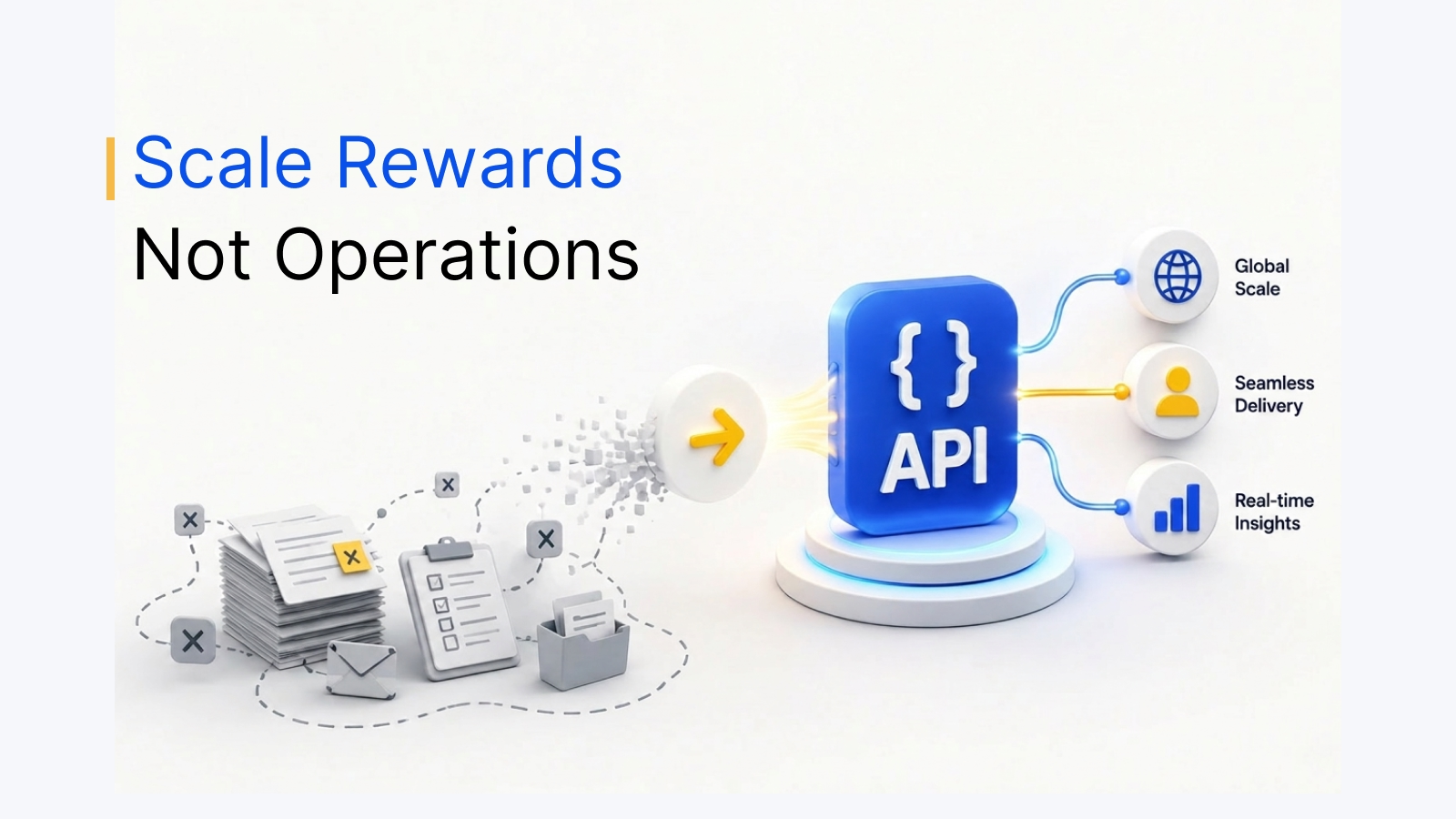
Whether you operate a delivery platform, fleet app or third-party logistics network, Loyalife offers APIs and SDKs that integrate directly into your existing digital ecosystem. You can:
- Sync with driver apps, CRMs or delivery management systems
- Trigger rewards automatically based on live activity
- Provide real-time updates and redemption access within the driver's interface
This ensures a frictionless experience, where drivers don't have to navigate multiple apps to track or claim rewards. Loyalife already powers driver-heavy programs, such as a pan-African energy group's fuel loyalty program and a fintech payments platform that rewards drivers and fleet operators. For related reading, see our guide to automotive loyalty programs.
Wrapping up
With rising attrition and growing competition, logistics and delivery platforms must shift from short-term incentives to long-term engagement strategies.
A smartly designed driver loyalty program builds consistency, rewards performance and turns drivers into advocates. But success lies in execution.
Loyalife is an all-in-one platform that helps you launch, manage and scale loyalty programs with gamification, personalized rewards, real-time analytics and seamless integration.
Want to know more about Loyalife? Book your demo now!
Book your Loyalife demo
Frequently asked questions
A driver loyalty program is a rewards or incentive program that encourages drivers to keep working with one rideshare platform, delivery service, fleet or transport operator. Drivers earn points, climb tiers and unlock perks such as fuel cash back, maintenance discounts, insurance and scheduling priority for tenure, trip volume, customer ratings and safe driving.
Uber Pro has four tiers: Blue, Gold, Platinum and Diamond. Drivers start at Blue and earn one point per completed trip, with bonus points at certain times, over fixed three-month periods. To reach higher tiers they need enough points plus goals such as acceptance rate, cancellation rate and star rating. Rewards vary by city and appear in the Uber Pro Hub.
Platforms reduce driver turnover by making it more valuable to stay than to switch. Effective driver retention strategies include tier status that builds over time, perks that cut drivers' costs such as fuel cash back and maintenance discounts, milestone recognition, transparent real-time progress tracking, priority access for top performers and regular feedback loops.
Delivery drivers value rewards that raise earnings or lower the cost of working. Popular delivery driver incentives include cash back on fuel and EV charging, vehicle maintenance discounts, priority access to higher-paying orders, earlier scheduling, insurance cover, and allowances for groceries or mobile data. Recognition and status badges also matter when they come with tangible benefits.
Yes. Fleet fuel cards such as IndianOil XTRAPOWER and BPCL SmartFleet work as a fleet driver incentive program. They reward fleet operators and commercial drivers with loyalty points or benefits on fuel purchases and combine them with fleet management tools, which encourages fleets to keep fuelling within one network.
In a tiered program, drivers earn points or meet performance goals over a set period, such as a month or quarter, to reach levels like Silver, Gold and Platinum. Each tier unlocks better perks. Status is usually reviewed at the end of each period, so drivers must keep performing to maintain it, which encourages consistent engagement.
Compare the retention, activity and service quality of program members against non-members or a pre-launch baseline. Put a value on reduced churn (recruiting and onboarding costs avoided), extra active hours, better ratings and fewer safety incidents, then subtract reward, platform and operating costs. Redemption rates also show whether drivers value the rewards on offer.