Key Takeaways
Ten proven program types: points, tiers, subscription, gamified, value-based, community, cashback, spend-based, perks and hybrid.
Unique extras such as surprise gifts, point donations, VIP access and customizable rewards make a core program stand out.
Successful programs set clear goals, involve the right team, know their audience, publish clear rules and keep communicating.
Simple earning and redemption, app access, gamification and personalization keep members engaged after launch.
In an ever-evolving marketplace, the right customer reward program ideas are crucial for fostering loyalty and driving sales. Engaging existing customers well - through repeat purchases, upselling and cross-selling - is one of the most reliable ways to grow revenue. As businesses navigate increased competition and changing consumer preferences, innovative reward programs can play a pivotal role in maintaining customer satisfaction and boosting sales performance.
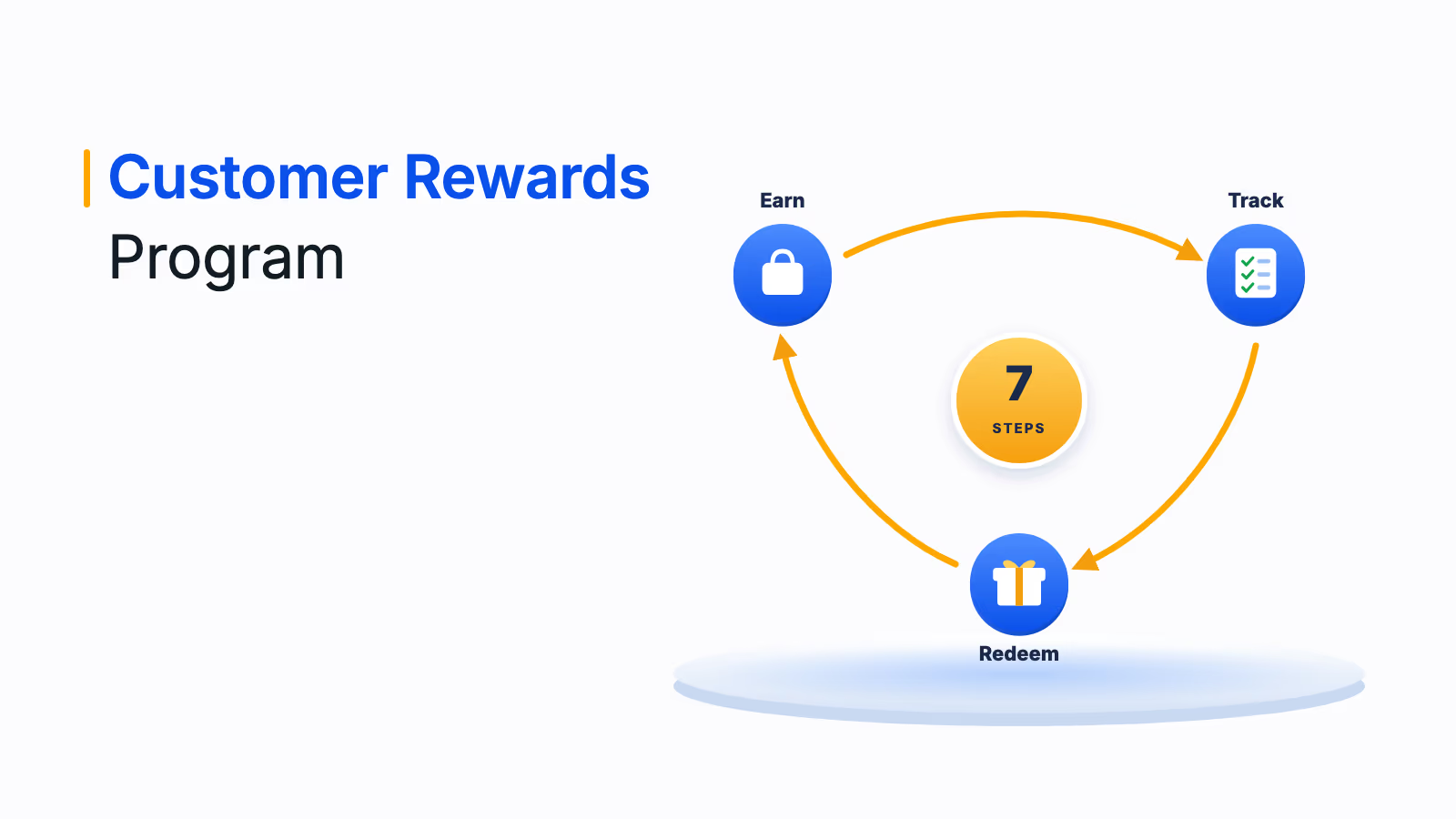
Below, we cover 10 program types with real brand examples, 10 unique customer reward ideas to add on top, the key elements of a successful program and 9 tips for implementing it. Want the basics first? Read our explainer on what customer rewards are, or follow our guide to building a customer rewards program in 7 steps.
What are customer rewards programs?
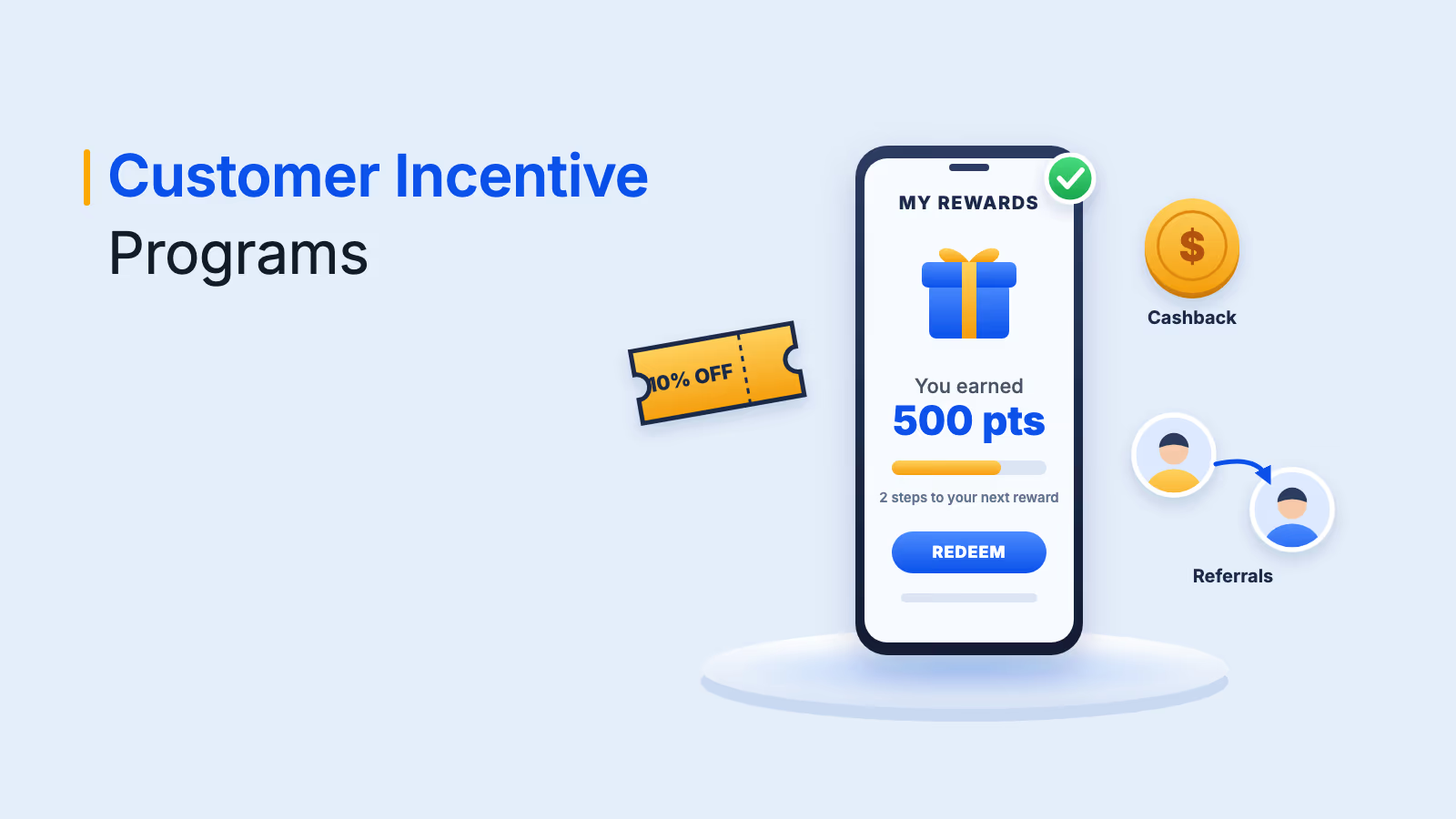
A customer rewards program is a strategy designed to retain customers by incentivizing them to continue purchasing from your brand rather than switching to a competitor. These programs often reward customers with points, discounts or exclusive benefits based on their purchasing behavior.
Innovative customer reward program ideas
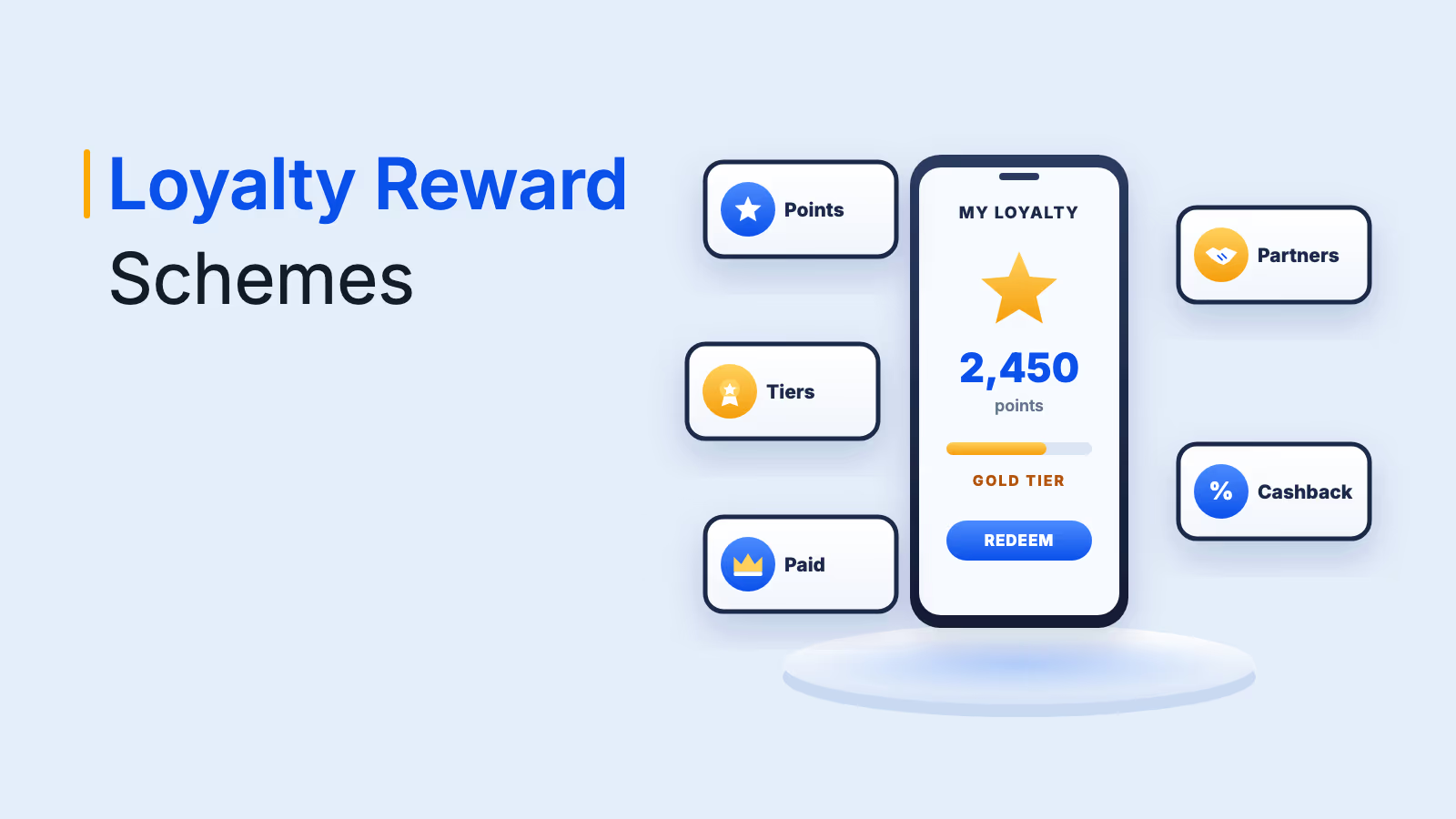
Here are 10 program types to consider, each with a brand that does it well. For longer case studies of large programs, see our roundup of the best loyalty programs in the US.
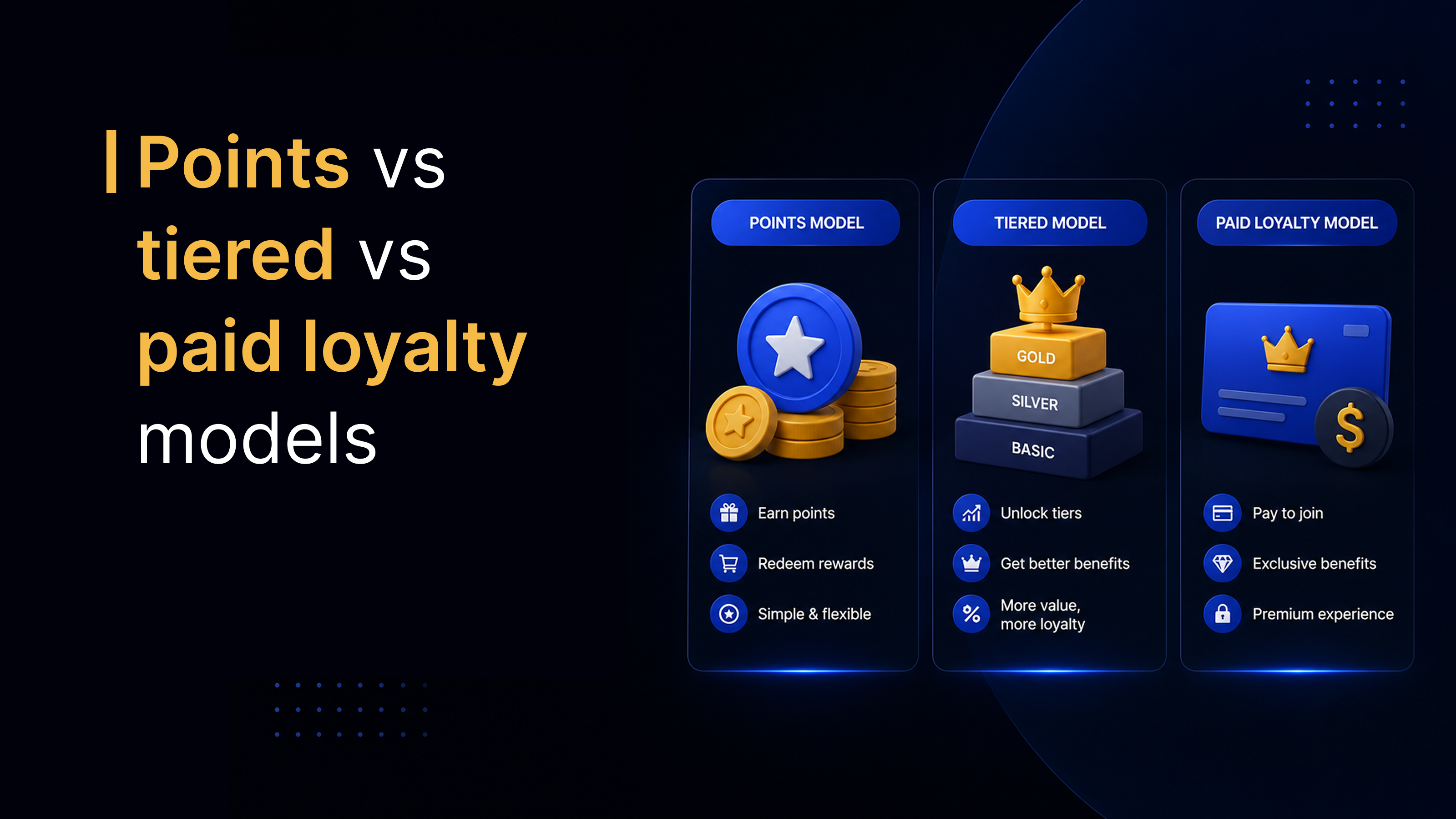
1. Points-based programs
Customers earn points for every purchase and redeem them for free products, discounts or other rewards. Points are easy to understand and flexible enough to add bonuses for partners and promotions.
Example: Starbucks Rewards relaunched in March 2026 with three levels: Green, Gold (500 Stars in 12 months) and Reserve (2,500 Stars in 12 months). Members redeem Stars for drinks, food and customizations, and Starbucks says Gold and Reserve members' Stars do not expire.
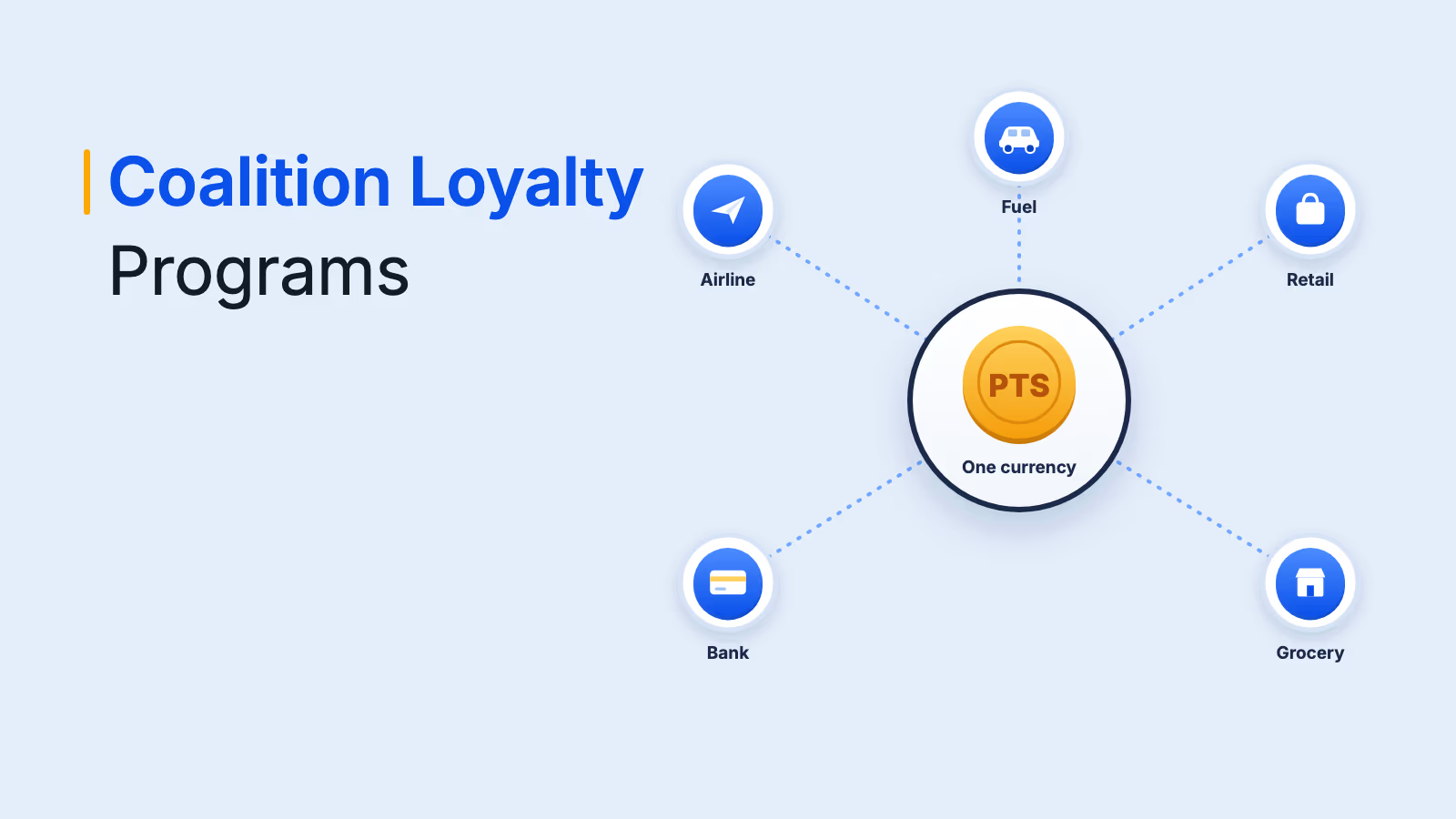
Coalition insight: Starbucks also partners with Delta SkyMiles. Since August 2026, linked members who have flown Delta in the past 12 months earn 1 mile per $1 at participating Starbucks stores, plus Double Stars on Delta travel days.
2. Tiered rewards programs
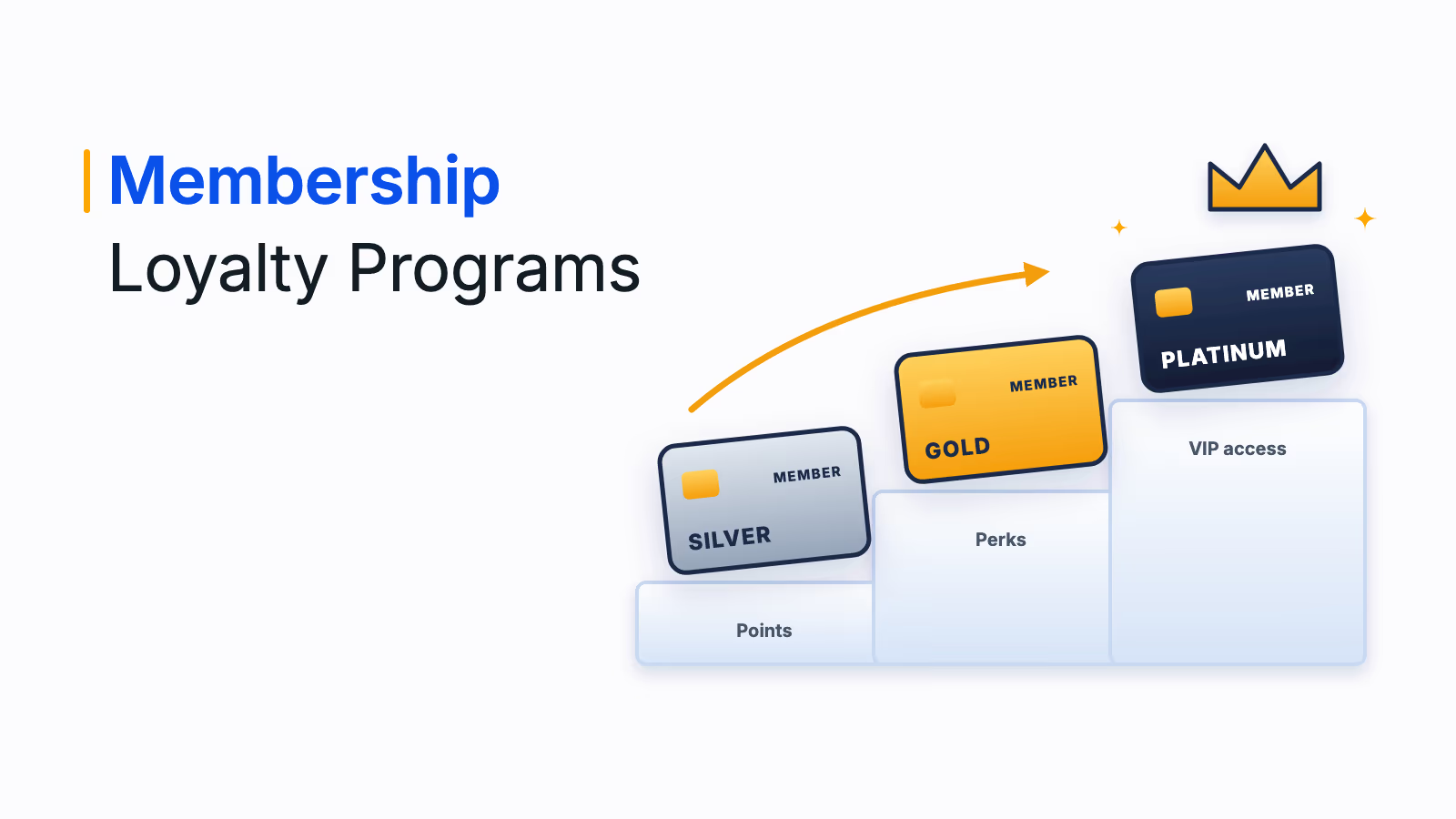
Customers unlock higher status levels as they spend more, with better perks at each level. Tiers reward your best customers without overspending on occasional ones.
Example: Sephora Beauty Insider has three tiers: Insider (free to join), VIB and Rouge, which NBC Select lists at $350 and $1,000 of annual spend. Members earn points per dollar, redeem them in the Rewards Bazaar and get birthday gifts, with richer perks at higher tiers.
3. Subscription-based programs
Customers pay a recurring fee for ongoing benefits, which creates predictable revenue and a strong reason to consolidate spend with you. Our guide to membership loyalty programs covers this model in depth.
Example: Amazon Prime members pay a monthly or annual fee for benefits such as fast, free delivery on eligible items, Prime Video and member-only deals. The program keeps adding benefits, which gives members a reason to renew and to shop with Amazon first.
4. Gamified rewards programs
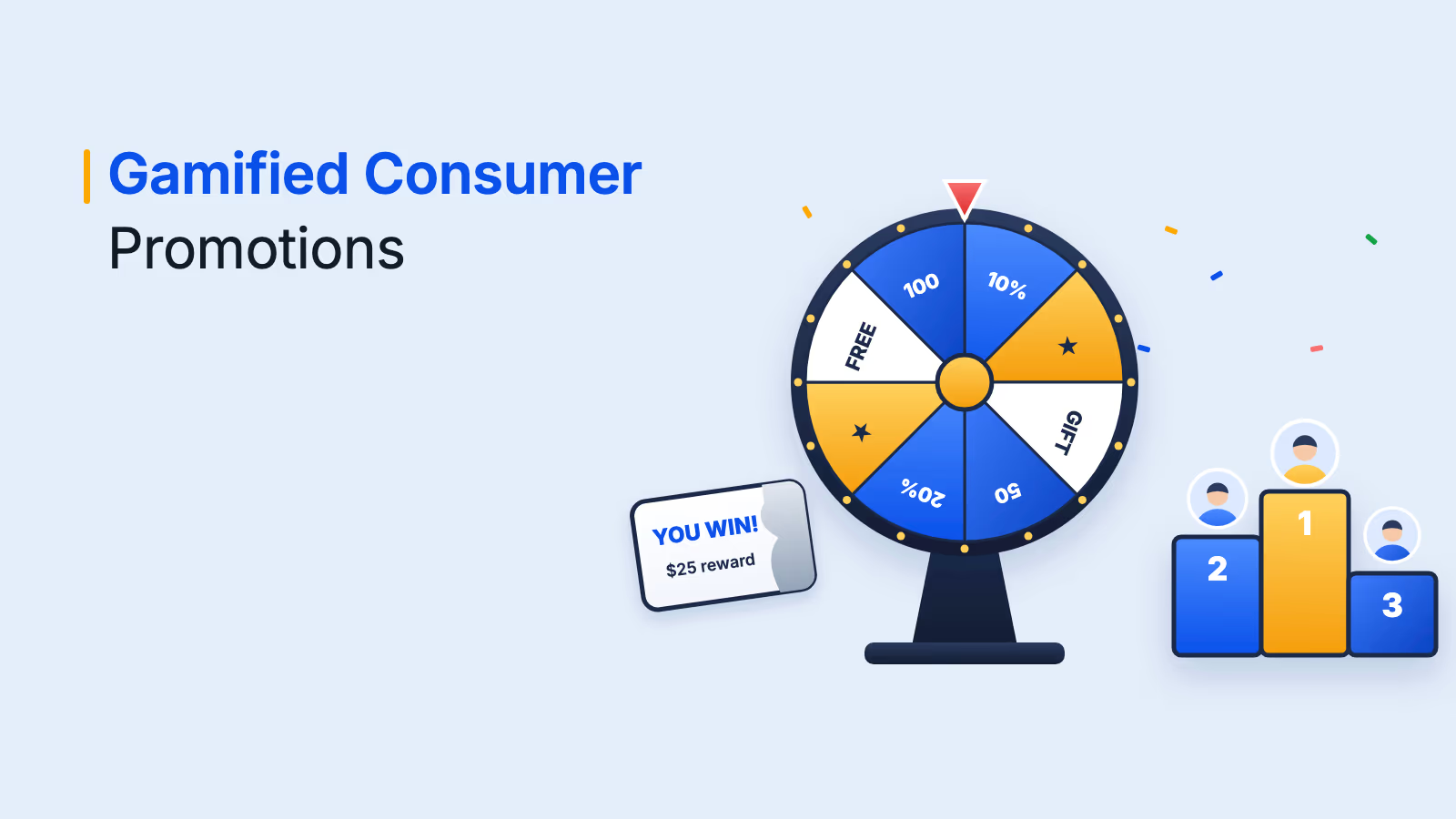
Challenges, badges and levels let customers earn through engagement, not just spending, and keep them active between purchases. See our guide to gamified consumer promotions for mechanics.
Example: Nike Membership is free and connects members to Nike's apps, including Nike Training Club workout programs and Nike Run Club challenges and achievements. Members also get member-exclusive products, member-only events and free delivery on qualifying orders.
5. Value-based programs
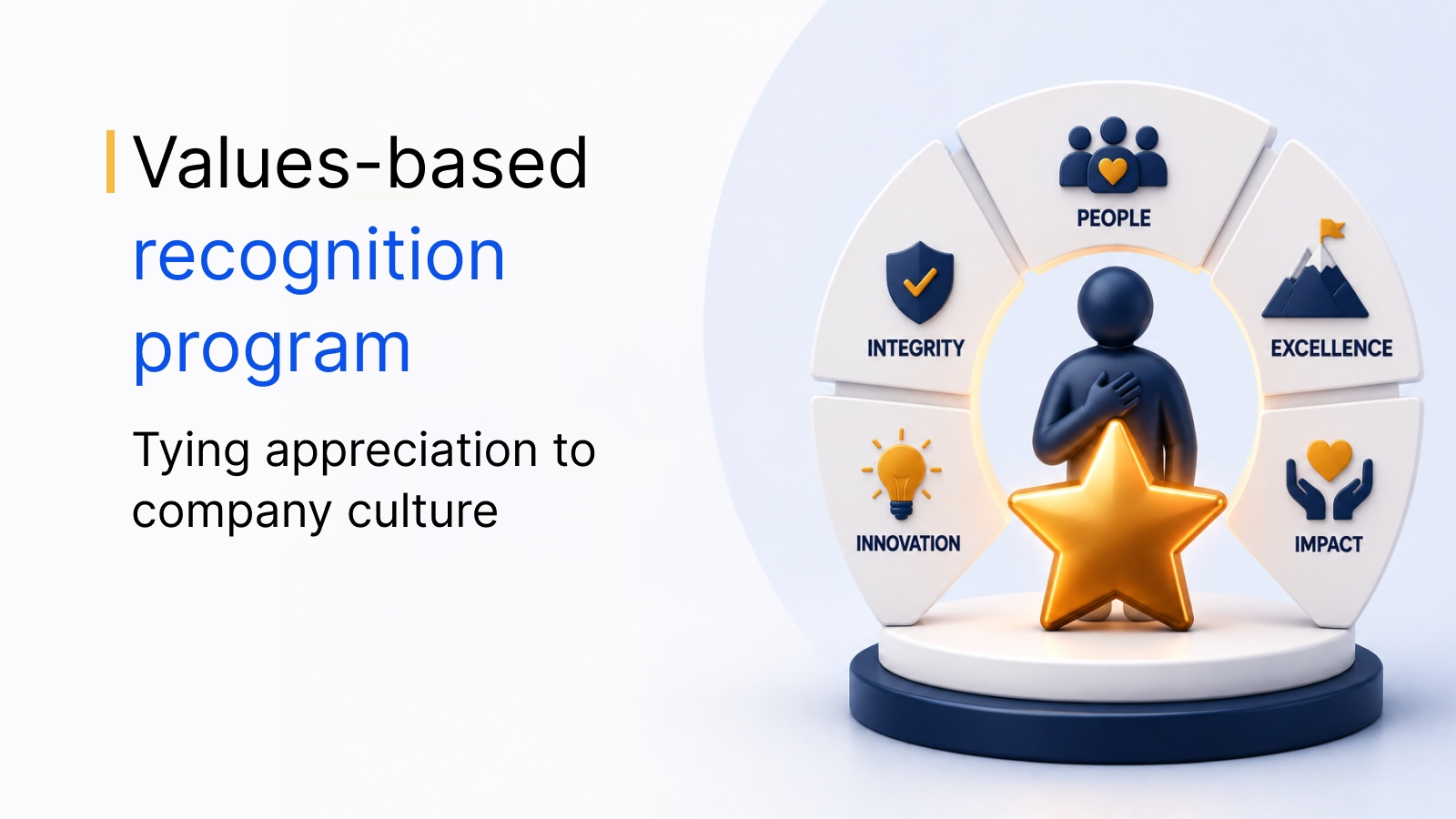
Value-based programs tie rewards and brand participation to a cause that customers share, such as the environment or their community.
Example: Patagonia has donated 1% of sales to environmental groups since 1985 and co-founded the 1% for the Planet alliance in 2002 to encourage other businesses to do the same. Its Worn Wear program lets customers trade in used Patagonia gear for credit, rewarding them for keeping products in use.
6. Community-driven programs
Community programs reward members with belonging as well as savings, through events, classes and shared causes.
Example: REI Co-op members pay a one-time fee for a lifetime membership and receive an annual member reward, estimated at 10% back on eligible purchases. Members also get discounts on REI classes and events, and the co-op invests in outdoor conservation on their behalf.
7. Cashback programs
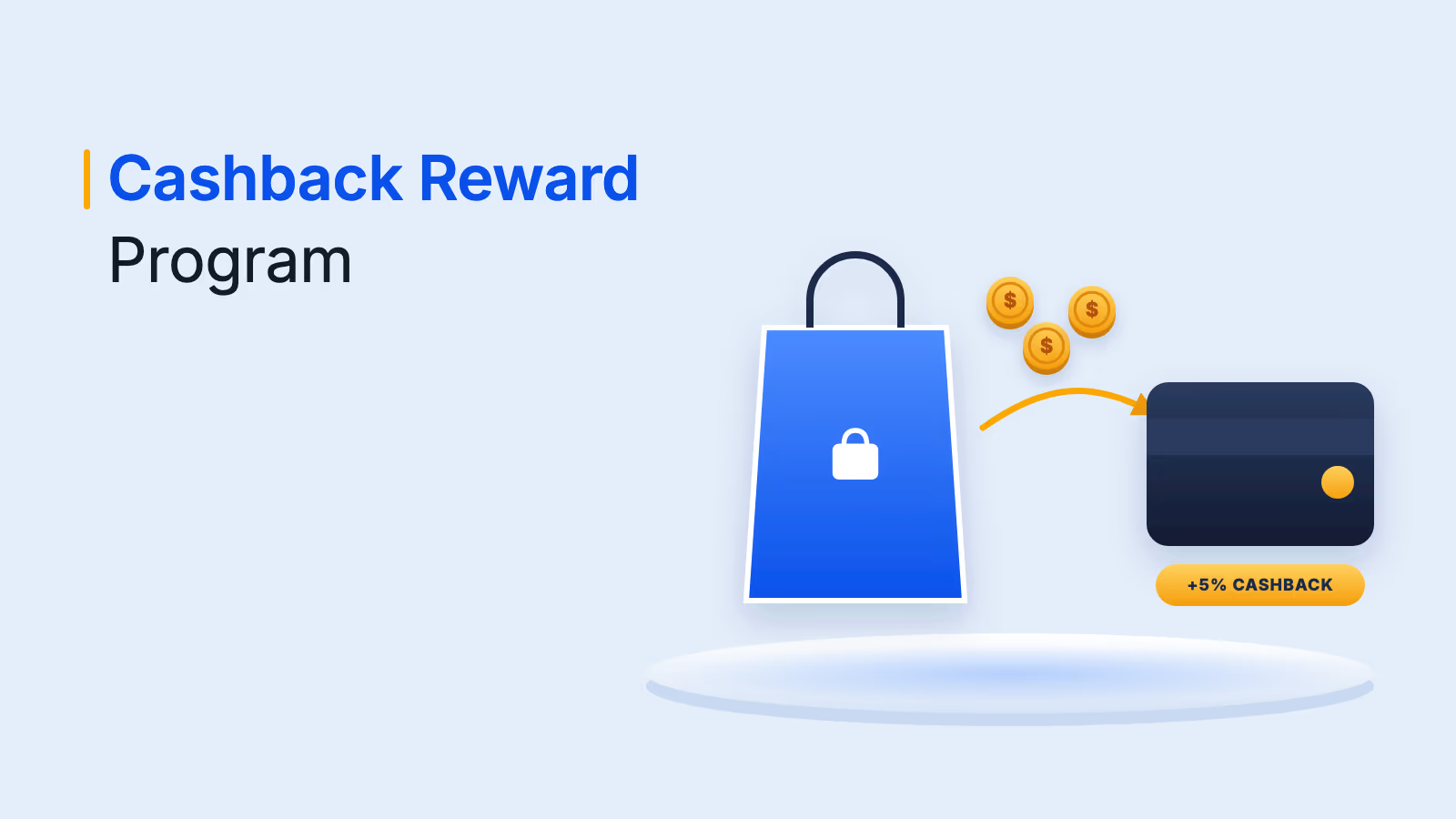
A percentage of spend comes back as cash or credit. Cashback is the most direct financial incentive and needs almost no explanation. Read more in our guide to cashback reward programs.
Example: The Bank of America Customized Cash Rewards card earns 3% cash back in a category the customer chooses, 2% at grocery stores and wholesale clubs (on the first $2,500 in combined quarterly purchases) and 1% on everything else. Its BofA Rewards program adds a 10% to 75% bonus depending on tier, and BofA Deals adds cash back from merchant offers.
8. Spend-based programs
Spend-based programs convert spend directly into rewards at a fixed rate, which makes the value easy to understand.
Example: In the UK, The Body Shop's Love Your Body Club gives members 5 points for every £1 spent and automatically issues a £5 voucher at 500 points. Members also receive a £5 voucher on their birthday.
9. Free perks programs
Perks programs reward members with ongoing benefits, such as free delivery or exclusive offers, rather than points.
Example: Grubhub+ is a monthly membership that gives members free delivery on eligible orders from participating restaurants, plus member-only offers. Members can also round up orders to donate to charity through Donate the Change.
10. Hybrid programs
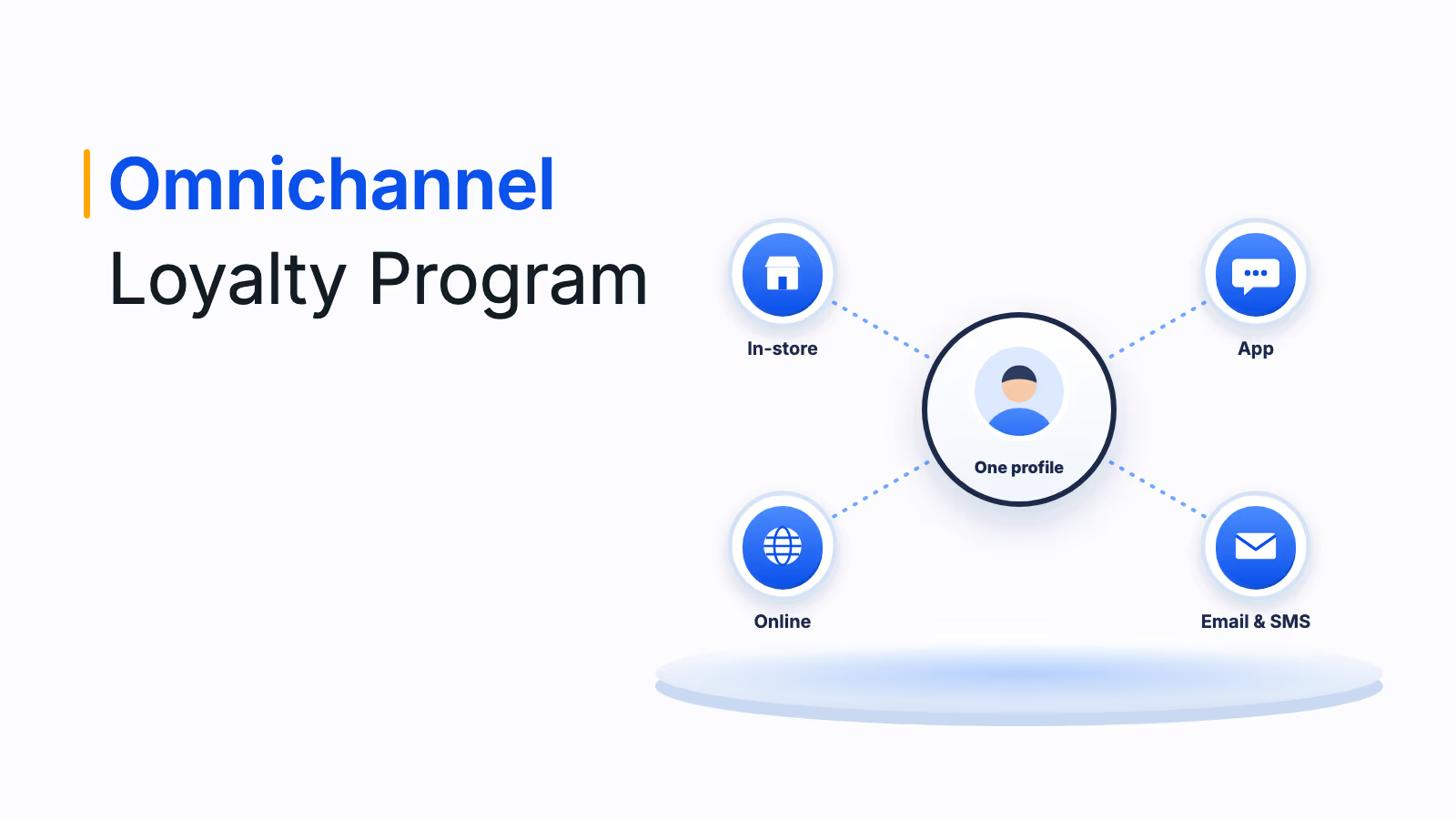
Hybrid programs combine models, such as free points with a paid tier or a co-branded card, and connect online and in-store benefits.
Example: DICK'S ScoreCard members earn 1 point per $1 in store and online and get a $10 reward for every 300 points. The DICK'S credit card earns points faster, and in 2026 the retailer added ScoreCard+, a paid tier with extra benefits.
These examples showcase a variety of approaches to customer rewards programs, each tailored to the needs and behaviors of its customer base. By aligning program benefits with customer preferences and using technology for personalization and engagement, businesses can create compelling programs that drive long-term loyalty and revenue growth.
Launch your next customer reward idea
Choose from 10M+ reward options in 150+ countries and deliver them automatically with Xoxoday Plum.
Talk to our ExpertTrusted by 5,000+ companies
10 unique customer reward ideas to engage and retain customers
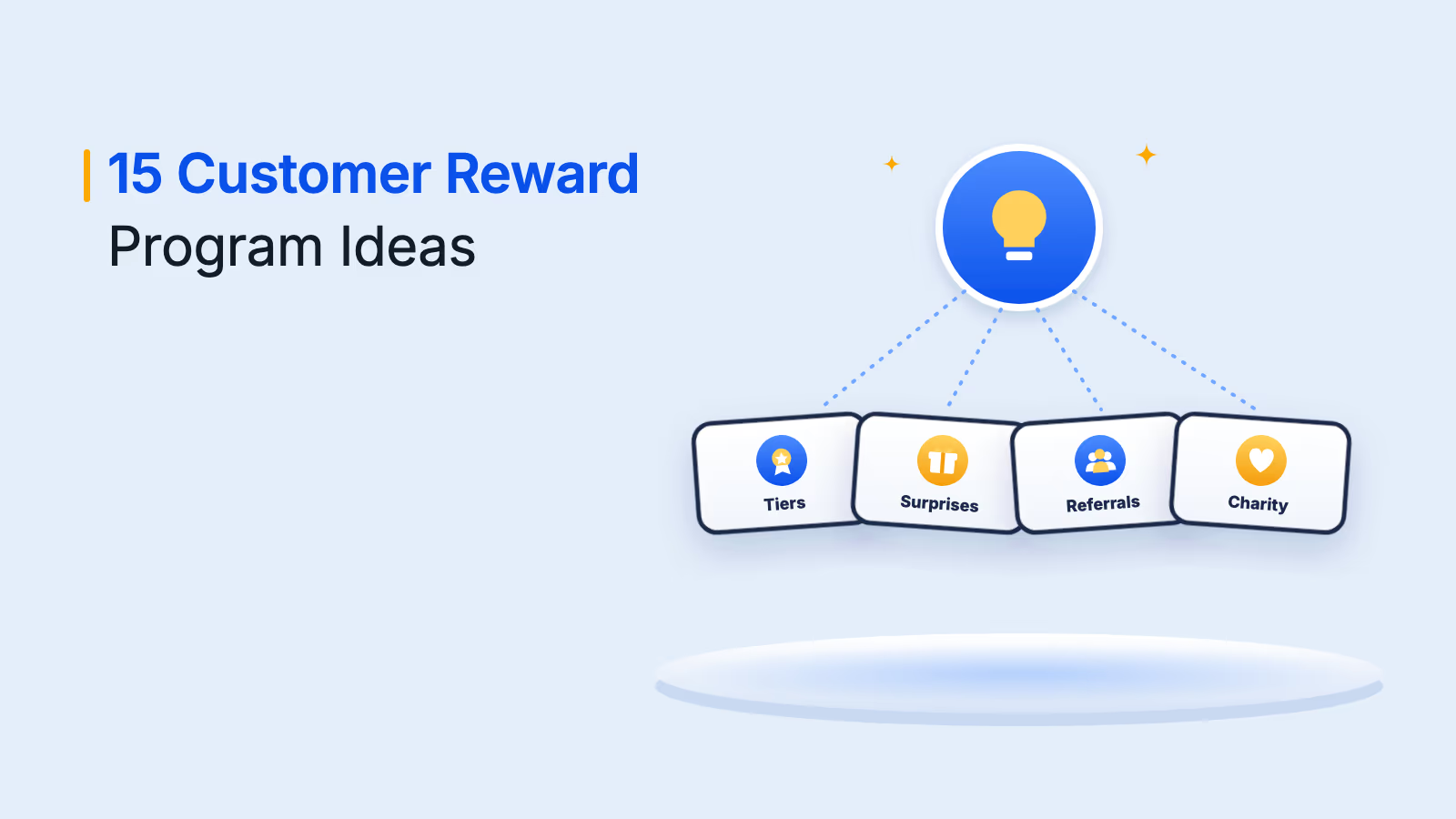
To truly stand out, you need rewards that go beyond the usual points and discounts. These unique customer reward ideas can be added to any of the program types above to captivate your audience and increase retention.
1. Customizable reward packages
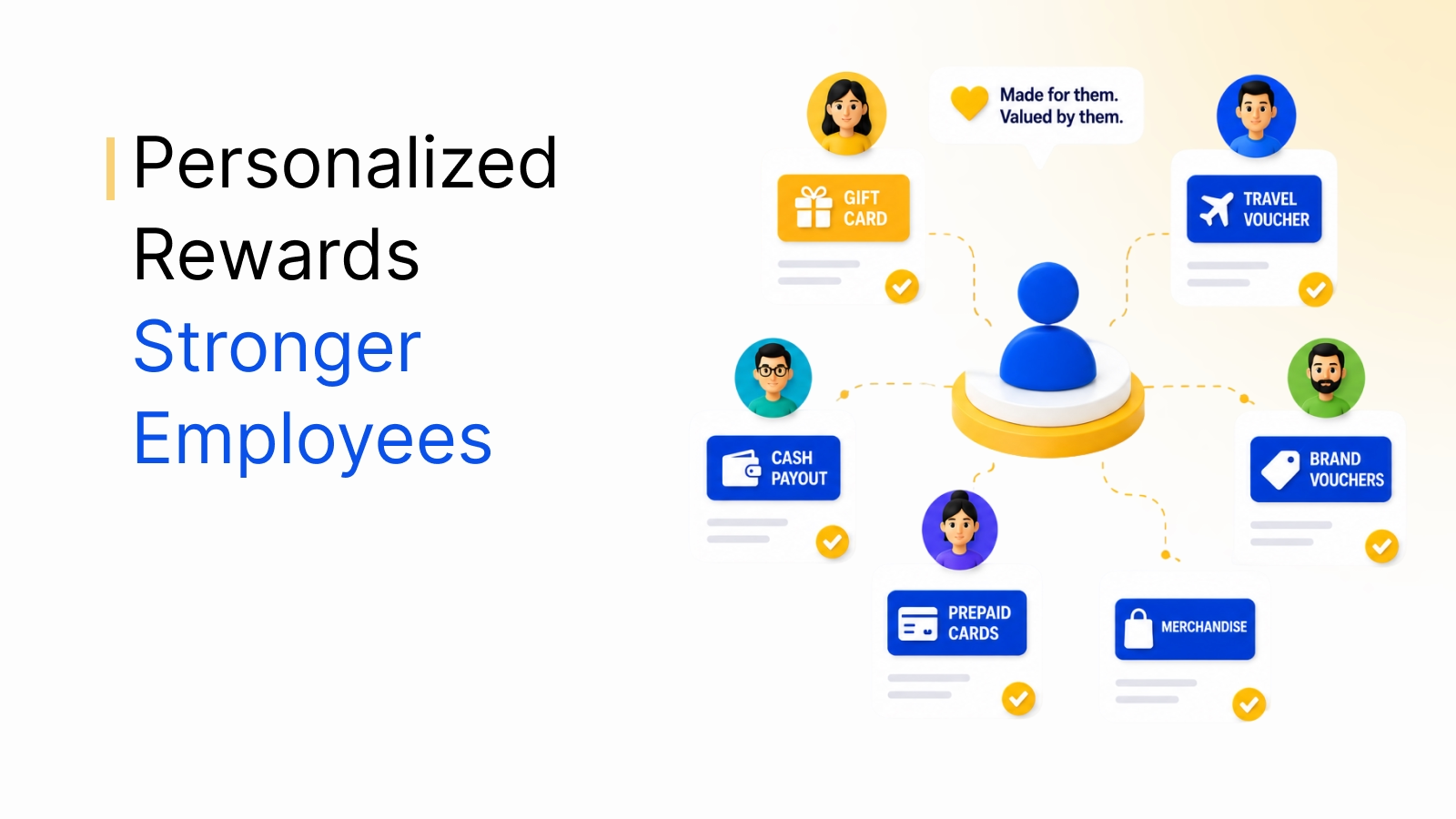
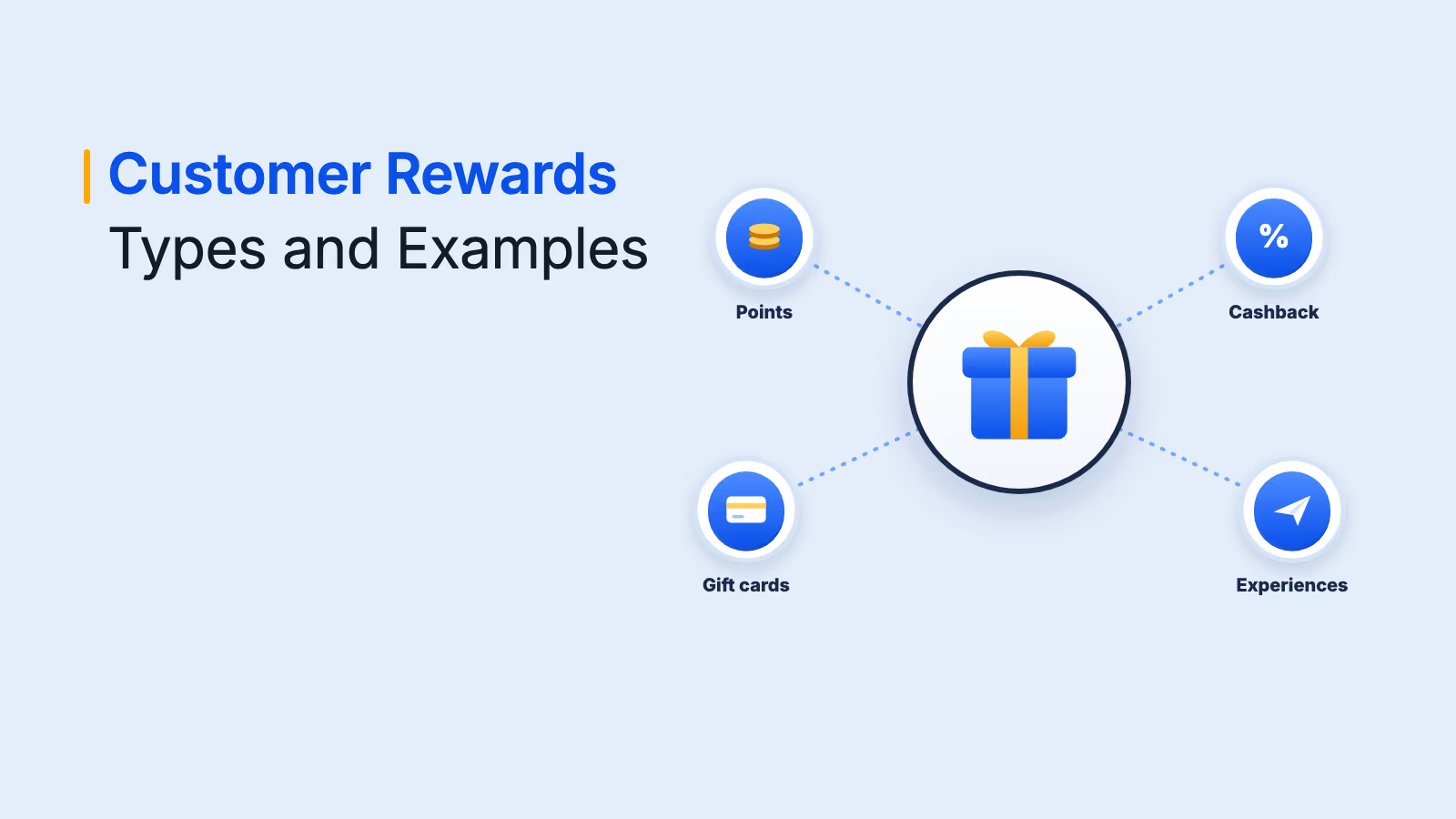
Allow customers to choose their rewards from a curated selection based on their preferences. For example, a fashion brand could let customers choose between free clothing, discounts or early access to new collections based on their past purchases or interests. This flexibility lets customers pick what they truly value. A reward marketplace of gift cards and experiences makes this easy to offer.
2. Social media shoutouts
Reward loyal customers by featuring them on your social media platforms. This could include highlighting their reviews, sharing their photos or creating a "Customer of the Month" post. It is a unique way to show appreciation and build a community, and it encourages other customers to share content, further boosting your brand's reach.
3. Subscription-based gifts
Offer customers a subscription box filled with surprise items, such as exclusive products, samples or branded merchandise. A recurring reward keeps customers excited and engaged, and builds anticipation as they look forward to receiving something new regularly.
4. Personal shopper or concierge service
For high-tier customers, offer a personalized service such as a personal shopper or concierge. This could involve a stylist helping them pick out new outfits, a curated list of product recommendations or priority booking for events. This reward adds exclusivity and convenience, making the customer feel truly valued.
5. Loyalty benefits for friends and family
Extend loyalty benefits to customers' friends and family. When a customer reaches a milestone, they could gift a free trial, exclusive discount or bonus points to someone close to them. This encourages customers to involve their social circles in your brand, increasing exposure and fostering loyalty across multiple relationships.
6. VIP "behind-the-scenes" access
Offer your top customers exclusive behind-the-scenes access to your business, whether it is a virtual tour, a meet-and-greet with the creators or a sneak peek at upcoming products. This experiential reward makes customers feel like part of your inner circle and deepens their connection with your brand.
7. Donate your rewards
Allow customers to donate their loyalty points to a cause of their choice, such as a charity or community project. Customers feel empowered by supporting something meaningful, and it shows that your brand cares about more than profits. A catalog of charity donations makes this simple to add.
8. Mystery rewards and surprise gifts
Create an element of surprise with mystery rewards. When customers hit milestones or complete specific actions, they receive a mystery box or surprise gift - a product, an exclusive service or an experience like concert tickets. The unexpected reward adds excitement and encourages ongoing engagement.
9. "Experience points" for engagement
Let customers earn experience points (XP) for engagement such as social media interactions, writing reviews, completing surveys or attending events. XP can unlock exclusive events, webinars or content. It gamifies the experience and gives customers more ways to interact with your brand beyond purchases. Plum's survey rewards and review rewards can automate this.
10. Travel-based rewards
Partner with travel brands or airlines to offer travel-related rewards, such as discounts on flights, hotel stays or vacation packages. A hotel chain, for instance, could let customers redeem points for free stays, upgrades or spa treatments. Experiences beyond your own product range give customers lasting memories tied to your brand. Our guide to airline rewards shows how travel brands do it.
These rewards ideas for customers focus on personalization, exclusivity and memorable experiences, creating emotional connections that go beyond transactional relationships.
Key elements of successful reward programs
Once you have chosen your loyalty reward ideas, launching them successfully requires planning. Here are five essential elements to get right from the start:
- Define clear objectives and goals: Set objectives with measurable metrics, such as repeat purchase rate or referral volume, so you can assess outcomes. Assign an owner for each goal, schedule regular progress checks and identify milestones where you will review and adjust.
- Build the right team: Engage stakeholders across functions from the beginning. Marketing shapes the messaging, finance manages the reward budget, analytics sets up measurement and legal checks compliance, so the program stays aligned and effective.
- Know your audience: Create customer personas based on purchase behavior, demographics and preferences, then tailor rewards to each group so they drive the behaviors you want.
- Establish program guidelines: Define who is eligible, how long the program runs and how rewards are earned. Explain restrictions and any tax implications clearly, and show members exactly what rewards they can expect.
- Plan clear and continuous communication: Build anticipation before launch with email, promotions and website content, then keep communicating to confirm member actions and reinforce good habits. Avoid failing to deliver promised rewards, overly complex terms or ending the program abruptly without notice.
Tips for implementing your customer reward program
1. Understand your customers
Use data to segment your customers based on purchasing behavior, preferences and demographics. This allows you to tailor rewards to different customer groups.
2. Offer relevant and valuable rewards
Provide rewards that resonate with your customers. Sephora's Beauty Insider program, for instance, combines points with personalized product rewards and access to events.
3. Simplify the earning and redemption process
Make earning and redeeming rewards straightforward. Starbucks Rewards lets customers earn Stars for purchases and redeem them easily through its app.
4. Leverage technology
Integrate your rewards program with a mobile app to improve accessibility and engagement. myWalgreens, Walgreens' loyalty program, is built into the Walgreens app so members can see their cash rewards and clip deals on their phones.
5. Promote your program effectively
Use multiple marketing channels to promote your rewards program. Nike promotes its membership with personalized content and member-only offers across its apps, website and stores.
6. Monitor and adjust your program
Regularly analyze program performance and gather customer feedback to make adjustments. Amazon Prime, for example, has added and changed benefits over the years to keep membership relevant.
7. Foster a sense of community
Offer exclusive perks and experiences that create a sense of belonging. The North Face XPLR Pass, a free loyalty program, gives members points and rewards on purchases plus free shipping, building a community of outdoor fans around the brand.
8. Incorporate gamification
Use gamification to make the program more engaging. Microsoft's Xbox Rewards awards points for challenges, quizzes and purchases to keep players coming back.
9. Focus on personalization
Tailor rewards and communication to individual customer behavior. Nordstrom's The Nordy Club uses member data to deliver personalized offers and benefits.
By understanding your customers, offering valuable rewards, leveraging technology and continuously monitoring and adjusting your program, you can implement a successful customer reward program that boosts engagement and loyalty. Running a small business? Our guide to loyalty programs for small businesses covers low-cost ways to start.
Xoxoday Plum: power your customer reward ideas
Xoxoday Plum helps businesses turn customer reward ideas into live programs, with a reward catalog and delivery options that work in any market.
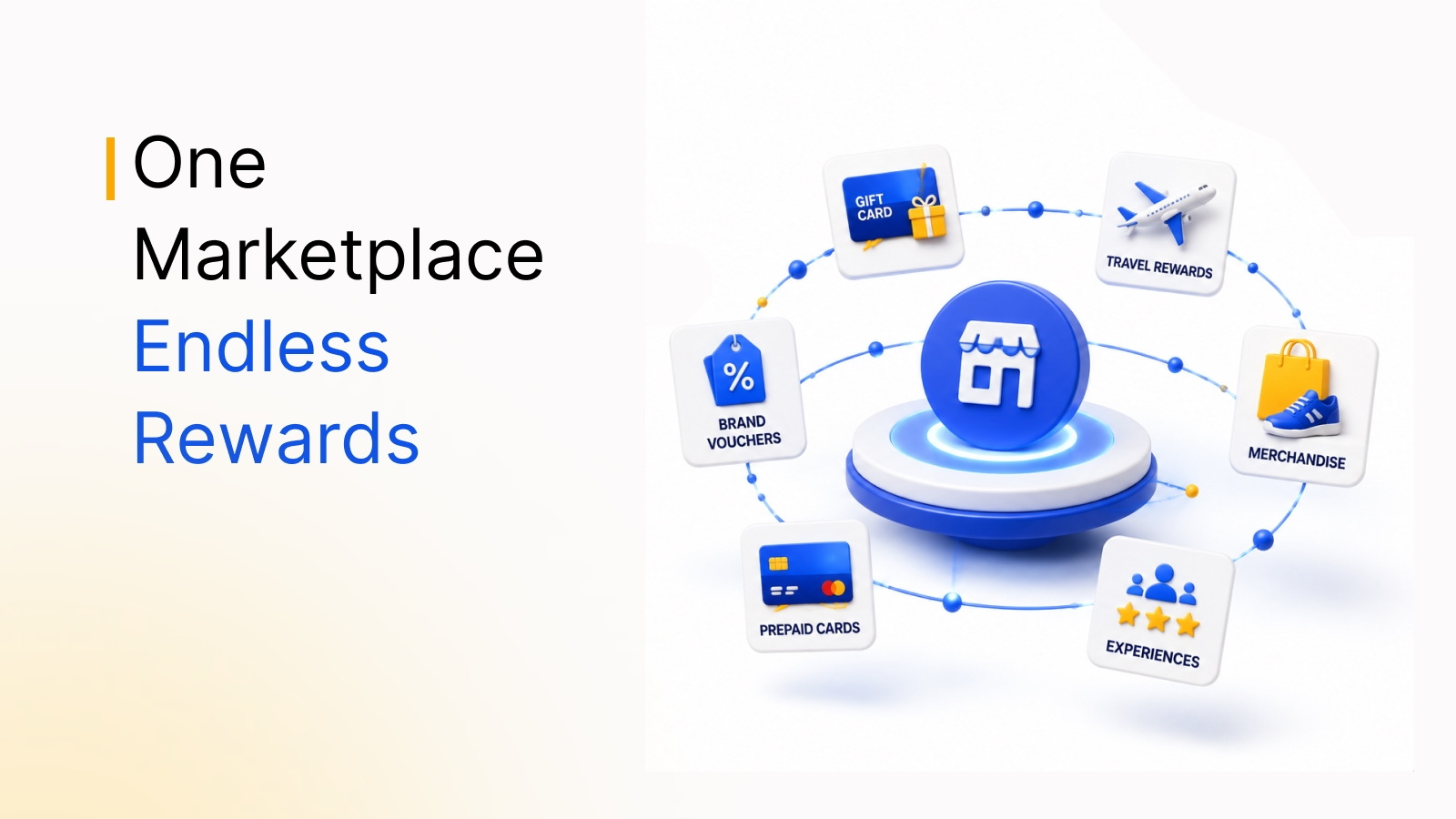
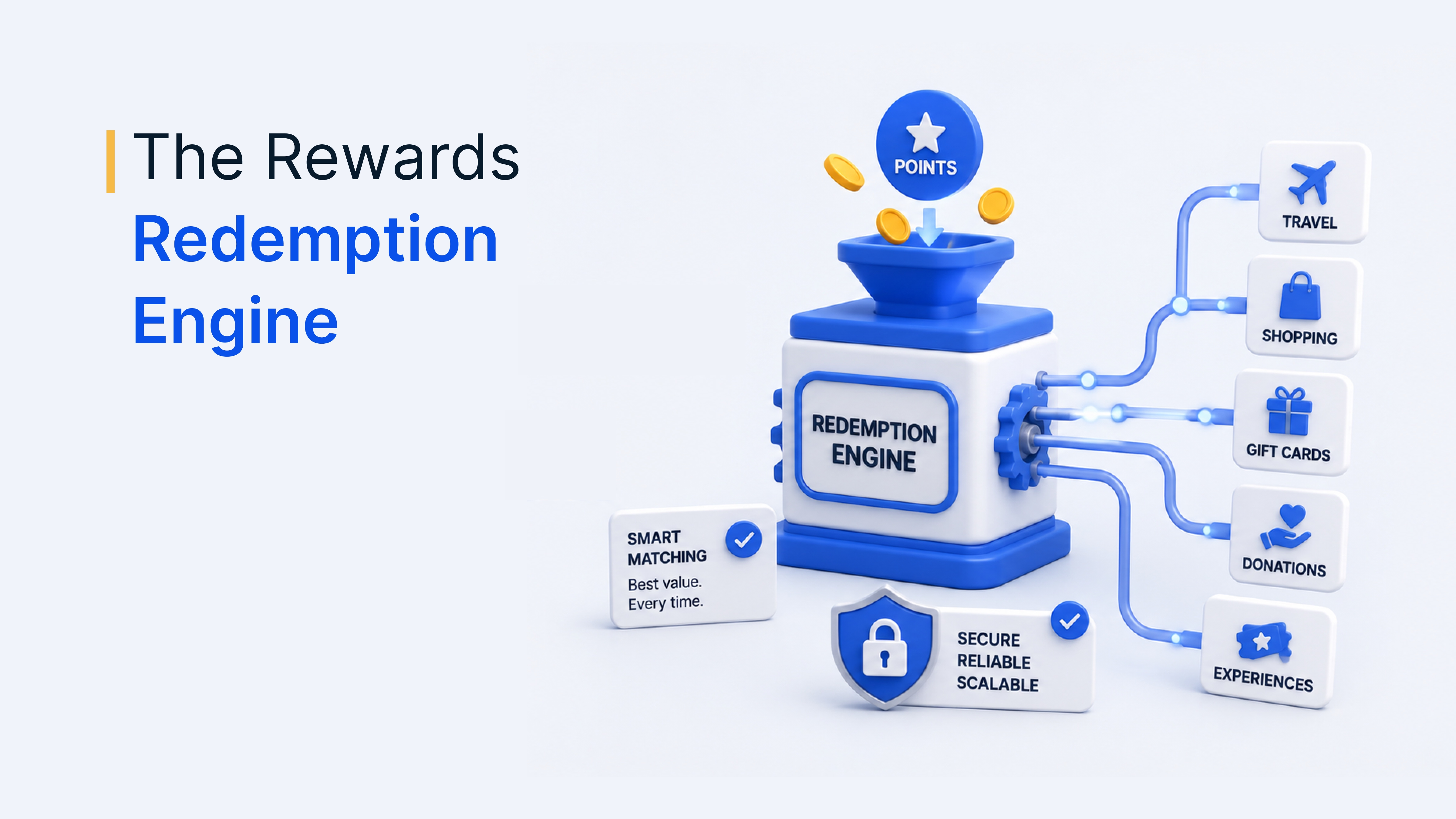
- Choice and personalization: The Plum reward marketplace offers 10M+ reward options across 30+ categories in 150+ countries, including gift cards, experiences, merchandise and charity donations, so every customer can pick what they value.
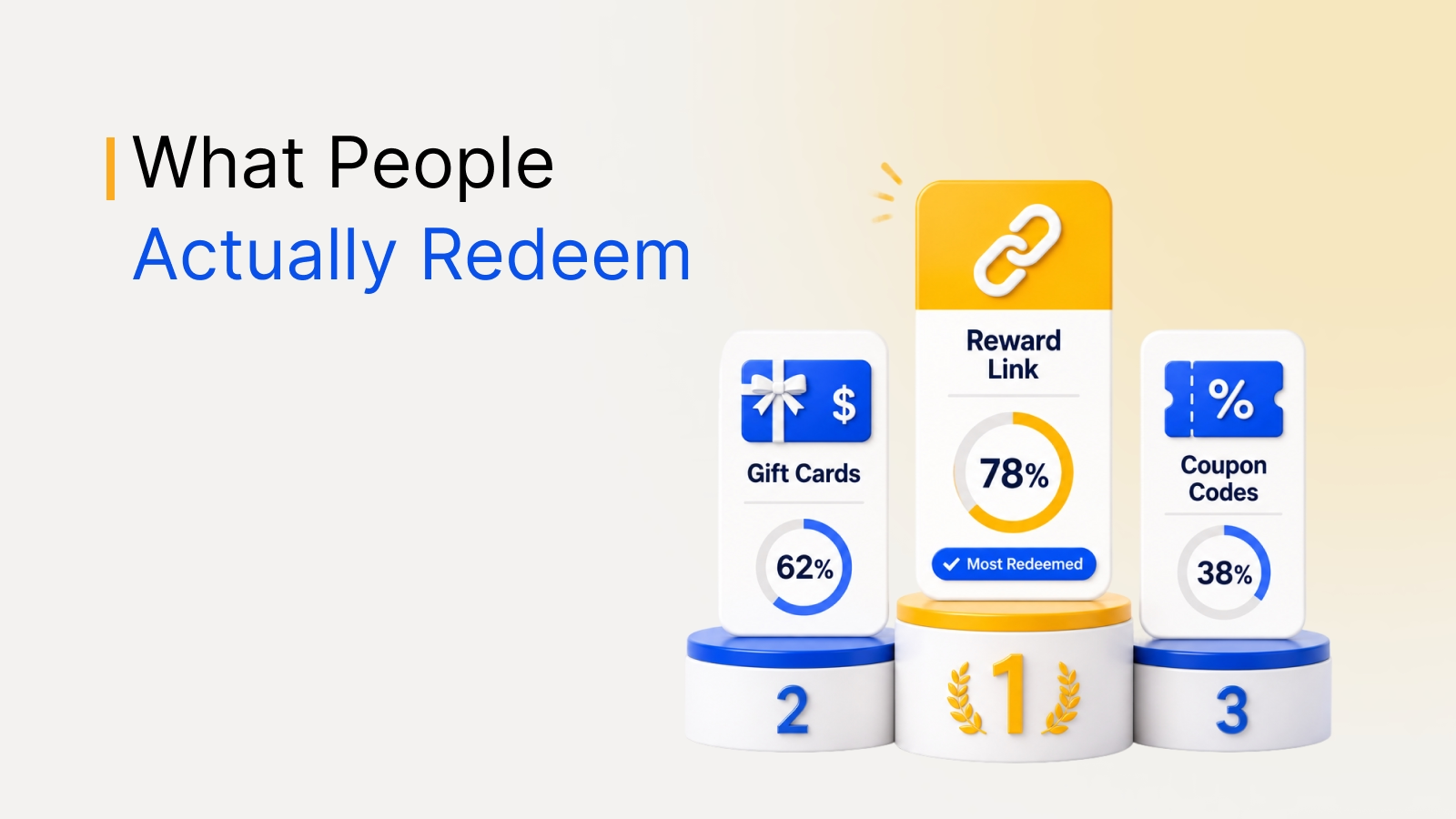
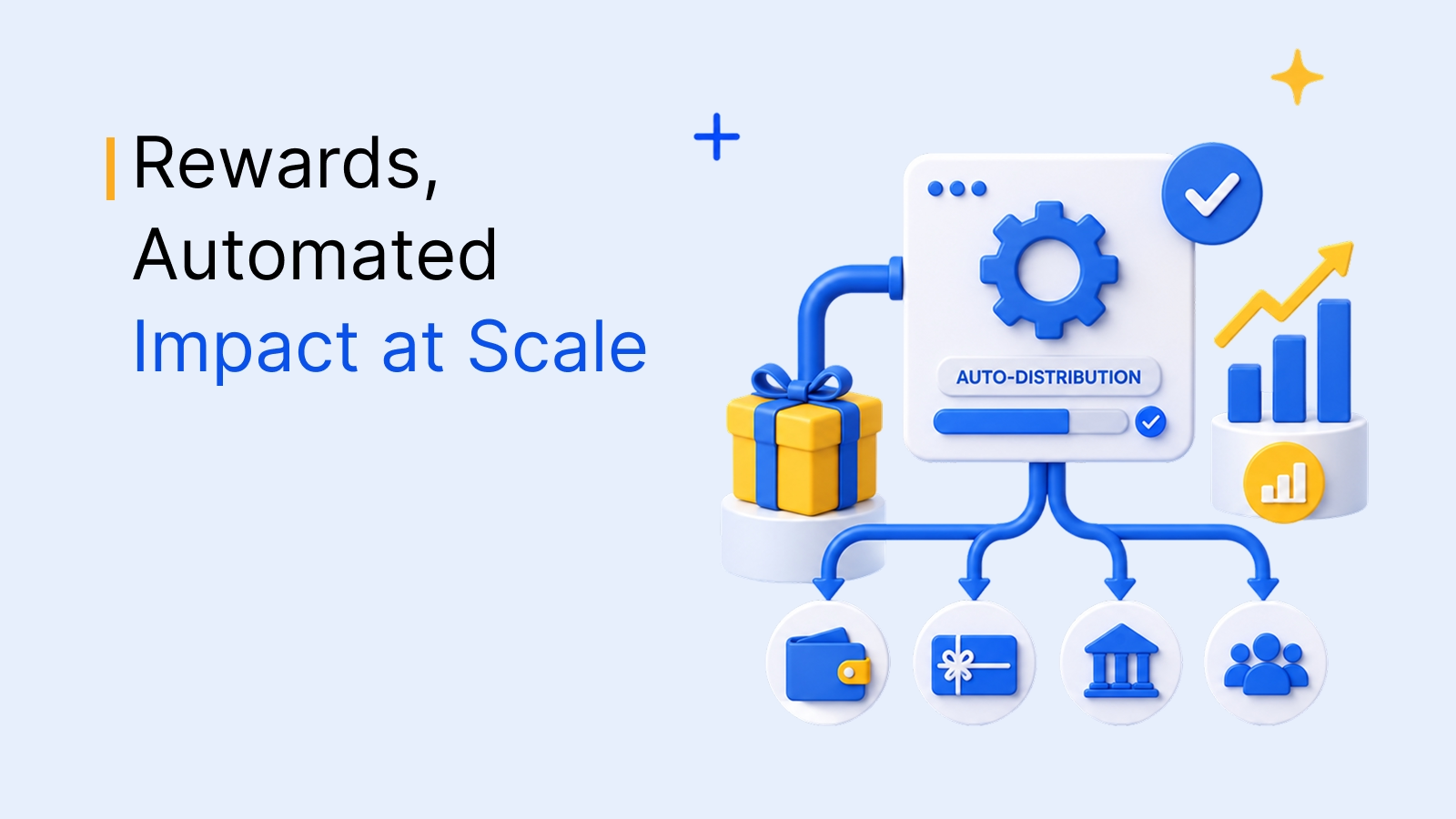
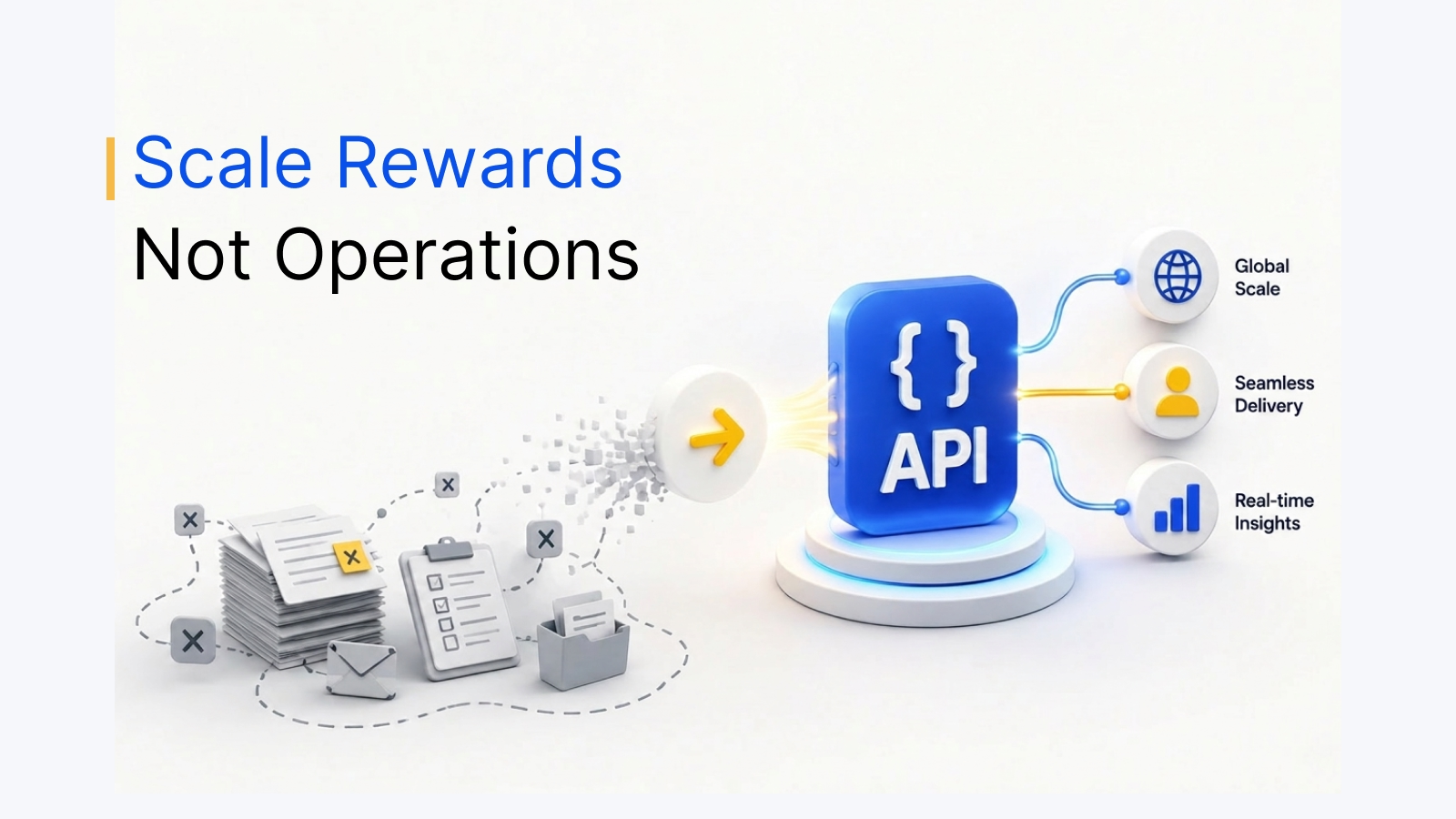
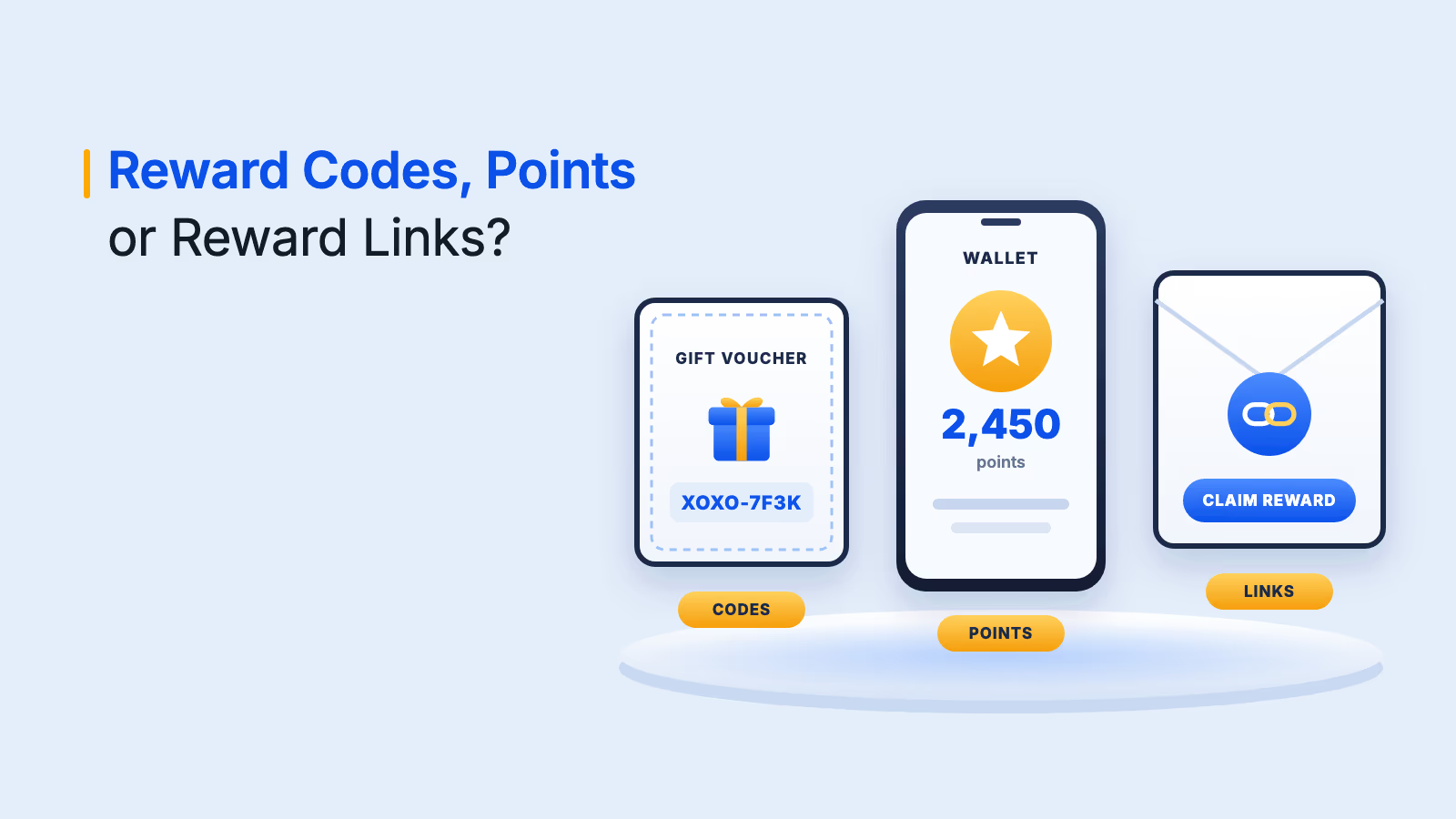
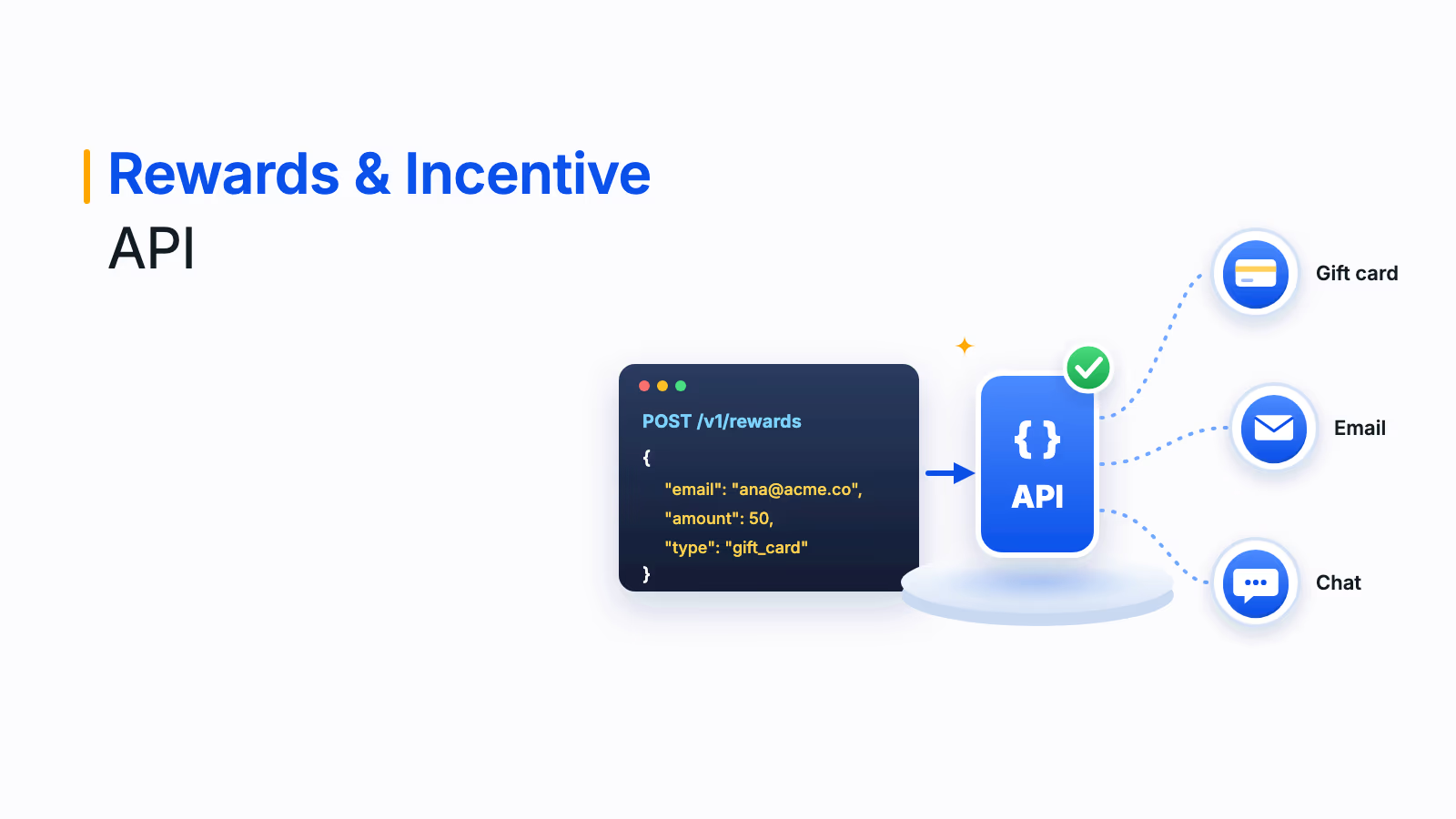
- Flexible delivery: Send rewards through reward links, reward codes, reward points or the Rewards API, triggered from your CRM, app or e-commerce platform.
- Ready-made solutions: Launch loyalty rewards, referral rewards and consumer rewards without sourcing or shipping rewards yourself.
Discover how Plum can power your next customer reward program. Book a demo with our rewards experts.
Conclusion
Customer reward programs have evolved into sophisticated tools for building loyalty and engagement. Programs like Starbucks' points-based rewards, Sephora's tiered Beauty Insider program and Amazon Prime's subscription model cater to diverse customer preferences, fostering deeper brand connections through personalized experiences and exclusive benefits.
The best customer reward program ideas combine a solid core program with a few unique extras, such as surprise gifts, donations or experiences. Community-led programs like REI Co-op and Sephora's show how belonging boosts loyalty and brand reputation. Programs that integrate mobile experiences, gamification and personalized rewards drive customer satisfaction and sales, supporting retention, revenue growth and brand advocacy in a competitive marketplace.
Book your Plum demo
Frequently asked questions
Unique ways to reward customers include surprise and mystery gifts, letting customers donate points to charity, trade-in credit for used products, behind-the-scenes or VIP experiences, featuring customers on your social channels, and letting members share benefits with friends and family. These stand out because they create memories or meaning rather than just a discount.
Low-cost ideas include birthday rewards, early access to sales, social media shoutouts, surprise bonus points, gamified challenges, members-only content and referral rewards that are only paid when a new customer buys. Digital gift cards in small denominations are another affordable option because there is no inventory or shipping cost.
Customers generally value rewards that save them money or that they can choose themselves, such as points redeemable for products, cashback and gift cards. High-value customers also value recognition, exclusive access and experiences. The best way to know is to ask your customers and track which rewards they actually redeem.
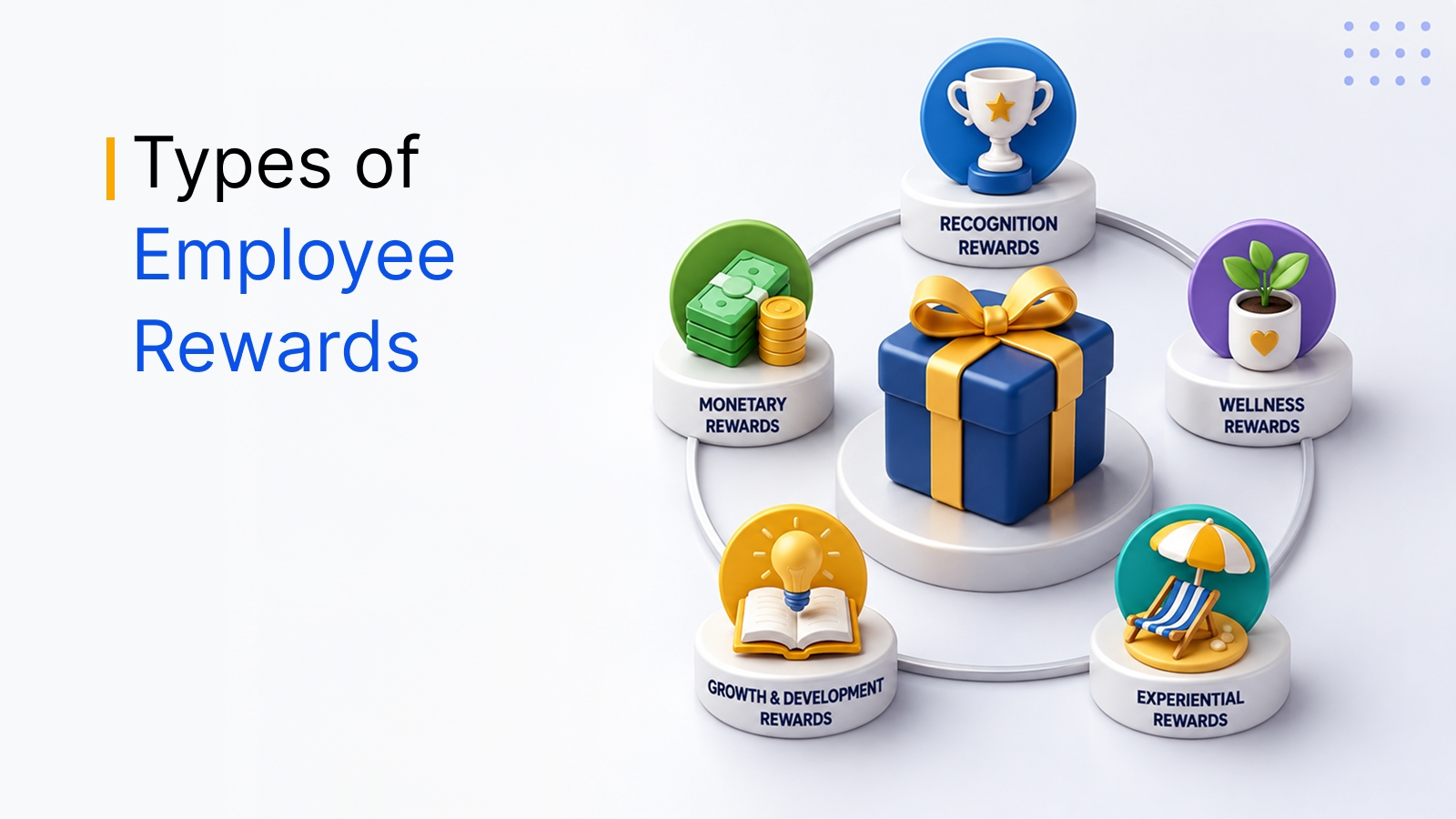
You can reward customers with experiences, early or exclusive access, free upgrades, surprise gifts, charitable donations in their name, recognition on social channels, priority service and gift cards for partner brands. Non-discount rewards protect your margins and brand positioning while still making customers feel valued.
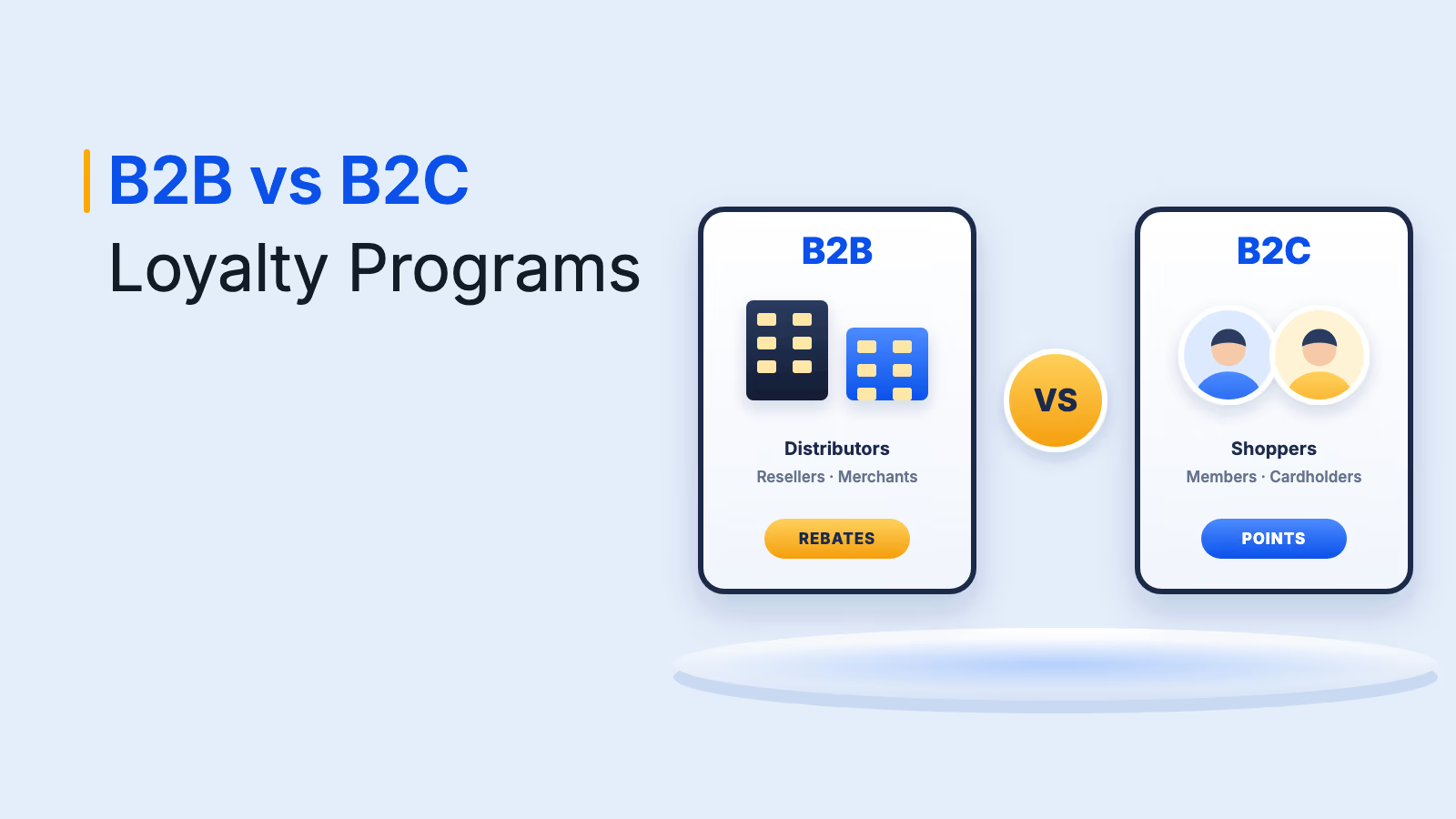
B2B customers respond to rewards tied to the relationship: volume-based rebates, tiered account benefits, priority support, early access to new features, invitations to executive events and gift cards or experiences for the people who champion your product. Keep rewards compliant with the customer's gifting policies and track them at the account level.
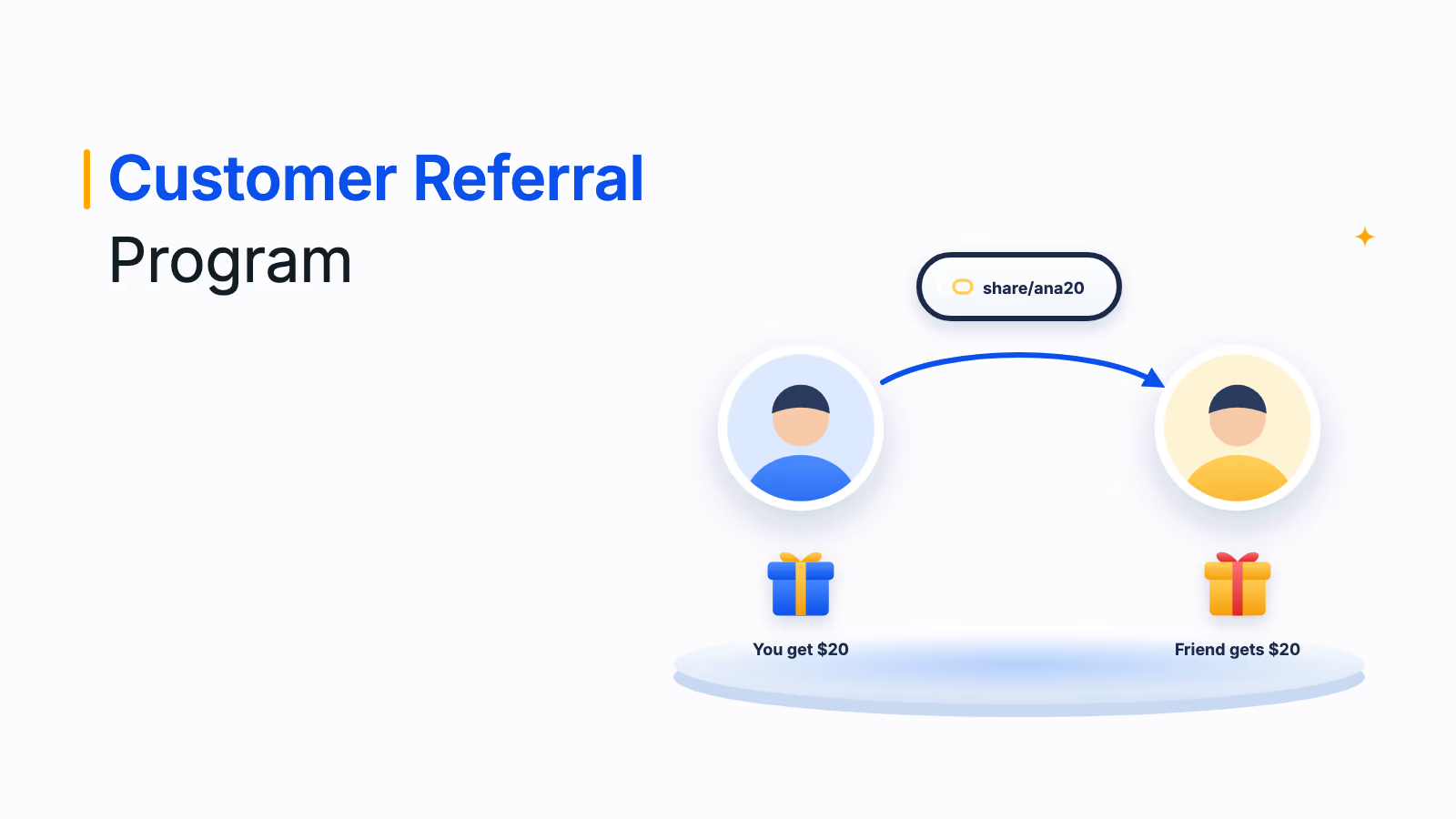
A good referral reward is valuable enough to motivate sharing but costs less than your customer acquisition cost. Two-sided rewards, where both the referrer and the new customer get something, usually perform best. Popular choices include account credit, free months of service, extra product features and digital gift cards the customer can choose.
Offer enough variety that every customer finds something they want, but not so much that choosing becomes hard. A practical approach is a small core set of rewards at clear point levels, plus a broader catalog such as gift cards for flexibility. Review redemption data regularly and remove options nobody chooses.