Key Takeaways
Quick acquisition hacks seldom pay off long term; an intimate understanding of the target customer is what drives results.
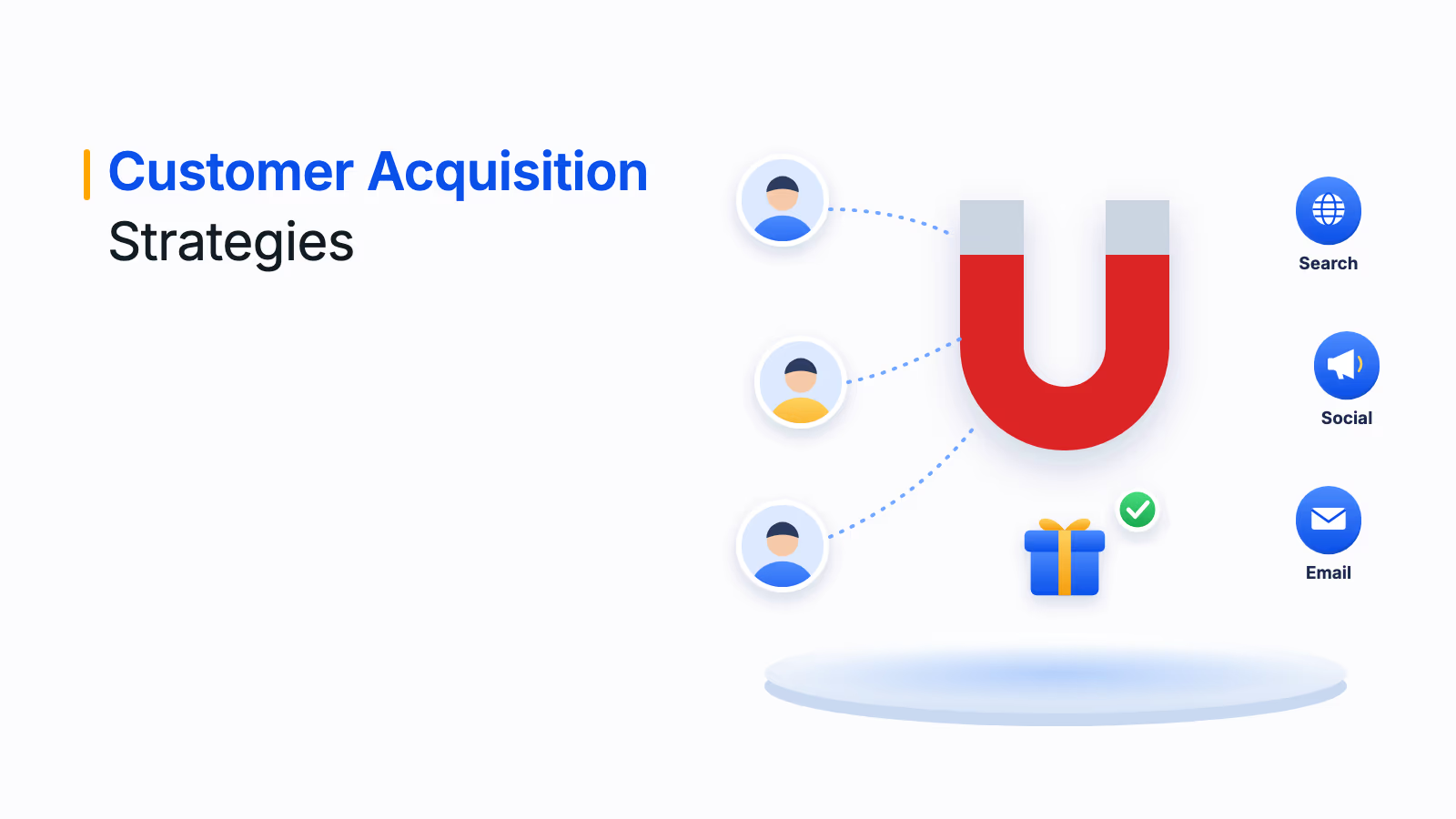
Effective customer acquisition strategies mix organic, paid and referral channels such as SEO, content, social, email and pricing.
Build a digital acquisition strategy in four steps: define customer profiles, map the buying journey, deploy tactics and keep testing.
Reward-based incentives like gift cards or points encourage conversions without the brand damage that discounting can cause.
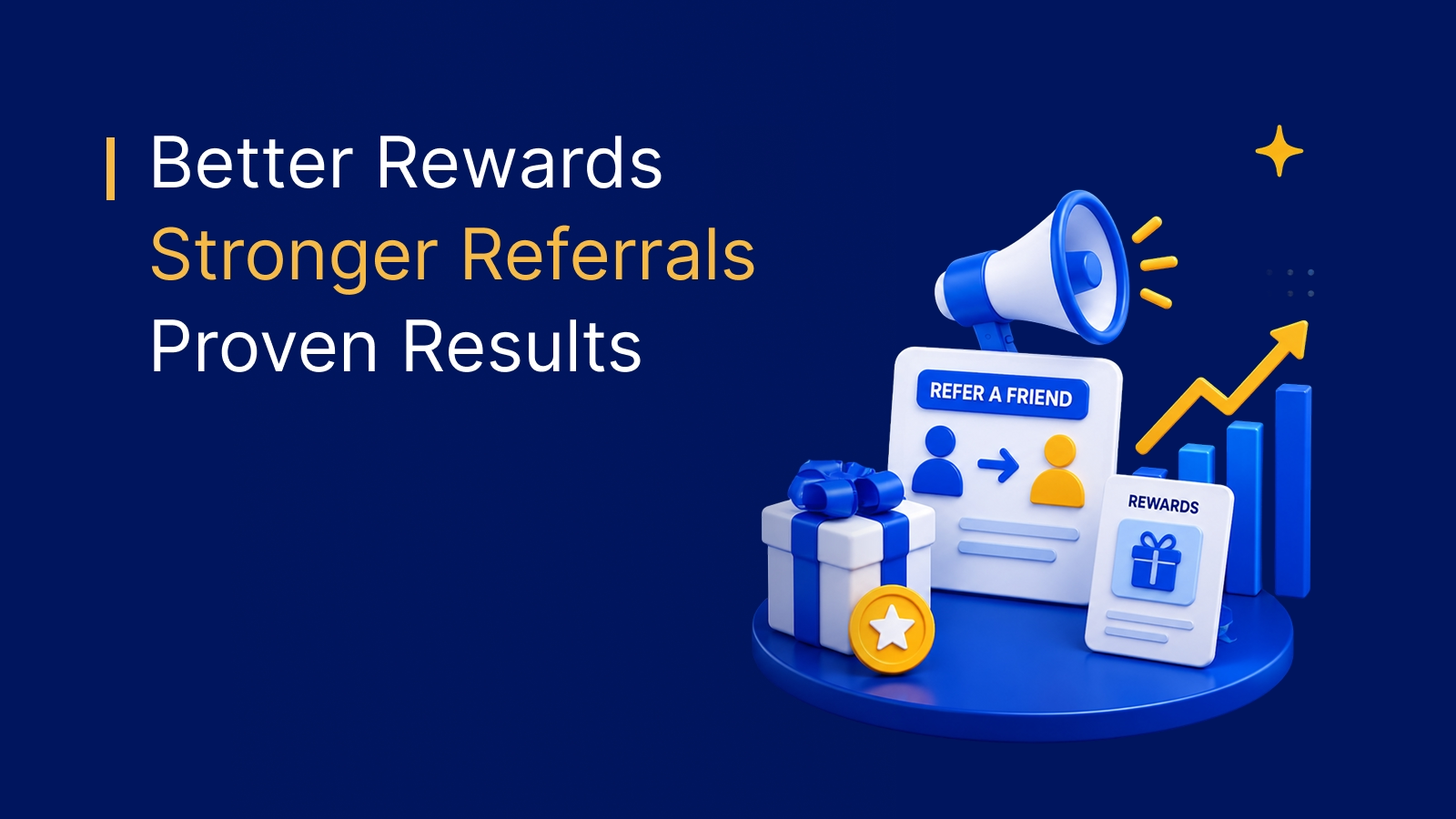
Dual-reward referral programs turn customers into advocates; Xero saw a 25% rise in referral conversions with digital rewards.
Every gesture of the business that offers the customers comfort or a feeling of welcome takes them closer to purchasing your product. Starting from the first impression to every interaction that follows, businesses should connect with the customer's personality and pain points. The best customer acquisition strategies are built on exactly that.
There are numerous customer acquisition tactics and 'hacks' that promise to give quick wins. But these might seldom pay off in the long term and even eventually end up hurting the brand image. Only an intimate understanding of the target customer can help close in on desired results.
Allocating a customer acquisition budget in competitive markets is another challenge. Under dynamic conditions, there seldom exists an ideal budget per acquisition. A firm's acquisition cost per customer tends to be more sensitive to market position and competition than its retention cost per customer - market leaders often have a substantial cost advantage in acquiring customers. And costs keep climbing: in Klaviyo's 2025 State of B2C Marketing report, 73% of marketers said their customer acquisition costs are rising. Wherein, attaining and retaining a market niche is easier said than done - even leaders are at war for that position.
What is meant by customer acquisition?
Customer acquisition refers to the process of attracting and converting potential buyers into paying customers. An effective acquisition strategy involves engaging prospects, guiding them through the sales journey, and ultimately driving conversions by turning interest into action.
What is a customer acquisition strategy?
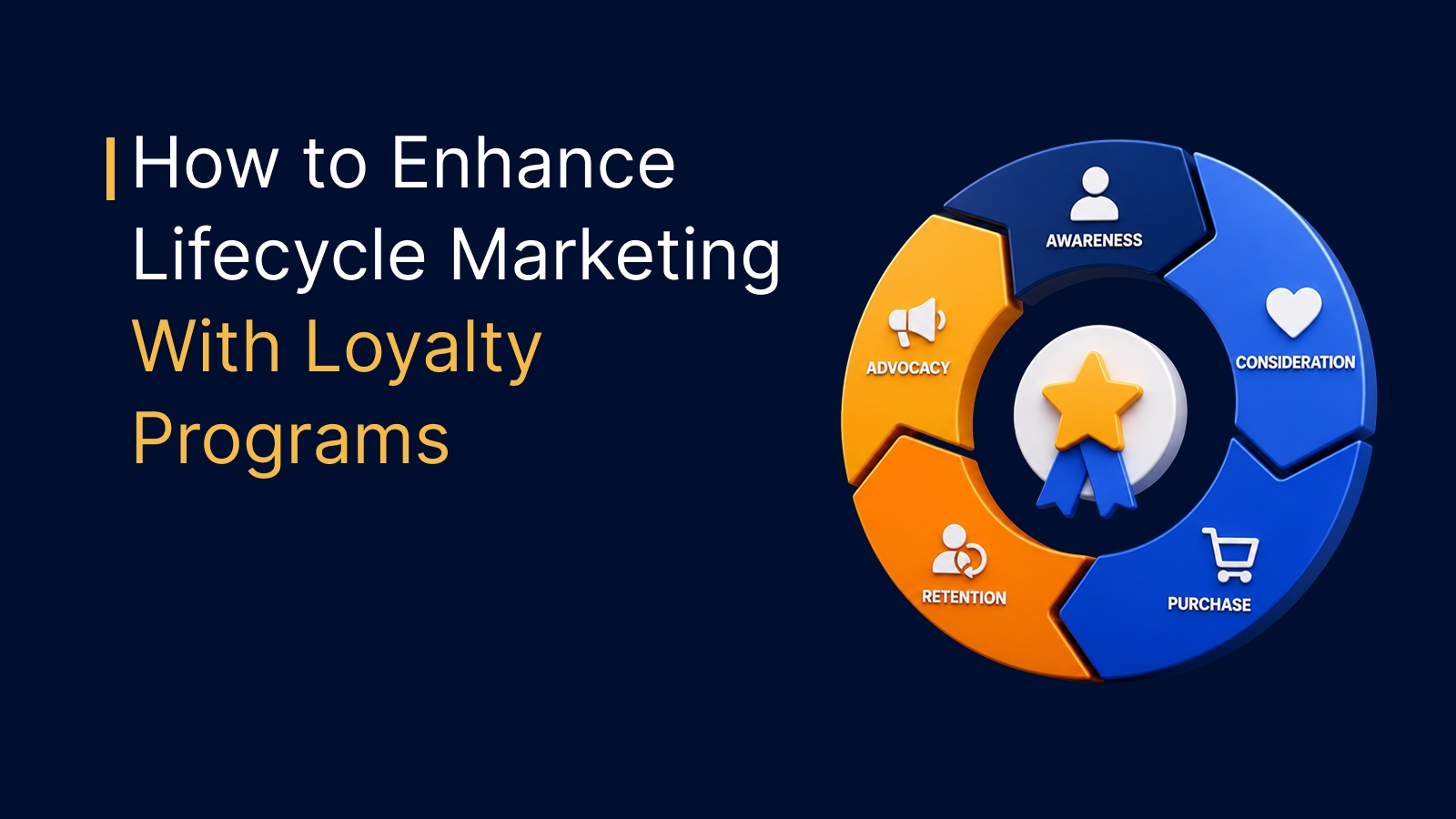
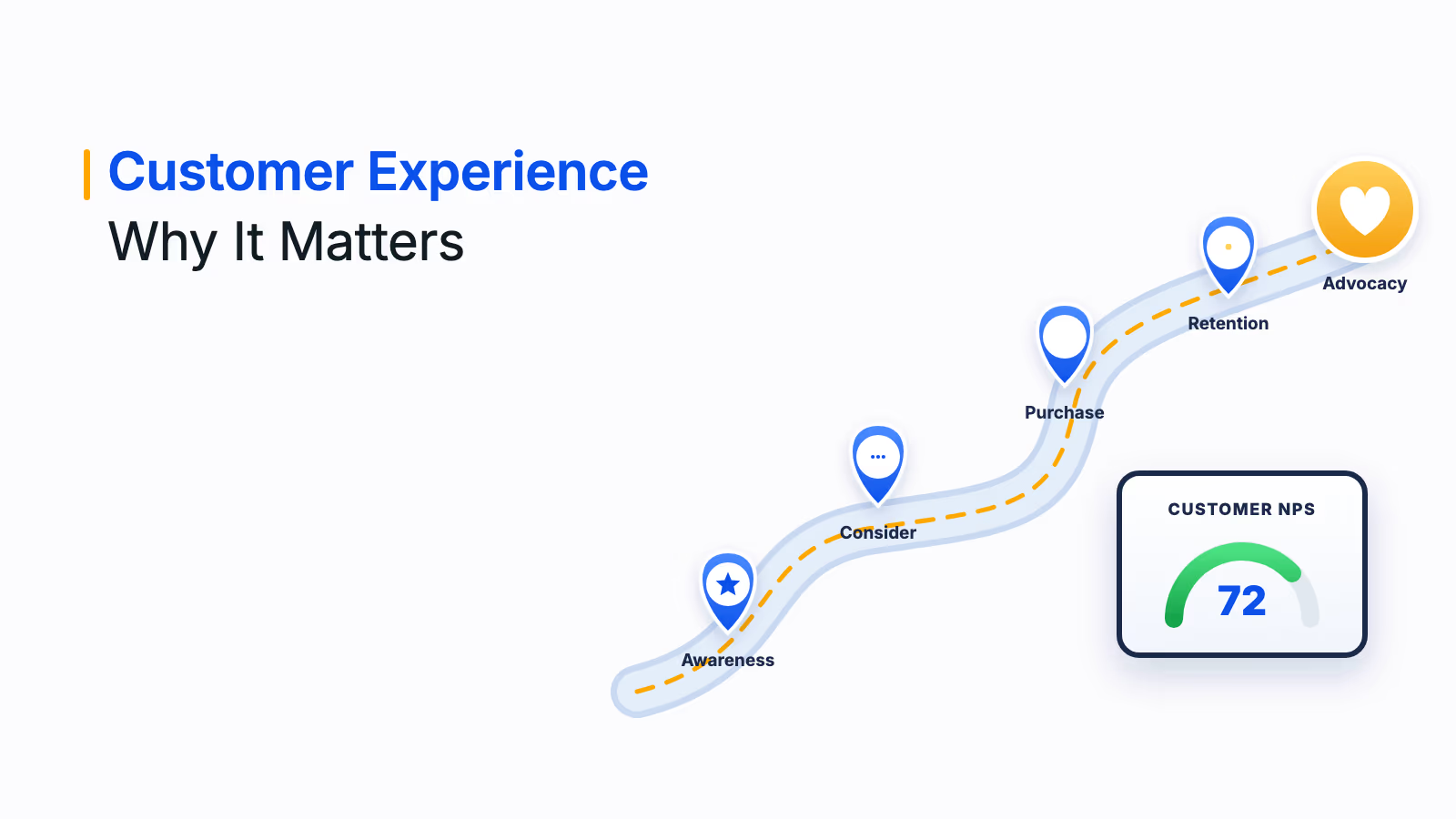
Customer acquisition is the process of attracting, engaging, and converting potential customers into paying users of a product or service. A well-defined strategy ensures businesses effectively guide prospects through the journey from awareness to consideration to purchase.
For both B2B and B2C markets, a targeted acquisition approach helps optimize this journey by delivering relevant information and offers at the right time. The goal is to reach potential customers where they are and encourage conversion through strategic engagement.
An effective customer acquisition strategy should:
- Consistently attract new customers across multiple platforms and touchpoints.
- Leverage repeatable, data-driven campaigns to improve efficiency and ROI.
- Enable accurate sales forecasting to maintain a strong and sustainable business pipeline.
10 key customer acquisition strategies
Acquiring new customers requires a mix of organic, paid, and referral-based strategies. Here are some key approaches, along with the customer acquisition channels each one relies on, to build awareness, generate leads, and convert potential customers into loyal buyers.
1. Search engine optimization (SEO)
Customer acquisition channel: Organic search
SEO enhances visibility by optimizing website content for search engines, ensuring your business ranks high in search results. Techniques like keyword optimization, internal linking, and quality content help attract organic traffic and position your brand as an industry leader.
The goal is to make your content indexable - easily readable and understandable by search engines.
Here's how you can boost your content's indexability:
- Use your main keyword in the post title.
- Add alt text to your images.
- Upload transcripts for video and audio content.
- Link internally within your site.
2. Content marketing
Customer acquisition channel: Organic search
Content marketing is a powerful way to attract potential customers by offering valuable, informative, and engaging content. It establishes credibility, fosters trust, and positions your brand as an industry expert. When done effectively, content marketing drives organic traffic to your website and nurtures leads into paying customers.
In an era where consumers are skeptical of traditional advertising, authentic and helpful content stands out. Whether it's blogs, whitepapers, videos, or infographics, each piece should resonate with your target audience and encourage action. The key lies not only in creating great content but also in promoting it effectively to maximize reach and impact.
3. Blogging
Customer acquisition channel: Organic search
Blogging is a cornerstone of digital marketing that helps businesses of all sizes attract, educate, and engage their audience. By consistently publishing high-quality, relevant content, brands can establish themselves as thought leaders, build credibility, and improve their search engine rankings.
A well-maintained blog not only drives organic traffic but also fosters meaningful interactions with potential customers. Whether it's through insightful articles, how-to guides, or industry news, blogging allows businesses to address pain points, answer common questions, and position themselves as go-to resources. To maximize impact, ensure your blog is optimized for SEO and maintained by skilled writers, editors, and designers for both readability and searchability.
4. Social media marketing
Customer acquisition channel: Organic social media, paid social media
Social media is a powerful customer acquisition tool, but success requires a clear, strategic approach. Consider these key factors before diving in:
- Platform selection: Identify which social media channels align best with your target audience. Not every platform will yield the same results, so focus on where your ideal customers spend their time.
- Brand voice & messaging: Define a consistent tone and messaging style that reflects your brand's personality and resonates with your audience.
- Content management: Determine who will be responsible for creating, curating, and posting content to ensure a steady, engaging presence.
- Crisis management plan: Prepare strategies to handle negative feedback, brand crises, or unexpected challenges swiftly and professionally.
Simply posting content without a clear plan can feel ineffective. The key is to focus on the right platforms for your audience. For example, if your goal is to reach younger consumers, Instagram, TikTok, and YouTube are strong options. However, if your audience skews more professionally, LinkedIn should be a priority.
5. Video marketing
Customer acquisition channel: Paid search, organic social media, paid social media
Video marketing is an effective way to attract and engage customers, and while it requires effort, advancements in technology have made it more accessible. Here's how to make the most of it:
- Invest in quality content: Successful video marketing starts with strong content, including well-scripted messages, engaging visuals, and high-quality production.
- Leverage professional help: If in-house production isn't feasible, consider outsourcing tasks such as scriptwriting, editing, and animation to freelancers or agencies.
- Maximize reach: Promote videos through search display ads, organic social media posts, and paid advertisements to ensure they reach the right audience.
- Enhance engagement: Embed videos in blog posts, landing pages, and product descriptions to improve user experience and conversion rates.
- Explore alternatives: If budget constraints limit video production, consider carousel posts or interactive infographics as engaging visual substitutes.
With a well-planned video strategy, brands can boost visibility, connect with audiences, and drive meaningful customer interactions.
6. Email retargeting
Customer acquisition channel: Email
Email marketing isn't just about what you send - it's equally important to monitor how recipients engage with your emails and adjust your approach accordingly.
- Track engagement: Pay close attention to subscriber behavior, such as open rates and link clicks, to identify what captures their interest.
- Refine your approach: If new subscribers don't engage with your initial emails, experiment with A/B testing different subject lines, CTAs, or content formats.
- Optimize content: Analyze which links get the most clicks to better understand what resonates with your audience and tailor future emails accordingly.
- Leverage unsubscribes as insights: If users opt out, consider it valuable feedback - review your email frequency, messaging, and relevance to improve retention.
A data-driven email strategy helps refine communication, ensuring you deliver the right message at the right time to maximize customer engagement.
7. Sponsored content
Customer acquisition channel: Paid search, paid social media, traditional advertising
Investing in sponsored advertising can significantly boost brand awareness and attract potential customers across multiple channels. From search engine ads to influencer collaborations, paid promotions put your brand in front of the right audience at the right time.
- Leverage search ads: Appear at the top of search engine results through targeted paid search campaigns, ensuring visibility when users actively search for related products or services.
- Engage in social media sponsorships: Utilize platforms like Facebook, Instagram, LinkedIn, and X to run sponsored posts and reach highly targeted demographics.
- Explore influencer & content sponsorships: Partner with influencers, industry blogs, or publications for sponsored product mentions and paid content that aligns with your brand's messaging.
By strategically using sponsored content, you can drive traffic, generate leads, and accelerate customer acquisition in a competitive market.
8. Customer spotlights
Customer acquisition channel: Referrals, organic social media
Harnessing the power of satisfied customers can be one of the most effective ways to acquire new clients. A strong referral strategy not only increases credibility but also reduces acquisition costs.
- Encourage customer stories: Happy customers are your best advocates. Collect testimonials, case studies, interviews, and user-generated content to showcase their experiences and success with your brand.
- Make sharing easy: Provide shareable content, such as pre-written social media posts, blog links, or visual assets, making it effortless for customers to spread the word.
- Leverage the viral loop: Enable seamless social sharing with one-click share links or built-in social sharing buttons in your content, ensuring that customer referrals bring in new prospects.
- Create a reward system: Incentivize referrals with exclusive discounts, loyalty points, or perks, encouraging customers to actively promote your brand.
The more convenient and rewarding you make referrals, the more likely customers are to engage and introduce your brand to new audiences.
9. Gated content
Customer acquisition channel: All
Gated content is a highly effective lead-generation strategy that encourages potential customers to share their contact details in exchange for valuable resources. By offering exclusive materials such as ebooks, templates, or white papers, businesses can attract and nurture high-intent prospects.
- Capture leads with valuable content: Provide in-depth guides, industry reports, or exclusive toolkits that require an email sign-up, helping you build a targeted lead list.
- Enhance visibility with SEO & paid promotions: Optimize landing pages for search engines while amplifying reach through paid social media campaigns or display ads.
- Balance accessibility & exclusivity: Ensure gated content remains exclusive by preventing it from being indexed by search engines, maintaining its value as a premium resource.
When implemented effectively, gated content strengthens customer acquisition efforts by seamlessly integrating with content marketing, SEO, and conversion optimization strategies.
10. Product pricing
Customer acquisition channel: All
Pricing plays a crucial role in attracting and converting new customers. A well-structured pricing strategy can differentiate your brand, drive customer interest, and create long-term loyalty.
- Use competitive pricing to stand out: If competitors charge significantly higher prices, positioning your product as an affordable yet high-quality alternative can increase conversions.
- Leverage freemium & trial models: Offering a free version of your software or service allows potential customers to experience the value before committing to a paid plan.
- Implement promotional & discount strategies: Limited-time discounts, seasonal offers, and "Buy One, Get One Free" deals create urgency and encourage immediate purchases.
- Bundle & tier pricing for increased value: Providing tiered pricing models or bundled offers helps customers find an option that suits their budget while increasing overall sales.
A smart pricing strategy not only attracts budget-conscious buyers but also ensures long-term customer retention by offering the right balance of affordability and value.
Win new customers with rewards
Send sign-up, referral and review rewards from 10M+ options in 150+ countries.
Talk to our ExpertTrusted by 5,000+ companies
How to create a successful digital customer acquisition strategy?
A successful customer acquisition journey is not a one-time effort - it evolves as market conditions, consumer behavior, and competitive landscapes shift. To stay ahead, businesses must continuously refine and adapt their approach. Follow these four key steps to create an effective digital customer acquisition strategy.
Step 1: Define your ideal customer profiles
The foundation of any successful acquisition strategy is a deep understanding of your target audience.
- Identify key buyer personas by analyzing demographics, behaviors, pain points, and motivations.
- Determine where they gather information, what influences their decisions, and why they would choose your brand.
- If your product isn't something you'd personally use, rely on customer data, surveys, and market research to define accurate personas.
- Regularly revisit and refine these personas to reflect changing customer preferences.
Step 2: Map the customer's buying journey
Every customer takes a unique path toward making a purchase. Understanding their journey helps optimize touchpoints and remove friction.
- Outline the typical steps each persona takes to discover, evaluate, and purchase your product.
- Identify key interactions (e.g., website visits, social media engagement, product demos) and analyze what customers seek at each stage.
- Ensure seamless transitions between touchpoints to guide potential customers toward conversion.
- Work closely with sales and support teams to refine the journey and align messaging.
Step 3: Deploy targeted acquisition strategies
With a clear understanding of customer pathways, introduce tactics that drive engagement and conversions.
- Leverage marketing channels - SEO, content marketing, paid ads, and social media - to reach your audience effectively.
- Personalize outreach based on customer behavior, using targeted email campaigns, retargeting ads, and dynamic website content.
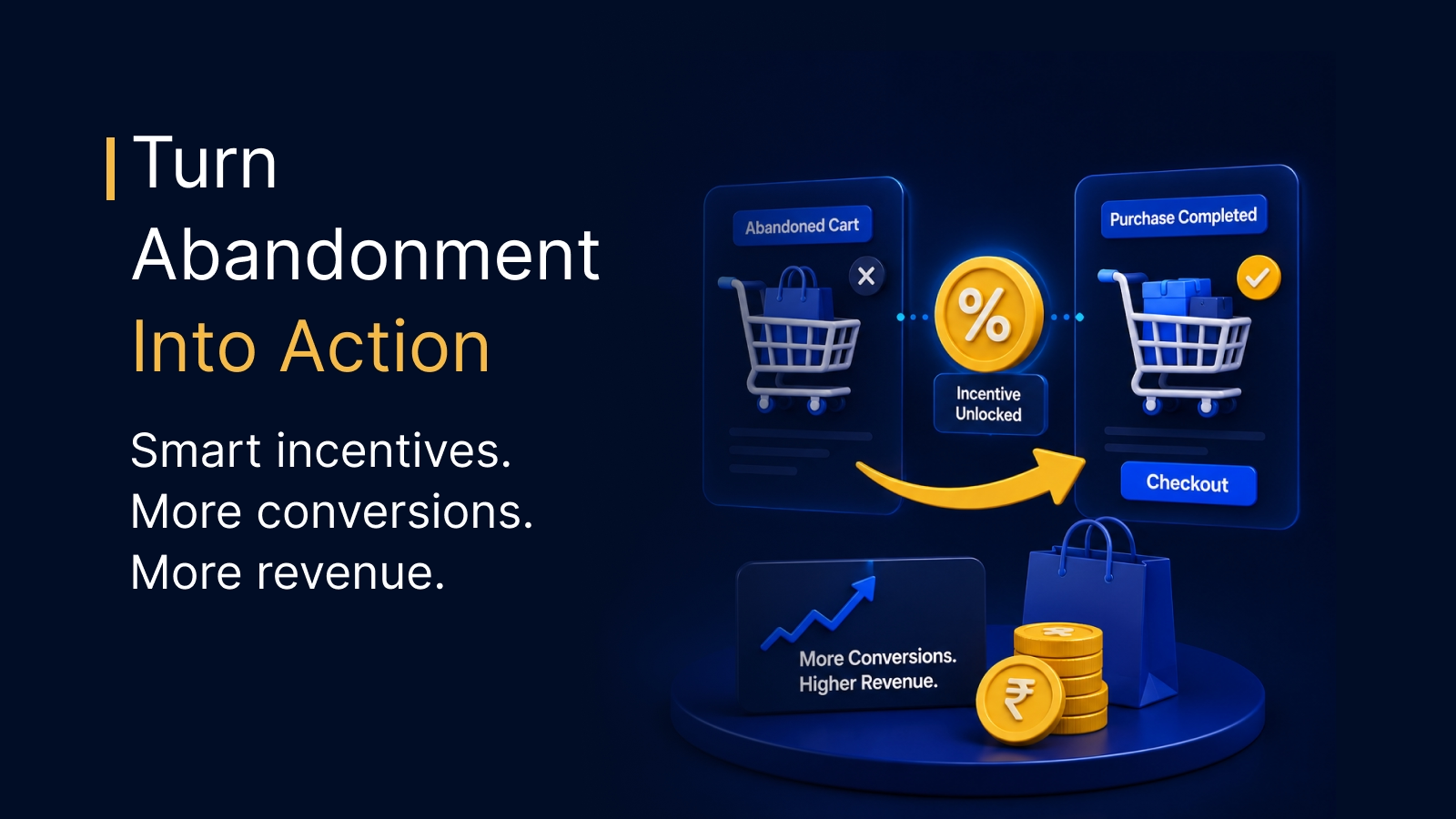
- Remove barriers to purchase by simplifying processes, offering incentives, and enhancing user experience.
- Continuously optimize based on data, ensuring the best-performing tactics remain in focus.
Step 4: Implement an ongoing testing framework
Refining customer acquisition is an iterative process that requires consistent experimentation.
- A/B test different elements such as email subject lines, landing page designs, and call-to-action wording.
- Evaluate content performance across channels to determine what resonates most with your audience.
- Adjust messaging, ad creatives, and promotional strategies based on real-time data insights.
- Use these learnings to enhance future campaigns and drive sustained customer acquisition success.
How to use reward marketing for acquisition for the best results?
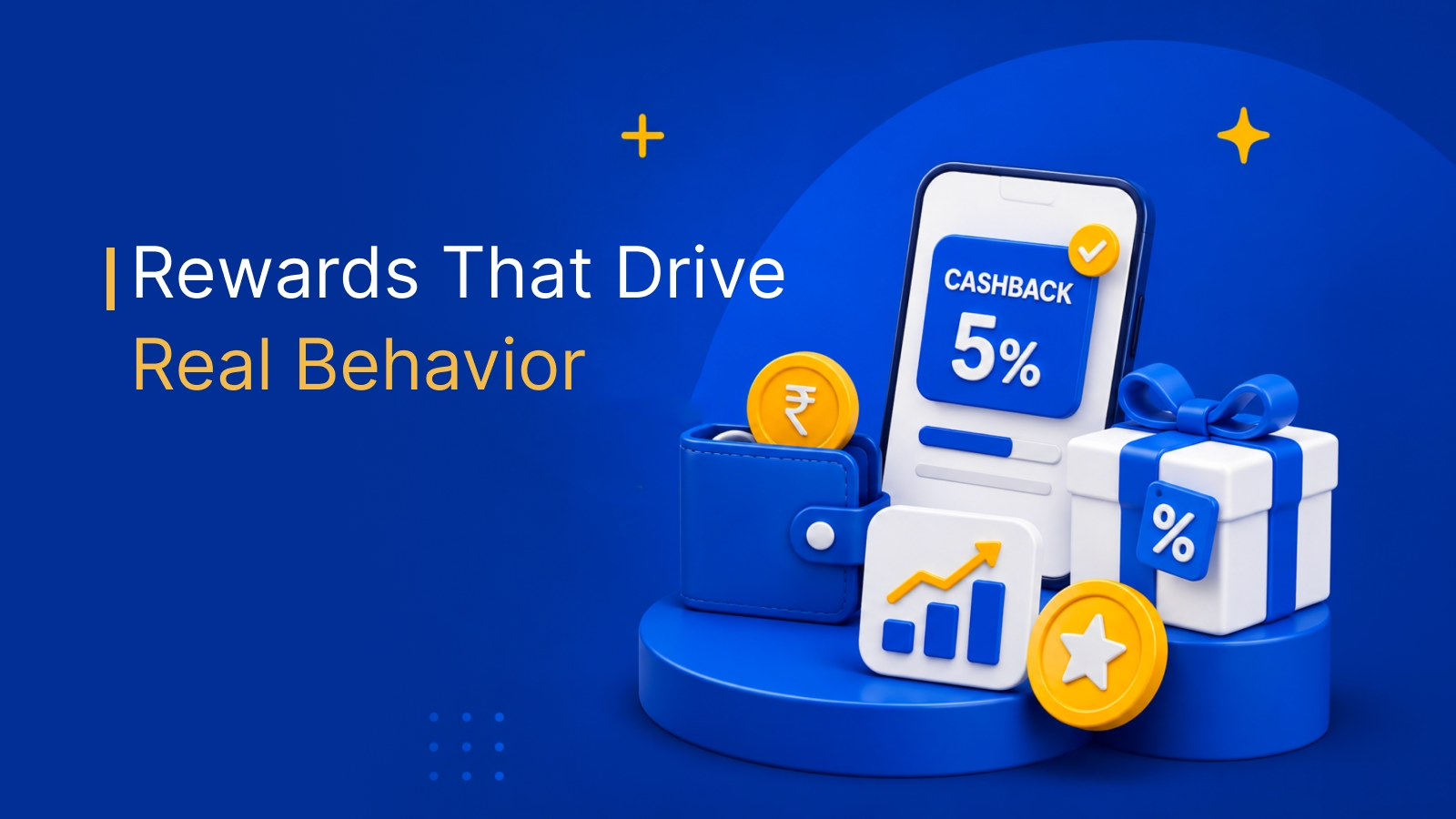
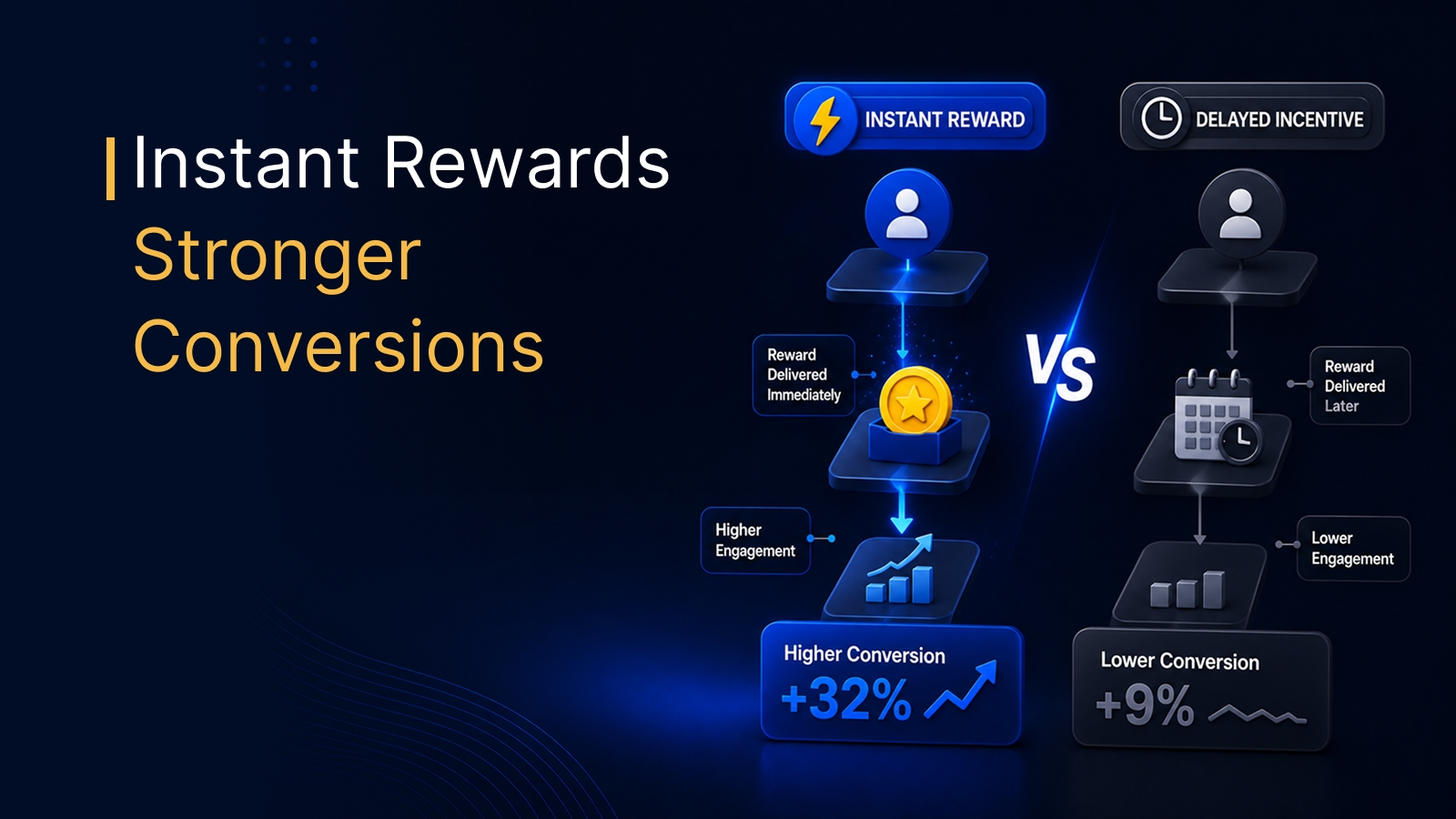
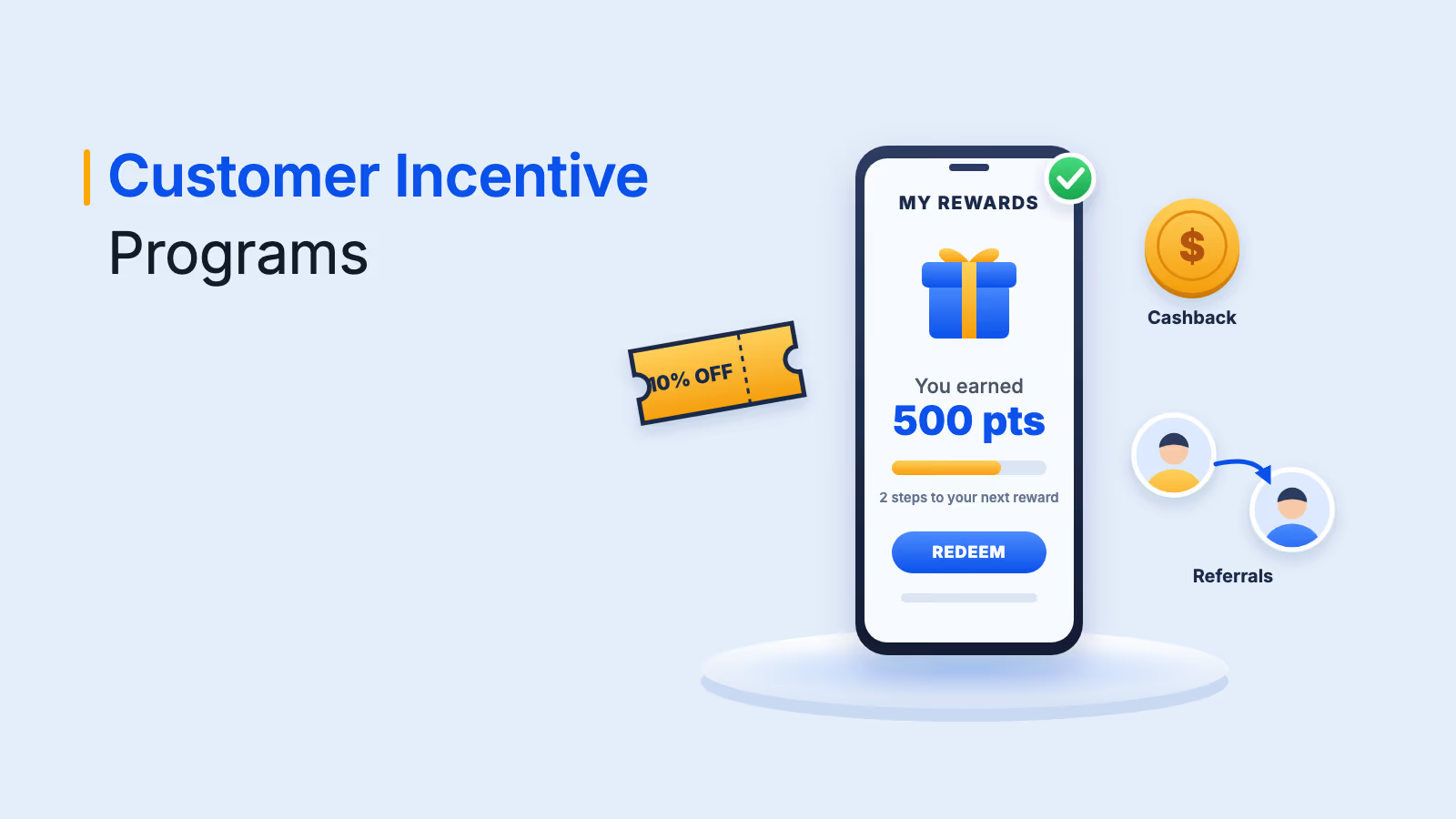
Reward marketing is a powerful strategy that drives customer acquisition by providing incentives that motivate potential buyers to take action. Unlike discounting, which can erode margins and diminish brand perception, reward-based strategies maintain profitability while influencing customer behavior.
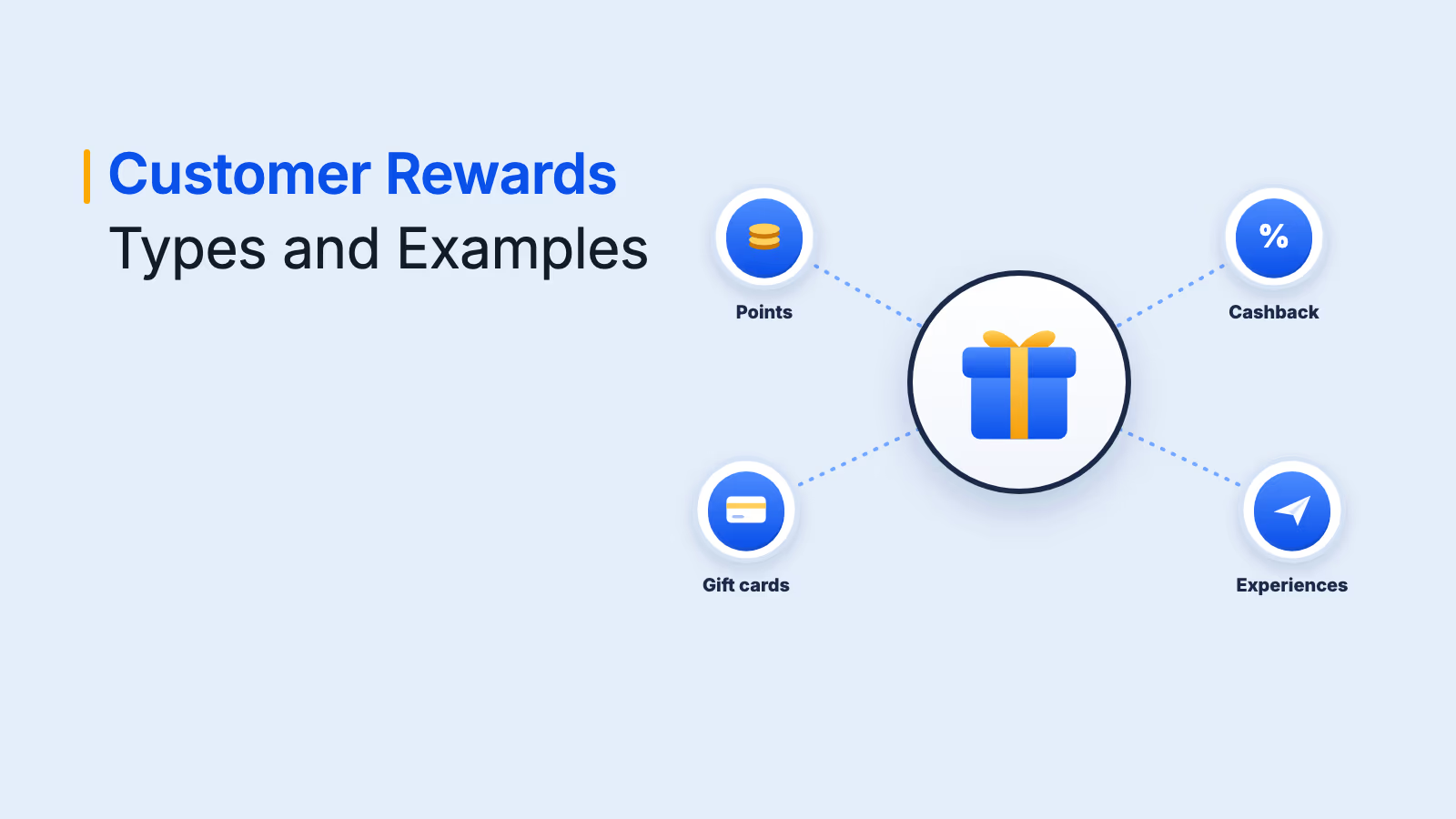
Whether through gift cards, loyalty programs, referral incentives, or experiential rewards, businesses can use reward marketing to attract, engage, and convert new customers effectively. Here are 10 new customer acquisition ideas to implement it for maximum impact.
1. Replace discounts with reward-based incentives
Traditional discounting may drive short-term sales but can negatively impact brand value, making it difficult to charge full price in the future.
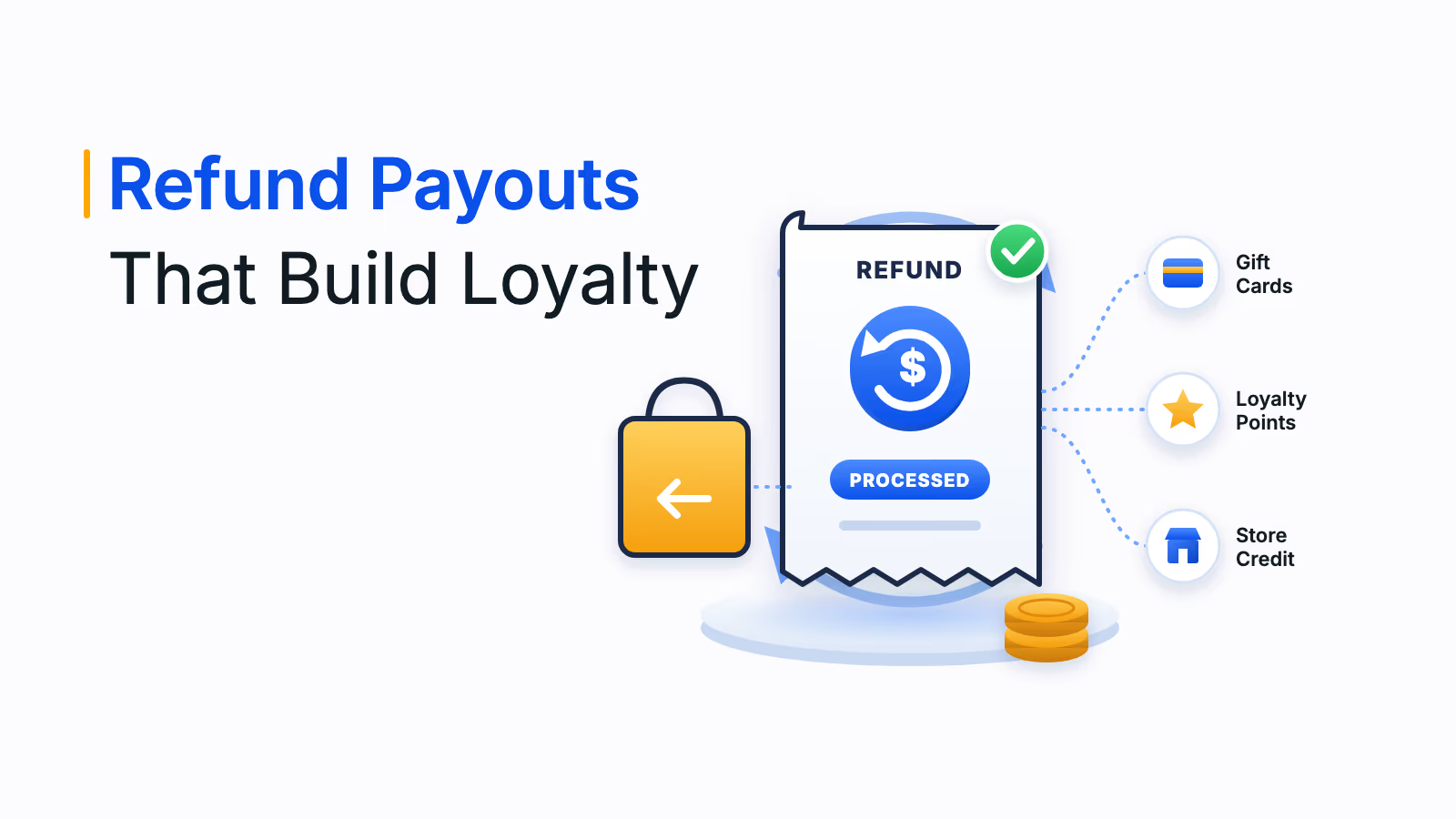
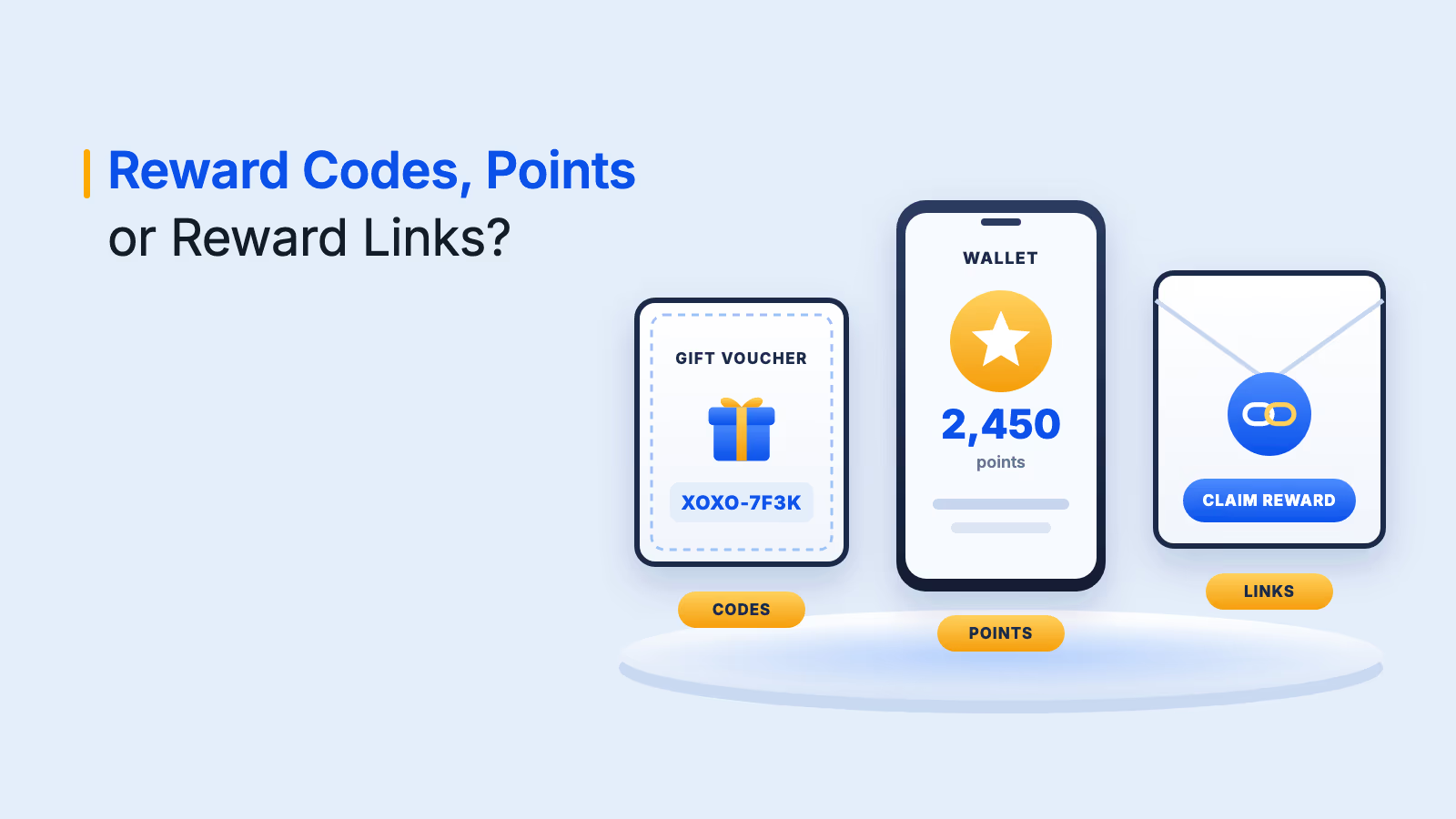
Offering gift cards, vouchers, or reward points as incentives maintains perceived value while still encouraging conversions.
Example: A telecom company offering a $50 gift card instead of a $50 discount on a new contract ensures customers see full price as the norm while still feeling rewarded.
2. Create reward-based customer acquisition campaigns
Cash incentives, prepaid gift cards, or exclusive perks can make an offer stand out in competitive industries.
Run limited-time promotions like "Sign up today and receive a $50 reward" to drive immediate action.
Example: Banks and financial institutions frequently offer cash-back rewards or account opening incentives to attract new customers.
3. Leverage referral marketing with dual rewards
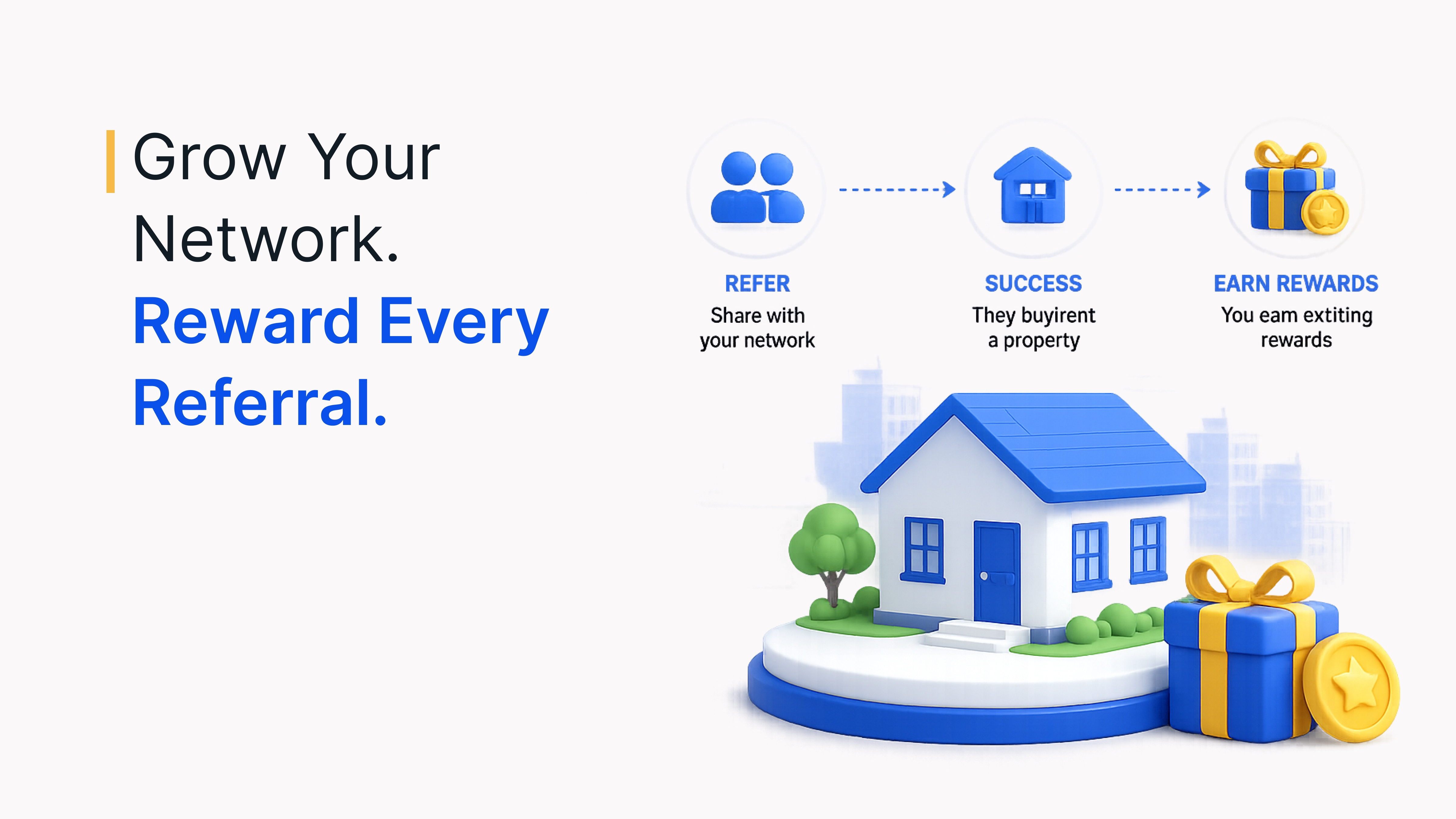
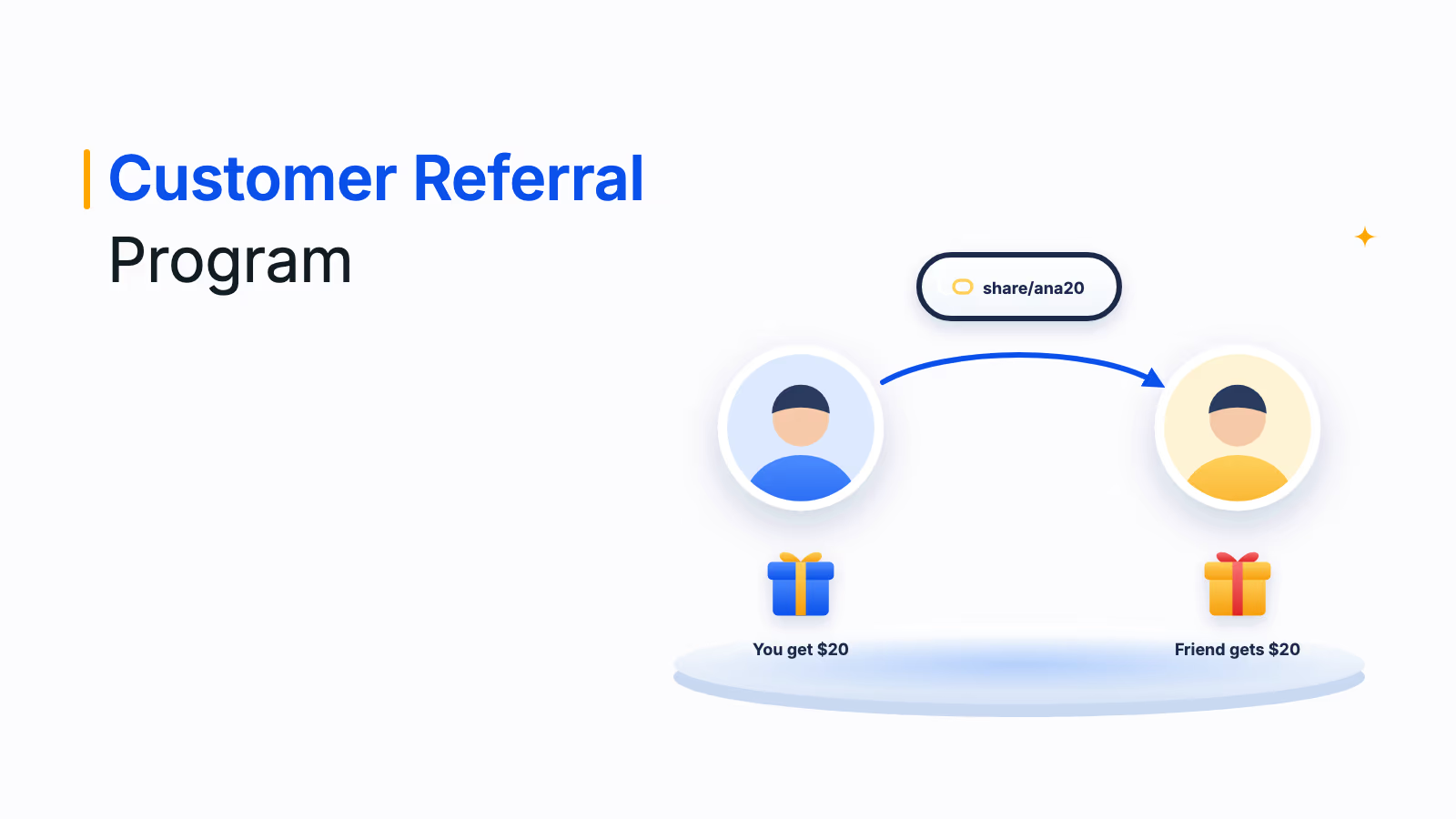
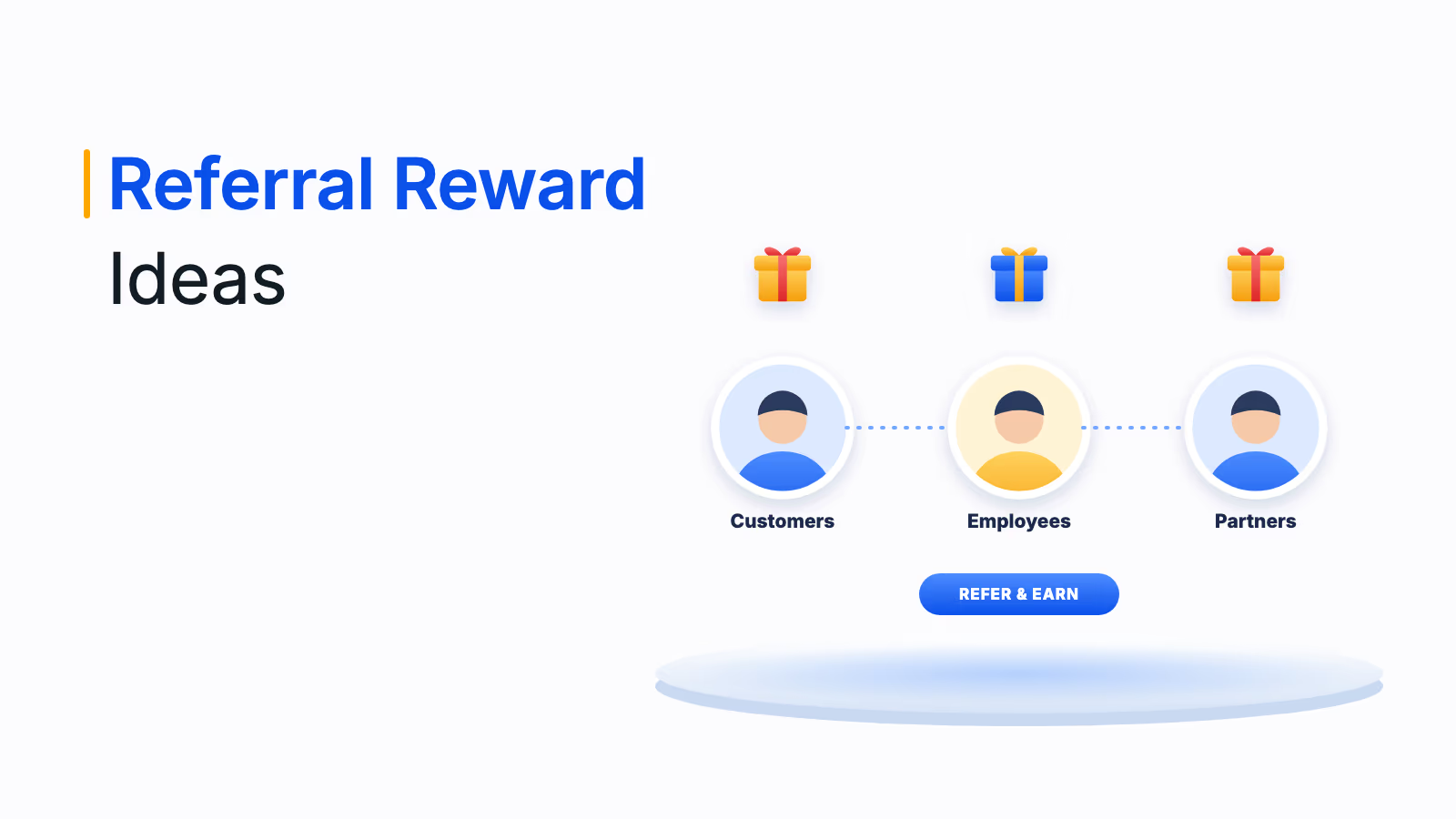
Referral programs turn existing customers into brand advocates, rewarding both the referrer and the new customer.
A well-structured referral system increases trust, as recommendations come from personal connections. The right rewards can make or break a referral program.
Example: PayPal's early growth was fueled by its cash rewards referral program, which incentivized users to invite friends.
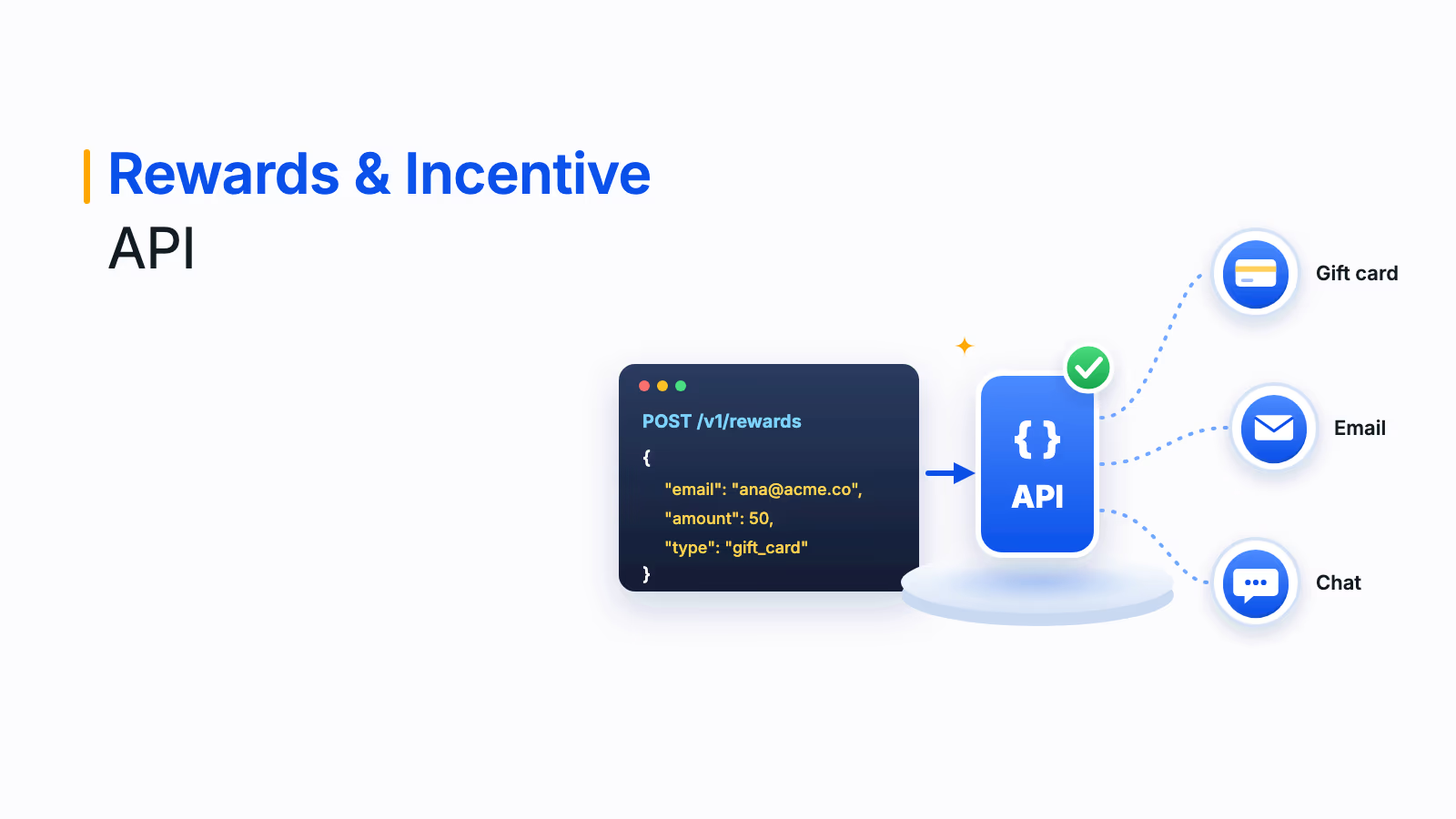
Case in point: Accounting software company Xero replaced physical referral gifts with digital rewards from Plum, triggered automatically via API across three markets. The switch drove a 25% increase in referral conversion rate, with 94% of rewards delivered the same day they were triggered. Read the Xero story.
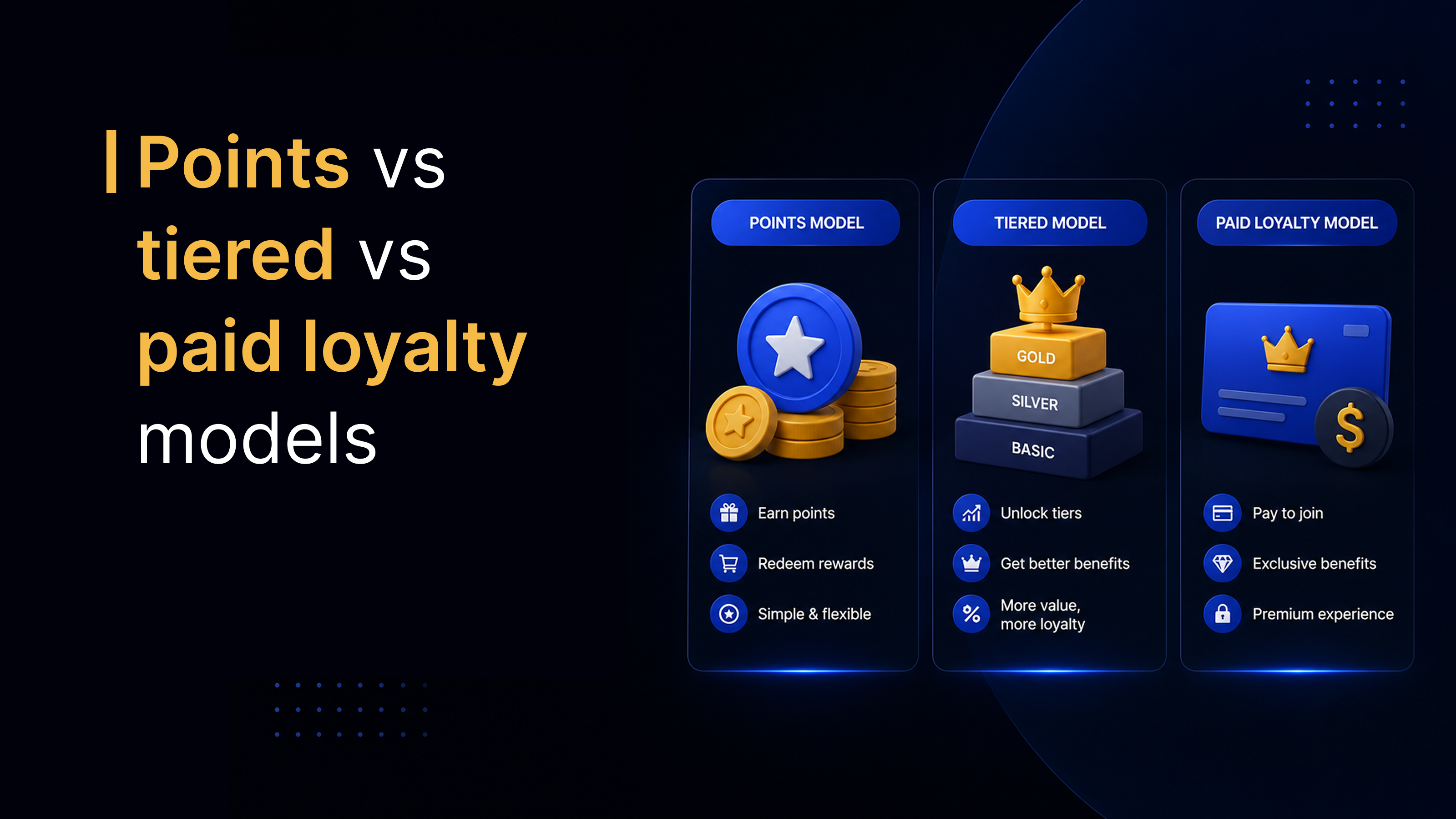
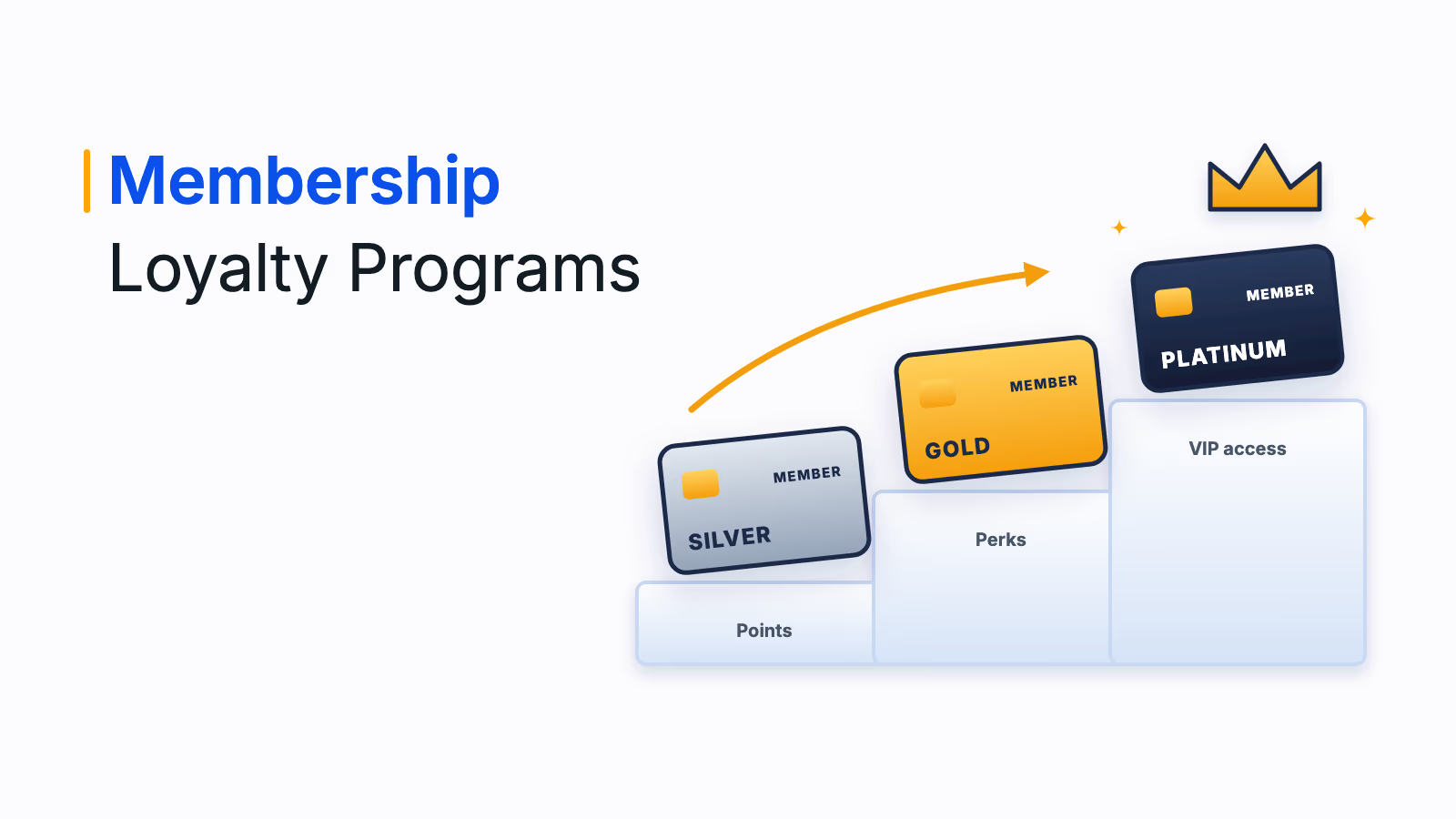
4. Use tiered rewards to encourage higher spending
Tier-based loyalty programs offer increasing incentives based on customer spending levels.
Customers are motivated to spend more to reach higher tiers with exclusive perks such as premium discounts or VIP experiences.
Example: Airlines use frequent flyer programs to reward passengers based on miles traveled, increasing brand loyalty and higher spending.
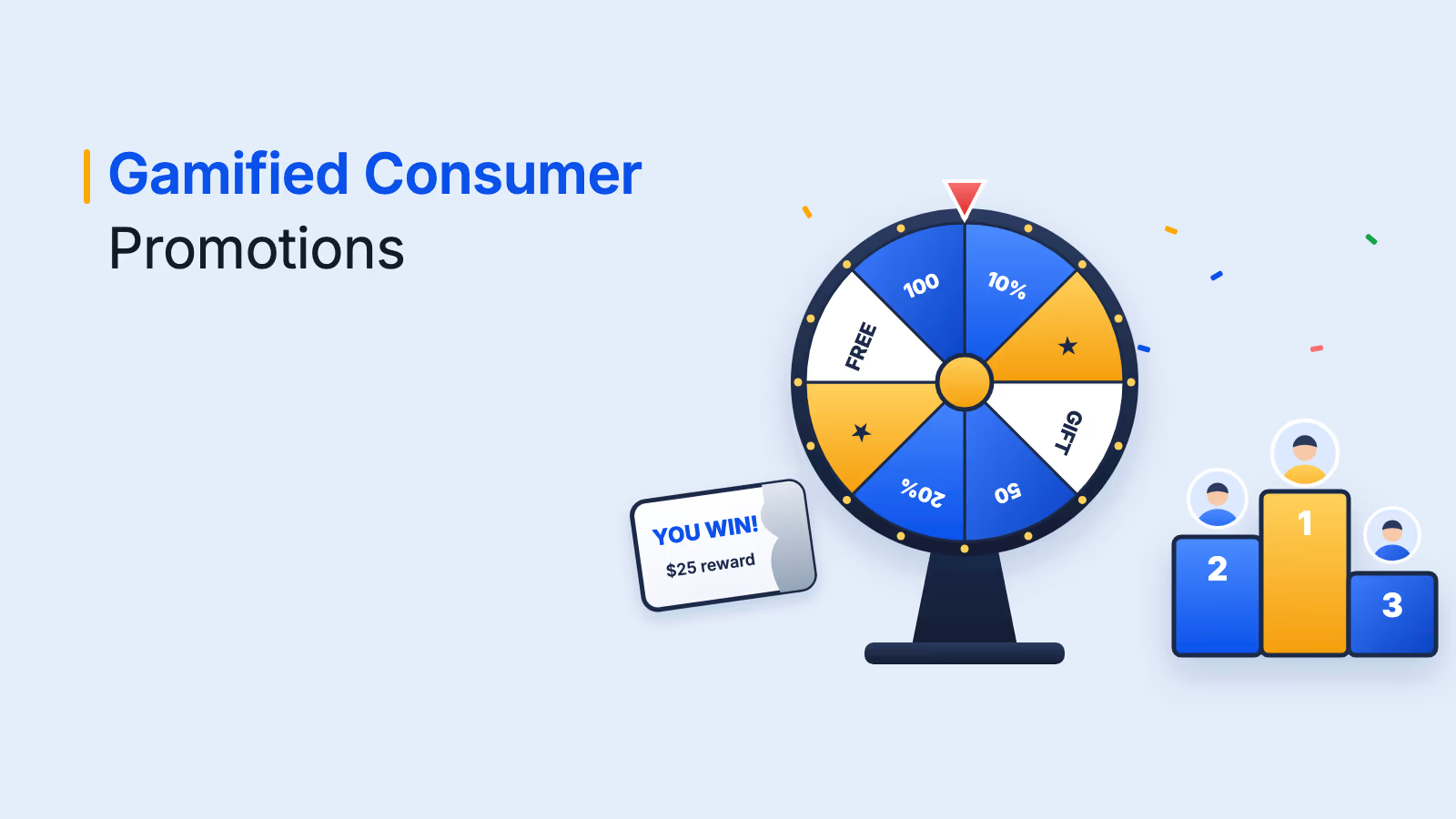
5. Gamify customer experience with points-based rewards
Rewarding customers with points for engagement activities (purchases, reviews, referrals) enhances retention and brand interaction.
Customers can redeem points for discounts, free products, or exclusive experiences, driving long-term brand loyalty.
Example: Starbucks Rewards Program allows customers to earn stars and redeem them for free drinks and food items, keeping them engaged.
6. Incentivize online reviews and UGC for social proof
Encourage customer feedback by rewarding honest reviews with small perks like discount codes, free trials, or digital gift cards. Keep the reward independent of what the customer says: the FTC's 2024 rule bans incentives conditioned on a review's sentiment, positive or negative.
User-generated content (UGC), such as testimonials or product photos, builds trust and influences purchasing decisions.
Example: Amazon's verified purchase badges help shoppers trust that a review comes from a real buyer.
7. Reward-based subscription models to build long-term engagement
Subscription-based reward programs allow customers to pay a fee upfront and access exclusive benefits.
Offering added-value perks, such as free shipping, premium support, or early product access, can drive customer acquisition.
Example: Amazon Prime's subscription model includes fast shipping, exclusive discounts, and streaming services, making it a compelling value proposition.
8. Drive high-value customer actions with personalized rewards
Offer tailored rewards based on customer preferences, behaviors, and past purchases to enhance personalization.
AI-driven loyalty platforms can recommend personalized offers, digital gifts, or experiential rewards to drive engagement.
Example: Sephora's Beauty Insider program personalizes rewards based on spending habits, making members feel valued.
9. Use partnerships for co-branded reward programs
Collaboration with complementary brands allows businesses to expand reach and offer cross-promotional rewards.
Customers benefit from exclusive perks across multiple brands, increasing brand exposure.
Example: American Express partners with airlines, hotels, and retailers to provide exclusive discounts and cashback offers.
10. Enhance retention & reduce churn with renewal incentives
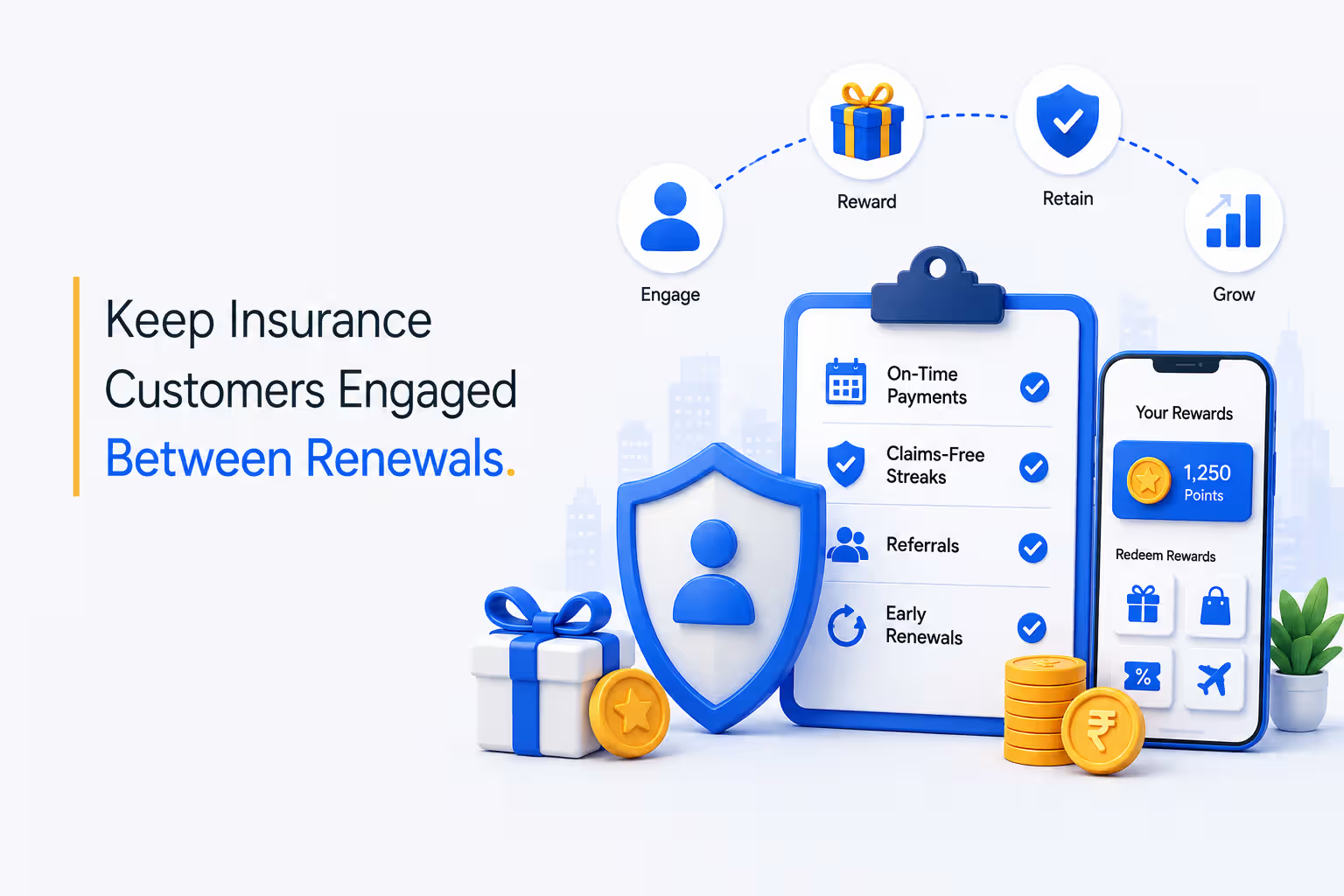
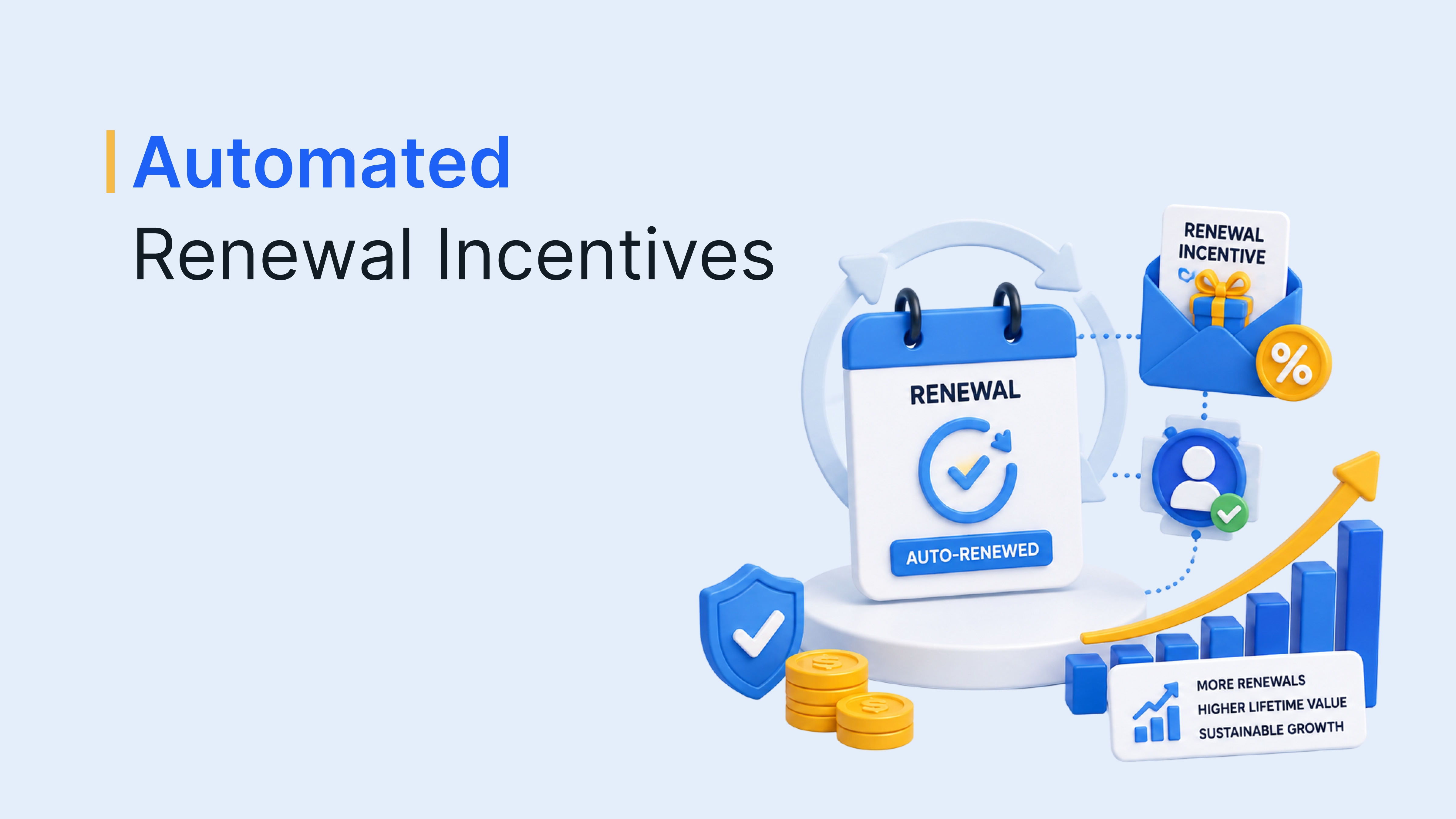
Rewarding existing customers at key retention points - such as renewal dates or contract extensions - can prevent churn.
Providing bonus reward points, premium upgrades, or surprise gifts can increase customer stickiness.
Example: A subscription business can offer bonus reward points or a digital gift card to customers who renew an annual plan early, reducing cancellations.
Conclusion
Customer acquisition is more than just getting new leads - it's about creating meaningful interactions that turn prospects into loyal customers. With increasing competition and rising acquisition costs, businesses need customer acquisition strategies that not only attract customers but also motivate them to take action and stay engaged.
Among the many tactics available, reward marketing stands out as one of the most effective and sustainable acquisition strategies.
Unlike discounts, which can hurt profit margins and brand perception, rewards offer added value without devaluing your product or service. Whether through sign-up incentives, referral rewards, or loyalty-based perks, customer incentive programs drive conversions while enhancing customer satisfaction.
This is where Plum simplifies the process. With a global catalog of 10M+ reward options across 150+ countries and 30+ categories, customizable reward programs, seamless integrations, and automated distribution, Plum makes it easy for businesses to implement reward-based customer acquisition strategies at scale.
Whether you're looking to boost referrals, incentivize first-time purchases, or enhance retention, Plum provides a hassle-free solution to attract, engage, and retain high-value customers effortlessly.
Start leveraging rewards for smarter customer acquisition. Book a demo and we will get you started!