Key Takeaways
Banks use account-opening rewards to win new customers and make the new account their primary one.
Cash bonuses, points, rate boosts and fee waivers are usually tied to deposits, direct deposit or minimum balances.
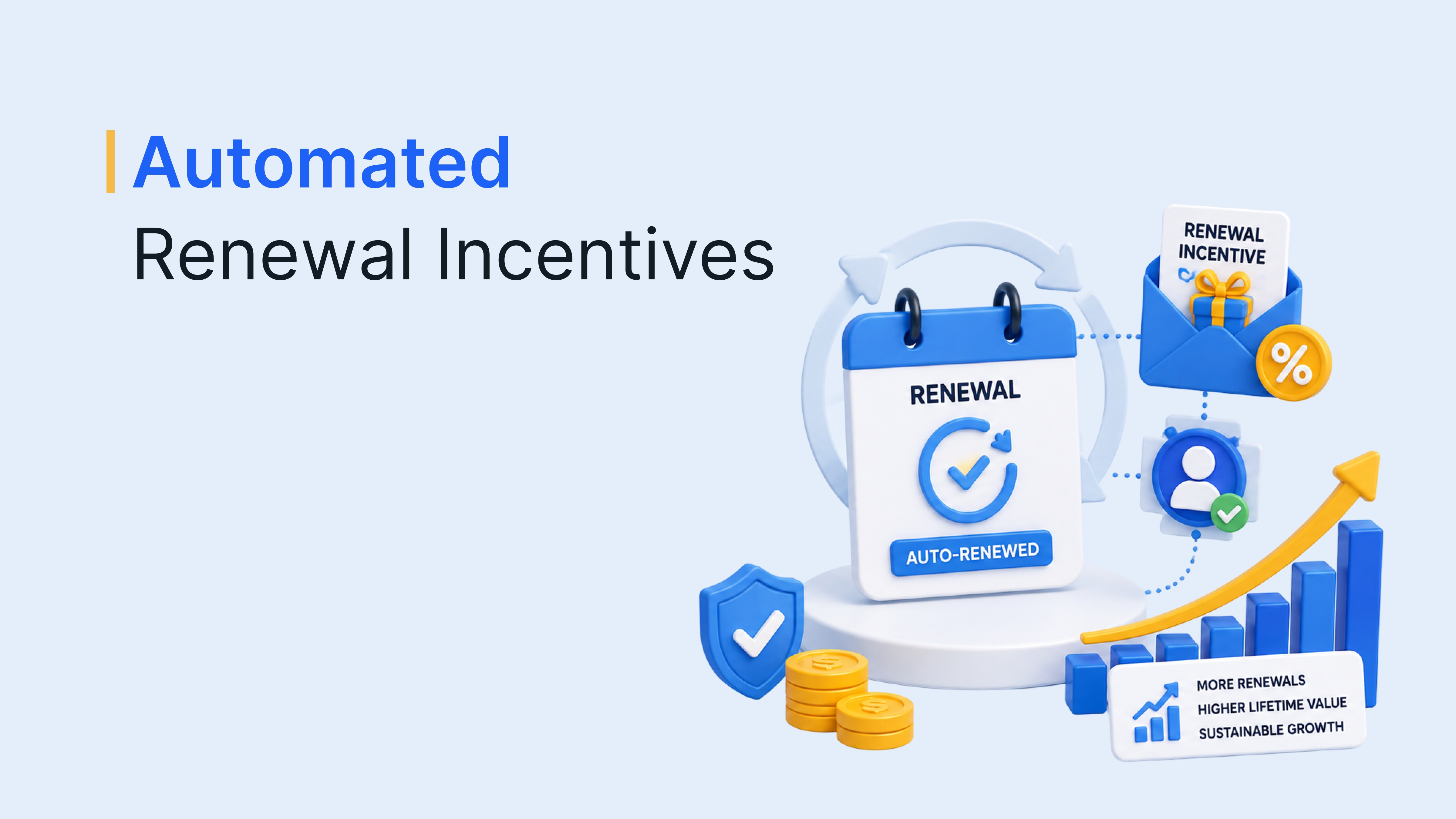
Cross-sell bonuses and relationship rewards grow products per customer, which improves retention.
Referral bonuses turn existing customers into a low-cost acquisition channel.
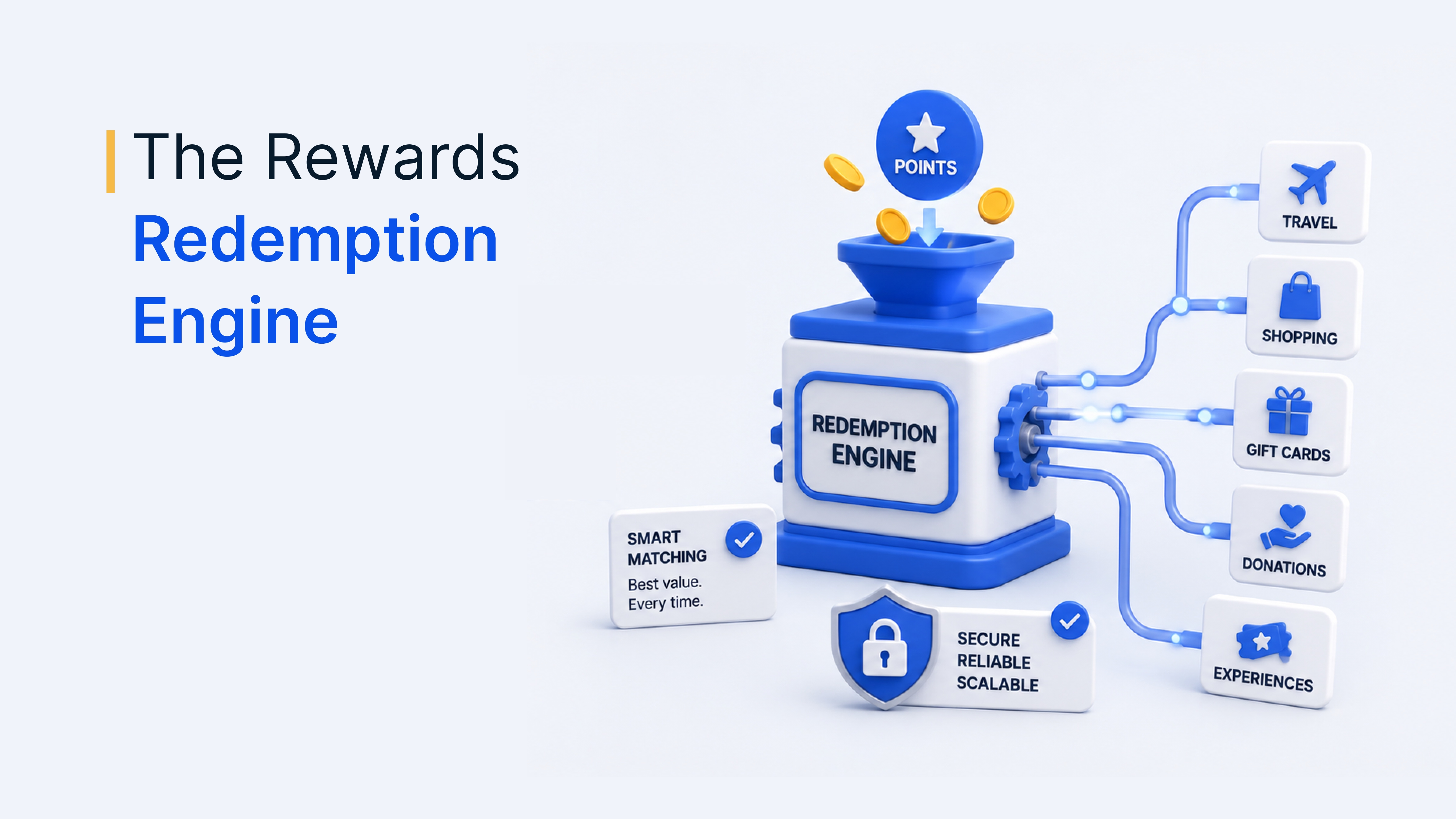
A rewards marketplace gives customers choice while letting the bank control reward costs.
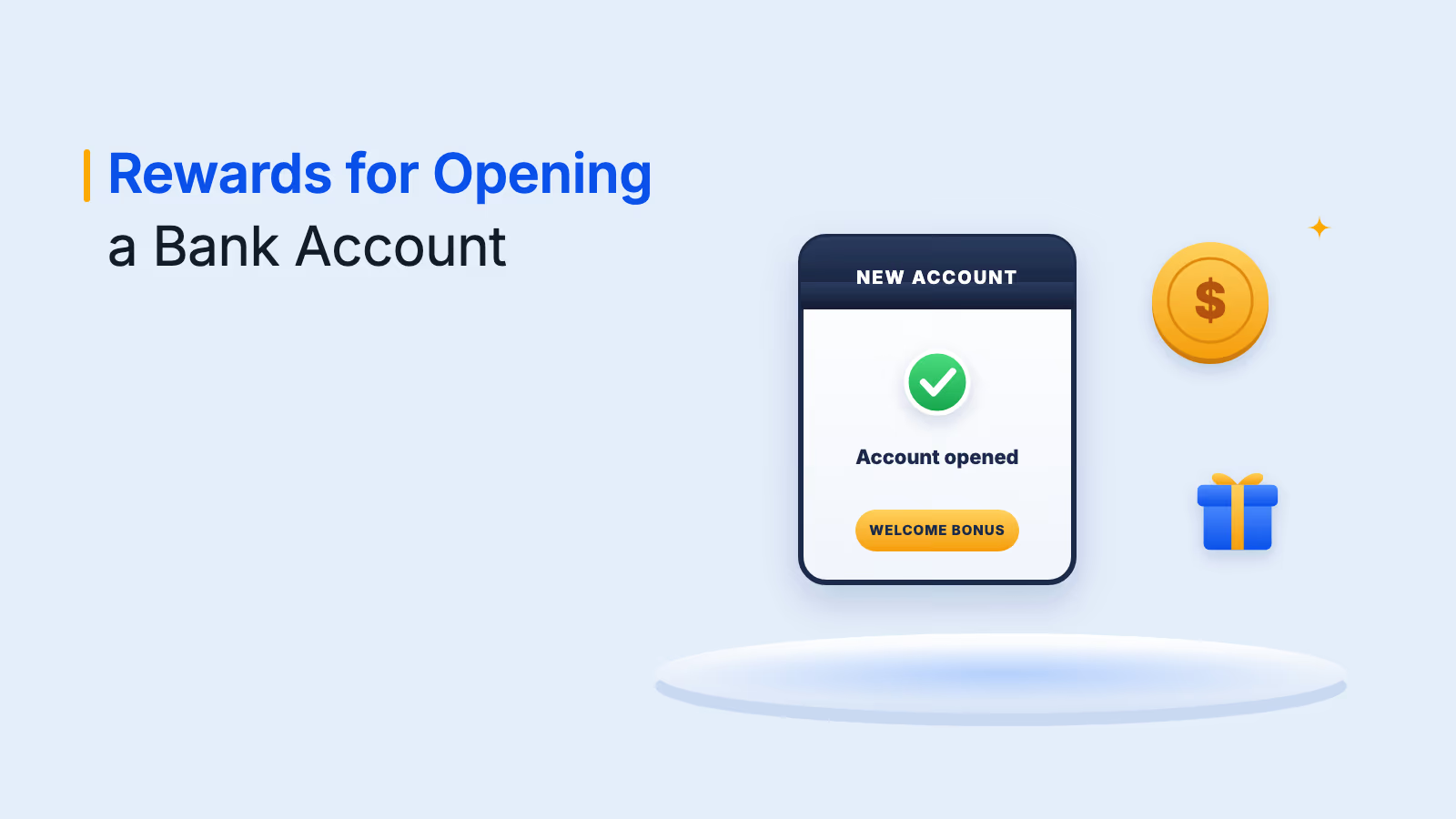
To encourage people to open new accounts, many banks offer a reward for opening a bank account. These rewards, which are intended to make banking rewarding from day one, frequently consist of cash bonuses, boosted interest rates, fee waivers and referral bonuses.
For banks, these offers do more than win a single sign-up. A well-designed bank account opening bonus influences which bank a customer chooses, how much they deposit, and whether they move their everyday banking - salary, bill payments, cards - to the new account.
Rewarding customers for opening a new bank account is a strategic way to attract new clients. Offering cash bonuses, gift cards, or exclusive perks creates a positive first impression and encourages long-term engagement. For a broader view of the acquisition playbook, see our guide to customer acquisition rewards for banks.
Here are ten types of rewards banks use for account openings, why banks use each one, and what each is designed to drive.
1. Cash bonuses
Cash bonuses are one of the most enticing rewards for opening a bank account, and large US banks such as Chase and Bank of America regularly run them on new checking accounts. To qualify, the new account holder usually needs to meet requirements like opening a new checking or savings account, depositing a minimum amount, and setting up direct deposits within a certain time frame.
Banks scale the bonus to the account type and the relationship they want to build, with larger bonuses reserved for higher deposits or premium accounts. Terms such as keeping the account open for a specific period or maintaining a minimum balance protect the bank from customers who take the bonus and leave.
Because cash is simple and immediately valuable, it is one of the most effective new bank account rewards for driving sign-ups, and the direct-deposit condition helps the bank become the customer’s primary account.
2. Bonus points or miles
Many banks offer bonus points or miles as a reward for opening accounts. Although these benefits are most often linked to credit cards, banks increasingly connect them to checking and savings accounts too, often through co-branded airline or travel programs. Customers can redeem points or miles for cash back, gift cards, travel and more.
To qualify, new accounts typically must reach a certain balance threshold, complete a set number of debit card transactions, or set up direct transfers. For the bank, points and miles drive card usage and transactions from the first month, and they keep the customer coming back to redeem.
3. Interest rate boosts
An increase in interest rates is an appealing incentive banks use to draw in new customers. For a limited time, these promotions offer checking, savings or money market accounts higher-than-standard rates. The goal is to encourage customers to make larger deposits and keep their balances higher.
Rate boosts are typically tied to conditions like meeting monthly transaction requirements, maintaining a minimum balance, or establishing direct deposits. Online banks in particular use competitive rates to win deposits, and the conditions help the bank grow stable, primary-account balances rather than short-term rate chasers.
4. Fee waivers
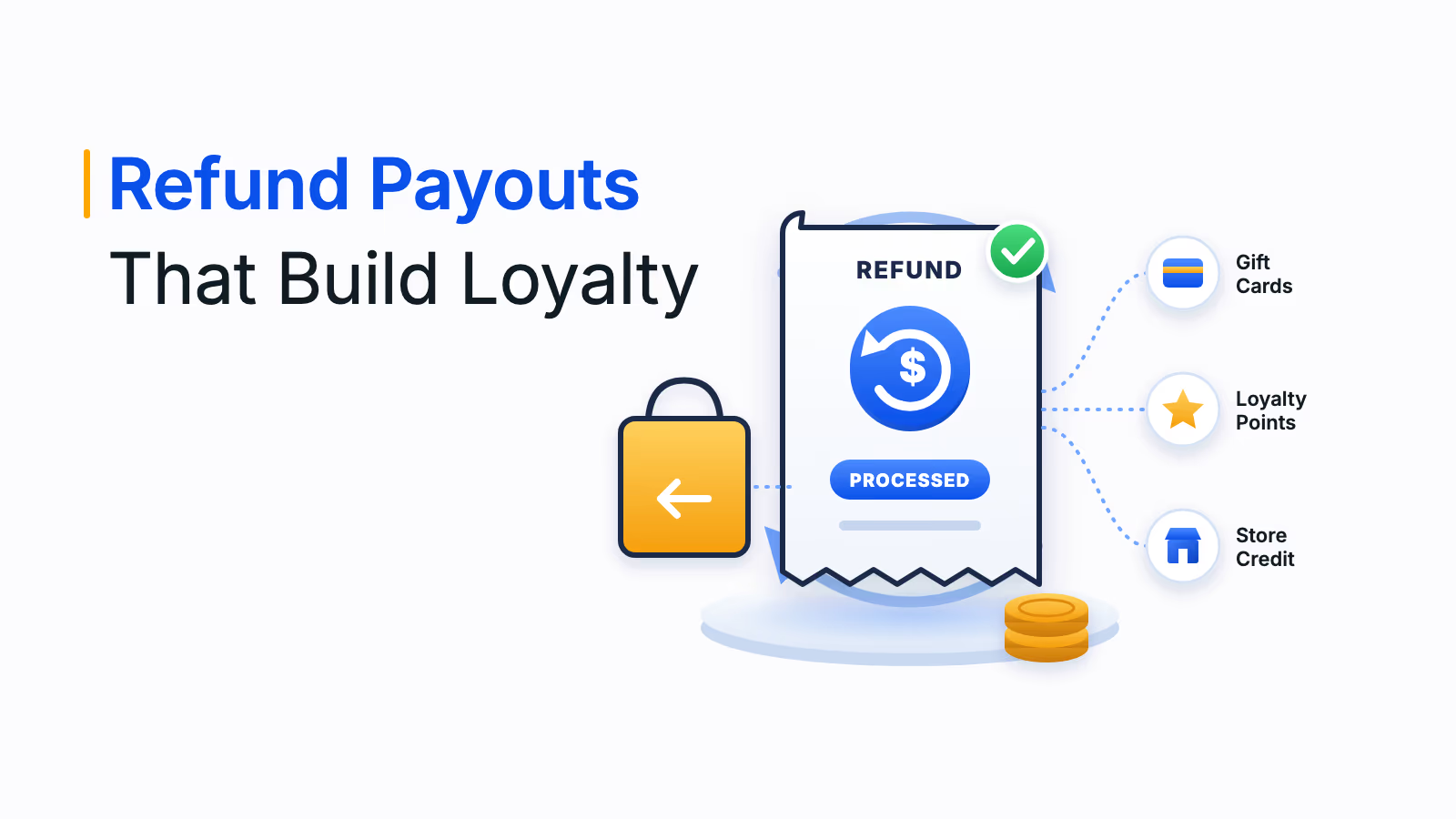
Banks lower the cost of banking for new account holders by waiving a variety of fees, which makes their accounts more attractive. Waivers may apply to monthly maintenance, overdraft, ATM, and even foreign transaction fees.
Fee waivers appeal to customers who want to avoid the regular costs associated with conventional banking. For the bank, waivers linked to a minimum balance or direct deposit reward exactly the behavior that makes an account profitable, and they remove a common reason customers switch banks.
Reward every new account with Loyalife
Configure welcome rewards, referral bonuses and tiers across all your banking products.
Talk to our ExpertTrusted by 5,000+ companies
5. Free checks or ATM withdrawals
Some banks attract customers with free checks or ATM fee reimbursements, which improve the everyday banking experience. These benefits give customers convenient access to cash without additional expense and can significantly reduce their banking fees.
For digital-first banks without large branch or ATM networks, ATM fee reimbursements are a practical way to compete with traditional banks on convenience and win customers who still need cash access.
6. Sign-up bonuses for additional products
Banks offer sign-up bonuses for additional products to encourage customers to extend their banking relationship. Customers who open a credit card, investment account, or savings account alongside their primary account are usually rewarded with these bonuses.
These bonuses can take the form of cash, bonus points, or miles redeemable for gift cards, goods, travel, or statement credits. For the bank, cross-selling at the moment of onboarding is one of the most efficient ways to increase products per customer, which in turn improves retention.
7. Investment account credits
Banks and their brokerage arms offer investment account credits that motivate clients to explore investment options and build wealth over time. Clients can apply these credits directly to their investment accounts, strengthening existing portfolios or launching new ones.
For banks, these credits bring new assets under management and position the bank as a long-term financial partner rather than just a place to hold cash.
8. Gift cards or merchandise
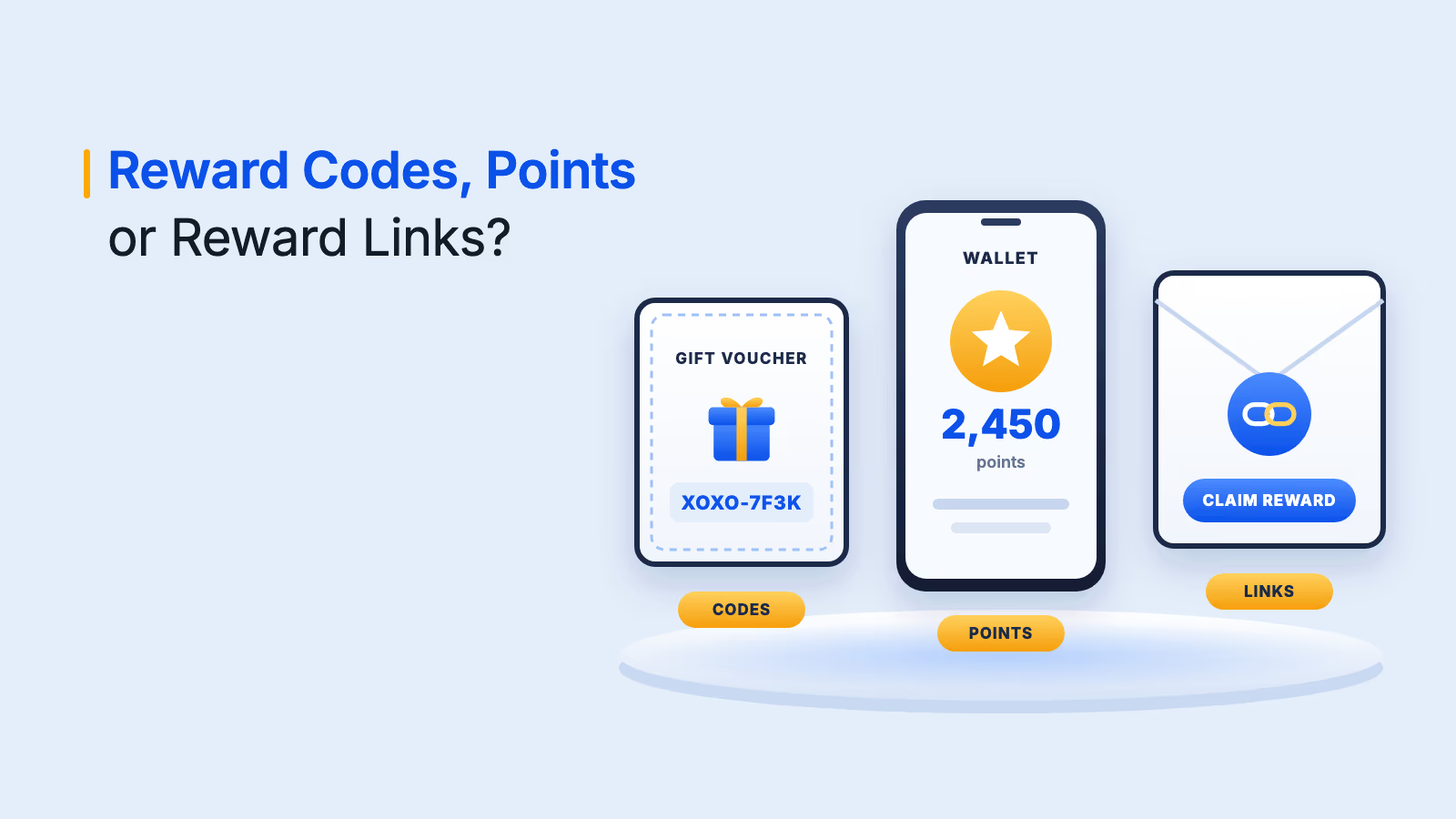
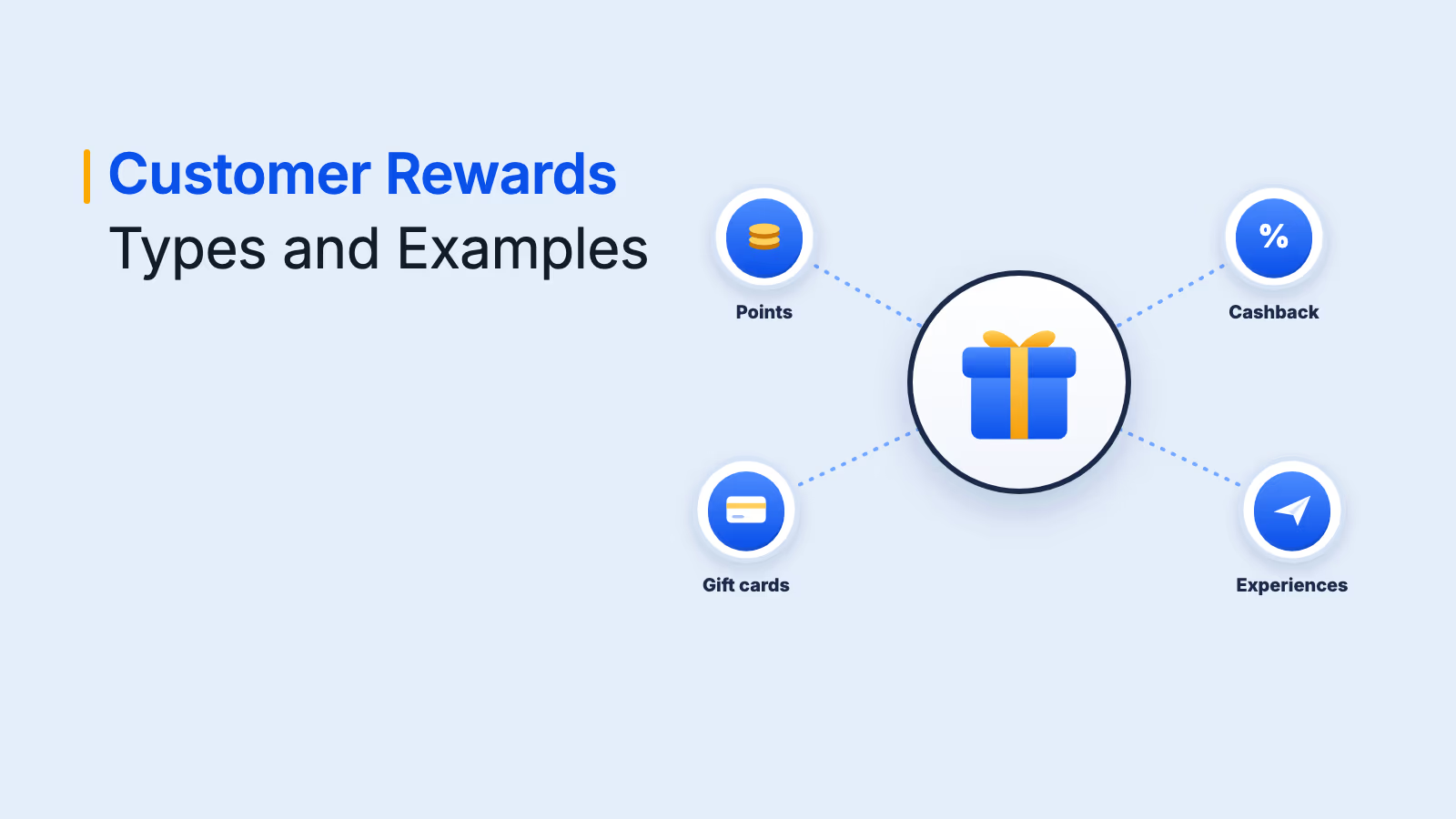
Banks also offer gift cards or merchandise as rewards for opening a bank account, giving customers a range of options in place of a typical cash bonus. These options include gift cards to well-known merchants, products from popular brands, or even experiential rewards like holiday vouchers.
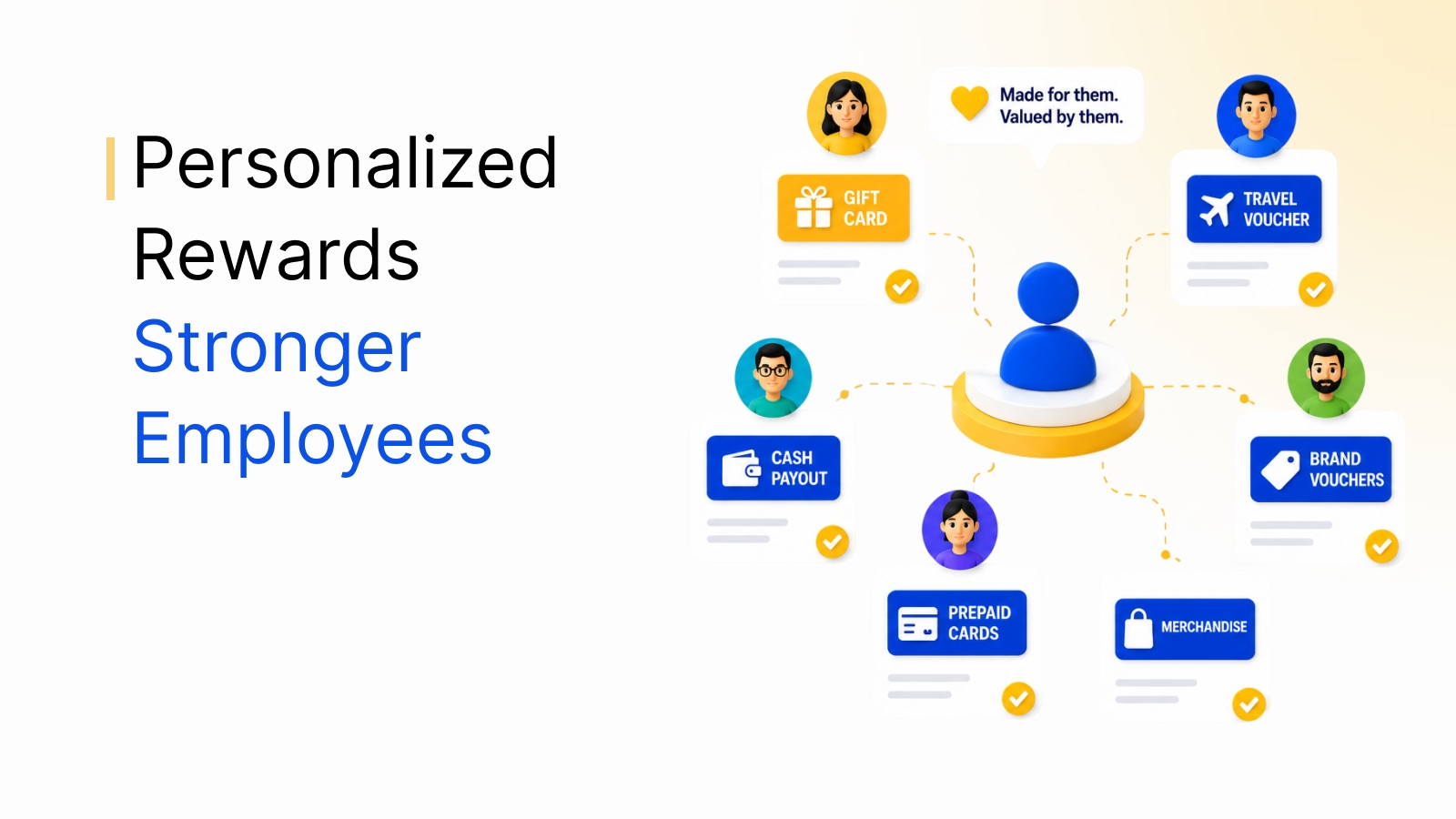
By offering a wide variety of appealing gift cards or merchandise, banks improve the overall customer experience and cater to individual tastes. A rewards marketplace also lets the bank control reward costs while giving customers real choice. Read why banks need a reward marketplace.
A leading bank in Qatar, for example, used Xoxoday Loyalife to give customers a white-labelled rewards storefront with gift vouchers, merchandise, travel, hotel stays and miles top-ups, and grew its user base by 62% in 22 months. Read the Qatar bank case study.
9. Referral bonuses
Banks offer referral incentives as a way to reward current clients who recommend friends or family to open new accounts. A bank referral bonus program grows the bank’s clientele while encouraging customers to share their positive banking experiences.
Existing account holders earn rewards such as cash bonuses, account credits, or gift cards for each qualifying new customer they introduce. Because referred customers arrive through someone they trust, referral programs are often among the most cost-effective bank customer acquisition rewards.
10. Relationship rewards
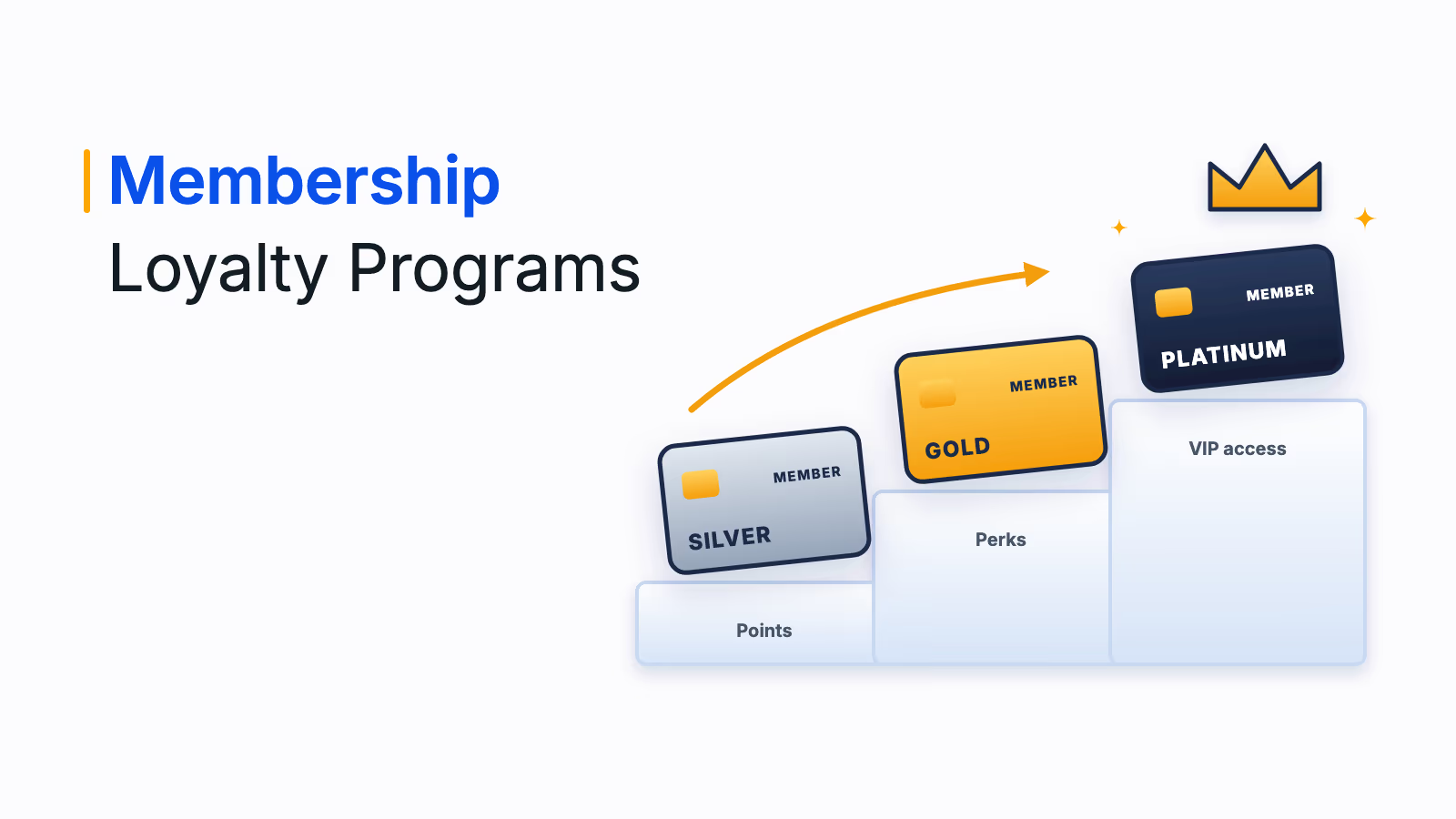
Relationship rewards are incentives that banks offer to customers who meet specific requirements, such as minimum combined balances or transaction activity, or who hold multiple accounts.
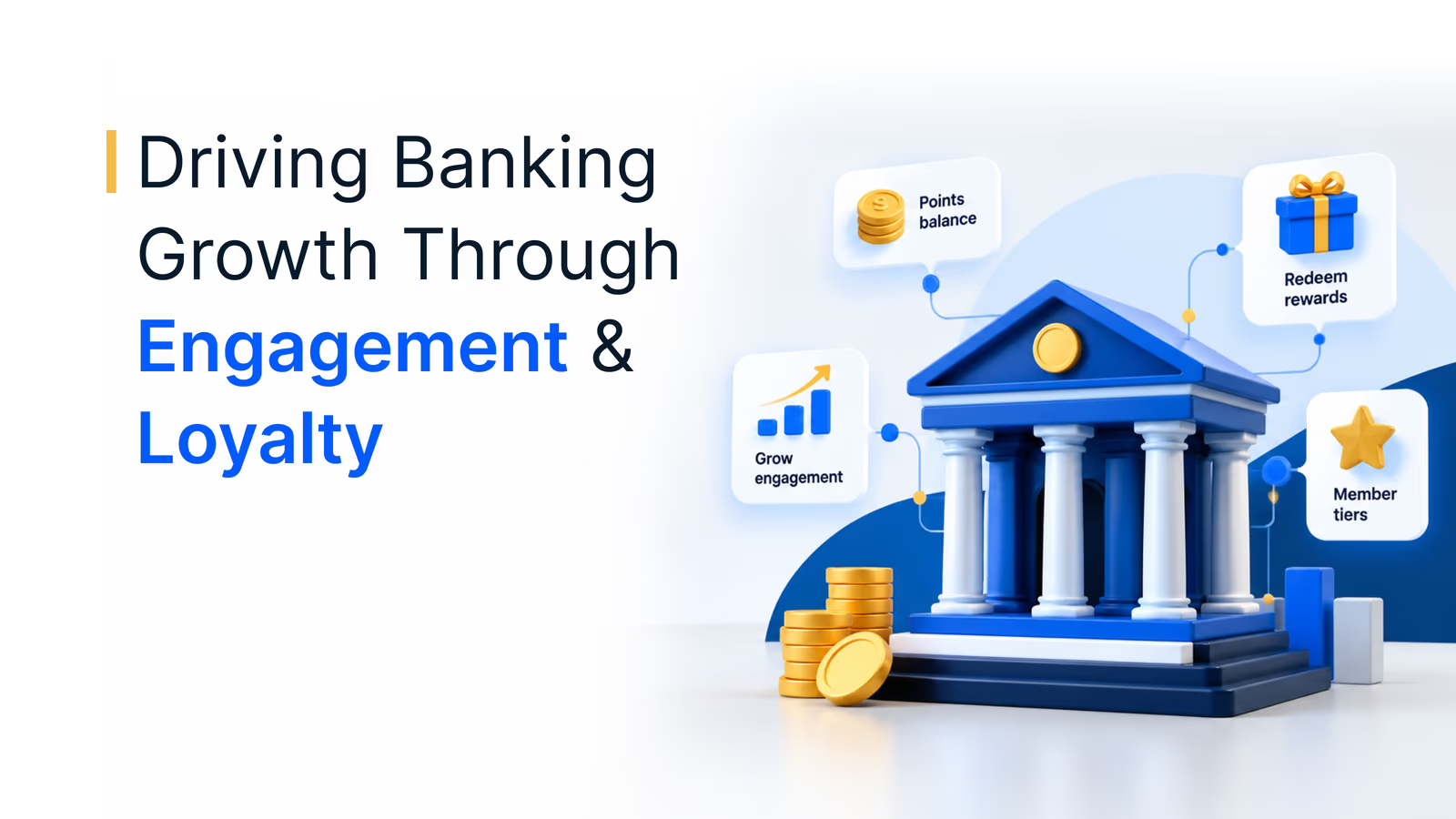
These rewards give customers special benefits, discounts, or upgraded features in exchange for their ongoing involvement and loyalty, showing how much the bank values long-term relationships. Through relationship rewards, banks build mutually beneficial relationships, increase client retention, and deepen engagement. Learn more about driving engagement and loyalty in banking.
Loyalife: Rewards that redefine bank loyalty
Loyalife, Xoxoday’s loyalty management platform, offers banks a fresh approach to rewarding new account holders. With tailored incentives, you can welcome customers and create lasting value in every interaction.
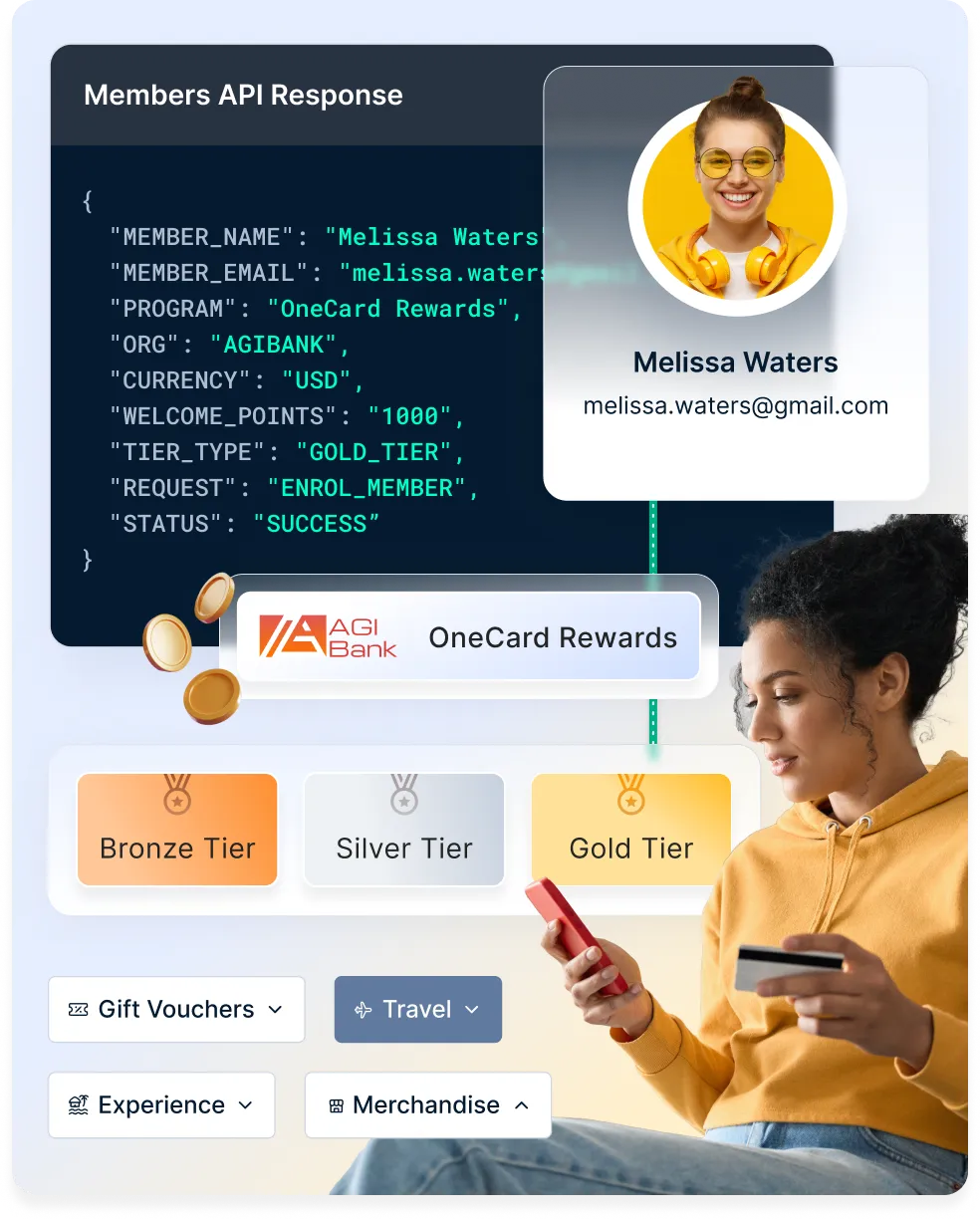
Key features for rewarding account openings:
- Customizable reward programs: Use the rule engine to create incentives tailored to specific banking products like savings accounts, credit cards, or loans, so new customers feel valued from day one.
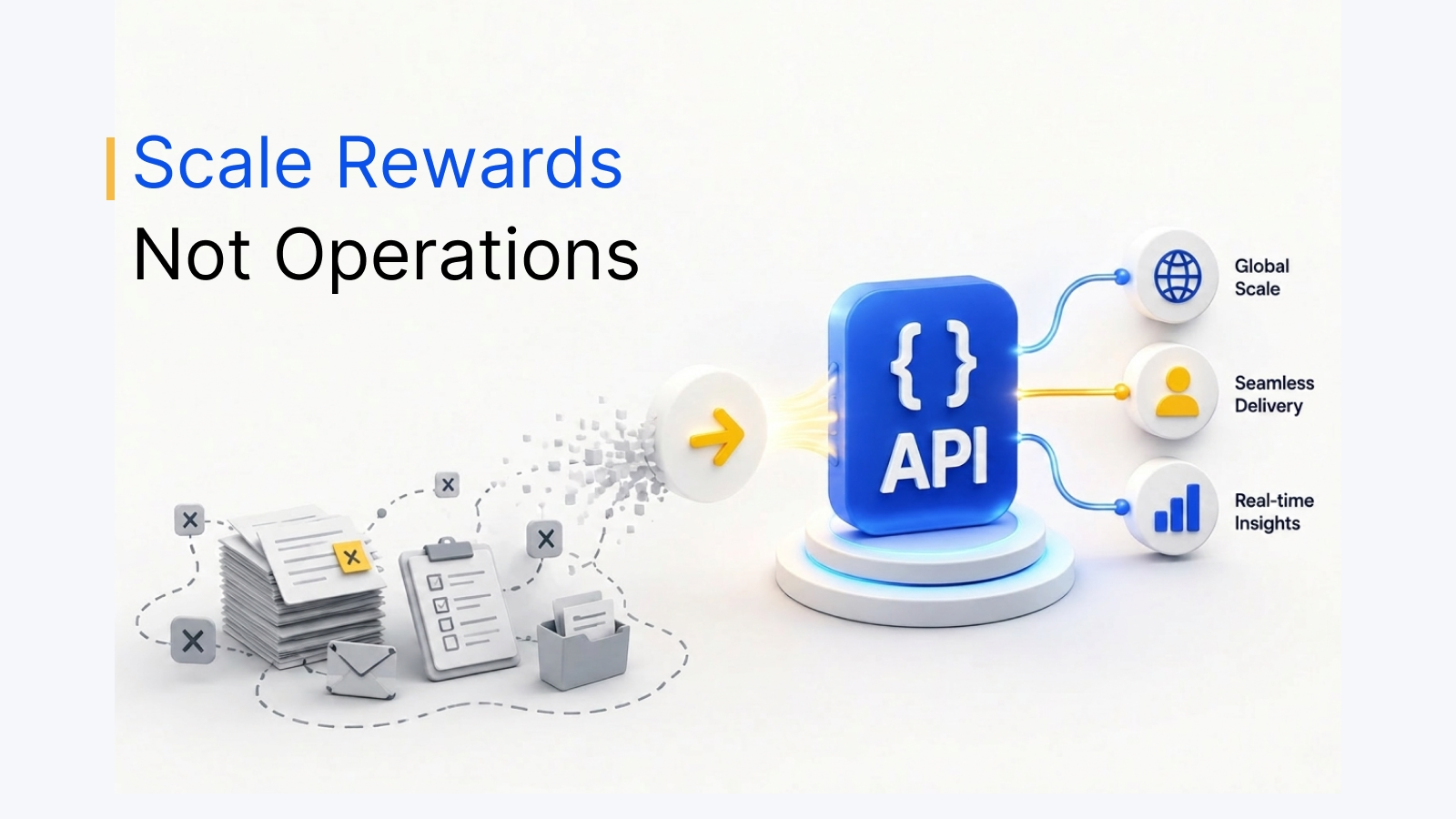
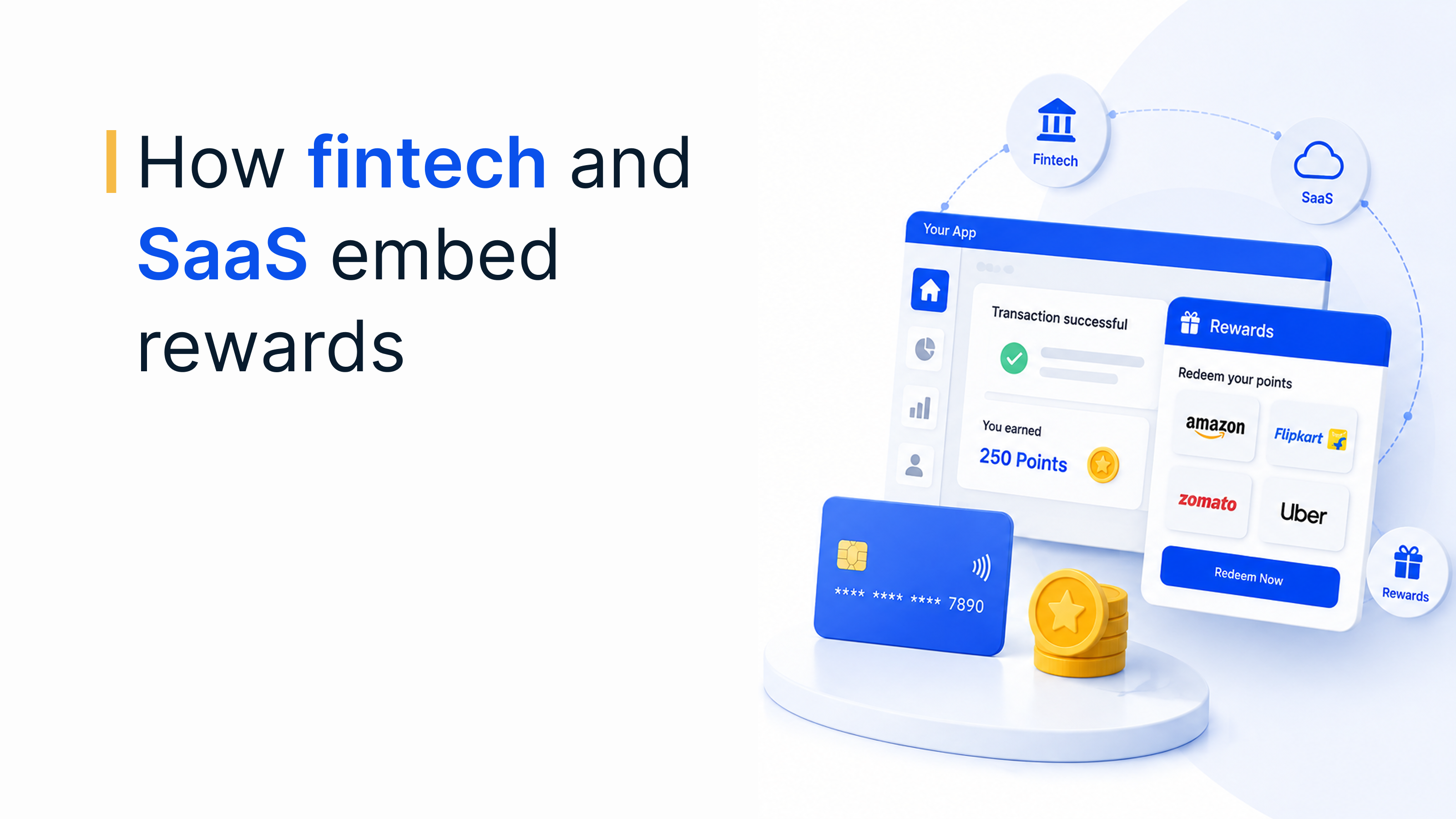
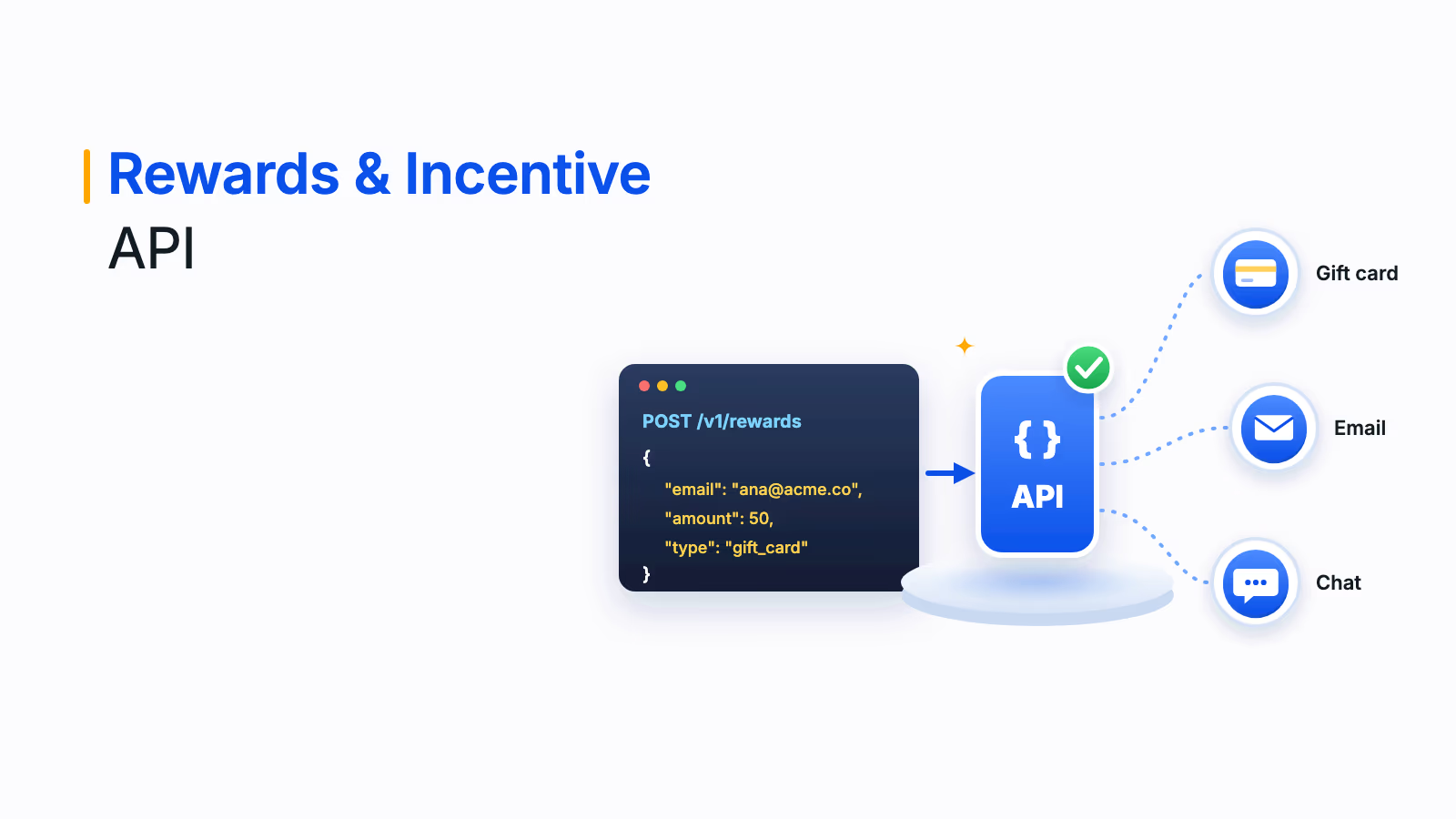
- Seamless integration: Loyalife connects with your bank’s CRM, transaction systems, and marketing tools through APIs and connectors, making reward campaigns easy to manage.
- Expansive rewards marketplace: Offer customers access to 10M+ rewards, including gift cards, travel experiences, and merchandise, making account openings more enticing.
- Loyalty tiers for premium engagement: Introduce tiered loyalty structures to reward customers further as they deepen their relationship with your bank.
- Referral programs: Run referral campaigns that reward existing customers for every qualified new account.
Build trust, engage customers, and transform your bank’s approach to loyalty with Loyalife. Want to know more? Connect with our rewards and loyalty experts.
Conclusion: choosing the right reward for opening a bank account
A reward for opening a bank account is most effective when it does more than win a sign-up. The right mix of cash bonuses, boosted rates, fee waivers, referral bonuses and relationship rewards helps banks attract new customers, make the new account their primary one, and grow the relationship across products. For more ideas, explore our guide to financial services loyalty programs.
Book your Loyalife demo
Frequently asked questions
Banks offer account-opening rewards to stand out in a crowded market and win new customers. Tying the reward to actions such as a minimum deposit, direct deposit or a set number of card transactions helps the bank attract customers who will use the account actively, grow deposits and make the new account their primary banking relationship.
Common rewards include cash bonuses, bonus points or miles, boosted interest rates, fee waivers, free checks or ATM fee reimbursements, bonuses for opening additional products, investment account credits, gift cards or merchandise, referral bonuses and relationship rewards. Many banks combine a headline bonus with ongoing perks that keep customers engaged after sign-up.
Typical conditions include opening a specific account type, depositing a minimum amount, setting up direct deposit within a set time frame, completing a number of debit card transactions and keeping the account open or maintaining a minimum balance for a period. These terms help banks reward genuinely active customers and reduce bonus-chasing.
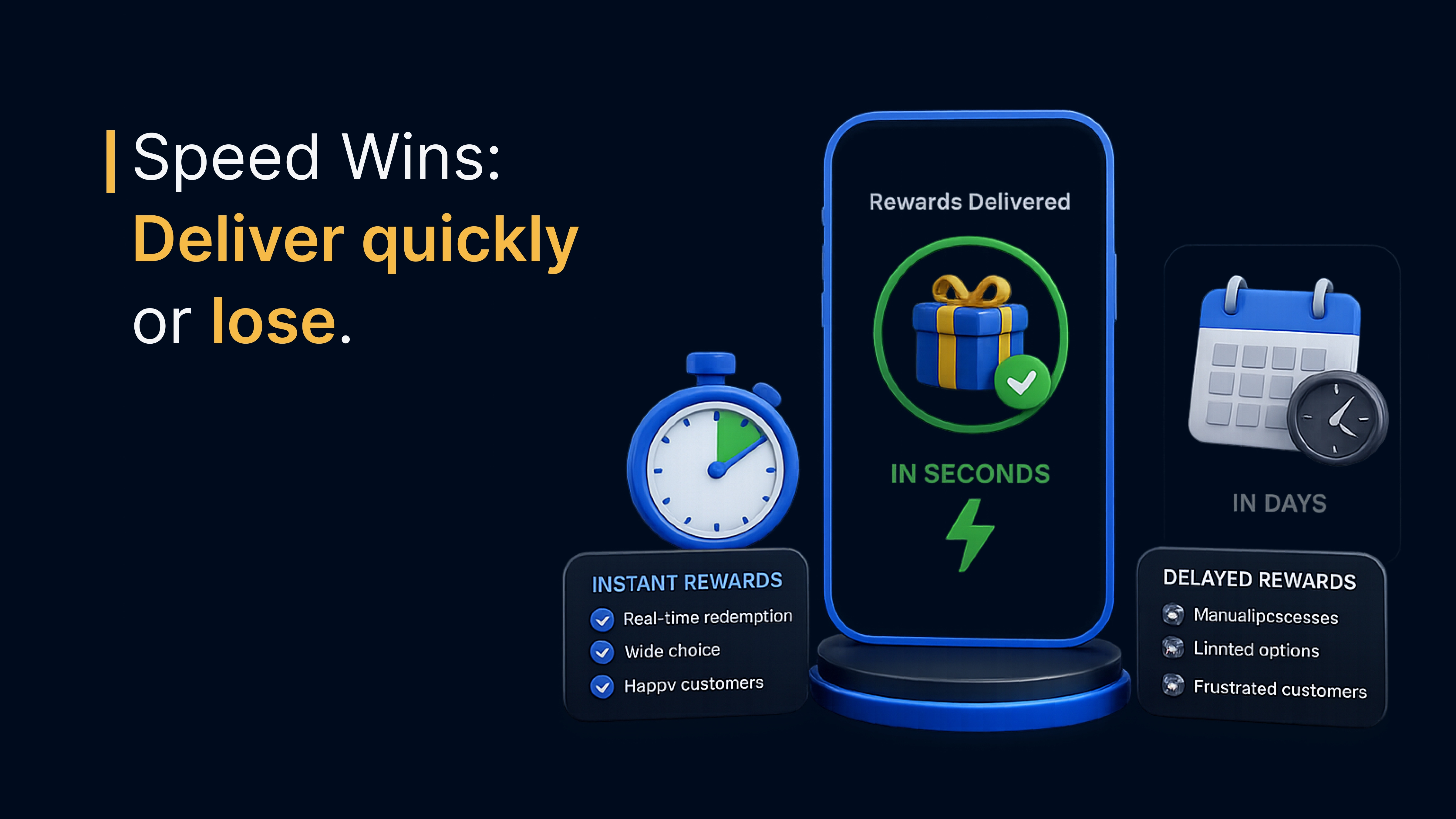
It depends on the bank and the reward. Banks usually pay the reward after the customer has met all qualifying criteria, and many credit it within a few weeks to a few months of qualification. Communicating the timeline clearly in the offer terms helps avoid customer frustration and support requests.
In many markets, including the US, cash bonuses and similar account-opening rewards are generally treated as taxable income for the customer, and banks report them to tax authorities. In the US this is typically on Form 1099-INT or 1099-MISC depending on the reward. Banks should state the tax treatment clearly in their offer terms.
In a bank referral bonus program, an existing customer shares a unique link or code with friends or family. When the referred person opens a qualifying account and meets the conditions, the bank rewards the referrer, and often the new customer too, with cash, account credits or gift cards. Referrals are a cost-effective acquisition channel because they arrive through trust.
Most account-opening offers target new customers, but banks often reward existing customers through referral programs, bonuses for opening additional products and relationship rewards for higher balances or multiple accounts. These programs help banks deepen engagement and reduce churn among the customers they already have.
Banks should track new accounts opened, cost per acquired customer, the share of new accounts that become primary accounts through direct deposit, balances and transactions after the bonus period, products per customer and retention over 12 months or more. These metrics show whether a reward attracts lasting customers or just short-term bonus seekers.