Key Takeaways
Loyalty gamification adds points, tiers, challenges, badges and leaderboards to turn routine purchases into a game-like experience.
Gamified mechanics give members a reason to come back between purchases, not just at checkout.
Milestones, streaks, referral tournaments and instant-win games work for retail, banking, channel and SaaS programs alike.
Starbucks, Nike Run Club and Sephora show how levels, challenges and limited-time events keep members engaged.
Set win odds, prize stock and play limits up front, and measure lift against a control group to prove a mechanic works.
Customer loyalty is more than just rewards; it's about creating memorable experiences that keep customers engaged. Gamification loyalty programs offer businesses an exciting way to make customer interactions more interactive and rewarding. This approach incorporates game-like features such as challenges, progress bars, and achievement milestones to make loyalty programs more engaging and fun.
Loyalty gamification taps into customers' natural desire for recognition and accomplishment. By turning routine purchases into an enjoyable, game-like experience, businesses can increase customer retention and participation. With a gamified loyalty program, customers are motivated to keep coming back, eager to unlock new rewards, progress through levels, and compete with others.
This blog will explore how gamification can transform your loyalty programs and provide practical tips to boost engagement and long-term loyalty.
Understanding gamification in loyalty programs
Gamification in loyalty programs is the integration of game mechanics into traditional loyalty schemes to boost customer engagement, participation, and retention. The concept is simple: by making loyalty programs more fun and interactive, businesses can motivate customers to engage more frequently and deeply. But gamification is more than just adding a few badges or points; it involves understanding what drives customer behavior and using those insights to craft a more compelling loyalty experience.
Key elements of gamification in loyalty programs
These elements work together to create a dynamic and engaging experience, encouraging customers to interact more frequently with your brand. By offering rewards, progression, and recognition, gamification taps into the competitive spirit and intrinsic motivation of customers, making their loyalty journey not only more enjoyable but also more valuable.
1. Points and rewards
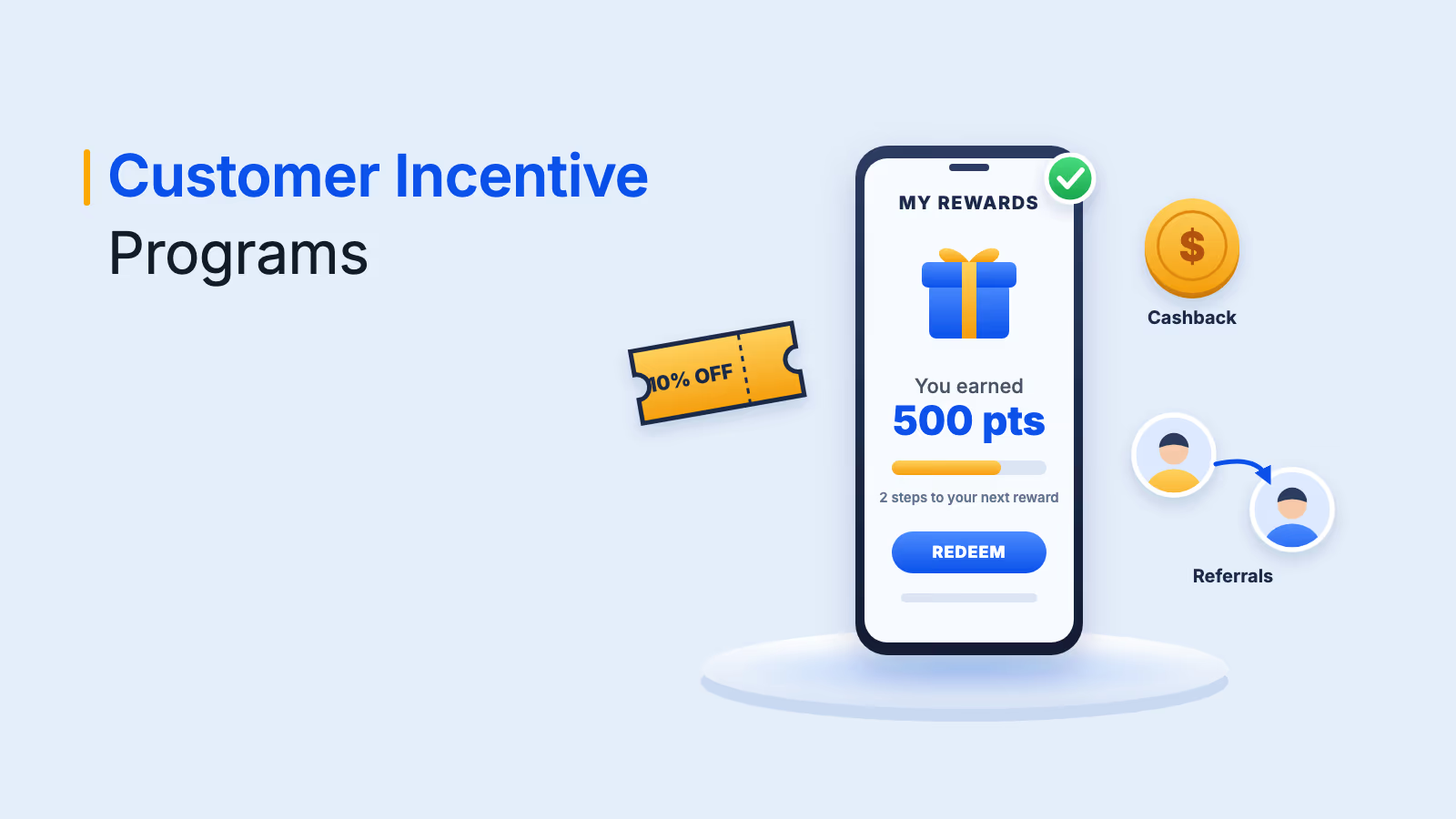
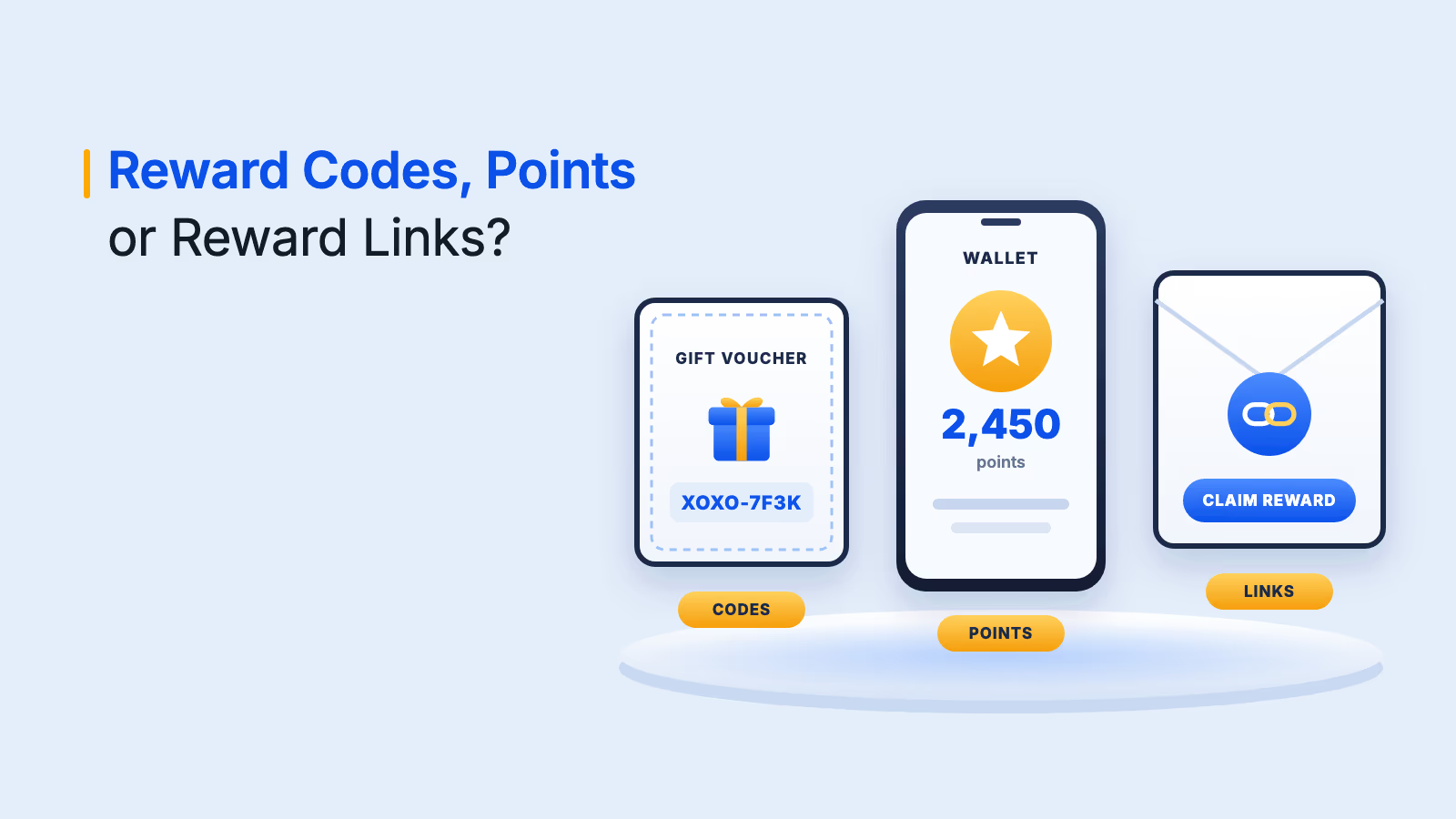
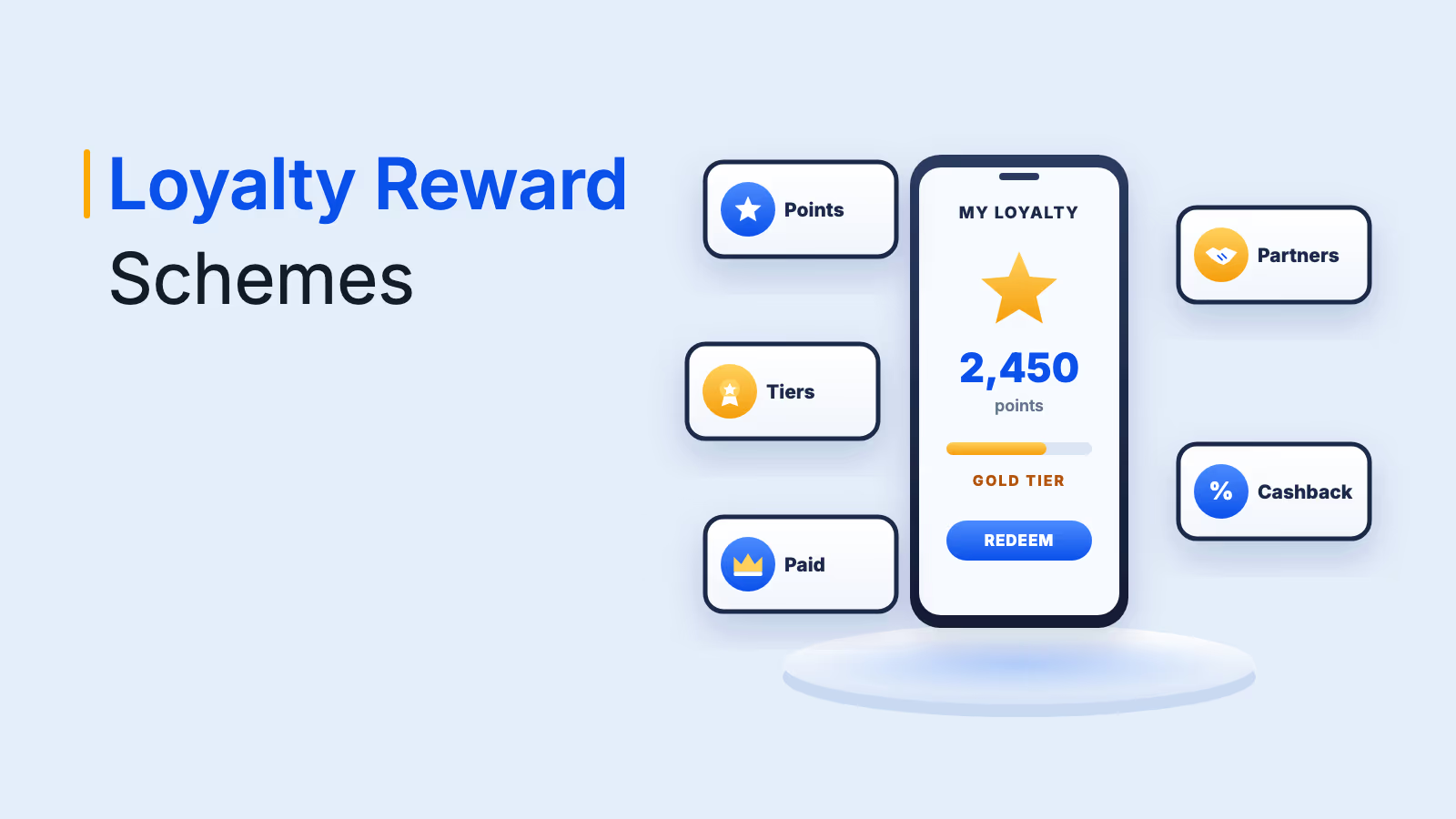
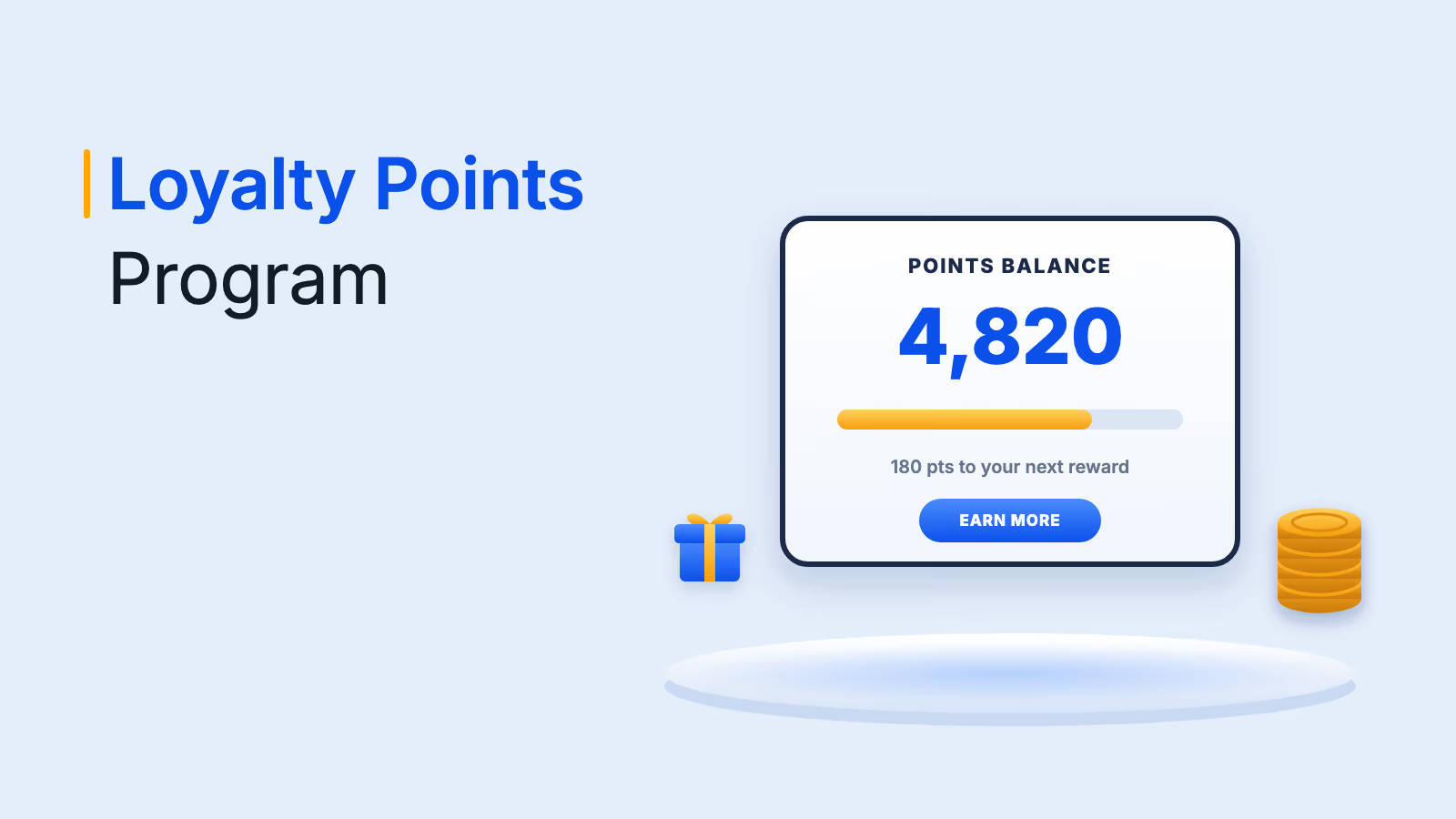
At the heart of many gamified loyalty programs are points. Customers earn points for making purchases, referring others, or completing specific actions. These points can be redeemed for rewards, much like how players collect in-game points for achievements. The more points they accumulate, the greater the rewards they can unlock, motivating them to keep coming back.
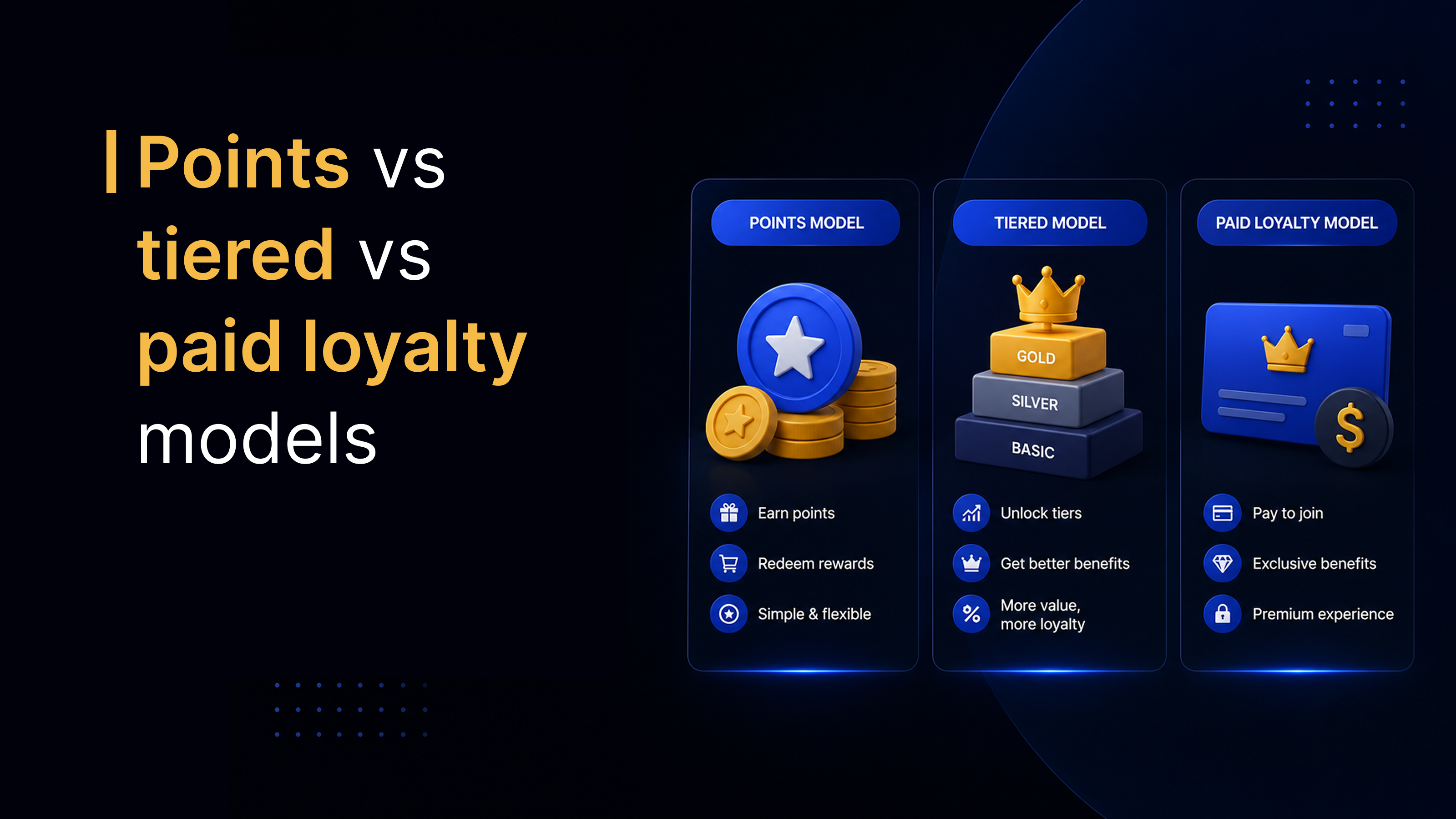
2. Levels and tiers
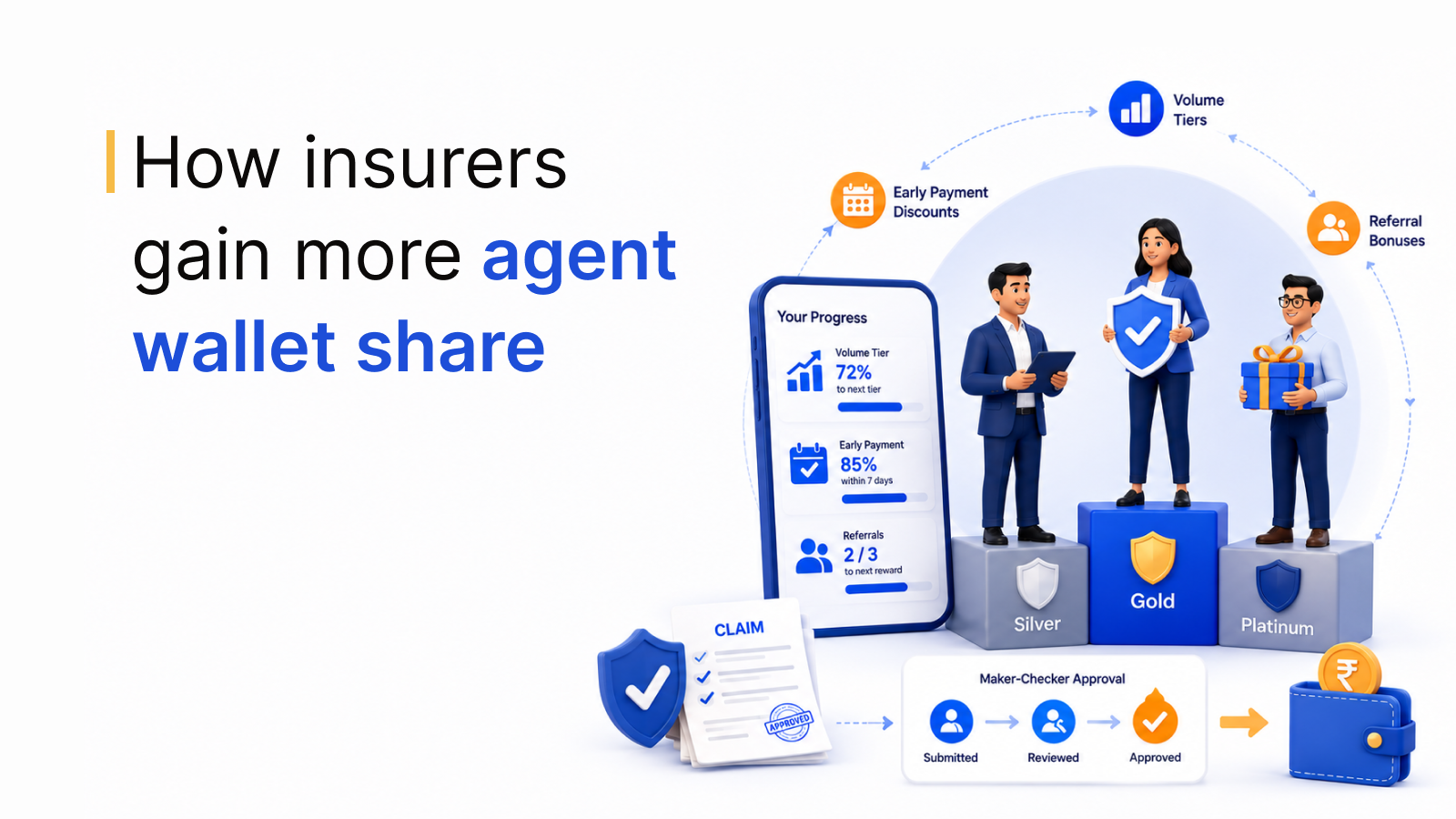
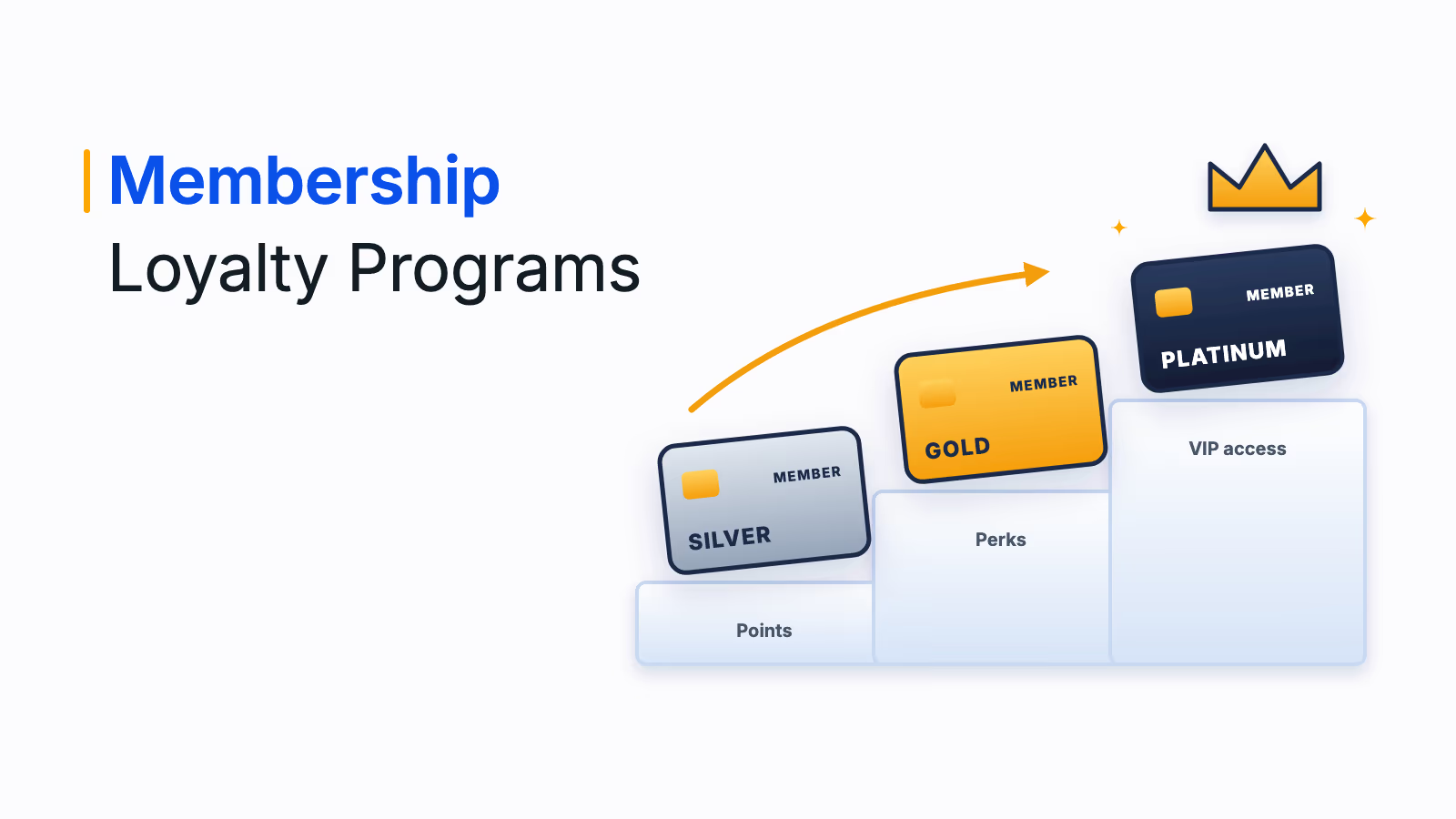
Levels or tiers are an important gamification element. As customers continue to engage with the program, they can progress to higher levels, unlocking better rewards or exclusive offers. This sense of progression mimics the leveling-up system found in video games, providing customers with a tangible goal to strive for.
3. Challenges and milestones
Introducing challenges, such as completing a certain number of purchases or sharing on social media, gives customers goals to work towards. These challenges create a sense of accomplishment when completed and can be accompanied by rewards or bonuses. Milestones, such as reaching a specific number of points, can trigger special rewards or recognition, adding excitement to the process.
4. Badges and achievements
Badges and achievement icons add an element of recognition and status to loyalty programs. Customers can earn badges for hitting specific targets (e.g., "Top Spender," "Frequent Shopper"). These visual markers of accomplishment tap into customers' desire for recognition, encouraging them to engage more actively with the program.
5. Leaderboards and competition
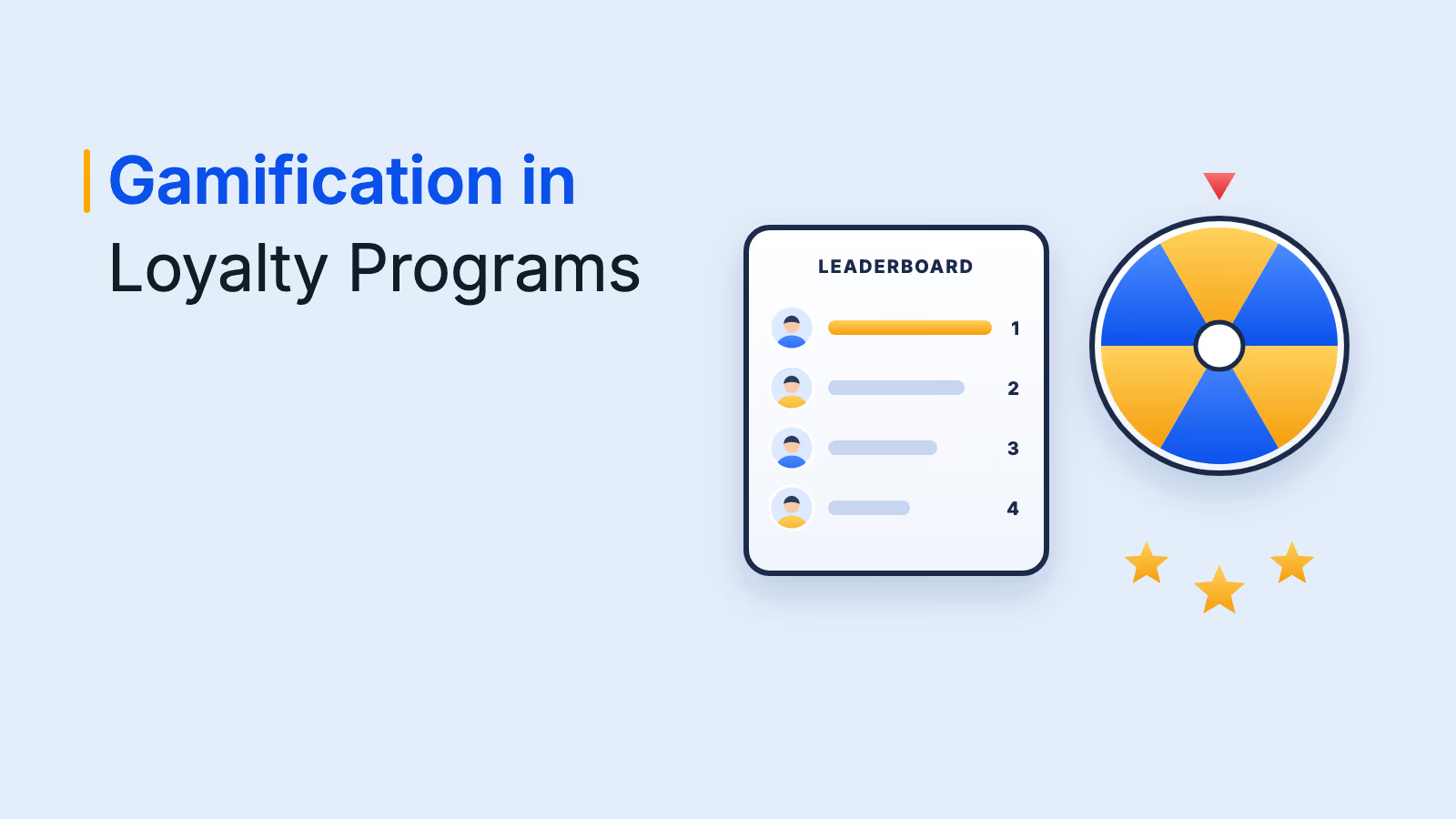
Leaderboards introduce a competitive element to loyalty programs. Customers can see how they rank compared to others, which can motivate them to increase their participation to reach the top. The competitive nature appeals to customers who enjoy the challenge of outdoing their peers and can drive higher engagement levels.
Why gamification works in loyalty programs
Gamification works because it taps into intrinsic human motivations. People naturally enjoy challenges, rewards, and recognition. When businesses incorporate these elements into their loyalty programs, customers are more likely to stay engaged and continue participating.
Instead of simply earning points for purchases, they are motivated to engage with the brand in multiple ways, all while enjoying a fun and rewarding experience. Gamification also strengthens the emotional connection between customers and the brand by making their loyalty journey feel more personal and rewarding.
By understanding the psychology behind gamification and applying it thoughtfully, businesses can create loyalty programs that don't just reward customers but engage them in ways that keep them coming back for more. (Not sure which structure to gamify? Start with the main types of loyalty programs.)
Benefits of loyalty gamification for customer engagement
Gamification has proven to be a game-changer in customer engagement and loyalty, offering many benefits for businesses willing to embrace this innovative approach. Let's explore the key advantages that gamification brings to the table:
1. Increased customer engagement
Gamification captivates customers' attention and creates excitement by infusing play and competition elements into loyalty programs.
The interactive nature of gamified experiences encourages active participation, exploration, and interaction with a brand.
As a result, customers become more engaged with the program, giving them a reason to come back between purchases and spending more time on activities that strengthen their bond with the brand.
2. Enhanced motivation and loyalty
Game mechanics like points, badges, levels, and rewards tap into individuals' intrinsic motivation and desire for recognition and achievement. Gamification inspires customers to pursue and complete tasks within the loyalty program actively.
This sense of accomplishment fosters a deeper emotional connection to the brand, leading to increased loyalty and a higher likelihood of repeat purchases and advocacy.
3. Personalization and tailored experiences
Gamification allows businesses to gather valuable data and insights about their customers' behaviors, preferences, and engagement patterns. This information can be leveraged to create personalized experiences and tailor rewards based on individual customer profiles. Businesses can strengthen the bond with customers, making them feel valued and understood by offering relevant challenges and customized recommendations.
4. Positive brand association and differentiation
A well-designed gamification loyalty program can significantly enhance a brand's image and perception. When customers have enjoyable and rewarding experiences, they associate those positive emotions with the brand.
Moreover, a unique and engaging loyalty program differentiates a business from its competitors, giving customers a compelling reason to choose and stay loyal to that brand.
5. Social interaction and community building
Gamification fosters a sense of community among customers by incorporating social elements. Features like leaderboards, challenges, and collaborative quests encourage customers to interact with each other, share experiences, and compete in a friendly manner.
The social aspect strengthens customer engagement and builds a community of brand advocates who can promote the loyalty program and extend its reach.
Add missions, streaks and instant-win games to your loyalty program
Launch gamified mechanics from one console, with win odds, prize stock and play limits you control.
Talk to our ExpertTrusted by 5,000+ companies
Gamified customer loyalty program ideas worth implementing
Here are 10 gamified loyalty program ideas to take your strategy to the next level, whether you run a retail brand, a bank, a channel partner program or a SaaS product:
1. Purchase and usage milestones
Reward customers for hitting key milestones. For example, after a shopper completes their 5th or 10th order, a bank customer completes a set of onboarding tasks, or a software user logs in on a certain number of consecutive days, they can unlock rewards. These could include bonus points, free delivery, extra features, or discounts on renewals. This encourages customers to engage regularly and fully explore what you offer.
2. Perk unlocks based on engagement
Gamify access to premium perks by linking them to engagement milestones. For instance, shoppers could unlock early access to sales after a set number of purchases, while SaaS customers could gain access to advanced analytics tools or additional integrations after using a feature a certain number of times. This strategy highlights the value of your offering while incentivizing customers to deepen their engagement.
3. Referral tournaments
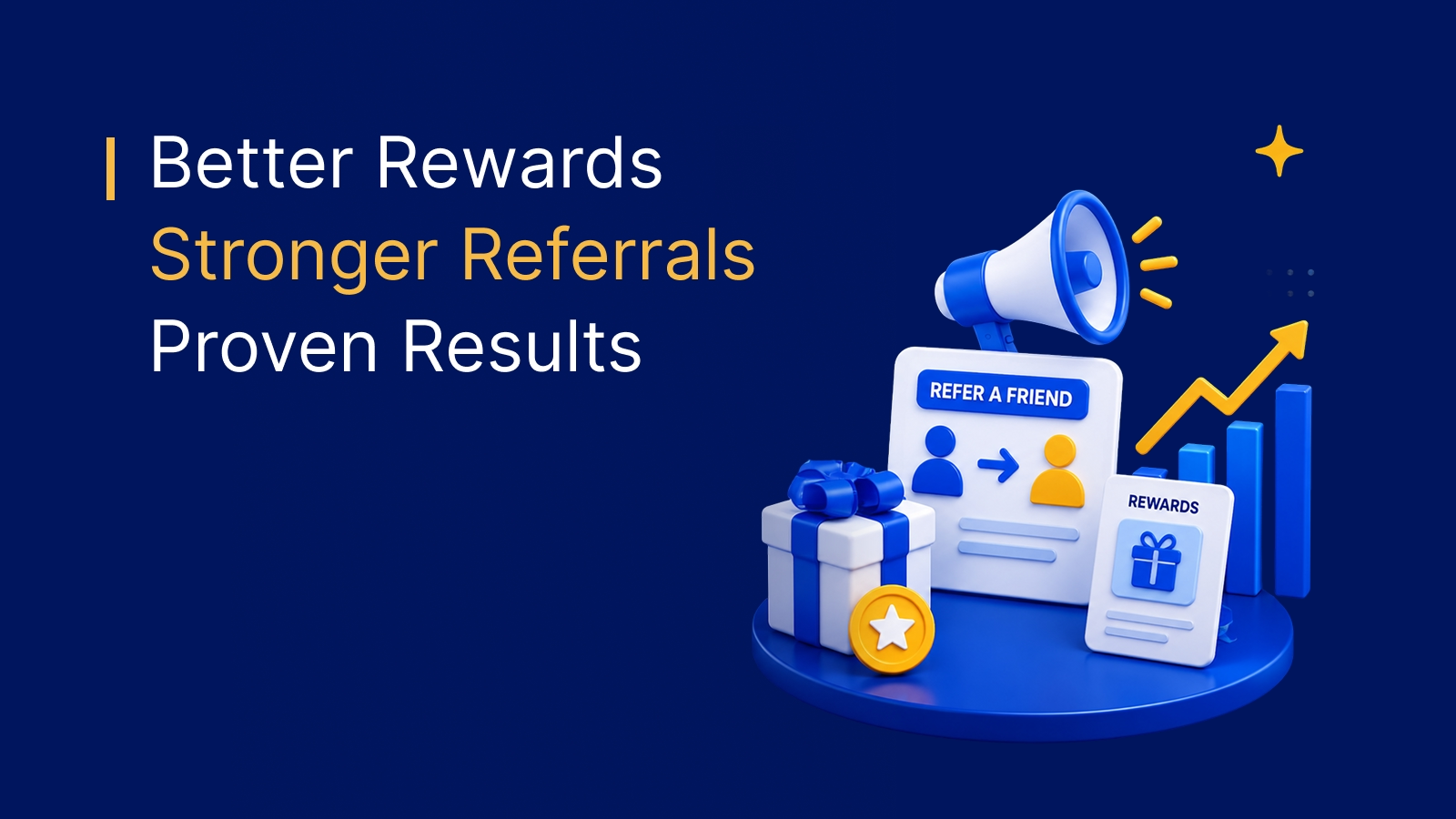
Encourage customers to refer others through friendly competition. A referral tournament could be held monthly where members who refer the most new customers during that time period win prizes, like bonus points, exclusive experiences, or premium support. You can make this even more engaging by offering tiers of rewards - i.e., prizes for first, second, and third place - to motivate more people to take part.
4. Progression system for new members
For new customers, create a gamified onboarding experience that gradually introduces them to your program or platform. Offer rewards or badges for completing each step, like setting up their profile, making their first purchase, or using a key feature for the first time. As they progress through the steps, they can unlock additional perks, exclusive content, or product tips.
5. Team competitions and sales contests
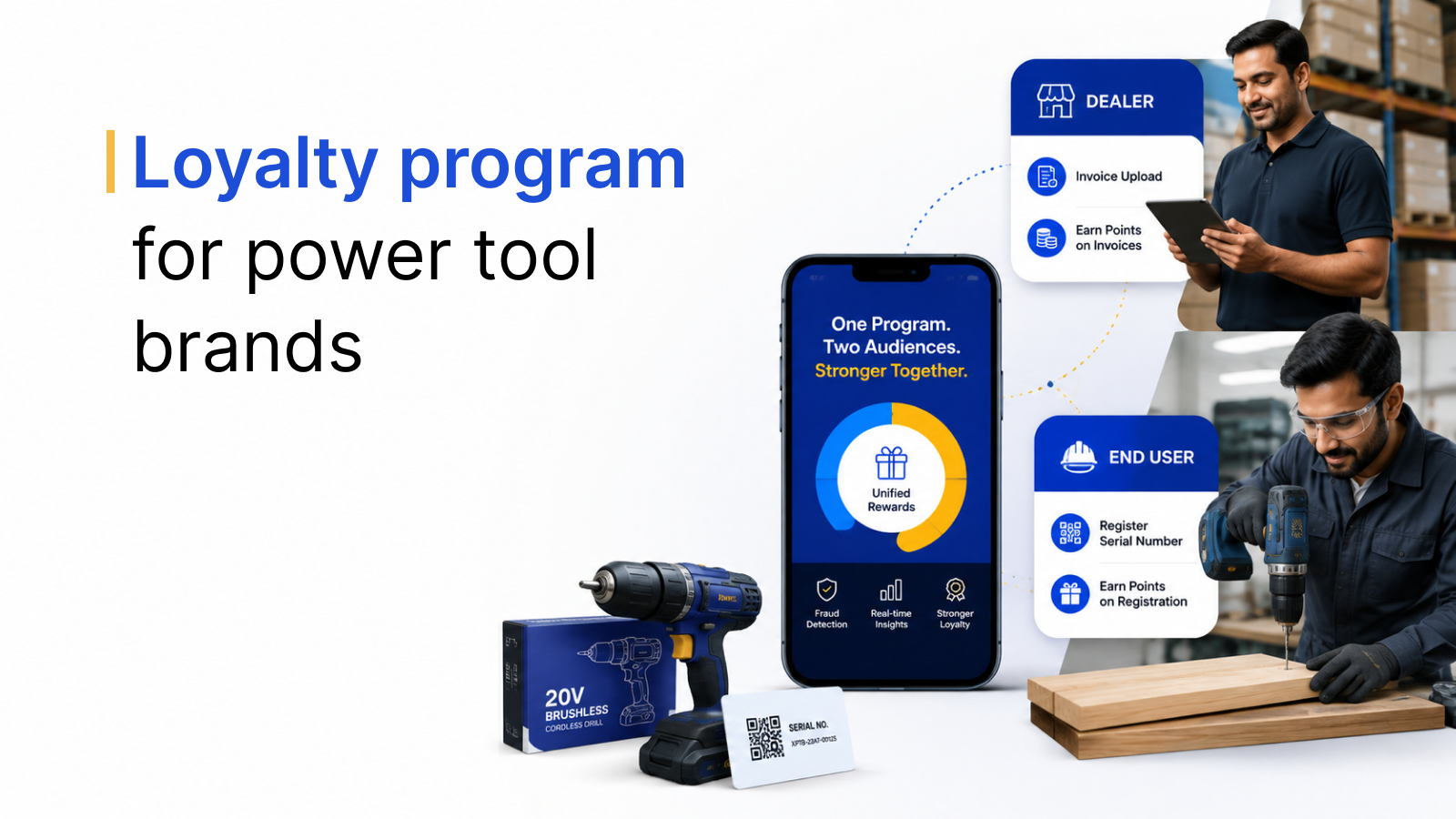
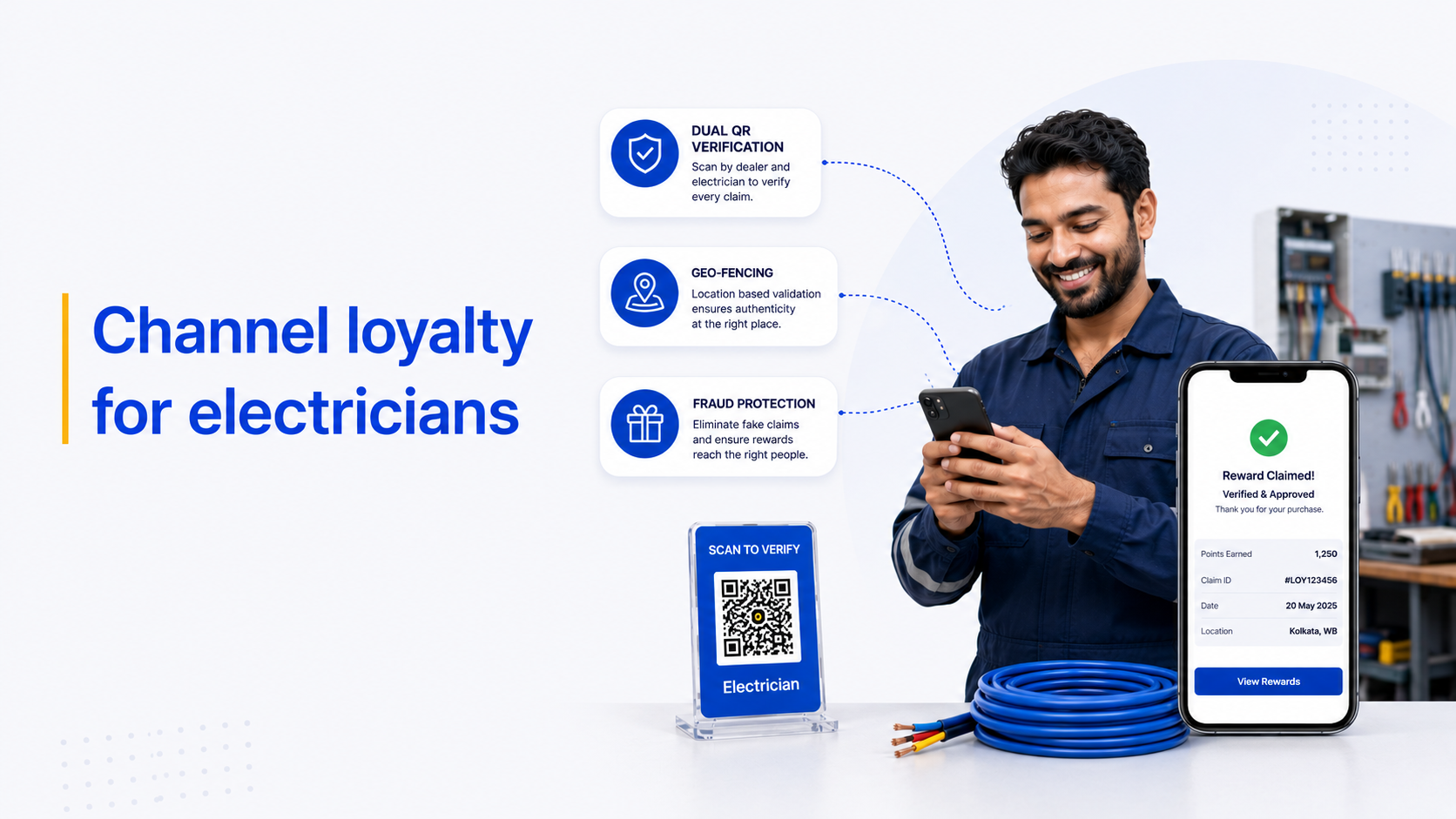
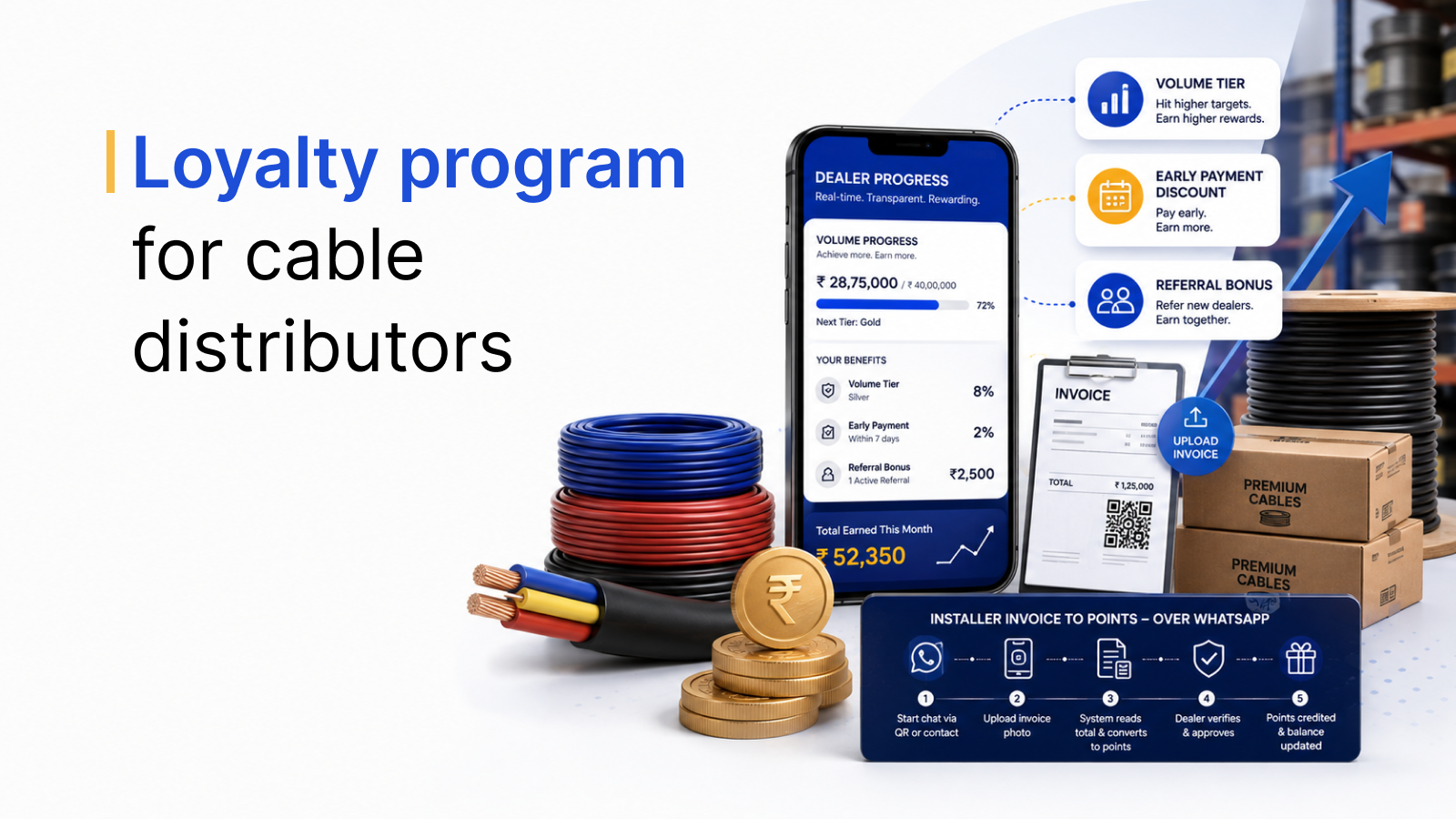
For programs that serve teams - such as channel partners, dealers, retail store staff or SaaS customers - you could implement gamification elements that encourage collaboration and friendly competition. Set up challenges and leaderboards where teams must hit sales or usage milestones to earn collective rewards, such as a team-wide bonus or an exclusive trip. This fosters teamwork and increases overall engagement with your program.
6. Customer education gamification
Gamify the learning process by turning your customer education program into a game. Create a series of quizzes, modules or tutorials - on product care, financial literacy, or software features - that customers can complete to unlock rewards. This could include badges, certificates, or even discounts on future purchases. It also helps customers get the most out of your products, driving more engagement.
7. VIP tier system
Introduce a tiered loyalty program where members level up based on their spend, usage or subscription plans. The more a member engages, the higher their tier and the better the benefits they unlock. Benefits might include priority customer support, free upgrades, or invitations to exclusive events or product previews. This not only gamifies loyalty but also encourages members to engage more to enjoy more perks.
8. Gamified feedback and reviews
Encourage customers to provide feedback or leave reviews in exchange for rewards. This could be a points system where customers earn points for writing detailed reviews, offering suggestions, or participating in surveys and polls. These points can be redeemed for credits, discounts, or extra perks. Gamifying feedback also turns it into a fun, rewarding process rather than a chore, increasing the likelihood that customers will participate.
9. Social media engagement rewards
Incentivize customers to engage with your brand on social media platforms by rewarding them with points for actions like sharing your content, participating in social media campaigns, or tagging your brand in posts. These points can be redeemed for discounts, exclusive content, or access to special offers. This gamifies the process of growing your social media presence while rewarding customers for their loyalty.
10. Streaks and instant-win rewards
Encourage continuous engagement by setting up "streaks" for consecutive purchases, daily check-ins or weekly logins. For example, if a member checks in for five consecutive days, they might receive bonus points or a scratch card that reveals an instant prize. The longer the streak, the better the reward. Miss one and the streak resets, which motivates members to engage consistently and reinforces the habit of coming back.
These gamified customer loyalty program ideas are designed to boost engagement, enhance the customer experience, and increase retention. By incorporating elements of play, competition, and rewards, you can create a loyalty program that feels more like a fun experience and less like a simple transactional process. For campaign-level inspiration, see how brands use gamified consumer promotions and our guide on driving repeat purchases with gamified promotions.
Loyalty program gamification examples from top brands
Real-life examples of gamification loyalty programs demonstrate the powerful impact of game mechanics in capturing customers' attention, driving engagement, and fostering long-term loyalty. Let's explore some examples from top brands that have successfully integrated gamification into their loyalty programs:
Case study 1: Starbucks Rewards
Starbucks Rewards is a prime example of how gamification can transform a loyalty program into an immersive experience.
Using the mobile app, customers earn Stars for each purchase. Since March 2026, members are placed in three levels - Green, Gold and Reserve - based on the Stars they earn in a year. Each level unlocks a faster earn rate and extra Double Star Days.
Starbucks also uses limited-time bonus offers and promotions to engage customers and increase participation, giving members a clear goal to chase with every visit.
Case study 2: Nike Run Club and Nike Membership
Nike Run Club combines fitness tracking with a sense of achievement and competition.
Runners can join community challenges, create challenges with friends, and set monthly mileage goals, while the app celebrates milestones like personal records and run-day streaks.
Audio-guided runs and training plans keep members coming back, and Nike Membership layers on member-exclusive products, member-only events and expert advice.
Together, they motivate customers to stay active, engage with the brand's fitness ecosystem, and develop a sense of community among fitness enthusiasts.
Case study 3: Sephora Beauty Insider
Sephora's Beauty Insider loyalty program uses classic game mechanics to enhance customer engagement and reward loyalty.
Members earn points for purchases, which can be redeemed for various rewards. The program includes tiered levels - Insider, VIB and Rouge - with higher tiers unlocking bigger savings and additional benefits.
Limited-time point-multiplier events and exclusive offers give members extra reasons to engage, explore new products, and work towards the next tier.
Unleashing loyalty potential with Loyalife gamification
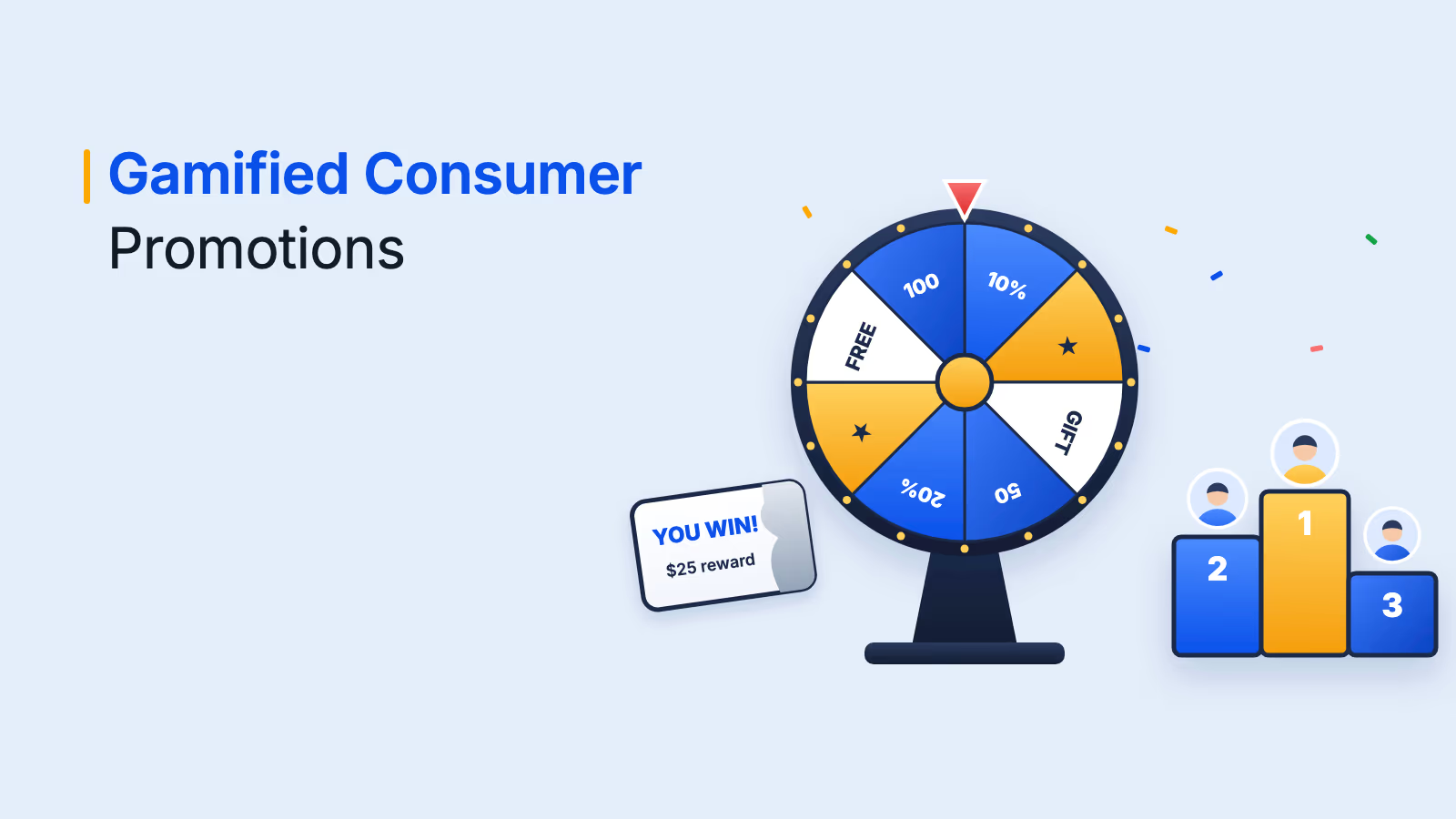
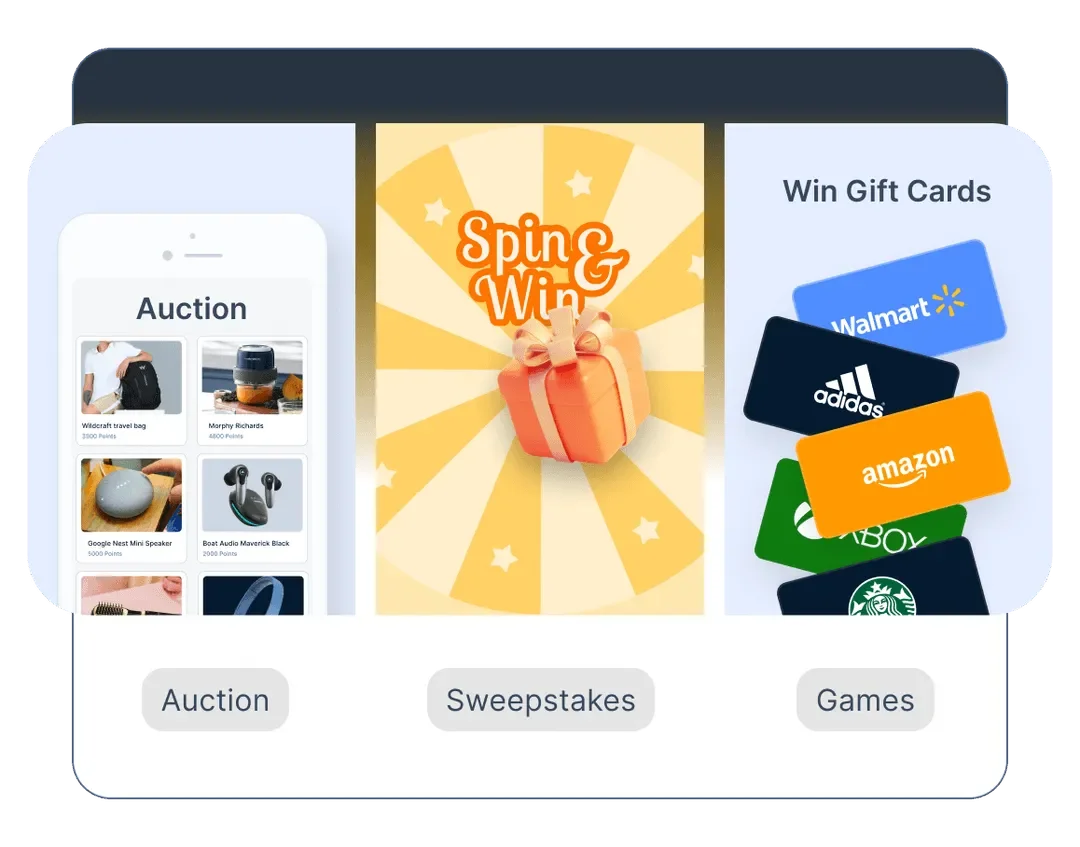
Loyalife gamification lets loyalty teams launch missions, streaks, leaderboards, and instant-win games for customers, channel partners and influencers, all from one platform. It helps brands create interactive and rewarding experiences that drive repeat engagement.
What makes Loyalife unique?
- Mechanics on one engine: Run instant-win games (scratch cards, spin the wheel, dice roll), missions and milestones, streaks, leaderboards, badges, contests and prize draws, and seasonal challenges.
- Prize spend you control: Set win odds, prize stock, and play limits before any mechanic goes live, so payouts stay on budget.
- No app release needed: Program teams build, publish, and edit mechanics from the admin console, with eligibility rules deciding who sees each game.
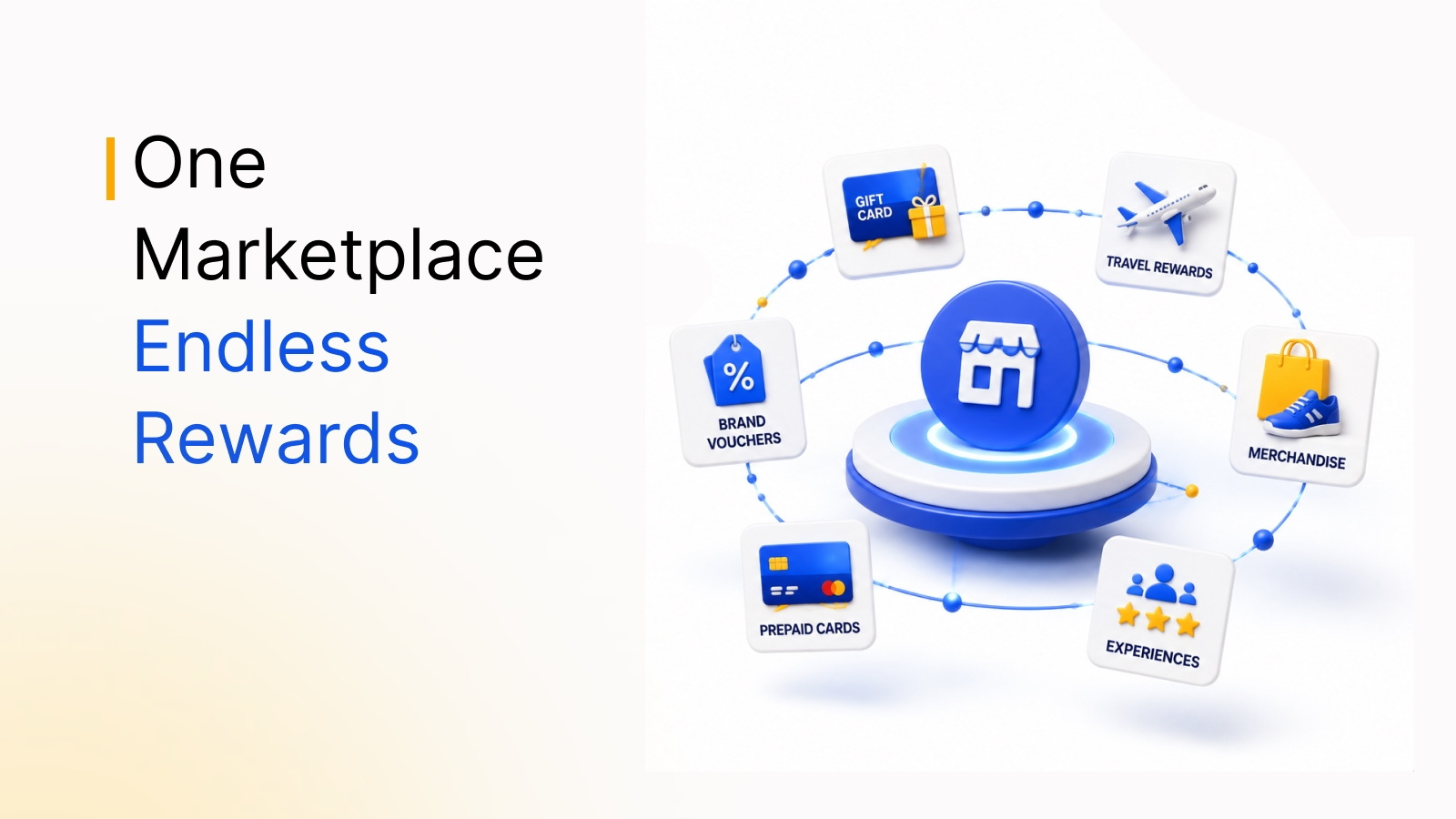
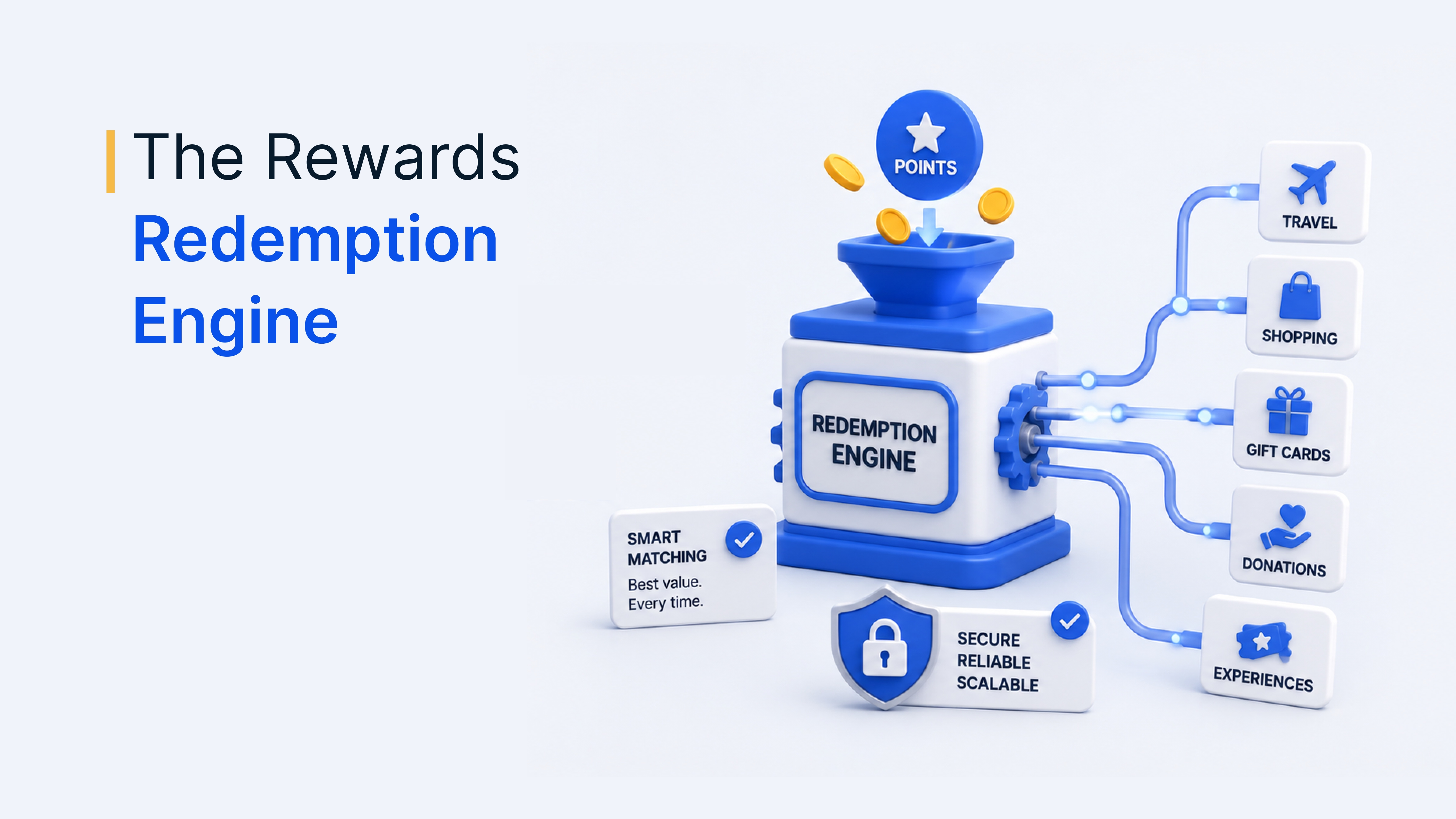
- Flexible redemption options: Members can redeem points from a rewards marketplace of 10M+ options across 30+ categories, from gift cards and discounts to experiences.
- Measurable lift: Track participation, rewards issued, and incremental impact, with control groups that show the lift each mechanic creates. Reports & Insights add real-time dashboards across the program.
Why Loyalife is a game-changer
Loyalife doesn't just gamify loyalty; it ties every game to a metric your program is judged on, from member growth and engagement to conversion and program ROI. Whether you run a retail, banking or channel loyalty program, it helps you gamify your rewards program and offer real value to your members.
With Loyalife, loyalty isn't just about points - it's about creating meaningful, interactive experiences that keep customers coming back for more.
Conclusion
Gamification in loyalty programs is a powerful tool that transforms traditional customer engagement into a dynamic, interactive experience. By incorporating elements like points, levels, challenges, and rewards, gamification loyalty programs not only drive repeat purchases but also build stronger emotional connections with customers.
Loyalty gamification taps into the intrinsic motivations of customers, encouraging them to engage more often, participate in challenges, and feel recognized for their efforts. As the demand for personalized and rewarding experiences grows, gamifying your loyalty program is an effective way to stay competitive, retain customers, and keep them coming back for more. Explore more consumer promotions ideas, or book a demo to see Loyalife gamification in action.
Book your Loyalife demo
Frequently asked questions
Loyalty gamification refers to incorporating game-like elements, such as points, badges, challenges, streaks and leaderboards, into a loyalty program. This makes the program more engaging and motivates customers to participate more actively by adding fun, progress and friendly competition, so members interact with the brand more often instead of only when they make a purchase.
Gamification in loyalty programs increases customer interaction by turning routine purchases into exciting, game-like experiences. Features like achievements, rewards for milestones, streaks and challenges give members goals to chase between purchases, so they open the app, visit the store and engage with the brand more often and feel more invested in the program.
Well-known examples include Starbucks Rewards, which moves members through Green, Gold and Reserve levels; Nike Run Club, which uses community challenges and milestone celebrations; and Sephora Beauty Insider, with its Insider, VIB and Rouge tiers. Common mechanics include progress bars, tier-based levels, refer-a-friend challenges and instant-win games that offer bonus points.
Gamification keeps customers engaged by offering incentives for continued participation, such as unlocking new rewards, earning badges, keeping a streak alive or progressing through loyalty tiers. Each of these creates a reason to return, and the fear of losing progress makes switching to a competitor less attractive, which supports long-term retention.
Key features include clear goals, instant rewards, personalized challenges, progress tracking and a sense of achievement. A successful program also controls costs with win odds, prize stock and play limits, shows each game to the right members, and measures whether the mechanic actually changed behavior. Combining these keeps customers motivated and the program on budget.
Yes, gamified loyalty programs can be adapted to various industries, from retail and hospitality to SaaS and banking, as well as channel partner and influencer programs. By tailoring the game elements to the specific customer base and industry, such as purchase streaks for retail or sales contests for dealers, businesses can drive engagement and loyalty effectively.
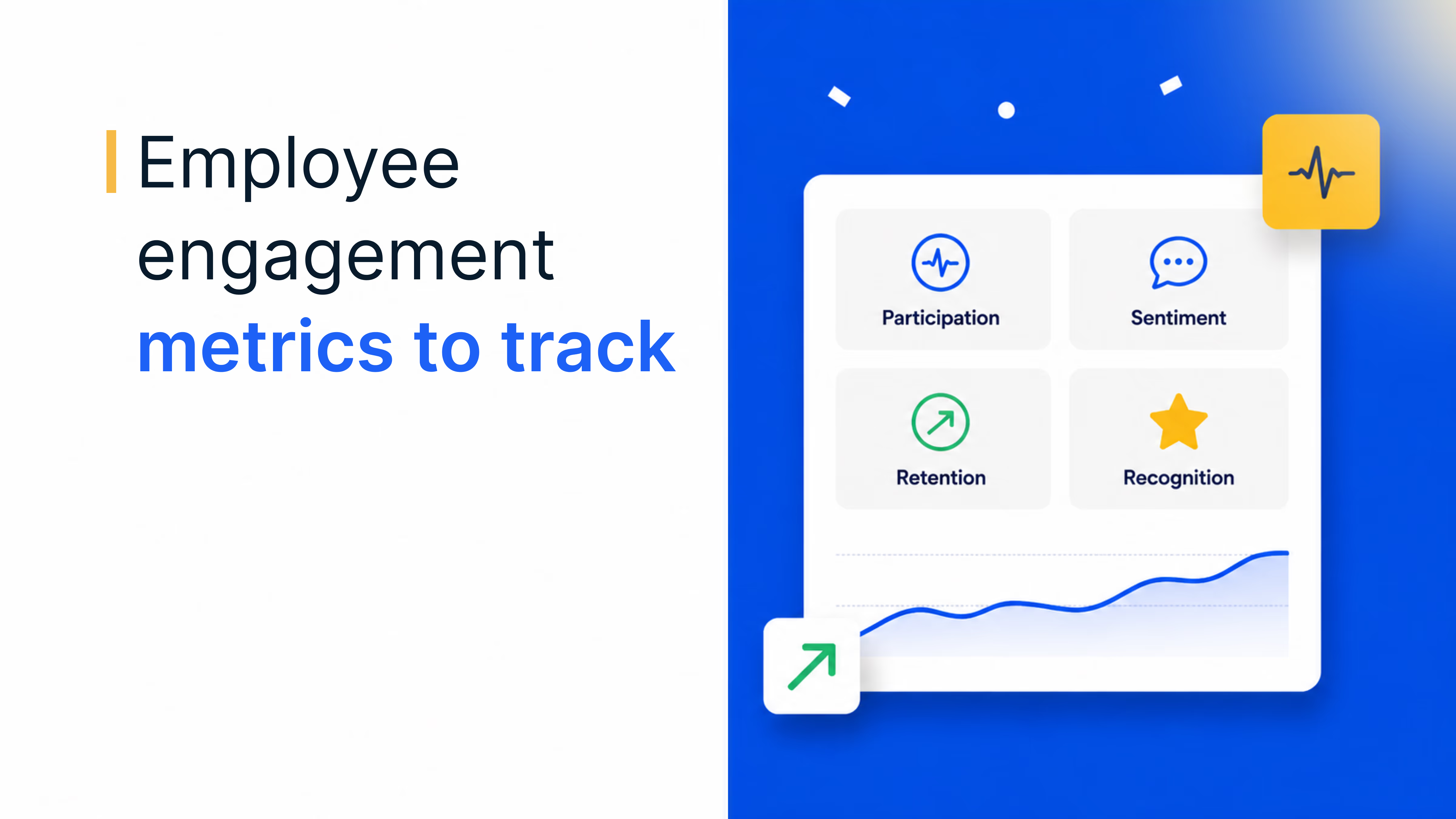
Success can be measured through metrics like engagement and participation rates, repeat purchase frequency, referral rates, redemption rates and the rewards issued per mechanic. Comparing members who play against a control group shows the incremental lift each game creates, separate from activity members would have done anyway, so you know which mechanics to scale.
Personalization in gamified loyalty programs can be achieved by offering tailored rewards based on customer behavior, preferences or past purchases. Creating personalized challenges or milestones from customer data, and using eligibility rules so each member sees the games most relevant to them, increases relevance and engagement while keeping reward budgets focused where behavior can change.