Key Takeaways
Channel incentive programs work best when they reward behavior change, such as training, events and promotions, not only sales.
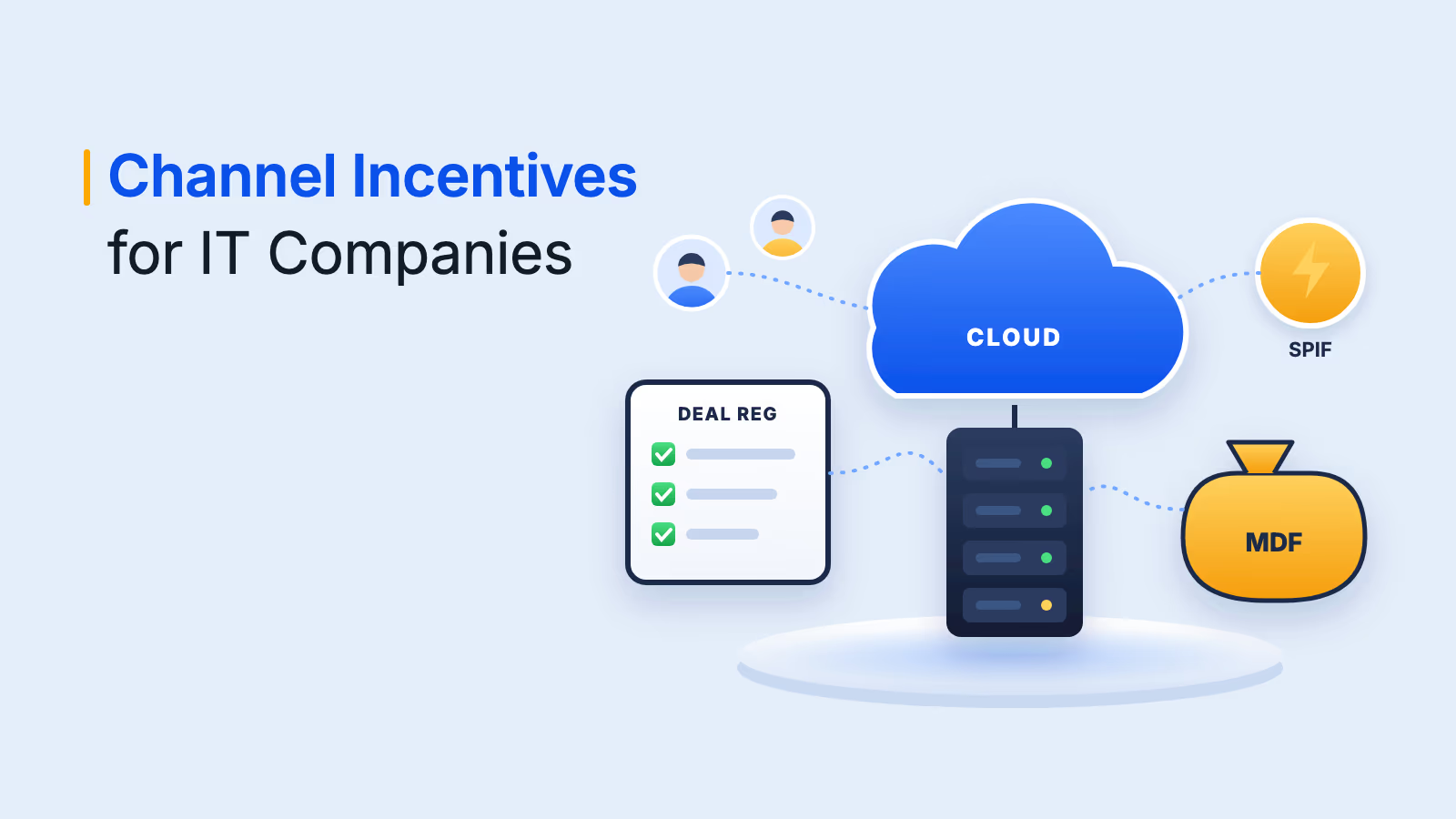
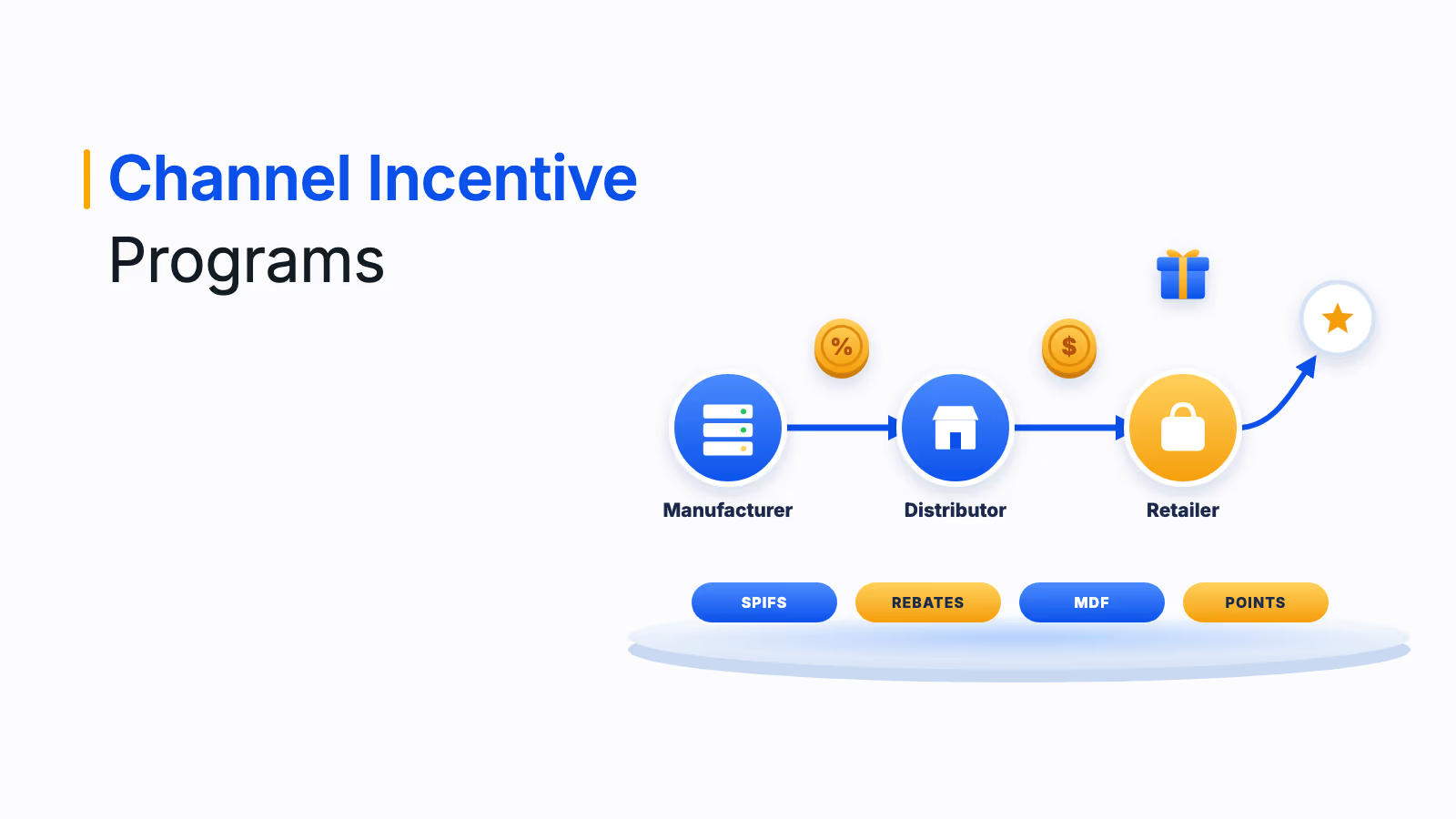
Common types of channel incentives include sales incentives, SPIFs, MDFs, rebates, deal registration, referral and training rewards.
Many programs fail because of unclear goals, mismatched or delayed rewards, little reward choice and no dedicated software.
Survey partners on whether they value the rewards, can realistically hit the targets and see the reward as worth the effort.
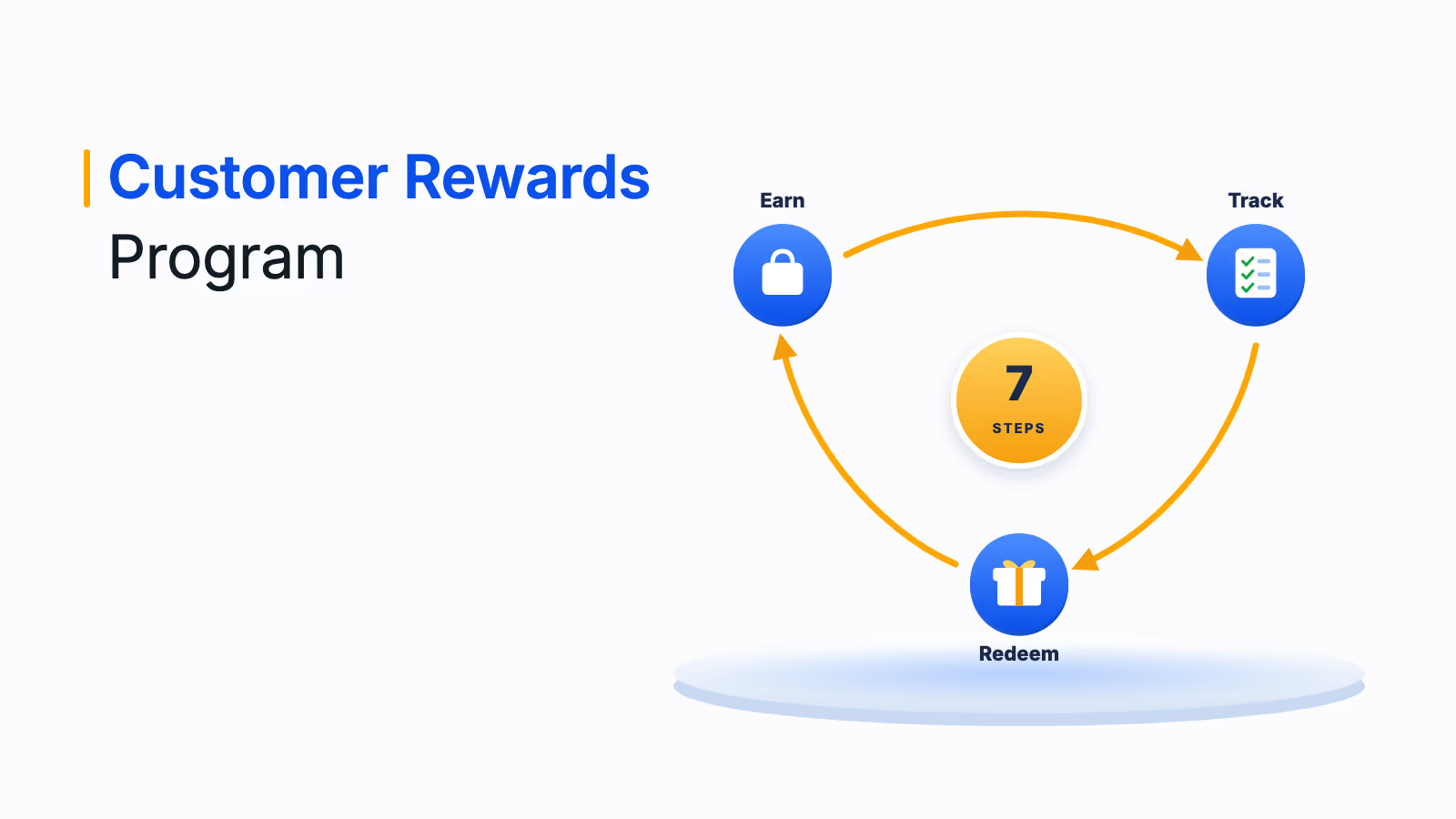
Run the program in six steps: identify KPIs, create incentives, communicate, measure, analyze and reward on time.
Not every channel incentive program achieves its objectives. In this guide, we will tell you why and how you can build channel incentive programs that do.
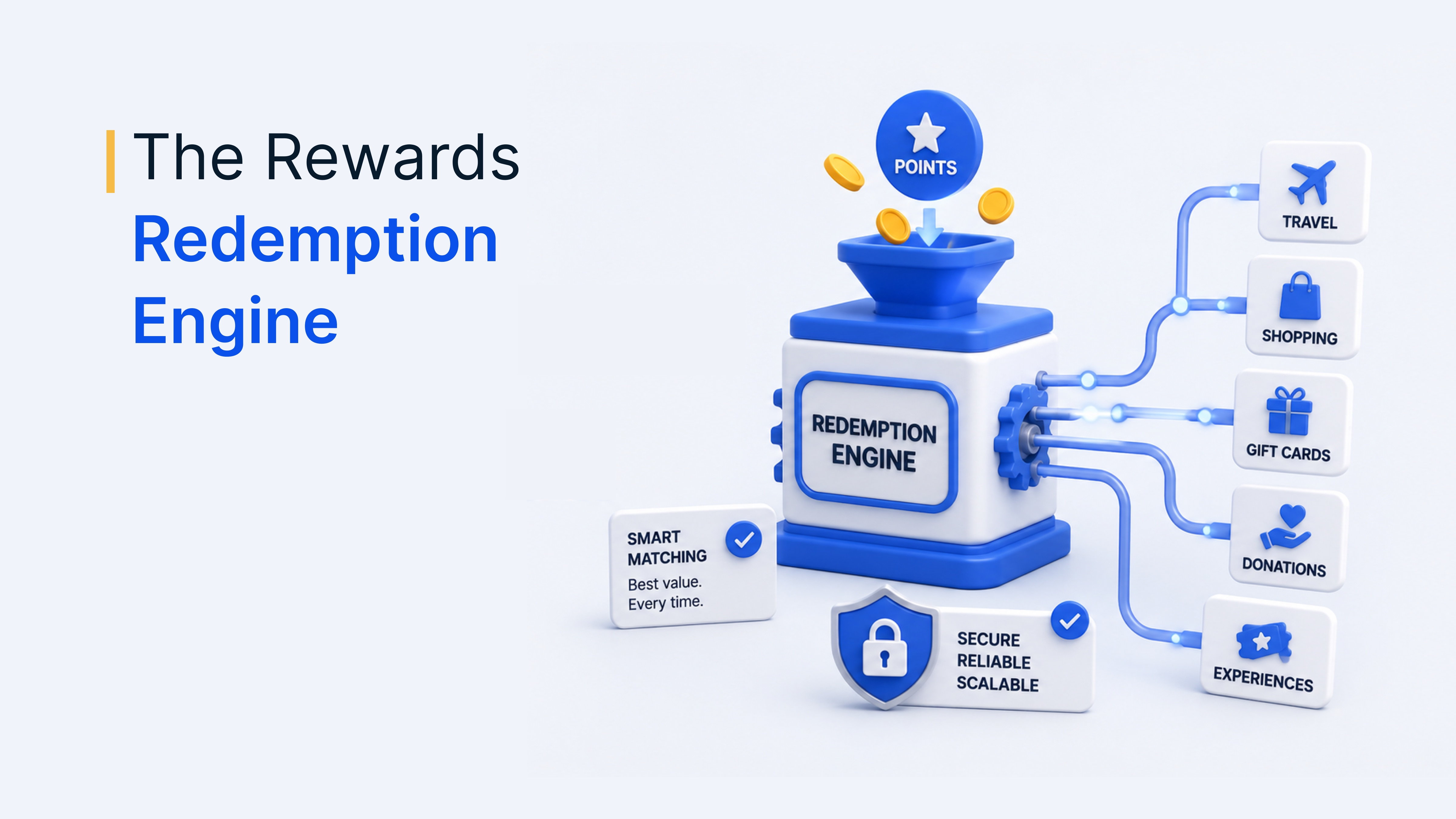
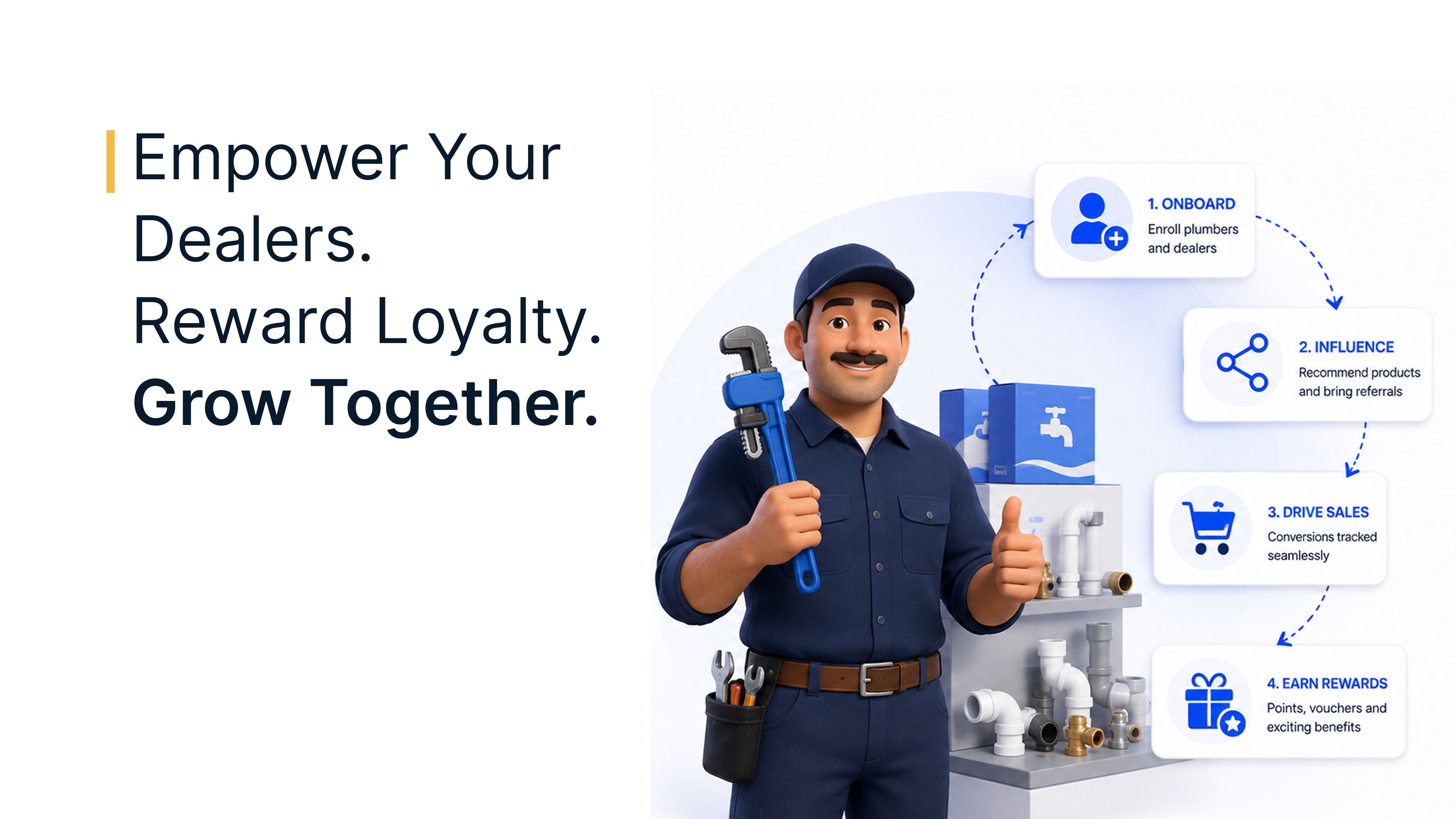
The real currency of any partner program is driving a behavior change. The best channel incentive programs go beyond traditional sales: they offer reward points for attending trade shows and events, participating in promotions, and even completing online training, and they let partners redeem those points against a digital rewards catalog.
Programs like these not only go beyond traditional sales but also strengthen relationships with channel partners. They tick off all the essentials of running a successful reward program.
Successful programs are bragged about, validated, and often dominated by the internet. But here's the bitter truth - there are two sides to a story. No one talks about the ones that failed.
Not every channel incentive program is successful. On the contrary, very few succeed. So maybe you’re right to be apprehensive about running one. It's not easy, but it's no rocket science either.
Before spilling the secrets to running a successful channel incentives program, let's answer the big question.
Do incentives really work?
According to the Incentive Research Foundation’s Industry Outlook for 2025, which for the first time included input from channel programs:
- Discontinuations of non-cash reward programs in North America dropped from 44% in 2021 to just 15% in 2024, as organizations rely on proven incentive strategies.
- Channel programs lead the expected growth in rewards, with 60% of channel respondents expecting merchandise rewards to grow in 2025.
Okay, these stats are great, but it begs a few crucial questions: Can any incentives be good? How do you choose the right incentives? What works and what doesn’t? Let’s understand them in detail.
What is a channel incentive program?
To help you understand better, let's break 'channel incentive programs' into two parts.
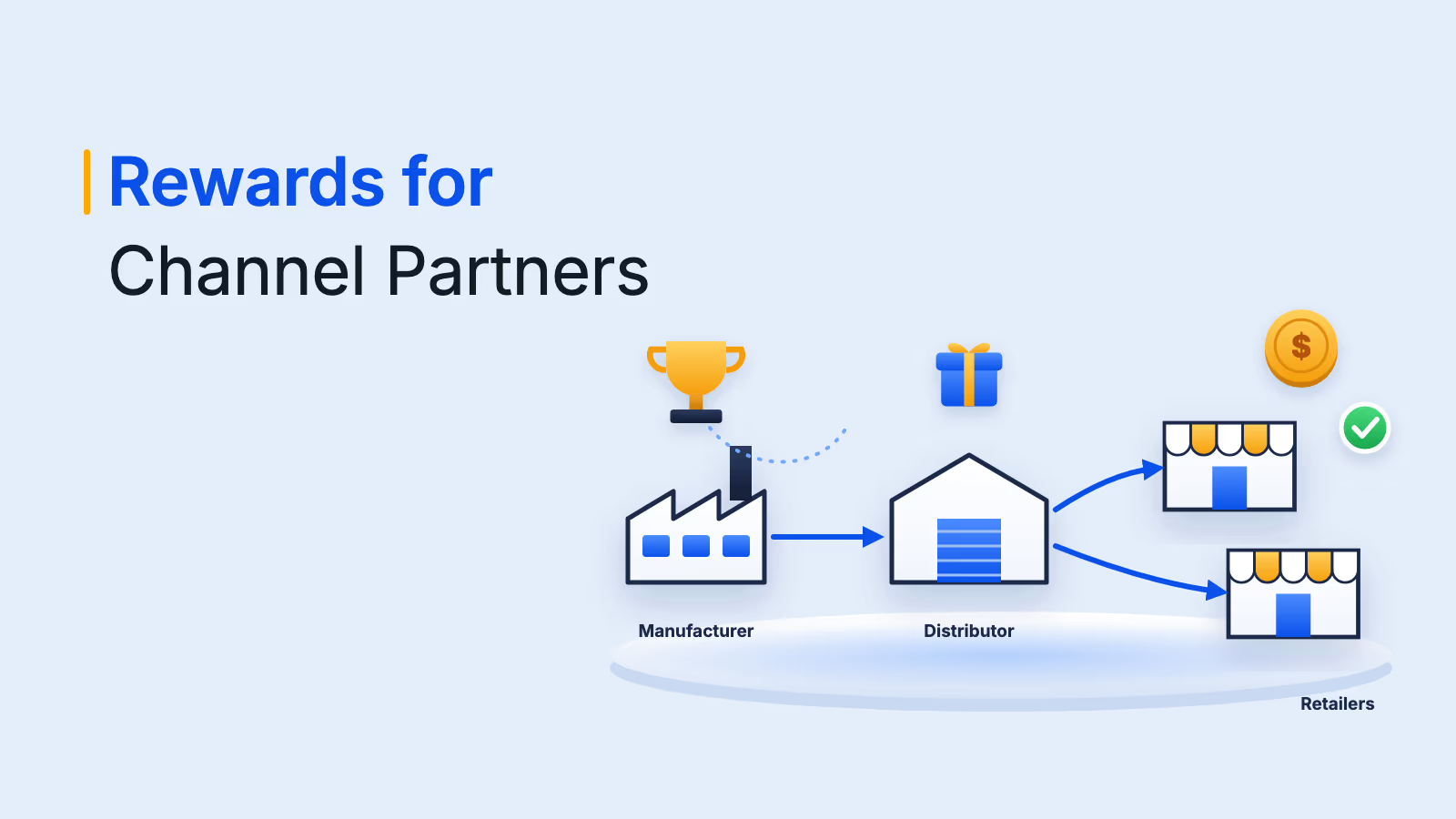
- According to the Common Language Marketing Dictionary, a (distribution or marketing) channel is the path travelled by a product from the manufacturer - through any middlemen - to the end-user. It includes all the activities involved in transferring the ownership of goods from production to the end of consumption.
- On the other hand, an incentive program is the structured use of rewards and recognition to motivate desired behavior from a specific group of people.
The objectives could be from participating in training programs to attending promotional events, paying back for their loyalty, rewarding them for making additional sales, or increasing the profitability of a sales channel.
A channel incentive program becomes an essential tool for manufacturers, distributors, and wholesalers to impact the effectiveness of their sales strategies. Incentives are used to improve indirect sales performance, orchestrate partners’ behavior to align with your business ethos, and encourage loyalty.
Generally, these incentives are performance-based and help achieve the goals of a broader market. You can optimize your channel incentive program and reward changes in behavior instead of existing habits to encourage loyalty. Finding the right mix of incentives will help you tick off more goals than only the end goal of profit.
When done right, channel incentives transform partners into brand advocates. When ignored, they leave the door wide open for your competitors.
Why do you need a channel incentive program?
In a traditional business space, you know that channels can make or break the deal. Getting your product out to the end consumer would be impossible without an efficient channel system.
That's why having a well-oiled channel machine is crucial. It gives you more reach, more customers, and, most importantly - loyalty. And incentives are that 'fuel' to keep your machine running.
In the IT industry alone, channel partners’ share of the addressable market is expected to be about two-thirds in 2026, according to Omdia. Your sales team is way bigger than you think and it includes all your channel partners as well. So, it makes sense to treat them right.
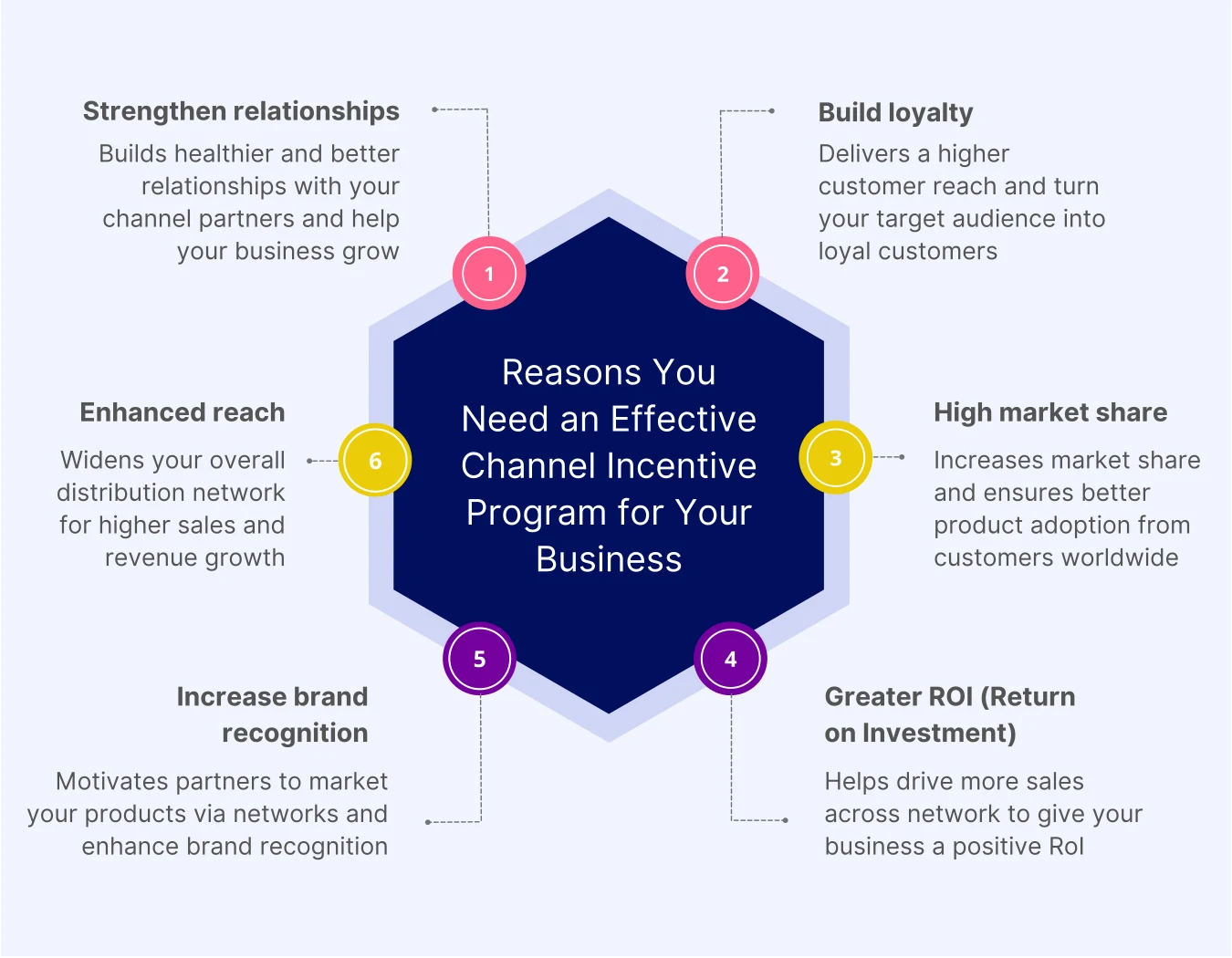
1. To build healthier relationships with channel partners
Everyone loves to be recognized. And to be recognized with a gift or an incentive is a bonus! Tangible gifts and rewards impact your channel partners’ performance significantly. Rewarding their efforts and success shows them that they matter for the business and are valued.
These things help increase your brand's loyalty and generate higher profits for your business. Choosing the right incentives that your channel partners appreciate will help you build successful and rewarding long-term relationships.
2. To have higher customer reach and loyalty
Incentivizing sales reps for valuable soft behaviors, like improving customer service, increased product knowledge, and personalized promotions can result in high customer loyalty. Every sale is about creating an experience.
The more memorable experiences you can create for your customers, the better the chances of retaining them. Since channel partners are your direct connection to consumers, incentivize them to incentivize end consumers.
3. To widen your distribution network
Your channel partner is not always exclusive. When incentivizing, keep the “What’s-in-it-for-me?” principle in mind. When channel partners know that they will be rewarded for promoting your product, they will prioritize your products over others on their shelves and consciously try to make more sales.
When chosen well, incentives and rewards can build strong relationships with your channel partners, creating memories and unique stories for your brand. For instance, a holiday trip as an incentive can generate a buzz. It will not only be talked about by the recipients among their family and friends but also something that will carry those stories forward to the people they know.
4. To improve market share and product adoption
With an increased distribution network, your product also has a broader reach, which means you enjoy a more extensive consumer base.
This allows you to improve your market share and encourage product adoption across various sectors and geographies. A wide customer base also means a more significant sample to test new products and offers.
5. To enhance brand recognition
The wider your product reach, the more credit your brand will garner to enhance brand recognition. Encouraging channel partners to promote your products through incentivization is a two-pronged strategy that allows you to market your brand and raise customer awareness.
If customers see your product everywhere, it won’t be long before it becomes the industry’s gold standard. Thanks to referral marketing, the most powerful marketing tool in sales history.
12 types of channel incentives
The kind of program you design and the incentives you roll out depend primarily on the objectives you are looking to achieve. For a closer look at how these play out in tech, see our guide to channel incentive programs for the IT industry.
With that said, here are the various types of channel incentive programs to be familiar with:
1. Sales incentives
These are among the most common channel incentives, where milestones are set for partners that reach a certain margin, sales volume, or exceed goals for incremental growth. These are long-term programs built to boost general sales across your company’s products.
The incentives can take a variety of forms, including:
- Reloadable or single-use debit cards
- Gift cards for short-term promotions
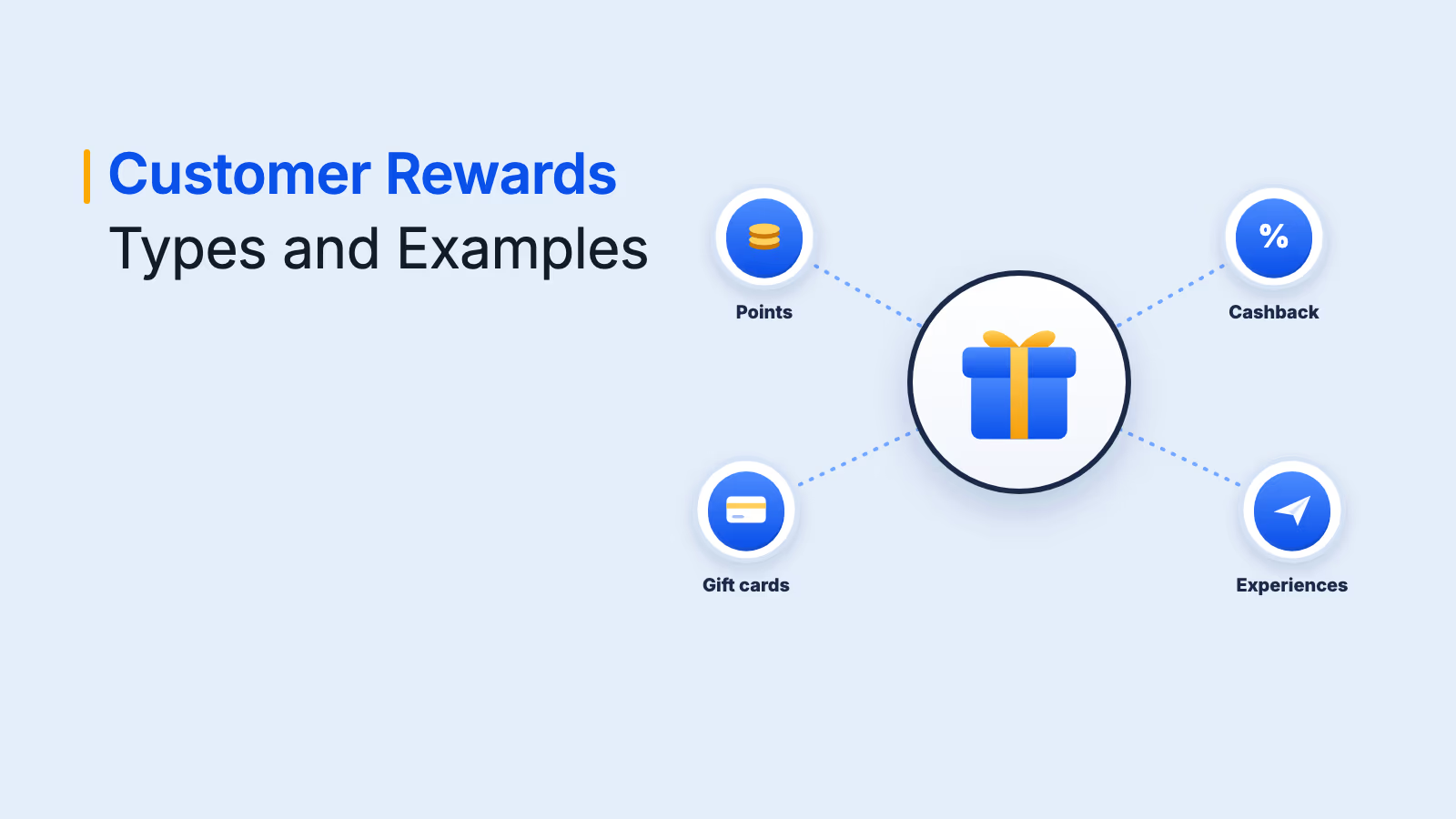
- Points-based merchandise rewards
- Travel incentives for long-term, loyalty-driven performance
2. SPIFs (Sales Performance Incentive Funds)
These are performance-based incentives designed to inspire sales teams to promote a specific product. Assume that you are a wellness brand that sells different products, including soaps, shampoos, face wash, and talc.
Let's say that you are looking to launch a new toothpaste to increase sales. So how will you achieve the targets? Simple. Incentivize the sales for your new product by creating a killer promotion around it. This is called SPIF.
A SPIF is an incentive you give to a salesperson after a specific goal is met. It encourages sales representatives to sell either a particular item or a group of items faster. Unlike broader, long-term sales incentive programs, SPIFs are short-term promotions aimed at focused business objectives, such as hitting a quarterly target.
3. MDFs (Marketing Development Funds)
MDFs are almost like a precursor to SPIFs. Assume that you want to launch a new toothpaste. When you are about to do that, your marketing team can create a buzz around the product in physical stores (channel partners).
Doing this prior will help generate curiosity among customers and boost sales during the product launch. You can roll out MDFs to every channel partner engaging in such marketing activities, whether through marketing materials, branded assets, or support for webinars and events.
4. Rebates
Rebates are probably the most traditional way of incentivization. They encourage partners to sell more products to receive a percentage of the sales, and are often calculated based on order size, frequency, or product type. But as we will see, these kinds of rewards are not as effective as non-cash rewards. Here’s how you can transform rebates and refunds with tempting rewards.
5. Co-ops or cooperative marketing funds
These are disbursed to enable your channel partners to conduct marketing activities that help increase brand awareness and drive sales pipeline growth. They are earned over time as a percentage of prior sales and awarded to channel partners after a particular behavioral milestone.
6. Deal registration incentives
Deal registration incentives reward partners for bringing in new opportunities. Once a lead is approved, the partner is given a defined window to close the deal and earn extra margin points or bonuses. These incentives motivate partners to register leads early and close deals quickly, reducing channel conflict and driving conversions.
7. Value-added reseller (VAR) incentives
This incentive program encourages your on-ground partners to add a service when selling your product to increase market penetration. VARs often bundle technology products with additional features or services, so incentives should focus on bundling, implementation success, and service-driven value additions that align with customer needs.
8. Referral incentives
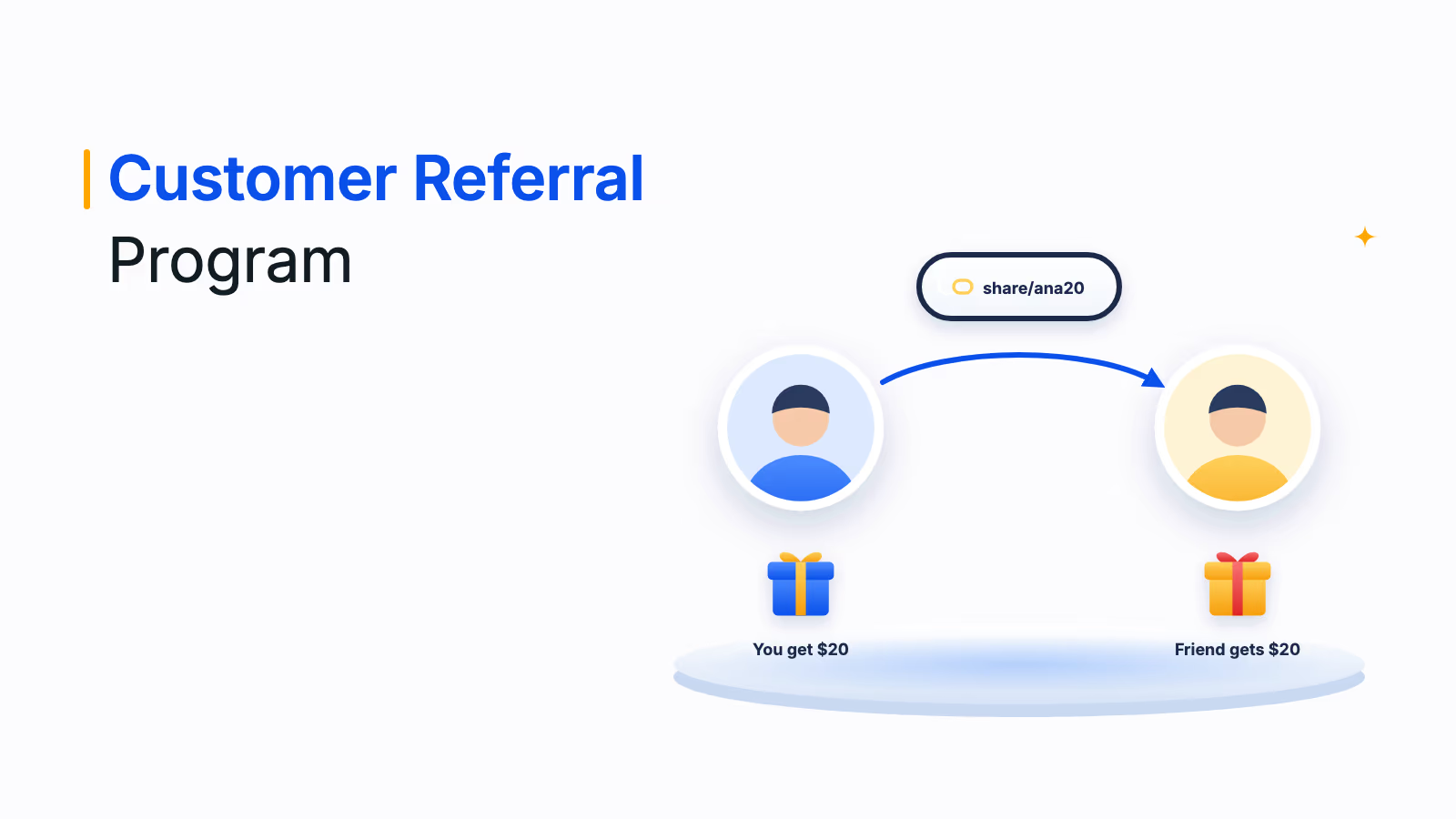
Referral incentives are designed to encourage partners to refer qualified prospects to your company. These typically involve points-based rewards, gift cards, debit cards, or even travel incentives. They work well to expand reach and bring in new business through trusted partner networks.
While this is a complex type of promotion to pull off in the FMCG world, it is not impossible. All you need to do is think outside the box.
9. Enablement and training incentives
Also known as behavioral incentives, enablement and training rewards are geared toward skill development. These incentives encourage partners to complete certifications, attend product training, and gain deeper product knowledge - all of which improve sales effectiveness and confidence.
10. Loyalty incentives and partner retention
Loyalty incentives aim to build lasting relationships with top-performing partners. Rather than focusing on immediate sales growth, these incentives help strengthen ongoing commitment and satisfaction. Long-term partner loyalty is cultivated through exclusive perks, status recognition, and consistent engagement.
11. Warranty registration and bundling incentives
Encouraging warranty registrations and bundled offerings can significantly boost the value of a sale. Incentives tied to these activities promote higher-value transactions and increase satisfaction for both the customer and partner. This ensures extended product engagement and reinforces trust in the brand.
12. Activity-based incentives
Activity-based incentives reward partners for engaging in key sales-related tasks beyond direct transactions. These can include providing demos, managing client relationships, or participating in campaigns. Recognizing and rewarding these activities helps build a more engaged, knowledgeable partner base.
Reward channel partners on time, every time
Send gift cards, experiences and prepaid cards to partners in 150+ countries from one platform.
Talk to our ExpertTrusted by 5,000+ companies
Challenges in running effective channel incentive programs
The fundamental challenge to running an effective channel incentive program is a fragmented incentivization process. This means that the roll-out of rewards & incentives is broken or occurs across multiple platforms, compromising the efficiency and making the program less engaging and fun for the partner.
Not just this, there is a possibility that the partner may not find the incentive worth their efforts and performance.
Here is a list of possible challenges that can throw up:
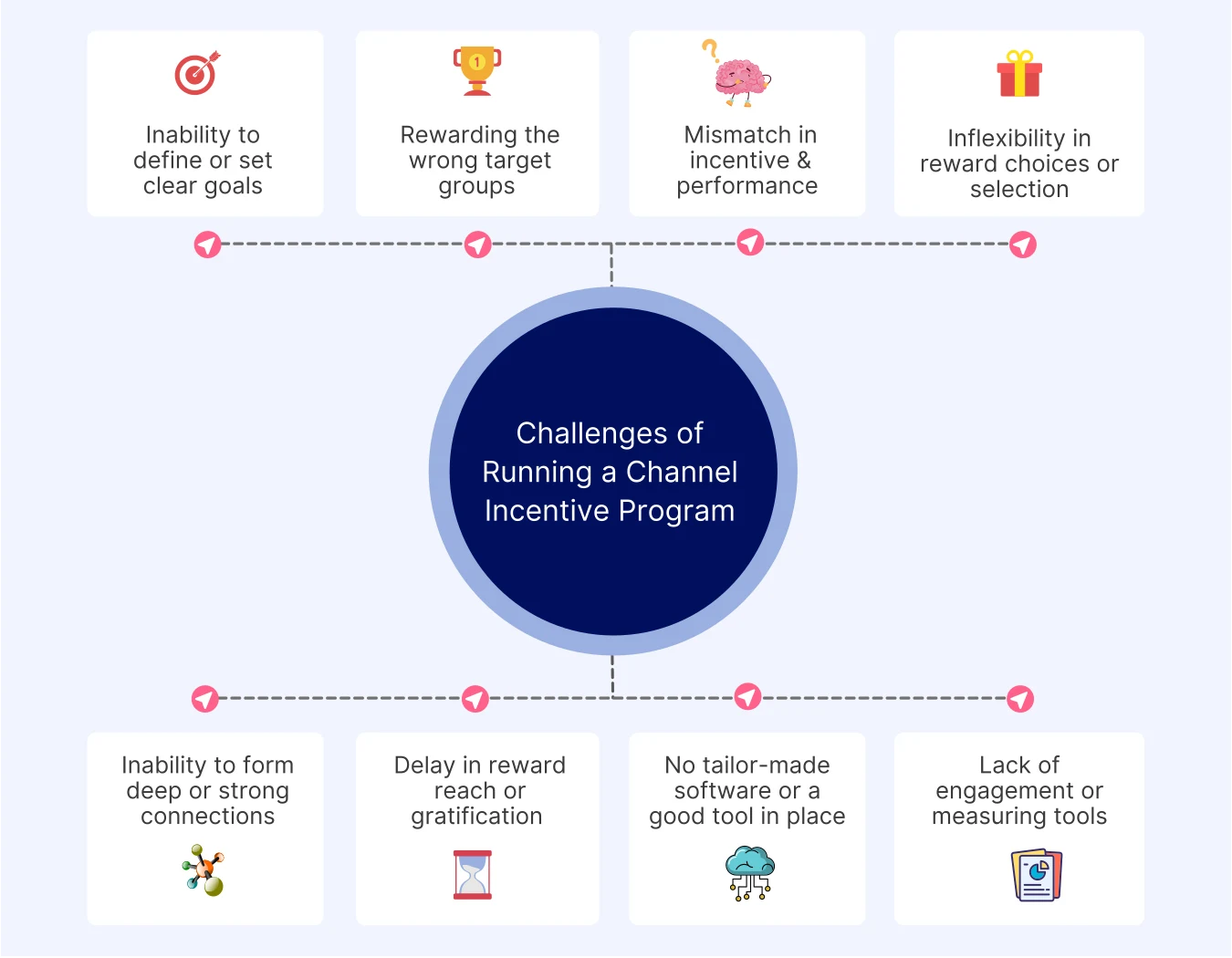
1. Strategic challenges
Challenge: Inability to define clear goals
Incentives have to be distributed at the right time to meet the set objectives and to keep your partners motivated. For smooth execution, it is essential to have a proper blueprint first. To avoid issues while running the program, set clear goals and milestones for rewards.
Challenge: Inability to deeply connect with channel partners
One of the primary goals of a channel incentive program is to build lasting relationships with your channel partners. Most companies tend to forget this goal and treat their channel incentive programs as transactions.
They give the channel partner something (a reward) for what they get (a certain number of sales). This makes the reward program feel more like a barter system and less like a relationship-building exercise. The challenge to building a great channel incentive program is creating a win-win situation every time - where the partner feels rewarded, not used.
2. Incentivisation challenges
Challenge: Mismatch in incentive and desired performance
The rewards that you roll out must match the milestones you set for your channel partners to achieve them. Promising a movie ticket for sales worth a million dollars is not the best motivation and is unlikely to give you the results you are hopeful of. To understand what motivates your channel partners, you need to be in sync with them and their on-ground realities.
Therefore, conduct surveys, chat with them regularly, and understand what they want or expect from the reward program you create. By doing this, you can also make sure you’re incentivizing the right way and sending out rewards that matter. Applying a uniform, one-size-fits-all incentive structure across diverse partner profiles rarely resonates with everyone.
Challenge: Rewards not reaching the deserving individual
An incentive program that doesn’t incentivize the person for doing all the hard work is a failed program. Getting rewards and incentives to reach the deserving candidate is a challenge that only tailor-made software with a well-defined mechanism can solve.
When the right people are rewarded for their efforts, your incentive program turns out to be highly effective, successful, and potentially profitable.
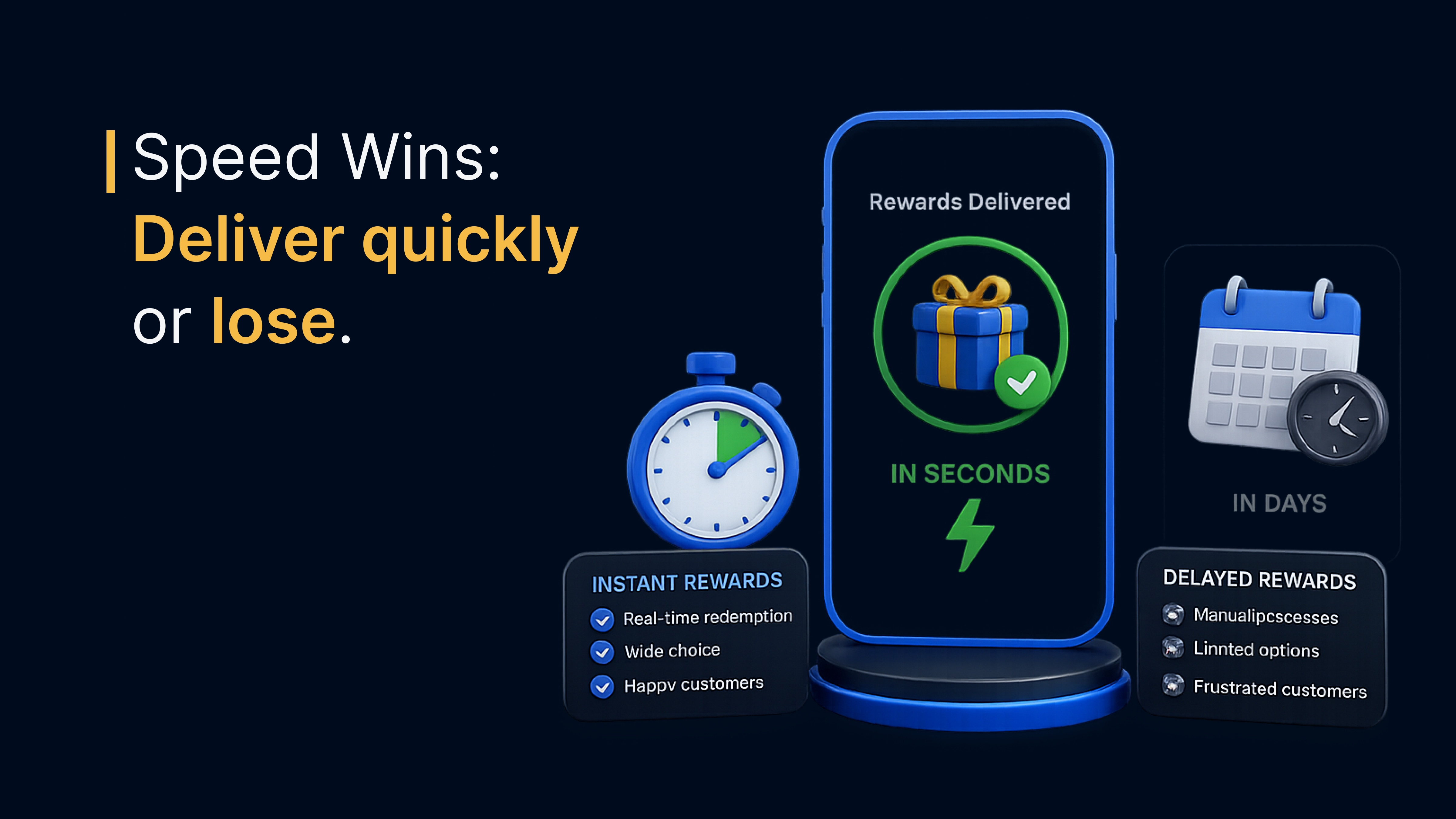
Challenge: Delay in rewards reaching the beneficiaries
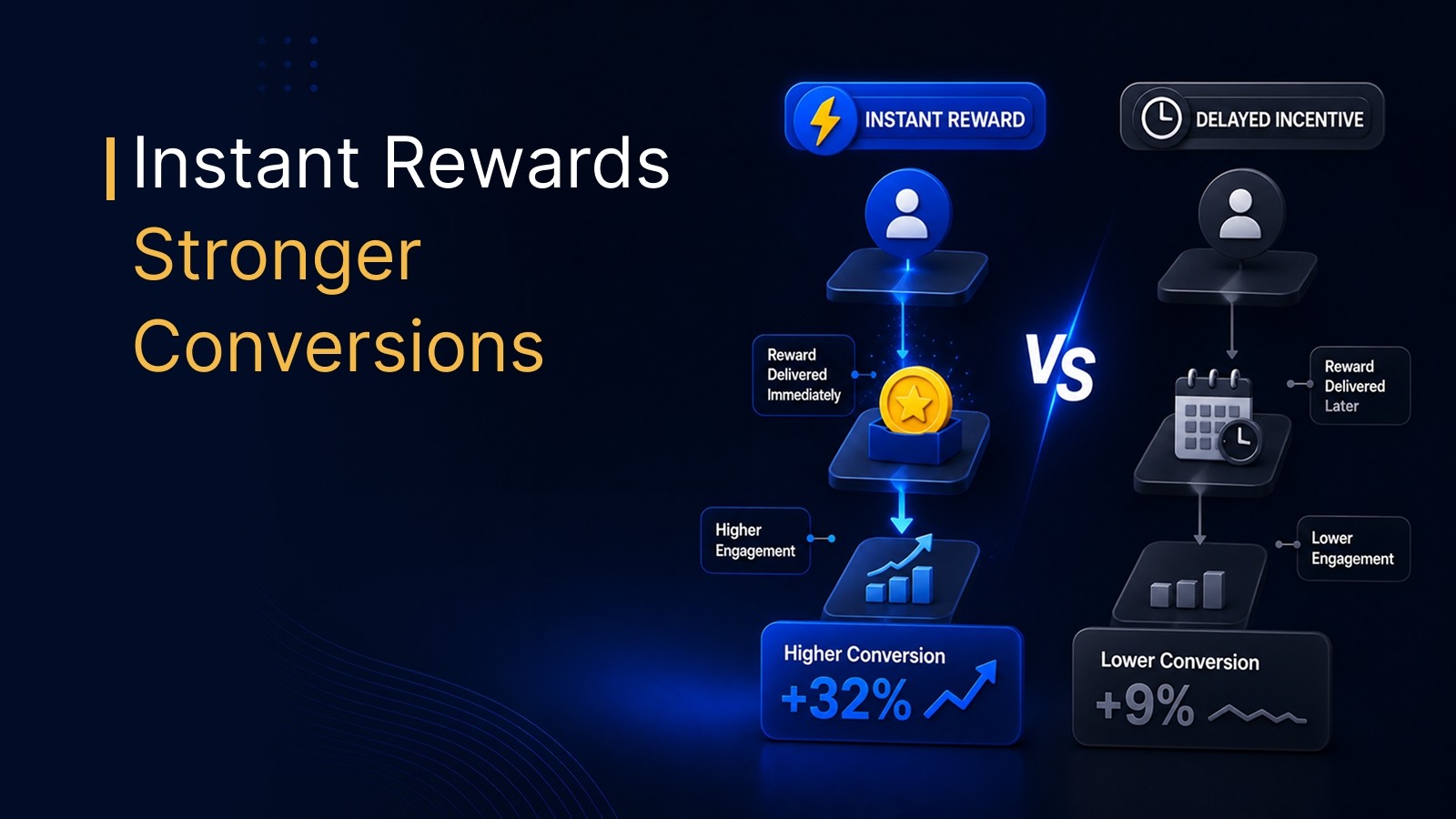
Delayed appreciation doesn’t feel like appreciation. So, a well-thought-out, empathetic reward program becomes meaningless when rewards don’t reach those they are supposed to when they ought to in time.
It would be best if you looked to minimize the gap between the time to achieve the target and the time to send the reward to the recipient.
Remember that we live in an “insta-age” where everything is fast and instant, which has also become the norm. The need for instant gratification is immense among the generation that you are most likely creating reward programs for and the ones most likely to benefit. That should be a significant consideration for you when drawing up a blueprint for roll-outs.
Challenge: Lack of flexibility in choosing rewards
Rewards have the power to make or break your incentive program, and despite the reality, they are still the least thought-out aspect. When setting them up, make sure to leave the beneficiary of the incentive with a choice.
What may seem like a great reward to you - perhaps, a free trip to Bangkok - may not be something that the recipient will want. If it isn’t, the motivation to reach that target ends even before it begins. So make it flexible for the recipient to choose their rewards. While choosing rewards wisely is vital, making room for choice is critical.
3. Implementation challenges
Challenge: No tailor-made software
Reality check: You can’t DIY an efficient, successful, smooth, kick-ass channel incentive program. To pull that off, your program needs to be seamless and run on a single platform.
DIY-ing your way through a program by pulling together excel sheets, home-grown make-do software, zoom meetings across teams in your office, and coordinating disbursement of rewards through unconnected platforms is a recipe for disaster.
Moreover, it causes inconvenience to your channel partners whose work you seek to reward through programs by making redemption cumbersome. Extend the same convenience courtesy to your channel partners that you would to your final consumer.
Challenge: Lack of engagement measuring tools
Your sales and marketing teams may come together to create what you think is the best incentive program. But, your channel partners don’t have to echo the same sentiment. Reconciling this difference is what will separate an average incentive program from a great one. Use the many engagement measuring tools available to analyze how well your partners receive your programs.
4. Administrative challenges
- Time-consuming approvals and payment tracking: The process of approving partner rewards and ensuring accurate, timely payments can be tedious and resource-intensive, especially with complex structures and a large number of partners.
- Costly operations for small transactions: Processing numerous small-value transactions associated with traditional incentive programs can significantly increase operational costs, reducing the program's overall cost-effectiveness.
- Uncontrolled spending and wasted resources: If not carefully managed, incentive programs can lead to excessive spending without a clear return on investment. Aligning program goals with company objectives and setting clear performance metrics are crucial for ensuring efficient resource allocation.
- Inability to adapt to the digital landscape: Traditional incentive programs, often reliant on manual processes and paper-based systems, struggle to keep pace with the dynamic digital landscape. Implementing modern technologies is essential to offer partners a seamless and engaging experience.
How to overcome the challenges of running channel incentive programs
1. Chart a clear course
Implementing a large-scale channel incentive program requires planning. Creating a blueprint with your sales, marketing, and accounts department is necessary to minimize hurdles.
Budgeting for an incentive program allows you to set better milestones and offer the best rewards within your means. Setting out a budget also means that you stay within the constraints of the boundaries.
In addition, make sure to set out milestones and checkpoints that will be rewarded. This should be in line with product roll-outs, launches, target markets etc. This aspect of your budget must be made in collaboration with your sales and marketing teams.
2. Choose the right incentives
Spend more time choosing the right incentives and rewards. It’s also just as important how you portray them to your partners.
Here are some considerations that will help:
A. The value proposition
Rewards and incentives must have meaning for the people who receive them. One way to figure out if you have the right rewards in your program is to run a survey amongst your channel partners and ask three expectancy questions:
- Do they value the rewards offered?
- Can they realistically achieve the desired performance?
- Is the reward worthy of their performance?
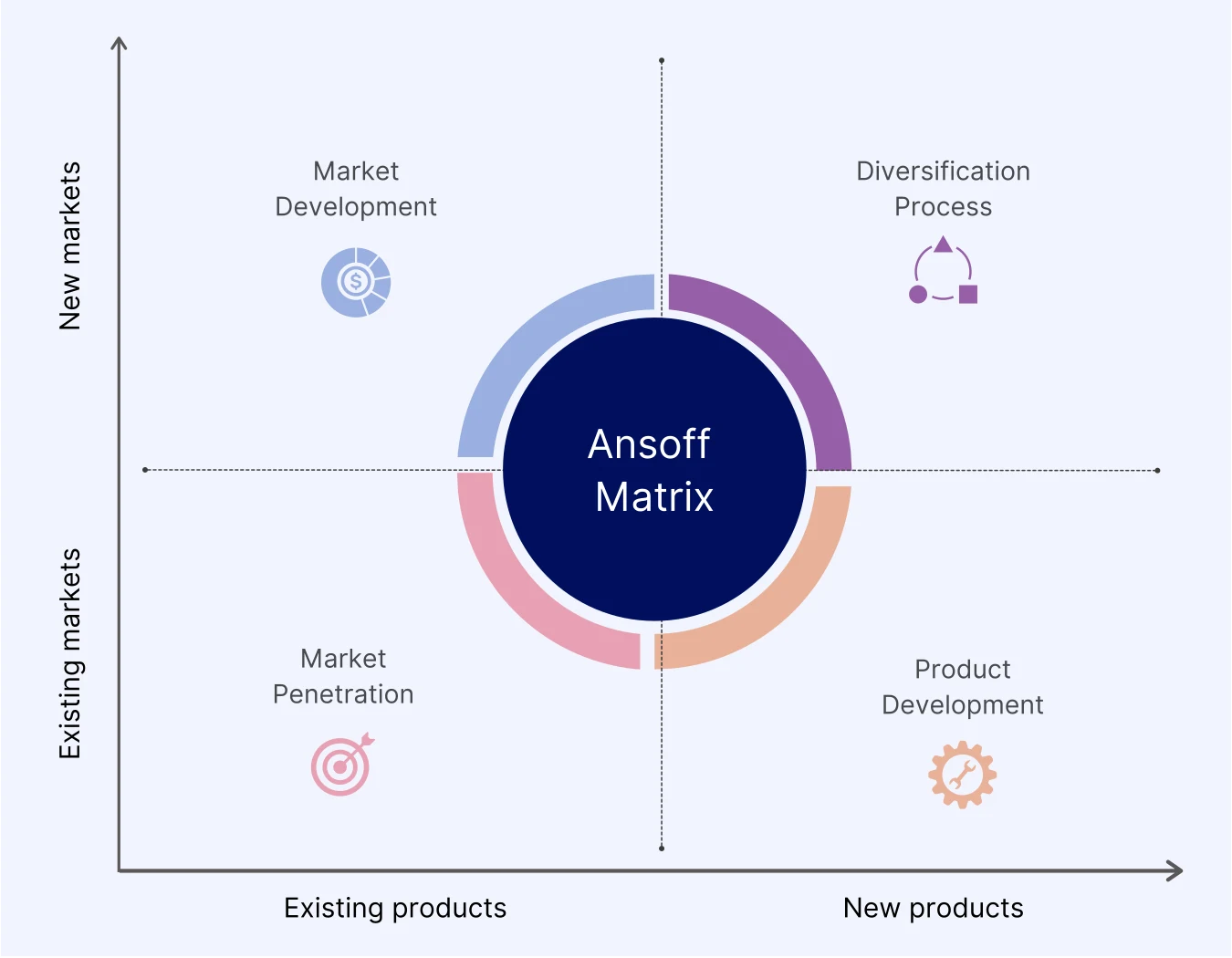
Pro Tip: Use the Ansoff matrix to help you chart your plan. This strategic framework will help you understand which growth strategy is most suited to you based on market context. It enables you to understand the effort needed to achieve a particular goal.
The incentives you roll out must be proportionate to the effort required to achieve those goals. Customize your incentive programs based on the channel partners' business markets.
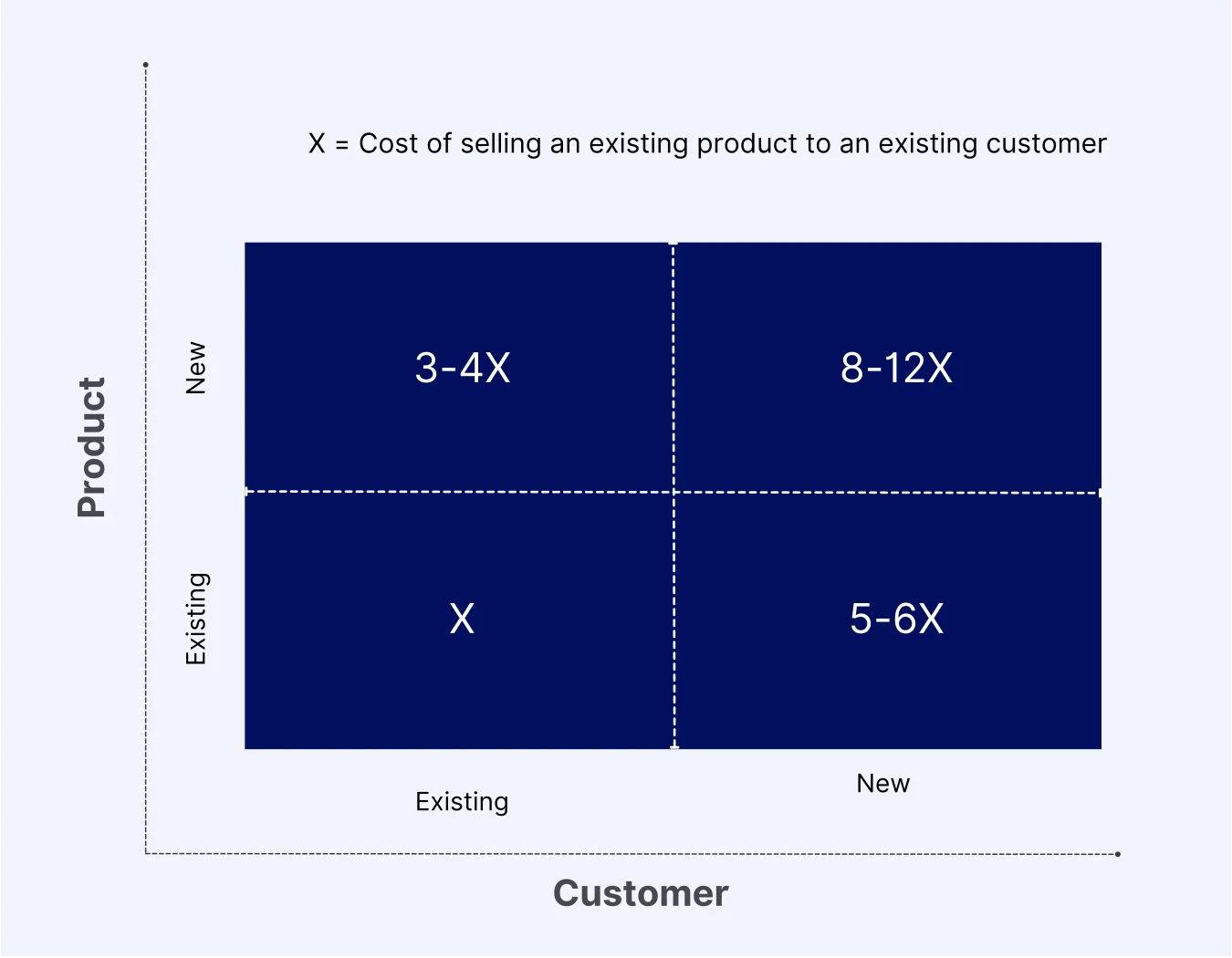
B. Align rewards and incentives with your channel partner’s costs
Your channel partner incurs costs in selling your product to the final consumer. Factor this into your budget and reward considerations. Here’s a graph that will help you understand what costs your channel partners incur in the sales process:
C. Choose non-cash rewards, capitalize on emotion
Cash rewards have a definite value attached. They leave nothing to the imagination and are low on the excitement-generation meter. Non-cash rewards, on the other hand, can make your program more exciting and act as better motivators. They can create hard-to-forget pleasant memories and stories to be shared, offer flexibility of choice, and come with redemption reports that help you measure the effectiveness of the program.
D. Use digital rewards
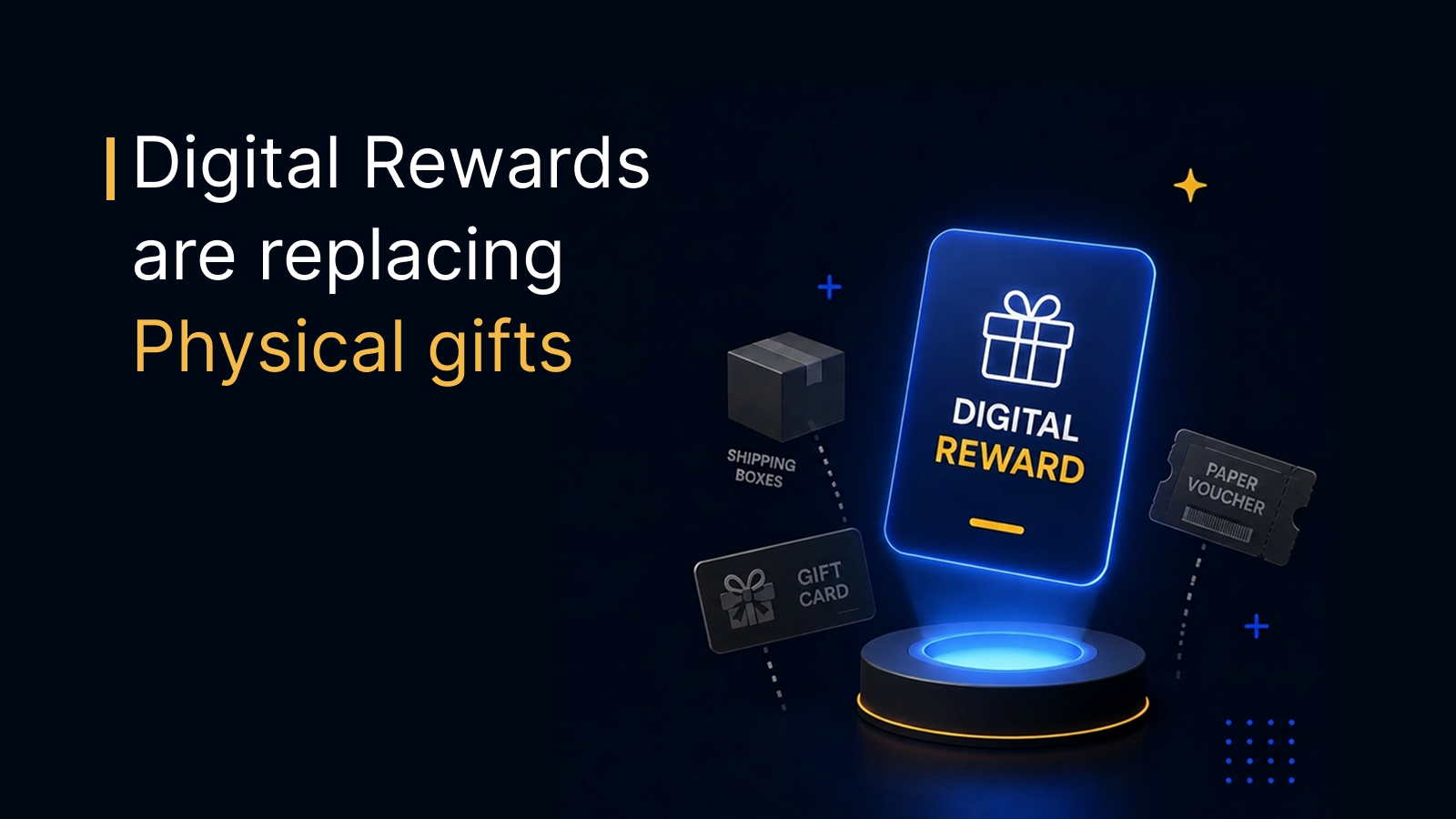
In a fast-paced world where we have become used to receiving everything at the touch of a button, digital rewards are the way to go. Digital rewards are easy and can deliver instant gratification! They offer one-click redemptions, hassle-free delivery, and an array of options. Most importantly, they take away the hassle of physical deliveries.
3. Use the right tools
A good reward program enablement tool is necessary to run a successful program. Investing in one can help you overcome most business challenges and further assures you a smooth-running system that delivers without you worrying about the little things.
All you need is a good tool. Something that can help you through the process - from planning milestones to setting up reward options to smooth implementation and delivery.
4. Continually measure the success of your program
Have a system in place that helps you measure your partners’ performance against your strategic intentions to understand how effectively your program is working and whether or not you need to make amendments. Data is the secret to measuring your success.
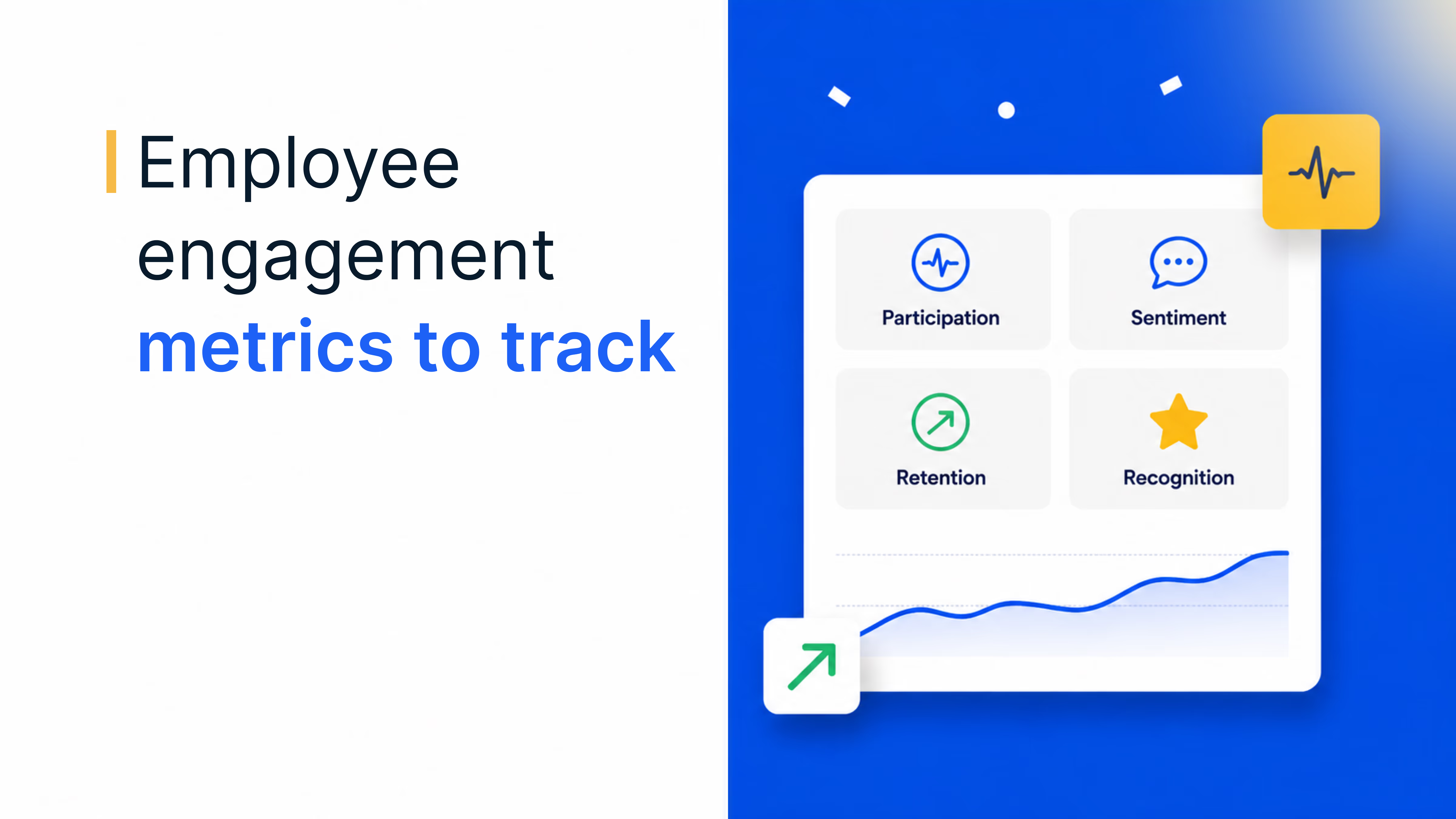
With data in place, focus on building these metrics for your program:
Channel sales recruitment metrics
- The total number of partners
- Recruitment quota attainment
- Partner attrition rate
- Percentage of partners recruited by channel
- Average cost of recruiting and onboarding a new partner
- Average length of time to recruit and onboard a new partner
Channel sales success metrics
- Total number of partner deals registered
- Average value of a partner deal
- Percentage of accepted partner-submitted deals
- Percentage of closed partner-submitted deals
- Average sales cycle length
- Percentage of partners who registered a lead in the past month or quarter
Channel sales training and support metrics
- Percentage of partners using provided sales and marketing collateral
- Percentage of partners who attend optional events and/or ongoing training
- Average partner satisfaction score
- Percentage of partners who have attempted certification
- Percentage of partners who have completed certification
Channel sales profitability metrics
- CAC for partner sales versus direct sales
- Retention rates for partner sales versus direct sales
- Cross-sell and upsell rates for partner sales versus direct sales
Collect data under these heads and analyze them in light of the goals you have set out for your program to understand where you stand, the areas you are doing well in and the areas that need improvement.
When to launch a channel incentive program
Well, there’s no better time than NOW!
No rule book will tell you the perfect time to launch a channel incentives program because marketing is about experimenting. With that said, here are scenarios where implementing one becomes more critical than ever.
- When profits are sinking: Educate your partners and talk to them about your company and your products. Make them feel invested in you so that you don’t always have to spend money to make more money.
- When profits are stagnant: When you get back to the drawing board, re-engage with your channel partners, remind them of who you are, how good your product is, and how fun your rewards program is!
- When profits are soaring: Your business grew because your channel partners were behind it. When your company is in the green, reward your partners for their commitment to your product and sales. And reward them well.
- When entering a new market: You may be a well-established brand in a particular market space, a product market space, or a geographic market space. However, if you’re looking to broaden your horizons, you will have to rely on channel partners. Rope them early. Let them help you lay the ground to build your product castle.
- When just starting out: If you are a new business, lean on channel partners. They have been in the field and watched others do business for longer than you have. They understand markets and consumers. Use that to your advantage and design a rewards program that makes them feel adequately compensated for all the wisdom they’re sharing with you.
Channel incentive program roadmap: how to run a successful program
Now that you are convinced, here is how to design or revive your channel incentive program through a simple roadmap.
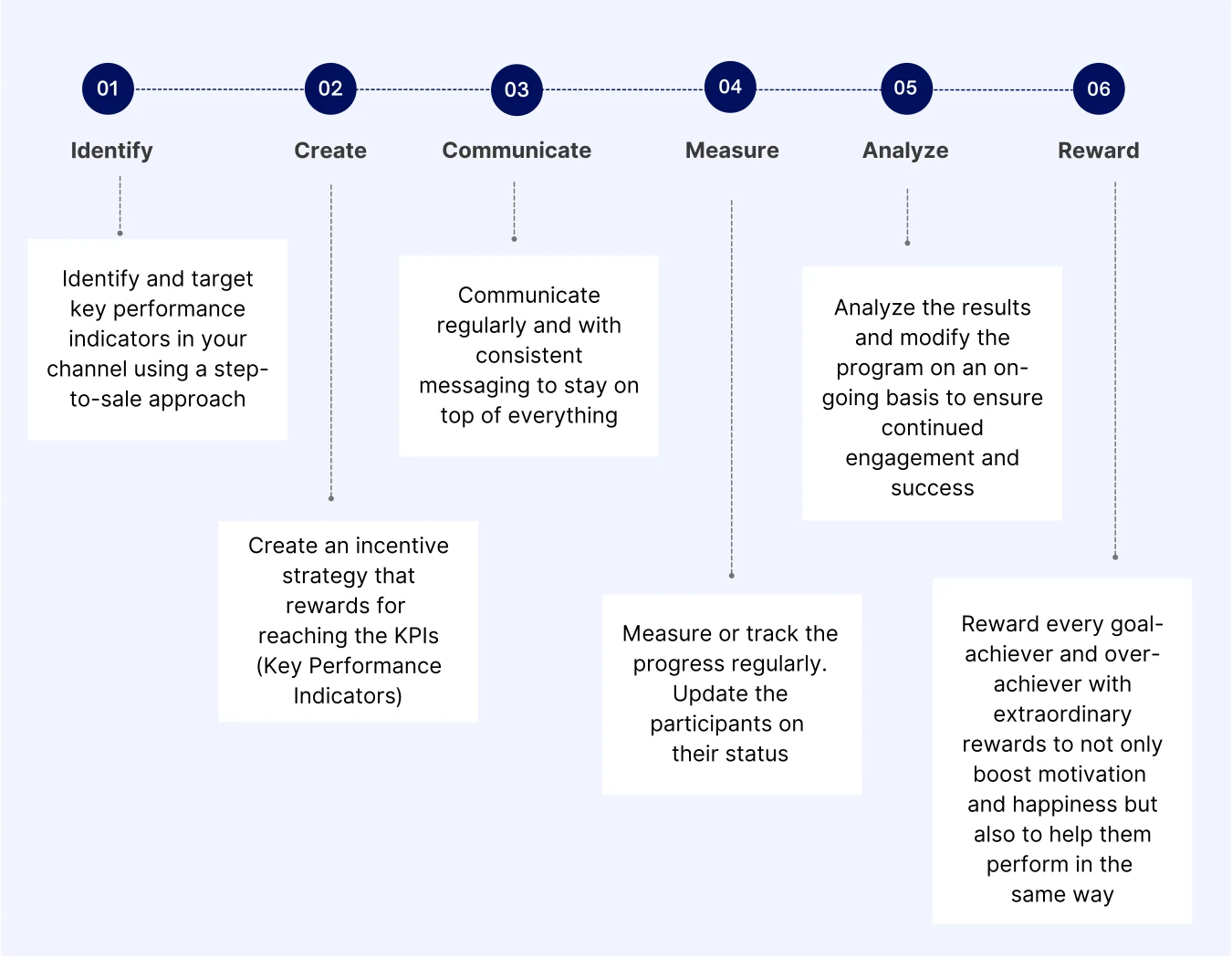
- Step 1. Identify: To set goals, you must first identify Key Performance Indicators (KPIs) in your channel. An intimate understanding of your channel partner’s business model and operating styles are essential factors that will help.
- Step 2. Create: Once you identify all the KPIs, the next step is to choose incentives and set out milestones corresponding with your KPIs.
- Step 3. Communicate: Communication is vital. Inform your partners of the incentive program you have in place. Keep checking in to find out if there are issues that need your attention and that you can help iron out to ease the sales process.
- Step 4. Measure: Use the right tools to measure the success rate of your program on a real-time basis. Keep stakeholders up to date on their achievements, performances and where they stand in relation to target achievements.
- Step 5. Analyze: When you have the data that you have measured and collected, analyze that data to understand what is working for your program and what isn’t. Be prepared to modify and update the program to ensure continued engagement.
- Step 6. Reward: Setting targets and offering rewards is meaningless if they fail to reach those they are meant for. Rollouts of rewards have to be timely and in the hands of the most deserving partners.
Best rewarding options for channel incentives
Looking for more inspiration? Our roundup of rewards for channel partners goes deeper. Here are some of the best options:
- A trip to a foreign country: Who doesn’t love a holiday? Especially, when it comes as a trophy for an extraordinary performance! Popular holiday destinations today are Maldives (for a honeymoon couple), Dubai (for its skyline and desert adventures), New Zealand (for its scenery and adventure sports), and oh so many more. But shouldn't the person taking a holiday have the choice of where to go? It’s always nice to extend that freedom of choice.
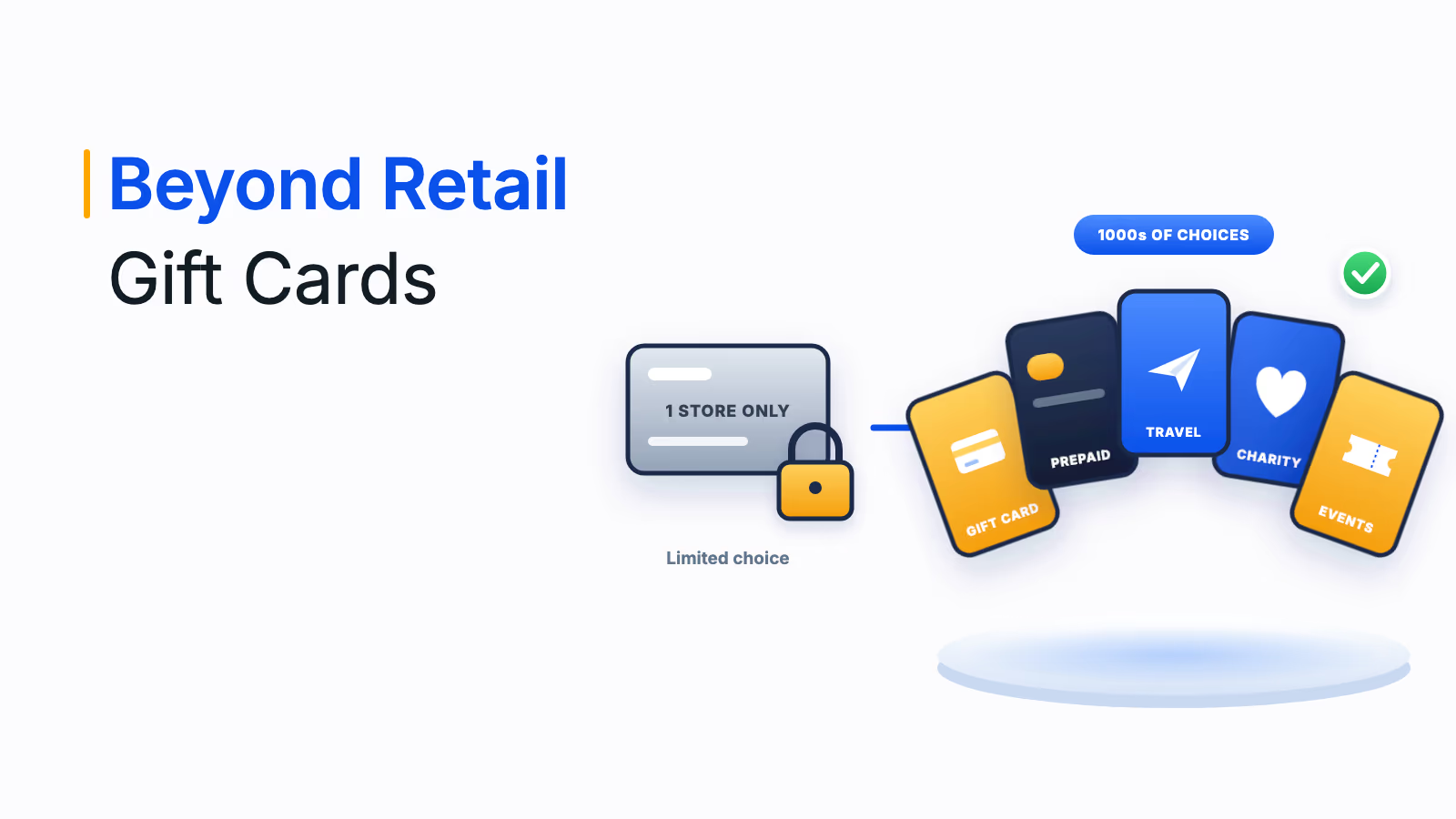
- [Gift cards](/plum/reward-marketplace/gift-cards): There are things that you always want but never buy them. Why? Simply because they are expensive. Well, we all have those wishlists. What if someone made your wish (or wishlist here) come true? You'll be jumping out of joy. No doubt. Imagine delivering the same pleasure to your channel partners through rewards? That's the kind of impact your incentive programs should be able to create.
- Tickets and passes: A day in a theme park, movie tickets with a VIP experience, tickets to festivals, music concerts, or sporting events make for great rewards! It would be wise to choose the events based on the partner's interests. Flexibility to choose their rewards would be even better.
- Appliances and gadgets: With channel partners working so hard to help you make profits, sharing a little tech help with them in the form of a gadget is not just thoughtful; it is something they will thank you for every day! A lovely coffee maker for their home, maybe? Or a robot to help with their cleaning?
- A weekend getaway: A little holiday at the end of the week sounds like the perfect therapy! It also means that you get people back at work fully charged and raring to go, even if to earn their next getaway!
- Dining at a luxury restaurant: Special occasions demand special treatment. Giving out dining coupons as rewards can help make your partners' special events even more special and lighter on the pocket too.
- Adventure holidays and experiences: Trekking, Snorkeling, Camping, Rafting, Bungee Jumping - Oh, so many options contrast the humdrum of desk life. Away from the click-clack of keyboards and minus network coverage bars on mobile phones. Can there be a better reward for a job well done? We’re finding it hard to think so. Plum has some amazing experiences to choose from.
- Gym memberships or discounts: All work and no play makes Jack a dull boy and Jill a dull girl. Encourage physical fitness by giving out memberships and discounts to gyms and fitness centers so your partners can be stronger and sharper. If you’re struggling to find them, head over to Plum’s health and wellness rewards. It’s all cataloged and super easy to identify!
- Cash cards: If you’re a bit old school and believe in cash being the best reward, we suggest you take the digital route and give out cash cards instead. Plum offers you and your partners a catalog of prepaid cards to choose from.
- Good discounts on popular brands: Everyone loves a good discount. We don’t need to tell you that now, do we? Giving your partners discount cards with the option to choose where they’d like to use them is thoughtful, sweet, and memorable.
10 channel partner incentive strategies and best practices
Running an effective channel partner incentive program is much like leading a well-coordinated performance. It takes thoughtful planning, strong communication, and ongoing adjustments to stay in tune with partner needs and market shifts. For a step-by-step design guide, see our post on building a partner incentive program.
Here’s how to manage it successfully:
1. Set clear objectives and find a sponsor
Begin by outlining what you aim to accomplish. Are you driving increased sales, boosting market penetration, or enhancing partner loyalty? Clear, measurable goals will shape the strategy and structure of your entire program.
Without a top executive or senior sales advocate, your program is doomed before it starts. Behind every successful channel incentive program stands someone with authority to make decisions, break off ties, allocate resources, and adapt the program to changing conditions.
2. Choose the right target market
You study your customers and market before rolling out customer sales incentives, right? You must do the same for your channel partners as well. Study how your product is doing in a particular market. Do you think it could do better? If yes, create an incentive program for your channel partners in that market to help them boost your sales. Incentives are best used when carefully targeted.
3. Understand partner motivations and offer meaningful incentives
Gaining insight into what drives your channel partners is essential. While financial rewards are often impactful, other forms of motivation like public recognition, professional development, or exclusive access to tools and resources can be equally powerful. Customizing your incentives to suit your partners’ preferences increases program engagement and effectiveness.
Choose rewards that matter. The more relevant the reward, the greater the motivation.
4. Keep the program simple and communicate with clarity
The simpler your channel incentive program, the more loved it will be. The more loved it is, the more successful it will be. Striking a balance between a simple program and satisfying rewards is a challenge, but it is worth getting right.
Make sure partners know exactly how the program works and what’s in it for them. Use a mix of channels - such as email, virtual sessions, and in-person meetings - to reinforce key messages and keep participation high.
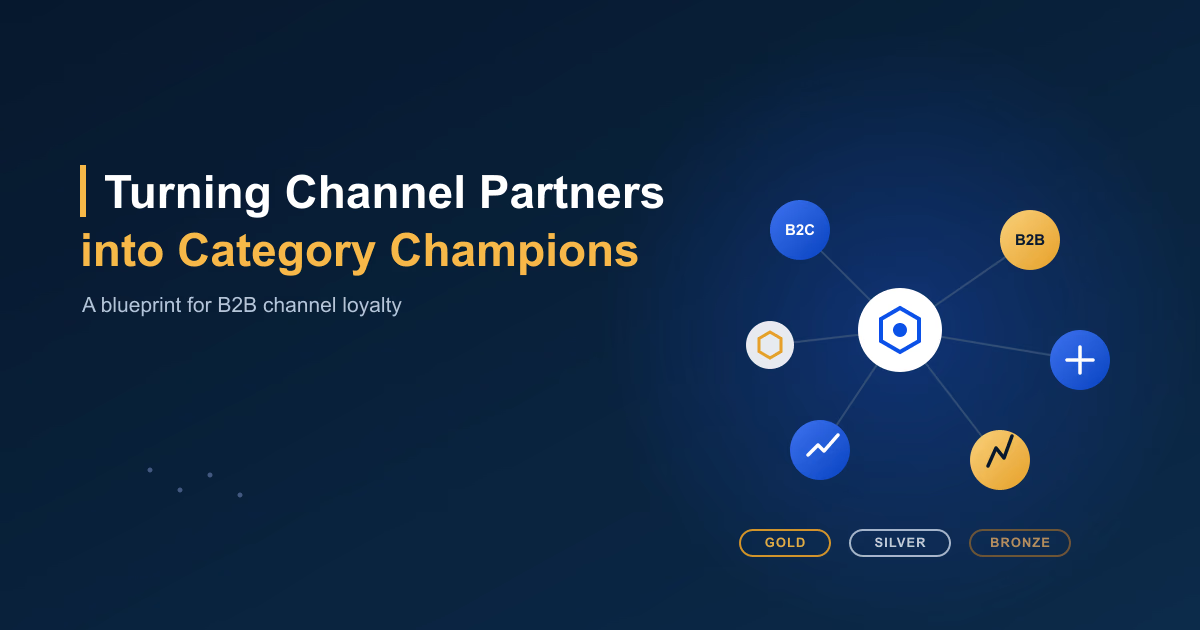
5. Tier your program
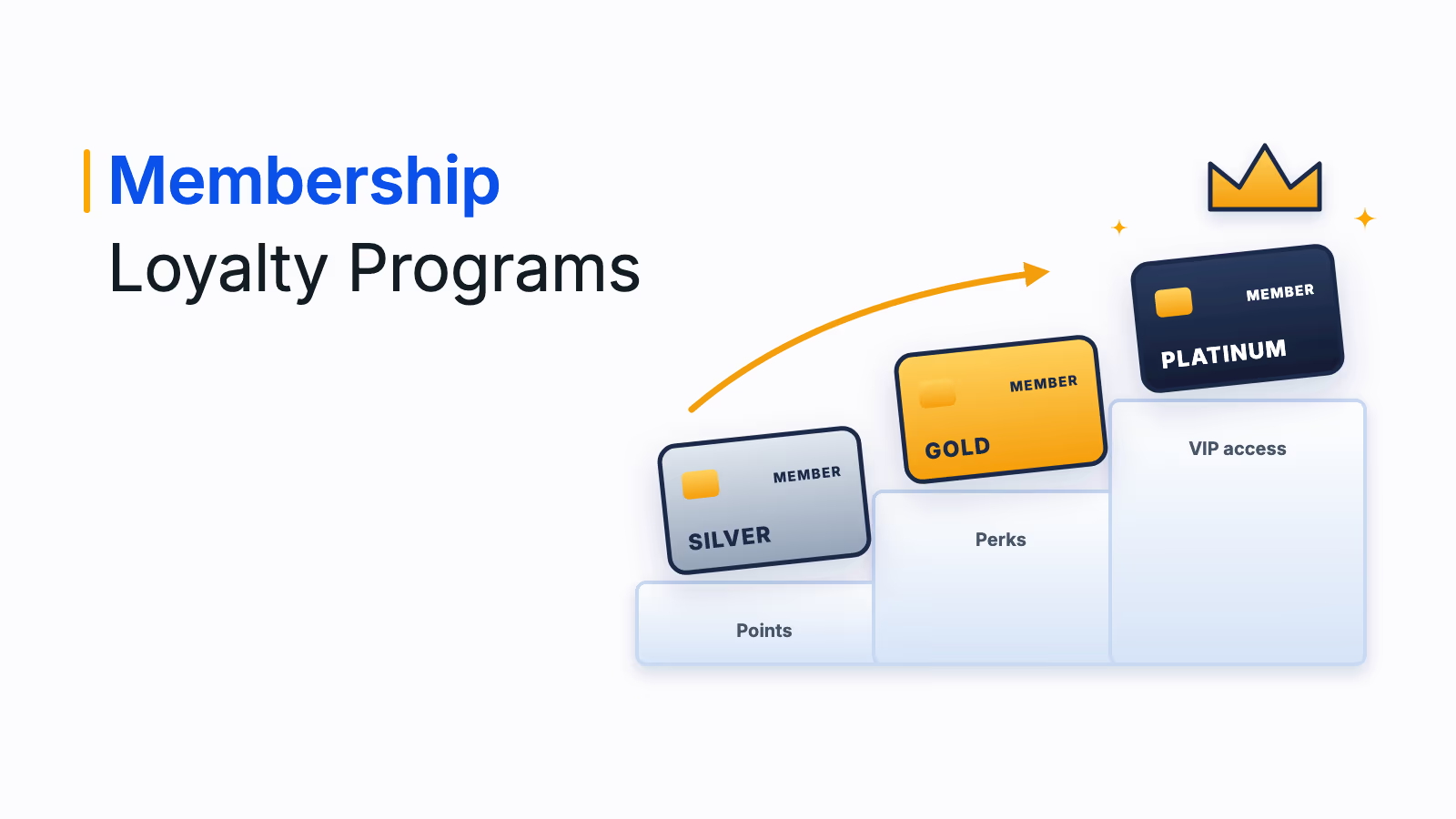
Not all partners contribute equally - and your rewards should reflect that. Tiered incentive structures allow you to offer exclusive rewards to top performers while still engaging the broader partner base. Start with proper audience segmentation, such as grouping partners by lifetime value or sales volume. Then deliver personalized rewards aligned with each segment's achievements, goals, and preferences.
6. Use a mixture of rewards
Diverse rewards create stronger appeal. While financial incentives like rebates remain popular, adding variety - such as training sessions, event access, or experiential perks - adds a layer of personalization and excitement.
Tailor rewards to your partners’ motivations. For one, cash might be king. For another, exclusive access to product previews or business tools could mean more. A flexible reward mix ensures everyone feels valued.
7. Reinvent the rewards point system
There are enough internal targets for your channel partners. What would motivate them to reach the ones you set? The point system in your reward program must be fun, unpredictable and behavior-oriented rather than time-oriented. This adds a sense of excitement to your program and acts as a brilliant motivator.
8. Provide tools and resources
Support your partners with everything they need to succeed. This could include access to training modules, branded sales materials, or a centralized platform where they can monitor their progress and achievements.
9. Keep your finger on the pulse
The market is volatile. Sales channels are dynamic. And things change daily. Using a tool or platform to run your program will provide you with real-time insight into how your program is performing and how your channel partners are reacting to it. Are goals being met? Are there areas where engagement is dropping? Stay connected with your channel partners and gather their feedback to assess what is happening on ground zero with customers and how you may need to tweak your incentives to push sales.
10. Recognize achievements and keep improving
Celebrate milestones and spotlight high performers. Public recognition not only reinforces the value of their efforts but also sets a benchmark that others aspire to reach.
The most effective programs are never static. Learn from what’s working and what’s not. Adapt your approach to stay aligned with evolving partner needs and market dynamics.
Conclusion
- When designing your incentive program, capitalize on the power of emotion. Personal value is a sentiment that drives performance, sales, and eventually, profit. This should be a driving factor, whether you are creating incentive programs for your channel partners or final consumers.
- Choose rewards that have meaning for your channel partners. Rewards that look and feel good to you may not be of any use for your partners. So engage, understand, study and give out rewards and incentives that they will enjoy. Remember, the more you give, the more you get.
- When choosing rewards, remember the value proposition. Non-cash rewards weigh a lot more in value than cash. Bonus, they more often than not cost you much less than cash rewards do.
- Use the power of technology to your advantage and streamline your program to require minimal human intervention.
- Go digital with your rewards. It’s easier to have them reach the right person, there are no delays and instant gratification. And there’s also always a choice for your partners with a readily available catalog.
Power your channel incentive programs with Plum
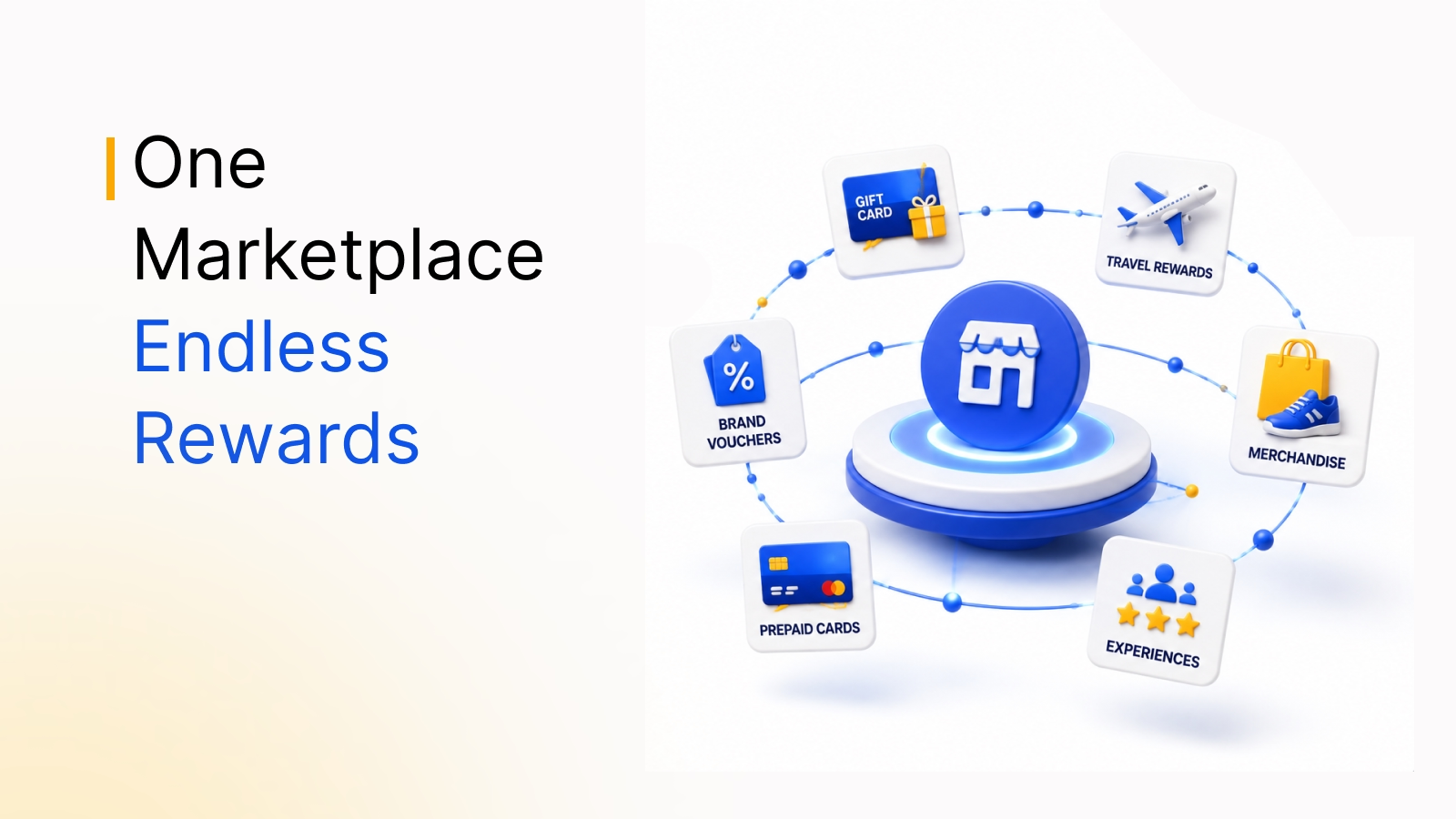
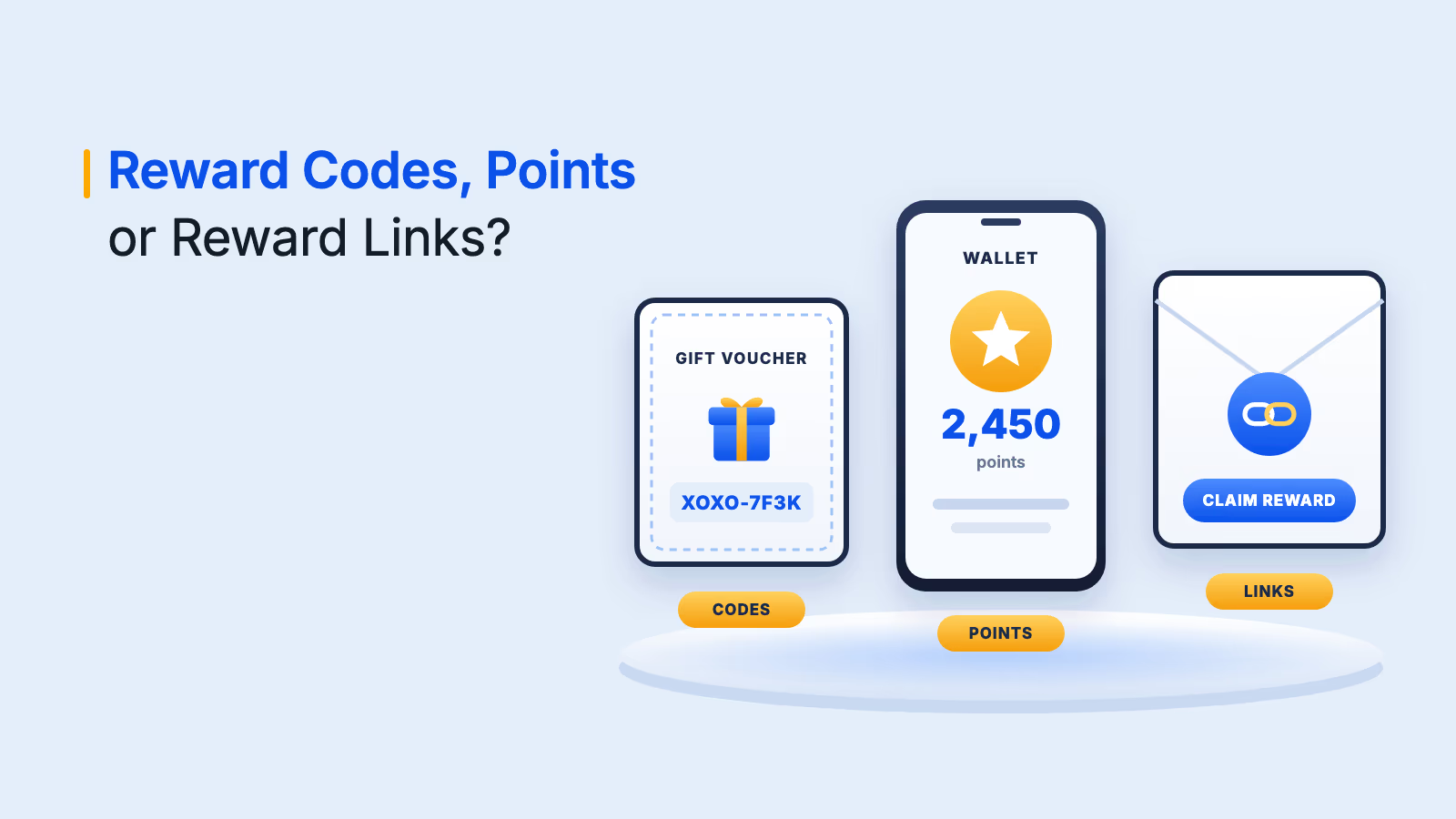
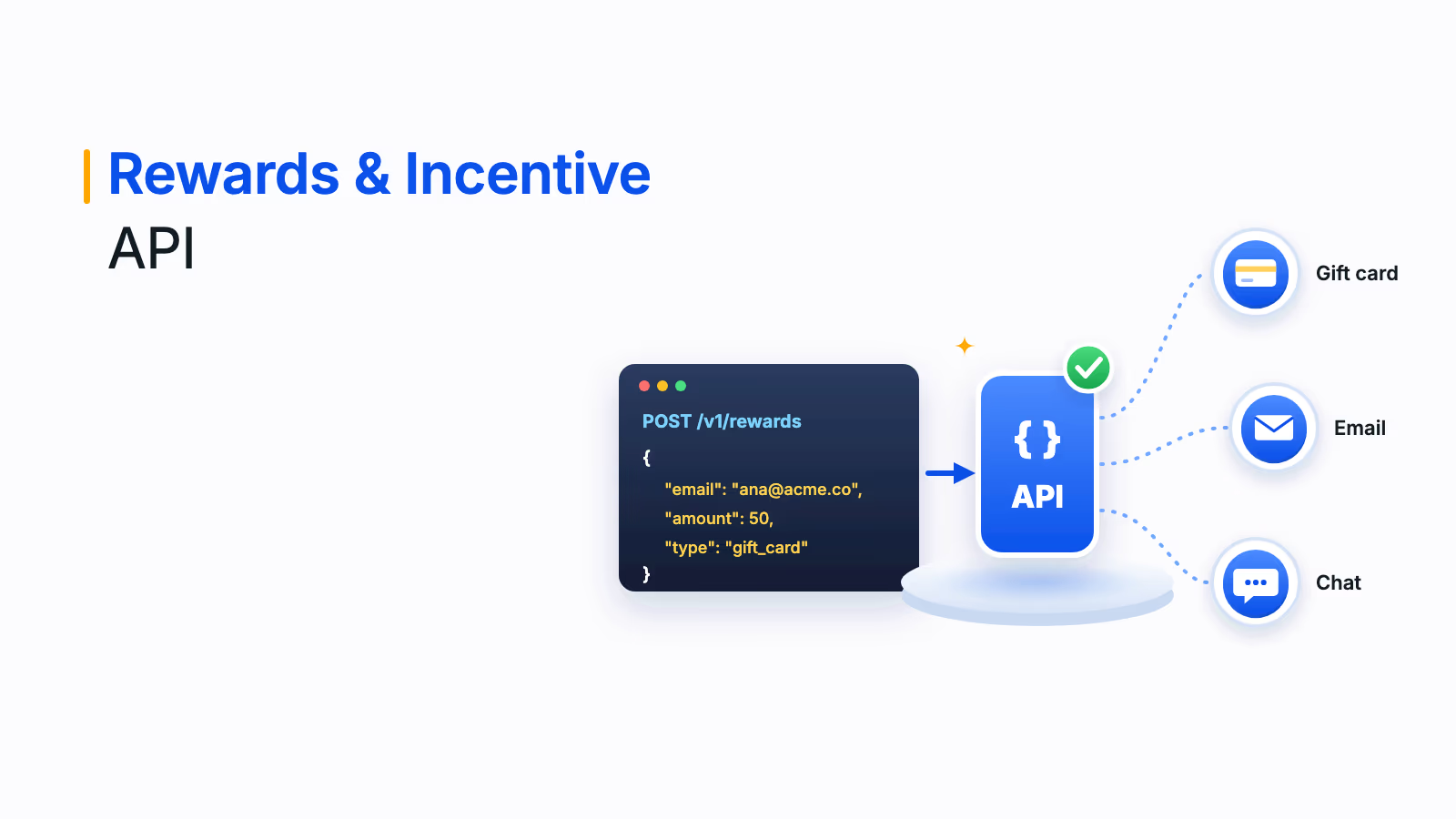
The right platform makes every step of your channel incentive programs easier, from setting milestones to getting rewards into the right hands on time. Xoxoday Plum is a rewards and incentives platform that gives you a global catalog of 10M+ reward options - gift cards, experiences, prepaid cards, merchandise and more - across 150+ countries, delivered instantly through reward links, codes, points or API.
Brands that want to run a full channel loyalty program, with tiers, rules and member management, can use Loyalife, Xoxoday’s loyalty management platform.
Ready to make your channel partners feel rewarded, not used? Book a free demo and see how Plum can power your channel incentive program.