Key Takeaways
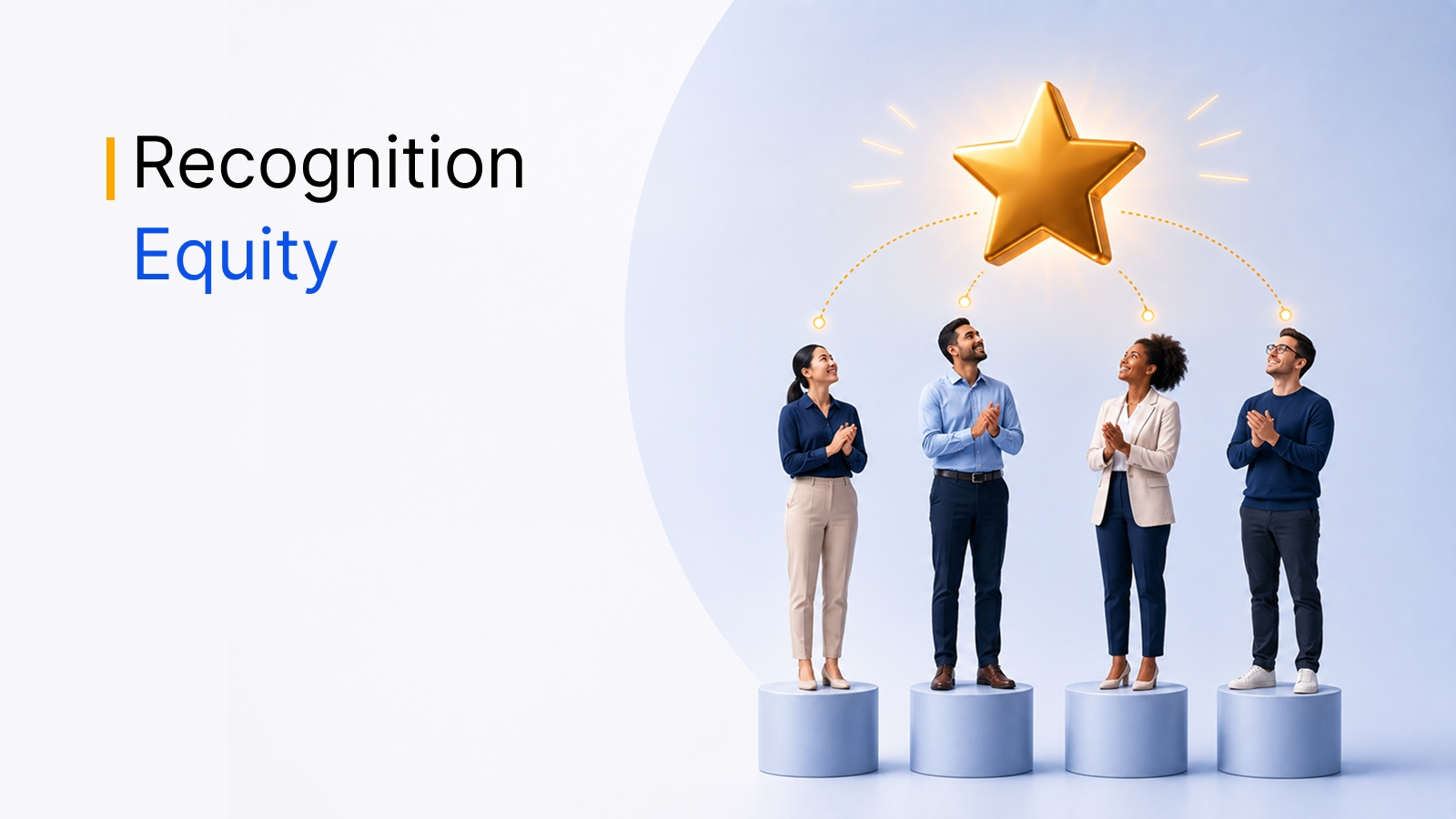
Well-recognized employees are 45% less likely to have changed organizations two years later, according to Gallup and Workhuman research.
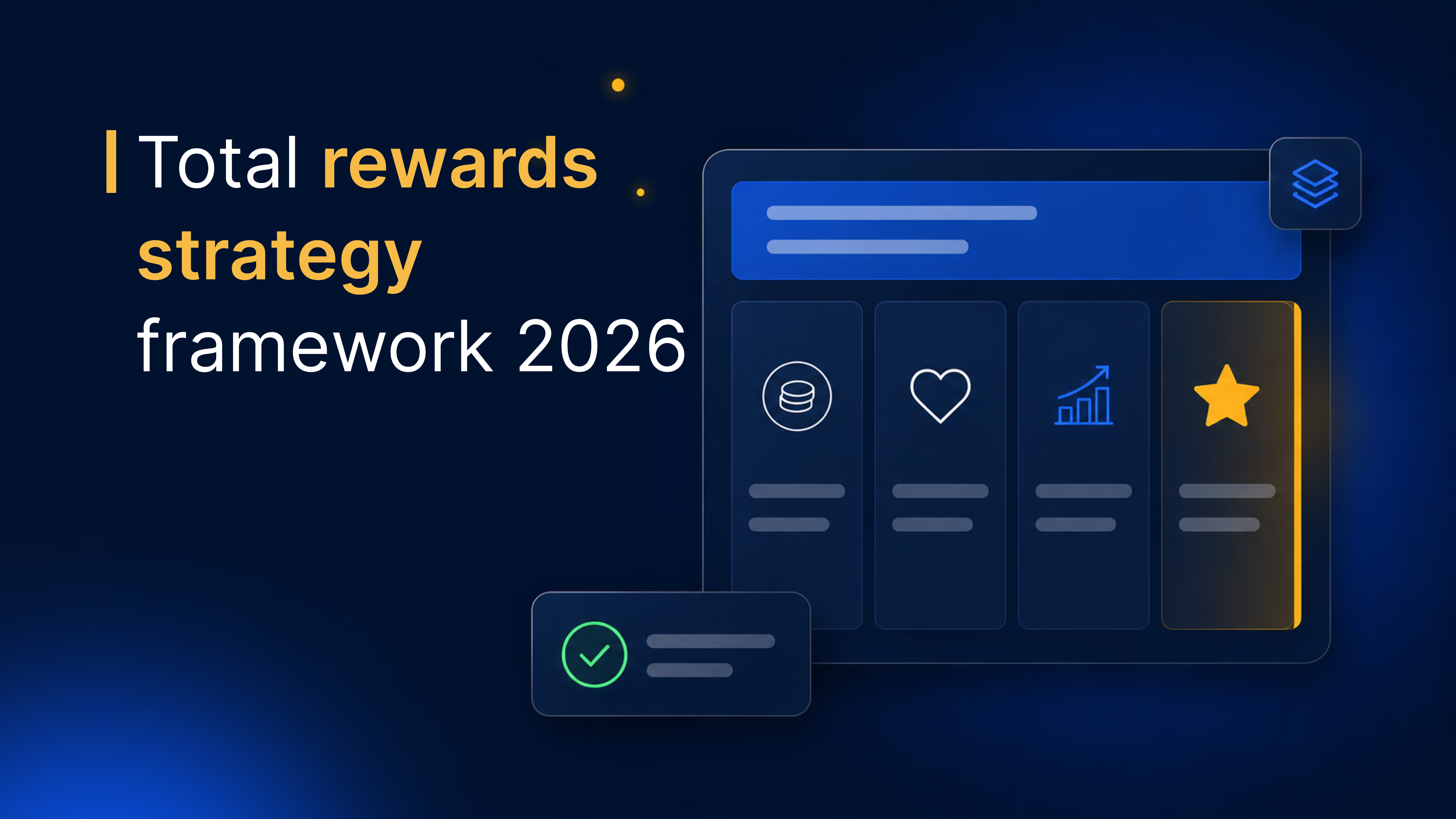
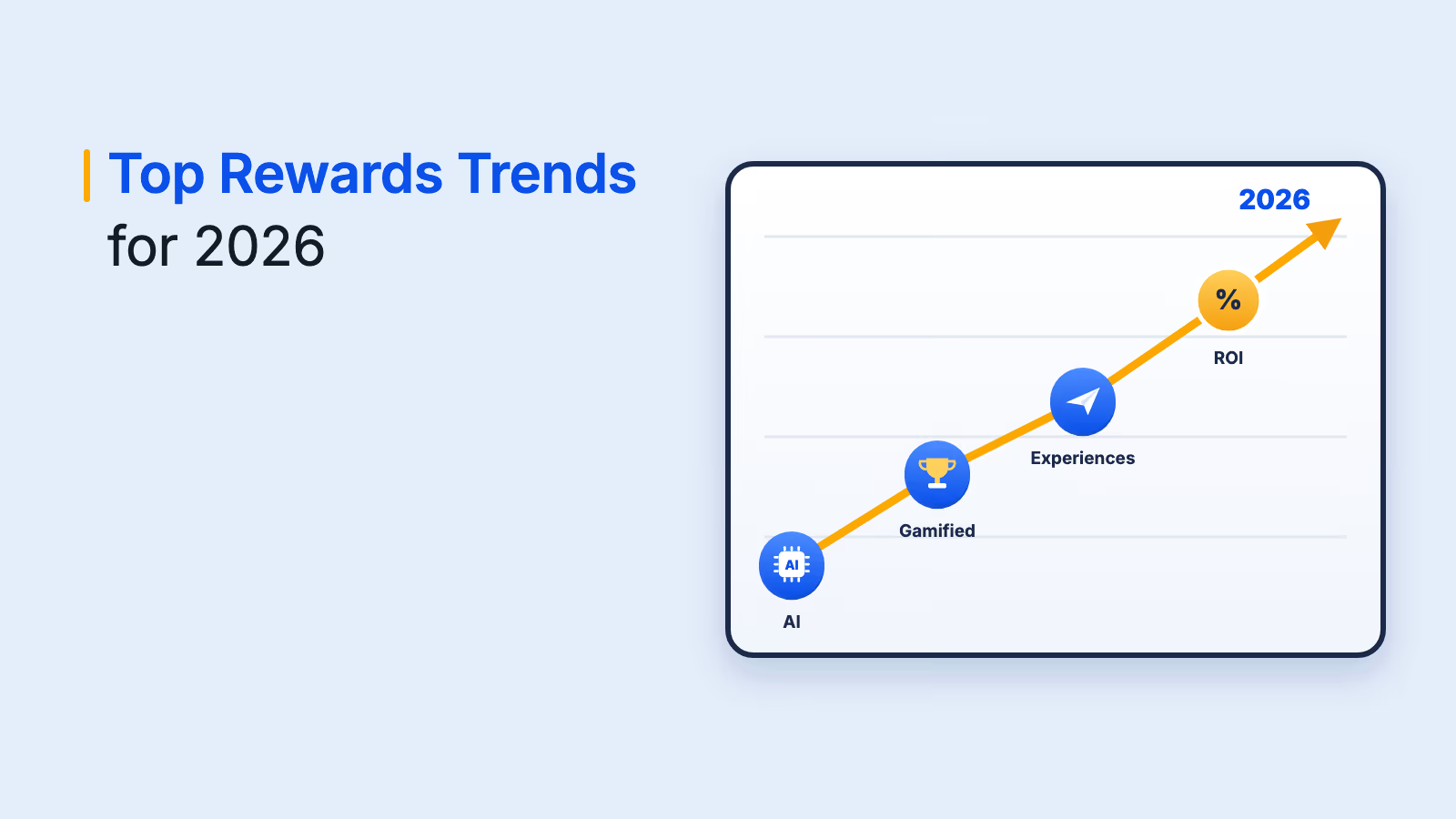
The top rewards trends for 2026 favor programs that are holistic, participative, prompt and continuous rather than one-off gestures.
Variety matters: 78% of Canadians in a 2025 TD survey want more flexible redemption options from their rewards.
71% of consumers will walk away from purchases if the experience doesn't feel relevant, making hyper personalisation a priority.
Loyalty fraud was the fourth fastest-growing type of fraud in 2024, so companies must be transparent about how they handle rewards data.
Customers want to be remembered. Employees want to be recognized. Sales teams want to be recharged.
Motivation has worked differently for different folks ever since Henry Ford started rewarding people for not leaving the company in the early 1900s. We've come a long way since.
As the world enters 2026, however, some things haven't changed. Rewards continue to motivate humans like few other things can. And the feeling of being appreciated and valued still eats strategy for breakfast. Here are the rewards trends for 2026 that matter most for employees, partners and customers.
Why are rewards important in 2026?
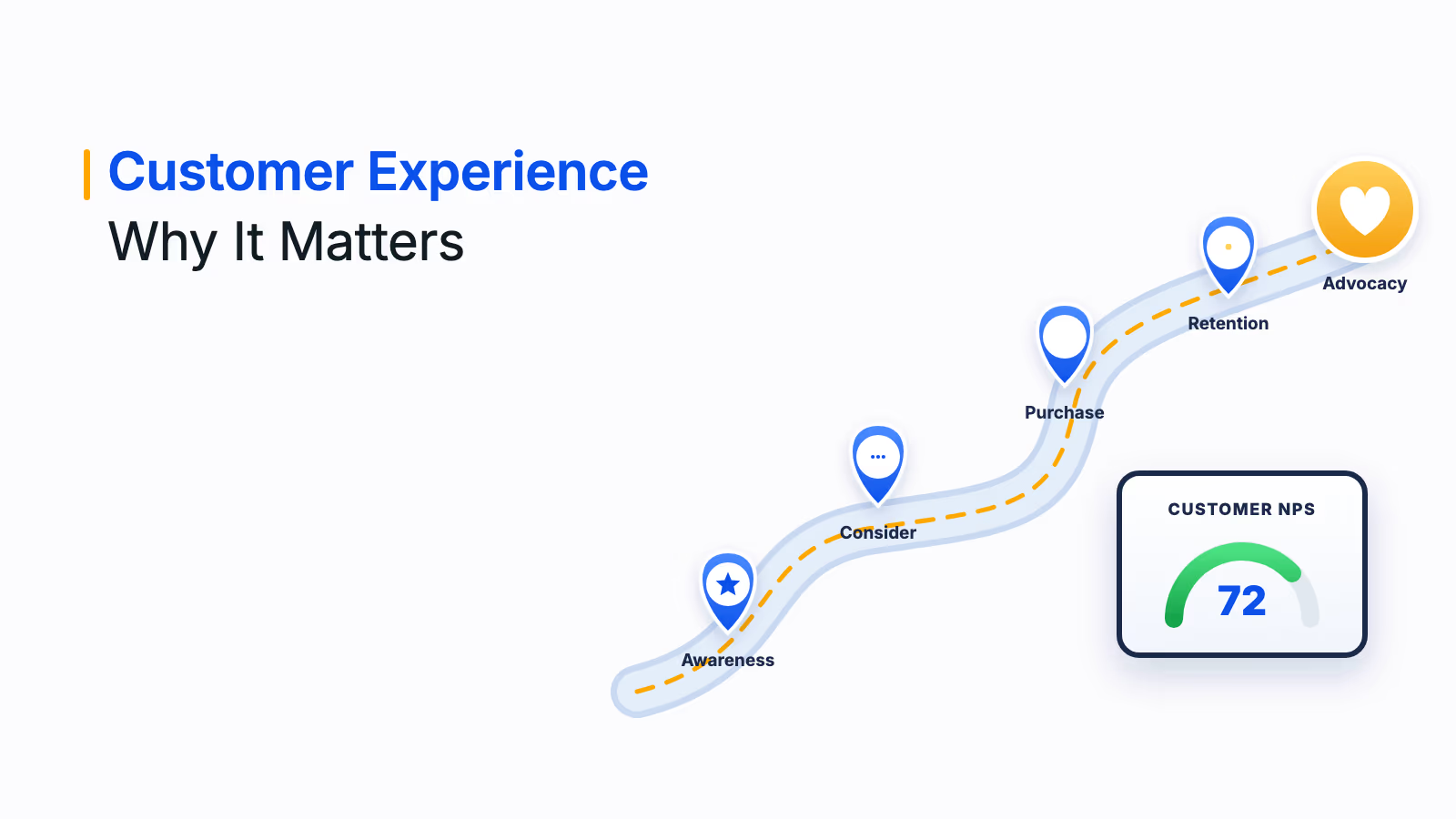
An expertly executed rewards roadmap helps engage key business actors, adds to competitive edge and drives lasting brand advocacy.
1. Workers
Well-recognized employees are 45% less likely to have changed organizations two years later, according to Gallup and Workhuman research. Not only that. Employees whose recognition meets at least four of Gallup's five pillars of strategic recognition are nine times as likely to be engaged.
2. Channels
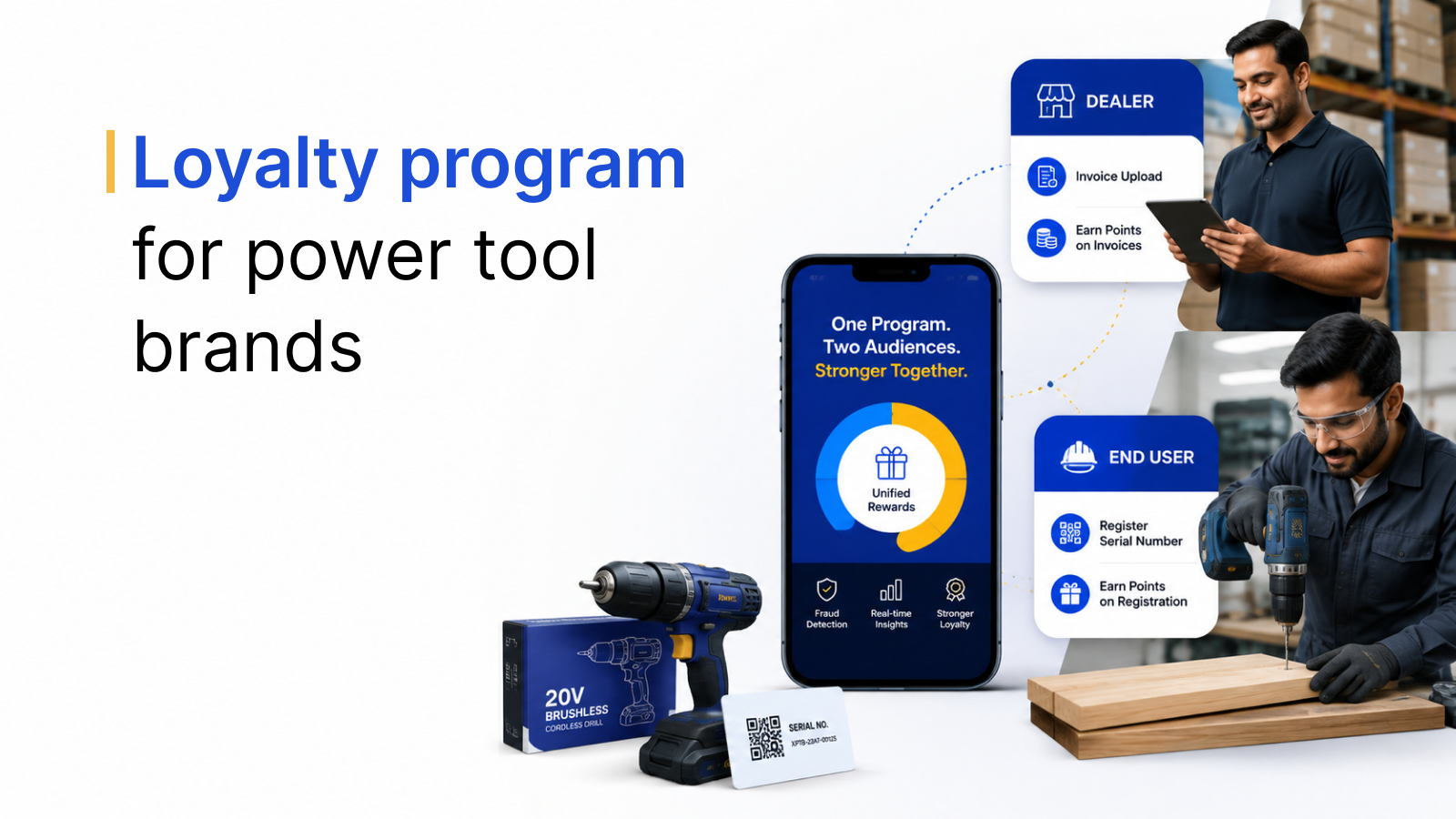
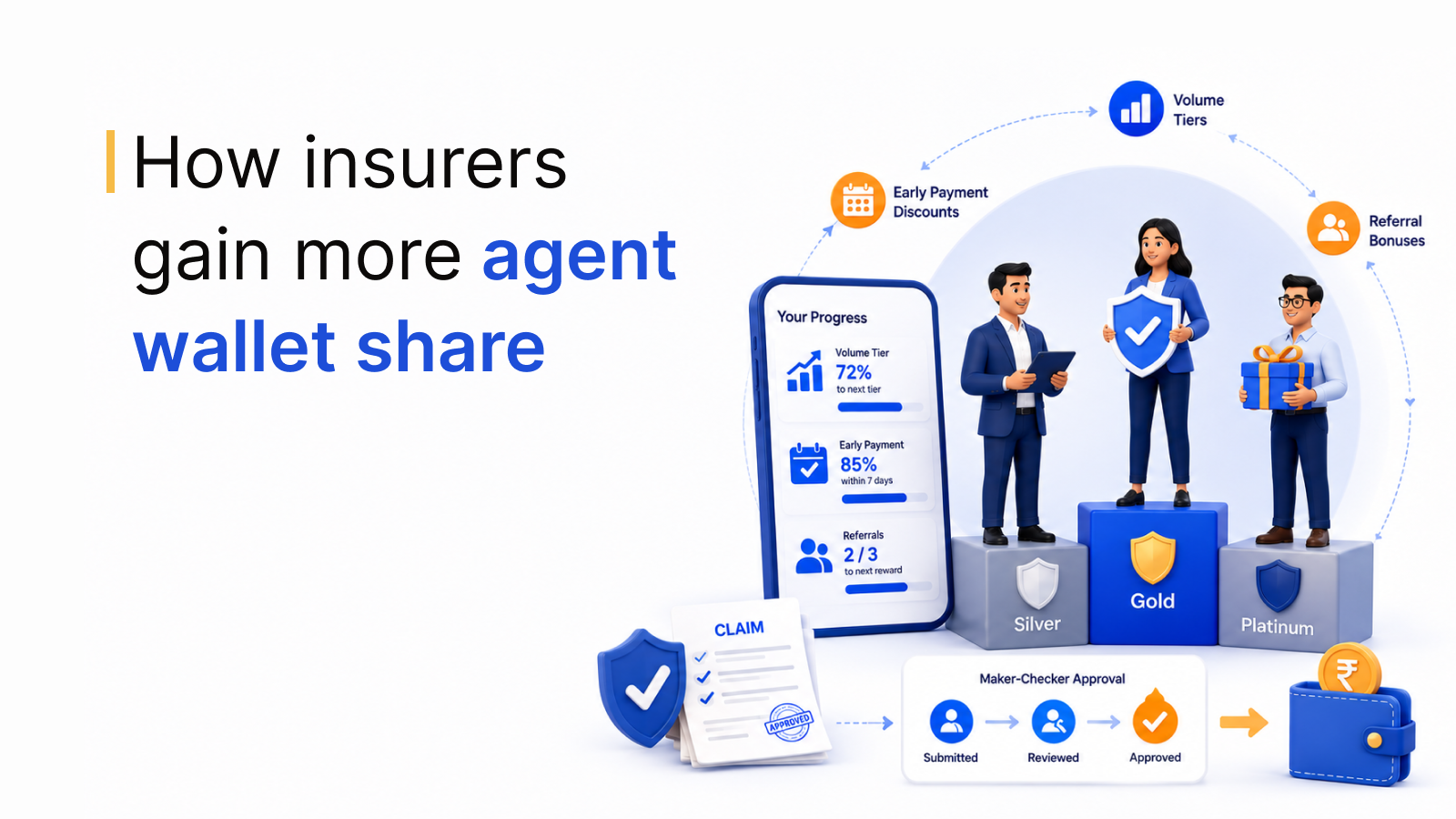
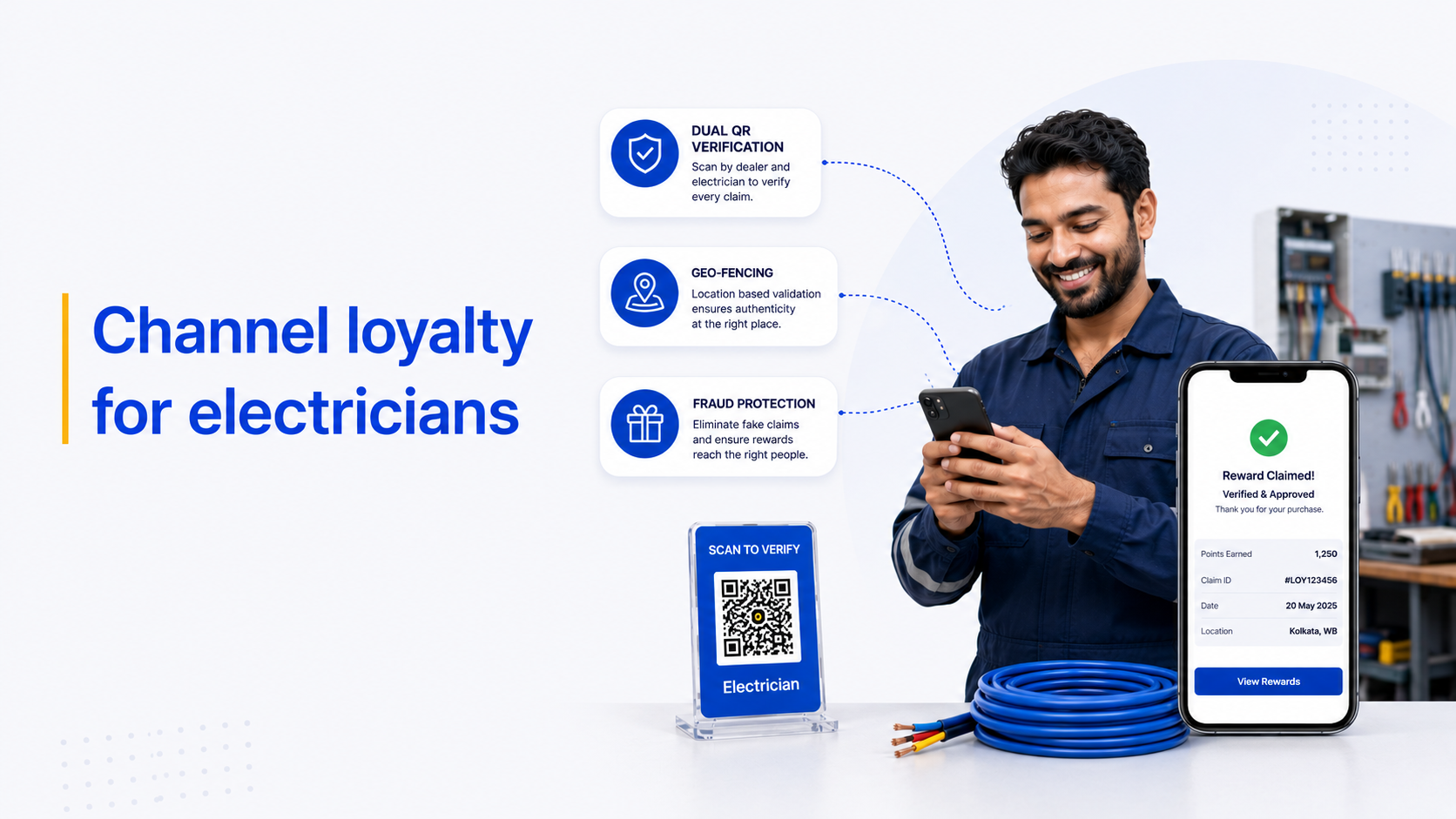
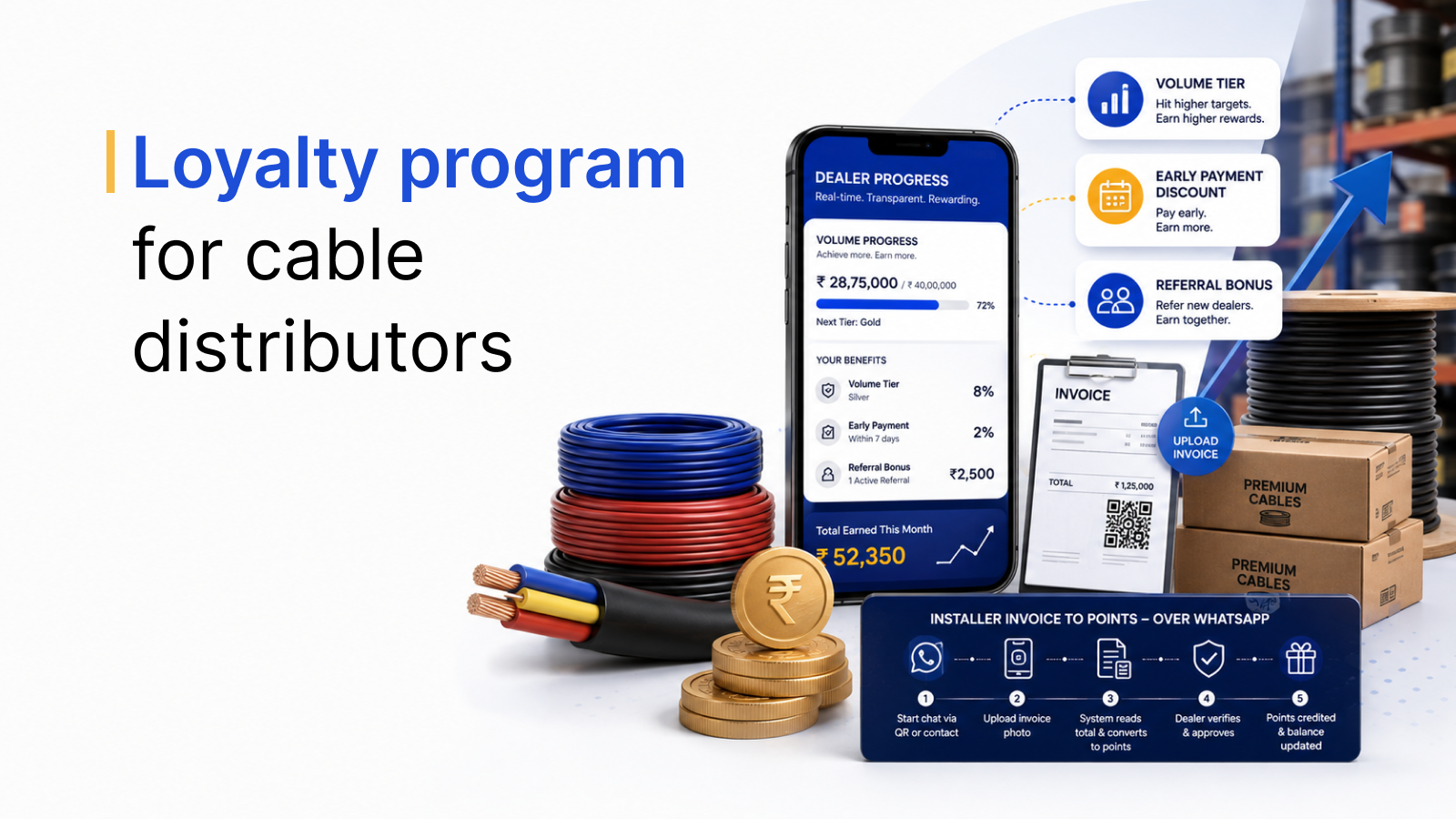
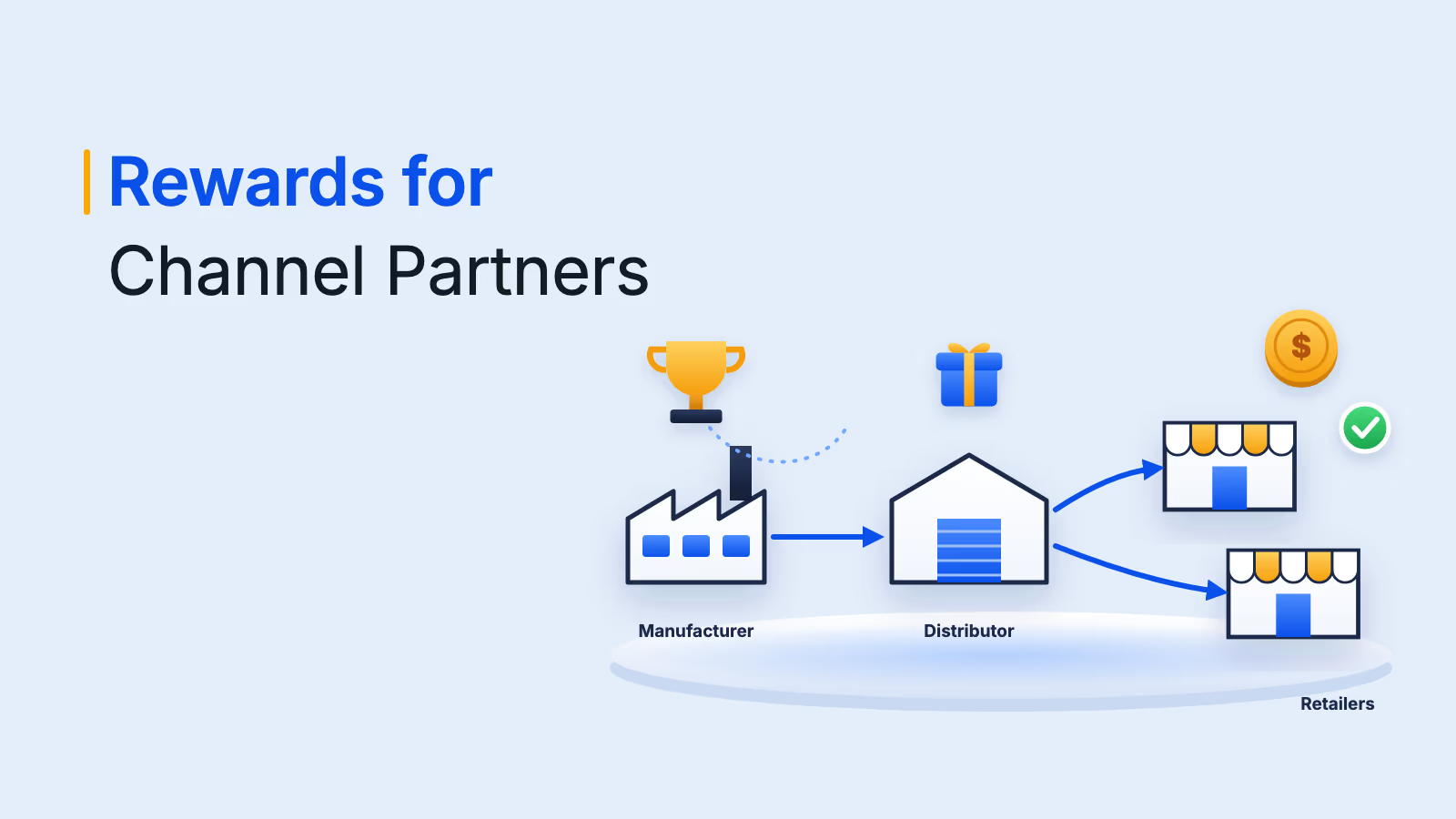
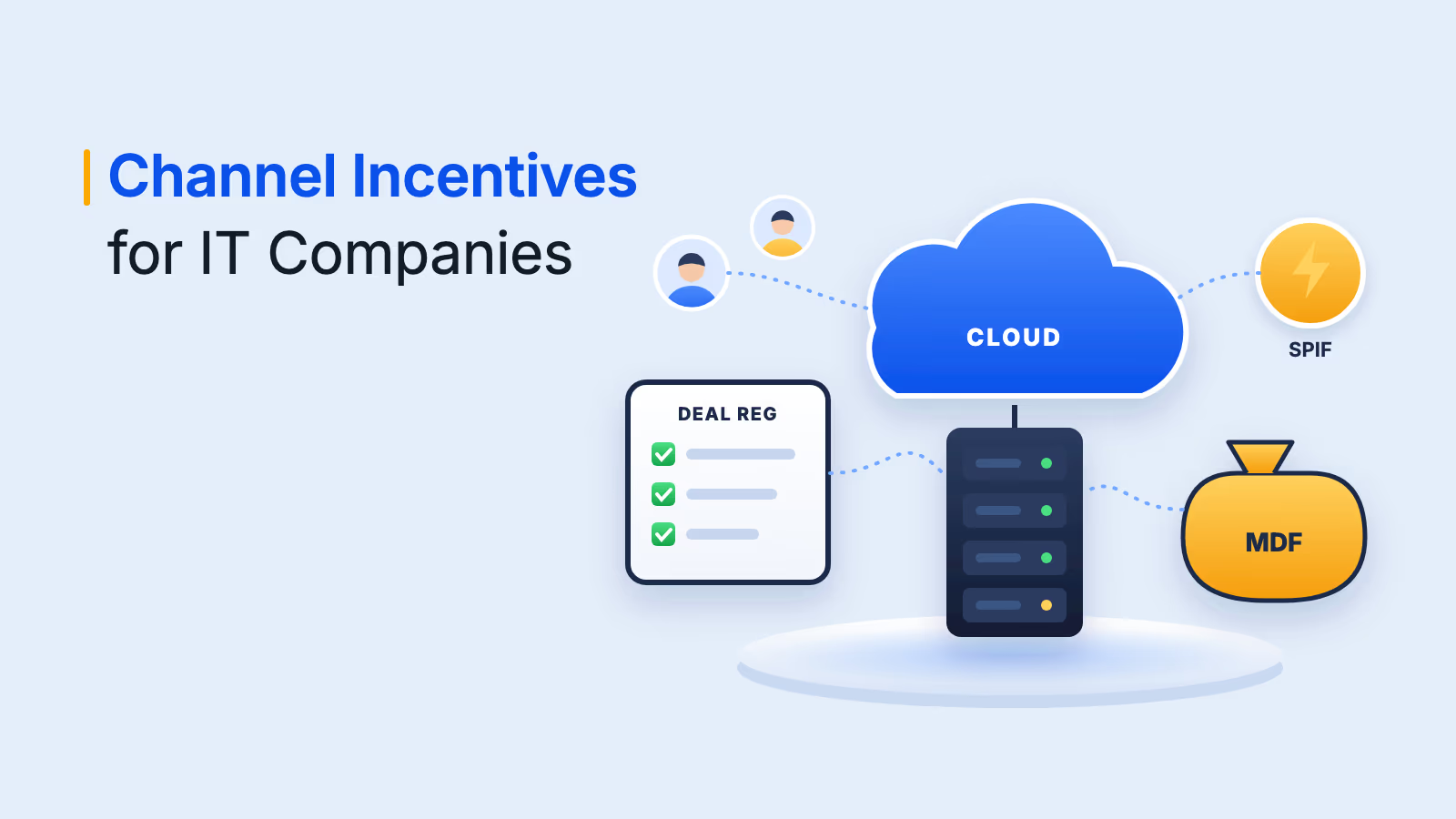
Sales rewards are a key activity across 90% of top-performing companies. And 84% of consumers say they are more likely to stick with a brand that has a loyalty program.
3. Customers
Loyalty program members generate 12-18% more incremental revenue growth per year than non-members, and members who redeem rewards spend 3.1x as much annually as members who don't.
4. Pareto at play
Pareto's 80/20 rule applies to commerce, too. With roughly 20% of customers generating about 80% of revenue, it's easy to see why smart organizations are leveraging the psychology of praise to drive desirable behaviour in a competitive market with fickle attention spans.
In the process, they are also ticking big business boxes like costs, churn and revenue. Search a brand name along with the keyword 'rewards' or 'rewards program' and 9 out of 10 times it'll bob up on Google - Amazon, Nike, Disney, everyone's on the list!
Find out more about how a well-structured B2B loyalty program featuring the right rewards can be a game-changer for your business.
So what constitutes a reward in 2026?
The definition keeps changing. The 2000s gave us formal, top-down recognition programs featuring material bounties like promotions, bonuses and certificates.
The 2010s saw the emergence of non-cash rewards, translating into opportunities for growth, social recognition and life-work balance.
We now live in a sophisticated time when the rise of technology, insights and individualism is turning definitions of work and relaxation on their head. How we express and accept appreciation is undergoing a revolution.
The world is moving away from 'skin deep' to capture the rich, multi-textured essence of the whole personality - and devise rewards accordingly. Well-being, intrinsic passions, empowerment, belonging, purpose and growth are the buzzwords as we progress into 2026.
The future of rewards programs depends on how they respond: by dynamically experimenting with new ingredients and equations to arrive at a formula that maximizes goodwill, reinforces attachment and drives repeat association and business.
Shifts shaping rewards in 2026
A Deloitte study noted a shift in perception, with NPS on rewards skyrocketing from a poor negative 15 in 2018 to a buoyant positive 37 in 2024. 2026 will solidify the shift further as leaders recognize their rewards departments as a profit point and not a sunk cost.
The best rewards programs in 2026 will be data driven, nuanced and agile. They will be laser targeted on achieving organizational goals, have a clear value proposition, and will be planned as dynamically evolving entities that can accommodate trends and disruptions on-the-go with minimum fuss.
Here are the employee rewards trends and customer rewards trends we expect high-performing rewards frameworks to embody, going forward.
Put 2026's rewards trends to work
Send gift cards, experiences and more from 10M+ reward options in 150+ countries.
Talk to our ExpertTrusted by 5,000+ companies
Top rewards trends in 2026
1. Legacy free
Future-first rewards leaders will be unencumbered by legacy systems in the new year, choosing to look ahead instead. They will fearlessly embrace new technologies, engagement models and trends to stay competitive while unlocking the full potential of their rewards systems.
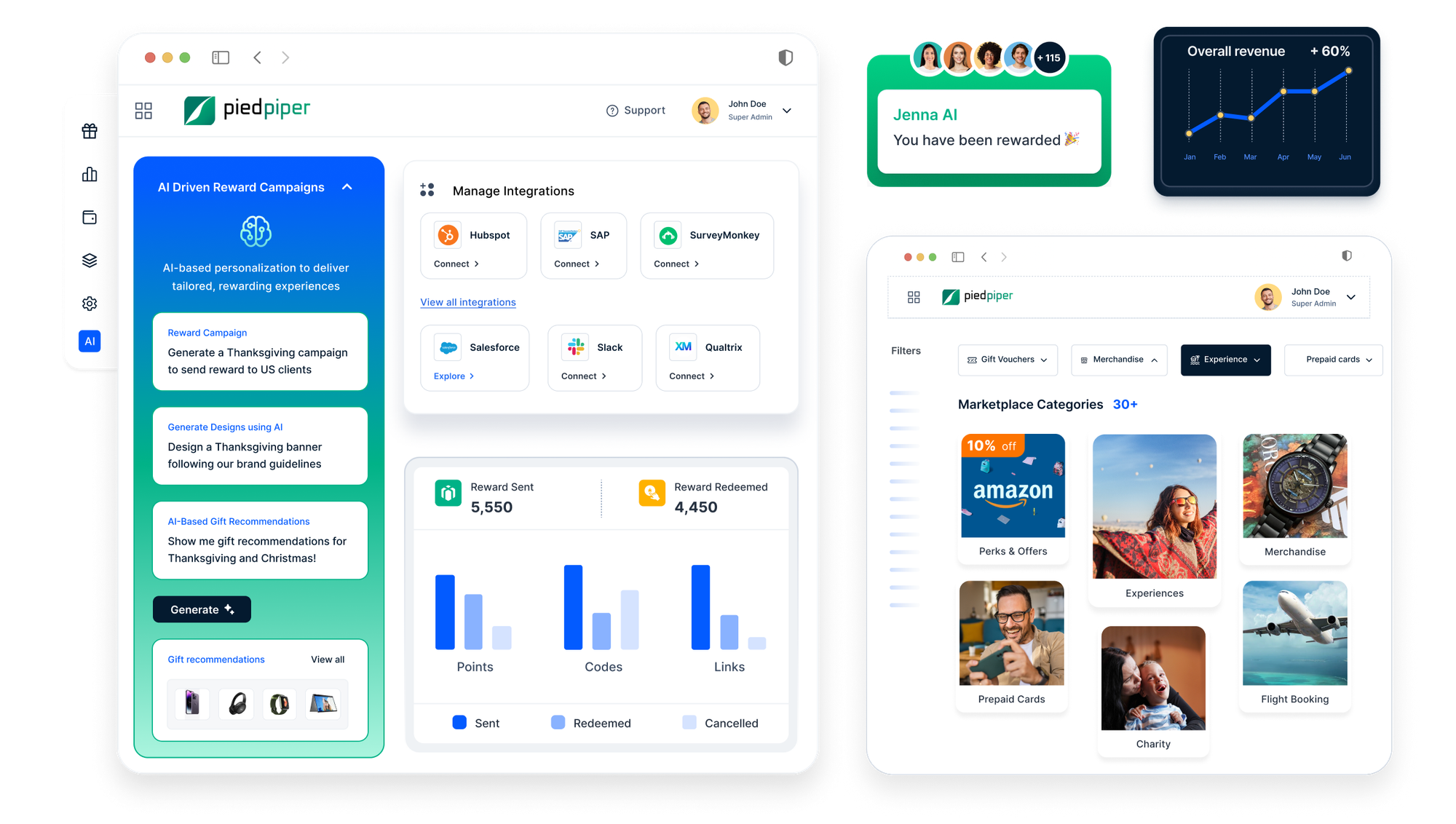
With IT costs falling and AI democratizing technology like never before, even small brands now have the opportunity to achieve extraordinary engagement and loyalty by combining their rewards strategy with the right technology stack, or by partnering with the right rewards-tech platform such as Plum.
2. Holistic
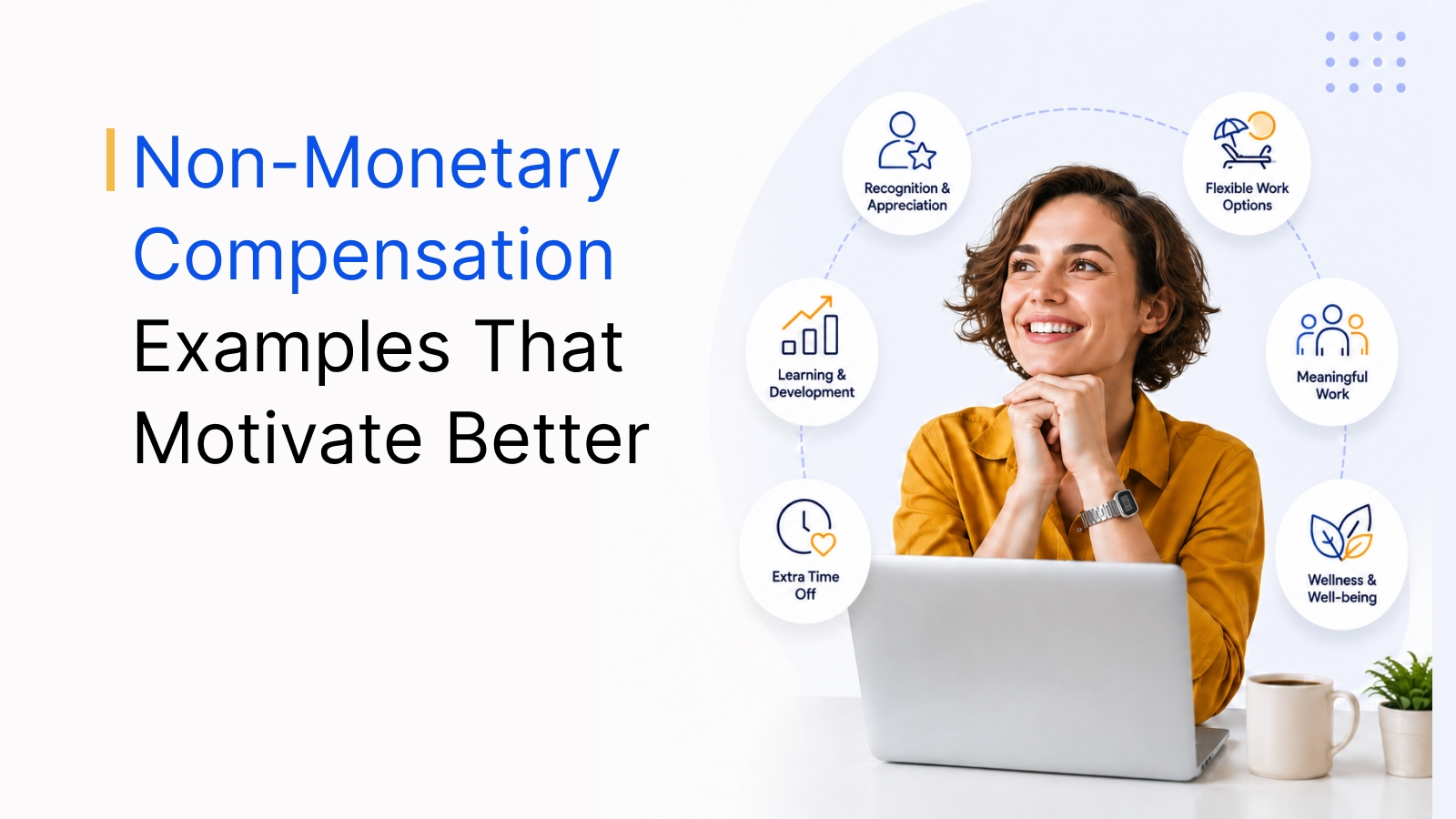
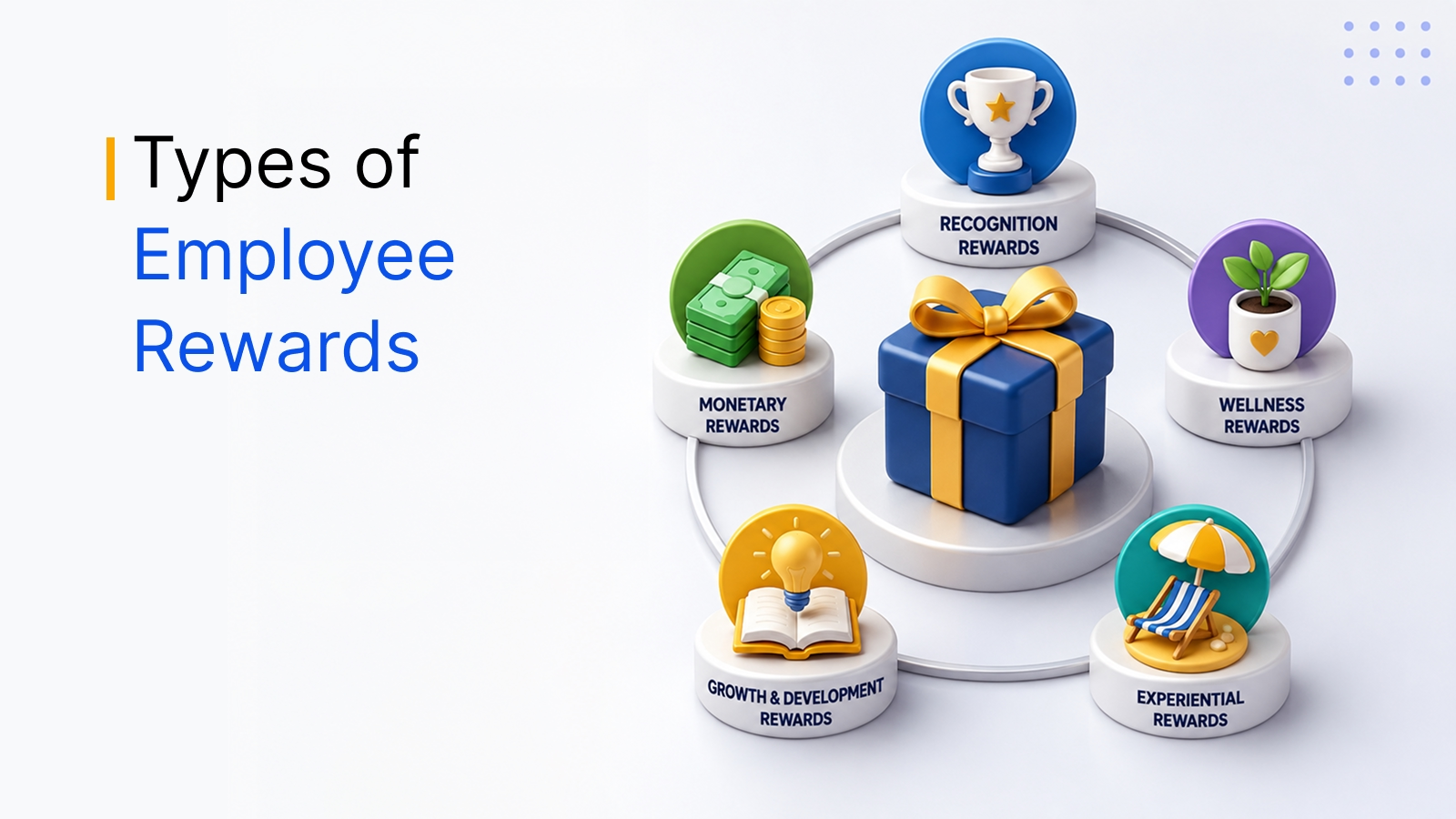
Rewards are becoming more and more multidimensional, covering a wide base including physical, mental, social and financial fitness. Flexible hours, childcare support, upskilling, retirement support and other 'fringe' benefits are enjoying the spotlight.
Truly great rewards will be 'total in spirit,' empowering individuals by addressing both their extrinsic and intrinsic motivation triggers.
3. Participative
Be it active management and peer involvement (41% of employees want to be recognized by a peer) that encourages praising in public (more than 50% of employees want public recognition), on-the-ball feedback, coaching or gamified experiences, rewards programs in 2026 will be designed to flourish in collaborative, co-created environments.
4. Communicative
Listening, sharing, and microlearning are fast emerging as the pillars of the modern rewards architecture.
Messages, nudges, and alerts - embedded deep inside the fabric of workflows and marketing funnels - are fostering closely knit ecosystems that inform, review and reward in near real-time.
5. High frequency recognition
As an extension of the previous point, we are seeing companies taking to platforms like Zoom, Slack, Teams and social media (private funnels and dark social) to nurture high frequency interactions.
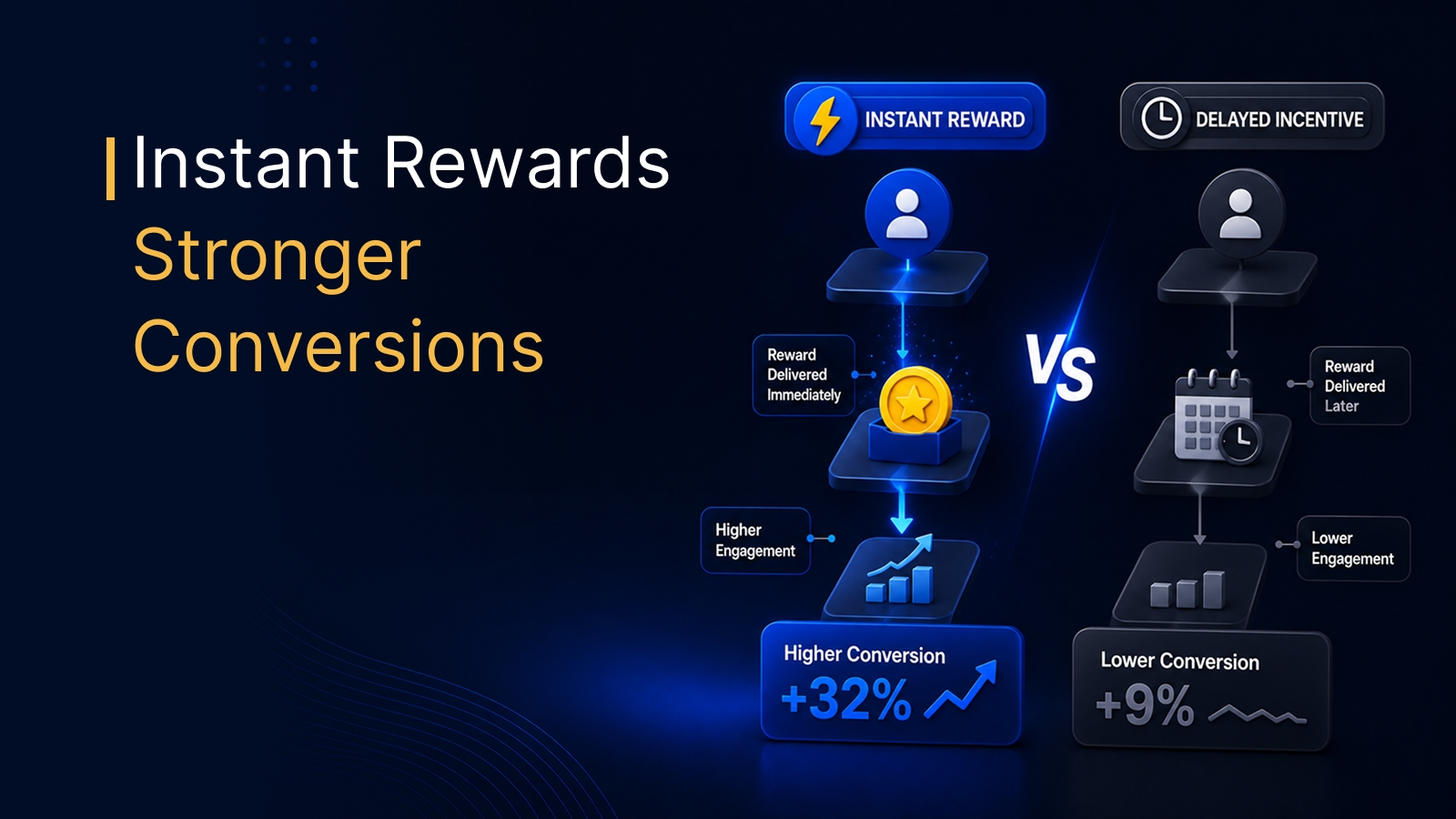
The goal is to celebrate feedback and gratitude in-the-moment, engage employees and customers 'where they are' and integrate instant gratification into everyday workflows and procedures.
6. Tech first
Rewards leaders will be wielding rewards like a magic wand in 2026: shooting stubborn bottlenecks and reaching for targets so far considered impossible.
Embracing the latest digital practices will help them build rewards mechanisms that are smartly targeted, deeply customized, joyful to use, hybrid-friendly and privacy compliant.
7. Sensitive
With remote work engaging employees from across the globe and clients coming from different parts of the world, business practices and policies now have a mandate to meet a diverse set of expectations.
They must be culturally sensitive, respectful of individuality, fair, equitable and provide freedom of choice. Flexible and decentralized systems are 'in,' creating environments where members have greater autonomy and control than ever before over how they are rewarded.
8. Variety
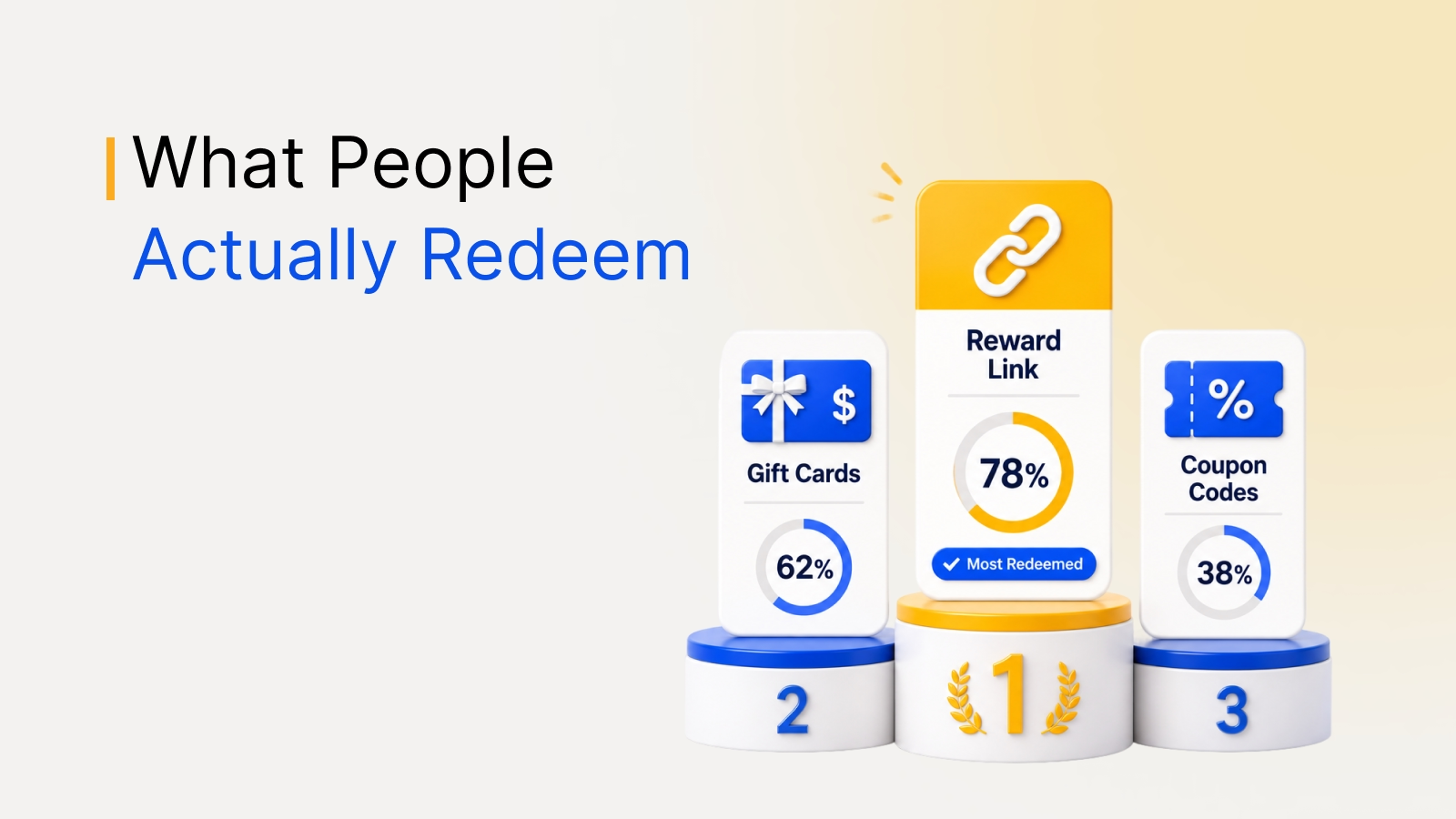
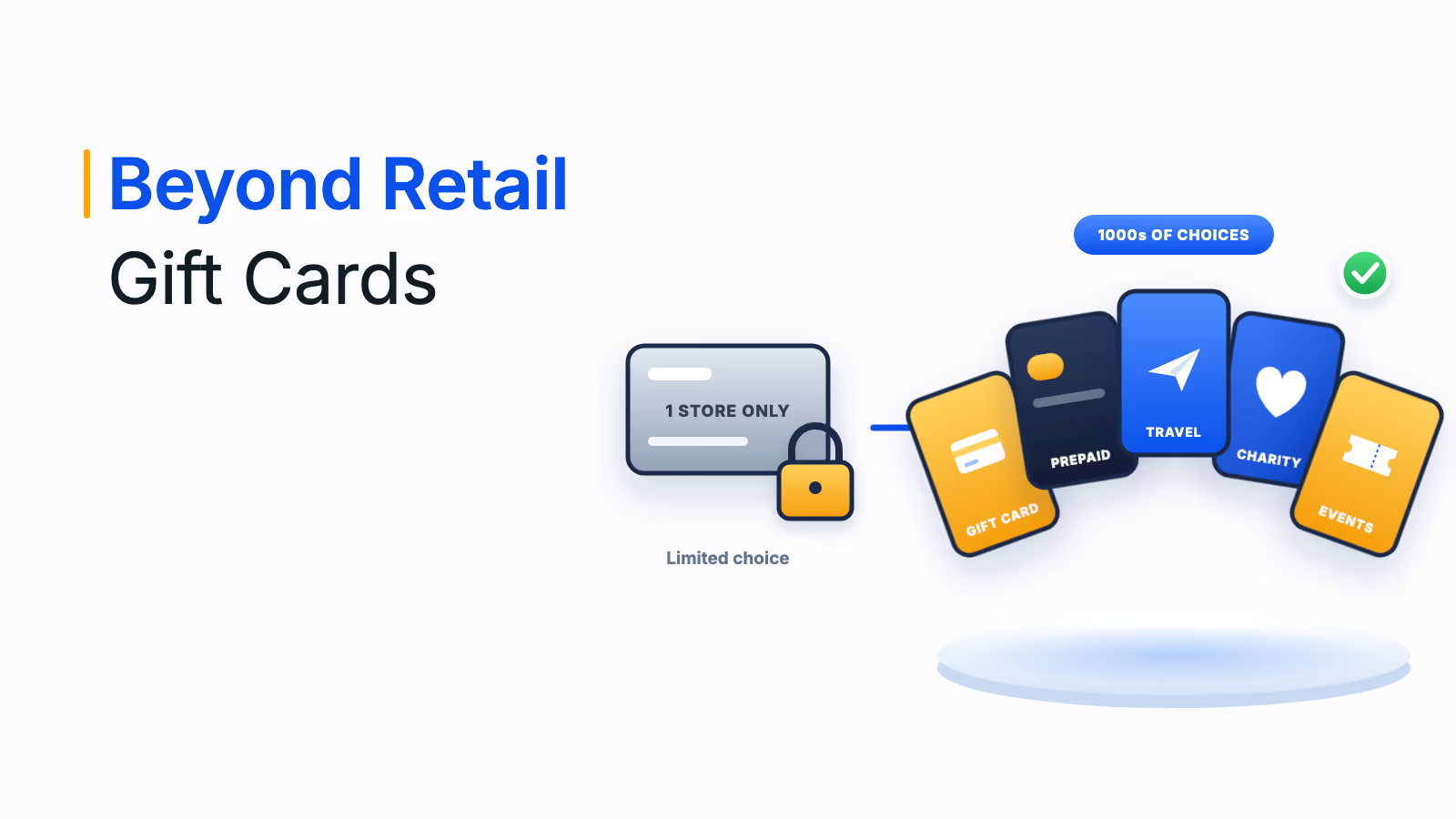
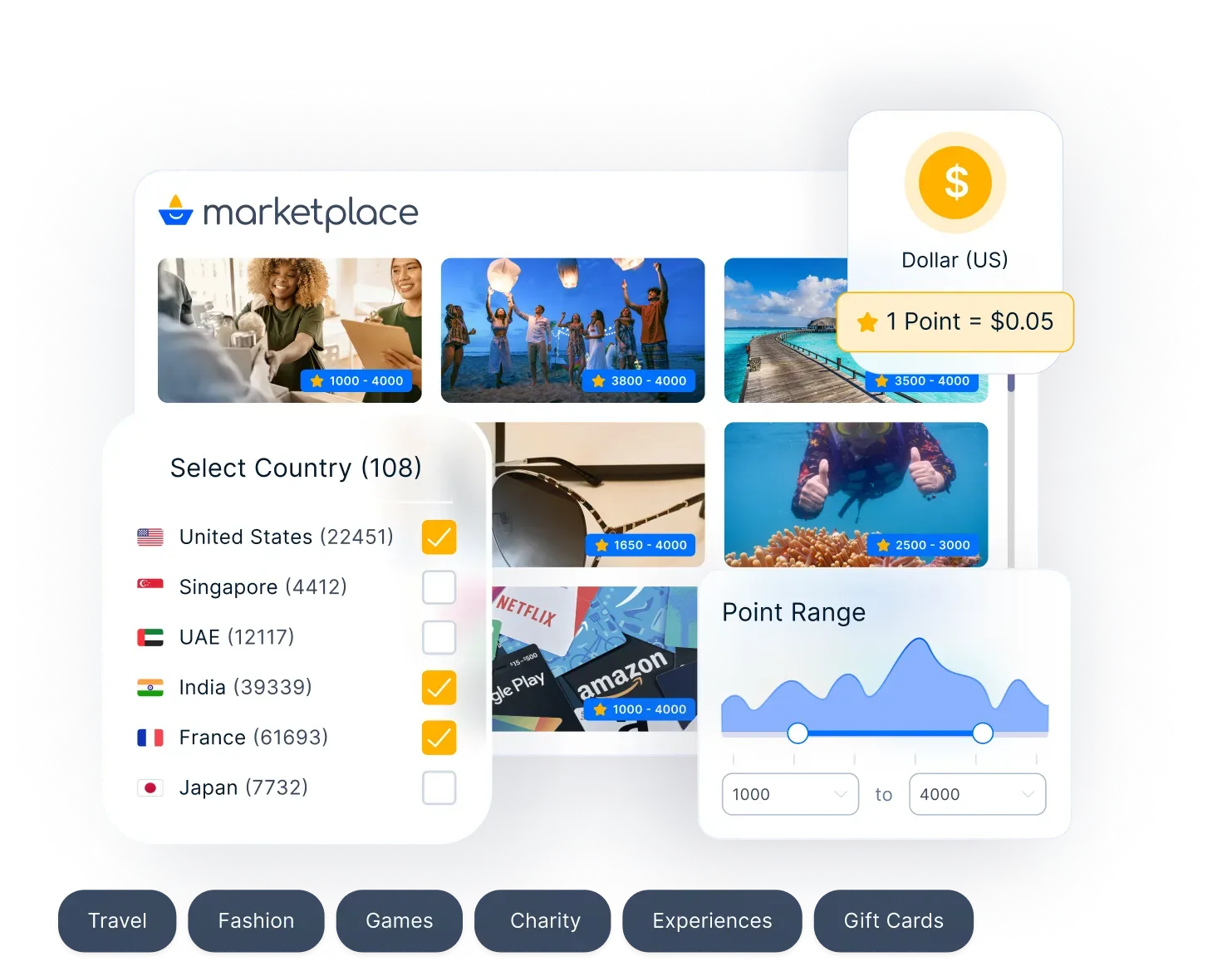
A 2025 TD survey found that four in five Canadians (78%) want more flexible redemption options from their rewards.
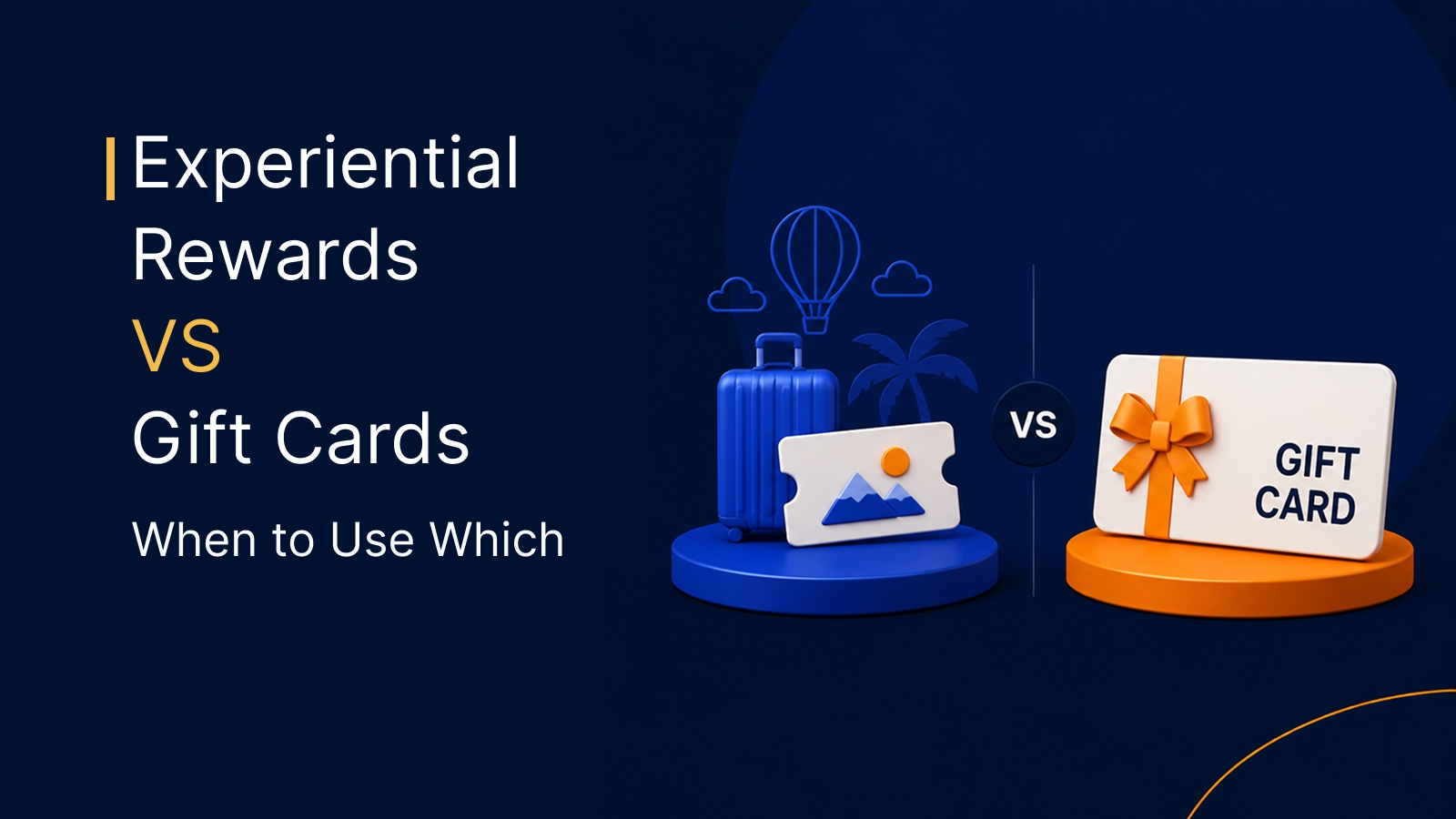
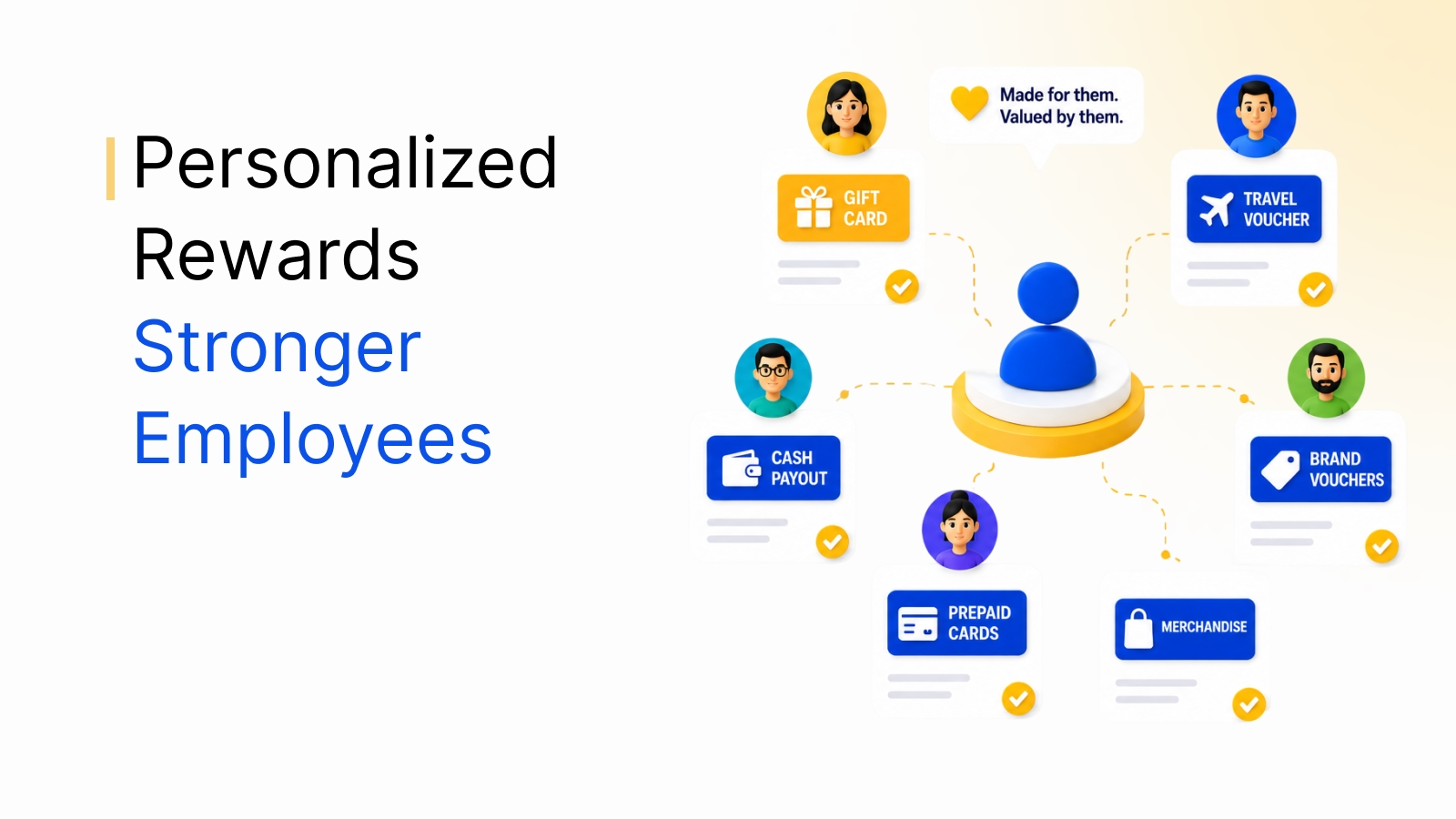
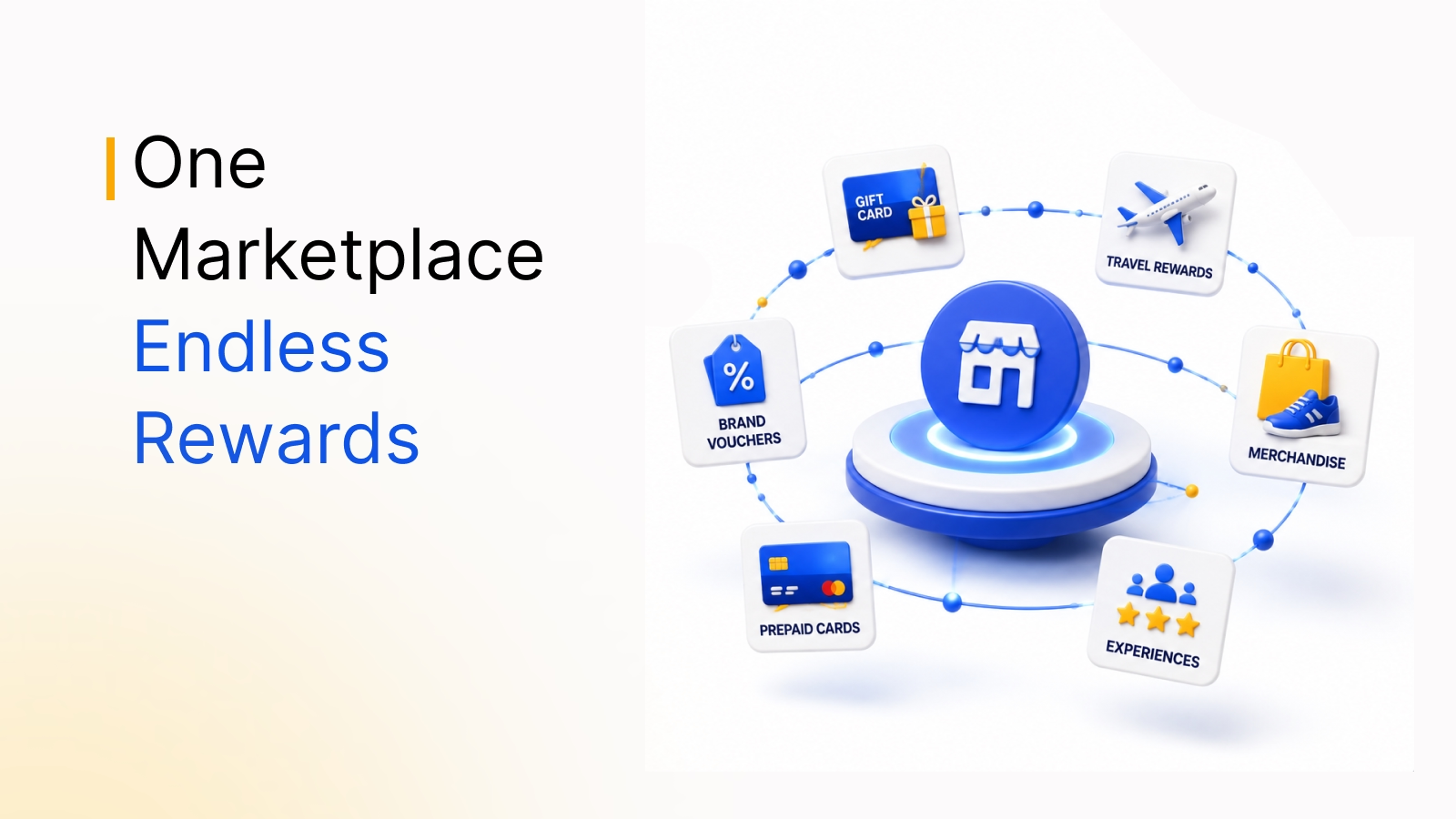
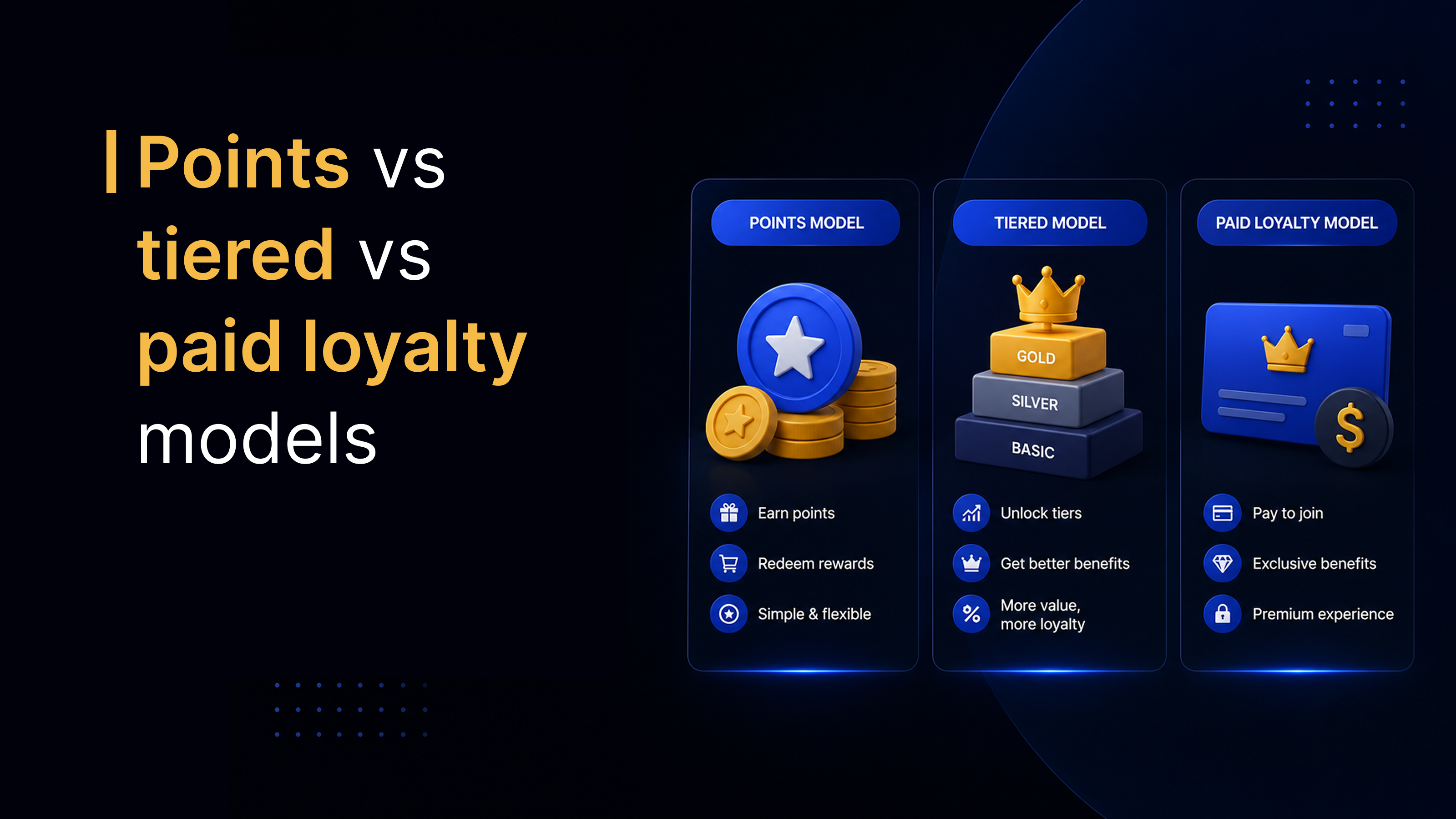
Points, tiers, codes, cards, discounts, prepaid vouchers and marketplaces will spoil us for choice in 2026 as companies lay out a lavish buffet of innovative rewards.
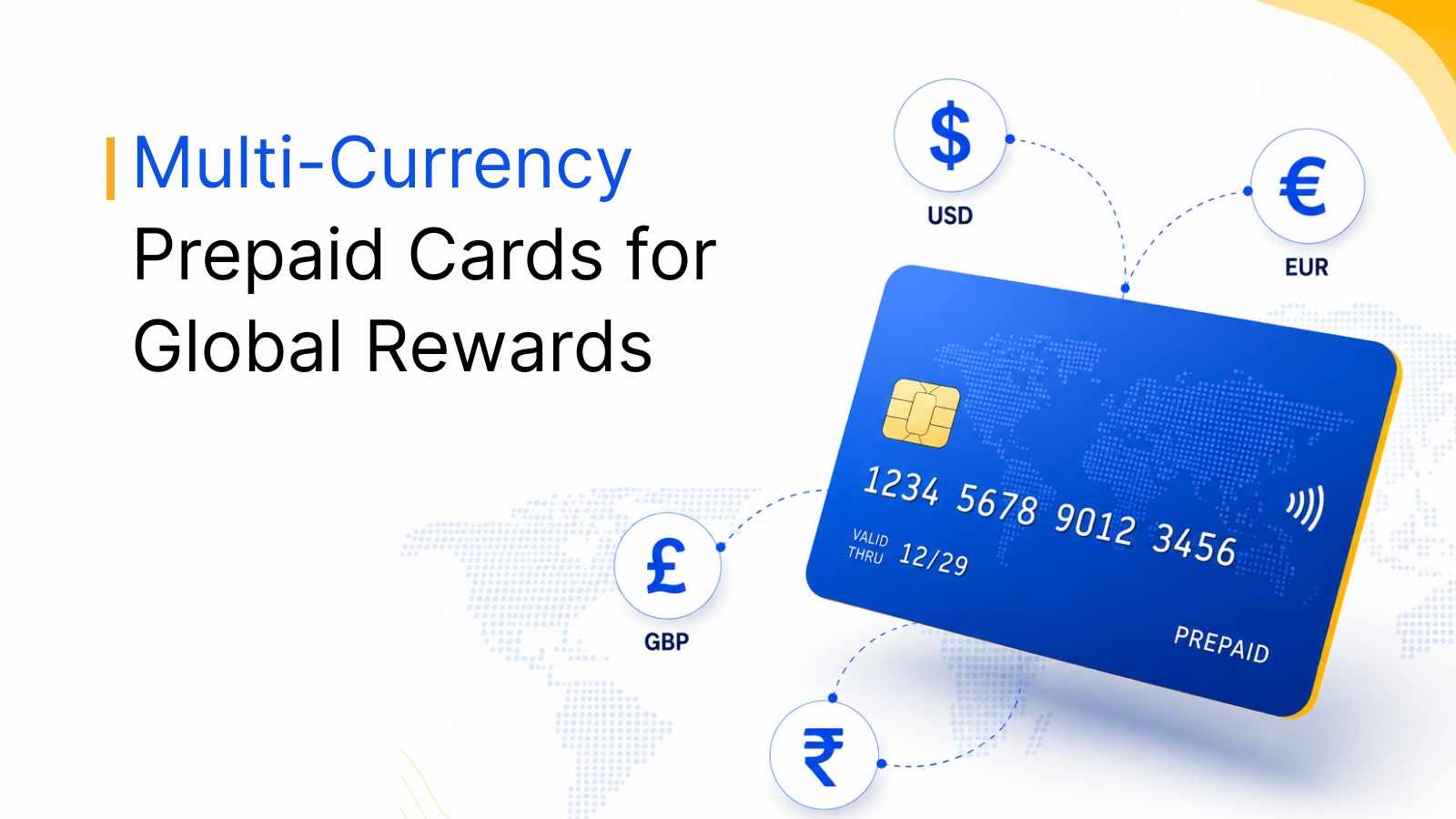
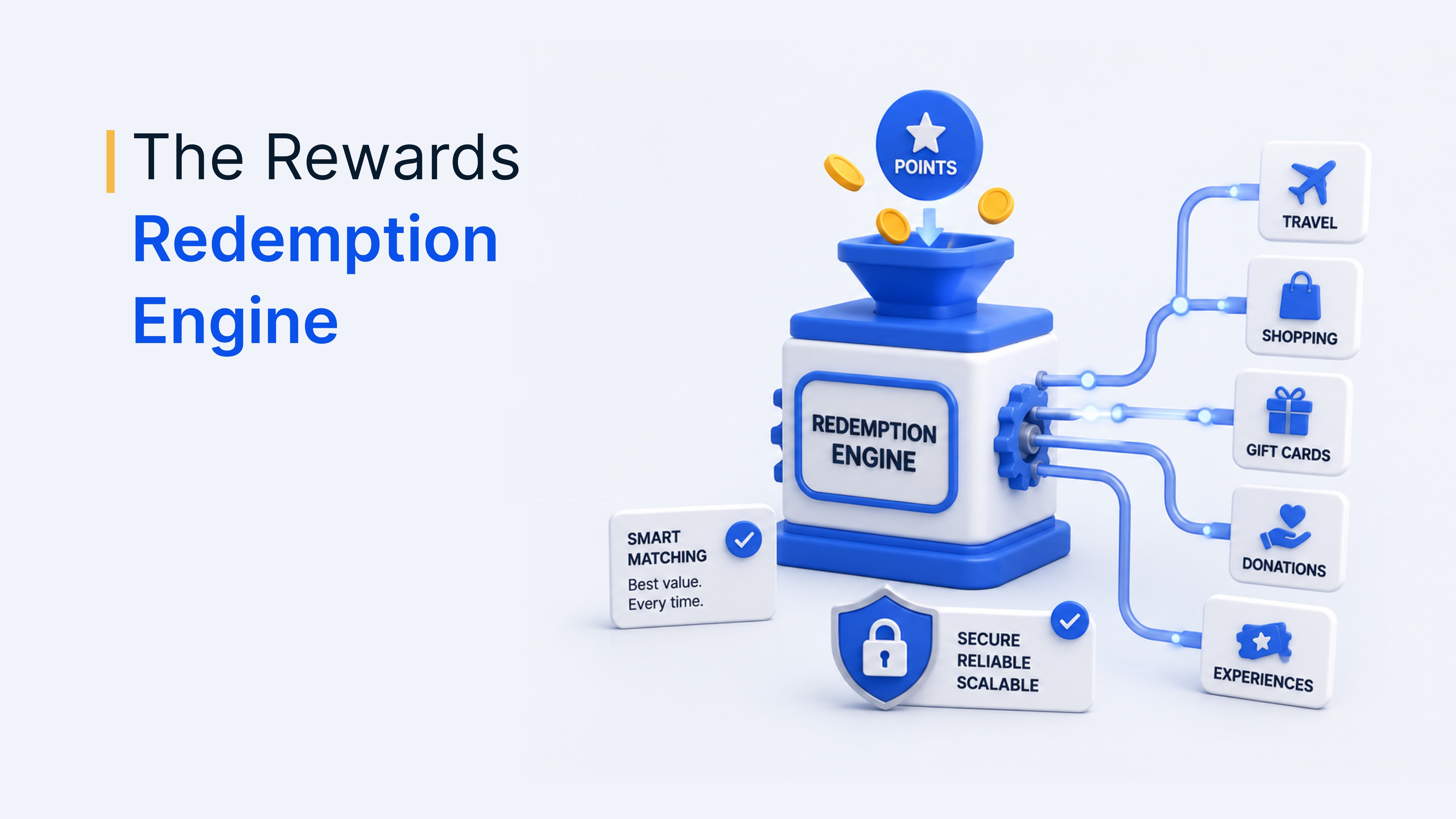
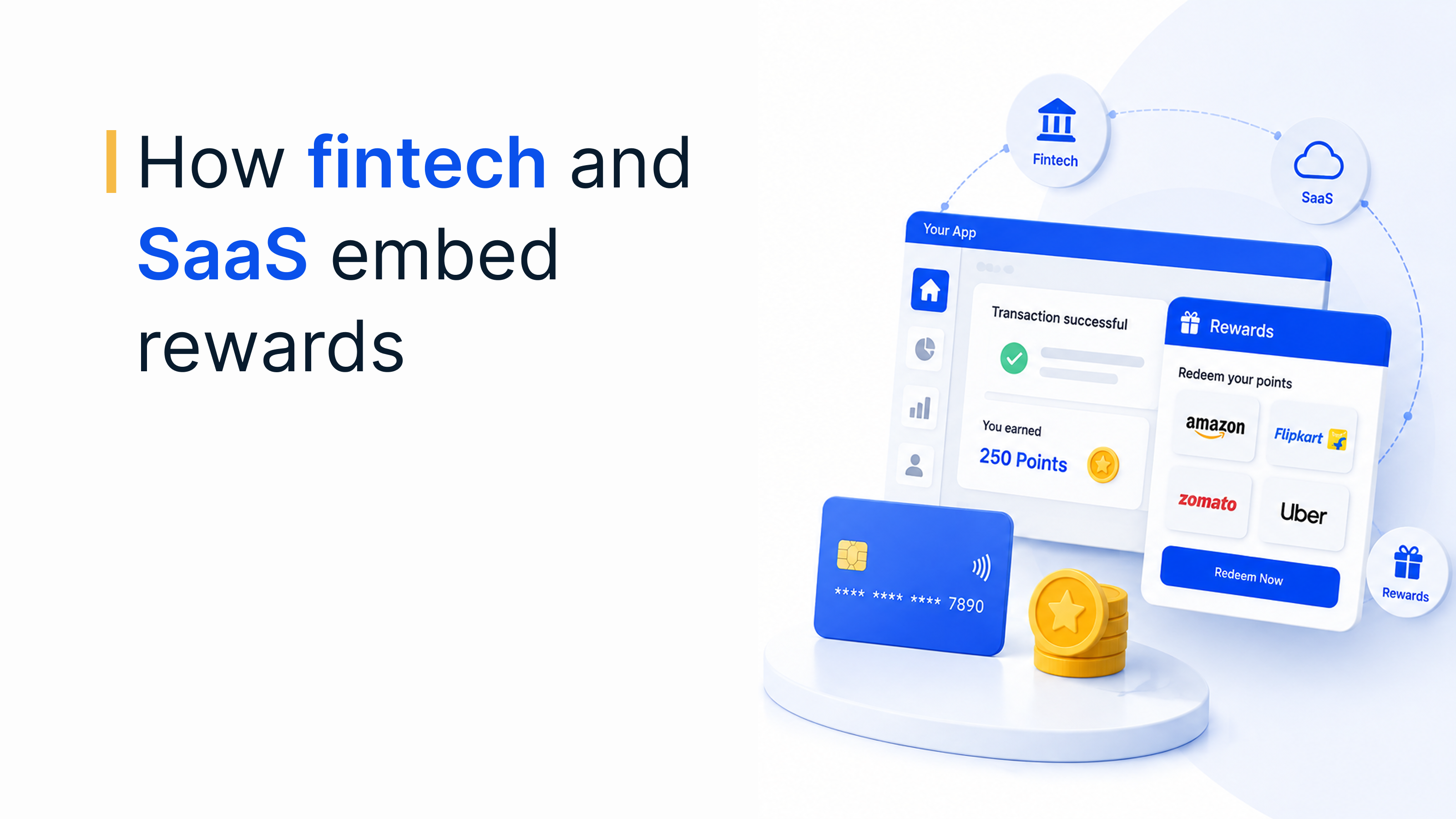
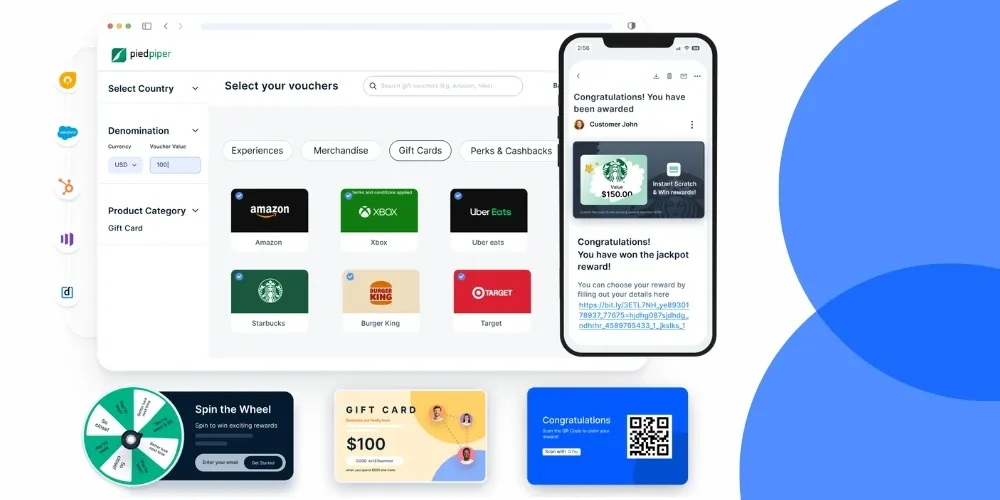
Leading rewards platform Plum lets redeemers compare and pick from 10M+ reward options across 150+ countries and 30+ categories, allowing brands to build incentive programs no matter what their strategy, idea, or budget.
9. R & R delinking
The familiar pair - Rewards and Recognition - could finally be decoupling. While rewards are more formal, everyday acts of recognition like ice breakers, pats on the back and fun moments are separately gaining traction as 'power moves' in their own right.
10. In person
A study indicates that a sense of belonging at the workplace can lead to a 50% reduction in turnover risk. As in-office work formats claw back into fashion, companies are utilizing the opportunity to create unique face-to-face moments that offer choice while at the same time fostering the magic of in-person connection.
Common stakes and shared purpose are being woven into the rewards fabric to make acknowledgment feel genuine and special.
11. Prompt
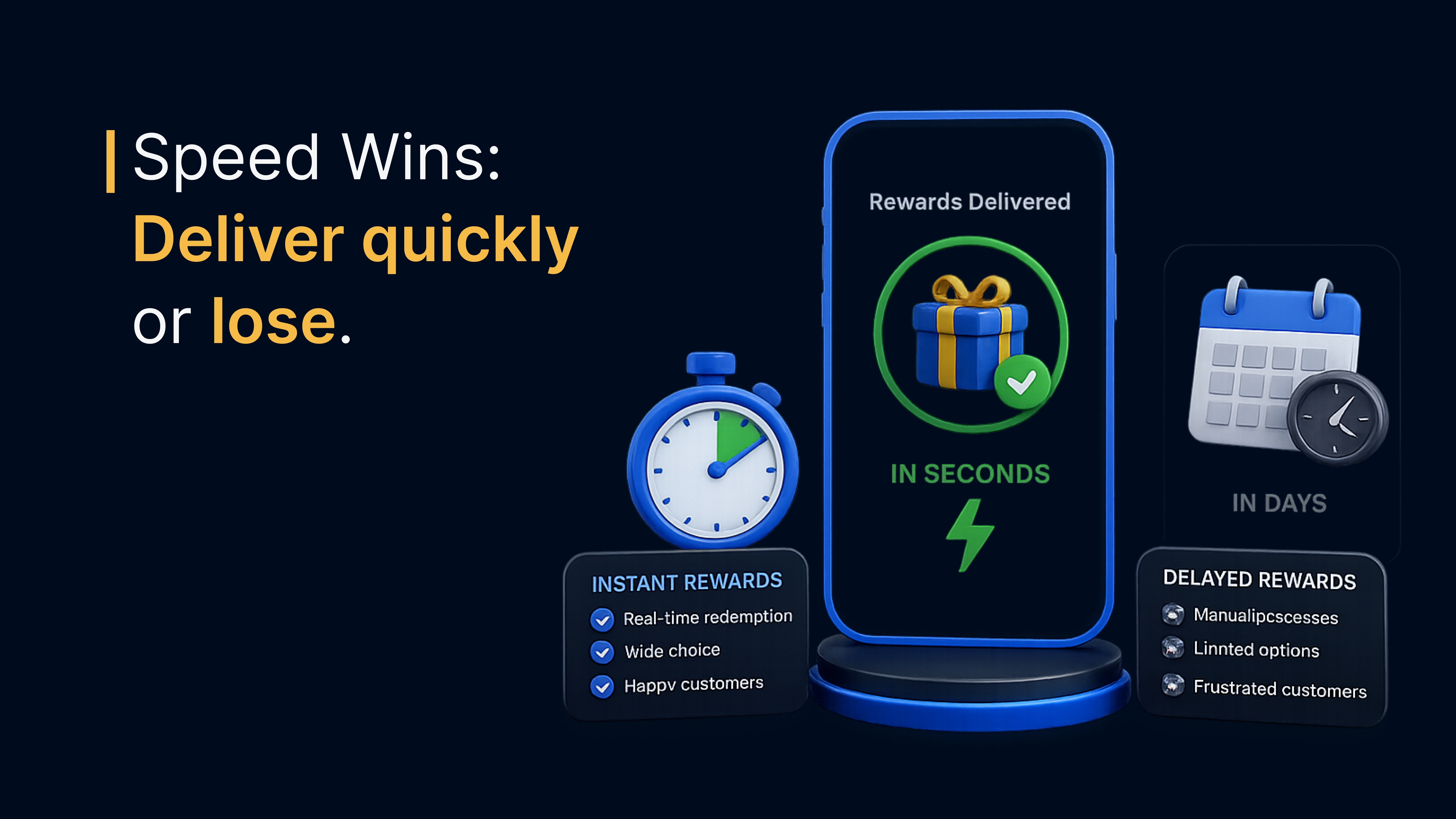
Tom Petty sang about the agony of waiting back in 1981, and new research shows our distaste for delay hasn't lessened one bit. Managers will therefore capitalize on winning tempo and momentum by fulfilling expectations quickly in 2026. Recognition delayed, after all, is recognition denied.
12. Accommodating
Employers will be mindful of flatter structures, agile workflows, matrixed functions, hybrid modes, contingent workforce, regulatory changes, non-linear career pathways and shifts in generational perspectives to create flexible rewards structures.
13. Continuous
We're moving on from knee-jerk reactions and one-off gestures to omni-channel, interconnected and always-on environments that turn the gesture of rewarding into a habit. Real-time monitoring and measurement will support the transition, refining impact relentlessly.
14. Hyper-simple
Shopify ranks convenience as a top strategy to keep customers engaged in loyalty programs. In 2026, rewards schemes will be transparent, effortless to understand, and easy to join and participate in.
Leaders will seamlessly integrate rewards into everyday actions (by, for instance, removing the need for separate sign-ups and interactions), automate points tracking, and ensure that clunky, inhospitable UX is finally a thing of the past.
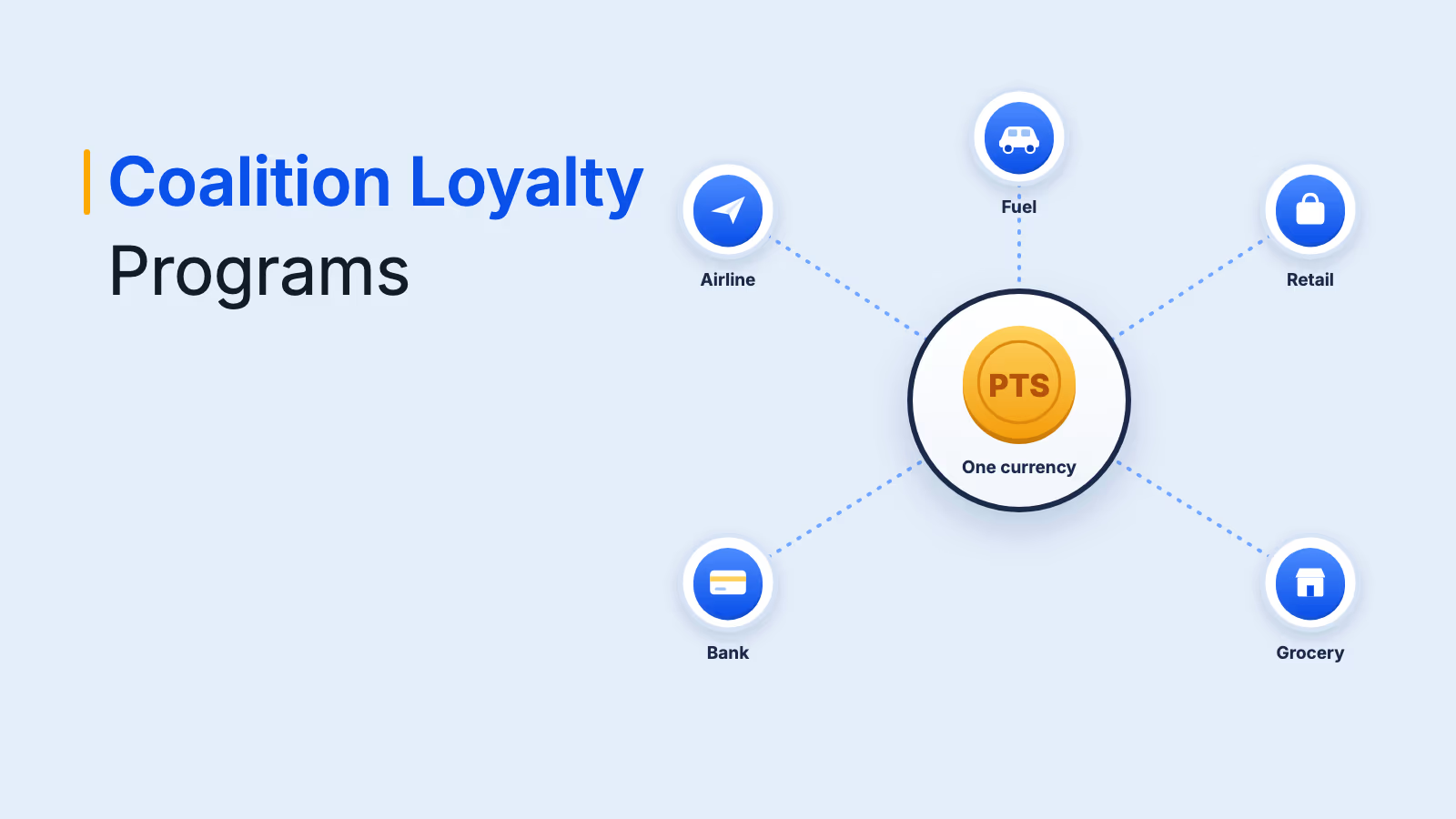
Friction points will be systematically removed: Norwegian Air Shuttle and Strawberry Hotels, for instance, run a common loyalty currency that saves members the effort of toggling between programs, while British Airways and Finnair allow members to earn points from either airline when flying.
15. Out of the box
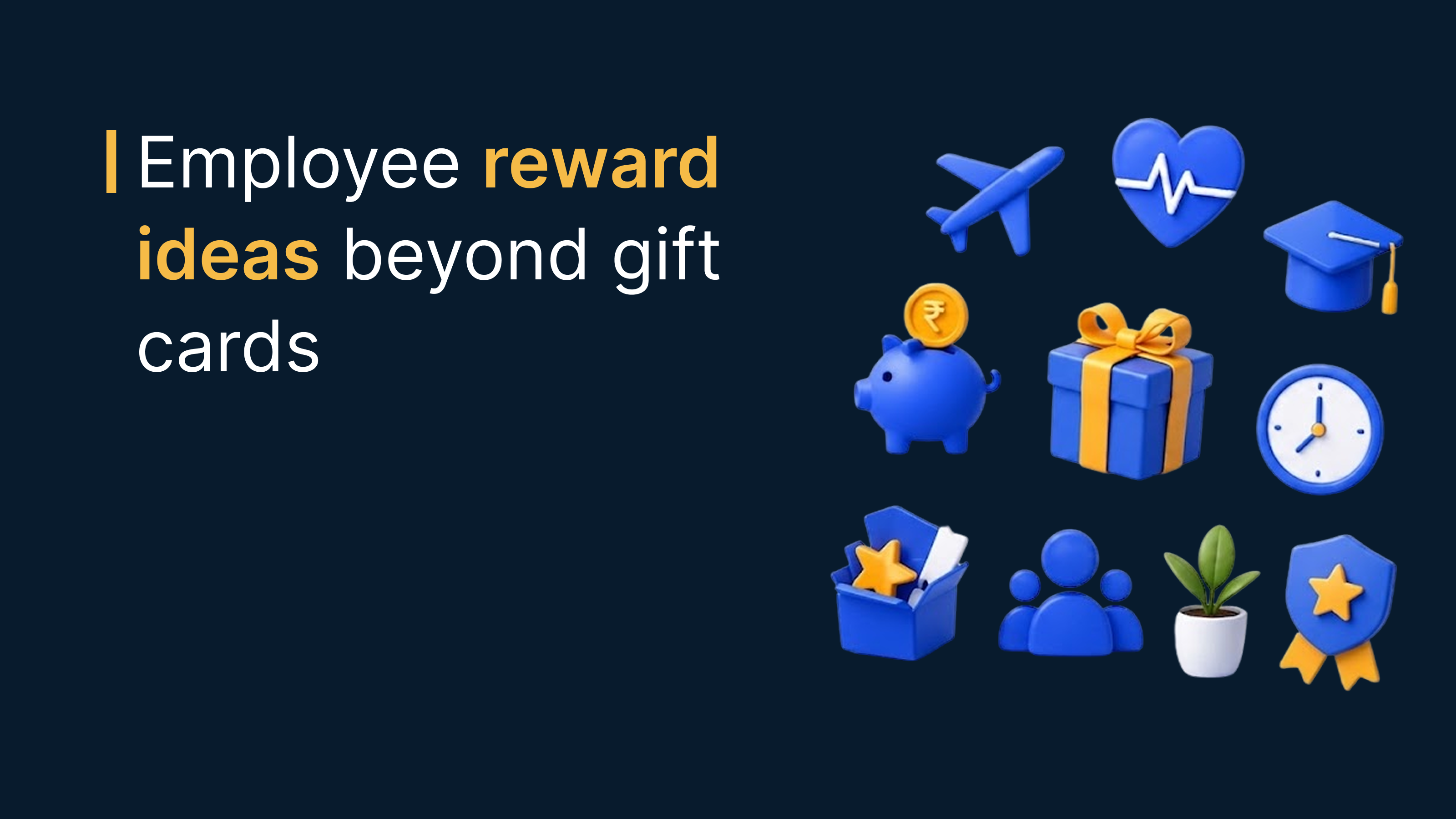
Companies are thinking beyond traditional incentives and bonuses to turn the act of recognition more immersive, meaningful and innovative. They will prioritize contextual adaptation to create delight at the sweet nexus of surprise and joy.
16. Responsible
In 2026, rewards programs have an obligation to be socially conscious, environmentally aware, address diversity & inclusion issues, raise their voice against iniquitous practices (like animal cruelty and child labour) and stay responsive to the spoken and unspoken needs of society and the community at large. Companies that link ESG goals with rewards schemes will see spontaneous acceptance across stakeholders.
17. Results driven
Rewards and loyalty programs in 2026 will be deeply interwoven with measurable outcomes - be it fan engagement, membership growth, demo requests, sales conversions, or revenue growth. Strategies that are not working will be cast aside ruthlessly. Experimentation and improvisation will rise.
Top rewards goals in 2026
- Digital and tech transformation.
- Improved CLV: Customer Lifetime Value.
- Increased engagement frequency.
- Innovation and restructuring.
- More retention, less churn.
- Simplicity and convenience.
- Strategic partnerships.
- Paid subscription models.
- Amplified revenue and ROI.
Top rewards categories in 2026
- Retail & shopping.
- Food & beverages.
- Wellness & fitness.
- Beauty & cosmetics.
- Apparel & accessories.
- Travel & hospitality.
- Content & subscriptions.
- Adventure & activities.
- Gadgets & games.
- Home improvement & lifestyle.
- Masterpieces & collectors' items.
- Entertainment, movies & shows.
- Hobbies, kits & vocational classes.
- Special events, celebrity connect & page-3 occasions.
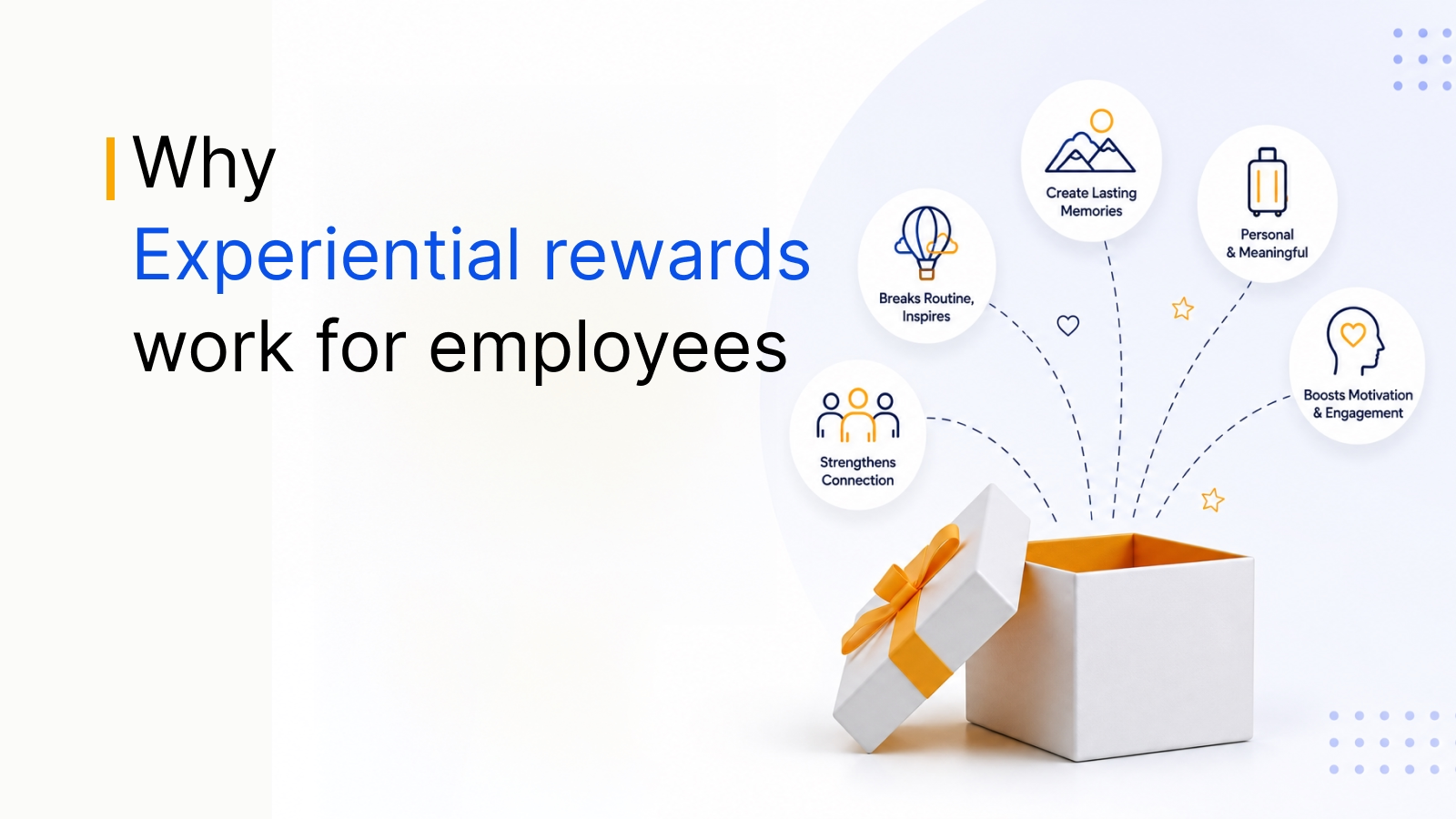
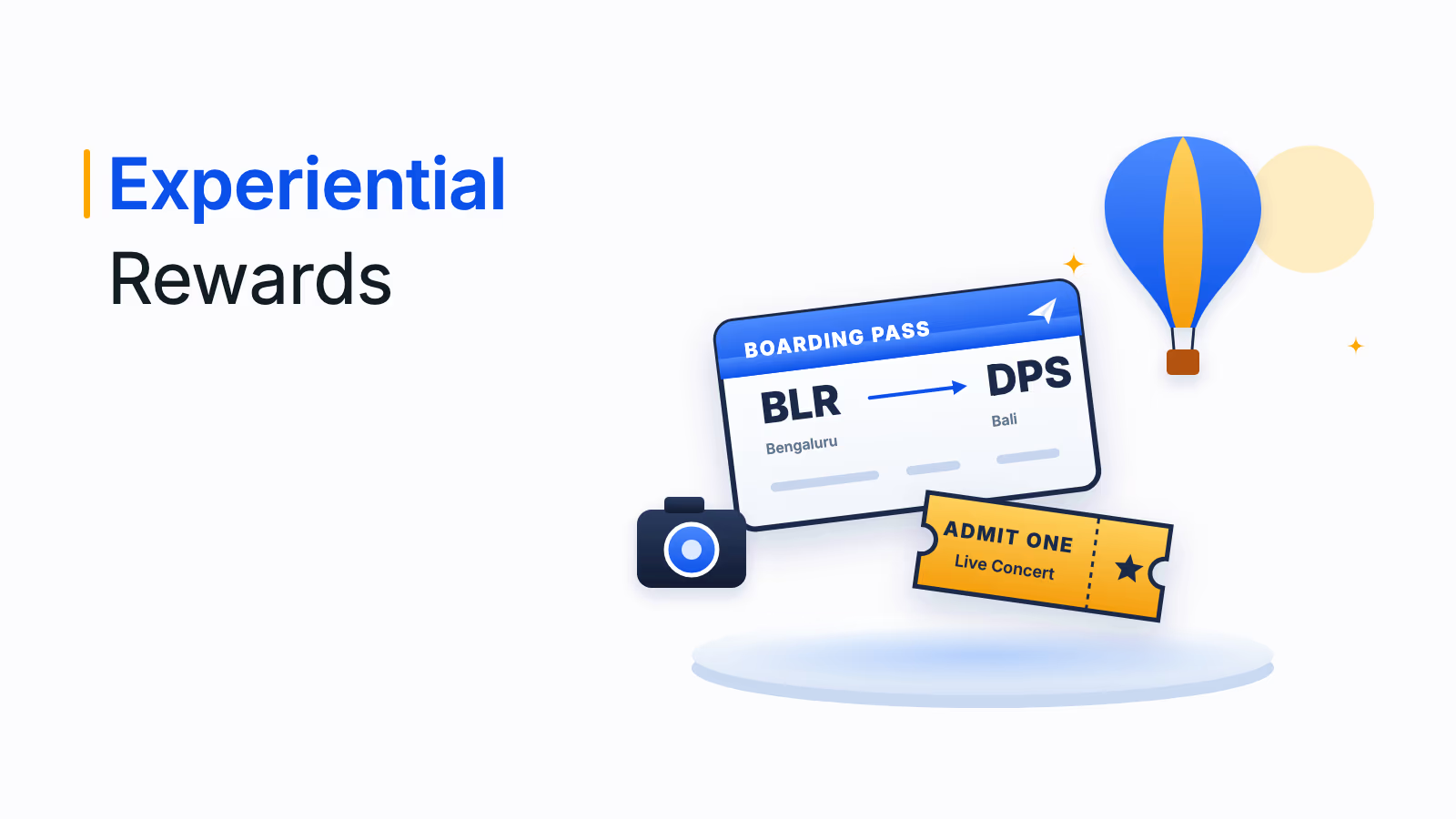
Novelty experiences like attending local festivals, visiting lesser known destinations, moonlight hikes, curated tasting, private concerts, game inspired travel, graffiti in public, hot air balloon rides, virtual reality & augmented reality sessions, staying on a farm, drone photography, exclusive access, being an apprentice to a maestro and so on. Space travel and moonwalks? Stay tuned - they'll be on the menu soon!
9 Biggest rewards ideas in 2026
1. Returns, please
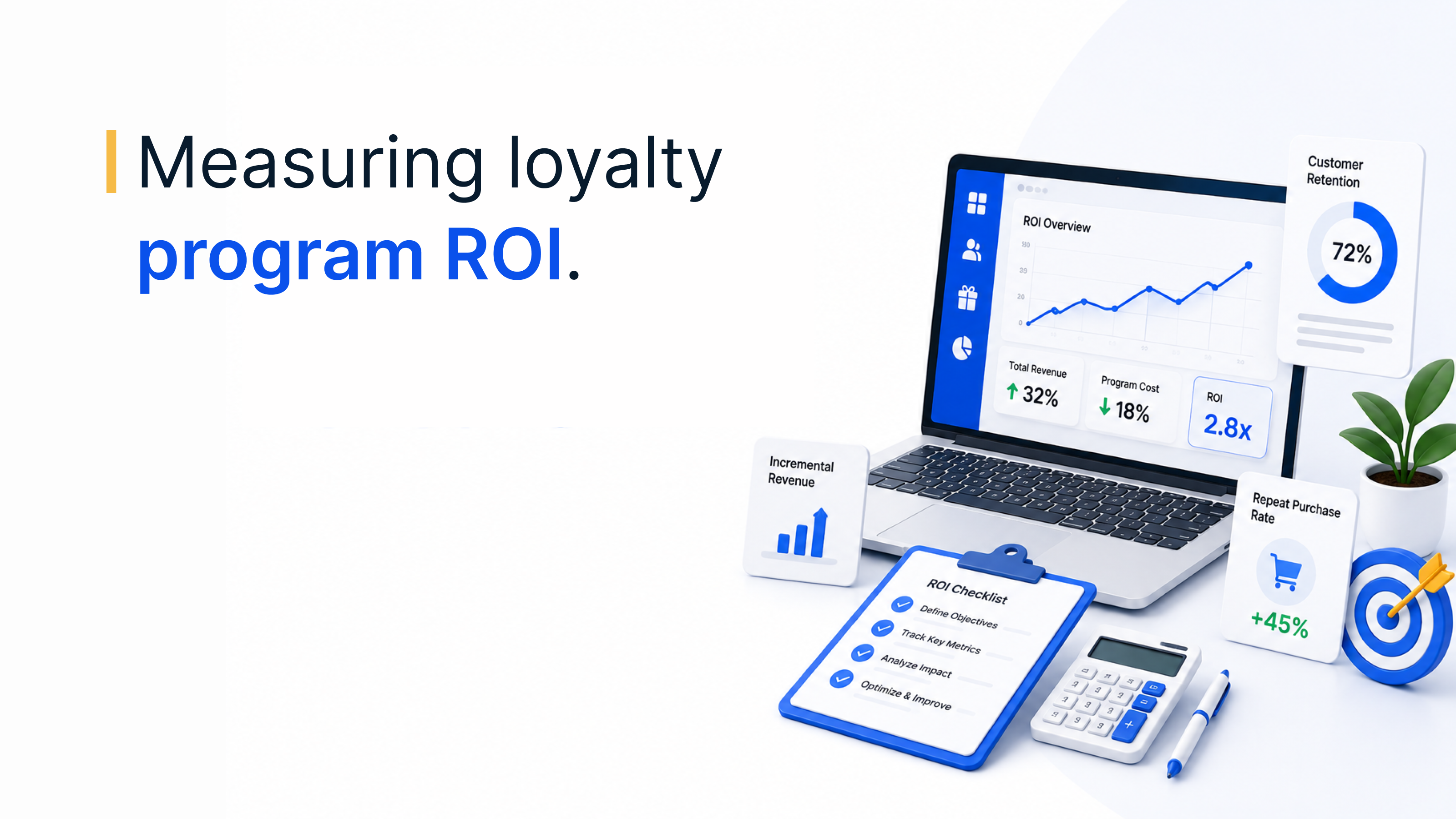
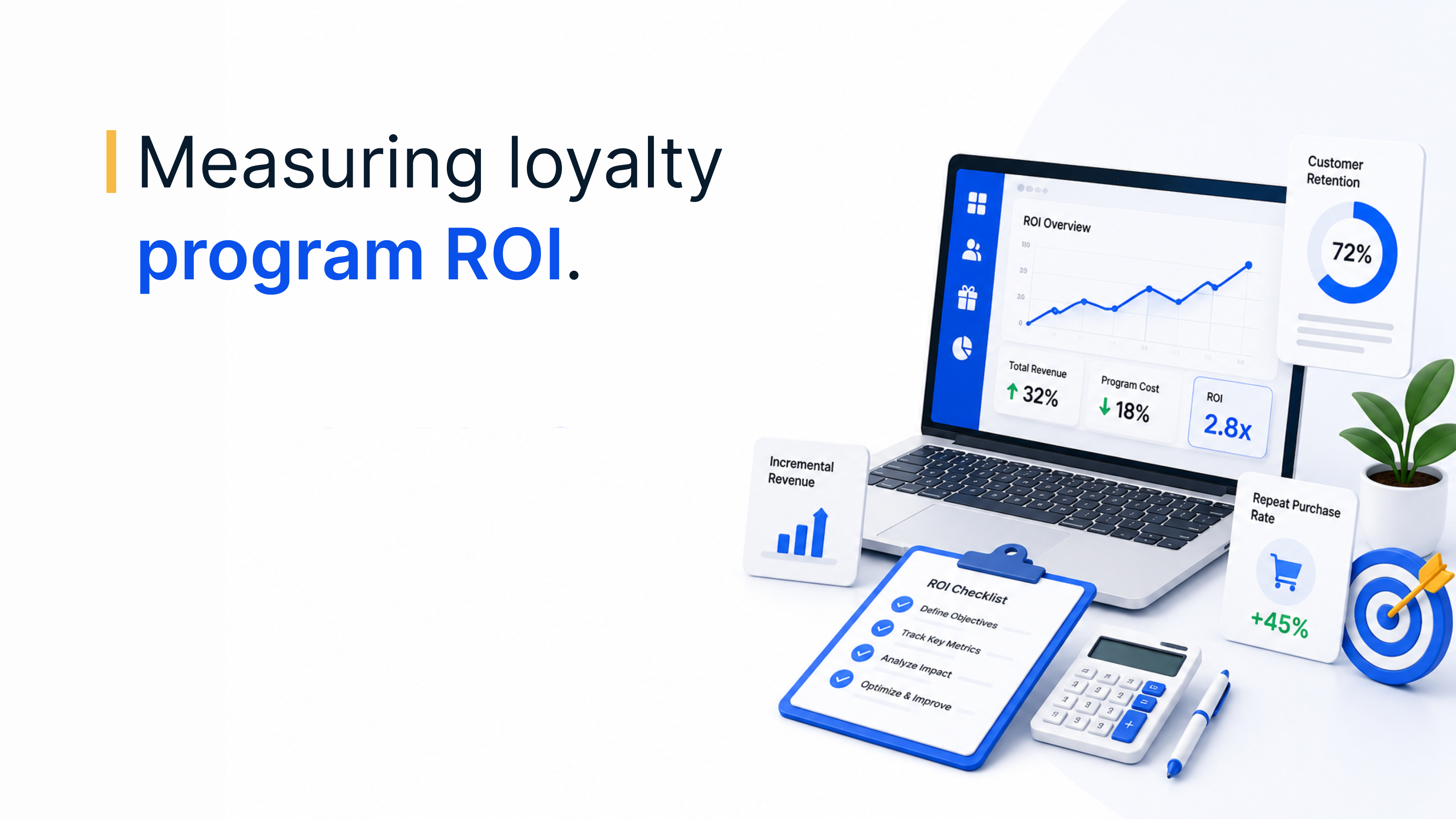
With an economy facing headwinds of uncertainty and squeezed margins, Return on Investment (ROI) will be a major mantra for organizations in 2026.
Rewards programs, under pressure to demonstrate better value, will need to be well researched in terms of technology, engagement models and end-benefits to justify investment of budgets, resources and time.
Rewards strategy must blend the right tools, mechanisms and platforms to reduce misalignment with CRM / CDP systems, automation and recommendation engines and advance larger business goals frictionlessly.
2. More love
In 2026, organizations will look to build unadulterated brand love - something folks like Tesla, Nike and Apple do masterfully. They will design 'branded moments' that stay close to the values, aspirations and lifestyles of customers and employees to reinforce connection with the brand's identity.
Apps and analytics will allow brands to cleverly bake-in emotional levers at key journey points.
For instance, GPS technology, sensors and trackers can detect when members are participating in relevant activities, and brands will swoop in to target them there.
Surfing brand Rip Curl and insurance company Discovery Vitality both reward members when they are participating in sports or exercise.
Via interactive games, LIVE contests or daily acts of good deeds, brands will constantly 'add meaning to the moment' by co-building experiences.
The goal will be to create a sense of fulfilment and achievement - deepening bonds with their communities and enhancing long-term stickiness. A bit like how Lay's got soccer legends David Beckham and Thierry Henry to hijack attention seamlessly towards their chips amongst a stadium full of fans.
3. Hyper personalisation
In 2026, people want to be treated as unique, distinct individuals - not numbers or colour codes. According to Twilio's 2025 State of Customer Engagement Report, 71% of consumers will walk away from purchases if the experience doesn't feel relevant, and 88% are more likely to buy when engagement is personalized in real time.
Yet only 44% of brands say they are executing at that level, and only 45% of consumers feel understood by the brands they interact with.
As cookie-cutter approaches go out the window, understanding the individual at an authentic, personal level, and delivering on true motivations and preferences will only keep growing.
Companies will be using AI, listening tools, advanced analytics, automation, tech integration and chat-bots to pivot and drive offers that are relevant, conversations that resonate and experiences that are tailored.
Personalization will convert customers and employees into long-term business assets, directly correlating rewards programs with Customer Lifetime Value (CLV).
4. Artificial intelligence
The advent of AI has proved to be a watershed moment for most industries, and the rewards and loyalty landscape is no different.
Companies are already using AI in rewards programs, mining Machine Learning and Natural Language Processing to personalize, predict and optimize outcomes, and stay a step ahead of expectations.
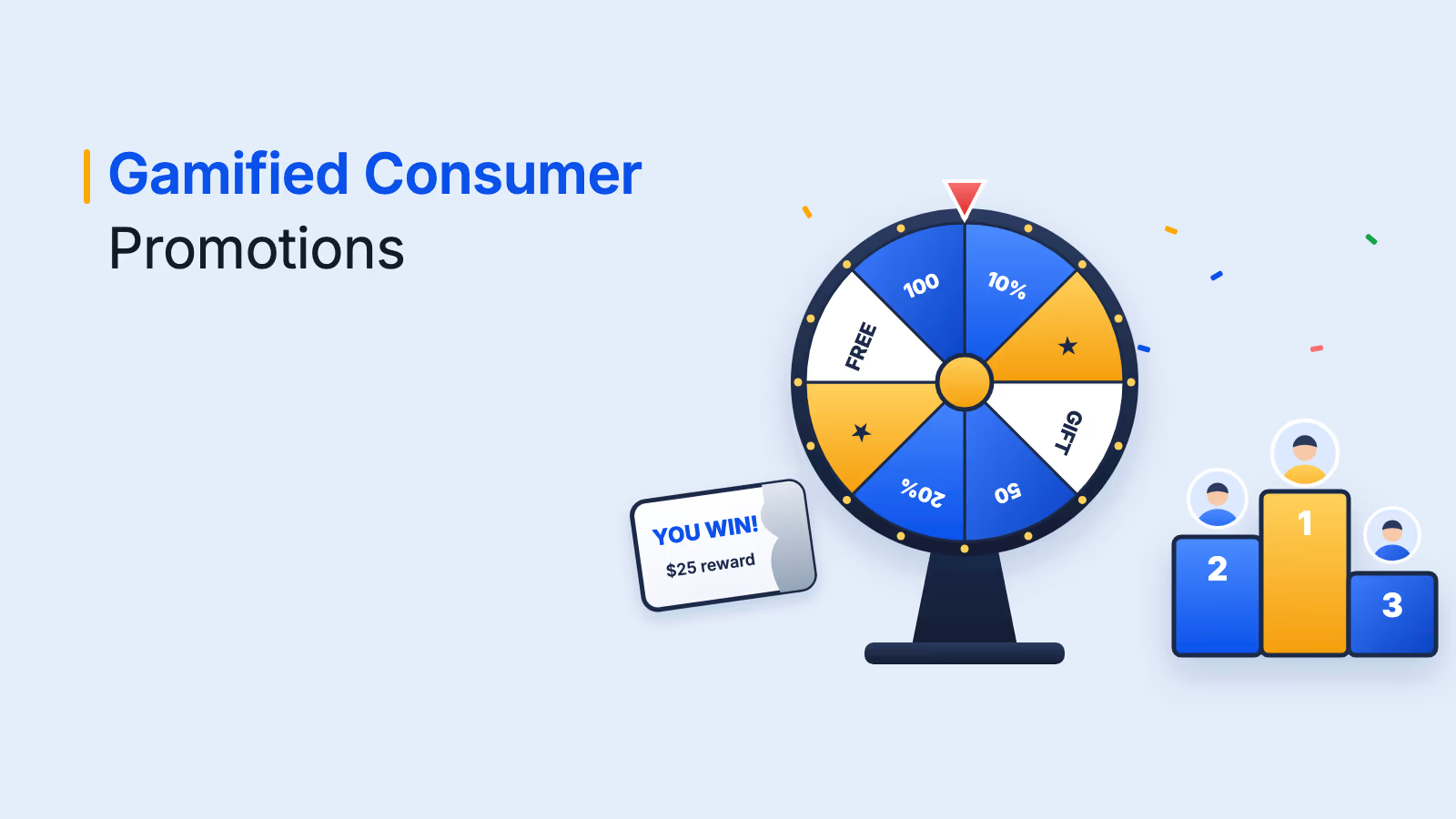
5. Gamification
Gamification is emerging as a standout trend of 2026.
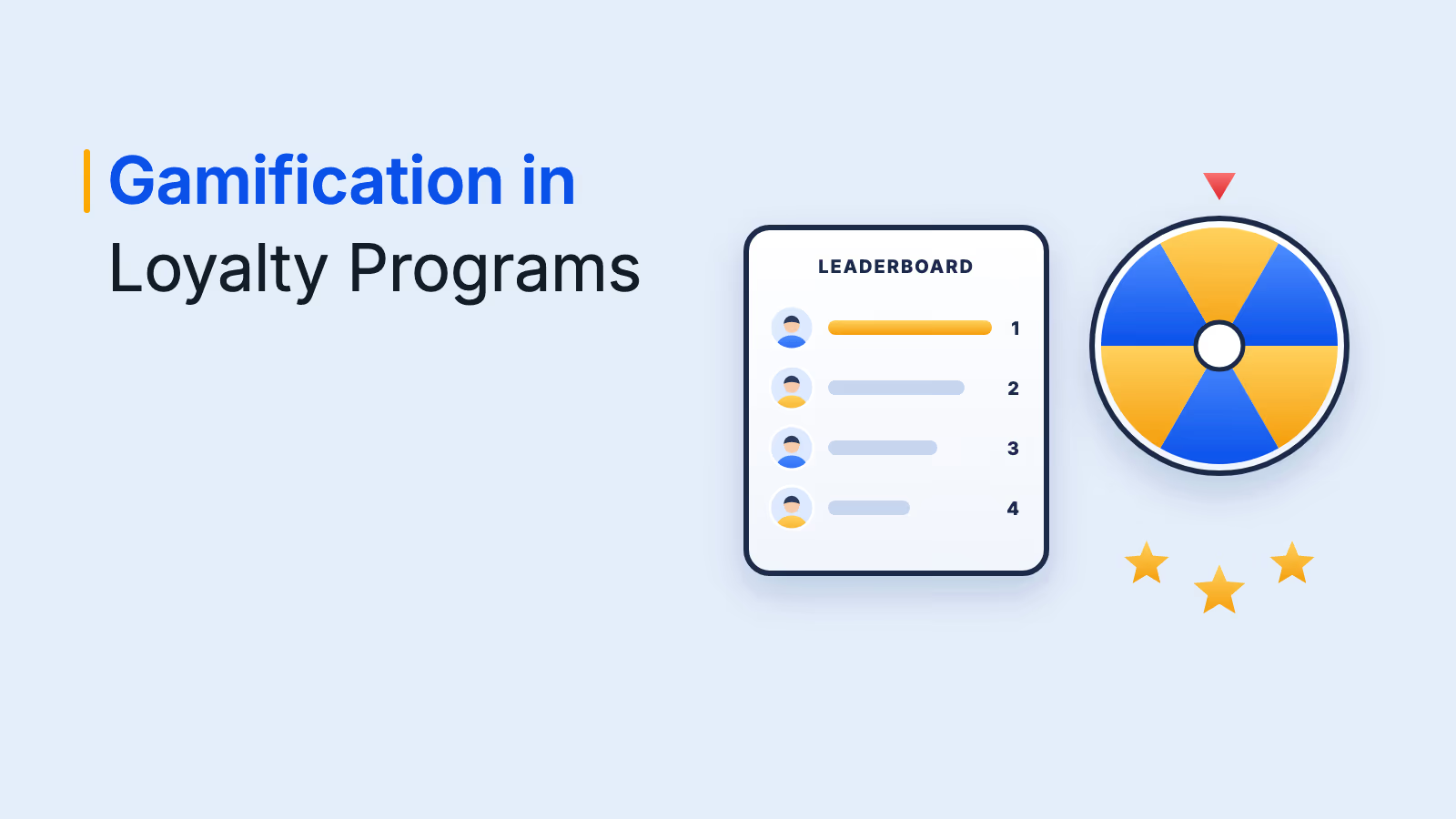
Companies are spiking key activities and functions with a dose of fun and adrenalin to deepen engagement, raise skill mastery, ensure quick gratification, foster social connect and lift ROI. This is also helping them gain vital insights into motivation and behaviour.
Traditional tools like points, badges, levels and leaderboards are being blended with emerging technologies like AI, virtual reality, augmented reality and immersive simulations to create dynamically personalized, sophisticated gamification experiences that grip the imagination of every generation: Millennials, Gen Z and Gen Alpha.
6. From materialistic to memorable
Time is jostling with traditional heavyweights like money, esteem and materialistic possessions for the title of Most Coveted Reward of 2026. In a crowded rewards market, rewards teams must therefore innovate more around work-life balance, helping members free up time for things they love.
7. Targeting the infrequent
Some brands are beginning to eye an ignored category: the infrequent customer. Emirates is onboarding accrual partners across categories to bring value to even 'once in a blue moon' travelers, and Qantas has invested $100m in making 20m additional reward seats available.
IAG Loyalty is allowing patrons to pick up points even without flying frequently with a campaign that goes "Your everyday can pay for your holiday!"
8. DXP
Customer experience is a key focus area for architects of rewards and loyalty programs, and in 2026 we will see them tinkering with an entire bunch of shiny new trends and toys: neuro-responsive interfaces, wearable EEG devices, sentient digital assistants, immersive mixed reality, quantum enhanced modelling, digital customer twins, conversational voice recognition, smart home devices, mobile-first design, IoT integration, holography, zero-UI interfaces and cognitive CX platforms, to name some.
A motley crew that will come together on exciting Digital Experience Platforms (DXP).
9. Security
Did you know that loyalty fraud was the fourth fastest-growing type of fraud in 2024? With only 39% of consumers believing organizations use their personal information responsibly, 2026 will be a year of heightened privacy concerns and stricter privacy laws. Companies will need to be transparent with how they handle information regarding rewards and loyalty programs.
Enhanced authentication and encryption, securing 5G networks, deep-fake recognition, cloud security and IoT security will hijack boardroom conversations - perhaps more frequently than we like.
Conclusion
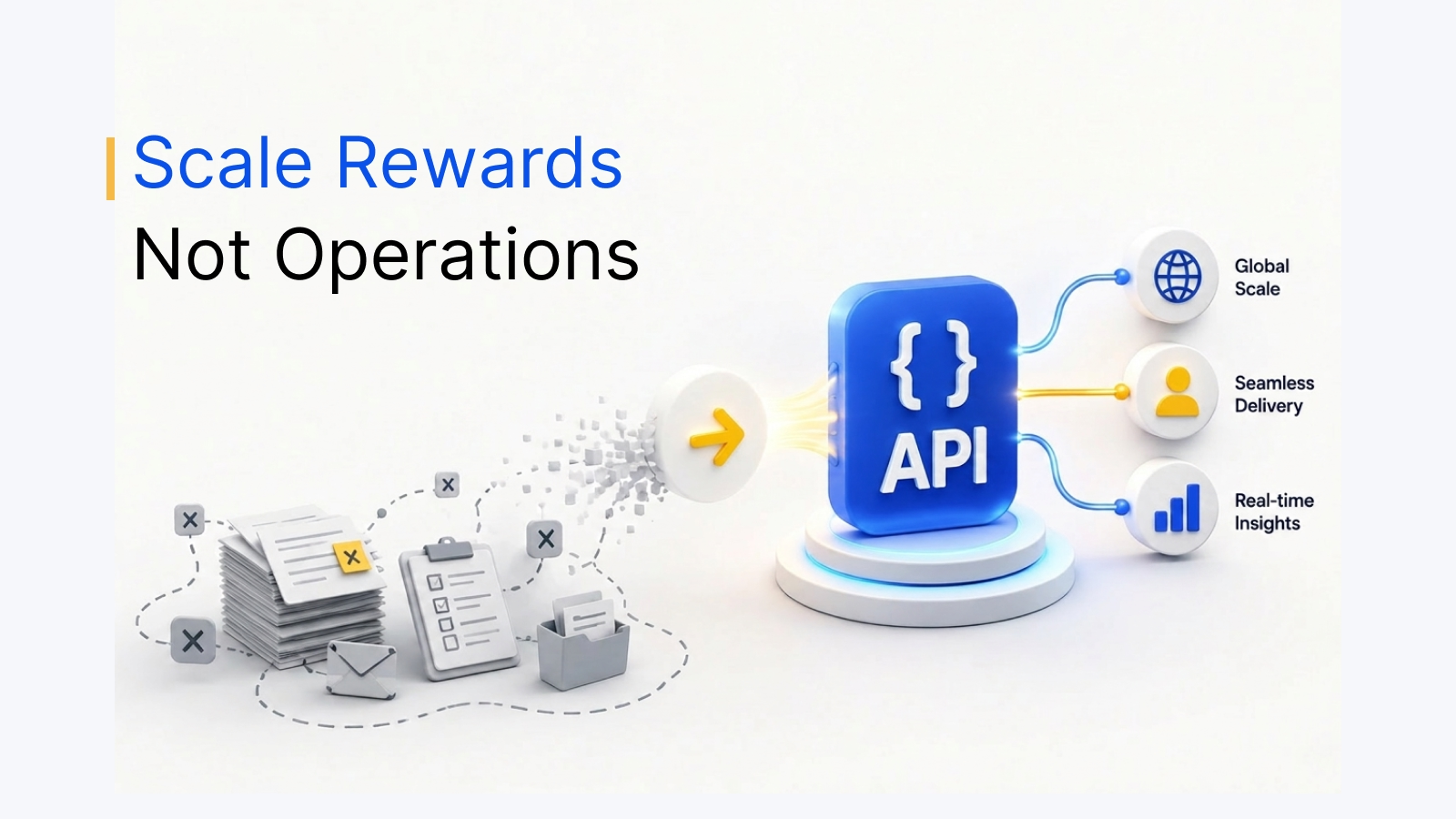
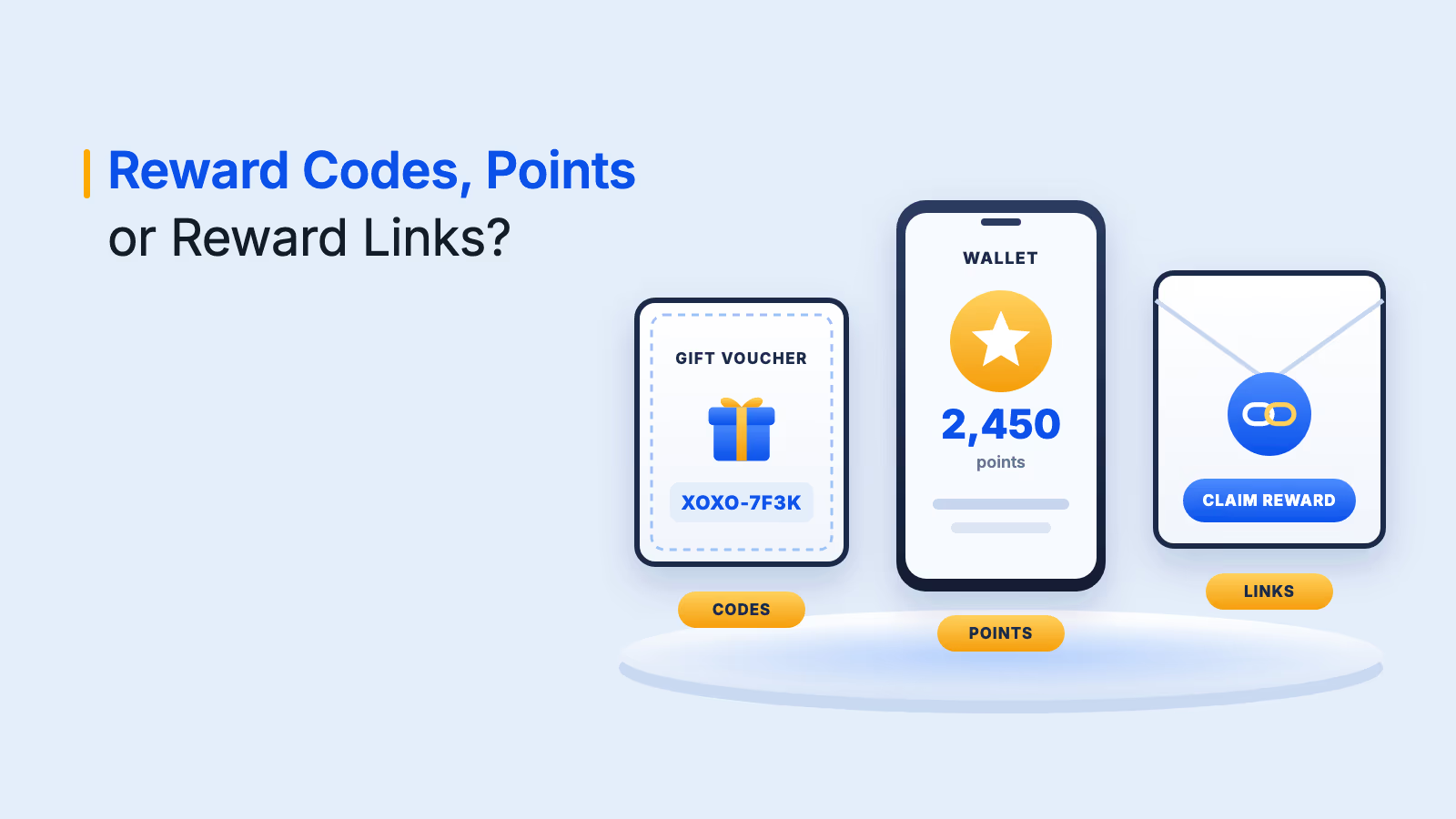
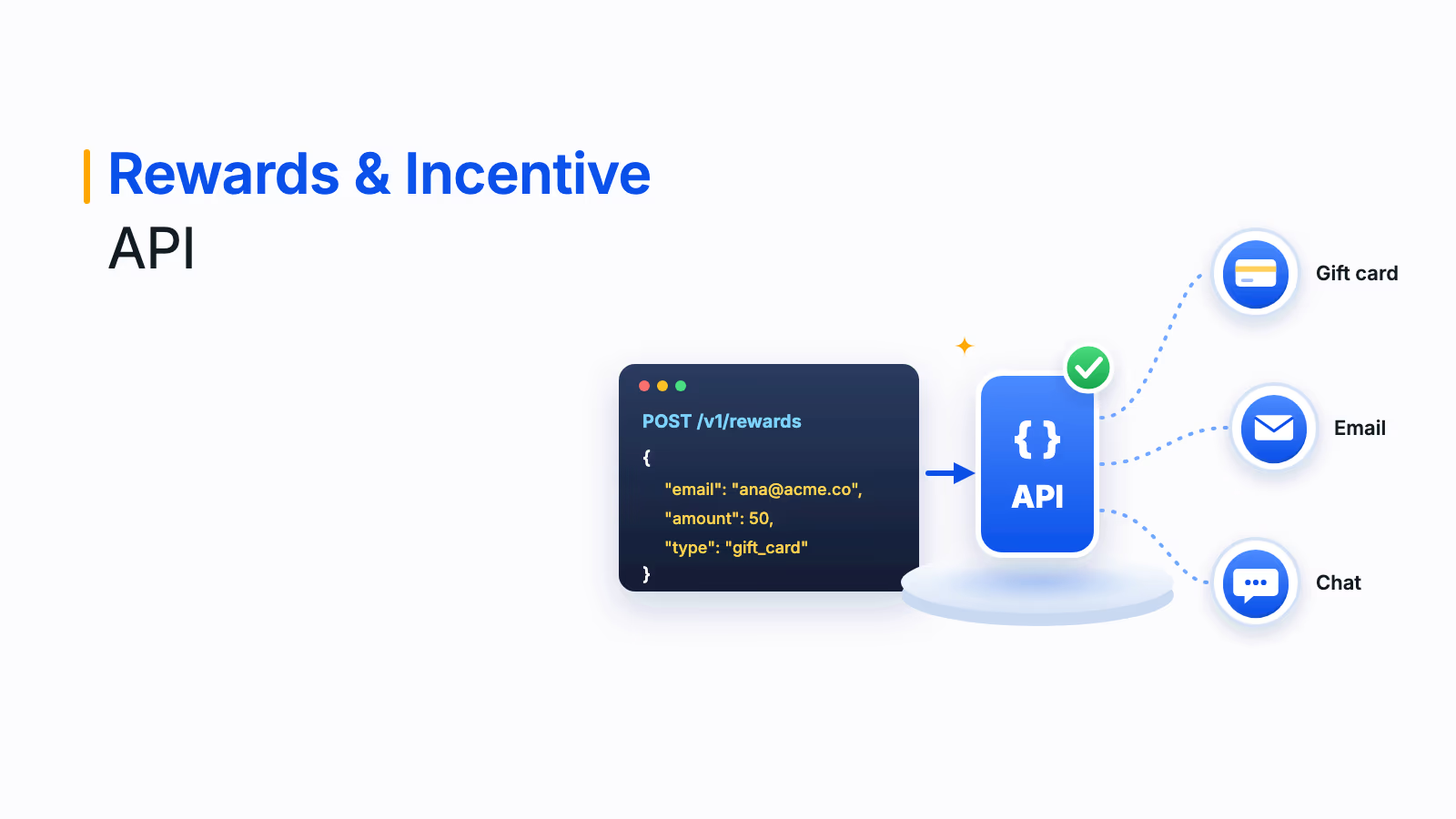
The rewards trends of 2026 all point in the same direction: rewards that are personal, prompt, flexible and measurable, whether they go to employees, channel partners or customers. Plum helps you act on them with 10M+ reward options across 150+ countries and 30+ categories, delivered through reward links, codes, points and API. Book a demo to see how Plum can power your rewards program in 2026.