Key Takeaways
Incentives are promised before an action to drive future behaviour; rewards recognize past effort after it happens.
Awards honour exceptional achievement and are more formal, public and symbolic than rewards.
Benefits are contractual and part of total compensation; perks are optional extras that are not legally enforceable.
Customer-side instruments such as promos, offers, discounts, coupons and gift cards each serve a different purpose.
Matching the right instrument to the situation and persona is what makes an R&R strategy work.
A clear understanding of the various instruments of reward, incentive and motivation in business can vastly improve sales and revenue outcomes. Rewards vs awards, incentives vs perks, benefits vs allowances: we explain the main characters and personalities at play, so that leaders can make a better-informed choice.
Business runs on reciprocity. Scratch the layers of strategy, prophecy and bravado, and you’ll find the magic of good old human nature at work. The spirit of requiting, repaying or returning a favor. Adding harmony to the daily give and take. Balancing yin with yang. And quietly, doggedly, ticking away some of the biggest boxes in business: elevating fairness, generating motivation and ensuring sustainability across relationships and transactions.
The instinct of reciprocity manifests itself via various instruments of commerce. We’re all familiar with the usual suspects, of course. Payouts, commissions, rewards, perks, awards, gifts and various others are employed every day for equalizing value equations, neutralizing debt and expressing gratitude.
Here’s the big question, though: how well do we really know these cash and non-cash currencies? Most of them sound and smell so similar it can be confusing. Are they the same? Can they be used interchangeably?
The short answer to the question is no.
In the complex universe of commerce, each instrument of motivation serves a well-defined purpose and has a unique role to play. Standardizing them with the reductionist logic “Oh, they are all just compensation with different names” would mean ignoring the richly distinct, if subtle, ways in which they differ, or the widely varying outcomes they help us achieve.
Not all compensation is created equal
Nor do they deliver the same impact. Leaders who understand that carry an unofficial MBA in behavioural science, and start a mile ahead of rivals. They are able to link the right compensation instrument with the right situation and the right persona, and to bring out the ‘A’ game in their teams - breeding a culture of high performance and grateful loyalty.
Let us see how, and where, the various instruments of reciprocity stack up in the context of everyday business, starting with the three that are most often confused.
Rewards vs awards vs incentives: what’s the difference, really?
| Instrument | When it is given | What it does | Typical form |
|---|---|---|---|
| Incentive | Before the action, as a promise | Stimulates future behaviour | Cash, tickets, paid holiday, commission |
| Reward | After the action | Acknowledges and reinforces past accomplishments | Gift cards, points, experiences, bonuses |
| Award | After an exceptional achievement | Formally and publicly honours merit | Trophies, titles, prizes, ceremonies |
Incentives
Dictionaries define an incentive as something - a payment or a concession - that encourages somebody to do something. Some examples of incentives are cash, game tickets or a paid holiday. An incentive isn’t part of a fixed compensation component like a salary: it is always earned. Incentives are earned by showing results on assigned tasks, behaviours and so on. Incentives are typically top-down in a company and need review by a designated authority to approve them.
Rewards
A reward is something that’s given because someone has done something good - such as being helpful to one’s team or upholding the spirit of fairness in play. Rewards may also accrue out of meeting goals, judicious decisions or dedication and perseverance: for example, a worker is rewarded financially for achieving professional targets, an athlete for years of practice, or an individual or company for investing in the right stocks. There could be a reward for finishing first, for displaying empathy with strangers, for years of service to an organization, for sharing information with the police or for doing a job well.
Popular idioms and expressions like ‘Hard work usually brings its own reward’ and ‘Virtue is its own reward’ underline the strong action-reaction (reciprocation) concept associated with a reward. It is something we expect as a response or consequence of something we have done.
“People work for money but go the extra mile for recognition, praise and rewards”, the popular saying goes. Rewards also plug into the human need for recognition - a deep impulse for being seen, valued and appreciated for our contributions. That is why employee recognition and rewards so often go hand in hand.
Here is the core incentives vs rewards difference: if incentives stimulate and ensure future behaviour, rewards acknowledge and validate past accomplishments. In other words, incentives are the cause providing a push, while rewards are the effect acting as reinforcement. As part of a loop where the same action can be interpreted either as an incentive or as a reward depending on where it occurs in the cycle, the two terms are sometimes used interchangeably in business.
Rewards can be implemented in both a top-down and bottom-up manner - that is, they can either be determined solely by the management or influenced and initiated by employees. A hybrid approach is also possible. For a deeper look at the options, read our CHRO guide to the types of rewards.
Awards
An award is a prize or sum of money given to someone for showing some results or achievement, or something bestowed as a recognition of merit. Awards may sometimes be interchangeably referred to as a prize, trophy, accolade, honor or distinction.
The principal difference between an award and a reward (or any other citation) is the level of accomplishment. Awards are conferred for extremely high-order achievements, for pioneering breakthroughs and for unique status in a domain or field.
Like rewards, awards too recognize and endorse past behaviour. Unlike rewards, however, awards tend to be more formal and public facing. Often, they are spectacular landmarks in the annual event calendar - making the headlines, informing the social narrative and building icons and legends.
Notable examples of globally distinguished awards are the Nobel Prize, the Academy Awards (Oscar), the Grammy Awards, the Presidential Medal of Freedom (the highest civilian honor of the USA), the Legion of Honour of France, the Bharat Ratna of India and various lifetime achievement awards in community and corporate life across nations and sectors.
While one merely receives a reward, one is decorated with an award. Awards are symbols of excellence and emblems of virtue, adorning mantlepieces as insignias of excellence, influence and trust. Unlike rewards, awards tend to be more symbolic in spirit, without any functional value or practical use.
Technically speaking, awards can also arise out of official decrees, such as a court awarding a decision in favor of someone, or a college awarding a scholarship to a deserving student.
While rewards can be handed out discreetly and spontaneously at the discretion of the leadership, awards are usually rationalized rituals that are precisely planned and follow structured, widely publicized protocols.
Awards typically tend to be top-down - usually decided by an esteemed jury or panel of judges. This applies to employee awards and rewards at work too, such as innovation awards, star performer awards, above and beyond awards, attendance awards, company values awards and long service awards. That said, some awards come with a democratic flavor and participative component, with reviews, nominations and votes deciding the winner.
Reward, recognize and incentivize from one platform
10M+ reward options across 150+ countries for employees, customers and partners.
Talk to our ExpertTrusted by 5,000+ companies
Other types of employee incentives and compensation
Beyond incentives, rewards and awards, organizations use several other instruments to pay, motivate and retain people. Here is how they differ.
Payouts
A payout refers to a sum of money that is given to someone - as compensation for work, a statutory transfer to stakeholders or even winnings from a lottery or gambling.
In business, a payout refers to an outflow of cash or equivalent value. It is a broad term that refers to the disbursement or distribution of funds, assets or benefits to individuals, investors and value providers. Payouts can take various shapes and forms depending on the nature of the transaction and the relationship with the entities involved.
Some examples of payouts are salaries to employees, commissions to sales channels, wages to gig workers and temporary staff, invoice payments to suppliers, vendors and freelancers, incentives to delivery partners, bonuses and dividends to employees and shareholders, cashback and refunds to customers, insurance settlements to clients, and finally, gifts and rewards, which can be directed at anyone: employees, channels, partners, associates and customers. While payouts are commonly made via currency, they can also take the form of vouchers, stocks, cryptocurrency or goods.
Commissions
As touched upon earlier, commissions are a specific kind of payout.
They are a type of variable compensation that’s mapped to performance and results. A commission is earned as a percentage or as a fixed sum on a deal generated, sale made or milestone crossed. In that sense, commission earnings are a function of organizational earnings.
Companies pay commissions against proven results - rendered by an individual in the capacity of an employee, broker, agent, associate or intermediary - and to incentivize future performance. Commissions may be disbursed monthly, quarterly or yearly.
Commissions act as a mechanism to motivate the individual, align personal financial interests with the company’s larger revenue goals, and drive sales. Commissions are a popular mode of compensation for sales employees and channels, real estate and insurance agents, financial advisors, trade influencers, independent contractors and agents. Like any income, commission income is taxable, although it may be governed by specific laws. See how commissions compare with bonuses in our guide to commission vs bonus.
Benefits
Benefits are advantages such as a pension plan, health insurance, childcare or a car that a company offers to employees in addition to their usual salary or wage.
Benefits assume particular importance today, when the war for talent is real. According to ManpowerGroup, 75% of employers worldwide are struggling to fill roles. In this context, a thoughtful and generous benefits package becomes essential for attracting and retaining top talent. Indeed, it can be an organization’s most definitive competitive edge.
Benefits are non-cash compensation usually provided to regular employees. Benefits act both as a tool for motivation and an acknowledgement of the employee’s worth to the company. Benefits are usually not directly linked to performance. Benefits like health and retirement packages constitute an essential part of the employee-employer relationship. Benefits are legally enforceable, usually mentioned explicitly in the employment agreement, and an integral part of an employee’s total compensation calculation.
Perks or perquisites
A perk is an advantage or something extra, such as money or goods, that one is given because of one’s job, or a special benefit given to people who have a particular job or belong to a particular group.
Like benefits, perks too are non-cash considerations designed to enhance job satisfaction. The key perks vs benefits difference is that perks are not legally enforceable and do not feature in the total compensation document. They are optional, ‘nice to have’ extras designed to lift morale, build attachment with the organization and indirectly trigger efficiency.
Examples of perks at the workplace are car parking slots, extra paid time off, free meals, wellness programs, remote work provision, pet insurance, tickets to special events, parent and childcare assistance, and various others.
Both benefits and perks are part of the employer’s overall value proposition to employees. They are intended to make a potential engagement more rewarding - helping both attract and retain talent.
Allowances
Like benefits and perks, allowances represent additional considerations from the employer to the employee or worker. That’s where the similarity ends, though. Unlike benefits and perks, allowances are paid in currency. They are not ‘fancy extras’ but essential for meeting special expenses incurred in the course of discharging job-related duties. Both allowances and benefits make it to the official records of the business, while perks usually do not. Allowances are usually paid at periodic intervals, increase take-home salary and may be taxable. Note that in some cases, instead of an advance allowance, a post-expense reimbursement is paid to the worker to meet the costs.
Privileges
Harvard Business Review has described privilege as an unearned and sustained advantage that comes from certain core attributes drawn from socioeconomic, biological and conditioned realities. It captures the concept as a special right, advantage or immunity available or granted only to a particular person or group. The operative term is granted: while privilege can be shared, it can only be shared by someone who already has it.
Contrary to popular notion, ‘privileged’ doesn’t necessarily mean being born with a silver spoon in the mouth. It simply implies that certain parts of one’s demographic make-up have created advantages that others do not possess.
For all practical purposes, consider privileges as special rights, advantages and immunities bestowed upon certain individuals - usually on the basis of role, status, position in the hierarchy, membership in certain circles, affiliation, age, wealth or other attributes.
In a workplace context, privileges can be likened to perks - they are ‘additional’ or ‘extra’ non-cash compensation. Both perks and privileges serve to motivate alignment to the organizational purpose and retain above-average talent.
Compared to perks though, privileges tend to be higher-order considerations and experiences. Also, unlike perks, which are restricted to business and workplace scenarios, privileges can have a larger connotation and context: legal, systemic and societal.
Experiences
Experiences are non-monetary, non-tangible rewards that deliver enriching moments and delightful memories. Great experiences are hands-on, personalized, aspirational, meaningful and emotionally fulfilling. Entertainment, wellness, community bonding, professional advancement, personality development, passions and hobbies are some spaces and genres that lend themselves to great experience packages.
From VIP tickets to a musical to an all-expenses-paid exotic holiday to a pottery class to a meditative session with zen masters to a wildlife safari - experiences are limited only by the imagination and can be set in a variety of contexts to build powerful resonance with the recipient.
Experiences can also be bespoke workplace tools, features and environments that are specially created to enthuse individuals and spur productivity.
Experiences serve to reward stakeholders, employees or high-value customers who have displayed exceptional performance or attachment with the company.
Relationship concepts: loyalty and engagement
Two more terms sit at the centre of every reward and recognition strategy. They are not instruments in themselves, but outcomes the instruments aim to build.
Loyalty
Loyalty is the quality of staying firm in one’s friendship or support for someone or something - including a particular company or brand.
As social animals, humans naturally feel attached to the institutions and communities we belong to. Over time, the bond grows stronger, the cement of chemistry gradually hardening into a state of loyalty.
For organizations that thrive on repeat business, loyalty is a central success metric. After all, acquiring new customers costs 5 to 10 times more than selling to a current customer. The compass points in a similar direction within the organization, too, where loyal employees carry knowledge, relationships and culture that are costly to replace.
Be it customers or employees, the quest to transform the occasional spark into a sticky and sustainable long-term relationship has evolved over time, and the best loyalty programs of today are highly sophisticated, tech-driven and deeply personalized interventions.
Loyalty benefits both the business and its customers and employees via repeat engagement and consistent delight. At its core, loyalty is a natural and organic outcome of a great product-market fit or an outstanding workplace-talent fit. That said, the emotion can be reinforced and amplified with the right incentives and regular rewards.
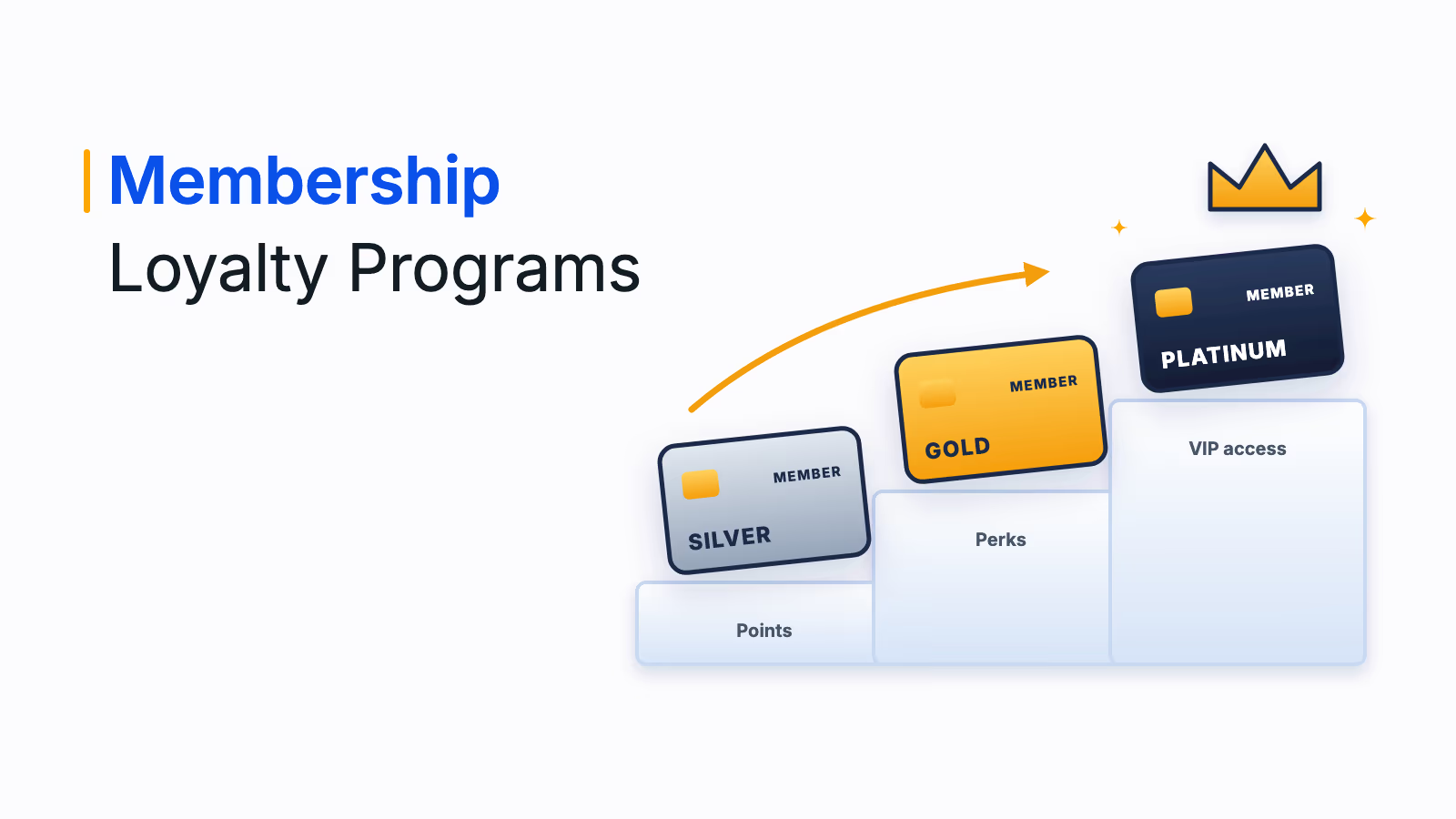
For members - be it customers or employees - loyalty programs offer broad-level advantages such as personalized experiences, tiered access and VIP memberships. By contrast, incentives and rewards programs tend to deliver gratification that is more immediate and tangible.
Engagement
Engagement is the process of encouraging people to be interested and involved in the work of an organization. Gallup defines employee engagement as the involvement and enthusiasm of employees in their work and workplace.
Simon Sinek captures it nicely when he says, “When people are financially invested, they want a return. When people are emotionally invested, they want to contribute.” Highly engaged teams outperform the rest in outcomes critical to business success. Gallup’s research shows that the most engaged teams achieve 23% higher profitability than the least engaged.
Happy employees make happy customers, an adage that underscores the immense importance of employee engagement in business. How does one ensure it, though? Employee engagement is a function of employee experience, which is shaped by factors such as mutual trust, leadership accountability, alignment of employee values and company vision, recognizing success, and seamless technology.
Workplace tactics that can drive these are acceptance and inclusivity, feedback and communication, enablement and empowerment, opportunities to grow and excel, and regular recognition and rewards.
The terms experience and engagement are sometimes erroneously used interchangeably. They are closely related, but not the same. Employee experience is what an organization provides to its employees with the aim of creating a positive and personalized environment that amplifies both morale and productivity. Employee engagement, on the other hand, is how the employees respond to it. If experience is the input, engagement is the outcome. An organization has control over the experience, not the engagement.
Customer-side instruments: promos, offers and more
Rewards are not only for employees. Businesses use a family of instruments to attract, convert and retain customers too. For a closer comparison of the digital formats, read reward links vs gift cards vs coupons.
Promos
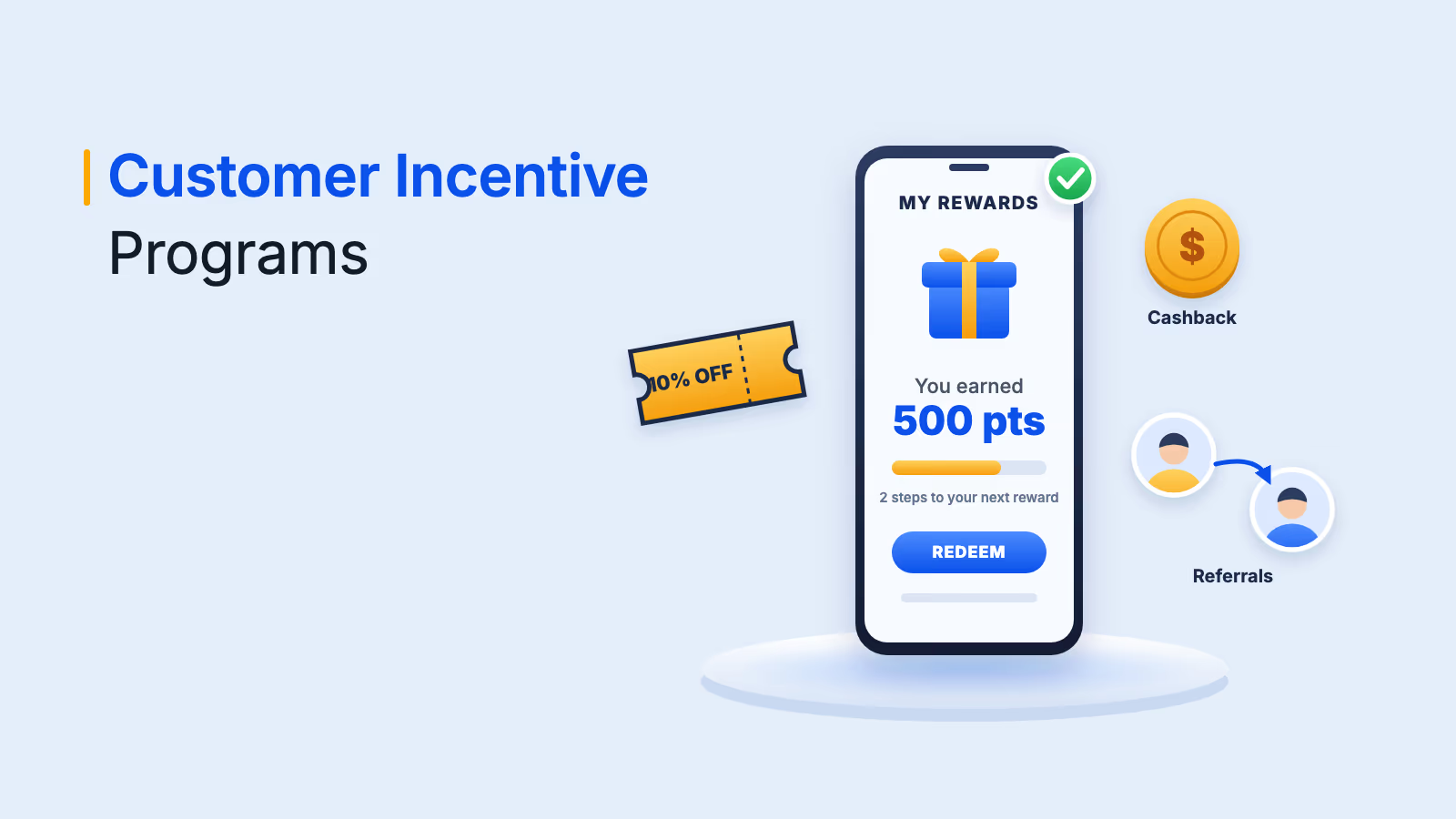
A promo is a broad term that spans a range of marketing, public relations and sales tactics such as special events, social media contests, advertising campaigns and loyalty programs. Promos are meant to amplify buzz, and thereby increase awareness, engagement and sales. Well-planned promos - ones that carry both meaning and worth - can deliver value throughout the year and amplify brand resonance over the long term. Examples of promos are free samples, discounts, coupons, loyalty programs, flash sales, limited-time deals, contests and sweepstakes, and seasonal sales.
Offers
An offer is a subset of a promo. It is a proposition made by a company to a prospect, outlining the terms of a potential sale. While promos have a broader umbrella coverage, offers are more transactionally focused incentives aimed at driving an immediate response such as a sale, a trial and so on. Examples of offers are BOGO (Buy One Get One), free shipping, money-back guarantees and free gifts.
Discounts
Discounting is a specific kind of promotion or offer. It is applied directly to the selling price, bringing it below the standard retail value for a limited period of time. The idea is to trigger the perception of a good bargain and drive a spike in sales and revenue in the short term.
Deals
Like a discount, a deal is a subset of an offer that is typically designed to drive sales over the short term. The big difference is that while a discount is a straightforward price cut, deals are conditional offers with specific ifs and buts. For example, a flat $50 off on a $500 purchase carries the condition of a minimum purchase, and a ‘5% discount for purchases before midnight’ is a limited-time deal bound by a deadline.
Coupons
Coupons allow customers to enjoy a special discount or price, either a fixed amount or a percentage, and can also be redeemed against non-cash benefits and gifts. Coupons can be physical or digital, used in stores or online, and tend to be widely distributed - via flyers, magazines, newspapers and at-venue QR codes. No pre-payment is necessary by the recipient to enjoy a discount via a coupon.
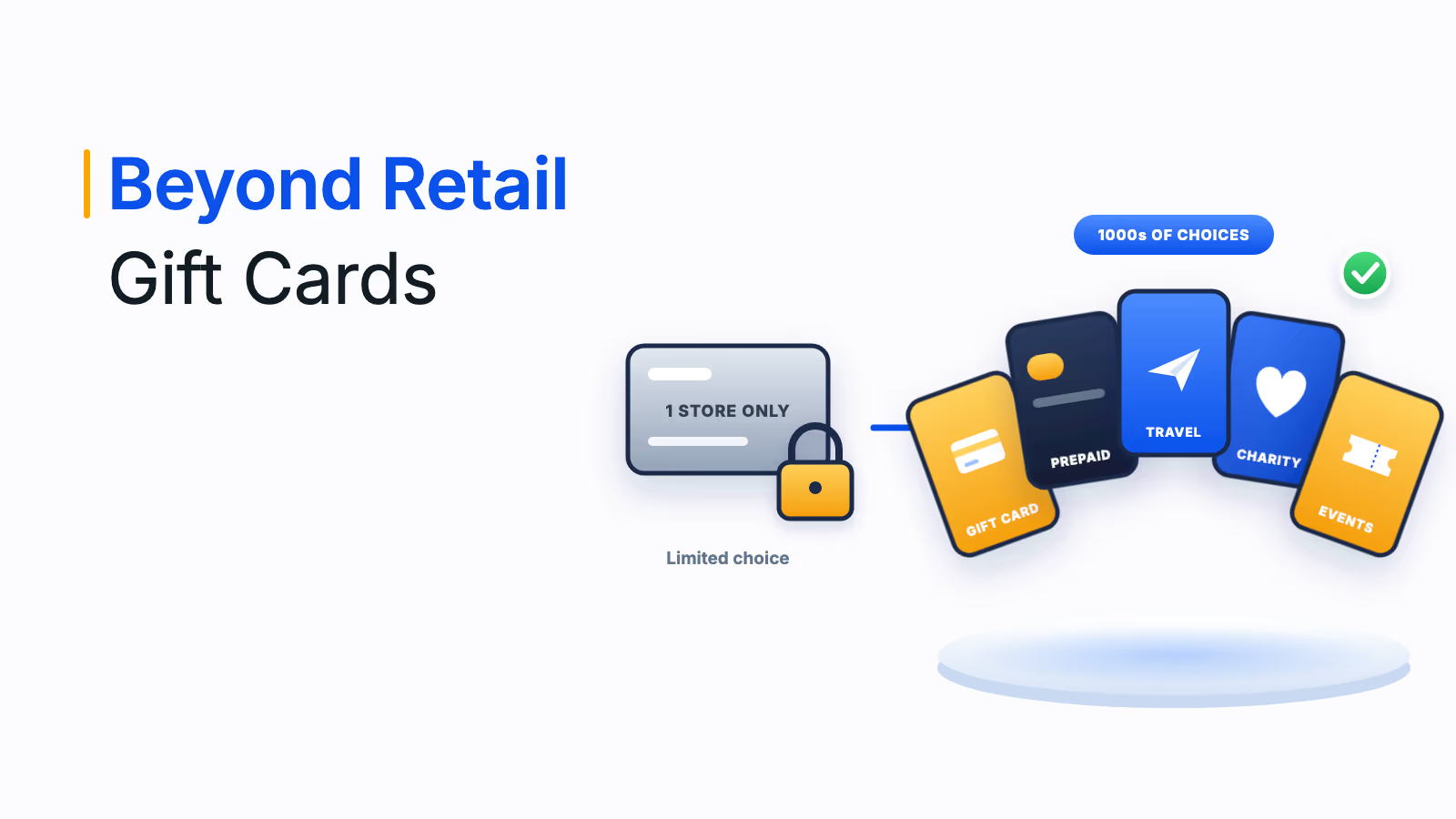
Vouchers and gift cards
Vouchers and gift cards are prepaid, often personalized, stored-value instruments that are redeemed on specific products and services, usually by a specific individual. Vouchers can be redeemed against a product, a service, a free sample or a discount. Because they are prepaid and targeted, vouchers are sometimes considered more exclusive than coupons. Unlike coupons, vouchers need to be paid for (by the business or the giver) for the recipient to enjoy the value.
Promo codes
Promo codes are a popular tactic in e-commerce. Shoppers type an alphanumeric code during checkout to access a discount or benefit on specific products, categories or the entire order. Unlike coupons, which can be both physical and digital, promo codes are used only online.
Other forms of reciprocity
Tips
Tips accrue only to employees, not employers. In fact, customers are the ones who pay them directly to the employee or worker. In that sense, a tip is a unique form of compensation where the value comes from the patron and not the company. Tips can form a significant part of an employee or worker’s income in some industries, such as tourism and hospitality. Tips may be taxable in some countries.
Gifts
In the universe of give and take, gifts may come off as a bit of an anomaly. After all, on the face of it, they are asymmetric, one-sided gestures that are voluntarily initiated by only one side of the equation.
A gift is something given to somebody - typically as a present and often on a special occasion - to say thank you. The give and take involved in gifting, however, can transcend a mere exchange of materials and represent much more.
Gifts are symbols with attached meanings. They trace their roots to a period when humans interacted via gestures, tokens and imagery.
There are gifts that have become legends over time. The gifts of the three kings to honor the birth of Jesus Christ. The timeless Taj Mahal - one of the seven wonders of the world - built by Mughal Emperor Shah Jahan in memory of his wife Mumtaz Mahal. The iconic Statue of Liberty - a gift from France to the United States commemorating the alliance between the two nations. And yes, even the Trojan Horse, which stays in collective consciousness as an enormous (pun intended) saga of treachery and deceit.
Depending on the context, gifts can go by various names such as grants, aid, handouts, donations and charity.
Gifting has always played an important role in the fabric of society - generating subtle cues, clarifying relationship equations and making silent statements. Chameleon-like, the same gift can take on a million hues, tones and undertones, depending on the intent and the occasion. Gifts are particularly effective in articulating complex emotions that are hard to capture in words - such as gratitude, appreciation, interest, love, care, respect, acknowledgement, apology and remorse.
While gifts may appear to be a one-sided exercise, the principle of reciprocity may still apply. The act of gifting either creates a new ‘debt balance’ or closes an earlier one.
To be effective, both gifting and the reciprocal act of the ‘return gift’ must be mindful of the occasion and respectful of feelings, or the gesture may fall short or backfire.
In an ideal scenario, there is no expectation of the gift from the receiver’s side, and no expectation of a ‘return benefit’ from the giver’s side. Is it all altruistic, then? While many gifts are, not all may be. Gifts may sometimes be given simply to fulfil social norms and obligations, like a birthday or housewarming present. They may even be born of shady motives: to impress people, enhance one’s reputation or manipulate feelings.
Done well, the act of gifting creates lasting memories, strengthens relationships and can even inspire future acts of generosity, driving a virtuous loop for businesses and their employees and customers.
Subsidy
A subsidy is a type of compensation with a heavy philanthropic flavor to it. Subsidies - be it in the form of direct cash payments, tax cuts or reduced prices on goods and services - are meant as financial support or assistance to individuals, businesses, or industries. Food, healthcare, education, wage, tax and infrastructure subsidies are some examples. The big idea behind a subsidy is to alleviate burden, correct market flaws and stimulate growth.
Stipends and scholarships
A stipend is usually a fixed sum of money that’s periodically paid to an individual for activities like training programs, internships and fellowships. A stipend is financial assistance to cover expenses. A scholarship is financial aid awarded to support the education of a student. Stipends and scholarships are typically not found in regular employment scenarios and are distinct from wages and salary.
Use every instrument of motivation with Plum
Now that you know who they are and what they are capable of, it’s time to use the various avatars of motivation more wisely.
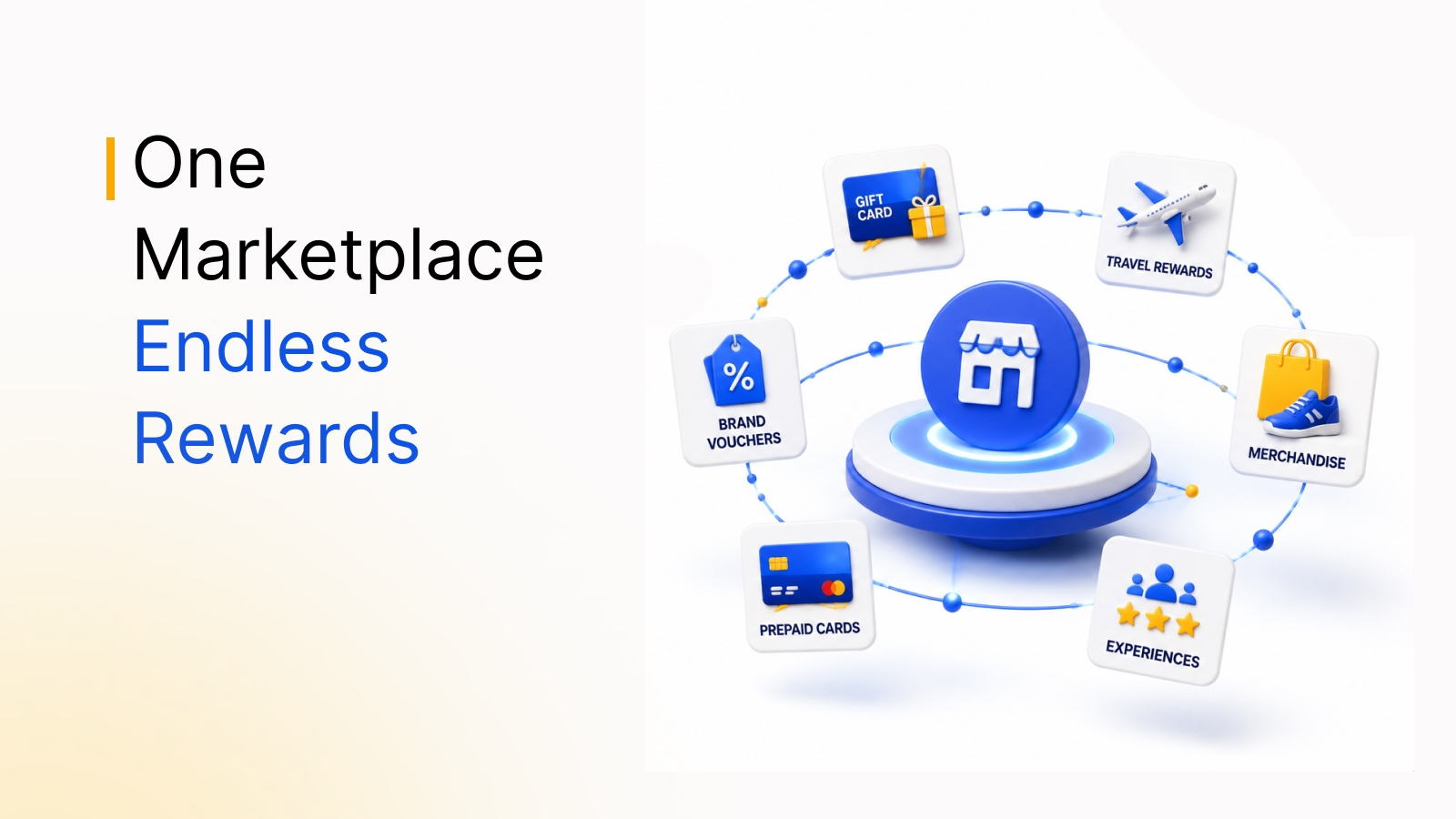
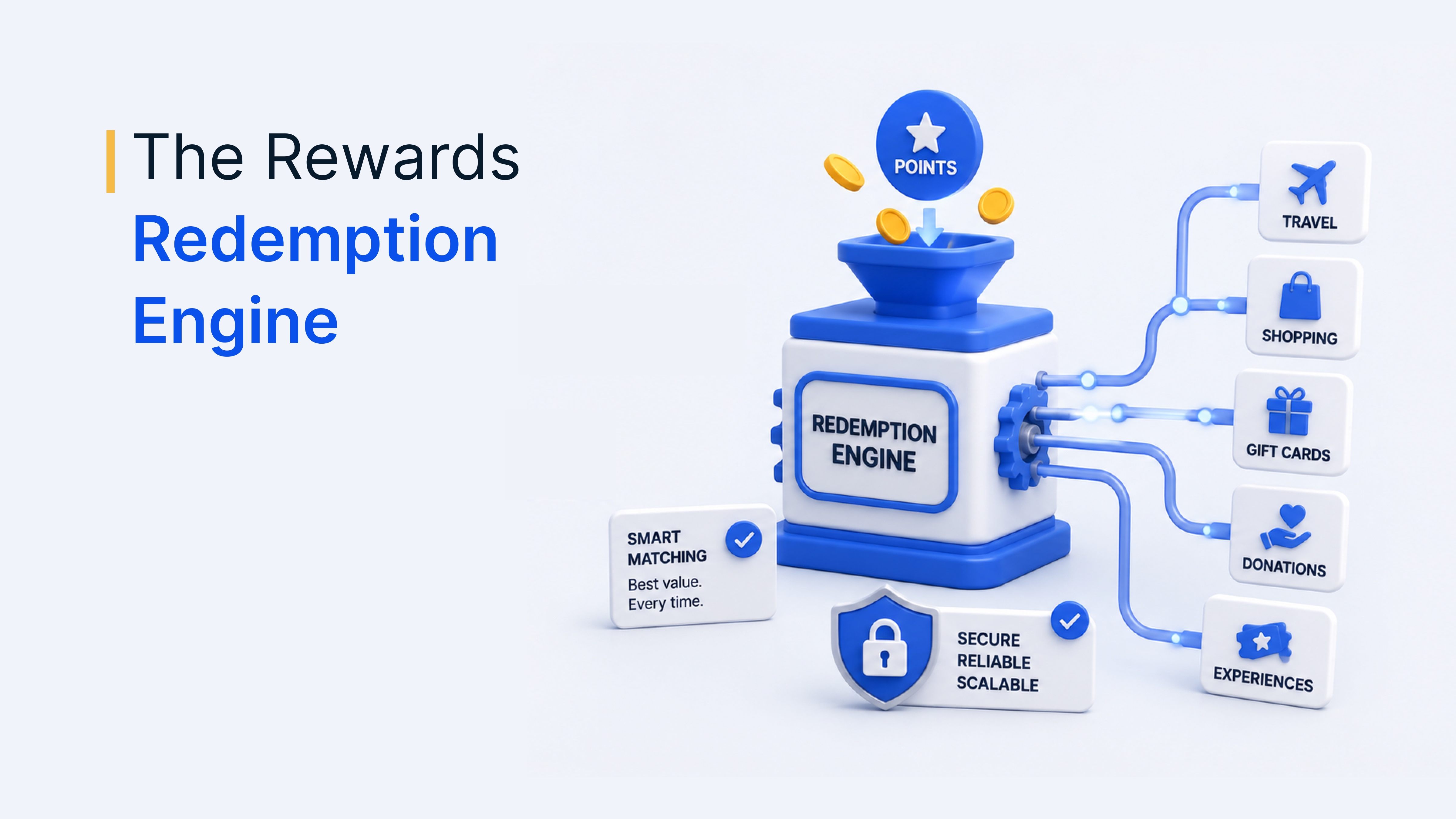
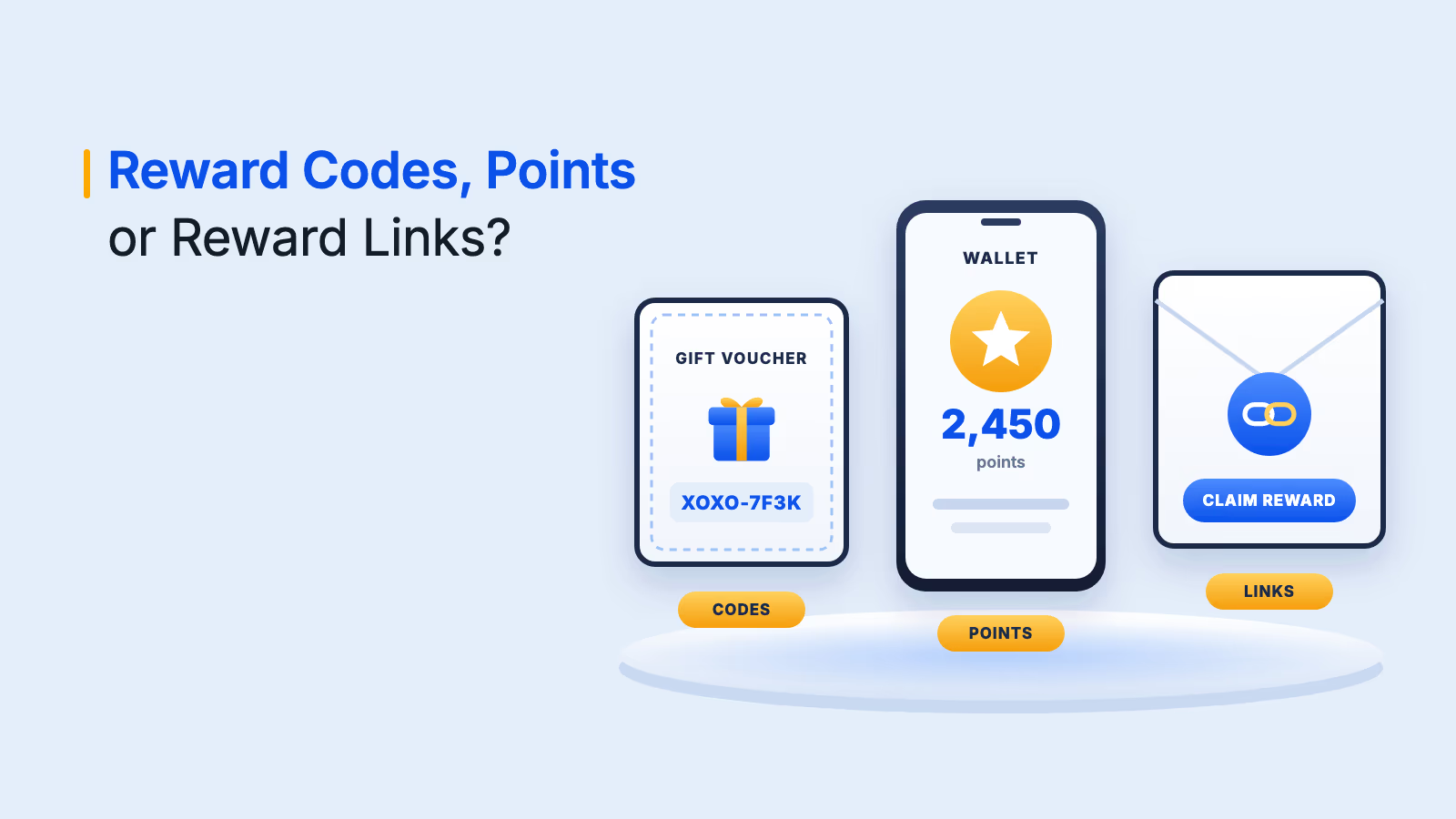
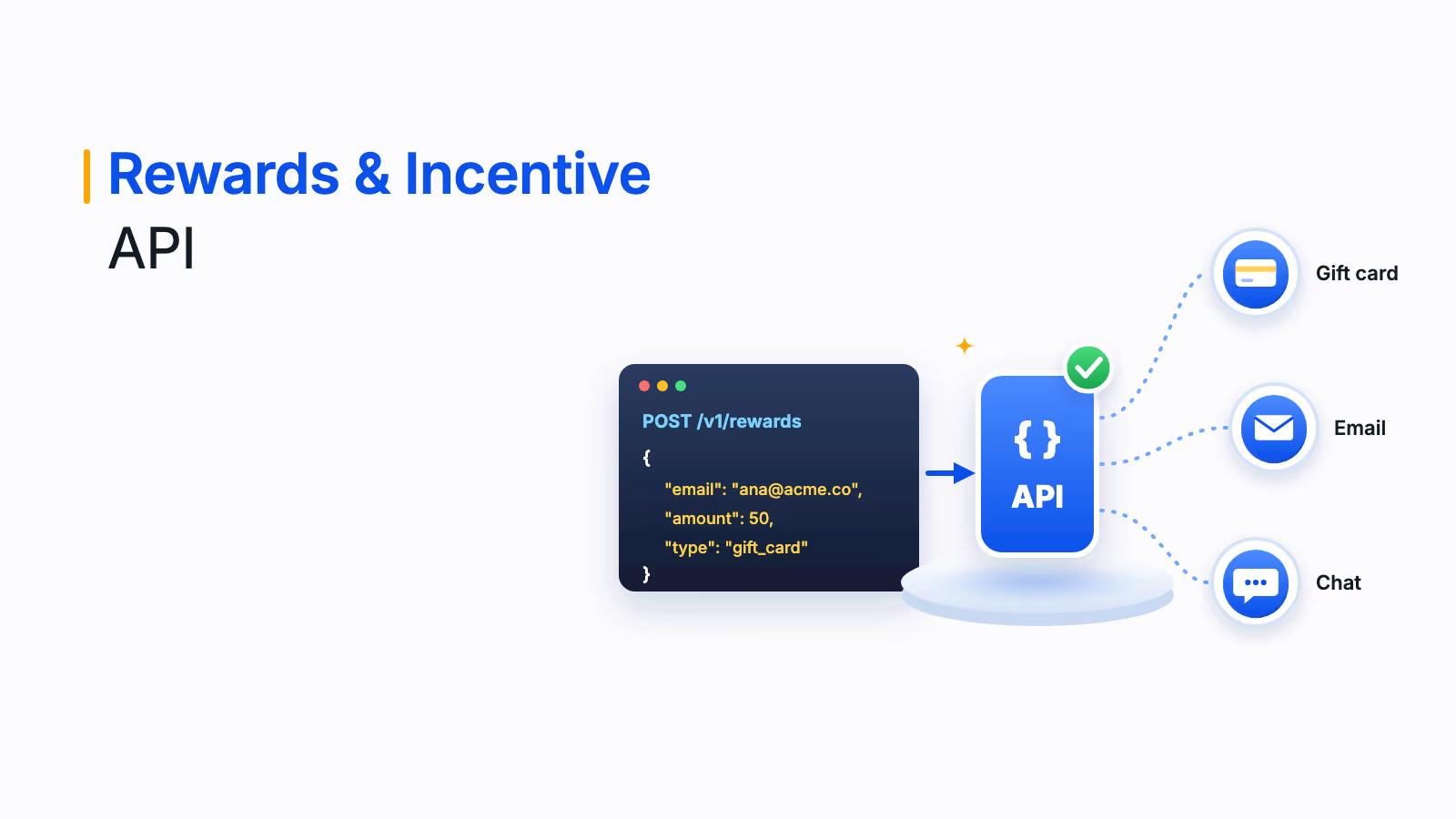
No matter what your mission, Xoxoday Plum gives you the instruments to motivate your customers, employees and channel partners. Choose from the Plum reward marketplace of 10M+ reward options across 150+ countries and 30+ categories - gift cards, experiences, merchandise, charity and more - and deliver them as reward links, codes, points or via API, automated from the tools you already use.
- Employee rewards and recognition: Reward milestones, wins and values in the moment with employee recognition rewards.
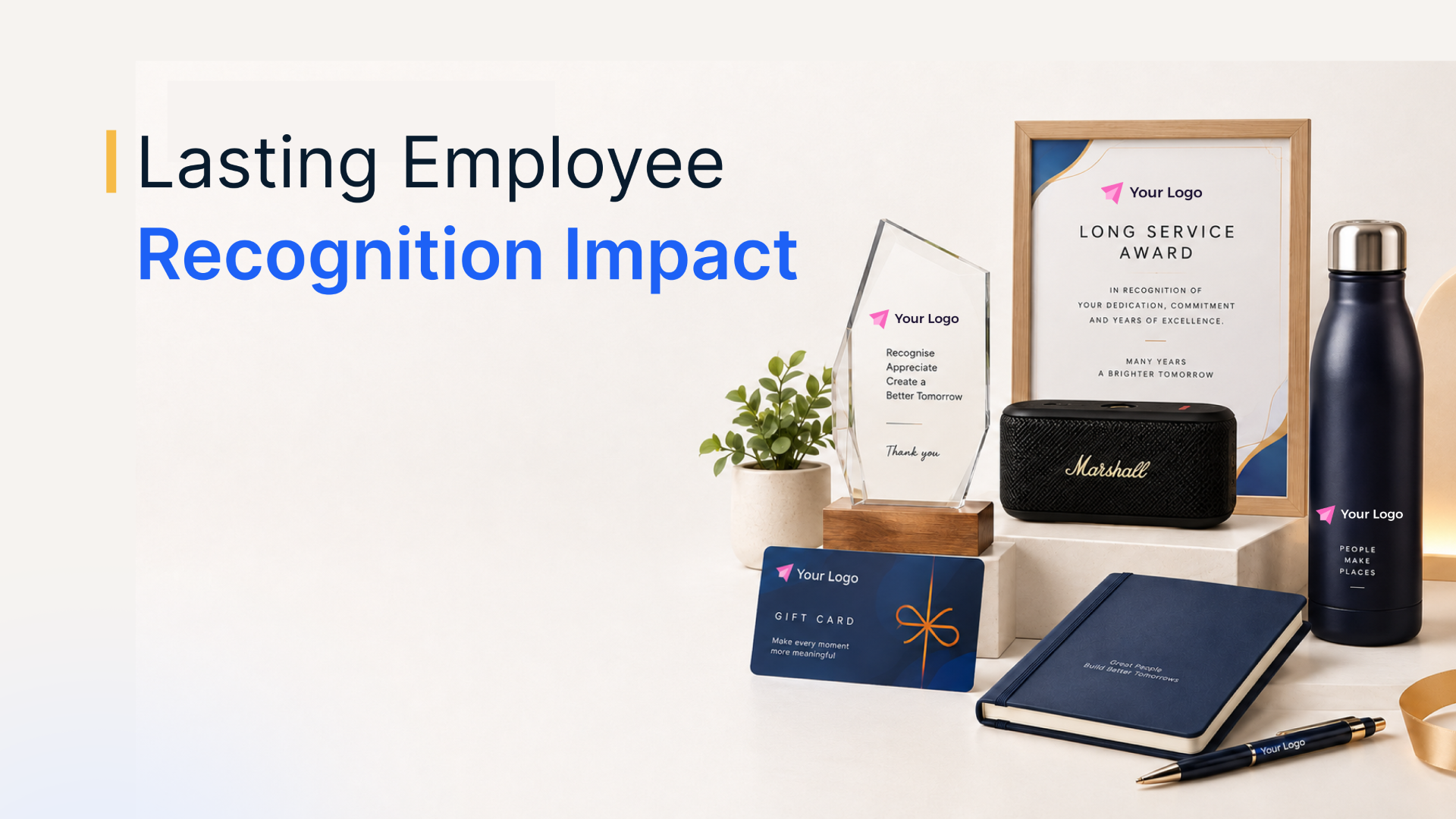
- Awards that last: Celebrate tenure with long service awards that recipients actually want.
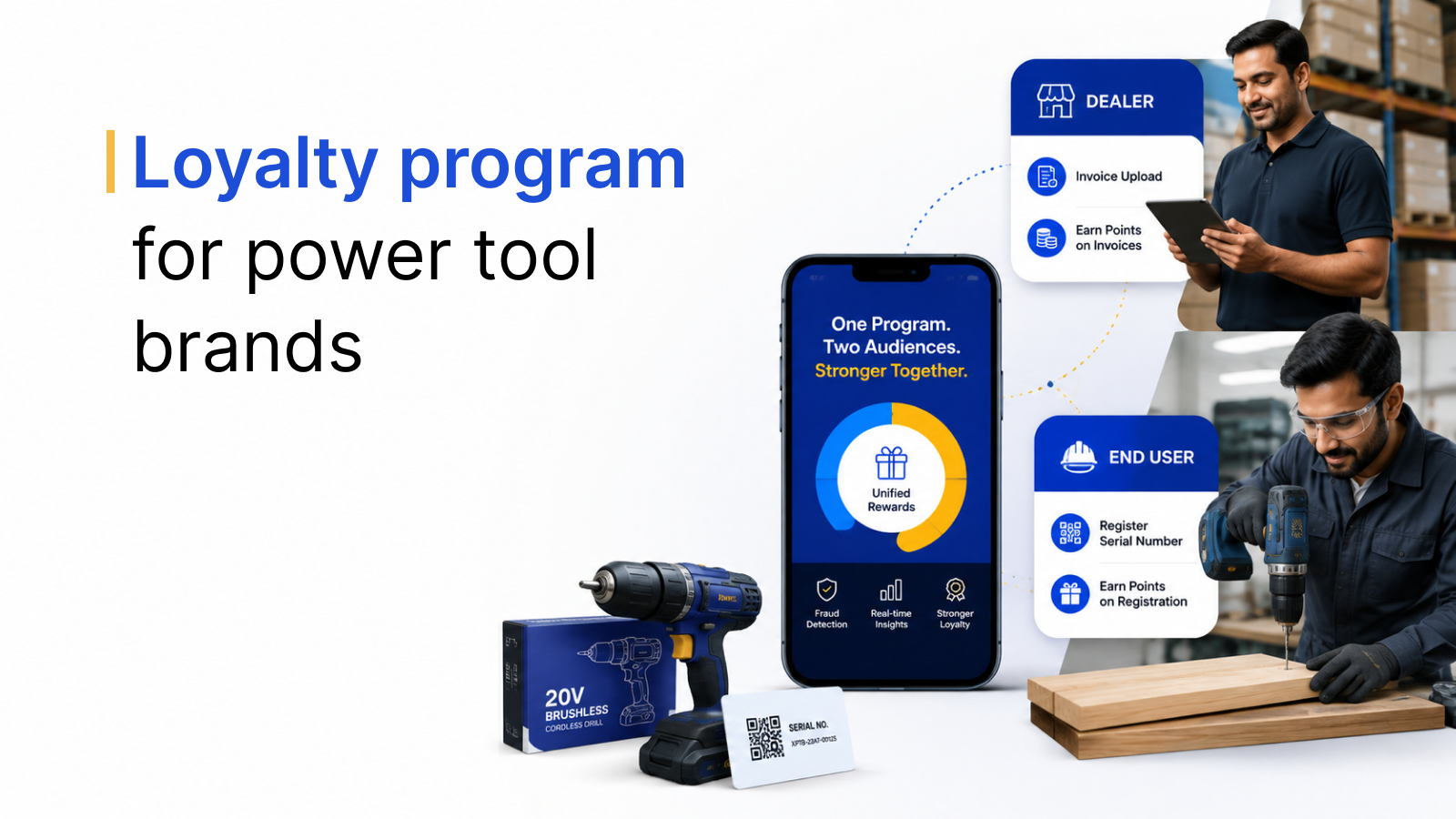
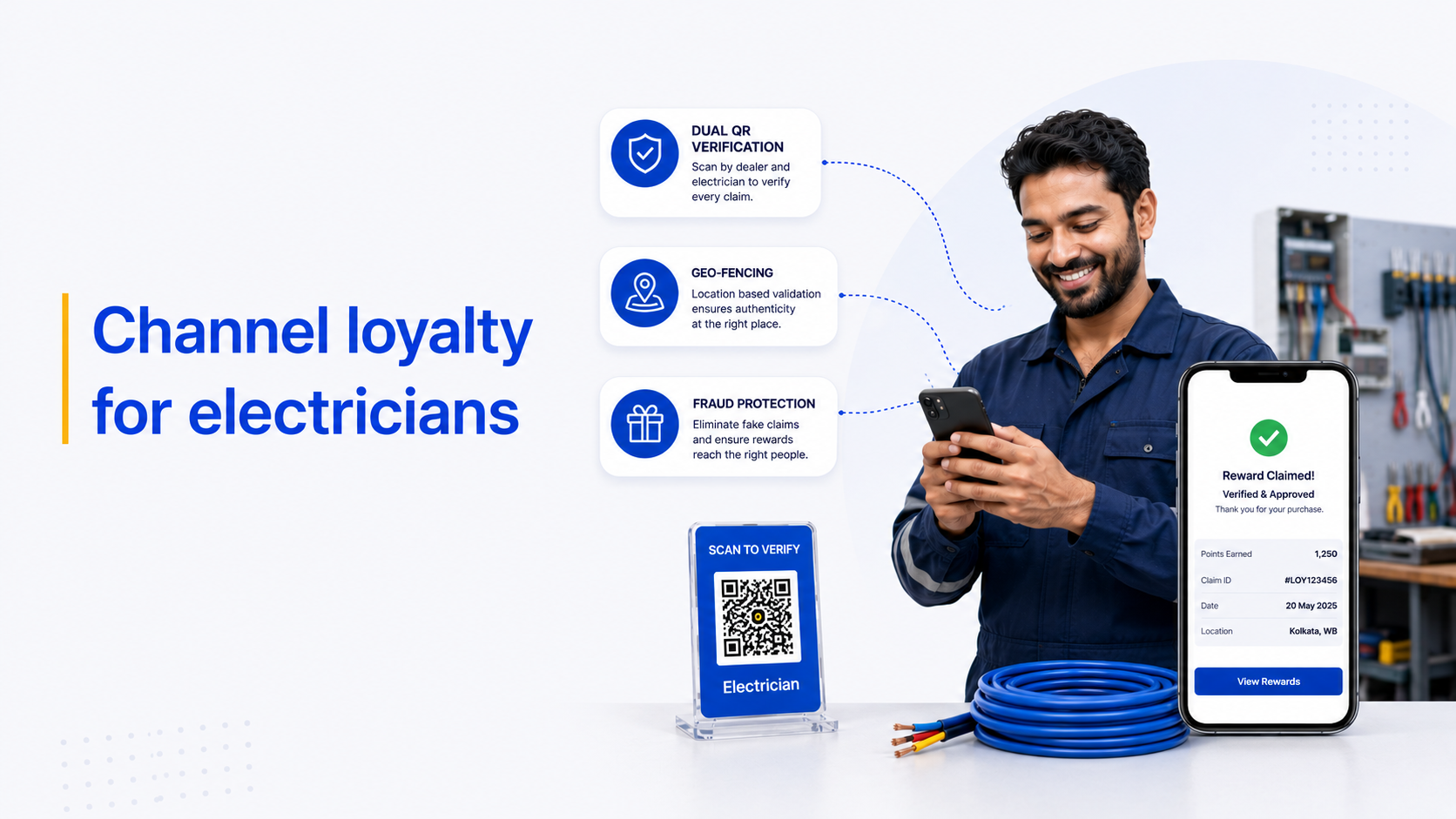
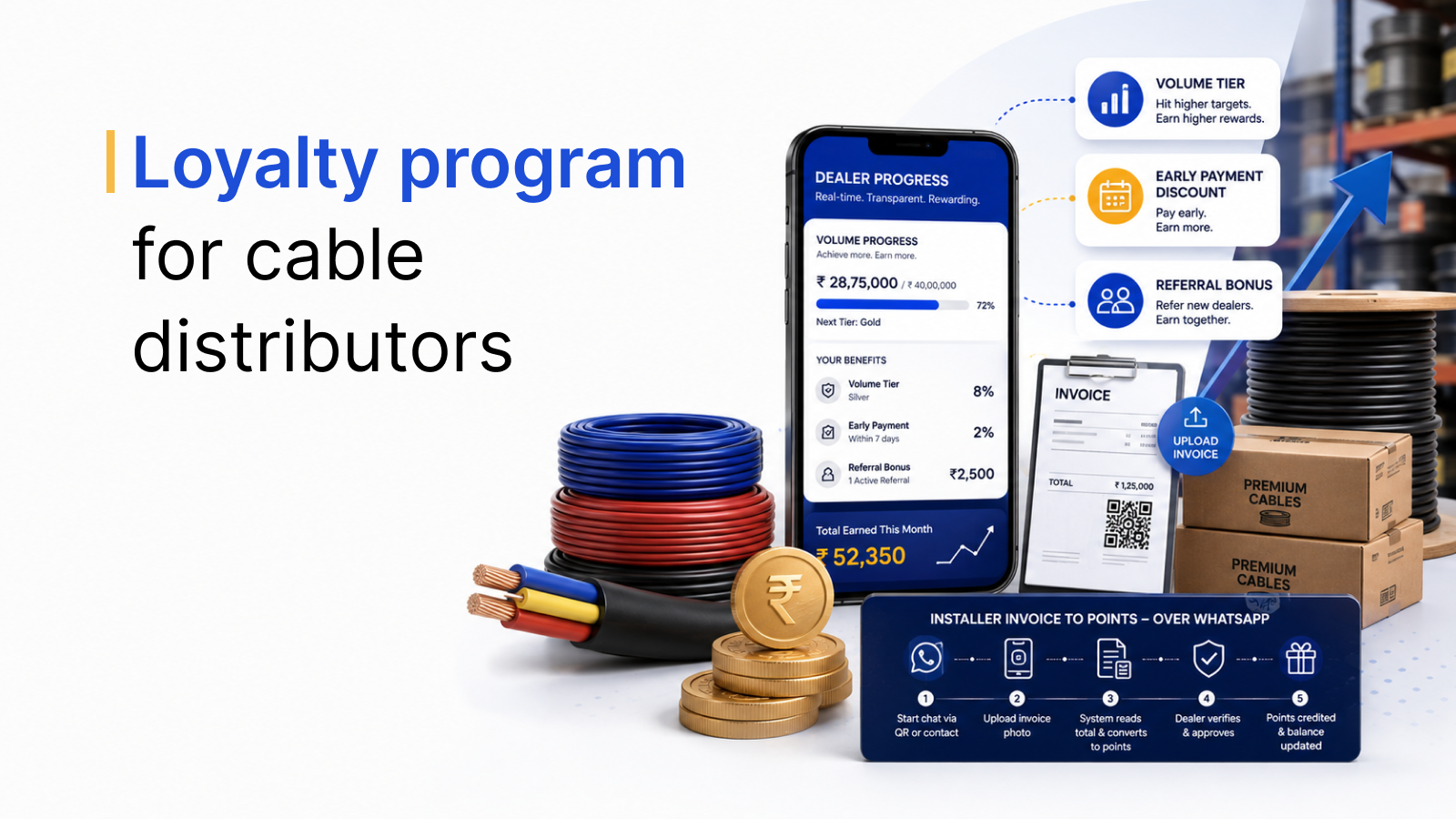
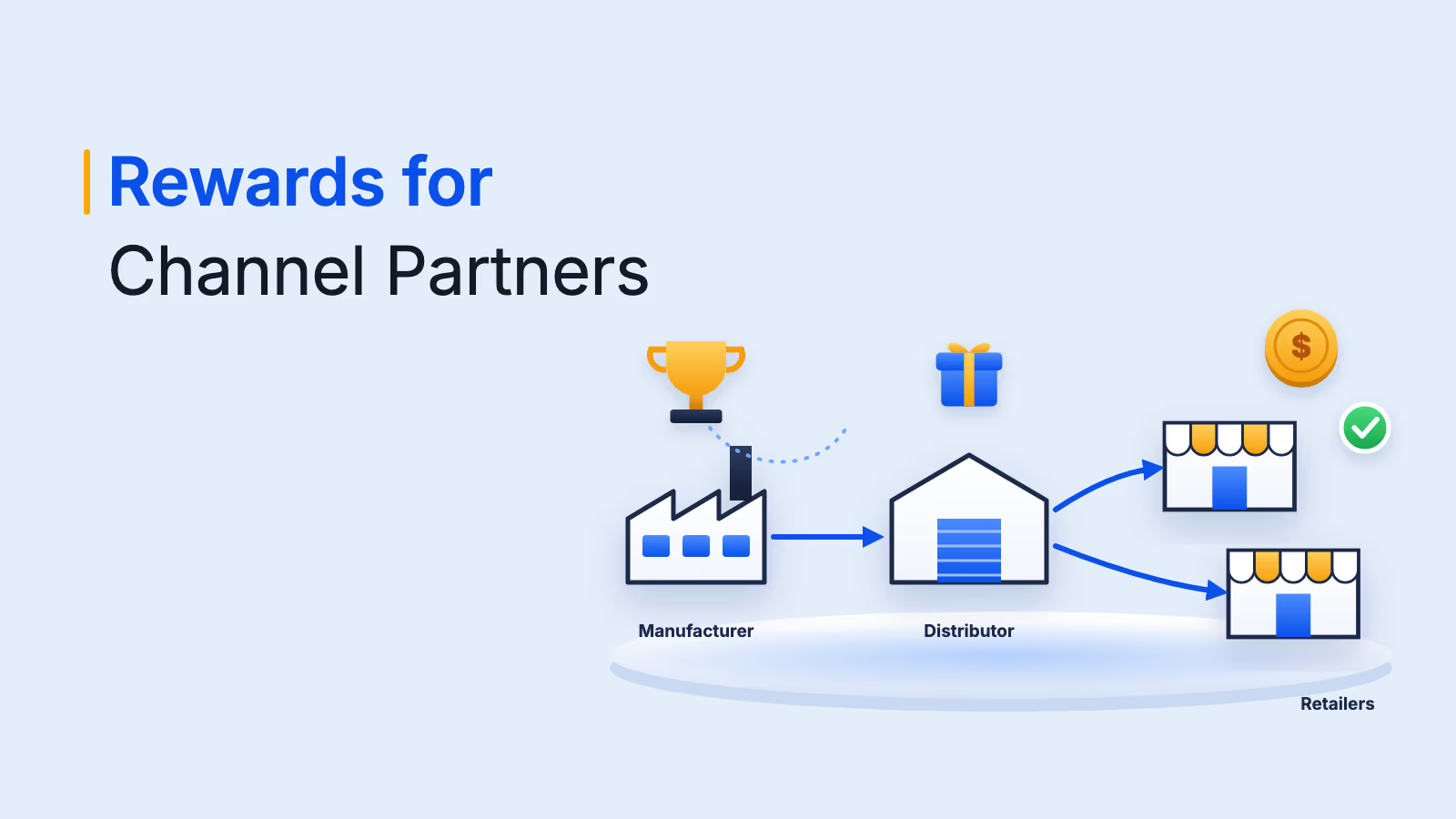
- Customer and partner incentives: Use the same catalog for promos, referrals, surveys and channel incentives.
Conclusion
Rewards vs awards is not a matter of semantics. Incentives push future behaviour, rewards reinforce past effort, awards honour exceptional achievement, and benefits, perks, allowances, gifts and customer-side offers each play their own role. Leaders who pick the right instrument for the right situation and persona build a stronger R&R strategy - one rewarding moment at a time. Book a demo to see how Plum can help.
Book your Plum demo
Frequently asked questions
A reward acknowledges a good action or result, such as hitting a target or helping a teammate, and is often practical, like a gift card or bonus. An award honours an exceptional, high-order achievement and is usually formal, public and symbolic, such as a trophy or title presented at a ceremony. Rewards can be frequent and spontaneous; awards are planned and rare.
Incentives are promised before an action to encourage it, for example a commission for closing a deal. Rewards are given after an action to recognize it, for example a gift card for great customer feedback. Incentives push future behaviour, while rewards reinforce past behaviour, which is why the same payout can act as either depending on when it is communicated.
Benefits, such as health insurance and retirement plans, are usually part of the employment agreement, legally enforceable and counted in total compensation. Perks, such as free meals, parking or event tickets, are optional extras that lift morale and are not legally enforceable. Both help attract and retain talent, but benefits are expected while perks are a bonus.
Common types of employee incentives include commissions, performance bonuses, profit sharing, spot incentives for specific goals, recognition rewards such as gift cards or points, experiential rewards such as trips or events, and non-cash incentives like extra time off. The right mix depends on the role, the behaviour you want to drive and how quickly you need results.
Gift cards can be either. When a gift card is promised in advance for completing a task, such as a survey or a referral, it works as an incentive. When it is given afterwards to thank someone, such as for a work anniversary or great performance, it works as a reward. Their flexibility makes gift cards one of the most popular reward instruments.
A coupon gives a discount or special price and is usually widely distributed, with no pre-payment needed by the recipient. A voucher is a prepaid, stored-value instrument that is often personalized and redeemed for a specific product, service or amount. Because a business or giver has paid for it in advance, a voucher is generally seen as more exclusive.
Use incentives when you want to drive a specific future outcome, such as sales targets. Use rewards to recognize everyday wins and reinforce behaviours quickly. Use awards to celebrate exceptional or long-term achievements publicly, such as service milestones. A balanced recognition and rewards strategy usually combines all three, matched to the role and the moment.