Key Takeaways
A customer rewards program gives customers points, perks or cashback for repeat business, in return for loyalty and data.
Customers want valuable rewards, simple and clear rules, personalized offers and convenient ways to earn and redeem.
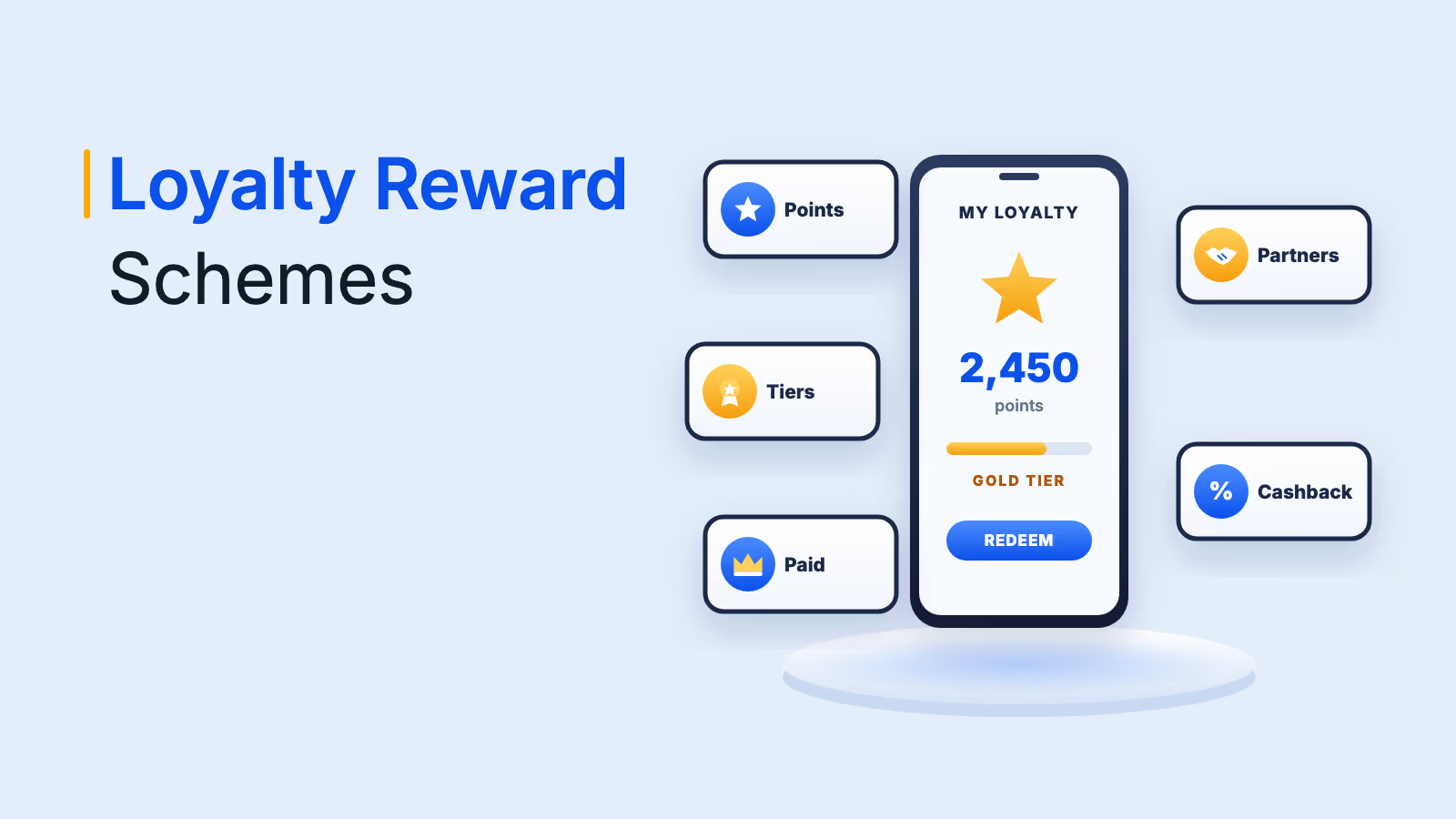
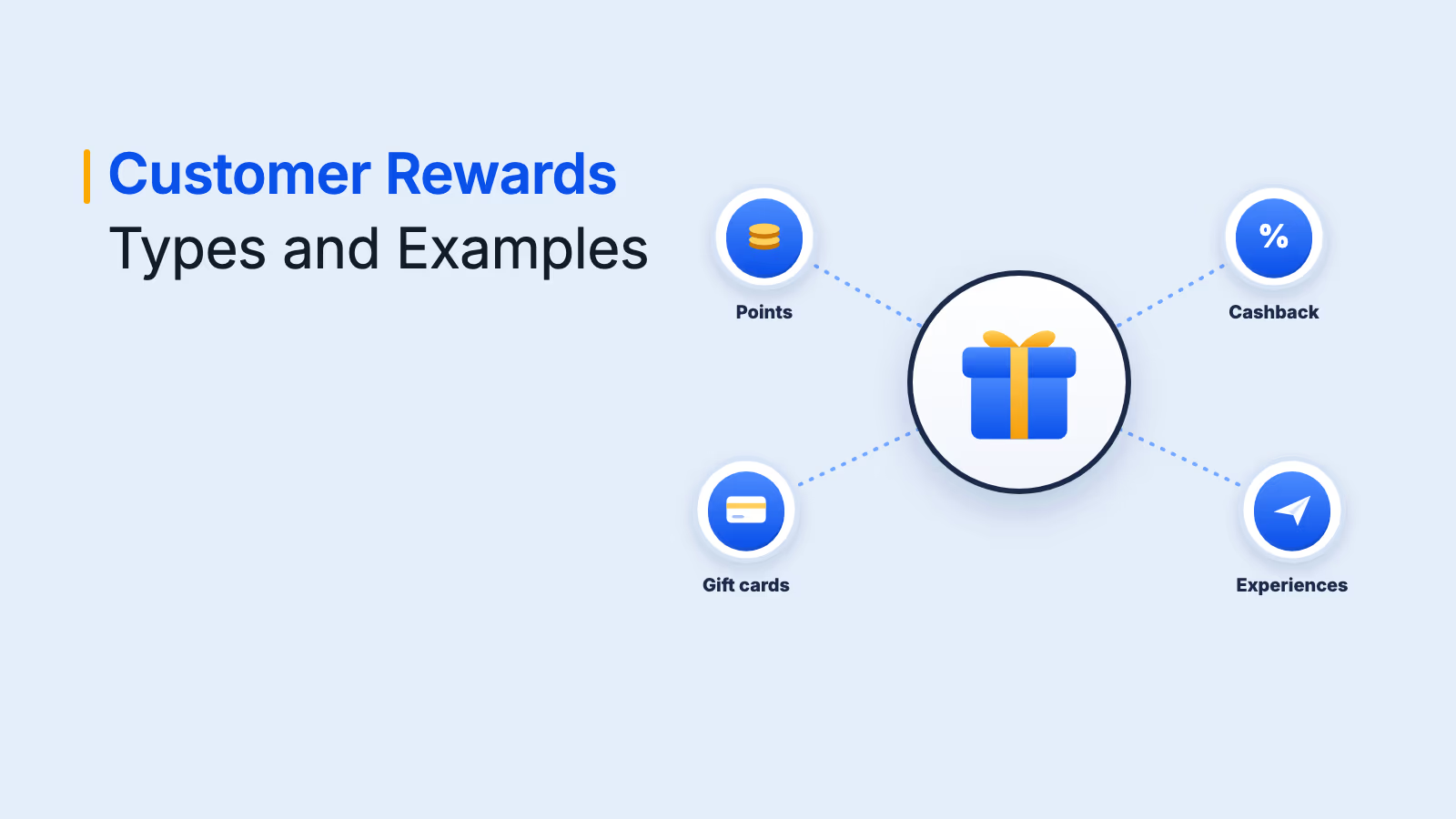
Common models include points, tiers, paid subscriptions, gamified, free perks, cashback, mission-driven and spend-based programs.
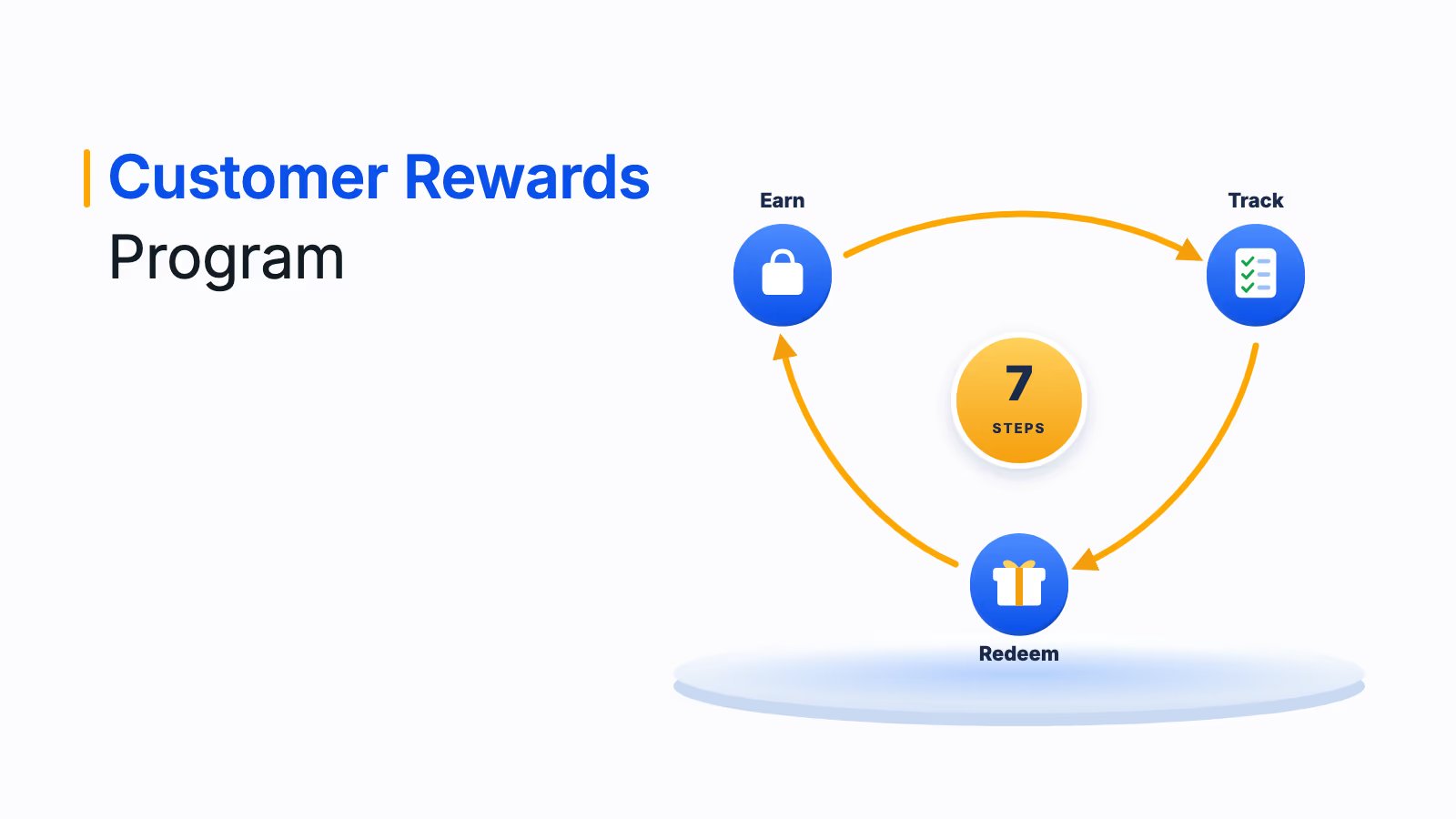
Build in 7 steps: objectives, customer insight, program type, value proposition, easy joining, promotion, then monitoring.
Keeping customers loyal in today's fast-paced market is like holding onto sand - it takes the right strategy to make it stick. That is where a customer rewards program shines. These programs are not just about points and perks; they are your secret weapon to build lasting relationships and ensure your customers keep coming back for more.
Whether it is a small token of appreciation or exclusive VIP treatment, rewards programs create a sense of value and belonging that keeps customers engaged. Discounts might be the initial incentive that gets people to sign up, but what gets them to stay is a personalized experience and rewards that actually mean something to them.
In this blog, we will dive into how well-crafted rewards programs boost loyalty and retention, explore the strategies that work, walk through the steps to build one and share examples to help your business stand out. From retail to real estate, loyalty programs are transforming industries, proving that happy customers are not just repeat customers - they are your best advocates. If you are still deciding which rewards to offer, start with our explainer on what customer rewards are.
What is a customer rewards program?
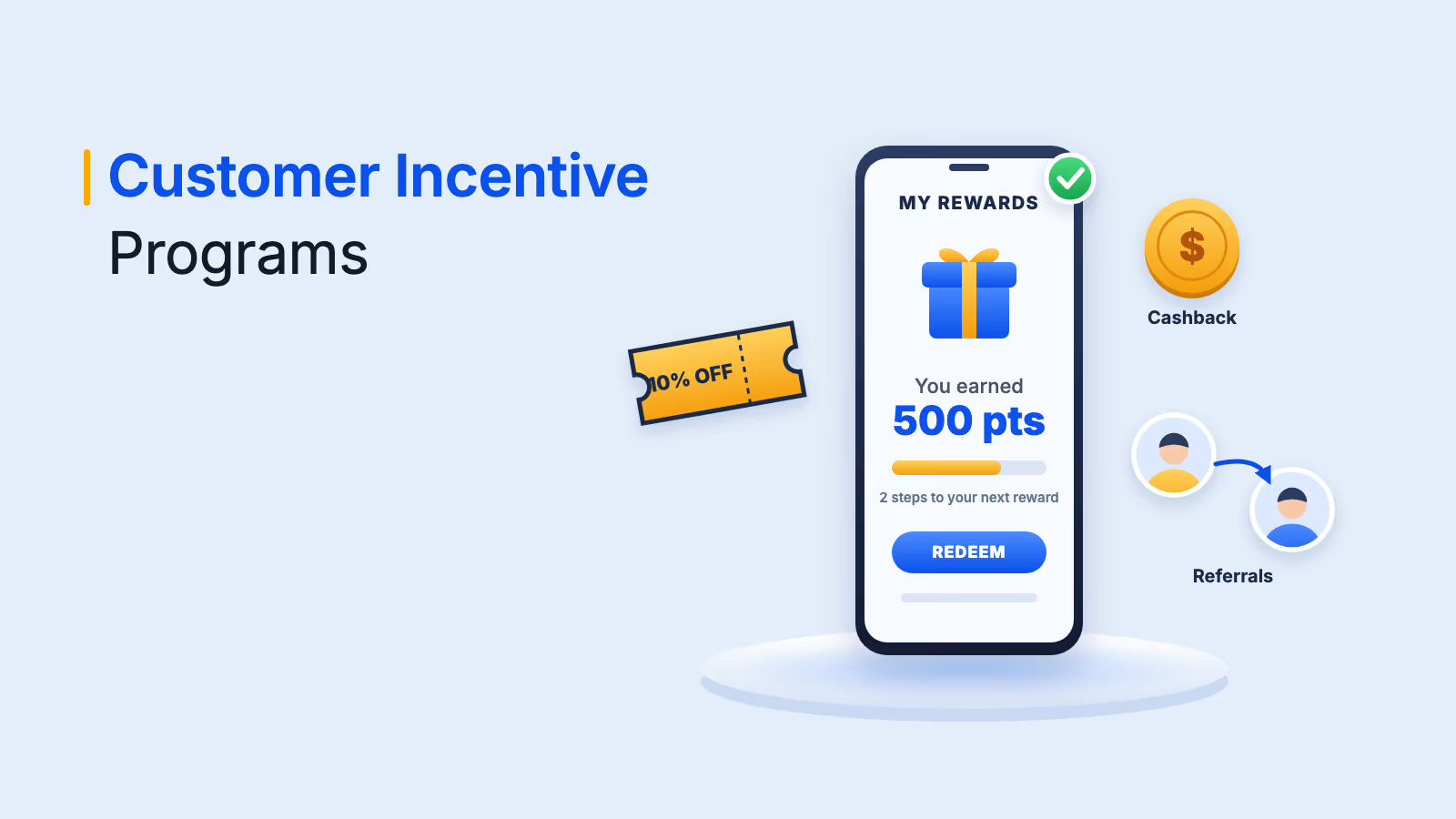
Customer rewards programs, also known as loyalty programs, are marketing strategies that aim to retain existing customers and attract new ones by offering incentives for repeat business. These incentives can include discounts, coupons, points, free products or exclusive access to special events or promotions.
The basic idea is to create a mutually beneficial relationship between the business and its customers. Customers receive rewards for their loyalty, which can increase satisfaction and encourage them to continue buying from the business. In return, businesses benefit from increased customer retention, higher customer lifetime value and positive word-of-mouth, as satisfied customers are likely to recommend the business to others.
Overall, a customer rewards program is a way for businesses to show appreciation for their customers while also driving repeat business and fostering customer loyalty.
What do customers want from a loyalty rewards program?
A rewards program for customers only works if it gives them what they are looking for. Customers want several key things from a loyalty rewards program:
- Great rewards: Customers like useful rewards, like discounts or free products. The rewards should be worth the effort they put into the program.
- Easy to use: Loyalty programs should be simple to understand and use. Customers should easily earn and use rewards without any confusion, with clear instructions on earning points, redeeming them and any deadlines or restrictions.
- Personalized offers: People like getting offers that match their interests and what they buy. This could include special discounts on their favorite products or recommendations based on their purchase history. Choice matters too: Antavo's Global Customer Loyalty Report 2025 found that 81.2% of members prefer brands that let them customize their rewards.
- Clear rules: Customers want to know how the program works, how to earn and use rewards, and any rules. This includes being transparent about how points are earned, how they can be redeemed and any expiration dates or restrictions.
- Consistent rewards: Getting rewards regularly and in the same way helps customers trust the program. Customers may lose interest if the rewards are inconsistent or hard to earn.
- Feel special: Customers like it when businesses appreciate their loyalty with special treatment or offers. This could include early access to sales, exclusive events or personalized gifts.
- Convenience: Loyalty programs should be easy to join and use, whether online, in-store or in an app. Customers should be able to track their progress and redeem rewards without any hassle.
- New ideas: Customers like new and fun features in loyalty programs, like games or levels. This keeps the program exciting and encourages continued participation.
Why invest in a customer rewards program?
All too often, brands focus on acquiring new customers without paying enough attention to the ones they already have. Yet repeat customers are crucial, especially for small businesses, to keep cash flow steady and get the word out about the brand. The business case is backed by data: Antavo's 2025 report found that 83% of program owners who measure ROI reported a positive return, with programs generating 5.2 times more revenue than they cost. Here is why a rewards program is worth the investment.
1. No need to compete on price alone
Most retailers cannot afford to offer prices as low as the largest marketplaces. Instead, they can appeal to a customer's emotional side by providing thoughtful rewards that delight the customer. The more that happens, the more the customer develops an emotional connection with the brand and the likelier they are to keep coming back.
2. Retain customers better
Loyal customers tend to spend more over time, and acquiring new customers usually costs more than retaining existing ones. That is why creating incentives for buyers to keep returning is essential, and a smartly designed rewards program can help.
3. Boost customer lifetime value (CLV)
CLV is the net profit you can expect from your overall relationship with a customer. If you use your customer data to create thoughtfully tailored rewards, you are likely to see this lifetime value go up, which in turn boosts your bottom line.
4. Foster personal relationships
Each of your customers is unique and deserves to be treated as such. With the right rewards program, you can help your customers feel valued when they shop with you. This is a powerful feeling that translates into repeat purchases for your business.
5. Create brand advocates
People trust recommendations from friends and family more than most forms of marketing. By adding customer referral rewards to your program, you help existing customers feel special and nudge them to spread the word about your brand in their circles, reaching people who may otherwise not have known about you.
Build a rewards program customers keep using
Configure earning rules, tiers, campaigns and a 10M+ option reward catalog with Loyalife.
Talk to our ExpertTrusted by 5,000+ companies
Types of customer rewards programs
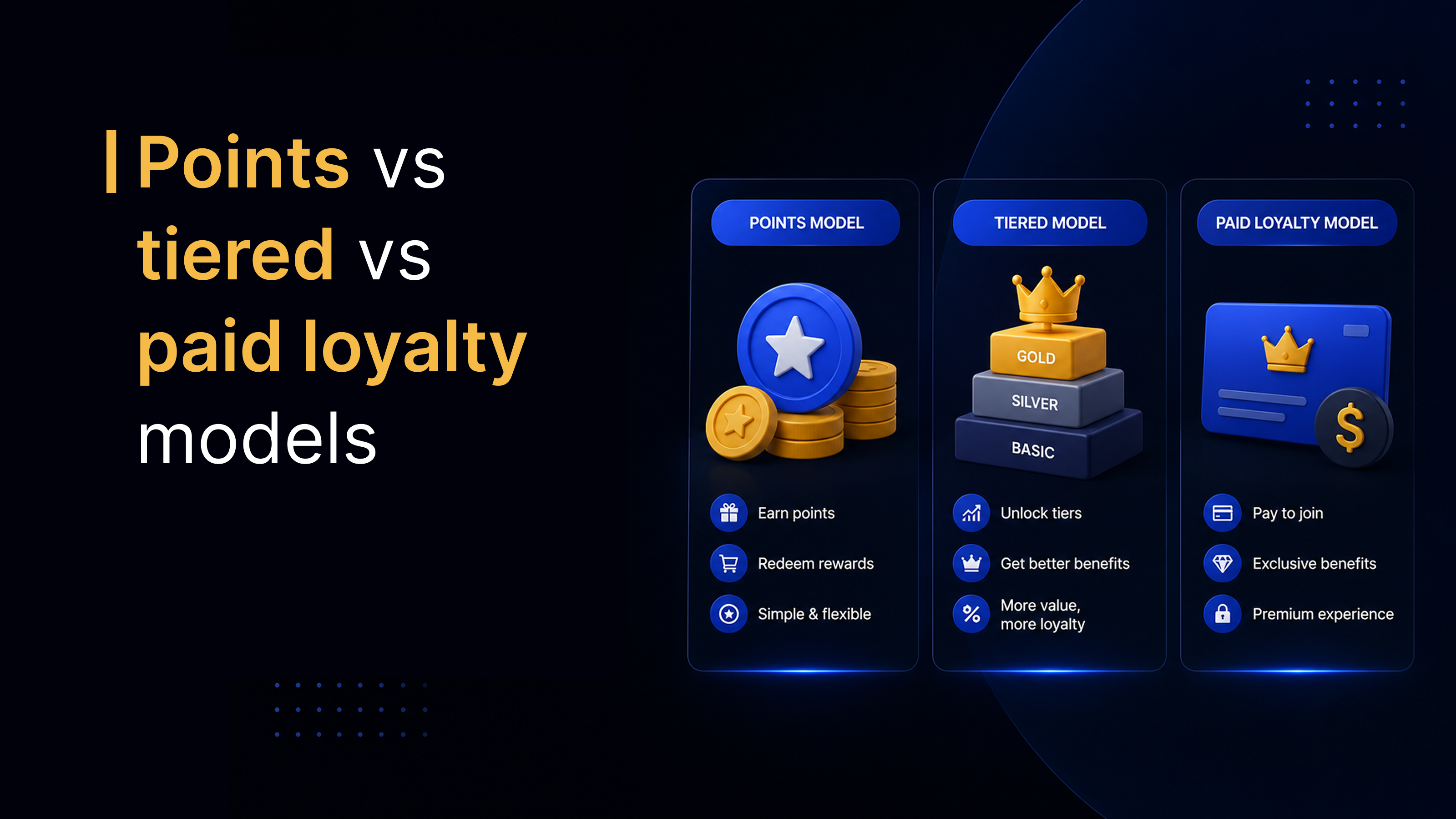
Here are the most common types of customer rewards programs. For a detailed comparison of each model, see our guide to types of loyalty programs.
1. Points-based rewards programs
Points-based programs are among the most popular types of customer reward systems. In this model, customers earn points for every purchase they make, and often for actions such as reviews or referrals too. These points can be redeemed for discounts, free products or other rewards. This type of program is highly flexible, allowing businesses to tailor the point accrual and redemption process to suit their specific needs and customer preferences.
Example: Southwest Rapid Rewards members earn points by flying and spending with partners, and use them for flights, gift cards, hotel stays and more. Southwest says its points do not expire.
2. Tiered rewards programs
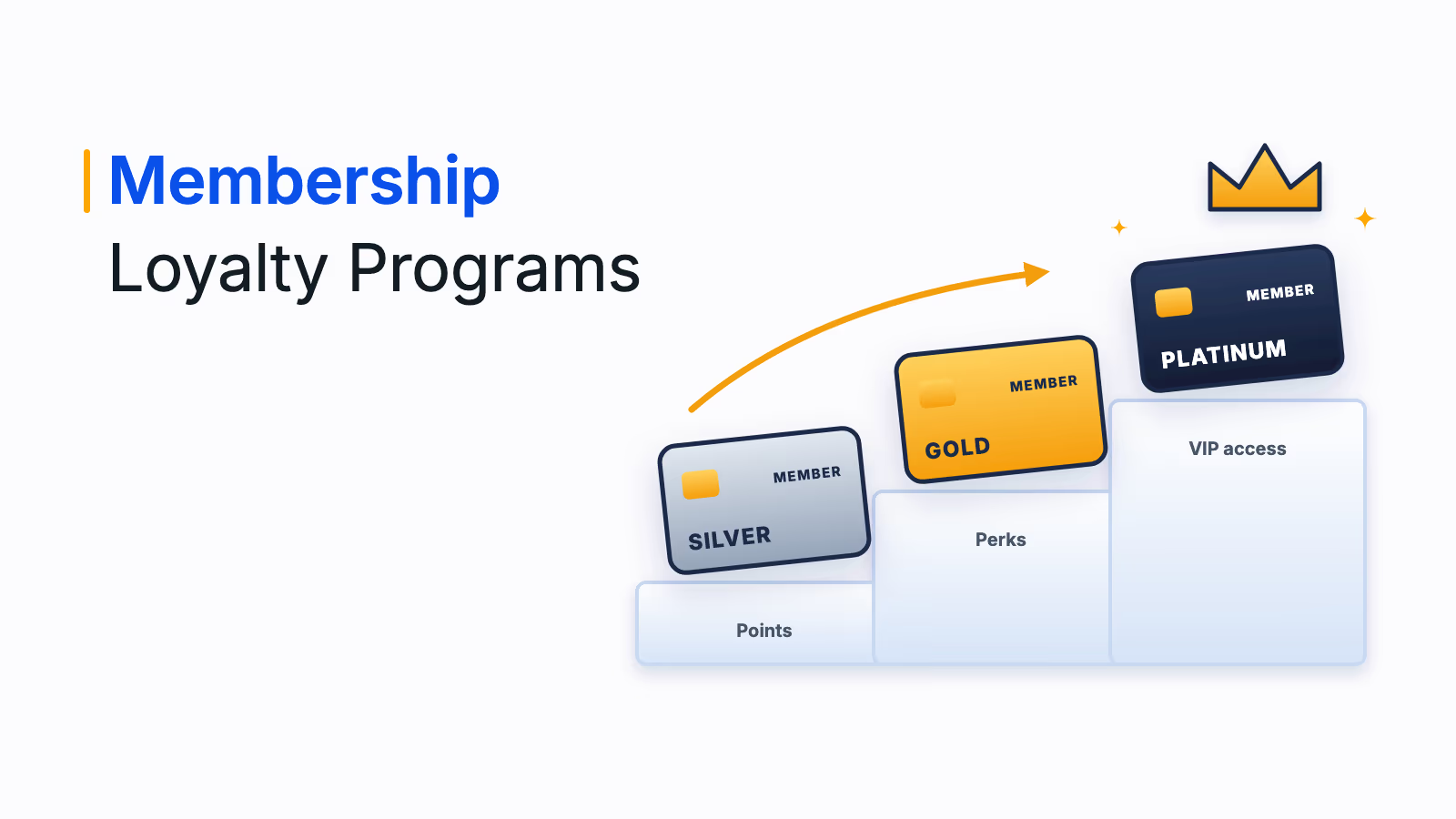
Tiered programs are designed to reward customers based on their loyalty and spending levels. As customers continue to purchase and engage with the brand, they move up through different tiers, each offering progressively better rewards. This structure not only encourages initial loyalty but also incentivizes long-term engagement, as customers strive to reach higher tiers for greater benefits.
Example: Marriott Bonvoy has six levels, from Member through Silver, Gold, Platinum and Titanium Elite to Ambassador Elite, based mainly on nights stayed per year.
3. Subscription rewards programs
Subscription programs require customers to pay a recurring fee, usually monthly or annually, in exchange for exclusive benefits, discounts or access to premium content and services. These programs are designed to foster a deeper relationship between the customer and the brand, often providing a steady revenue stream for businesses while delivering consistent value to customers. Our guide to membership loyalty programs covers this model in depth.
Example: Costco sells paid Gold Star and Executive memberships, with the Executive level offering additional member benefits.
4. Gamified rewards programs
Gamified programs incorporate elements of gaming into the customer experience, making earning rewards fun and engaging. These programs often involve challenges, competitions and achievements that customers can complete to earn points or unlock rewards. The interactive nature of these programs helps keep customers engaged and motivated.
Example: Xbox Rewards, part of Microsoft Rewards, lets members earn points for completing challenges, buying content and taking quizzes, then redeem them for gift cards, sweepstakes entries, charitable donations and more.
5. Free perks programs
Free perks programs provide customers with complimentary benefits simply for being members or frequenting the business. These perks can include free items, special discounts or exclusive access to events. The goal is to make customers feel valued and appreciated without requiring them to earn points or spend money.
Example: Nike Membership is free to join and gives members benefits such as free delivery on qualifying orders, member-exclusive products and member-only events.
6. Cashback programs
Cashback programs reward customers by returning a percentage of their purchases as cash or store credit. These programs provide a direct financial incentive for customers to shop, making them feel like they are getting more value for their money.
Example: The Prime Visa card, issued by Chase, gives eligible Prime members 5% back on purchases at Amazon.com, Amazon Fresh and Whole Foods Market.
7. Mission-driven rewards programs
Mission-driven programs align a company's rewards with a broader social, environmental or charitable cause. These programs appeal to customers who value corporate social responsibility and want their purchases to contribute to positive change. By participating, customers can feel good about supporting a cause they care about.
Example: Patagonia Worn Wear lets customers trade in eligible used Patagonia gear for credit, encouraging them to keep products in use instead of buying new.
8. Spend-based rewards programs
Spend-based programs reward customers based on the amount they spend. These programs often provide higher rewards or better benefits for higher spending, incentivizing customers to make larger purchases or shop more frequently. The rewards can be discounts, cashback or exclusive access to products and services.
Example: American Express Membership Rewards lets eligible card members earn points on purchases and redeem them for travel, gift cards and more.
Customer rewards program benefits for customers and businesses
For customers
- Enhanced customer experience: Customer rewards programs often provide a more personalized and enjoyable experience. Customers feel appreciated and valued, leading to increased satisfaction.
- Increased value and savings: Customers benefit from discounts, special offers and exclusive deals, which help them save money and get more value from their purchases.
- Exclusive access and perks: Rewards programs often offer members exclusive access to events, products or services, providing a sense of exclusivity and special treatment.
- Incentive to repeat purchases: Rewards give customers a reason to come back and earn more, increasing engagement and loyalty.
For businesses
- Increased customer loyalty and retention: Customers are more likely to continue purchasing from a business that rewards their loyalty.
- Higher customer lifetime value: Rewards programs contribute to higher lifetime value, as loyal customers tend to spend more over time.
- Enhanced customer data and insights: Rewards programs let businesses collect valuable data about customers' preferences, behaviors and purchasing patterns, which can be used to tailor marketing and improve products or services.
- Competitive advantage: A well-designed rewards program can differentiate a business from its competitors and attract new customers who are interested in the benefits offered.
How to build a rewards program in 7 steps
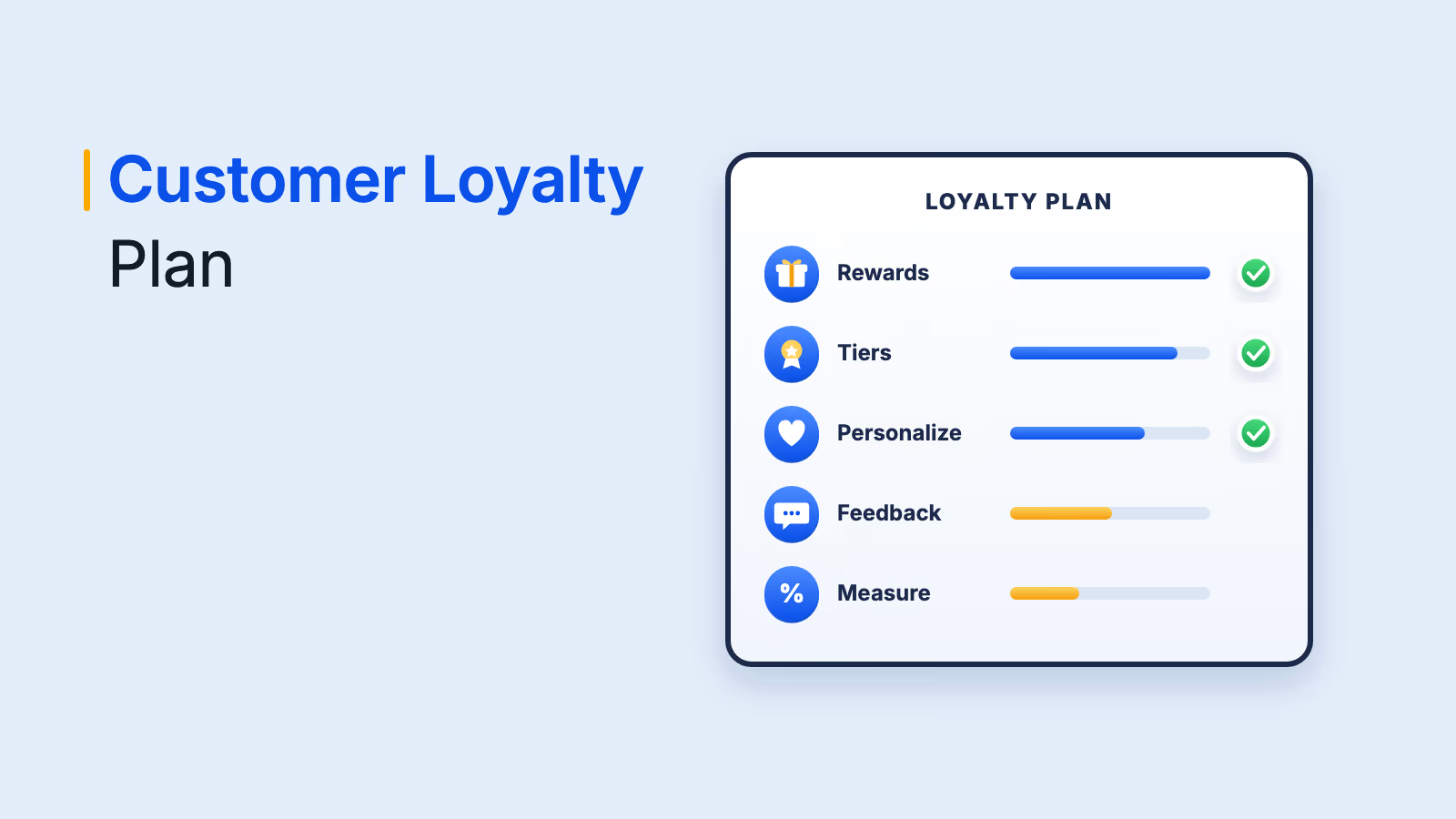
Creating a customer rewards program that truly resonates requires a balance of strategy and creativity. By focusing on your customers' needs and aligning rewards with their preferences, you can build a rewards program that drives loyalty and boosts retention. Here is how to get started:
1. Define clear objectives
Before starting a customer rewards program, define clear objectives. These should align with your business goals and help you measure the success of the program. Are you aiming to increase customer retention, boost average order value or attract new customers? For example, you might set a target to lift retention or average order value by a set percentage within the first year of launching the program.
2. Know your customer base
Understanding your customer base is essential for designing a successful rewards program. Conduct market research, analyze customer data and gather feedback to learn about their preferences, shopping habits and expectations. This information will help you tailor the program to meet their needs and increase engagement.
3. Choose the right type of program
There are various customer rewards programs, such as points-based systems, tiered programs and VIP programs. Choose the type that best suits your business model, your customers' habits and your product lifecycle. For example, a points-based program might be ideal for a retailer, while a subscription model could work well for a service business. If your customers value exclusive experiences, a VIP program with tiers and exclusive perks might be more effective than points alone.
4. Define the value proposition and design engaging rewards
Clearly outline the benefits your program will offer. The value proposition should be compelling enough to encourage customers to join and participate actively. Consider discounts, freebies, exclusive access and personalized rewards, and make them relevant to your customers' interests and purchasing behavior. For example, if you run a coffee shop, offering a free coffee after a certain number of purchases can be a compelling reward. A global reward marketplace can add gift cards and experiences to your catalog without sourcing them yourself.
5. Make it easy to join and participate
A seamless sign-up process and clear communication are crucial. Make joining straightforward and ensure customers understand how to earn and redeem rewards. Use user-friendly platforms that let members check balances and redeem online, in store or in an app.
6. Promote your program
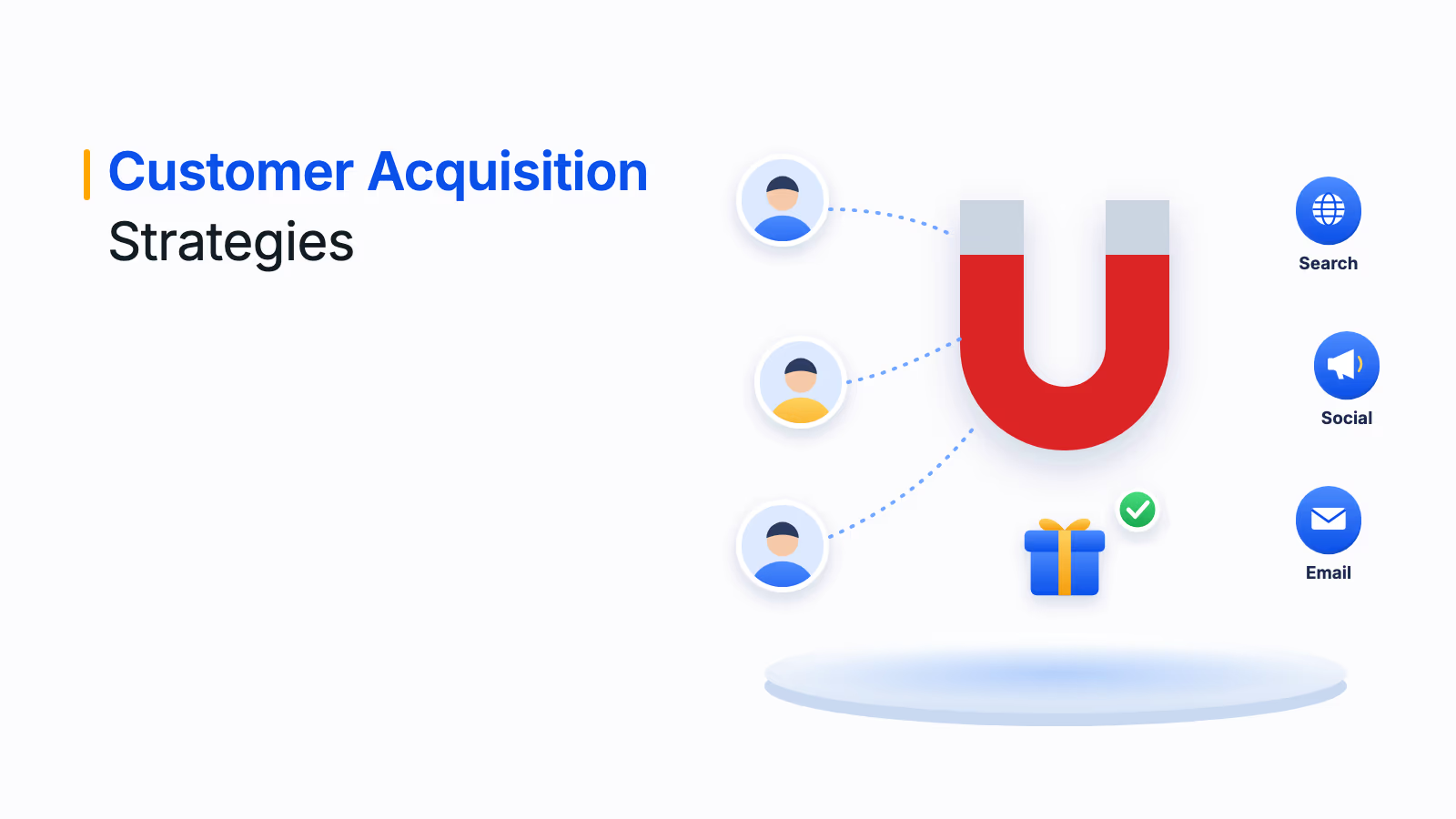
Promoting your rewards program is crucial to its success. Use marketing channels such as email, social media, in-store signage and your website to create awareness and encourage sign-ups. Offer incentives for joining, such as a welcome bonus or a special discount, to attract new members.
7. Monitor and adjust
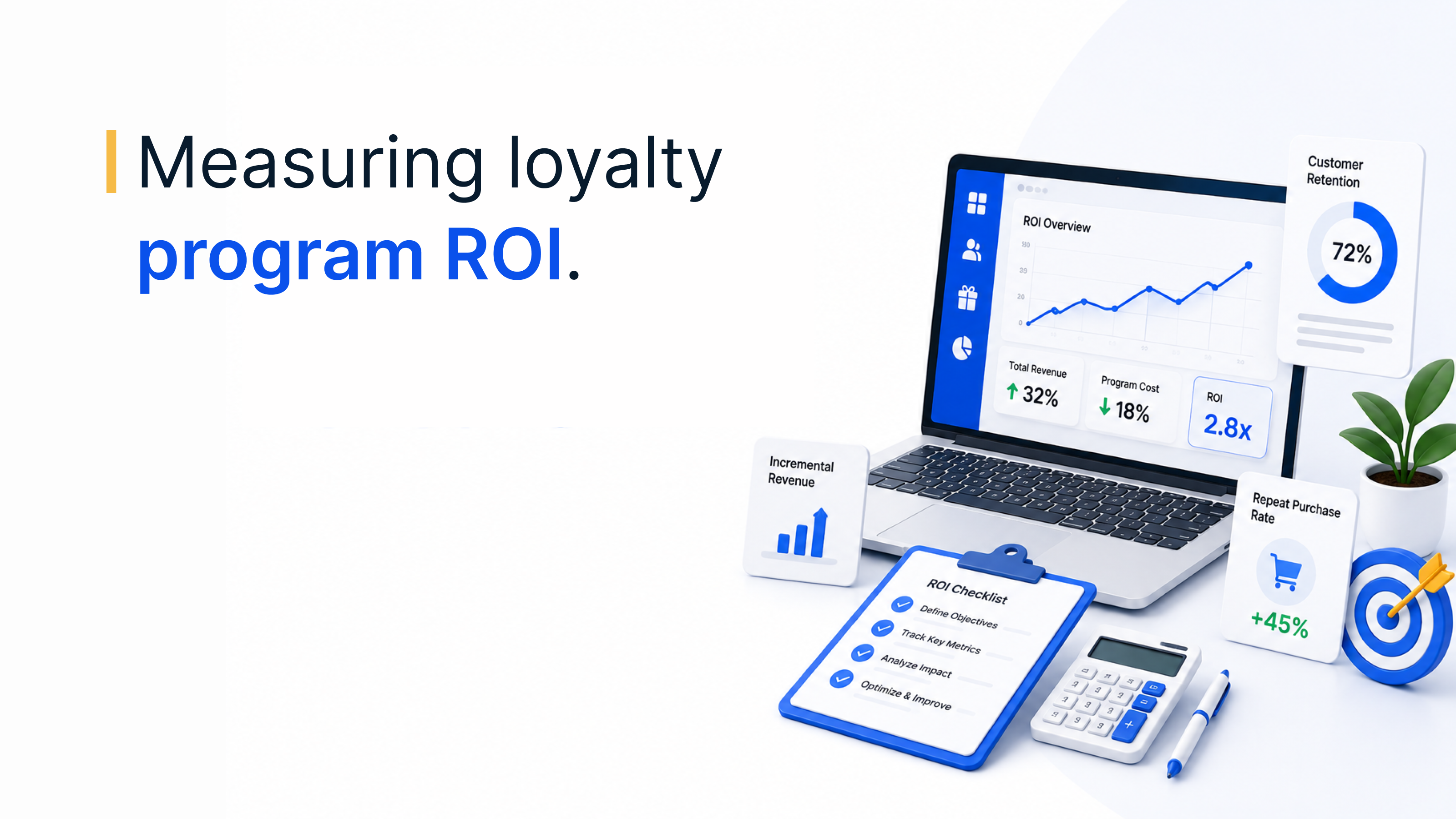
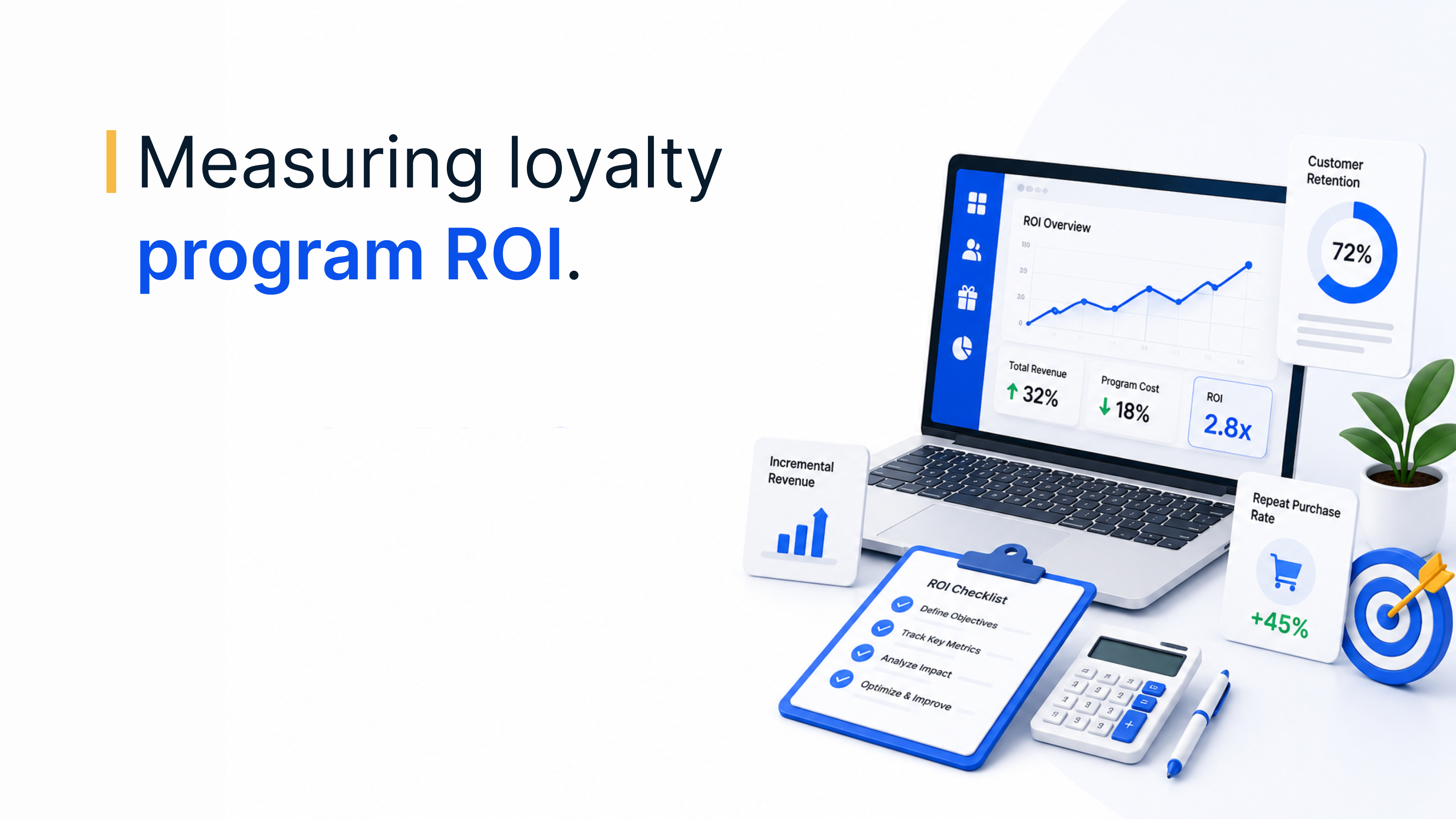
Once your rewards program is up and running, regularly monitor its performance and gather customer feedback. Collect data on participation, reward redemption and the impact on sales and retention, then use it to improve the program. For example, if a particular reward is not popular, replace it with something more enticing. Our guides to loyalty program KPIs and measuring loyalty program ROI cover what to track.
Customer reward program examples to be inspired by
If you are new to building a customer rewards program, the easiest place to start is by looking at brands getting it right. Here are three customer reward program examples, each with its own distinctive touch.
1. Ulta Beauty Rewards
Ulta Beauty Rewards says it has over 46 million members. Members earn points on every dollar spent and turn them into dollar-off rewards on a published ladder, for example 100 points for $3 off up to 2,000 points for $125 off, plus birthday gifts. A transparent redemption ladder makes the value of every point easy to understand.
2. Starbird's loyalty program
Starbird, a California-based fast-casual restaurant chain, gives Starbird Rewards+ members 10 Stars for every $1 spent when they order while logged in through its app, website or in-restaurant kiosk. Stars are redeemed for menu items, starting with a beverage at 500 Stars, and members also get a welcome bonus and a birthday gift - creating a rewarding and seamless experience.
3. Stop & Shop's Savings Stations
In February 2025, Stop & Shop announced that all its stores now have in-store Savings Station kiosks. Shoppers scan their GO Rewards card or enter a phone number to activate weekly digital coupons and personalized offers, which then apply automatically at checkout. This makes savings more accessible, especially for customers without smartphones or internet access.
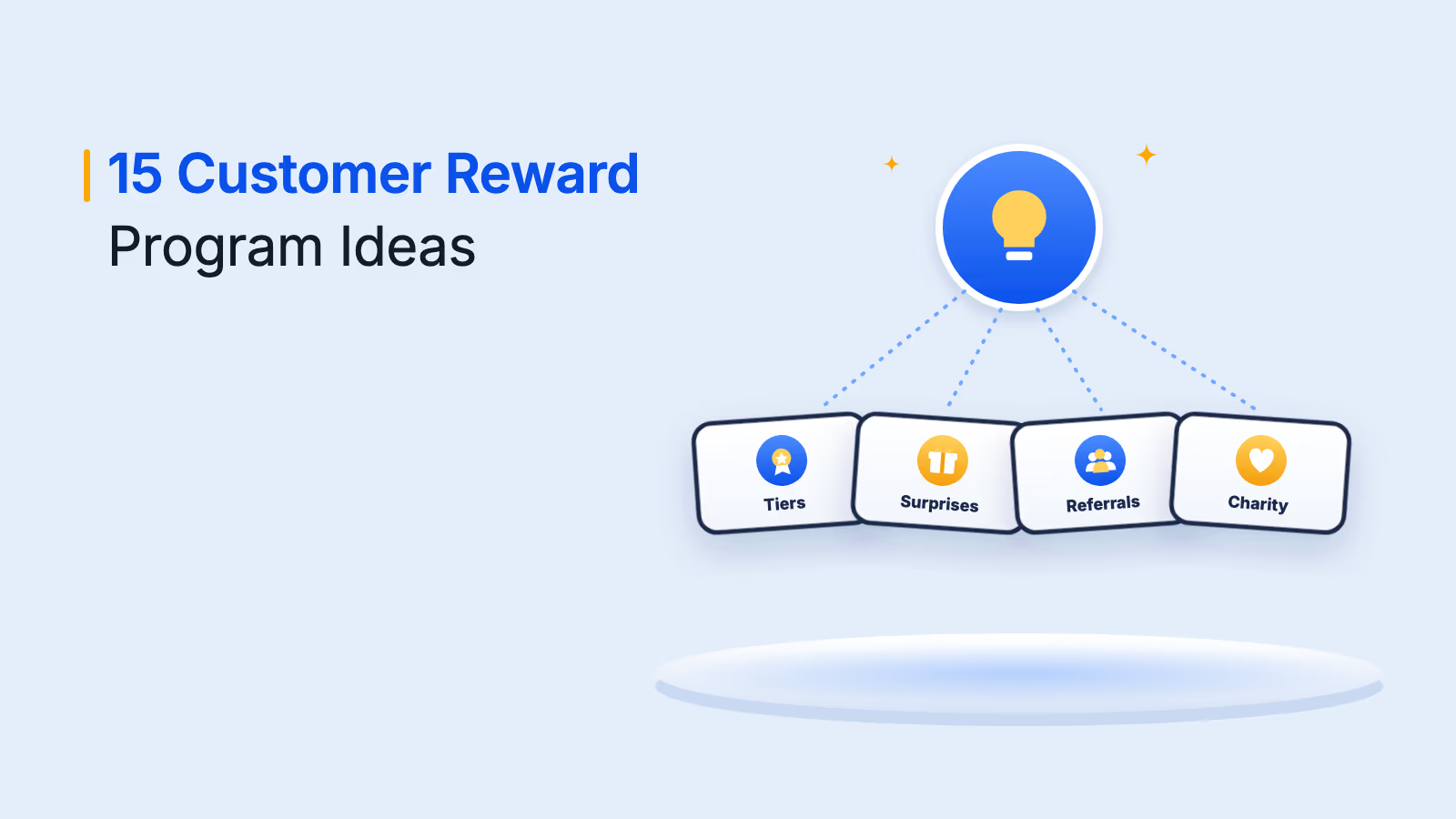
For more inspiration, see our list of 15 customer reward program ideas and our roundup of the best loyalty programs in the US.
How Loyalife helps you run a customer rewards program
Businesses can run a customer rewards program end to end with Loyalife, Xoxoday's loyalty management platform. Here is how Loyalife supports the process:
- Program management tools: Create, manage and track loyalty programs from a single interface. Set up earning and redemption rules in the rule engine and tailor the program to your business needs.
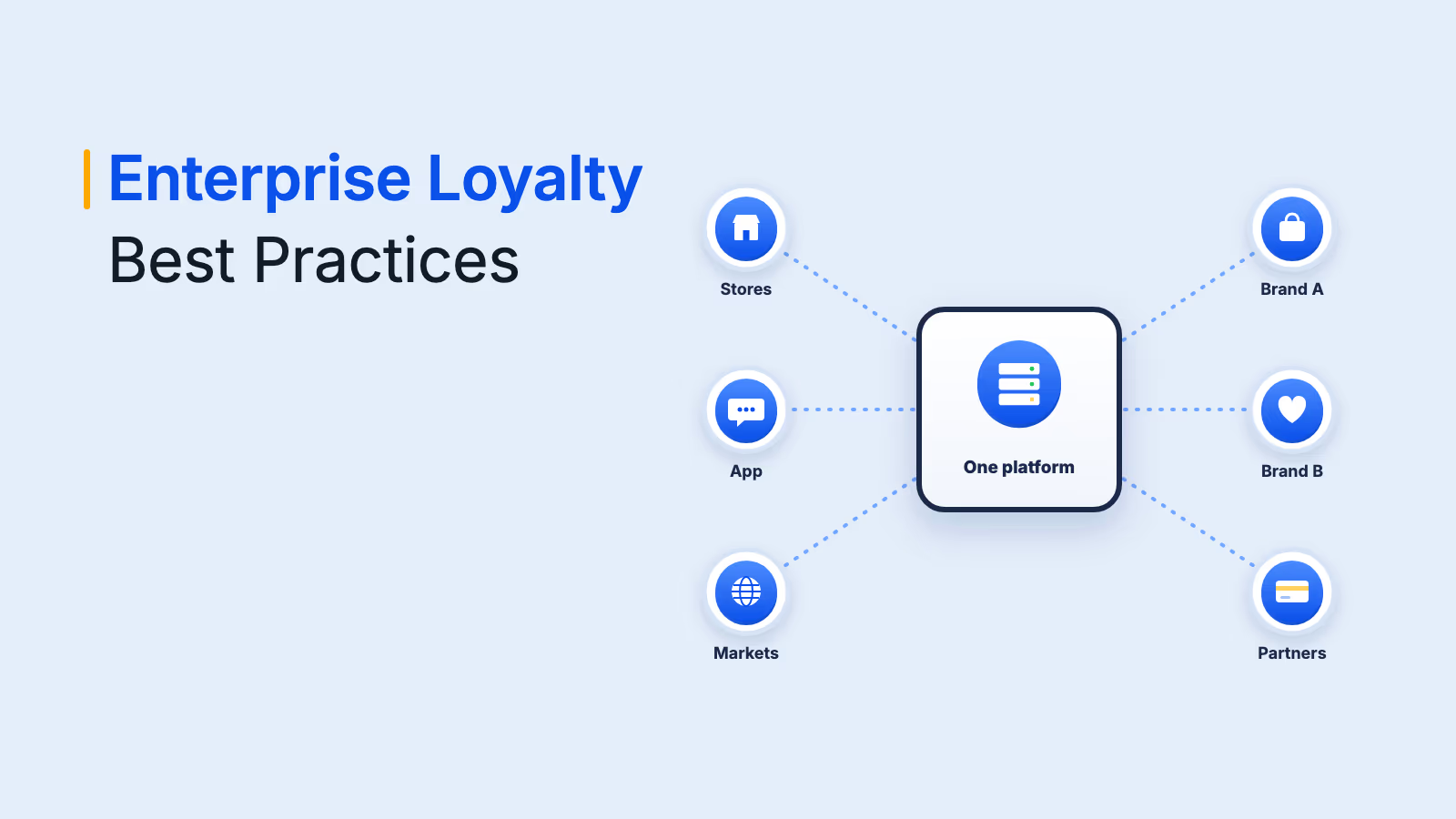
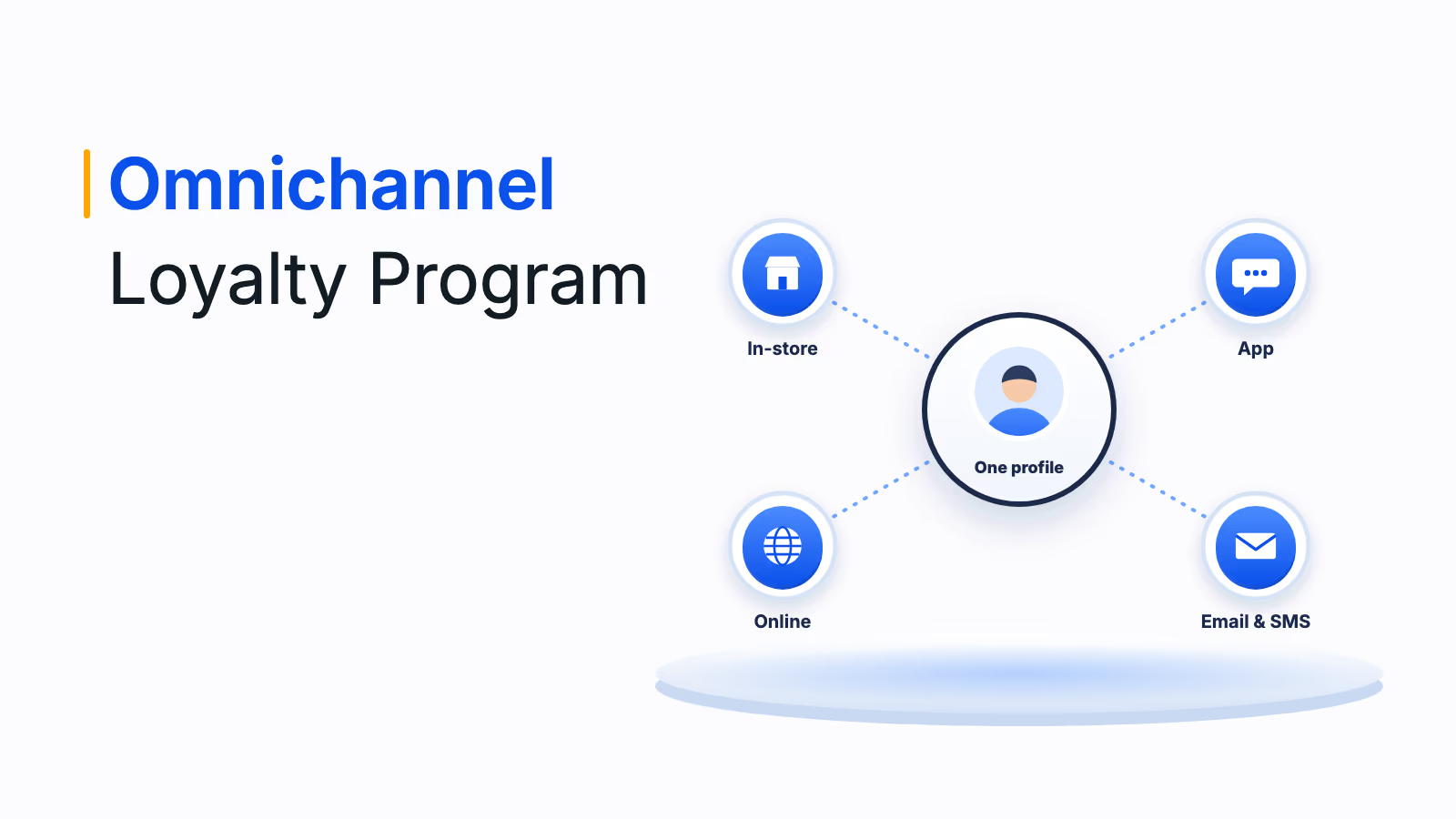
- Multi-channel integration: Loyalife integrates with your POS, e-commerce, mobile app and CRM, so customers can earn and redeem rewards across different touchpoints.
- Data analytics and insights: Reports and insights help you understand customer behavior and preferences, so you can make data-driven decisions to improve your program.
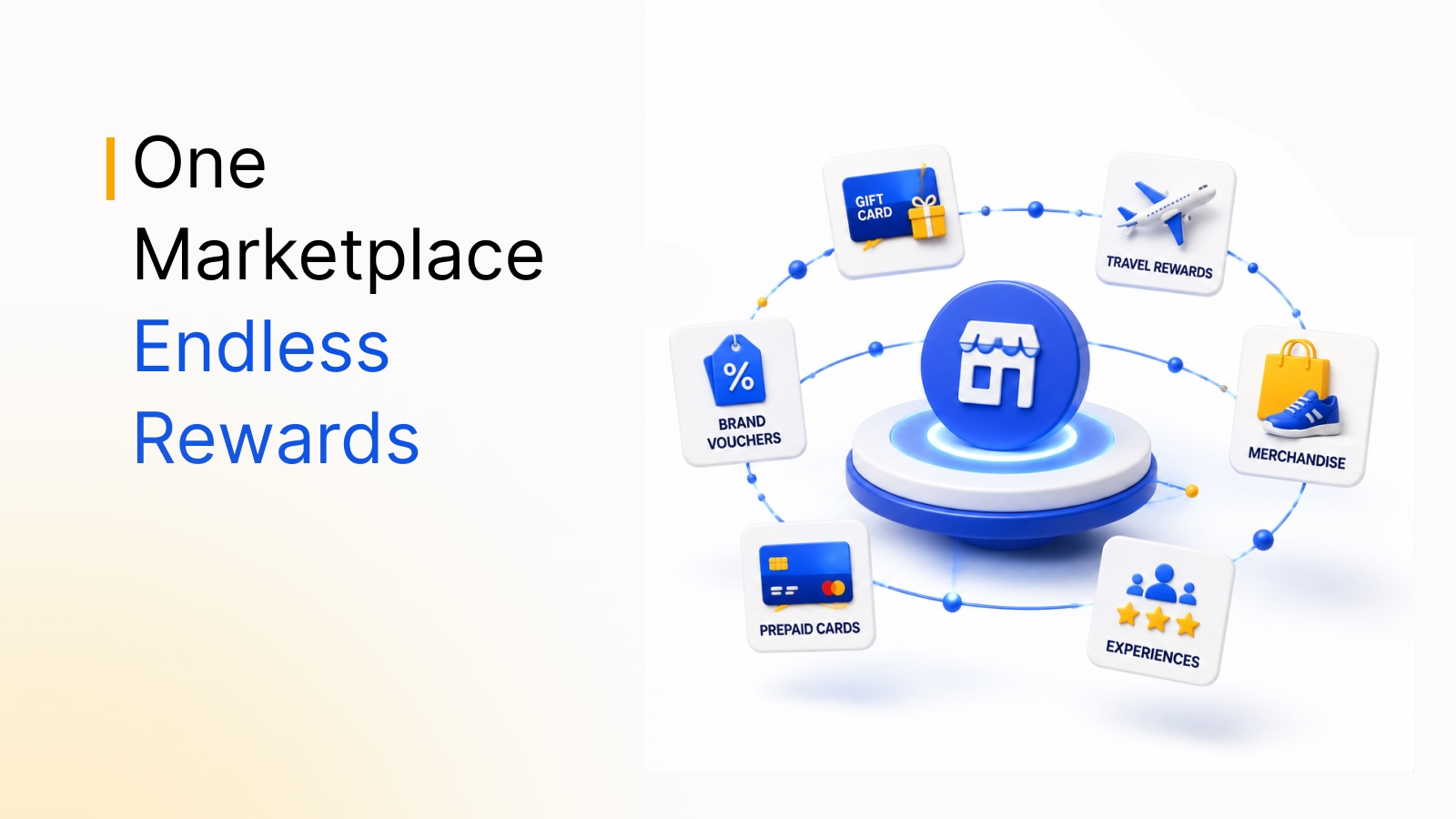
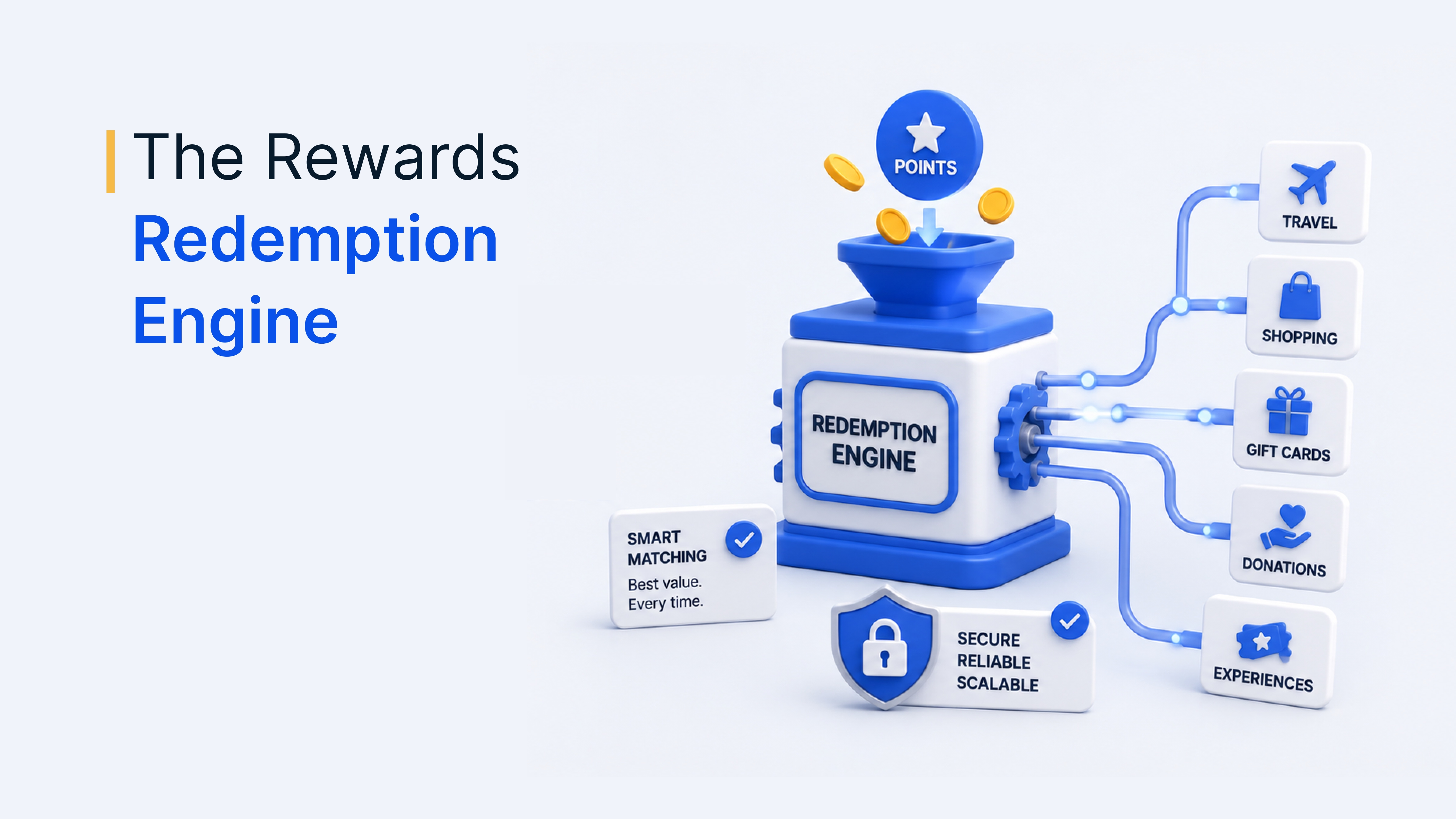
- Rewards marketplace: Members can redeem from the Plum reward marketplace of 10M+ options across 30+ categories, giving a broader customer base something they value.
- Member management: Member management lets you track every stage of the member journey and segment members for targeted offers.
- Customer engagement: Tiers, gamification and campaigns help you recognize loyalty and keep rewards relevant to your target customers.
To learn more about optimizing your customer rewards program with Loyalife, book a Loyalife demo. For evaluation criteria, see our loyalty software buyer's guide.
Conclusion
A customer rewards program is not just a tool for customer retention but a powerful strategy to build lasting relationships and enhance customer satisfaction. By carefully designing a program that aligns with your brand's values and meets the expectations of your customers, you can create a win-win situation that drives loyalty and increases sales.
Remember, the key to a successful rewards program is to keep it simple, engaging and rewarding. Make sure your customers understand the benefits and feel valued every step of the way. Whether you are offering points, perks or personalized rewards, your efforts in recognizing and appreciating your customers will set your brand apart from the competition.
Apply these insights to your own customer rewards program. Start small, experiment with different rewards and always seek feedback to refine your approach. With dedication and creativity, you can transform every transaction into a relationship-building opportunity.
Book your Loyalife demo
Frequently asked questions
A customer reward program is a structured initiative designed to encourage repeat purchases by offering benefits like points, cashback, discounts or freebies for customer engagement. Customers earn rewards through purchases and actions such as referrals or reviews, and redeem them for something they value, while the business gains loyalty, repeat sales and customer data.
Both focus on retention, and the terms are often used interchangeably. A rewards program typically offers tangible benefits like points or discounts in exchange for purchases. A loyalty program is the broader strategy for building long-term relationships, which usually includes a rewards program plus personalized experiences, recognition, tiers and service.
Popular ideas include points-based systems, tiered membership benefits, exclusive VIP perks, referral rewards, cashback, birthday gifts and gamified challenges for enhanced engagement. Brands also use paid memberships, charity donations and experiences. The right mix depends on how often your customers buy and what they value most.
These programs boost customer retention, encourage repeat business, improve brand advocacy and increase overall customer lifetime value. They also give businesses first-party data about customer preferences and buying patterns, which helps them personalize offers and refine marketing, and they offer a way to compete on relationship rather than price alone.
Customer rewards software is a digital tool that helps businesses manage and automate their rewards programs. It enrolls members, applies earning rules, tracks customer activity and balances, manages redemptions and personalizes incentives. Good software connects to POS, e-commerce, mobile apps and CRM so customers can earn and redeem wherever they shop.
Look for easy integration with your existing systems, customization options for earning and redemption rules, analytics and reporting, scalability as your member base grows and a user-friendly interface for both your team and your customers. A broad reward catalog and support for multiple channels and countries are also worth checking.
Success relies on understanding customer preferences, offering meaningful rewards, keeping the program simple and maintaining consistent communication. Successful programs make the first reward reachable quickly, make redemption easy, promote the program across every channel and are reviewed regularly against clear KPIs, with rewards refreshed when engagement drops.
Absolutely. Small businesses can use affordable tools and creative ideas like referral discounts, exclusive member perks, birthday rewards and local partnerships to build effective programs. Starting with a simple points or visit-based program and adding digital gift cards as a redemption option lets a small program feel generous without large upfront costs.