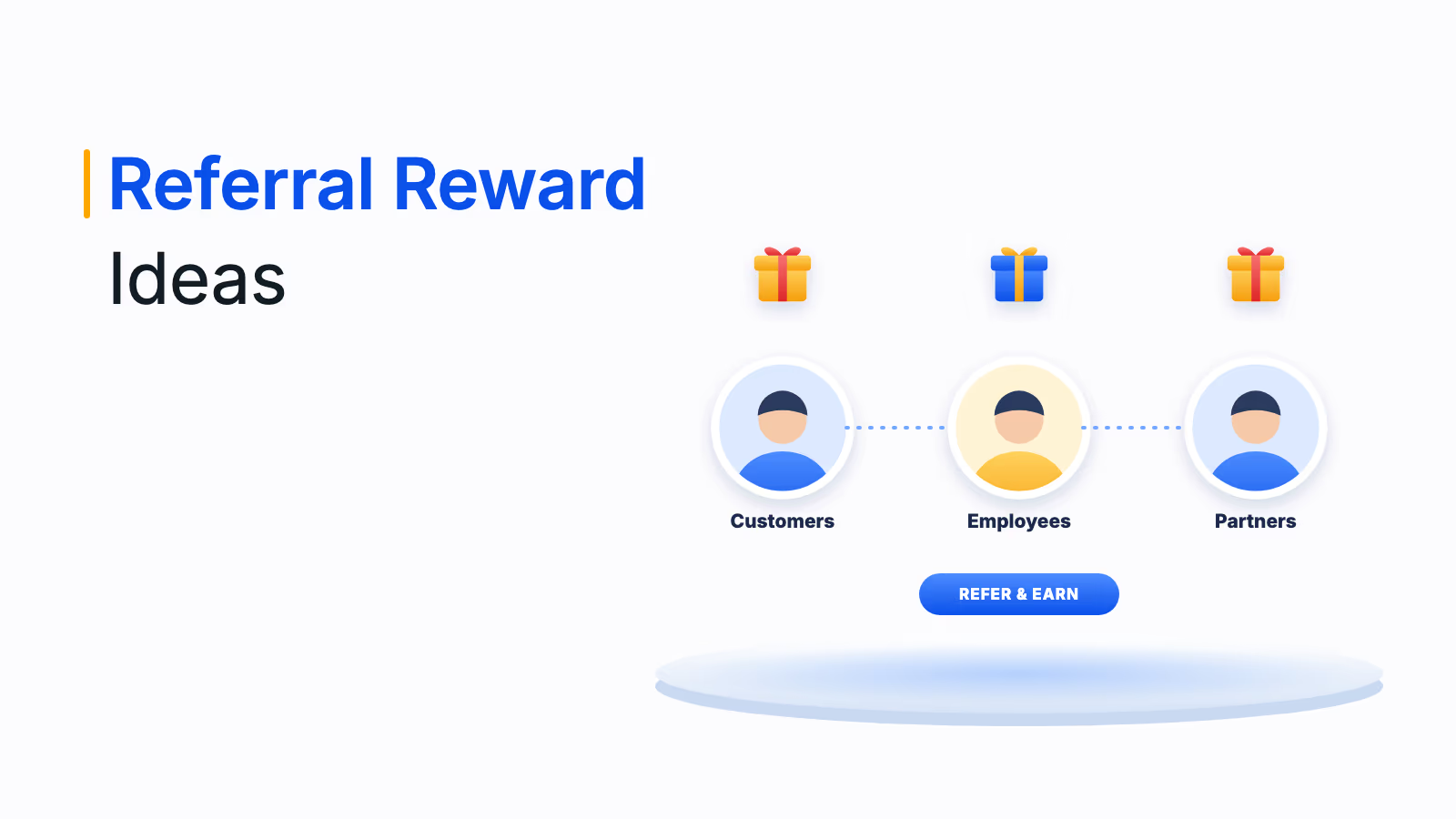
Key Takeaways
Referral programs usually fail on the reward, not the mechanics, so match the incentive to the audience.
Two-sided referral rewards benefit both the referrer and the new customer, which lifts participation.
Customers respond to discounts, gift cards and points; employees to cash, experiences and learning.
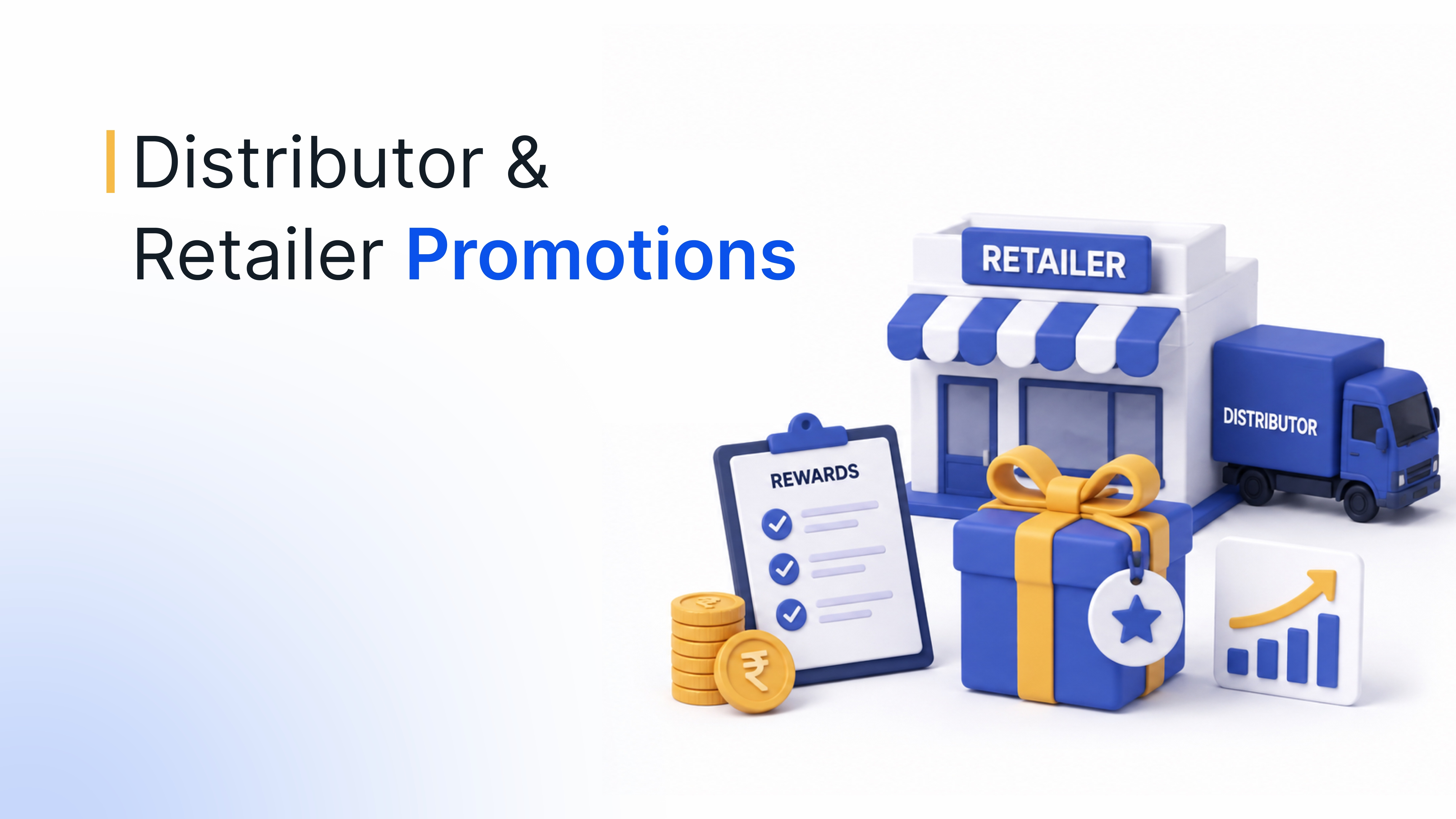
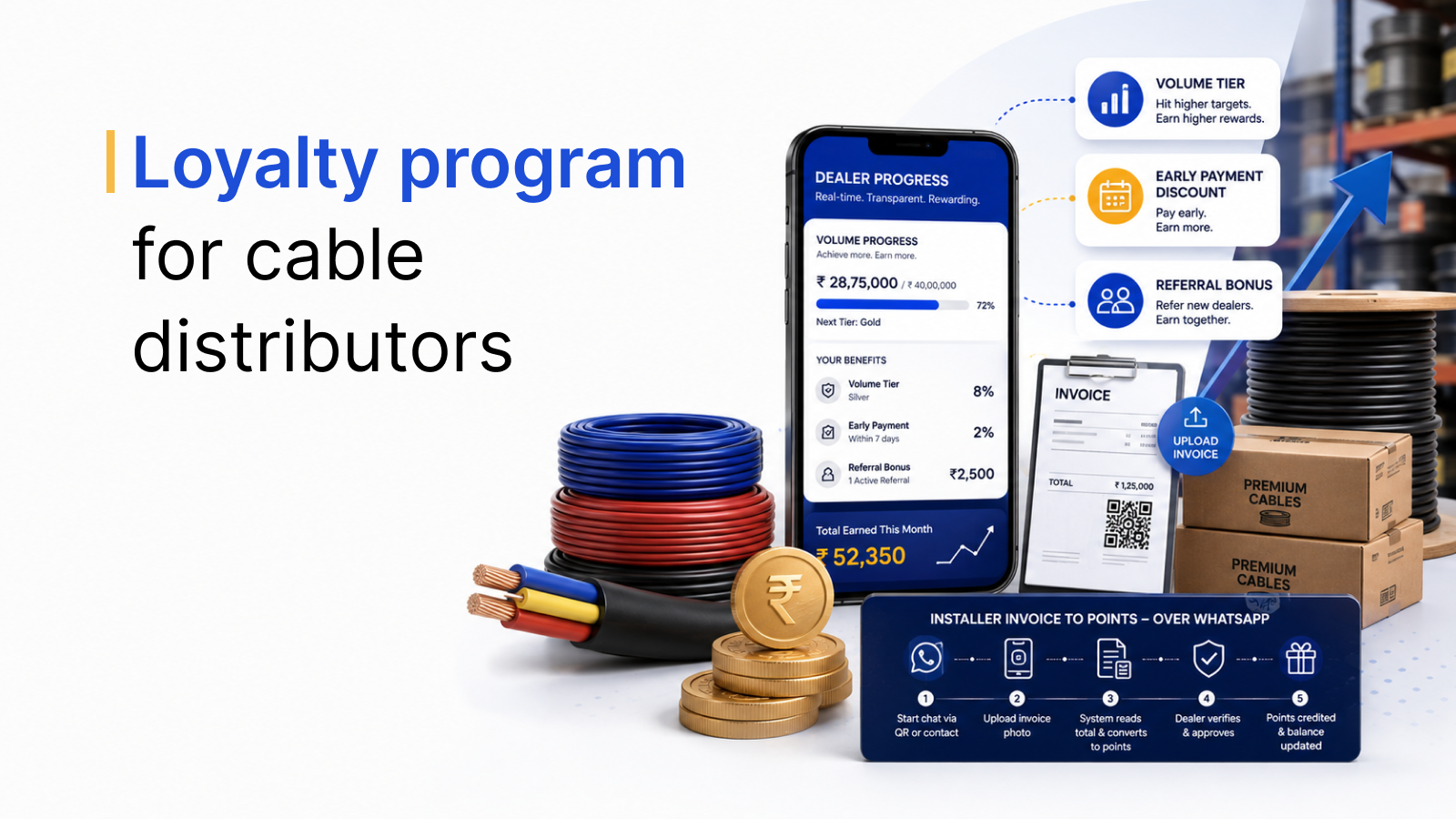
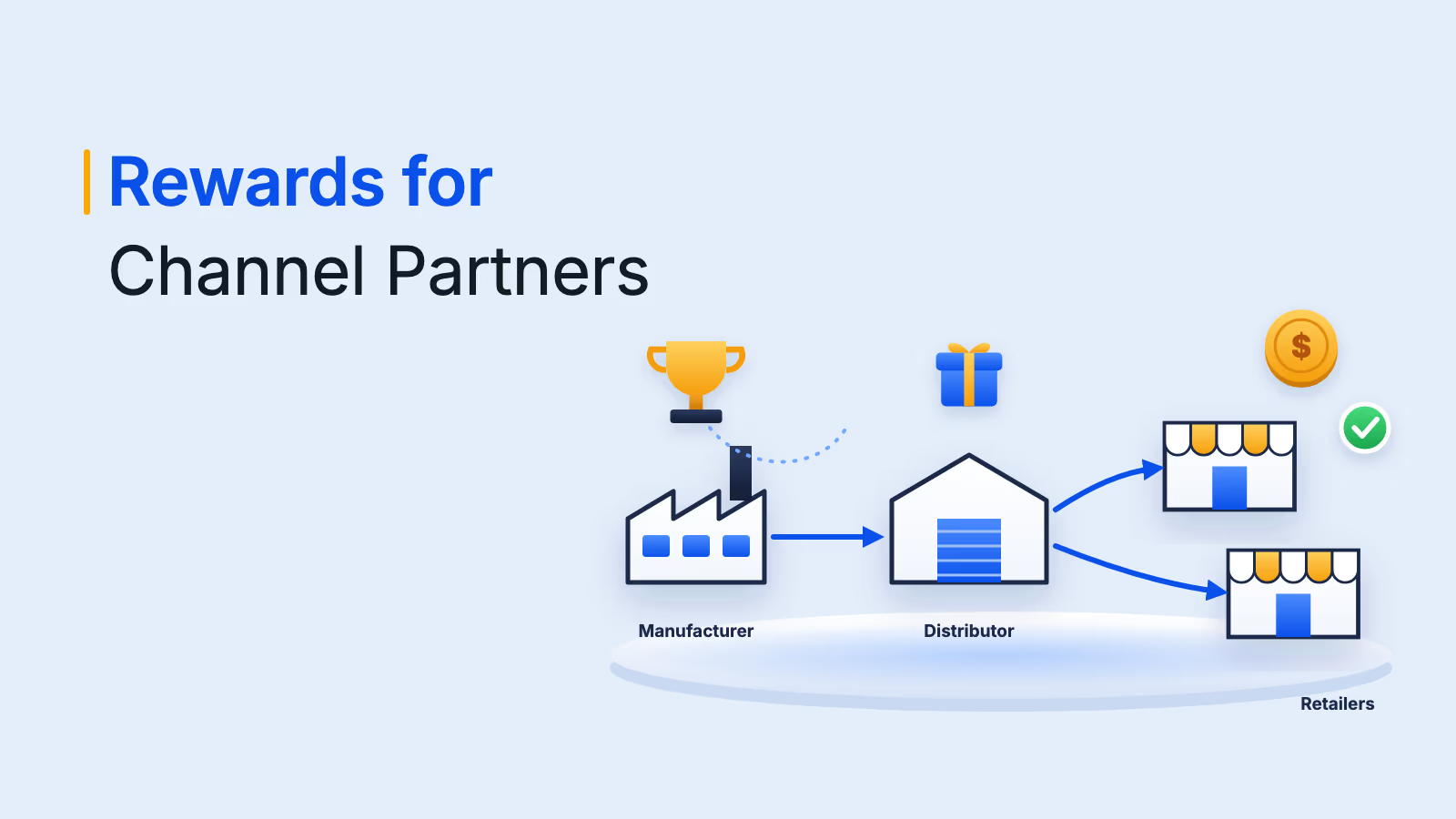
Channel partners value commissions, event invites, co-branded marketing and exclusive access.
Clear goals, timely delivery, tracking and fraud prevention are the backbone of any referral incentive program.
It looks like a simple, straightforward proposition: incentivize the customers who love your brand to drive in new customers. It’s a win-win situation, right? But not necessarily. Worldwide101, a remote virtual assistant platform, once shared that its referral program failed not once, but three times, undermining its brand value while wasting both time and effort.
Their experience isn’t uncommon: businesses of all sizes have a hard time creating referral programs that work. While they focus on every little aspect, they forget to pay attention to the core of it, which is referral rewards and incentives. Choosing the right referral reward ideas for each audience is what separates programs that grow from programs that stall.
To help you make the most of your referral marketing strategy, we have put together a guide that explains what referral incentives are, how they drive engagement, the key elements of a referral incentive program, reward ideas for customers, employees, and channel partners, best practices, and more.
What do referral rewards mean?
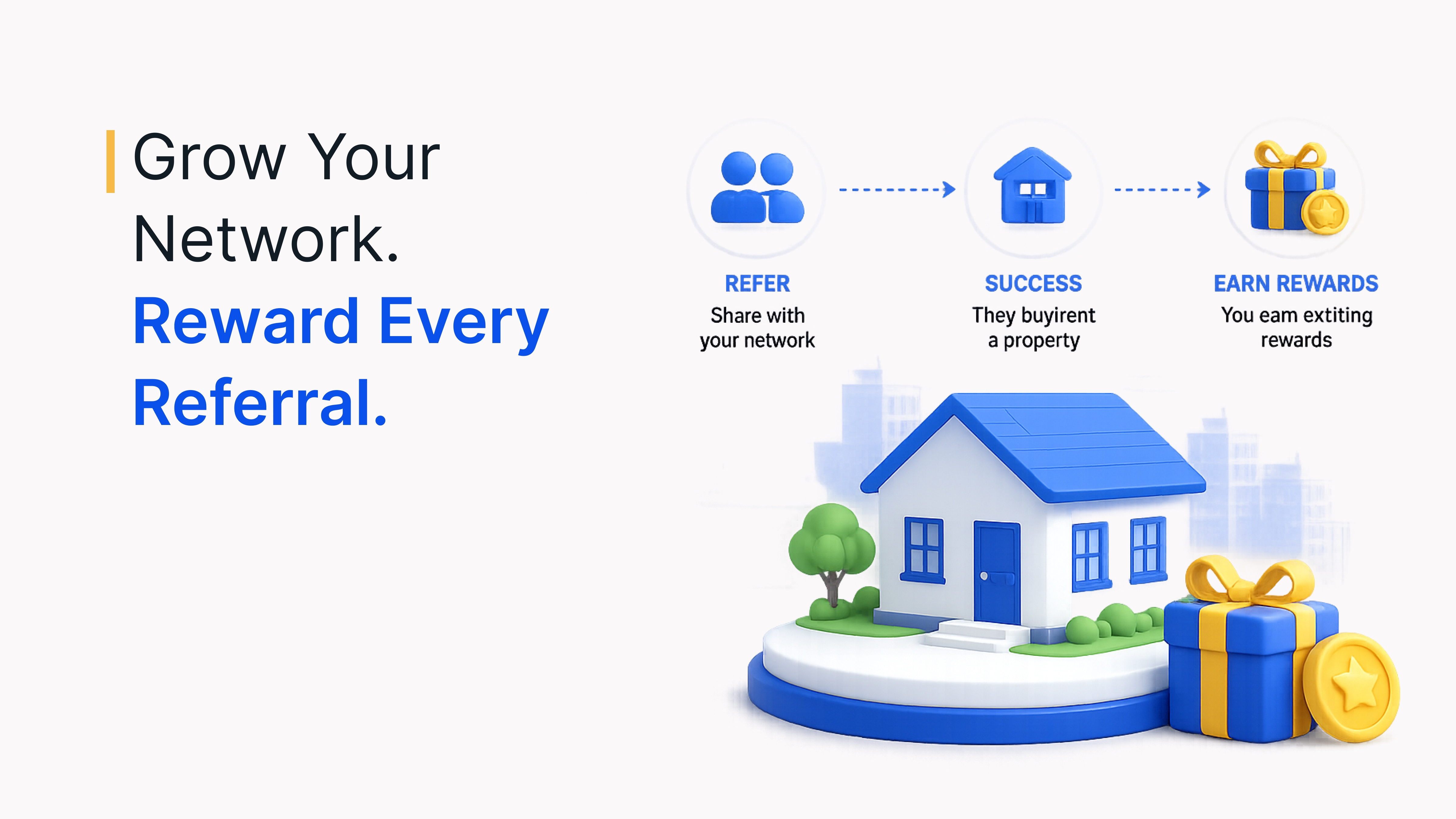
Referral rewards are incentives or benefits given to individuals for referring others to a product or service. They are designed to encourage people to spread the word about a brand and help businesses acquire new customers through personal recommendations.
Referral incentives can take many forms, including cash bonuses, discounts, free products or services, loyalty points, contest entries, exclusive access to products or events, and charitable donations. The goal of referral incentives is to motivate people to refer others by offering a tangible reward or benefit for their effort.
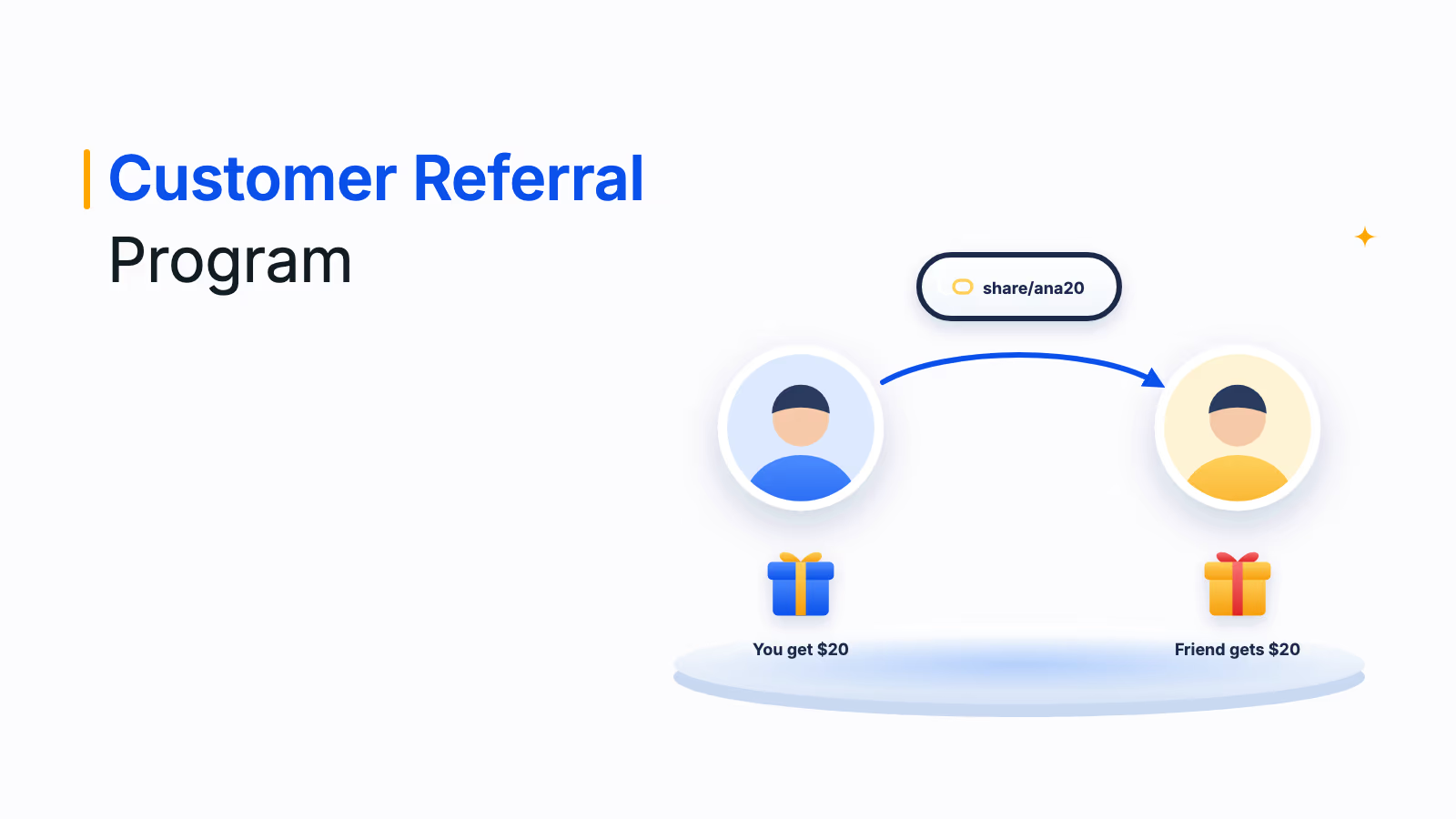
Referral incentives can benefit both the referrer and the person being referred, which is why many brands use two-sided referral rewards. The referrer receives a reward for their effort, which can increase their loyalty and engagement with the brand.
The person being referred may receive a discount or other incentive to try the product or service, which can increase their likelihood of making a purchase and becoming a loyal customer.
How do referral rewards drive engagement?
Referral incentives can be a powerful tool to drive engagement, as they motivate existing users to bring in new users and increase the overall user base. Here are a few ways the right referral incentives can drive engagement:
1. Encourages word-of-mouth promotion
Referral rewards motivate users to share their positive experiences with others, which can lead to increased word-of-mouth promotion. This can build brand awareness and attract new users who may not have otherwise heard of the product or service.
2. Creates a sense of exclusivity
Rewards can create a sense of exclusivity by making the referral program available only to selected individuals, providing a benefit that’s not available to others. It makes the invited participants feel special and creates loyalty towards the brand.
3. Boosts user loyalty
Referral rewards help boost user loyalty, as they provide existing users with a tangible benefit for promoting the platform or service. Users may feel more invested in the platform and more likely to continue using it over time.
4. Increases user acquisition
People are motivated by the possibility of receiving a reward, especially if it is something of value or something that they perceive as being exclusive. Rewards tap into this motivation and encourage people to take specific actions that ultimately drive acquisitions.
Key elements of a good referral incentive program
A good referral rewards program should be simple, clear, easy to use, and flexible enough to accommodate different types of referrals and reward levels. It should also be transparent, timely, and customizable to encourage continued participation in the program.
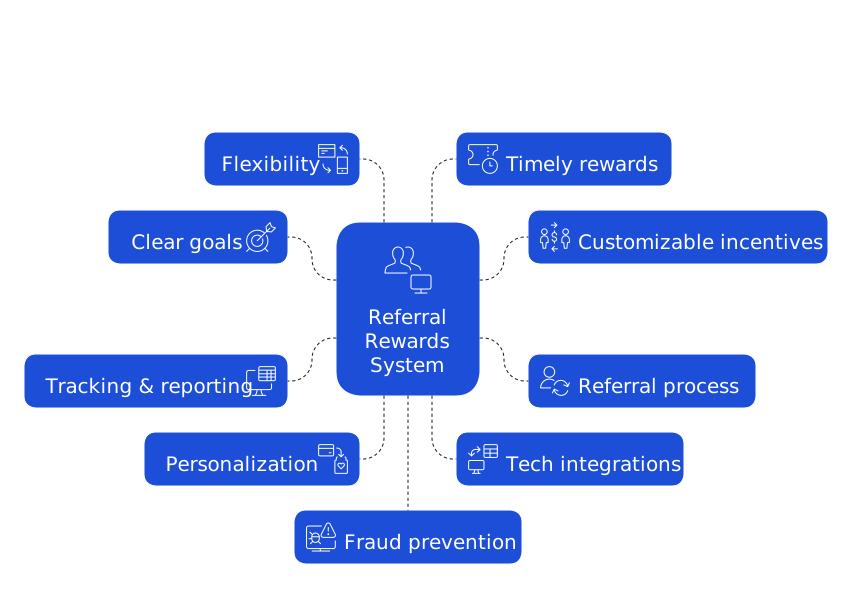
Here are some key elements of a referral rewards system:
- Clear goals: A referral rewards program should have clear goals and objectives, such as increasing customer retention, generating new leads, or increasing sales.
- Customizable incentives: A referral reward system should allow you to customize incentives based on your business goals, such as offering different rewards for different types of referrals or for different referral sources.
- Referral process: A clear and easy-to-use referral process is vital. This can include a referral form on your website, a referral link or code, or an email or social media share.
- Tracking & reporting: A good referral rewards system should be able to track and report on your reward spend, number of referrals, reward email open rates, redemption status, and more.
- Personalization: A referral rewards system must enable you to personalize your rewards to match recipient preferences. This can include reward curation, custom messaging, branding, etc.
- Tech integrations: The ability to integrate with existing systems, such as your website, CRM, HRMS, LMS, etc. helps streamline the referral process and ensure accurate reporting.
- Flexibility: A good referral reward system should be flexible enough to include different types of referrals and reward levels. This allows you to tailor the program to your specific business needs.
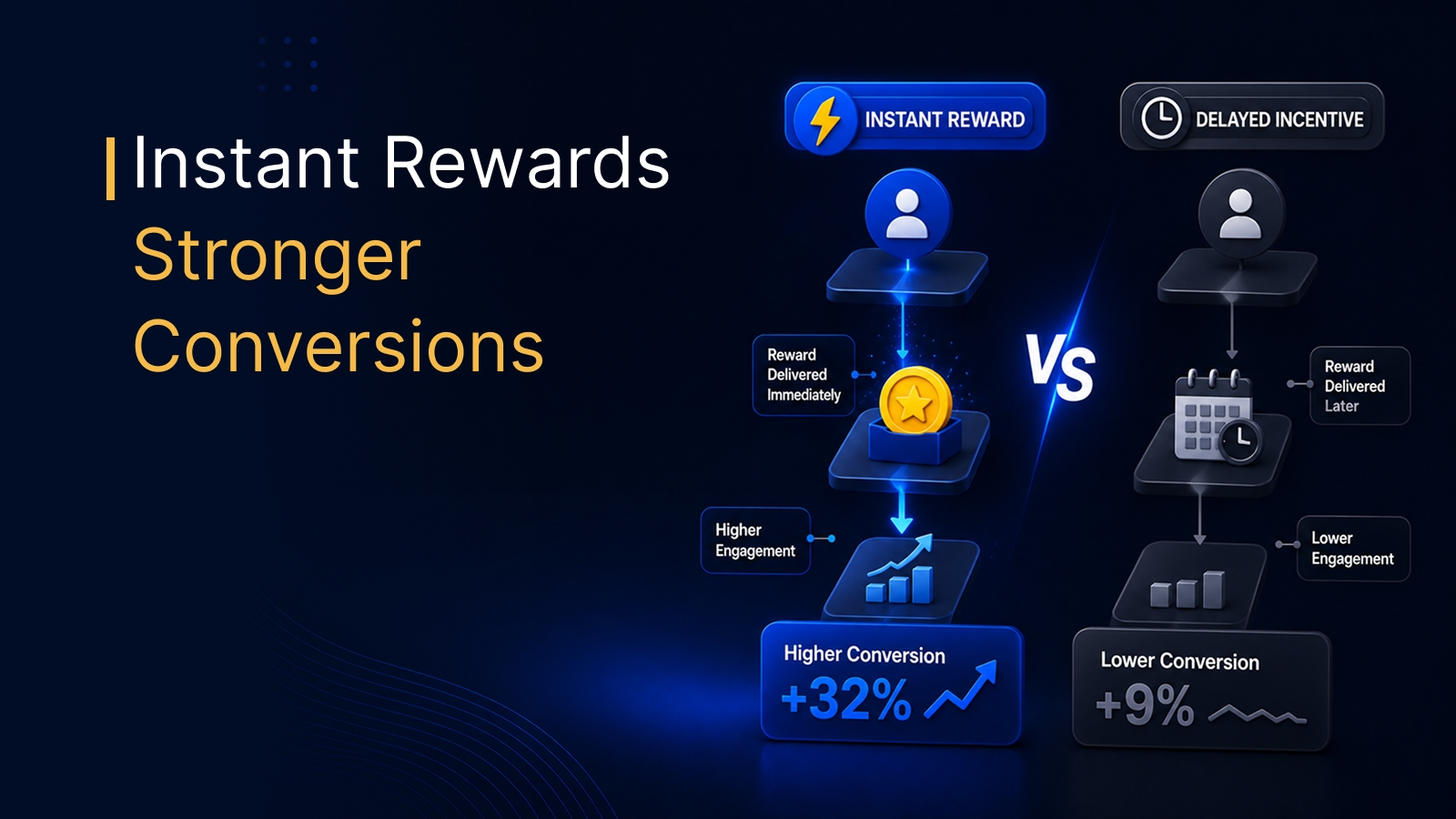
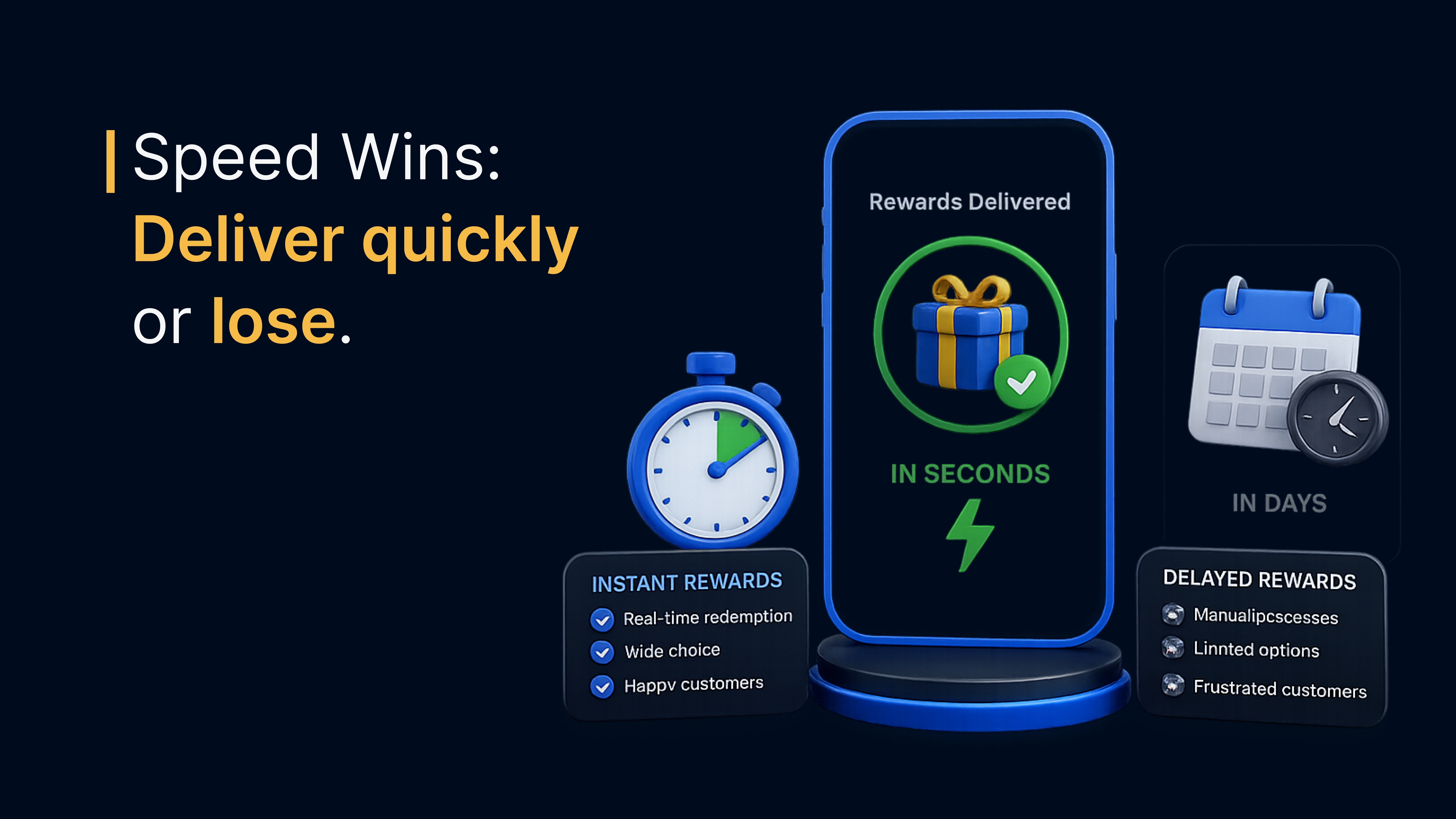
- Timely rewards: Incentives must be delivered in a timely manner, ideally shortly after the referral converts. This shows the referrer that their efforts are appreciated and encourages them to continue referring others.
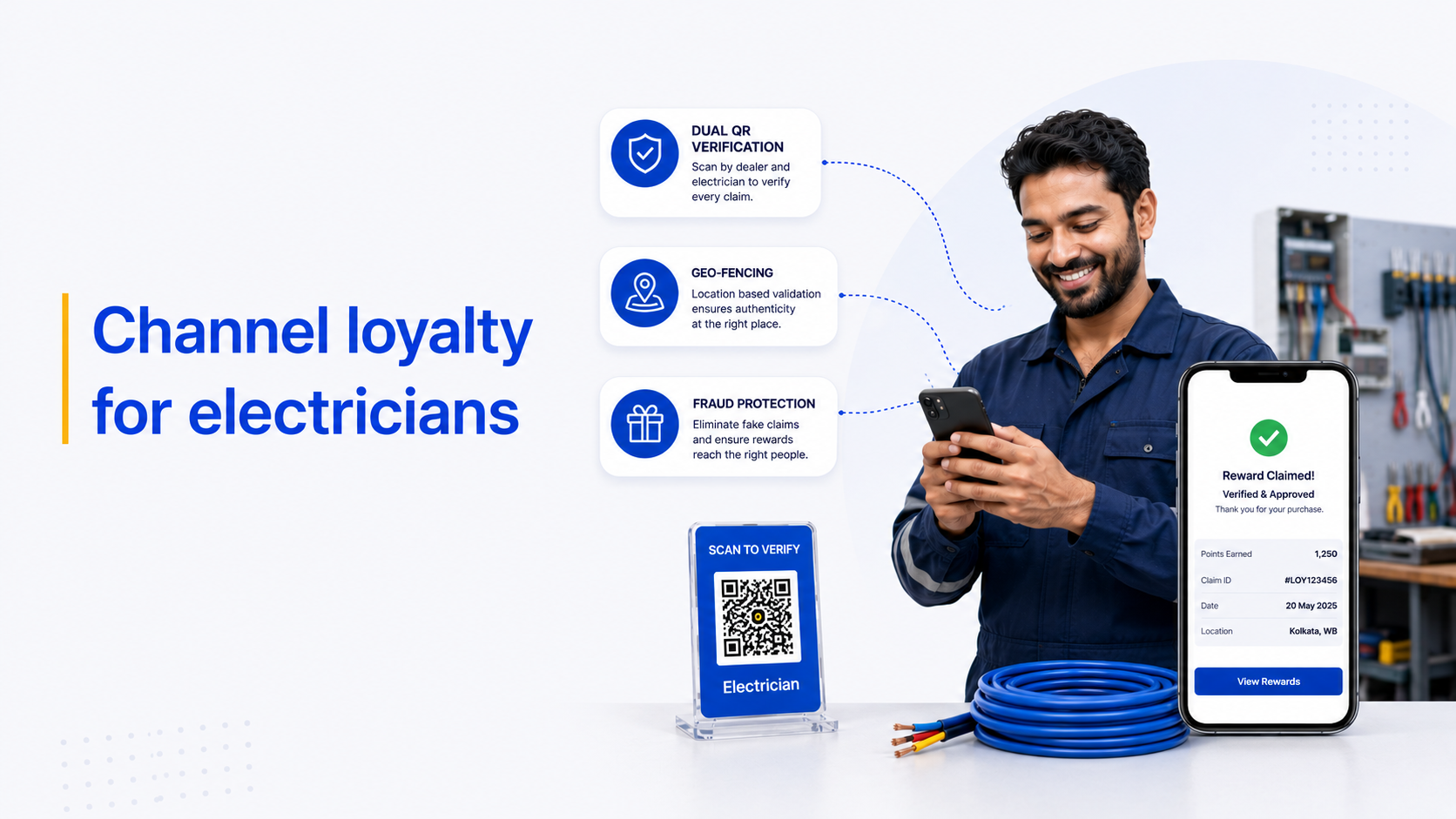
- Fraud prevention: Having fraud prevention measures in place ensures there’s no abuse of the program, such as limiting the number of referrals per user or using unique referral links or codes.
How do you create a customer referral program?
Building the program itself comes down to a few fundamentals: make sure your product earns referrals in the first place, know your ideal customer, design a reward (ideally two-sided) that resonates, make sharing effortless, publish clear terms, promote the program, track referrals and conversions, and review performance regularly while staying compliant with local privacy and marketing rules. For a step-by-step walkthrough, read our guide on how to build a customer referral program.
Reward every referral automatically
Send gift cards, points and experiences across 150+ countries the moment a referral converts.
Talk to our ExpertTrusted by 5,000+ companies
Referral reward ideas for customers, employees, sales, and channel partners
Do you know what makes or breaks a referral program? It’s the rewards. The worst possible choice you could make is to give people something that they dislike, that is of no use to them, or that fails to resonate with your brand identity.
The prime reason to create a referral marketing program is to drive quality leads. Attractive rewards align with what your brand stands for. The type of referral rewards you choose must strengthen the relationship between your customers and you, and should get people to talk about you.
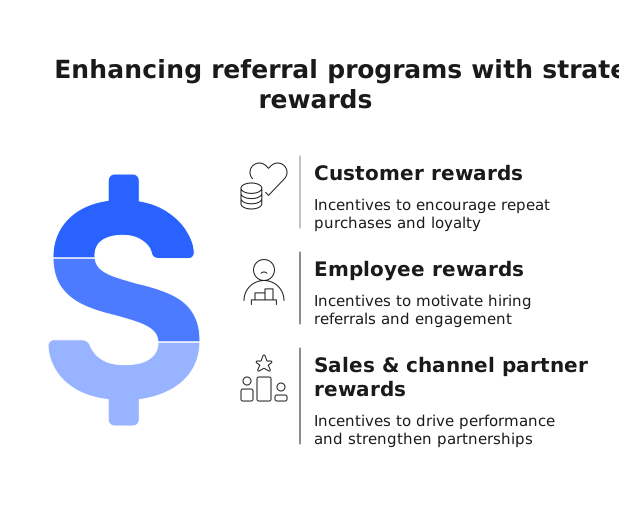
Here’s a section that highlights referral reward ideas for different users so you can find the right one for your audience.
For customers
Here is a list of referral reward ideas for customers:
- Discounts: Encourage repeat purchases and word-of-mouth.
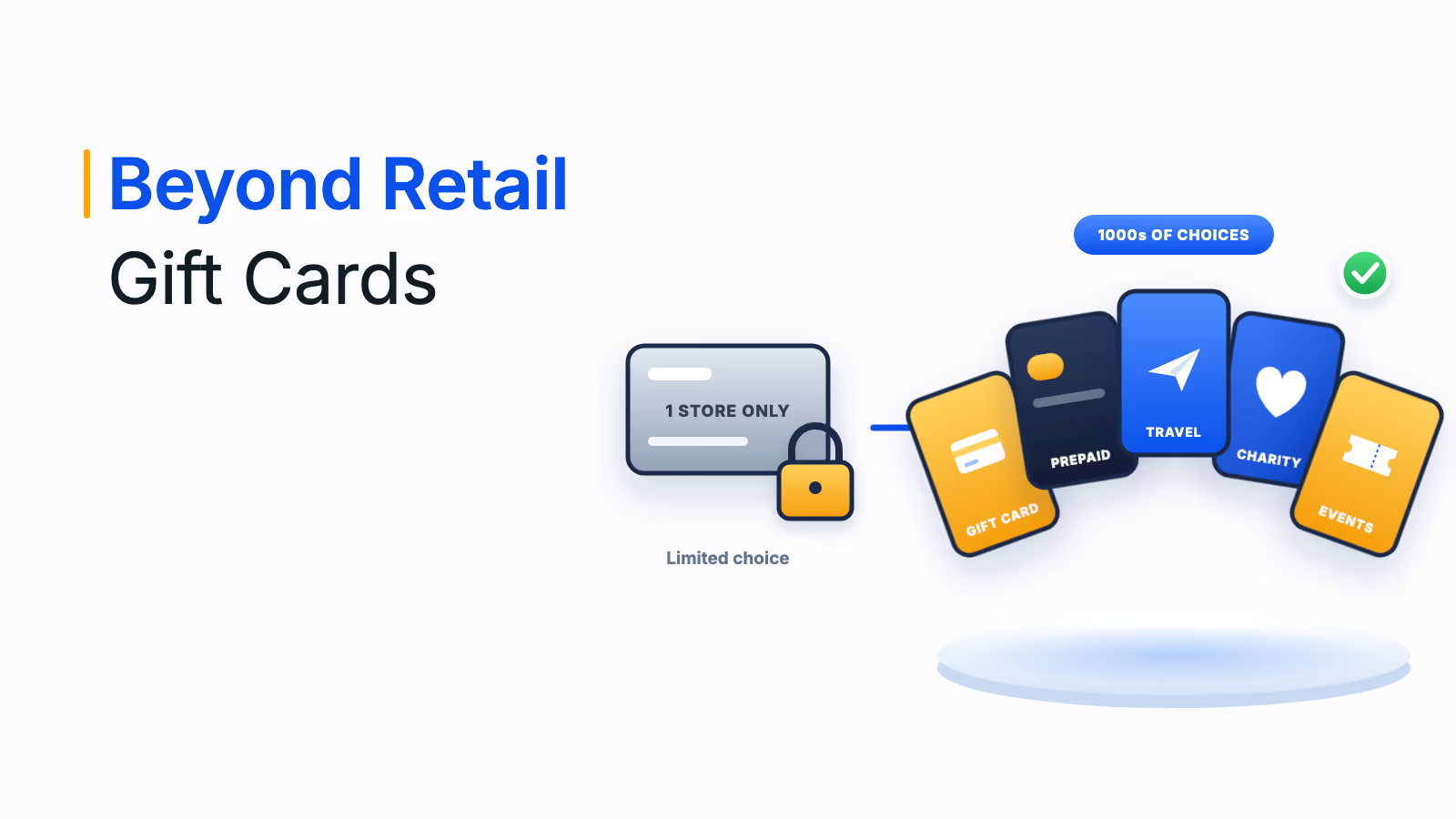
- Digital gift cards: Gift cards are easy to send, customizable, and brand-friendly.
- Loyalty points: Encourage continuous referrals with loyalty points at minimal cost.
- Free products/services: Boost trial and build trust in offerings.
- Donations/charity: Appeal to emotionally driven, socially conscious customers.
- VIP treatment: Create exclusivity and boost customer lifetime value.
For employees
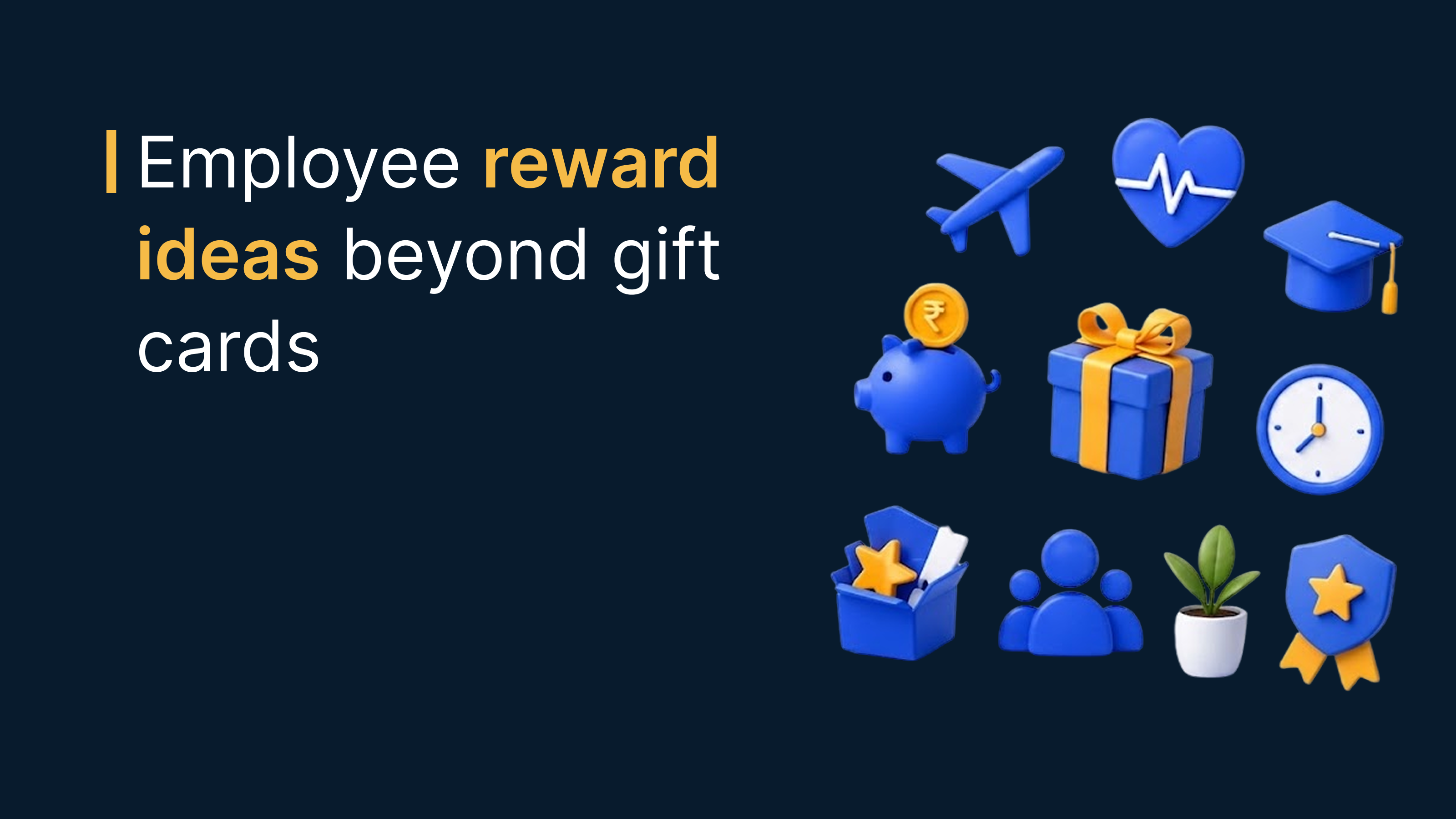
Here is a list of employee referral rewards ideas:
- E-gift cards: Instant and flexible rewards for referrals.
- Cash bonus: High perceived value and motivation for hiring referrals.
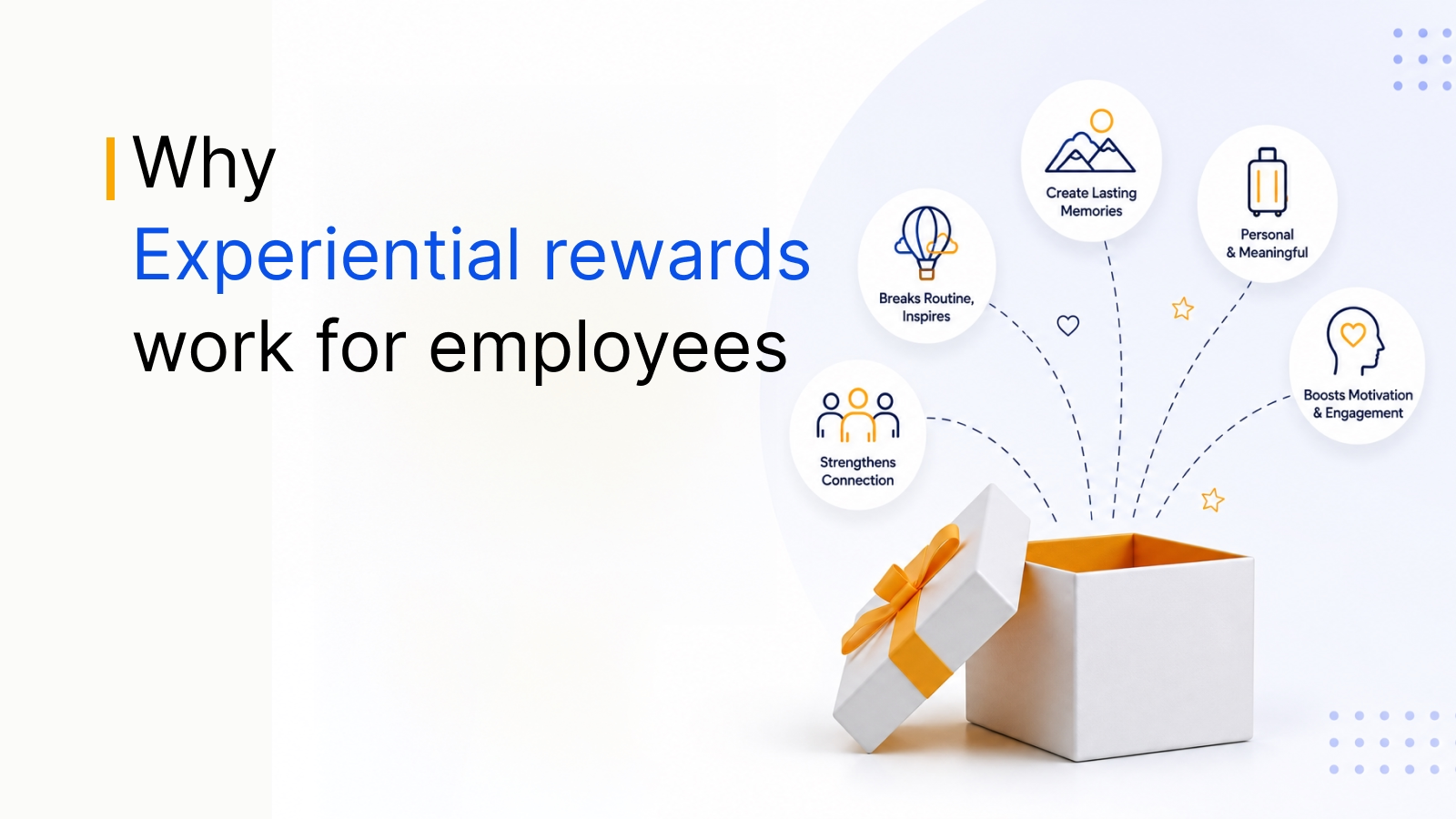
- Experiential rewards: Memorable incentives like trips or events.
- Flexible work options: Appeal to those valuing work-life balance.
- Team activities: Boost engagement and retention through shared experiences.
- Course subscriptions: Invest in employee growth and upskilling.
For sales & channel partners
Here is a list of channel partner referral rewards ideas:
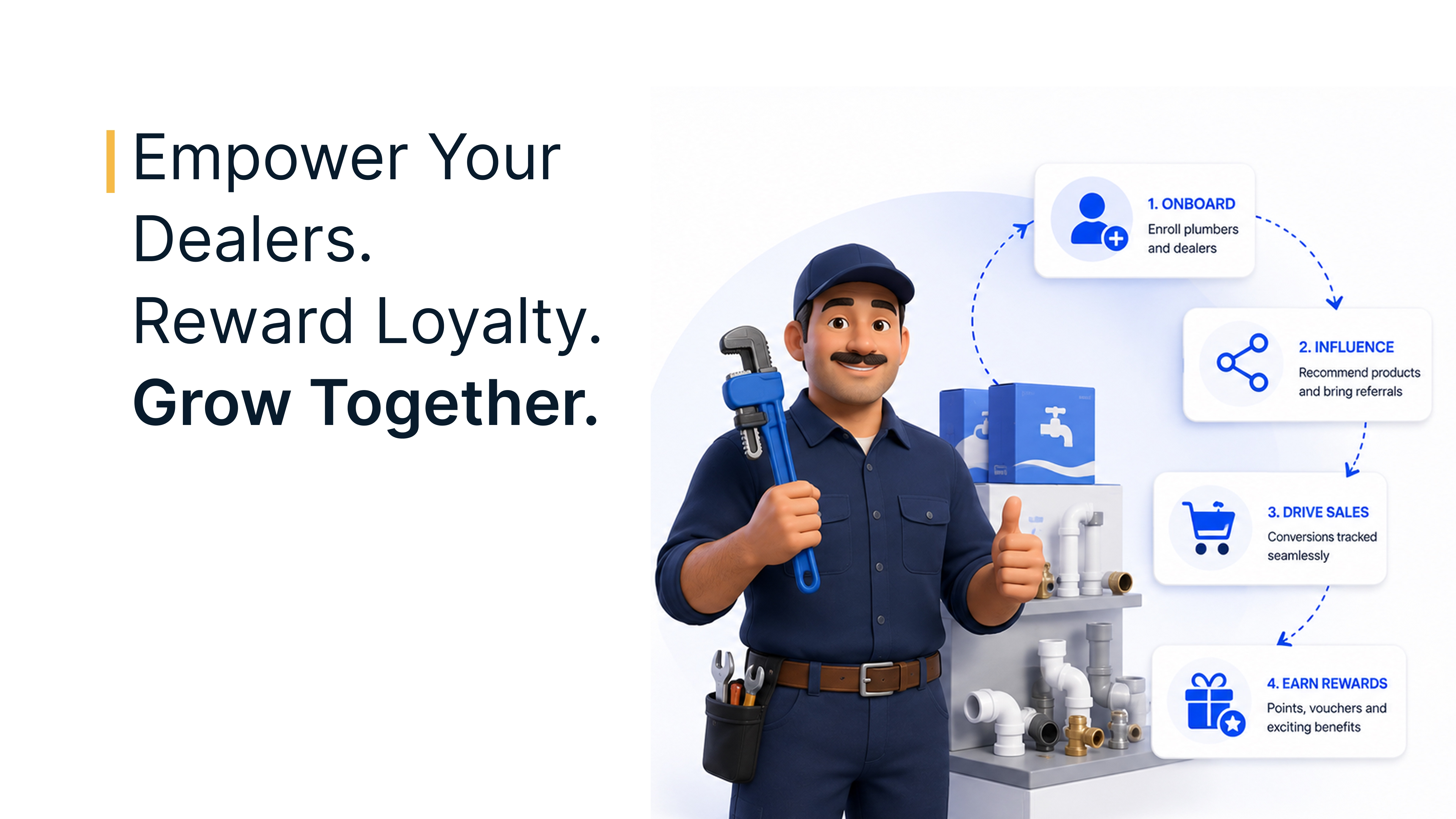
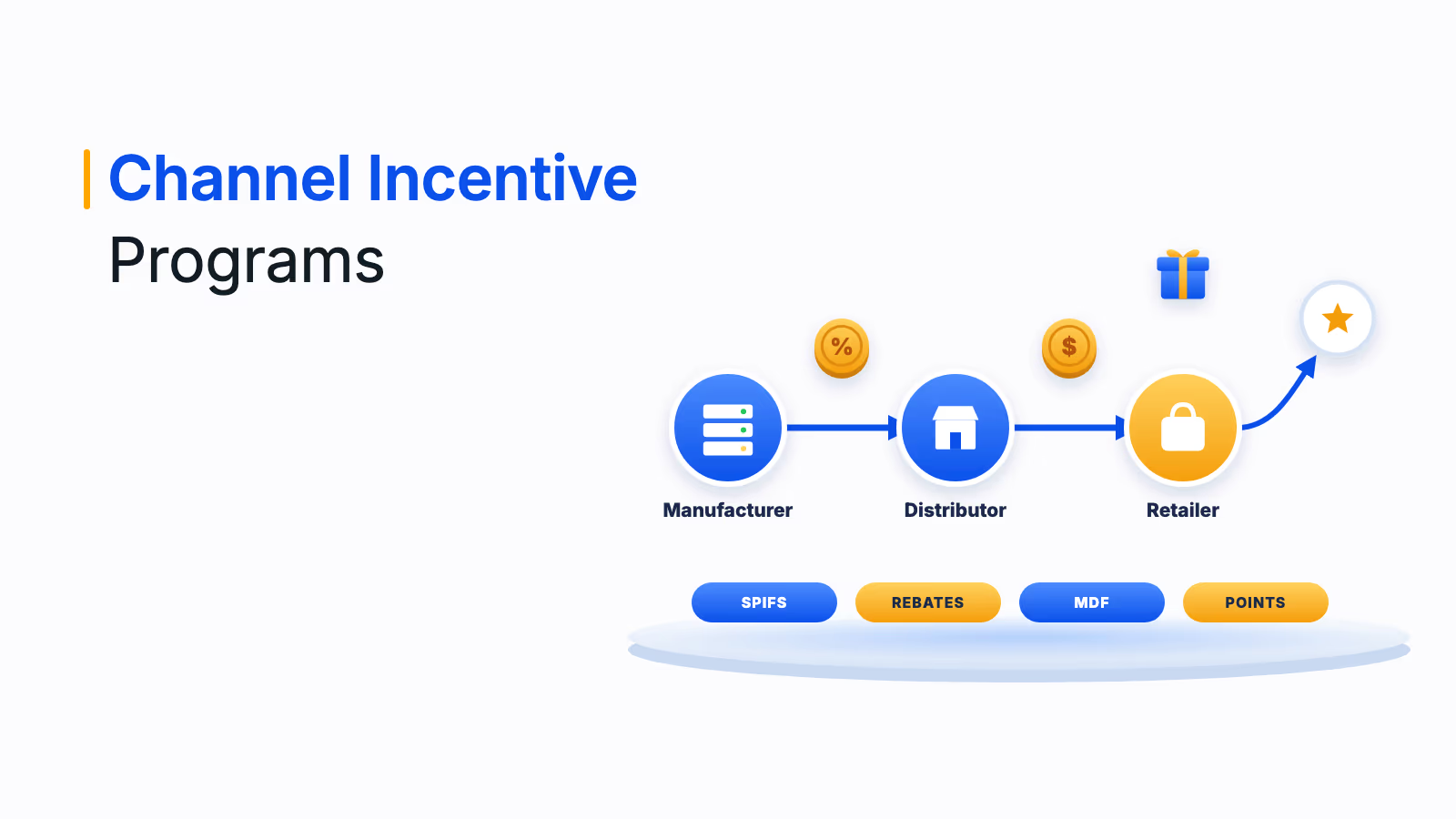
- Commissions: Directly tied to performance, highly motivating.
- Event invitations: Strengthen relationships through networking.
- Co-branded marketing: Mutual exposure and trust-building.
- Training & support: Help partners sell better and refer more.
- Exclusive access: Reward loyalty and deepen partnerships.
- Heavy discounts: Encourage higher referral volume with cost-effective incentives.
5 best practices of running a referral incentive program
Why would anyone talk about your brand for free? Probably not every time. It helps to give something in return for their effort, and it does not necessarily have to burn a hole in your pocket.
While there are many ways to incentivize influencers and customers, here are a few ideas you can apply for your next referral incentive program:
1. Gift them pre-launch product features
A B2B referral program incentive example is early access to new features. You can give customers a new product feature for free every time they refer their network and bring in a sign-up. This is your way of thanking them for being loyal to your brand.
2. Give discounts on products or services
This is perhaps one of the most common influencer program incentives. You can identify specific influencers in your industry who can be offered your products at a discounted rate if they agree to recommend your brand to their followers a set number of times.
Not so surprisingly, discounts also work well as incentives for referral marketing. Customers whose referrals convert can be rewarded with discounts on your products or services.
3. Sponsor them to attend an event
Is there an event your industry influencers might want to attend? Sponsoring them is a cost-effective referral incentive, especially for virtual or hybrid events where you do not have to cover travel expenses.
If you can get them free or discounted passes when they give a shout-out to your brand on social media or any of their marketing channels, that will be great.
4. Give away freebies to your customers
Everyone loves receiving products or using services for free. Motivate your customers to invite their friends or family to use your product, promising them your product or extra features for free.
Here is a referral incentive program example: Dropbox gives Basic users 500 MB of extra storage for each successful referral, up to 16 GB, so the more people they bring in, the more free space they unlock.
5. Use influencers in brand videos
If your brand marketing frequently uses video, include influencers and even your customers in it. Fujifilm’s Instax, for example, once released a social film featuring creators to promote its range of cameras. What was the influencers’ incentive? Screen time on a massive platform.
Common concerns when choosing referral rewards
When it comes to choosing referral rewards, businesses often grapple with several common concerns that can impact the success of their referral programs. Here are five of them:
- Cost-effectiveness: Businesses worry about the financial implications of offering rewards for referrals. They want to balance incentivizing customers adequately and managing the associated costs to ensure a positive return on investment.
- Relevancy: Ensuring the rewards are attractive and relevant to the referrer and the referred is challenging. Choosing rewards that resonate with the target audience and align with the company’s products or services is crucial.
- Tracking and fraud prevention: Accurately tracking referrals and preventing fraudulent or fake referrals can be a significant concern. Businesses need reliable systems in place to track and verify referrals while safeguarding against abuse.
- Customer engagement: Some businesses worry that referral rewards might lead customers to refer others solely for the rewards rather than genuine enthusiasm for the product or service. Maintaining authentic customer engagement and loyalty remains a priority.
- Legal and compliance issues: Implementing a referral program can sometimes raise legal and compliance concerns, such as adhering to privacy regulations, ensuring transparency in reward terms, and complying with regional or industry-specific rules.
Addressing these concerns through careful planning, clear policies, and effective communication is essential to building a successful referral program that benefits the business and its customers.
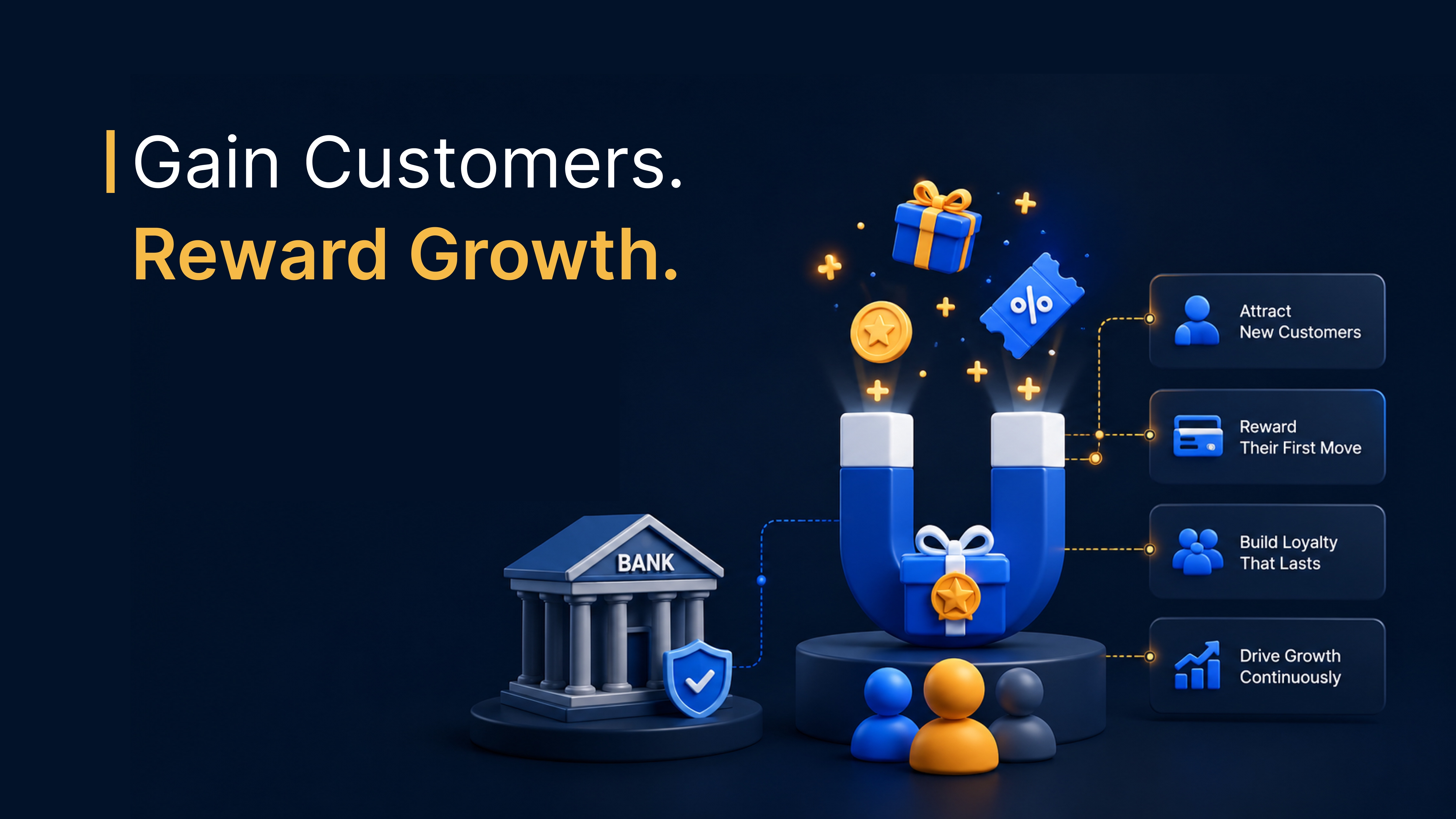
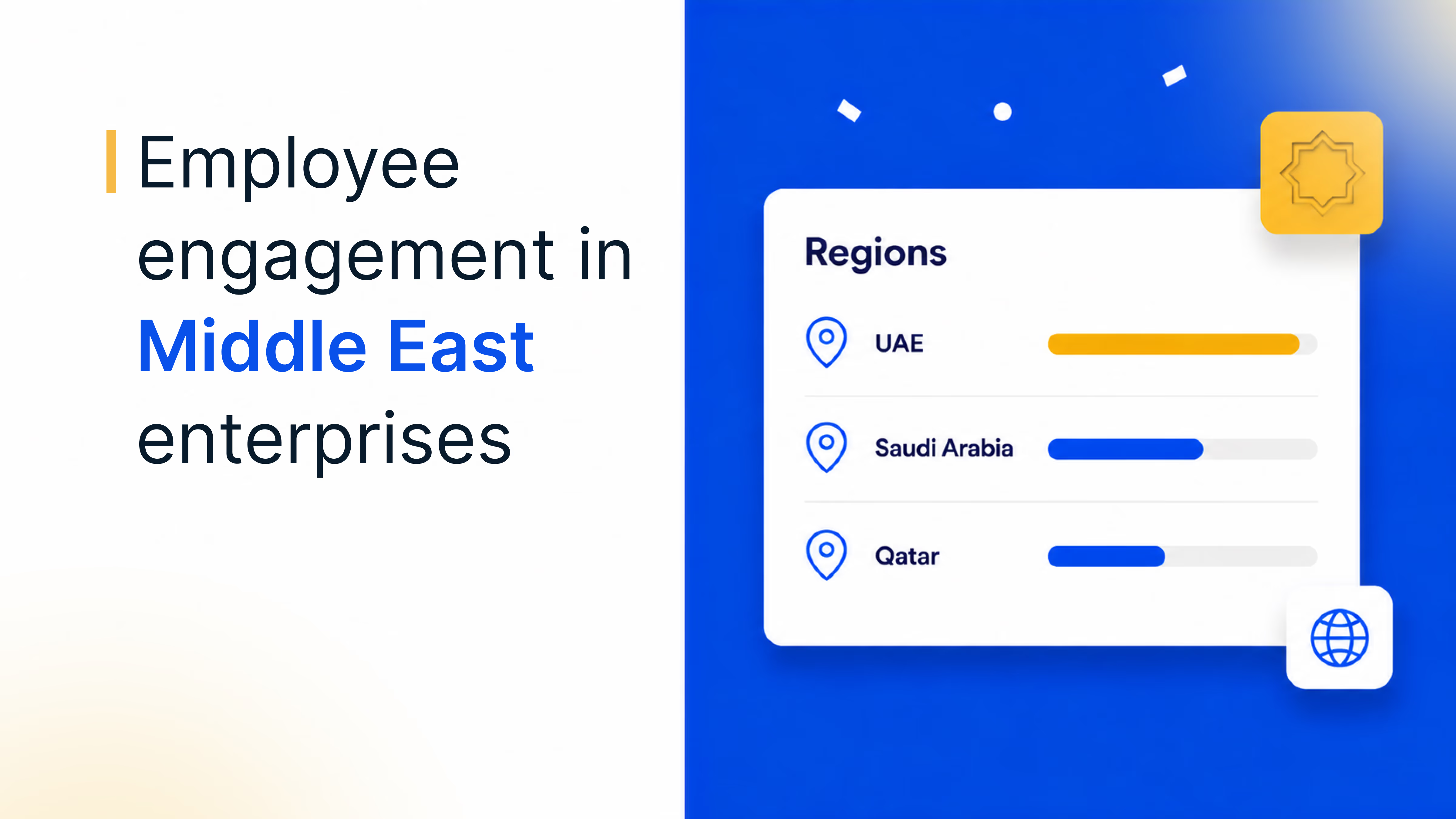
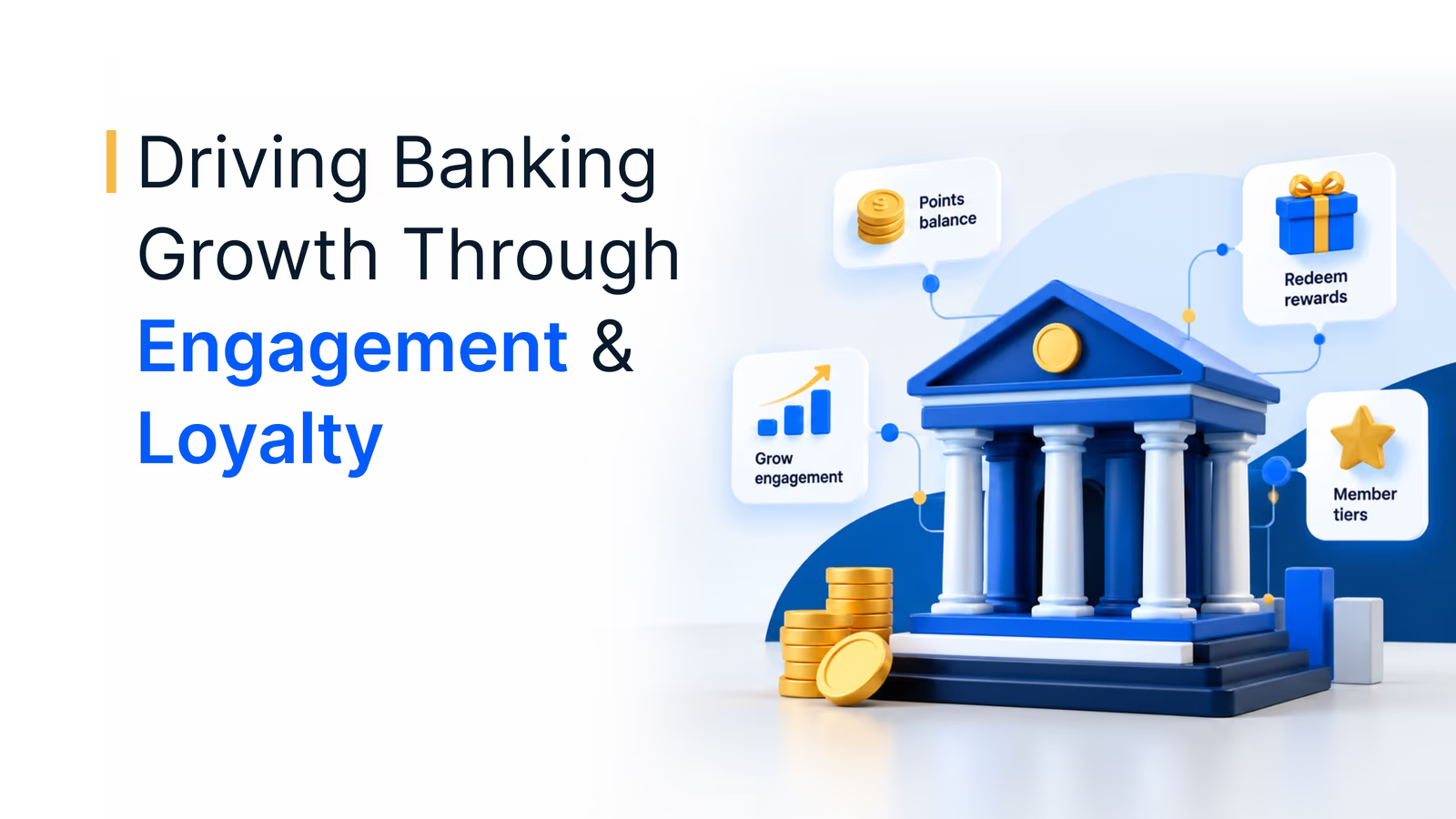
How Qatar’s leading bank boosted customer engagement with rewards
One of Qatar’s largest banks wanted a loyalty program that would bring in new customers in a crowded market and give existing ones a reason to use more of its products, more often.
Challenges faced
The bank identified several key challenges:
- Customer acquisition: Attracting new clients in a saturated banking environment.
- Engagement across products: Encouraging customers to use a diverse range of banking services.
- Repeat transactions and loyalty: Fostering long-term relationships and repeat business.
- System integration: Implementing a loyalty solution that integrates with existing banking platforms.
Solution
The bank launched a single loyalty program on Xoxoday Loyalife covering credit cards, debit cards, internet banking, and financing products. Key features of the solution included:
- Configurable earn and burn rules: Rewards for activity across every banking product, with segments, tiers, campaigns and referrals targeting the right customers.
- Seamless redemption portal: A white-labelled, mobile-first storefront in the bank’s branding with single sign-on (SSO), enhancing both security and convenience.
- Diverse reward options: A catalog of gift vouchers, merchandise, travel, hotel stays, and miles top-ups, catering to varied customer interests.
- API-driven integration: The program connects to the bank’s existing systems, bringing rewards into the mobile app, internet banking and branches.
Impact
According to the full case study, within 22 months the program delivered:
- 146% increase in customer engagement
- 170% growth in transaction volume across cards, internet banking and financing
- 62% growth in the user base
- 78.5% of the 3.26 billion points earned redeemed, so reward spend reaches customers as value they notice
Scale referral rewards with Plum
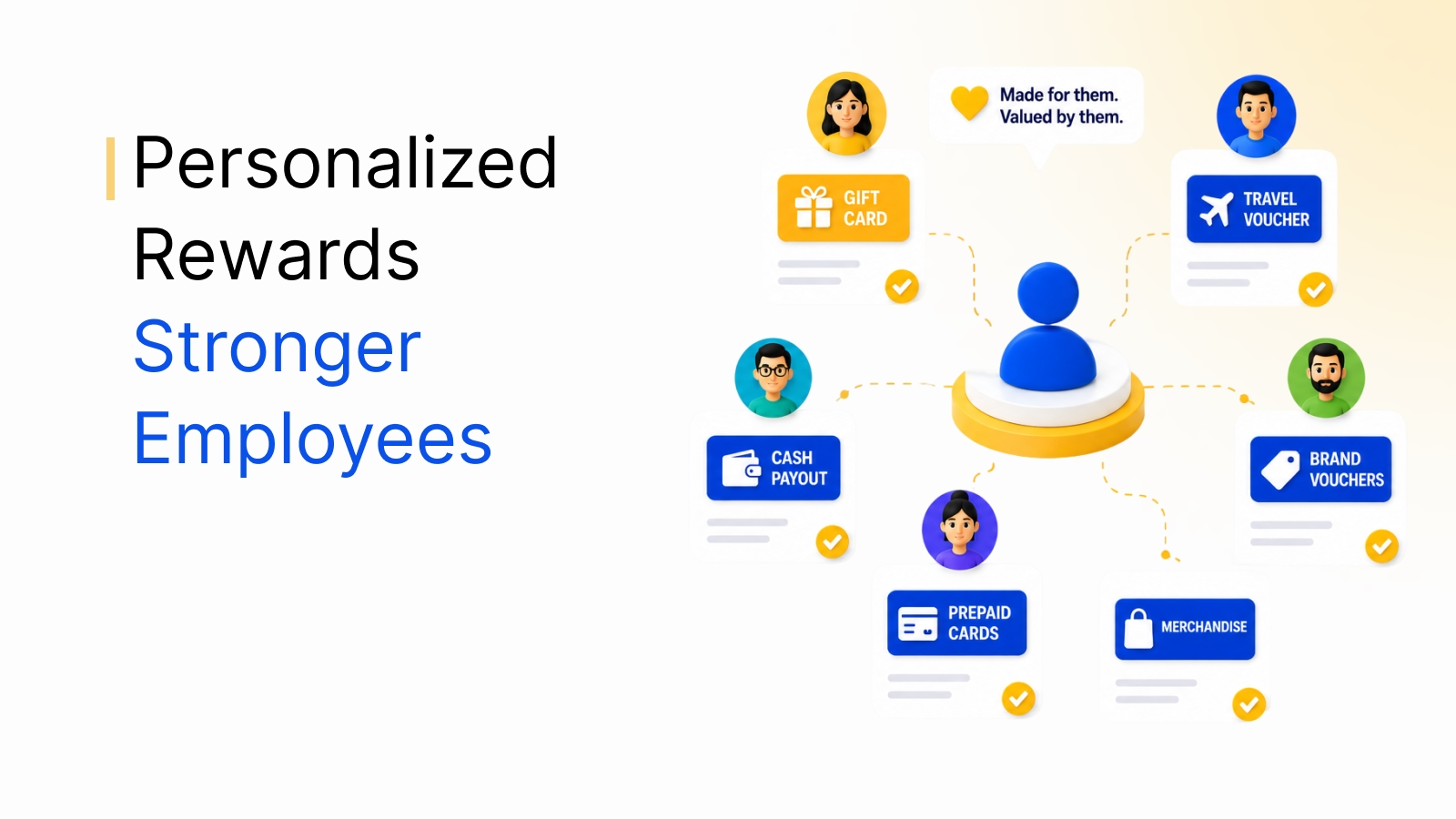
A great referral program doesn’t just stop at delivering rewards - it builds relationships that compound over time. That’s where Xoxoday Plum can help. Plum is Xoxoday’s rewards and incentives platform for customer, partner and employee rewards, so one platform can power customer referrals, employee referral rewards and channel partner incentives.
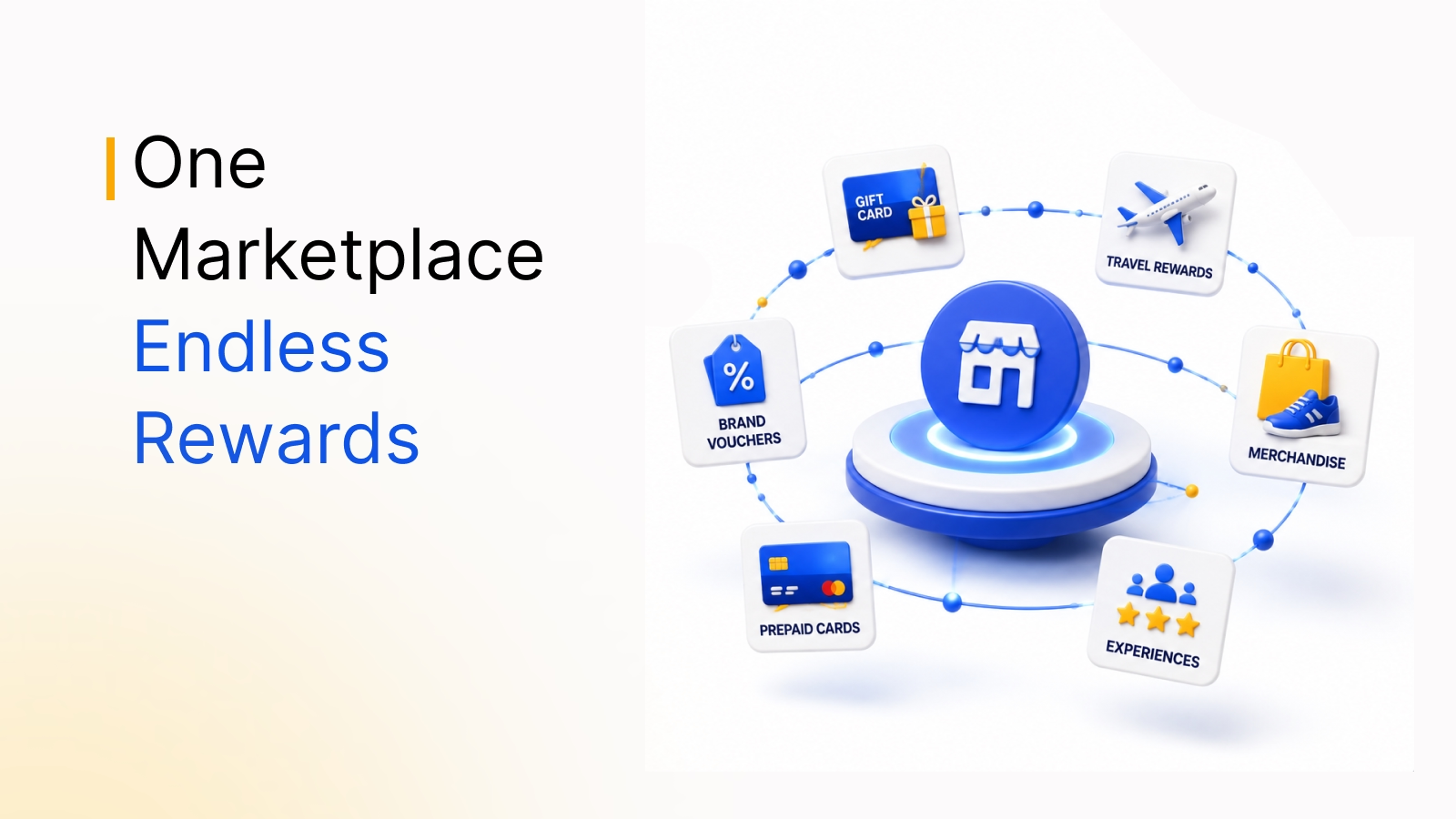
- A global reward catalog: Give referrers real choice with the Plum reward marketplace of 10M+ reward options across 150+ countries and 30+ categories, from gift cards to experiences and charity donations.
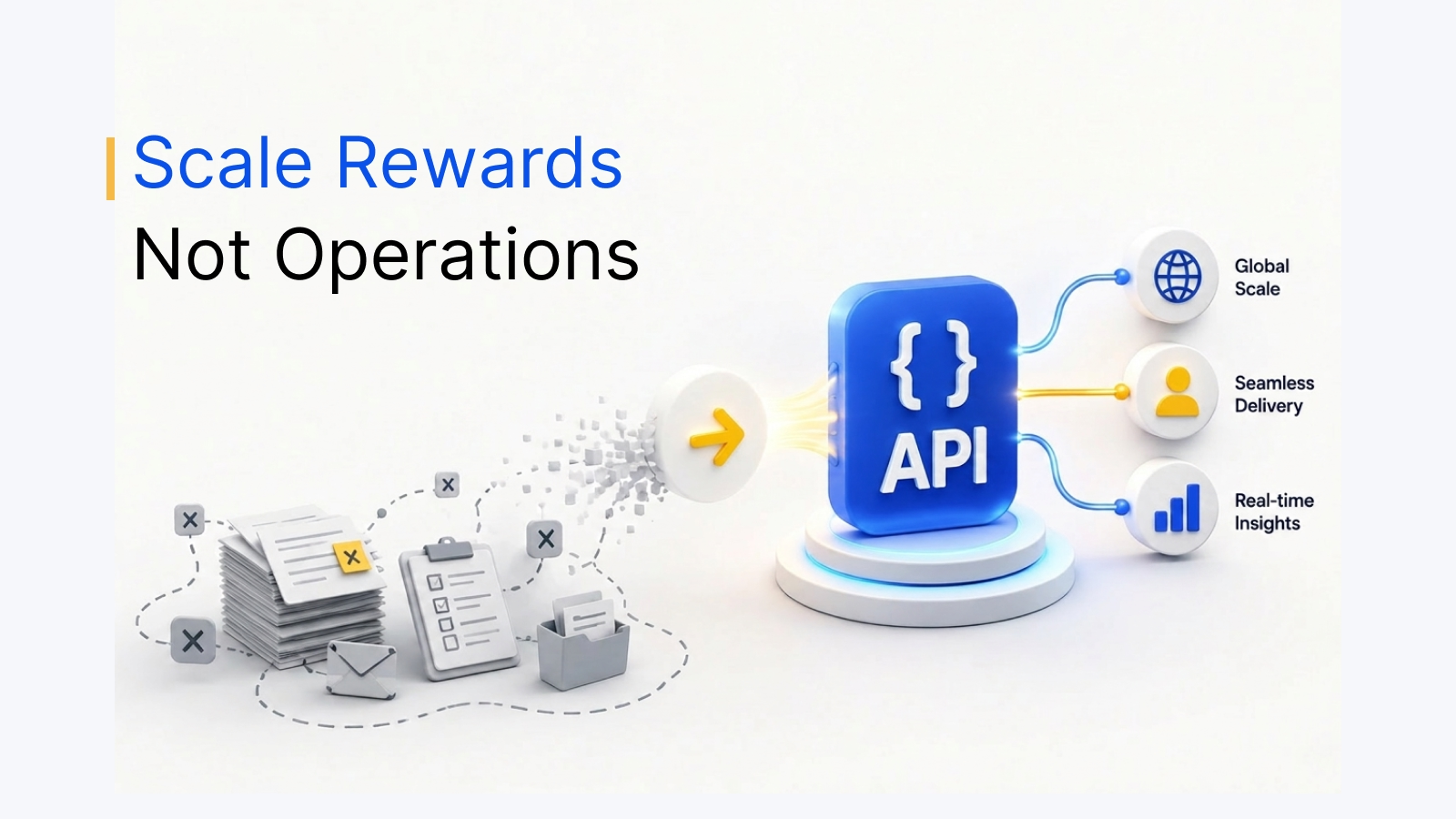
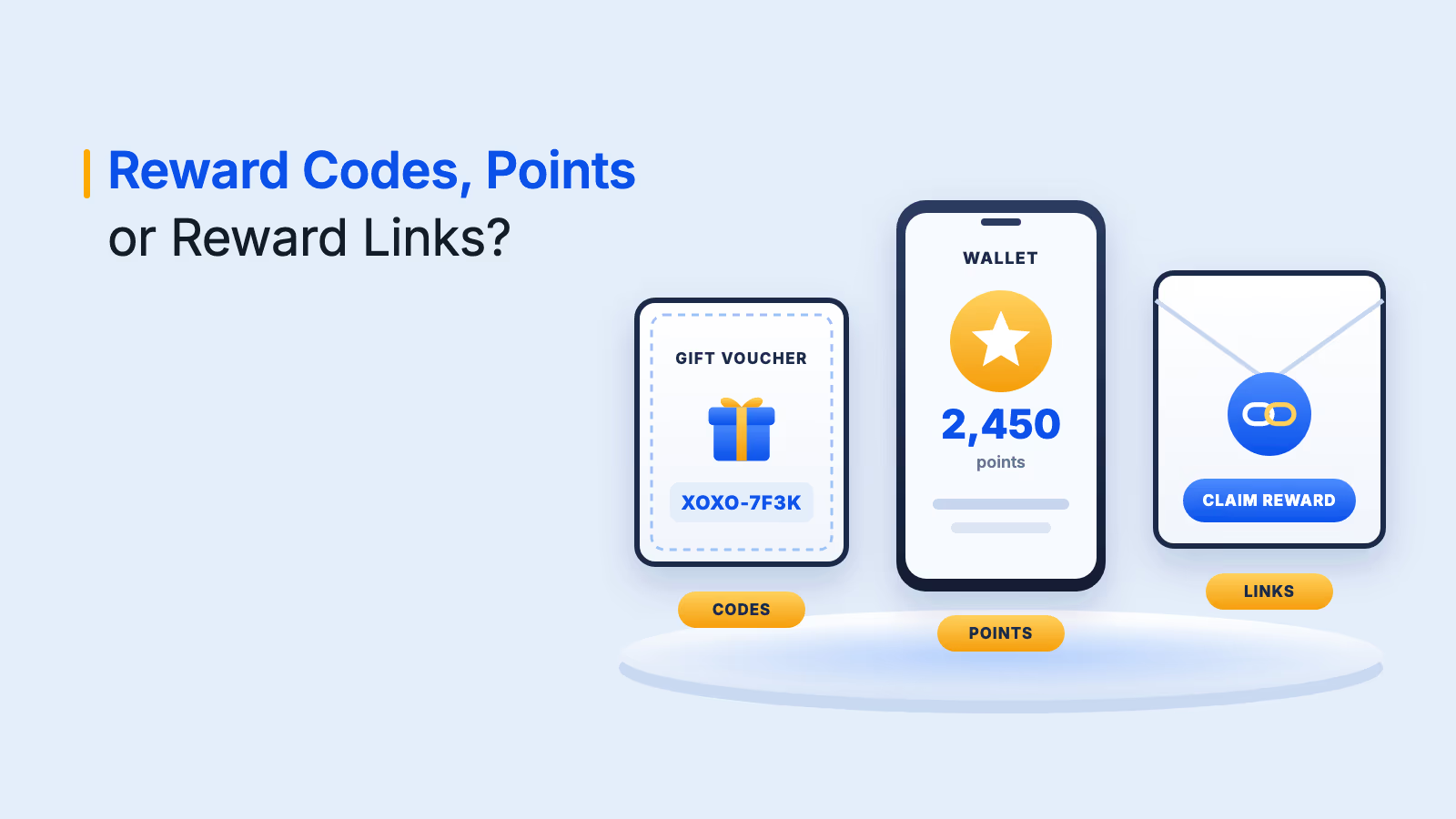
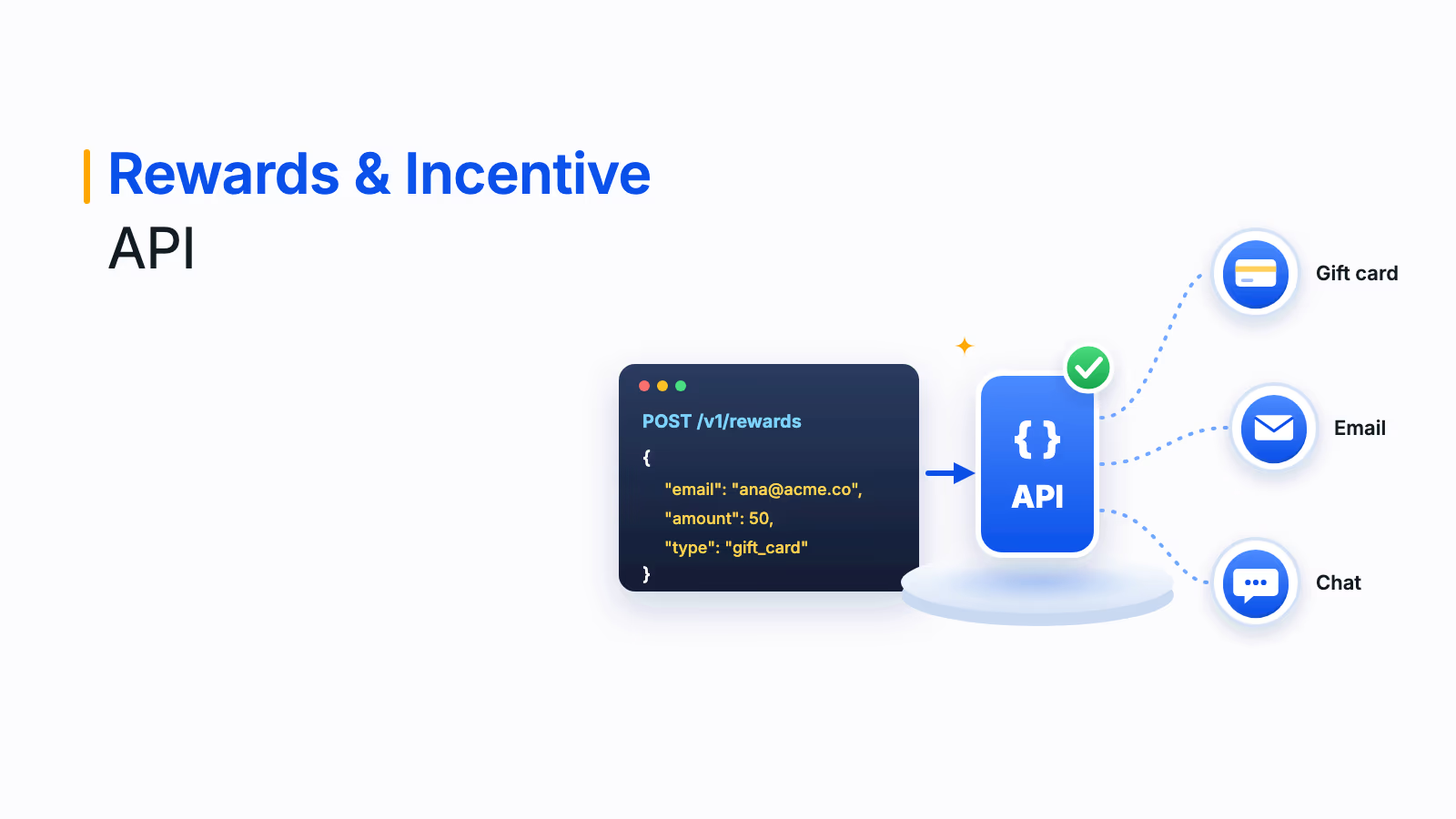
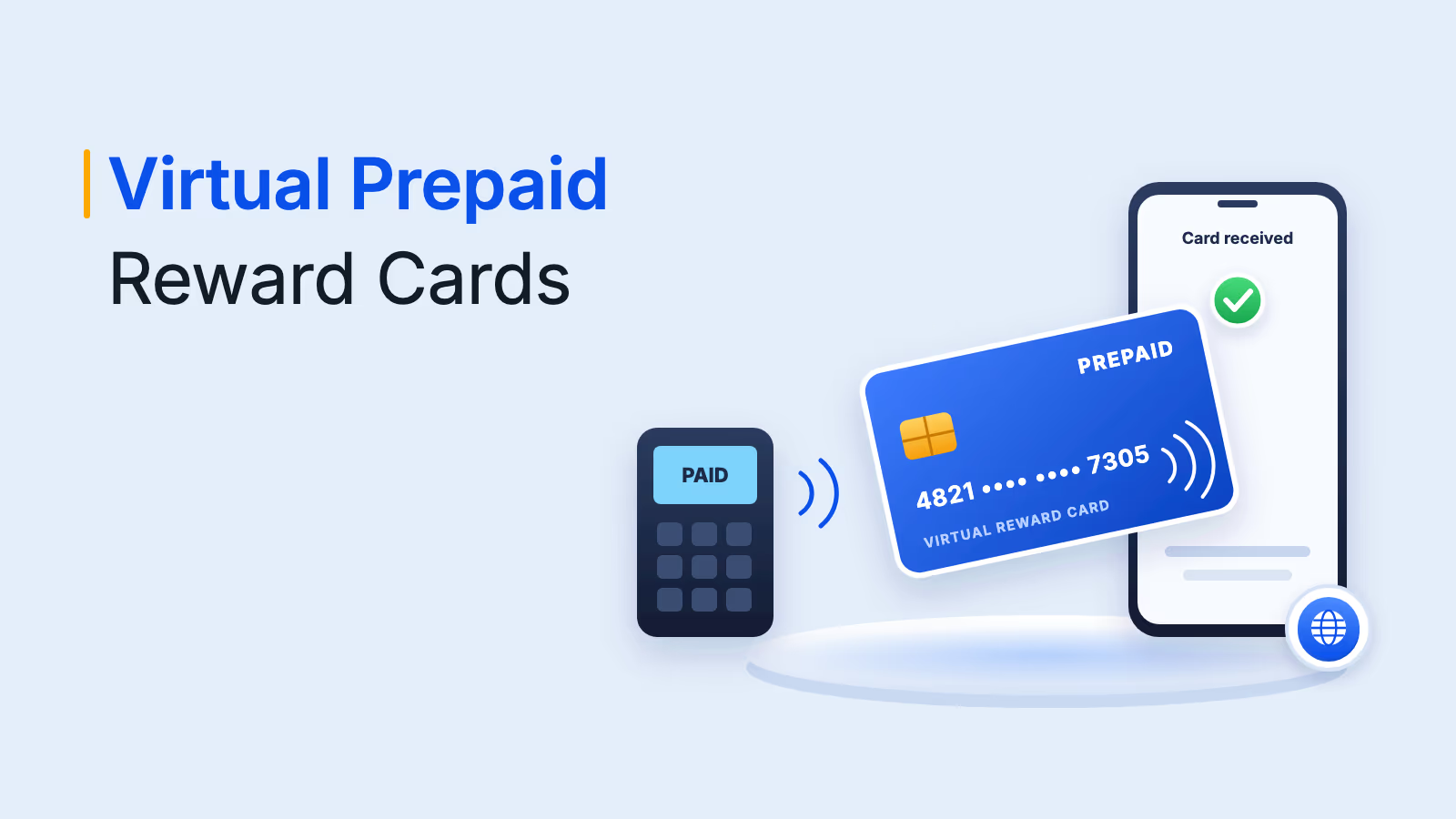
- Flexible delivery: Send rewards as reward links, reward codes, reward points or through the rewards API.
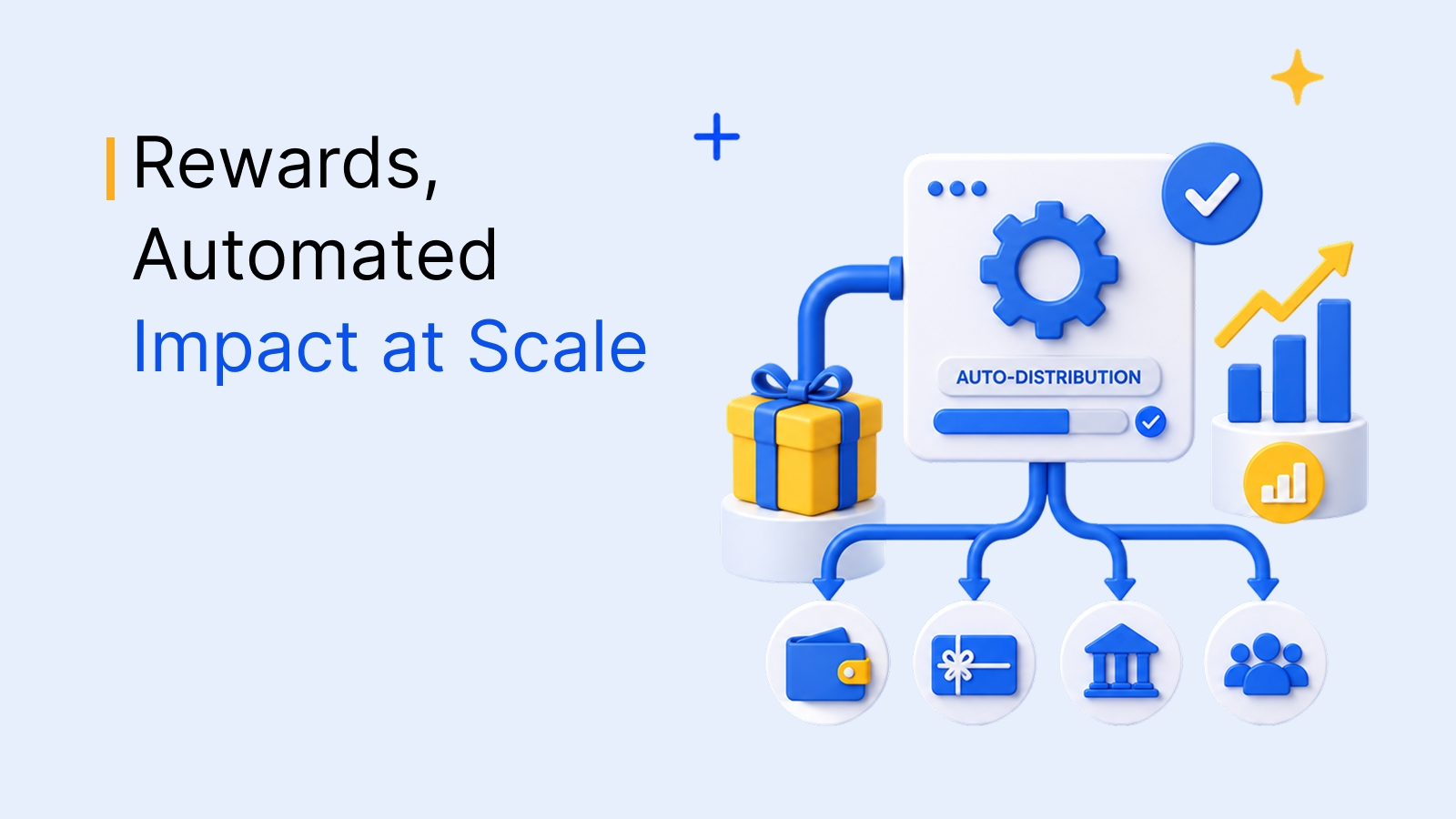
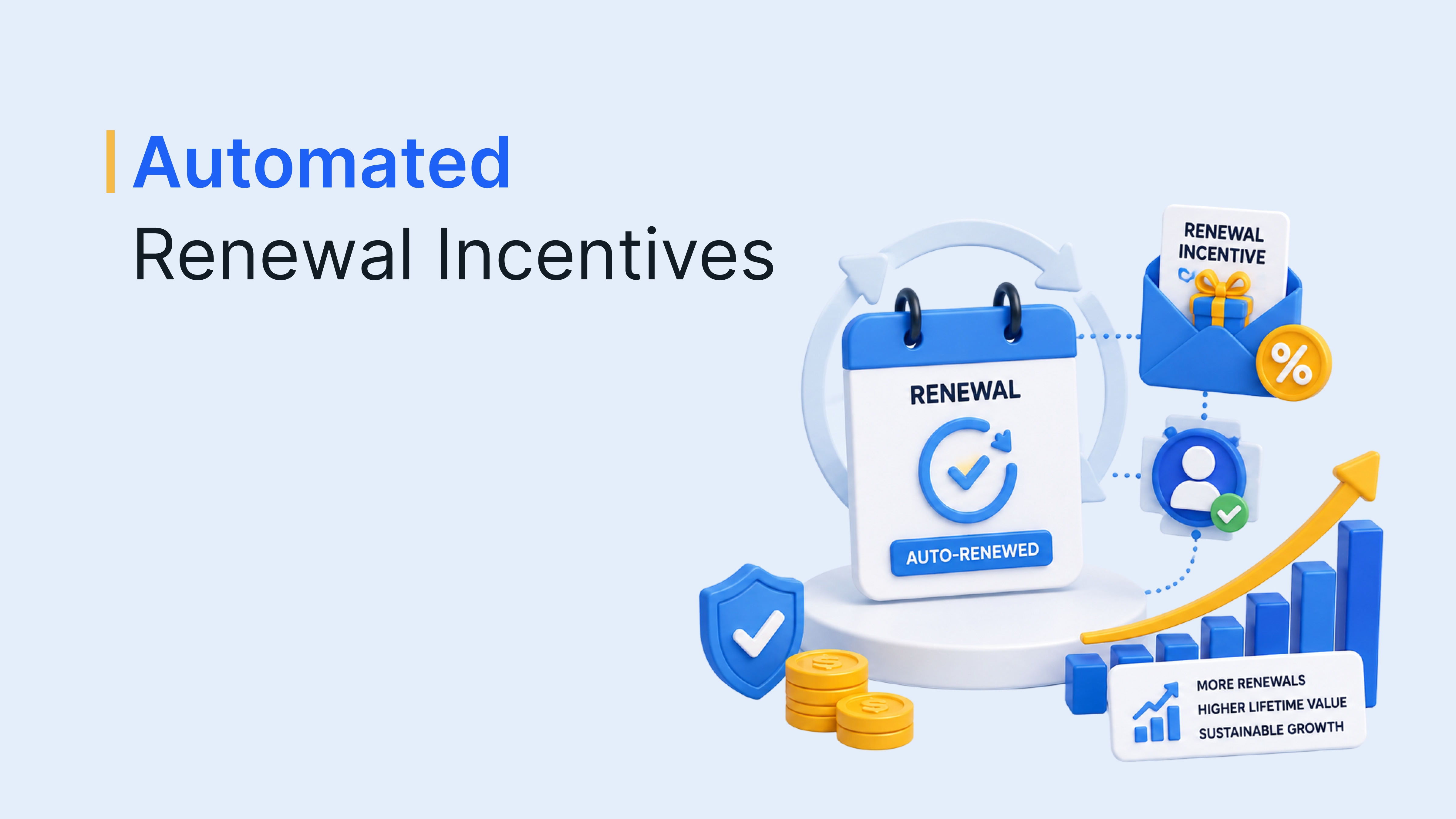
- Automated, timely payouts: Trigger rewards automatically when a referral is verified, so referrers never wait to feel appreciated.
- Integrations: Connect Plum with your CRM and other tools so you can trigger rewards and sync data without manual work.
- Fraud and budget controls: Built-in fraud and security controls help protect your referral budget from abuse.
Running a full loyalty program alongside referrals? Xoxoday’s Loyalife adds tiers, rule engines and member management on top.
Conclusion
The best referral reward ideas match the audience: discounts, gift cards and points for customers, cash, experiences and learning for employees, and commissions, access and co-marketing for channel partners. Pair them with a simple process, timely delivery and fraud controls, and your referral incentive program will keep growing. Ready to reward every referral? Book a demo of Plum.
Book your Plum demo
Frequently asked questions
Good referral reward ideas for customers include discounts on the next purchase, digital gift cards, loyalty points, free products or upgrades, charity donations in their name and VIP access. The best choice depends on your margins and audience. Offering a choice of rewards from a catalog usually performs better than a single fixed reward because people pick what they value.
A two-sided referral reward gives an incentive to both the person who refers and the person who is referred, for example a gift card for the referrer and a discount for the new customer. Because both sides benefit, the referral feels like a favor rather than a sales pitch, which tends to increase sharing and conversion.
There is no universal amount. Start from what a new customer, hire or partner deal is worth to you and what you already spend to acquire one through other channels, then set a reward that is meaningful to the referrer while keeping acquisition cost below that benchmark. Test different reward values and track conversion and redemption rates to refine it.
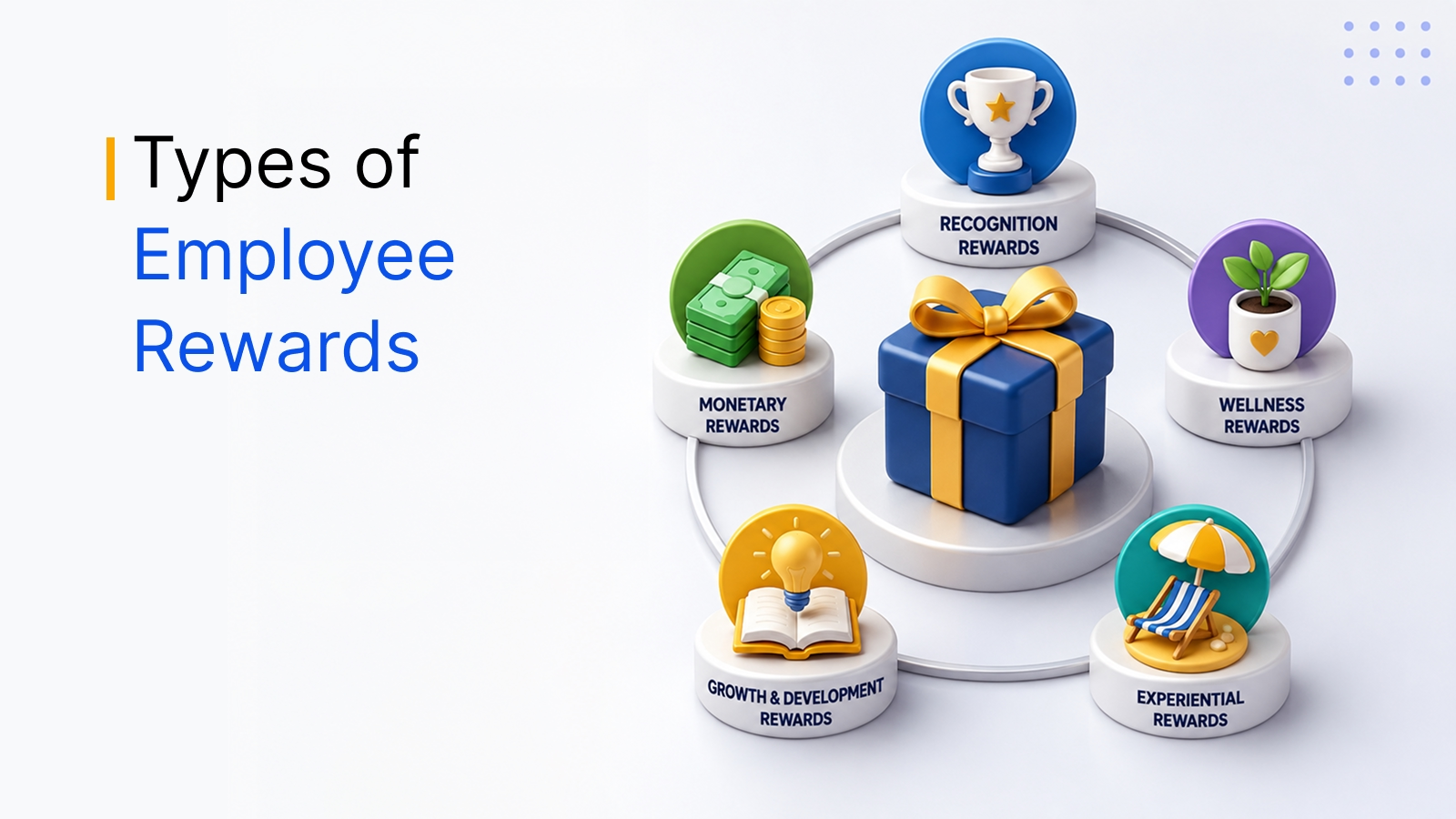
Popular employee referral rewards include cash bonuses, e-gift cards, experiential rewards such as trips or events, extra time off or flexible work options, team activities and course subscriptions for upskilling. Many companies combine a cash bonus paid after the new hire completes a set period with smaller instant rewards that recognize every quality referral.
Channel partner referral rewards often include commissions tied to closed deals, invitations to exclusive events, co-branded marketing support, training and enablement, early or exclusive access to products and preferential pricing. The reward should reinforce the partnership, so pair financial incentives with support that helps partners sell and refer more.
Use unique referral links or codes, verify that the referred person is genuinely new, cap the number of rewards per user, delay payout until a qualifying action such as a purchase is completed and monitor for duplicate accounts or self-referrals. A rewards platform with built-in fraud controls and clear program terms makes abuse much harder.
Deliver referral rewards as soon as the referral meets the qualifying criteria, such as a completed purchase or signup. Fast delivery shows referrers their effort is valued and keeps them sharing. Automating rewards through a platform connected to your CRM or referral tool removes manual approvals that can otherwise delay payouts by days.