Key Takeaways
Home loans last 15 to 25 years, so housing finance rewards must engage borrowers well beyond disbursal.
Borrowers, DSAs, developers, brokers, sales, service and back-office teams each need role-specific recognition.
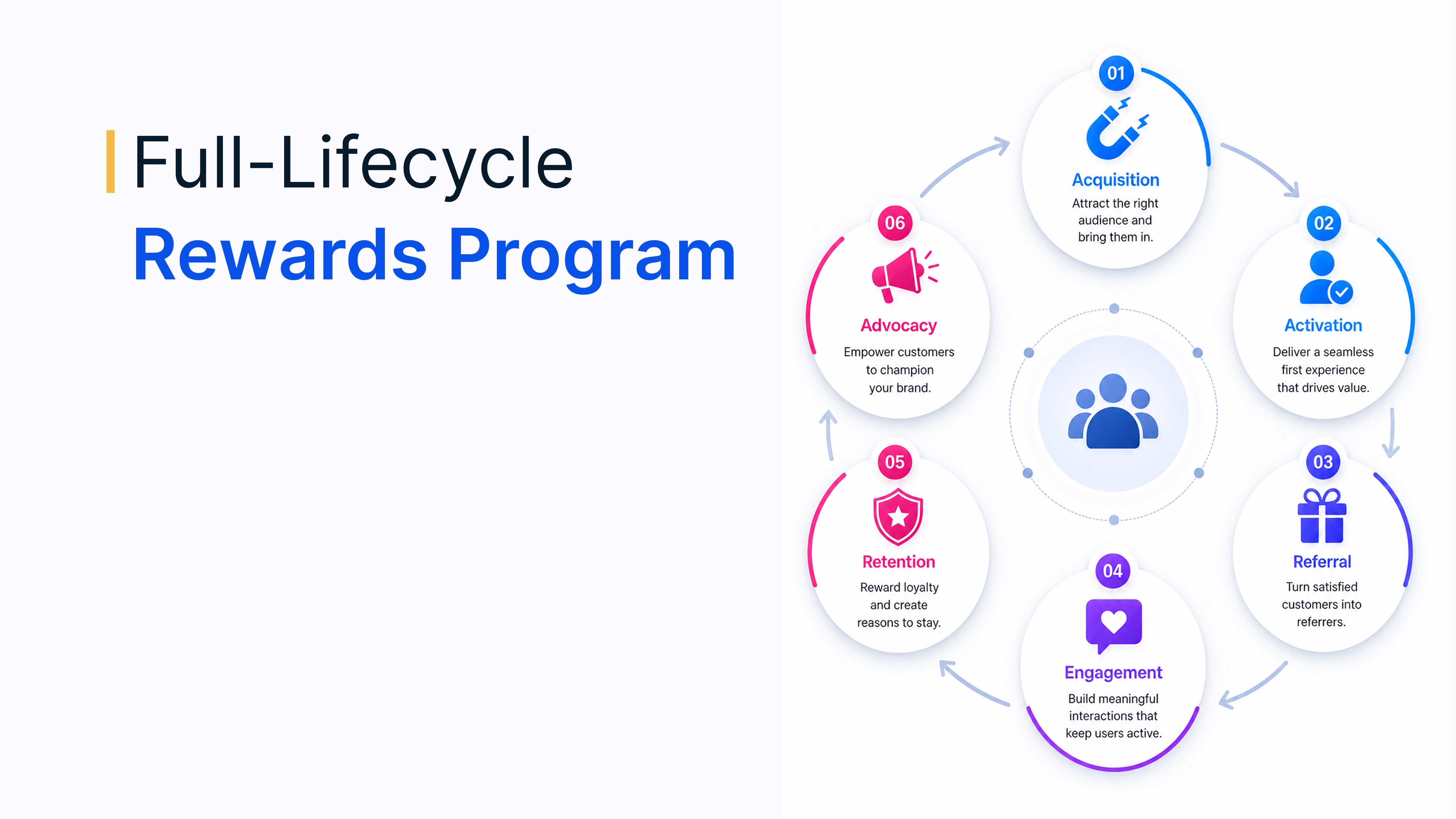
The 5-journey framework links acquisition, activation, engagement, performance and retention into one system.
Transparent DSA and broker incentives with real-time payout visibility reduce disputes and build partner priority.
Integrations, rule-based logic, tiers and audit-ready payouts are the foundation of a unified program.
Housing finance depends on long-term relationships. A home loan can stay active for 15 to 25 years, so every moment from the first inquiry to the final EMI shapes how borrowers see the lender. Housing finance rewards give lenders a way to keep borrowers, DSAs, brokers, developers and internal teams engaged across that long journey, instead of relying on the interest rate alone.
The industry relies heavily on DSAs (direct selling agents), real estate developers, builders, channel partners and multiple internal teams. If even one interaction slows down, the whole loan cycle feels stressful for the customer.
How lenders engage borrowers early makes a measurable difference. In the J.D. Power 2025 U.S. Mortgage Origination Satisfaction Study, as reported by HousingWire, overall satisfaction rose 33 points to 760 on a 1,000-point scale as lenders moved to an advisory-style approach. Satisfaction fell by 64 points when lenders first engaged customers only at the application stage, and customers who rated the guidance highly were 2.3 times more likely to say they would definitely choose the same lender again.
Engagement fills these gaps. When stakeholders receive timely rewards, recognition and performance-linked motivation, speed, accuracy and customer confidence improve. In a market where balance transfers and rate-based switching are common, sustained engagement becomes a real driver of retention, productivity and trust.
Major housing finance institutions across key regions
Housing finance has a strong presence across global markets, and each region has a mix of established lenders and fast-growing players. These institutions set the standards for customer experience, partner engagement and digital lending in the sector.
- India: HDFC Bank (which merged with HDFC Ltd in 2023), LIC Housing Finance, PNB Housing Finance, Tata Capital Housing Finance, Bajaj Housing Finance, ICICI Home Finance
- Middle East: Dubai Islamic Bank, Abu Dhabi Islamic Bank (ADIB), Riyad Bank
- Asia (ex-India): Maybank, OCBC, UOB, Bangkok Bank
- Africa: Absa Home Loans, Standard Bank Home Loans, FNB Home Loans (FirstRand), Equity Bank
- Europe: Barclays, Santander UK, NatWest
- Americas: Wells Fargo Home Lending, Chase Home Lending, Bank of America
Modern housing finance channels and behavior shifts
Housing finance moves through a mix of traditional interactions and digital journeys. Borrowers expect the process to feel simple, predictable and responsive, while partners and internal teams look for clarity and better coordination. How these channels work in each region shapes the lending experience.
| Region | How home lending works | Engagement priority |
|---|---|---|
| India | Branch-led lending, high DSA dependency, strong developer alliances, document-heavy workflows, growing digital and video KYC | Faster DSA payouts, document completion nudges, developer visibility |
| North America | Digital-first onboarding, credit score-led decisions, broker-led sourcing, automated verification, minimal branch use | Broker loyalty, proactive borrower updates, post-closing engagement |
| South America | Branch-assisted applications, growing broker ecosystem, variable property documentation, expanding digital channels | Frequent status updates, broker recognition, digital adoption |
| Europe and U.K. | Hybrid digital and branch models, broker and comparison-site sourcing, heavy affordability and legal checks | Broker engagement, step-by-step communication, retention at product expiry |
| Middle East | Relationship manager-led sourcing, strong developer partnerships, salary-transfer eligibility, Sharia-compliant home finance | Developer and RM incentives, real-time tracking, premium borrower rewards |
| Southeast Asia | Mobile-led applications, agent-assisted verification, developer-driven volumes, WhatsApp and SMS updates | Agent incentives, builder tie-up rewards, mobile engagement |
| Africa | Branch-driven applications, broker networks, longer property verification, emerging paperless workflows | Borrower education, broker motivation, digital onboarding rewards |
Behavioral shifts reshaping housing finance
Borrower expectations and partner dynamics have changed steadily over the past few years:
- Customers expect instant updates, clear documentation requirements and real-time visibility of loan progress.
- Borrowers respond better to personalized communication and milestone-led engagement throughout the loan lifecycle.
- Builders and developers want predictable partnership models and faster turnaround for their customers.
- DSAs demand transparent payout workflows, structured incentives and visibility into their performance.
- Internal teams rely on automation to meet strict turnaround time (TAT) commitments and reduce errors in underwriting and operations.
- Multichannel communication across WhatsApp, SMS, email and mobile apps is now the default expectation for customers and partners alike.
These shifts show why housing finance engagement has to reach every stakeholder consistently. A coordinated approach leads to faster processing, better service and stronger long-term loyalty.
The engagement challenge across the housing finance value chain
Housing finance runs through many hands. Borrowers, agents, developers, partners and internal teams all influence the outcome, and each group has its own pressures. When these gaps stay unresolved, loan cycles slow down, customers lose trust and partners lose motivation.
Customers and borrowers
- Documentation drop-offs when the process feels complex or unclear.
- Slow status updates during sanction or disbursal that create uncertainty.
- Post-disbursal disengagement, with little contact once the loan is approved.
- Balance transfer risk when customers don't feel valued or informed.
- Low emotional connection to the lender despite long loan tenures.
Sales agents and DSAs
- Delayed commissions caused by manual payout processes.
- Low visibility into lead movement and document progress.
- Frequent disputes from a lack of transparency in approvals and crediting.
- Motivation dips during long sales cycles, and unclear incentive rules when schemes change without notice.
Real estate developers and builders
- Limited visibility into customer loan progress once leads are shared.
- Non-standard incentives that differ from lender to lender.
- Weak partnership engagement after the initial tie-up, and no volume-linked recognition for top developers.
Channel partners and brokers
- Fragmented programs across the multiple lenders they work with.
- Low recognition for steady volume contributors.
- No tier structure to progress toward higher benefits.
- Unclear performance and payout communication, which erodes trust.
Internal sales teams
- Target pressure from high monthly disbursal goals.
- Limited gamification and inconsistent recognition, often reserved for top performers.
- Poor visibility into real-time progress.
Customer relationship and support teams
- High TAT expectations with heavy volumes.
- Low appreciation for customer satisfaction work and difficult interactions.
- Few incentives tied to service metrics.
Back-office teams: credit, underwriting, operations and IT
- High accuracy expectations with little visibility to customers or management.
- Heavy workloads during month-end and festive season spikes.
- No structured recognition for TAT or accuracy improvements.
Reward every contributor in the home loan journey
Run rewards for borrowers, DSAs, brokers and employees from one platform.
Talk to our ExpertTrusted by 5,000+ companies
The engagement blueprint for housing finance: the 5-journey framework
Housing finance moves through long cycles and many touchpoints. The 5-journey framework brings customers, partners and internal teams into one consistent engagement system that supports conversions, service quality and long-term loyalty.
Journey 1: Acquisition
- Referral acceleration: Borrowers share leads confidently, and DSAs and partners earn incentives for high-quality sourcing.
- Faster early-stage movement: Small benefits for document uploads help borrowers progress quickly.
- Builder and partner welcome journeys that set clear expectations and reward rules.
- Lead nurturing triggers that nudge RMs, DSAs and sales teams to follow up consistently.
Journey 2: Activation
- Document completion motivators for borrowers, with recognition for DSAs and teams that close gaps.
- Onboarding journeys for every role, from digital onboarding for borrowers to guided workflows for internal teams.
- Sanction-ready progress markers that acknowledge contributors who move files toward approval faster.
- First EMI setup incentives for borrowers who activate auto-debit.
Journey 3: Engagement
- Tier-based progress for DSAs, developers and brokers tied to volume and performance.
- Post-disbursal communication loops with timely updates and relevant offers for borrowers.
- Daily and weekly streaks with micro-rewards for sales teams.
- Joint engagement with developers through co-marketing support and loan progress visibility.
Journey 4: Performance
- Real-time incentive visibility for DSAs, partners and sales teams, which reduces disputes.
- Volume and milestone rewards for builders and brokers.
- TAT-linked appreciation for support and back-office teams.
- Customer rewards for timely EMI payments or participation in feedback programs.
Journey 5: Retention
- Long-term loyalty for borrowers, tier upgrades for partners and recognition for employees.
- Top-up and renewal triggers that reward borrowers and the teams that drive reactivation.
- Year-round performance insights that keep DSAs, developers and brokers invested.
- Feedback-to-improvement cycles that reward service teams for acting on borrower feedback.
| Journey | Focus | Key engagement actions |
|---|---|---|
| 1. Acquisition | Early motivation for customers, DSAs, builders, partners and sales teams | Referral rewards, document upload incentives, partner welcome journeys, follow-up nudges |
| 2. Activation | Moving applications from interest to sanction | Documentation rewards, guided onboarding, recognition for closing gaps, first EMI setup incentives |
| 3. Engagement | Keeping contributors active after sanction and disbursal | Partner tiers, post-disbursal offers, sales streaks, developer co-marketing |
| 4. Performance | Consistency, quality, speed and accountability | Live earnings visibility, milestone rewards, TAT and CSAT recognition, on-time EMI rewards |
| 5. Retention | Long-term loyalty across the ecosystem | Year-round borrower rewards, partner tier upgrades, top-up and renewal recognition |
How housing finance providers can motivate every stakeholder
Housing finance relies on many contributors working in sync through a long, sensitive loan cycle. When each persona receives recognition suited to their role, the whole ecosystem becomes more efficient and more loyal.
Customers and borrowers: building home loan customer loyalty
Home loan customer loyalty grows when rewards feel relevant to owning, furnishing or improving a home, not just to the loan itself.
- Milestone rewards with real value: Recognize sanction approval with home-shopping vouchers and celebrate the first EMI with a home essentials voucher.
- Home-focused reward catalog: Offer furniture, décor, appliances, home security, cleaning and painting services.
- Seasonal upgrade campaigns timed to renovation seasons, holidays and the new year.
- Loan journey appreciation for completing e-verification, legal review or property valuation.
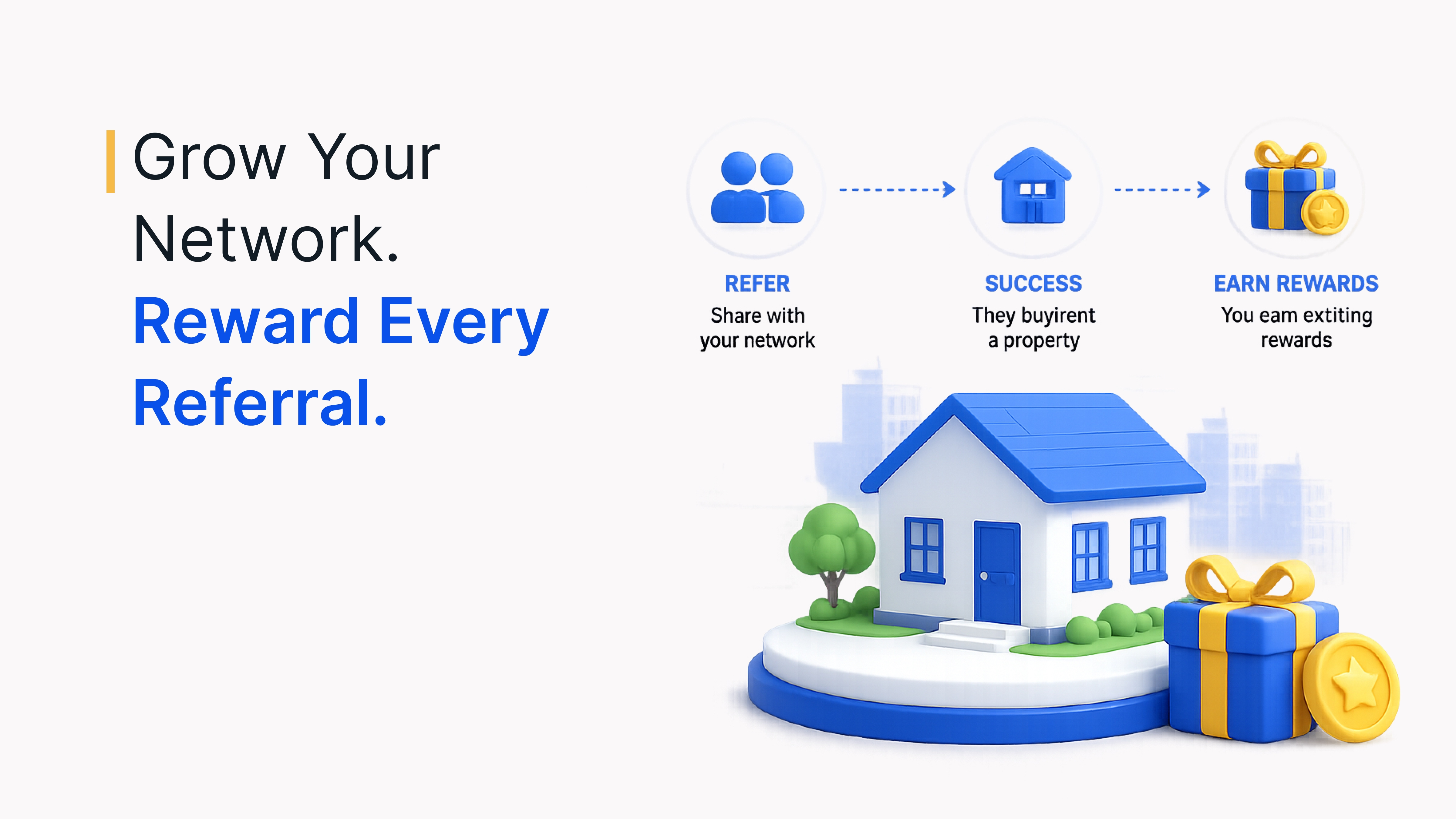
- Simple referral rewards for borrowers who refer friends for home loans, top-ups or balance transfers. See our referral rewards solution.
Sales agents and DSAs: designing a DSA incentive program
A DSA incentive program should reward the work that moves files forward, not just the number of leads submitted.
- File movement milestones: Reward agents when customers complete KYC, upload income proofs or clear property checks.
- Quality-driven incentives for documentation-ready, creditworthy leads that reduce the burden on credit teams.
- Streak-based rewards for consistent sourcing across high and low seasons.
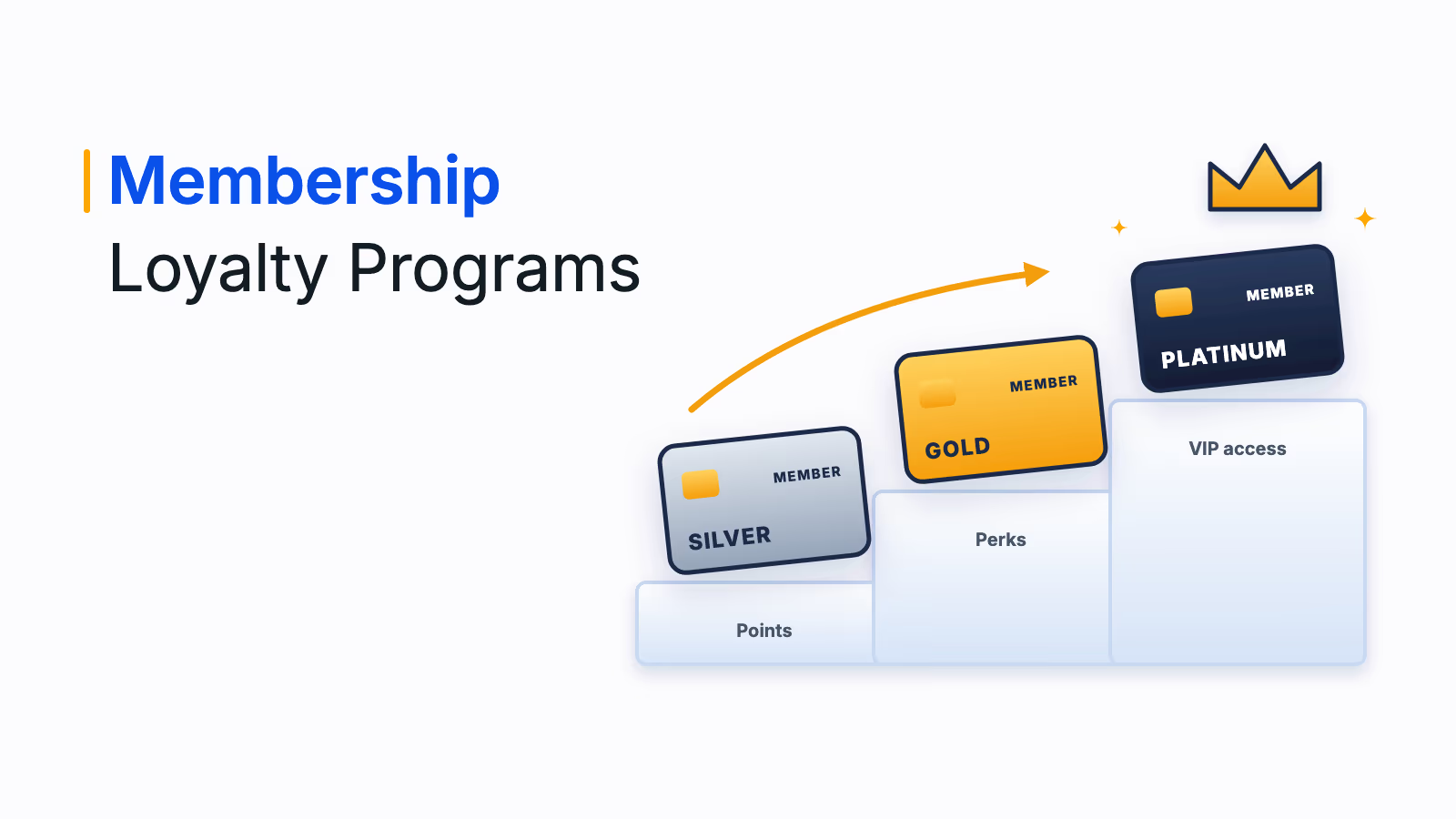
- Tier progression such as Silver, Gold, Platinum and Elite, unlocking faster payouts or early access to campaigns.
- Public recognition through WhatsApp groups, bulletins and team channels.
Real estate developers and builders
- Tiered builder partnerships that reward strong sourcing with priority processing or dedicated relationship managers.
- Project-based reward pools based on sanctioned cases.
- Joint on-site programs during launches and walk-in events.
- Loan status visibility across login, sanction, legal review and disbursal.
- Co-created customer benefits such as move-in kits or décor credits funded jointly by builder and lender.
For referral ideas aimed at property buyers, see our real estate referral rewards guide.
Channel partners and brokers: mortgage broker incentives that build loyalty
Brokers often work with several lenders, so mortgage broker incentives need to be predictable and transparent to earn priority.
- Structured loyalty tiers tied to consistency, documentation quality and customer satisfaction.
- Quarterly volume-linked bonuses for submissions or conversions.
- Digital offer sharing through WhatsApp or email templates.
- Performance dashboards showing numbers, pending payouts and upcoming milestones.
- Partner appreciation events for top contributors.
Plum's channel sales incentives solution supports this kind of partner program, with claim validation and tracking.
Internal sales teams
- Daily and weekly micro-contests for call activity, document follow-ups or sanction-ready files.
- Leaderboards across branches, zones or clusters.
- Instant spot rewards for clearing backlogs or converting difficult cases.
- Role-based reward logic linked to logins, sanctions or disbursal percentages.
Customer relationship and support teams
- CSAT-linked rewards for positive feedback and consistently high scores.
- First-contact resolution rewards for closing cases without handovers.
- Customer story shout-outs that celebrate the staff behind compliments.
Back-office teams: credit, underwriting, operations and IT
- Accuracy recognition for error-free verification and clean audits.
- TAT improvement appreciation for reducing verification, legal or disbursal delays.
- Workload milestone rewards during peak filing seasons, system upgrades or regulatory changes.
How to design a unified housing finance rewards and engagement system
A strong housing finance rewards system connects customers, agents, partners and internal teams through one framework, instead of scattered incentives. It needs these building blocks.
Unified data integration
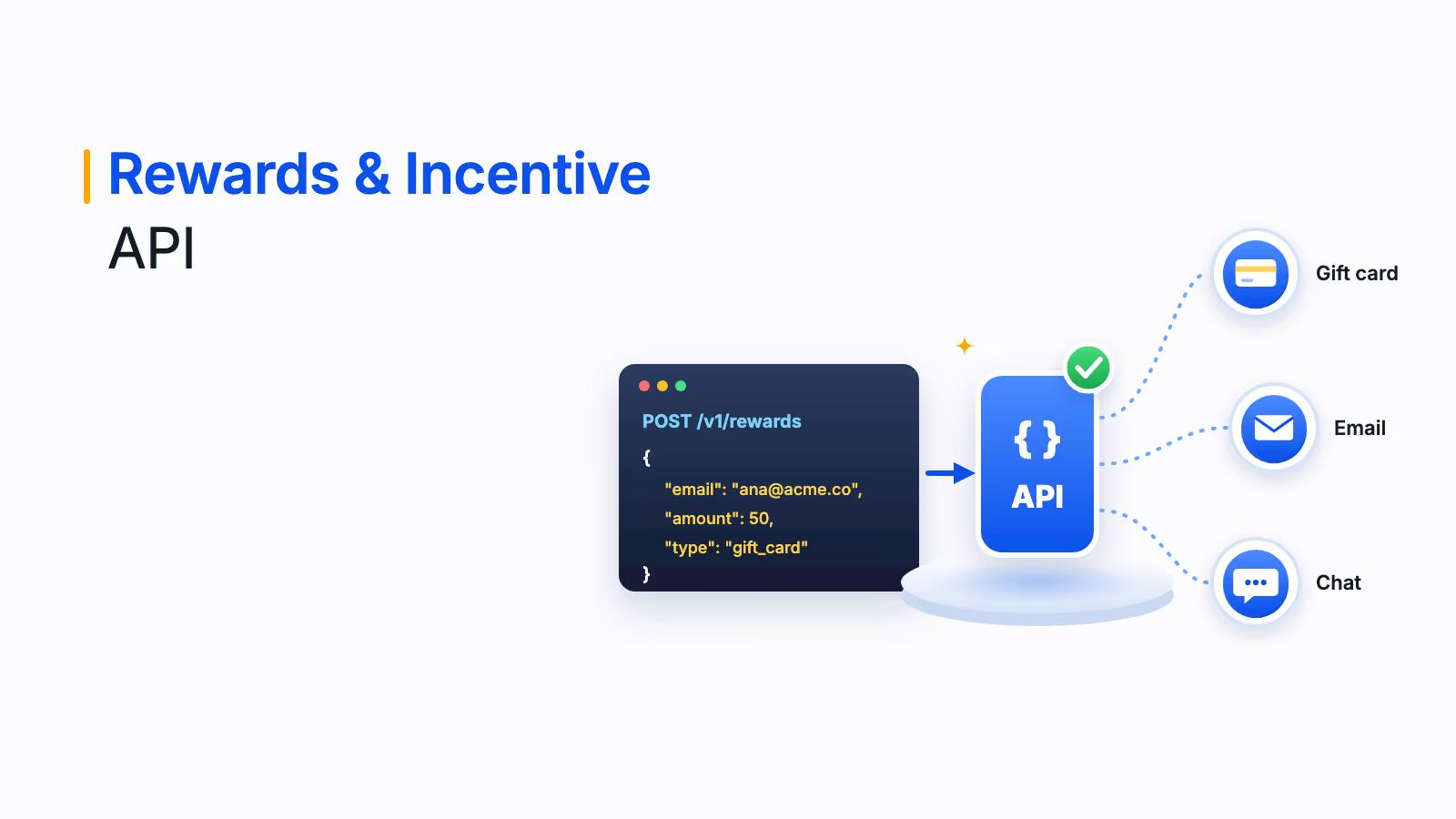
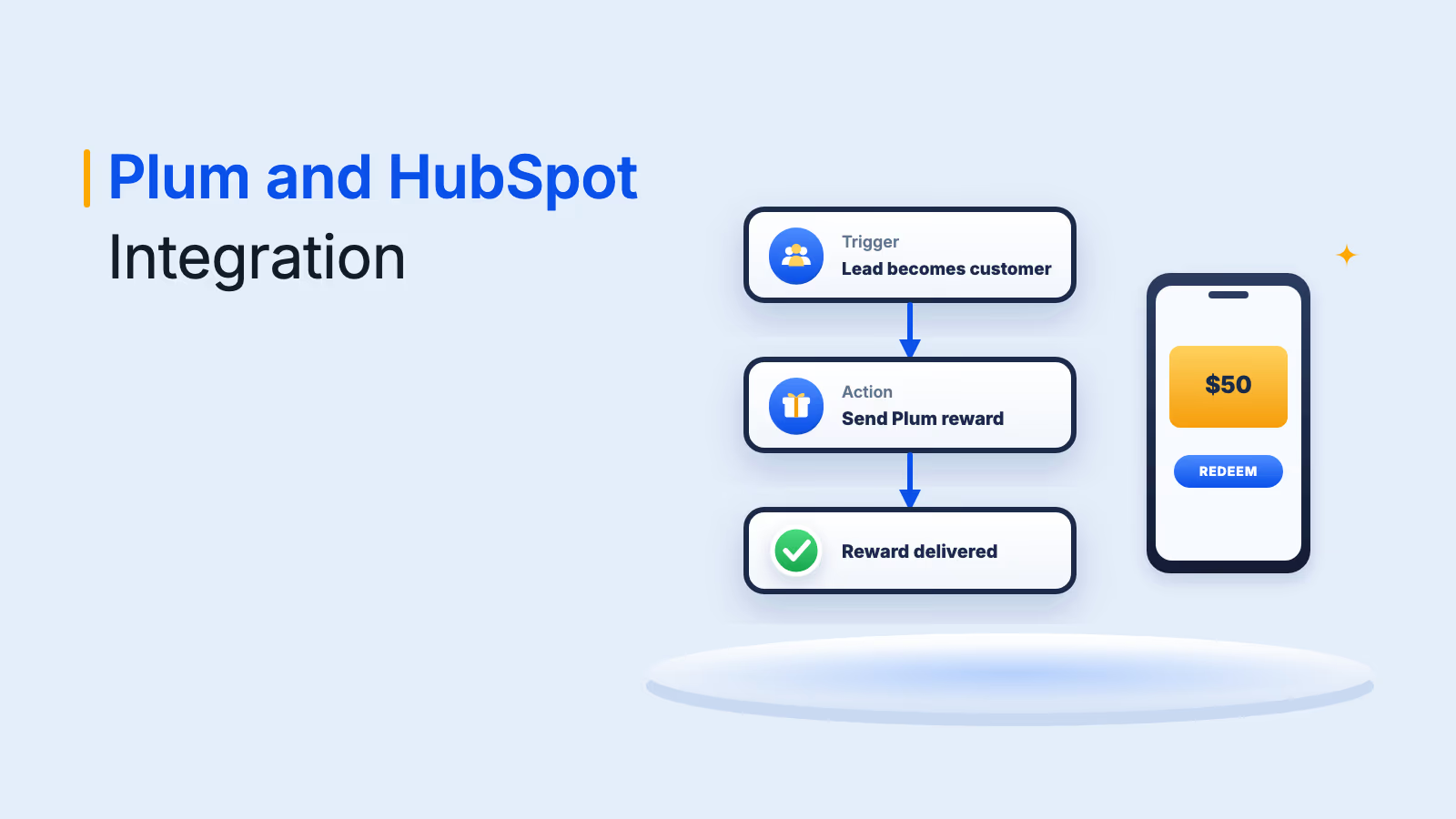
Connect loan origination systems, DSA portals, partner platforms, CRM tools and internal workflows so every reward is tied to a real action, such as document completion, sanction stages or EMI setup. Plum connects through 250+ native connectors and REST APIs with a sandbox.
Rule-based reward logic
Set clear rules for how points or incentives are earned: DSAs earn for clean file submissions, builders for project-led conversions and customers for milestones or timely payments. A reward points system makes these rules easy to run at scale.
Tiering for every contributor group
Separate tiers for customers, DSAs, builders and partners reward consistency and encourage healthy competition.
Automated communication journeys
Send welcome journeys, document reminders, sanction updates, reward unlock notifications, partner progress reports and payment confirmations at the right moment, through email, SMS, WhatsApp or app.
Reward distribution at scale
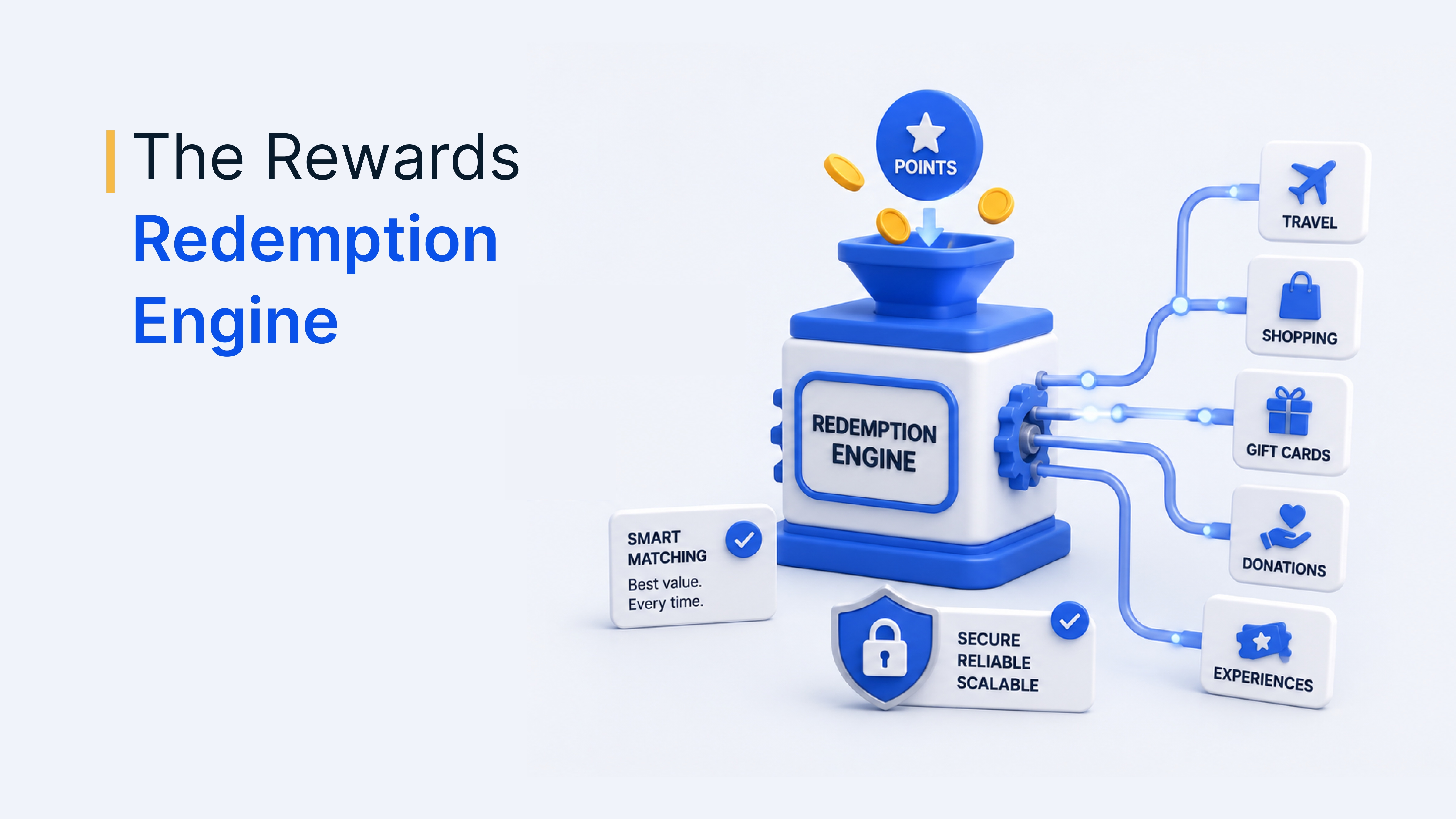
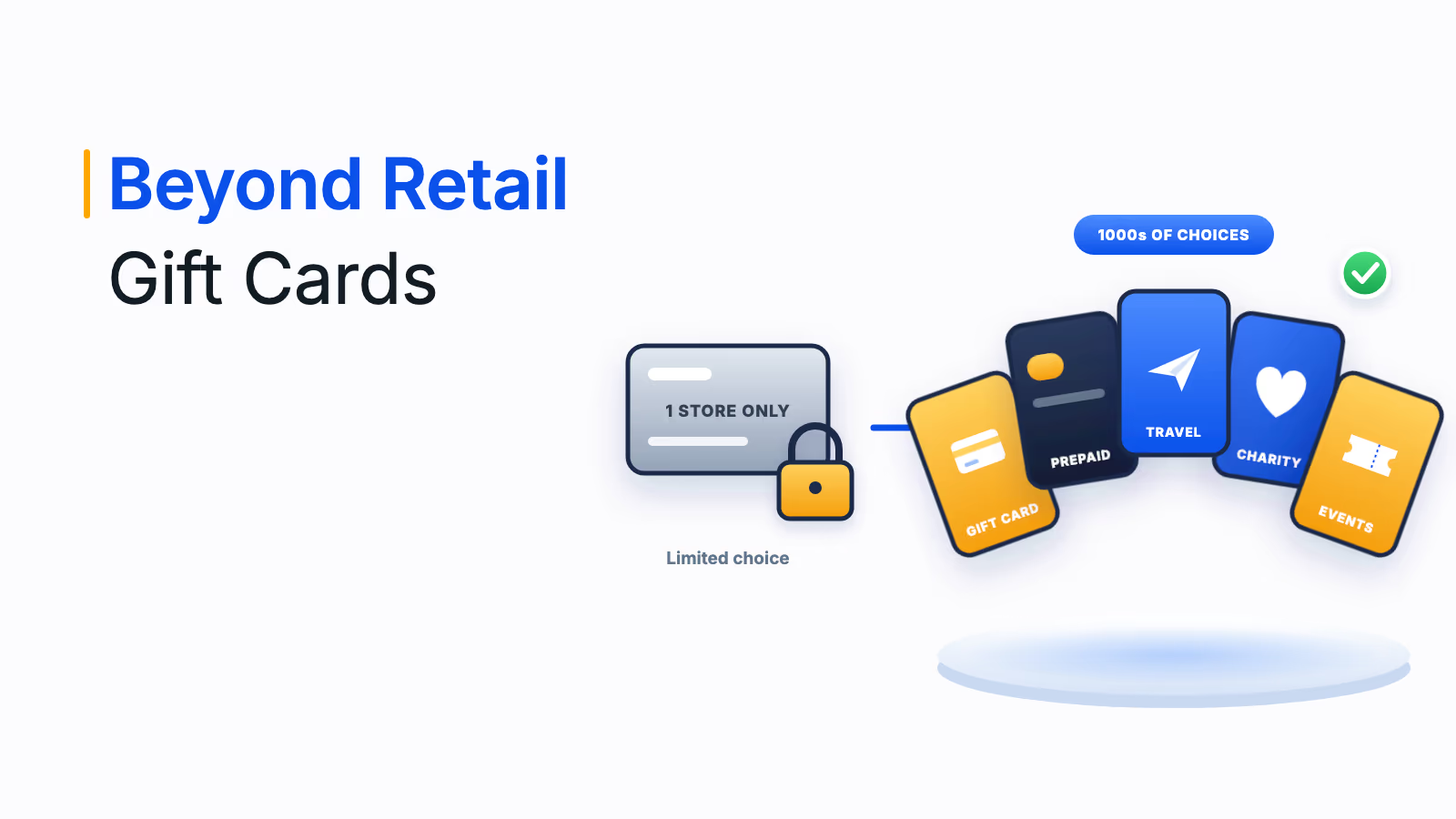
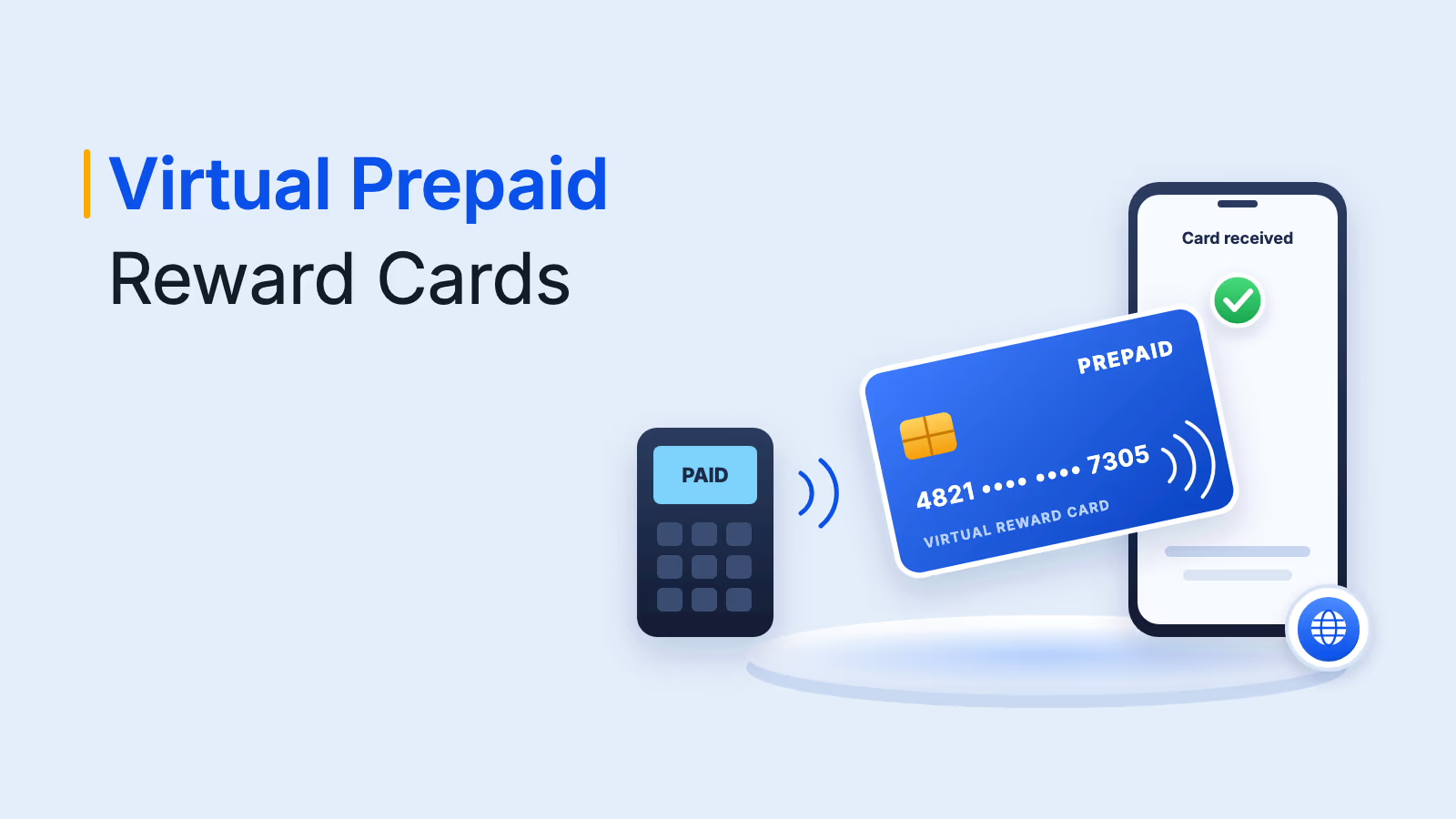
Offer rewards that appeal to new homeowners, agents, partners and employees alike. Plum gives access to 10M+ reward options across 30+ categories in 150+ countries, delivered instantly by email, SMS or link.
Performance and compliance visibility
Dashboards should show progress, pending tasks, quality gaps and upcoming reward eligibility, so teams and partners know how to improve without guesswork.
Secure payouts and reconciliation
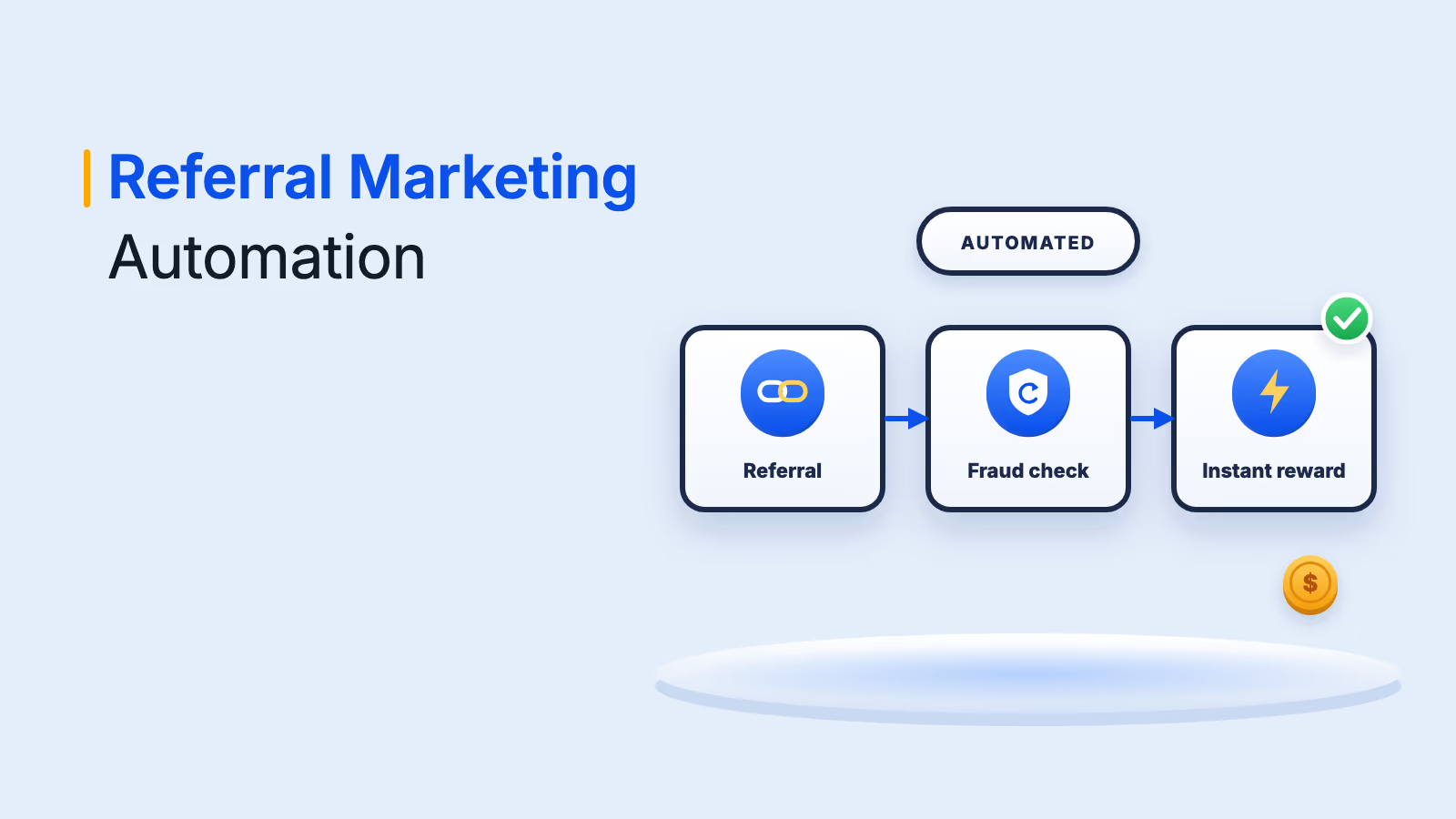
Housing finance needs an audit trail for every incentive and payout. Transparent records keep the books clean and avoid disputes, and rewards tax reporting keeps finance audit-ready.
Continuous optimization
Measure engagement, conversion lift, TAT improvement, partner participation and loan journey progress, then tune rewards based on what works.
Conclusion: the future of housing finance rewards and engagement
Housing finance is moving toward deeper connections across customers, agents, partners and internal teams. Borrowers want clarity and support, and contributors want fairness and recognition. Engagement directly influences sourcing quality, processing speed and customer trust.
Lenders that build structured, multi-stakeholder housing finance rewards programs will see stronger loyalty and better performance across the loan journey. For related blueprints, read our guides to banking engagement and loyalty and financial services loyalty programs.
Ready to build a unified housing finance engagement framework? Book a demo with Xoxoday Plum.
Book your Empuls demo
Frequently asked questions
Housing finance rewards are incentives, points and recognition that home loan lenders give to borrowers, DSAs, brokers, developers and internal teams for actions that move the loan journey forward. Examples include vouchers for completing documentation, rewards for on-time EMIs, tiered incentives for DSAs and brokers, and spot awards for teams that cut turnaround time.
Lenders build home loan customer loyalty by staying in touch after disbursal, rewarding milestones such as sanction and the first EMI, offering home-related rewards like furniture or appliance vouchers, and running referral and top-up campaigns. Proactive updates and advisory-style guidance during the application also make borrowers far more likely to stay with the same lender.
A DSA incentive program should reward lead quality and file progress, not just lead volume. Include milestone rewards for KYC and document completion, quality bonuses for creditworthy leads, streak rewards for consistent sourcing, tiers that unlock faster payouts, and a dashboard where agents can see their pipeline, earnings and payout status in real time.
Brokers usually work with several lenders and compare offers for the borrower, while DSAs often source for one lender. Mortgage broker incentives therefore focus on earning priority through predictable, transparent rewards: loyalty tiers, quarterly volume bonuses, fast payouts, offer-sharing tools and appreciation events. DSA programs lean more on daily activity and file movement milestones.
After disbursal, many borrowers hear from their lender only about payments, which makes balance transfers to a cheaper rate an easy decision. Ongoing housing finance engagement, such as home-related rewards, on-time EMI recognition, timely top-up offers and responsive service, gives borrowers reasons to stay and to refer friends and family.
Xoxoday Plum provides one rewards infrastructure for borrowers, DSAs, brokers, developers and employees. Lenders can trigger rewards from their loan systems, CRM or partner portals through 250+ native connectors and REST APIs, offer 10M+ reward options across 150+ countries with local-currency redemption, and keep audit-ready records for every payout.